
Mike Evans’s recent article on the ongoing success of Leica’s Q3 line left me nostalgic for the Qs of purchases past. I have owned almost every variant of the Q at one time or another, including the gorgeous matte-black Q-P. Still, I always found the 28mm lens a touch too wide for general shooting. I never quite got used to framing with the M-like frame lines set to 35mm, my preferred focal length. So, after a long queue of 28mm Qs, I welcomed the news of the Q3 43.
Home Blog
How your phone does the job of geotagging for your camera
“Where was this taken, darling?” That question used to end in a search through shoeboxes and half-remembered itineraries. Crosby, Stills, Nash and Young sang “If I had ever been here before, I would probably know just what to do. Don’t you?” GPS location data really comes in handy when trying to remember somewhere off the beaten path — but preferably not out of cellphone range! It has quietly become part of how a photograph tells its own story. Can your camera and GPS help you tell a story about a previously undiscovered location? Do you want to share where it is?
Leica: A rare European manufacturing success
Leica has caught the eye of the Wall Street Journal. In a feature published on 27 September, Bertrand Benoit, the paper’s Germany bureau chief, holds the company up as a rare European manufacturing success at a time when much of the continent’s industry is in retreat. For Macfilos readers, though, the more interesting thread is how Wetzlar got here…
The M Files (31): Thypoch Simera 50/1.4 review
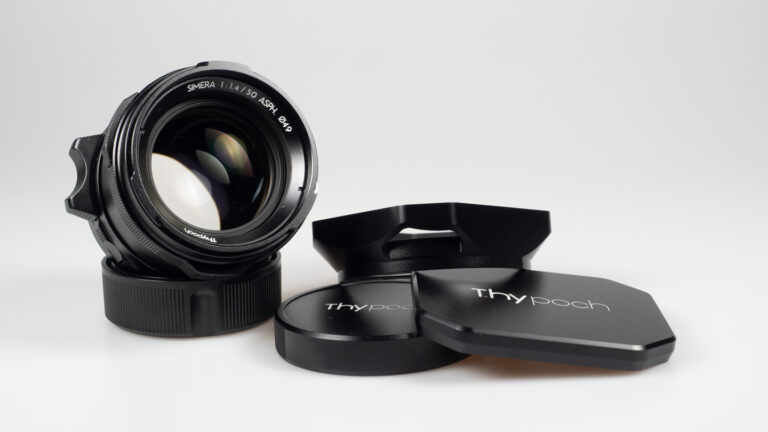
Thy . . . what? And Simera, wasn’t that this Japanese compact car back then? No, it wasn’t. But, right, the name Thypoch might not immediately ring a bell for you. It’s one of the newer lens brands from China, but it has created a pretty impressive line-up of M-Mount lenses. So, it’s about time to include them in the M Files. The Thypoch Simera 50/1.4 makes a start, and an article about the 28/1.4 will follow.
Steve McCurry Adagio review: A study in visual virtuosity
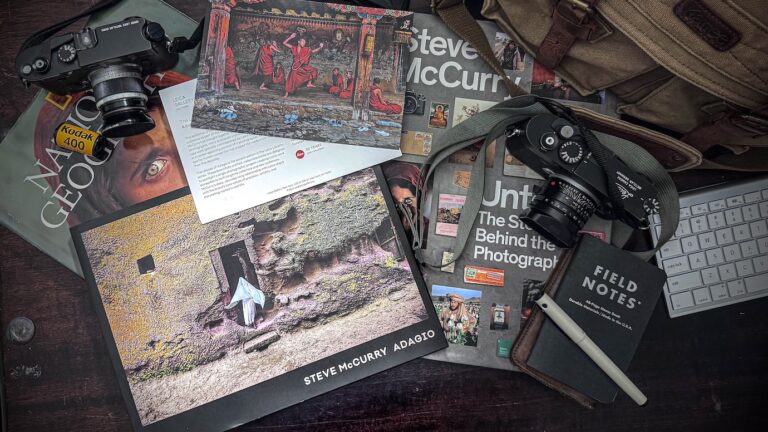
The Leica Gallery in New York was packed, despite a major storm bearing down on the city. I was among the crowd who had braved the forecast, there not only to see Steve McCurry’s work on the walls but to hear him talk about how he makes it. The occasion was Adagio, a new book from Leica that pairs some of his best-known images with work newly commissioned by Leica Camera USA, launched alongside an exhibition of the same name. What he said about colour, of all things, was not what I expected…
Barnack’s Desk: Reconstructing a mind at work
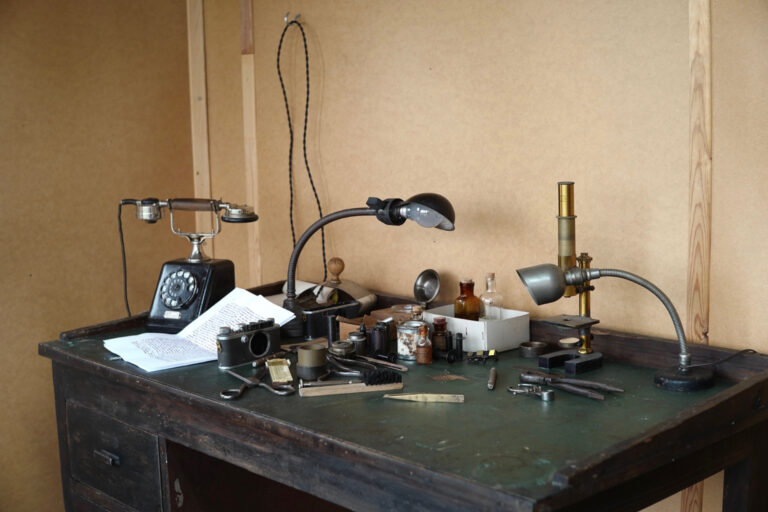
Alan Clark spent some 40 years with Leica UK, first as a camera technician and later as workshop manager. He also never threw anything away. When the time came to clear his home workshop in Luton, Alan offered David Stephens of Leica Store Manchester the chance to take on its contents, much of it rescued from the skip (dumpster if you live in North America) over the decades. David could hardly turn it down. What emerged from those boxes would set him on a two-year quest to recreate one of the most famous workspaces in photography: Oskar Barnack’s desk.
DxO PhotoLab 10.1 adds one-click export to Affinity
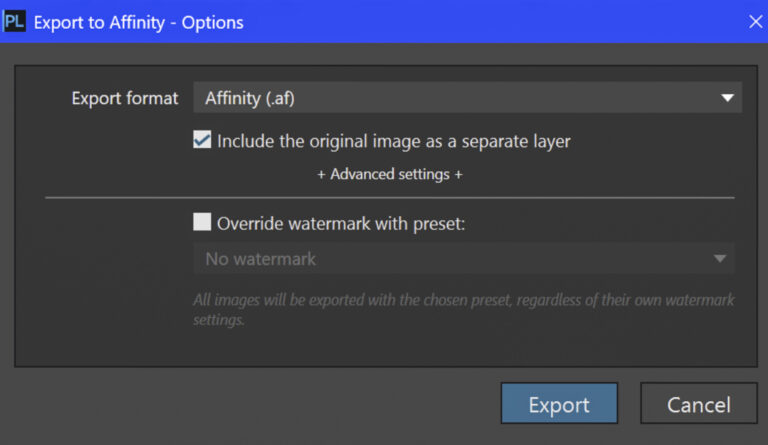
DxO Labs and Affinity by Canva have announced a partnership built around Affinity’s native .af file format. The first result is PhotoLab 10.1, released today as a free update for all PhotoLab 10 owners. It adds a single-click export that sends a developed RAW file straight into a layered Affinity document. Anyone who has shuffled TIFFs between a RAW developer and a separate editor will see the appeal. The more interesting part, though, is what DxO says comes next…
A Leica Wetzlar visit: Insights from “Mister M”, Stefan Daniel
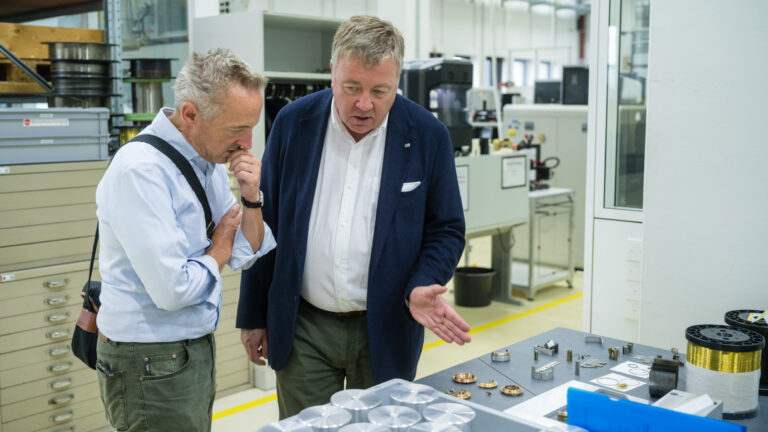
Behold: thou shalt make pilgrimage unto the sacred mount that riseth above the waters of the Lahn, and stand before it in trembling awe — yet let that awe give way unto wonder, and thy heart be filled with curious longing … no, it wasn’t a commandment from a higher power that led me to Wetzlar, but rather a prosaic email from Claus Sassenberg from www.messsucherwelt.com (if there was any difference, that is). At any rate, we were there, and we came away from our Leica Wetzlar visit having learned a great deal.
Claus’ email came somewhat as a surprise. On way to Austria, he wrote, he would make a stop at Wetzlar, and he had already organised a tour through the Leica factory with Stefan Daniel (who may call himself now Global Senior Brand Representative — “Mister M”) in person. Did I want to join him? I wanted to, could take the day off, and so faced a long day of visiting and driving. The train was no real alternative for several reasons.
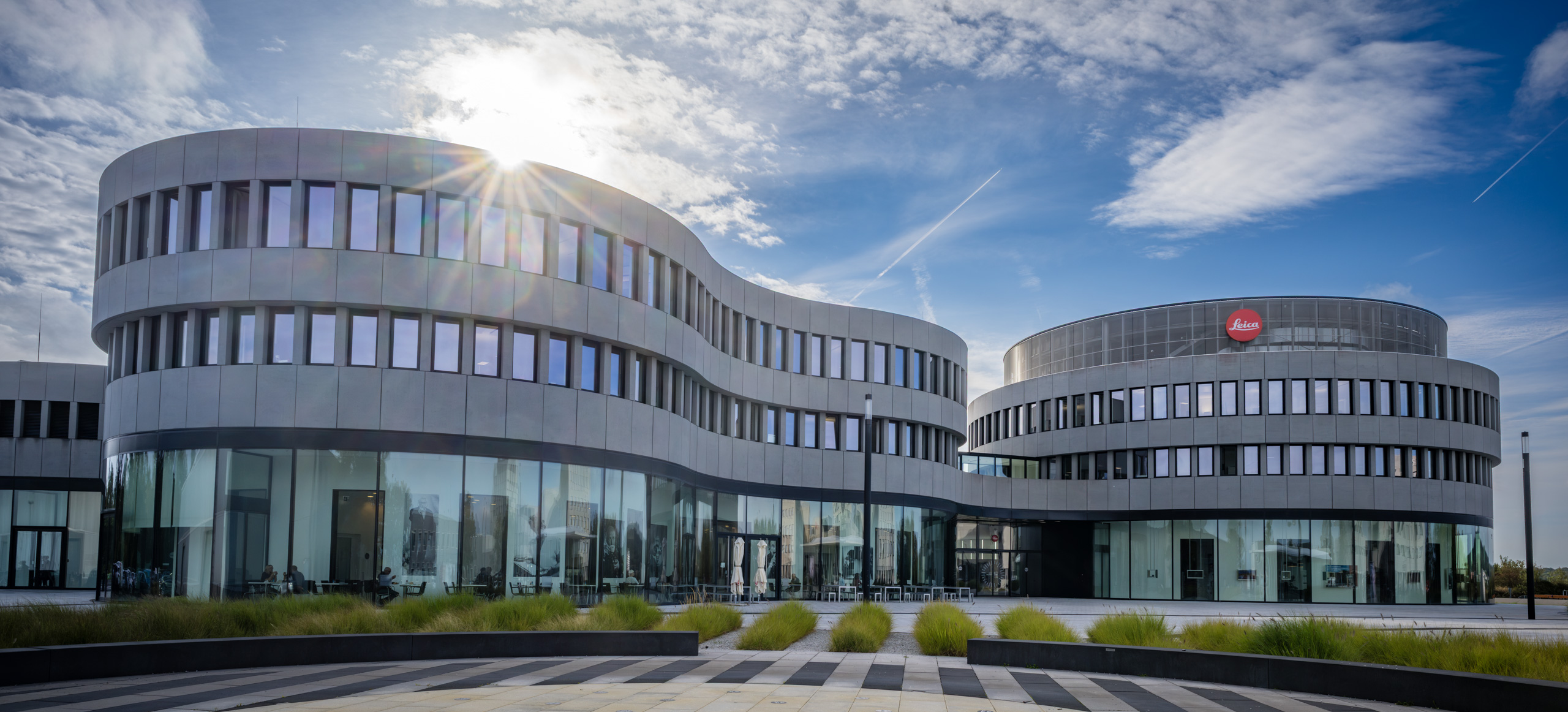
Crossing Germany to Wetzlar
Wetzlar is situated right in the middle of Germany, 45 minutes north of Frankfurt am Main. Konstanz, in contrast, is one of the southernmost places in the country, right on the Swiss border. So, some dedication was necessary to undertake the trip.
To say it right away: It was worth every minute of travel. I met a friend I hadn’t seen for quite some time, and we took the opportunity to talk about his blog, Messsucherwelt, where I also contribute from time to time. And we have many interests and convictions in common, apart from our love for photography and Leica.
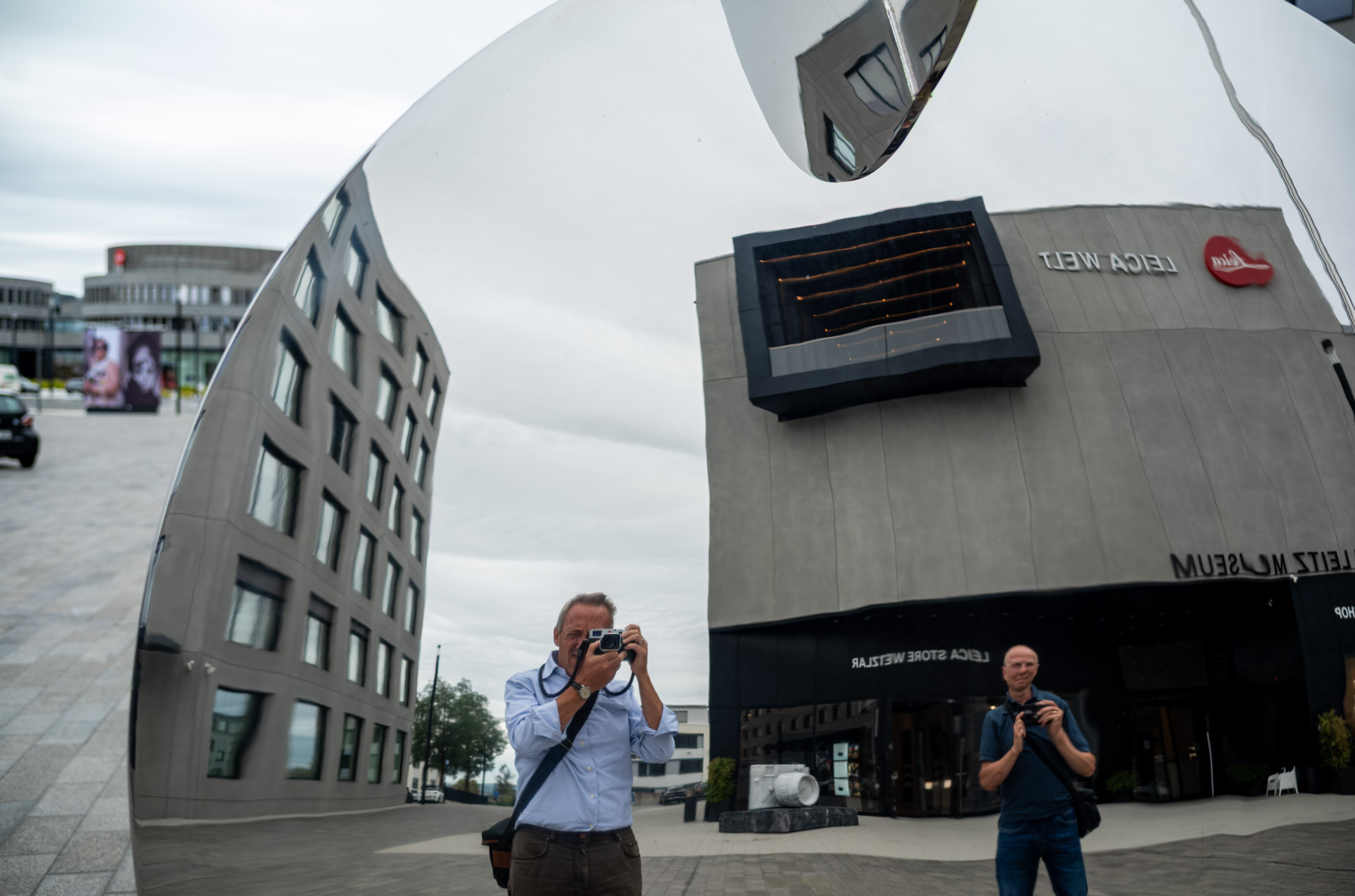
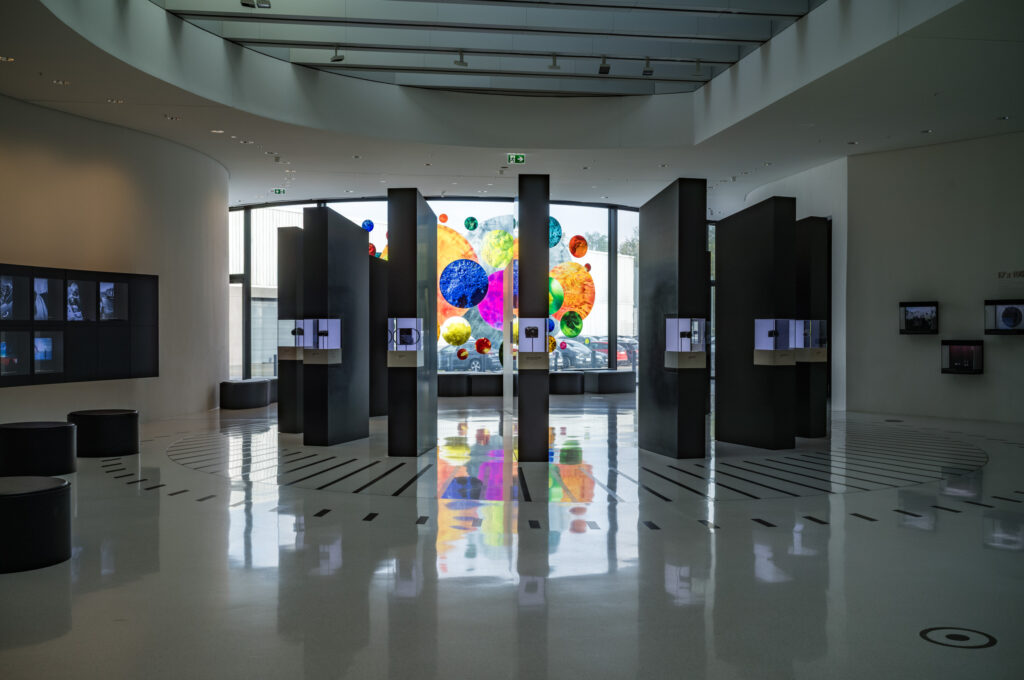
Ernst Leitz Museum
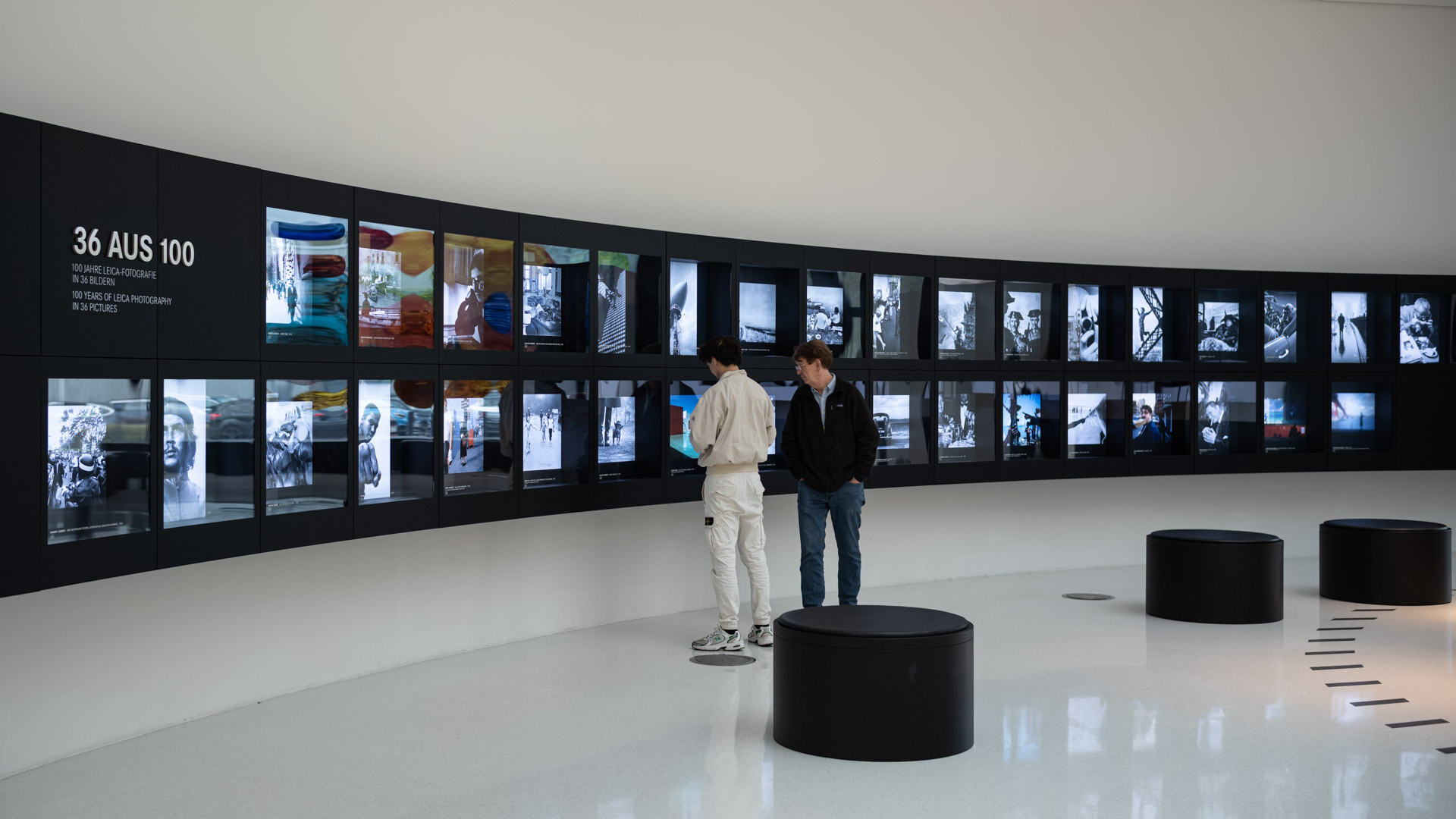
Our first stop on the holy mountain above Wetzlar was the Ernst Leitz Museum, which is so much more than a historical approach to the company and brand known as Leica. It teaches you, with the most modern pedagogical means, the basic techniques of photography and gives plenty of possibilities to experiment.
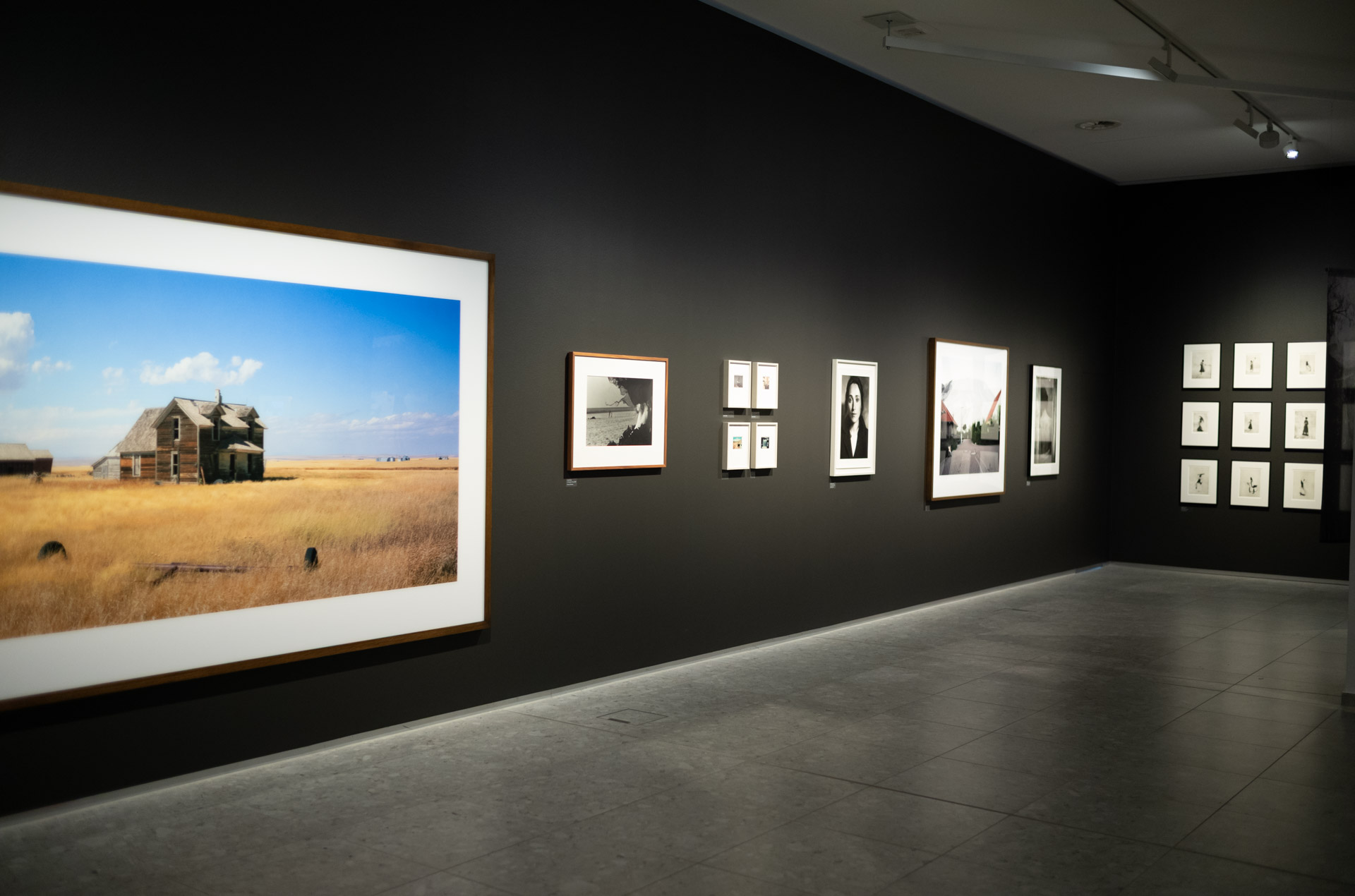
A particular highlight was a joint exhibition of the photography work by Wim and Donata Wenders. His rather cineastic style, in bright colours and large format, often empty and monumental; hers more intimate, in black and white, modest sizes and deeply humanistic. It would be interesting to listen to the couple when they are discussing photography among themselves. They do complement each other in a fascinating way and give us two very different perspectives on photography as a medium.
Familiar faces at Wetzlar
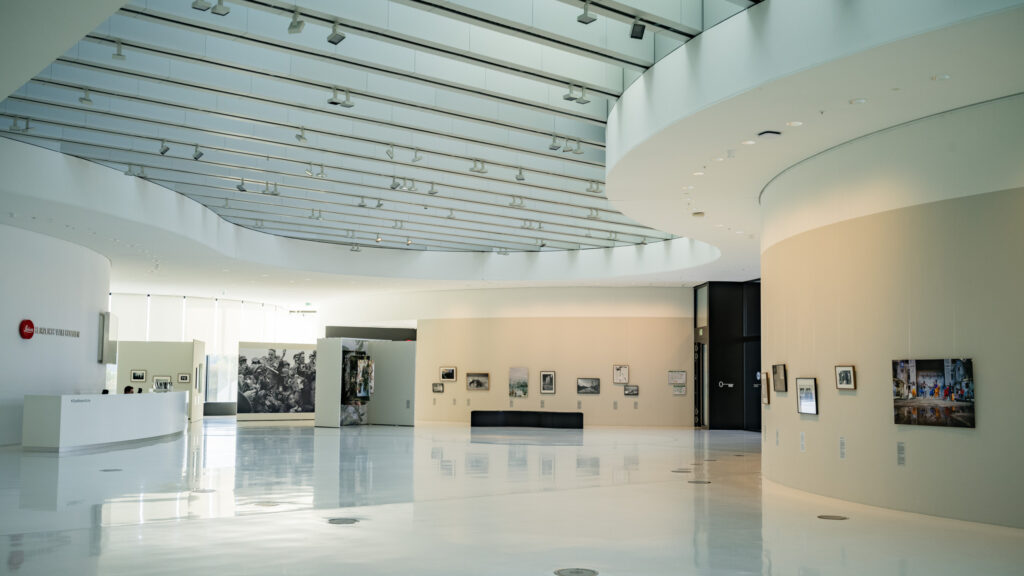
When I met Claus, the first thing he told me was that he had seen Dr Andreas Kaufmann earlier that morning on the Leica Campus. We noticed the legendary lens designer Peter Karbe, sitting in the on-site restaurant (canteen is too prosaic a word for this one) having his lunch. It always impresses me how approachable Leica is, as a company and a brand. You can just walk into the enormous foyer of the Leica Main Building during your Wetzlar visit and feel right inside Leica.
Enter Stefan Daniel
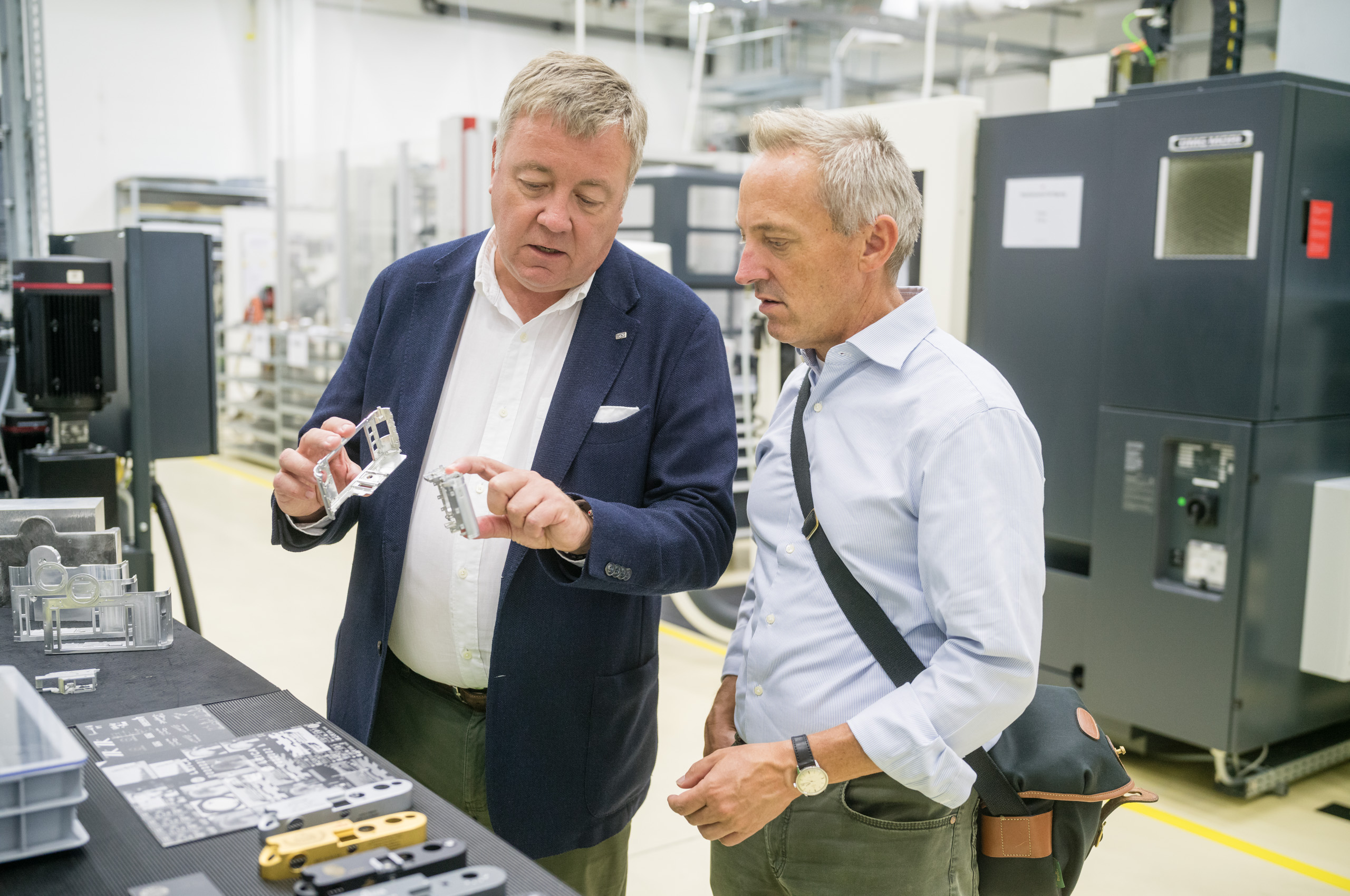
And if there is an epitome of approachability, it’s Stefan Daniel. He is finishing a long career with Leica as Global Senior Brand Representative — “Mister M”. Formerly, he held many leading positions, most notably as the product manager for the M line. I imagine his red blood cells being flat, precisely rounded, with a miniature white Leica inscription on them.
Daniel’s own story with Leica goes back to 1984, when he signed on in Wetzlar as an apprentice in precision mechanics — the same year the M6 was born. From there he worked his way through the repair bench, took on customer care postings in Germany and abroad, and eventually moved into product management, taking charge of the M line around the turn of the millennium and spending a few years with Leica France.
A career built on M
His career took him from the apprenticeship to the very top of the company: at times he was responsible for the whole of product management, before even adding technology and operations to his role in 2021. That he has now traded all of it for the informal role of “Mister M” is remarkable, and I had the impression during our Leica Wetzlar visit that the M is where his heart always was.
Stefan Daniel’s enthusiasm and loyalty to Leica touched Claus and me after we had exchanged only a few sentences, as apparently everyone in the plant feels the same way. All the people we talked to seemed genuinely committed to both brand and product. What a fantastic resource.
Lens production
We saw almost the entire process of lens production. At Leica, they assemble small lots of specific lenses, and Leica internally names every lens after a German city. So the plan could be: “Today, we produce Hamburg.” The barrel and some mechanical parts come from suppliers or the Portugal plant, the glass from different companies such as Schott or Hoya.
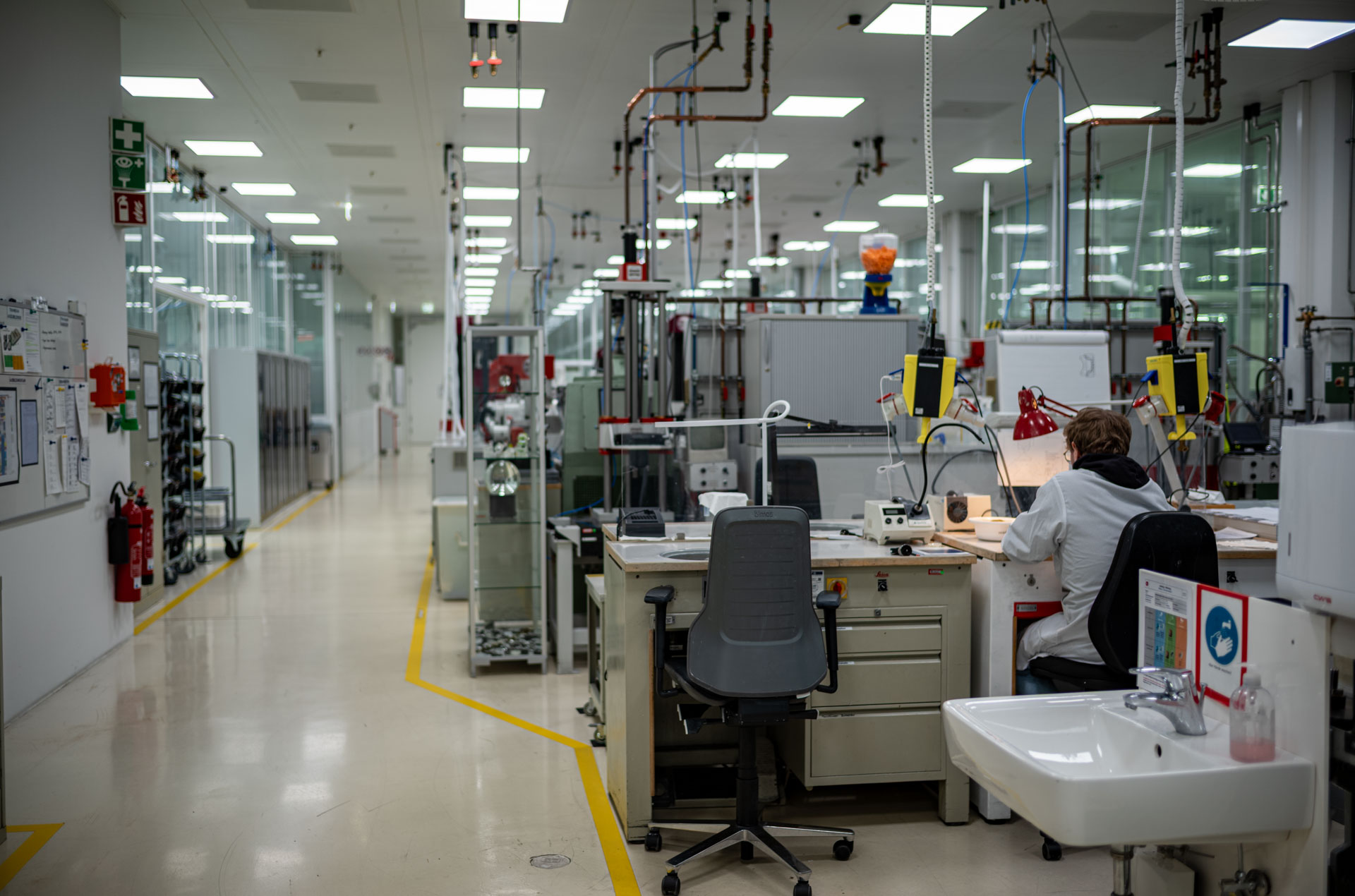
Stefan showed us, full of pride, the precision glass moulding machine which is essential for producing aspherical lenses. While the machines come from Japan, Leica has significantly improved the process itself, producing its own tools with high-tech diamond coating and even factoring the deformation during cooling into the calculation.
When it comes to lenses, this Leica Wetzlar visit delivered on its promise: we were in awe, and it became pretty obvious why Leica lenses cannot be cheap. There is much manual labour in them, expensive raw materials and high-end manufacturing technology. Leica uses methods to cut metal I had never heard of before, such as a special form of wire cutting. They also have a special setup for centring the single lenses, for grinding glass and many other unique techniques. More than once, we were asked not to take photos …
Camera production
It was heartwarming to see the final assembly of an M6. En passant, Stefan told us how he saved the analogue legacy of Leica and laid the foundation for the fact that the company never stopped making film-loading cameras. Today, it is the only remaining manufacturer to produce new high-end bodies for your occasional Kodak Portra or Ilford HP5.
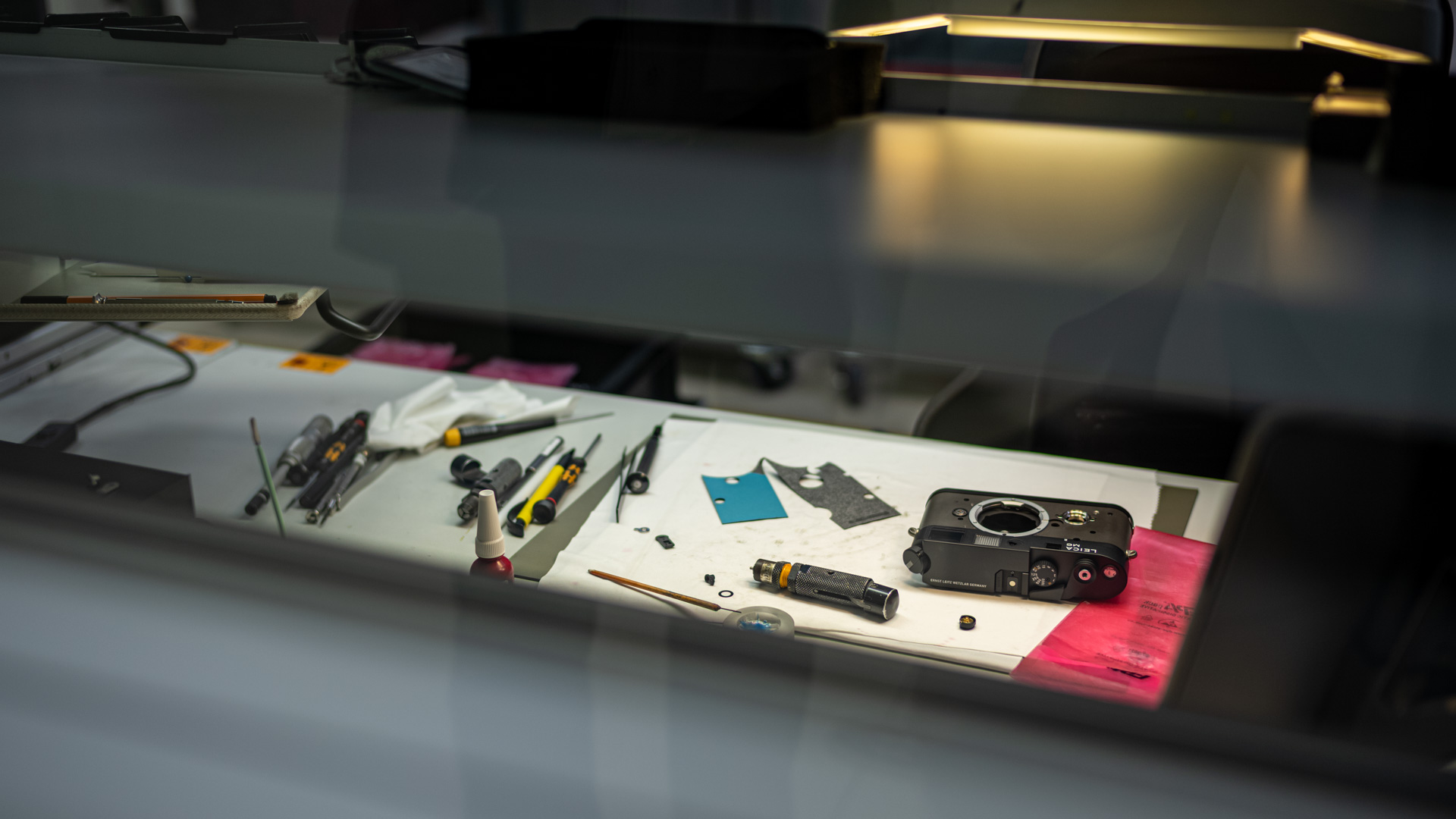
When the Portugal plant moved to its new site, Stefan told us, the machines needed for producing many parts of the M6 faced the scrapyard. They wanted to do away with the old stuff. But he said: “We can’t possibly do that” and made sure the machines were kept. It did pay off: Leica now sells several thousand film-loading M cameras every year again, all the more remarkable after years of drought with just a few hundred sales of M-A and M-P models. It was the time when the voices to give up production of film cameras became loud internally. How good that Stefan Daniel stood his ground.
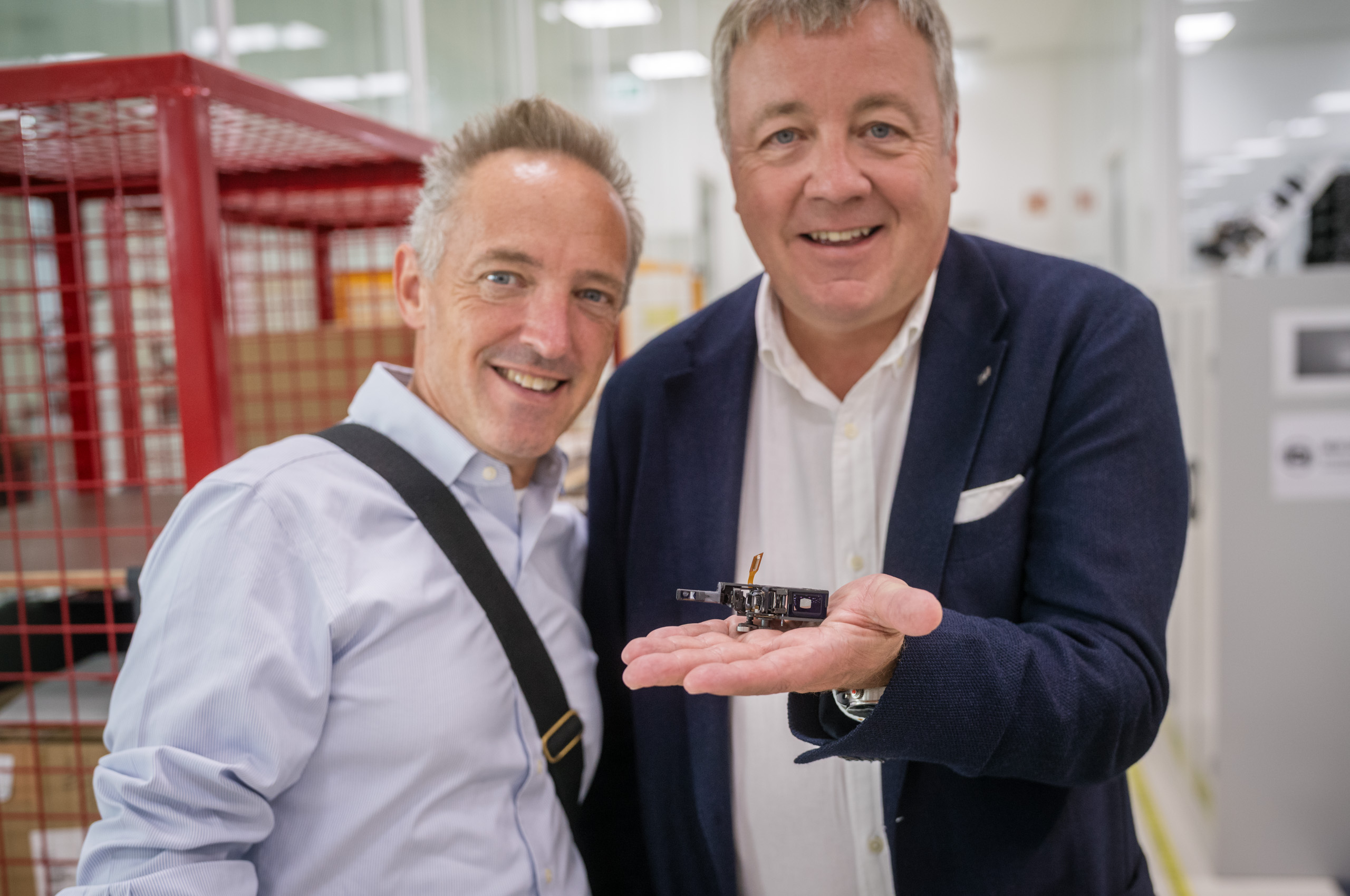
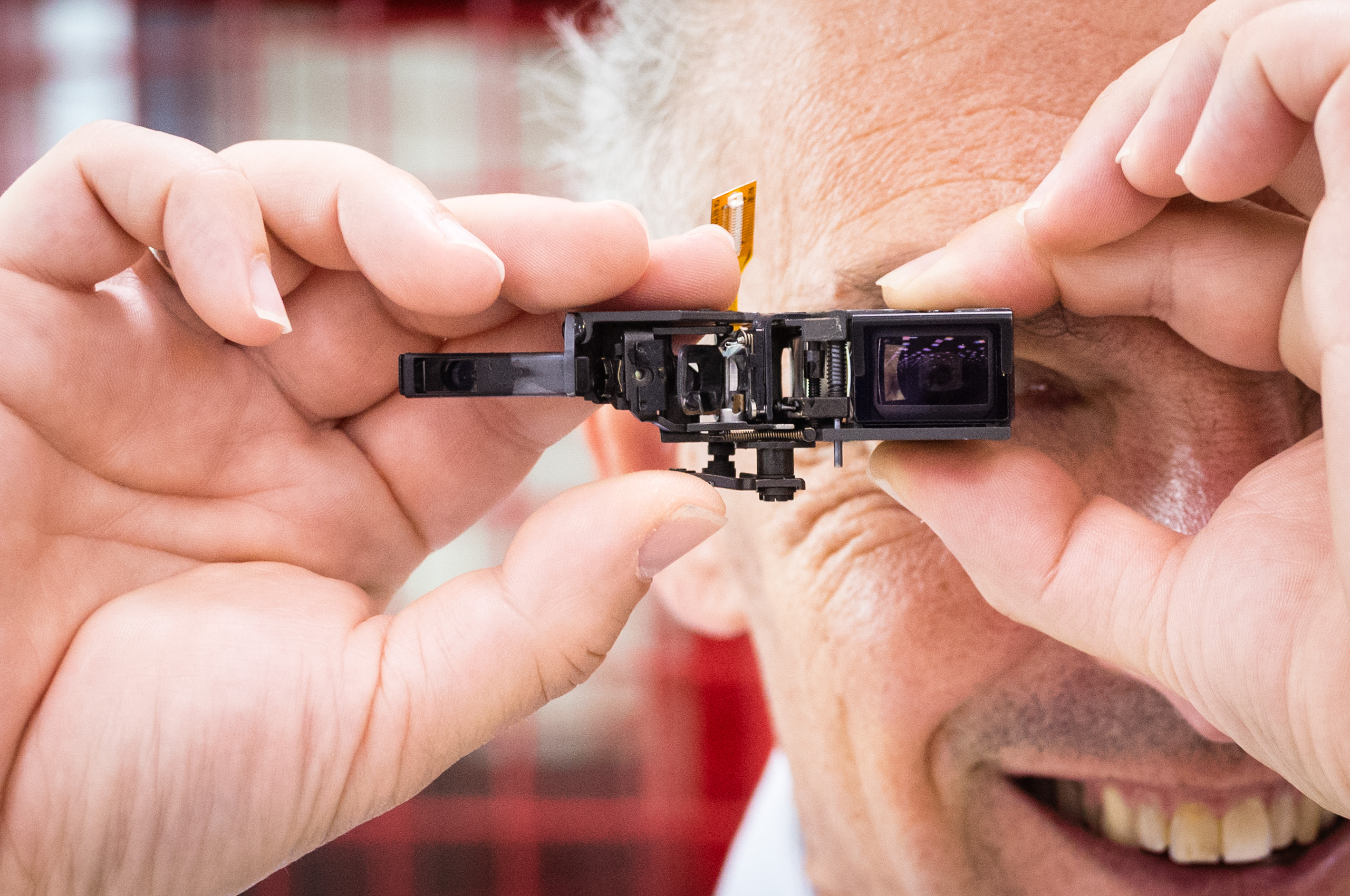
The production itself is quite straightforward and organised in a system based on the division of labour. Again, there is a lot of manual work involved, with much experience and patience needed. We had an entire rangefinder in our hands, a piece of meticulous engineering and craftsmanship. We saw something that looked like an assembly centre for Q cameras in the distance, while the only SL cameras we saw in the factory were in the customer care department.
Customer care
Stefan told us how much he had worked with his colleagues on a customer-friendly mindset. They will not run out of work in this part of the Leica factory — not because Leicas were prone to failure or damage, but rather because they are often used over decades.
We saw cameras and lenses from almost every era, waiting to be inspected for a quote or to be repaired. SL cameras and lenses turn up only rarely, said Stefan, and in fact we did not see many of these products in the customer care workplaces. But then, they are normally newer and certainly rarer than M system components.
How business goes
Stefan Daniel pointed out during our Leica Wetzlar visit that the company is committed to a balance of legacy and innovation. The M system, he said, is still going strong, as is the Q line. The success of the D-Lux 8 came as a little surprise according to him, but he sees the need for products at an entry-friendly price point.
APS-C wasn’t a topic, while he talked about stiff competition for the SL line. But with the SL3-P, Leica seems to be successful in a price range not exceeding the top models from other brands, while giving Leica’s unique usability advantage in reducing features and menus to the essential.
What’s next
Claus and I came as blog authors, not as journalists. This is a big difference in approach: for this Leica Wetzlar visit, we were happy to agree that we wouldn’t try to squeeze something out of Stefan Daniel. But of course, the elephant was in the room with the upcoming M11 successor and the question of whether this camera will a) bring so much innovation that it can rightfully be called M12 and b) still stay in the four-digit segment for its Euro price.
Stefan made clear that Leica is well aware that there is a risk of going too far. It is, he said, essential for Leica to have the cameras and lenses in the hand of working photographers and to keep up the notion of the Leica as a tool. That much about the “luxury brand” issue. They keep innovating, but even if we had tried hard, Stefan would not have given away anything.
What I took home
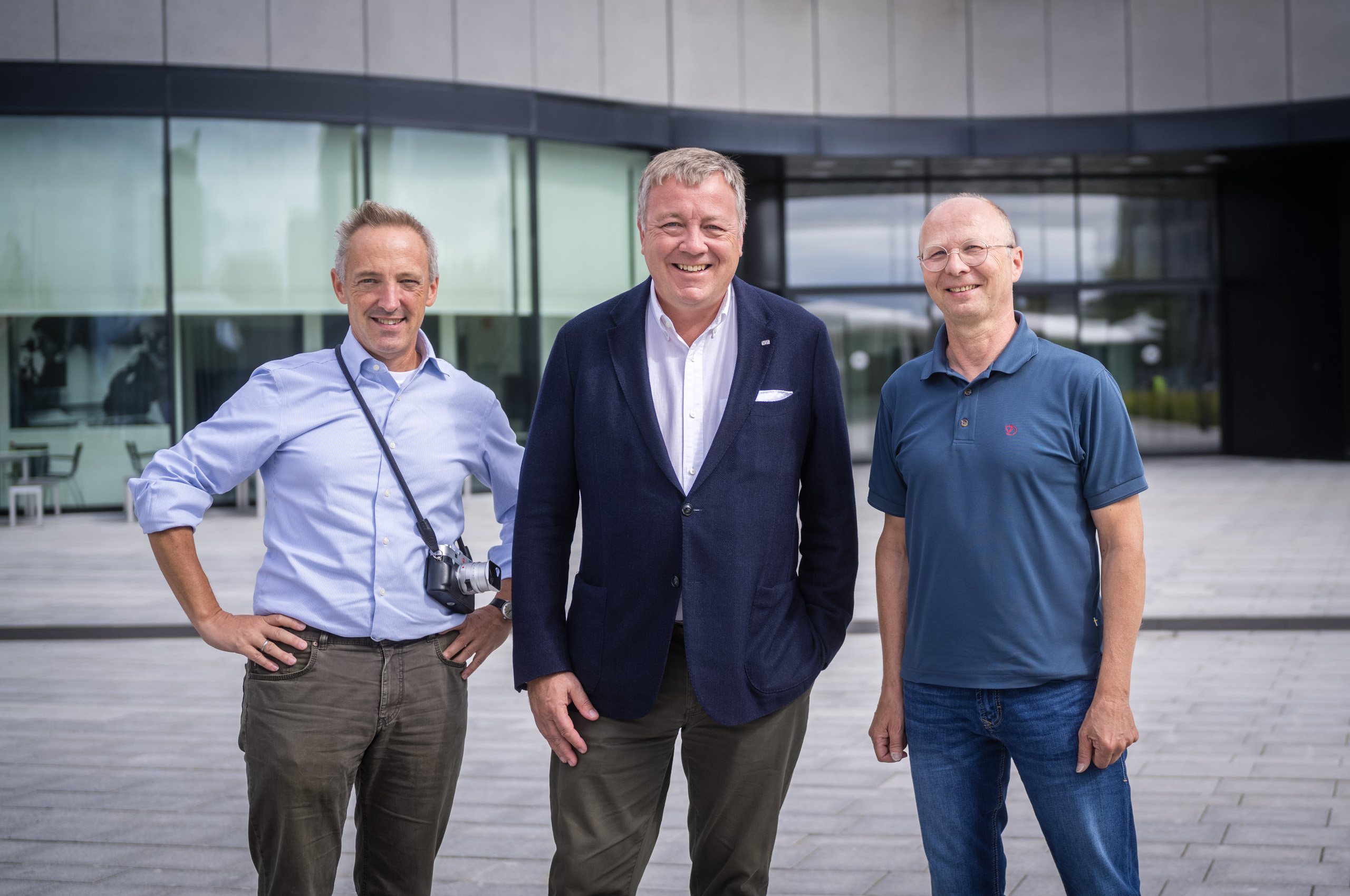
So all in all, it was a dense programme with fascinating insights and, even more importantly, great people. It’s always interesting how the love of photography and the interest in Leica can create bonds between people who otherwise would never have met (we’re experiencing this in the Macfilos team as well, by the way).
And driving the long way back from my visit to Leica Wetzlar, it crossed my mind that this might even be the biggest asset of Leica as a brand. While Claus and I helped each other resist the offerings in the two stores in the Leica Welt, I took home something more important: a deeper understanding of company, brand, and products.
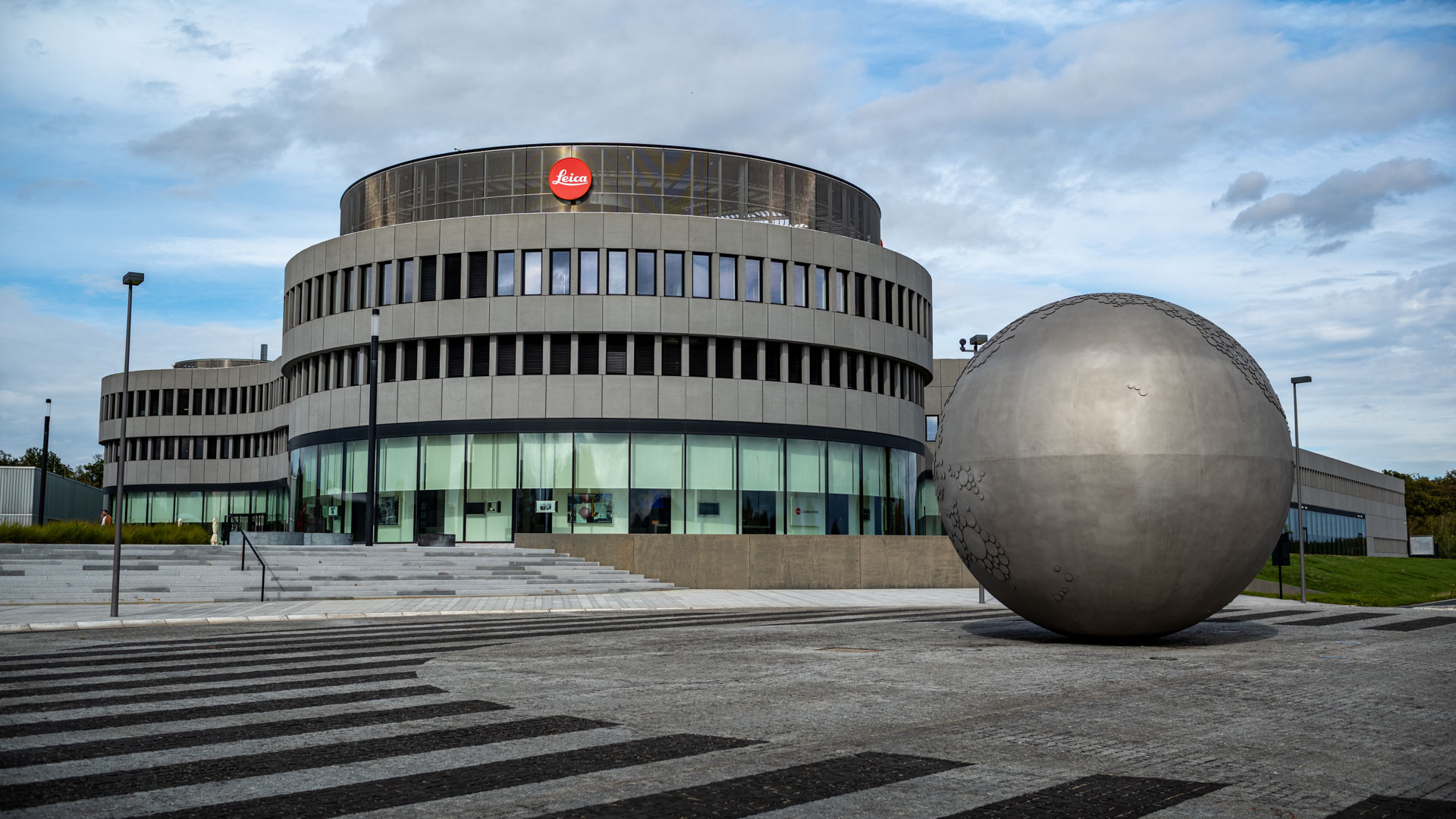
If you want to make your own Leica Wetzlar visit, and have no one to send you a surprising invitation email, hold on for a moment. Maybe you will hear some voice, reading to you what’s written in the book of Leica, from everlasting to everlasting: Go to that sacred hill, and be not miserly, pilgrim: before the works of the masters of optics, loose thou a taler from thy purse and carry home a relic of their craft — for it is written that he who giveth freely to the guild of glass-grinders shall see more clearly than he who hoardeth.
Further reading
| Macfilos Articles | Other Links |
|---|---|
| Ernst Leitz Wetzlar in 1985: A visit to the old factory – How the plant looked four decades before this visit | Ernst Leitz Museum – Plan your own visit to the museum on the Leica Campus |
| Peter Karbe: Leica’s legendary lens designer takes a potter around London’s Mayfair – More from the man behind Leica’s modern optics | Peter Karbe: The modest genius behind Leica’s optical supremacy – A longer profile of Wetzlar’s chief lens designer |
| The making of the 2022 Leica M6: Step by precise step – Inside the production line this visit also toured | Leica M6 – The current film camera, straight from the maker |
| Leica D-Lux 8 review: Redesigned compact becomes a full member of the Leica family – The entry point Stefan Daniel mentioned | New: The Leica D-Lux 8 – Leica’s own announcement |
| Leica SL3-P long-term review: It’s a winner for Leica – Jonathan Slack’s verdict on the camera Stefan praised | New: The Leica SL3-P – Full specification from Leica |
Make a donation to help with our running costs
Did you know that Macfilos is run by five photography enthusiasts based in the UK, USA and Europe? We cover all the substantial costs of running the site, and we do not carry advertising because it spoils readers’ enjoyment. Any amount, however small, will be appreciated, and we will write to acknowledge your generosity.
Can you successfully use a Leica Q3 43 for a model shoot?
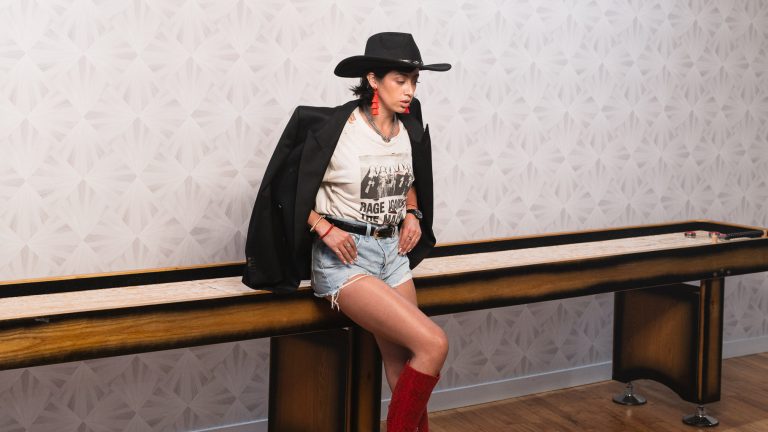
Every year Dan Tamarkin (Tamarkin Camera) organizes Leicapalooza, a three-day event where you listen to photographers offering advice, go on street photography walks, borrow kit you have not used before, and (this year) get to shoot models, aka “This year’s model”. Thank you Elvis Costello.
OM System OM-3 review: A retro body with flagship ambitions
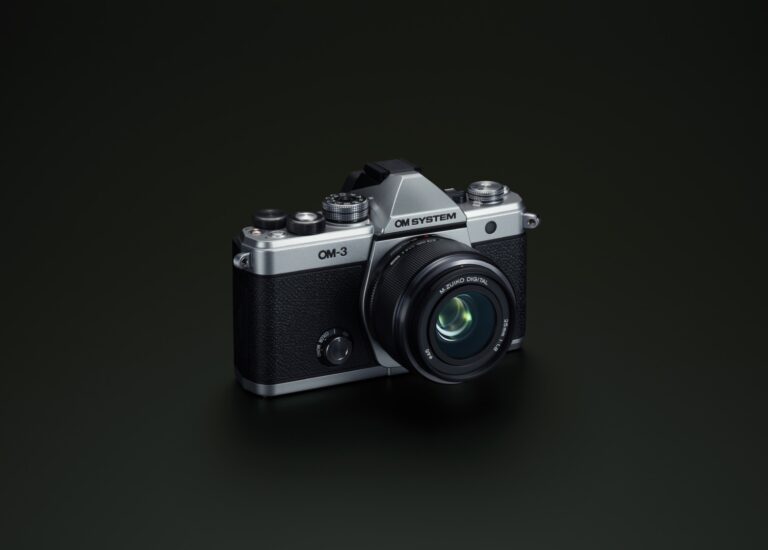
The loan OM-3 I’ve been living with for several weeks is now a familiar friend. It’s fair to say we’ve got to know each other reasonably well over the review period. This camera, from OM System, is a retro-styled body that seems to take its design cues straight from Olympus’s film cameras of old — it’s unmistakably reminiscent of the classic OM-series. In the new OM Systems world it sits between the flagship OM-1 II and the more affordable OM-5 II, providing the main features of the OM-1 in a smaller body, along with a handful of extra creative features neither sibling gets.
Wetzlar Camera Auction No 8: a million-euro Leica
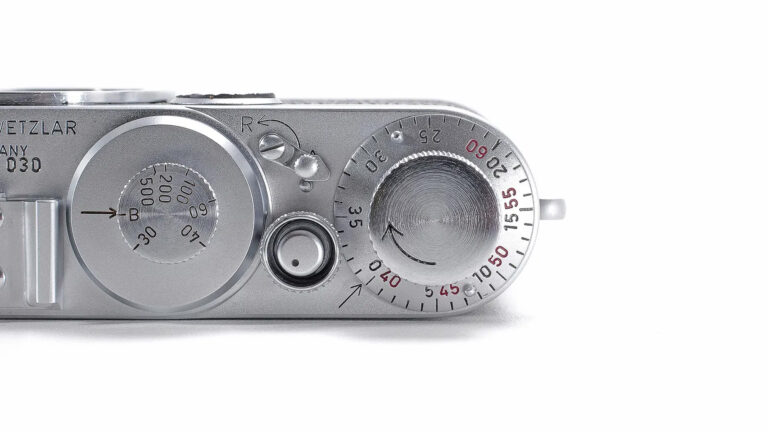
Wetzlar Camera Auction has reached its eighth edition, and I am still faintly amazed by that fact. Lars Netopil, my friend and a great supporter of the Leica Society International, runs it from Wetzlar together with Jo Geier of Vienna. This year I will attend for the first time, and the timing could not be better: the sale falls on 10th October, just two days after the Leica Celebration of Photography and the announcement of the 2026 Leica Oskar Barnack Awards. A million-euro Barnack prototype, a Luxus in gold, and a camera built for a cosmonaut are all waiting in the same catalogue.
Leica LUX 2.0 brings a Steve McCurry look and silver grip
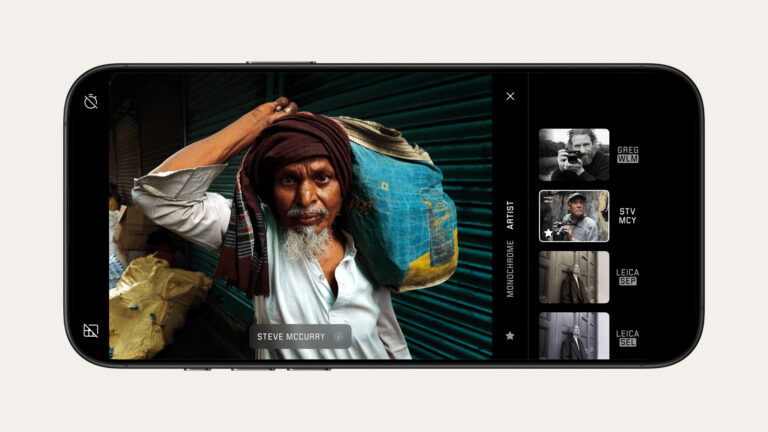
Silver or black? It is the oldest question at a Leica store counter, and from 24 September it applies to the iPhone as well. The Leica LUX grip, launched in black in February 2025, now arrives in silver alongside a pair of new leather cases. The bigger change, though, sits inside the phone. Leica LUX 2.0 brings a new gallery, a redesigned interface and a colour look developed with Steve McCurry, whose Afghan Girl portrait became one of the best-known covers in the history of National Geographic… and Leica is careful to explain what that look will not do.
Finding light and shade in siesta time with a Leica Q3
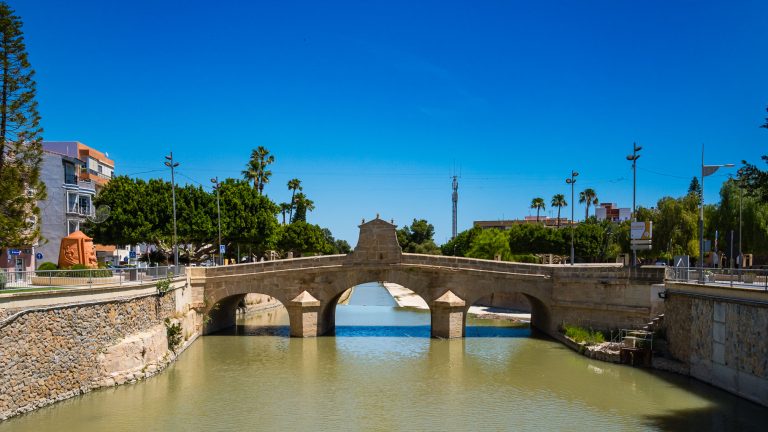
It’s obviously wonderful to wander the A-List cities from Amsterdam to Zagreb, but smaller cities and towns offer much in the way of interesting things to see and do through a process of leisurely discovery. It’s fair to say that I have become a little obsessed with street art, and once you have noticed it, you keep discovering it. All it really requires is one camera with a fast-ish and wide-enough angle lens to capture what’s there, and enough megapixels to crop. Despite the midday heat of Mediterranean Spain, when sensible people are taking siesta time, you can still explore from the shady side of the street.
Viltrox AF 50mm f/2 Air L: Is this the niftiest fifty you can buy?
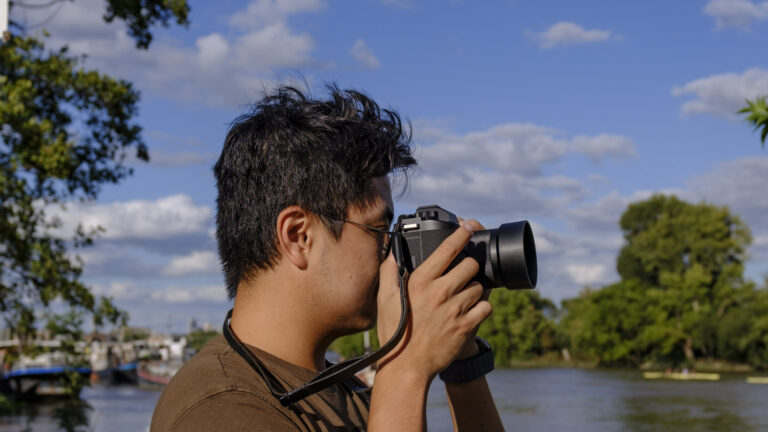
It was almost a case of love at first sight when I opened the tiny but sturdy box and put the Viltrox AF 50mm f/2 Air L in the palm of my hand. It’s so small, perfectly formed and tactile. And when I mounted it on the Leica SL3-P it looked the bees’ knees, complementing the rather hefty body in a way that’s difficult to explain. Taken on appearances alone, this is the ideal nifty-fifty companion for an SL or Lumix body. All this is well and good, but even the most attractive lens falls if it doesn’t meet the optical standards we expect. That’s what I aim to discover …
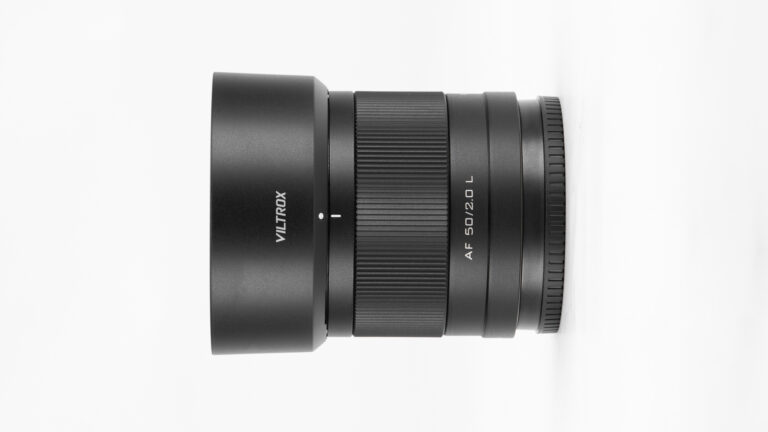
Viltrox launches four compact Air primes for L-Mount
Carry less, capture more. That is the philosophy behind Viltrox’s Air Series, and now it reaches L-Mount. Four new primes arrive together. They comprise a 14mm, a 20mm, a 40mm, and a 50mm giving Leica, Panasonic, and Sigma shooters a usable spread from wide-angle to standard. The heaviest weighs in at a fraction over 200 g.