
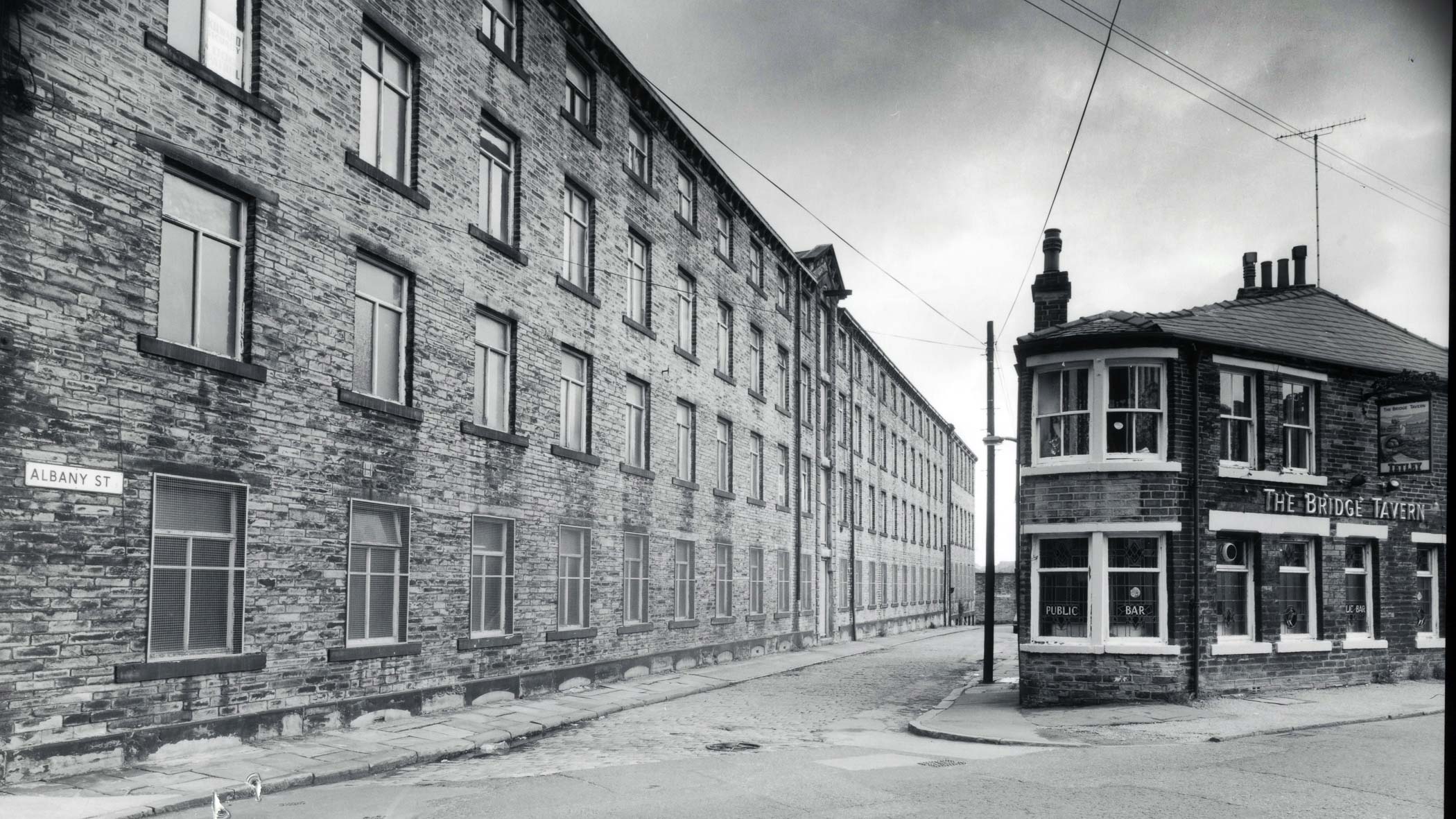
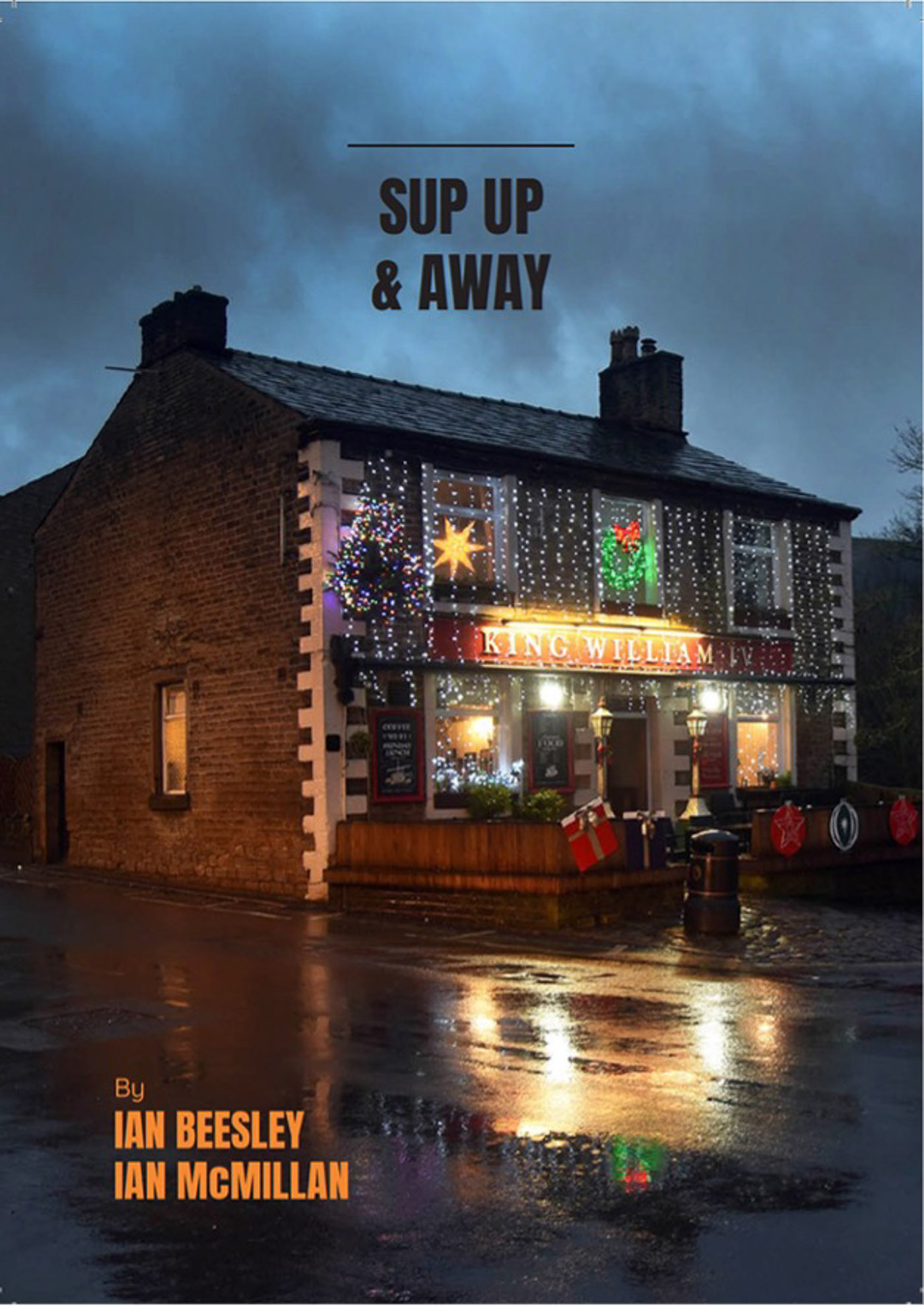
“Sup Up and Away” is the title of the book and related project by photographer Ian Beesley and poet Ian McMillan, capturing the spirit of local pubs as community hubs, stories around enduring friendships, and simply enjoying a pint. The title in Yorkshire dialect means “Drink up and be on your way.”
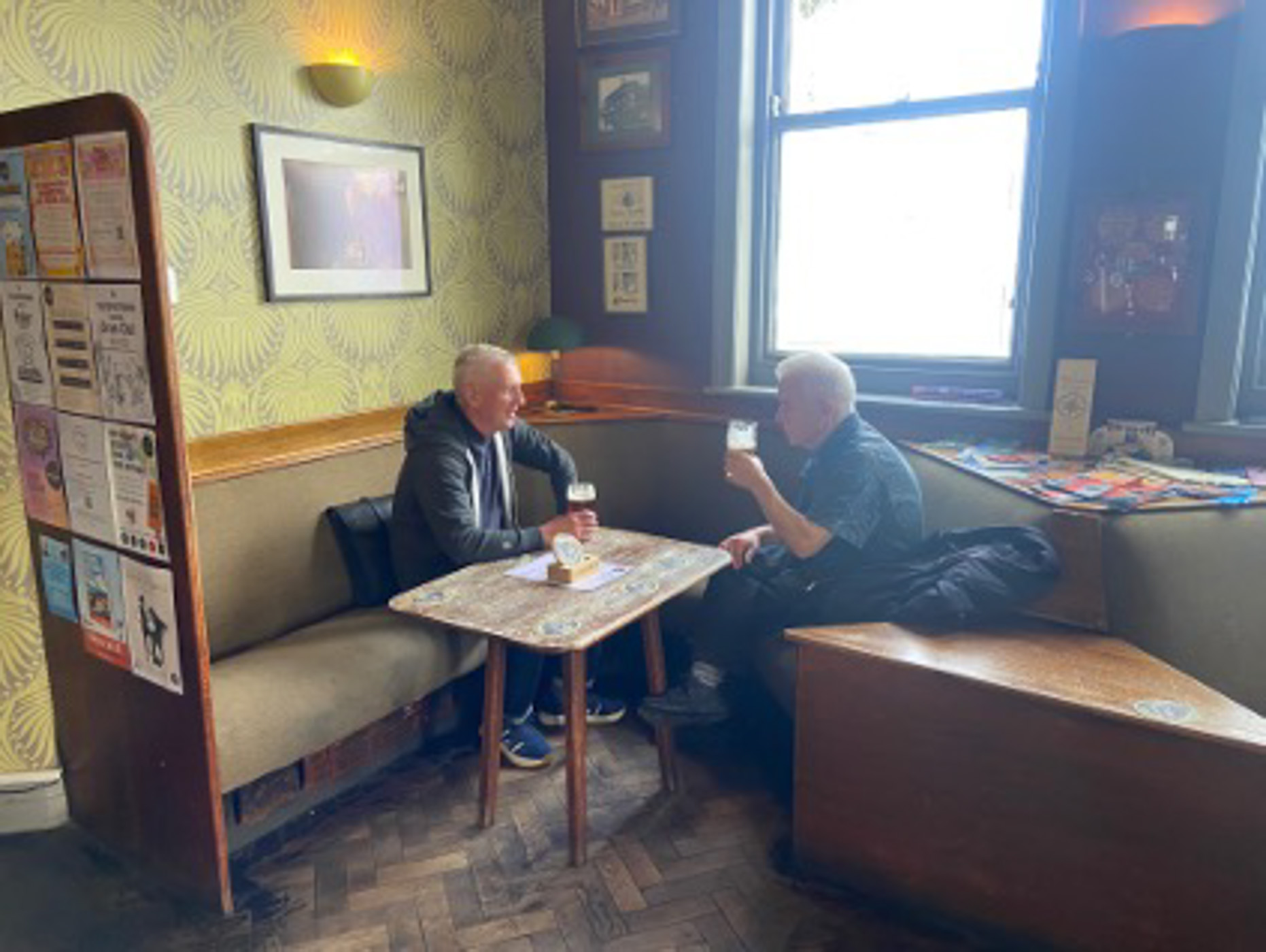
Once a month, me and my mate Ian McMillan (the poet) meet in the Sportsman pub in Huddersfield, West Yorkshire, for a few pints and a chat. We chat about football, friends, family, growing older and dream up projects, which we will probably never do now we are both semi-retired.
In truth most projects were too absurd, or too ambitious, or too expensive, but then this one wasn’t any of those. “Sup up & Away” was written on the back of a beer mat. It was a celebration of sitting in a pub, reflecting on life, friendship, growing older and of course enjoying a pint or two. The idea was to look at Yorkshire pubs past and present, to make observations on the healing power of human contact, whether they be sublime or ridiculous.
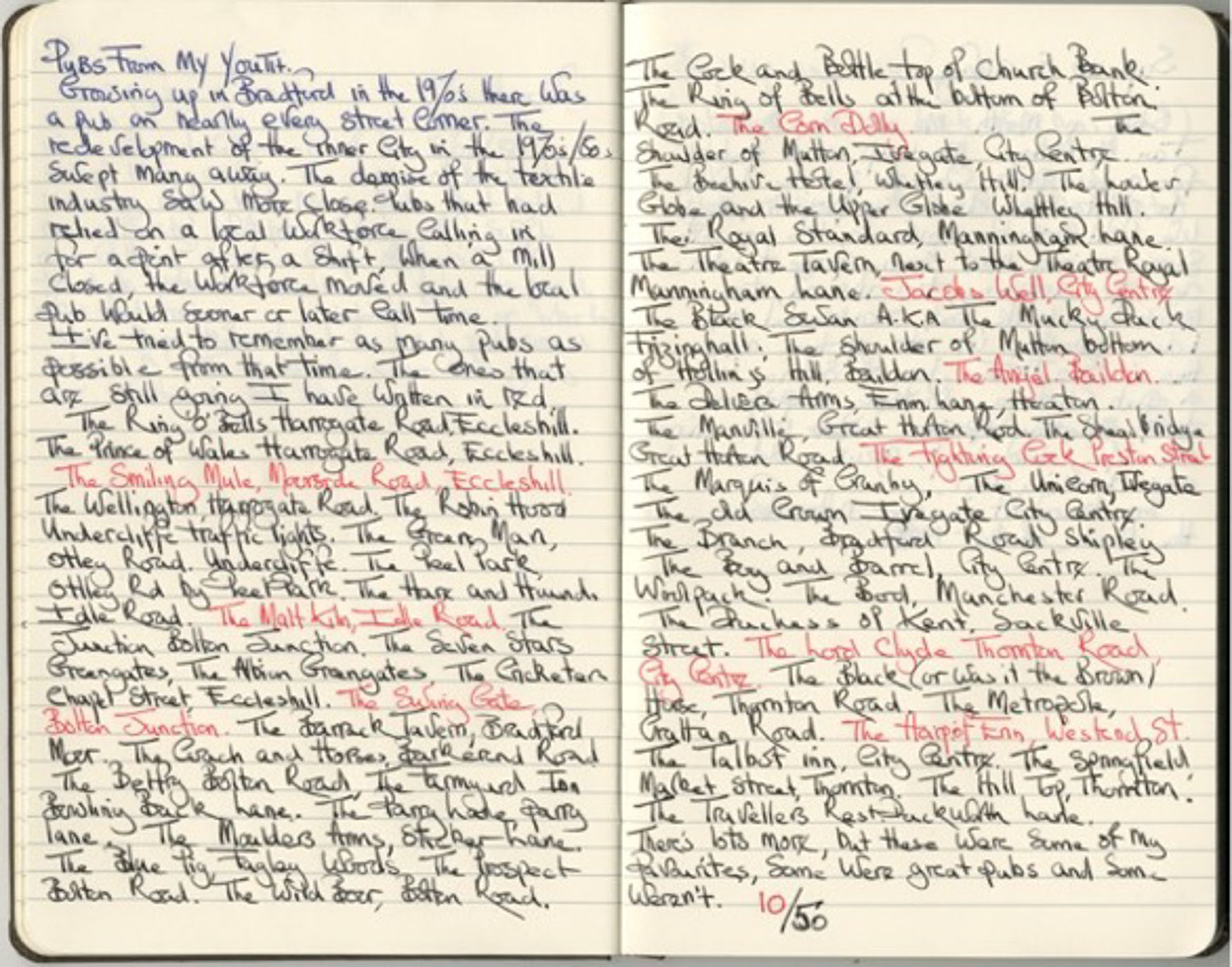
I started by writing in my notebook a list of the pubs I could remember drinking in while growing up in Bradford in the 1970s. Back then it seemed there was a pub on nearly every street corner, out of a list of 50 there are 10 still going.
The knock-on effect of declining fortunes
In the North of England, with the demise of heavy industry also came the closing of many of the pubs that were situated near the mills, mines, and foundries. A number of these pubs were named after the industry they were close to. Once their customers, had been made redundant, they sadly moved away in the search for work. And that meant the pubs simply went out of business.
The collapse of the wool trade in the West Riding of Yorkshire had a big impact. Pubs, that relied on a thirsty workforce coming off shift, struggled to survive after the local mills closed. In the 1970s-80s, as the urban planners’ demolition balls flattened the tightly packed streets of inner-city houses. They also rang the bell for last orders at many a backstreet pub.
Last one standing
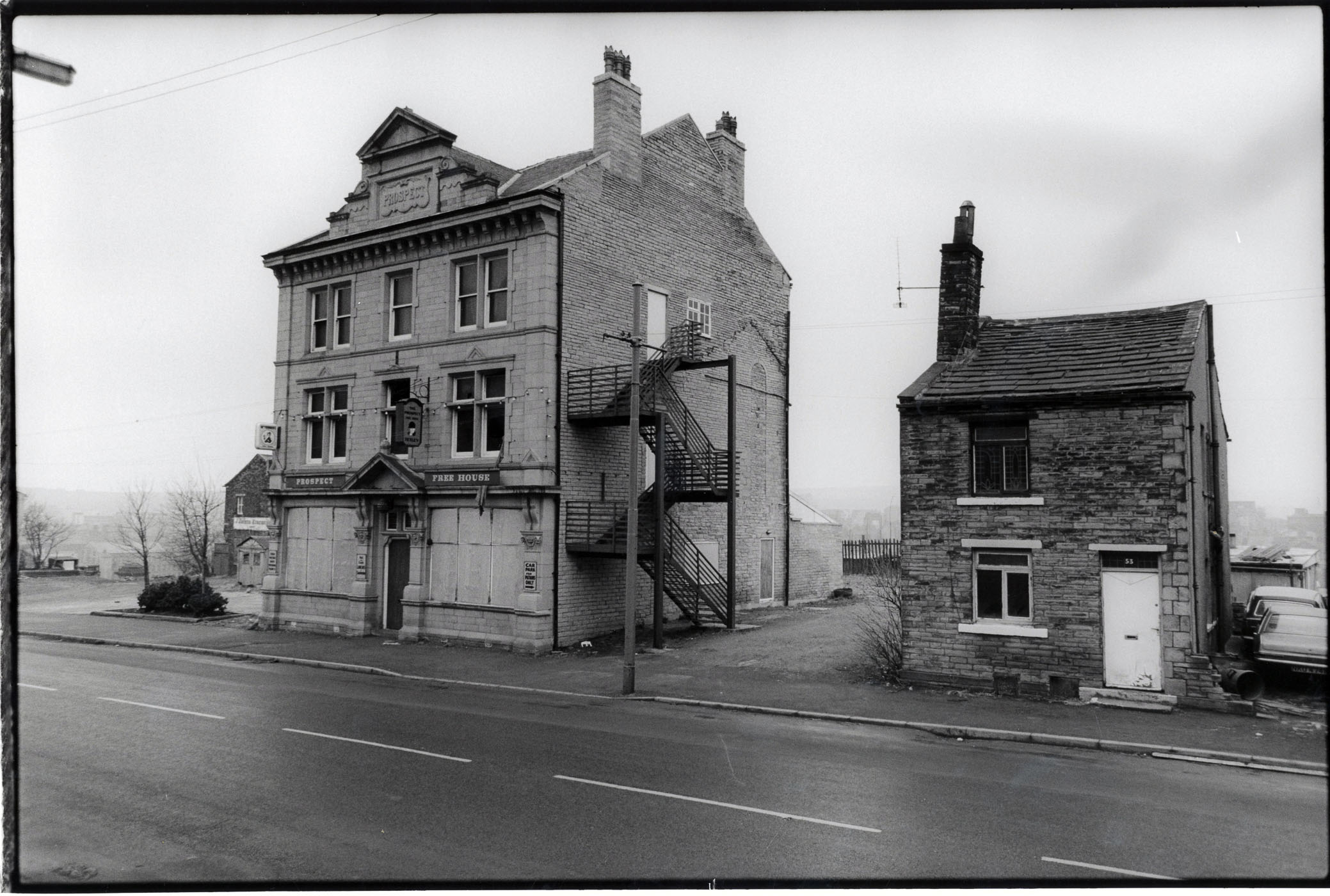
Oddly, often one of the last buildings demolished was the local pub. In defiance of the destruction and redevelopment around them, many served on, some for years, before the inevitable pressure of their isolation and dwindling number of customers called time.
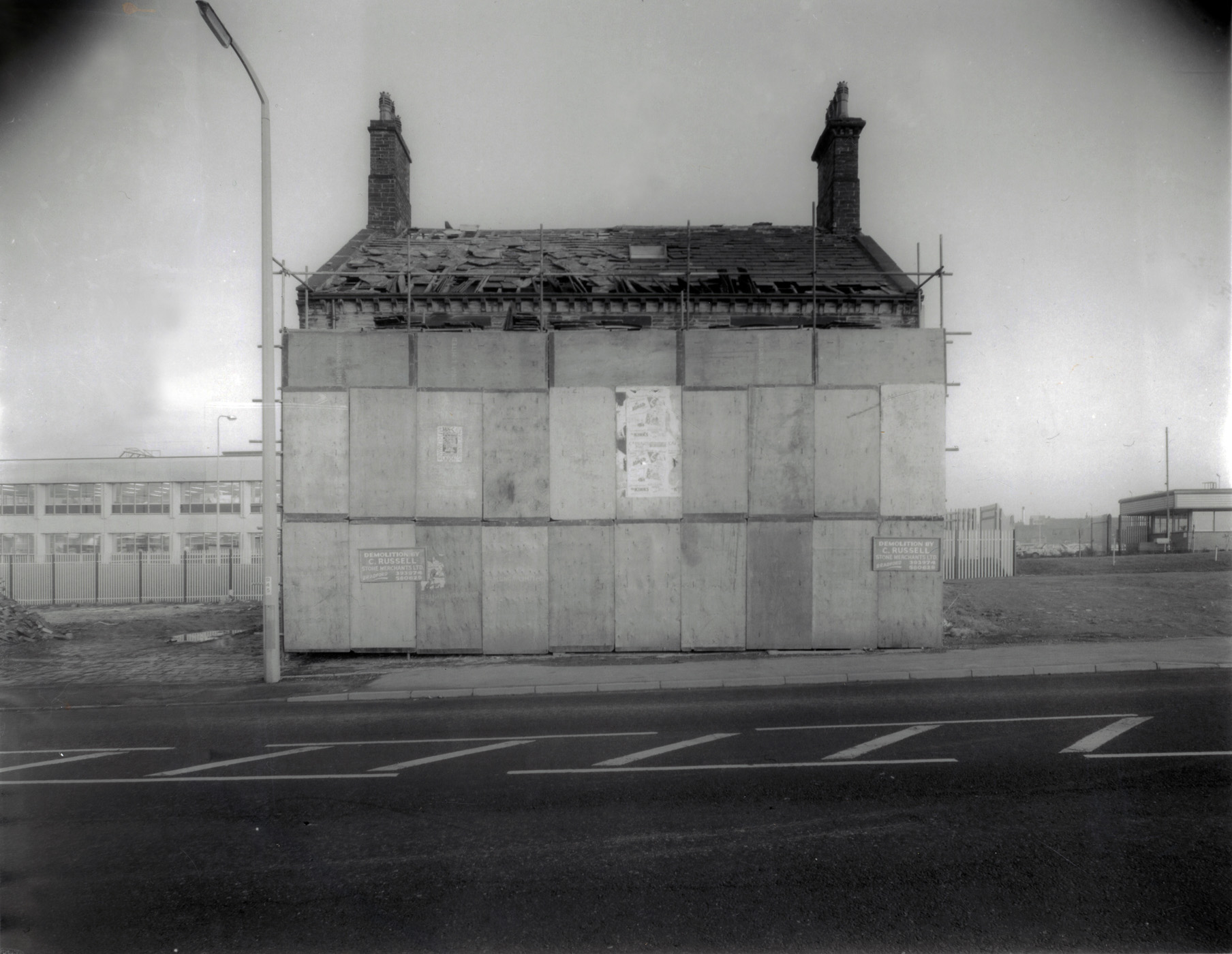
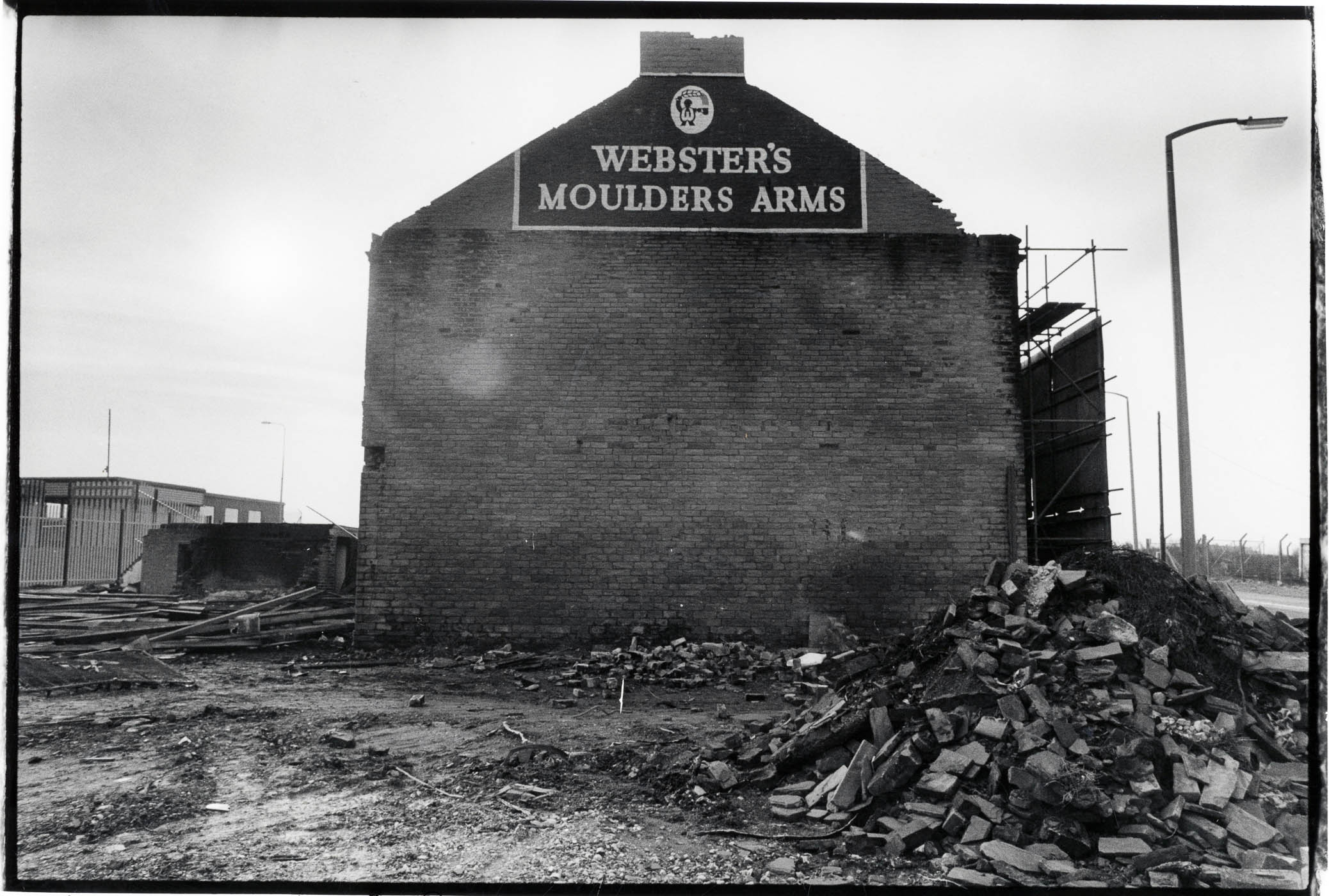
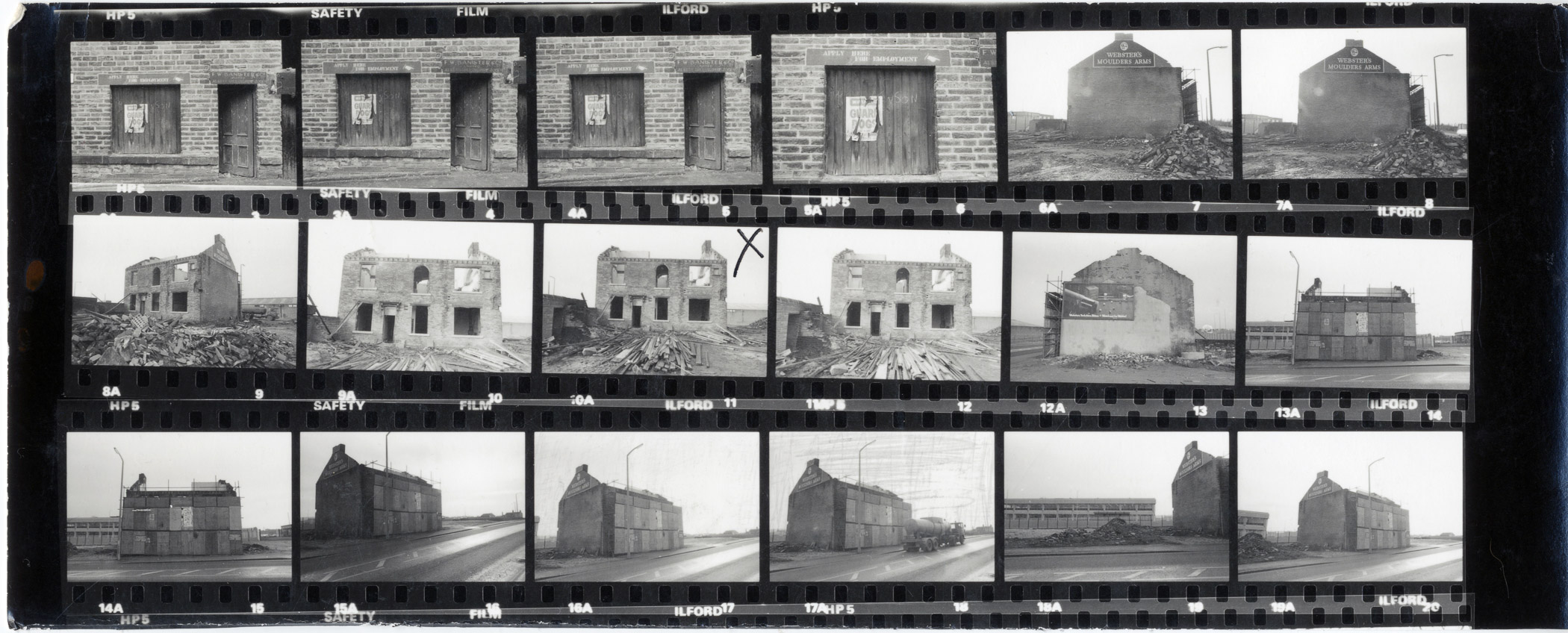
During this time, I was doing my very best to photograph the industrial North and its communities before much of it was swept away. I photographed quite a few pubs but decided to concentrate on one of my local pubs after it was served a compulsory demolition order in 1982.
The Moulders Arms
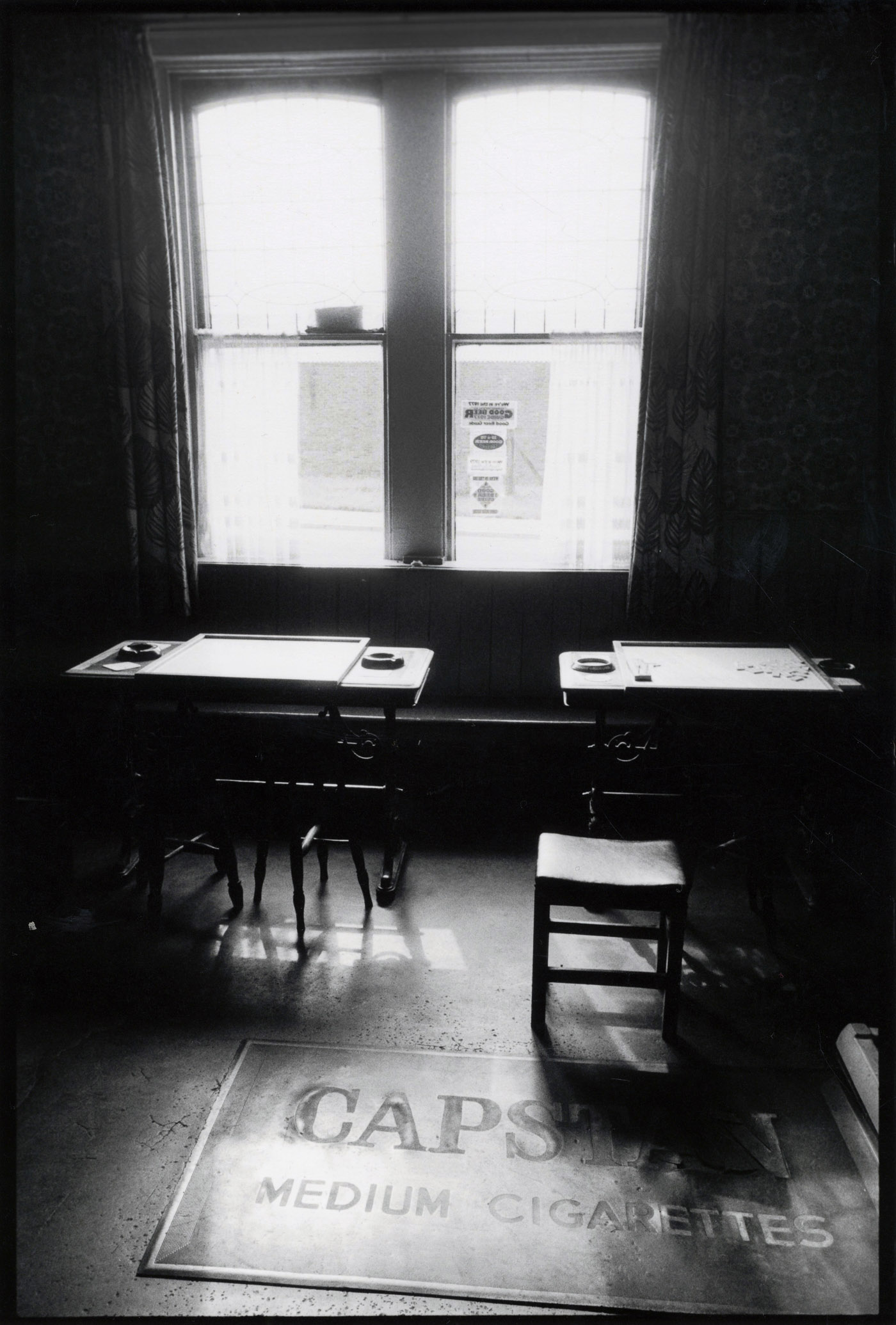
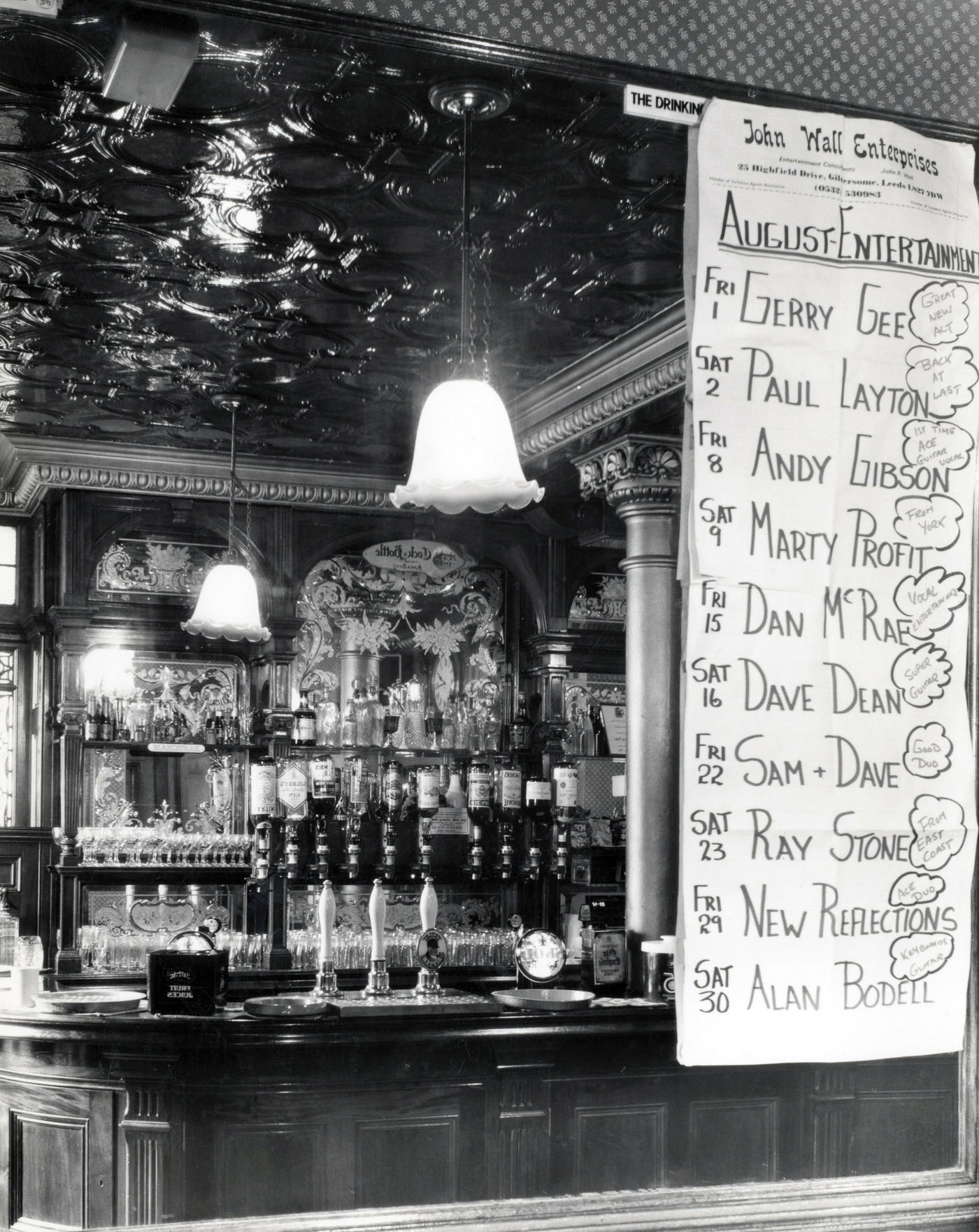
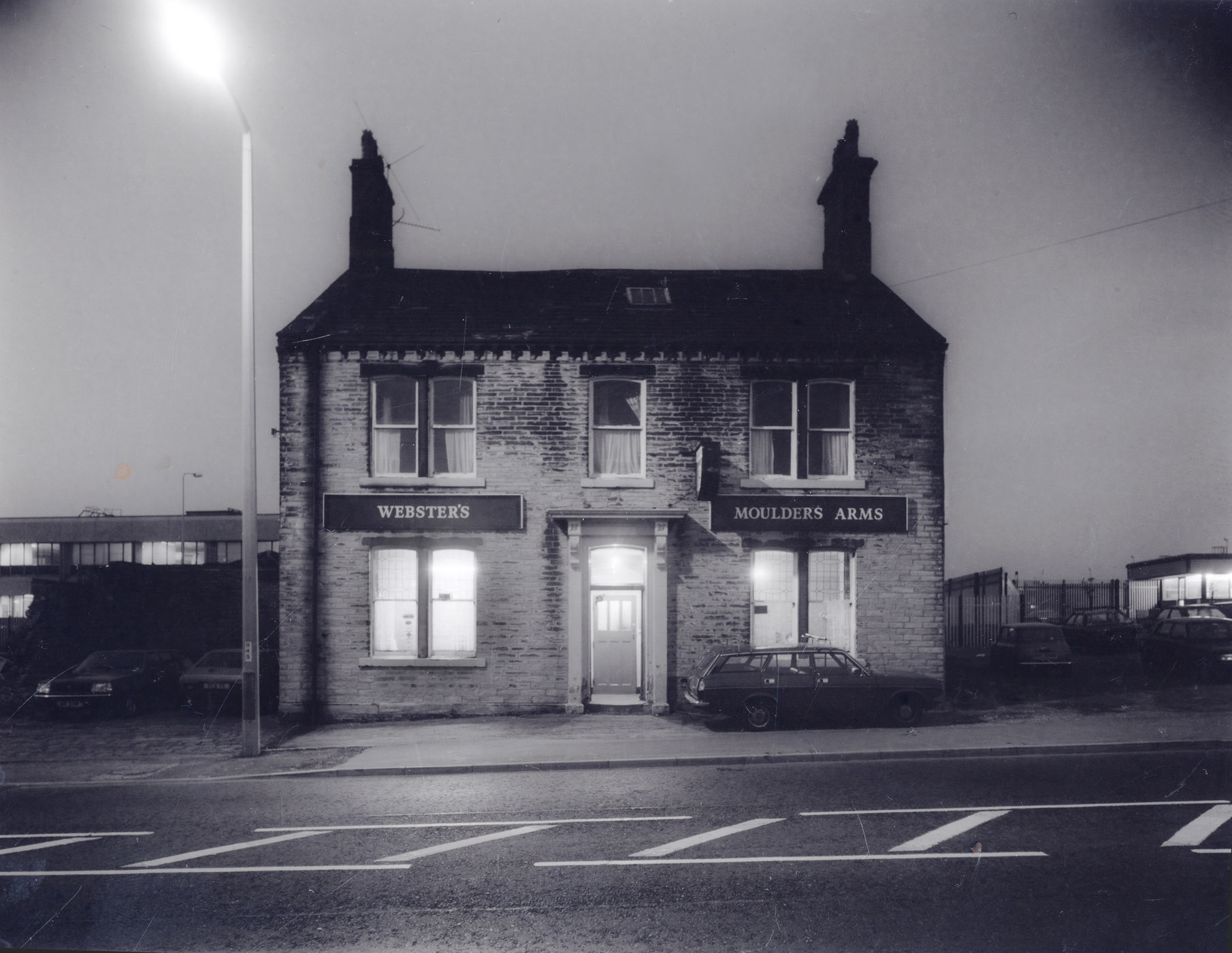
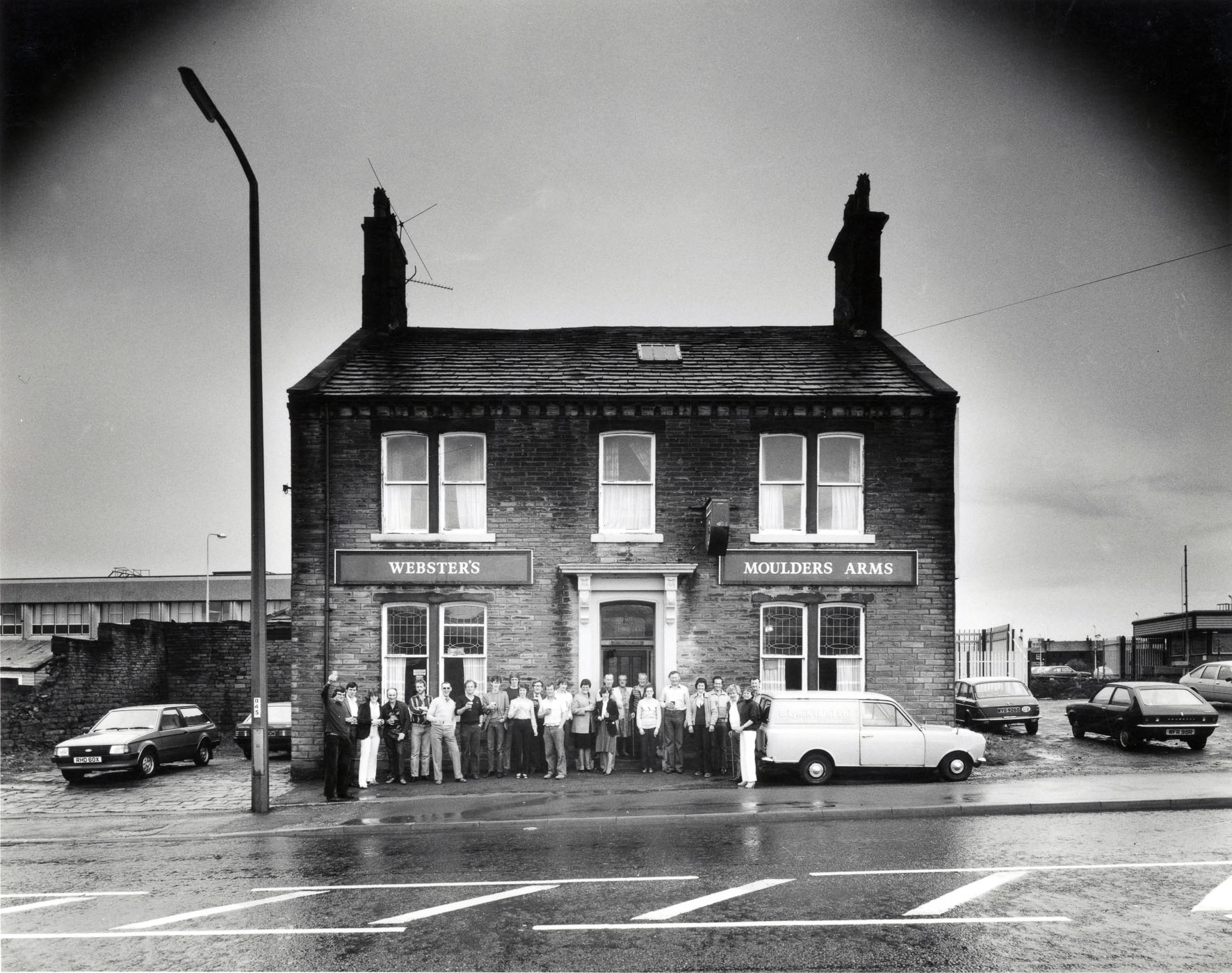
The Moulders Arms wasn’t the finest looking pub, but it stood proud and defiant as the surrounding streets were demolished. Locals who had been scattered across Bradford remained loyal and continued their social lives at The Moulders.
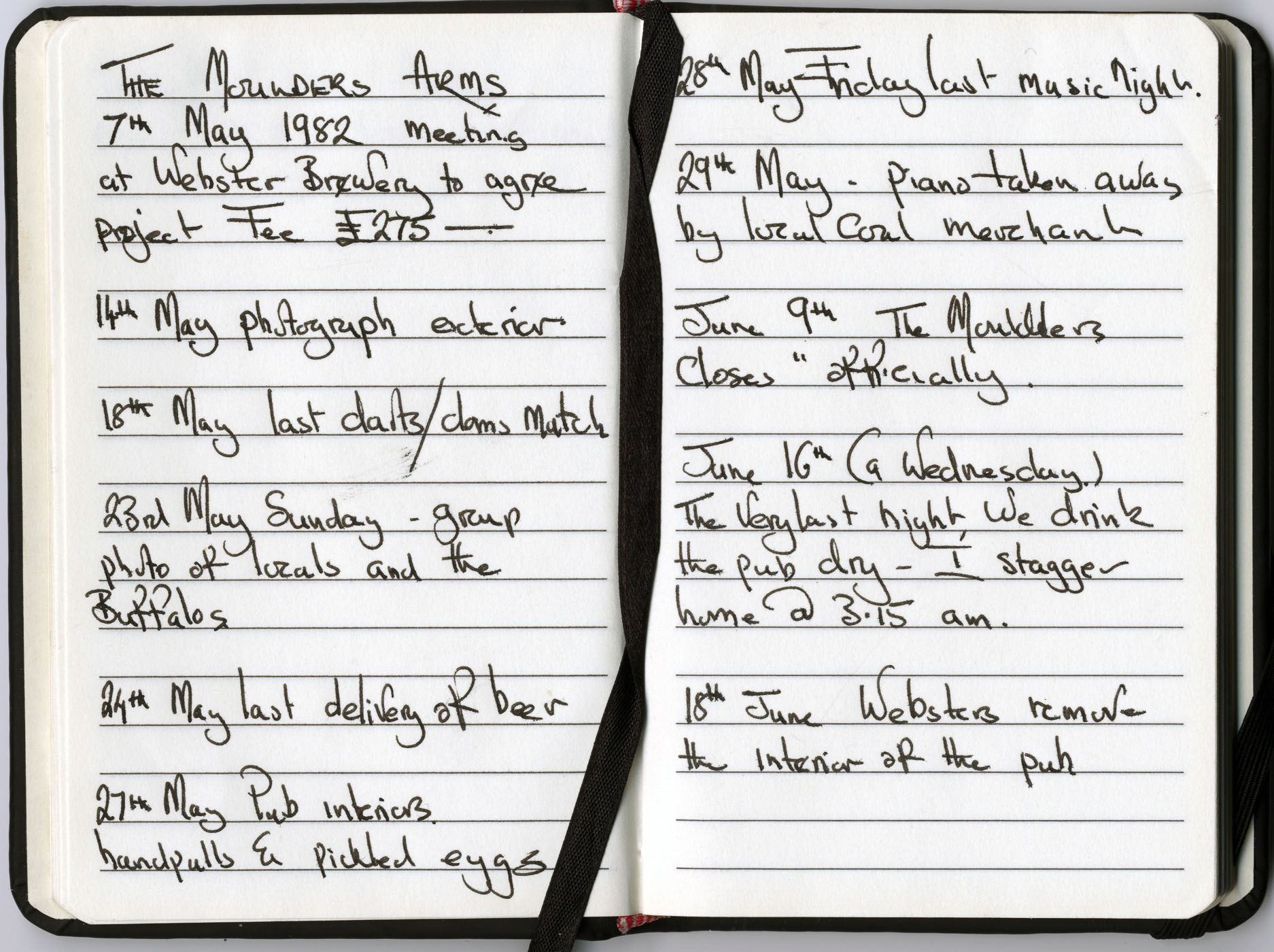
The football team still ran, the darts team still threw, the pigeon men and allotment holders still met. The Royal Antediluvian Order of Buffaloes held their secret meeting. The colourful Sons of the Desert wore their fezzes and laughed late into the last Friday night of every month. I loved it.
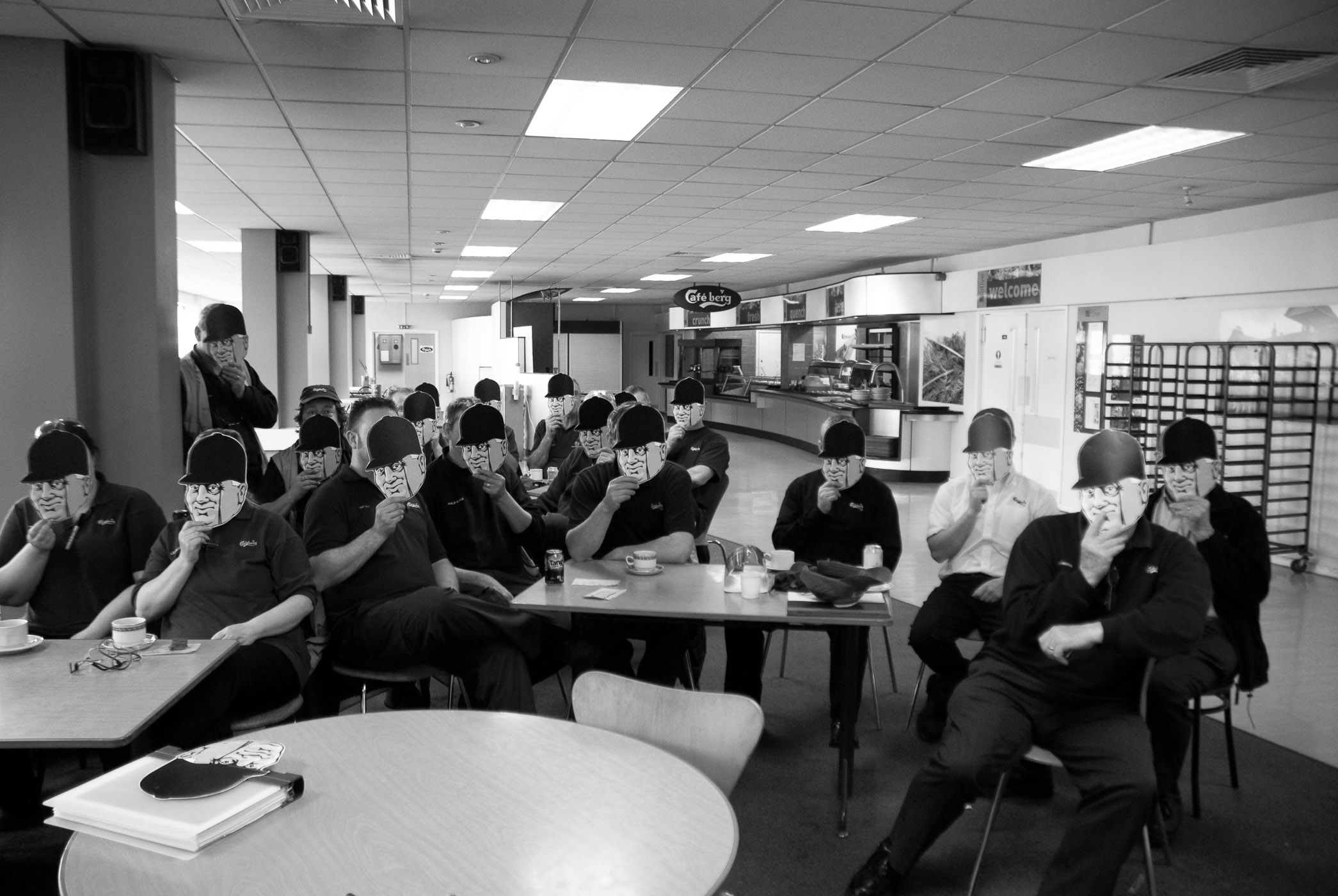
The audition
The pub piano was Winnie (the landlady’s) pride and enjoy. Always polished, always tuned, it stood defiantly in the snug. Woe betide anyone who placed a drink or even worse put an ashtray on it — persistent offenders found themselves barred.
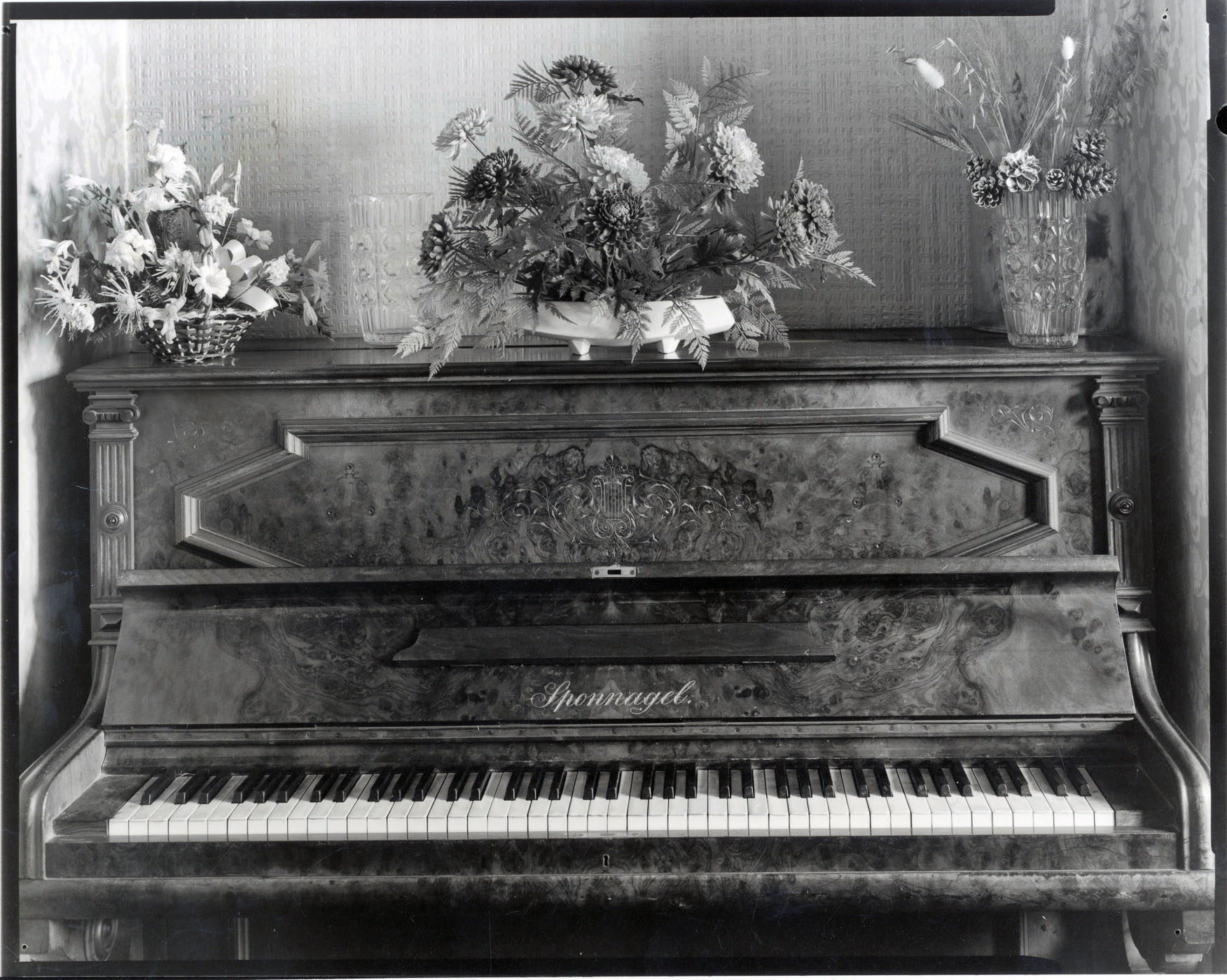
At the time, there was a dwindling number of pub piano players. Winnie advertised in the local paper for one. Two turned up: one called Gabriel “I ain’t no angel, but I play the piano like one” and a character called Freddy Fingers. They were both blind.
They were invited to play six tunes each, then a decision would be made. Freddy hammered the keys first. When Gabriel started to play, it was obvious he was an accomplished pianist. Unfortunately, he had a weak bladder and had to go to the gents after three songs.
Freddy, realising he wasn’t going to get the job, decided to sabotage Gabriel by sticking matchsticks between the keys. When Gabriel restarted, he realised what had happened, but was kicked off for not being able to play.
A duel in the snug and the consequences
Gabriel called Freddy out to have a fight, and we all followed, pints in hand, to watch two blind piano players have a scrap in the pub car park. While the logistics of this contest were being worked out, Winnie came tearing out of the pub, grabbed Gabriel and Freddy and told them never to step foot in her pub again. Everyone in the car park was told to return their drinks and clear off.
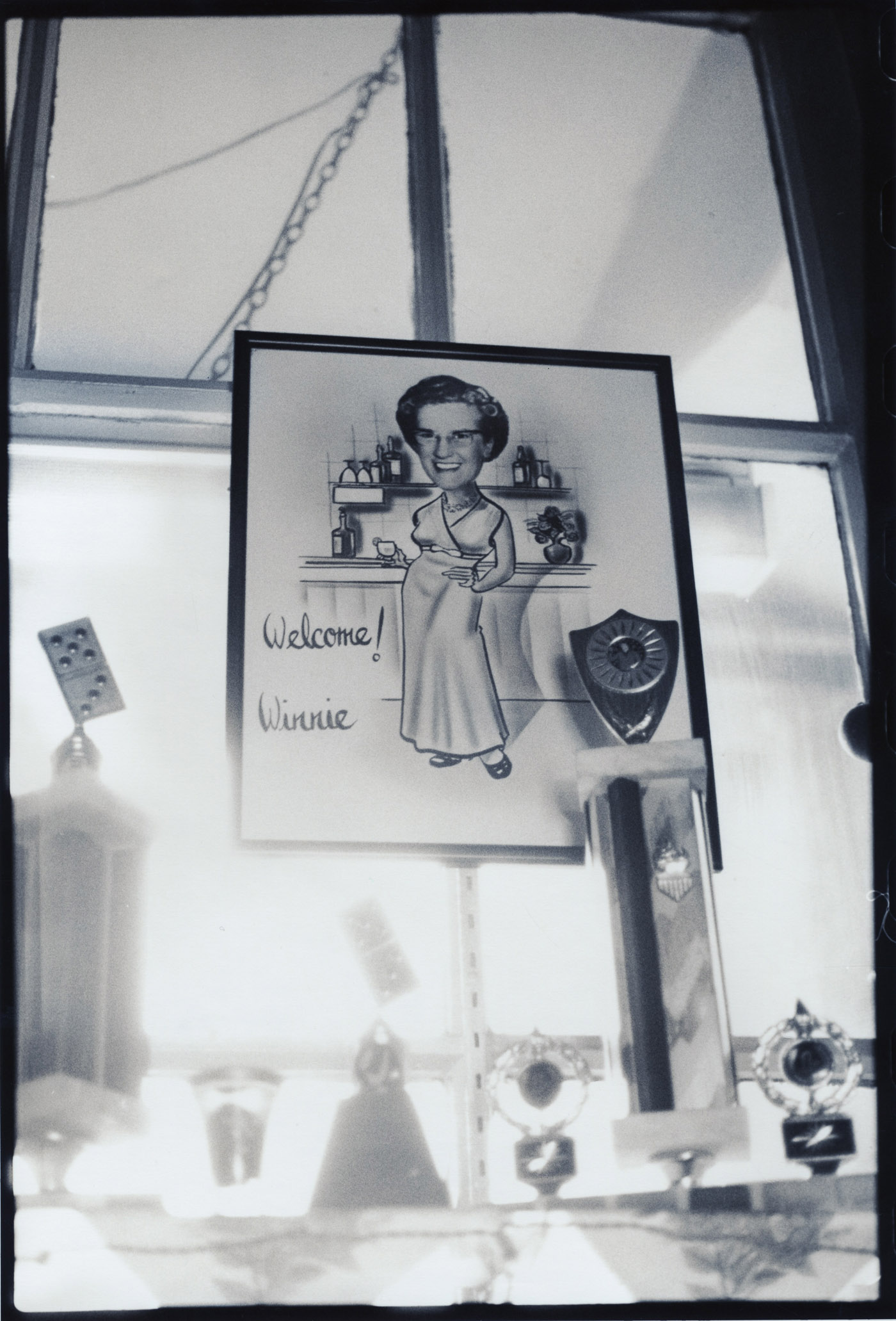
She then turned to me, “And what do you think you’re doing?” I was stood holding my Leica M6, “I was going to take some photos.” I replied. “That’s part of the problem: you’re stood there with your expensive camera, egging them on. You should know better. Give me that camera, you can have it back in a day or two, when. You better have a think about what you were doing.”
Old-fashioned censorship
When I returned to get my Leica, there was no film in it. “What’s happened to my film?” I asked Winnie? “I threw it away.” she replied, “Nobody needs to see them sort of photographs. What were you going to do with them, put on a show, so your la-di-da friends in Leeds could laugh at us? That’s not who we are, that’s not how it is, just think about it.”
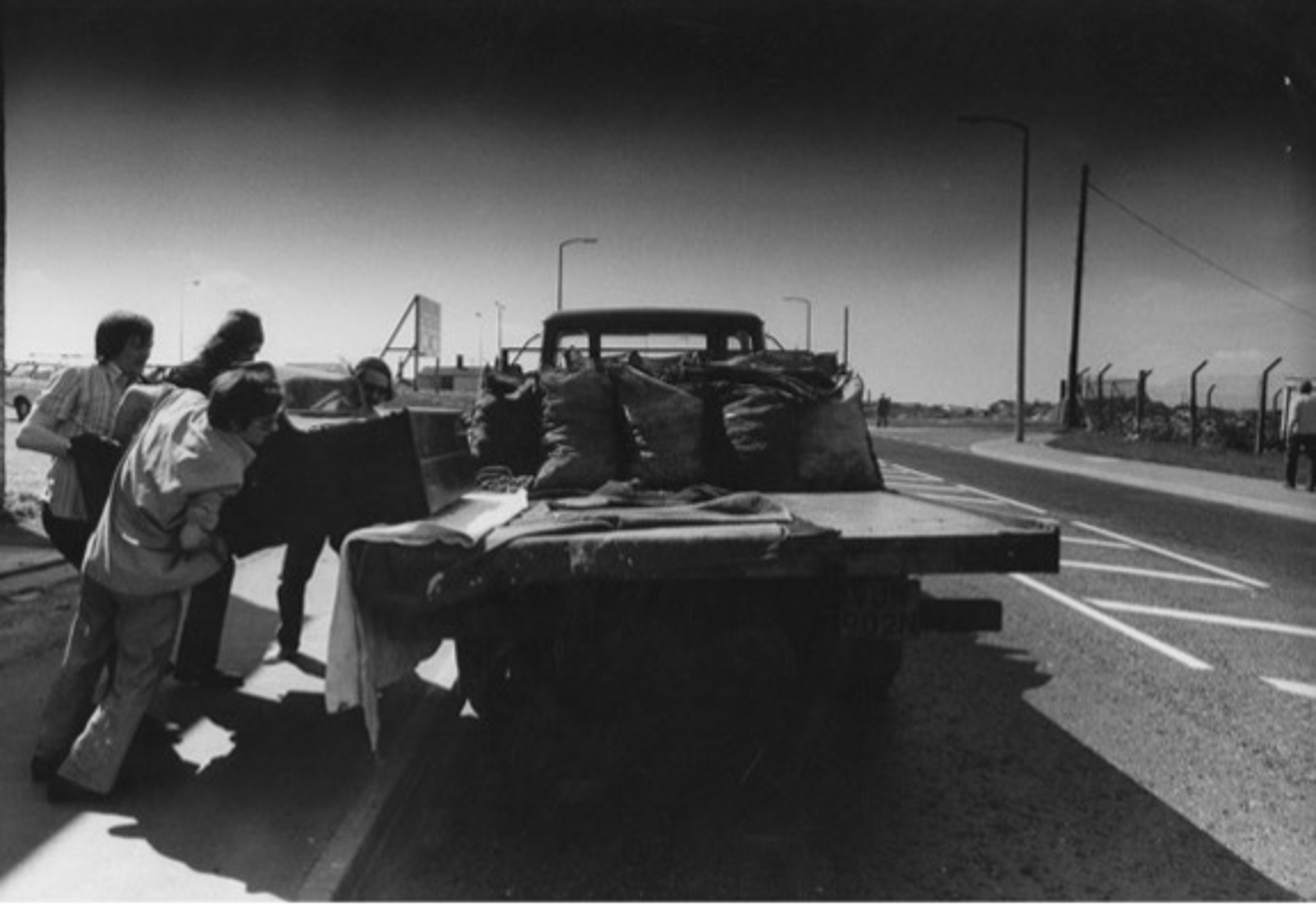
I did think about it, and in many ways Winnie was right. Shortly afterwards, the piano was sold to a local coal merchant. He picked it up on his rounds. Winnie’s beloved piano was shoved onto the back of his wagon and driven away as Winnie stood crying in the doorway. The Moulders closed a few months later and was demolished.
The silence of the pianos
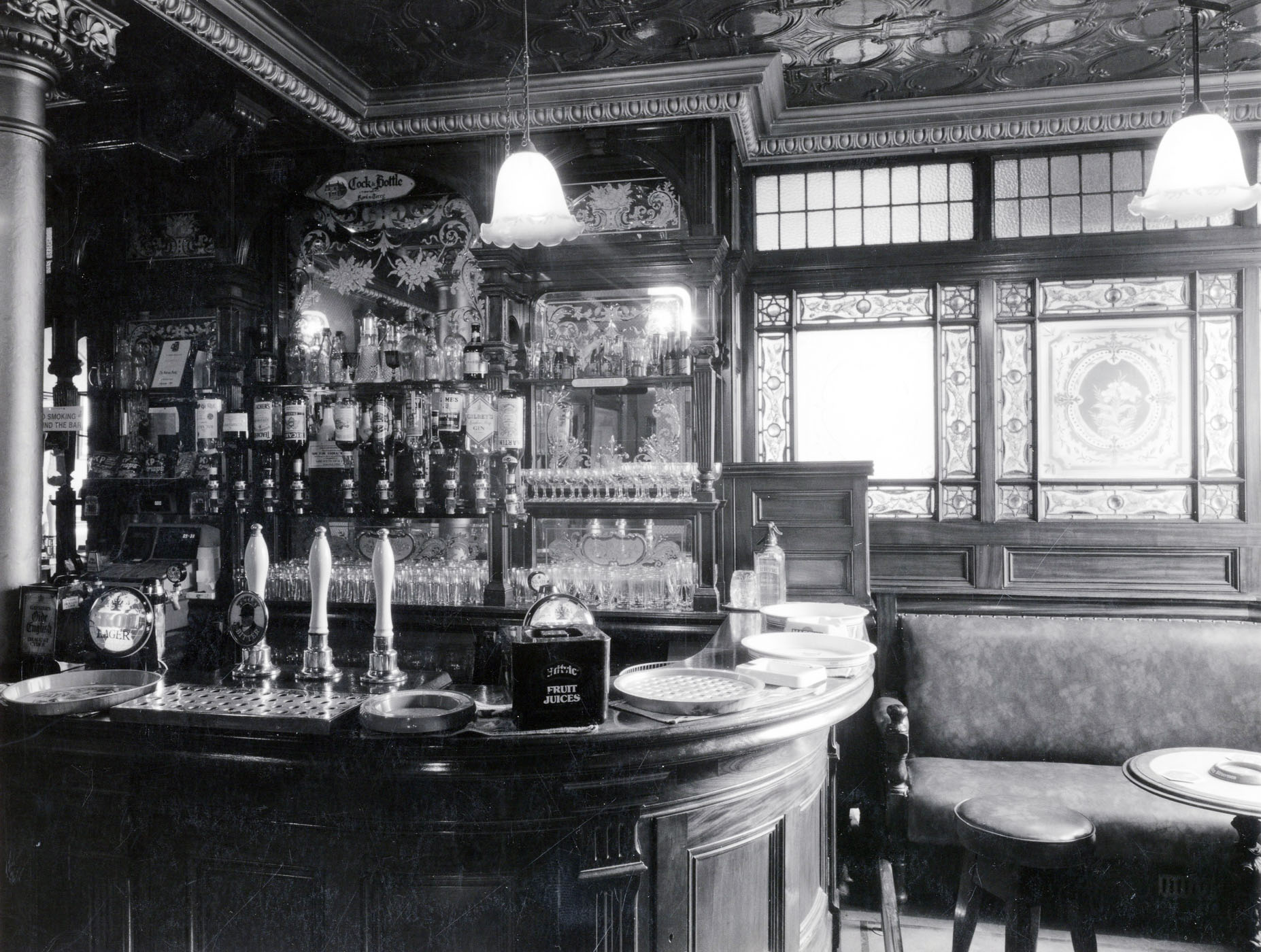
It is estimated that there are only between 250–500 pubs that still have a piano. The jukebox replaced many, and then came karaoke, piped music, and sports TV.
Pub pianists had a unique style of playing. The front of the piano was removed to amplify the sound, and most pub pianists had a very percussive stride style. Many pub pianos weren’t very well looked after either; often they had not been professionally tuned for years. The most skilful piano players would try to retune pianos between songs.
Champion
When I had started studying photography at Bradford Art College in the 1970s, Champion Jack Dupree, the legendary blues piano player, was living in Halifax, West Yorkshire, after he had married a local piano woman. He earned his living playing blues piano around the clubs and pubs in the area, most notably The Cross-Keys in Halifax.
Champion Jack was a regular visitor to the art college. He would sit in one of the studios sipping whisky, telling stories of his life. His family had been killed by the Ku Klux Klan, and before he became a piano player, he was a bare-knuckle fighter in a travelling fair.
He was also undefeated, hence his name, Champion Jack. He would teach anyone who wanted to learn the basics of barrel house blues piano. And I was one of his most enthusiastic students.
Many years later, I met him when he was headlining a blues festival, and he asked me to join him in his dressing room for a drink. When he went on stage, I would take photographs of him performing and would keep his glass refreshed.
The quietness of an M6
He was impressed that I had a Leica M6 with the one lens, “Nice and quiet” he said. Sadly, I have been unable to find the photos I took of him. I have an archive of 250-300,000 negatives, and I am ashamed to say that a lot of my early work is not very well filed!
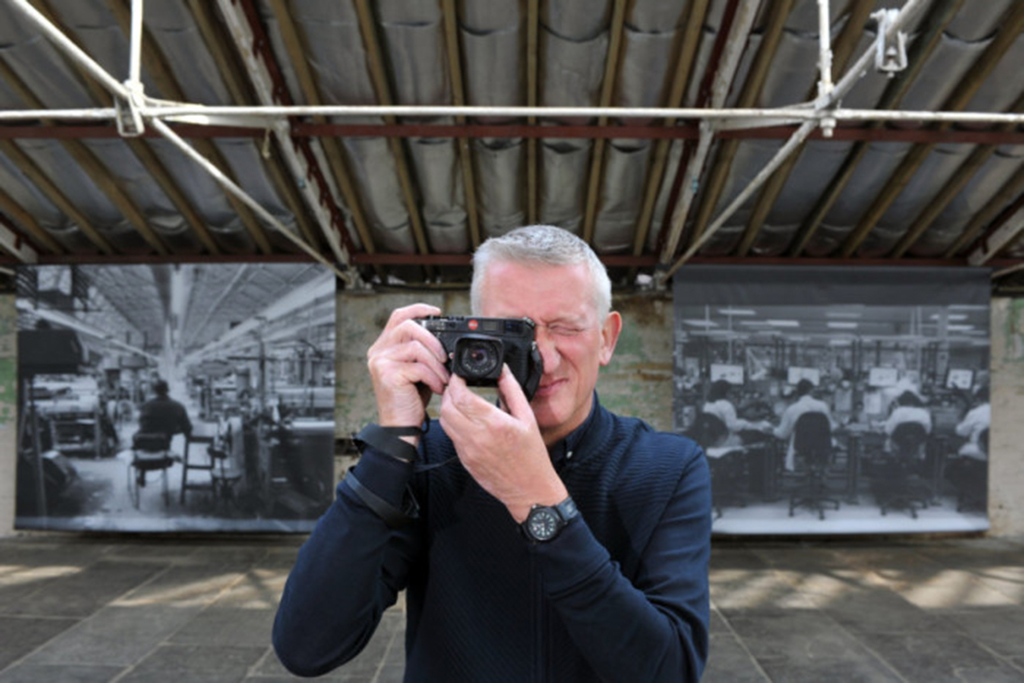
The quietness and the unassuming look of my black Leica M6 has served me well when photographing in what could be challenging environments. Many people in pubs would rather not be photographed; the less conspicuous you are the better. Often people would not regard the camera as an expensive piece of professional equipment; hence they would not assume that I was a professional or press photographer.
Last orders please!
When I was photographing in the mills in the 1980s, particularly during the late/evening work shifts, which were typically from 2 pm to 10 pm. Pubs in England had to stop serving at 10.30 pm. Last orders for drinks would be called at 10.20 pm and everyone would have to be out of the pub by 11 pm.
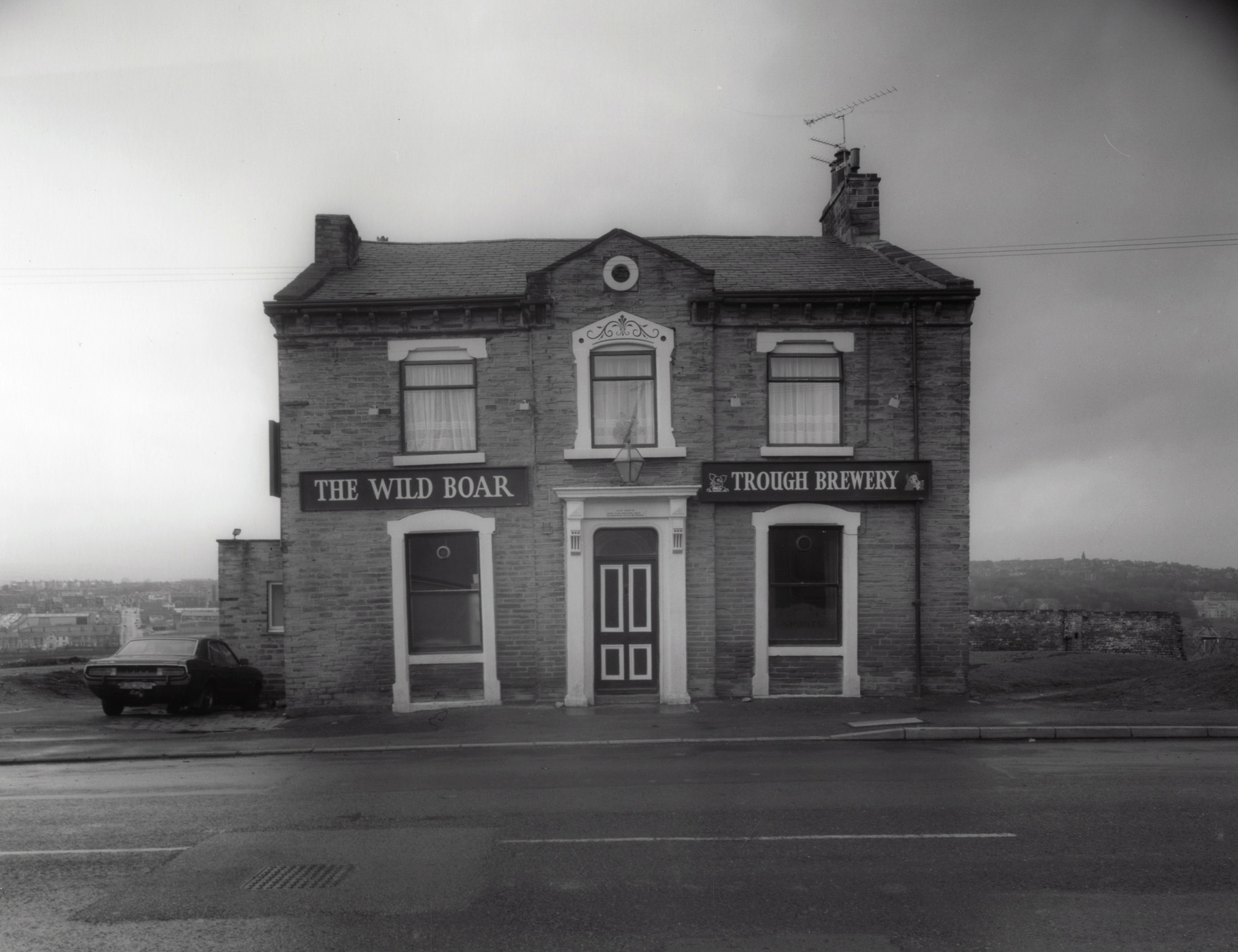
At 9.30 pm in most mills, the foreman would call round the workers for their beer orders. He would then ring the local pub and order the pints. By the time the workers made it to the pub, the pints would be lined up on the bar ready for all the thirsty workers coming off shift.
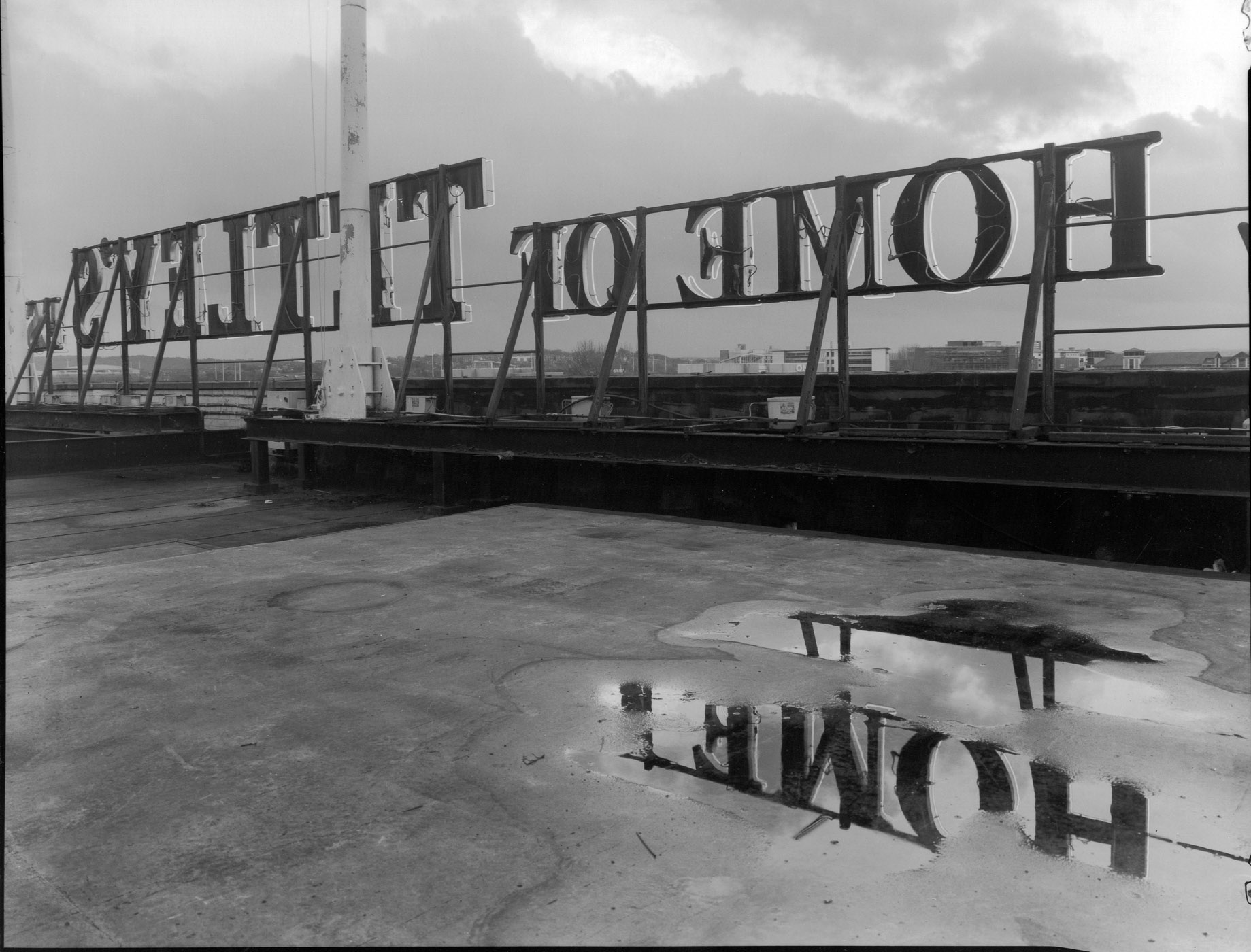
Occasionally, I would be invited to join them on the condition that I stopped taking photographs, “We’ve bin working all day and so have you. It’s time to knock off and sup up a few ales.”
Taking a practical perspective in life
One night, one of the men, who was interested in photography, told his colleagues how much a Leica cost. My camera was passed around the pub to be examined and judged. Many were amazed at how heavy it was. Most appreciated that it was a good piece of engineering. But in typical Yorkshire fashion, I was informed that I could have bought a decent secondhand car for that, and not have to travel on the bus.
Epitaphs for pubs and lost industries
As industries collapsed, hundreds of pubs were demolished; those that still remain are a reminder of their proud industrial past.
- The Boltmaker’s Arms, Keighley, West Yorkshire.
- The Bricklayers, Shrewsbury, Shropshire.
- The Chemical Tavern, Leeds, West Yorkshire.
- The Clothiers, Yeadon, West Yorkshire.
- The Delvers Arms, Bradford, West Yorkshire.(closed)
- The Foundry Inn, Blackburn, Lancashire.
- The Gas Fitters Arms, Oldham, Greater Manchester.(closed)
- The Miners Arms, Ashton under Lyne, Greater Manchester.
- The Moulders Arms, Bradford, West Yorkshire.(closed).
- The Pen Factory, Liverpool.
- The Rain Bar (near an umbrella factory now closed) Manchester.
- The Spinners Arms, Oldham, Greater Manchester.
- The Weavers, Oldham, Greater Manchester.
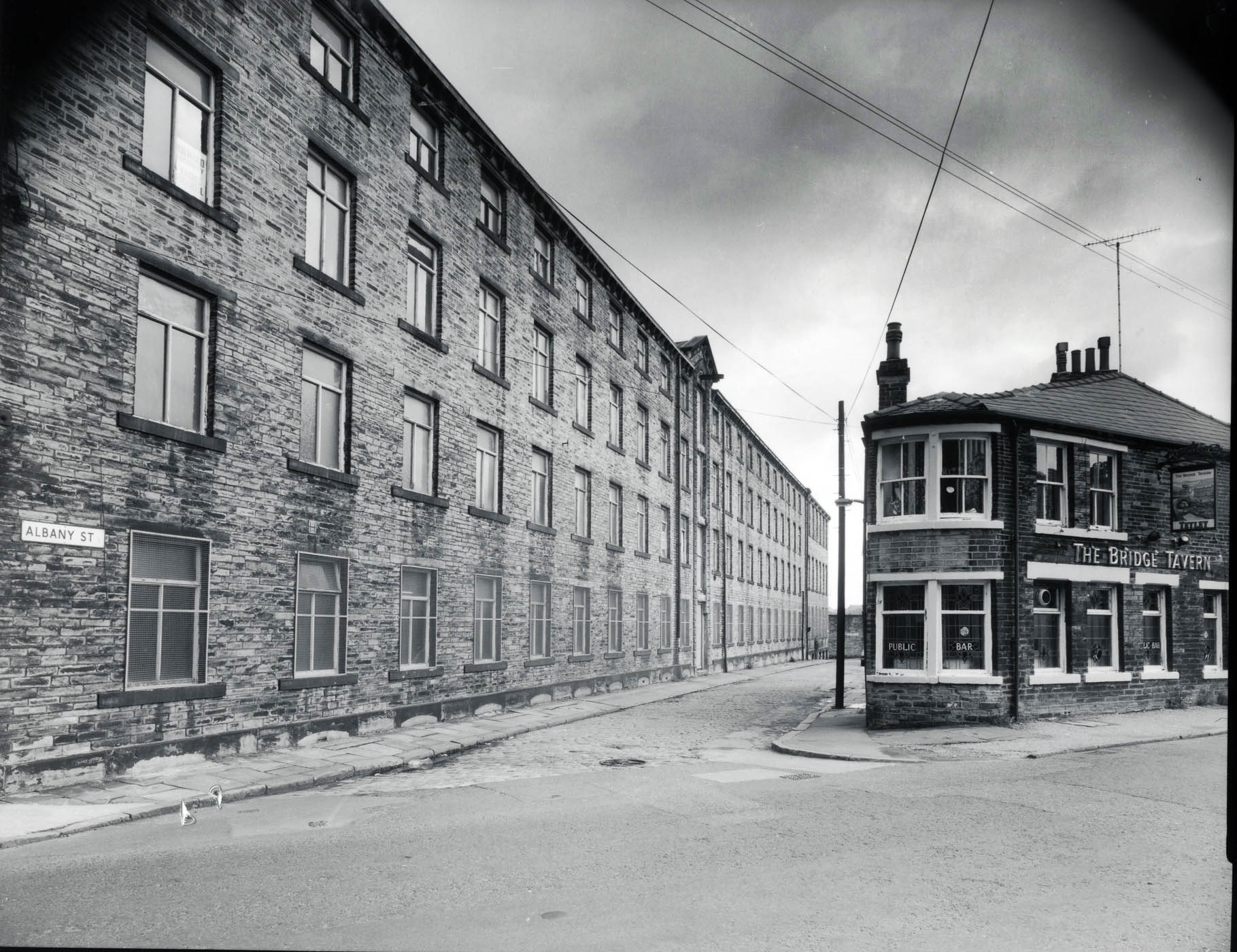
City of Culture
2025 was Bradford’s year as UK City of Culture, and to me pubs are still a massive part of culture. Whilst in the book I mourn the losses of the many extraordinary Bradford pubs I used to frequent, lots have survived as historic places and need to be cherished and indeed drunk in!
These places nurture companionship and are an antidote to loneliness and isolation. They’re like living works of art. They’re for the people, and they’re made by the people in them. I find that incredibly powerful and moving – more so the older I get.
The Glass Half Full
In here the glass
Is always half full
Optimism’s light
Shining through the window.
— Ian McMillan,2025
Four Beerku’s (Beermat Haikus) from Ian McMillan
| A pint of bitter On this rectangular space: A stained-glass window. | The pub sign swinging Wafting the Queen’s old stern head Backwards and forwards |
| The glory of crisps: A symphony of crunching. And bits in your ale. | Two flat caps hanging On those pegs on the back wall. There used to be three. |
The exhibition Sup Up & Away forms part of the exhibition Life Goes On, which is in Gallery 2 at Salts Mills Saltaire until the end of 2026
The book which accompanies the exhibition Sup Up & Away is published by Salts Mill, Saltaire, Bradford. Copies can be ordered via their website. See in the table at the end of this article:
Calling time
In many ways, time has been called on these old working pubs. Shiny “gastro-pubs”, “brew pubs”, wine bars and bistros have all stepped in to bring in new clientele. It’s unlikely many have a piano, let alone a pianist, unless it’s a crooning Teflon-smooth lounge singer. I wonder some days what Winnie would make of it all. And whatever happened to Gabriel and Freddy? Thankfully, my M6 soldiers on to record the changes that continue to take place.

Make a donation to help with our running costs
Did you know that Macfilos is run by five photography enthusiasts based in the UK, USA and Europe? We cover all the substantial costs of running the site, and we do not carry advertising because it spoils readers’ enjoyment. Any amount, however small, will be appreciated, and we will write to acknowledge your generosity.
Well thanks to Ian and Ian for a little gem of a book. Oh and also Salts Mill. I got the copy in my hands today in Denpasar, Bali Indonesia from the POS (Indonesian Post Office). Without saying the photos tell the story, but the writing is quite touching. Sup Up & Away will go on the shelf with my favorite beer book, The Ale Trail. Royal Mail gave me a bit of jolt. I could see the book had arrived in Indonesia from UK. First Royal Mail Tracking says that the Indonesian POS can’t find my address for delivery, the day after POS had delivered the customs form for payment. The next day, Royal Mail Tracking tells me the book is being sent back to Salts Mill because it couldn’t find my address. I did contact the POS and they held the book at the package delivery center. Thanks again the book is a real treasure to me.
Just came across this and think it’s a brilliant article. This is what photography is about charting the changes in our society. So well written and engaging and recording something that has gone forever. Thank you!
Ian, a superbly written article. The subjects fit in perfectly with the cloudy skies in black and white. I loved the Tetley brewery workers’ photo. I have photographed some of the pubs I frequented in my late teens to early twenties before I left London for Australia. Many have gone altogether, many are no longer pubs. London has gone through considerable change, more subtle than Bradford though. Cheers.
In 199I in Bradford, I wrote a book entitled “LAUGH? I Nearly
Went To BRADFORD.
I’m not laughing now!
Nice one,Ian!
Oh my, that’s exceptional.
Ian, thank you for your wonderful chronicle of bygone times. A priceless document and brought alive in your evocative pictures and words.
Finding analogue negatives can be a nightmare. At least mine are in chronological order, at least the monochrome. Perhaps I should address the question of easier rediscovery
I love this article! I was born and raised in Bradford and like William I’m a big fan of the blues and of Champion Jack Dupree. My father and I had the pleasure of attending Ian’s really excellent talk at the PCCGB meeting in Bradford in October.
Welcome to the Macfilos comments section, Peter. Good wishes to your dad who never fails to raise a smile!
Thanks Mike. Will do.
Beautifully done. Thanks so much. I have a deep love of cask ale from q brewing course at BrewLab in Sunderland, 1996. We did drink at every available pub and brewery in UK I think. Lovely article.
Absolutely outstanding!!
Superb insight into the pub culture! Love it!
This is what Leica cameras are meant to document!
Great work once again, Ian. I love the Winnie’s piano image. You can almost hear the countless tunes played on it. I also love reading photographers’ notebooks for the insights that they give. The list of pubs with some in red reminds me a bit of James Joyce’s Ulysses. There is a scene in Ulysses where the people in Barney Kiernan’s pub read out a list of unusual names. Yours are pubs, but in Joyce’s list they are real people such as Michelangelo Hayes who was an artist and an early member of the Dublin Photographic Society, who eventually died by drowning in his own attic tank. The Tetley men are, of course, pure theatre and the Wild Boar looks almost defiant in its solitude. Your photos are priceless and I hope that they are being preserved somewhere in Bradford or its environs.
Now on to another great thing in your article and that is the appearance of Champion Jack Dupree on Macfilos, mirabile dictu. I have been a jazz and blues fan for nearly 60 years now and I met Jack 3 or 4 times in Dublin in the late 1960s and early 1970s when a friend brought him over here and he stayed in another friend’s house. He was from New Orleans and when he sat down at the piano just playing the left hand keys, Capel Street in Dublin suddenly became Bourbon Street in New Orleans. He was truly an historic figure even back then, having been in an orphanage in New Orleans just a few years after Louis Armstrong. His ‘Champion’ title came from his boxing prowess (he was a tiny man though) where he won Golden Gloves titles. I’m still stunned at Jack’s appearance on Macfilos.
Great work, Ian and I’m not surprised that you became a friend of Jack’s.
Both of you produced work that was absolutely real. No B/S, just the real thing.
William