
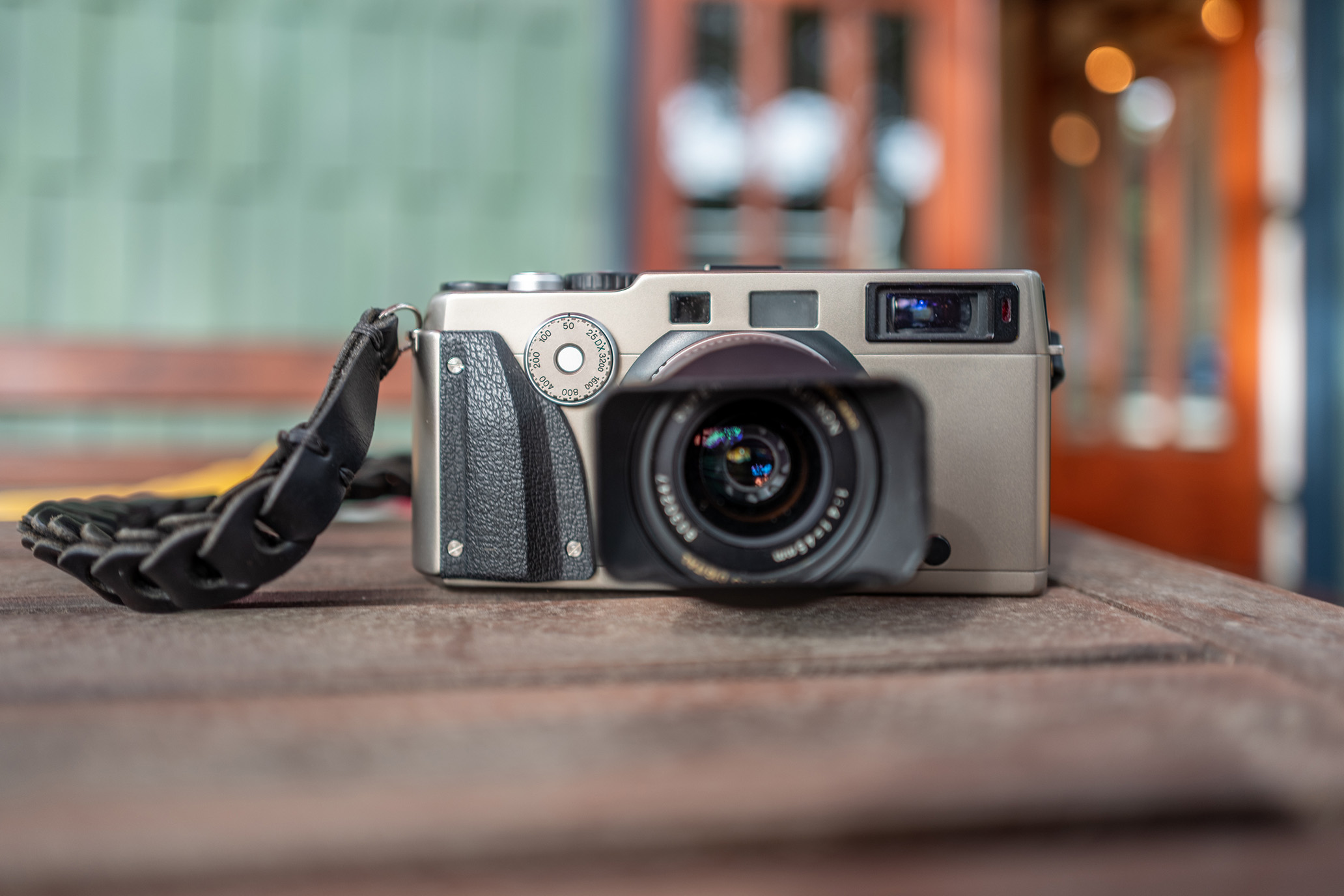
Almost seven years ago, on a trip to Germany, I ran into a guy on the street shooting with an XPAN. After looking through the viewfinder of his camera, I knew I had to have one. Imagine if you got inside a mailbox and popped open the slot to peer through at the world. Chances are, it would look like those super-wide format 70mm Cinemascope films that blew my mind when I was young; like Ben Hur and Grand Prix — and this camera made that possible. Take my money!
Why the enthusiasm for the XPAN? It takes me back to the wondrous anticipation of when the cinema lights dim, and the velvet curtains part. And then your nostrils begin to smile with the smell of buttered popcorn. The cinema remains one of the few remaining places that brings young and old together in a celebration of imagination. Going to the movies is where magic is still made possible.
Inspired by the movies
Almost all of us can excitedly remember any number of incredible escapist tales of kids and aliens on flying bikes. The treasure hunters exploring the dangers of booby-trapped temples. Or the silver wrapped time travelling cars that take us to the future. It filled our minds and hearts with laughter, joy, and sorrow. In some cases, like my own — it was a call of inspiration — a longing to make it my career and my life.
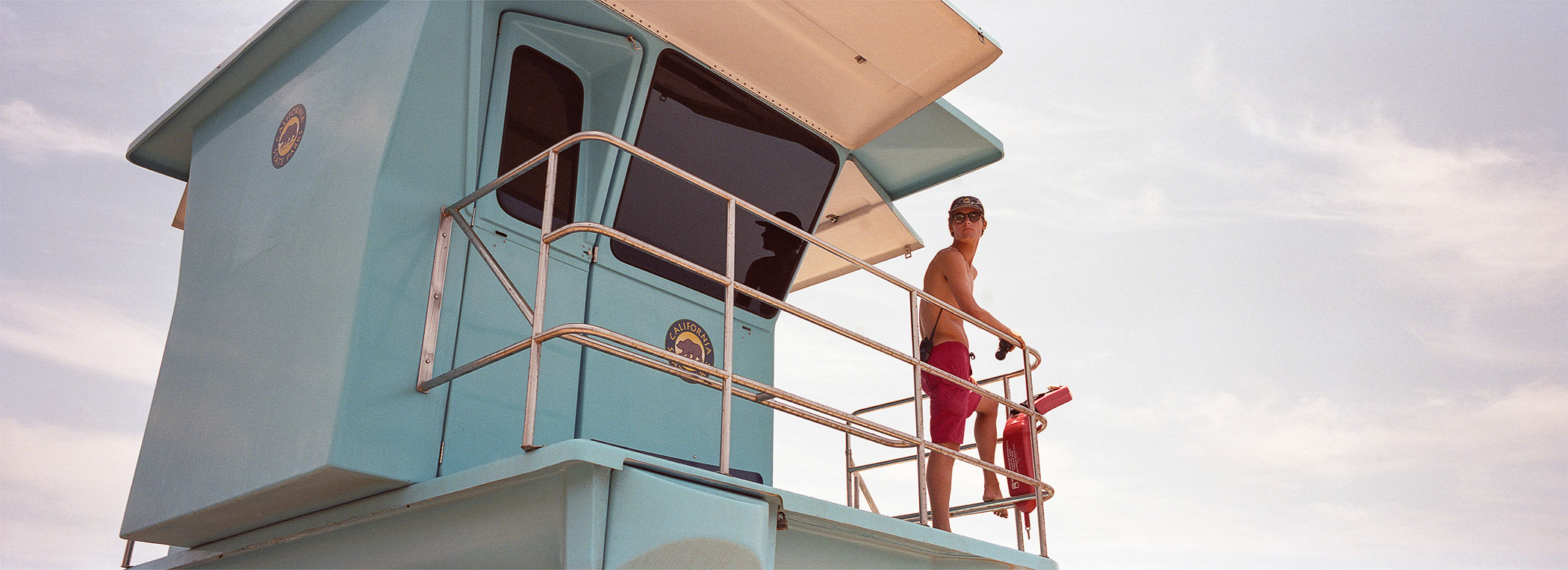
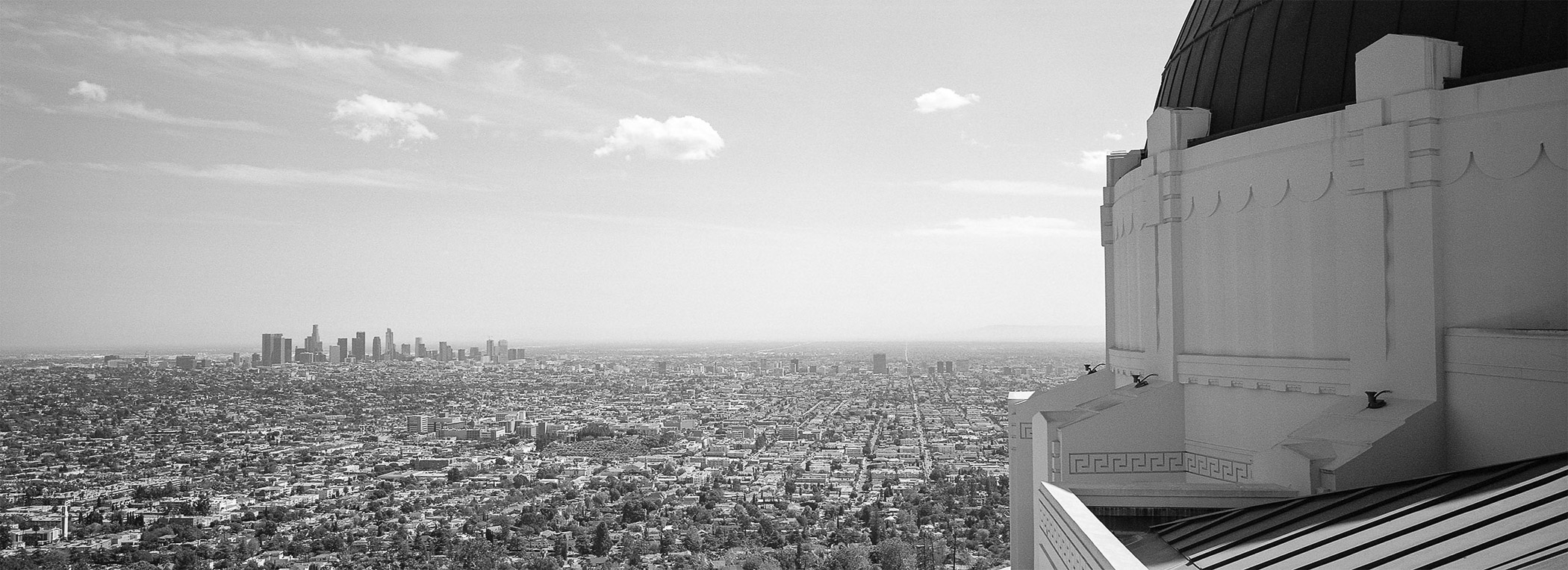
I am a huge movie buff and have worked in film and animated features for the last 25 years. But, like anyone bitten by a creative bug, I don’t clock off at the end of the day. My need to make things — be it for the big screen or just for myself — continues well after 6 pm. So I explore my adopted home in Los Angeles through photography. It encourages me to travel and be curious, and to try to capture something that inspires, challenges, or teaches me. If nothing else, it gets me into the real-world outside.

Photography, my form of self-expression
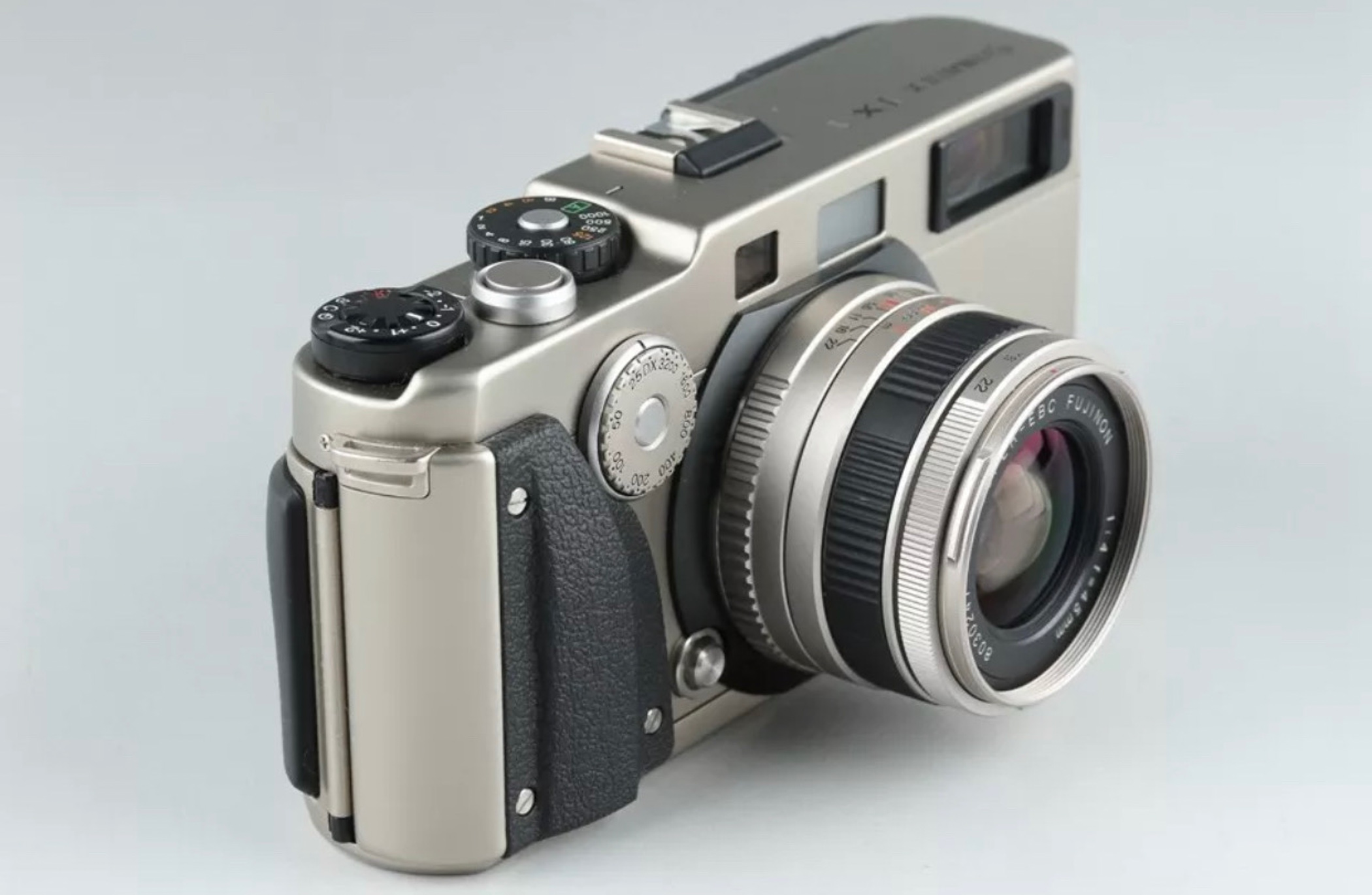
Photography is capturing the life around us, but of course, it’s often not reality. The photographer brings all their personality, tastes, and experiences along with the format to say something about what they see. I’ve found that nothing else combines my two loves of movies and photography than a 35mm camera produced by two titans of the industry, Fujifilm and Hasselblad. The Fujifilm TX-1, or the far better named Hasselblad XPAN.
Stretching the idea
The Fuji TX-1 was produced in 1998 and was a concept camera. It is said to have been shopped around at one stage to other manufacturers. The goal was to seek interest in rebadging it for markets outside Japan. Supposedly, Fuji even spoke to Leica (man, I truly wish that camera was made!), but eventually, a special project partnership was formed between Fuji and Hasselblad.
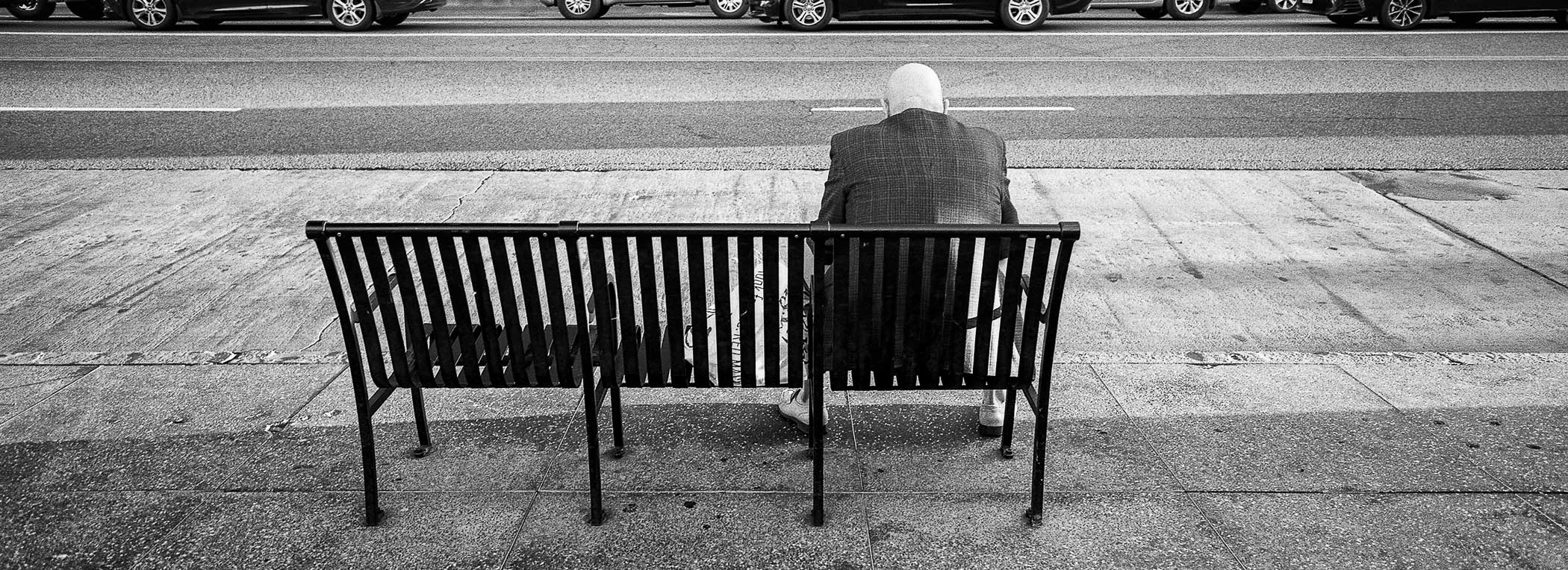
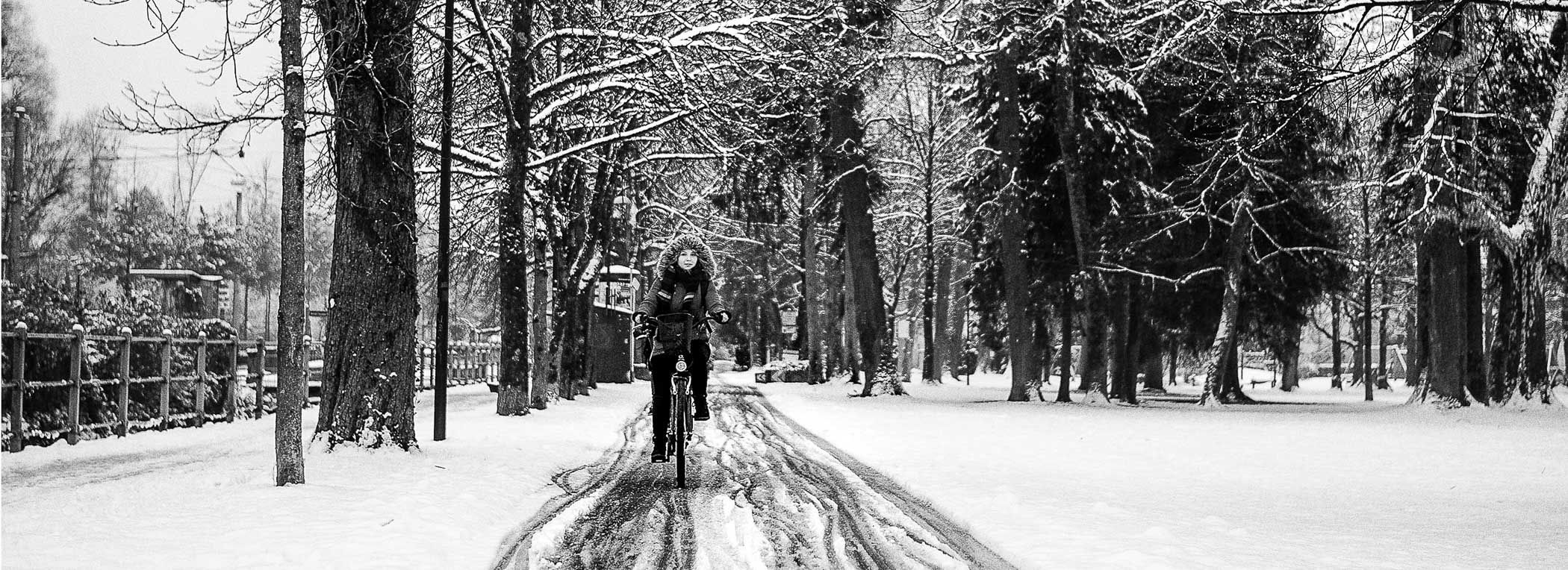
It was quite a unique concept that is really something we take for granted today with panoramic modes, so easily accessible on our phones. The XPAN took the idea of shooting a wide panoramic image on regular 35mm film, but across almost two frames side-by-side, creating a 65x24mm negative. A roll of 36 exposures allows for 21 photos in this format.
You can shoot the normal 35×24 negative size on the camera (there is a small switch that also updates the frame lines in the viewfinder), but it feels strange to do so when the camera was purposefully designed to take advantage of the panoramic format. I process all my film at home, both black and white and colour. My high-school Chemistry teaching wife is the person who mixes the chemicals with a mild level of enthusiasm (I love her!) I do the developing, and then scan the negatives on an Epson v850 pro.
The importance of design
Both versions of the camera were completely manufactured by Fujifilm, both the body and lenses. The Fuji TX-1 was sold only in Japan, and the Hasselblad XPAN was sold throughout the rest of the world. I am lucky enough to own quite a number of really well-built cameras, including some from Leica and Hasselblad. But, the Fuji TX-1 and XPAN are some of the nicest designed and well-built cameras I have used.
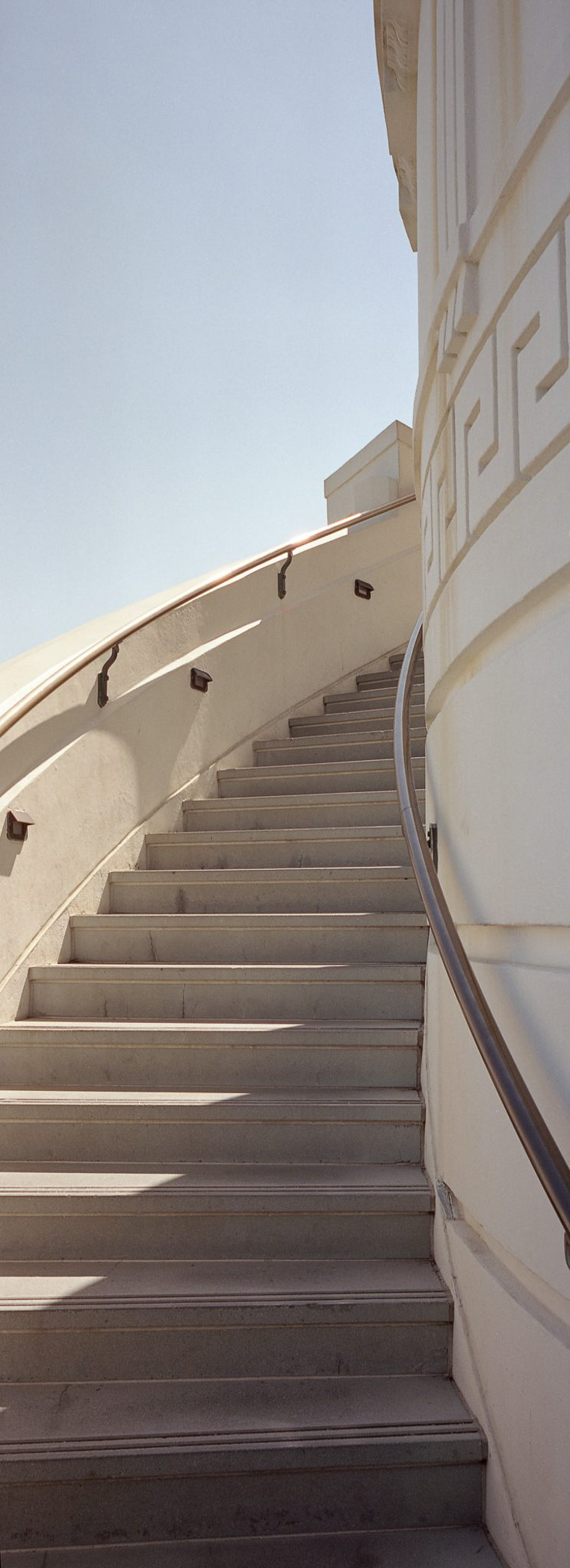
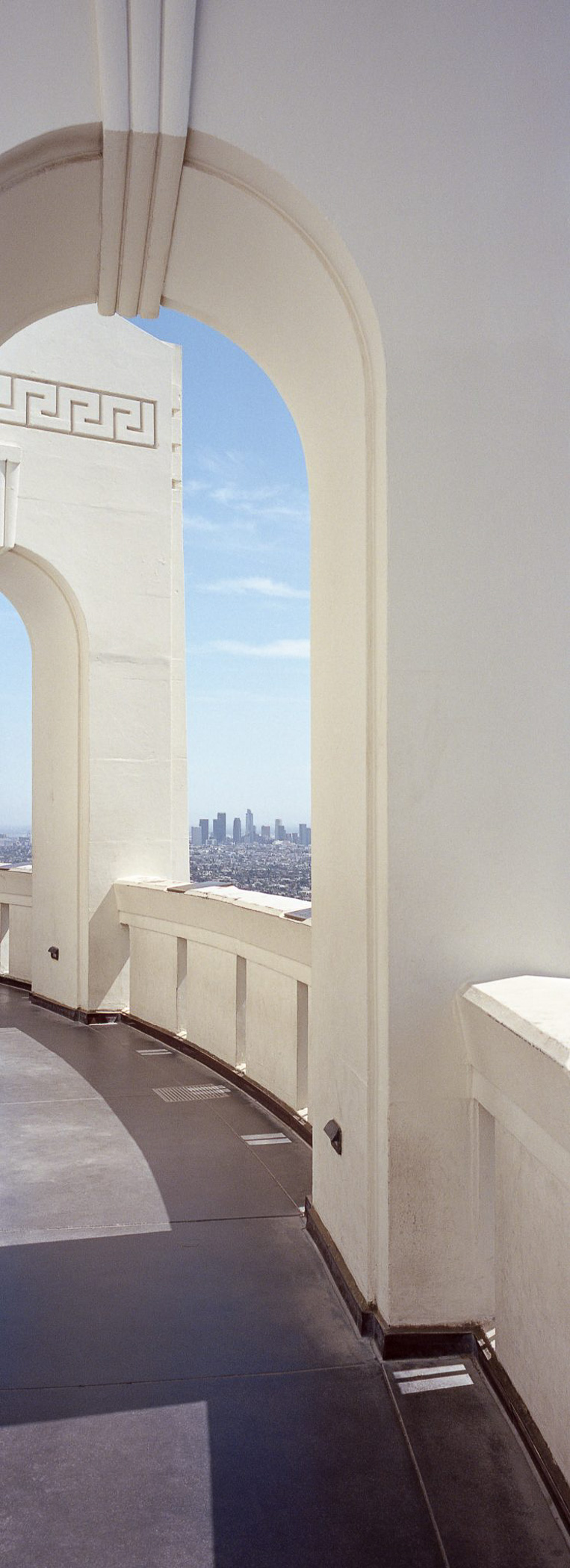
From a quality perspective, it very much belongs in the same tier as Leica and Hasselblad. The only things that position it one step below those cameras are the plastic control dials. In reality, everything on this camera feels very well machined, has smooth movement, or delivers solid clicks from the dials. It’s a joy to use.
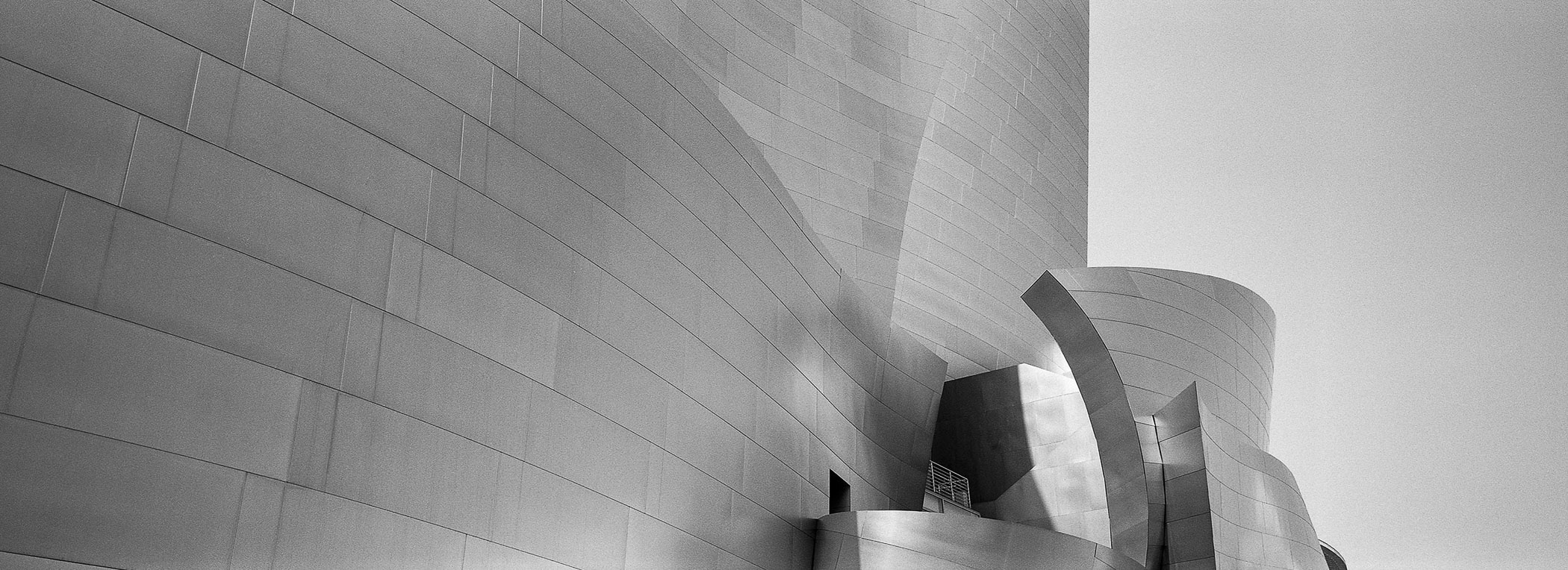
The rangefinder influence
The camera has a very classic rangefinder design and shape to it. The viewfinder window is wide and looks fantastic. The focusing patch, which works much like the Leica, is bright and easy to use for focusing at all distances. The frame lines are clear and always get the same reaction from anyone looking through it for the first time, a gasped “WHOA!”.
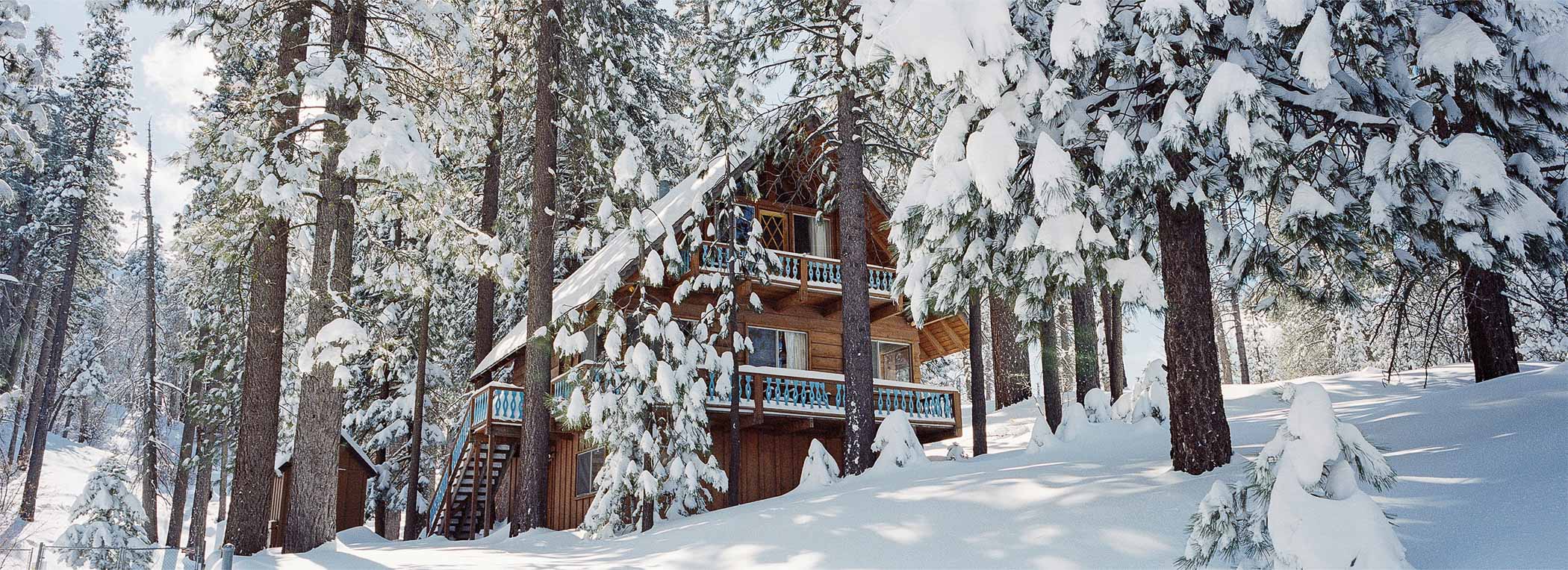
The TX-1 or XPAN has quite a lot of tech built in. When you put film into the camera, it unwinds the roll completely, and then, as you shoot, it spools the film back into the canister. This is great if you ever accidentally open the back, as all your images are safe inside. I’ve never done this because I am not an idiot (I have done this).
Controls where you want them
There is an aperture priority mode, much like the Leica M7, which is excellent. The internal meter, I have found, is very accurate and makes shooting very rapid. You can just adjust the aperture on the lens and leave the rest up to the camera.
Half pressing the shutter button will lock the settings in place, allowing you to meter on a spot. You can then move the camera to recompose your framing. This is extremely useful, as it takes A LOT of practice getting images that work well with this format — you can tell me if I have had any success.
Compose, think, recompose
There are many times I will raise this camera to my eye only to lower it again. You really have to think a lot about composition, and keep a very close eye on the edges of the frame. Even more so in portrait mode. I often look for shots that have either a large amount of interesting and broadly spaced subjects to help make use of the wider format. Or, look for singular subjects that I can frame with negative space to make the wide shot more dynamic. At least that is what I keep telling myself.
The perversity of choosing film
Shooting film over digital might well be stupid, especially when the wonderful new Hasselblad X2D or 907x offers a digital XPAN mode. Like most, I have found life a messy mixture of tragedy, joy, misery, love, and loss. After several losses recently in my life — the big ones that change you — I have gone through the inevitable and utterly unique questioning of what matters. I don’t pretend to have any answers; so I try to make the best of it.
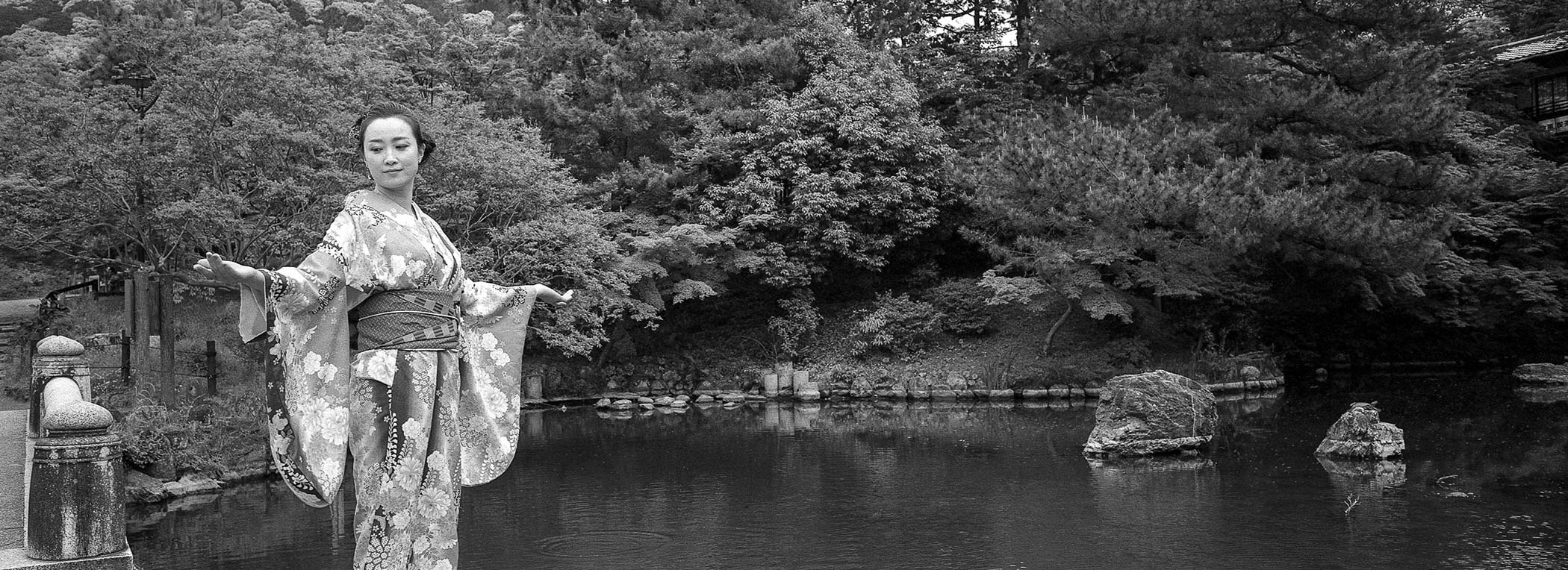

For me, that’s filling my time with creativity. AI can go to hell. Like animation, writing, painting or learning a musical instrument, the joy is in the process. It’s the making of it and all the challenges and failures along the way. Plus, having a physical output in the negative and darkroom print — it’s the value to me.
Make a donation to help with our running costs
Did you know that Macfilos is run by five photography enthusiasts based in the UK, USA and Europe? We cover all the substantial costs of running the site, and we do not carry advertising because it spoils readers’ enjoyment. Any amount, however small, will be appreciated, and we will write to acknowledge your generosity.
Hi Mike, is there a contact email for you? We’ve been trying to reach you regarding some of your photos in a film for a film I’m working on. Sorry to message you through here just figured I would try reaching you.
The email address is at the bottom of the home page on Macfilos.
Hey Mike ty for the reply! I was hoping to get in touch with Mike Amos, I sent an email to the website at the bottom of the homepage as well, thank you for your reply.
Angie, I have written to you and send a blind copy to Mike Amos.
Mike
A great article. I always wanted to get an XPAN but never got around to it. It would have been a wonderful creative tool! You have inspired me to use this type of cropping option my delicious Fujifilm GFX 100RF.
Thanks for the very kind comment, Brian! Please post and share the images from the GFX – would love to see your photos with the digital Xpan option on the Fuji.
I have never owned one of these, but I played with one in the company of the guy from Lewis’s who works at the Camera Museum owned and run by Adrian Tang.
It is a fascinating endeavour, and I downloaded an app which effectively did the same thing, not used it much since.
Overall though, for the wide composition experience, I much prefer that derived from playing with the ultra-wide angles that the Hasselblad SWC and my Sigma Quattro DP0, can manage.
Thanks so much, Stephen. The ultra wide lens idea you mention is something I love to experiment with too. Offers such a unique perspective on the world.
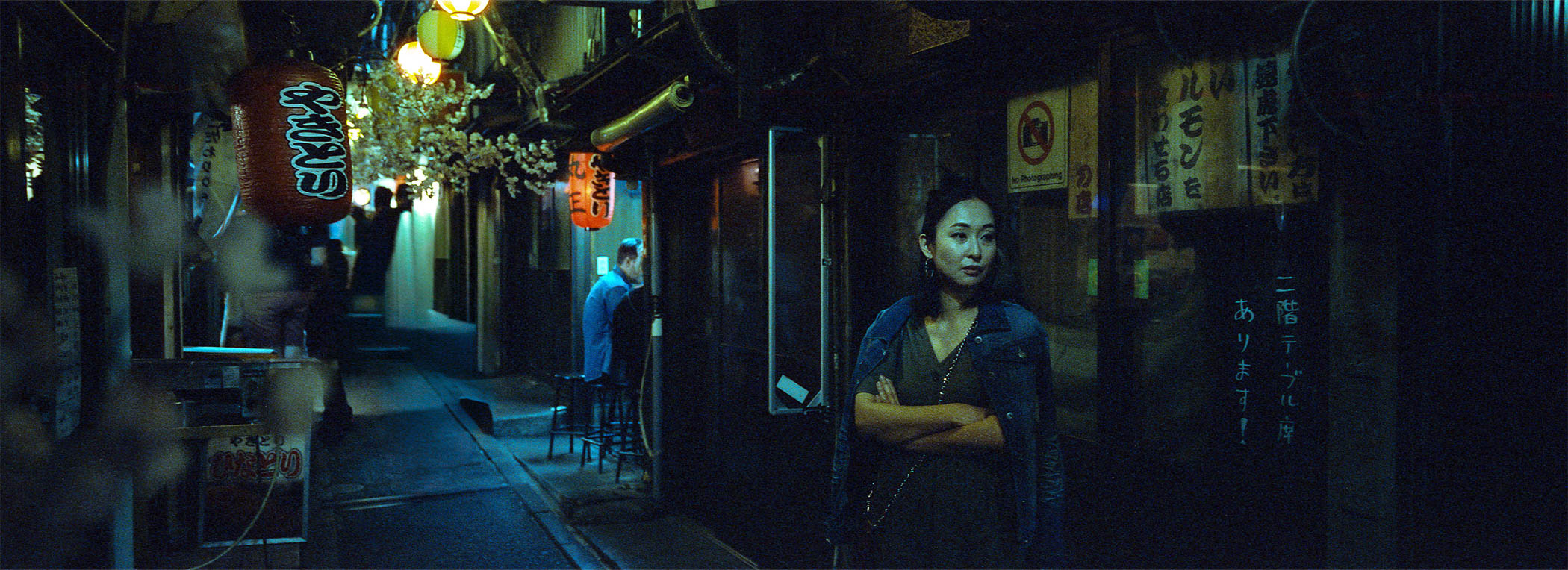
Hi Mike — I really enjoyed your article. Having done some shooting recently with Hasselblad MF cameras, using their XPan crop option, as well as a Sirui anamorphic, I think these wide-screen aspect ratios can deliver fascinating images, as your article demonstrates. I concluded that compositions in which there are two points of interest, positioned on opposite sides of the wide-screen image, with one in the foreground and another in the background, fully exploited these 25×64 aspect ratios. Your Off-night Backstreet image is a fantastic example of this approach — so, no surprise that it’s the one everyone is highlighting! All the best, Keith
Thanks so much Keith. Great to hear about your findings with this format too. It’s a really fun one to experiment with and try to master. Thanks again!
Very nice – Off Night Backstreet is my favorite – cinematic view !
Thank you! Mine too. Going back to Japan later in the year, so I’m looking forward to taking this camera again.
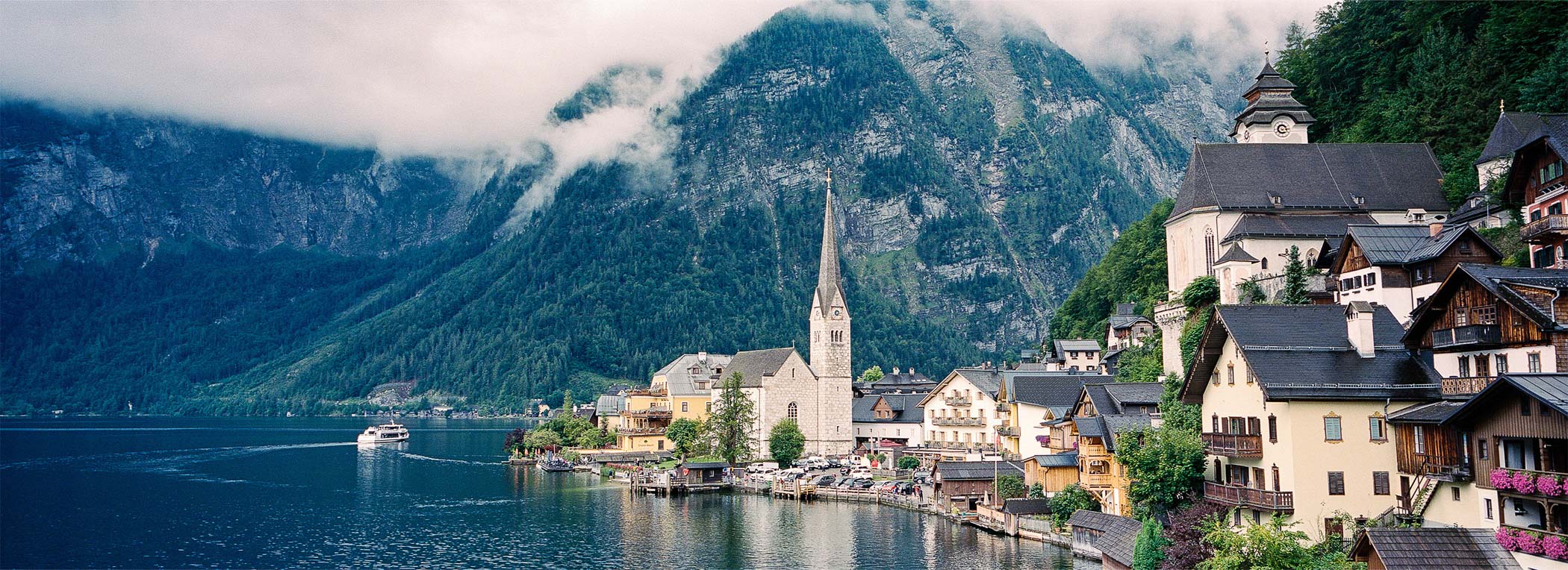
Lovely. Your ‘Off Night. Backstreet’ seems very — cinematic; seems as though it could be a still from a noir film. Similarly, I see Salzburg as an opening scene in a romance.
Truly evocative.
Thanks so much Kathy! Really appreciate it.
At the time I bought my Leica M7 I had to choose between that and the Hasselblad XPan II. I chose Leica but in some ways I have always regretted not owning the unique XPan. When I have the urge I set my SL3 to 3:1 aspect ratio and whilst a bit too wide it helps with composition. I can do my final cropping in Lightroom and have 65:24 as a preset crop
Ah Tom! What a choice to make! Honestly, I love the Xpan, but I think the M7 is such an incredible camera. Not sure if there is a bad/wrong choice to be made there. Do you still shoot with the M7? I have an MP, but thinking of adding an M7 to the bag.
I didn’t know the SL3 could do that. Does it show the crop in the viewfinder? That would make it very close to a digital xpan which would be awesome to have.
I don’t have an M series camera now but I do still use my 35mm f2 Summicron on the SL3.
You can select a number of aspect ratios on the SL2 and SL3 cameras. If you shoot RAW only the camera preview just shows lines where the crop will happen. If you shoot RAW plus JPEG the preview is fully cropped (for the JPEG only). When you bring the RAW files into Lightroom it applies the aspect ratio crop you chose in camera but you change it to anything you like as the full RAW file is preserved. JPEGs are irreversibly cropped.