

I’m a longtime user of Leica M cameras and lenses. Every once in a while, a new M-mount lens comes along that doesn’t just create images; it paints them. The Light Lens Lab Z21 lens, a recreation of Pierre Angénieux’s rare S21 50mm, f/1.5 cinema lens, is just such an example.
An original S21 lens, if you can find one in good condition, would be about 75-years old. eBay has listed a few original lenses with M42 and Exacta mount, for $9,000 to $13,000. Originally intended for cinema use, its wide aperture was great when using less sensitive film stock. Used wide open, the lens provides a dreamy appearance with swirly bokeh and vignetting.
Many Leica M Mounts 50mm lenses available today provide crystal clear images that look like they were taken with a mobile phone — images too perfect to stand out or be noticed. When I want pristine images, Leica’s 50mm APO Summicron is world-class. Another sharp lens is the Zeiss Biogon 35mm f/2.8 ZM.
Sharper is not always better
For me, some of the most emotional photographs are not necessarily crystal clear. They leave something to the imagination. It could be that a little blur or vignetting adds to the mystery of the image. Many lenses designed 50–75 years ago had these qualities. Today’s lenses are clearly sharper, but not always better.

Light Lens Lab, founded in 2018 by Dr Zhou at Shangrao, in China’s Jiangxi province, has taken a different path for lens development. Their business model is based on re-creating rare lenses from the past using modern materials and coatings. They are not competing for the highest resolution or micro-contrast. They are attempting to resurrect famous lenses with unique imaging qualities not available with modern lenses.
Lens design
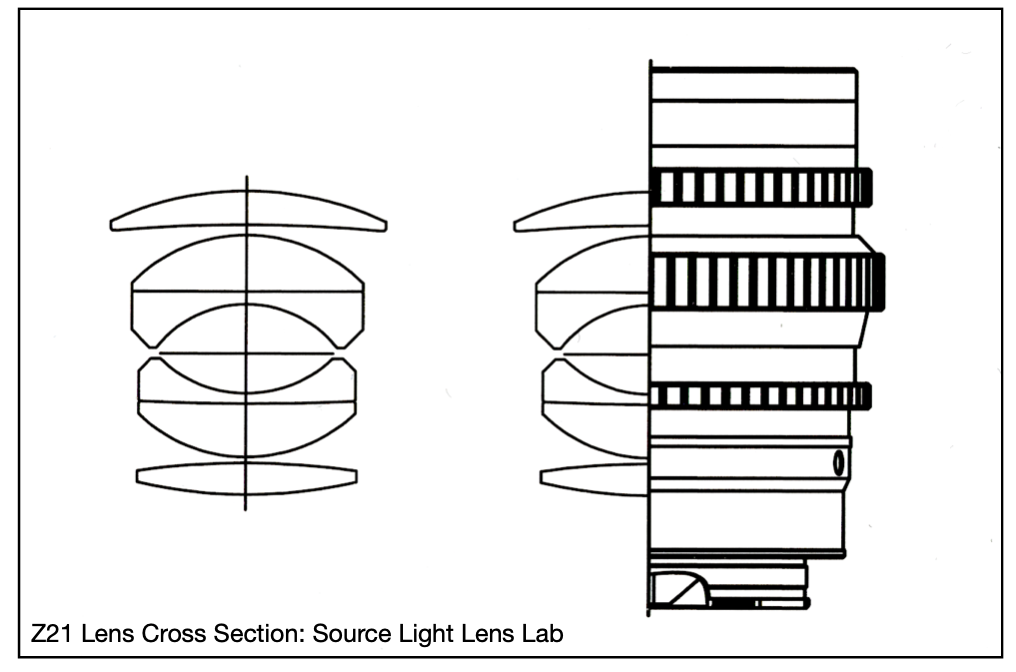
The Light Lens Lab Z21 uses six elements in four groups, in a classic double Gaussian design. It incorporates high-index lanthanide-infused elements to improve image clarity and reduce distortion. The iris diaphragm has ten blades that create a circular aperture from f/1.5 to f/22.
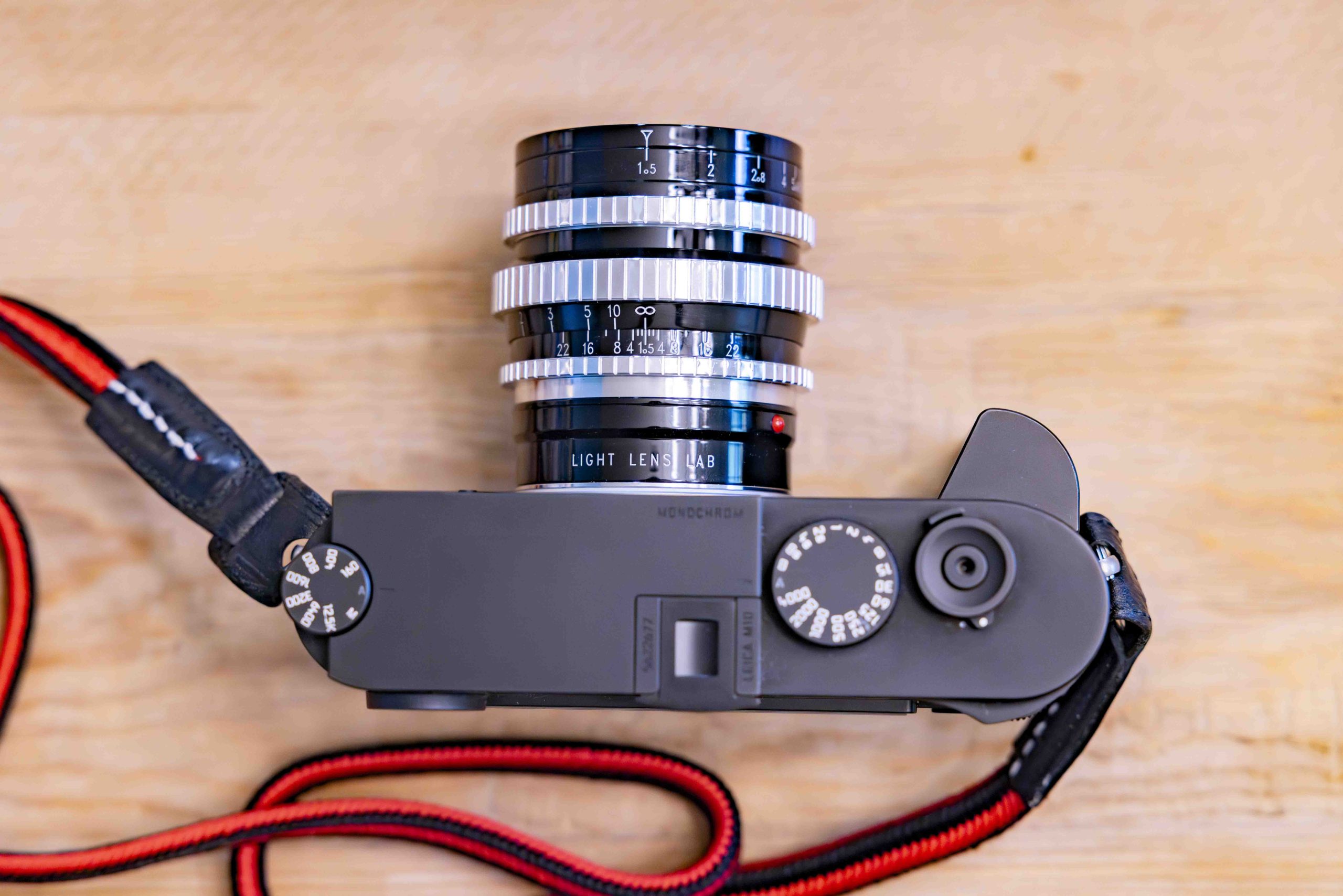
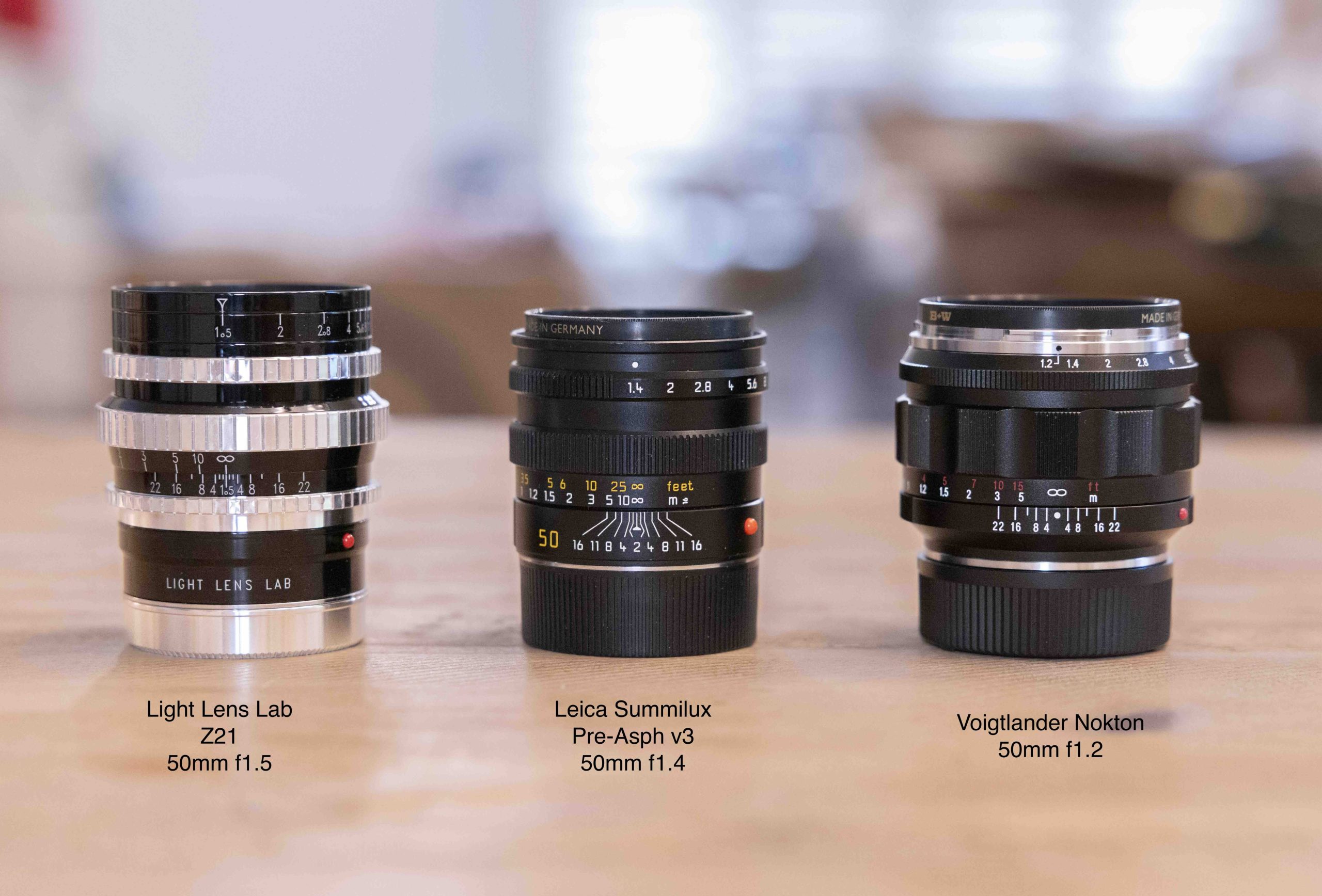
It is a surprisingly light lens, with an aluminium-alloy structure, weighing 313 grams. Close focus is limited to 0.7 meters. The lens I tested had a high-gloss black-paint finish that looked like a piece of jewellery on my Leica Monochrom M10 body. The lens is also available with a matte-black finish.
I used a 3-stop neutral density filter outdoors with this lens to facilitate using it at f/1.5 and f/2. It comes with a zippered leather case and engraved metal end caps. The front optic is recessed and does not require a lens hood. It accepts 52mm circular threaded filters.

As I develop experience with lenses, I’ve found that every lens has an aperture that demonstrates its imaging characteristics. For Leica’s 50mm f/1 Noctilux, it is using the lens wide open. Using the Noctilux at f/5.6, produces images that look like most other 50mm lenses.
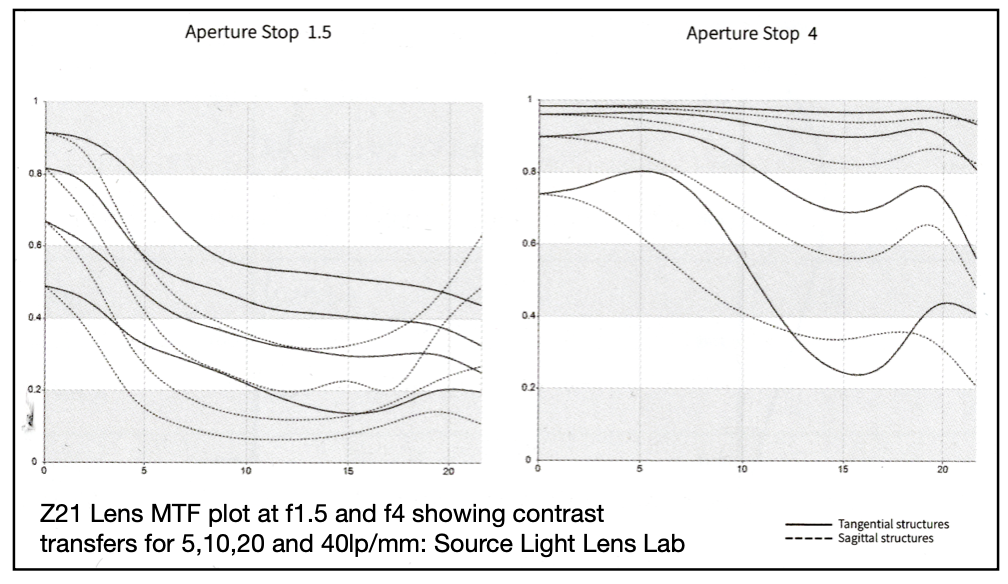
For the Light Lens Lab Z21, f/2 and f/2.8 produced the best images for me. At f/1.5, the peripheral focus fall-off is quite abrupt. If you focus on a subject with the rangefinder patch and then place the subject off-centre, it is likely to be slightly out of focus at this aperture.
Shooting at f/2 and f/2.8 provides lots of character to the images without excessive blurriness. Stopping down to f/4 and f/5.6 sharpens the images, which thus look similar to those generated by many other 50mm lenses.
Size comparisons
Depth-of-field comparisons
Here is a comparison of images taken at different apertures with the Light Lens Lab Z21 and the Leica Summilux 50mm f1.4 version 3, pre-aspheric lens from 1995.
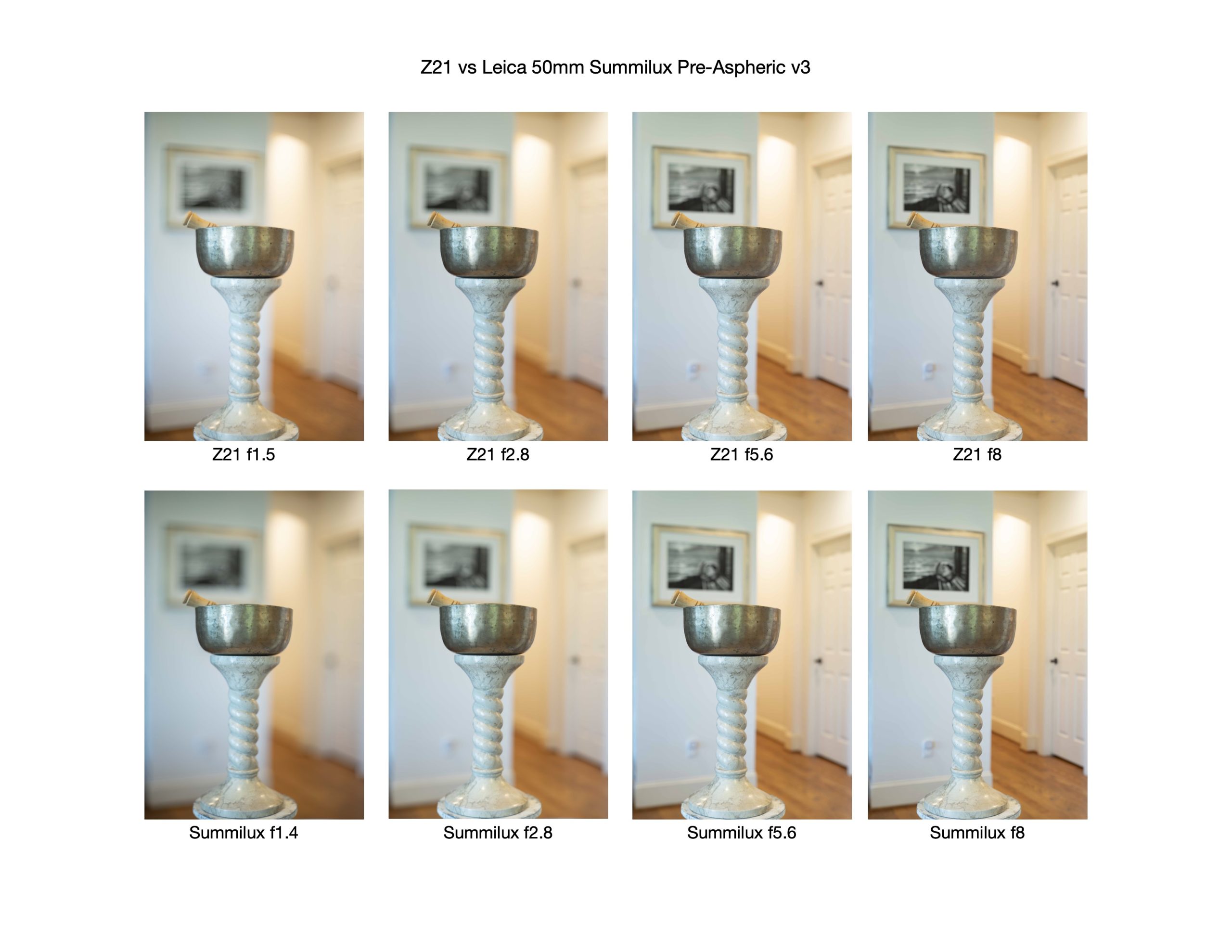
Shot wide-open, the Leica lens shows greater sharpness centrally. The image characteristics are similar, with the Light Lens Lab Z21 having busier bokeh horizontally compared with the Leica Summilux. Circular, or bubble, bokeh will be visible when there are highlights in the background. By f/8, you can make out Elliott Erwitt’s “California Kiss” photograph in the background.
Here is a similar comparison of images taken at different apertures with the Light Lens Lab Z21 and Leica Collapsible Summicron 50mm f/2 from 1954.
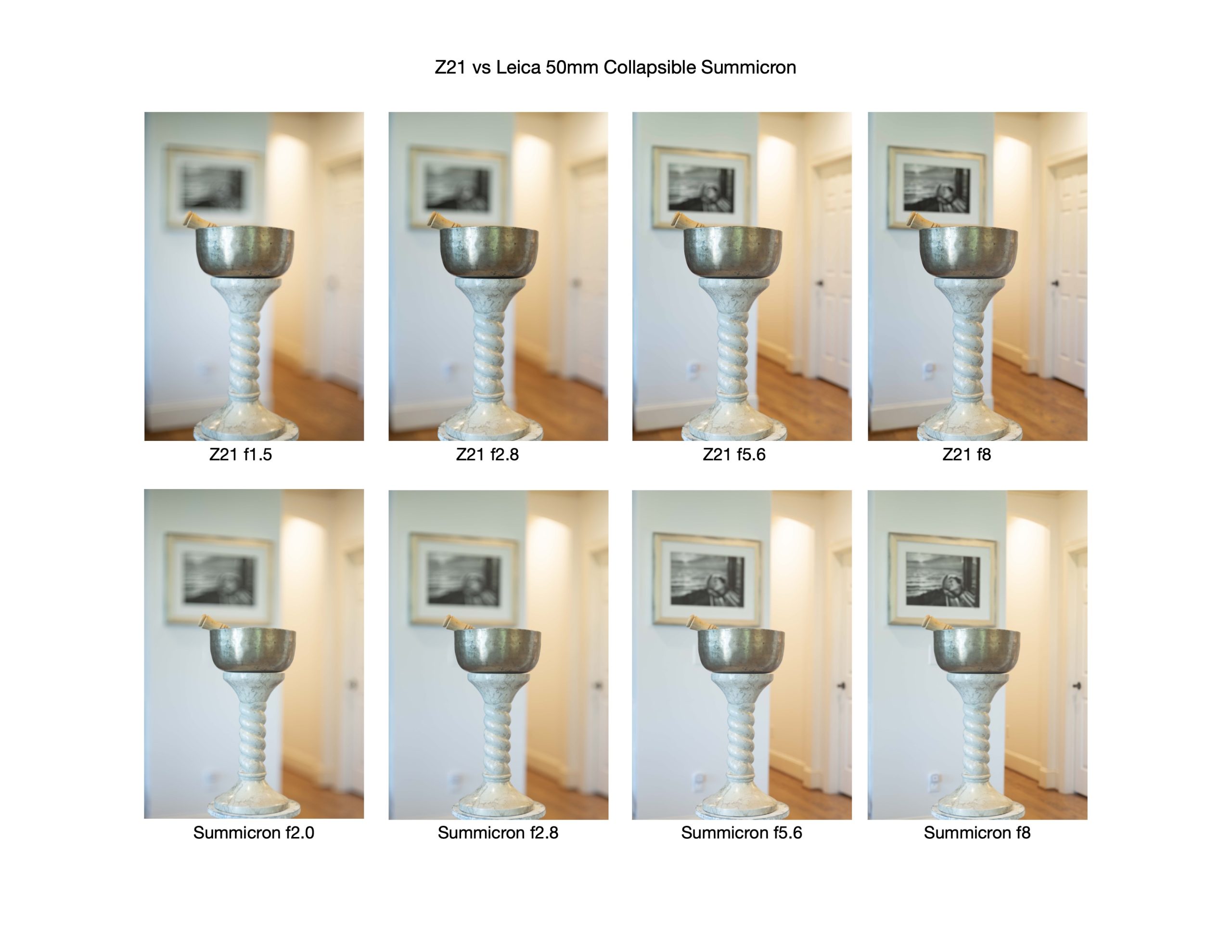
Wide-open, the Light Lens Lab Z21 is sharper centrally compared to the collapsible Summicron. The coatings of the 71-year-old Leica lens are inferior to the modern Z21 lens. Interestingly, the magnification was slightly decreased with the Summicron lens.
Colour Images
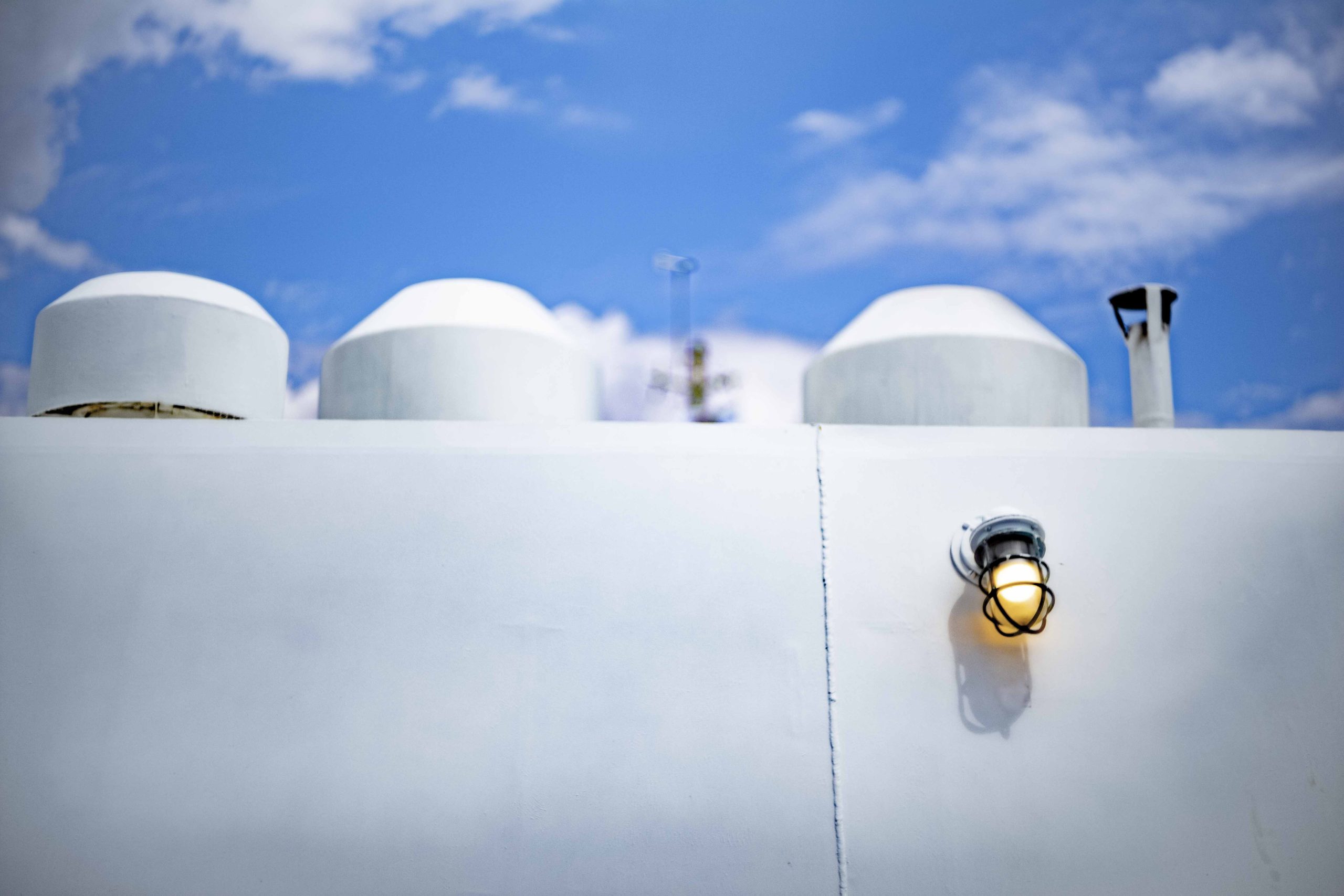
The best way to review a lens is to use it and see if you are willing to share your work with others. A trip to Rehoboth Beach, Delaware and Funland provided some great subjects for colour images when the lens was partnered with a Leica M10.
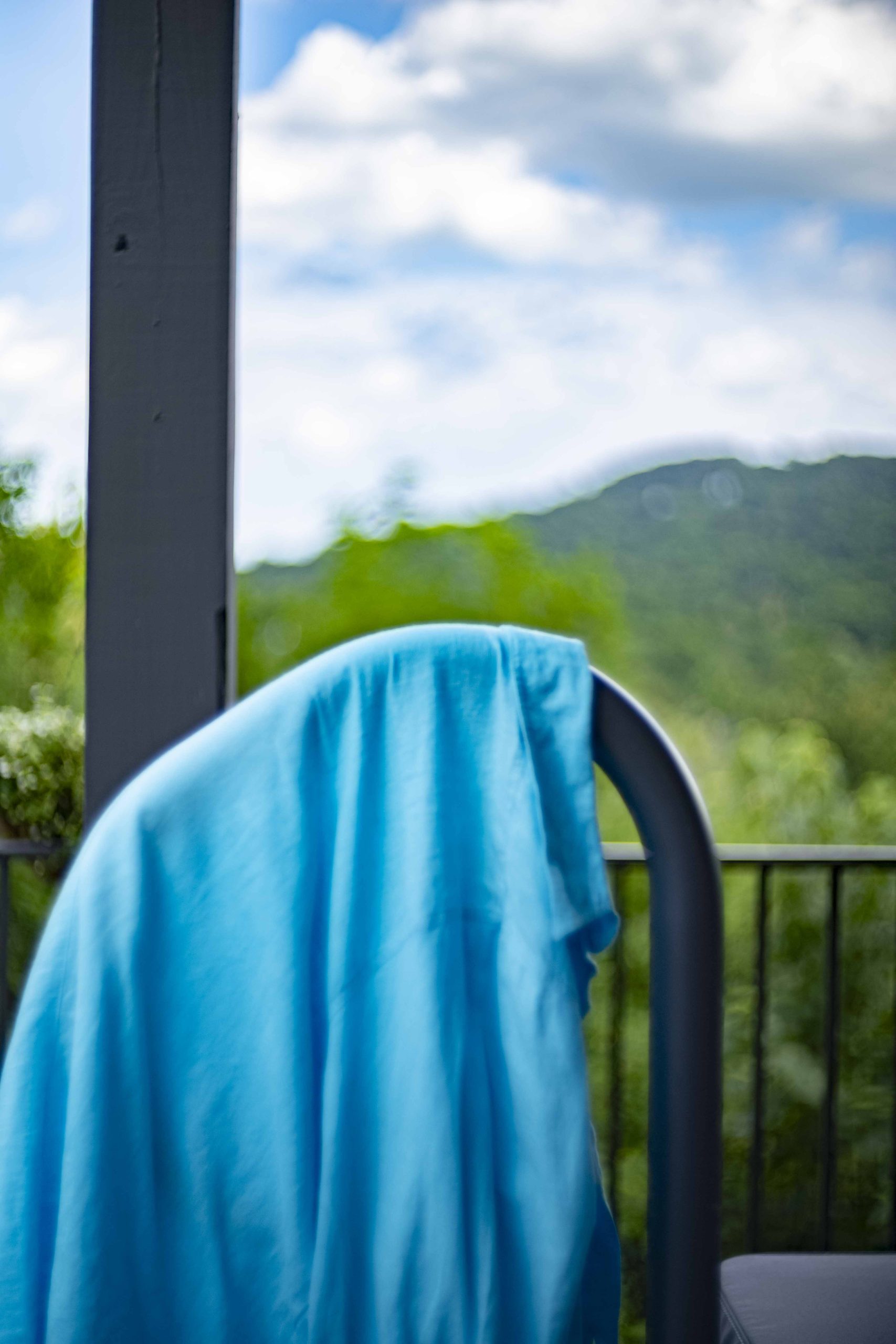
My favourite apertures were f/1.5 to f/2.0. These produce reduced contrast with muted colours, as the lens paints images on a digital sensor. The centre of the image is sharpest. It is best to place the important part of your image centrally when using these wide apertures. High-contrast scenes are rendered softly, with the lens muting harsh lighting. I tended to avoid smaller apertures with the lens. Stopping down to f/5.6 provides very sharp and otherwise boring images.
Monochrome photographs taken using the Light Lens Lab Z21 lens with a Leica M10 Monochrom camera (M10m) can create very memorable images. It’s as if they were created in another era, without the high resolution and edge-to-edge sharpness that are all too commonplace today.

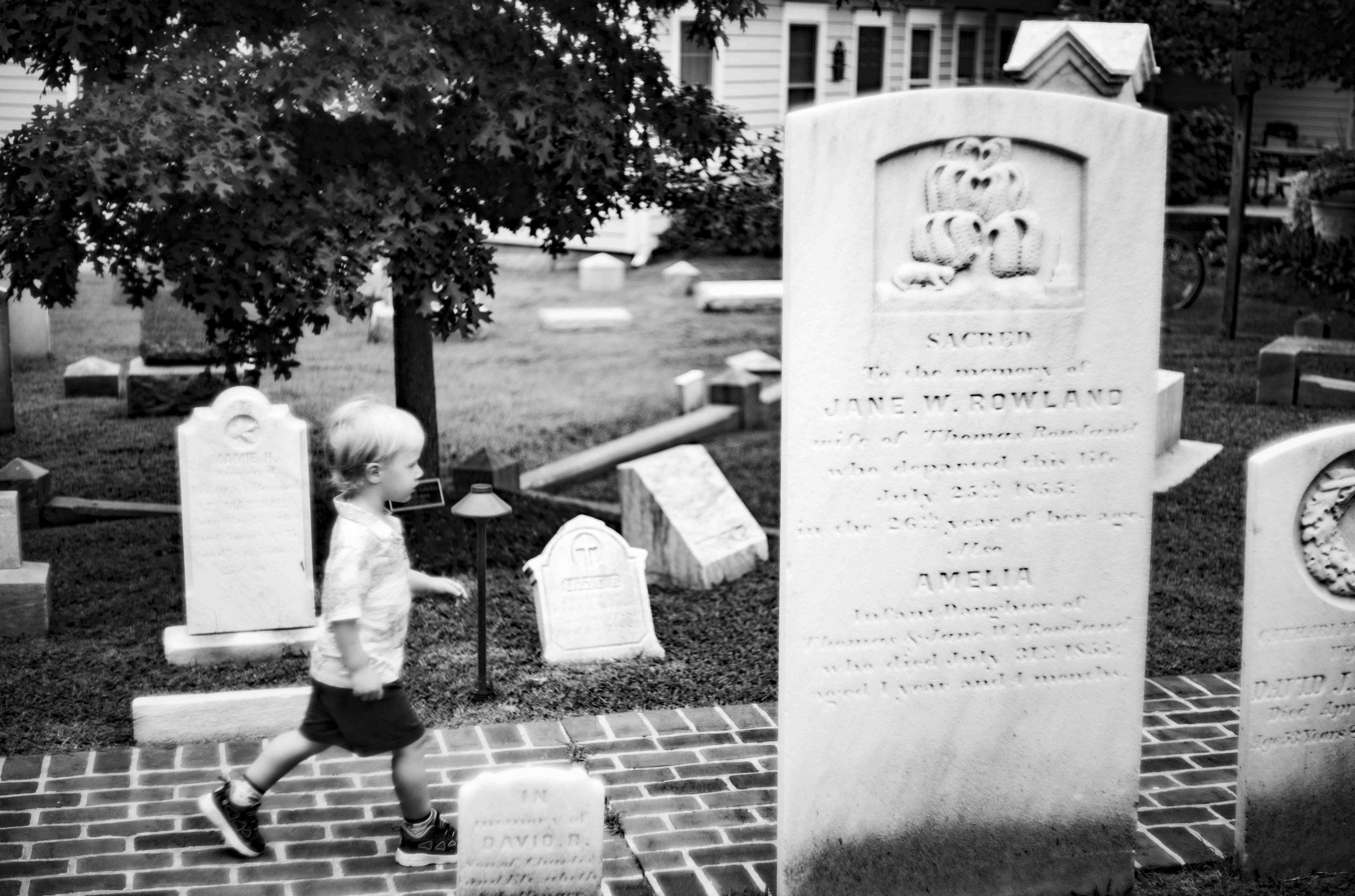
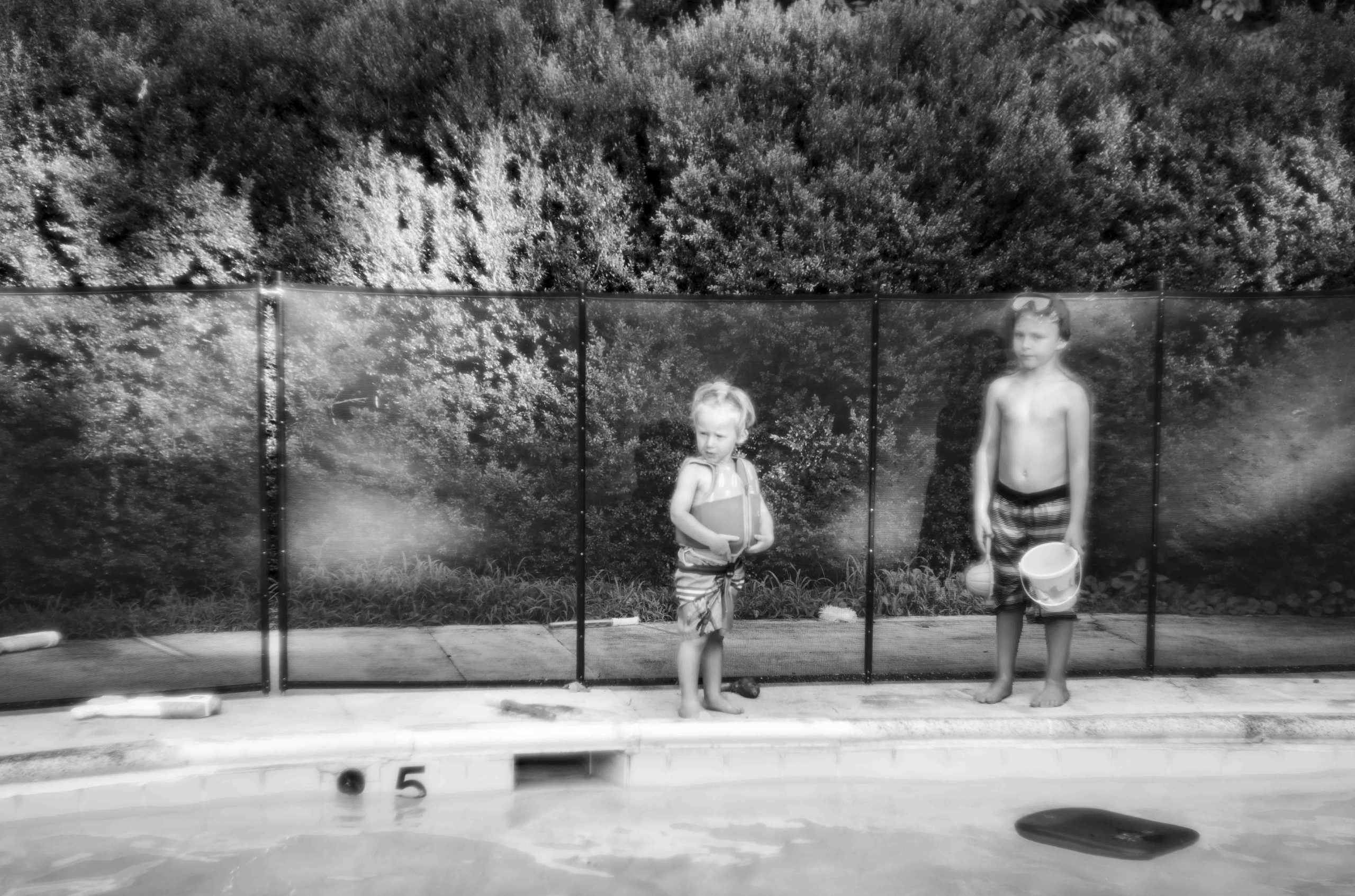
Images made with the Z21 lens just look different. The optics handle high-contrast scenes by blending tones and softening edges.
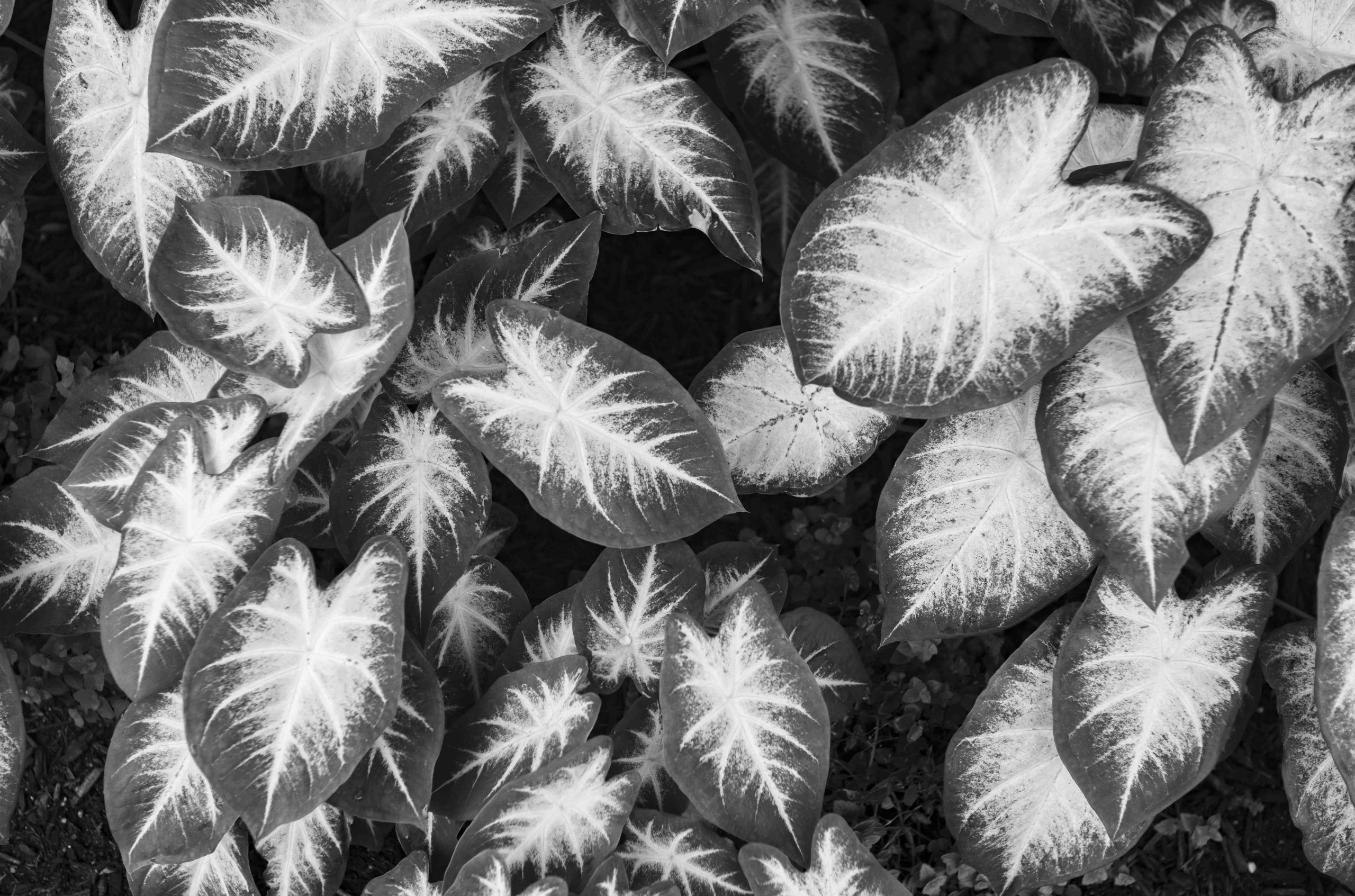
That can be an advantage when many photographs today look similar to each other. Here are some monochrome memories that are hard to forget. They look very nice when printed on 13×19-inch paper.
Photoshop neural filters
The Z21 provides images that are refreshingly different from many other lenses. Although the lens can produce sharp images using apertures from f/5.6 to f/16, it really paints images at f/1.5 and f/2. A process to create colours with monochrome images is possible with Adobe Photoshop’s software.
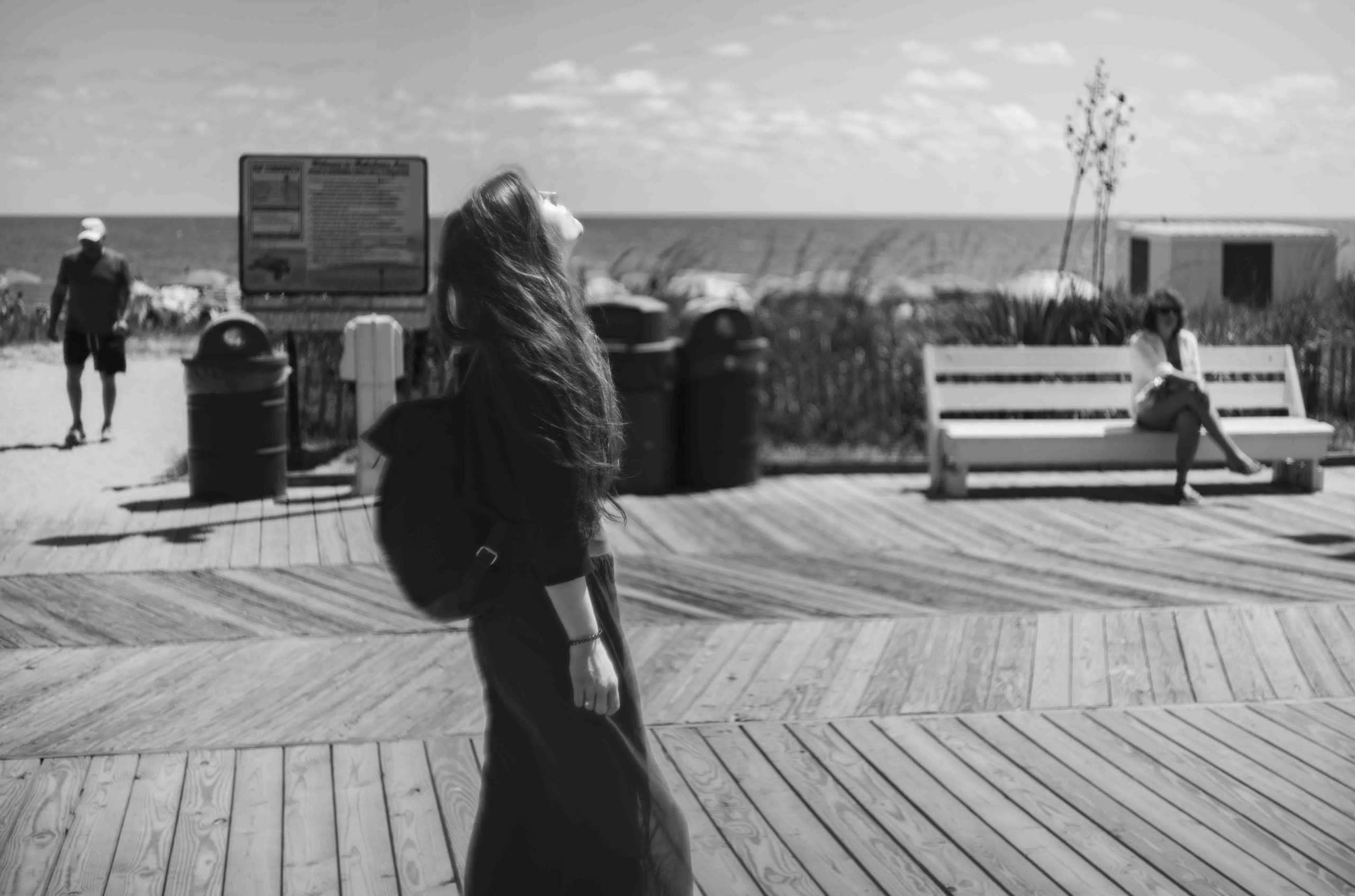
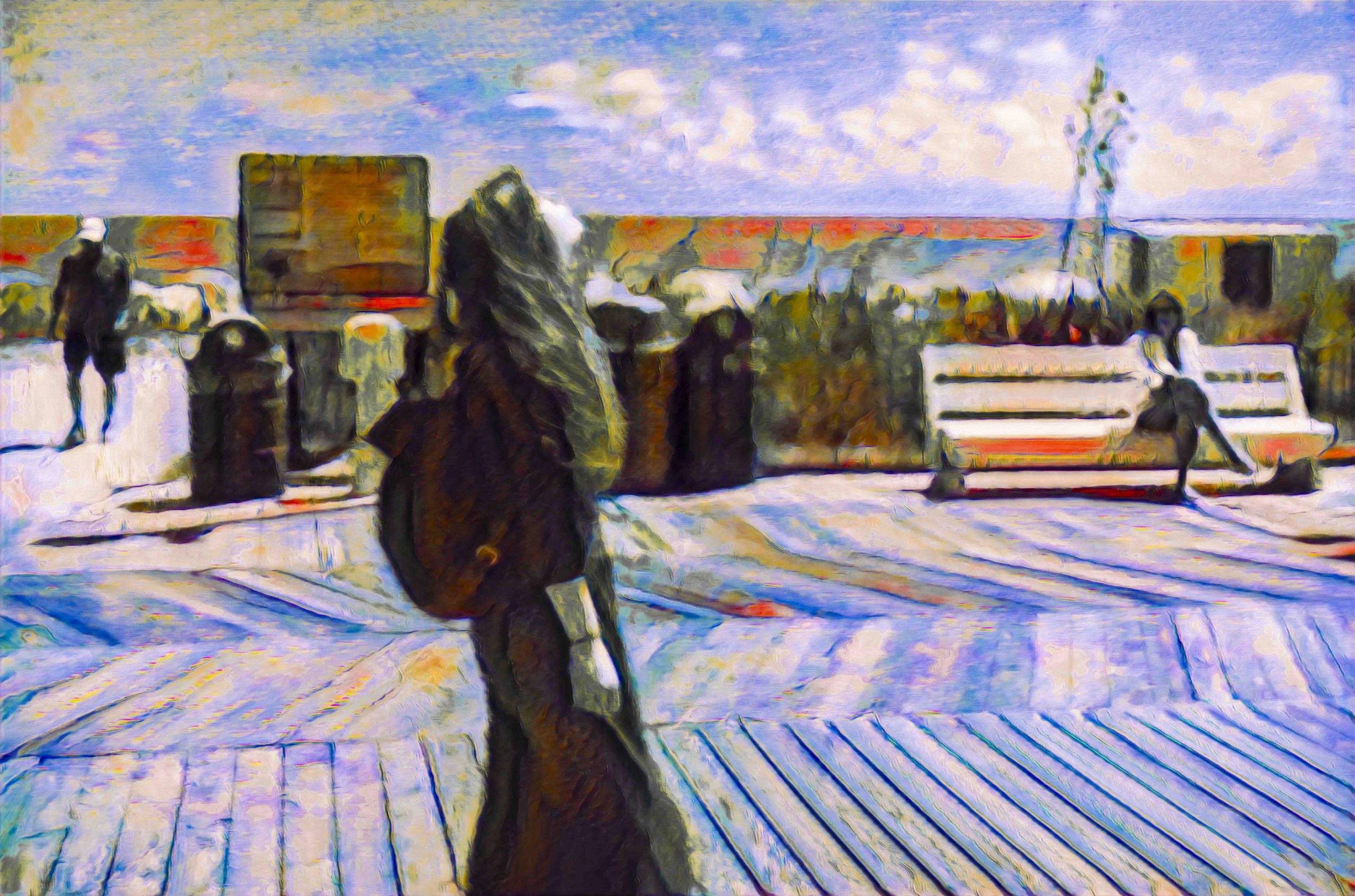
The Style Transfer neural filter adds colours to monochrome images, creating new images. This filter sometimes produces interesting results. Here is one example of a Z21 image and Style Transfer in Photoshop. Printing the colour image on matte paper gives it a painterly appearance.

Summary
The Z21 is a special lens with imaging characteristics that will capture your heart and take you down a different path of photography. It’s a recreation from another era when images looked different. If you’re considering a new lens with different imaging characteristics, this one is highly recommended.
Make a donation to help with our running costs
Did you know that Macfilos is run by five photography enthusiasts based in the UK, USA and Europe? We cover all the substantial costs of running the site, and we do not carry advertising because it spoils readers’ enjoyment. Any amount, however small, will be appreciated, and we will write to acknowledge your generosity.
Thank you for the great review. I have not touched my 11663 and 11892 for several months after acquiring several Light Lens Lab 35/50 lens.
I really enjoyed your informative and interesting piece. I love the photos too!
You make a good point:
“For me, some of the most emotional photographs are not necessarily crystal clear. They leave something to the imagination.”
Thank you, I learned a lot from your review.
I opted for a screw-on bottle base instead of this lens. Cheaper, same character.