
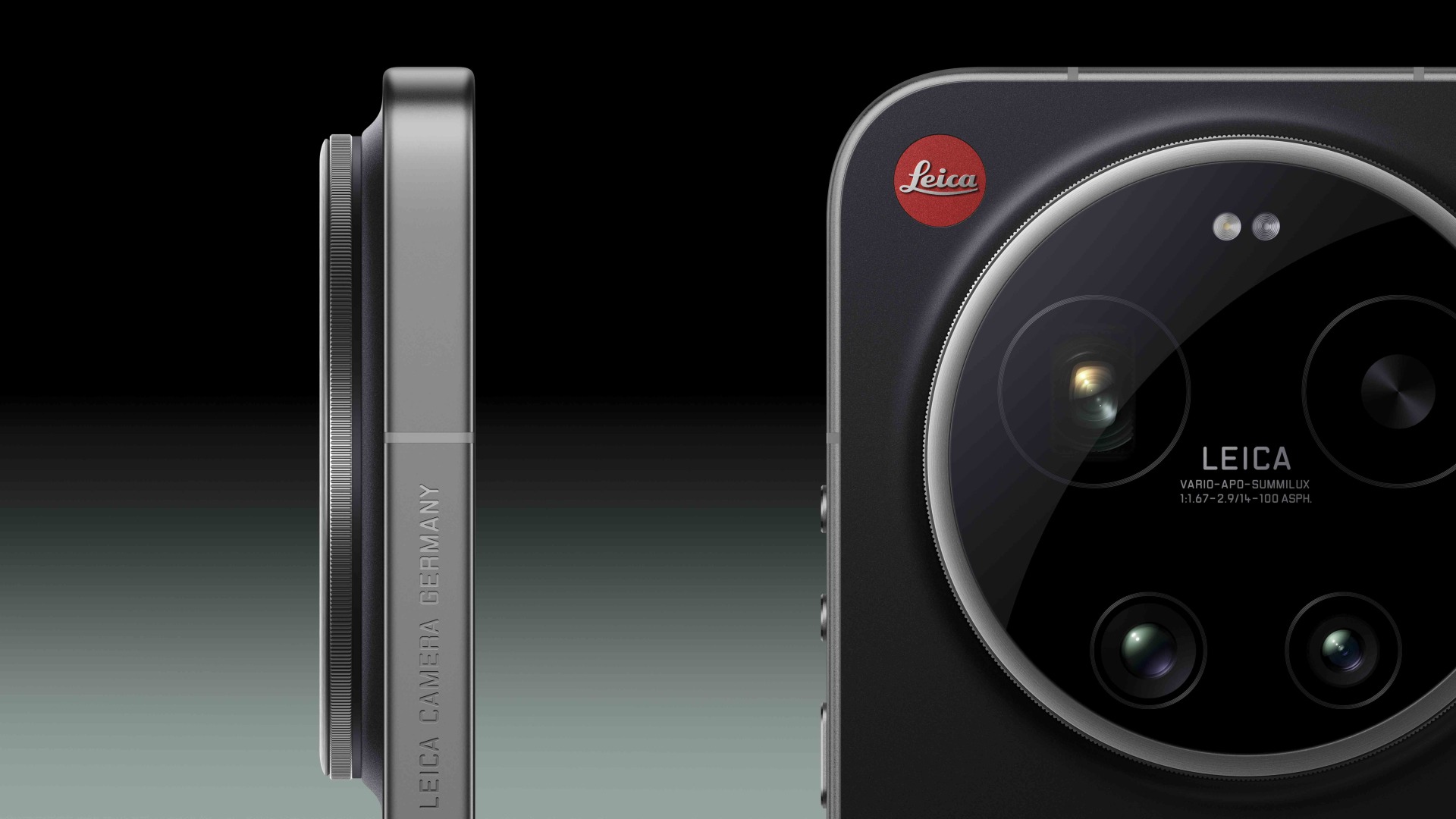
Leica Camera AG today introduces its first international smartphone with the Leica Leitzphone powered by Xiaomi. This premium smartphone brings Leica design language, imaging expertise and photographic philosophy into the realm of mobile photography.
According to the announcement, “with the Leitzphone, Leica translates its commitment to mobile imaging into a device designed for everyday use. It reflects a belief that photography today happens across contexts – sometimes with a camera, sometimes in the immediacy of a mobile moment – and that each situation deserves the same dedication to image quality, intent, and authenticity”.
“The Leitzphone reflects how we see the evolution of photography today”, says Matthias Harsch, CEO of Leica Camera AG. “It brings our design principles, imaging expertise and photographic intent into everyday moments, while remaining true to the passion that has defined Leica for generations.”
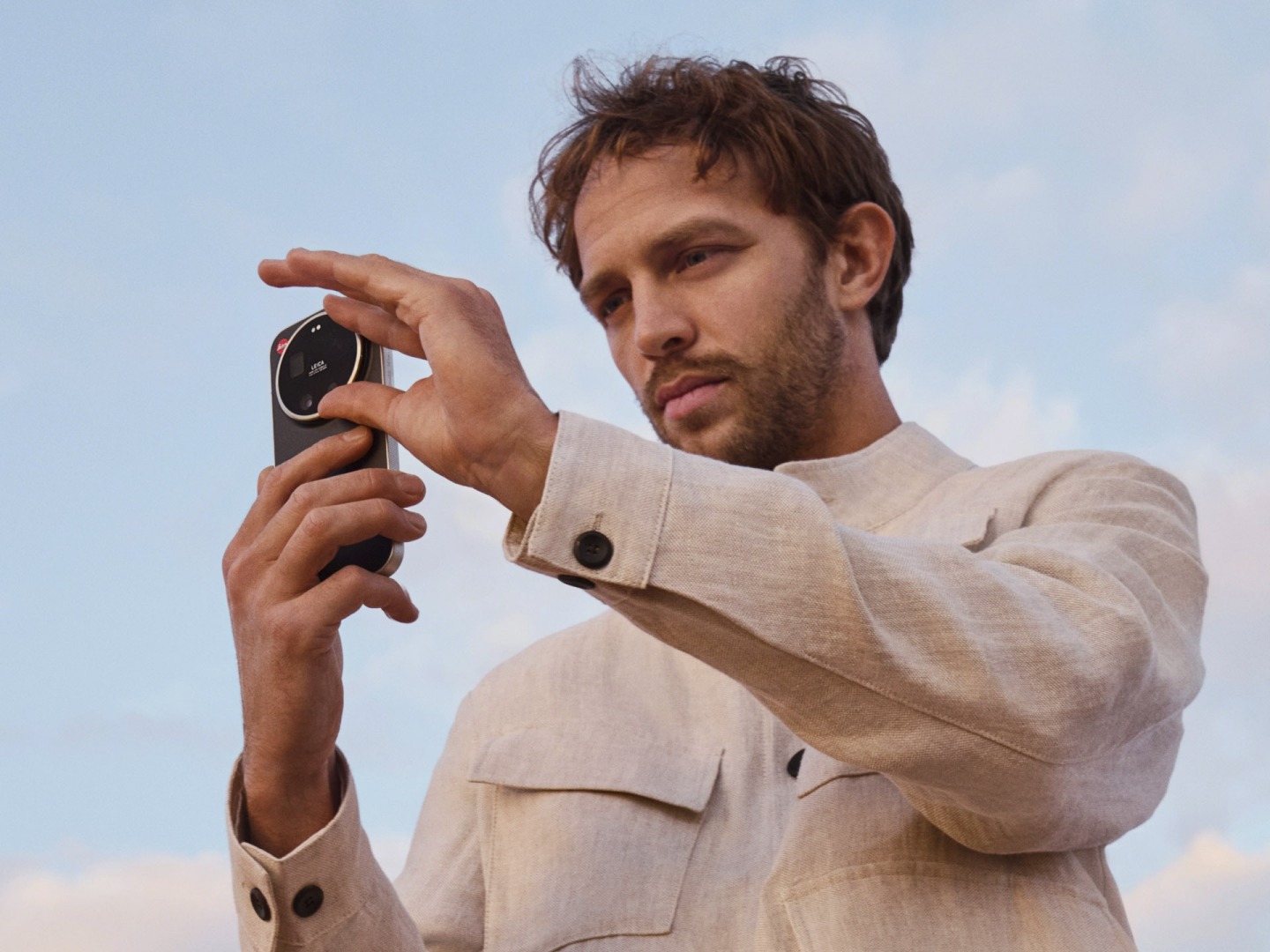
Leica design
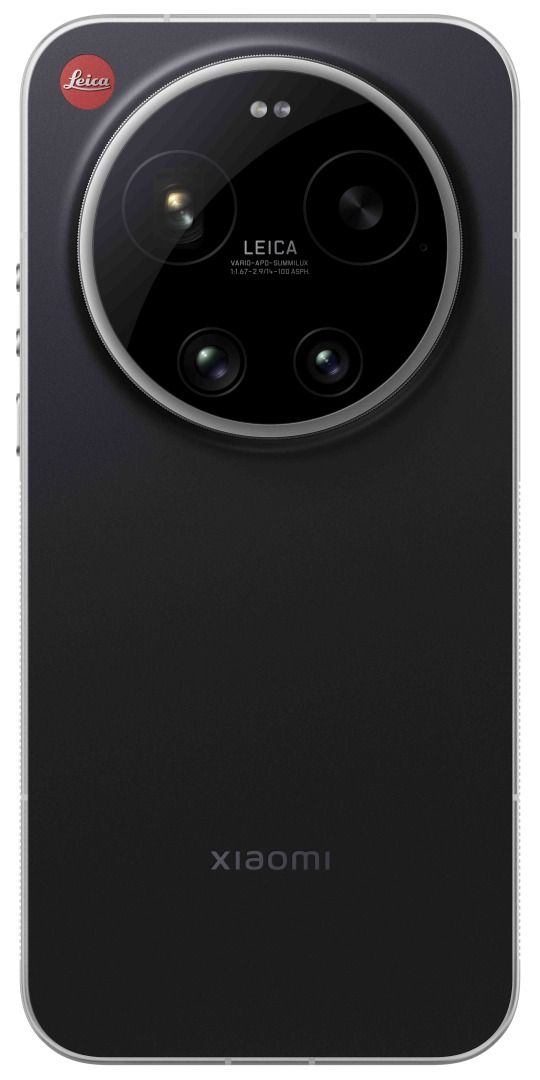
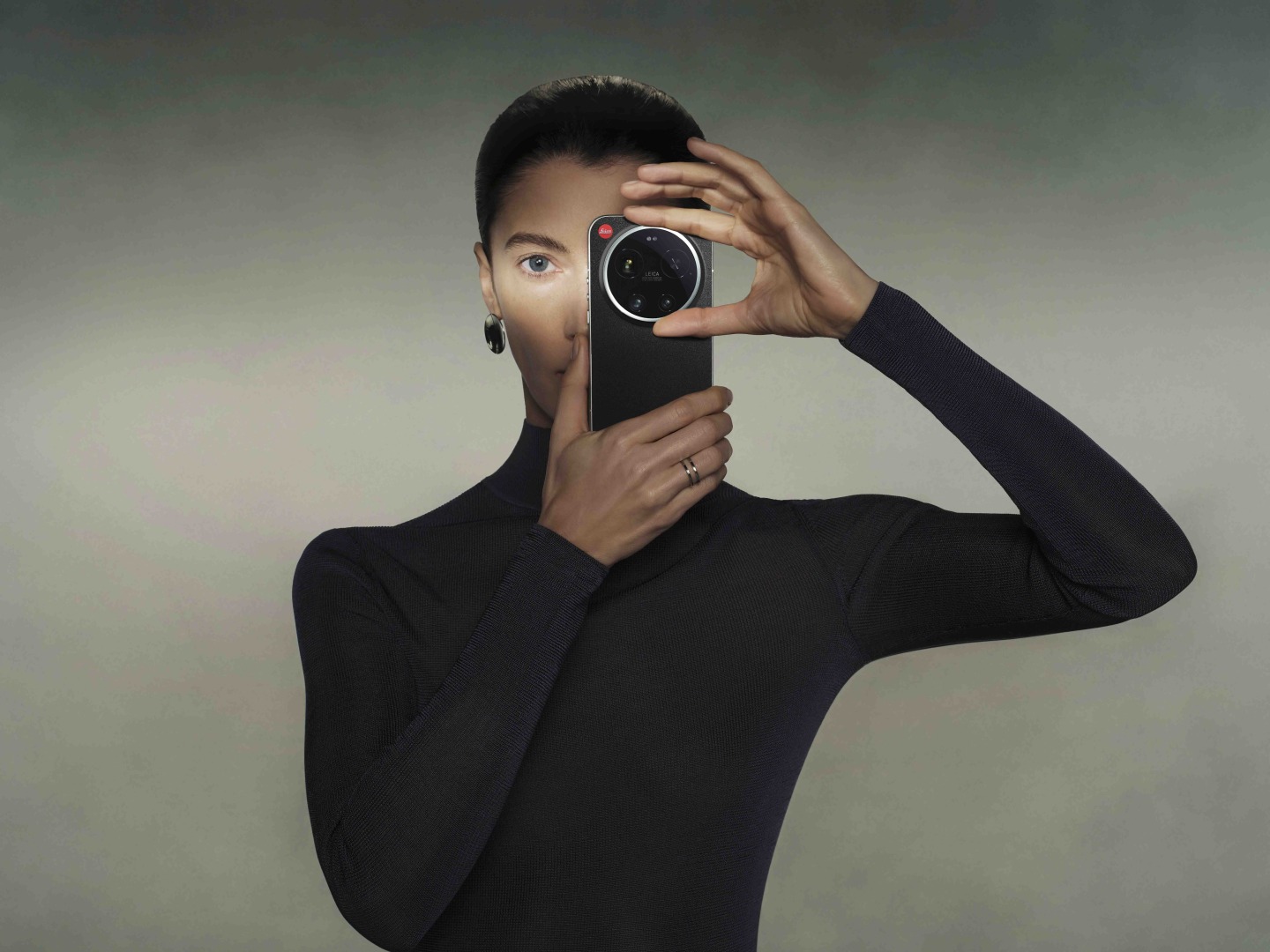
Designed by Leica, the Leitzphone follows the principle of reduction to the essential, das Wesentliche. The combination of a black fibreglass rear panel with a precisely knurled metal frame results in a restrained and tactile design that is unmistakably Leica. The iconic red dot signifies the family connection as well as Leica’s responsibility for the overall design experience.
The mechanical camera ring is a special feature, which allows users to physically interact with the device much like they would with a camera. The customisable ring allows continuous control over zoom, exposure value, ISO, and shutter speed. It can also be used to select focal length and switch between Leica Looks — encouraging a deliberate and intuitive approach to photography.
Advanced camera system
At the core of the Leitzphone is an advanced triple-camera system, developed to meet the company’s standards for optical performance and image quality. Based on the Vario-APO-Summilux 14–100mm f/1.67–2.9 ASPH lens, the system combines versatility with optical precision across focal lengths. This is especially valuable for telephoto shots with high-contrast edges — such as cityscapes or intimate portraits — where it helps keep chromatic aberrations under control.
The main camera features a 1-inch sensor with LOFIC (Lateral Overflow Integration Capacitor) technology, which significantly expands dynamic range by storing excess charge directly at the pixel level. The periscope telephoto camera uses a large 200-megapixel sensor within a compact optical structure inspired by classic zoom lens designs, enabling optical zoom from 75 to 100mm, autofocus and optical image stabilisation.
Leica-designed UI/UX
Leica developed the system design and camera user interface of the Leitzphone, including the home screen, camera application and widgets. The camera app integrates thirteen Leica Looks, five Leica bokeh simulations and photo-centric widgets — reflecting Leica’s UI philosophy of clarity, restraint, and focus on the image.
A dedicated Leica Essential Mode further emphasises this approach. It includes special modes that digitally reinterpret classic Leica aesthetics, such as a Leica M9-inspired colour profile and a monochrome profile inspired by Leica Monopan film, recreating their characteristic tonal qualities within a contemporary imaging pipeline.
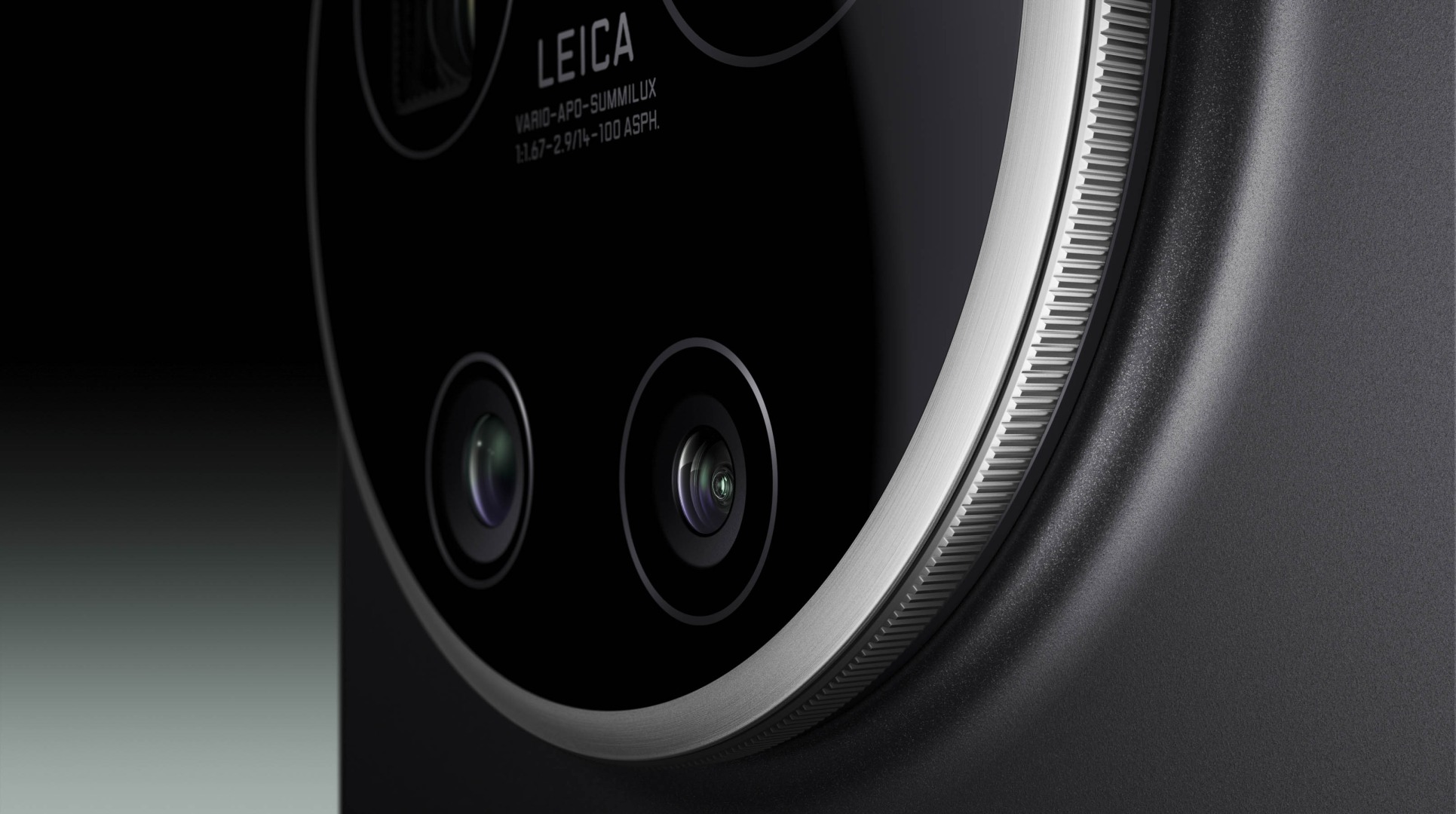
Leica has contributed its optical expertise, colour science and imaging philosophy, while Xiaomi has provided a powerful mobile platform that enables high-performance processing and efficient workflows. The result, according to Leica, “is a photographic experience defined by tonal depth, natural colour reproduction and visual coherence”.
Image authenticity and protection
Maintaining Leica’s commitment to photographic integrity, the Leitzphone supports the Content Authenticity Initiative (CAI). A dedicated security chip adds cryptographically secured metadata to original images, providing proof of origin and copyright protection in accordance with C2PA standards, while also supporting transparency and trust in digital photography.

Availability
The Leica Leitzphone powered by Xiaomi is available now in designated markets via the official Leica website, Leica Stores and through select partner channels. The recommended retail price is £1,700 / €1,999. Currently, there is no information about the US market.
What do you think of this new device? Will it convince you to give up your iPhone and turn to Leica, Xiaomi, and Android?
Technical specification
Tom’s Guide on the new Leitz phone
Make a donation to help with our running costs
Did you know that Macfilos is run by five photography enthusiasts based in the UK, USA and Europe? We cover all the substantial costs of running the site, and we do not carry advertising because it spoils readers’ enjoyment. Any amount, however small, will be appreciated, and we will write to acknowledge your generosity.
I saw this yesterday Mike.
Hmmm… Leica yes, Xiaomi no, Android no.
In fact, distressed by the knowledge that my little iPhone 13 mini is Chinafied, I was looking for alternatives… Samsung? Korean design… made in China. Sony? Japanese design, made in China.
Then I did some deeper questioning and found all American phones made by Purism… The Librem 5 and the Liberty phone. Both are made in the USA, all very well until you read the reviews… Apparently an absolute disaster area, terrible cameras and unreliable.
Oh well, I think I will stick to my old phone until bits start to fall off… After all, my 13 mini was bought pre-owned about 18 months ago, and it replaced my iPhone 7. The only reason that I stopped using the 7 was more or less on a whim that it’s cameras were not that current, not that the 13 is much better!
I have taken to carrying one of my CampSnap jobbies around, because they are actually good, as I might have mentioned. Though the older ones have to be manipulated with screwdrivers and pins to make changes and are not that practical.
Both standard and pro models have a viewfinder window, they shoot in colour or b&w, and on the pro version that I have just bought for £85ish they do that at the twist of a knob on the top of the camera… two colour and a b&w profile, much better.
A few days ago, you were writing about the compact concept, and whereas I mentioned these, other commenters concentrated on the Leica compacts. There is no doubt that the results from them is going to be better, as I would attest with my Q2 (hardly pocketable)…
However, I have a thing (like James Stewart) with rear windows and ‘instant review’ (chimping, an expression that I dislike), as my previous ownership of the M-D would indicate. The problem with the M-D was that like my M8, the sensor developed little smudge spots that came out in every snap, and that is when I went to the Q2, with the fixed lens, even though that does have a rear window, at least there were no artefacts on the DNGs, which necessitated an edit to every single snap.
Indeed it was at that point that I went back to film with the Hasselblad SWC, I developed an antipathy to digital cameras altogether. I am now looking for a decent SWC with Zeiss t* coatings for a reasonable price… possibly the 903SWC. This may take a while, they are quite rare.
(Last paragraph redacted. No political comments please)
Addendum: Here is a Campsnap snap from yesterday.
https://flic.kr/p/2rZk8o1
In recent years I have baulked at the price of new iPhones so I cannot see myself being tempted by this. Also the convenience of the Apple integration of phone, tablet and laptop negates any minor improvement in image quality. Would rather spend the money on a Ricoh GR IV, perhaps in monochrome format.
Personally, I could not justify spending £1700 on any smart phone. My iPhone serves me more than adequately but is seldom used for photography. One ‘camera avenue’ which might prove worthwhile for Leica Camera AG to investigate is ‘dedicated astronomy cameras’ for use with astronomical telescopes and also regular camera lenses. The relatively few consumer / prosumer astro camera manufacturers include: ZWO, QHYCCD, PLAYER ONE, ALTAIR, and ATIK. Most models utilise modified Sony sensors of various types / sizes including medium format. ‘Dedicated’ astro cameras constitute a ‘growth market’ selling thousands of cameras worldwide every month to both amateur and professional astro photographers. Given Leica Camera AG’s increasing involvement with e.g. Chinese smart phone camera technology, there might be a case for similar and closer involvement with Far East astro camera and smart telescope research and design? There are hundreds of astro hardware dealers worldwide selling dedicated astro cameras for planetary and deep sky imaging – both mono and colour cameras – cooled and uncooled. YouTube astro imaging tutorials feature presenters using several different types of dedicated astro cameras. Astro cameras are used ‘in the field’ with laptop computers which provide the ‘live views’ of thousands of stacked astro images – final post processing often achieved using a desktop computer. I’m contemplating purchase of my first dedicated astro camera – for solar, lunar and planetary imaging. Unfortunately, there are none available currently with a Leica badge.
Don’t like Android, had Xiaomi phone years ago and not impressed. Endless security and privacy concerns and this isn’t any different. For that money I could buy a decent camera. I really think that Leica are losing their way. Past history of many brands tells us that when they lose sight of their core products and values things hit the skids. Is this all to do with Leica perhaps being in part owned by Chinese concerns?
I don’t think Leica is owned by Chinese concerns. The major shareholder is the Kaufmann family trust and, as far as I know, the rest of the equity is in the hands of Blackstone Inc, which is an American company. But I agree on Android….
How do you put a 1″ sensor in a flat smartphone? The physics confounds me.
No way I am giving up my privacy. As long as Apple keeps on protecting it I will stay with them. A good camera in a phone is not important enough. My iPhone is ‘good enough’ as a camera, otherwise I’ll be using a real camera thank you!
Thanks, Donald. I agree, mainly because I am invested in the Apple ecosystem and even the attraction of a Leica phone couldn’t drag me away. I think many Leica users are in the same situation.
The strange thing is that Dr Kaufmann of Leica was a great Apple admirer, as I understand, and I suspect a link with Apple would have been a natural choice. But Apple doesn’t do that sort of thing. A “Leitzphone powered by Apple” would have been much more successful in the Leica market.
Agreed!
Yes, I am also invested (since 1988) in the Apple ecosystem system, but if they give up privacy I would look for alternatives.
Leica and Apple would be a match in heaven, also Steve Jobs liked Leica for their business values. What is it that larger business don’t stick with their core business? Share holders value? For Leica with their roots in Germany that is quite a stretch from the Reinland model…
Sorry, forgot to fill in my name!
Leica and Apple were excited to work together many years ago, from what I heard. Apparently it was all going well until Apple said the Leica lens had to cost under $1. After that, Leica went with Huawei. That ended when there when Leica showed “the Tank Man” as one of the great photojournalism images (shot with a Nikon) which led to a backlash from the Chinese ministry. I guess that cooled down so time for another go at it.
While not for me, for the same reasons others have mentioned, it’s not a bad idea to have a phone on offer if the camera on it can beat or at least handle better than the competition.