

The further you diverge from familiar focal lengths, such as 50mm or 35mm, the more opportunities there can be for creative photography. Even if it’s not something you do every day, it can be refreshing to experiment with a radically different focal length. That’s why I signed up enthusiastically to try out the new Viltrox 16mm f/1.8 for L-Mount.
Living on the sunny uplands of the L-Mount world, as I do, inclusion of a new member in the L-Mount Alliance, is always welcome. Even more so when they expand the line-up of L-Mount lens options.
That was certainly the case when Sirui joined, bringing with them an intriguing array of anamorphic lenses. I even went out and bought one. I wrote a brief overview of anamorphic lenses in general, followed later by a deeper dive on the topic.

So, the entry of Viltrox into the club was yet more good news. And in this case, their opening contribution was an intriguing, ultra-wide-angle 16mm f/1.8 lens. We covered the announcement of the lens a few weeks ago.
Time for some wide-angle shooting
Based upon the company’s claims, the Viltrox 16mm f/1.8 looked like a great addition to the L-Mount system. Leica and Panasonic users now have a fast, feature-rich, ultra‑wide at a very keen price. The question was, how close could it get to the competition on performance?

Unusually for Macfilos, perhaps reflecting our regular L-Mount coverage, we were invited to try the lens before launch. Great stuff!
As someone who enjoys shooting wide-angle, I enthusiastically accepted the offer. I currently own 21mm f/3.5 prime, and 14-24mm f/2.8 zoom, lenses. The Viltrox 16mm f/1.8 prime would therefore be both faster than either of these, and close to the widest focal length I had ever used.

My plan was to mount the lens on the Leica SL2 (I don’t have the latest SL3) and put it through its paces for landscape, interior, and low-light shots.
I recently did some shooting with Hasselblad medium format cameras, and enjoyed using their 25:64, XPan aspect ratio. So, I cropped several of my wide-angle photos to reflect this format.
Design and features
Even before its announcement, we already knew something about this wide-angle lens from the current retail versions for Sony E- and Nikon Z-mounts. The core design that has translated to L‑Mount is well established. It is a 16mm full‑frame prime with a bright f/1.8 aperture, 9‑blade diaphragm and internal focusing.

The optical formula uses 15 elements in 12 groups, including four ED and three aspherical elements, aimed at controlling chromatic aberration, distortion, and coma — critical at this focal length.

Physically, the lens is on the substantial side but still manageable on an SL2 body, measuring roughly 85×103mm and weighing around 560g. Unlike many ultra‑wides, it accepts standard 77mm screw‑in filters and uses a non‑bulbous front element, which makes life easier for landscape and long‑exposure work.

Weather‑resistant construction and a nano‑coating on the elements promise better durability and reduced flare in difficult light.
Viltrox has also pushed usability with a surprisingly high‑end control layout for a third‑party lens. There is an aperture ring with a click/de‑click switch, an AF/MF selector, and two custom function buttons.

I, like other reviewers, was unable to work out how to use those function buttons. In principle, Fn1 is meant to be assignable to any function, and Fn2 is for setting and retrieving specific focal lengths while in MF mode.
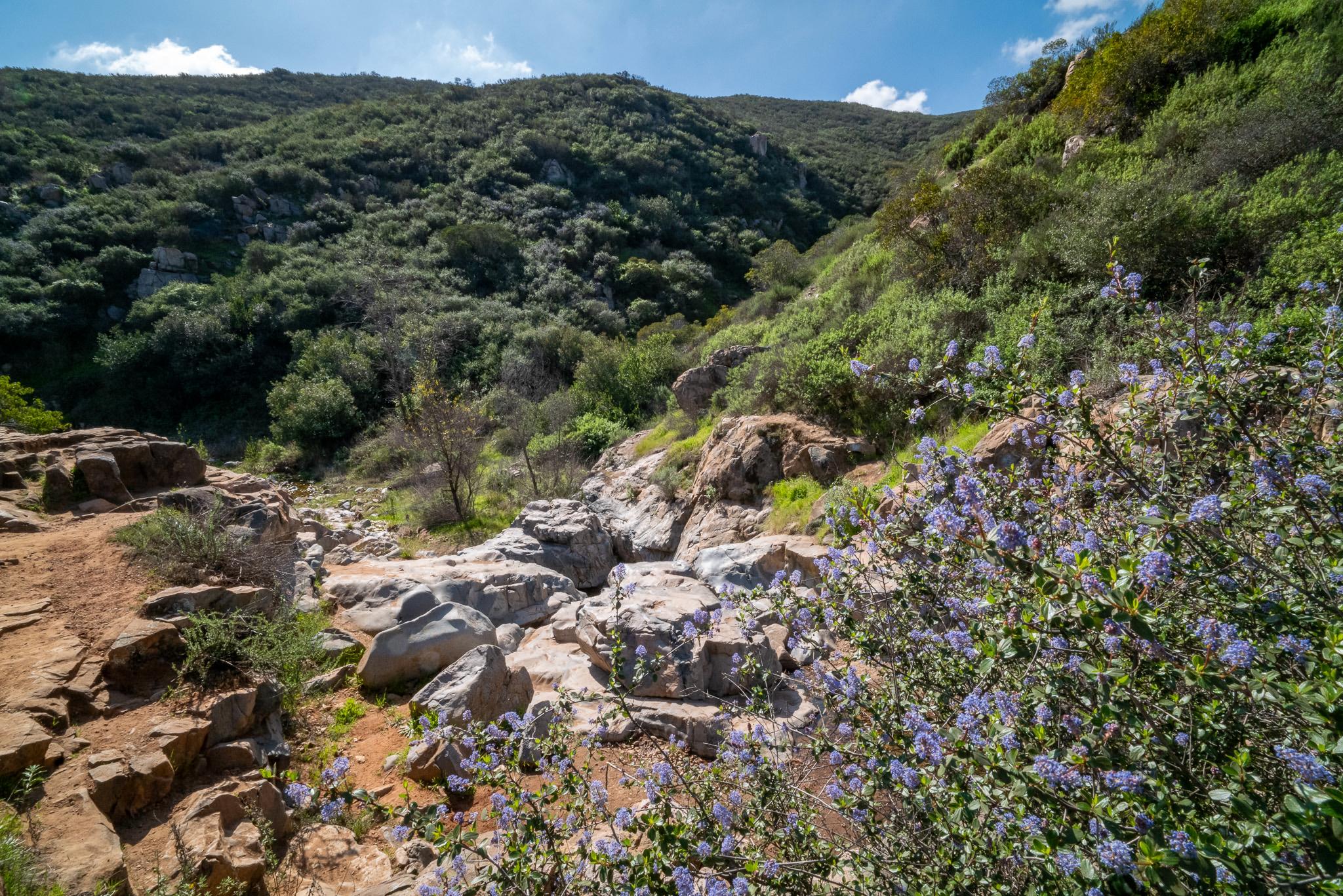
A distinctive touch is the small IPS LCD (In-Plane Switching Liquid Crystal Display) on the barrel, the same technology used in flat-panel displays. It shows focus-distance and shooting parameters, at a glance — unusual in this price class and handy when the camera is low on a tripod or pointed at the night sky.

Autofocus and handling
Autofocus on the Viltrox 16mm f/1.8 is driven by a lead‑screw STM motor, the more refined of the common STM implementations. During my review, I found the focus to be fast, quiet and consistently accurate. I was unable to try face and eye‑detection algorithms, but online reports indicate this works well too.

Video shooters report that focus breathing is minimal, and focus pulls are smooth, with no audible motor noise picked up in typical on‑camera audio.

All focusing is internal, so the lens does not extend. The balance therefore stays consistent as you rack focus from its 0.27m minimum distance to infinity. That minimum focus allows for moderately dramatic foreground‑background compositions. Maximum magnification is only about 0.1×, so it is not a pseudo‑macro wide‑angle.

There is no optical stabilisation, but on bodies with in‑body stabilisation, such as the Leica SL2 I used, this is rarely missed at such short focal lengths. I shot all the low-light images in this article hand-held, with a minimum shutter speed of 1/250s. In some cases, I used the AI-assisted Denoise feature in Lightroom to fix excessive graininess.
Optical performance
Independent tests suggest that Viltrox has produced a genuinely strong optical performer rather than a mere budget alternative. I found centre-sharpness already high, when shooting wide open at f/1.8, improving further when stopped-down slightly. Corners catch up by the mid‑aperture range, making it very usable for demanding architecture or landscape work.
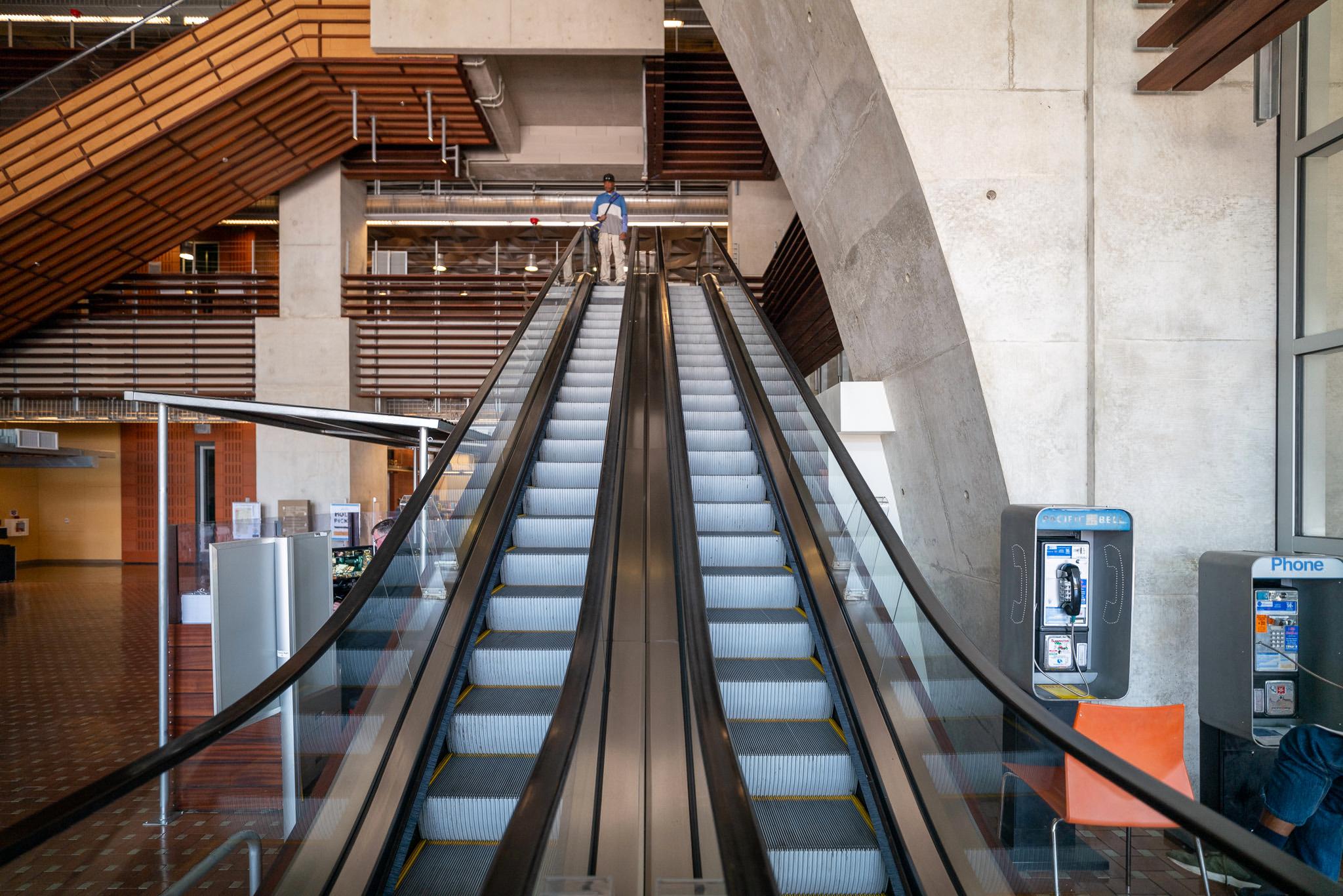
Ultra‑wide distortion is impressively well controlled for a 16mm design. Measured barrel distortion of around −1.1% means images are quite usable even without software correction, in contrast to many modern designs that rely heavily on digital profiles.

According to reviews, coma and sagittal aberrations, key metrics for astro photographers, are modest. This keeps star shapes reasonably tight towards the edges at large apertures. The extra-dispersion and aspherical elements also keep chromatic aberration and fringing in check.
In my view, colour rendering is excellent. I would describe it as neutral to slightly warm.

Flare resistance and sunstars or OK, but nothing special. Having said that, I am not someone who usually shoots into the sun. Vignetting is present at f/1.8, as you would expect at 16mm, but stopping down reduces it significantly.
Use cases on L‑Mount
On a full‑frame L‑Mount body, a 16mm prime becomes a very flexible creative tool. I used the lens primarily for urban and nature landscapes. Its combination of a wide, 105‑degree field of view, bright f/1.8 aperture, relatively low coma and standard front filters makes it particularly attractive at this price level.

Architectural and interior shooters stand to benefit from low distortion and strong corner performance, especially around f/4–f/8 where this lens hits its stride.
Although I did not have to shoot any video with it, the lens is likely to appeal to video‑centric users of cameras like the SL3 or Panasonic S5II. Its low focus breathing, quiet AF and de‑clickable aperture ring make the lens appealing for gimbal work.
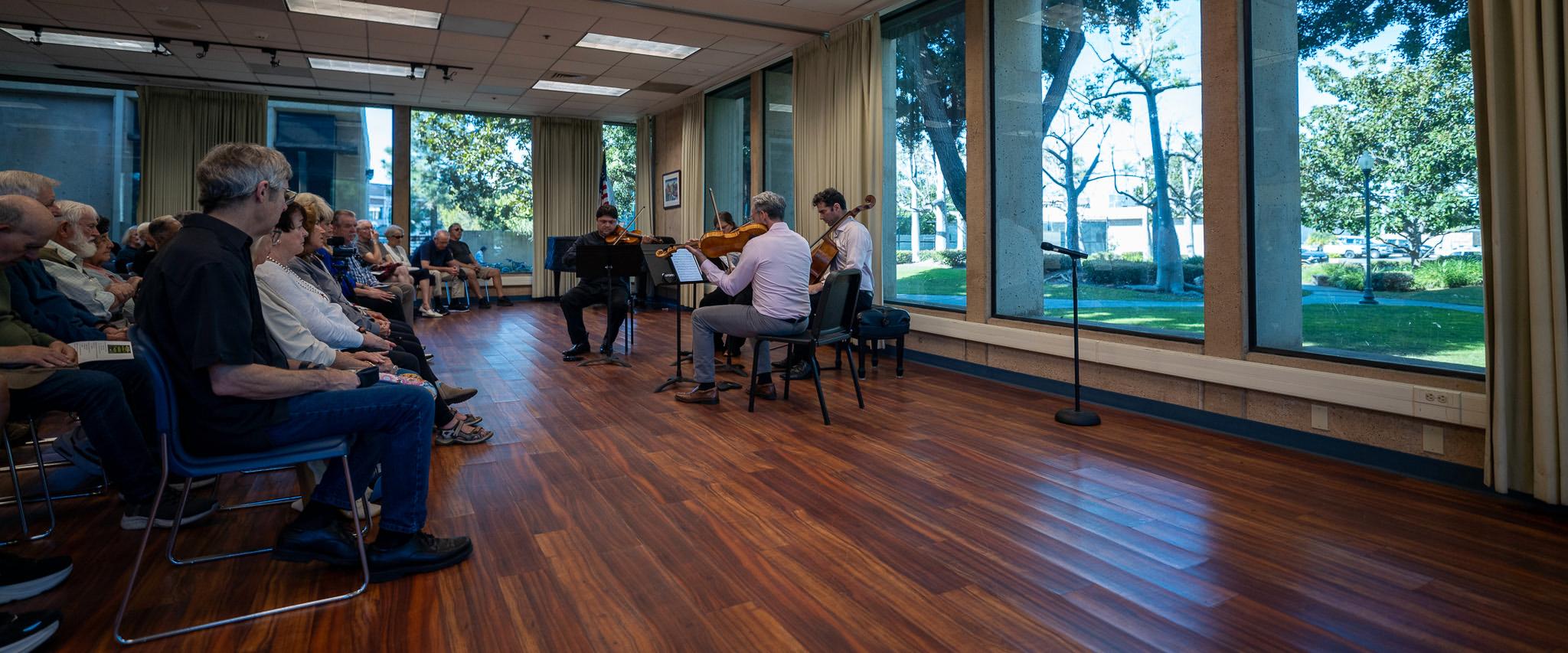
A 16mm full-frame lens might be a bit extreme for street use, but it does an outstanding job with environmental scenes, dramatic foregrounds, and confined interiors.
Overall summary
The Viltrox 16mm f/1.8 is impressive. The company has produced a well-built, fully featured lens which focuses quickly and silently, and delivers beautiful image quality. Its most compelling feature, though, is its value. It is less expensive than competitor lenses from Panasonic (18mm f/1.8) and Sigma (14mm f/1.4), while still offering excellent performance.


If you are in the market for a fast, ultra-wide L-Mount option, this fellow should be on your shortlist.
| More wide-angle photography | Viltrox joins the L-Mount alliance |
| More photography from Keith James | Leica wide-angle photography |
Make a donation to help with our running costs
Did you know that Macfilos is run by five photography enthusiasts based in the UK, USA and Europe? We cover all the substantial costs of running the site, and we do not carry advertising because it spoils readers’ enjoyment. Any amount, however small, will be appreciated, and we will write to acknowledge your generosity.
Difficult to resist a lens that delivers such good results! I think that it will be interesting to see how the 3rd party lens marketplace evolves. If Viltrox sustains its increasing excellence in lens design + Chinese manufacturing costs + increasing availability across lens mounts = A brand to be watched. As their brand range expands, the real beneficiaries will be us, the photographers.