
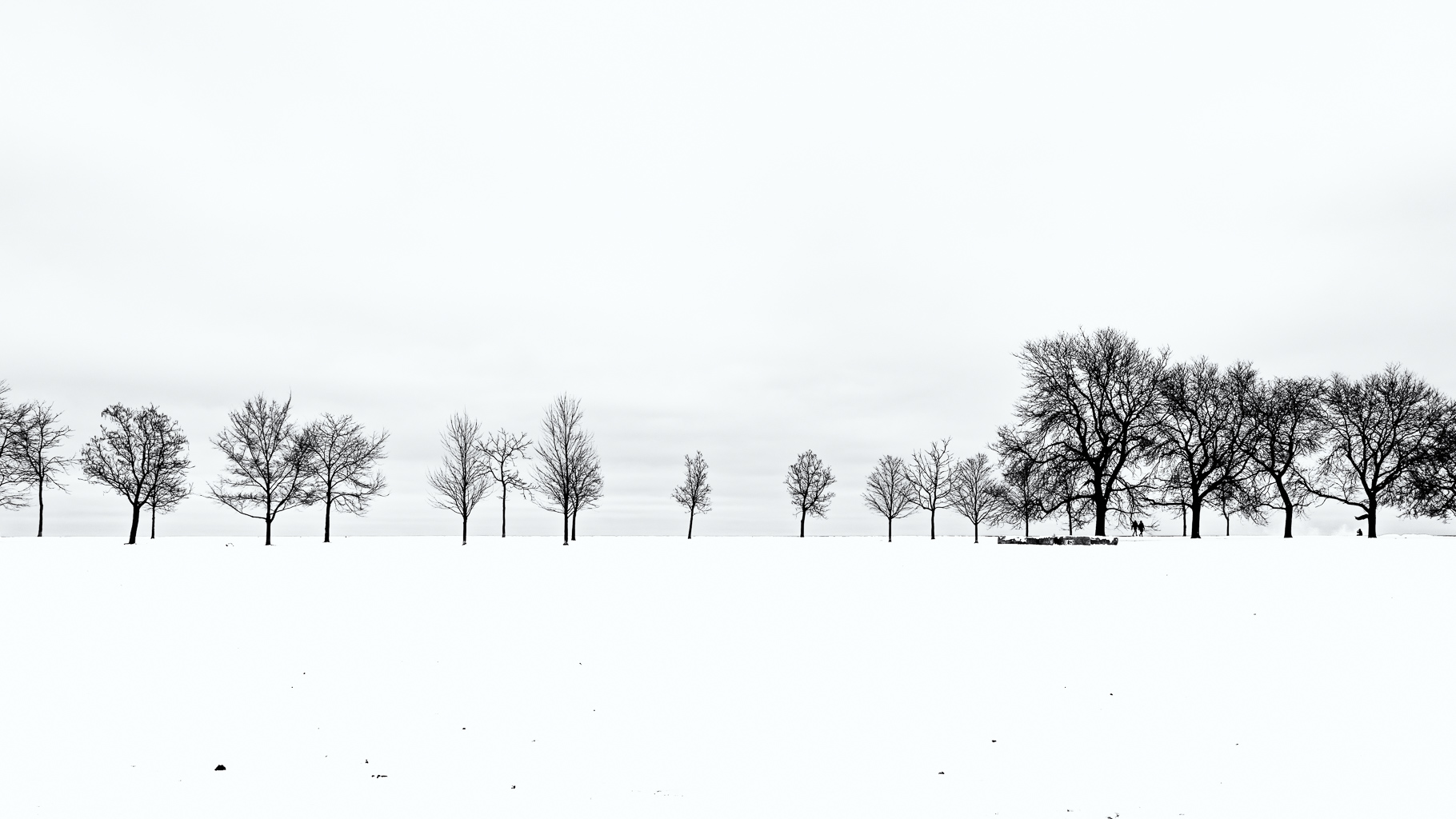
This week, Macfilos is celebrating black and white photography. Since the birth of capturing images, it has been instrumental in our understanding of the world we live in and how we interpret it. This year happens to be the bicentennial of photography. Nicéphore Niépce captured the first photographic image in 1826 in Saint-Loup-de-Varennes, France. That alone is worth celebrating.
To celebrate the bicentennial, we are featuring four of our long-time contributors who bring their unique perspectives to monochrome photography. The best is timeless: you can look at images from the 19th century and compare them to images shot this week.
Visual storytelling
Good monochrome photography eschews the distractions of colour. For the image to work well, it has to contain meaning, often in the form of a visual story.

There is room for debate on what some of the most highly regarded photographers have brought to viewers, and that is a healthy reason why monochrome continues to be important, whether in art, documentary story-telling, or capturing news events.

Whether you are looking at images by Don McCullin, Ansel Adams, or Vivian Maier, just to name three, their images still stand up today. You can add your favourites to the list and propose them for further discussion.
The week ahead
Each day this coming week we will share some of Macfilos’ classic articles, that have focused on monochrome photography; whether it’s the photographers, or the cameras they use to produce some of the best images you can ever hope to see.
John Shingleton is Macfilos’ longest-serving contributor and leads the week, rediscovering monochrome photography after many years of being dedicated to colour. What made him change? What did he discover?
Legends of Fleet Street
We are going to feature on Tuesday and Thursday two legends of Fleet Street. James Jarché captured an image that changed the course of history, and Don Morley captured another example of history being made. Good news images are rarely easy to capture.
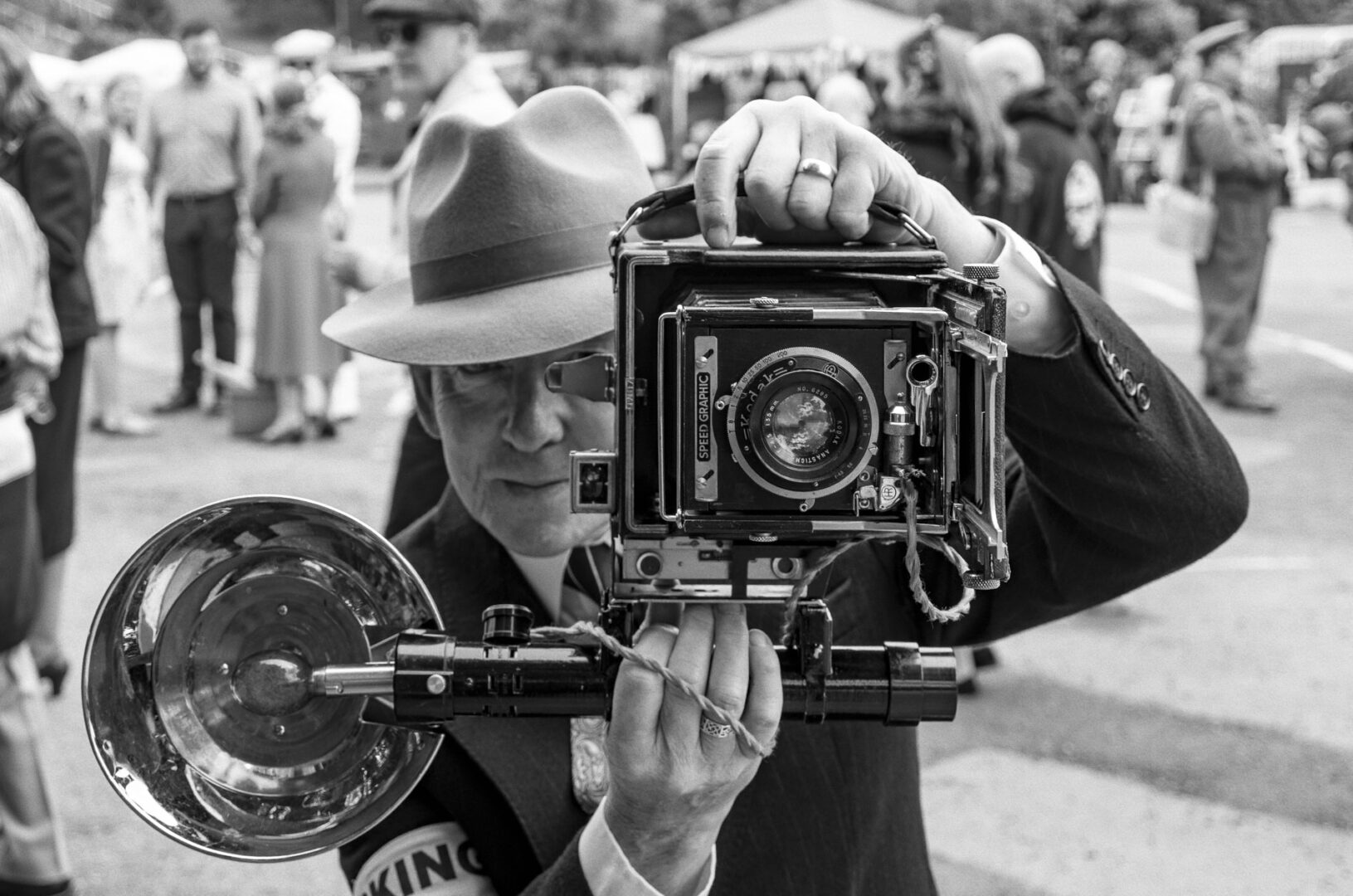
They require a sixth sense of what might be about to happen, and where the best vantage point might be. In some cases, that also involved a significant amount of danger to get that one image that can change the World’s perception. It’s visual storytelling of the highest order.
The summit of monochrome
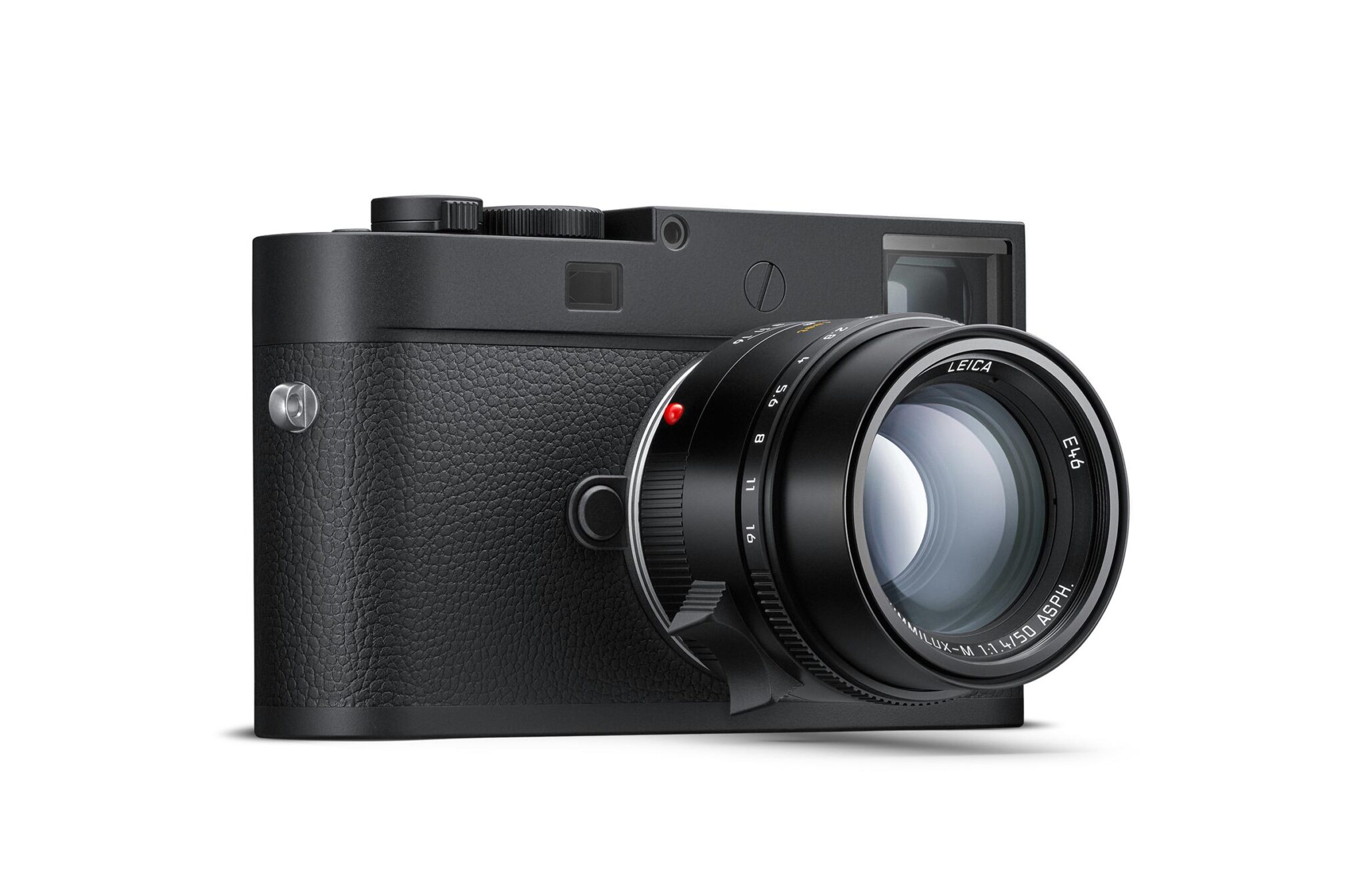

Jono Slack frequently contributes insightful articles to Macfilos about new Leica equipment. He typically spends months with them — usually even before they are announced. That depth of exposure (pun probably intended) to repeatedly test equipment and learn how it functions in different circumstances during daily use, is what makes Jono essential reading.
He revisits the Leica M11 Monochrom which for many is regarded as the pinnacle of monochrome. The contrast between Jono’s articles and those of influencers who write about the same piece of equipment after minimal exposure is noticeable and notable.
“Is it live or is it Memorex?”
Those of us old enough to remember this advertising campaign will recall that the goal was for you to test the accuracy of the transfer of live music to tape, and whether you might be convinced that instead you were attending a live recording.
For my sins I worked on that ad campaign, all but briefly, and thought it was quite clever. That lead us to approach the age-old question, “is it monochrome or is it post-processed into black and white?”
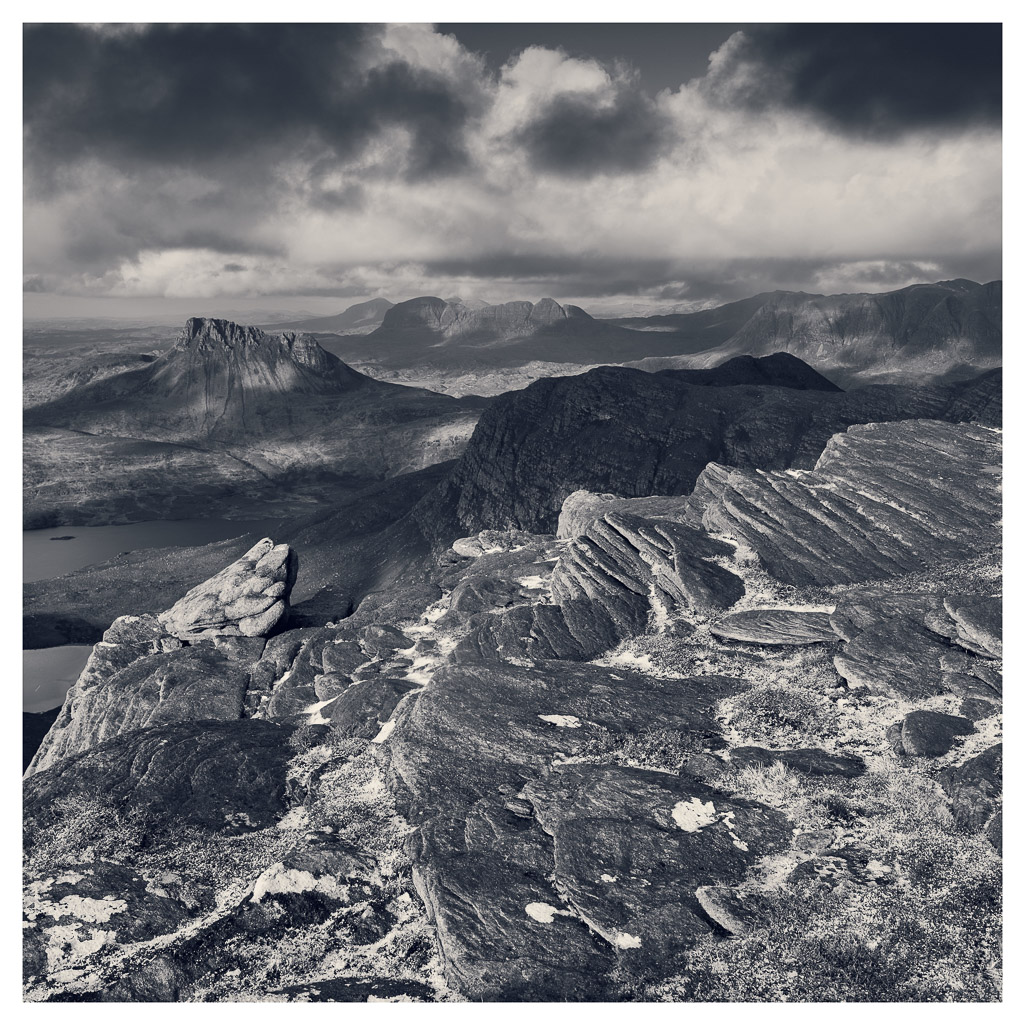
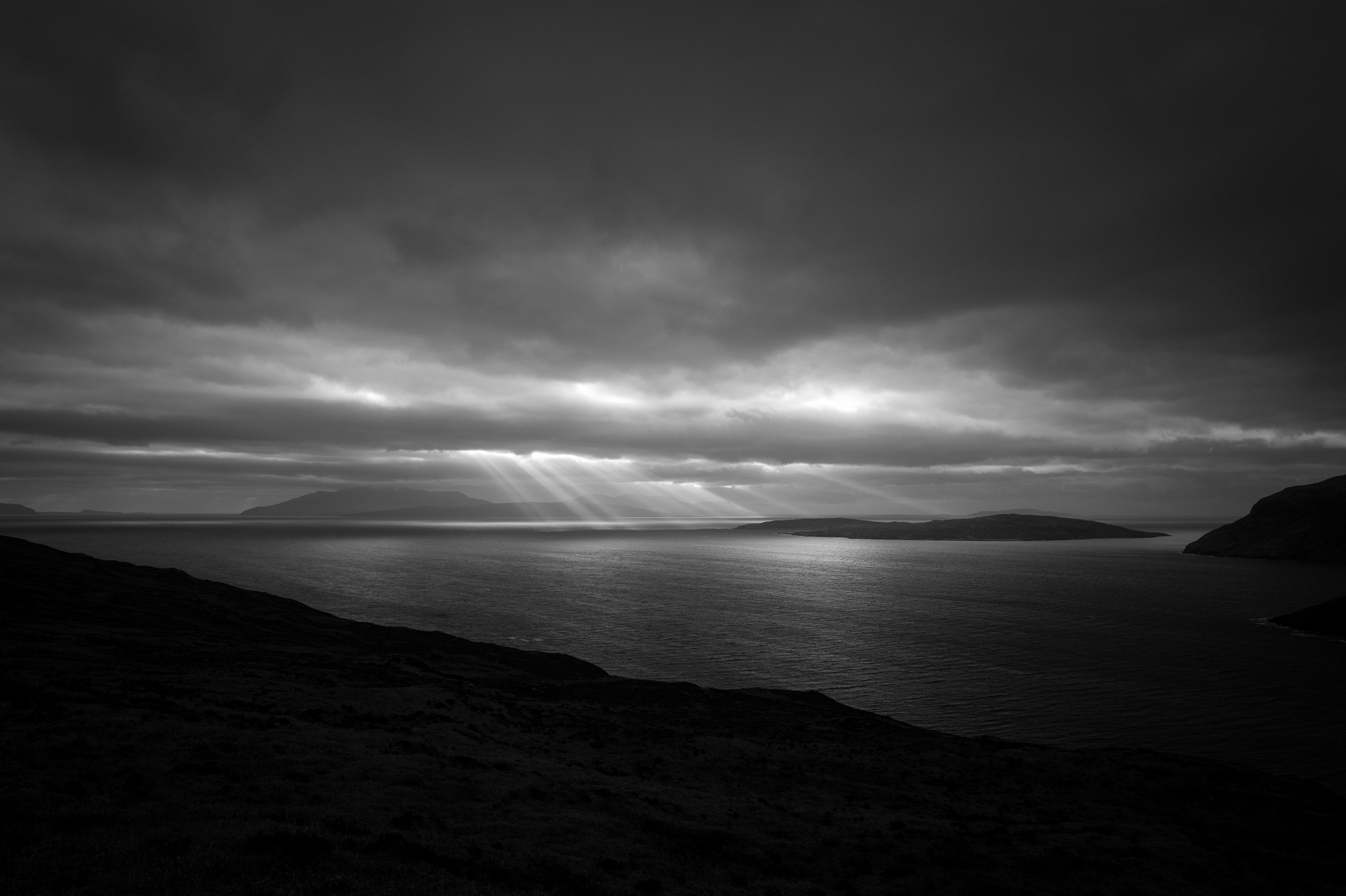
Here we have one image shot with a dedicated a black and white camera and the other from a camera with a colour sensor, with the image converted in post. I’ve even taken off the names of the photographers in case you naturally play detective on the kit they use. You will find out at the end of that article.
We want to try to answer whether you can tell the difference between them when we mostly view our work on screen. And that’s where the big challenge comes in.
The agenda for Monochrome Week
Macfilos Monochrome Week starts today with this preview.
Monday, 13 April: John Shingleton, How I rediscovered monochrome
Tuesday, 14 April: Remembering James Jarche, Fleet St. photographer
Wednesday, 15 April: A review of the Leica M11M by Jono Slack
Thursday, 16 April: Don Morley — a legend of Fleet Street
Friday, 17 April: “Is it live or is it Memorex?” How close can you get to a dedicated monochrome camera with post-production software? Can you tell the difference?
Which images in this article (No.1 is the feature image at the top of the article) were shot with a monochrome camera, and which were converted from colour? You can post your answers in the comment section. Answers will be revealed on Tuesday, April 21.
| Image number | 1 | 2 | 3 | 4 | 5 | 6 |
| Mono sensor | ||||||
| Converted |
Make a donation to help with our running costs
Did you know that Macfilos is run by five photography enthusiasts based in the UK, USA and Europe? We cover all the substantial costs of running the site, and we do not carry advertising because it spoils readers’ enjoyment. Any amount, however small, will be appreciated, and we will write to acknowledge your generosity.