
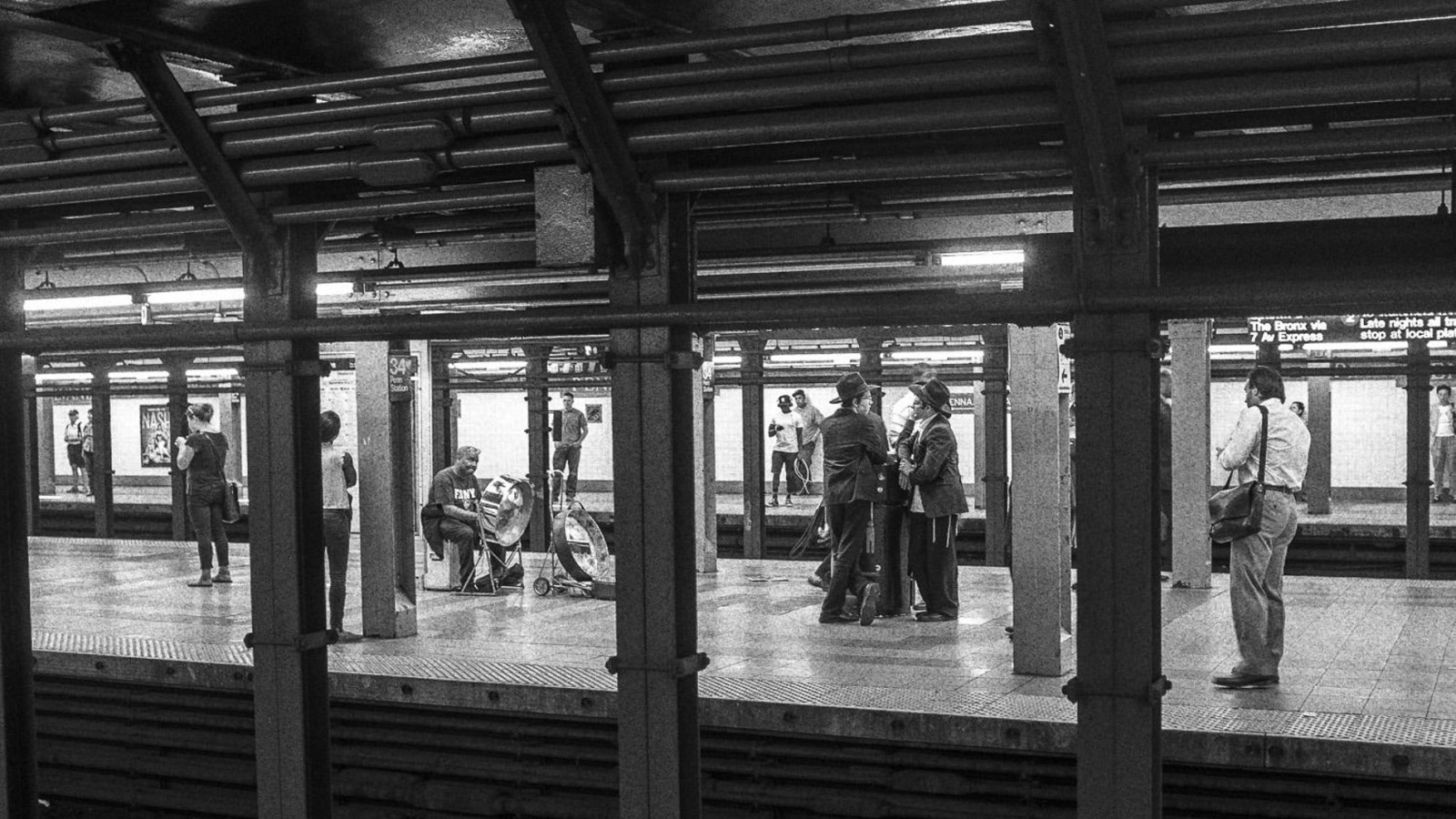
For more than forty years I was a monochrome photographer, with only occasional forays into colour when finances permitted. I had a home darkroom with a Leitz enlarger and did all my own developing and printing. Despite this long-term involvement with monochrome, when colour photography became so much more accessible financially with the advent of digital, I enthusiastically switched to being a colour-only photographer.
In fact, I adopted a negative view of contemporary monochrome photography. Historic monochrome photographs I understood. Masters such as HCB and Ansel Adams did not have a choice. But the mania for conversion of colour images didn’t cut the mustard with me. I felt that many of these converted black-and-white pictures had been converted into (to my mind) a misguided effort to make them “artistic”.

More or less?
My views didn’t change when the Leica Monochrom hit the scene in 2012. I just didn’t see the advantage in paying more for less; for a camera that I considered to be a one-trick pony. In fairness, I was right in the middle of my anti-monochrome phase, so even the Leica was unlikely to draw me in.
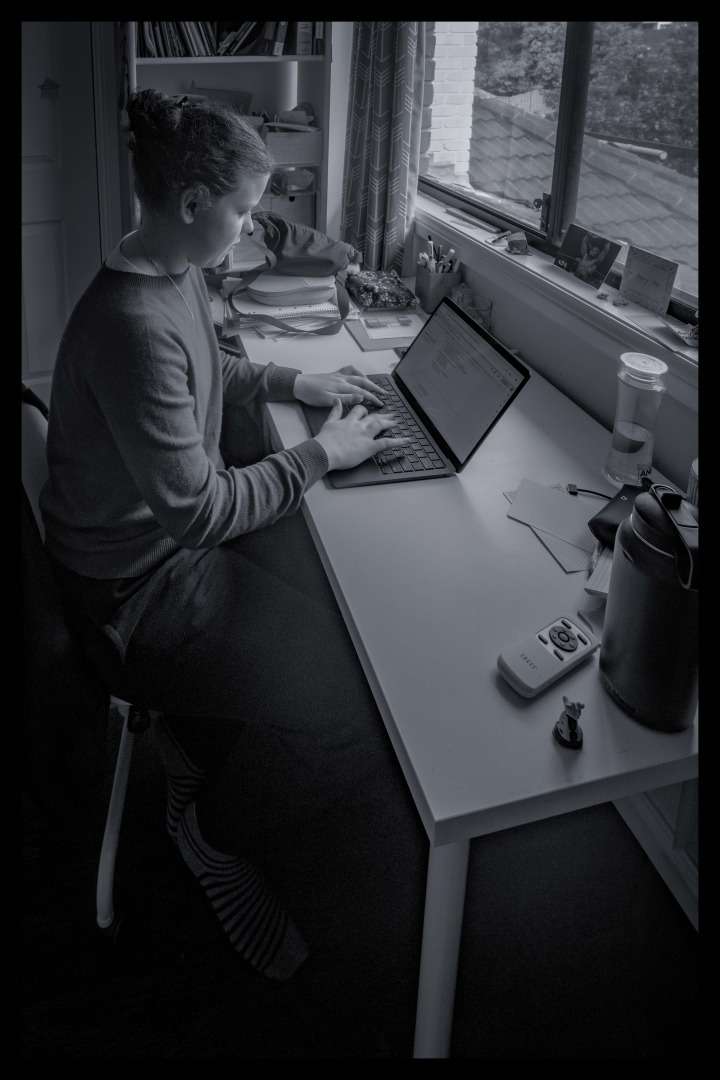
Recently, however, I’ve experienced something of a Damascene conversion. I am once more appreciating monochrome.
While still not willing to splash out on an M or Q Monochrom, I have developed a new interest in converting colour images. Why?
I’ve seen some superb monochrome shots in recent photo books by experts such as Alan Schaller and Phil Penman, and in the recent publication Paris Amour by David Turnley.
On the road to Morocco
Closer to home, I’ve enjoyed outstanding monochrome images taken by one of the participants of last October’s Leica Akademie Australia photo tour of Morocco.
That had been a new experience for me — travelling with a group of enthusiastic photographers and enjoying some excellent tuition along the way.
I had raided the piggy bank and set off for Morocco with few expectations and some doubts.
Was this something I’d thoroughly enjoy? It was decidedly an expensive operation, both in terms of course participation (A$15,500!) and the flights from Sydney.
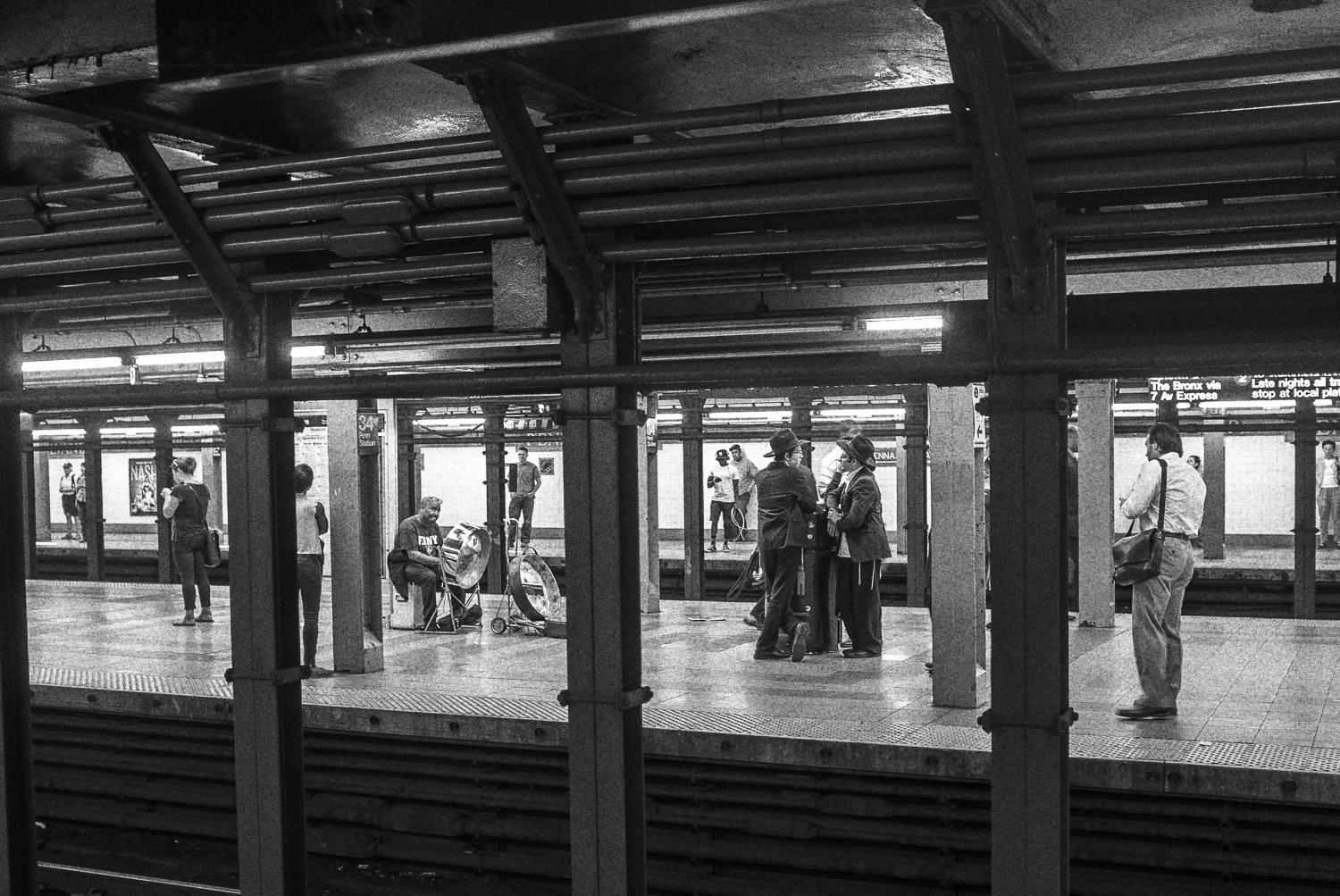
The answer to the question is that I did enjoy the entire operation. I discovered that Morocco is a colourful country and extremely photogenic. Colours were everywhere. Perhaps because of this initial impression, however, I was all the more surprised to find several travel companions using monochrome cameras — a mix of various Ms and Qs. My immediate reaction was, “what a wasted opportunity”. But the results undoubtedly speak for themselves.
Arguably, I already have too many Leicas. So purchasing a Q3 Monochrome variant to attempt an emulation of my Moroccan trip companions, or Schaller or Penman, is off the agenda for the moment.
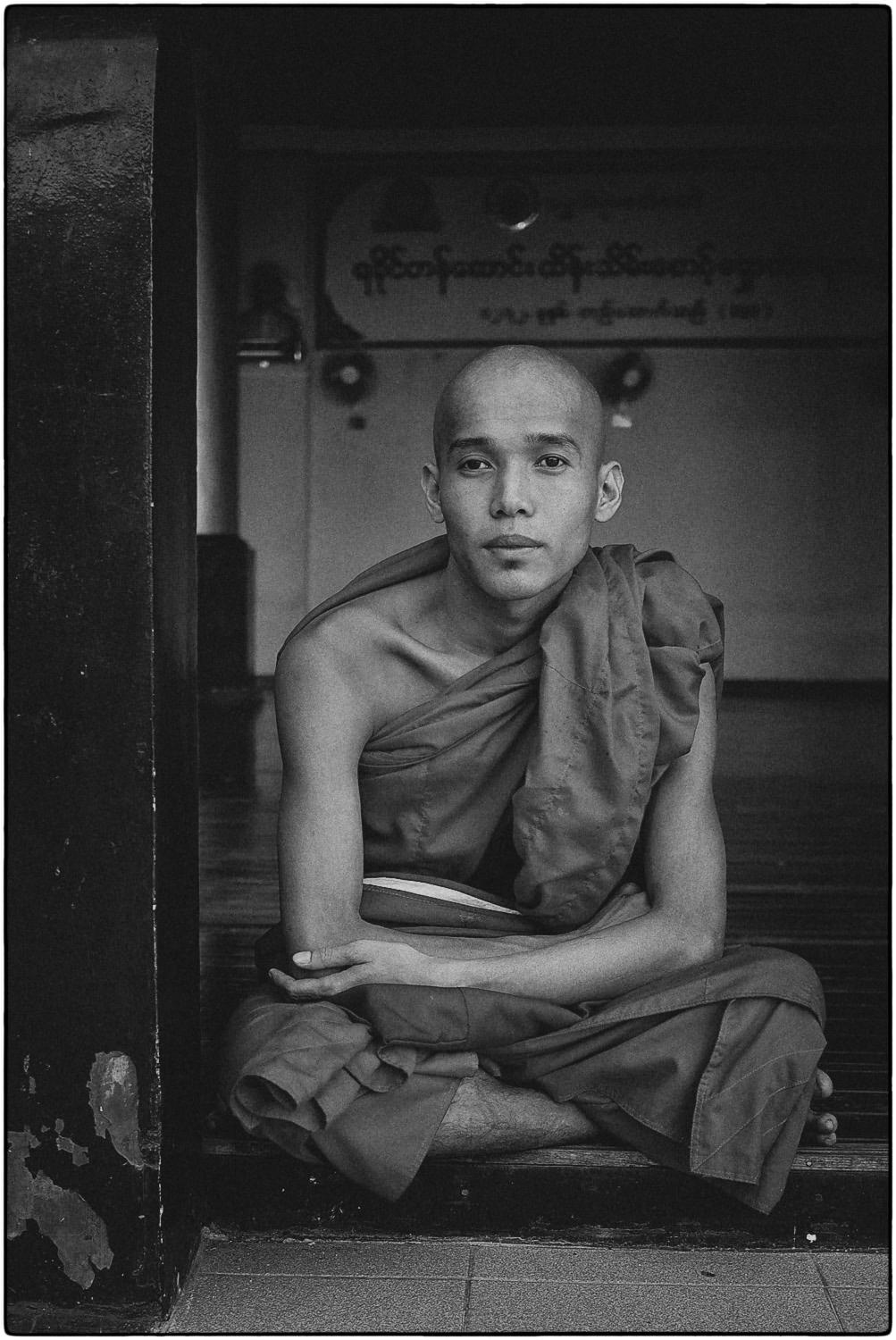
Conversion to the rescue
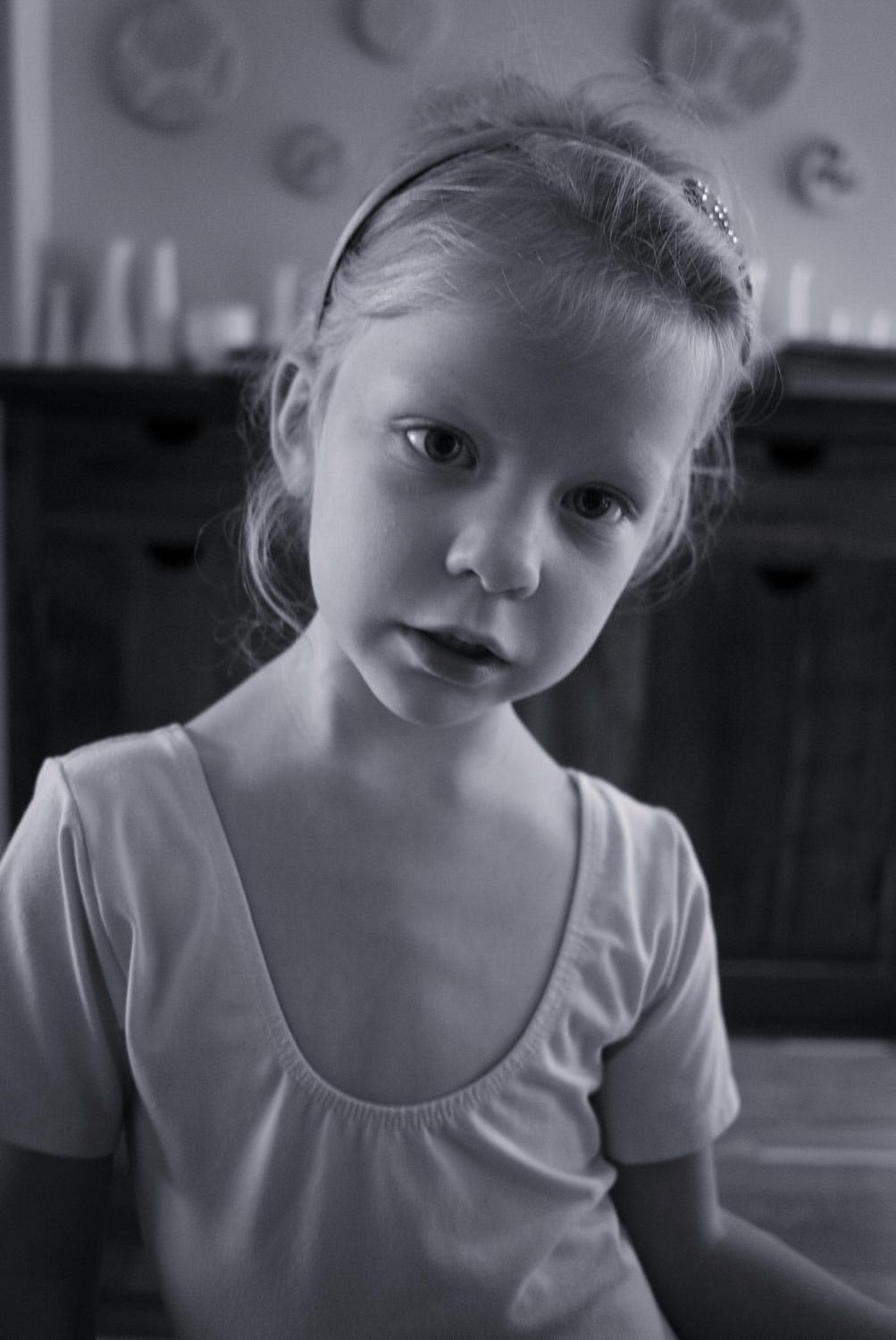
Back to software conversion. A process which I once decried vociferously, but I’m prepared to hold up my hands and admit that I was wrong. Black-and-white conversion presets are legion — in Adobe Lightroom and other post-processing packages. And most camera manufacturers include at least a couple of monochrome presets for instant, shareable out-of-camera images.
I have used the presets in Lightroom and Leica Looks, as well as Nik Silver EFEX software to convert colour images to monochrome for many years. But with my enthusiasm for monochrome rekindled, I decided to invest in the latest — and much enhanced — edition of the Nik software, now badged as the DxO Nik Collection 8, to see what I can do with it.
Complete collection
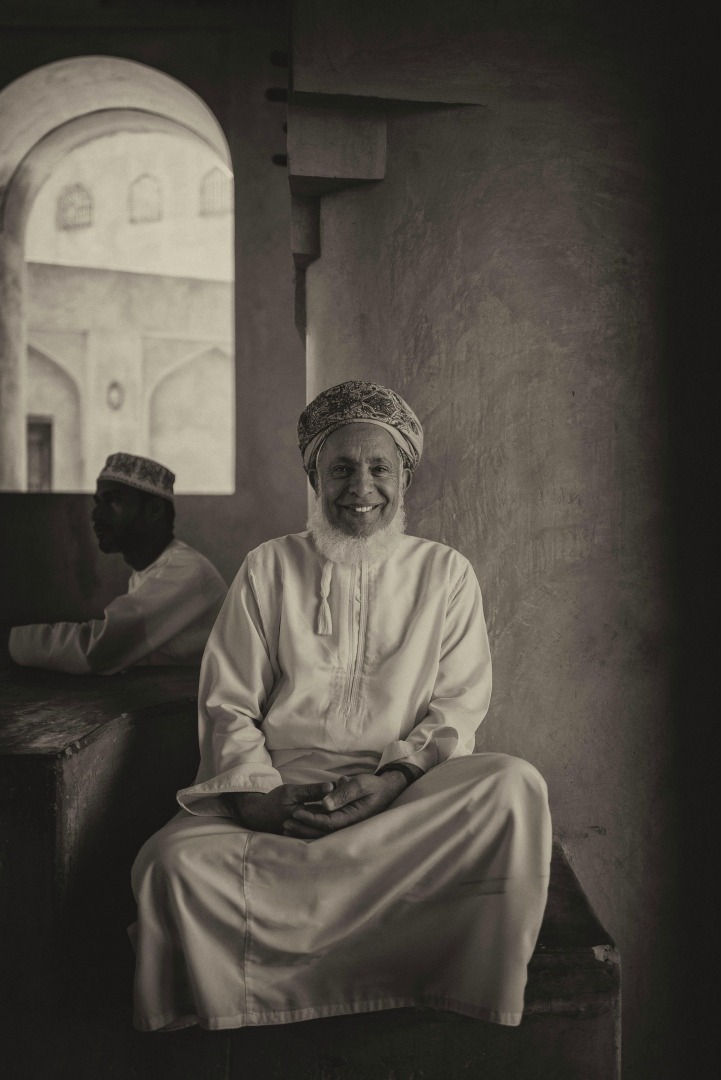
Before shelling out for the new version, I took advantage of the free 30-day trial offered by DxO. This gave me an opportunity to compare a conversion done using the DxO software against my efforts with Photoshop presets.
It was far from being a rigorous test, using just one image converted to a neutral tone. The results were quite close.
The DxO Nik Collection 8 is a complete bundle of the various tools — sharpening and colour effects, as well as monochrome conversion.
And although it initially appears expensive, you do purchase a one-off licence and don’t have to suffer the monthly month water torture as you do with Adobe.
The Silver EFEX part of the collection, which has long been a staple for dedicated black-and-white photographers, is an expanded and definitely improved version.
It offers more options, adjustment tools and presets, and I’d recommend it for anyone who is serious about black-and-white photography.
It’s early days in my mastering of it, but I am making progress.
Black and white
I have come full circle. After a lifetime of mainly black-and-white photography, I now see my 15 years as a colour-only champion as something of a hiatus in the natural scheme of things. A couple of years ago, I thought I would never write this.
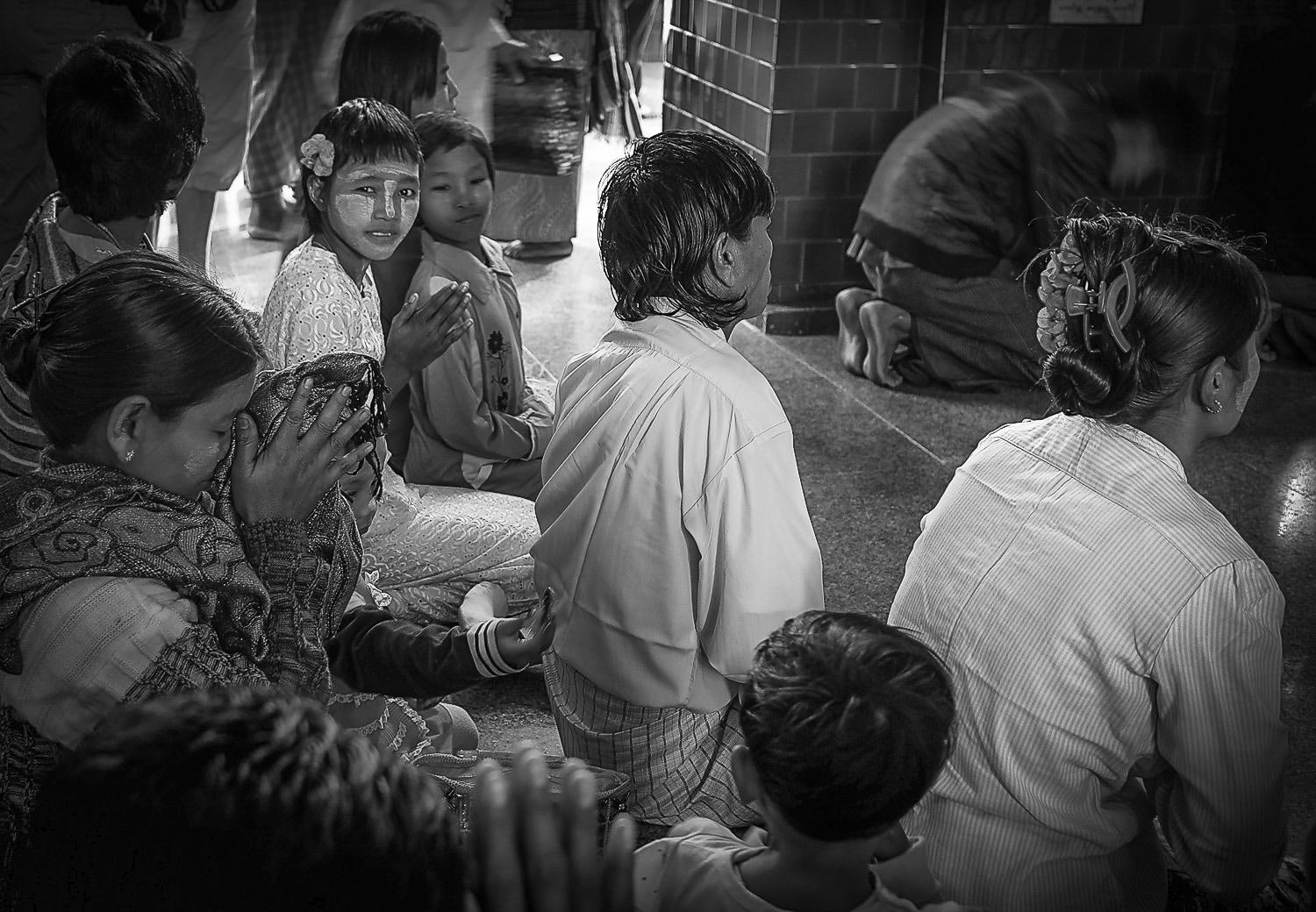
But I am enjoying the new purity of monotonal images which are anything but monotonous. They are not, as I once imagined, a pretentious effort to turn the ordinary into art, but a valuable means of adding a different perspective to the creative process.
Is it enough to convince me to invest in a Leica Q Monochrom? I would like to try one, of course, and I appreciate that they are capable of producing images which are very difficult to replicate using software.
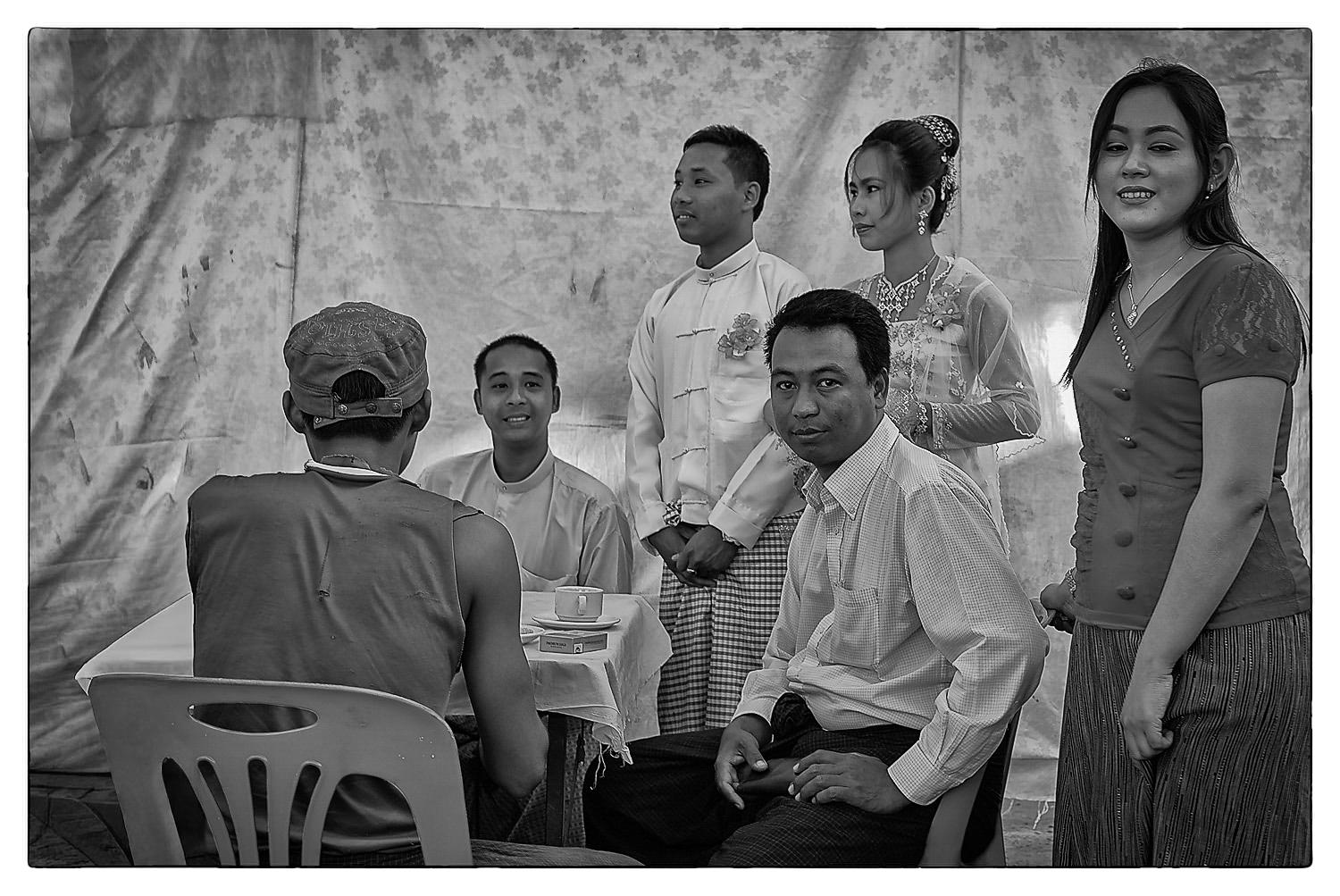
Shooting colour
However, currently I have too many cameras. I am still trying to sell my Q2, and the SL2 is very under used. Another factor is that, despite the eulogy, my dalliance with black and white may well be short-lived.
Yet, my preferences remain fluid. Since writing this article, I’ve been out shooting colour, and some images would be nothing without colour.
The jury is out. I’ve truly enjoyed my foray into monochrome, and I am sure I will continue to enjoy the process — but without the full commitment of buying a Leica Monochrom. I’m pretty pleased with the conversions and the capabilities of Silver Efex Pro, and increasingly with the Leica Looks suite. So I’ll keep my wallet safe for the moment.

The DxO Nik Collection 8 costs $169.99 | £149.99 | €159.99 for new users and $99.99 | £79.99 | €89.00 for upgrade.
Make a donation to help with our running costs
Did you know that Macfilos is run by five photography enthusiasts based in the UK, USA and Europe? We cover all the substantial costs of running the site, and we do not carry advertising because it spoils readers’ enjoyment. Any amount, however small, will be appreciated, and we will write to acknowledge your generosity.