
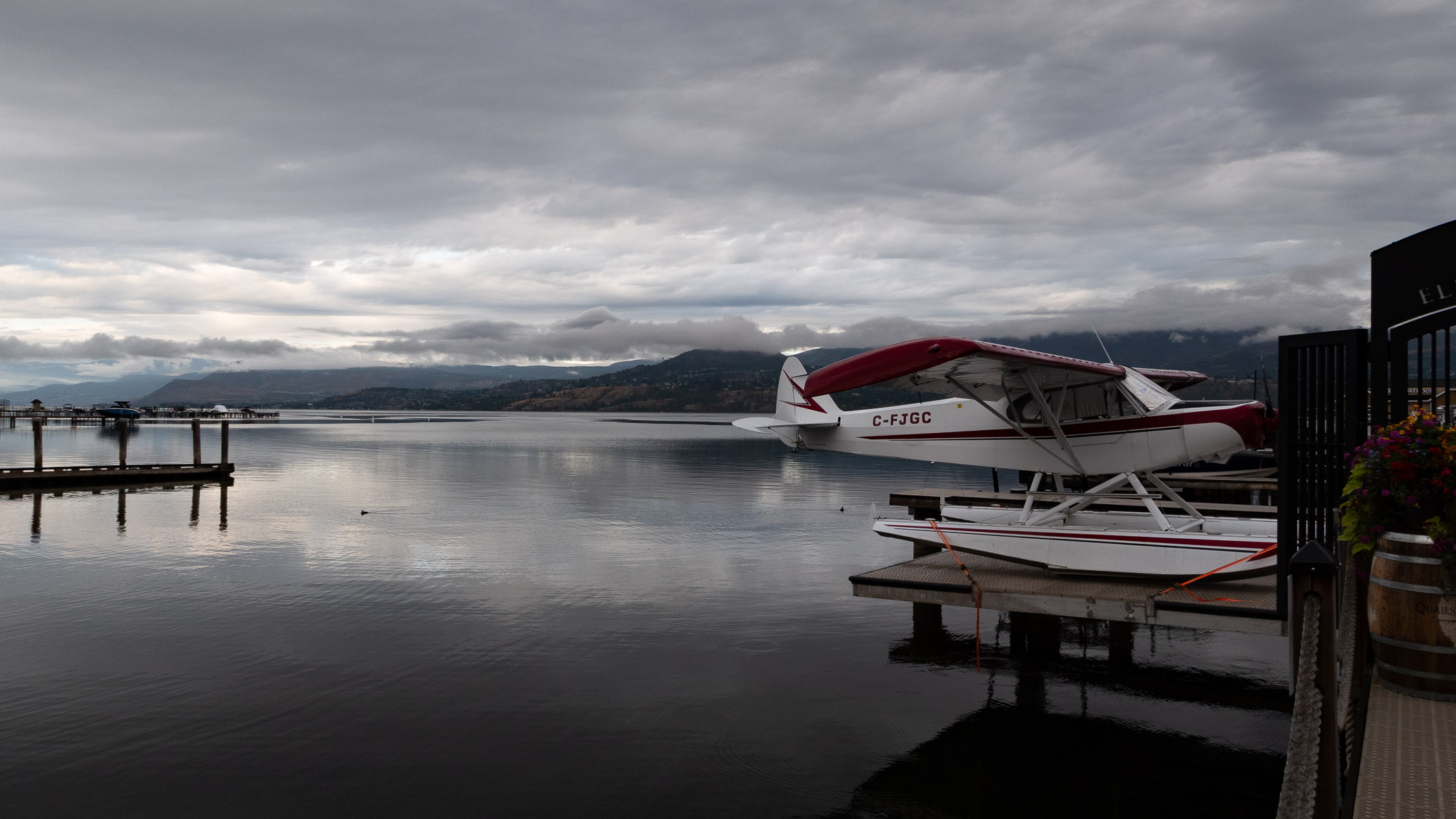
George was my great uncle, whom I met only once. Until a few weeks ago, he was buried in an unmarked grave in Kelowna, British Columbia. What was he doing there? Could we find his grave? Some details I have managed to track down, but many others remain unknown. Searching for George also meant an opportunity to explore a small part of British Columbia.
The last time I was in Vancouver was July 2004. I spoke to my father on the phone back in England about what I was doing in Vancouver. He asked me to find a way to mark his uncle’s grave, for the reasons mentioned above. Our trip to Vancouver and beyond had a mission: find the unmarked grave where George was buried and put up a permanent marker.
The start of the journey
Chicago to Vancouver is a four-hour flight, which is not too difficult to handle. Vancouver is much as I remember it, but with added cruise ships and more high-rise buildings. In late September, the weather was perfect, with no sign of the rain for which Vancouver is well known.
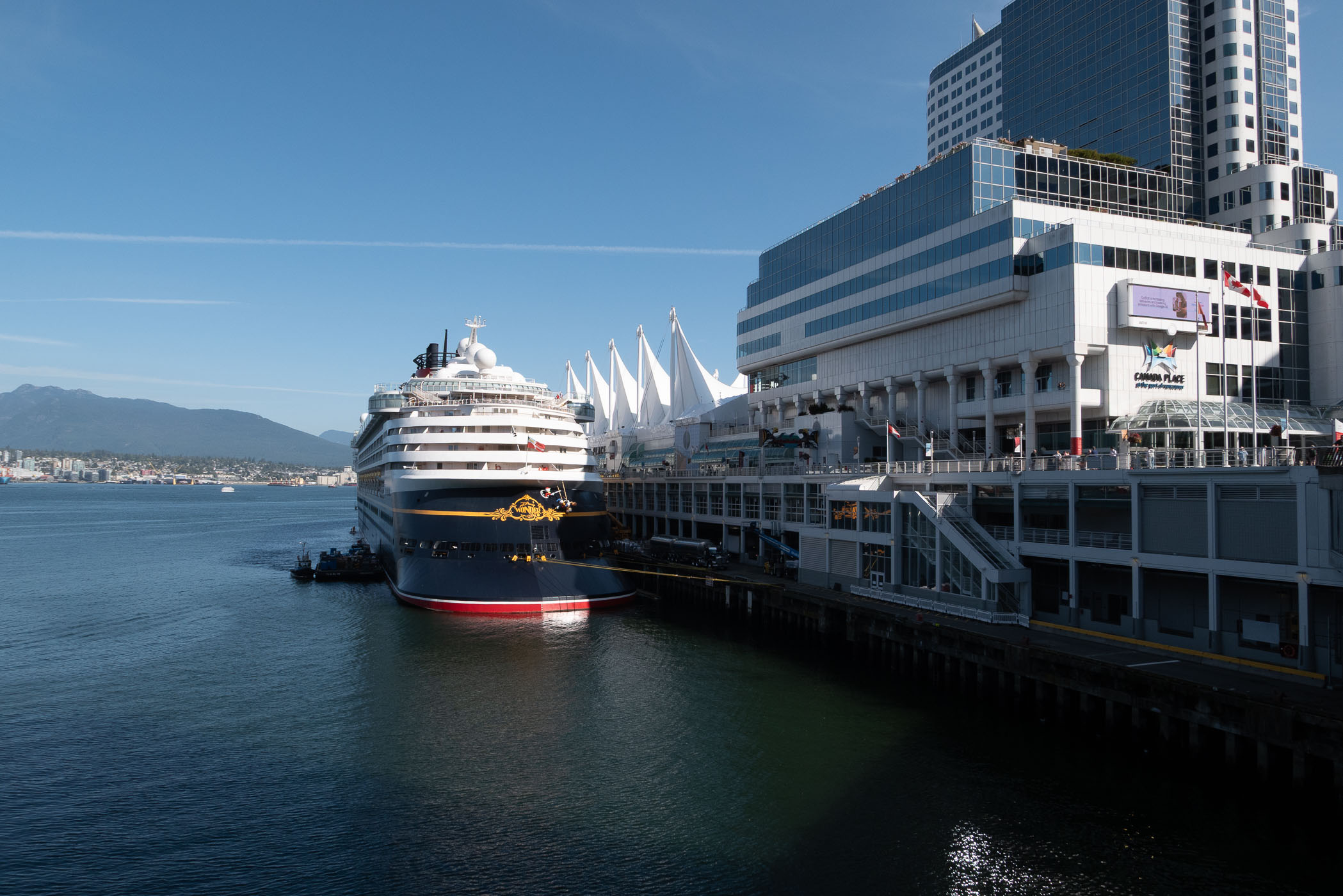

There is so much to see in and around Vancouver and only a limited amount of time in which to do it. We visited several tourist attractions — the Capilano bridge, Stanley Park, and Granville Island, and took a whale-watching trip. Despite their somewhat touristy reputation, they are all enjoyable and worth seeing. We also visited Vancouver Island, and travelled inland to Kelowna, which is where we would need to search for George.
Cameras
Let’s talk cameras for a moment. I hate weight and bulk, so the idea of carrying numerous camera bodies and a half-dozen lenses has zero appeal. Forced between that as an option, or just taking a phone, I would take the latter. To compromise and to test a theory, I took a Q3 28, and a very recently acquired D-Lux 8. What was the theory? The convergence of the UI makes it easy to switch back and forth between cameras without thinking.
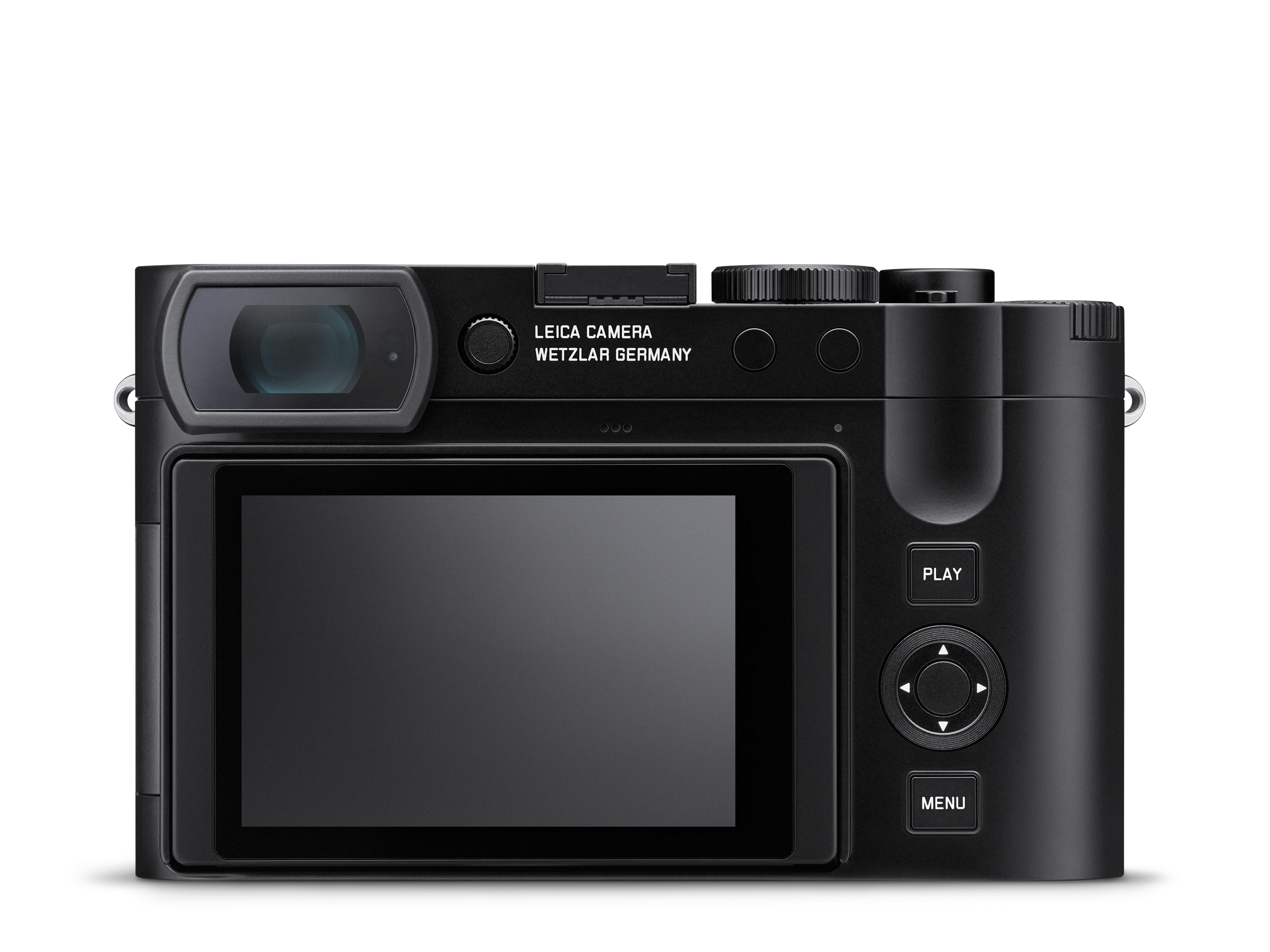
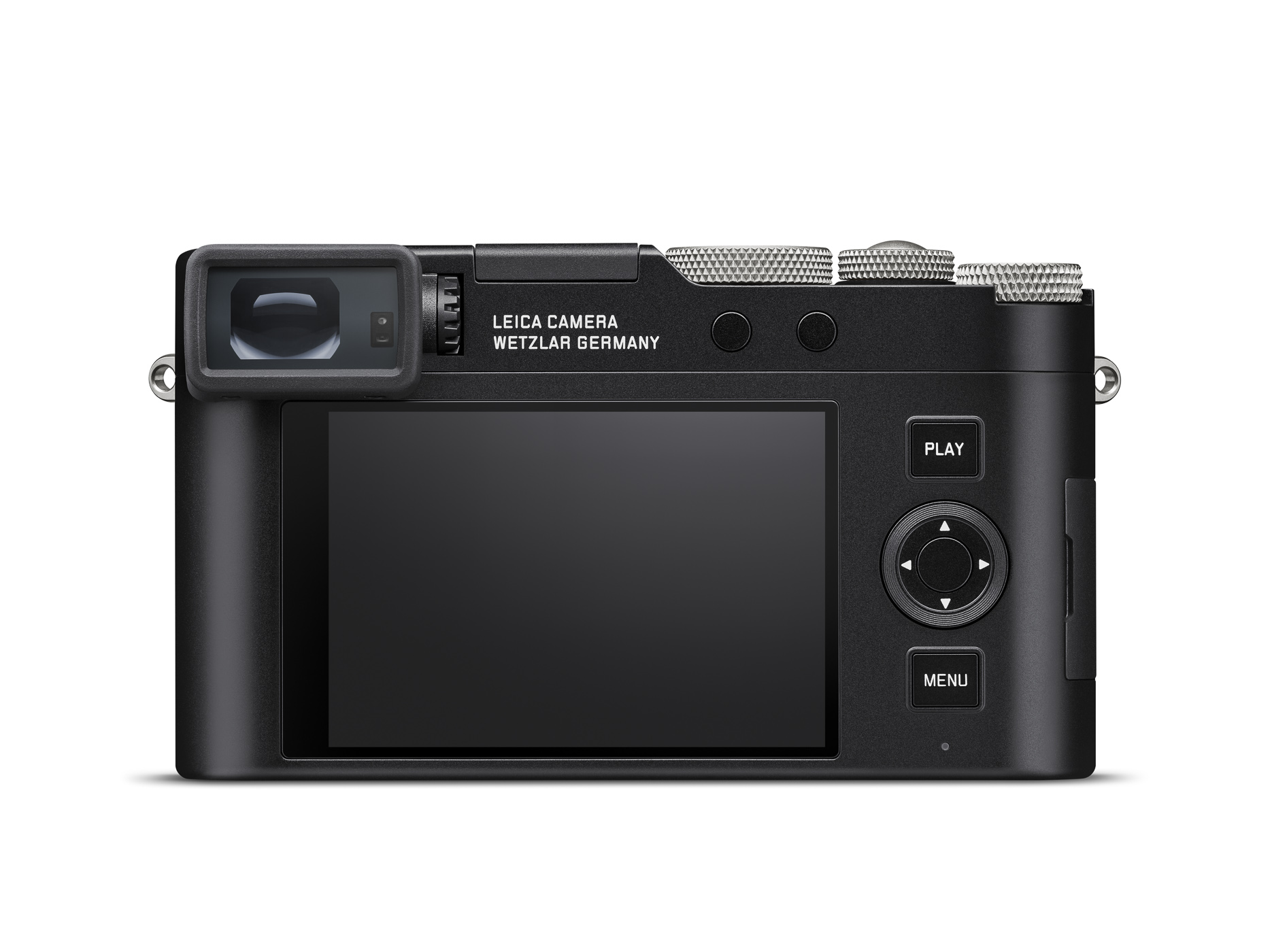
How easy is it? The answer: it’s effortless, now they share an almost identical UI. The IQ of the little camera was also pretty impressive for such a small sensor. It’s only in low light and later in Lightroom on a 27″ screen that you come face-to-face with its limitations.
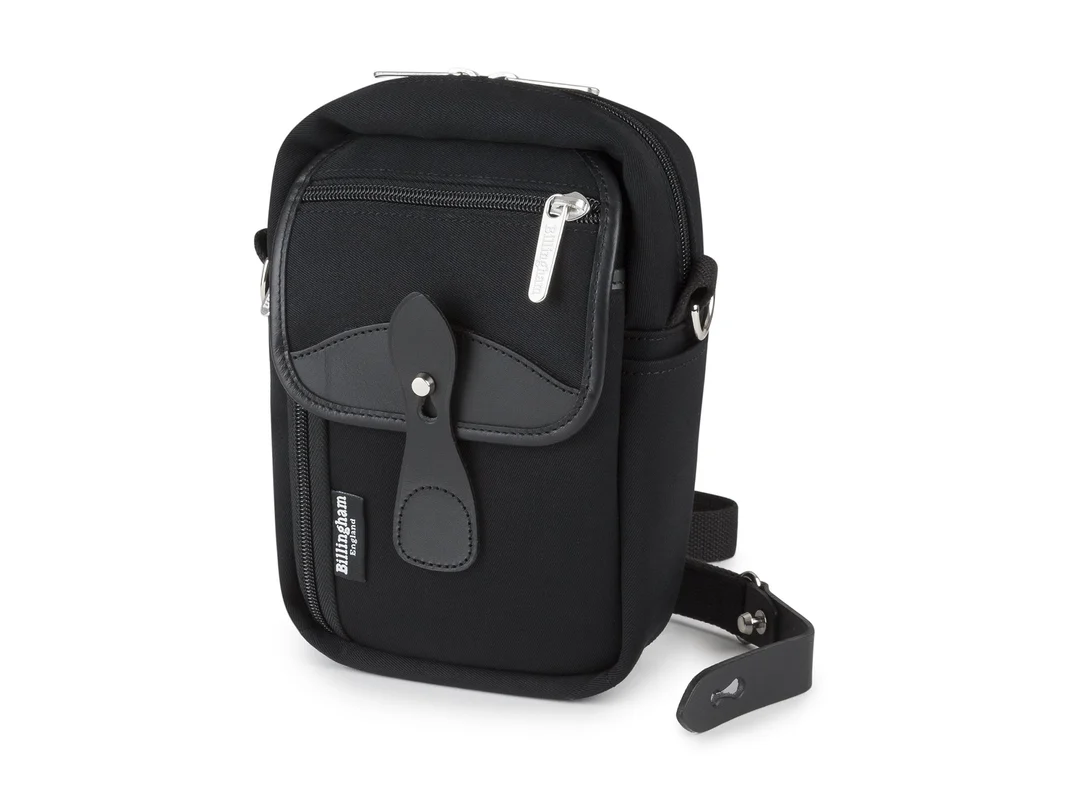
A small zoom lens in a lightweight, compact package is a joy for travel. I have “given” the D-Lux 8 its own small Billingham Airline Stowaway bag. It is loaded with a spare battery, USB-C cable, and memory card for those days when you simply don’t need more.
But once you have experienced another form of simplicity with the Q3, it’s hard not to be beguiled. The advantages of a large sensor become very evident. It’s the ability to shoot at higher ISO without noise, and with the ability to crop without concerns. Neither is a wrong choice: they simply represent different horses for different courses. A look at the captions in this article will show the situations where each was used, and how often.
Take me to the bridge
Capilano Suspension Bridge, over the Capilano river, is 140 metres long and about 70 meters above the river itself. The original version was built in 1889 by a Scottish engineer called George Grant Mackay — no relation to the Mackay in White & Mackay that I’m aware of — and was completely rebuilt in 1956.
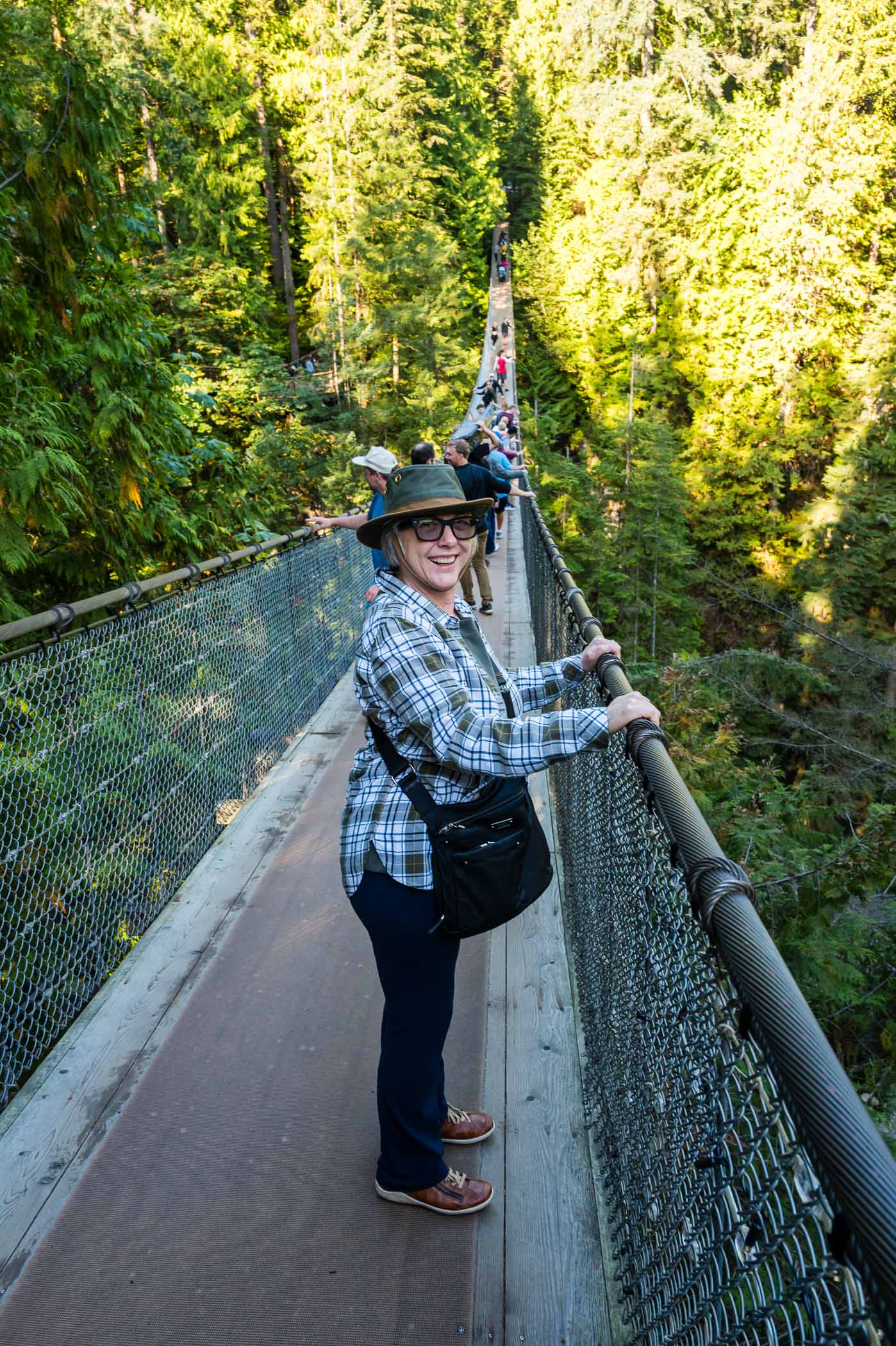
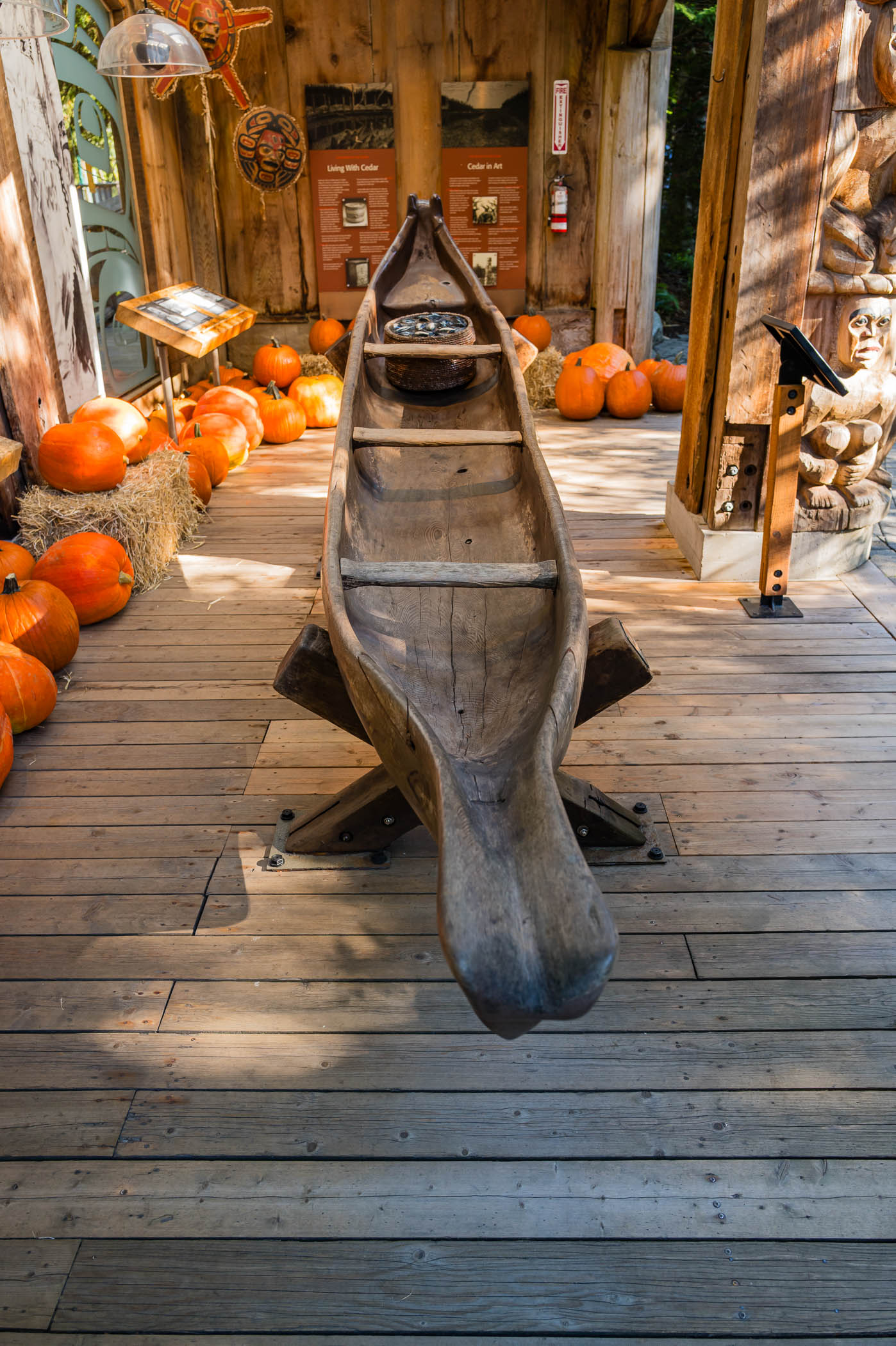
If you don’t have a head for heights or you suffer from wobbly bridge syndrome, stay clear! Actually, go ahead and be brave would be my suggestion. There’s a lot to see on the other side of the bridge. There’s also some helpful context about 1st Nation Canadians who were there long before white people turned up.
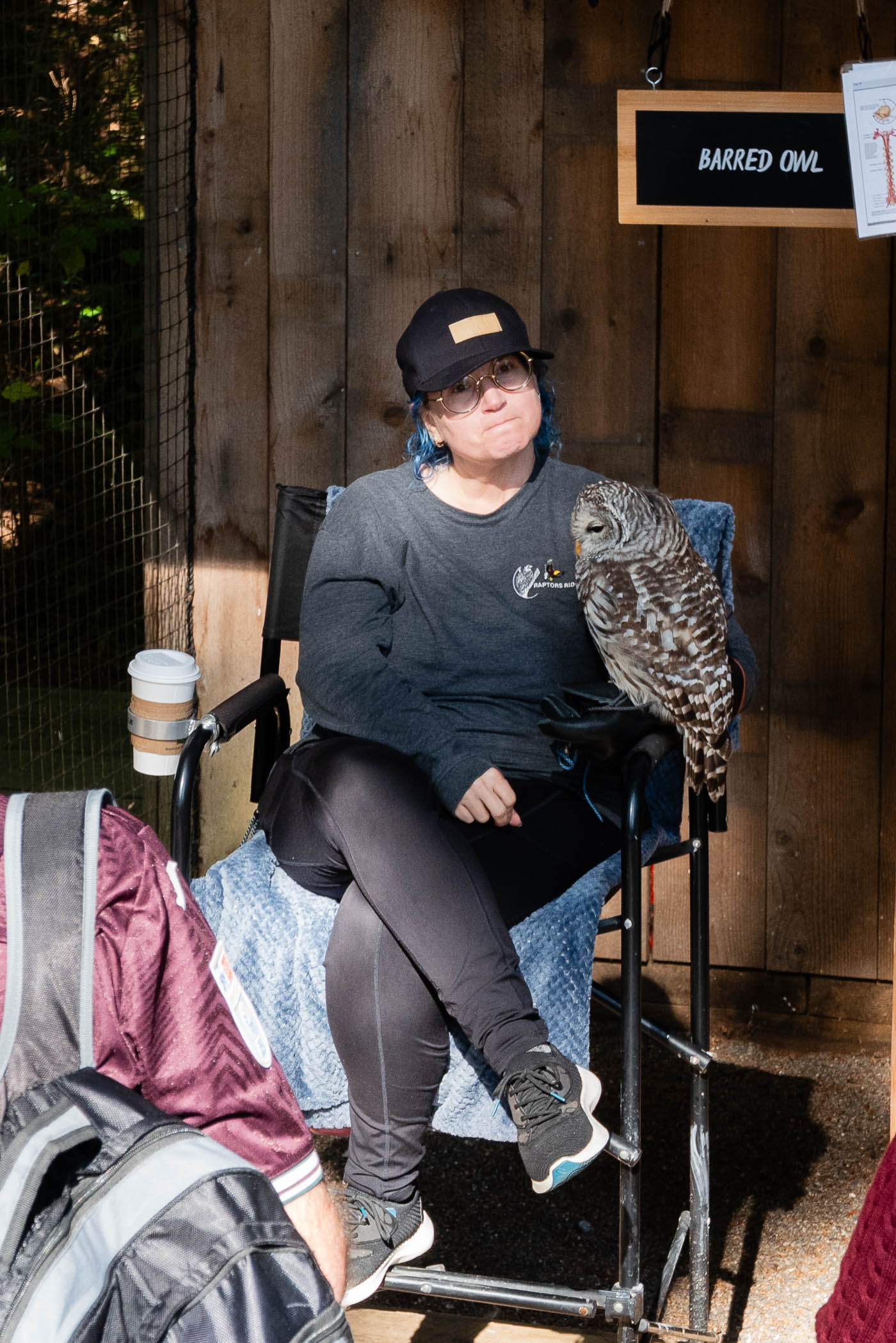
It’s also a centre for wildlife that includes the Barred Owl and the Harris Hawk. Both seems disinterested in people, and no squirrel was foolish enough to come close.
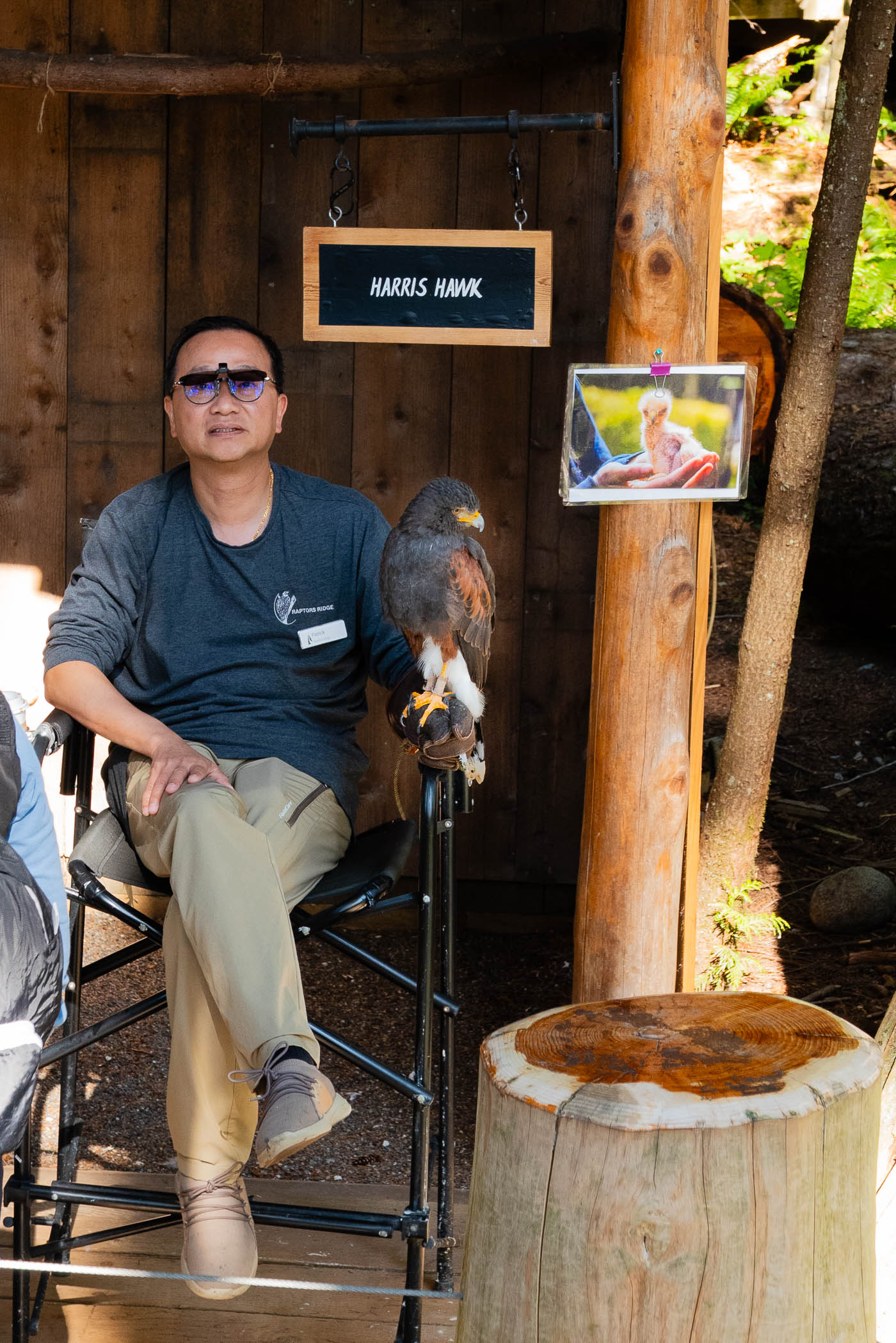
Stanley Park — “au naturel”
Stanley Park is part of the northwest part of Vancouver, and on a map looks like someone is giving a thumbs up. It’s about 20% bigger than New York’s Central Park, so plenty of space to get away from the hustle and bustle of the city.
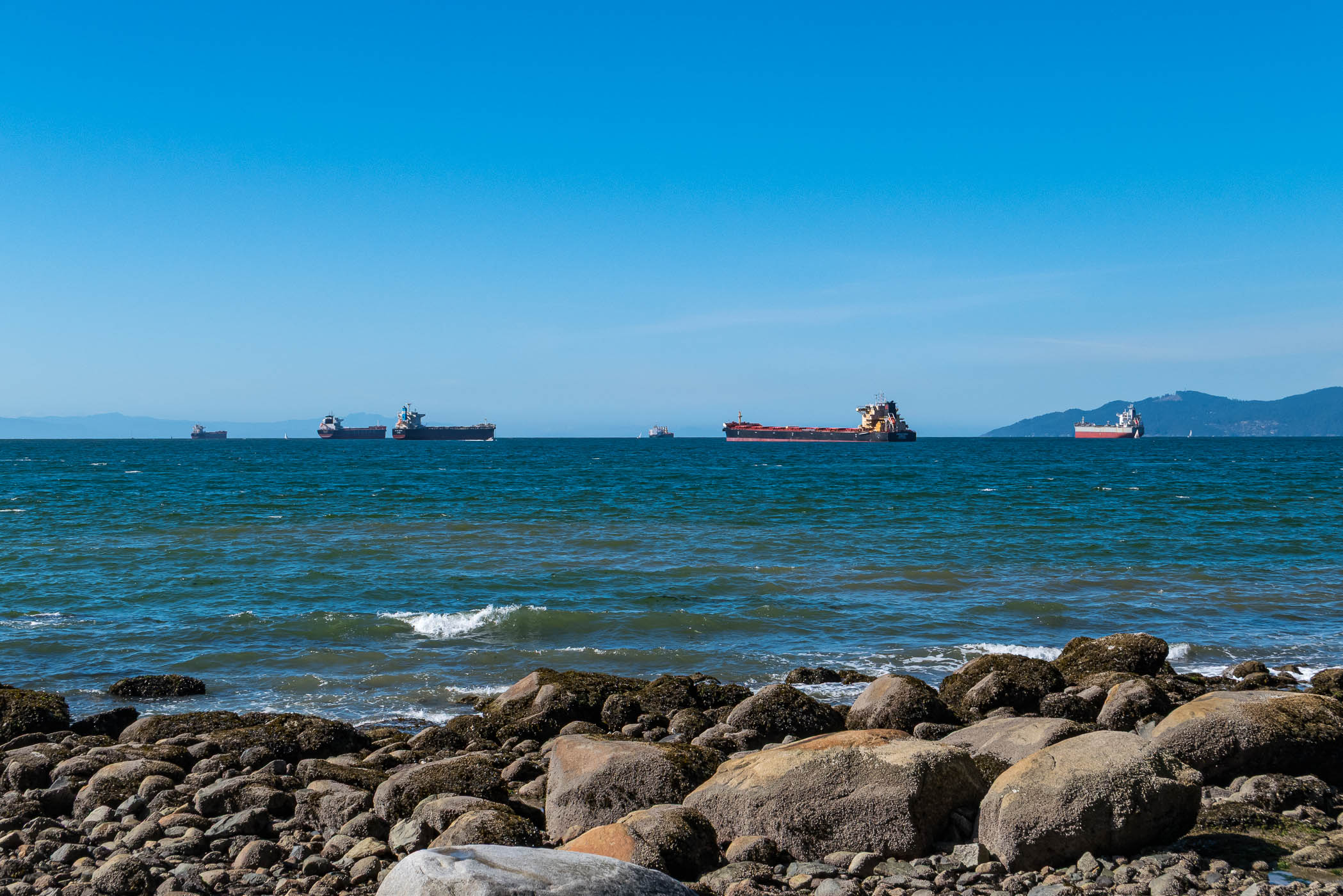
I found the views along the shoreline and across the water with ships waiting at anchor to be particularly appealing. Where did they come from? Where are they going next? And coming back to my great uncle George, I wonder if he ever made it here.
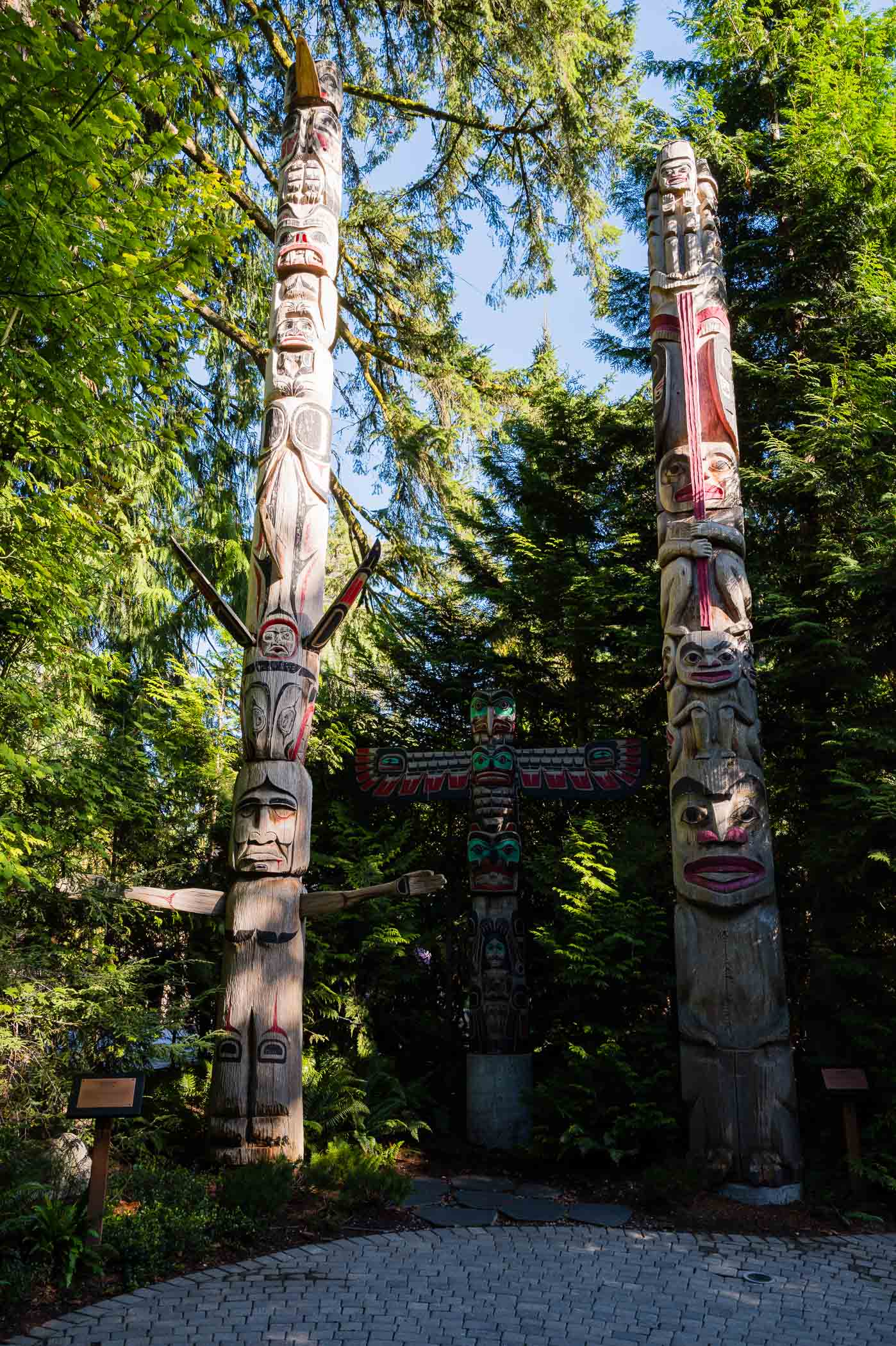
The park became part of the city of Vancouver when it was incorporated in 1886. It was named after Lord Stanley, who had been appointed as Governor of Canada. It’s not a “manicured” park like Central Park but left “au naturel.” 1st Nation history and art can be found in the park, acting as a reminder that westerners were late arrivals to this part of North America.
Gassy
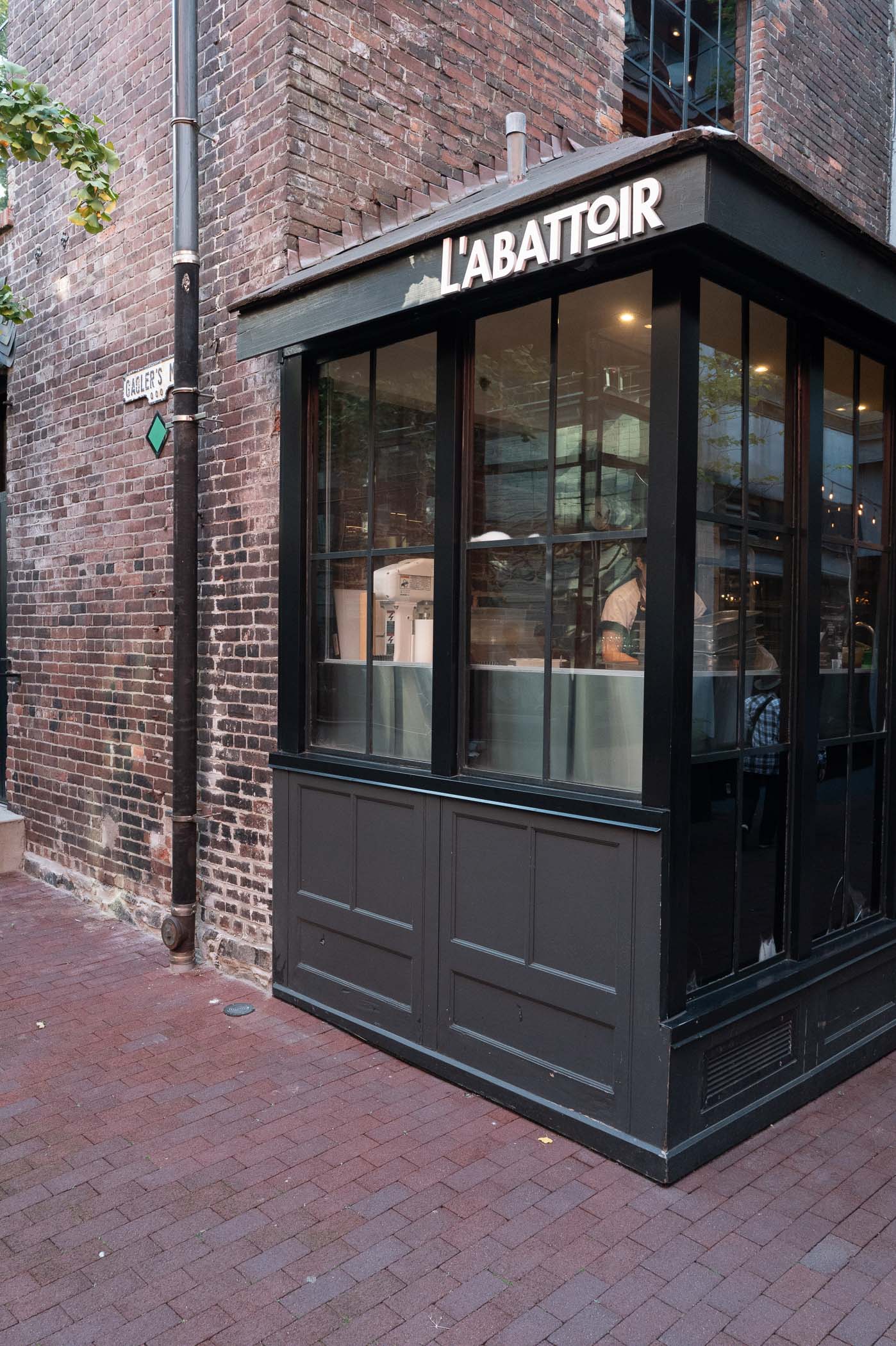
Back in Vancouver and you have to take a walk through Gastown, which lies to the east of the downtown area. Gastown runs parallel to the railway tracks coming into Vancouver. The neighbourhood was named after a character called “Gassy” Jack Deighton, who was a steamboat captain from Yorkshire. “Gassy” it turns out was not what you might think, but actually meant he talked a lot. Clearly he was unusual, as that’s not a particularly common Yorkshire trait. Now, if he had been from Chicago….
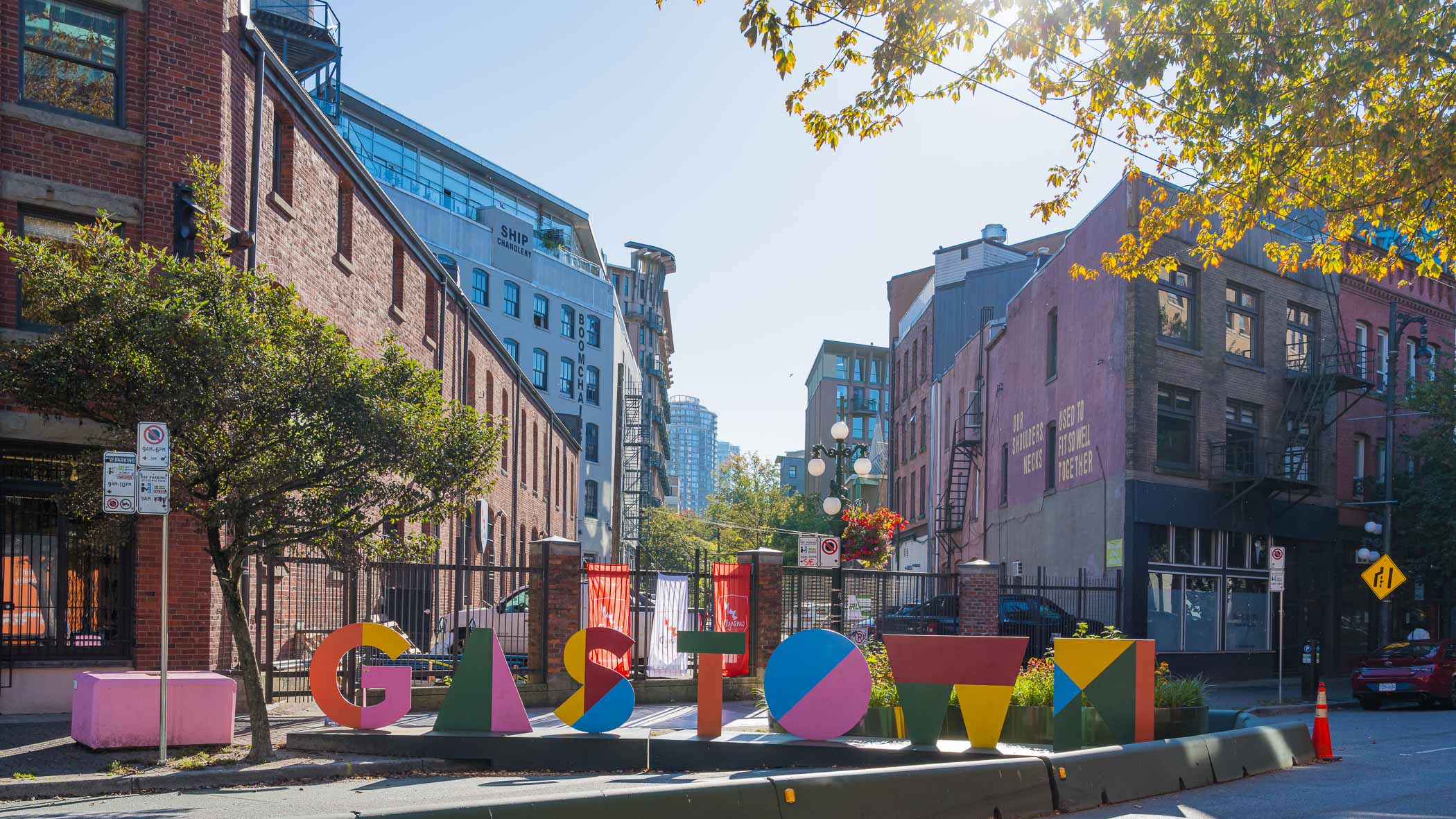
The town prospered as a rough and ready location for fishermen, loggers, and sailors. It was due to be bulldozed in the early 60s, but survived. Goodness knows what kind of brutalist architecture might have replaced it! Today, gentrification is making another push to takeover. Hipster stores and restaurants are now encroaching like weeds on a broken wall.
The power of steam
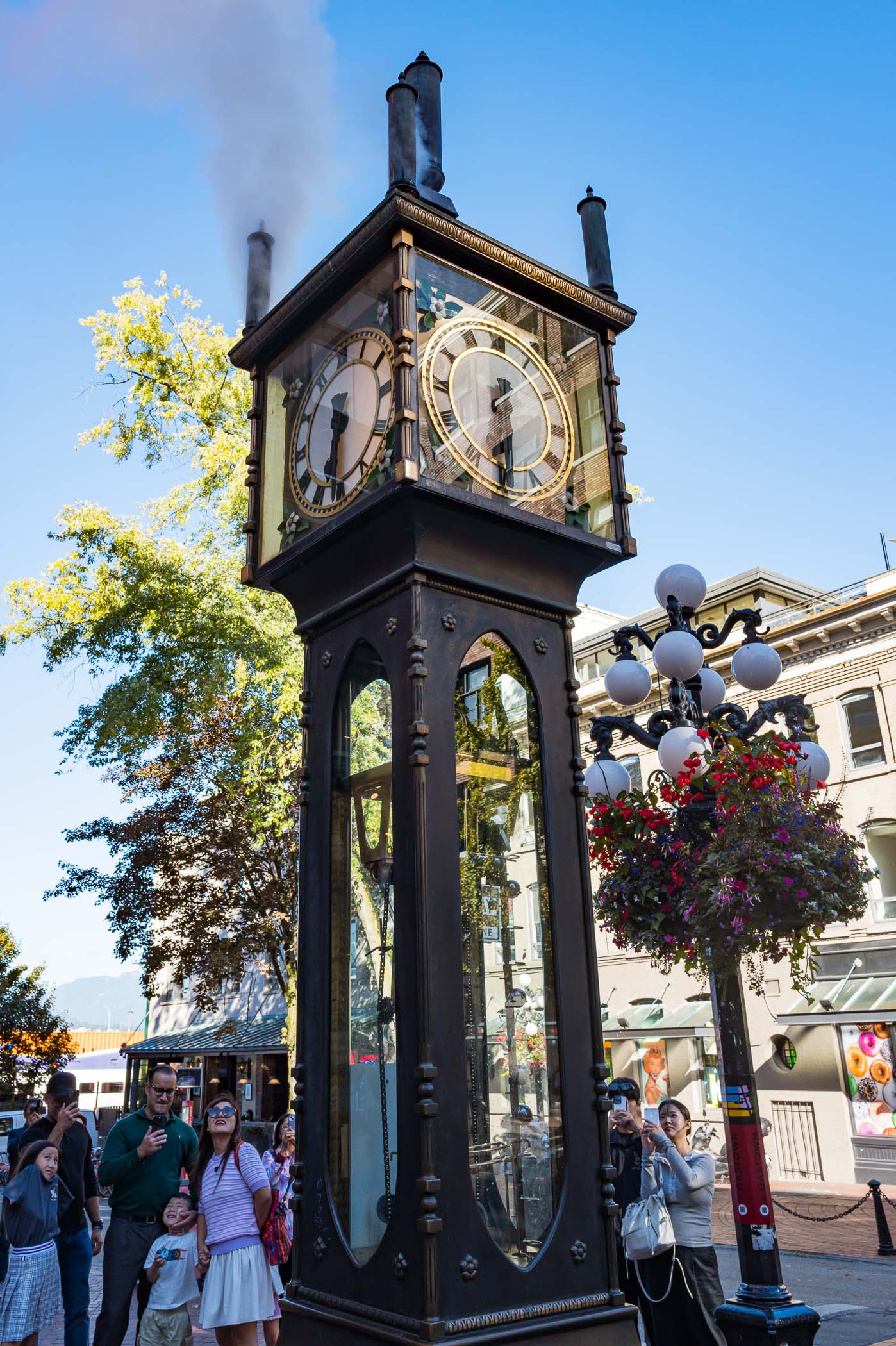
What remains is the spectacular steam clock on the corner of Cambie and Water streets. It uses a miniature steam engine to power a chain that moves steel balls that in turn drive the movement. Steam also powers the whistles that “chime” the hour. In a way, it’s a bit like “Old Faithful”, the geyser that erupts on the hour. It’s utterly charming, but it won’t be appearing on “Antiques Roadshow” any time soon, as it was only built in 1977.
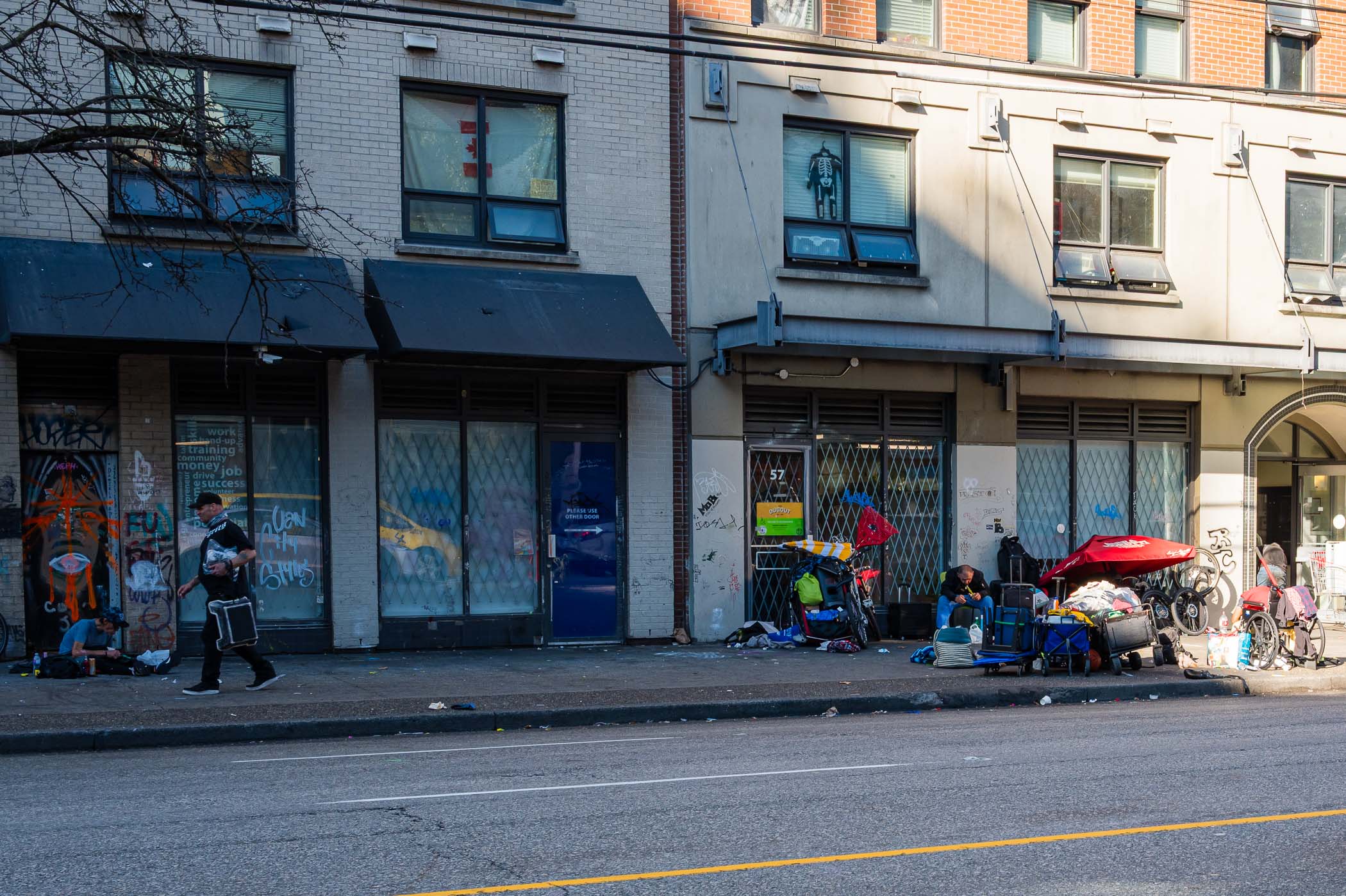
A little further to the east and you can see that even the most picturesque places have a darker corner. Drug use and prostitution are rampant and very much out in the open. It is truly dystopian and disturbing to see. You move swiftly along and don’t linger, while not being able to forget what you saw.
The Prince of Whales meets Granville Market

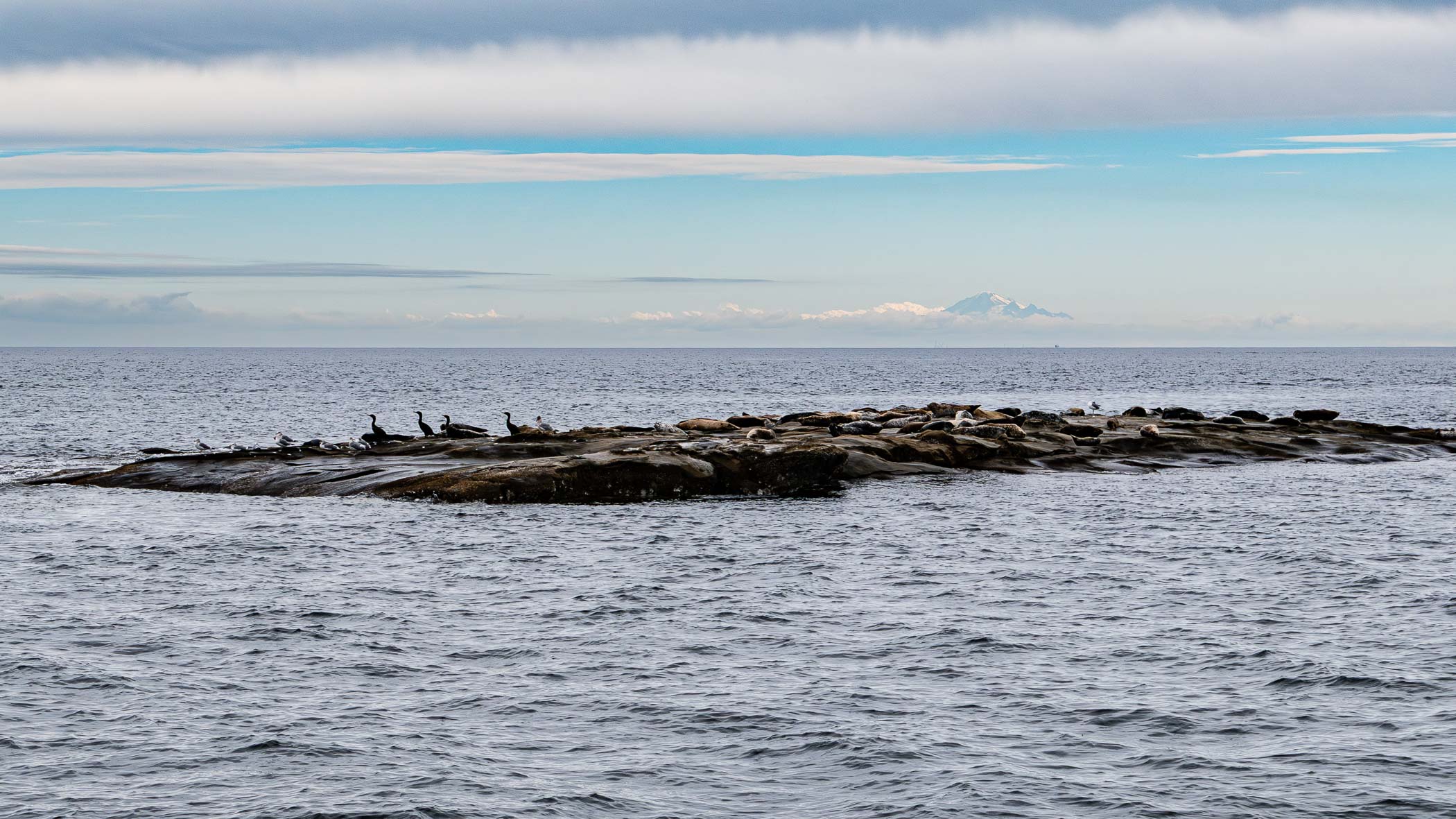
The Granville Island marina looks beautiful, and you can sit out on a terrace and have lunch, dreaming of what it would be like to live there. For our last day in Vancouver, we had booked a whale-watching boat tour called “Prince of Whales” (groan here if you must) which guaranteed you would see a whale, or you would get a credit for another trip.


Low cloud, a cold wind, and the admittedly short range of the D-Lux 8 meant this was never going to be a spectacular photographic experience. My thinking was, why lug a long lens around for ten days when you would really only use it in anger for about four hours?
Finding a food-focused market
Having spent time living in Milan and Amsterdam, I’m a particular fan of food markets. A significant part of the appeal is that you can chat to the people who grew the vegetables, caught the fish, or produced the cheese.
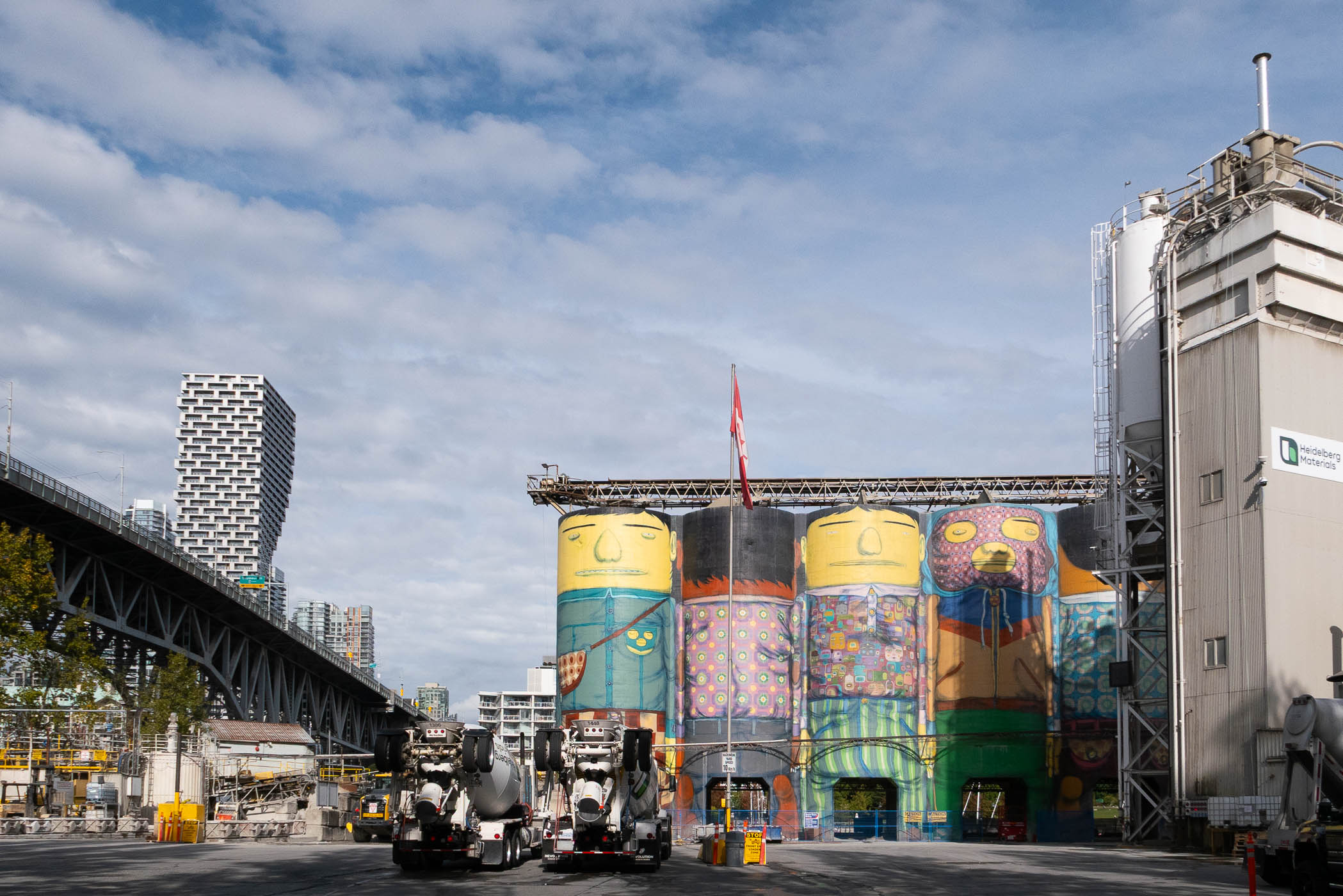
Granville Island may be a bit touristy, but it has food stalls in abundance in the covered public market. Sadly, you still face others with meaningless and cheap tchotchkes that are taken back home and probably set on a shelf only to be quietly forgotten.
The park on the hill
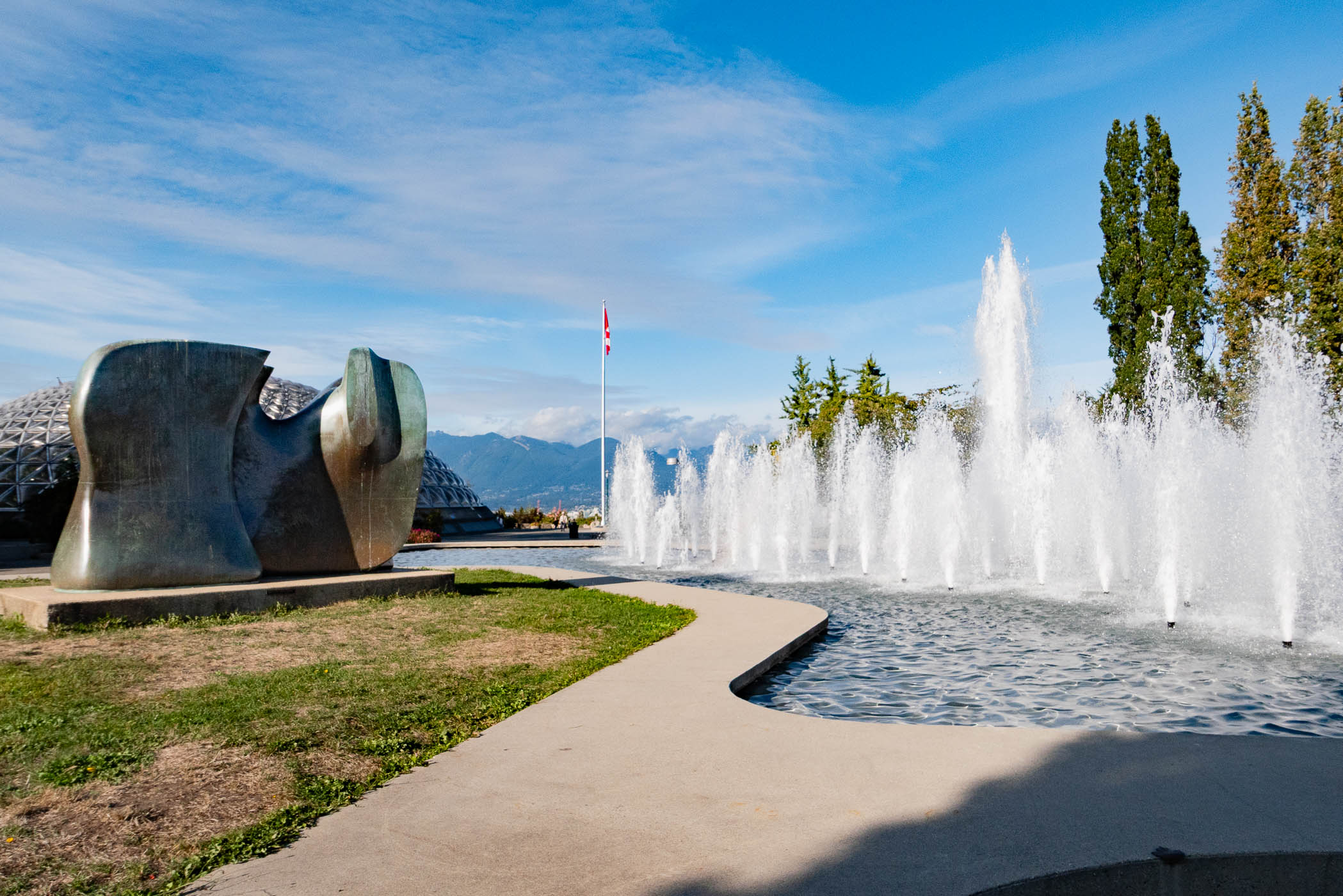
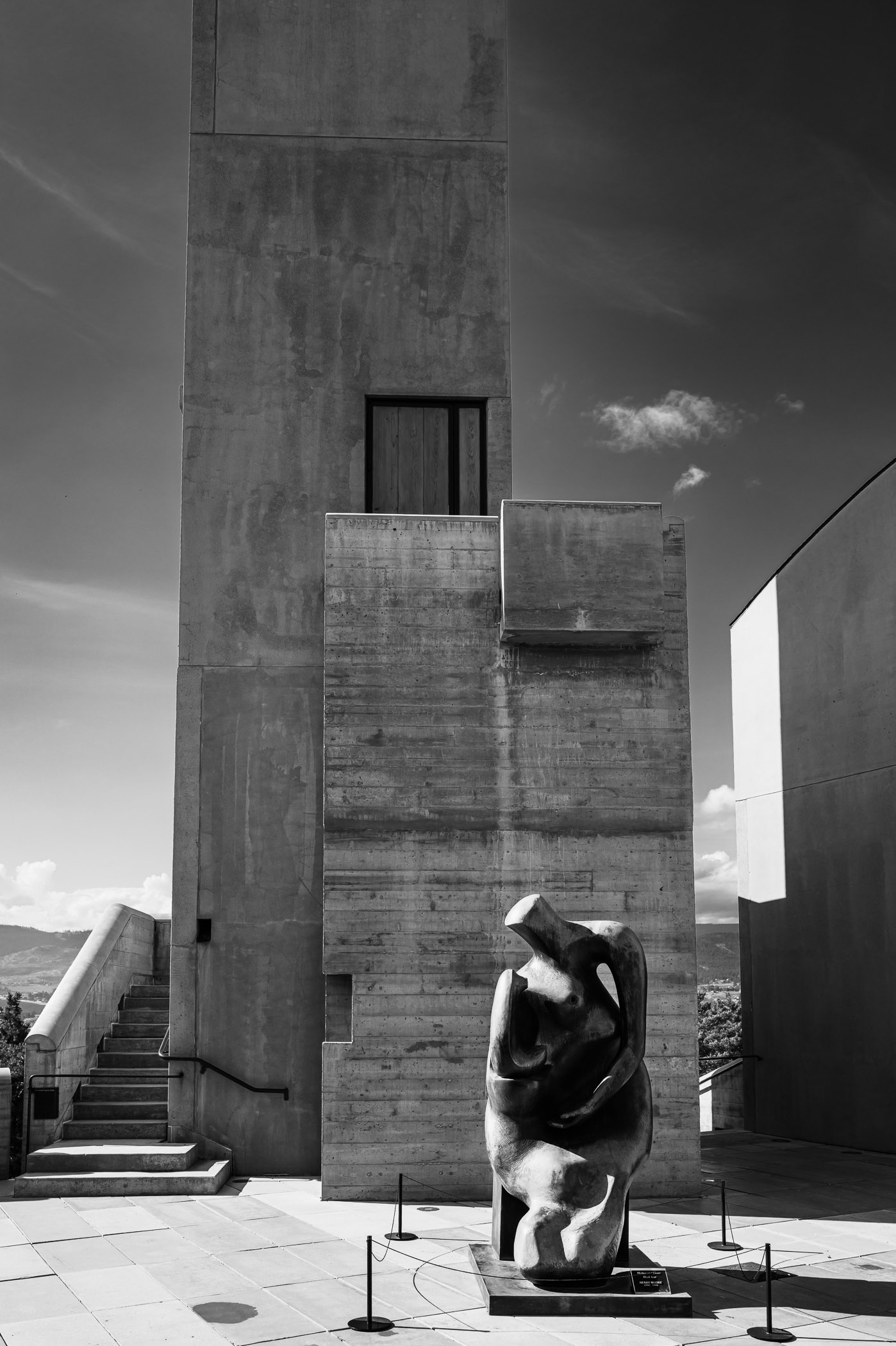
Head back across the bridge and make your way to Queen Elizabeth (The Queen Mother) Park, perched on a hill overlooking the city. Now this park does feel manicured, with sunken gardens, an arboretum, and a geodesic dome. Not to mention a Henry Moore sculpture called “Knife Edge Two Piece” and an attractive fountain. And you can access all of the above using public transport that’s easy to navigate.
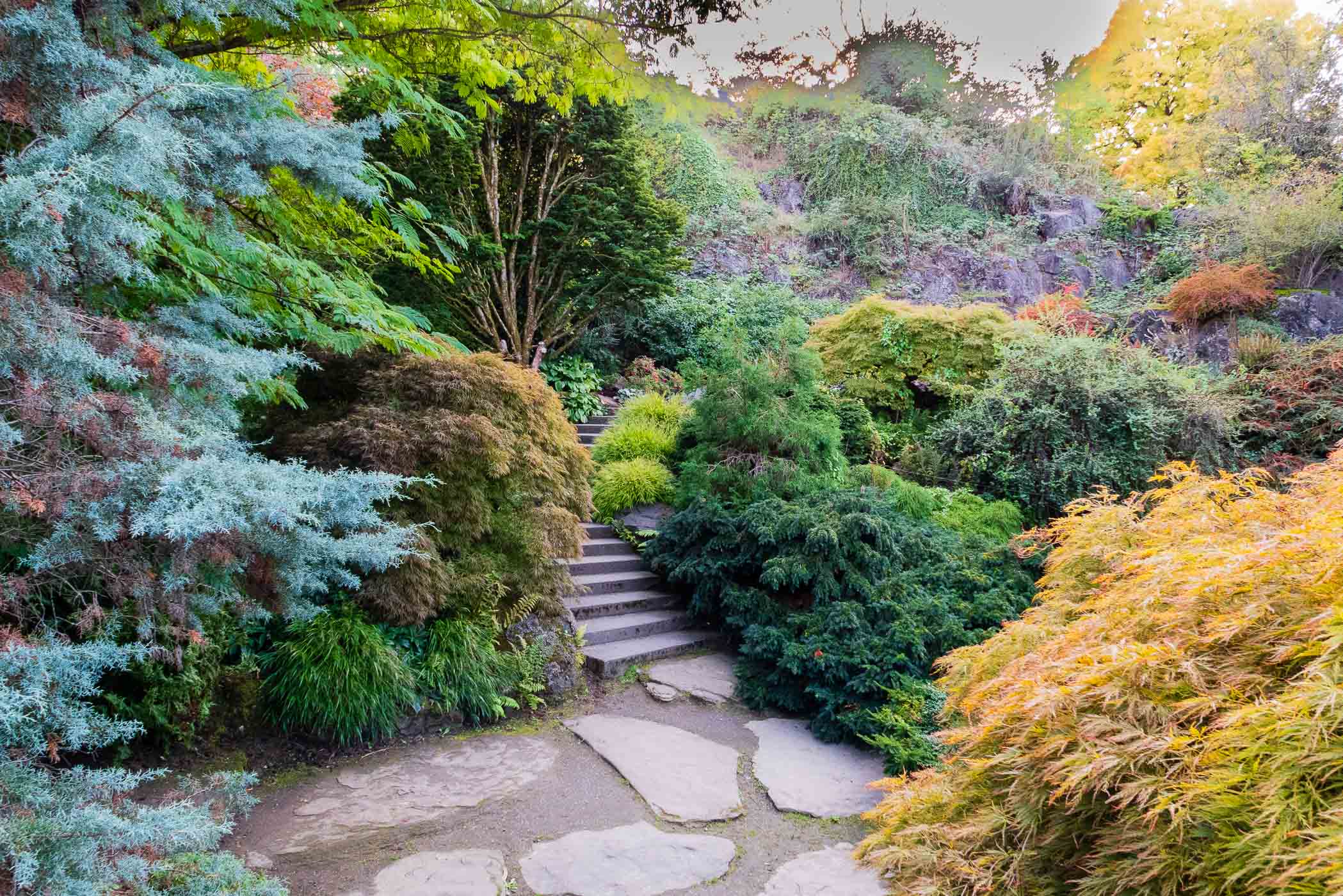
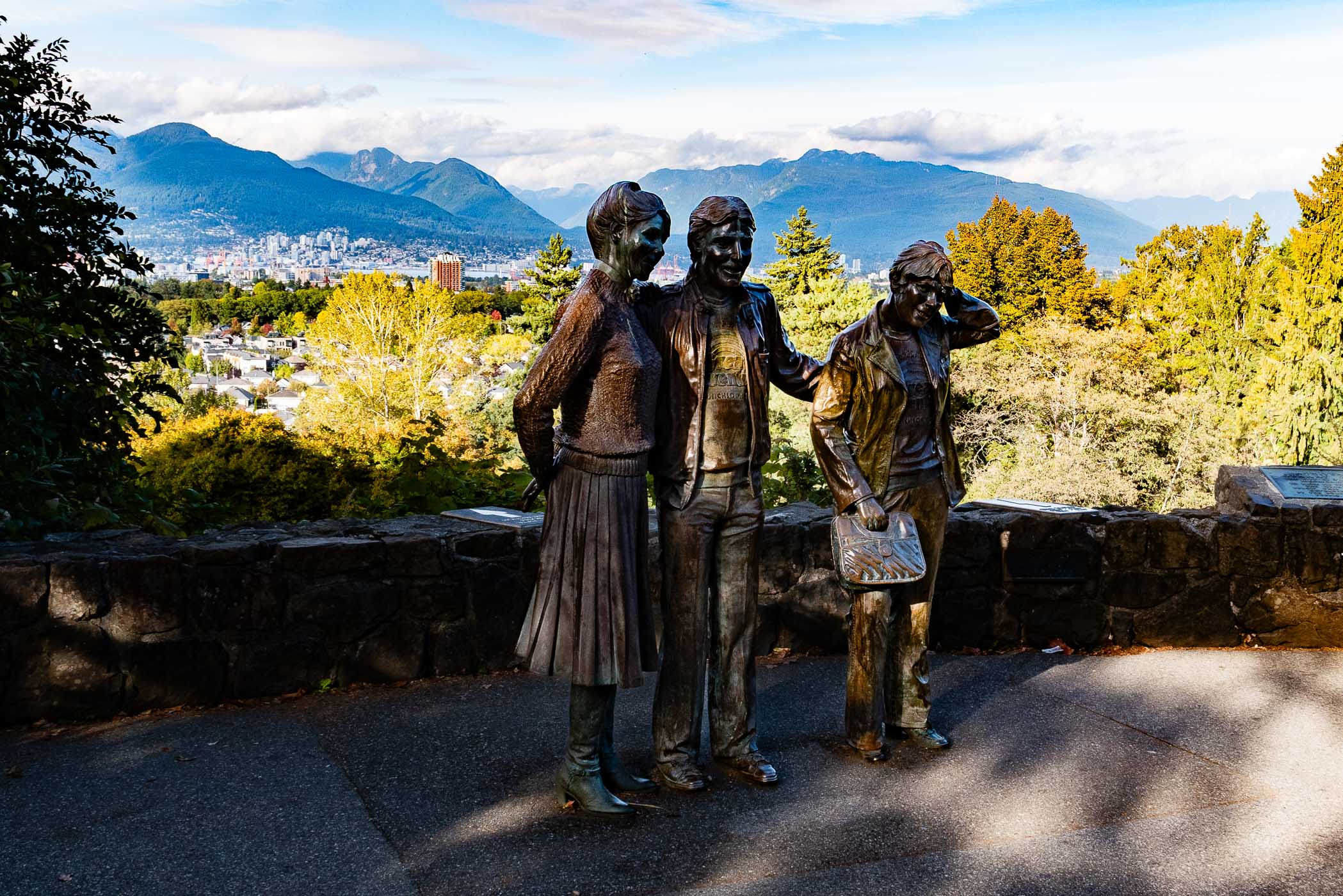

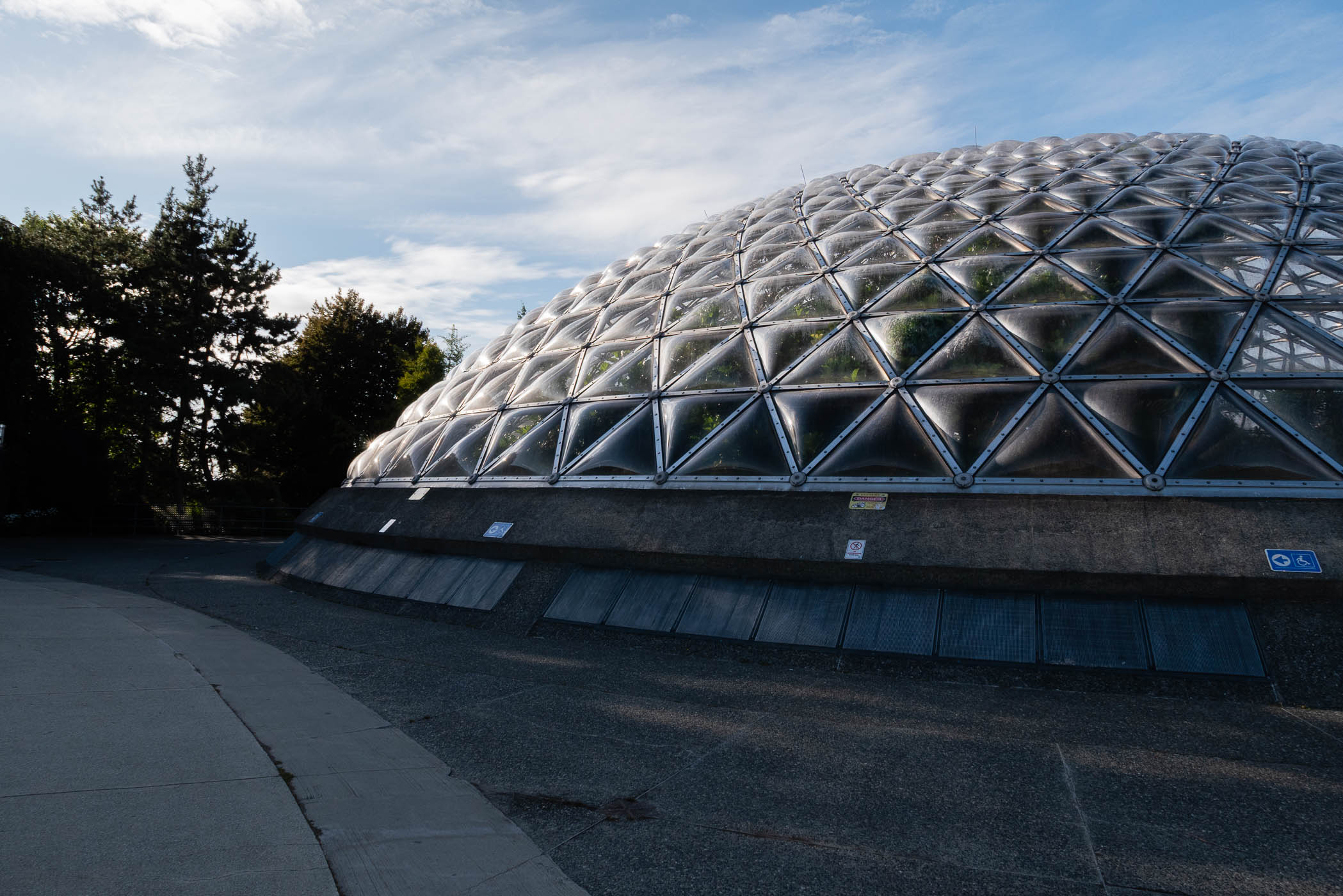
Apart from the views, Vancouver certainly lives up to its reputation as a food town. It’s an important consideration when Chicago has a similarly good reputation on that front. You won’t see any food shots in this article, however, as I find taking restaurant shots embarrassingly TikTok cringe-worthy, unless done by someone who understands how to photograph food. Despite that, the experience was well worth it.
Vancouver Island
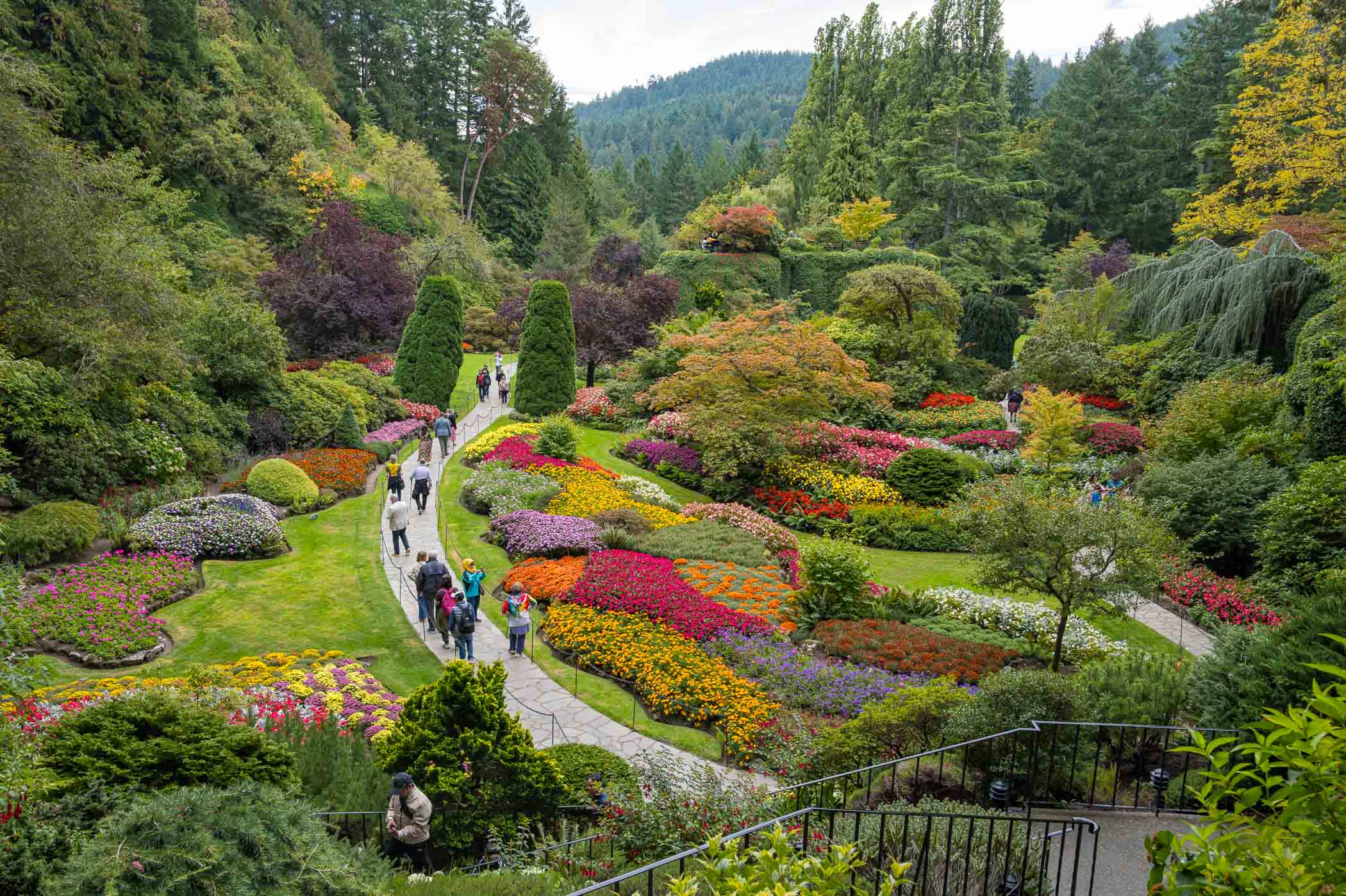
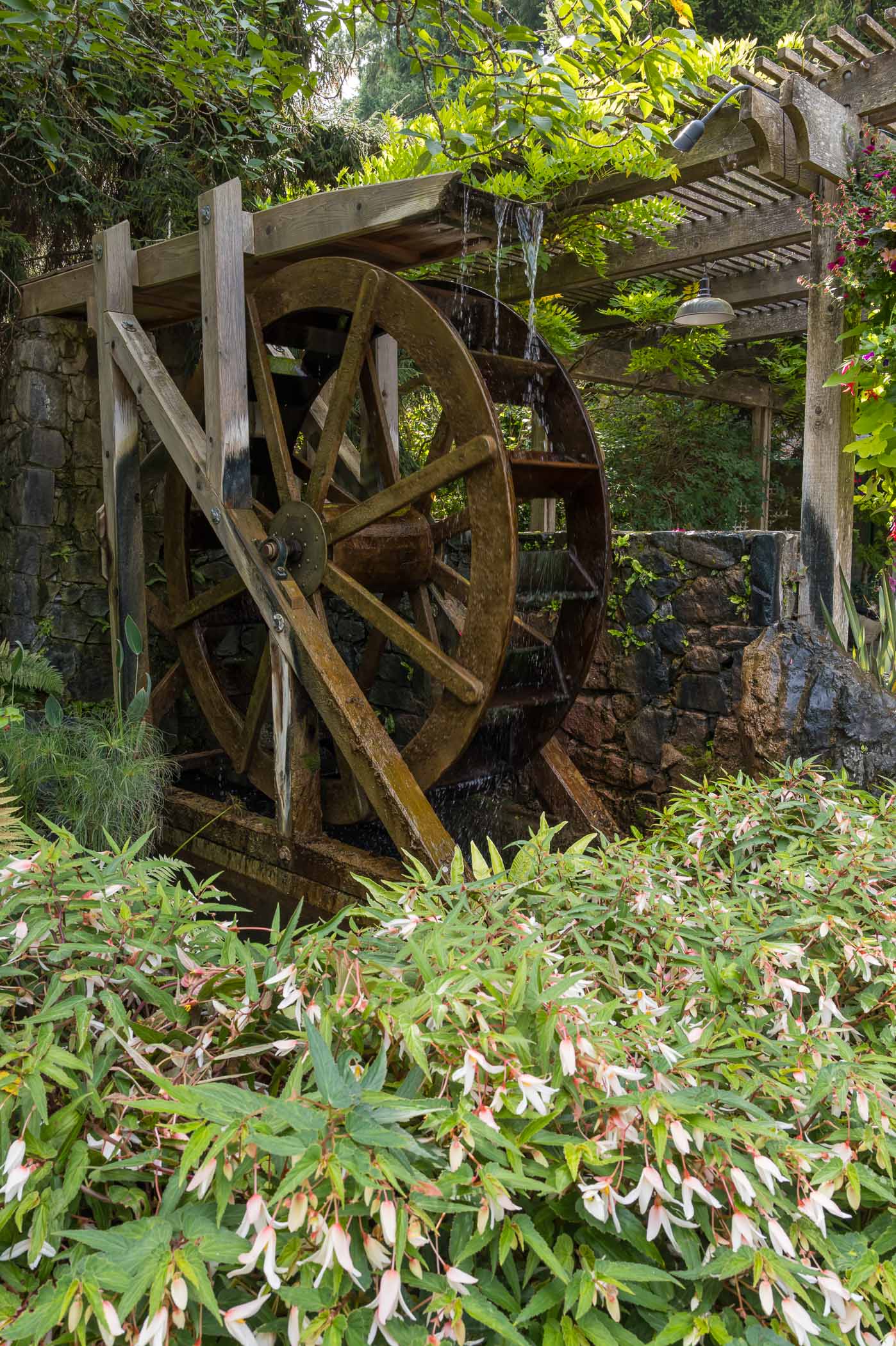
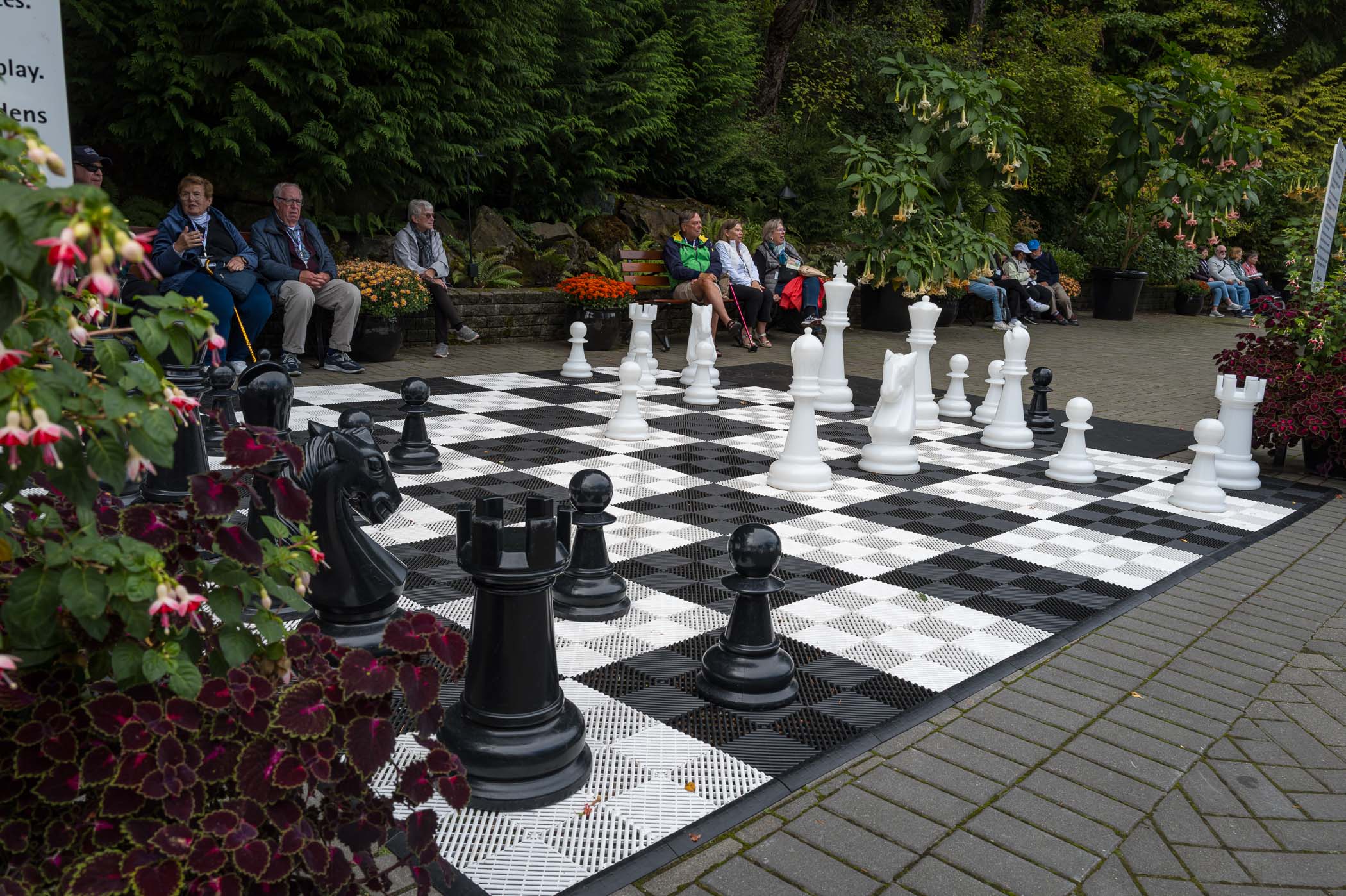
On the recommendation of one of our Macfilos contributors, we took the two-hour ferry over to Vancouver Island and spent a few days roaming. First stop Butchart Gardens as the weather for the next few days was unpredictable. The gardens were originally a limestone quarry, which Jennie Butchart converted into a large and spectacular theatrical sunken garden.
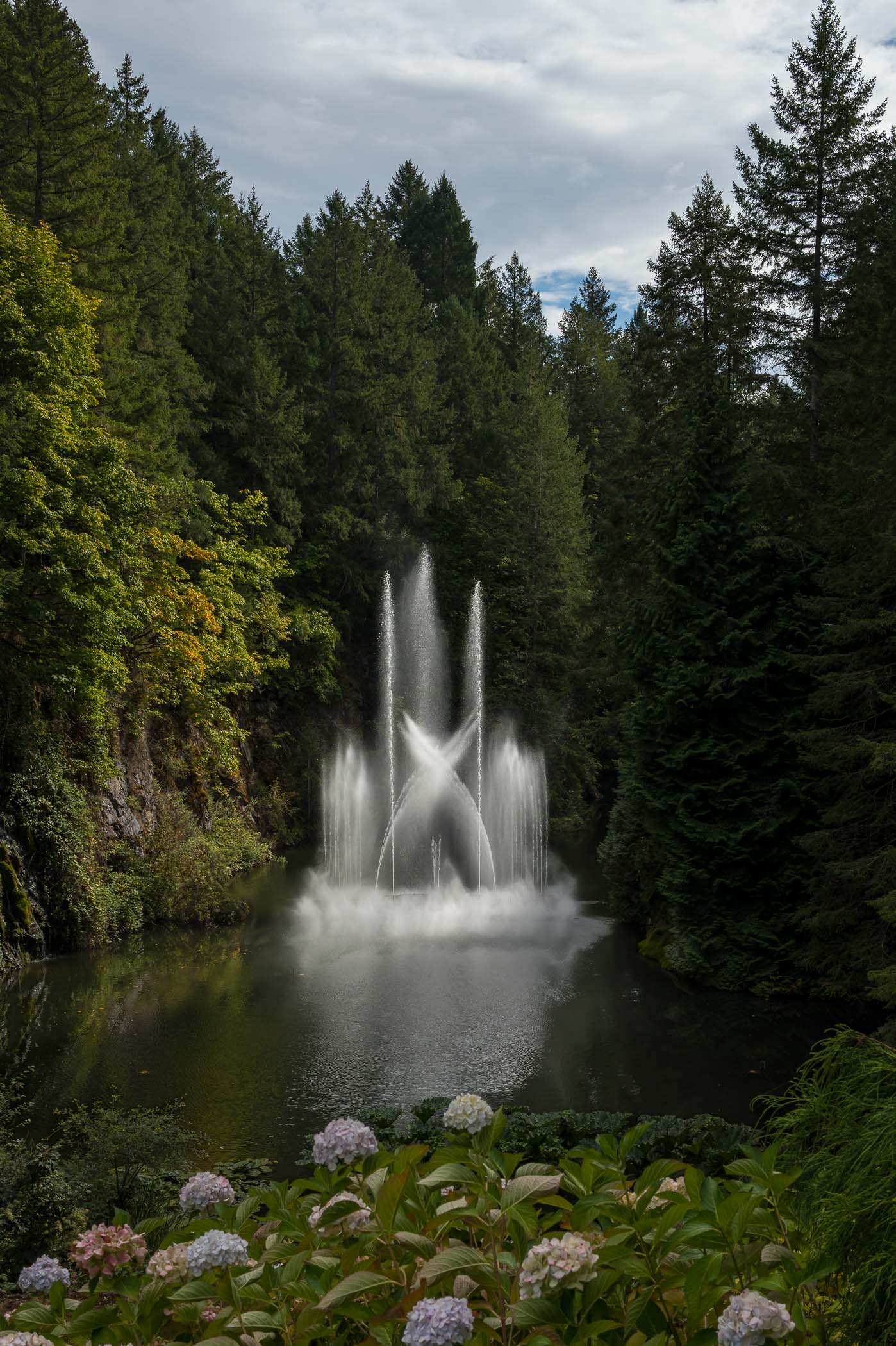
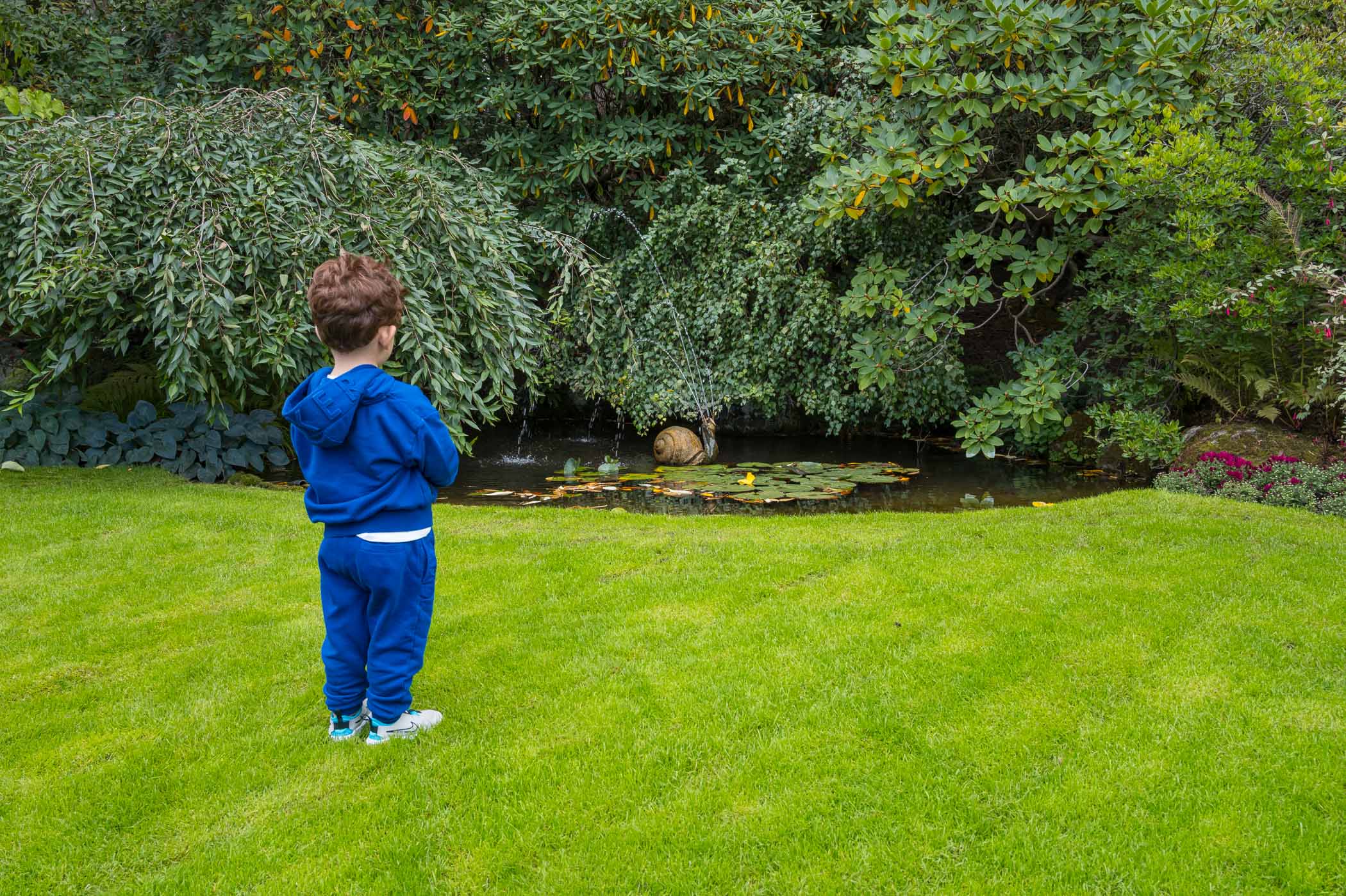
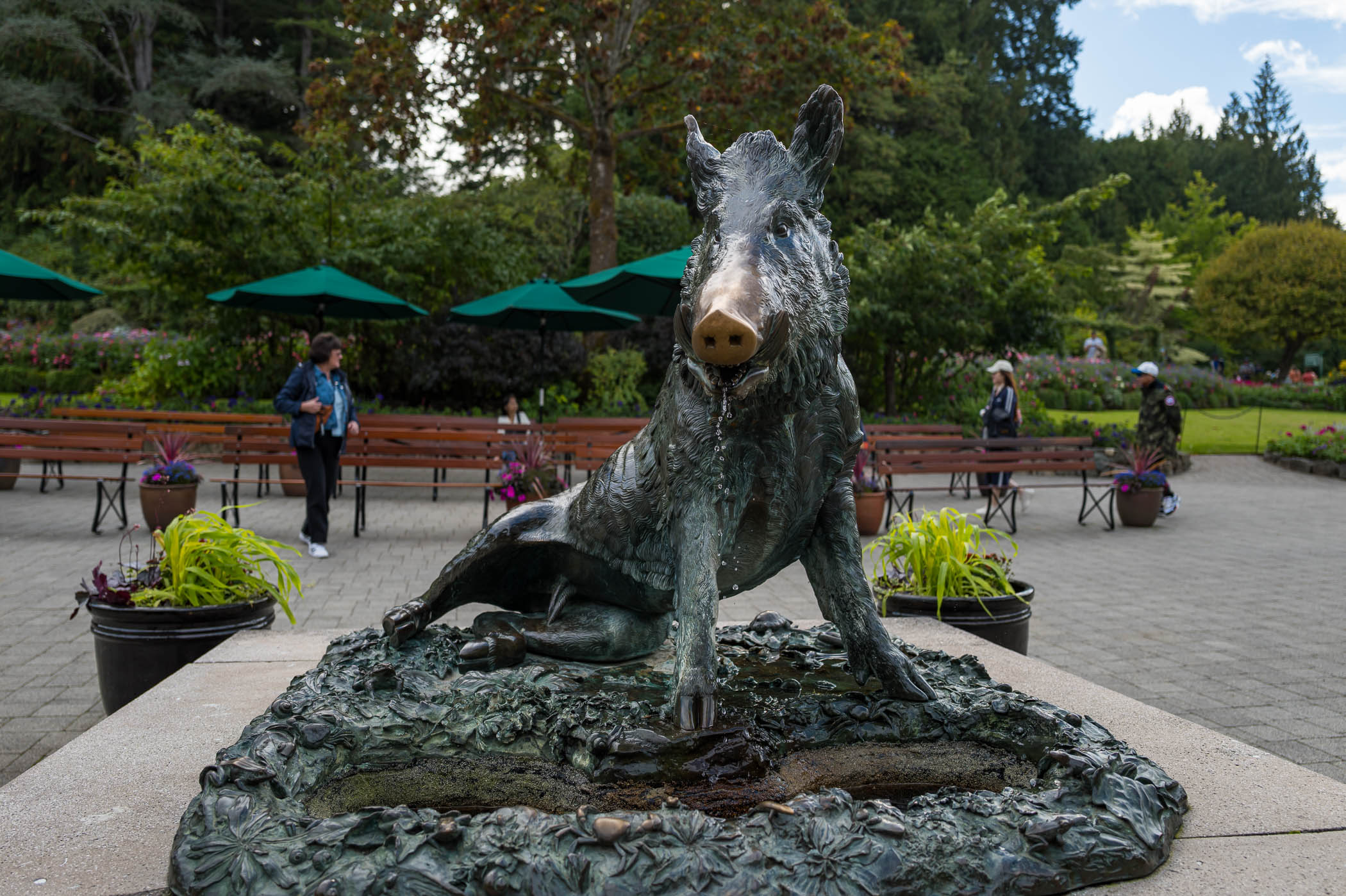
It’s a beautiful island. We spent a few days in the smaller, quieter Oak Bay at the southern tip of the island that feels like one of the older spa towns in Britain. It has a slower pace and gentility, with a 1930s architecture meets college town feel to it. It’s easy to meander on foot along the coastline, wander into town and stop for coffee or food, whenever you feel like it. And not for nothing is the capital of BC named “Victoria.”
Ladysmith and Oak Bay
A drive north took us to the small town of Ladysmith. It was built in 1898 as a port for coal shipping, and to house miners who worked in the mines in nearby Nanaimo. Today coal mining has gone, but the local economy has evolved into agriculture, forestry, and tourism. Today it has a stillness about it, which must be the polar opposite of when coal was being shipped out.
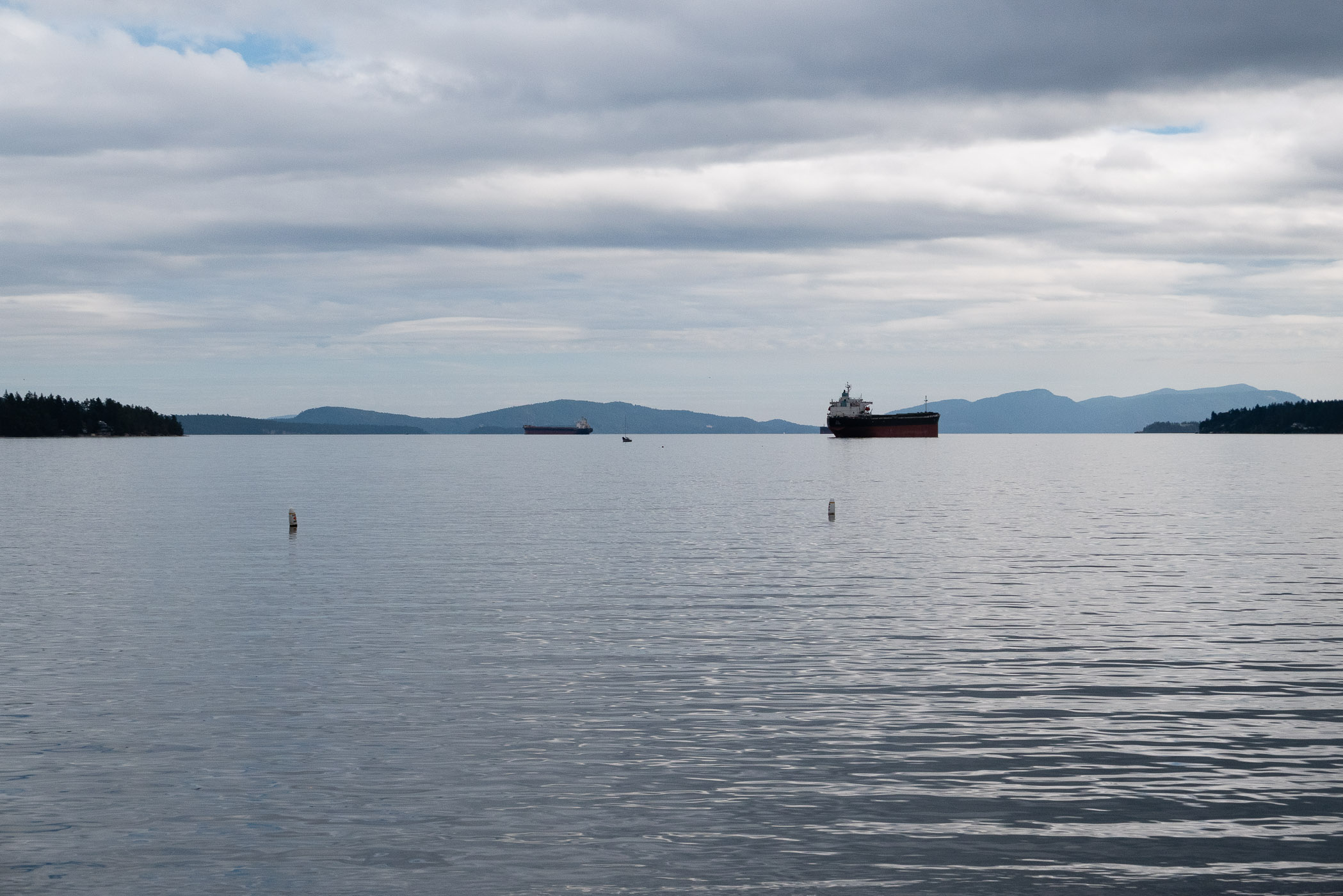
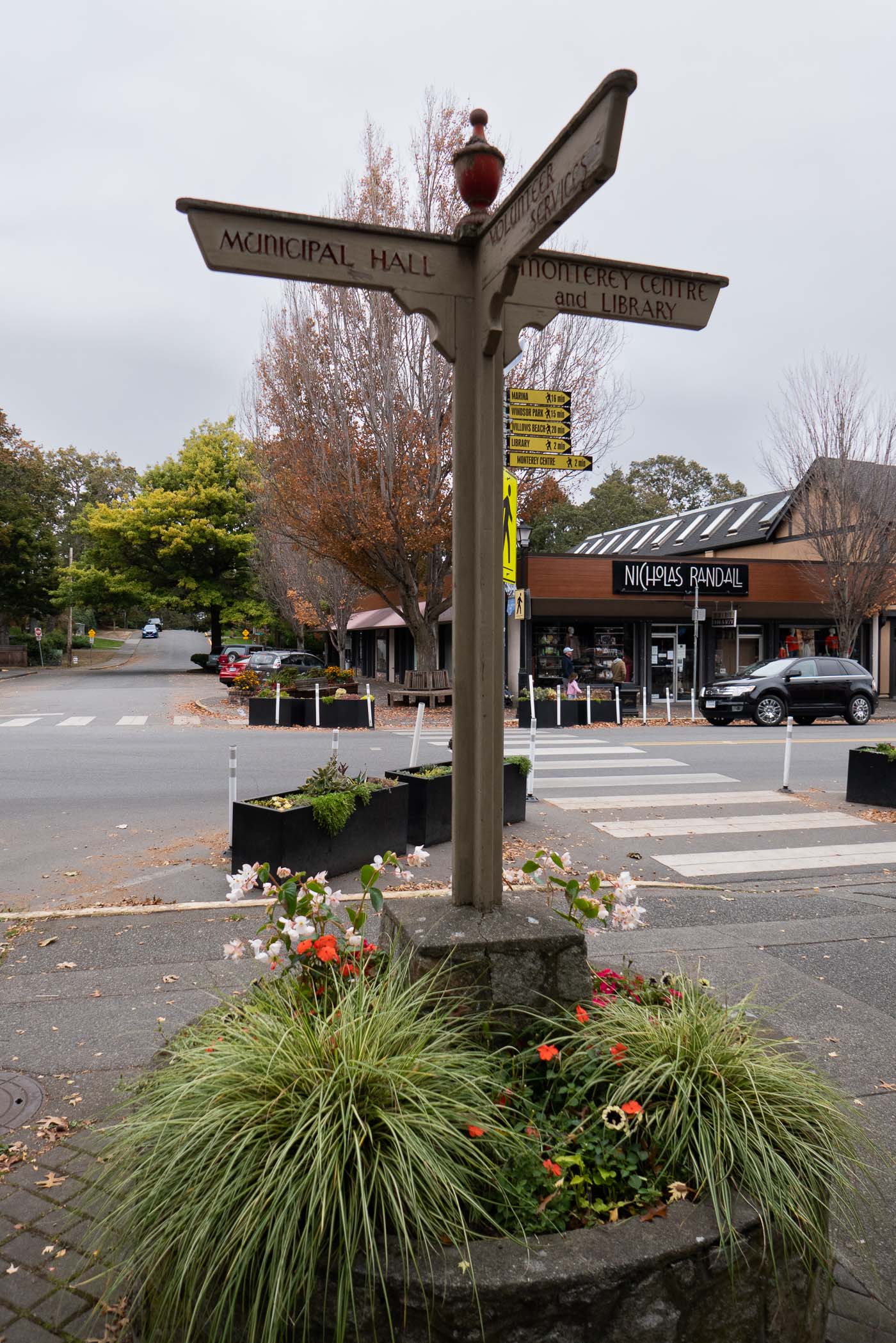
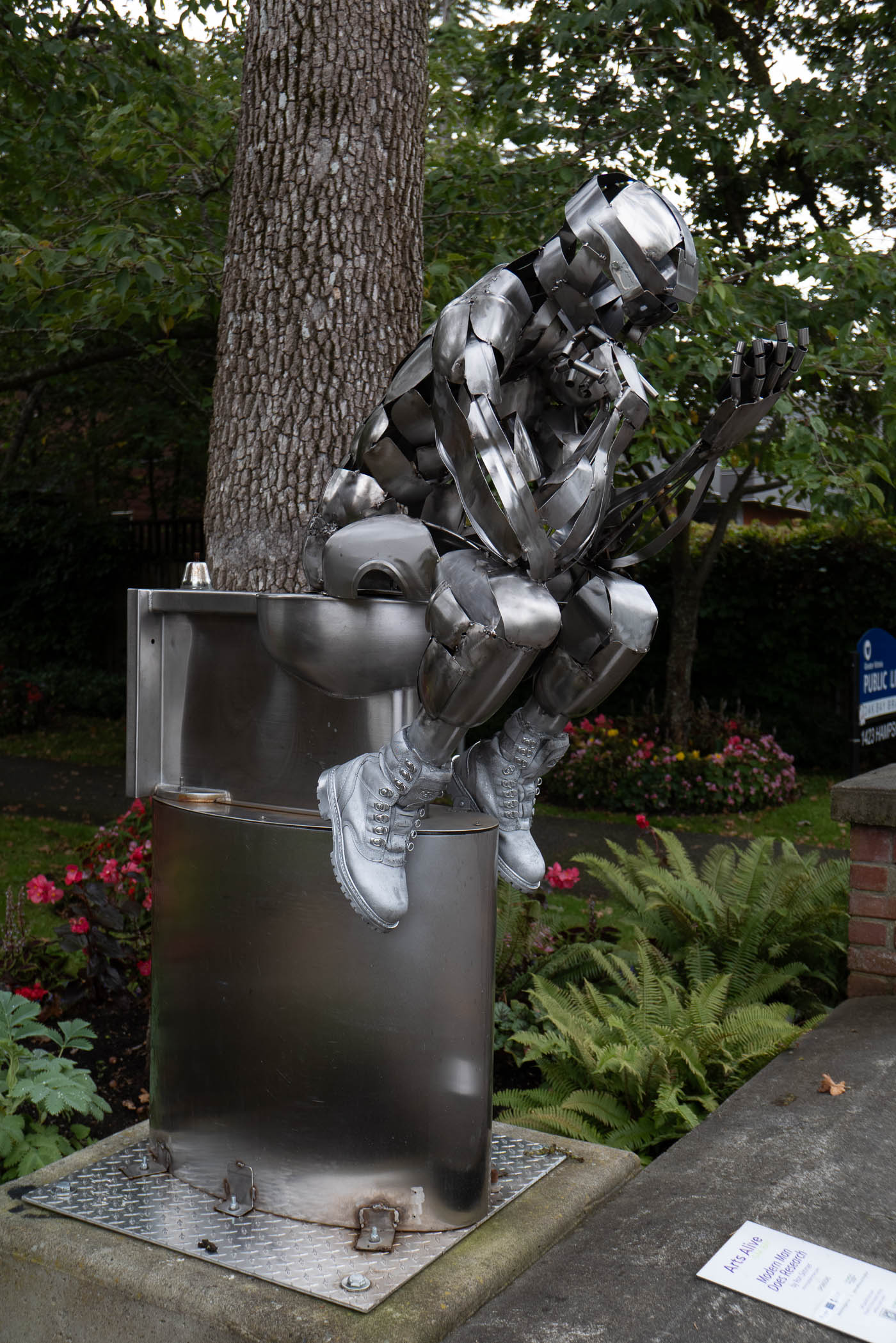
There was still time to spend in Oak Bay before heading back to the mainland. A crossroads sign that could have come from the 1930s in England, and at the opposite end of the timescale, an all too familiar image from the 21st century.
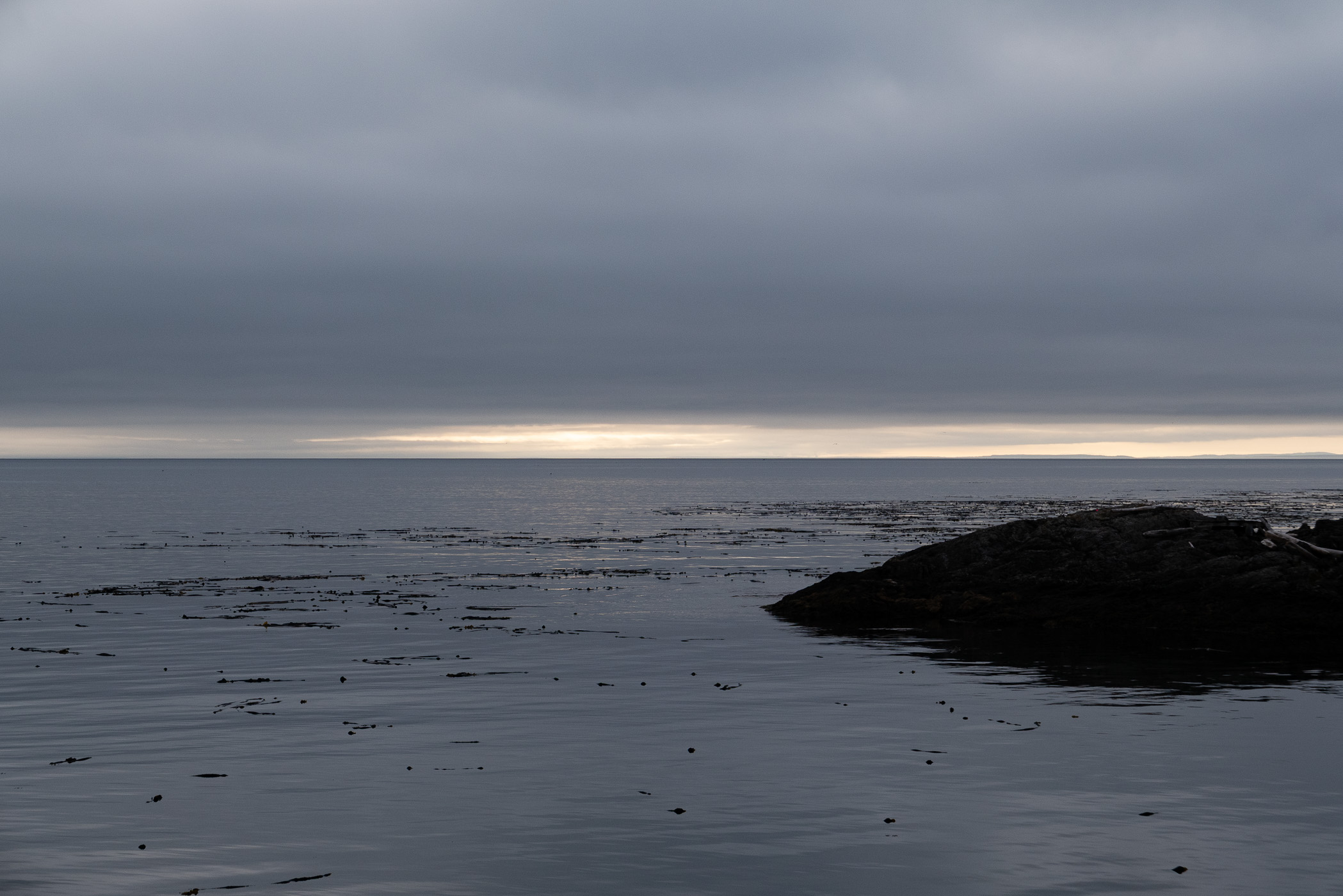
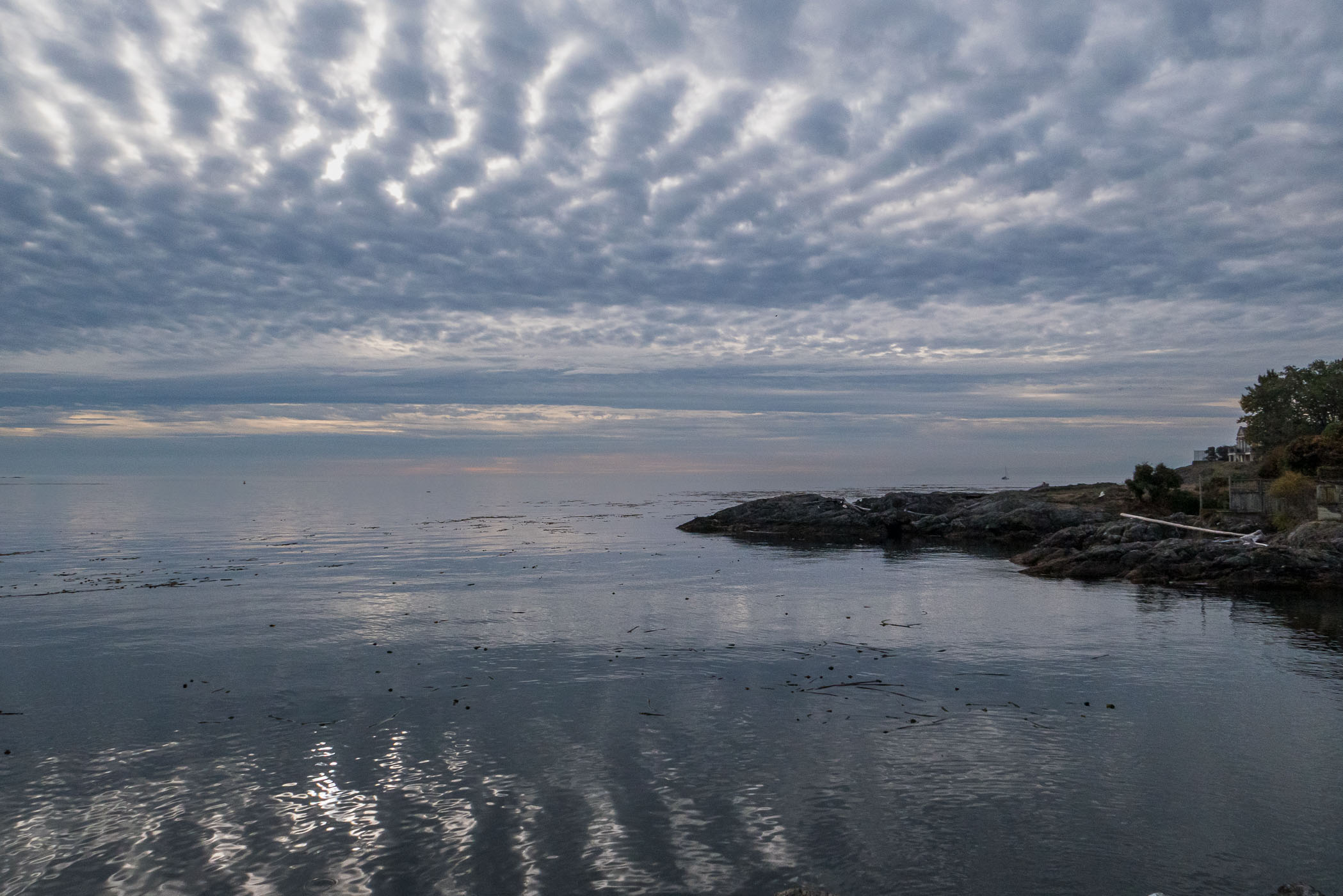
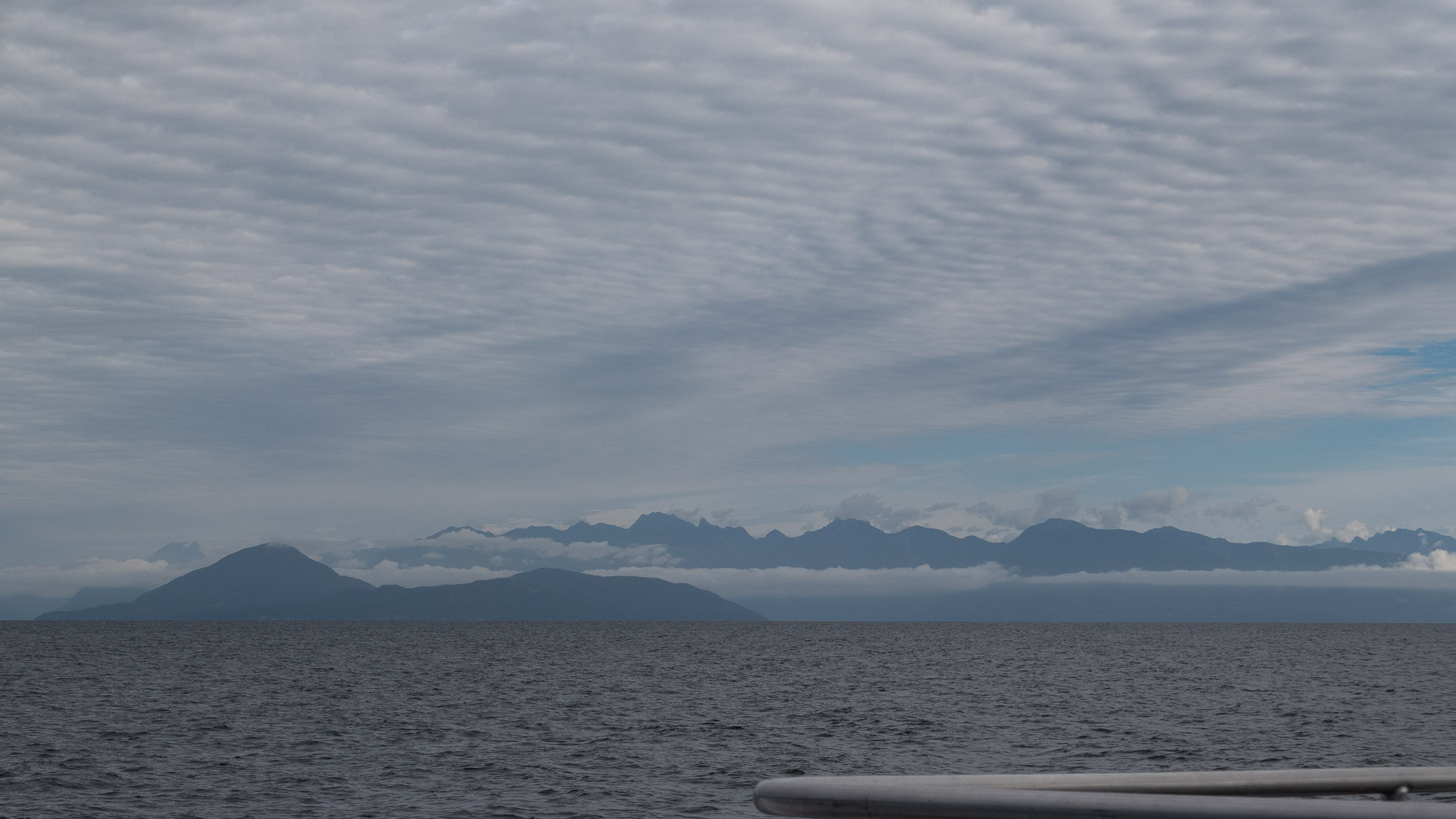
And there’s more! An early morning look out over the Mayor Channel to the Great Chain Island and beyond to the Chatham Islands. The skies each morning were spectacular. If you’re a would-be meteorologist, then this would be the perfect experience.
Back to searching for George
The next part of the journey is where the real mission begins. You need to take the two-hour ferry ride back to the mainland at Tsawwassen. And then drive northeast on Trans Canadian Highway 1, taking a 400 km drive through the mountains to Kelowna. It’s about a four-hour drive with great scenery if you’re the passenger. And of course, it rained! But we also saw signs to put on the mandatory snow chains once you get into September.
Unexpected Kelowna
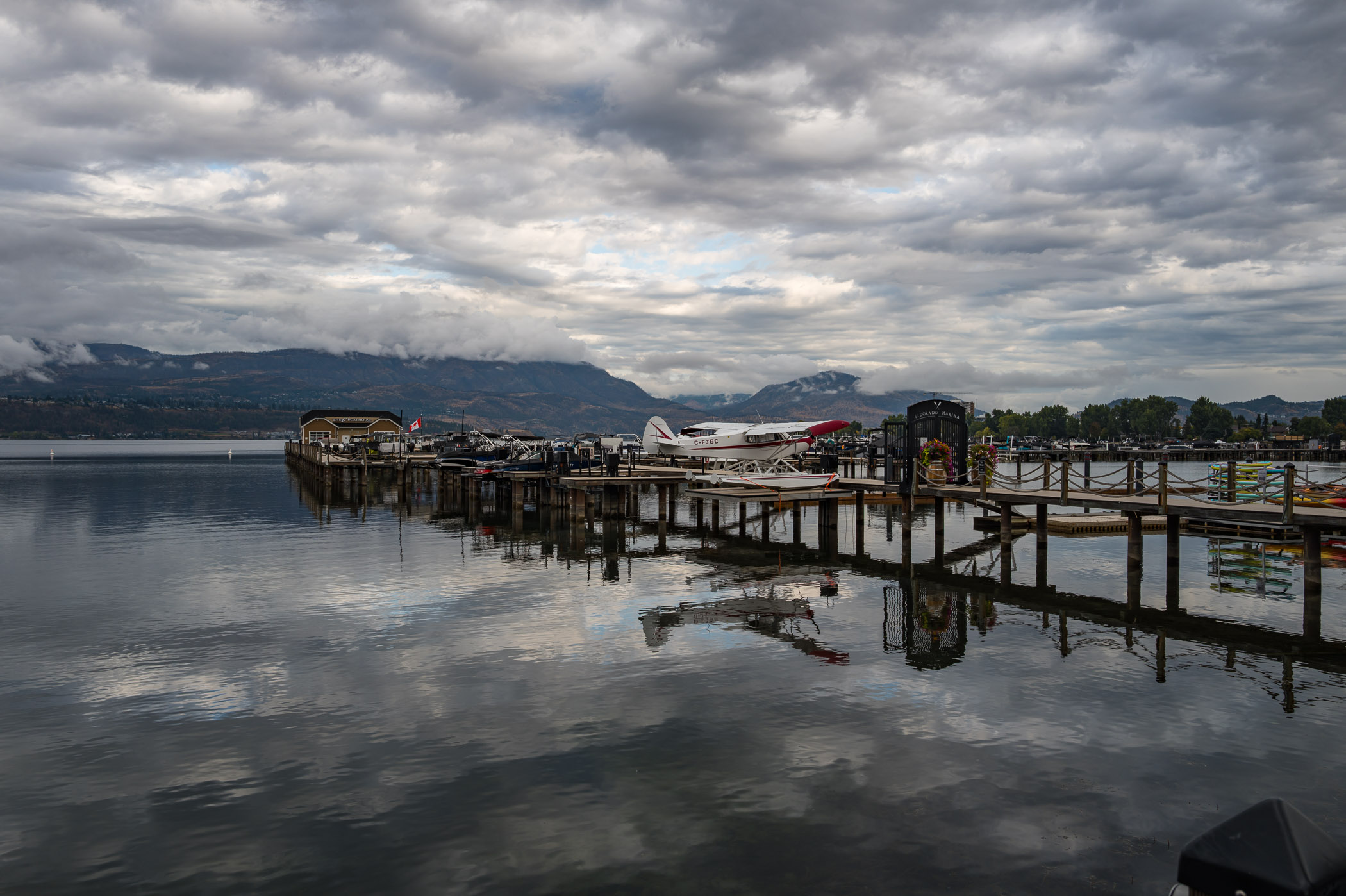
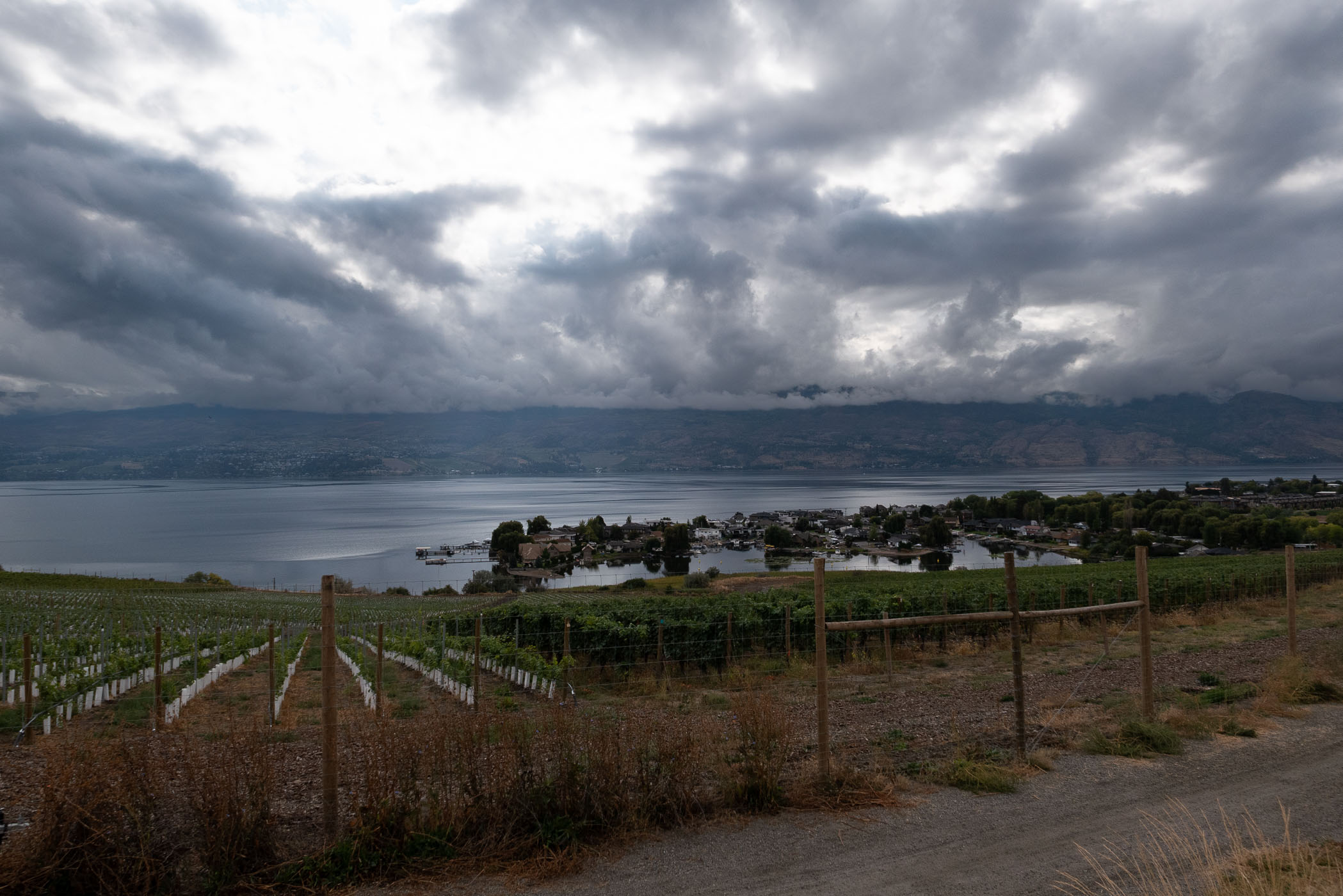
Kelowna is on the Okanagan Lake, which feels rather like one of New York’s Finger Lakes. Kelowna has been settled for almost, 9000 years, but it took until 1811 for the first westerner to arrive and until 1859 for the first person to settle there. It is primarily agricultural with fruit growing, which is why it made sense for George to move there. But recently the area has turned to growing grapes and winemaking.
The bells
We visited the spectacular Mission Hill winery, which is just across the lake from Kelowna. It feels very Italianate and was designed to look like an Italian monastery. The founder had successfully created Mike’s Hard Lemonade, and then White Claw, and then invested in this winery.
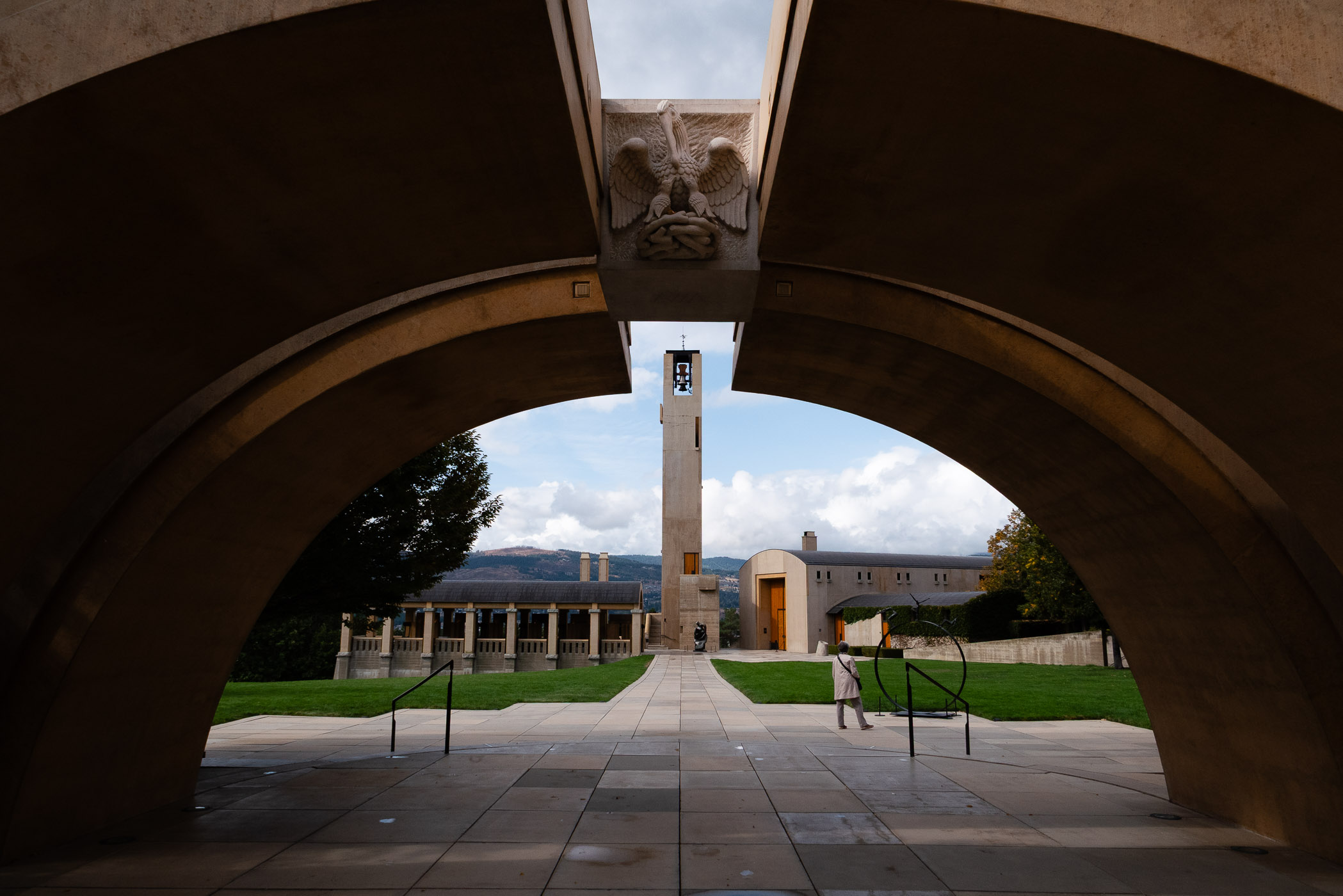
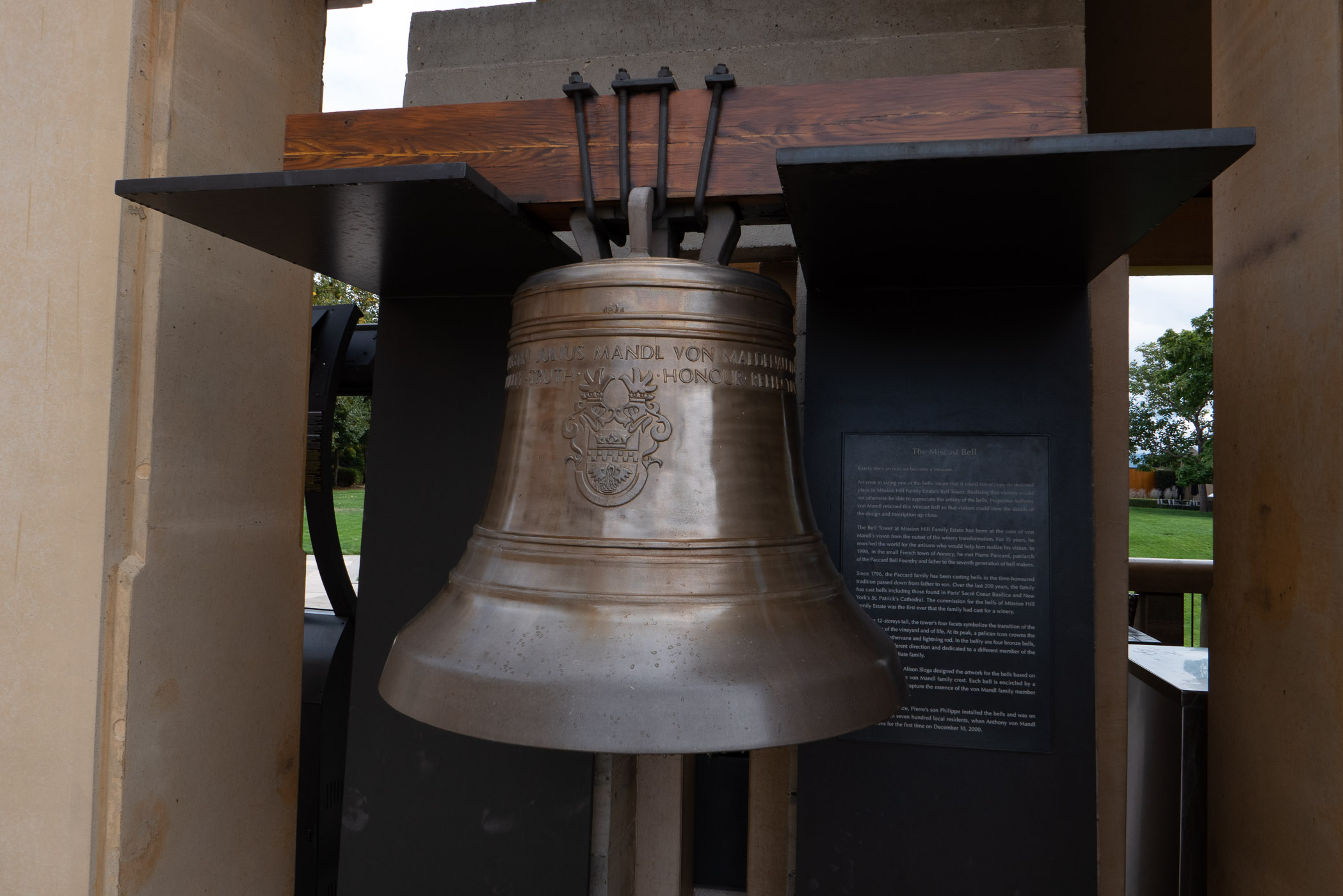
We arrived just before midday to the beautiful sound of peeling bells from the campanile. It reminded me of waking up on a Sunday morning in Milan. It really is beautiful. An indulgent wine tasting and broken credit card later, we were happy people.
Leaving England for Canada
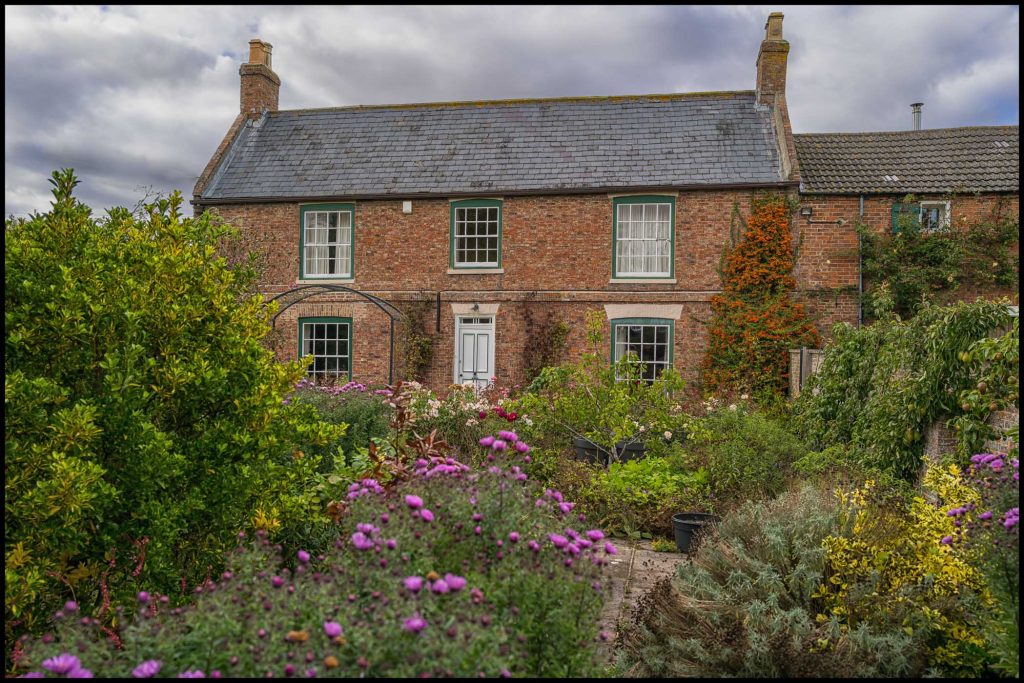
George Dixon was born in 1883 to John Dixon and Alice Hudson in the impossibly small village of South Cockerington in rural Lincolnshire. The village today is almost unchanged from when he lived there. It’s easy to see in that context why George left. If you were an agricultural labourer, that would be your future. Canada potentially seemed to offer better opportunities.
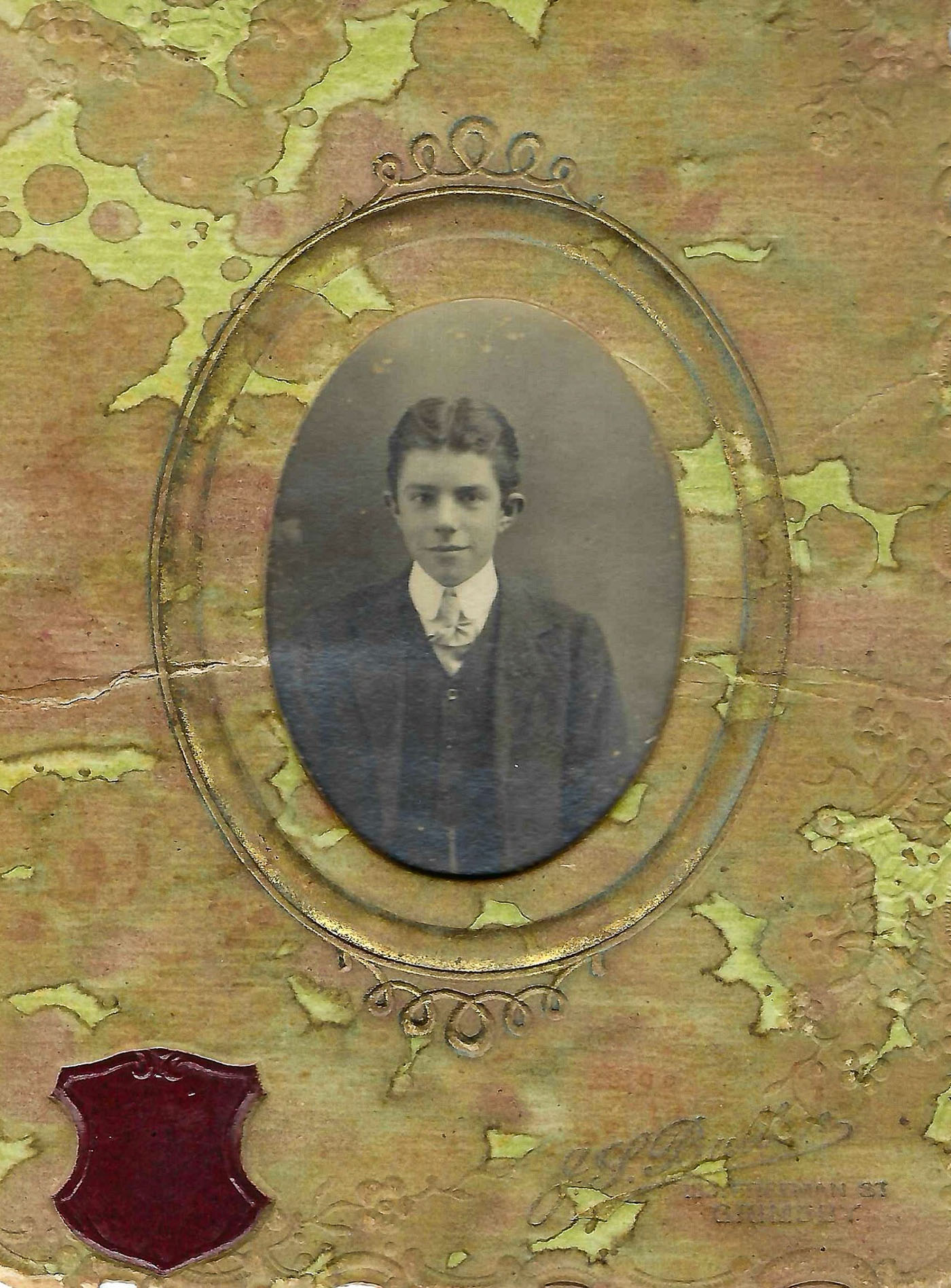
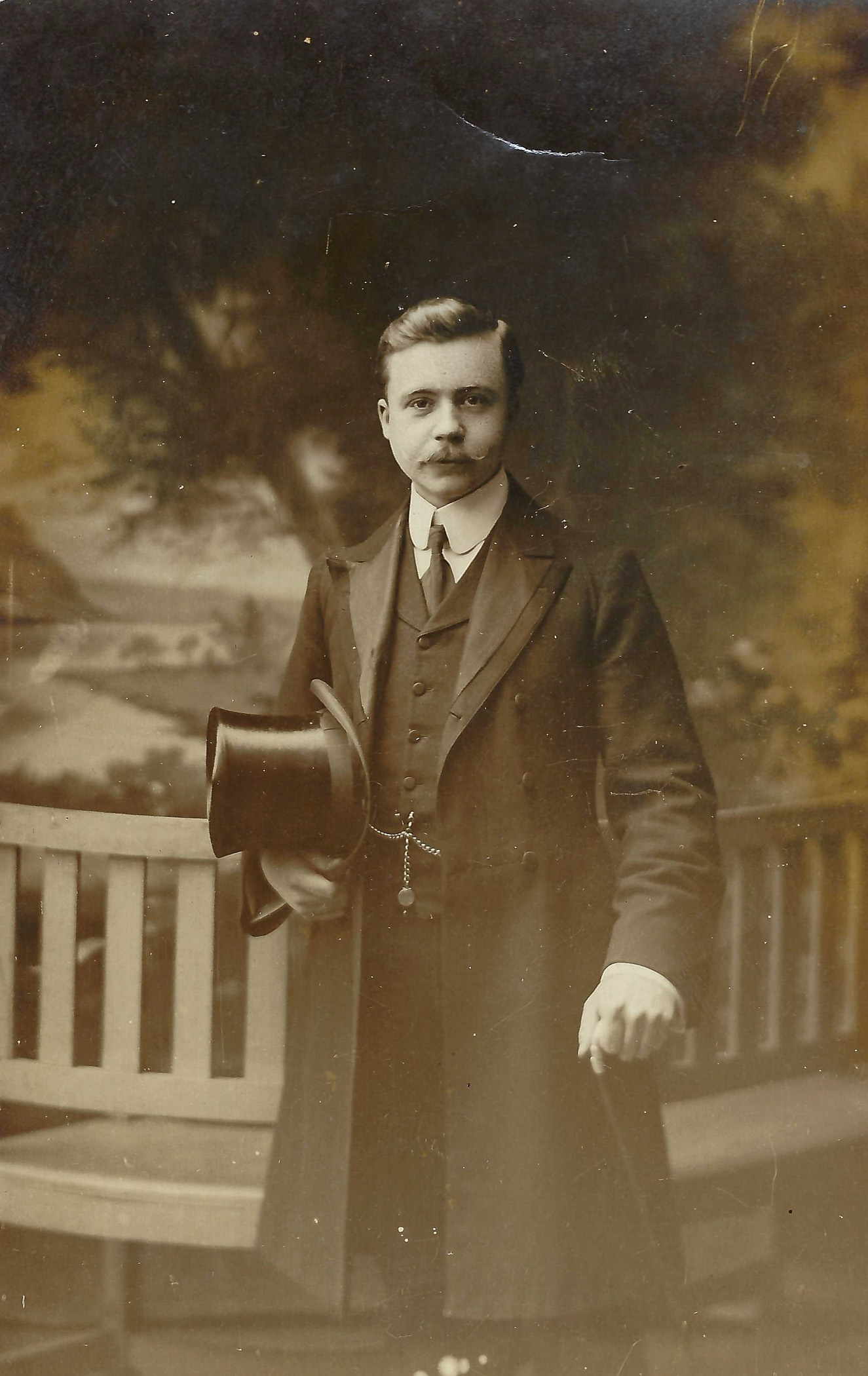
At the age of 27, he left behind his parents, sister Emily (my grandmother) and his younger brother Herbert and emigrated to Canada. He arrived in 1910 and settled in Port Perry, Ontario. I suspect, but don’t know, that communication would have been difficult. “Middle” Canada was still being developed.
While George was quite a good writer, neither he nor his family exchanged letters frequently. Many letters between them over the years were probably lost or destroyed.
Go west young man
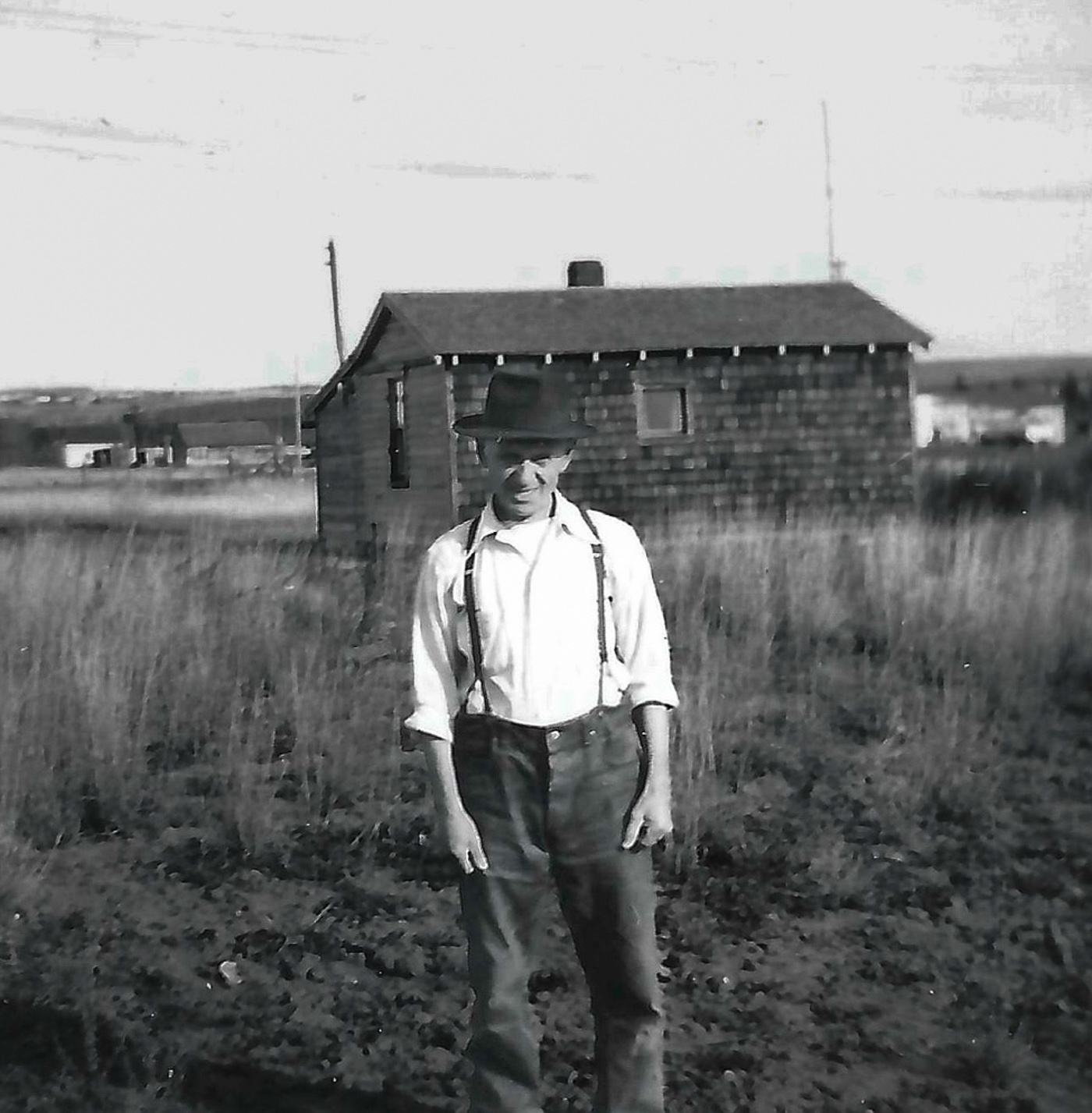
By 1917 George was living in a small town called Viceroy in Saskatchewan, and we have three letters his sister and my grandmother saved. He clearly missed his family and contact with them. For over a decade he was farming outside of Winnipeg, as we can see from census data. But if there were letters home, sadly none of them remain.
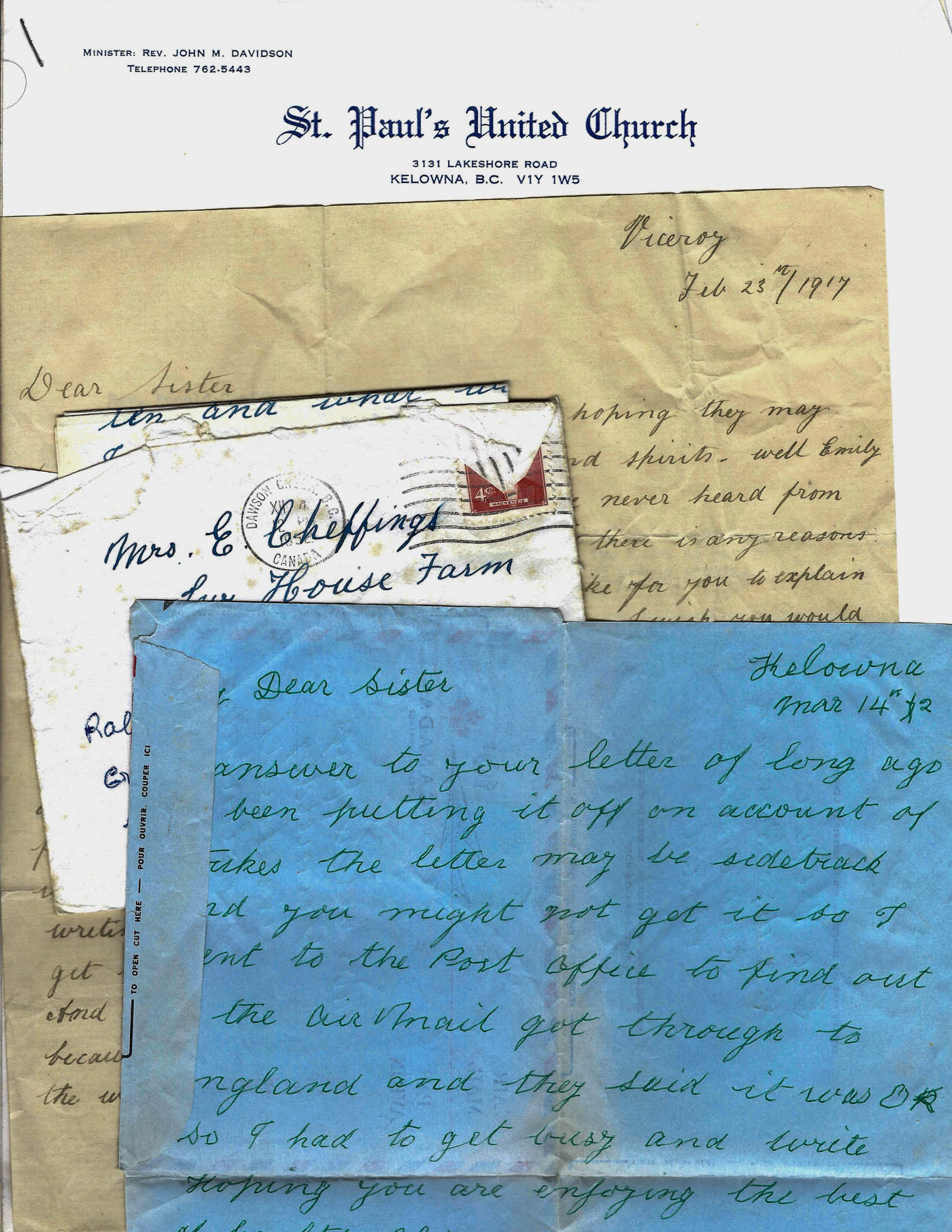
By 1952, when he was 69 years old (almost “four score years and ten”) as he describes himself, he had moved to Dawson Creek in northern British Columbia. He wrote a Christmas letter to his sister in England, but never gives any reason for his move. He mentions receiving a letter from my father in West Africa about his life there, and discusses that, but little else.
Sadly, he returned to England only once in his life after almost 60 years and was amazed and baffled by the changes he could see. My mischievous uncle nicknamed him “Gee Wizz” as a simple reflection of his amazement at how Britain had changed.
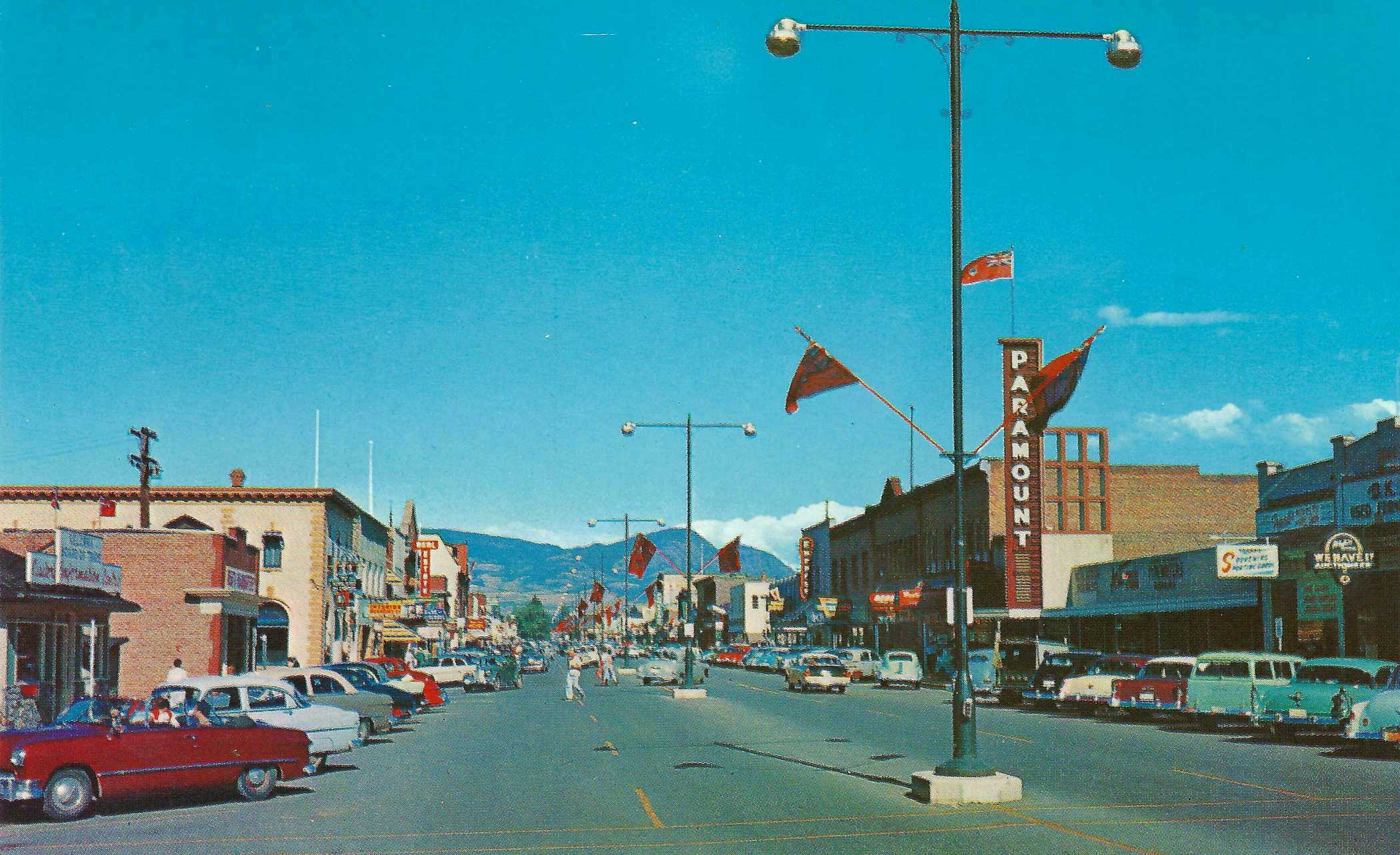
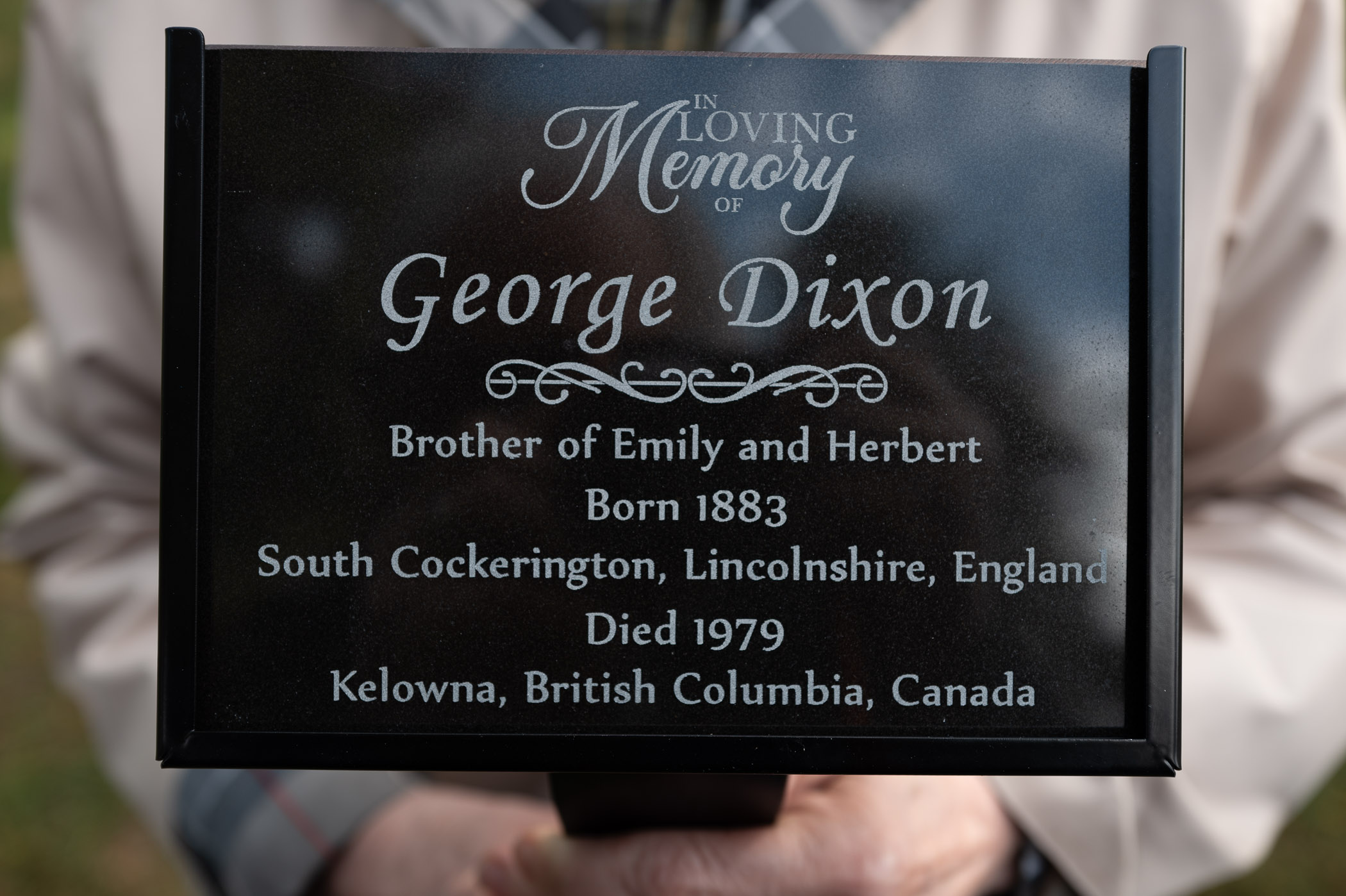
By 1972 he had moved to Kelowna in British Columbia and what was to be the last chapter of his life. He and his family had lost touch with each other, with neither George nor his sister Emily knowing if they were still alive. By 1976 his health was failing as he communicated to his sister. By 1979 he was gone. With no money and no family, he was buried in an unmarked grave. In truth, a sad ending to a life that never left the ground.
“What was lost is found”
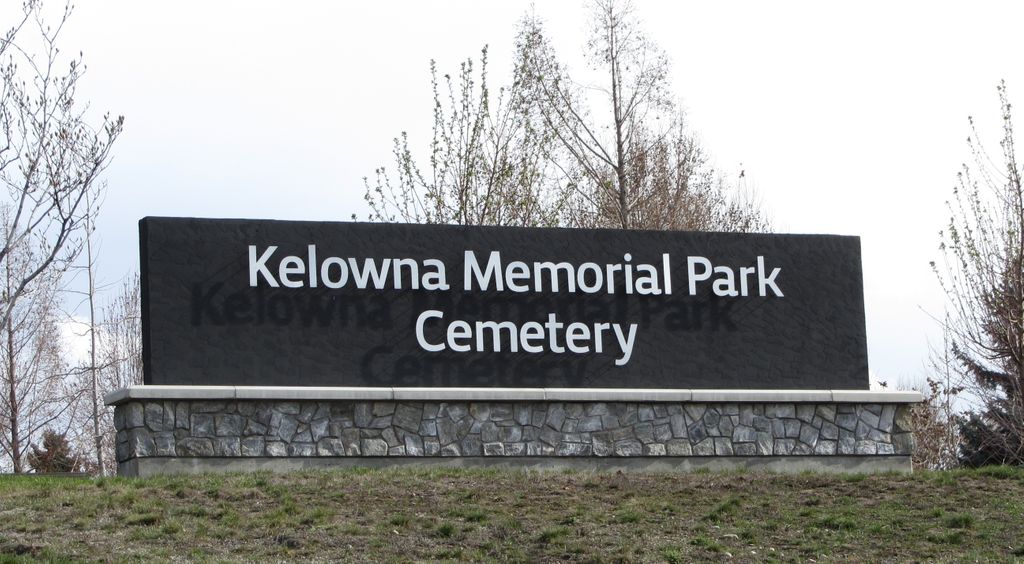
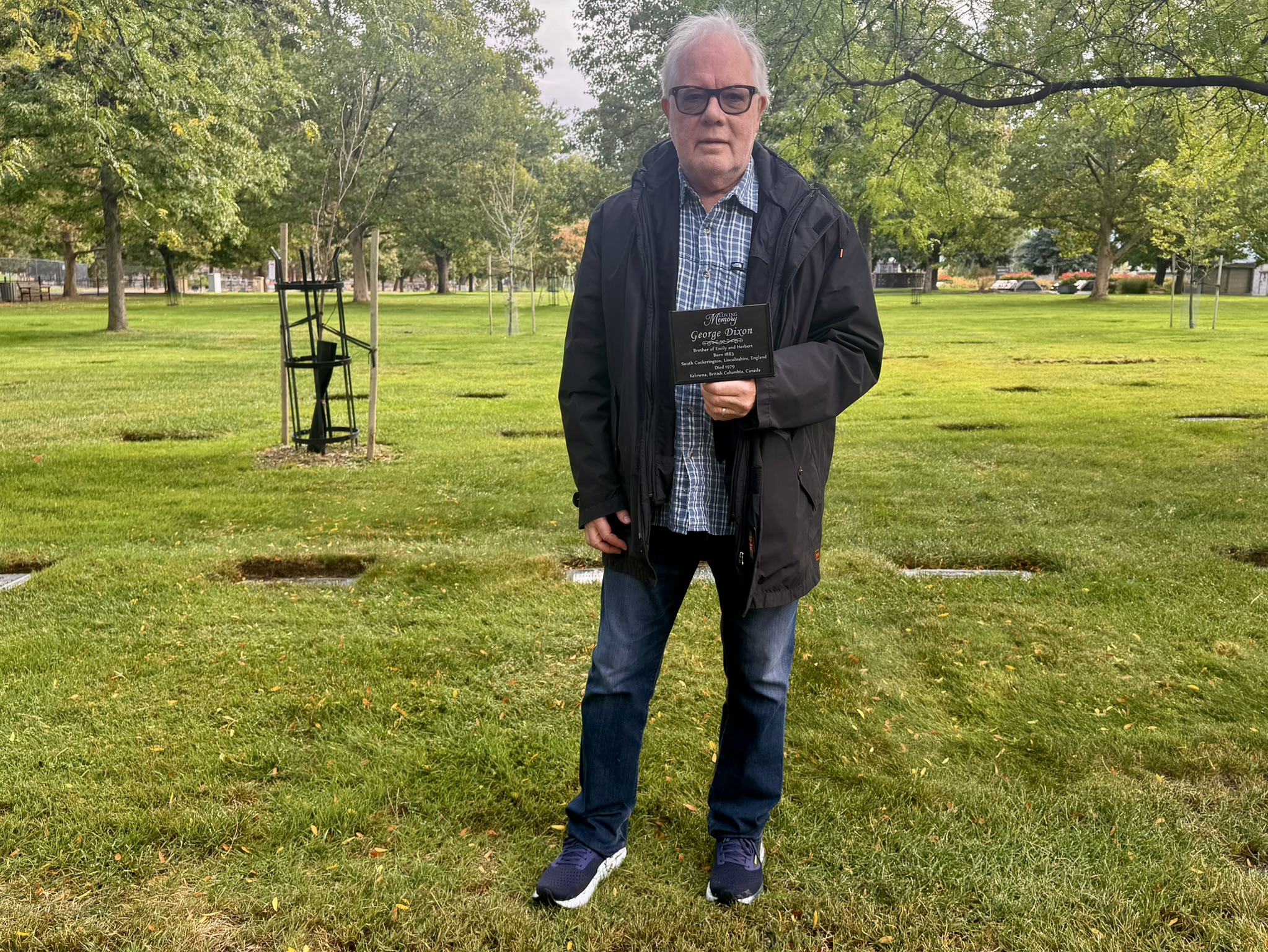
The main purpose of the trip was to find where my great uncle George was buried. This was hard to find without my very adept navigator, who quickly located where George’s unmarked grave could be found. We had already bought an inscribed grave marker to satisfy my father’s wishes. We placed the marker for George and the following morning headed back to Vancouver to start our journey home to Chicago.
Postscript
I left thinking what must it have been like for George leaving his homeland for the first time? He travelled to an unknown country and started a new life. I’ve made moves like that three times in the 21st century, but his journey must have been many times more difficult.
On our journey, we discovered and rediscovered the beauty of the Pacific Northwest, with its breathtaking scenery and lush environment. And I discovered that having two cameras joined at the hip with almost identical UI’s made photography much easier. The little D-Lux 8 has been dismissed as a tarted up old Lumix, but the lens is still good, and the new UI makes it worthwhile for me to own one.

The Q3 cannot really be faulted. Within a technical cropping range of 28–90 it’s a great option. I find 90mm a considerable stretch, but cropping between 28–50 is a much more comfortable range for me. It’s one of those cameras that if you lost it, or it was irreparable, you would immediately sell a kidney and buy another one.
| More | |
| Articles from Jon Cheffings | Leica Q3 on Macfilos |
| Leica D-Lux 8 Review | The Pacific Northwest with Keith James |
Make a donation to help with our running costs
Did you know that Macfilos is run by five photography enthusiasts based in the UK, USA and Europe? We cover all the substantial costs of running the site, and we do not carry advertising because it spoils readers’ enjoyment. Any amount, however small, will be appreciated, and we will write to acknowledge your generosity.
Extraordinary article and photos! Thanks for sharing this journey with us!
Many thanks Jeff,
There was a degree of solemnity but also a lot of joy in such a beautiful part of the world. I would happily return.
I’m so glad you enjoyed the trip Jon. You certainly packed in a ton of stuff in a short time. Don’t let it be the last time you visit Southern BC. All the best for 2026!
Cheers.
Mark
Thanks Mark, I want to go back and head further north along the coast and in to Whistler. My dream trip would be to take the Trans-Canadian railway from Quebec City to Vancouver, then take the train north. I watched a David Suchet (Hercule Poirot) series on Agatha Christie and the scenery was breathtaking.
A very nice doodle through a part of the world I have never had the pleasure of visiting. I’ll add it to my “to visit” list.
Many thanks, Andy! It’s a lovely part of the world and worth exploring.
Interesting article. As a Q3 user, I have also been thinking about maybe adding a D-LUX 8 (or something!) to provide more focal length flexibility when I’m travelling but I keep coming back to the same issue. Adding a second camera adds weight, forces a choice (take both or take one – which one?) for each day out. And, for me, that distils down to … if I don’t add a second camera and just use the Q3, how many shots will I be unable to take (or dissatisfied with) if I don’t have that zoom capability? Until I feel that the quantity of missed shots is going to be too high to put up with, I plan to not buy a second camera – but I’d be interested to hear your views.
Thanks Andrew. As a rule of thumb I generally take one camera only, and which one depends on what I think I will shoot. My current trip to Philadelphia I have a Q3 28, but my CL with TL 11-23 might have been the smarter choice as I’m missing some wider-than-28 shots.
I like the D-Lux 8 as a minimalist choice, providing I have decent light levels.
Lovely story and photos, Jon. The story about your Great Uncle George is the most fascinating part, of course. Is the mysterious navigator who found where the grave was located the same one who is seen smiling on a rope bridge earlier? The story of George was, of course, repeated hundreds of thousands of times, particularly for people from my country. Having left, they never wanted to go back, having made a new life in a new place which they now called home. A friend of mine from Belfast has written a number of books which described searches for soldiers, including that of his great uncle, who had died in the Great War and were buried in unmarked graves. There are a number of ways that they are commemorated, particularly if they belonged to large regiments which had large memorials erected at the grave sites. His last book was about the selection of the coffin of the “Unknown Warrior’ which is now interred at Westminster Abbey. It must have been moving for you to have been at the grave site of your great uncle so far from his native home and to leave a marker there for a member of your family who is gone, but not forgotten. It is good that you have some of the letters he wrote to the people back home.
William
Thank you William. And yes the person smiling on the bridge is my wife. Pursuing history and retaining it are important things, I’m still doing that for my wife’s family, some of who came from Eire, others Northern Ireland, Cornwall and Germany. It’s that messy mix that makes us American, as I’m discovering in Philadelphia at the moment.
Yes, we Irish went everywhere, but I think that in the 21st Century, Australians are the great travellers of the English speaking world. You meet them everywhere you go.
I’m glad you found the spot where your Great Uncle George is resting.
William
What an amazing story … bravo 👏🏻
Wonderful images accompany your words.
Many thanks, Reinhold! I’m a bit late responding – apologies!