
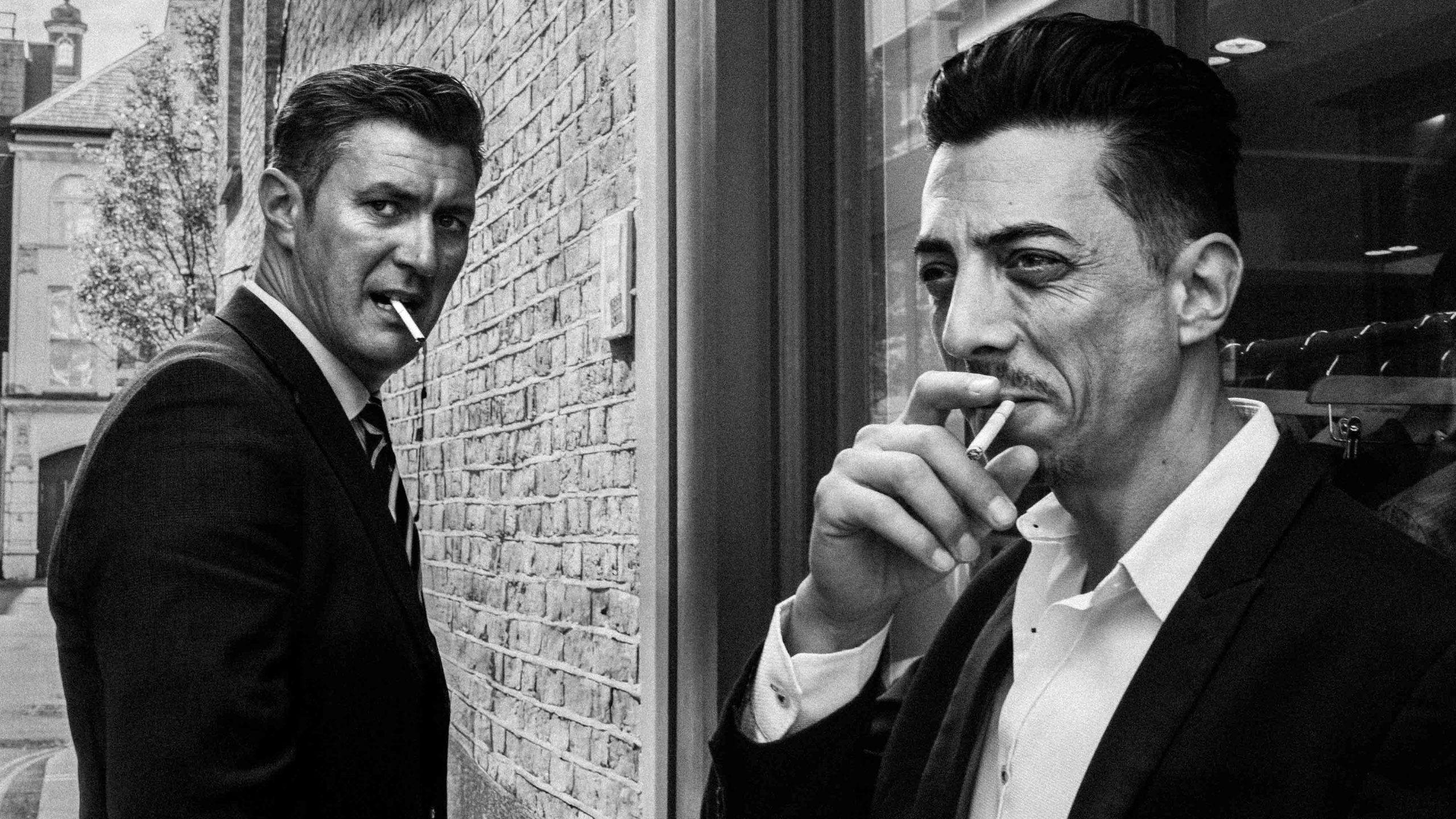
Winner of multiple Leica Mastershot awards and the 2025 British Photography Awards, Fine Art Category champion, Paul Reid is a photographer to watch. His commitment to monochrome photography, using exclusively Leica cameras, is by no means unique, but places him in a select group of photographers active today.
In late 2025, the talented Mr. Reid, already a frequent recipient of Leica Mastershot awards, was selected as the winner of the British Photography Awards, Fine Art category. So, who is this photographer who repeatedly captures lightning in a bottle?
In late 2020, Leica launched the Q2 Monochrom and Paul, placing his order immediately, committed his photographic career to the pursuit of what he calls “Monochrome Madness”.
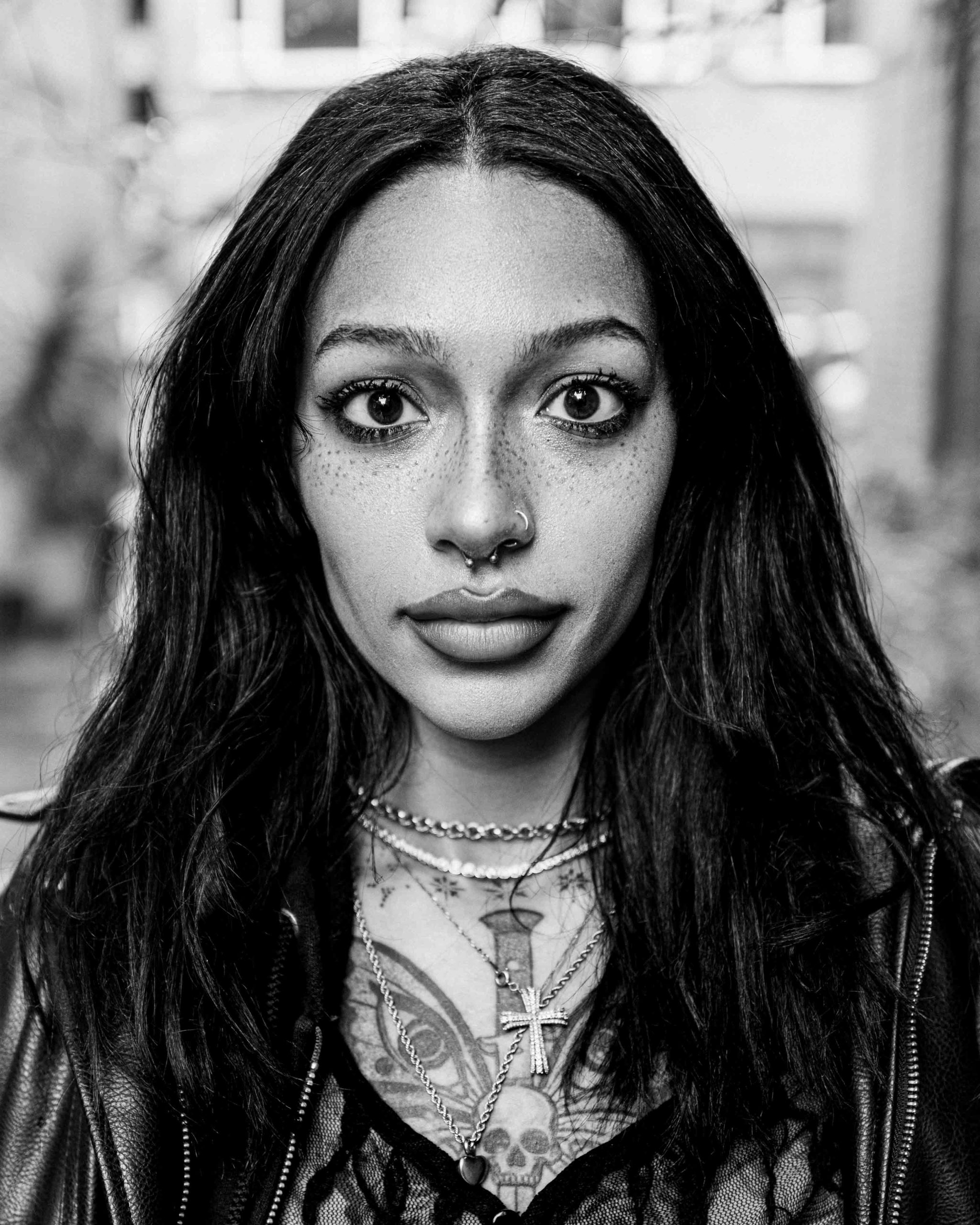
Today, Paul Reid has built a devoted following — an online community of like-minded photographers. He hosts a thriving YouTube channel, has published books, sold prints, including those made using the Platinum Palladium printing process, and frequently sells out workshops in London, Glasgow, Paris, and New York.
He has, quite simply, made it because, as he told me, “when you wake up every morning knowing you’re going to spend the day doing what you love, there is no better feeling in the world”.
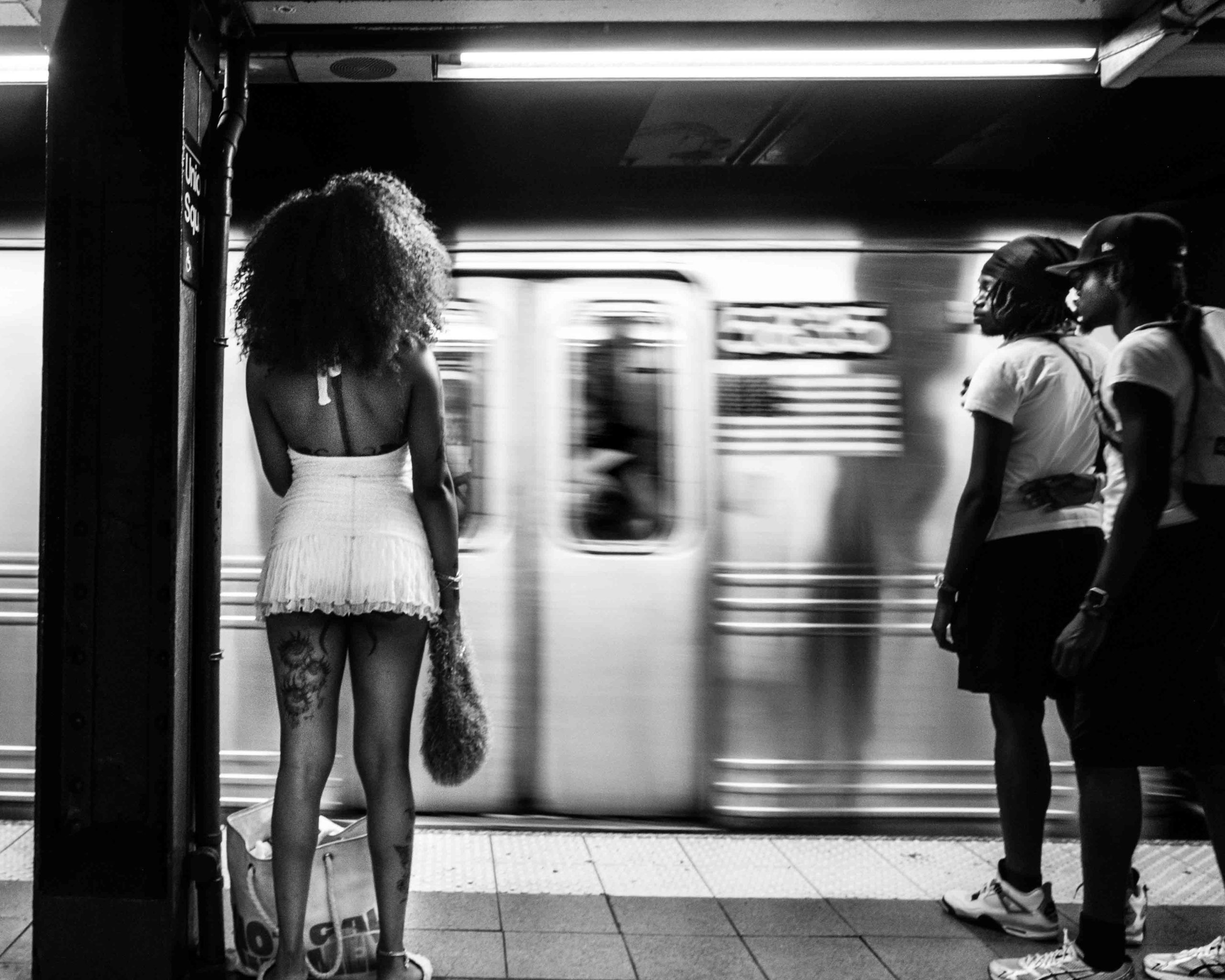
I’ve been following Paul’s trajectory for a few years. I recently spent some time speaking with him, and believe we can best view his life as a film in three acts.
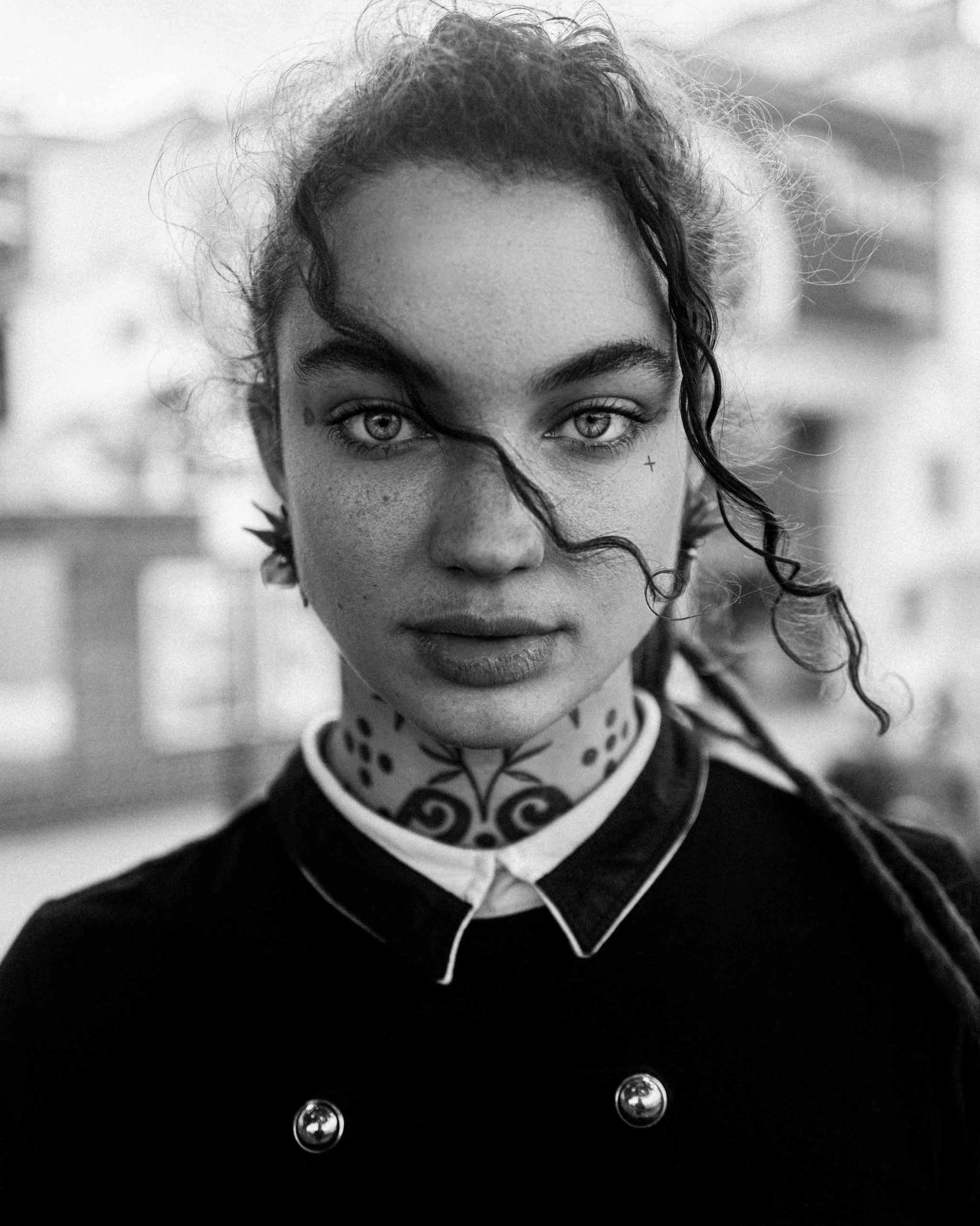
Act 1— an English childhood
In the opening reel, the drone pulls back to reveal an aerial view of Carlisle, a largely working-class industrial town and railway hub in the North of England, just one railway stop away from the Scottish Border. Born “The Son of a Preacher Man”, Paul experienced perhaps the most quintessentially English upbringing, framed by the twin timetables of church and the state education system.
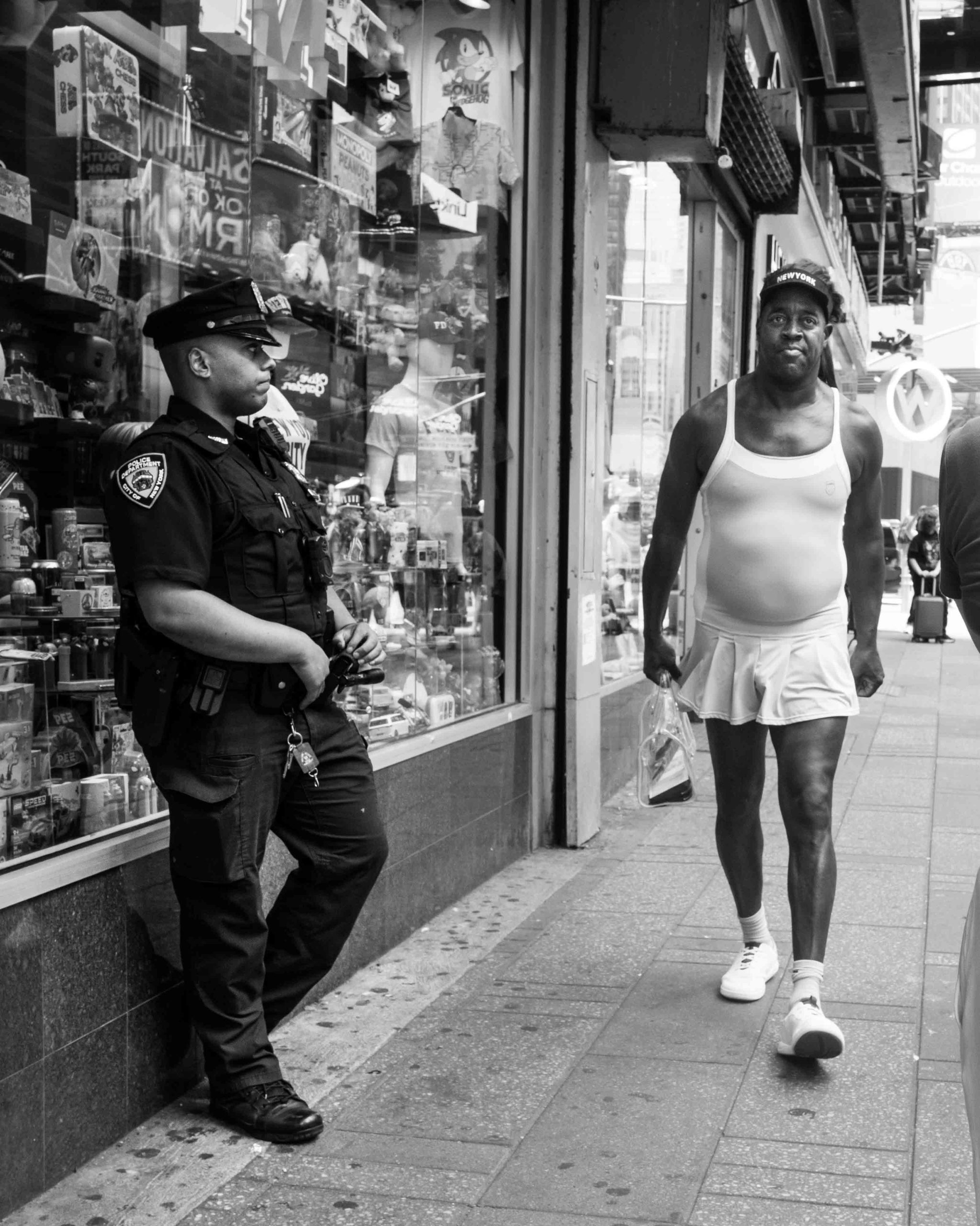
He preferred instrumental music, from artists such as Jean-Michel Jarre because, without lyrics, he could use the music as a soundtrack to the worlds he created in his imagination. Following his pastor father’s interest in photography, he ignited his own passion using cameras that were available in his home.
Paul’s first real camera was a Pentax 110 SLR. Released in 1978, the Pentax Auto 110 was the world’s smallest interchangeable-lens SLR, built around 110 cartridge film. Today, we might regard it as an eccentric toy, but it lit the fire that started his career.
Paul left the education system ill-prepared for a life of work, devoid of any aspiration for a career. But, thanks to his father’s hobby and the availability of cameras around his home, he felt a burning ambition to become a photographer. Although, it has to be said, without any clear plan as to how to achieve that aspiration.
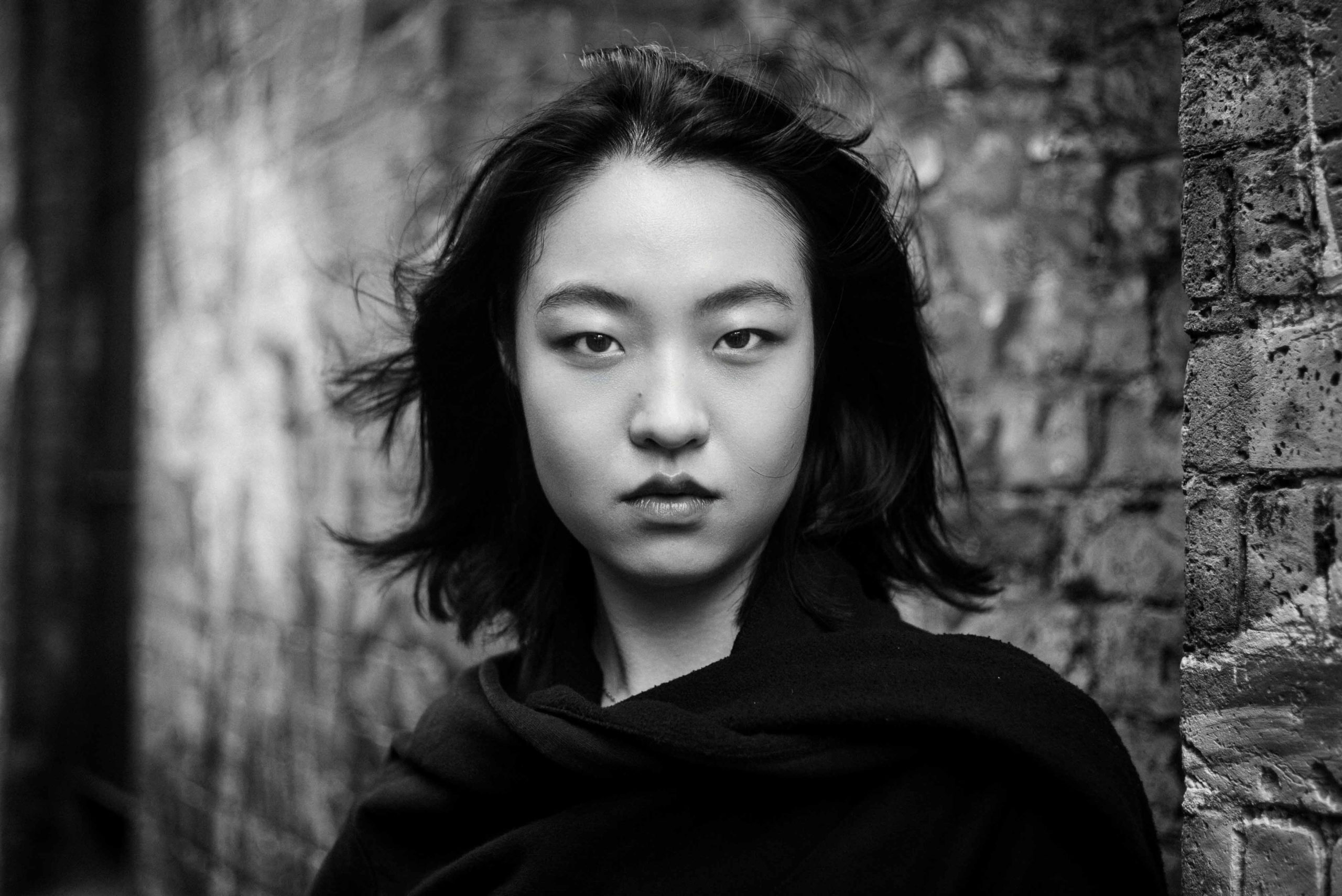
Act 2 — darker days
Sliding into an entry-level job in the exciting world of retail, Paul Reid’s career subsequently stumbled through a series of short-term opportunities. These included thrilling endeavours such as cavity wall insulation and, frankly, anything that paid the bills.
By the early 2000s, that childhood ambition to become a photographer resurfaced. Paul decided to launch his own photographic studio, in his hometown of Carlisle. Equipped with all the right gear that professional photographers used, he proceeded to offer wedding photography and family portraits. “Making them look like stars”, ran the local newspaper headline.
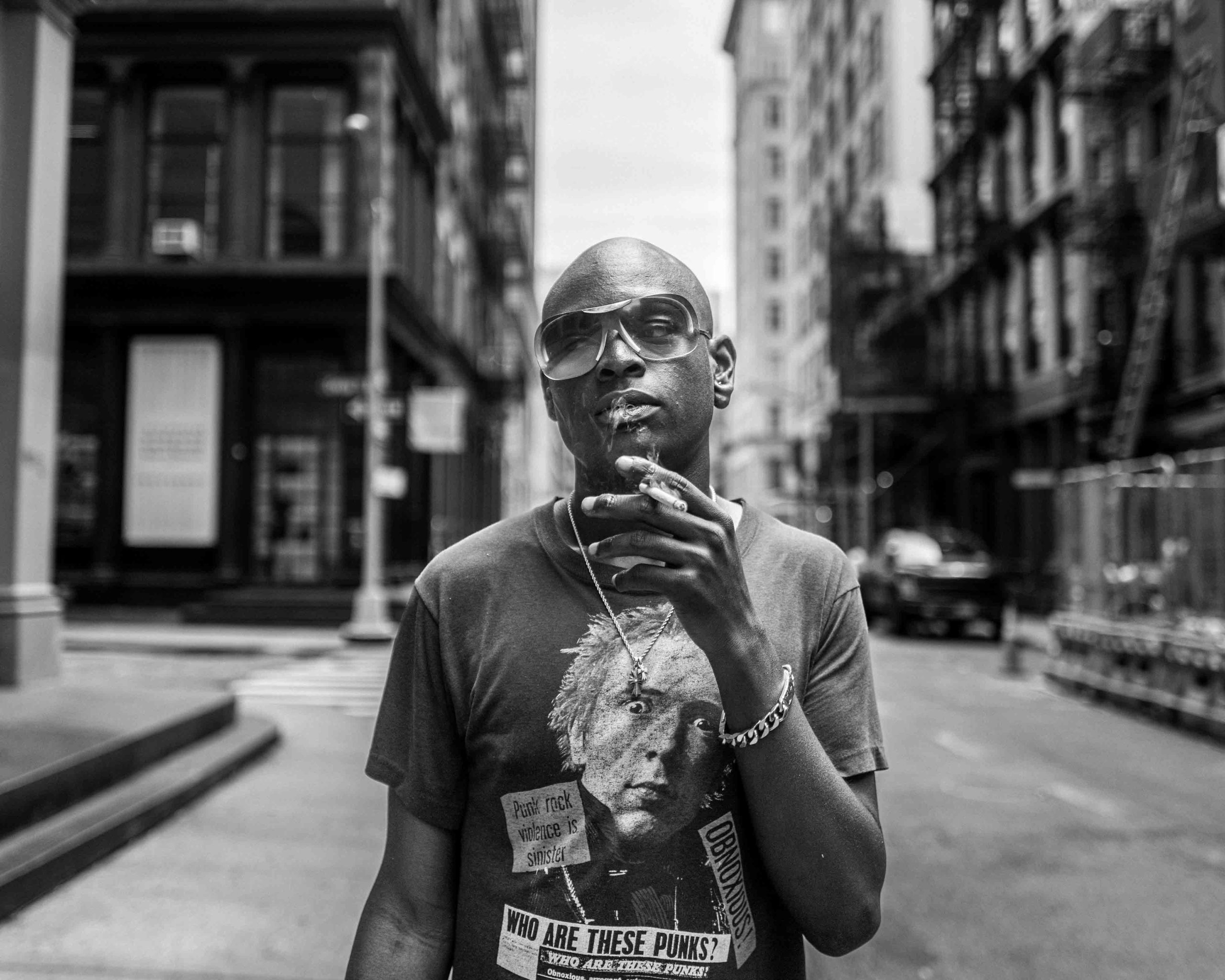
Paul did wedding photography, in his own reportage, monochrome style, giving full vent to his creative capabilities. Unfortunately, the expectations of those clients in the North of England, who were paying for those photographs, did not align with the work Paul delivered.
As one disappointed client expressed to Paul upon receiving the wedding photo set, “You’ve taken photos of the guests — why have you done that?”. Creative ambition was thereby crushed by the reality of customer expectations. Paul Reid closed his studio two years or so after opening it.
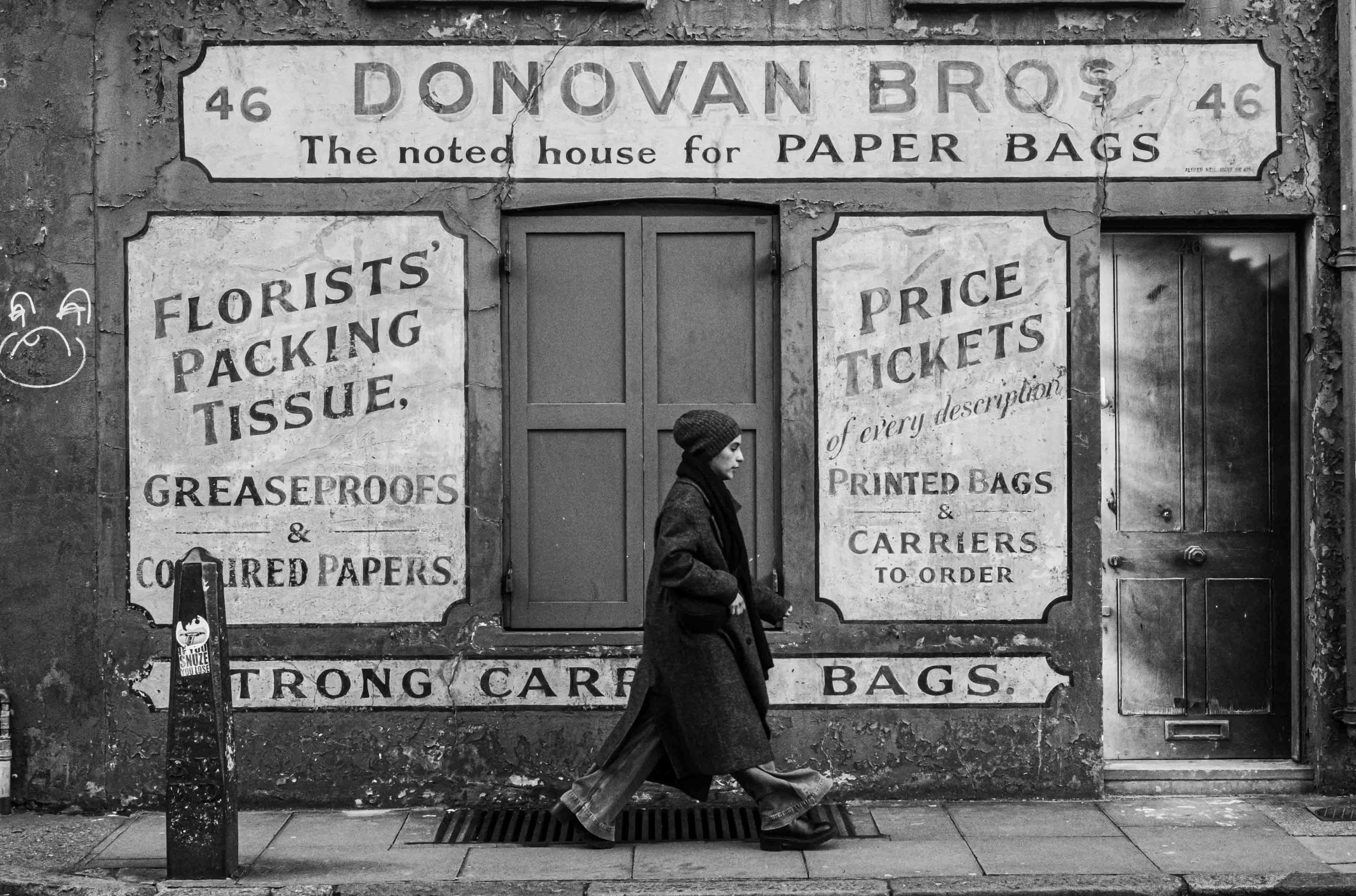
Financially, he was saved by an office job, for which he was ill-suited. It ended shortly after he stood in the centre of the office and asked his fellow workers if anybody else cried in the shower every morning.
Act 3 — a new dawn
As we all know, gear doesn’t matter. But occasionally, it does, the launch of the Q2 Monochrom providing the catalyst for Paul to focus on the photography that he wanted to pursue.
Unapologetically, Paul had, from his earliest days of using cameras, shot in black and white, only using colour when paid assignments mandated it.
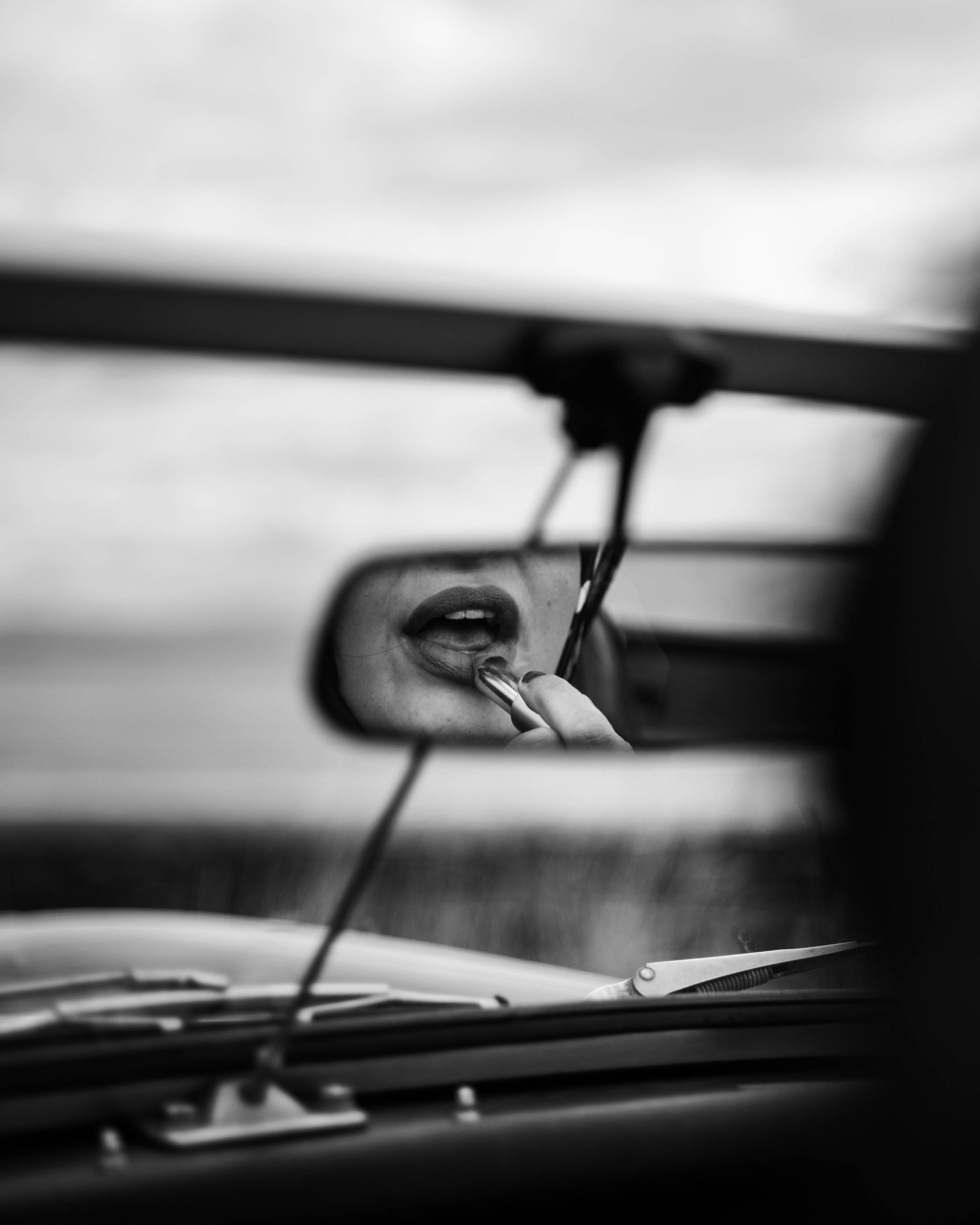
In buying the Q2M, Paul made an irrevocable choice. There was no going back because his choice of camera excluded any variance from his chosen path. “Monochrome Madness” was the inevitable destination. In 2021, just a year or so after buying the Q2M, Paul Reid was awarded the first of many Leica Mastershots.
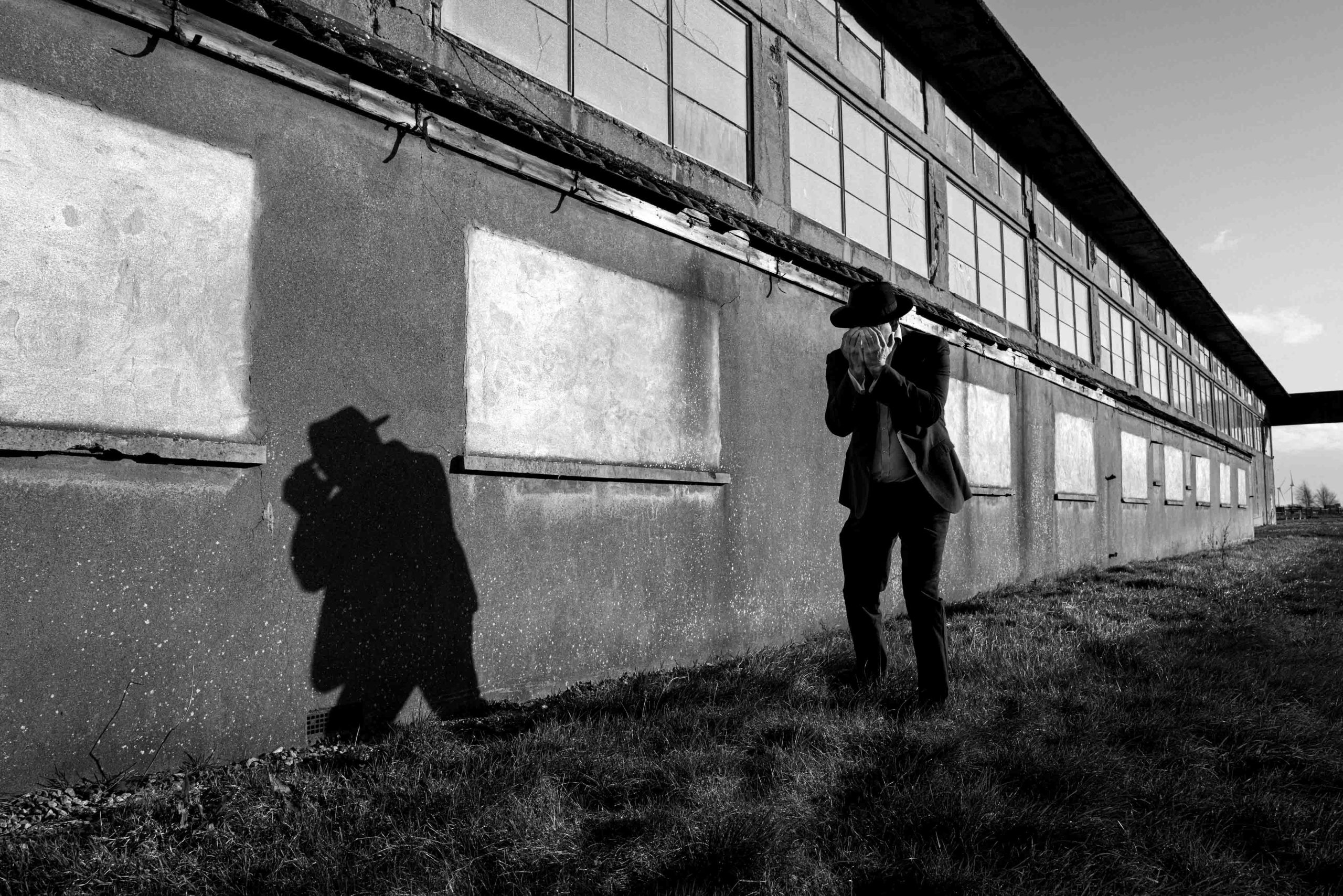
His YouTube channel opened in 2022 with a short video about “The Time Traveller” a series of photographs evoking a sense of despair, loss, disorientation, and alienation. Paul’s recent win at the British Photography Awards featured Hangar 57 — an image from that series.
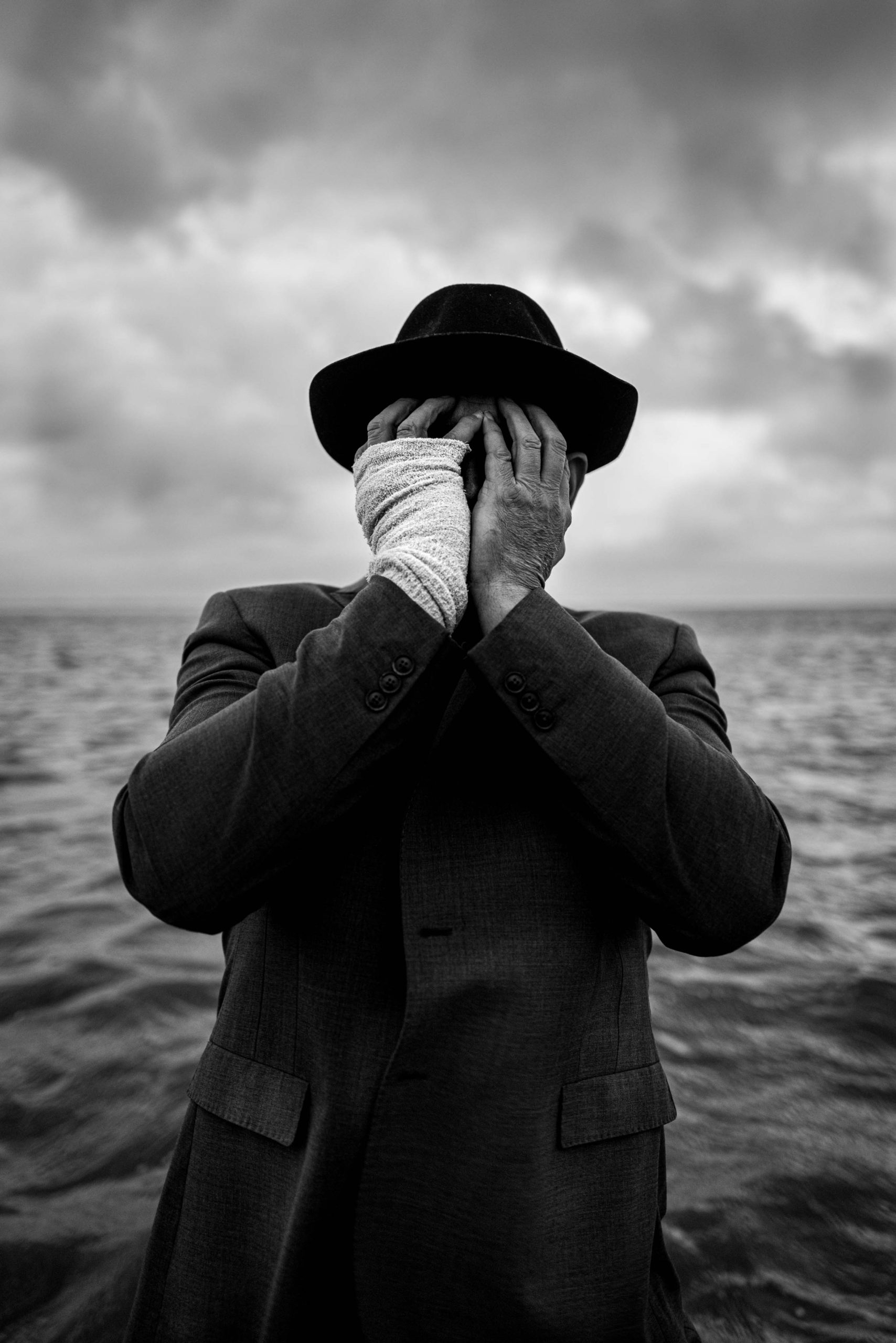
A project approach
Paul has used projects as a framework for his work over many years. The “Time Traveller” is one such project, as is “Metalhead”.
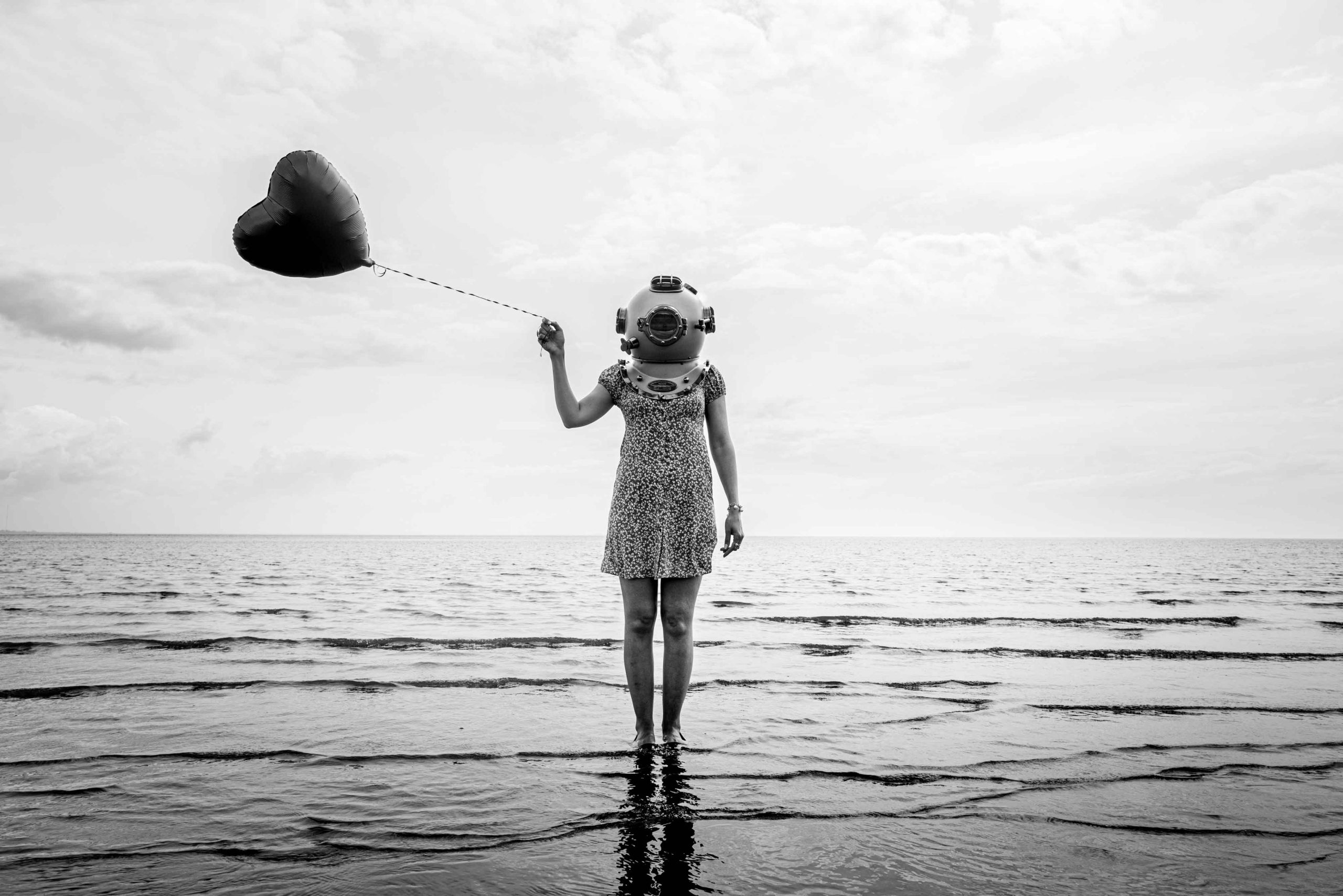
The latter is a prop-based series, born from the random purchase of an old diving helmet at a bric-a-brac shop. Paul used it, in conjunction with his girlfriend / muse, Khadijah, to create fantastical imagery.
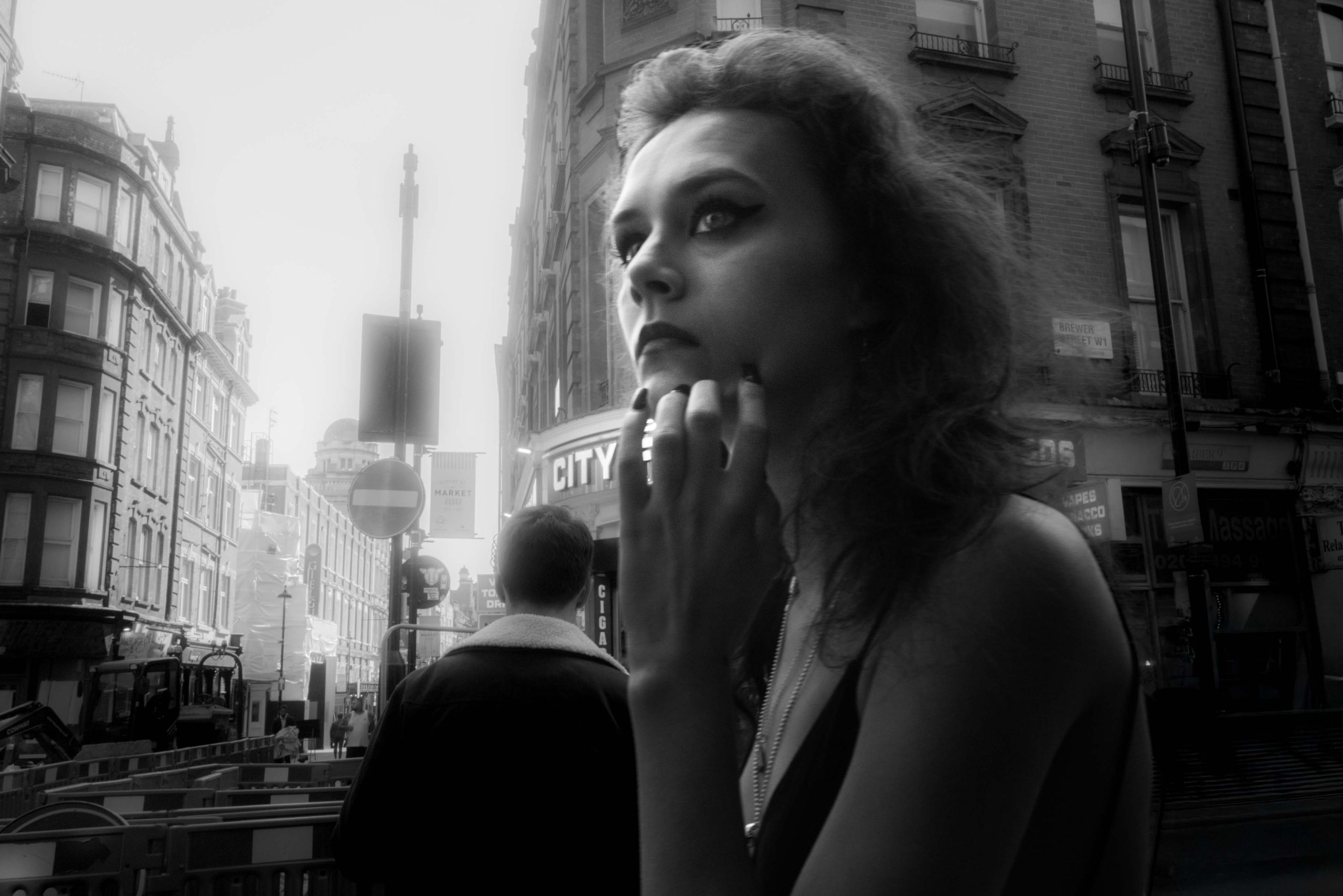
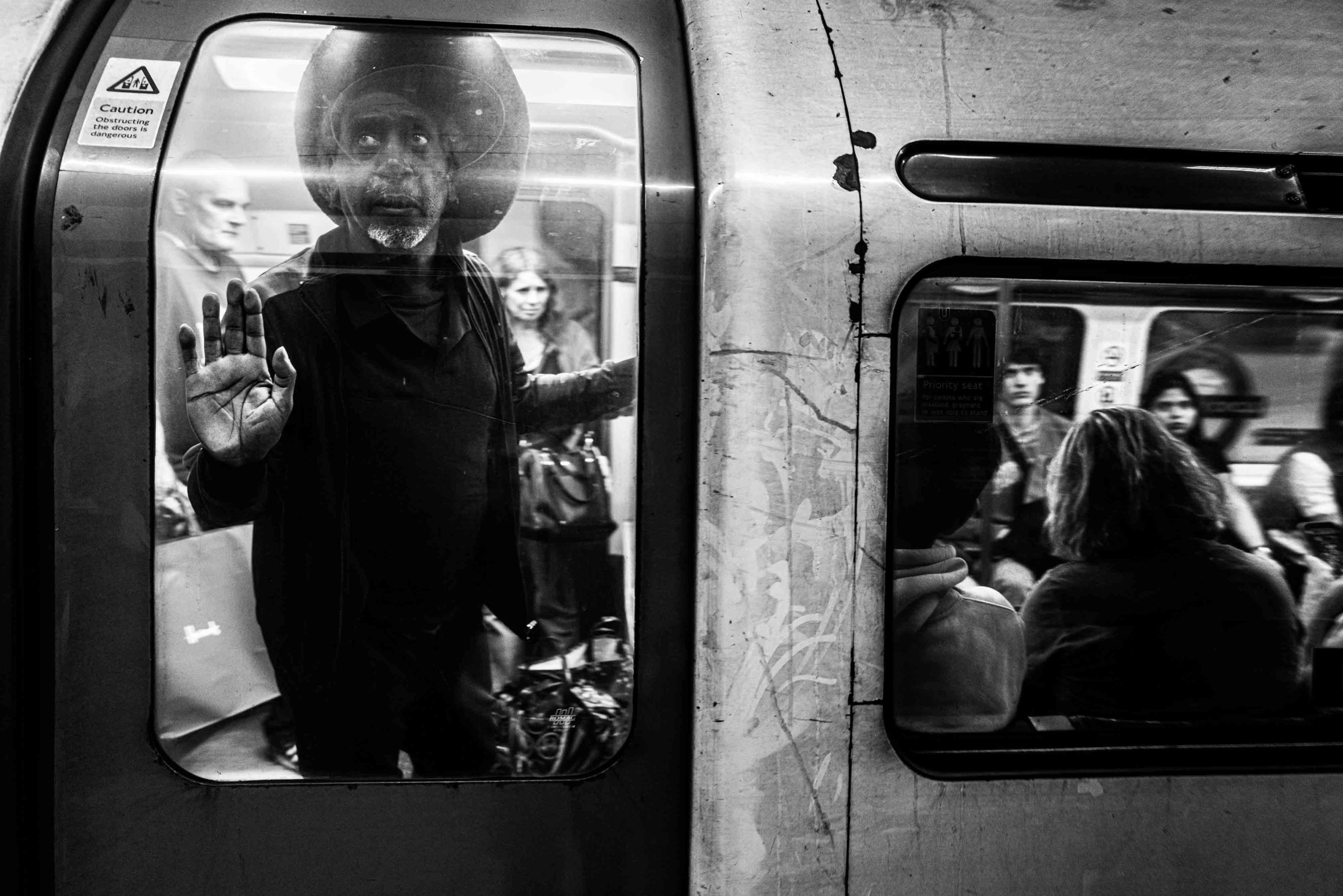
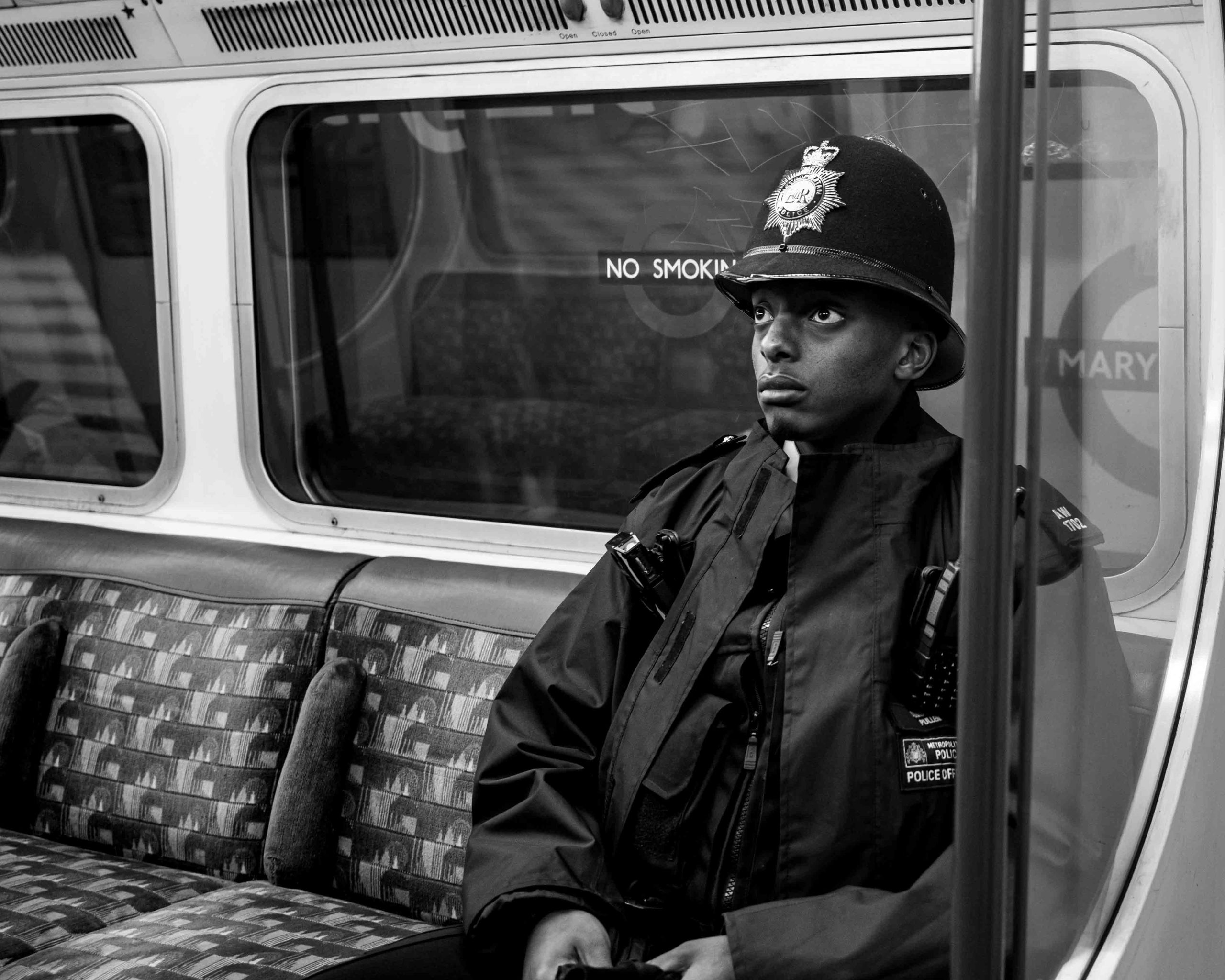
“The Lonesome Underground” is, as the name suggests, a project specific to the London Underground. It features hip shots of individuals seated on the underground, lost in their own thoughts — physically in the same carriage as the photographer, but worlds away in their imagination.
Workshops, which Paul had not previously anticipated running, soon followed, quickly becoming popular. One- or two-day street photography / street portrait groups now regularly run in London and Glasgow.
More recently, Paul has ventured to Paris and his initial trial workshop in New York was so successful that the September 2026 repeat workshop has already almost sold out.
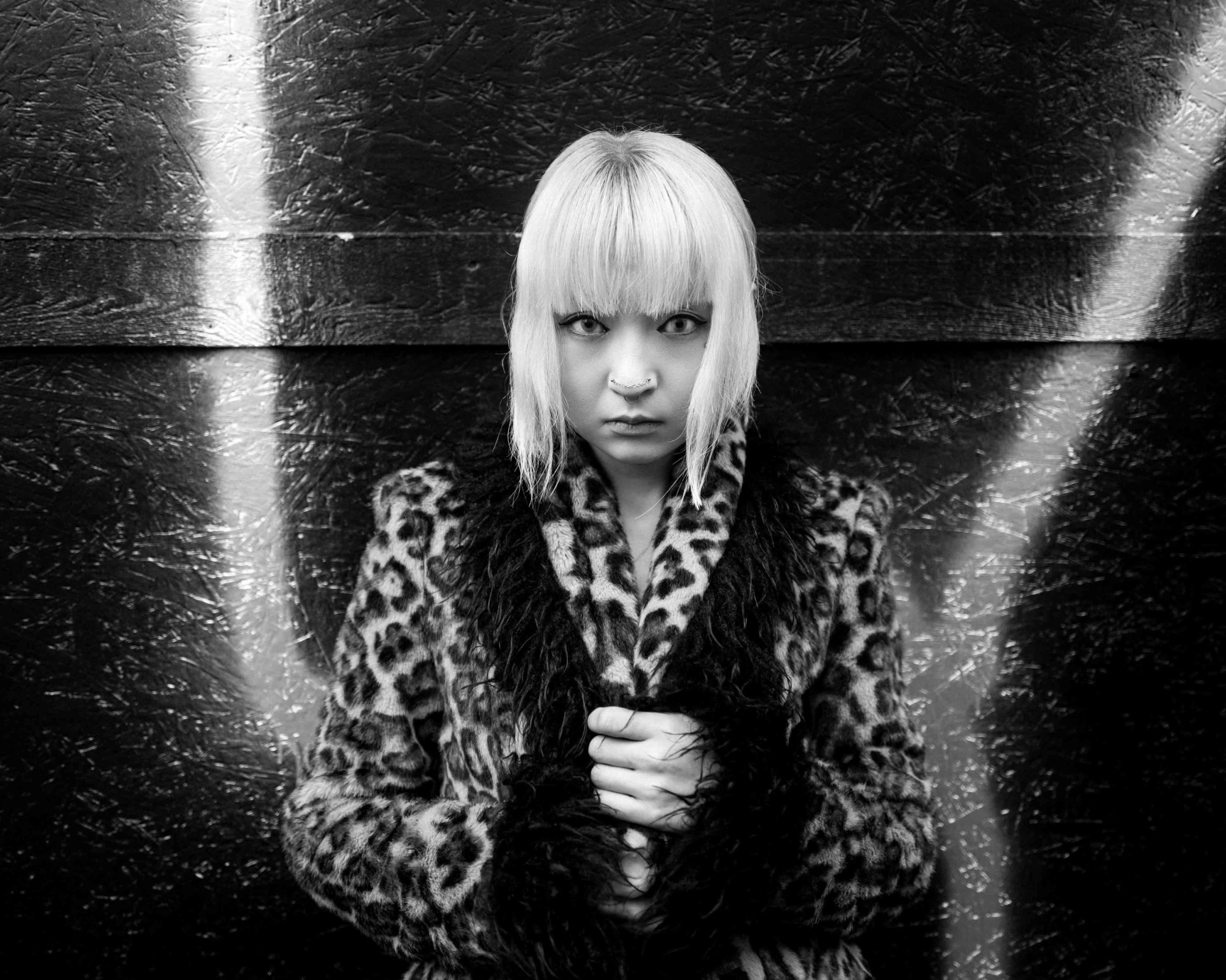
As Paul Reid’s fame has grown and his commercial success increased, it would be tempting for him to increase the number of workshops. But Paul is deeply conscious of the need to balance opportunity with home life and has therefore chosen to limit the number of days away. So, if you want to attend a workshop, it pays to book early!

Printing
The printed image has always been important to Paul, and he demonstrates this in two ways: Platinum Palladium printing and books. The technique of Platinum Palladium printing dates back to the 19th Century. It is a handcrafted process which produces archival quality black and white prints. Paul has a small selection of his images produced through this process available for sale.
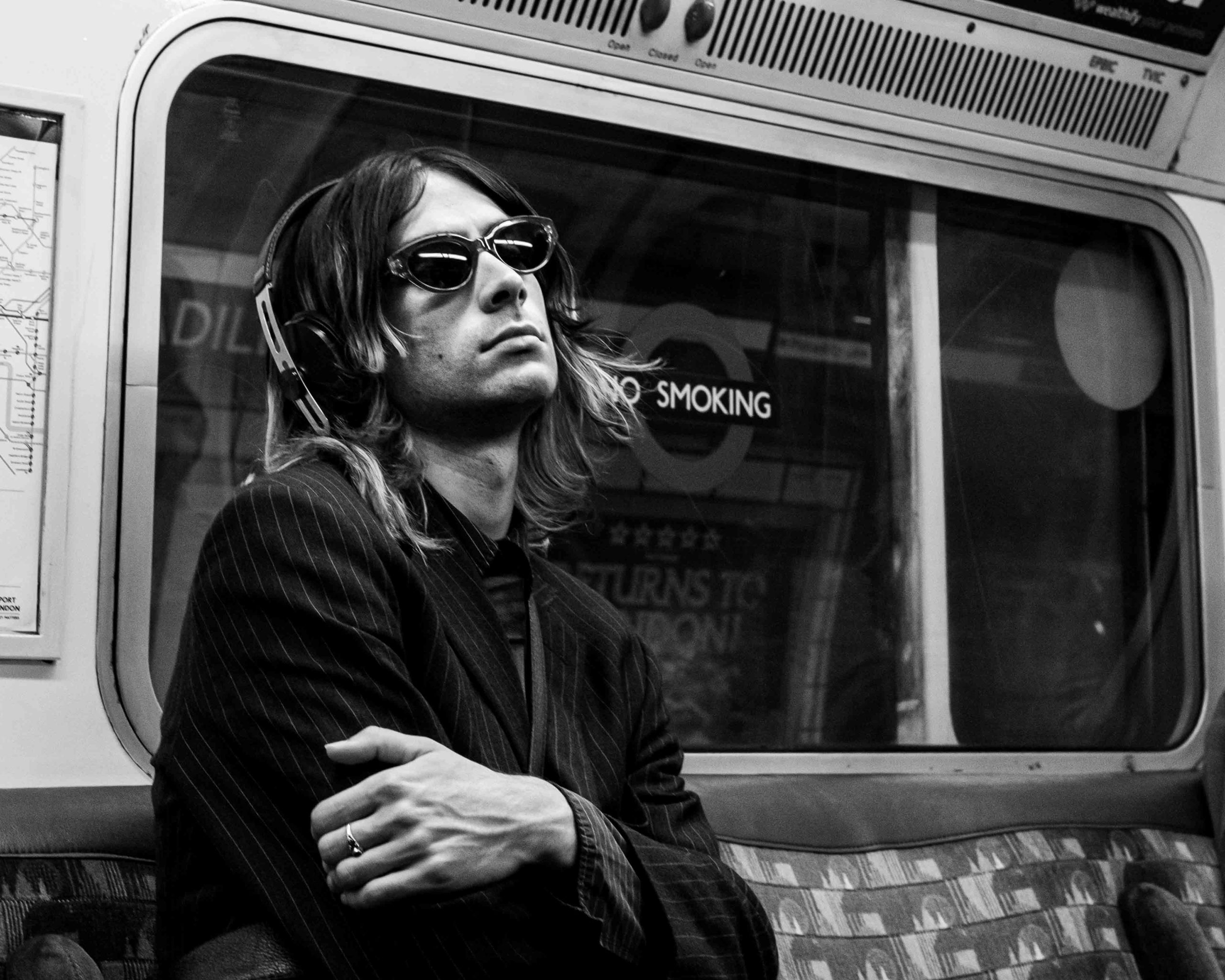
In addition, he has produced a few popular books, each of which illustrate his work and describe his technique. He also offers a Monochrome Madness course though the members’ section of his website. This provides a structured, experience-based approach to developing one’s own monochrome photography skills. For those who prefer one-to-one guidance, Paul also offers a mentorship programme.
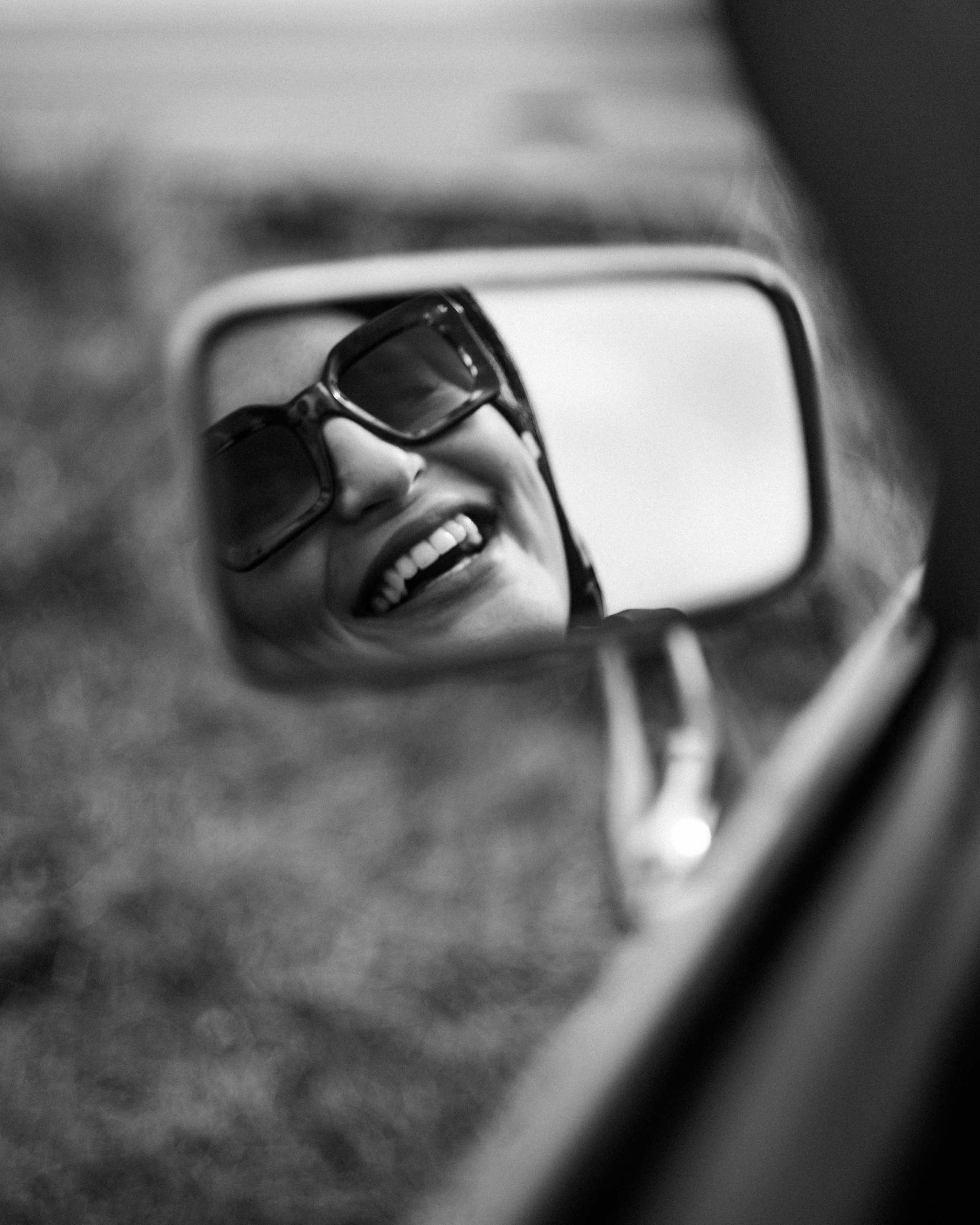
And so, as the third act of our film draws to a close, I felt it appropriate to ask Paul how he feels about his life today. He is more than a little surprised at his success, and modest when talking about his achievements.
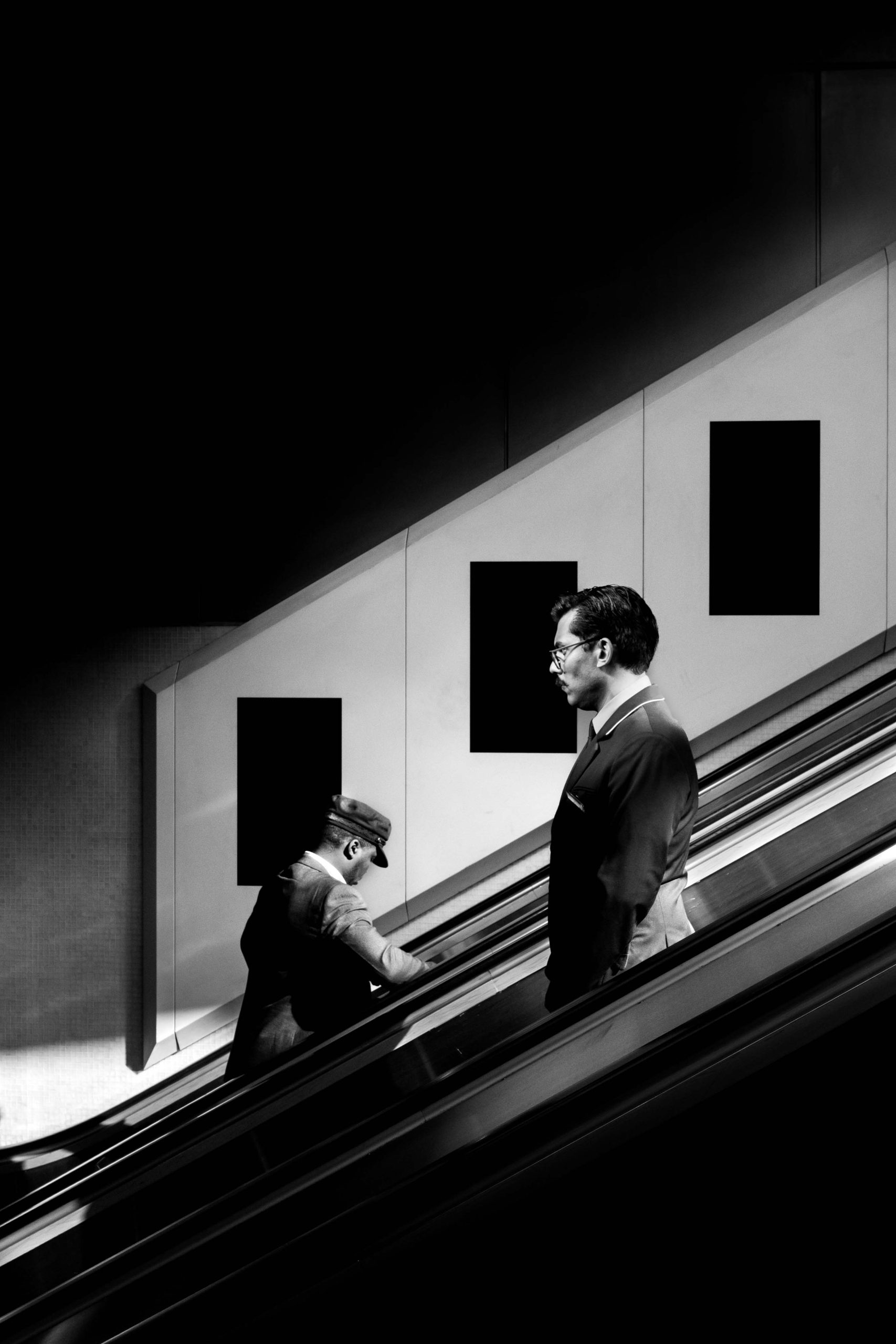
He describes how he has learned so much from people who attend his workshops. For him, the most important factor in a successful street portrait is connection; that simple but mysterious force that links the photographer with the subject to add the spark that differentiates a snapshot from a magical image.
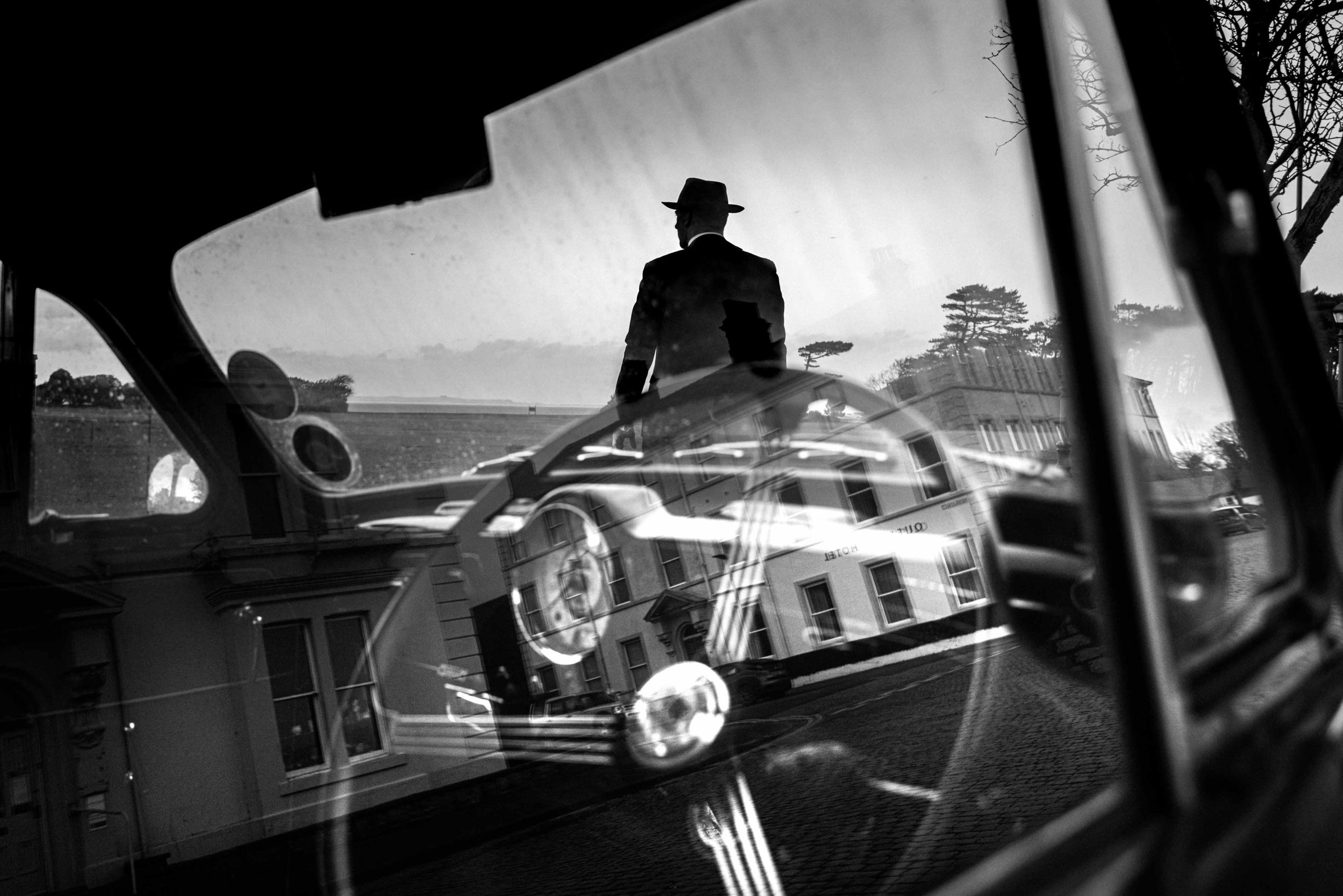
Closing credits
As our latest instalment in the film of Paul Reid’s life draws to a close, I asked him what more he wanted to achieve. As the credits roll, Paul is seen at home when the phone starts to ring. “Hello” he answers, “Hi, this is Gillian Anderson’s personal assistant here, we were wondering if you might be available to make a portrait of Gillian when she is next in London?”.
As the camera pulls back and the screen fades to black, Paul can be seen with a smile spreading across his face. Another childhood ambition achieved.
The gear
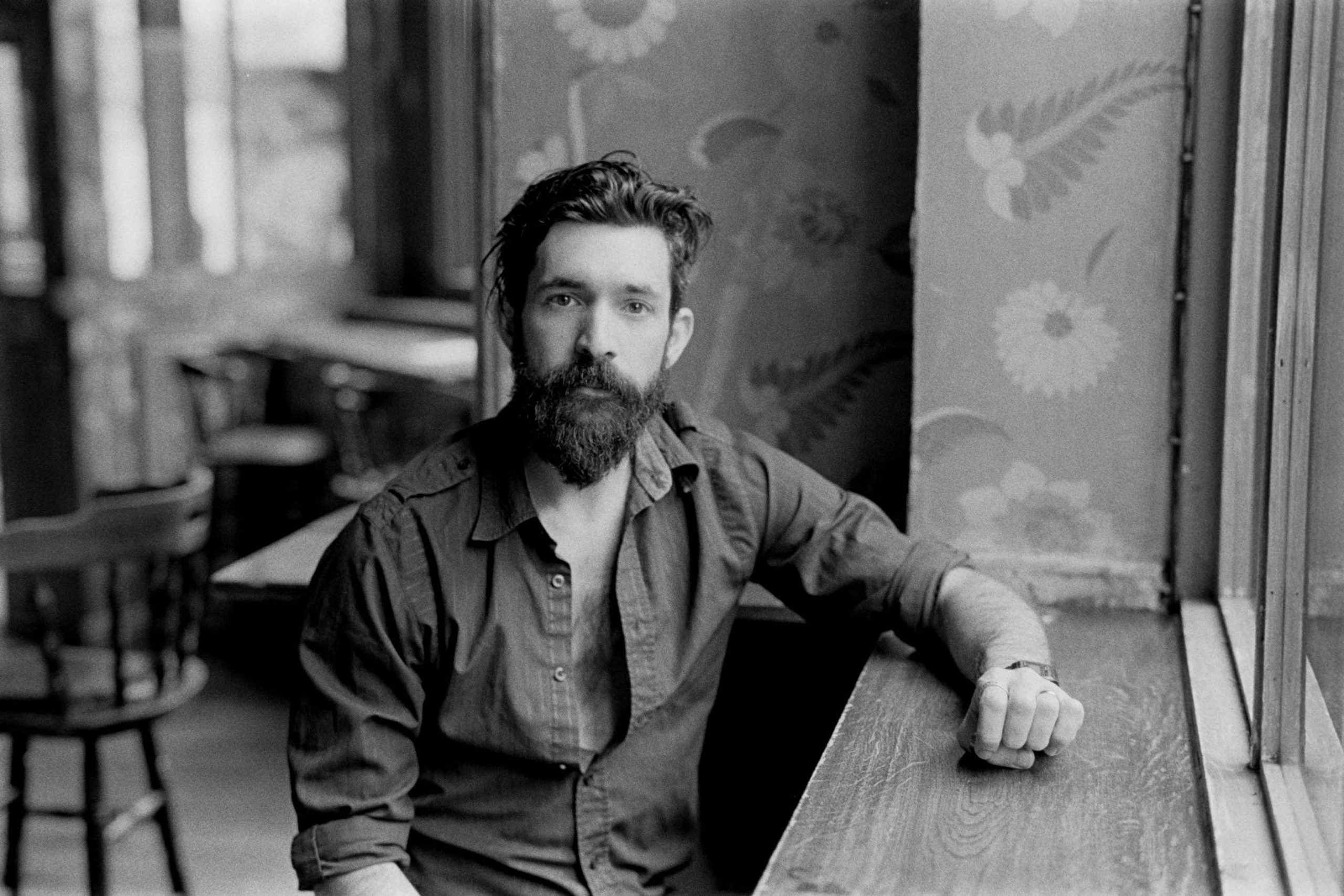
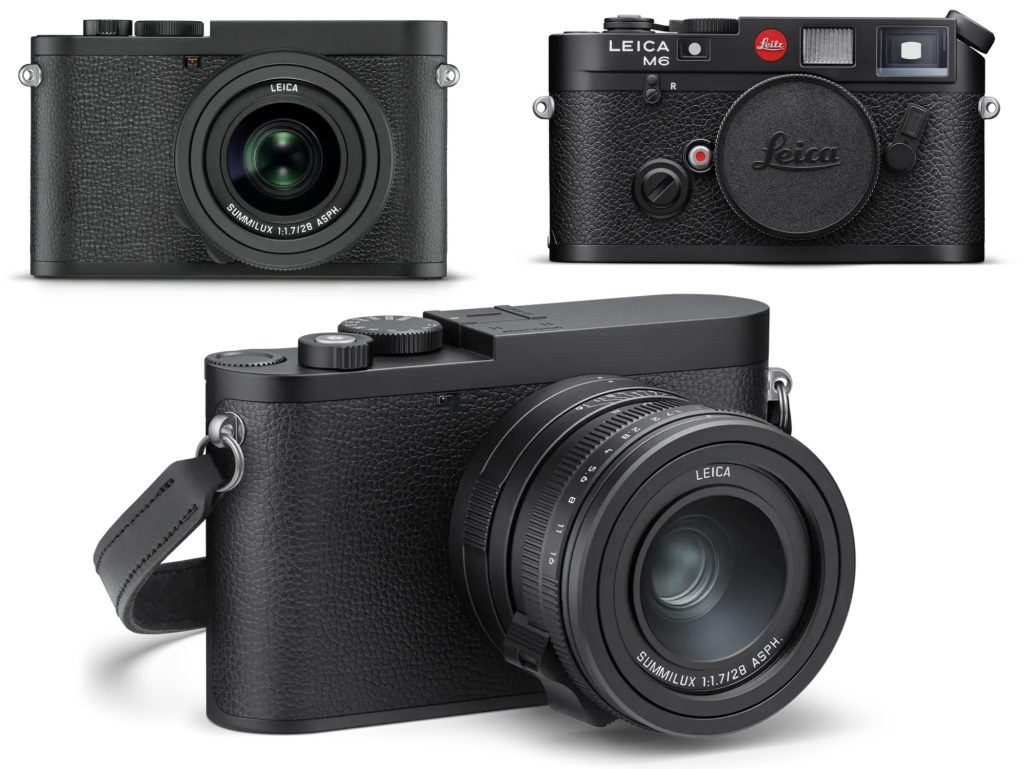
Paul shoots exclusively with Leica cameras. His trusty Leica Q2 Monochrom has been recently joined by the Q3 Monochrom. Paul is also a firm film fan, using a Leica M6 film camera to supplement his digital work.
Postscript
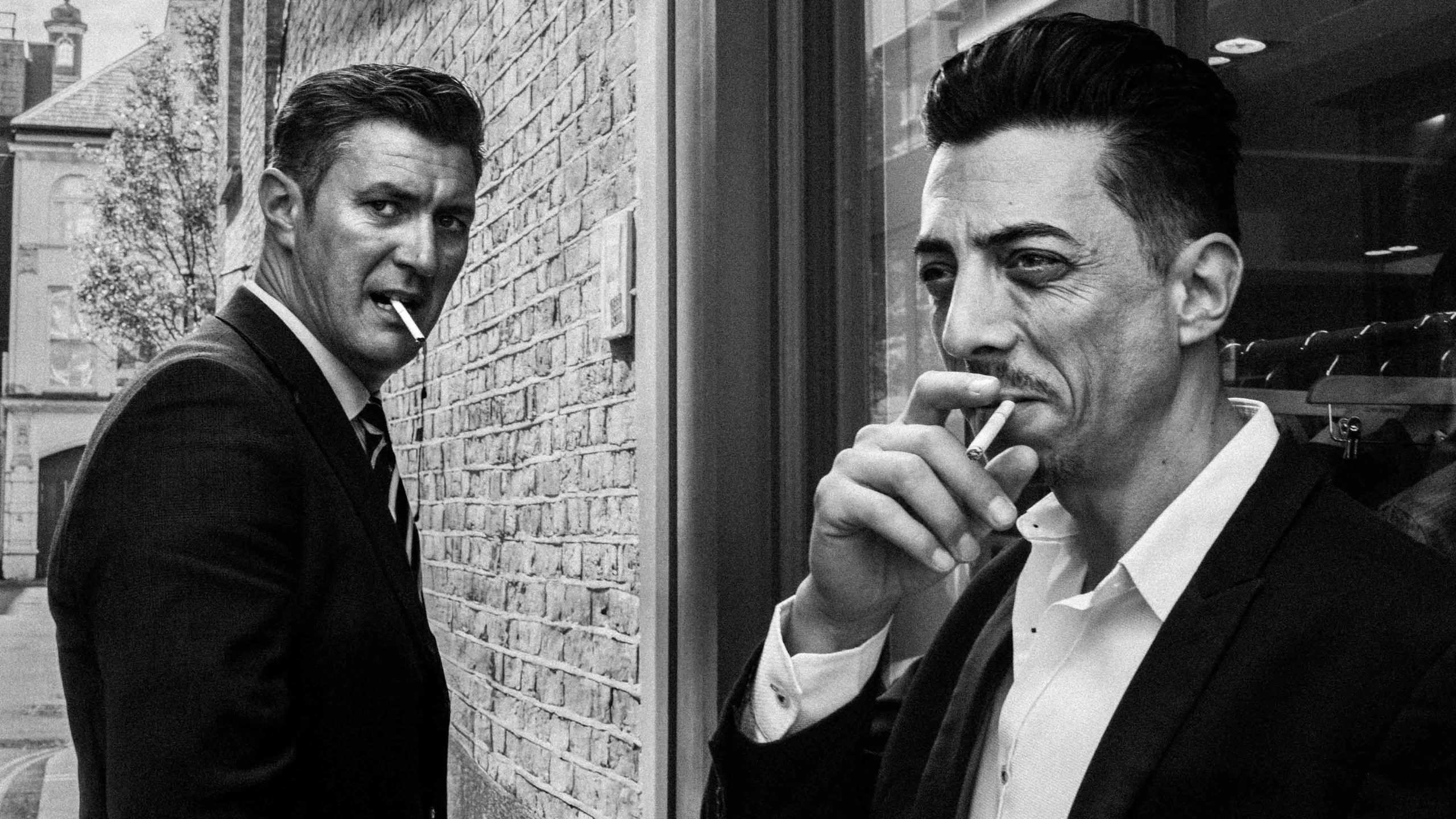

Talking to Paul about how he gets his images, I’m struck by his ability to seize opportunities, and so I’d like to exemplify his approach … as illustrated by the following verbatim description as to how this particular image came about.
“One of the things I’ve learned about street photography is you don’t come across images like this one every day! When this one came along, I made no apologies and walked close to the guys smoking. It was almost too good to be true. Nostalgic and like a scene from ‘Goodfellas’ which is what I called the image.
I placed the viewfinder to my eye and fired off two shots! As you can see, one of the guys looked at me! I lifted my eye from the viewfinder and said ‘guys, this photo is the best I’ve taken in ages! Thanks so much!’ They laughed and carried on smoking. I walked on.”
| Paul Reid’s Website | The Paul Reid YouTube Channel |
| Paul Reid Instagram | Black and white photography |
| More from Andrew Owen-Price | The Q2 Monochrom |
| The Q3 Monochrom | British Photography Awards |
Make a donation to help with our running costs
Did you know that Macfilos is run by five photography enthusiasts based in the UK, USA and Europe? We cover all the substantial costs of running the site, and we do not carry advertising because it spoils readers’ enjoyment. Any amount, however small, will be appreciated, and we will write to acknowledge your generosity.
A wonderful article to start my day. He is a master of black and white and seeing and capturing the decisive moment.
… and he’s a nice guy too!!
Absolutely fabulous work. He truly is a Master, Thank you so much for showing it.
Glad you enjoyed it! A great photograph each day keeps unhappiness at bay 😎
My pleasure Don, … and it only took a year or so to pin him down long enough to get the article written!
I discovered Paul’s work on YouTube a couple of years ago when searching for Q3 reviews. It is well worth a visit if you haven’t already found it. Great article Andrew.
Thanks Tom, much appreciated!
Paul’s work is awesome and inspiring…I am very much looking forward to a workshop I’ve booked with him this fall. I am so happy he is getting the recognition he deserves!
I’m sure you’re going to have an excellent time with him!
Brilliant & inspiring stuff! Makes me want to load up another roll of Tri-X!
There should be a saying “keep on Tri-x’ing until you get it right”.
The fixed lens discipline is interesting — the 28mm equivalent on the Q3 forces a different compositional approach than a zoom and the results are often more considered. The street photography in low light is where the Q3 really shows its advantage — the combination of the sensor and the Summilux lens is extraordinary. The weight and size make it genuinely usable as an everyday carry in a way that a full system camera isn’t. The food photography with the Q3 is excellent — the close focus capability and the rendering of the Summilux are well-suited to it. The battery life is the main limitation for a full day of shooting .
I really enjoy this piece and Paul’s work. Thank you. Des
Thanks Des, much appreciated.