
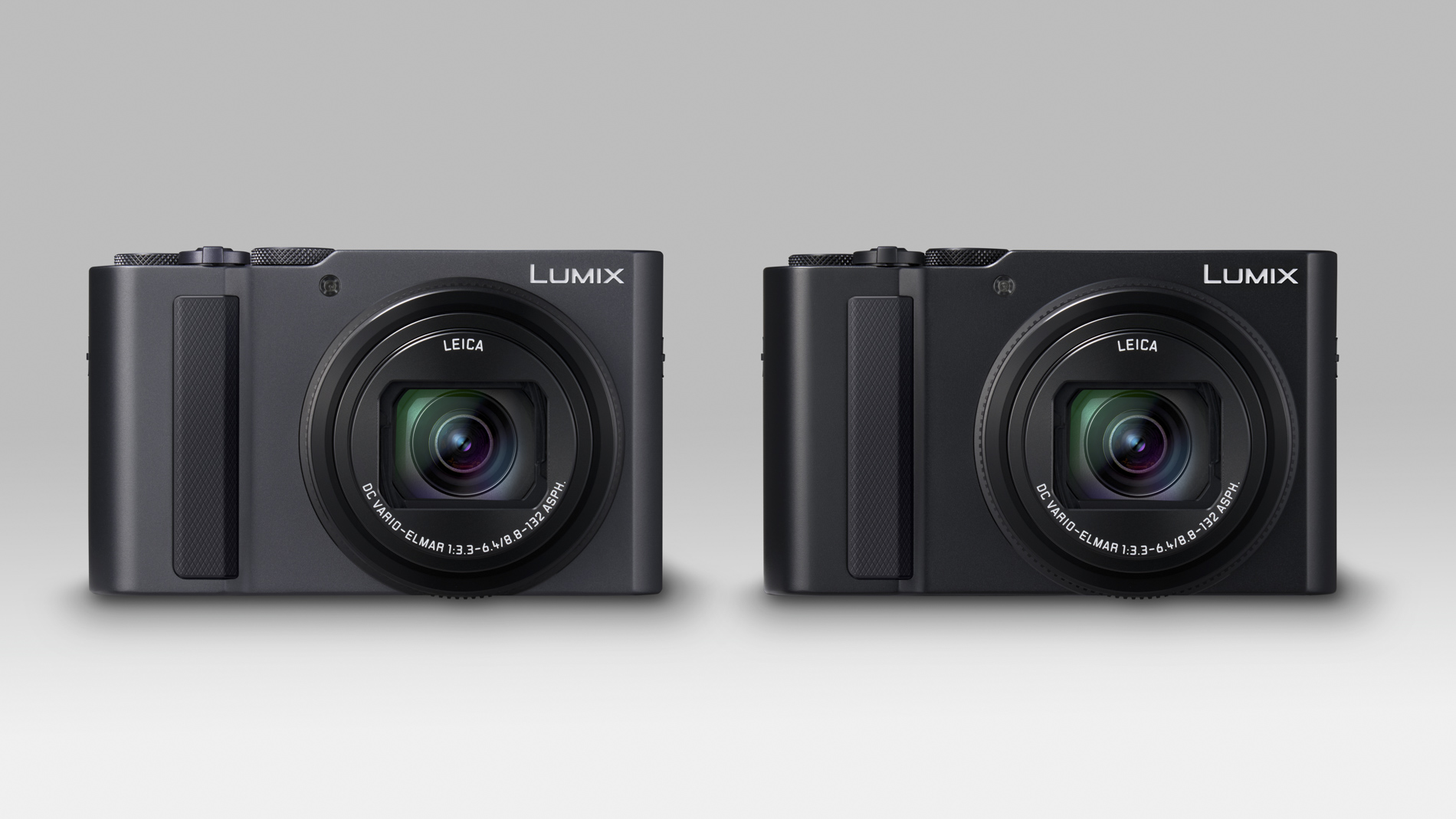
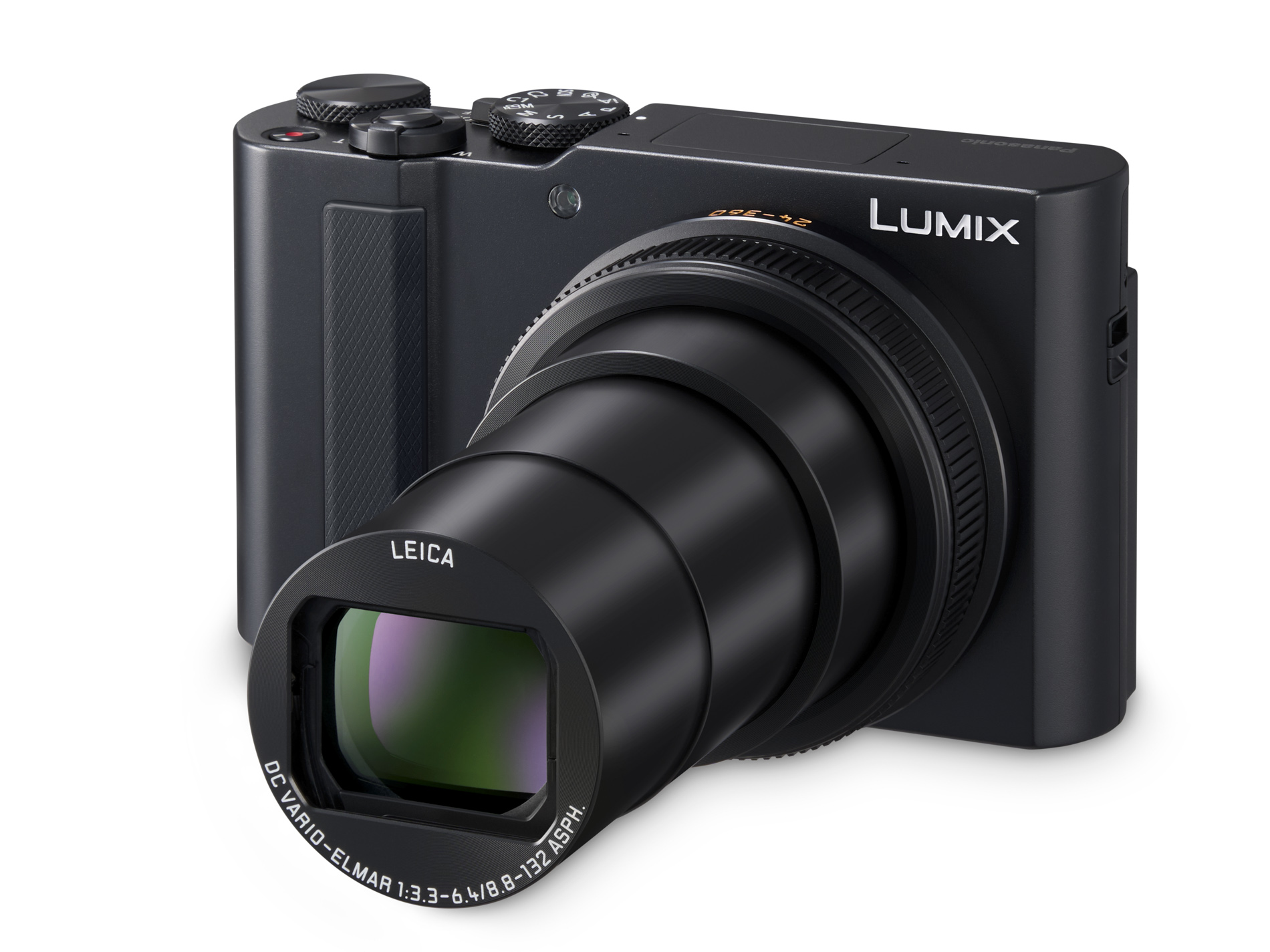
Last month, Panasonic announced the TZ300/ZS300 compact camera with a one-inch sensor and impressive 15x optical zoom. It replaced the 200 series but is nearly identical in appearance except for one major change: The electronic viewfinder has disappeared. Panasonic clearly believes that new enthusiasts, weaned on smartphone photography, don’t need or want an electronic viewfinder.
The new model is improved in other respects, however. It has a new 20MP BSI sensor which helps at higher ISO, and improved 5-axis stabilisation to give more confidence when using the full reach of the zoom lens. It also adds USB-C charging, which sounds a small point, but is important when almost all cameras have moved over to the EU-obligatory standard. But the absence of a viewfinder is a worry.
Arms length
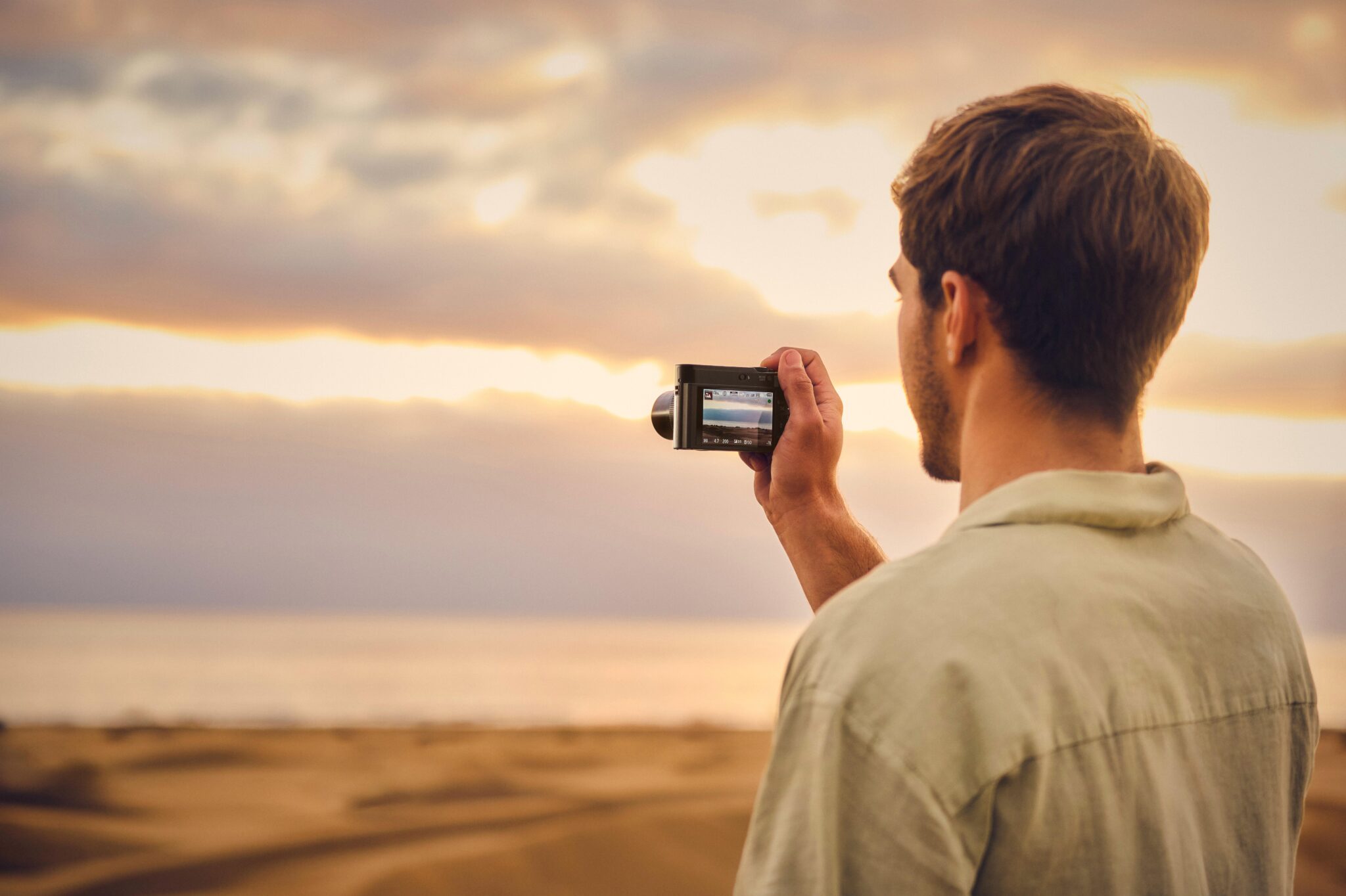
While smartphone users have become accustomed to composing on the screen at arm’s length, I believe moving to a dedicated compact camera such as the Lumix is regarded as a step forward to “proper photography”.
This is not to denigrate smartphone photography because the computational photography embedded in the best of today’s crop, is exceptional and certainly flatters the user. I suspect many upgraders are initially disappointed in comparative results, but this is just a matter of polishing techniques and processing parameters.
Part of this move from smartphone to camera involves using a viewfinder. It offers advantages in composing, offering a brighter, more involving image, and stability. With that 15x zoom, the TZ300, for example, will benefit from a bit of extra stability, despite the effective IBIS. So I believe that all cameras intended for serious photography should have a viewfinder.
Nevertheless, I make one honourable exception in the form of the Ricoh GR series, where the small format is the principal USP. Adding a viewfinder to the body would destroy the camera’s entire reason for existence.
Il(logic)
This, however, is not the case with the TZ300, which is not comparable with the fixed-lens 23mm (effective 28mm) Ricoh. It’s a slightly bulkier camera with a useful zoom range that I would feel uncomfortable using without a viewfinder. Even the popular Sony RX100VII, with a similar 1in sensor, sports a pop-up viewfinder which helps steady the camera with its 24-200 (x8.3) zoom range.
I am not sure what logic Panasonic is using in removing the viewfinder, especially since the space in the TZ300’s body is not used for anything else. And it’s not the first time the il(logic) has been applied. They did it two years ago when the TZ99/ZS99 succeeded the ZS80. Look, no finder.


This, I hope, is not to become a trend. Even a small, viewfinder, such as that on the Sony or the Fujifilm XE-5, is better than no finder at all. But what do you think? Would you buy one of the new range of compact cameras without a viewfinder? Or am I over-egging the pudding? Viewfinders really aren’t necessary, are they?
Why I would never buy a camera without a viewfinder — an alternative view
| More reading | |
| Panasonic TZ200 to be the new Leica C-Lux | Group Test: Sony RX100VI, Panasonic TZ200 and Leica C-Lux. The verdict |
Make a donation to help with our running costs
Did you know that Macfilos is run by five photography enthusiasts based in the UK, USA and Europe? We cover all the substantial costs of running the site, and we do not carry advertising because it spoils readers’ enjoyment. Any amount, however small, will be appreciated, and we will write to acknowledge your generosity.