

Leica’s APS-C series of cameras and lenses had a chequered and erratic development history, that ultimately led to their shambolic cancellation. It left many (including me) high and dry with now redundant equipment that had no future. But from the ashes came a package of technologies that lived on and was passed forward to the M, Q, and SL series.
Arguably, those technologies were the making of Leica’s modern and very successful camera lines. This article identifies which ones Leica adopted, then adapted to suit their purposes, and how they were further developed to provide the basis for future success.
The X-files (2009–2014)
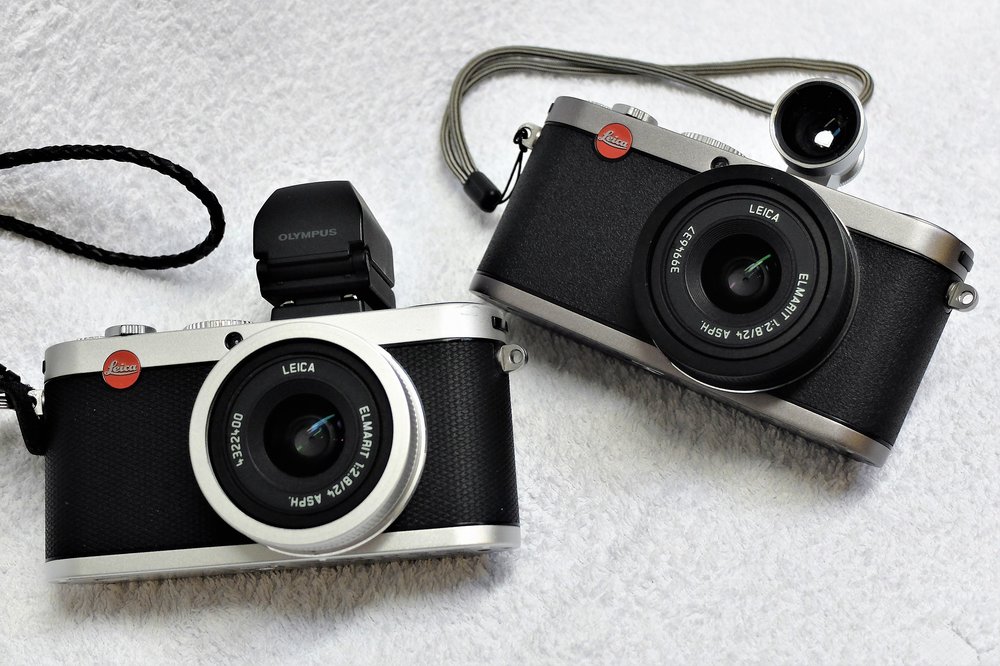
Leica’s APS-C era began with the Leica X Series in 2009 and the X1 24mm (36mm equivalent) f/2.8 lens. The X2 followed in 2012 with the same lens, but a higher resolution sensor. The X Vario with a 16.2MP sensor followed in 2013 with a fixed zoom lens of 18-46mm (28-70 equivalent).
The X-E featured a continued with the 24mm (36mm equivalent) f/2.8 lens in 2014, and the Leica X which ended the line in 2014 with a 23mm (35mm equivalent) f/1.7 lens. The cameras lived on at retail until about 2020. When it came to those lenses, the Leica X Series was blessed with great image quality, if not speed. But what they all shared was a hidden ingredient that would be passed forward and become key to Leica’s future success.
The built-in leaf shutter
That hidden ingredient was a built-in leaf shutter that was integrated into the lens itself. This was not new technology: it had been used, for example, in the Rollei35 and in Hasselblad interchangeable lenses for the 120 type film loading C500 series, with notable success. It was also a standard feature in lens units for many 35mm compacts in mid-century. Remember, these cameras had no lens mount. The Hasselblad is a rare example of an interchangeable lens system with a shutter in each individual lens.
That meant the lens could be mounted closer to the sensor, or to the film surface, without needing to factor in lens mount tolerances or the risk of sensor damage. Building in a leaf shutter into the lens itself also increased image accuracy and made the cameras more compact. The leaf shutter also meant that the flash sync speed could be up to 1/2000s.

The built-in leaf shutter technology was passed forward to reemerge in the Leica Q Series, which launched in 2015. As the Q was a full frame camera, it also allowed the lens to accommodate Optical Image Stabilization (OIS) to improve performance.
Leica T and CL Series (2014–2022)
The early 2010s was the period when the success of smartphones had become almost overwhelming. Inside Leica there was a growing enthusiasm for innovation — of trying out new approaches in camera design — to counter the growth of smartphone usage for photography.
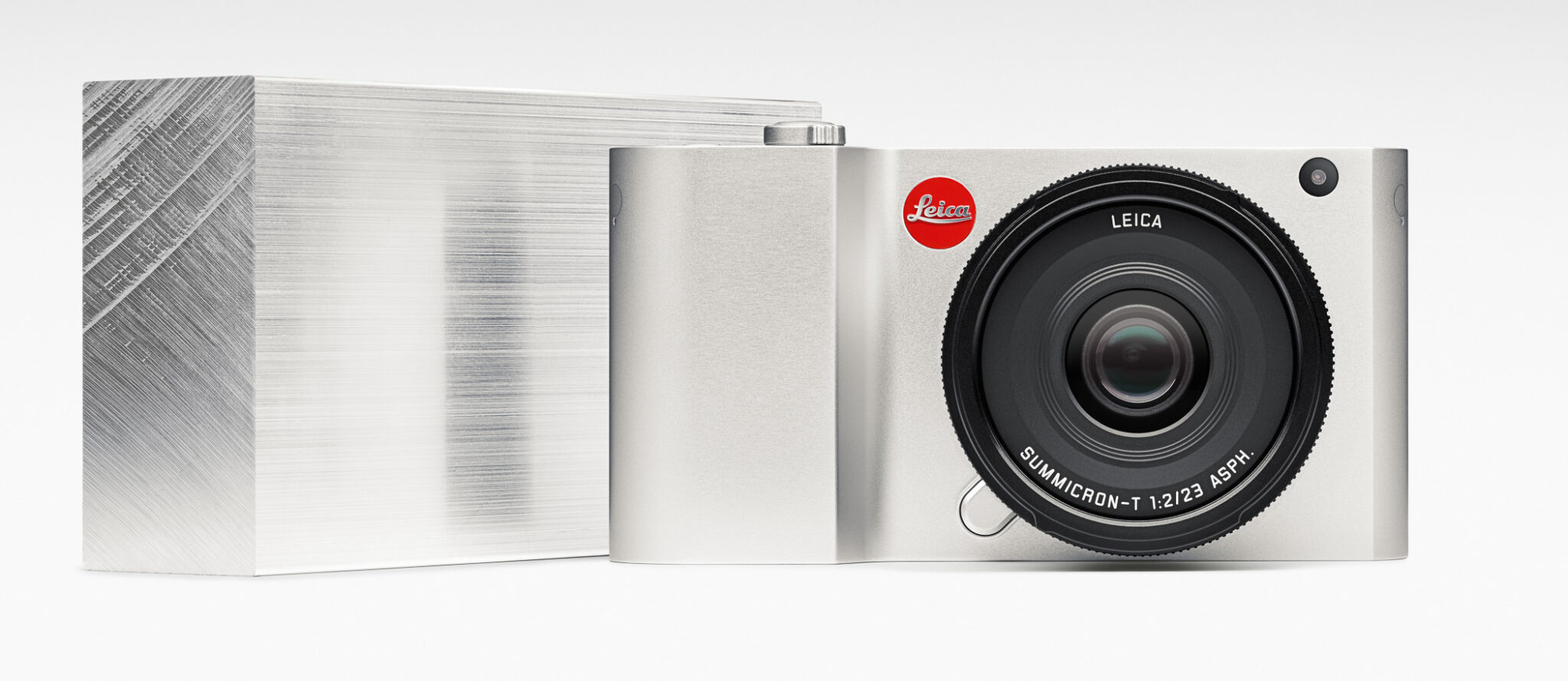
In 2014 Leica launched the T. The design of the T, TL, TL2 lines of cameras all stemmed from a collaboration between Leica and Audi Design, and in particular working with Mark Shipard, who is now Leica’s head of design. From that work came six technologies that have been passed down from the T Series to the Leica M Series, Q Series, and SL Series of cameras.
L-mount
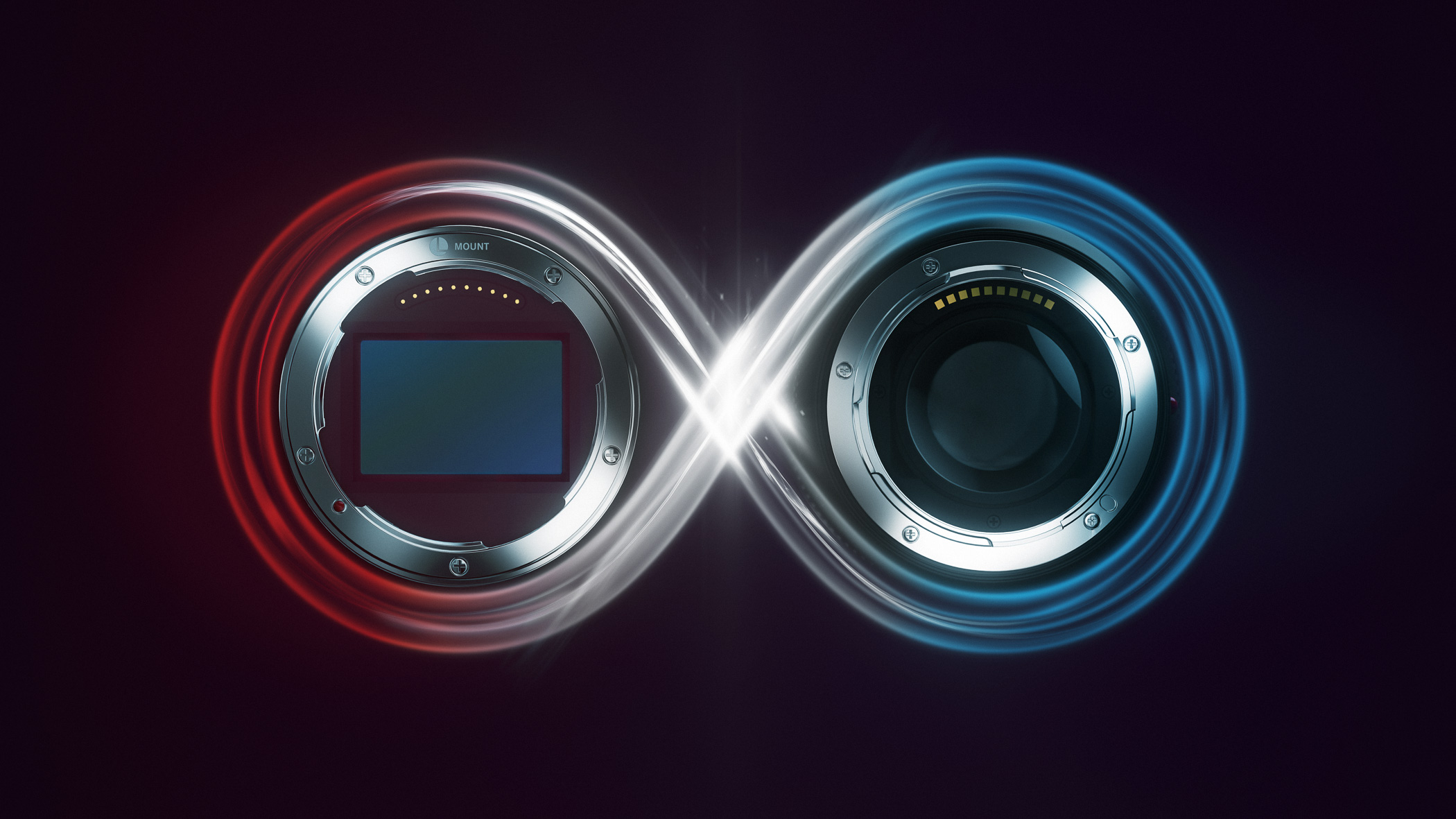
The T Series came fitted with a brand-new lens mount, intended for autofocus lenses. That lens mount was both designed with a wide “throat”, not only to accommodate APS-C lenses but also future full frame lenses. If you look at the history of the M-mount, you can see the value of getting this right from the start and being consistent in supporting it. Consistency being something lacking from the development of the APS-C camera lines.
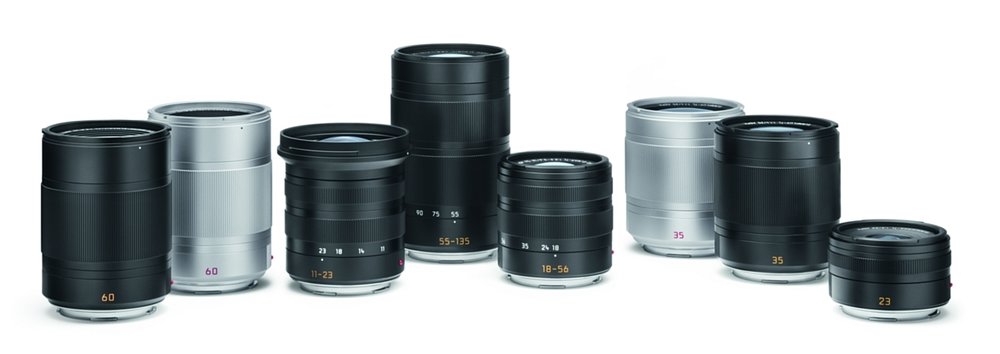
The T/TL line started with four fixed length lenses, 18mm (28mm FF equivalent), 23mm (35mm), 35mm (50mm), and 60mm (90mm). Three zoom lenses were also part of the development of that range, with an 11-23mm (17-35mm), 18-56mm (28-85mm), and 55-135mm (80-200mm) lengths.
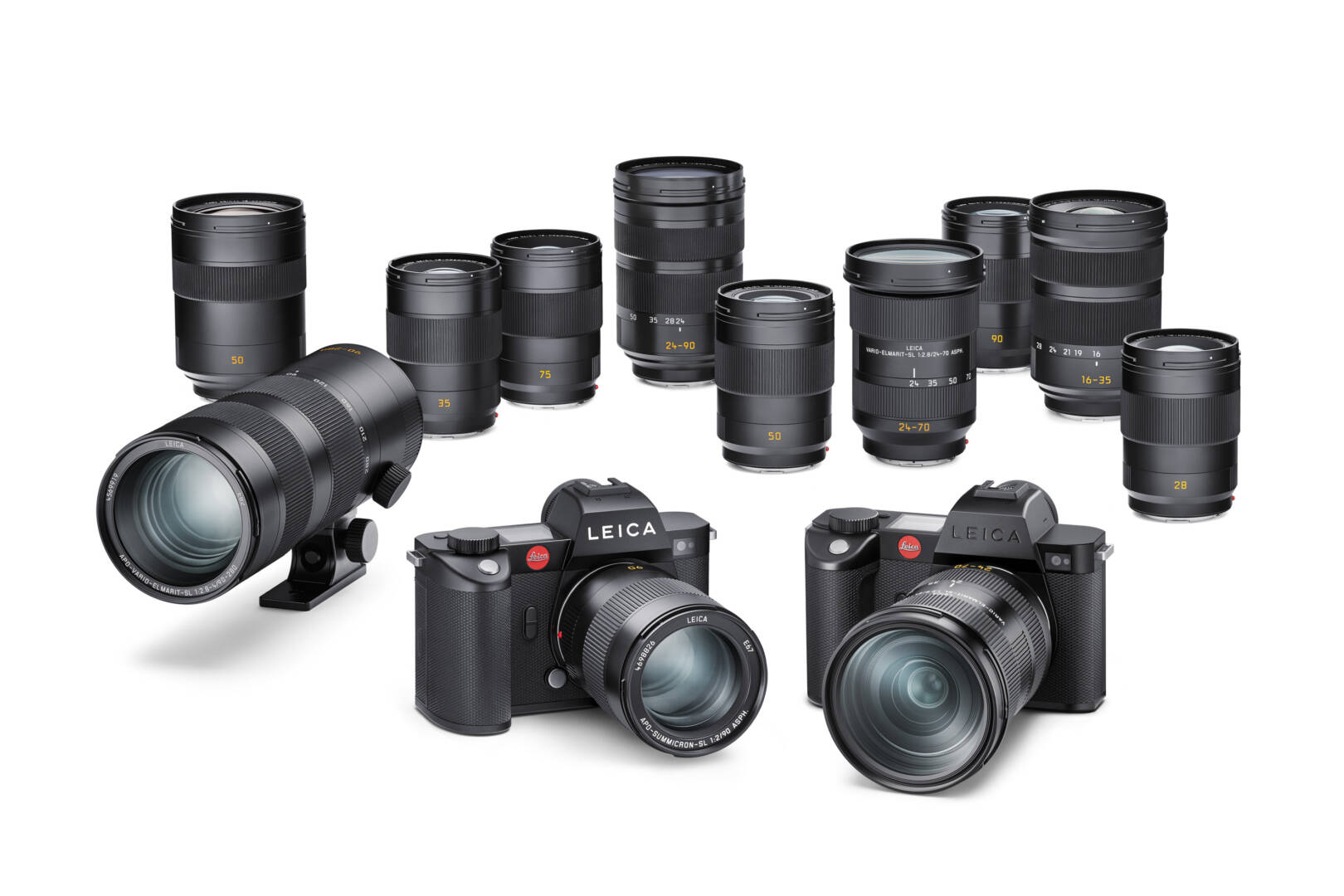
By today’s count, there are ten manufacturers in the L-Mount Alliance. That number continues to grow, with over 150 lenses available, that can be used by any camera with an L-Mount, from APS-C to Full Frame.
Graphical user interface (GUI)
The T Series also included a brand-new type of GUI not seen in cameras before. Over the ensuing twelve years, that GUI design and the haptics that go with it have been refined over and over again. The design of the icons (“Leicons”) has also been polished and redesigned.
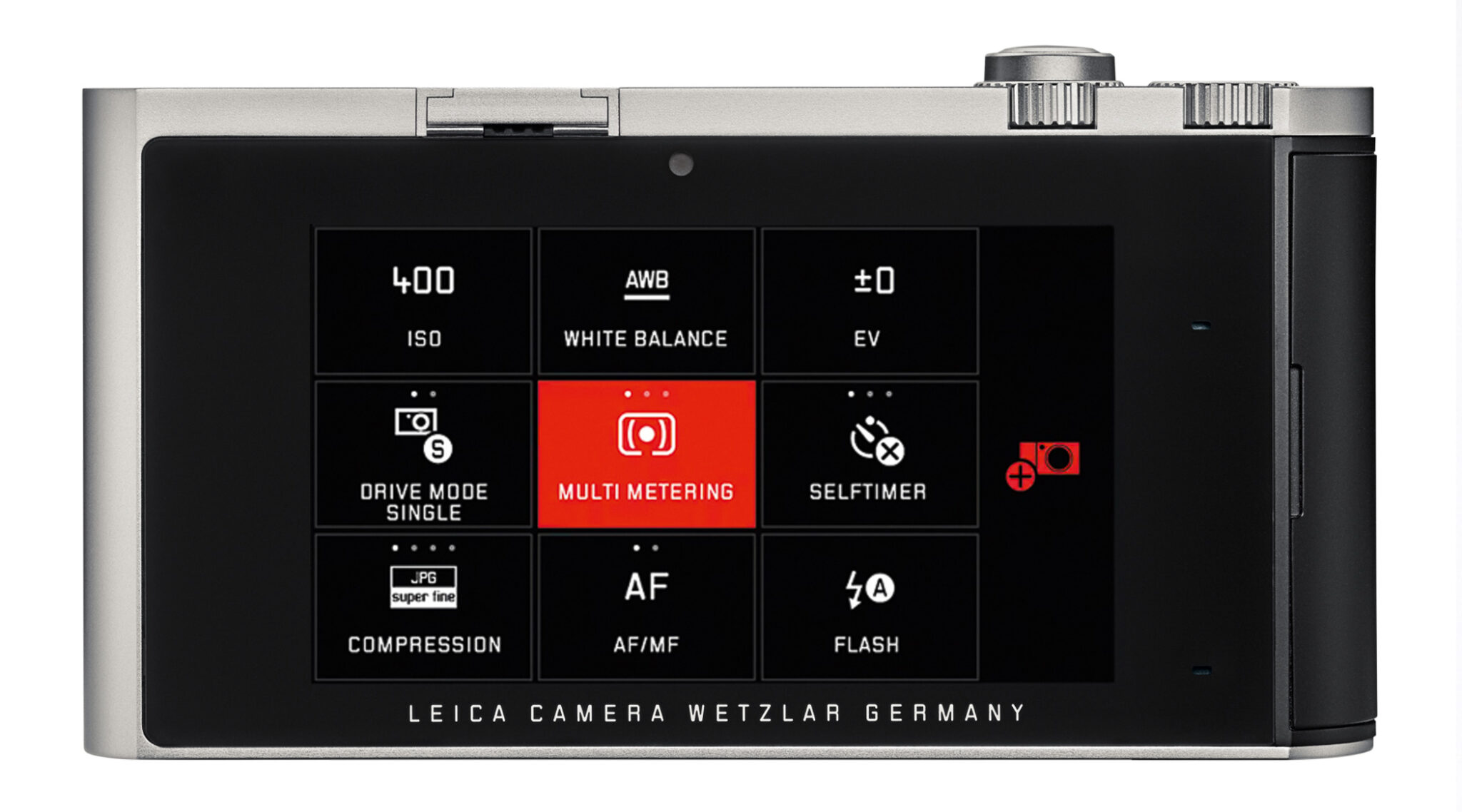
The configuration has also been focused and minimalised to make it easier for users to choose the settings they want. That was an enormous gift passed forward to the future. You can see how that thinking has been developed in both the Q Series and the SL Series to a point where convergence of the GUI has taken place. The M-line lags a little, but it doesn’t take much imagination to envision what an M12 could be like.
Touchscreen
This GUI used a 3.7in touchscreen with a 16:9 aspect ratio, which made it resemble a mobile phone interface. It was not the first camera to have one. But no other “serious” ILC manufacturer had employed a touch screen to that point.
Internal memory
One of the most impressive technology developments is hidden inside the T. It’s a 16GB (later 32GB) internal memory storage chip. That means a SD card is not needed. You simply transfer your images via cable or wireless connection.
In-camera charging
The battery of T-series cameras can be charged in-camera via the USB port and cable. This took a while to reappear after the demise of the T and CL Series. The Leica SL2 added this function when it was launched in 2019. And it was eventually added to the Q3 when it arrived in 2023. If you have a USB cable and a USB wall socket plug, you are all set.
The battery door also passed forward. Anyone with an SL or Q knows that all you need to do is flip a small lever on the bottom plate of the camera, which forms part of the bottom plate, to partially release. Then “bounce” the battery until it pops out. Like many new features, some M-traditionalists did not take kindly to this change. You can draw a parallel with Porsche 911 air-cooled fans.
Built-in Wi-Fi
Another technology that was passed forward: the internal Wi-Fi module. It was not original to Leica, having been used by Kodak and Nikon previously. Leica adopted and adapted the technology in an ILC to allow users to transfer shots from camera to smartphone or tablet, and to share pictures on social media or via email, or iMessage.
T App
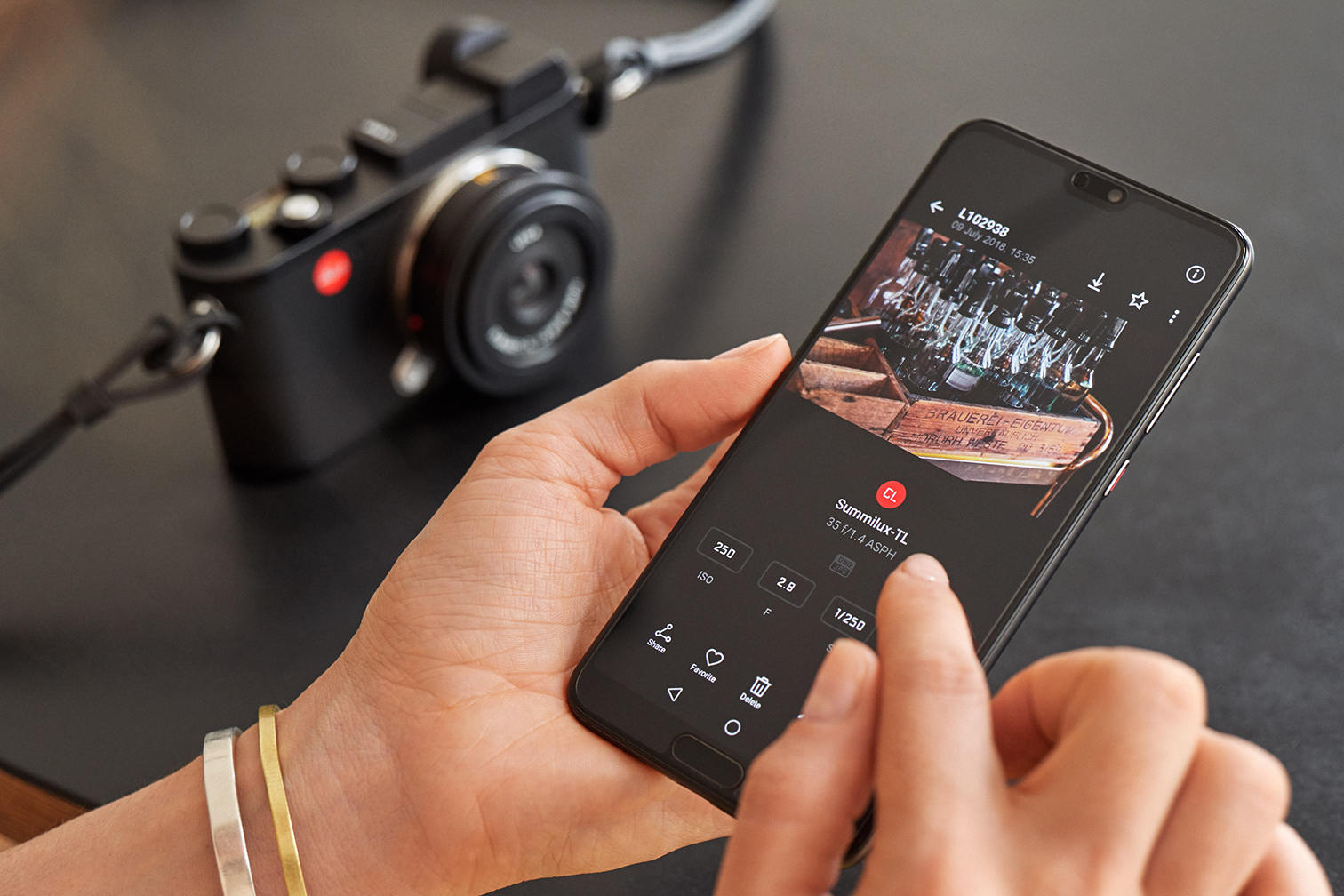
The T and CL Series also came originally with the Leica (T) App, which allowed the camera to connect to any iOS device for sharing or remote operation. This was continually refined and passed forward to today’s FOTOS for the DL-8, M, Q, and SL cameras.
Conclusion: how Leica technology was passed forward
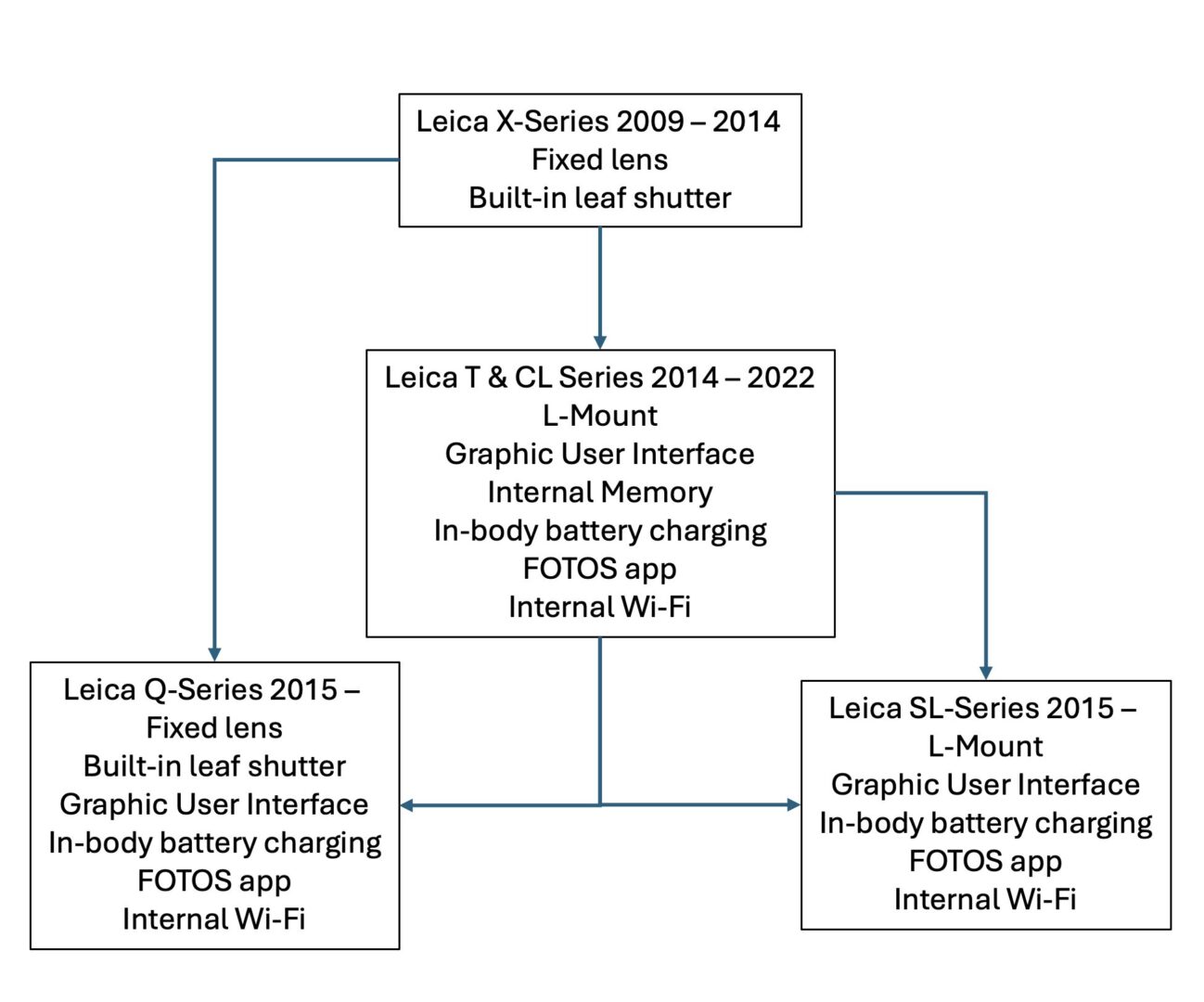
Within 13 years, Leica adopted, adapted and developed seven technologies that were used across ten variants of the X Series, and T Series. Those technologies eventually found their way into the Leica M Series, Q Series, and SL Series. You could argue the investment into those seven technologies paid off handsomely to the future benefit of Leica and customers alike, despite difficult beginnings.
Make a donation to help with our running costs
Did you know that Macfilos is run by five photography enthusiasts based in the UK, USA and Europe? We cover all the substantial costs of running the site, and we do not carry advertising because it spoils readers’ enjoyment. Any amount, however small, will be appreciated, and we will write to acknowledge your generosity.
Comments: Please add a comment to this article. Our comments section is a thriving community and everyone is treated with respect. In addition, please identify yourself (and add an email address, which will not be published, if you would like to see answers to your posting). Our system will automatically delete any “anonymous” posts on the basis that they are likely to be spam.
Some of us wonder whether Leica’s APS-C venture could have been more successful if ‘articulated monitors’ had been incorporated into the designs? The technology was well established by Panasonic by the time the first X and T cameras were being developed. Articulated monitors could have attracted many more buyers to Leica’s APS-C range. I still use my T with a tilted shaving mirror behind the monitor when using the camera at ground level – the Viso 020 EVF being too awkward for ground level use. And Leica was also far too late in adopting articulated monitors for the FF SL line. Articulated screens are a prerequisite for many photographers – especially for natural history enthusiasts working at low level – and street / crowd photographers using their cameras above their heads. Perhaps Leica’s market research ref photographers’ actual ‘needs’ is lacking? All the ‘essence’ hype referred to in their APS-C advertising appears not to have attracted buyers – and Leica made ‘too big a thing’ of the ‘hewn from a solid block of aluminium and hand polished’ when the the T was first announced. Body polishing’ does not improve a camera’s performance – whereas articulated monitors pay photographic dividends, and for professionals, could mean the difference between getting or not getting an important picture.
I was gifted an X Vario about 18 months ago. I sent it off for a full clean and service and now like new. It has put the fun into taking photos again, especially as I often can’t see the screen clearly until in a darker space. Did I or didn’t I get a decent picture?
Think of it as an APS-C version of the M11-D.
Very interesting timeline. Showing all was not in vain. I remember when the X was launched all the journals pitted it against the Fuji 100 which came at about the same time. The Fuji is still with us.
When I hold a Leica T /TL in my hand I have a feeling that I suspect the photographer who held a Leica standard in his hand in the 1930s also had. It is easy to operate and innovative, simple and straightforward.
best
Paul de Kruiff
Likewise. I loved it though it did need the external EVF for it to be truly effective