
As readers know, I’m a great fan of the Ricoh GR series of cameras. Experienced photographers revere them for their minimalist design and cult status, as they deliver consistently high image quality and maintain a bland, discreet appearance that makes them ideal for casual, unnoticed photography.
The latest GR IV provides some relatively minor upgrades, including better stabilisation, faster AF and a more logical control layout. Nevertheless, it follows essentially the same principles as the GR III (which I own) and its predecessors.
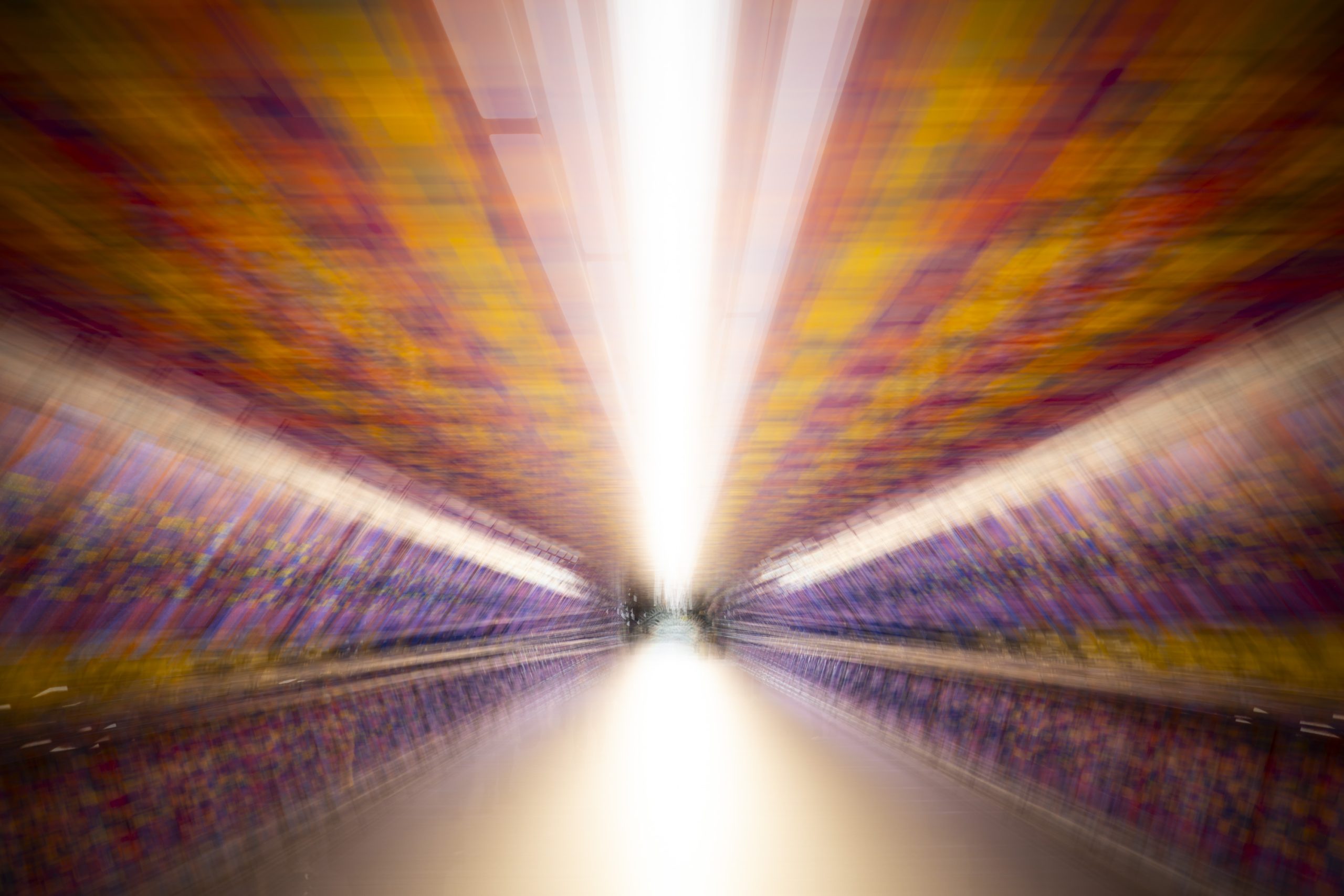
Regular Macfilos contributor Andrew Tobin owns a Ricoh GR IIIx HDF (Highlight Diffusion Filter) and has been surprised and delighted by how “photographer-centric” it is. There are many nice features (such as composite mode demonstrated here and in Andrew’s articles — links below) which combine into a very cool, usable and high-quality instrument.
“It is far more capable than its size and weight would suggest”. He goes on to point out that the lack of a viewfinder can be frustrating at times, but at least he has a camera with him all the time. He gets more joy from it as a result.
The secret
The secret behind the Ricoh GR series lies in its ability to slip effortlessly into a pocket — something no other current APS-C camera can manage. This sets it apart from its closest rival, the Fujifilm X100 series, which seems more at home in the game pocket of a Barbour jacket.
This pocketability means that it’s always available. What’s more, it never lets the side down. The image quality is excellent and compares well with that achieved by the X100V — but the 40MP X100VI now has the edge.
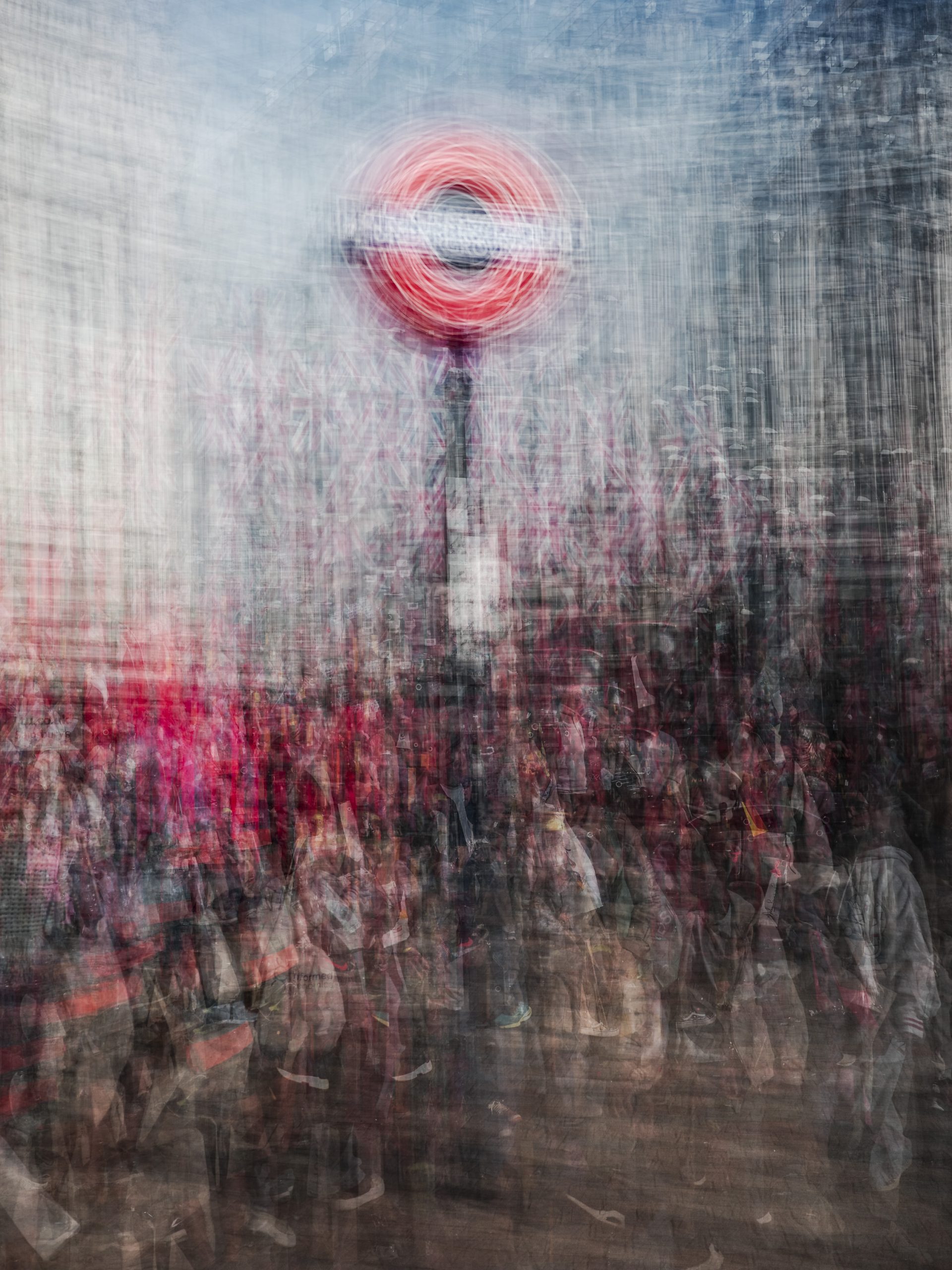
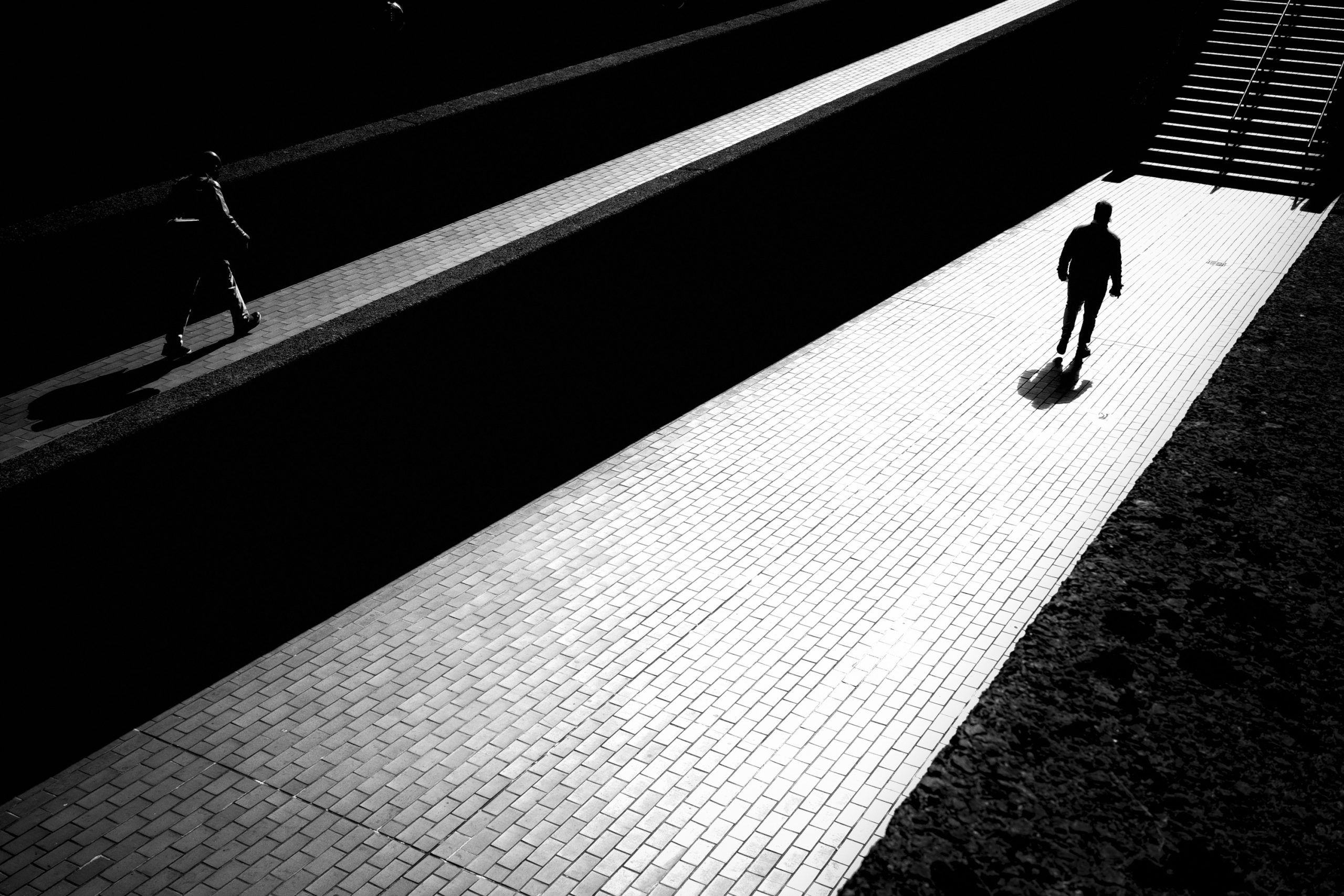
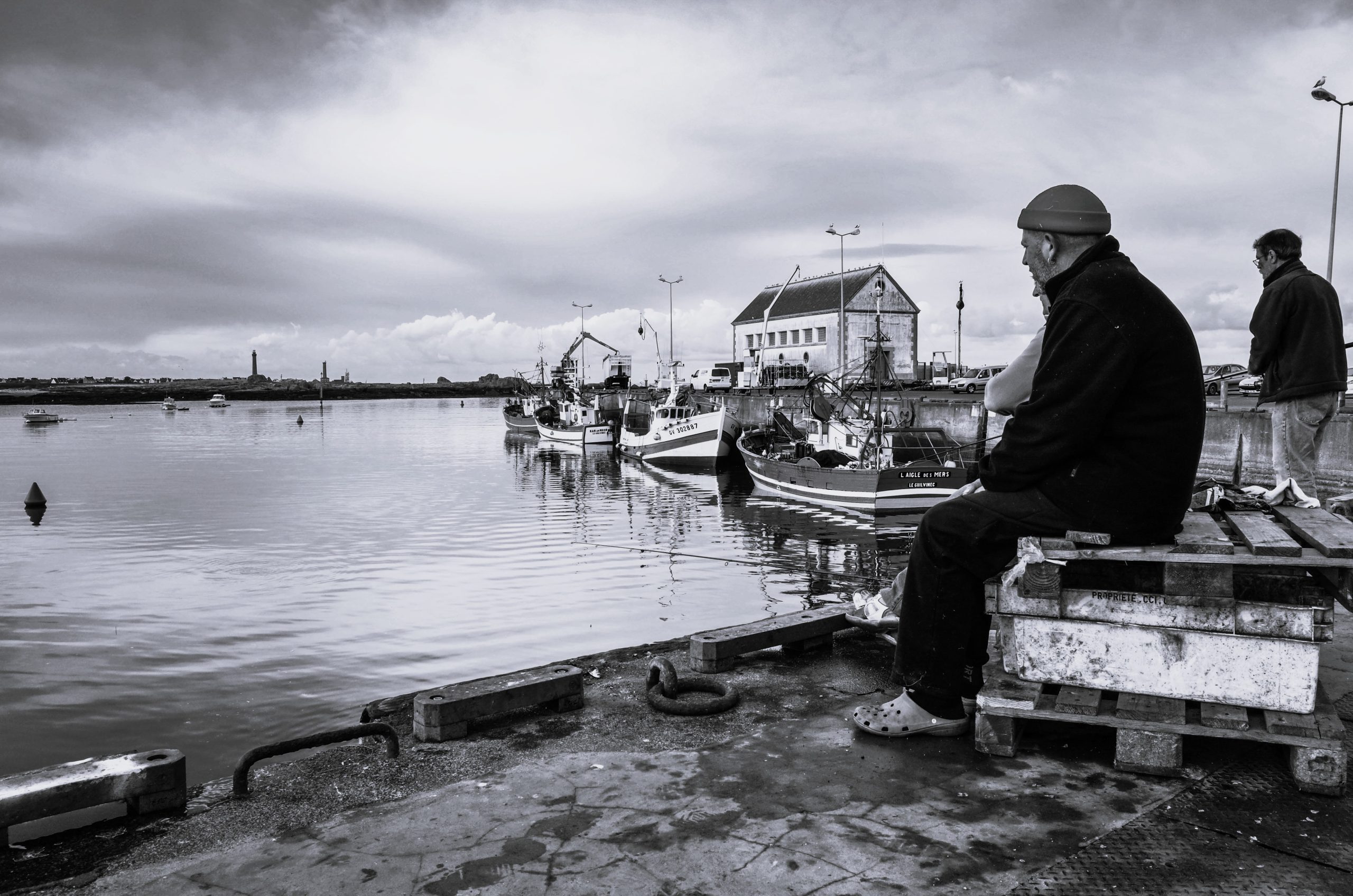
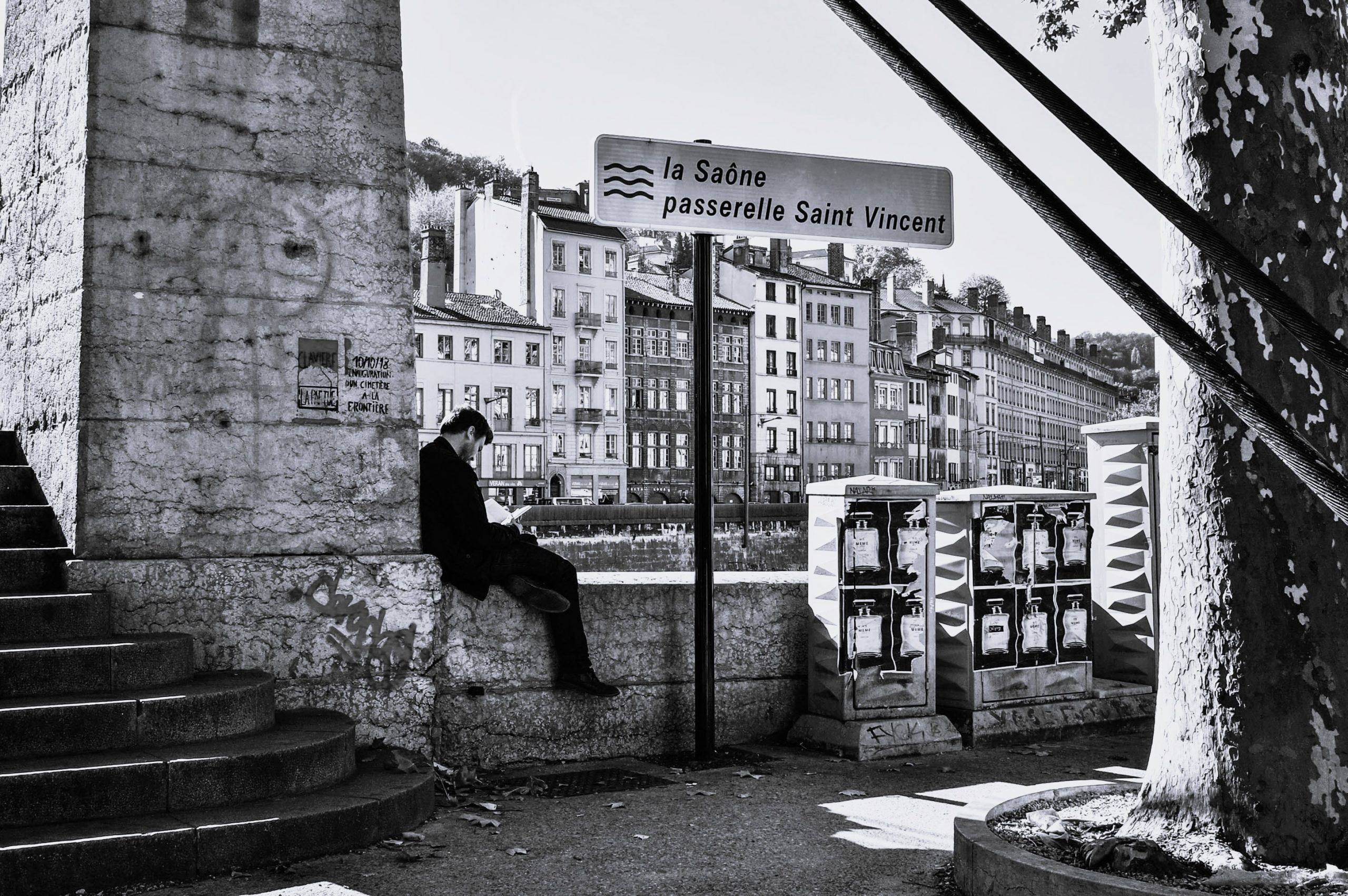
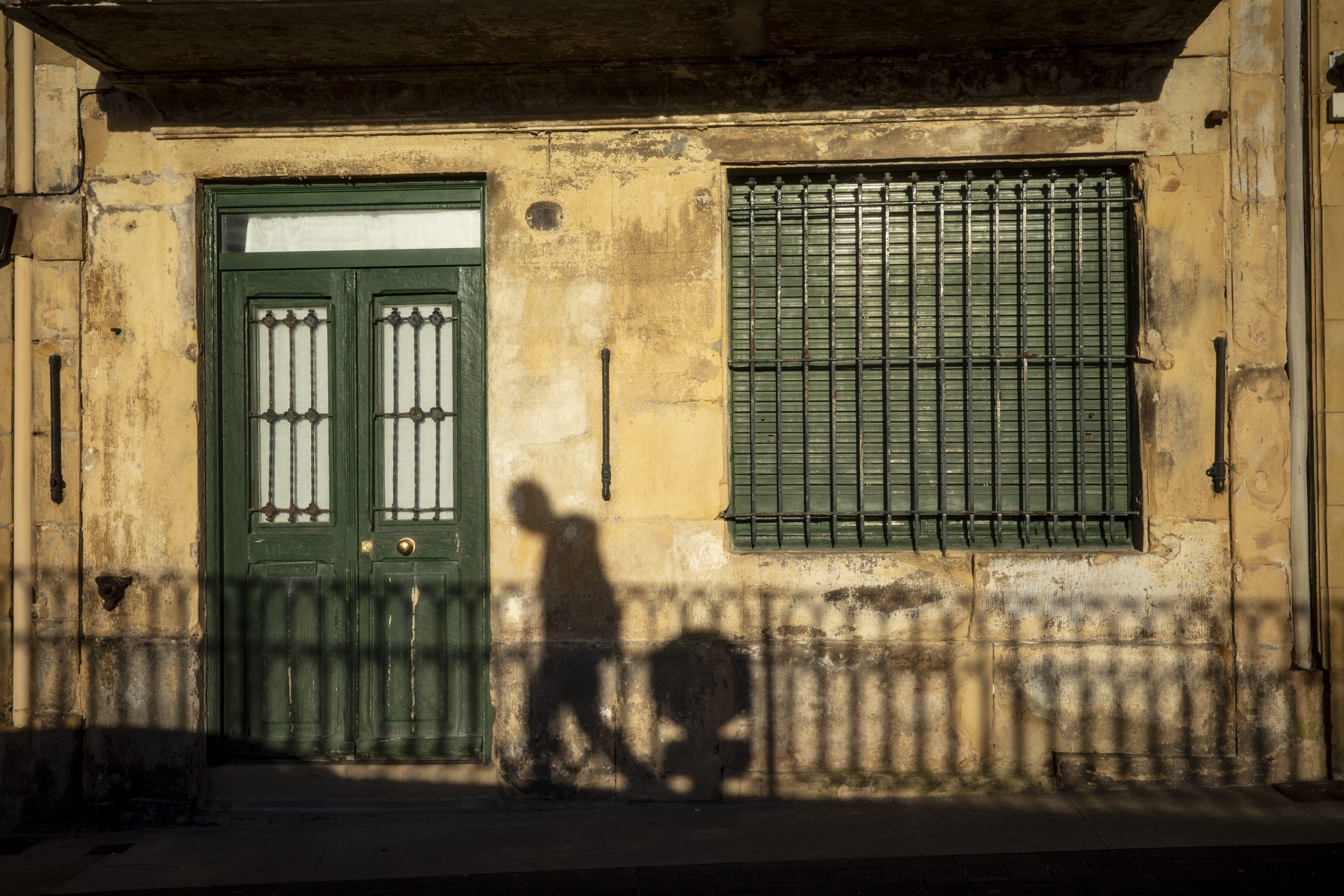
Our long-time contributor, Jean Perenet, is a convinced Ricohphile and has produced beautiful pictures from his travels all over the world. The Ricoh is his travel camera of choice, and he has tried many of the models mentioned in this article. Jean has also contributed some of his work to help illustrate the talents of the GR, the best-kept secret in photography.
Film origin
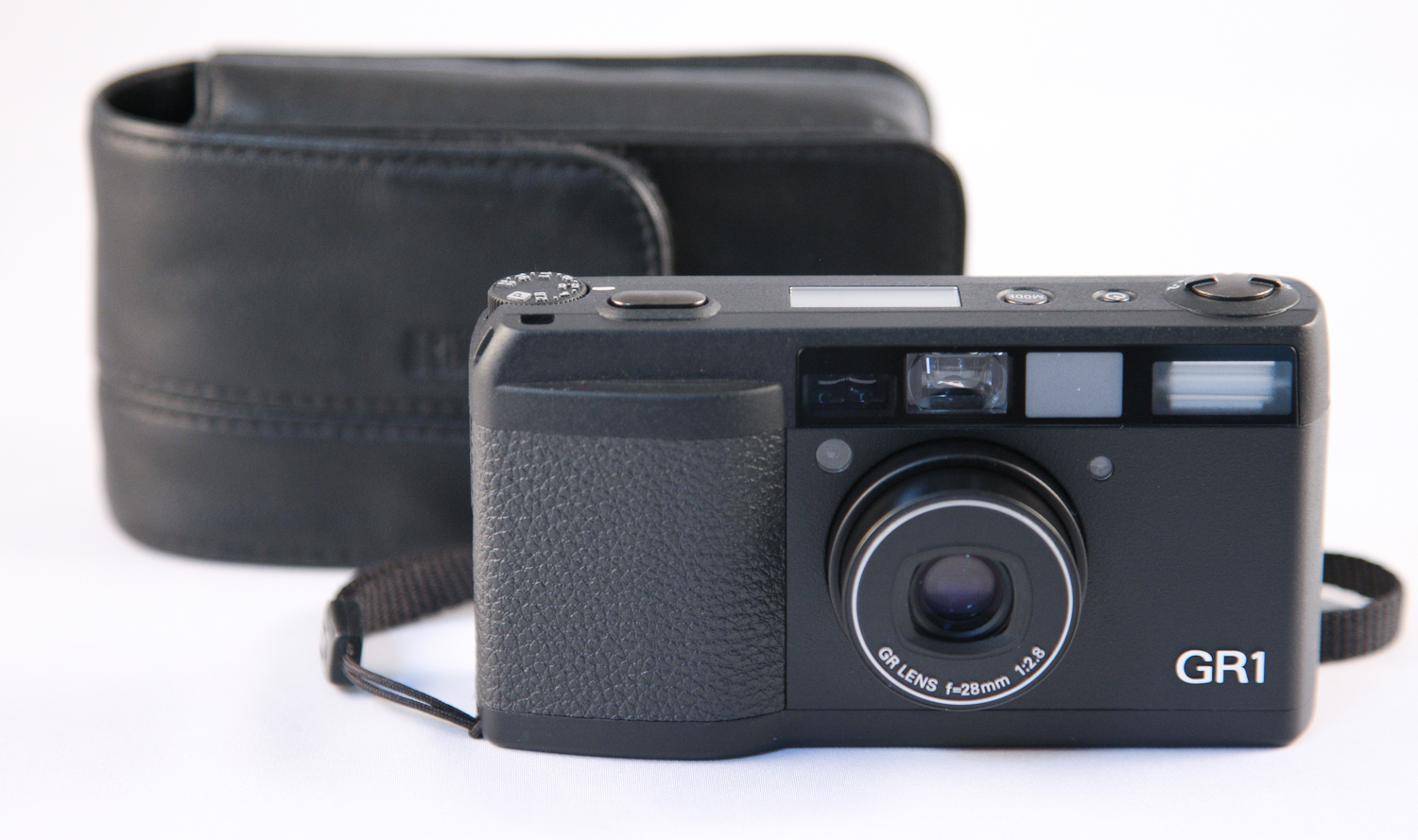
The familiar, discreet point-and-shoot from Ricoh started its life 30 years ago in 1996. The GR1 was a 35mm film camera that quick gained a following for its robust magnesium-alloy body and its high-quality 28mm f/2.8 lens.
A combination of portability and performance made it a perfect favourite camera for Japanese street photographers such as Daido Moriyama.
The pioneer film camera established the standards for all subsequent GR models, and today’s camera still retains the same compact, unobtrusive character as the one launched in 1996.
The Transition to Digital
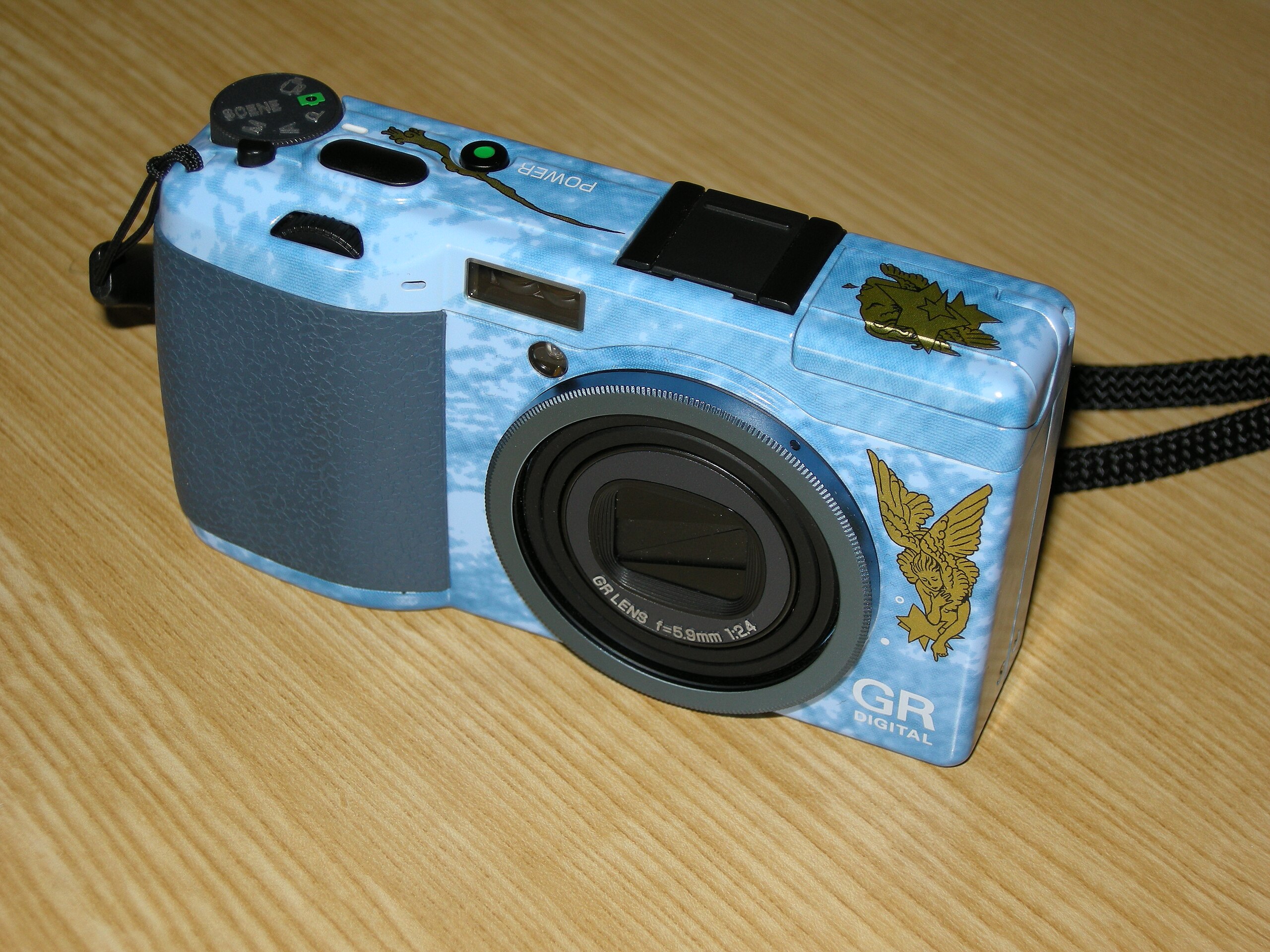
Digital photography began its journey to overtake film in the early 2000s, and Ricoh joined the new trend in 2005. The company built on the hard-won reputation of the GR1 by producing the Ricoh GRD digital.
Very similar in appearance to its film predecessor, the GRD featured an 8.1-megapixel 1/1.8” CCD sensor paired with a fast, fixed 28mm-equivalent f/2.4 GR lens.
Notably, it eschewed the convenience of zoom in favour of image quality and simplicity, marking a continuous “rebellious” stance against compact camera conventions of the time.
The camera’s intuitive twin-dial controls allowed users direct access to exposure settings, much like a DSLR, earning it respect among enthusiasts and professionals alike.
The Digital GR Series
The GRD spawned a focused generation of pocket-sized cameras which is still going strong in 2025. The latest GR IV is in high demand, on back-order, despite its bland looks. Following the launch of the GRD in 2005, here are the milestones in the development of this marvel of compactness:

Milestones in development
- GR Digital II (2007/2008): Upgraded to a 10-megapixel sensor, featuring a 28mm-equivalent f/2.4 lens while improving processing speeds and ISO range. The 1.175in sensor was similar to that of its predecessor.
- GR Digital III (2009): Brought a major optical advance with a new f/1.9 lens and 10MP 1.17in sensor, offering sharper images and superior low-light performance, while maintaining the fixed focal length. It introduced Ricoh’s GR Engine III for enhanced noise reduction and colour fidelity, coupled with improved high ISO performance.
- GR Digital IV (2011): Introduced sensor-shift image stabilisation and boosted the AF speed and accuracy, making the camera more responsive. Its 10-megapixel sensor worked with the same fast lens f/1.9 as the Digital III, further enhancing handheld shooting viability. It introduced a hybrid autofocus system combining an external AF module and conventional internal AF or faster and more reliable focusing, including snap mode for swift shooting.
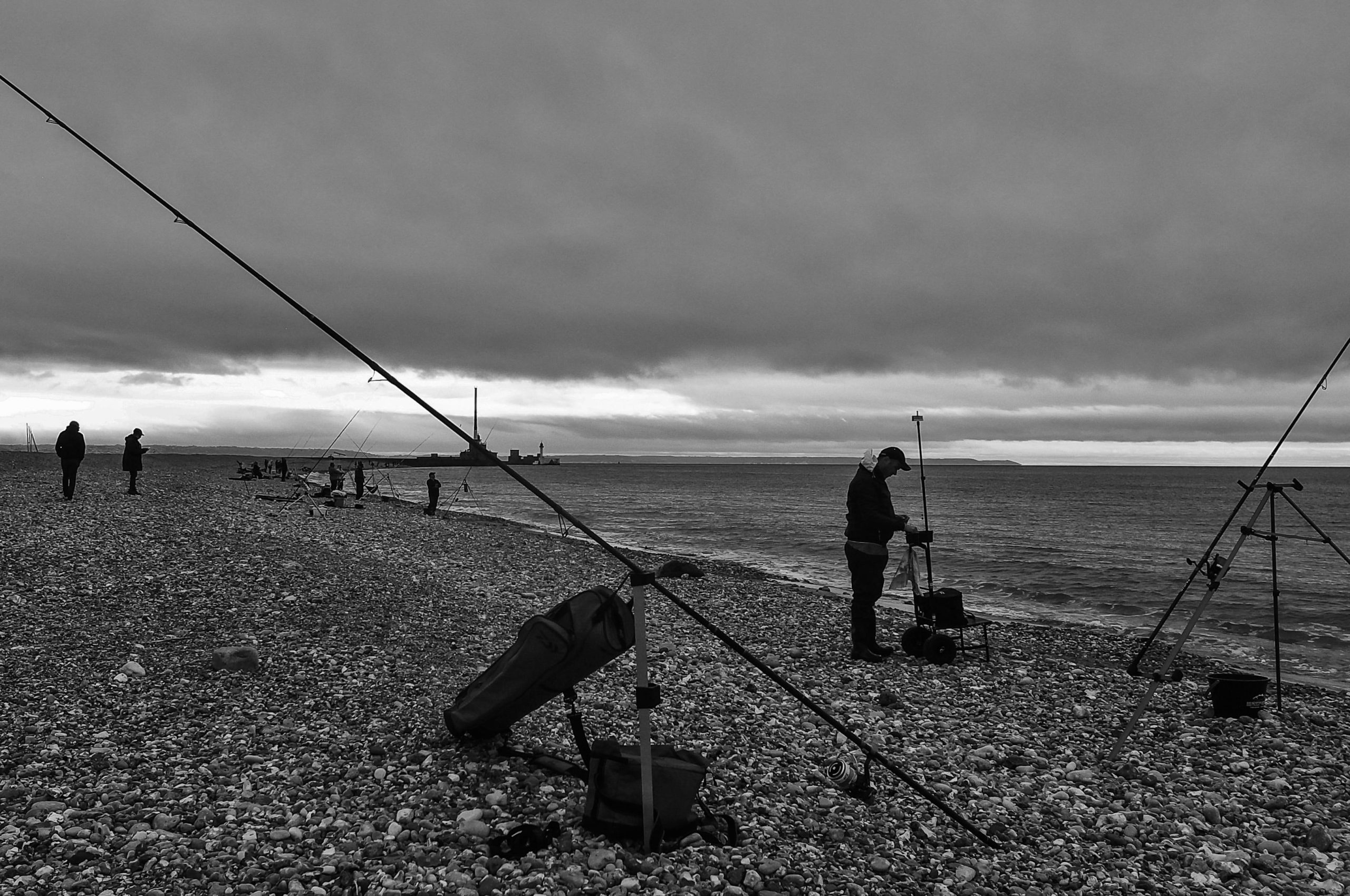
All these models emphasize compactness, manual control, and a no-nonsense user interface—clear nods to their film ancestors. Our resident Ricoh expert, Jean Perenet, believes the GRD and GXR (see below) variants with CCD sensors deliver better micro contrast than the later CMOS-equipped models.
Says Jean, “I don’t know if this has to do with the lens, despite the low MP count, but the texture you can pull out of the old GRD and GXR cameras is more akin to analogue photography”.
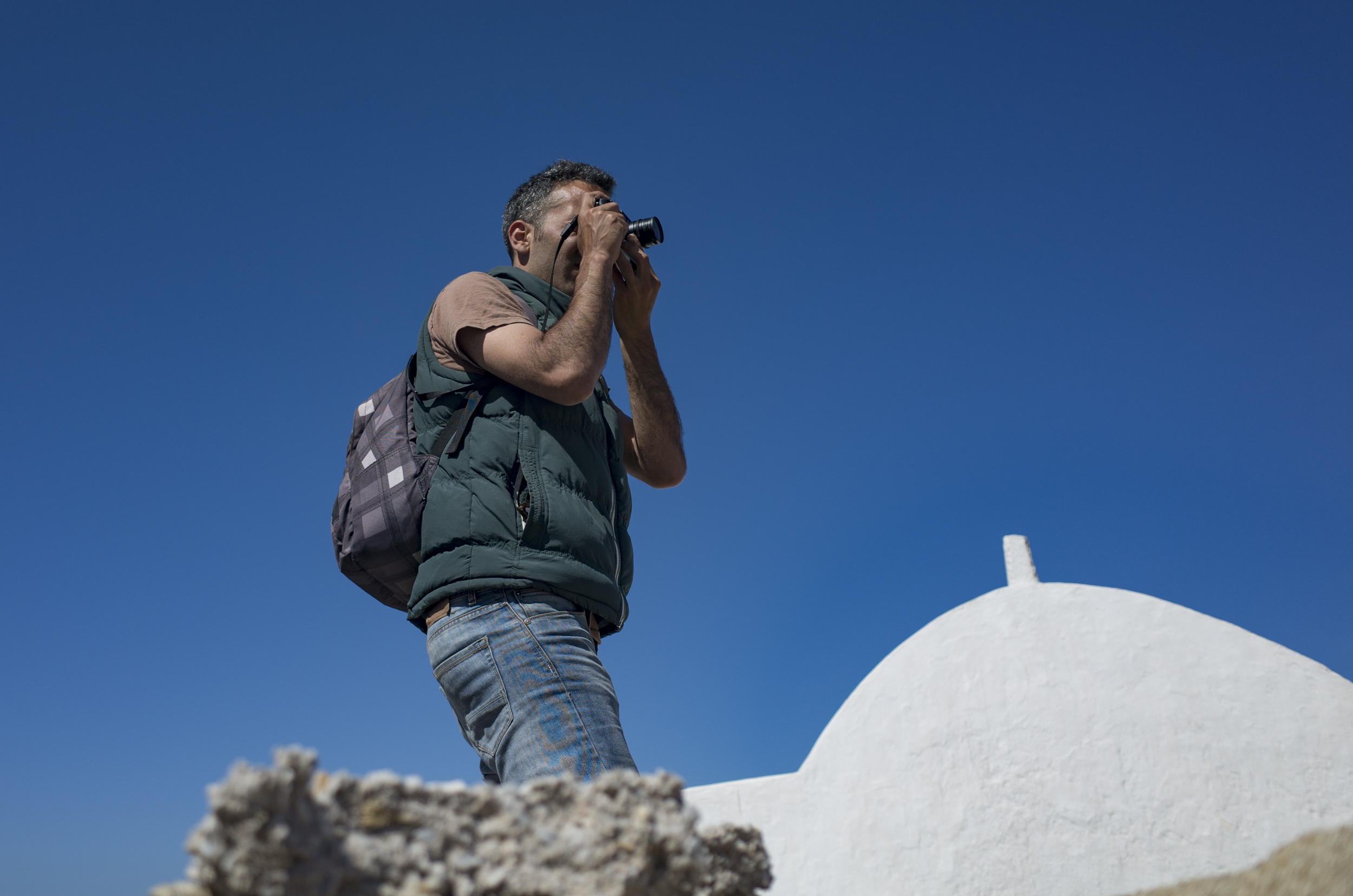
Off at a tangent
Alongside the successful GR range, in 2009 Ricoh launched an unconventional and innovative camera based on modular design, with interchangeable lens and 12 megapixel APS-C CMOS sensor units. There was even a module to accommodate M-Mount bayonet lenses.
Unlike traditional interchangeable lens systems, the Ricoh GXR paired the sensor with each lens module as a sealed, self-contained unit. Each “lensor” model (Ricoh’s term) offered specific engineering aimed at optical and sensor pairing.
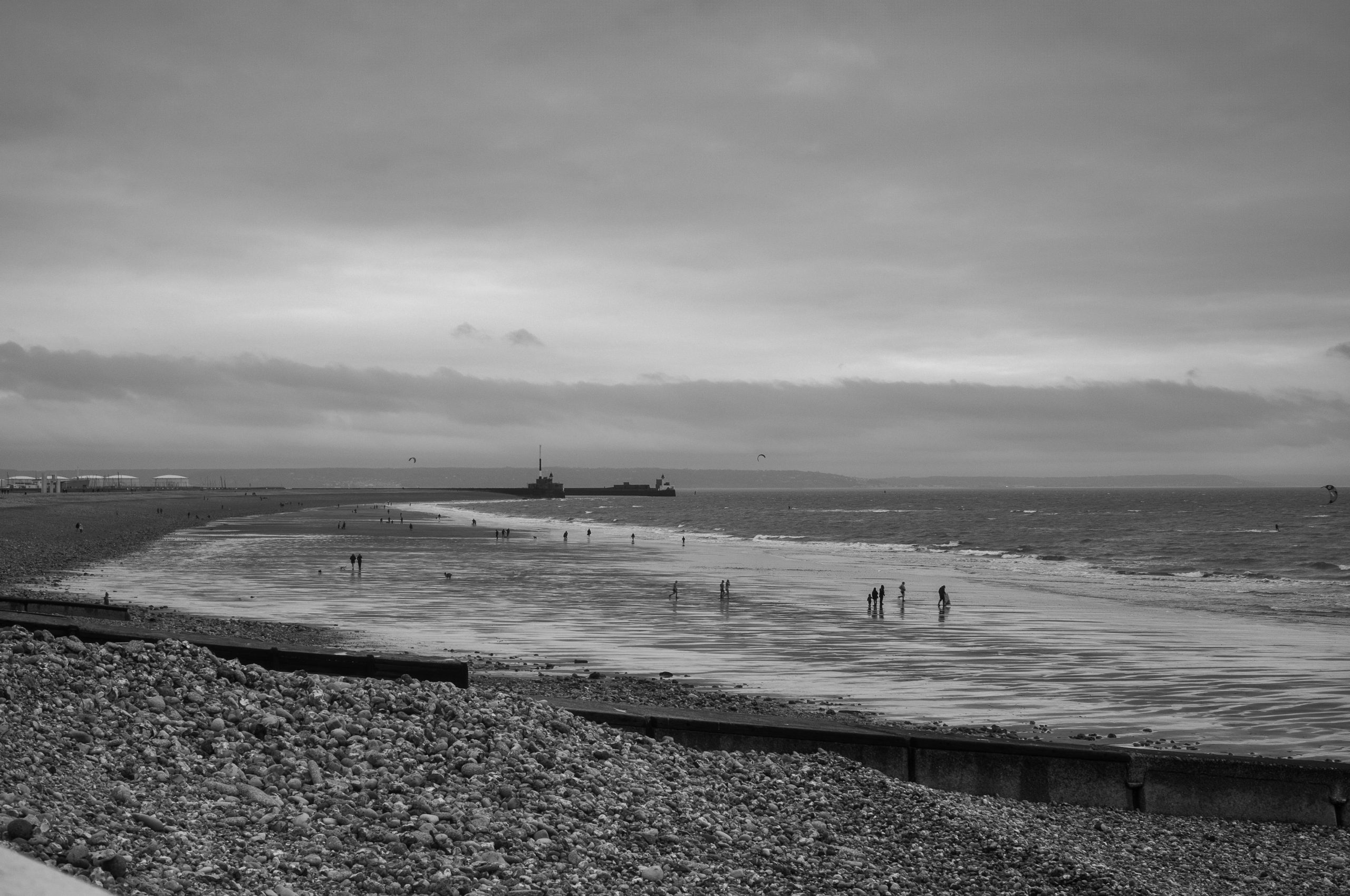
Enthusiasts were keen on the concept, appreciating in particular the lens-sensor synergy. Photographers particularly favoured the M-mount module because it supported a vast range of lenses. Nevertheless, the GXR failed ultimately because pairing each lens with its dedicated sensor was expensive, and the modules were not hot-swappable, requiring users to turn off the camera before changing them.
The project also faced increasing competition from the rapidly developing mirrorless camera alternatives, especially Micro Four Thirds, with its bigger sensor.
Ricoh discontinued the GXR soon after releasing it, but it has since gained a cult following of its own. The M Module remains popular because of its flexibility with dozens of lenses. It was one of the boldest ideas in digital camera design history.
APS-C era: a major evolution
A significant change came in 2013 with the unveiling of the Ricoh GR (dropping “Digital” from the name). This new model adopted a large APS-C sensor while retaining a pocketable size and a fixed 28mm equivalent f/2.8 lens. The improved 16 MP sensor delivered far superior image quality and dynamic range, while preserving the trusted portability and handling that defined the Ricoh GR series.
The early models
- GR (2013): The first APS-C version of the established pocket camera. A fixed 28mm f/2.8 lens and 16 MP CMOS sensor.
- GR II (2015): Incremental improvements in speed and wireless connectivity were added. The 16MP sensor was unchanged and the 28mm-equivalent f/2.8 lens continued.
- GR III (2018/2019): Introduced a 24-megapixel APS-C sensor, touchscreen controls, built-in image stabilisation, and a streamlined interface. The exposure rocker switch was replaced by a playback button, with compensation adjustment moved to the toggle dial to the left.
- GR IIIx (2021): For the first time in the series, Ricoh offered an alternate fixed 40mm equivalent lens — an answer to photographers seeking a slightly tighter field of view.
- GR III HDF and GR IIIx HDF: In 2024 Ricoh introduced two variations of the standard GR III with a “highlight diffusion filter”, a built-in optical filter designed to soften highlight areas, diffusing bright light and producing a mellow, filmic look mimicking vintage film and cinematic rendering. Ricoh claims that the filter, which can be toggled on and off, is most effective in enhancing portraits, urban night scenes and creative, film-inspired photography.
Current models
- GR IV (2025): The latest version of the GR features a new high-performance 25.7MP APS-C sensor paired with an improved version of the 28mm f/2.8 fixed lens. Enhanced ISO sensitivity extends the standard range to 100-204,800 and continuous shooting up to 4 fps is possible. By popular demand, the exposure compensation rocker switch returns to its original position on the top right of the camera.
- The GRIV HDF has been announced in the twilight of 2025 as “coming soon.”,
- The GRIVx is expected sometime later in 2026.
- Monochrome: Ricoh is expected to further expand the successful GR range with a GR IV Monochrome in Spring 2026.
Cult Legacy and Philosophy
Throughout two decades and numerous generations, Ricoh has maintained the essential philosophy behind the GR: a camera for photographers who value direct interaction, discreet appearance, and high image quality without superfluous gimmicks.
The GR’s compact metal chassis, fast prime lens, and straightforward controls have resonated with a devoted global community seeking a “go everywhere” camera which avoids trend-following features.

Special editions and gradual technological upgrades — rather than radical redesigns — have helped Ricoh sustain the GR’s reputation as one of the most suitable digital compacts for street and travel photographers.
In summary, the Ricoh GR digital series represents more than just a lineage of cameras; it exemplifies a design ethos rooted in directness, compact excellence, and a refusal to compromise on essentials—an approach that continues to influence photographers and inspire camera makers worldwide.
Street photography
The compact size and understated design make Ricoh GR series cameras exceptionally stealthy. Their appearance closely resembles ordinary point-and-shoot models, allowing photographers to blend in and avoid drawing attention, which is vital for capturing authentic candid scenes.
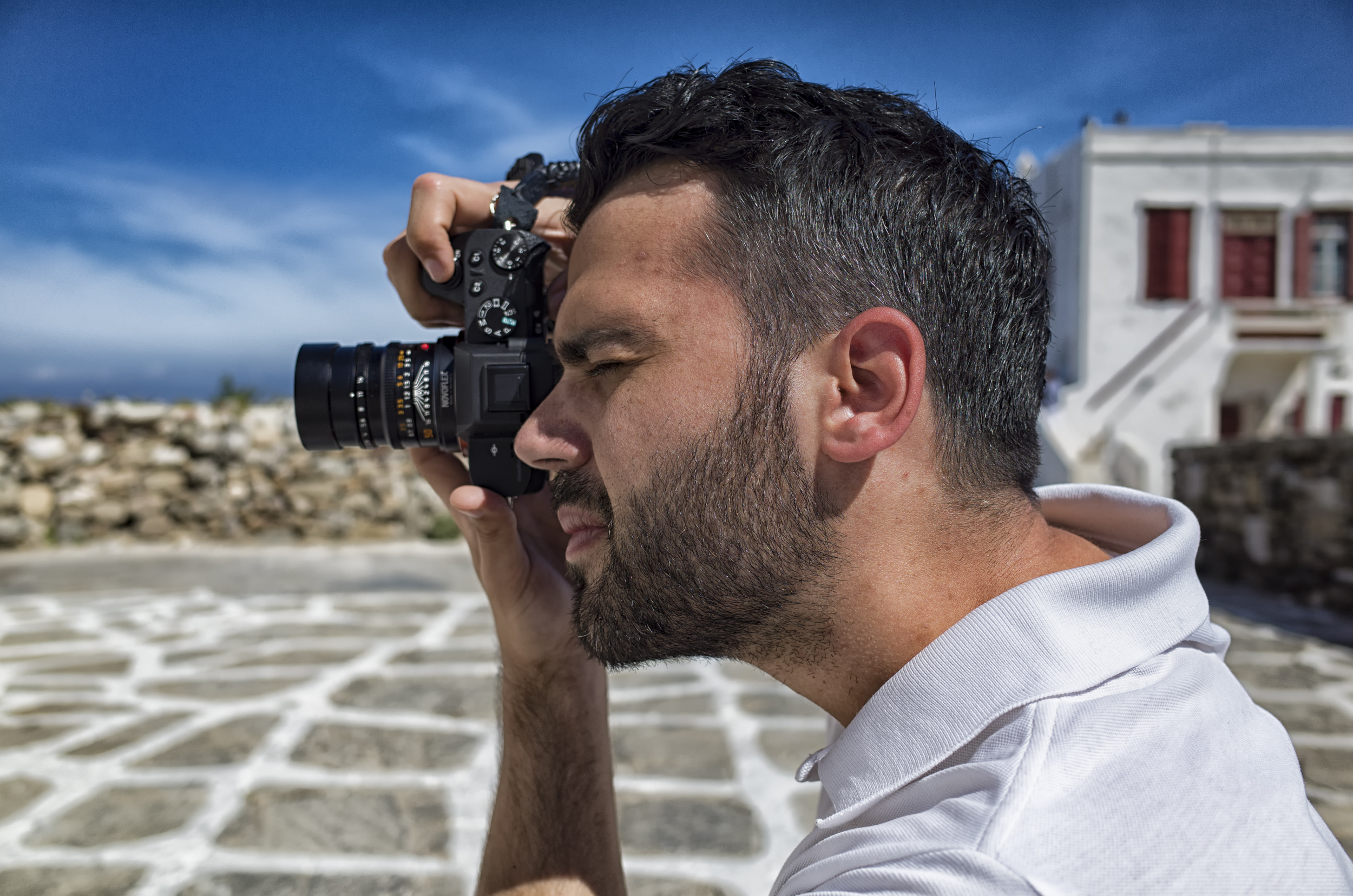
The fixed 28mm lens is a classic street photography focal length, ideal for wide contextual scenes that convey depth and environmental context. Leading street photographers highly favour this perspective for its immersive quality.
Ricoh’s signature “Snap Focus” feature allows the user to preset a focus distance, ensuring near-instant shutter response. This innovation reduces shutter lag to virtually zero, making it possible to capture “decisive moments” without missing critical splits in street action. In some ways, this feature makes the Ricoh almost as effective as any Leica M for zone-focus work.
The cameras’ layout and menus are highly customisable, letting photographers adjust settings quickly and intuitively — even single-handedly — making them well-suited for fast-paced environments.
Conclusion
Ricoh GR series of cameras set a new standard for purpose-built street photography tools, combining speed, stealth, ergonomics, and sharp image quality in a way that continues to shape the genre’s gear preferences and shooting techniques.
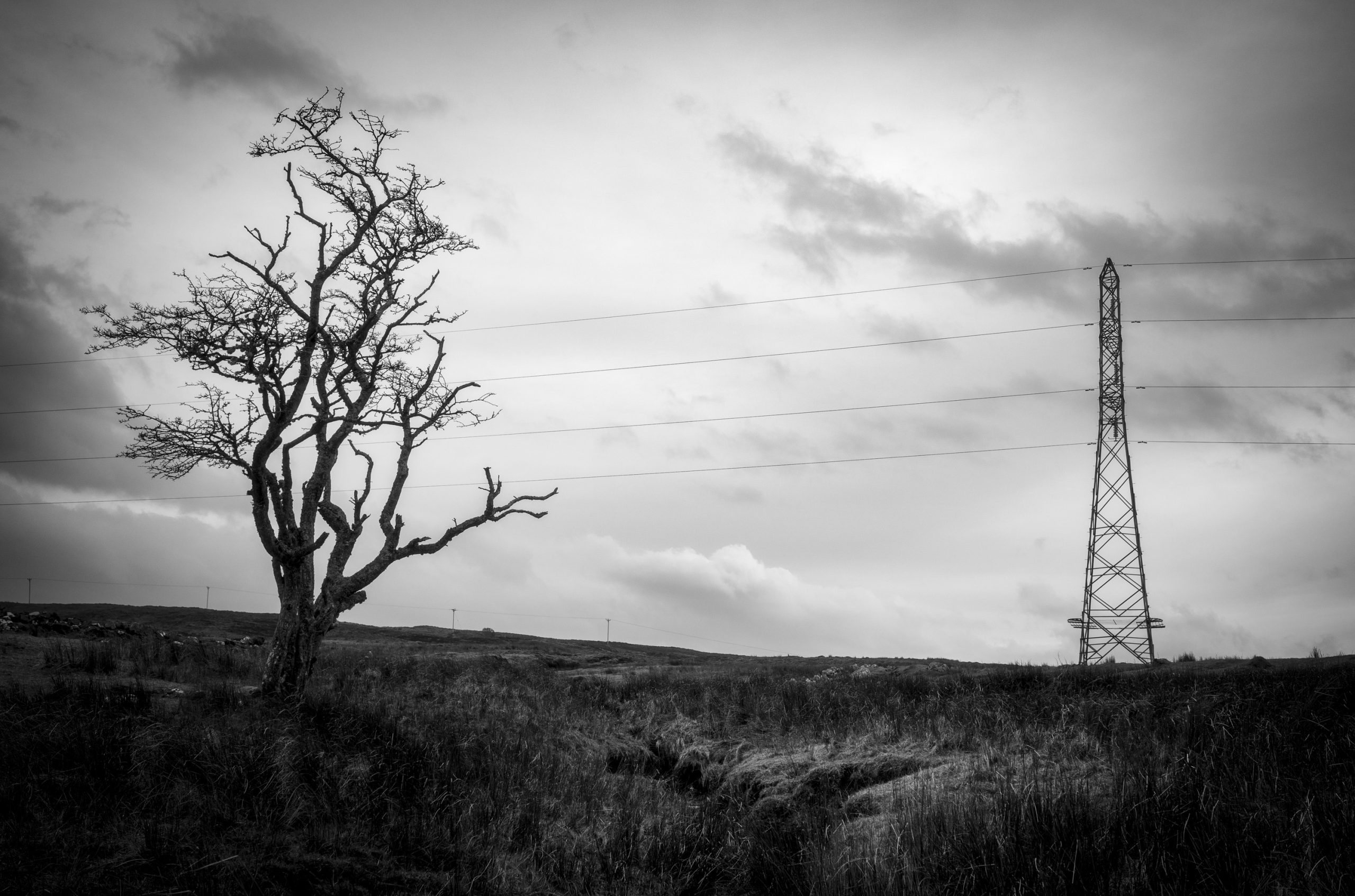

The Elephant VF
Finally, the elephant in the room: Wot, no EVF? Experienced photographers—who really should know better—often fixate on this point whenever the Ricoh GR comes up. They complain, “I won’t buy it because it doesn’t have an EVF,” or ask, “can’t Ricoh just squeeze one in?” Of course, they could. But common sense says they shouldn’t. Why? Because adding an EVF would make the camera bigger, and it would no longer slip neatly into a pocket.
Adding an EVF would destroy the Ricoh GR’s concept. The GR can serve as a primary camera, but it truly excels as a pocket companion you can carry everywhere. If you want an EVF, choose a Fuji X100VI or even a Leica Q3. But buy the Ricoh as well and keep it in your pocket — you won’t always have the Fuji or Leica with you.
This camera is the photographic equivalent of the Scout’s Swiss Army Knife. Everyone should have one in their pocket.
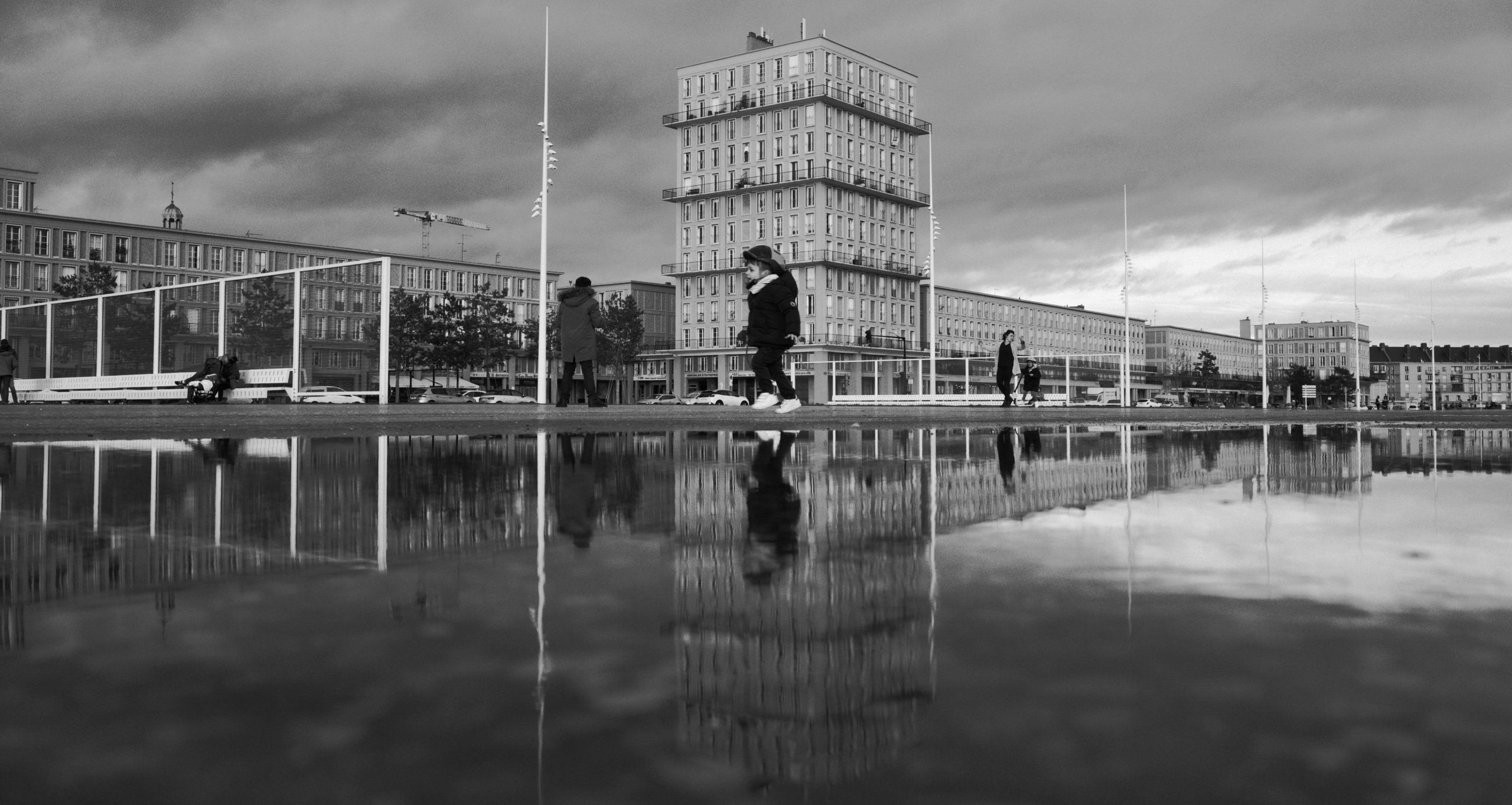
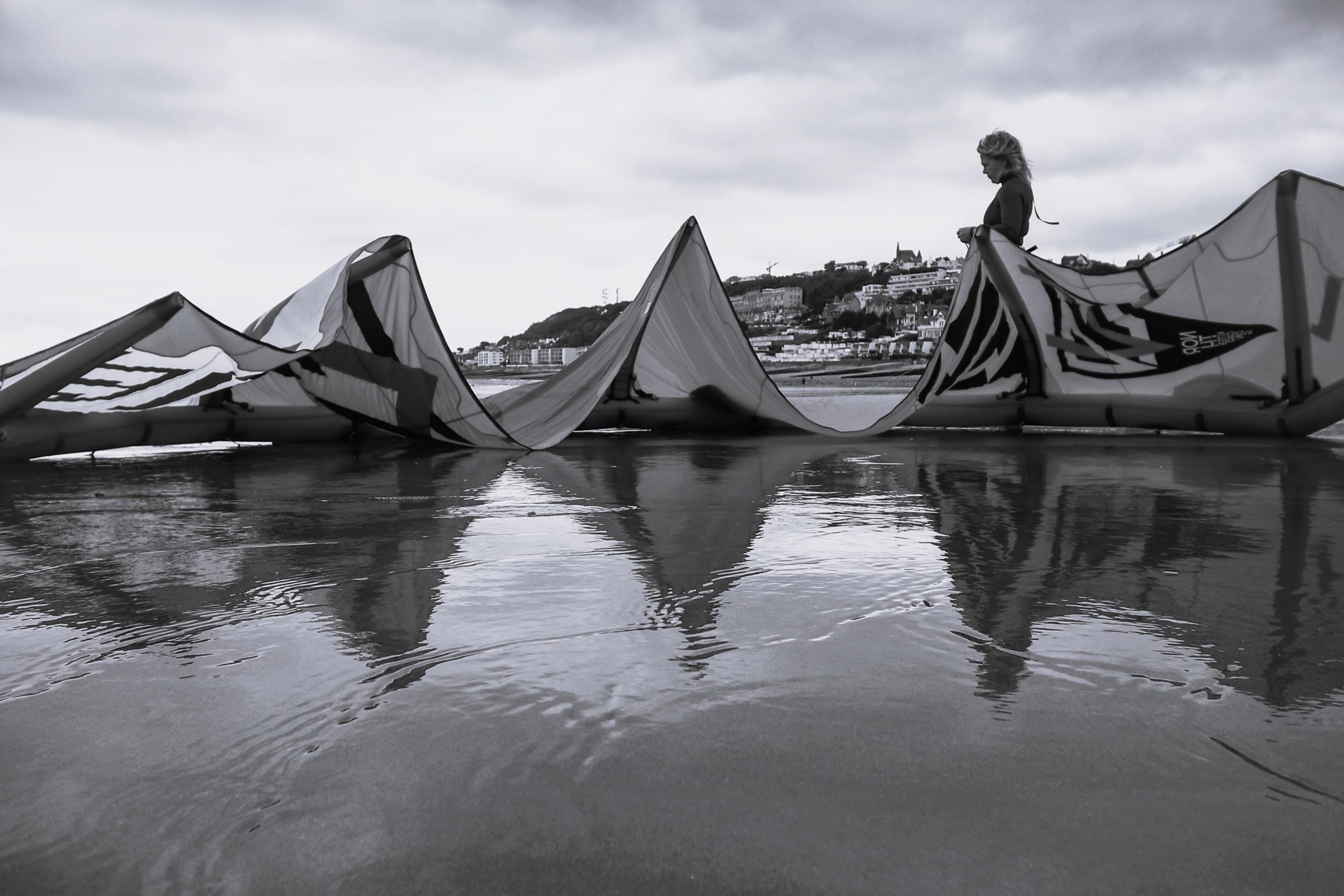
Feature image (top of the article): After Rain, Le Havre | Ricoh GR II | Image credit Jean Perenet
We are grateful to Andrew Tobin and Jean Perenet for allowing us to use a selection of their Ricoh images and for helping with fact checking and proofreading this article.
Make a donation to help with our running costs
Did you know that Macfilos is run by five photography enthusiasts based in the UK, USA and Europe? We cover all the substantial costs of running the site, and we do not carry advertising because it spoils readers’ enjoyment. Any amount, however small, will be appreciated, and we will write to acknowledge your generosity.
An interesting angle of the GR series is its connection to Japanese “snap” photography, which is a genre all its own, and one I really like. It has also been used by photographer Daido Moriyama, a fact Ricoh is proud to remind us, and the new GRIV sample photos in their brochure and on their website were made by him.
In my experience with the GRII, GRIII and GRIIIx, these little cameras are built not for European/western-style street photography so much as a more Japanese appreciation of aesthetics and the fleeting moments of everyday (now I’m trying to explain snap photography, which I’m not very good at). While the camera has admirable speed and stealthiness, it’s also designed to capture really subtle details and scenes, like good light, or color, in the hurried moments of everyday life. It excels at that.
Something I hadn’t considered, but it makes sense. The snap focus feature means that the Ricoh GR is one of the best cameras for zone focus, second only (in my opinion) to any M rangefinder.
What a wonderful insight.
I’ve been having difficulty reconciling what I’d always read about ‘street’ since HCB and many other modern masters. The ethos of the Ricoh seems so different (that is, different: not worse).
Your explanation seems right: there’s an important Japanese phrase in art, literature, and culture: ‘mono no aware’ (物の哀れ for those who know more Japanese than I). There’s a range of interpretations, but the one I think fits best here is what you suggest: enjoying the impermanent moment.
Classic Japanese.
Kathy, thank you for introducing me to this phrase/concept. It’s wonderful!
Like many cameras, it isn’t for everyone that’s for sure. The lack of a viewfinder can be a pain in certain situations, and I think that’s the main tradeoff, versus the sheer portability of the thing.
I am looking forward to the GRIV Mono. That will be an intriguing camera.
Thanks for the overview and insight, … not a brand / camera type that I have any knowledge about; always good to learn more about the options available!
I still have my Ricoh GR digital and it still amazes me with its image quality and handling. It comes out of hiding for an occasional outing to link up with its much younger GRiiix. The older camera now concentrates on mono work and would probably not welcome a GR monochrome rival.
Apologies in advance for being the wet blanket…. I don’t have any clothes with a pocket, let alone a (shudder) shirt pocket. The only coat I own that could carry this would be my enormous fur, not practical in most weather.
So, if someone gave me a Ricoh, I’d have to carry it in my purse — though I already have several cameras that fit in a purse. Those all have interchangeable lenses (even small zooms) with aperture control, an EVF, and top of plate controls such as ISO and shutter speed.
The EVF issue. This matters– to me — because my vision is so poor I can’t resolve LCD info on my cameras. So, for me, the Ricoh could only be a point-and-shoot. And a rather expensive one at that.
Do I have a point? The Ricoh is designed for a very specific demographic. But then so is Leica, and you haven’t seen me slagging them 🙂
Kathy, if it is any consolation, I am at the end of a year with double vision and worsening cataracts. I now have two new eyes with the added bonus of losing my permanent yellow filter that distorted my colour perception for at least the last 15 years. My current vision is so much better, even brilliant. I wish my other body parts could undergo similar rejuvenation ;-))
David,
I wrote about my cataract operation about three years ago, as you will remember. I recall that I had asked for estimates to paint all the yellowing woodwork in my house. But when I returned from the cataract operation, all the woodwork was miraculously back to (almost) pristine white. That yellow tinge creeps up on you, and a cataract operation is a revelation.
Thanks for reminding me: the ‘distant focus’ cataract surgery on my right eye was a stunning success; I saw a whole new world. I kept annoying my spouse about all the things I could see.
Alas, the optic nerve in the other eye is degenerating; cataract surgery for close focus didn’t help a bit.
Fortunately, I use my right eye for RF and EVF focusing. Gives me quite a number of options for good cameras. So, I’m not left behind and can still enjoy photography, right up until I’m too weak to lift a Leica to my eye 🙂