
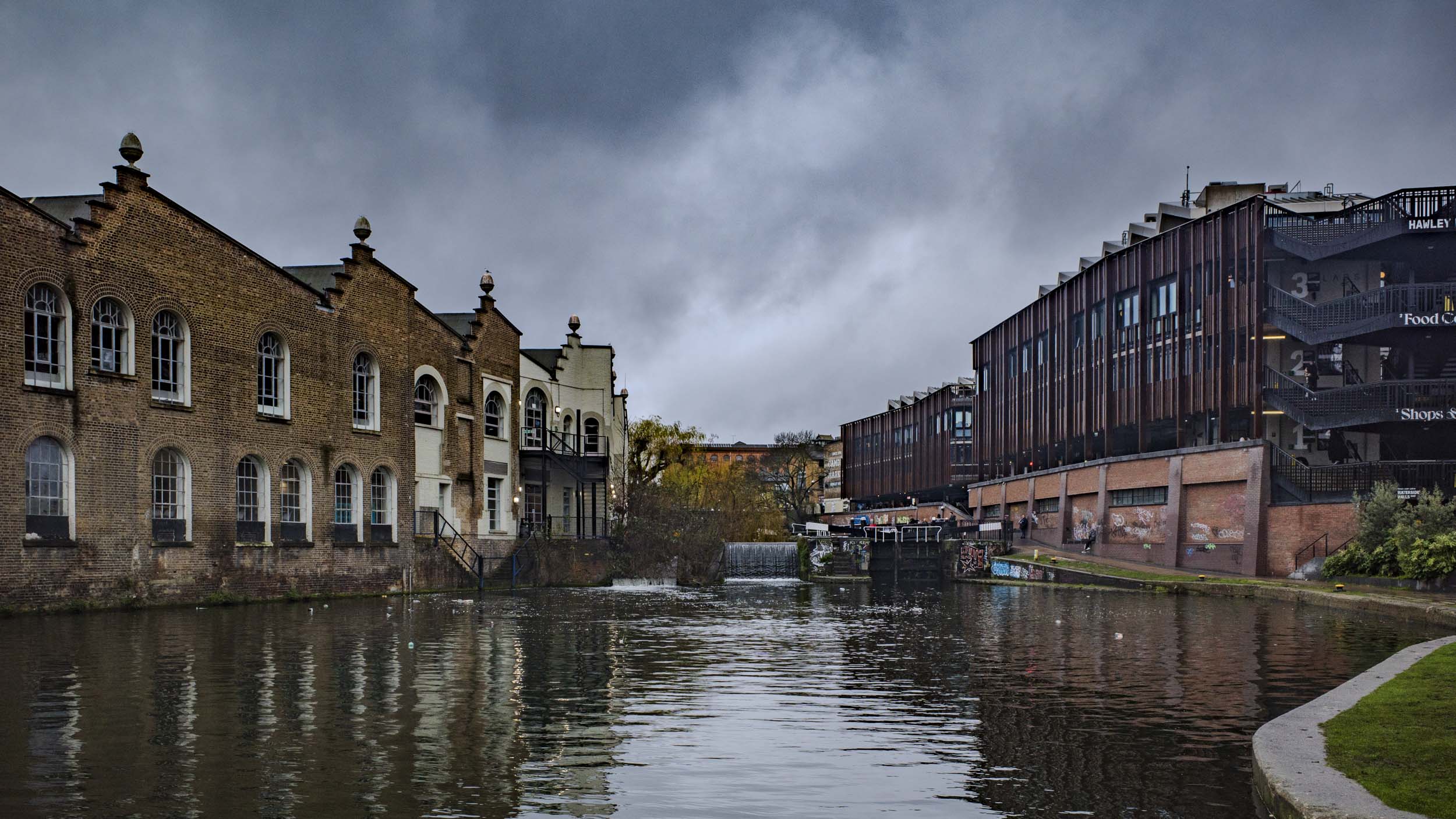
Living in a vibrant city such as London has many benefits, not least the vast array of “attractions” and the associated photographic opportunities. However, a common fault of residents of most similar cities is a tendency to stay off the tourist trail and not rush around to those areas which are most popular. That’s why I enjoy wandering through the City of London — the old financial district — on weekends, when the businesses close and the crowds thin out. Every so often, however, I miss some interesting stuff along the way.
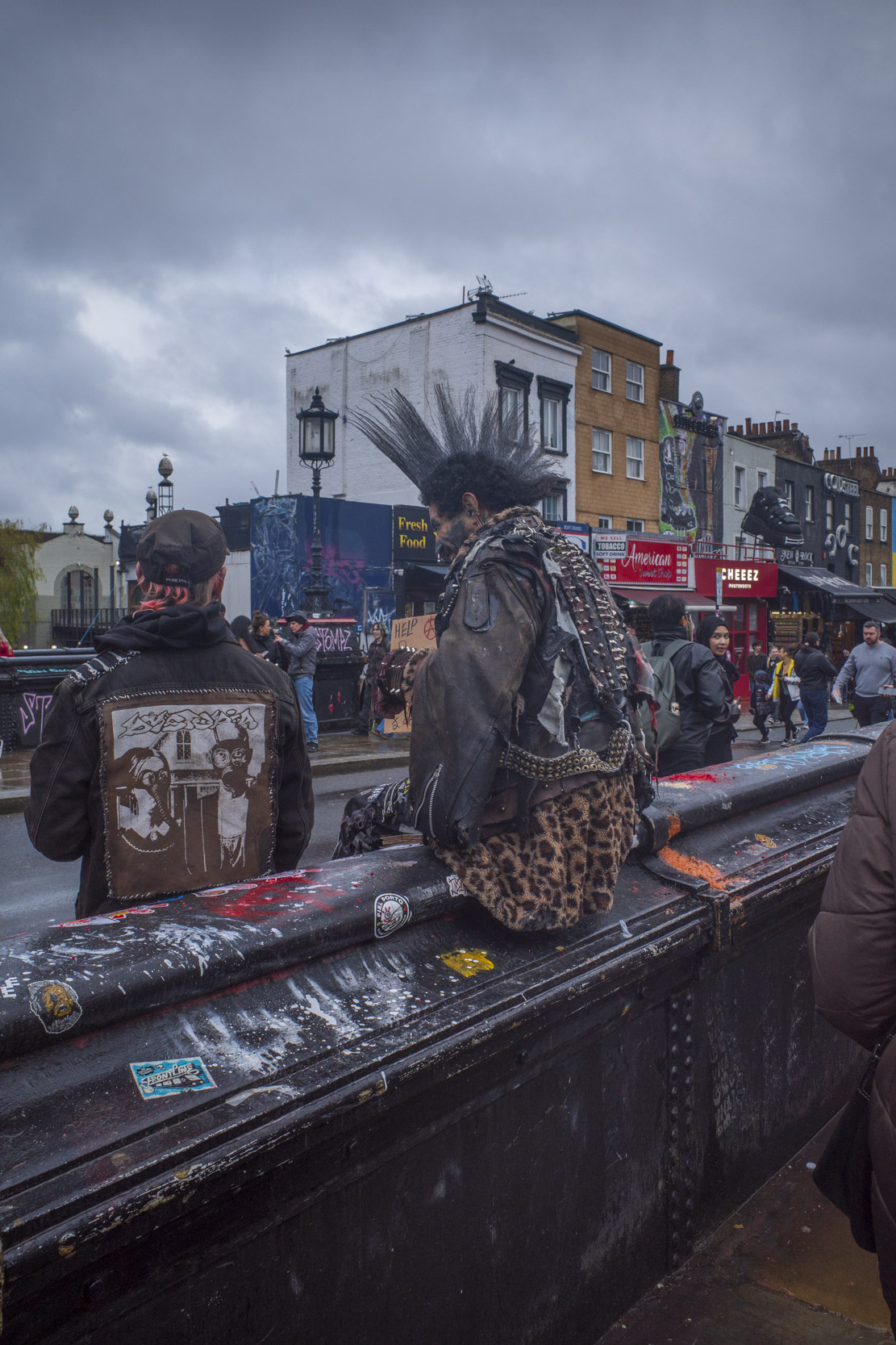
There is one area that, generally, I avoid with a passion. The Camden Market may appeal to tourists — and there is no shortage of little groups following flag-wielding guides — but I find it pretty tawdry and uninteresting. That’s just me, your mileage may differ. However, the promise of brunch at an Italian restaurant by the canal tempted me there on a recent weekend. I won’t give the name of the place, since I wouldn’t go back…
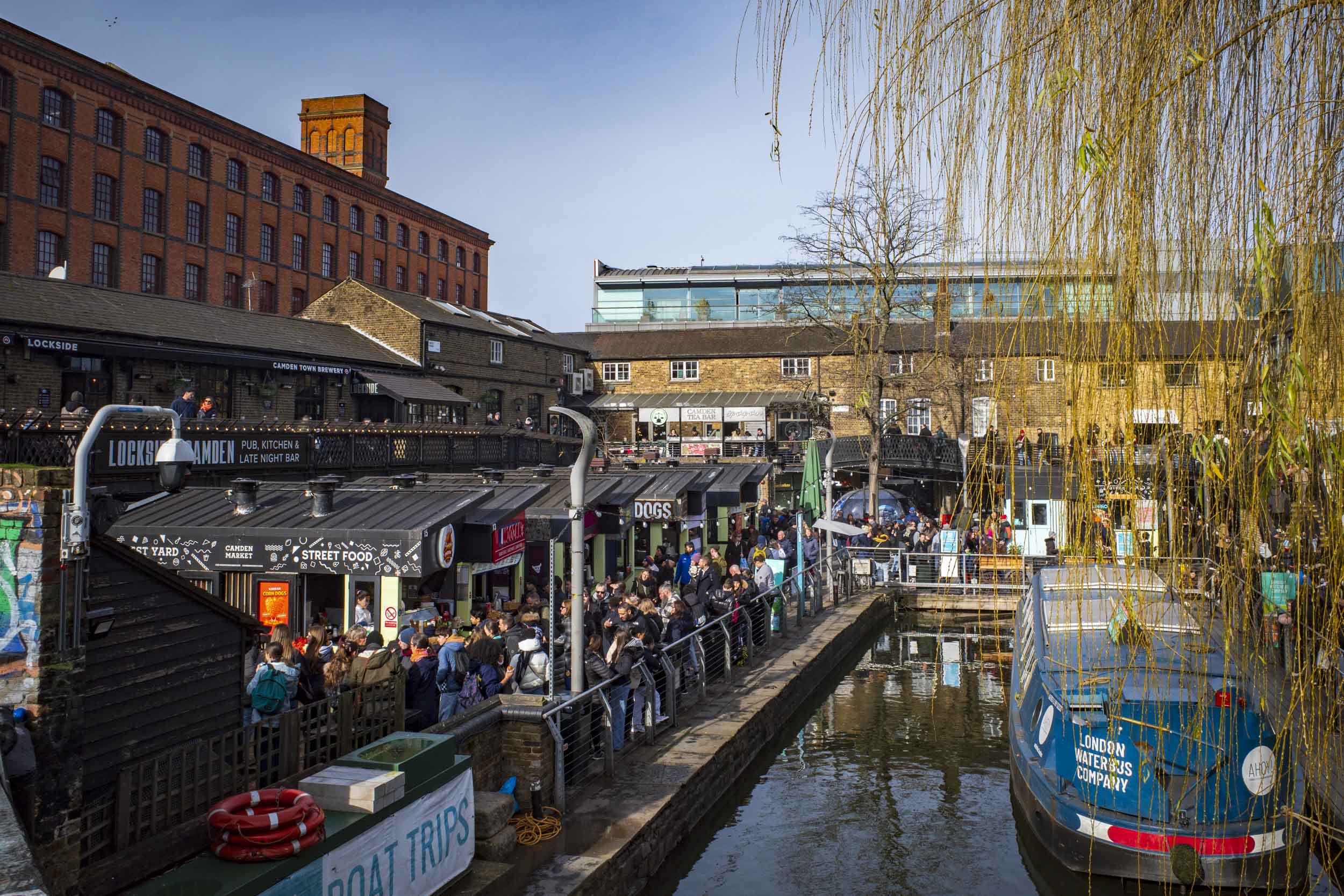
But I was there, and I decided to take a few snaps with the camera I had with me: The Ricoh GR III. It’s the camera I take when I don’t want to carry anything bigger. It’s extremely competent, but also diminutive, and it slips into a pocket. Occasionally, it’s a lifesaver — as last year in Chongqing when I jammed a battery in my camera of choice, the Fujifilm X100VI.
Down by the locks
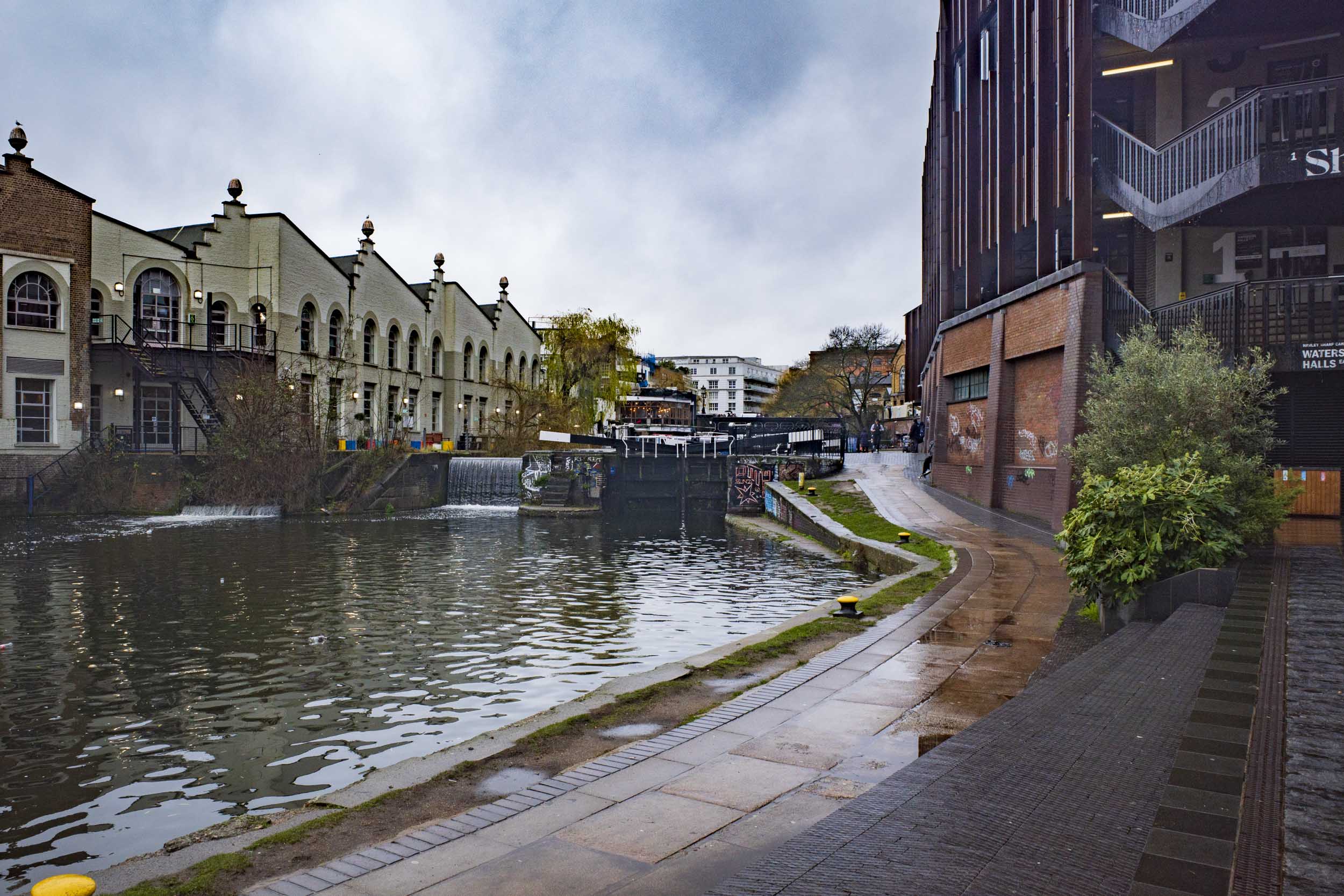
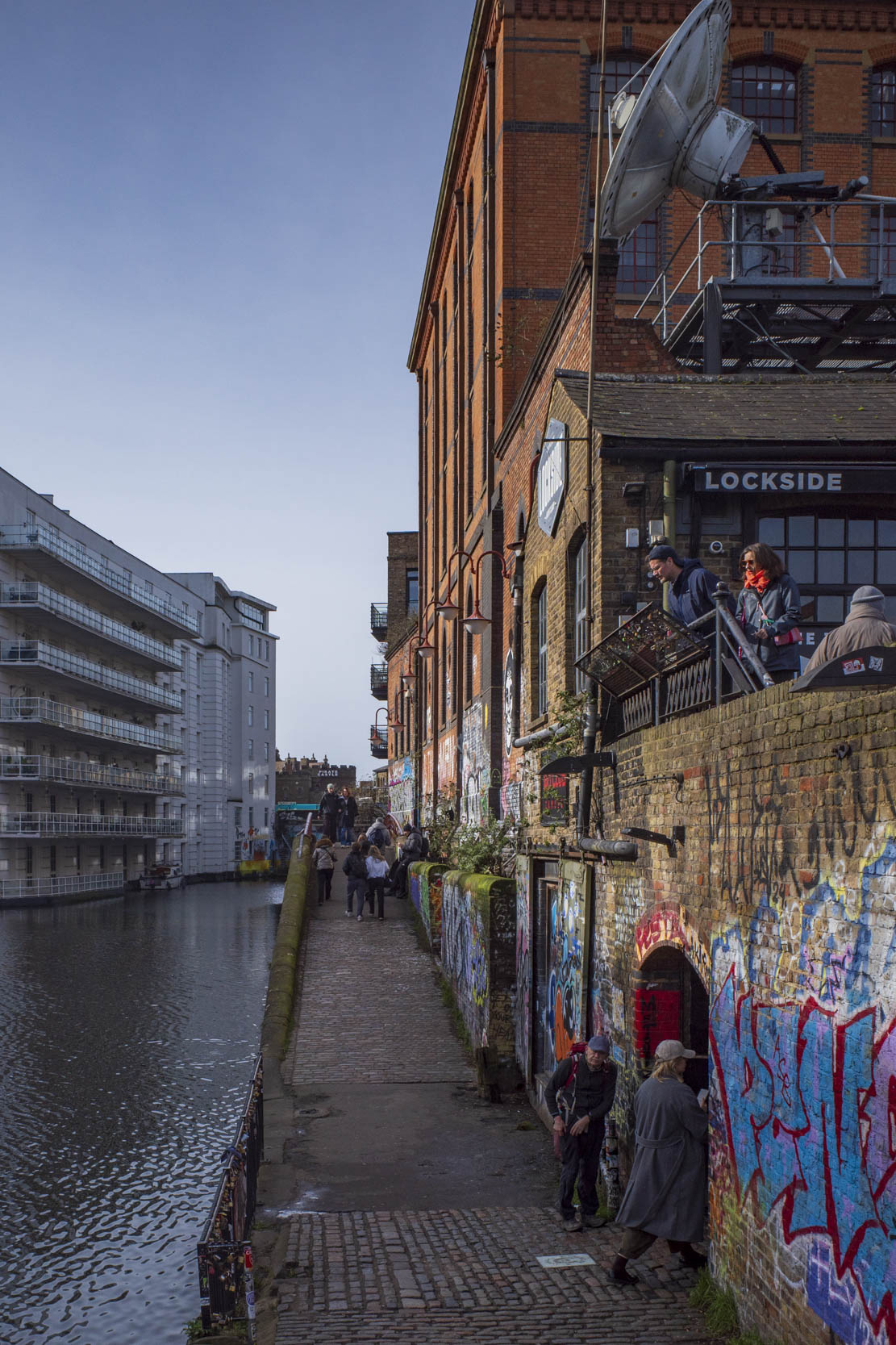
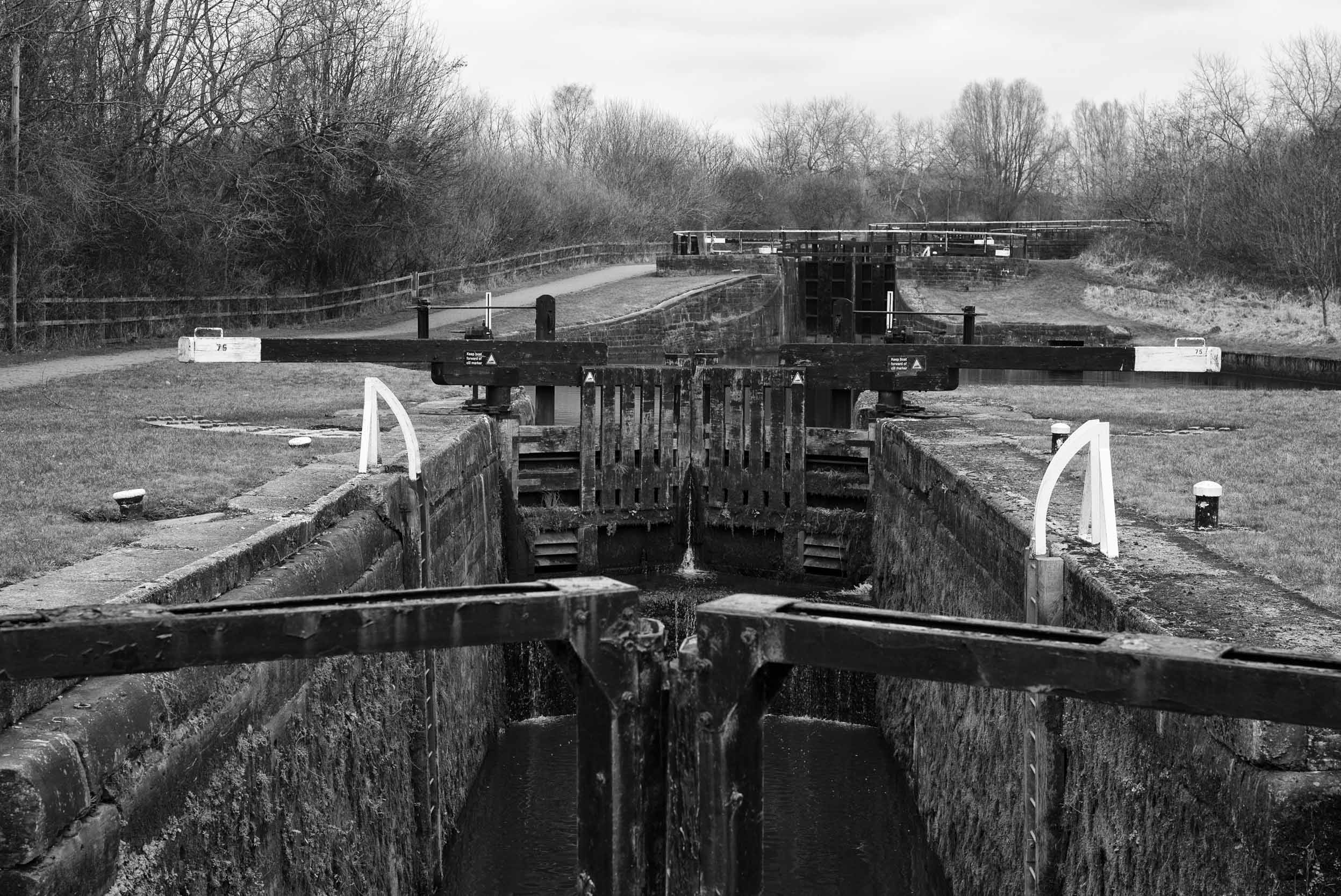
As it happened, I found myself down by Kentish Town Lock, a couple of hundred yards from the main flea market, relatively untouched by visiting throngs. The scene carried me back to the heyday of British canals— to the early 19th century, when “navvies” dug the Regent’s Canal to link the Grand Junction Canal at Paddington in the west with the new docks at Limehouse in the east.
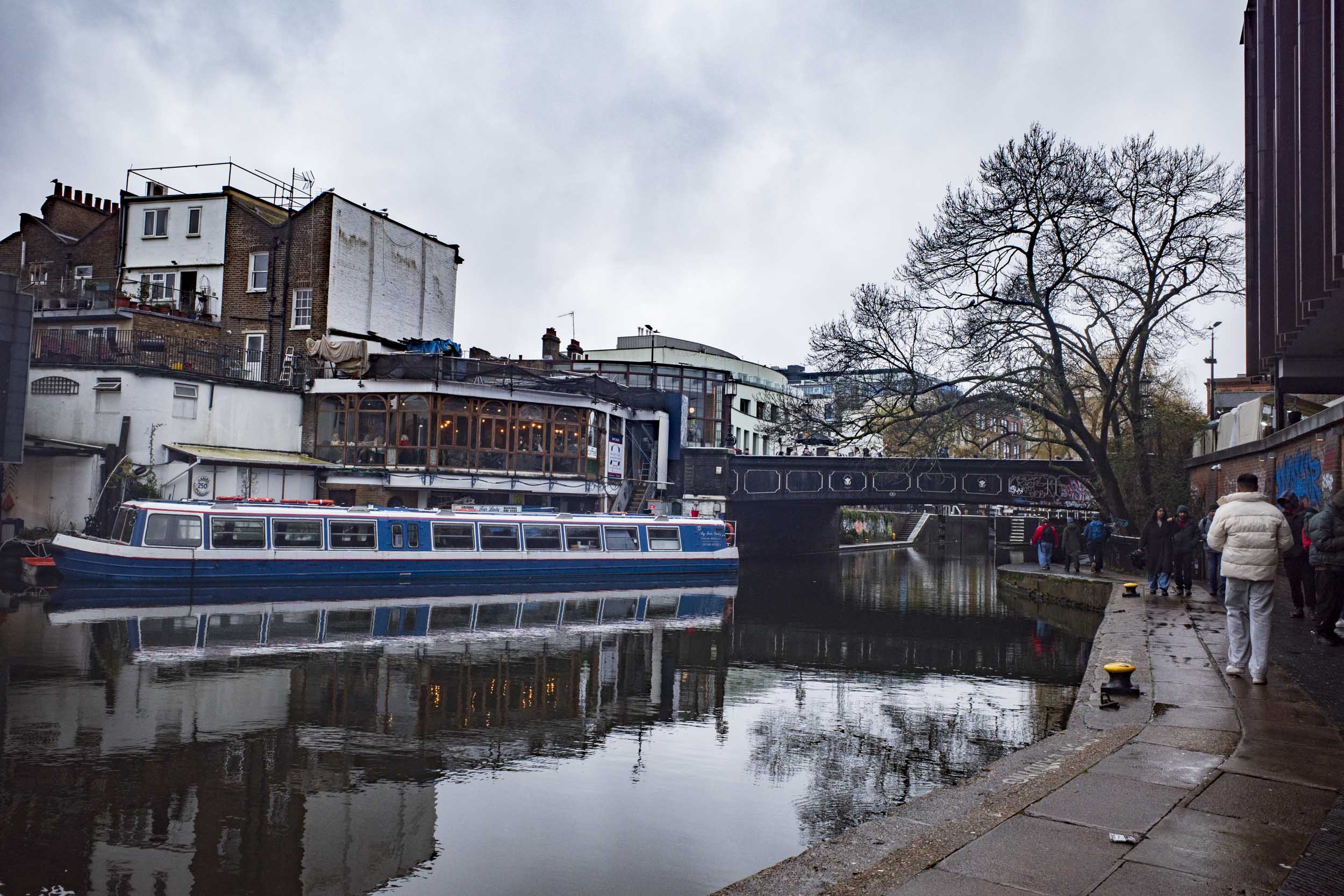
Designed primarily by John Nash (he of the London terraces and, indeed, Regent Street, constructed in 1819), the canal was part of a wider restructuring of north London, turning what had been a semi-rural environment into a hub of industry and transport. The Camden lock system served as an interchange between the canal, railway, and roads.
Interchange
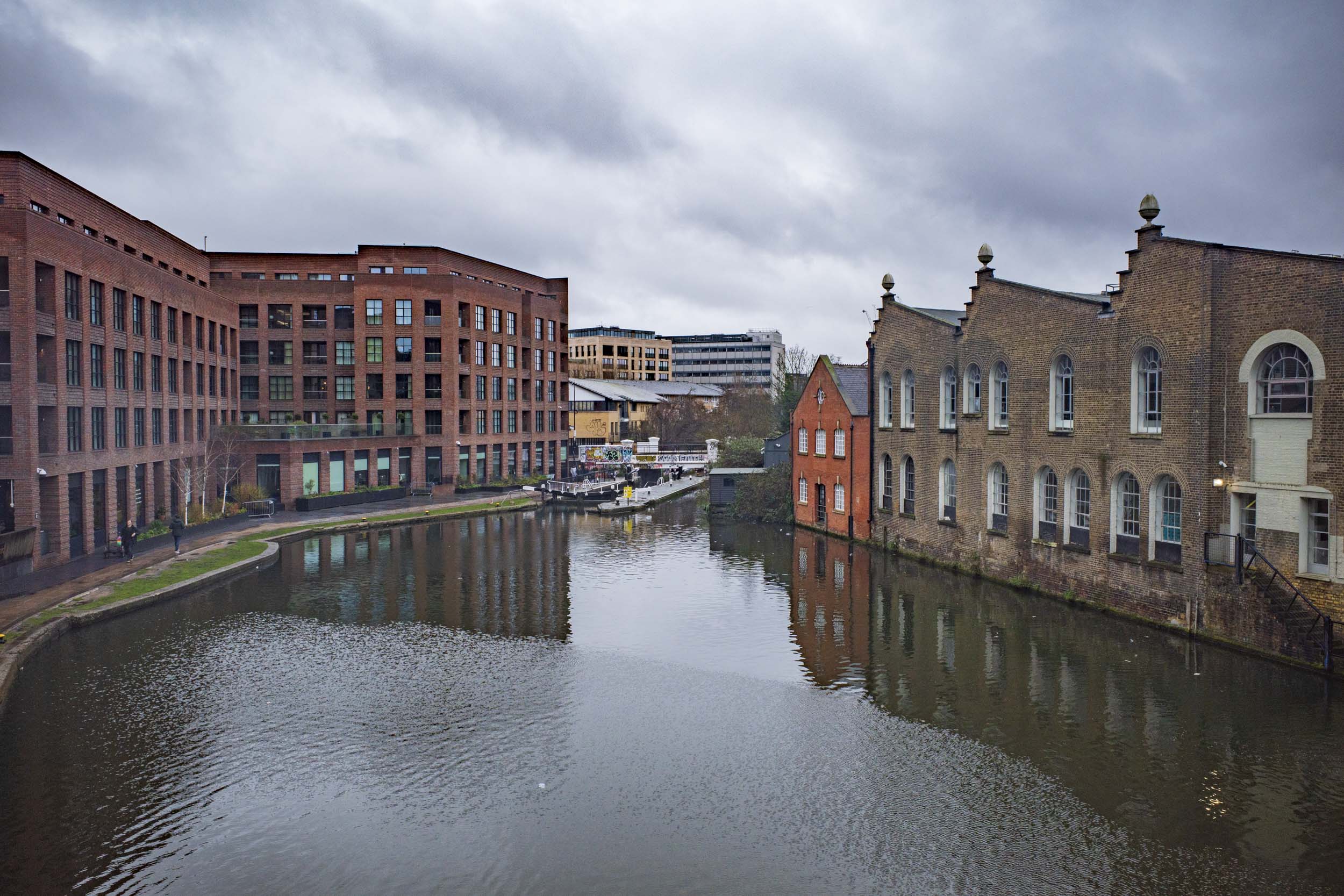
Camden was a natural place for such an interchange, lying on the route between the new docks at Limehouse and the inland wharves serving central and north-west London. The canal’s engineers used a sequence of paired locks, including the Hampstead Road locks at what is now generally called Camden Lock, to navigate the change in levels along this stretch.
These double locks were broad enough to take a wide barge or two narrowboats side by side, a flexible arrangement for the mixed traffic of the time.
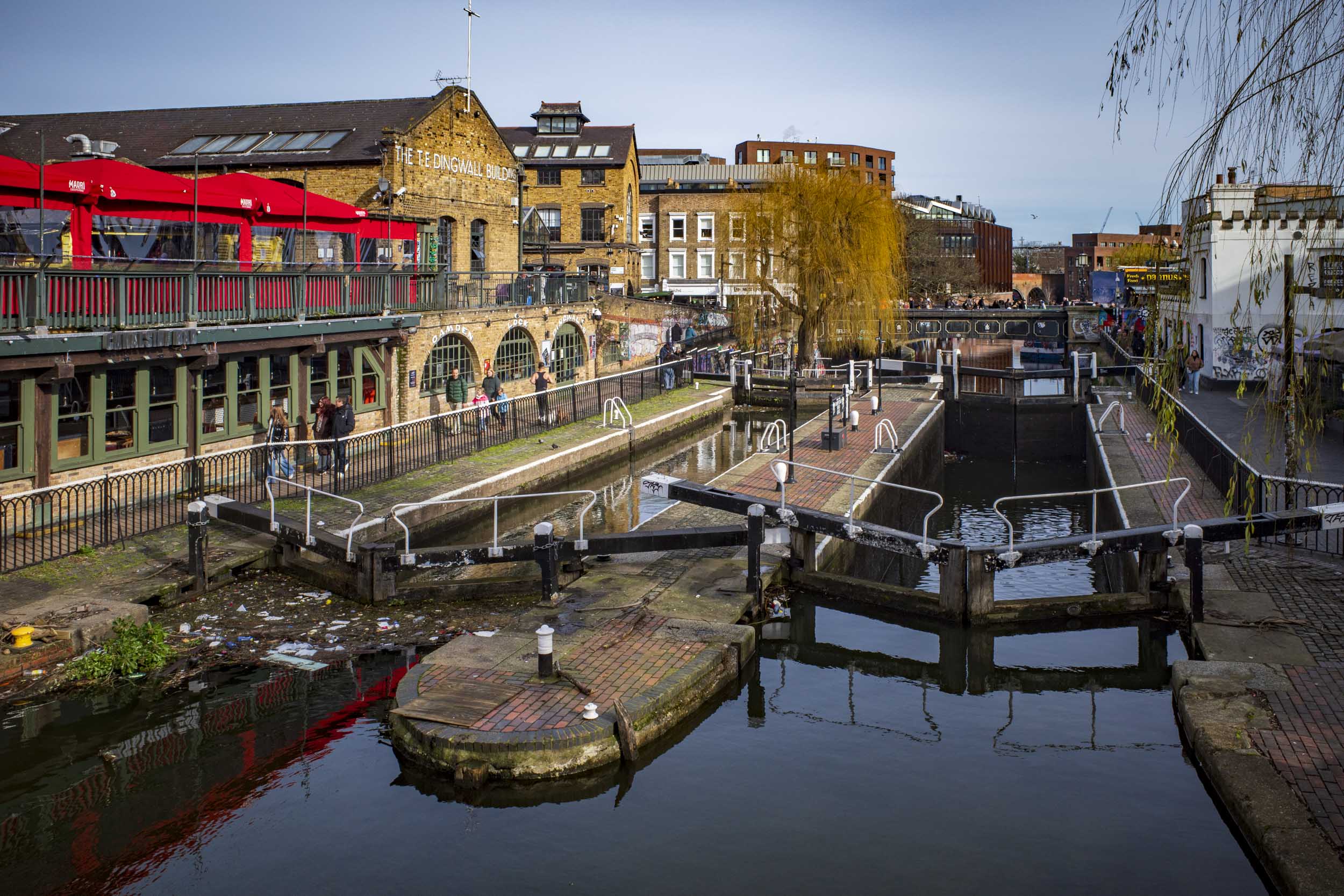
Dropping the water level
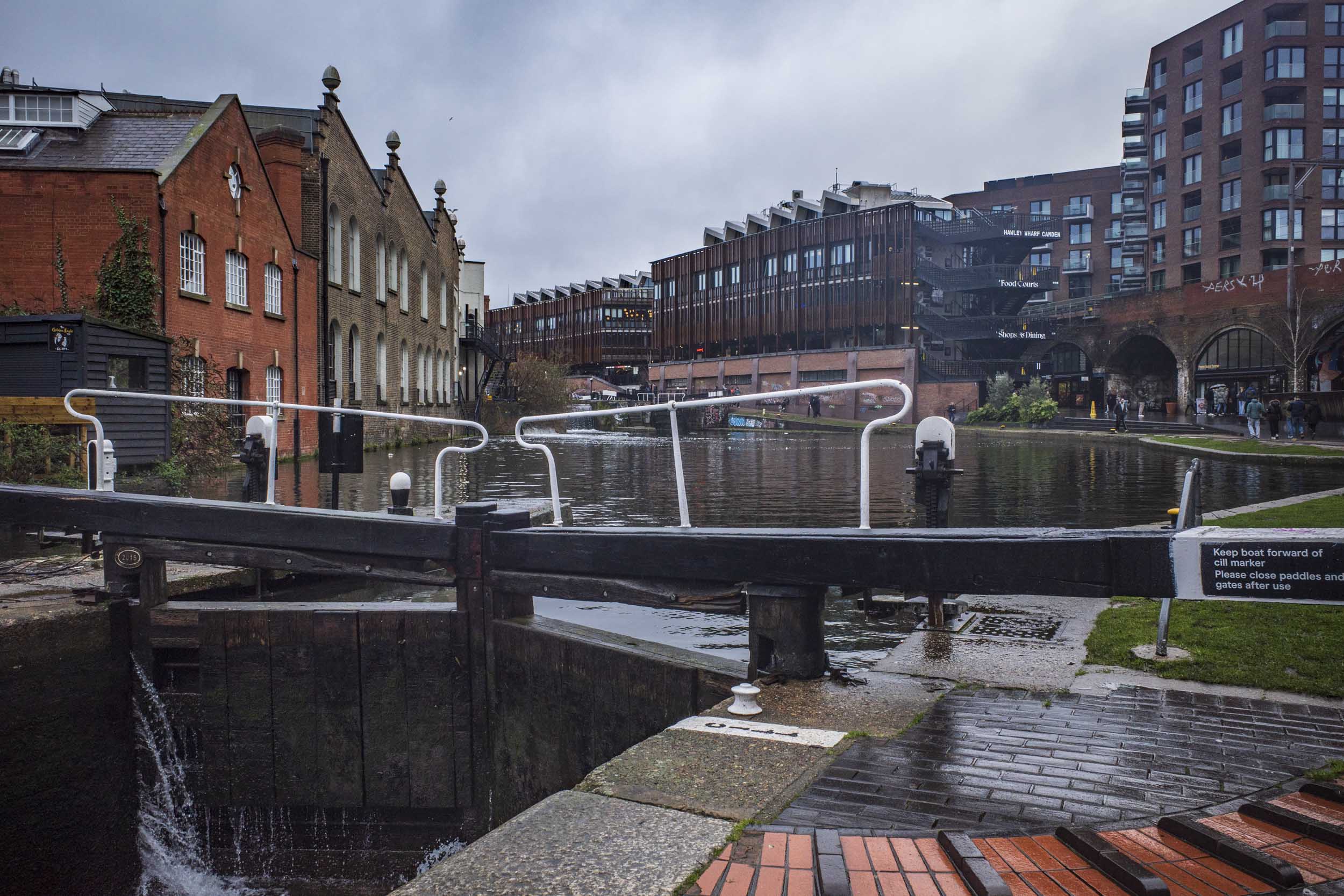
The Hampstead Road locks, the paired chambers at the centre of the Camden Market landscape today, were constructed between 1818 and 1820. Built in brick with stone copings and grouped with a small island platform between the two chambers, they were among the first of a dozen pairs along the canal. Together, they dropped the water level by almost 30 meters down to Limehouse Basin on the River Thames.
From the beginning, the locks were essential infrastructure, regulating flows and keeping laden boats moving between the Midlands and London’s growing riverside docks. What we see today, however, is a compromise born of the failure of an ambitious scheme to use a boat lift, intended to replace locks and speed traffic.
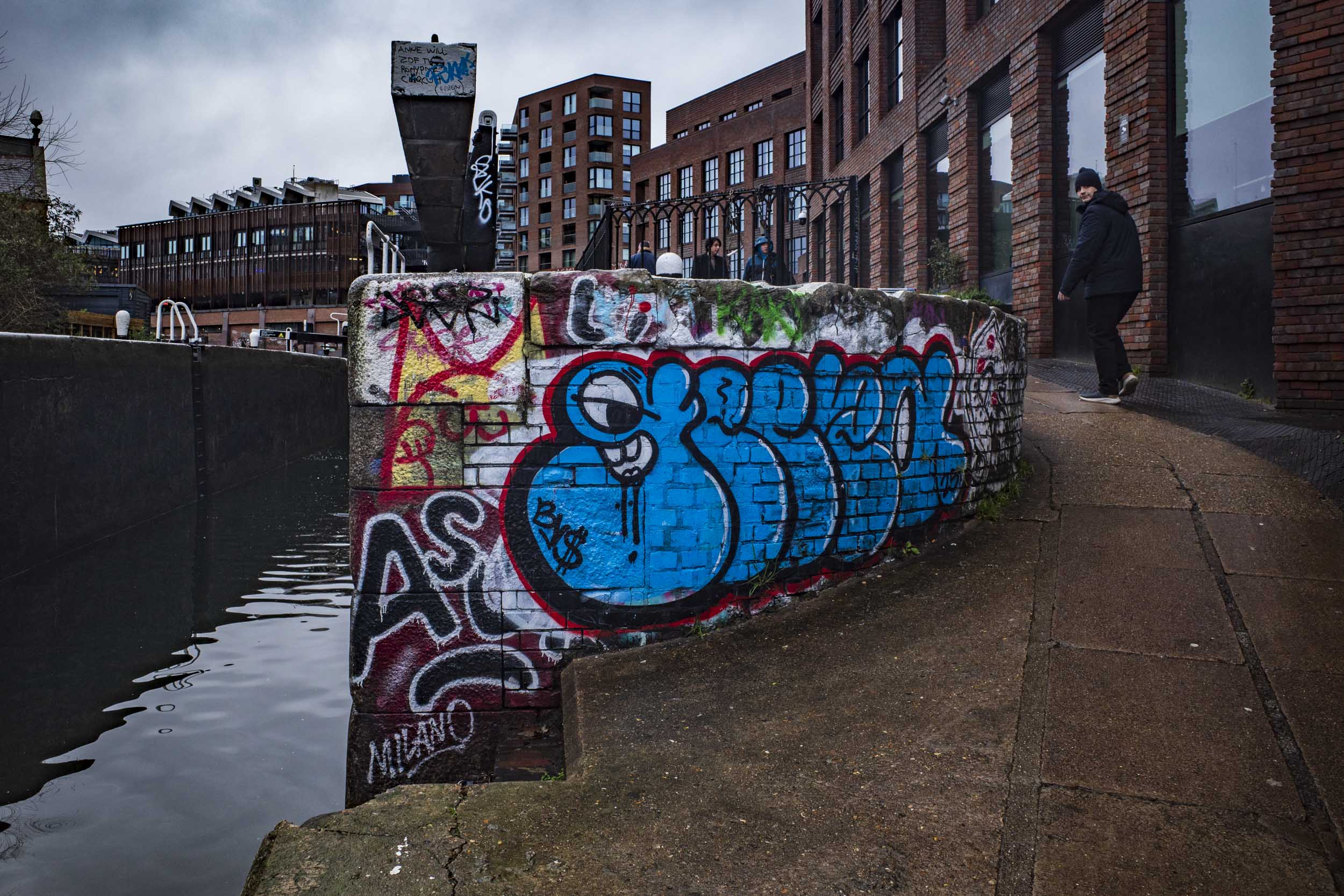
To lift, or not to lift
The engineer Henry Maudslay and the inventor Sir William Congreve (best known for his revolutionary Congreve rockets during the Napoleonic wars) were the main proponents of the lift. Design disputes, maintenance disagreements, and ongoing technical problems caused the operators to abandon the lift system in 1818. It was back to conventional pound locks.
Careful management of water and labour was necessary in running paired locks of the type at Camden. The system saves water efficiently — when one lock empties, it transfers almost half its water volume to the other, reducing wastage compared with single chambers. However, the complexity required constant supervision, with lockkeepers working shifts.
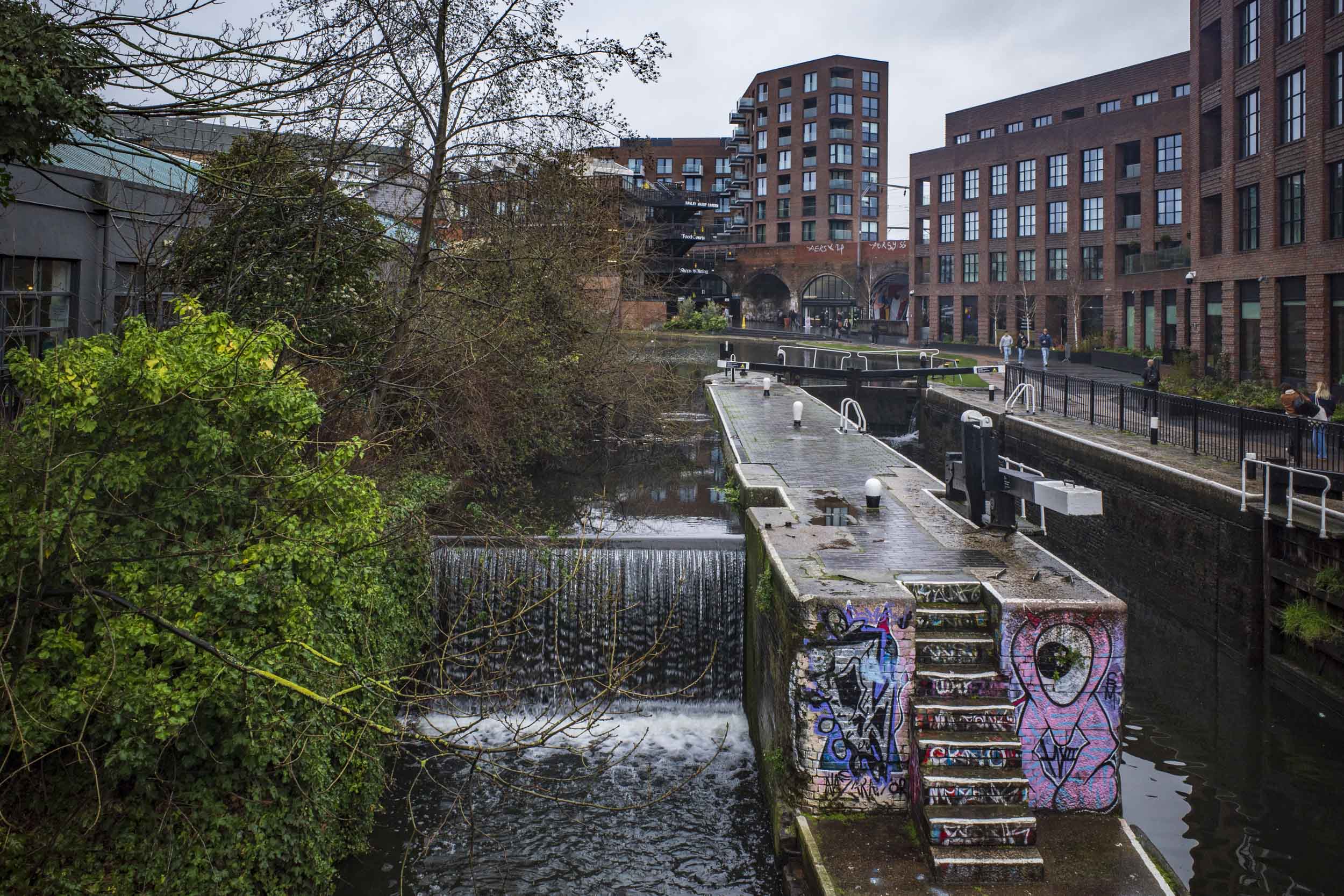
Decline, fall and repurpose
The rise of the railways in the mid-nineteenth century eroded the commercial significance of the national canal system. As more traffic shifted to rail, the canals lost importance, and over time, operators reduced lock staffing, securing them with padlocks so they were usable only on weekends.
By the middle of the last century, the once proud Regent’s Canal was no longer a freight artery, but a tired backwater cutting through decaying industrial districts. Nevertheless, the rise of leisure boating did put some new life into the canal, and the Docks and Inland Waterways Executive looked for cheaper, simpler ways to manage water levels and flows. As a result, they decided to convert many of the double locks into single chambers alongside a concrete weir and spillway.
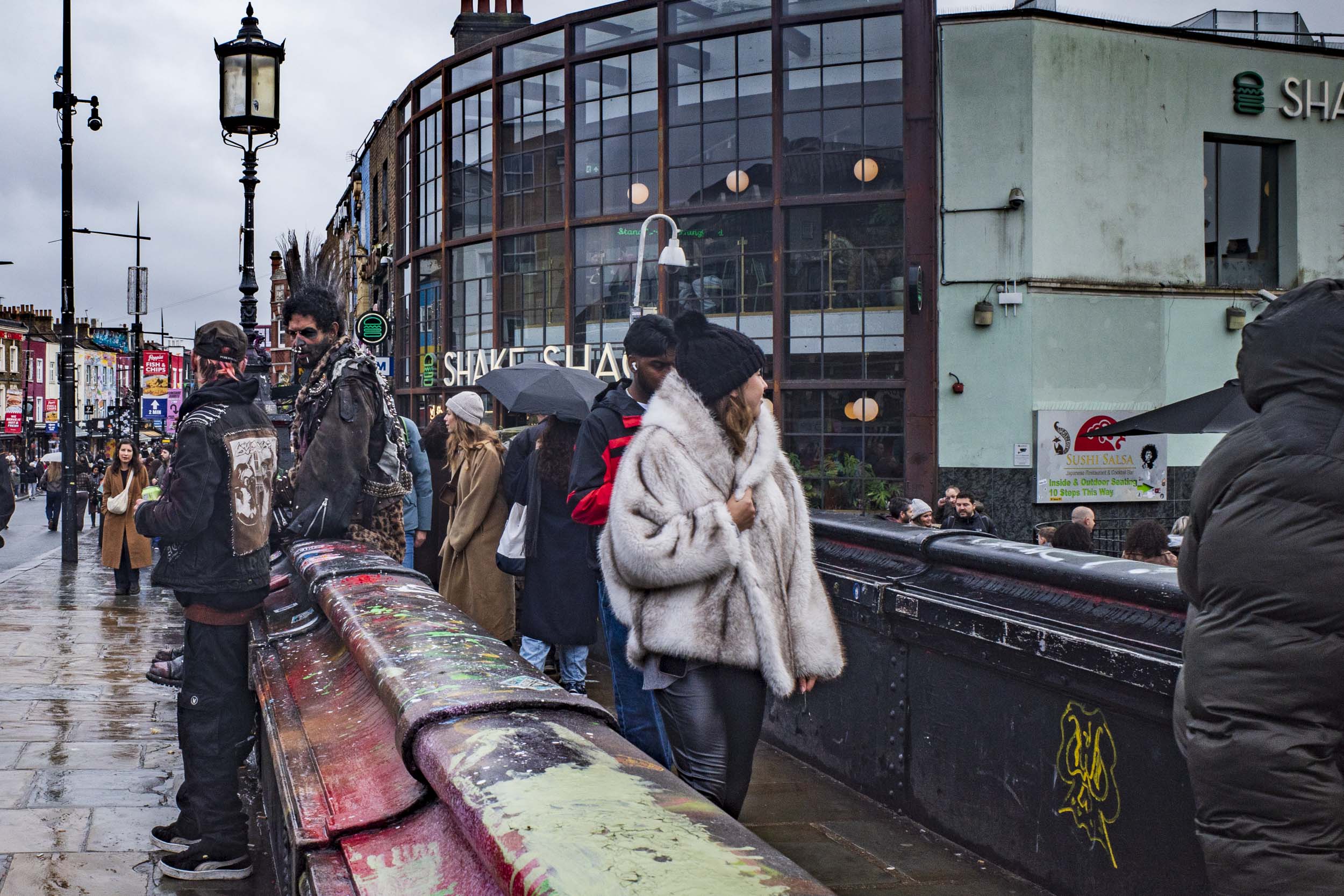
At Hawley and Kentish Town, they retired one lock chamber in each pair. Hampstead Road locks near Camden market remained as a functioning pair. They preserved both chambers in recognition of their architectural and historic interest. The locks are now Grade II listed.
Resurgence
The tourists who throng the market every weekend are oblivious to much of this industrial history. The area is primarily a booming attraction, with a quaint canal and the three sets of locks (what are they for?) providing a charming backdrop to the stalls and eateries.
Today we experience the result of a resurgence which started in 1974 with a small crafts and antiques market on the wharf next to the Hampstead Road locks. In the following decades, Camden Market grew into the present collection of independent traders, food stalls and shops.
Many visitors now view the locals as pure theatre. With their hand-operated paddle gearing and black-and-white balance beams, they form a sort of performance art as boat crews work the gates and paddles under the gaze of the crowds.
In canal parlance, the visitors are true gongoozlers1 — idle and inquisitive people who stand staring for prolonged periods at anything out of the common, particularly at canal boats and canal people.
Nonetheless, I find more interest in the industrial history of the area than in the market itself. The canal and the locks remain as a stunning monument to the ingenuity and inventiveness of engineers at the height of the Industrial Revolution.
Dead Dog Tunnel and James Bond
After I’d completed most of this article, Alex Paterson of the Canal & River Trust asked if I knew about the “Dead Dog Tunnel” and its connection with 007. That, I decided, was too good to miss, so I took the Underground back to Camden Market (this time on a slightly quieter weekday) to seek any deceased fidos.
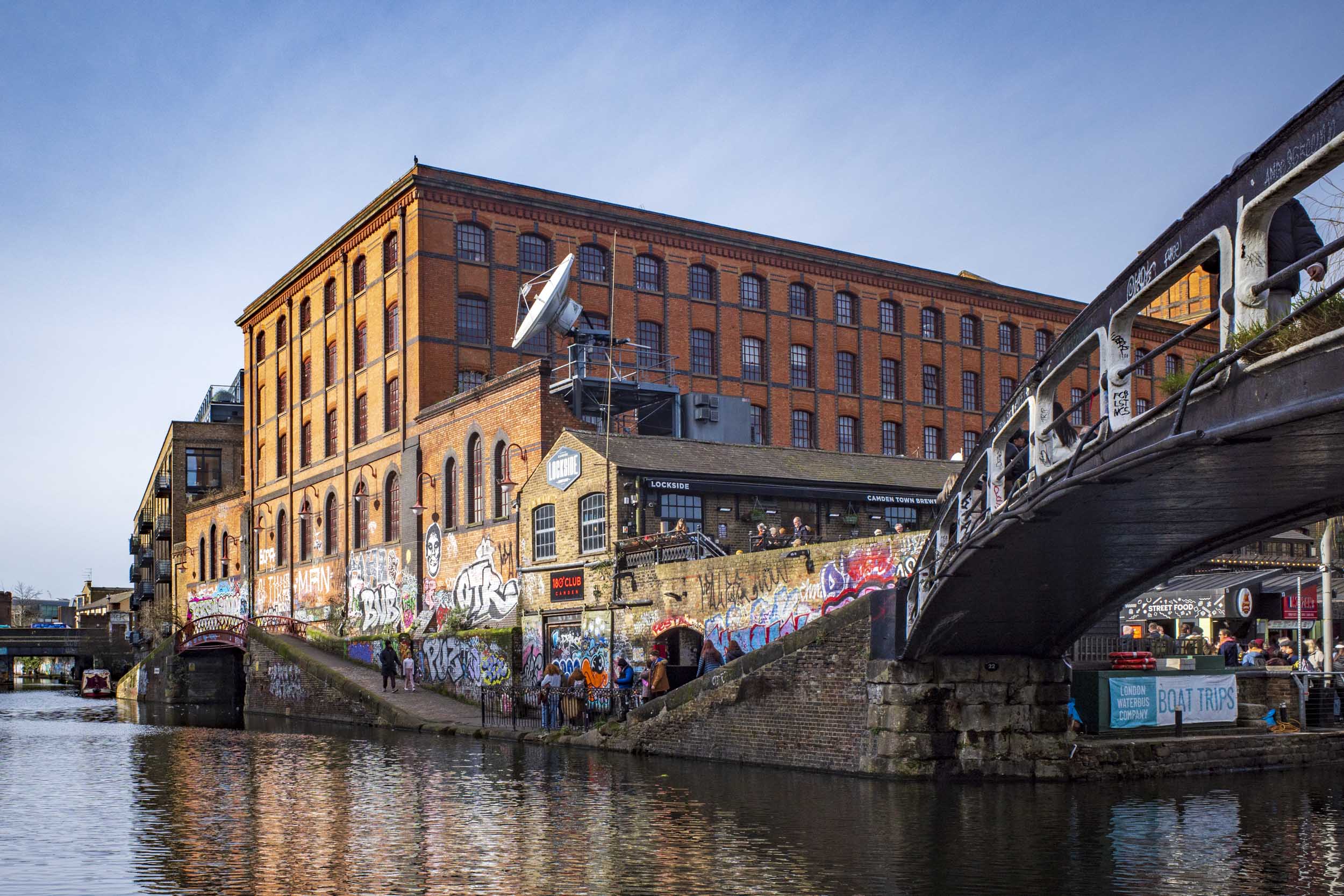
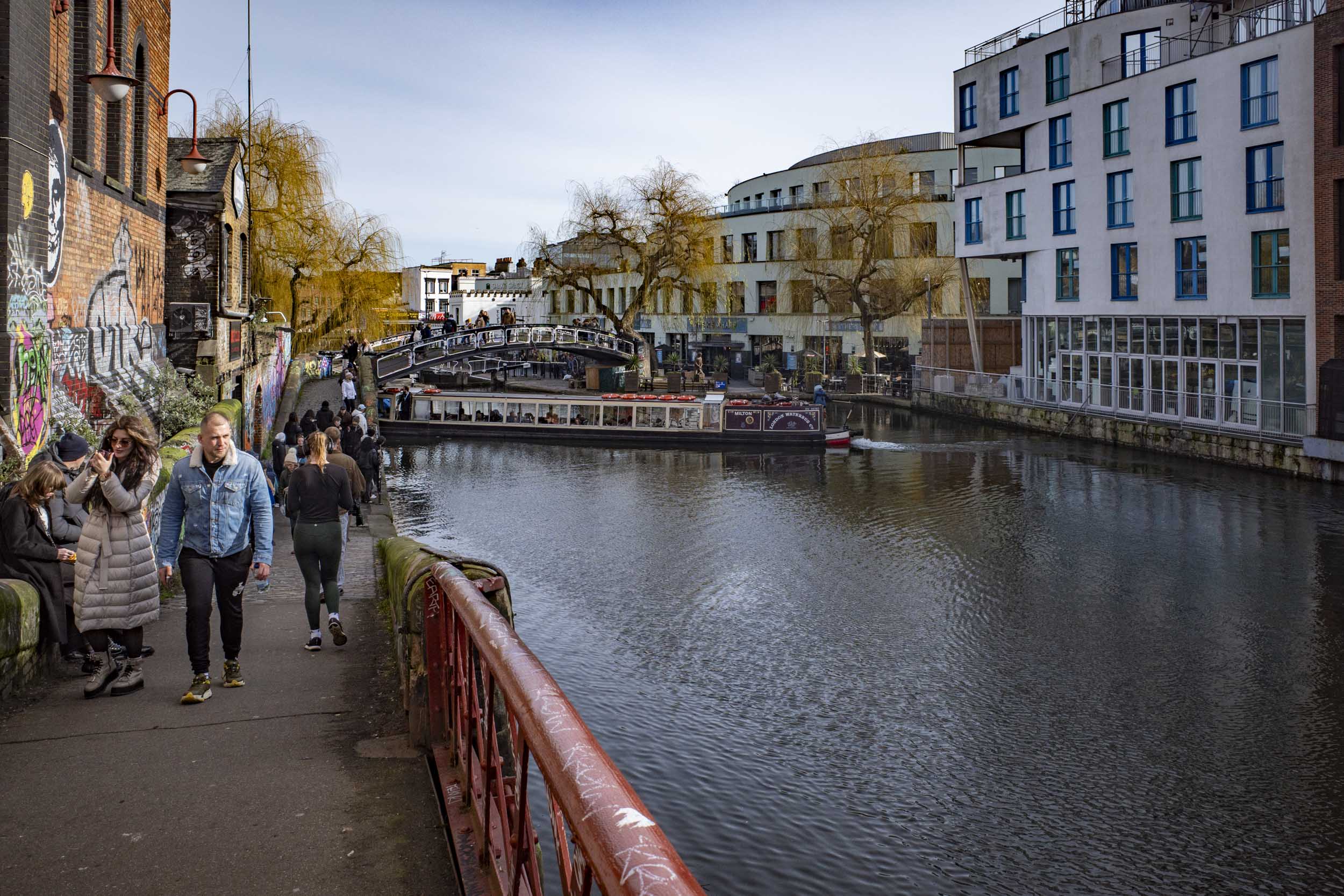
I had missed the tunnel because it lay a few yards west of the Hampstead Road locks, the farthest point I’d reached on Saturday. A Grade II-listed towpath bridge, spanning the entrance to the Interchange Basin, sits at the base of the impressive Camden Interchange Warehouse. It is the busiest canal footbridge in the country, with over a million users a year.
Some canal buffs call the bridge Dead Dog Bridge and refer to the Interchange Basin as Dead Dog Tunnel or Dead Dog Hole. More on this later…
A recent half-million pound repair project has brought the 175-year-old bridge back to pristine condition. They even repainted it in its original “Indian red,” re-creating the hue from haematite ore sourced in West Bengal.
It is the same colour that was used by several railway companies, including the London & Birmingham Railway which originally owned the Interchange Basin, whose entrance the bridge crosses.
But what about the dead dogs and Bond?
The name’s Bond…
Locals called the entrance to the Interchange Basin “Dead Dog Tunnel” because all the canal’s flotsam and jetsam—including the occasional dead dog—collected there. This was the end of the 26-mile lock-free stretch of the canal flowing into central London, so the potential for rubbish accumulation was immense.
I was pleased to see that in our more enlightened and hygienic times, the dead dogs have dun’ floatin’, although some rubbish still gathers in smaller amounts.
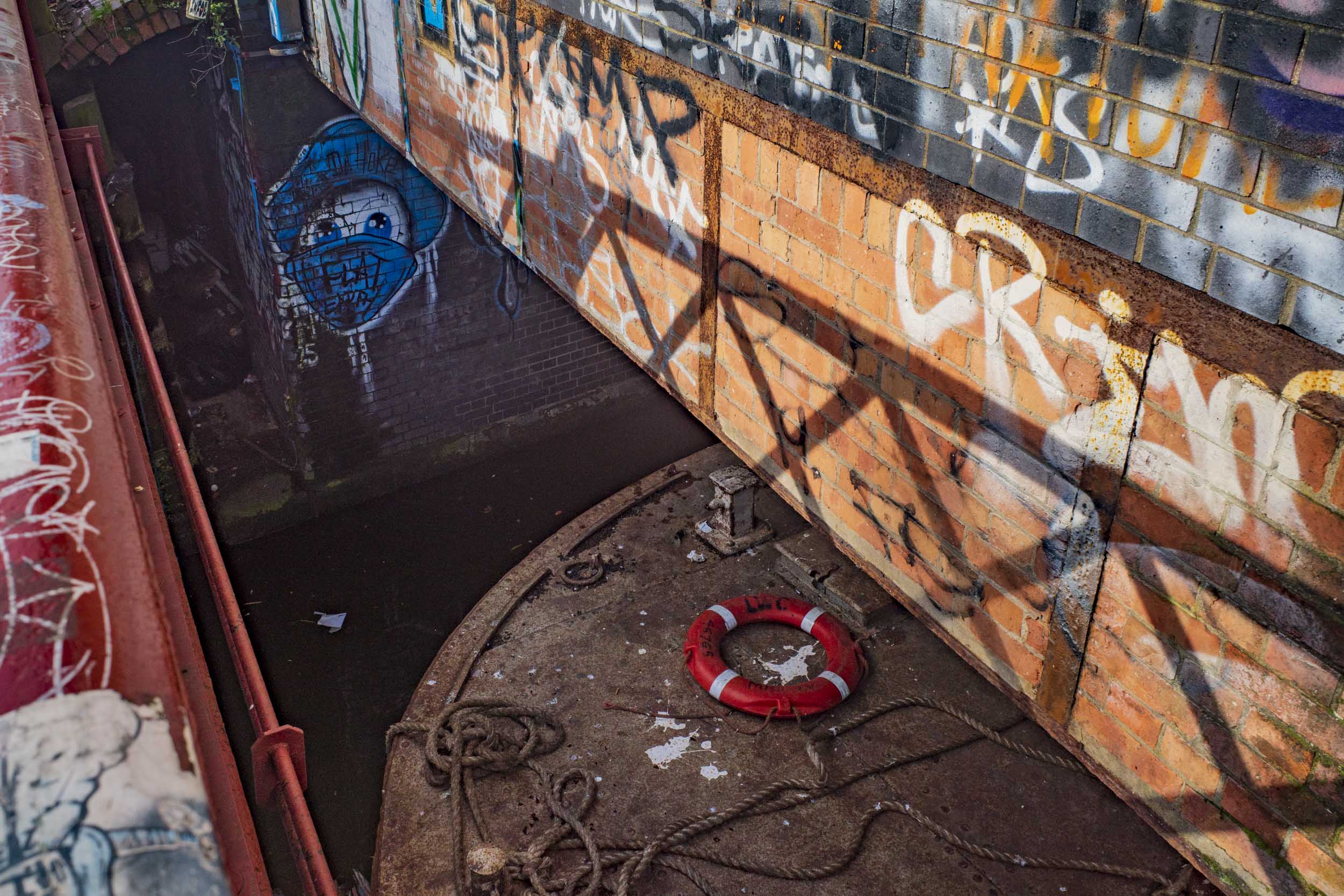
Dead Dog Tunnel has featured in numerous films, the most notable of which is the 2015 Bond production of Spectre. The tunnel doubled as Q’s secret underground workshop.

Away from the crowds
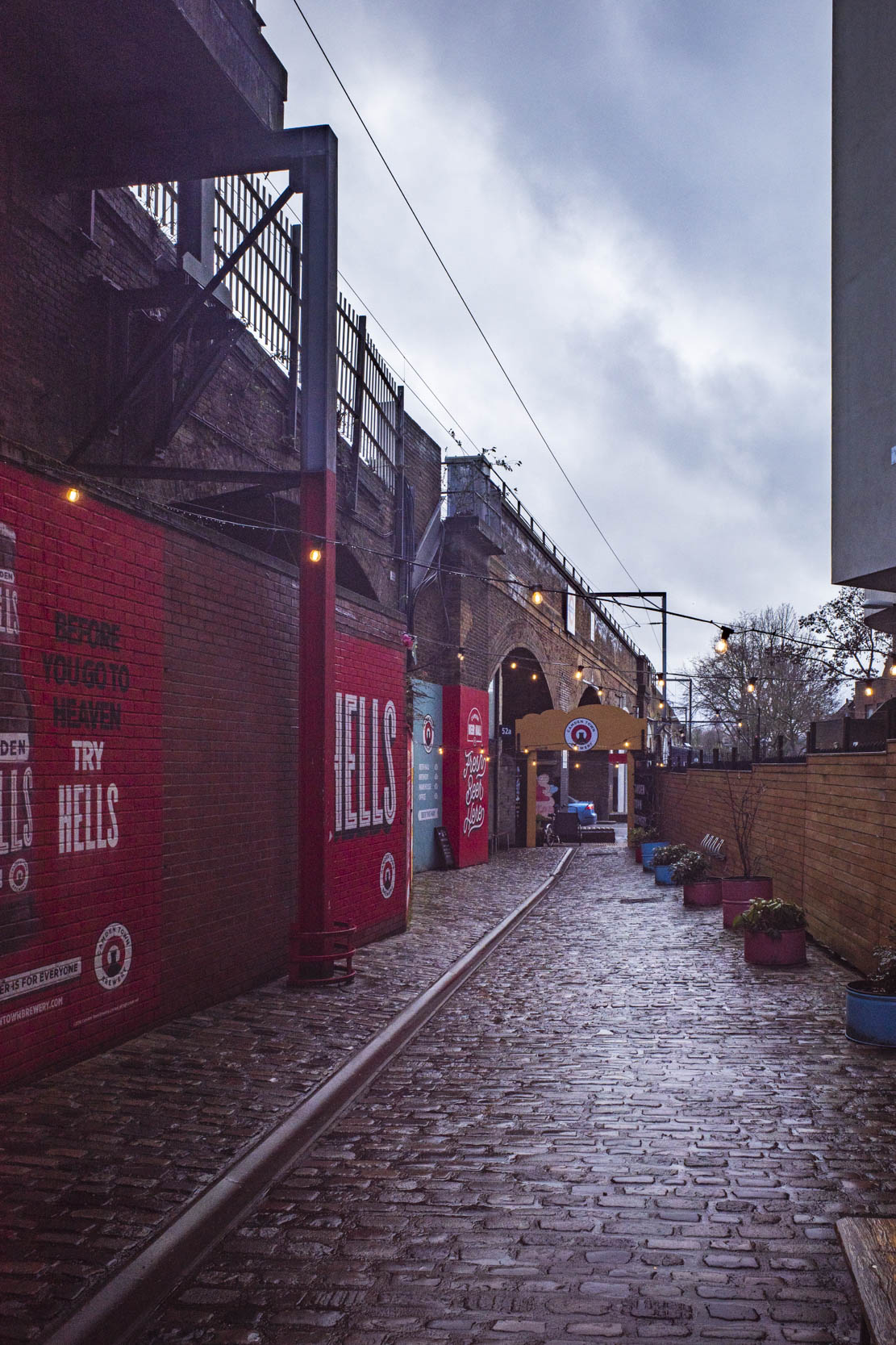
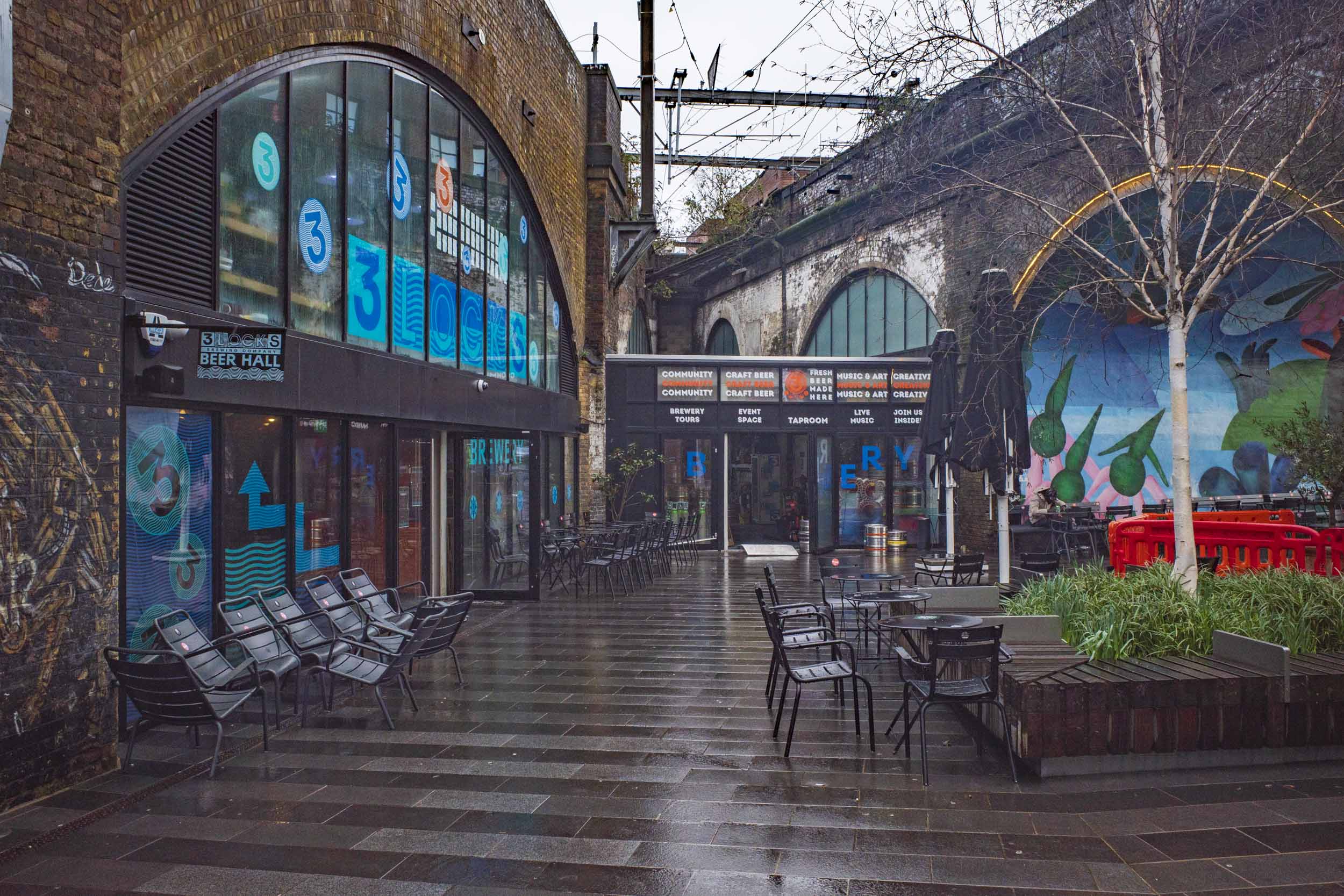
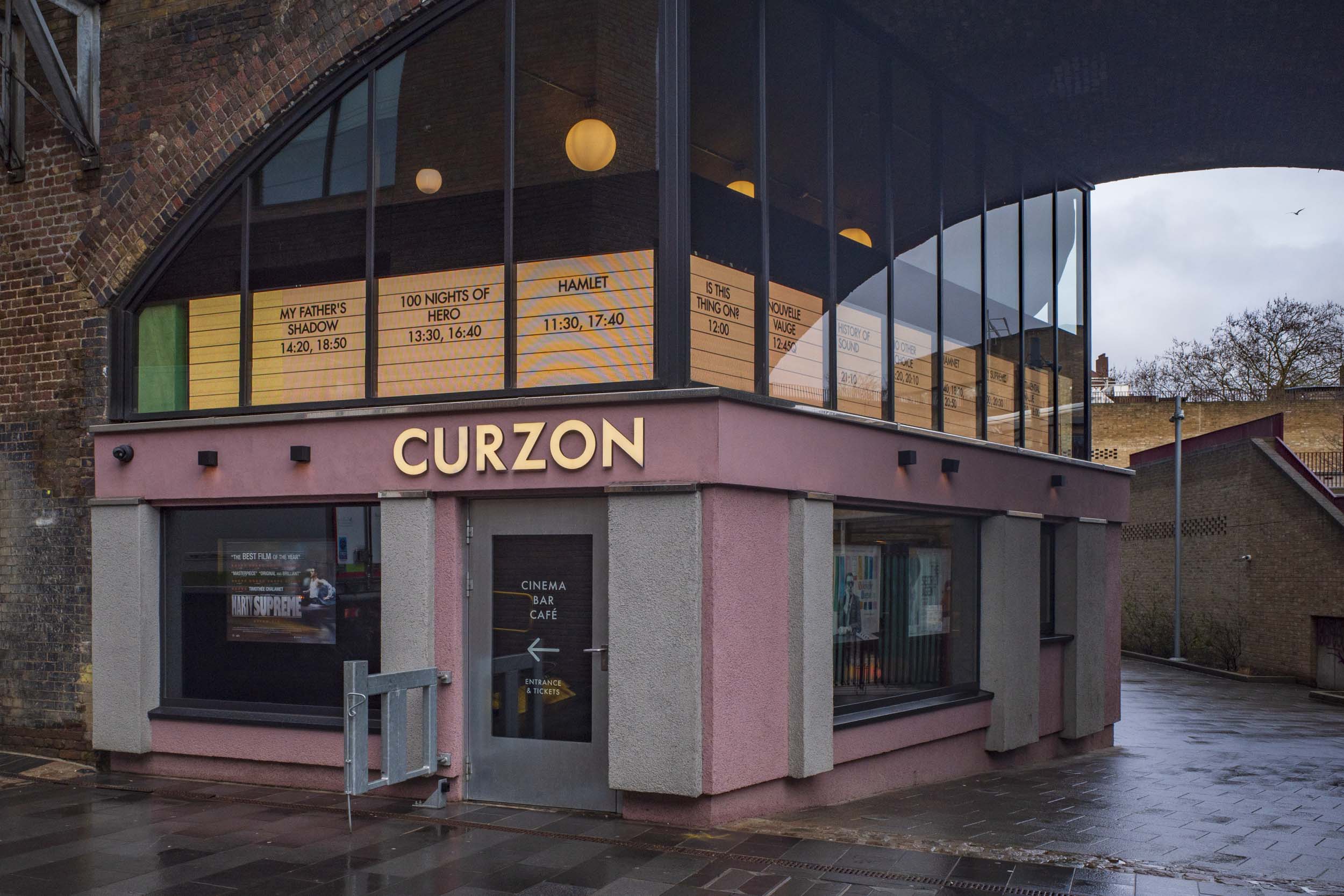
The area surrounding the famous Camden Market is worth exploring, even on a rainy Saturday morning in February. The newer Hawley Street complex (near the Hawley Lock) contains shops and other interesting alternatives to market stalls — including a brewery hall and a dinky little Curzon cinema.
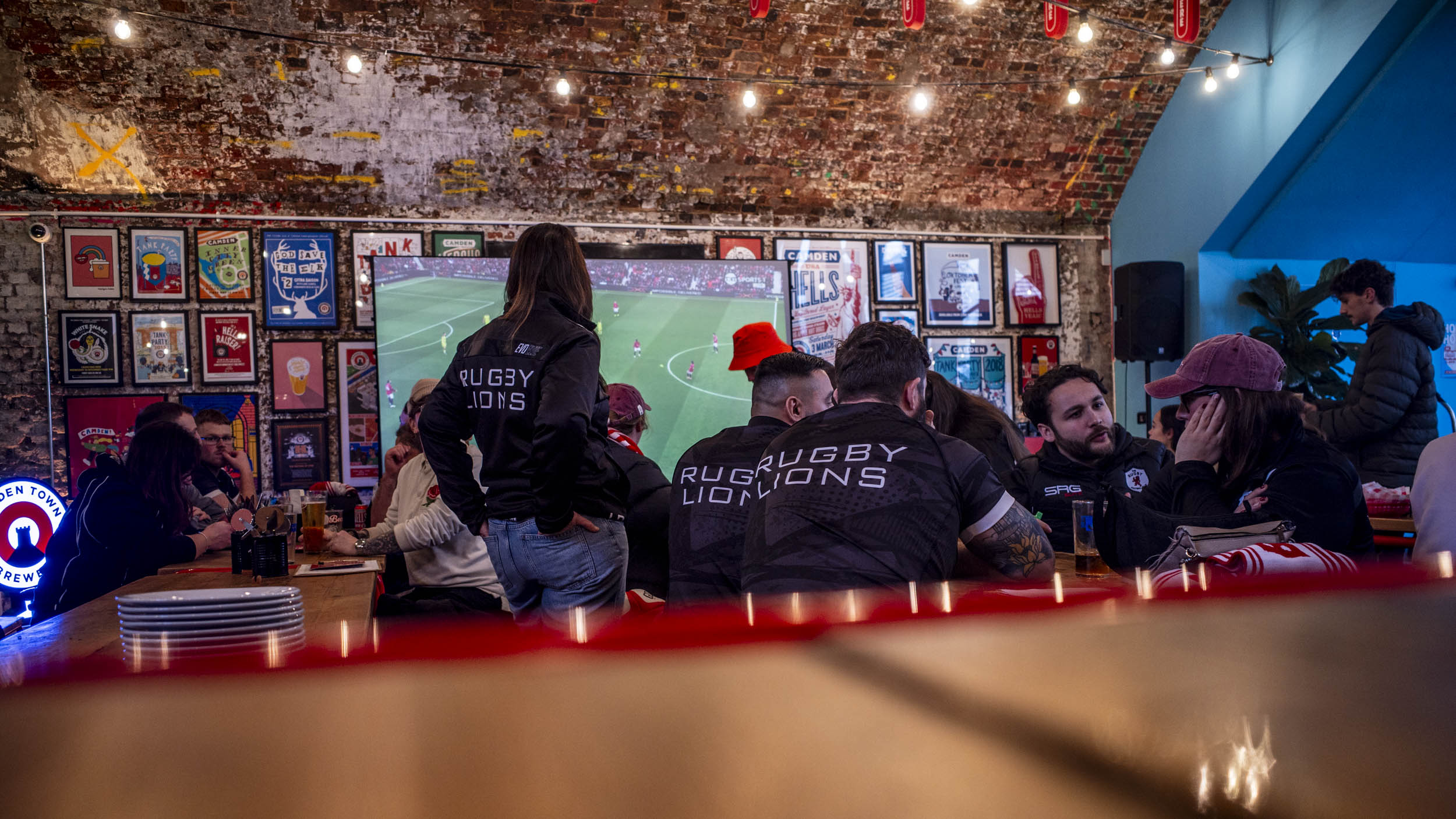
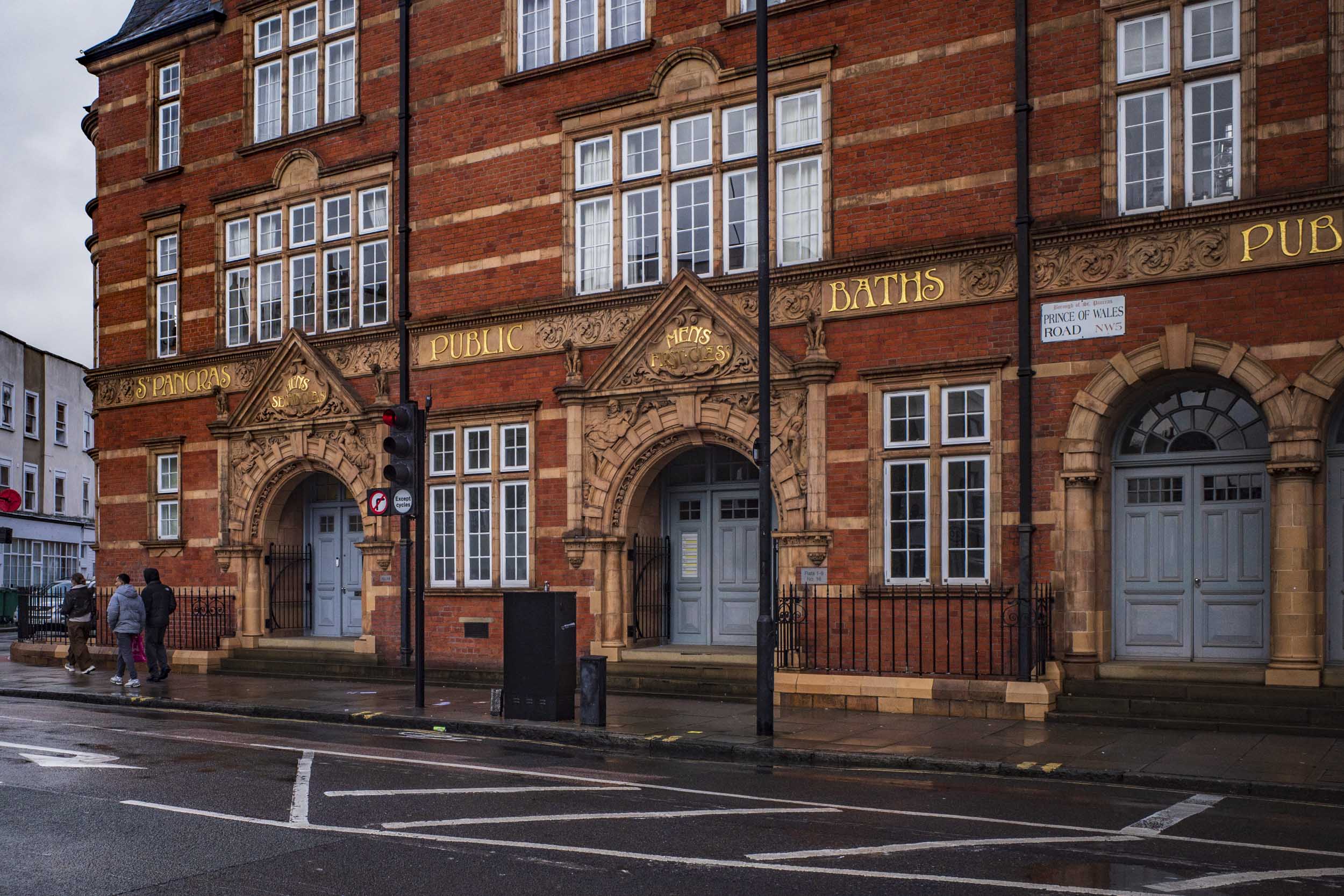
Slightly further afield you will find the magnificent early Edwardian St Pancras Public Baths building and the popular Camden Town Brewery hall beneath the railway arches at Kentish Town.
Ten canal locations in England and Wales worth a visit:
- Pontcysyllte Aqueduct, Wales (Llangollen Canal): Known as the “stream in the sky,” this 1,000-foot-long, 125-foot-high Grade I listed structure is a World Heritage Site and one of the most impressive engineering feats on the network.
- Monmouthshire & Brecon Canal, Wales: Frequently voted the most beautiful canal in Britain, it runs through the Brecon Beacons National Park, offering unmatched, peaceful, and picturesque scenery.
- Caen Hill Locks, Wiltshire (Kennet & Avon Canal): A scheduled monument featuring a dramatic flight of 16 locks (often noted as 29) that is one of the most visually impressive lock flight in the country.
- Foxton Locks, Leicestershire (Grand Union Canal): Home to the longest, steepest staircase flight of locks in Britain, this Grade II* listed site is a top destination for boaters and walkers. The remains of the inclined plane — a scheduled monument — are visible alongside the locks.
- Little Venice, London (Grand Union/Regent’s Canal): An oasis of calm in the heart of London where the canals meet, perfect for picturesque walks, café visits, and boat trips.
- Regent’s Canal, London: Offering a nine-mile walk through the heart of the capital, this route passes landmarks such as London Zoo, Camden Lock, and Coal Drops Yard.
- Standedge Tunnel, Yorkshire (Huddersfield Narrow Canal): The longest, deepest, and highest canal tunnel in the country, passing directly under the Pennines.
- Bingley Five Rise Locks, Yorkshire (Leeds & Liverpool Canal): A remarkable feat of engineering and the steepest staircase locks in Britain.
- Anderton Boat Lift, Cheshire (Trent & Mersey Canal): Known as the “Cathedral of the Canals”, this historic, fully operational boat lift connects the river Weaver with the Trent & Mersey canal.
- Stoke Bruerne, Northamptonshire (Grand Union Canal): A historic canal village famous for the Blisworth Tunnel, the Canal Museum, and classic canal-side pubs.
The above list was compiled for us by AI based on recent, top-rated, and frequently recommended locations from the Canal & River Trust (see below) and other sources.
Road to Wigan Pier
To find out more about the wonderful world of British canals, visit the website of the Canal & River Trust. If you are visiting Britain, canals throughout the country are of great interest and are invariably photogenic. They represent something different, far from the usual tourist attractions. I am grateful to Phil Emery and Alex Paterson of the Trust for casting their eyes over this article and helping me to avoid some howlers.
Make a donation to help with our running costs
Did you know that Macfilos is run by five photography enthusiasts based in the UK, USA and Europe? We cover all the substantial costs of running the site, and we do not carry advertising because it spoils readers’ enjoyment. Any amount, however small, will be appreciated, and we will write to acknowledge your generosity.
- (Harris, R., 1969, Canals and their Architecture. Hugh Evelyn Limited, London) via Phil Emery of the Canal & River Trust. ↩︎
Excellent article Mike, many thanks.
When I bought my first digital camera a Panasonic LX3 5A, it was the Regents canal, the whole shebang, that became my first repeated trip. There are so many different types of architecture and diversions along the (just over) nine miles of walking. Since then, I have walked it dozens of times, but as far as I remember, only once from Limehouse Basin, uphill. I have watched the area become more and more upmarket, but weirdly more covered with what some people (not me) regard as artistic, graffiti.
I also made it my landscape muse (if there is such a thing) when I bought my first Leica from Ivor Cooper at Red Dot Cameras. This was an M2 with the Version 2 Summicron, the one with the reversible macro feature and the spectacles. That lens is something else and I wish that I has never sold it, so many of them have now been butchered or otherwise separated into the various parts, Ivor chose well. That lens would be a good subject for Leica’s heritage lens market, if they are still doing that?
Close to the beginning of the canal in St. Johns Wood at Blenheim Terrace, is an establishment called ‘The Black and White Basement’ and this is where I took my first few rolls of film from the M2 to learn how to develop film. This firm is run by a really nice cove called Keith Lyons along with his course leader David Champion (who cycles from south London to St. Johns Wood every day).
It was here that I was faced with the DeVere and Leica enlargers, that still dominate the craft. After my visit, I decided to wander awhile along the canal, I had spotted it from a bridge near the Lords cricket ground and thought it looked interesting. It is not long before one encounters the house that Guy Gibson lived in at the time of the exploits of the Dam Busters. Though the last time I was there it seemed to be a rather down at heel HMO. The fortunes of the different parts of our great city seem to wax and wain continually.
Anyway, I seem to have succumbed to a bout of verbal diarrhoea, so I will stop now and get back to my preparations for Worldwide Pinhole Photography Day… Mike may remember my obsession with lensless photography. I spent a good hour yesterday morning in the total darkness of my attic, trying to cut a piece of 8×10 Ilford photo paper into four 4×5 pieces of direct positive paper to use with my Reality So Subtle 4×5 pinhole camera… A partial success, one holder is spot on, the other is a bit haphazard, but I will try them both before I purchase some decent negatives which are much easier to load, since they are keyed in the top right hand corner.
Onward and upwards.
Thank you, Stephen, for the extra information. The nine-mile stretch from Little Venice to Camden makes a great day’s outing, with plenty of rest stops along the way. It’s the sort of thing that most London visitors don’t think of, but it gives a much more intimate view of the capital than sticking to the centre. Good luck with Worldwide Pinhole Photography Day. I learn something new every day…
subtitle: “intriquing lock system are just a pretty background for the crows who flock to one of London’s major tourist attractions”
I’m not sure I want to visit an attraction with so many birds….
Sorry — that was too hard to resist…
Oh Kathy!
We try so hard as an editorial team to catch things like this. I think this means I’m being banished to Bodega Bay…
Jon
As with Kevin’s canal photos, this article leaves me with a longing for more!
As tothe graffiti — at least it’s a kind of authentic human expression. I’m more concerned about the Shake Shack — there’s one just like it, in Shinjuku Tokyo’s Southern Terrace; I passed it yesterday. Now that’s clutter.
Bodega Bay is so wonderful-i once lived near there and was on the look out for birds!
Point taken, Kathy. We need to up our game on these subtitles because they do not appear in the proofs which we so assiduously check. It’s a WordPress anomaly, and you have to delve deep into the detail to find the subtitle box. I will alter it! And thanks for your positive comments on the article. Mike
Later… you got me there because I couldn’t find a subtitle on this article. I eventually narrowed the typo down to the caption under the second photo… but thanks, all now corrected.
All of which suggests we don’t properly appreciate the editorial process. The check is in the mail .. or will be once I get home. It’s shocking how much a superior bottle of nihonshu (Japanese made rice wine) costs 🙂
But, a thought: a small article on the process of text + photos to published article might be of interest, especially to us old html coders!
We have thought about that, Kathy, and we might do it. Every article is proofed by the four Macfilos editors, and by authors in the case of contributions. And we still let the odd typo slip through. We will think about a workflow article.
You have captured the lovely light of winter sunshine on your later visit to ” Dead Dog Tunnel”. Image 12 shows off this soft light perfectly. For me though, the graffiti is just a reflection of the society we live in and I do not in any way find it photogenic. Out of interest, Kevin in his second article about Regent’s Canal took his photograph, “Skilful Manoeuvre” from the same spot as you did in image 12; I compared graffiti!
The history of British canals and their revival for pleasure craft is a fascinating subject. In the UK we have had a couple of TV series, “Canal Boat Diaries” and ” Great Canal Journeys”, which can keep one entertained for hours.
Chris
Thank you Chris. As you worked out, the Dead Dog Tunnel pictures weee taken on a sunny winter day. The others, the wet Saturday shots have their own charm, but would probably have been better on the second day.
Interesting article and great pictures, Mike.
Thank you, Thomas for your kind words.
Very enjoyable article Mike and one which brought back many happy memories as my Wife jo and I used to love visiting the area back in the days when we were still mobile enough to be able to do so, but the one great sadness about how it has since changed, and as seen in almost all of your pictures, is the addition of so much Graffiti. And especially for such a historically listed area I find that factor so sad.
Thank you, Don. I know some people raise graffiti to an art form, but I call it vandalism — unless officially approved and in controlled circumstances. I’m sure some others will have different views!
I once went to a presentation by a college professor that was titled “Graffiti -Art or Vandalism “. His presentation promoted graffiti and said it was a place for poor people and so on to do their art. A number of people got quite angry. I said I was going to hire someone to graffiti his garage door at night. He was not happy about that and everybody laughed. His presentation was over.
Quite right.
A wonderful treat this morning. Loved the article and the images!
Thank you Brian. I regarded this as one of those opportunities that presented themselves when I least expected to me taking photos. It’s good I had the Ricoh in my pocket.
And that little lens on the Ricoh has done an excellent job of capturing detail. The moody sky and the brickwork of the buildings in the first image, for example, and the scene of Dead Dog Bridge (Lovely name!) and the reflections in the water. Well done.
Thank you Stephen. I am never disappointed with the Ricoh. I tend to carry a compact camera with me on most days, just in case…. But I have realised that unless I have specific objective (such as testing a camera or lens, or doing a specific event), the Ricoh is my preferred carry.
This was definitely so on the Saturday at Camden, and I don’t think I was in any way disappointed that I hadn’t brought a “proper
camera.