

So what is “Convergence”, and what are the benefits to the user and to the company? In the case of Leica the goal of convergence is to bring the different user interfaces from each camera model line into one cohesive design that is shared across all models. To make it happen can be pretty complicated. Let’s go on to explain how Leica are doing it.
Let’s start with two quick qualifiers. “UI” is shorthand for User Interface, and it’s the point where humans interact with machines on a physical and/or digital level. “GUI” is almost the same thing, except some of the controls that users touch, have been turned into graphic icons for faster reading and greater simplicity.
As someone with a background in communication, I was curious about how Leica went about working through the process of convergence. What did it entail? When did it start? And what were the obstacles along the way?
The goal
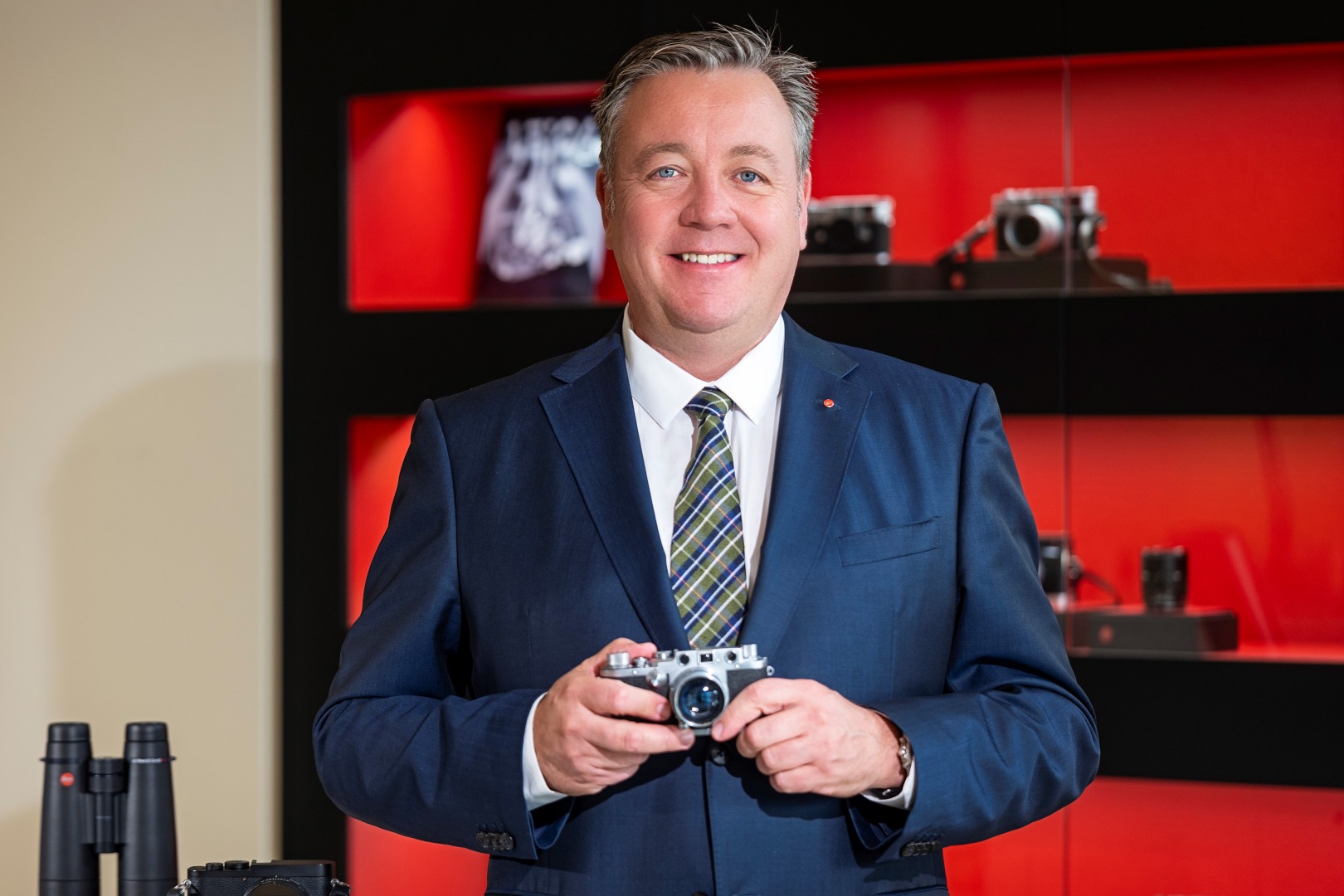
To learn more I spent a very productive hour with Stefan Daniel, Leica Global Senior Brand Representative “Mr. M”, and Nico Köhler, Head of Product Experience. The goal was to understand what “Convergence” meant to Leica and what it has taken to get there.
They provided me with the history of Leica’s UI development from the earliest of days, and the steps they took to achieve their goal.

For users, moving between products often means learning how to use a new piece of equipment, sometimes starting from scratch. If you have a family of products, you can make it easier for buyers to move between products if they do not have to learn how to use the new camera.
In addition, convergence of UIs saves a company time and money by not having to develop multiple versions of hardware and firmware. Leica’s convergence plan was to align both physical controls and firmware across the four major platforms of M, Q, SL, and FOTOS.
Convergence and efficiency

The Roman military fort might seem like a strange example of convergence and efficiency. But the Romans standardised fort design across the Empire, to make it easier for soldiers who might be transferred between territories e.g. from Dougga in Tunisia to Hadrian’s Wall in Scotland, and to be able to find their way around quickly without guessing or asking. While convergence in the Leica UI might not save lives as fort design may have done for Roman legionaries, it could help photographers who move from one camera to another capture “that shot”.
Perception vs reality
Readers of, and contributors to online photographic forums, may not be completely familiar with the extent of the work that’s involved. I not only looked at how the firmware for the Leica trio of M, Q, and SL lines has evolved over recent years, but also tried to identify when and where the steps to convergence across platforms had taken place.

One important question is: How does the design of a UI help or hinder the user? I think it’s fair to say that despite what some opinion formers might tell you, most people do not actually want “cutting edge” when it comes to UI. Their preference seems to be for evolutionary familiarity, ease of use, and comfort.
The birth of the Leica UI
I had thought that Leica had given birth to their UI with the T back in 2014. But I was corrected by Stefan, who shone the spotlight onto the R8, launched back in 1996. It was praised for its intuitive handling and having Program, Aperture and Shutter priority and Manual (PASM) modes. In 2004, the R9 became Leica’s first digital system camera when the digital module (DMR) with a 10 MP CCD sensor, was attached. It was also praised for its excellent ergonomics.
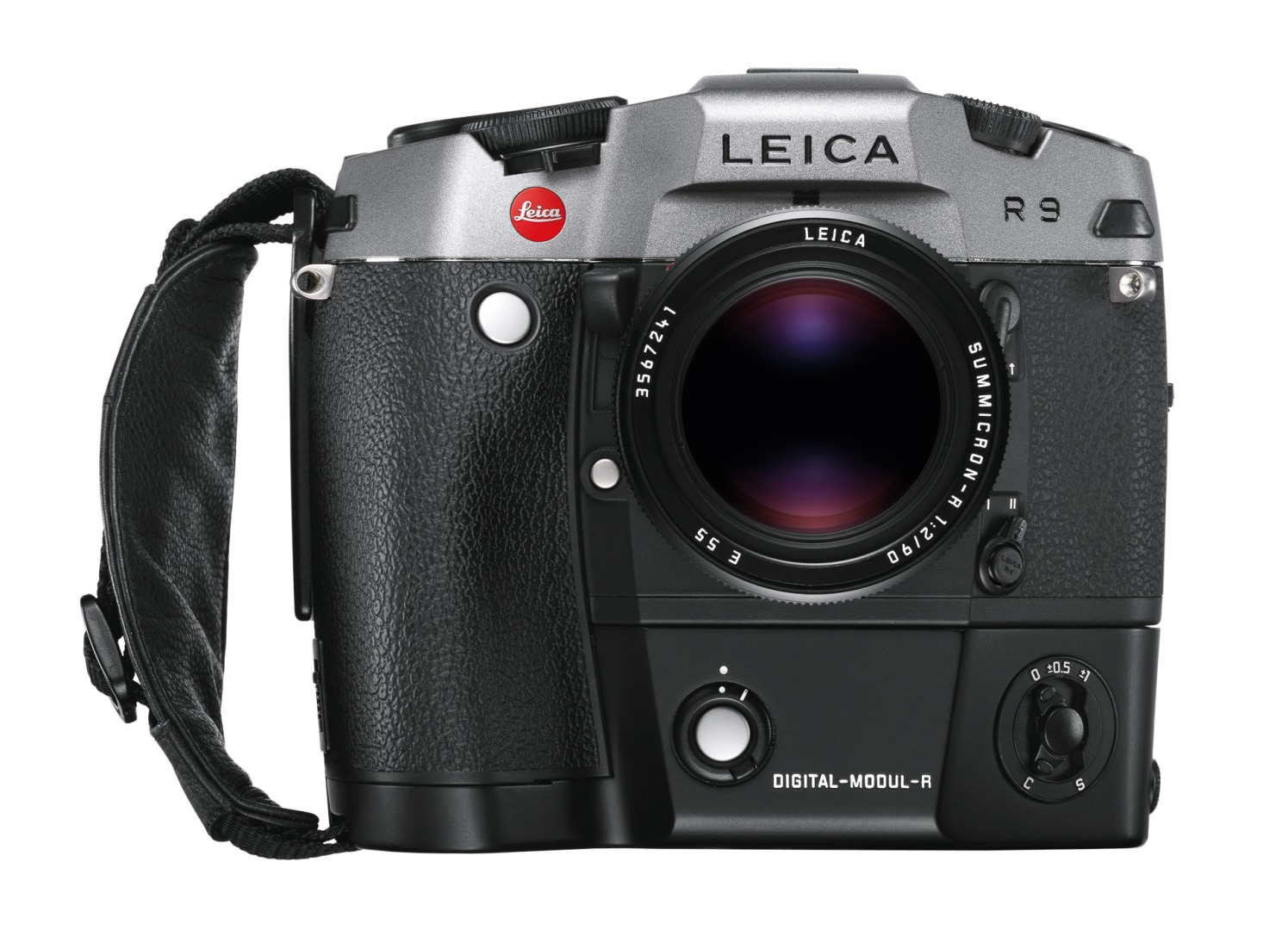
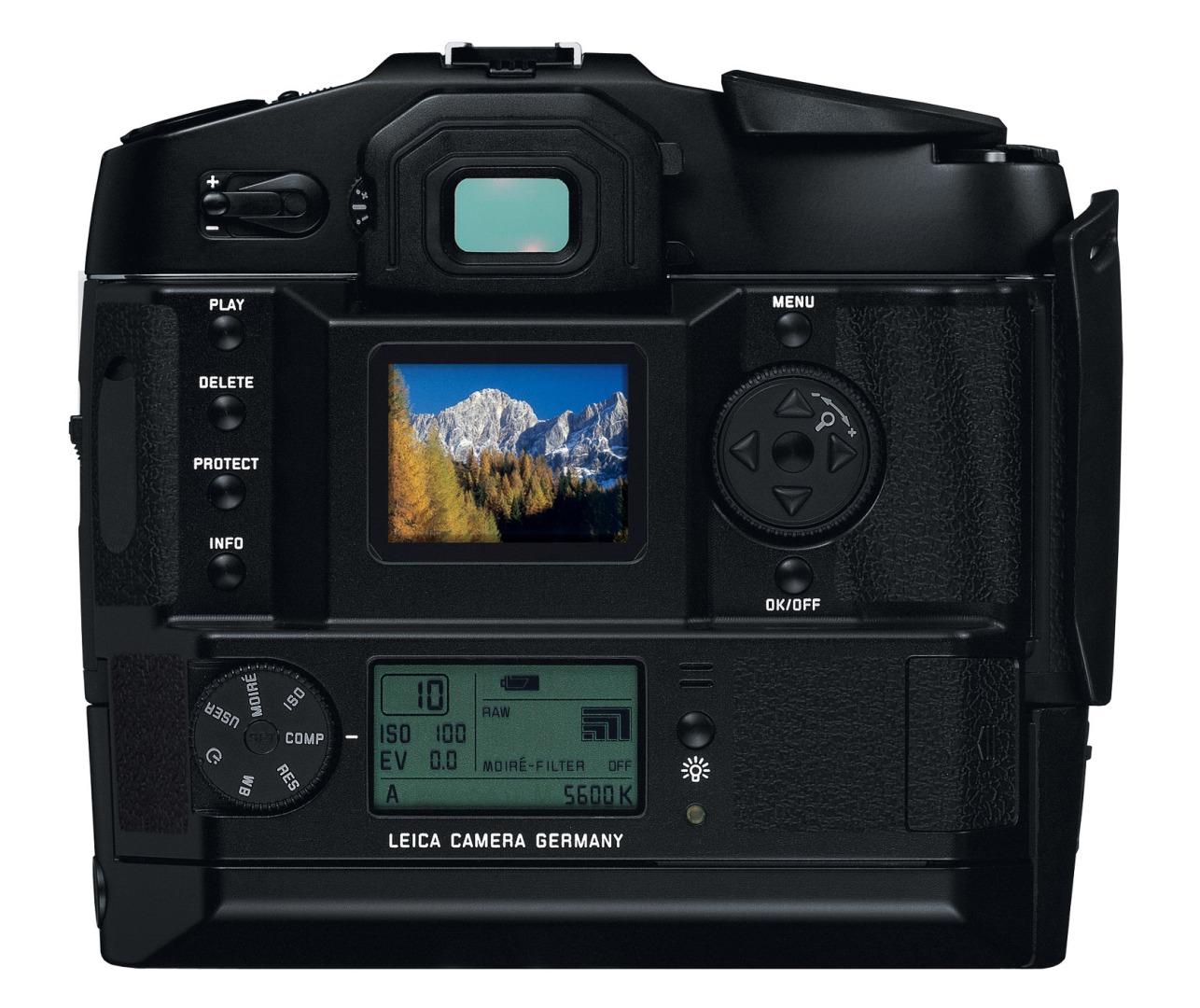
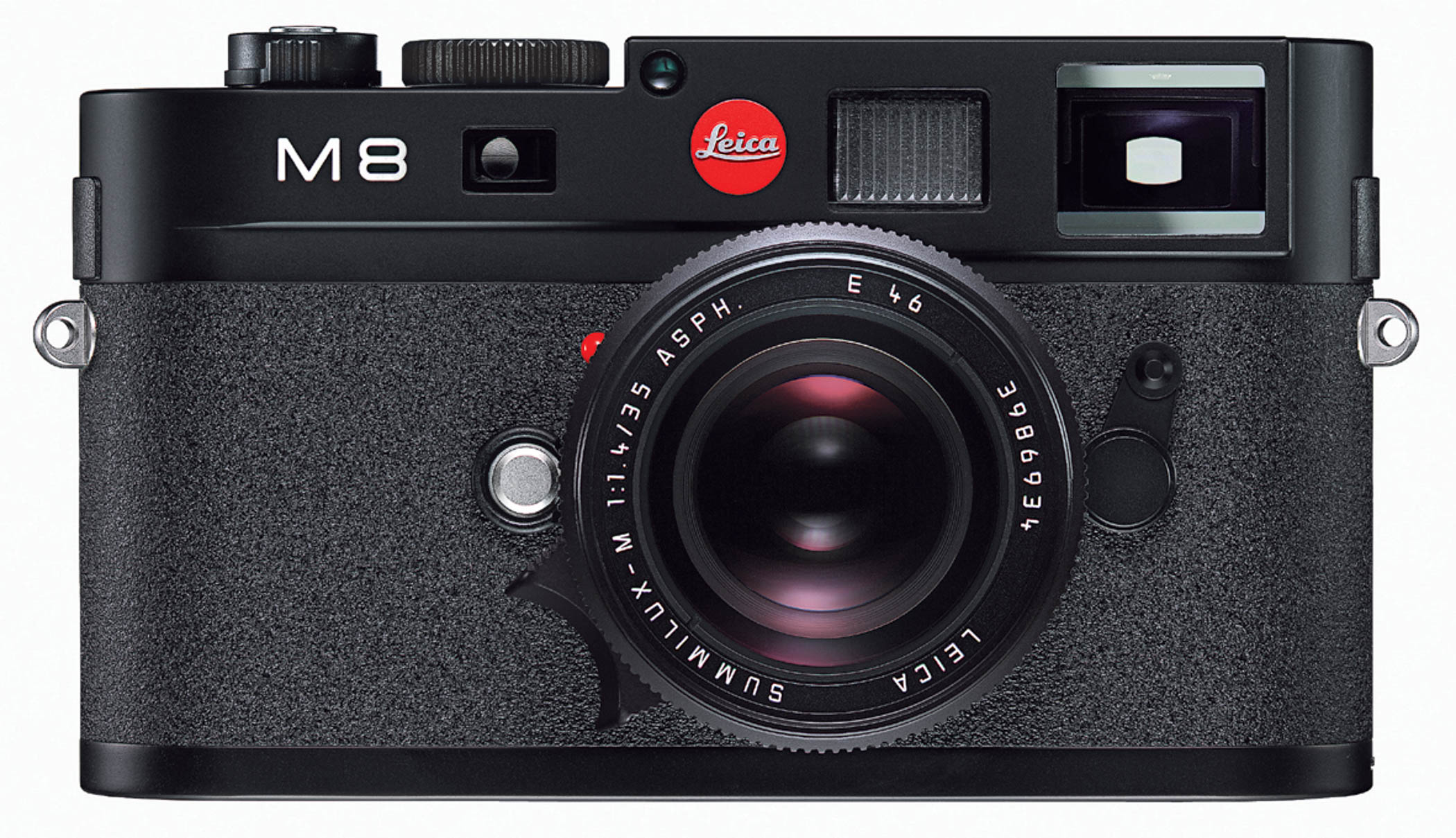
The next real step was the Leica M8 in 2006. There was an LCD screen (but no Live View) in the rear of the camera. To control the capture-relevant settings, Leica implemented the Set button idea from the R8/R9 DMR module. And this really forms an important part of the original Leica UI. You pressed the Quick Set button to come to all the quick settings of the camera, and to arrive at the main menu button that allowed you to go into the deeper settings. Many of those deeper settings you would only access on a limited number of occasions.
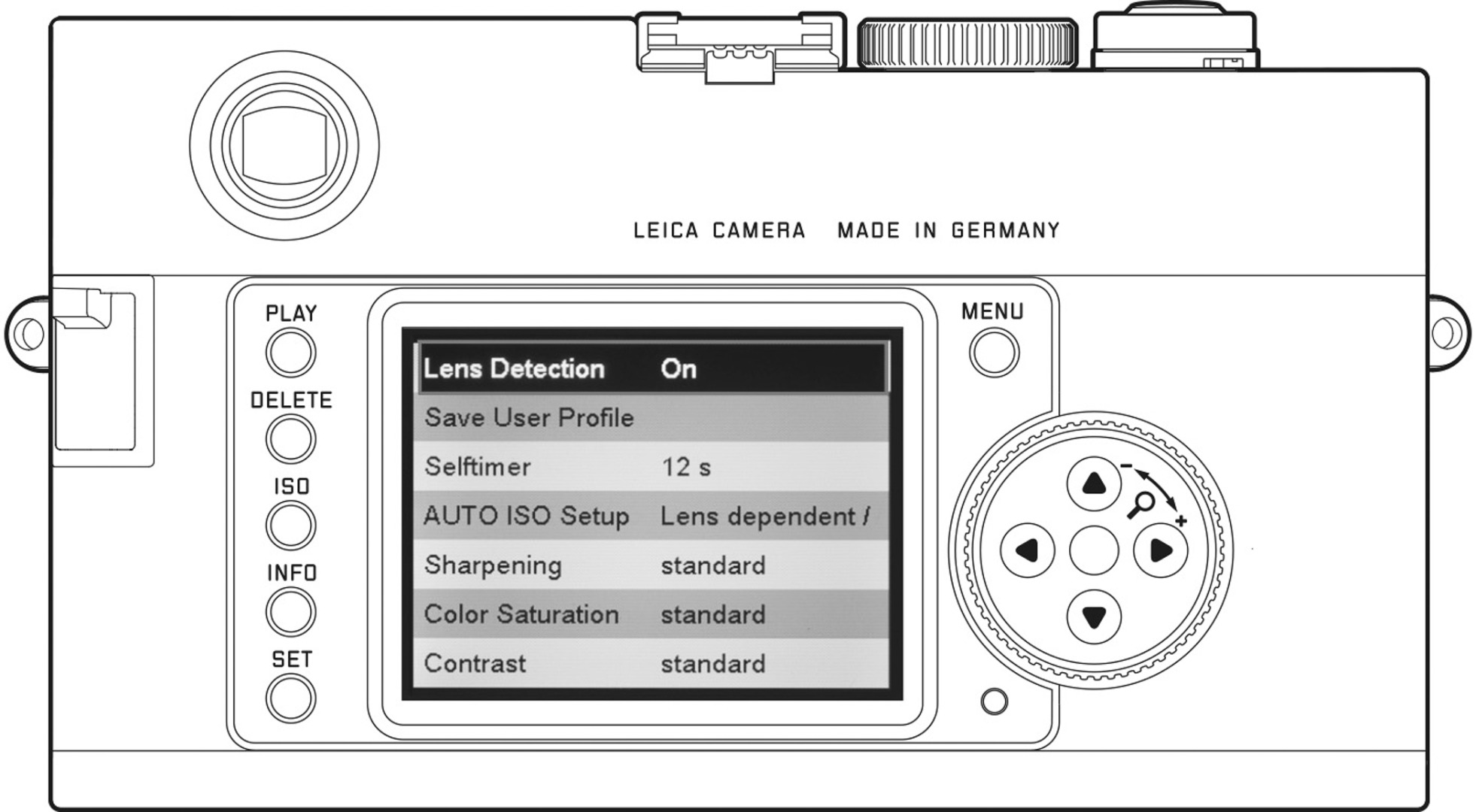
The T Series represented a radical turn
The early 2010s was the period when the success of smartphones had become almost overwhelming. Inside Leica at that time, there was a growing enthusiasm for innovating — of trying out new approaches in camera design — to try to counter the growth of smartphone usage for photography. In the face of a changing market, Leica decided to take the risk and build something entirely new and different.
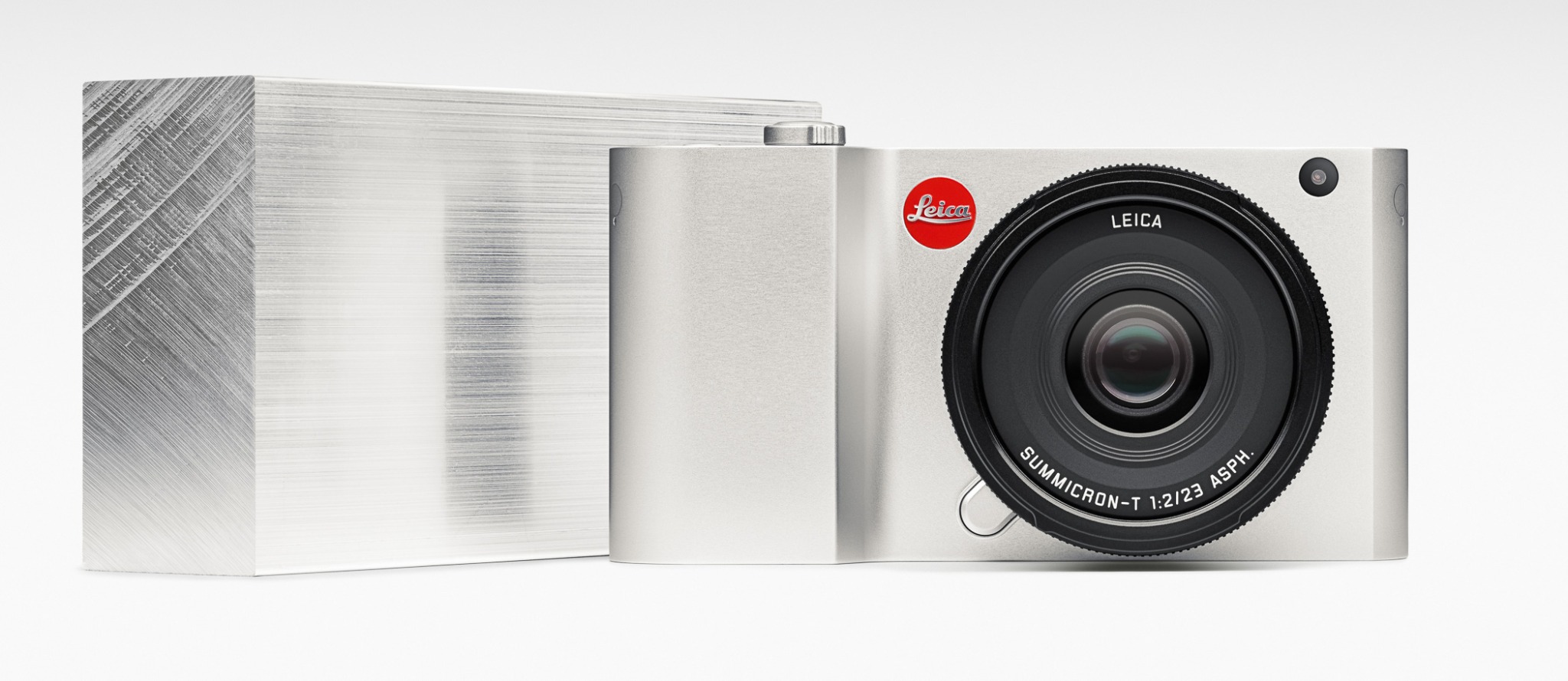
In 2014 Leica launched the T. The design of the T, TL, TL2 lines of cameras stemmed from a collaboration between Leica and Audi Design, and in particular working with Mark Shipard, who is now Leica’s head of design. Mark Shipard had proposed a radical new approach to camera design.
The T/TL/TL2 were machined from a solid block of aluminium, rather than being assembled from components like baseplates, top plates and bodies. The T Series also included a brand-new type of GUI not seen in cameras before, which looked more like a mobile phone interface.
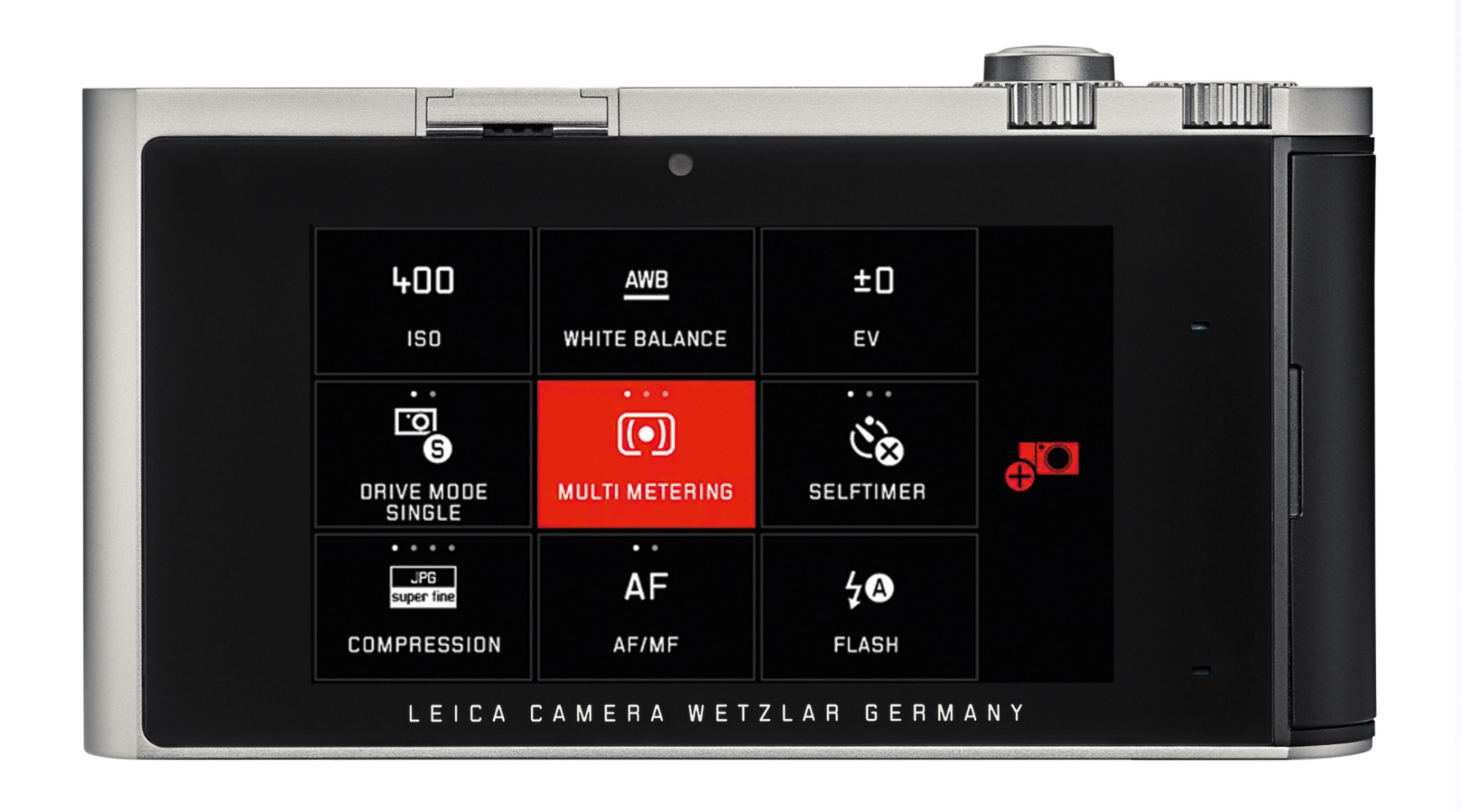
Sadly, this new approach was not loved by the more traditional Leica customer. That lack of familiarity, and comfort was a roadblock to acceptance, despite many of them owning smartphones with GUIs. In addition, the T Series GUI did not respond in the way “modernists” thought a smartphone should behave.
Furthermore, there was no built-in EVF, so another segment of the audience, “traditionalists”, turned away. In the end, the T Series played an important role in discovering what the boundaries were to buyer acceptance and being able to adapt that learning for future generations of cameras.
Advancing a more customer-centric approach
Understanding what your customer thinks, feels, and needs when it comes to the UI, is a critical part of any company’s success and the first important step to convergence. In the past, not seeing this from the customer’s perspective many have cost Leica some success with the T Series.
The goal was and still is to bring new experiences to all Leica’s products that customers increasingly demand. Innovation can be refined through customer feedback before production, to make it feel more comfortable, intuitive, and familiar.
Build, measure, learn
Nico described how Leica gains feedback from users and then engineers improvements into the “master” UI design, rather than starting from scratch with each new camera. Each step should simplify and clarify how users interact with the camera in question. It has taken a while for each of the cameras in the range to approach convergence.
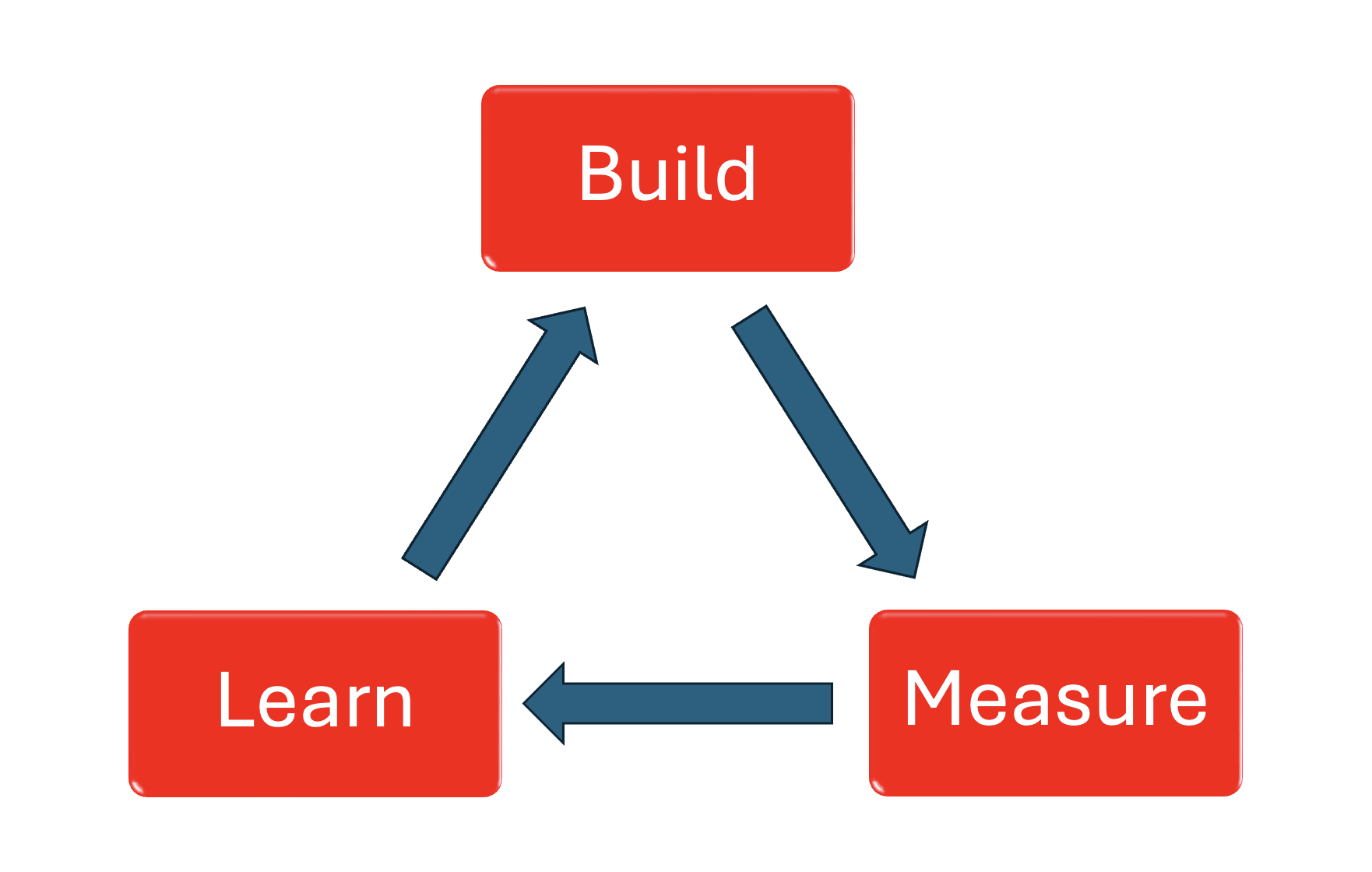
Leica uses the “Build-Measure-Learn” principle, coined by Eric Ries, the author of “The Lean Startup” as its iterative development mantra.
At its simplest, Leica creates a prototype, shares it internally and then with customers to get feedback. The prototype is then modified and tested again until Leica is satisfied that it meets the customer’s needs.
Listening to the user
However, not all customers or fans believe it yet. The good thing for Leica is that their customers are quite explicit and vocal about what they don’t like, and ask for changes! They tell Leica directly if they are unhappy about something. Perhaps with another much bigger brand, this interaction might be less involved and more distant, causing customers to move on quickly to a different brand.
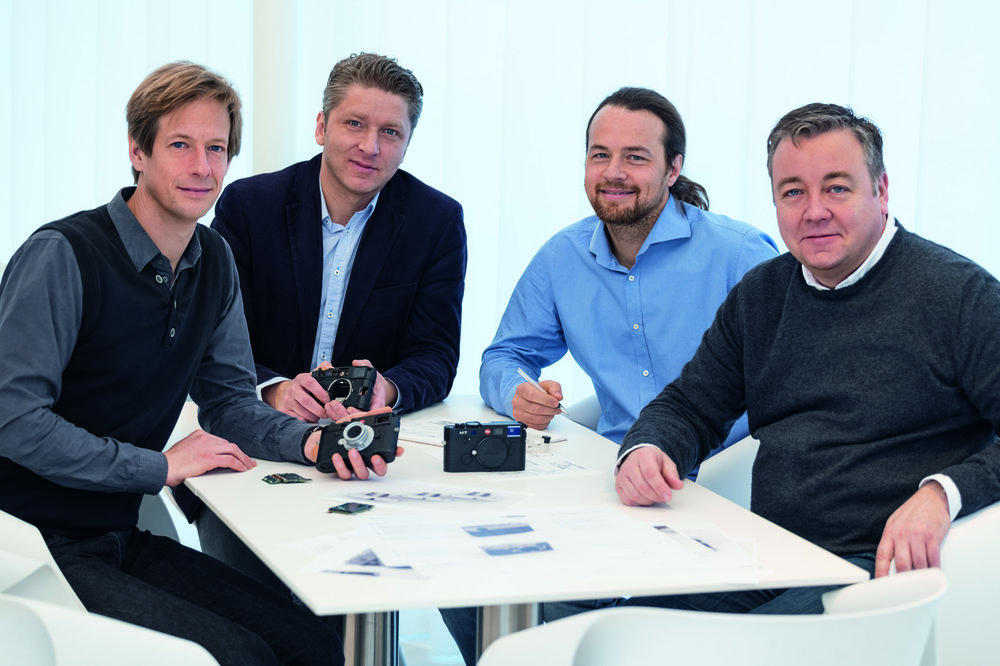
As Stefan says, in addition to the more traditional forms of market research, they have a genuine curiosity in listening to anyone interested in Leica. The truth is that Leica has eyes and ears on all the forums, so they can monitor customer sentiment, opinion and potential flaws that may have been missed in development and then correct them.
The importance of customer field-testing
Leica lets the customer try out physical prototypes before the first real camera is made. They might also let the customer try out the firmware, looking at it on a smartphone screen, which acts as a dummy interface or facsimile for a real camera.
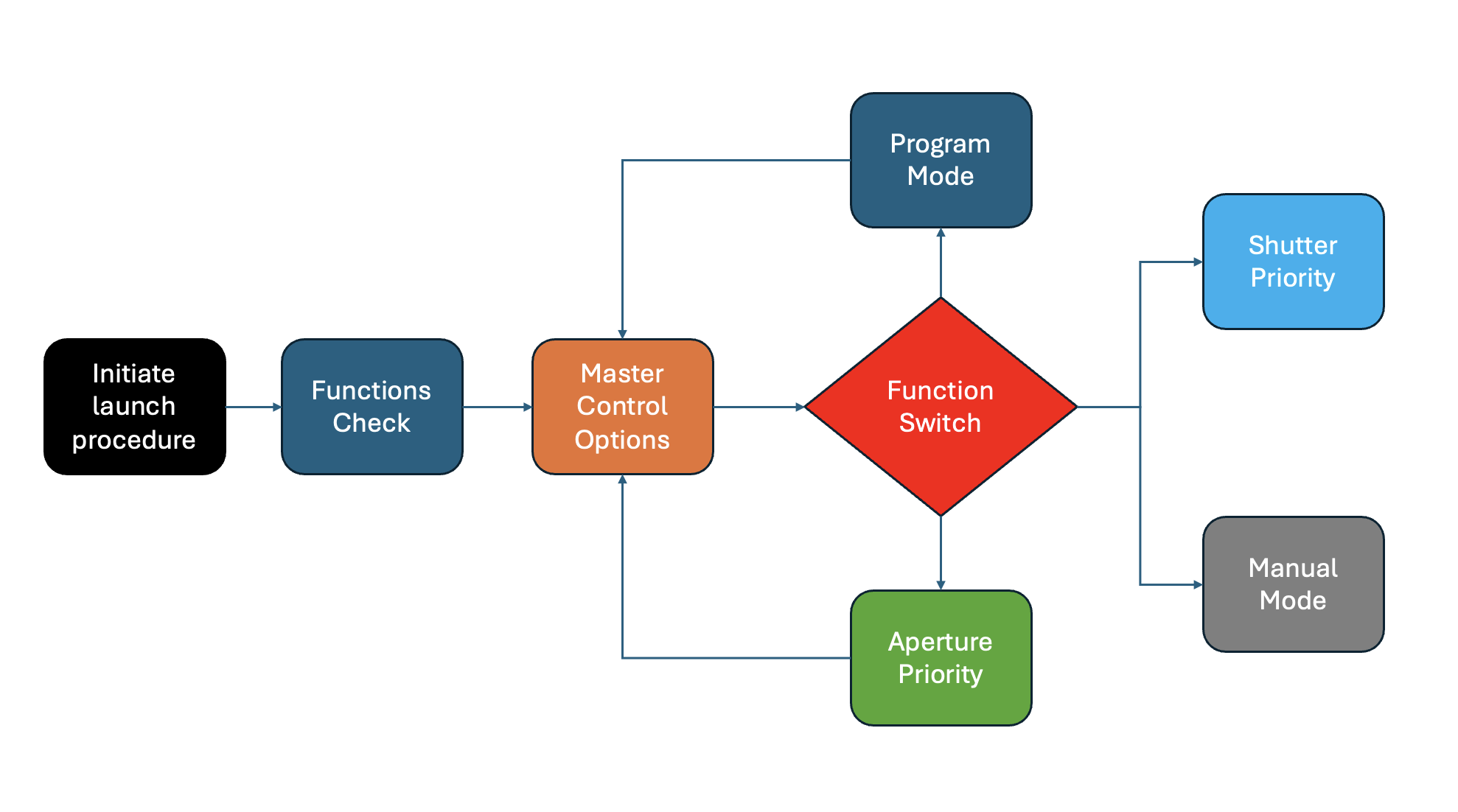
Based on input internally and from customers, the prototype is then refined and tested until it is production-ready.
How many iterations of firmware are usually developed before being production ready? Nico explained that from the first firmware version to the final, final version, there could be 10 to 20 iterations to get things to the finishing line.
For example, on the Q3 firmware update 4.0, Leica heard that focus peaking was on when you have autofocus switched on, and this can be annoying for some customers. Leica listened to that closely, and you can be sure in the next update it will be fixed.
Different user groups — different opinions
I have been reading the many forum posts since the launch of version 4.0 of the Q and SL firmware. I think you can fairly quickly hypothesise three groups of interested owners.

Group One basically says, “I’m not going to download the new firmware until there’s version 4.01 or version 4.1 by which time Leica should have fixed the bugs”.
Group Two says, “I’m experienced enough to work around the bugs and can live with them until the next iteration of firmware comes along”. They seem to understand being involved with owning products from a smaller company and can feel as if they are part of the development team rather than just buying equipment from one of the giants of the photographic industry.
Group Three is perhaps the most difficult to deal with. They have little tolerance for imperfection. They expect an expensive product to be perfect straight out of the box. Yet, they forget sometimes that the big photographic companies also go through the process of fixing bugs, and improving firmware through several iterative steps.
Key precepts to a new UI and convergence
The overall design goals for Leica as it approached convergence were to continue to simplify (das Wesentliche) and make the UI more intuitive. Leica’s intention with a more intuitive interface was to enable the user, with minimal effort involved, to configure the UI to their personalised needs. While the common “language” of the UI may not change, users might still desire more personal control over their shooting experience, by assigning functions to specific control points.
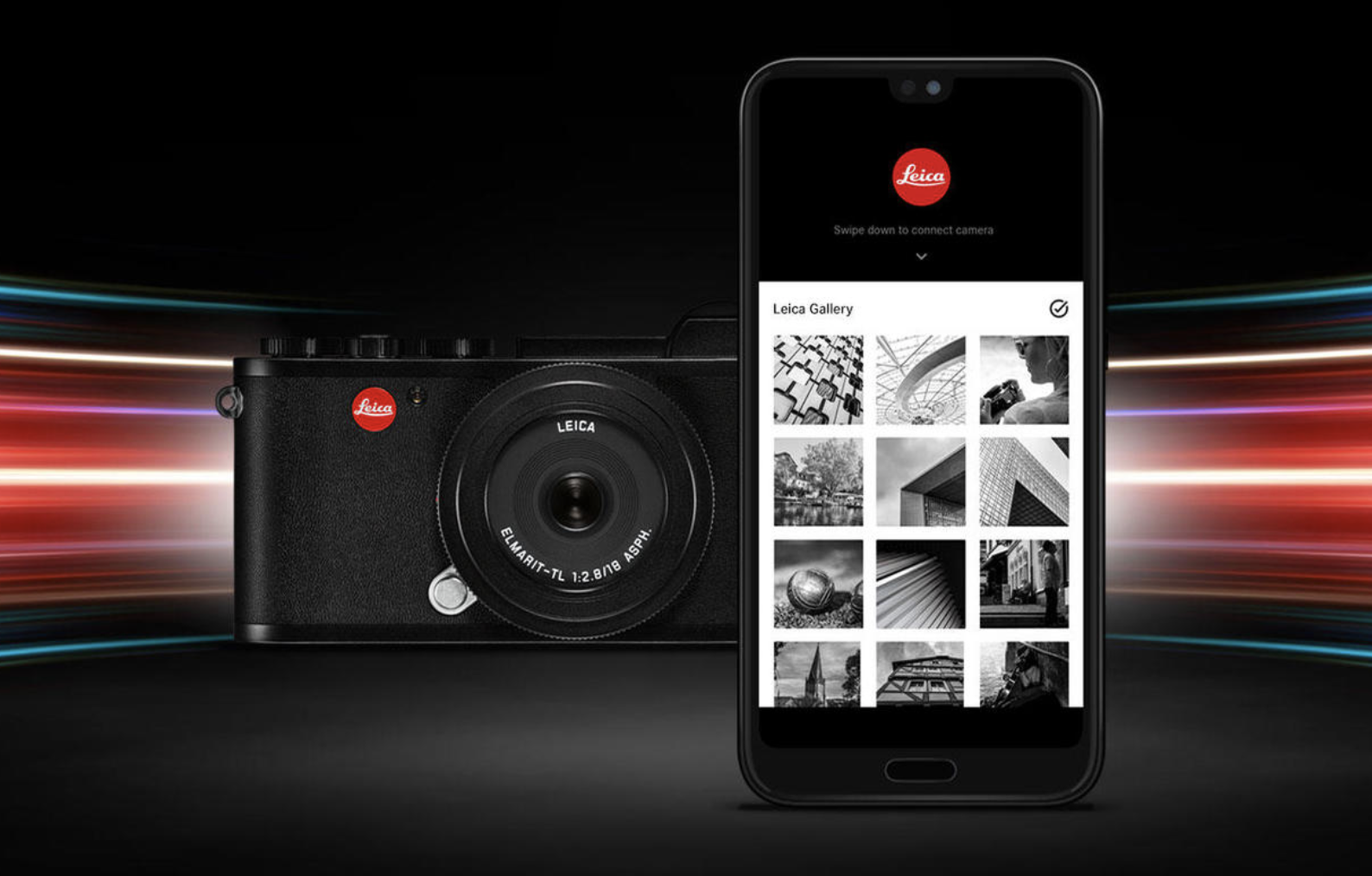
Examples of maintaining the UI while developing and improving firmware can be seen with Apple’s iPod and then iPhone, and BMW’s iDrive. That approach aimed to simplify controls for users but also allow them to migrate to the latest edition without a complete re-education process.
How to build a design progression to arrive at convergence
The first SL had four “blind” or unmarked buttons on both the left and right of the rear screen. The Leica M10 which came next was a big step forward with the first example of the new user interface, with three buttons on the left, named LV (Live View), Play, and Menu.
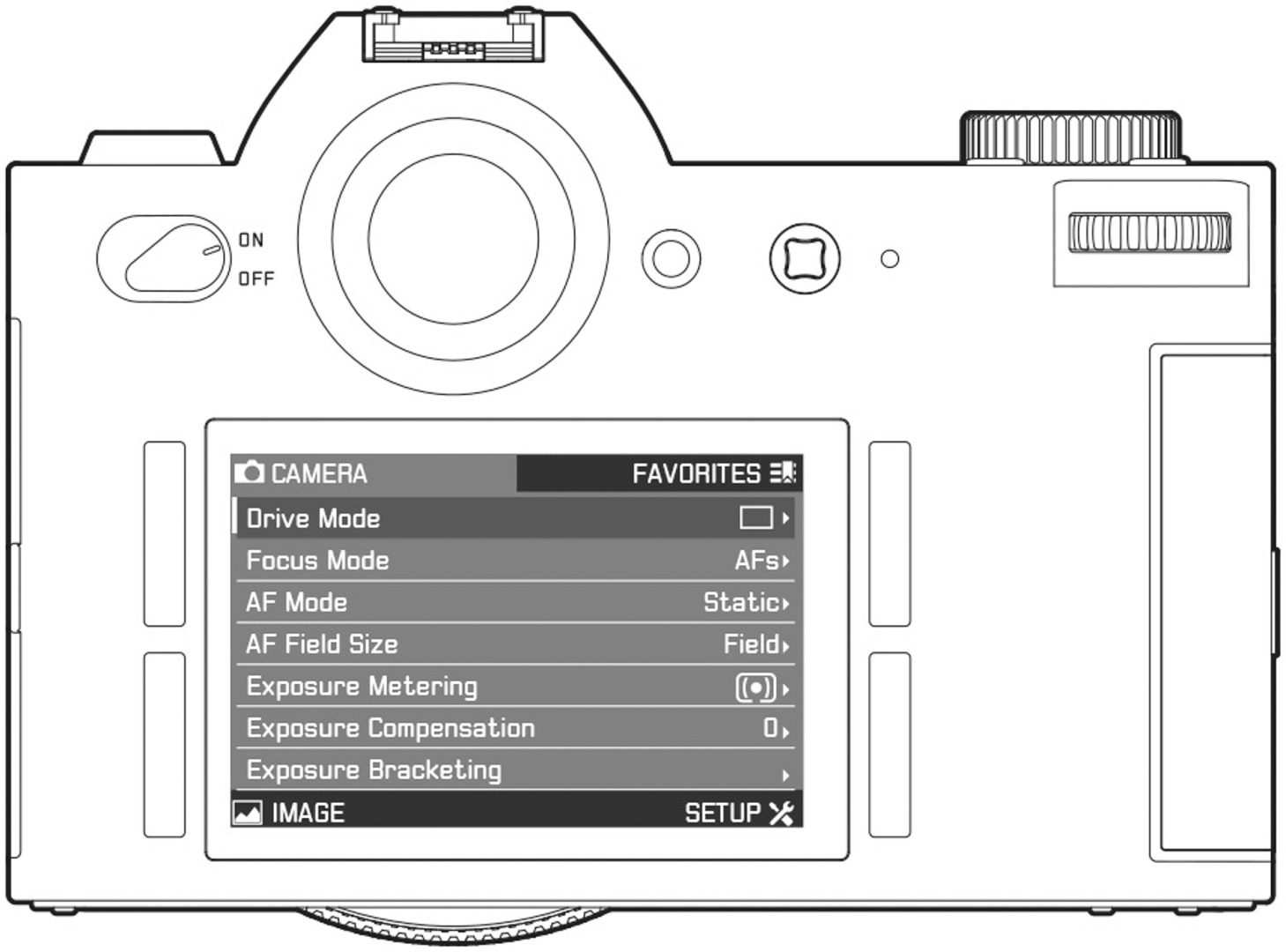
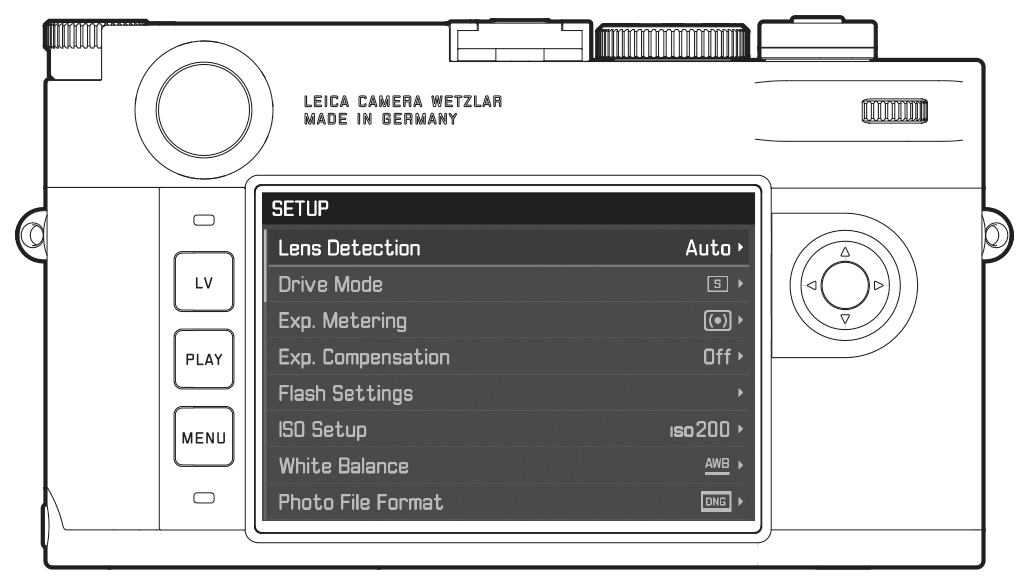
In turn, the SL2 simplified what had gone before in the SL by removing one button and placing the remaining three buttons to the left of the rear screen and now naming them Play, Fn, and Menu. It looks familiar, simpler, and more intuitive.
Changes of that magnitude, however, can really only be made when you change the model generation. And that’s a challenge because until the model changeover you still need to take care of “midterm” updating, refreshing and bug fixes, etc.
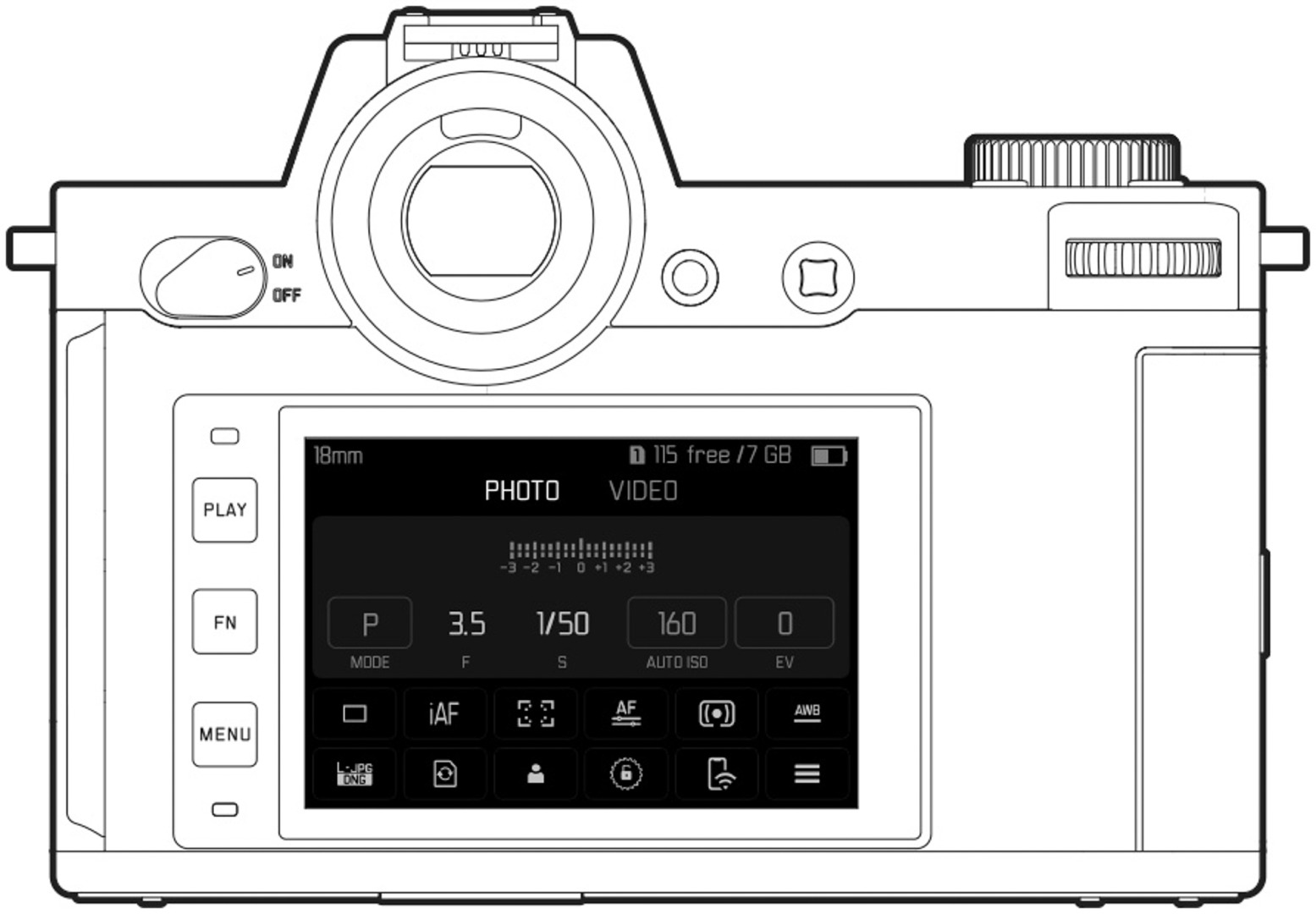
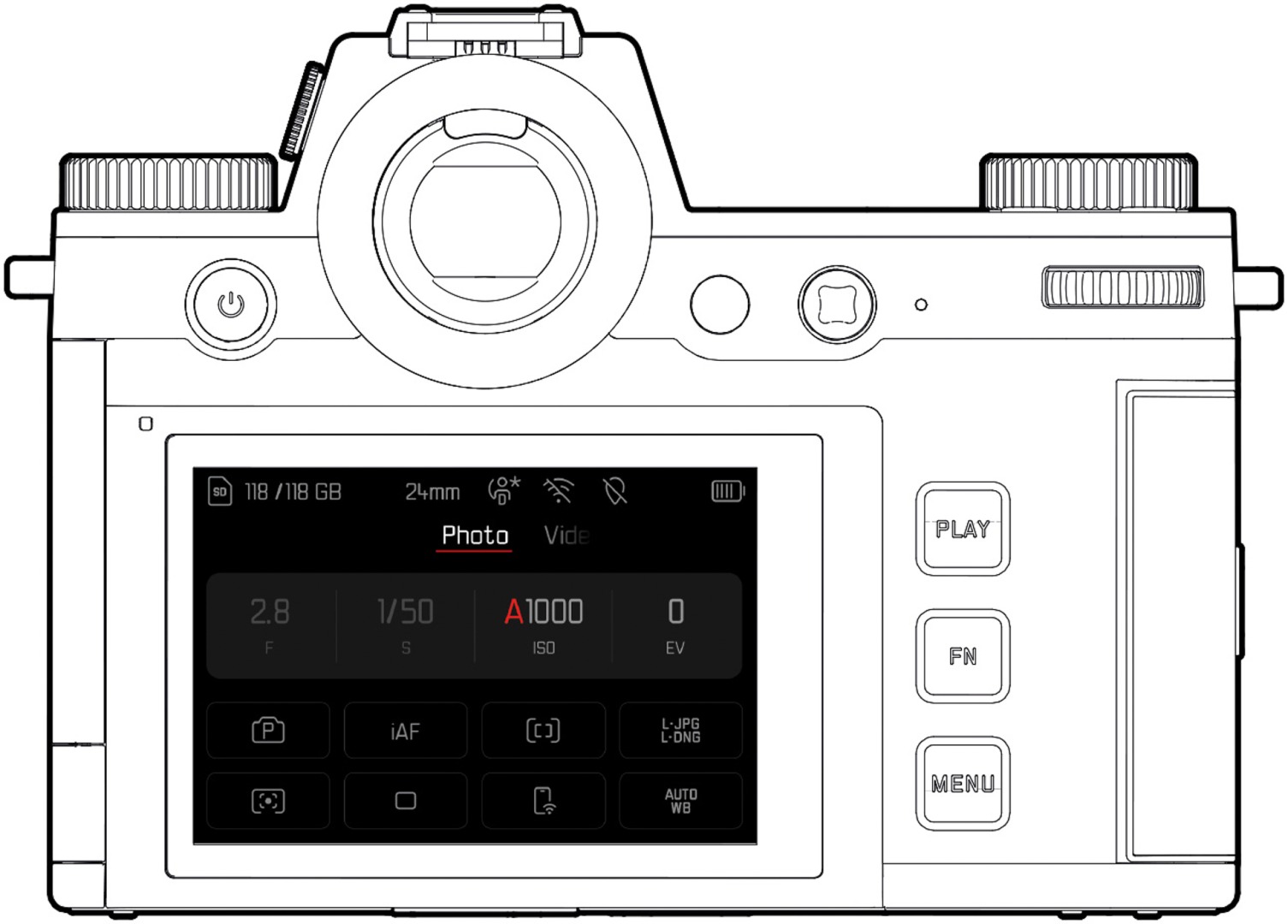
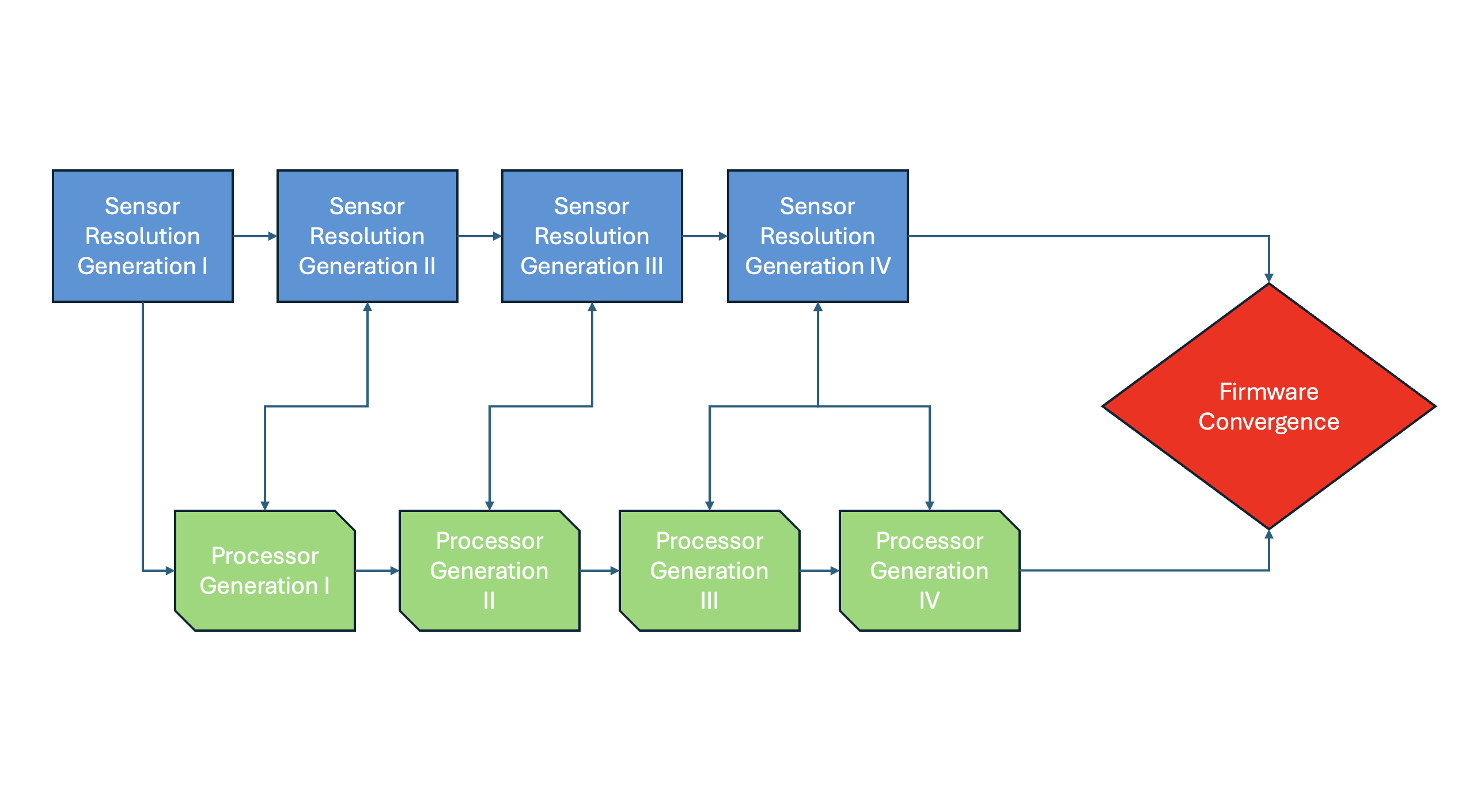
With different generations of processor, you have to find ways to compensate if you hope to achieve convergence. Once you have the same processor, it becomes more or less a version of copying and pasting firmware. Stefan and Nico described this firmware/UI convergence as a little like train lines, as they merge from three tracks, to two, to one track.
The challenge comes when dealing with changing hardware. As Stefan pointed out, you cannot change hardware from one day to the next. Complete convergence can only be achieved in full when you align all aspects of product development — from hardware, sensors and processors, to firmware and features.
Tension between opposing goals
Leica’s stated goal for their UI is to try to make interactions as simple, intuitive, and personal as possible. The new UI was introduced with the Leica SL3 and recently ported to the Q3. That refresh introduced a new Control Center which in essence replaced “Favourites” to make personalisation easier. The menu pages were cleaned up and harmonised to make them simpler. The next generation M range may bring the overall UI alignment closer between Q, SL and M.
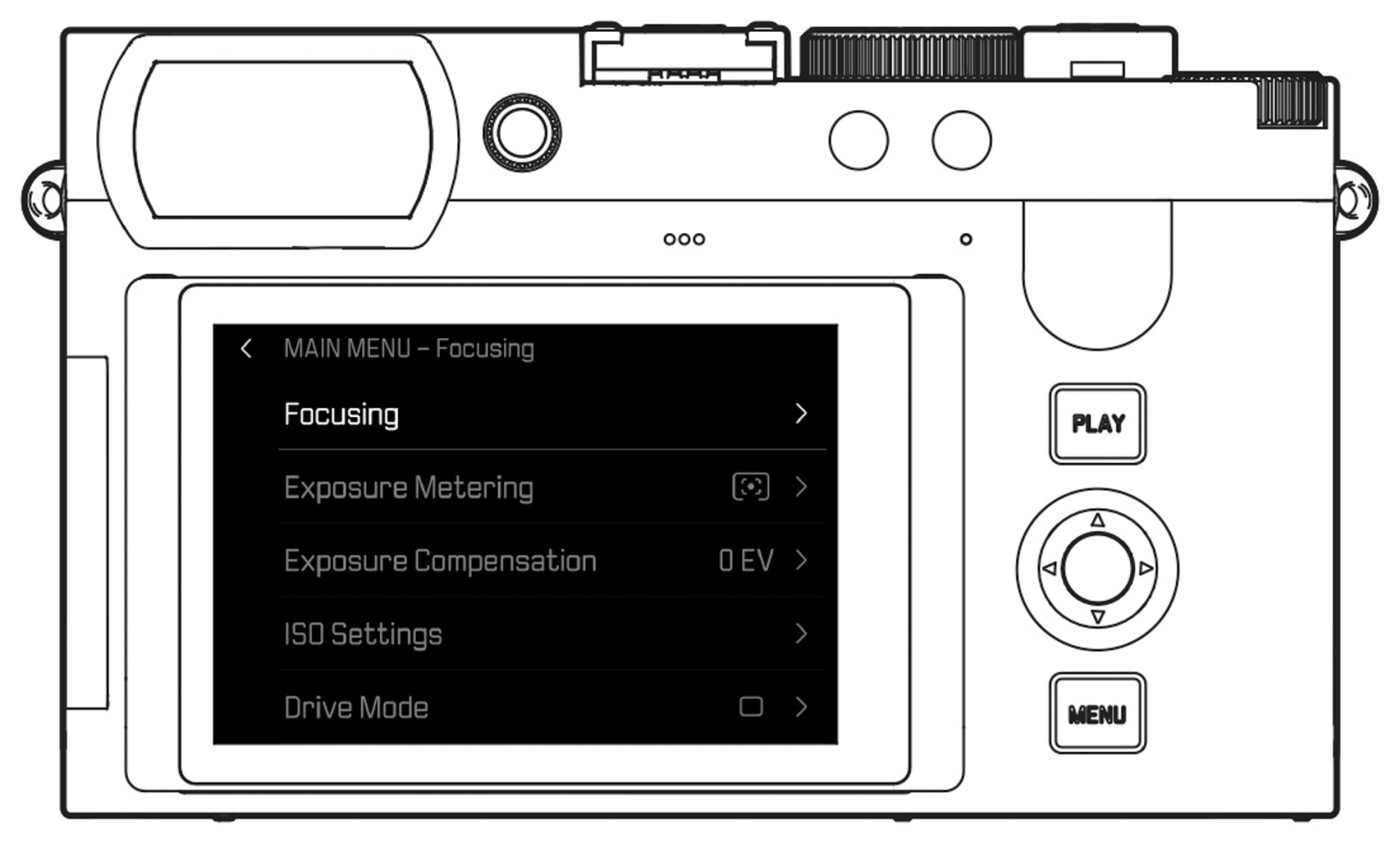
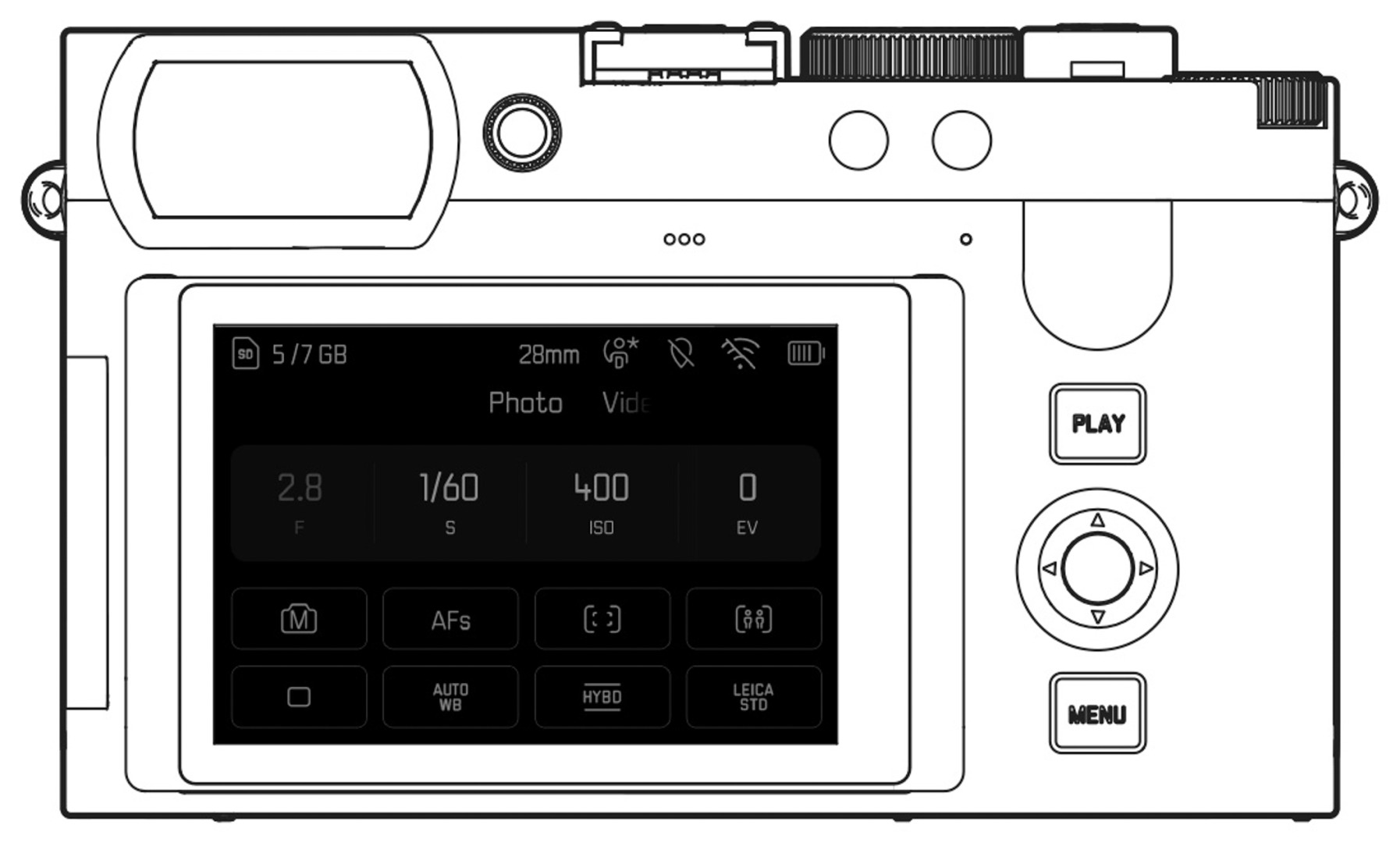
But Leica, in common with all camera manufacturers, is challenged by users and opinion-formers to include more and more sophisticated features. In computing, this is often referred to as “bloatware”. For Leica it creates a tension between “simple” versus “more”.
Resolution via the Control Center
The ability to manage that tension between new features, the ability to further personalise settings, and still maintain simplicity is resolved by the new Control Center. This builds on top of the existing “Profiles” approach and makes interaction with the camera more intuitive and easier to change. The small details matter.
In addition, many customers have more than one Leica camera and those cameras can come from different platforms. When moving from one camera to the other, the importance of a common interface and a familiar way of doing things cannot be underestimated. It makes sense that if you switch from a Q to an M to an SL, that you should not need to entirely change how you think about operating the camera.
Good design is hard work

Stefan and Nico were clear that Leica’s goal is to continue to make the design of the interface(s) as simple as possible. And to place all of those interfaces within one overall converged Leica design system or “universe” that carries across all the different devices you touch. As we have seen, “simplicity” and “more choices” are counterpoints that create tension in the process of design. It’s actually a difficult iterative process for how far you can take it before you’ve taken it too far. It’s the essence of good design.
When you look at other categories, you can see when people have really worked very hard to get to a point where things have clarity without compromise. And for Leica that would seem to be the essence of good design. Stefan and Nico cite the example of reducing the button count on the M or Q from five down to three. It requires a lot of coordination between hardware and software development to create meaningful simplicity. More on that later.
Balancing simplicity against more choice

Leica continues to practice balancing simplicity while adding more choice. Each step needs to start by defining clear roles for the UI and Leica FOTOS, within that overall design system. Leica FOTOS has been developed as an integral part of the company’s design “universe”, to maintain simplicity as well as “intuitivity”, but add more choices and customisability.
Look at the work of the acclaimed British sculptor Henry Moore and ask yourself, “What could I remove that’s superfluous and what is essential to be kept?” That is the iterative design process Leica pursues. To achieve that, Leica develops prototypes and ideas that can be perceived as simple.
Clear feedback from customers reveals the difference between “simple” and “simplistic”. The latter can actually confuse users. The design might give the appearance of simplicity but fails when it comes to interacting with the UI.
Icons to “Leicons”
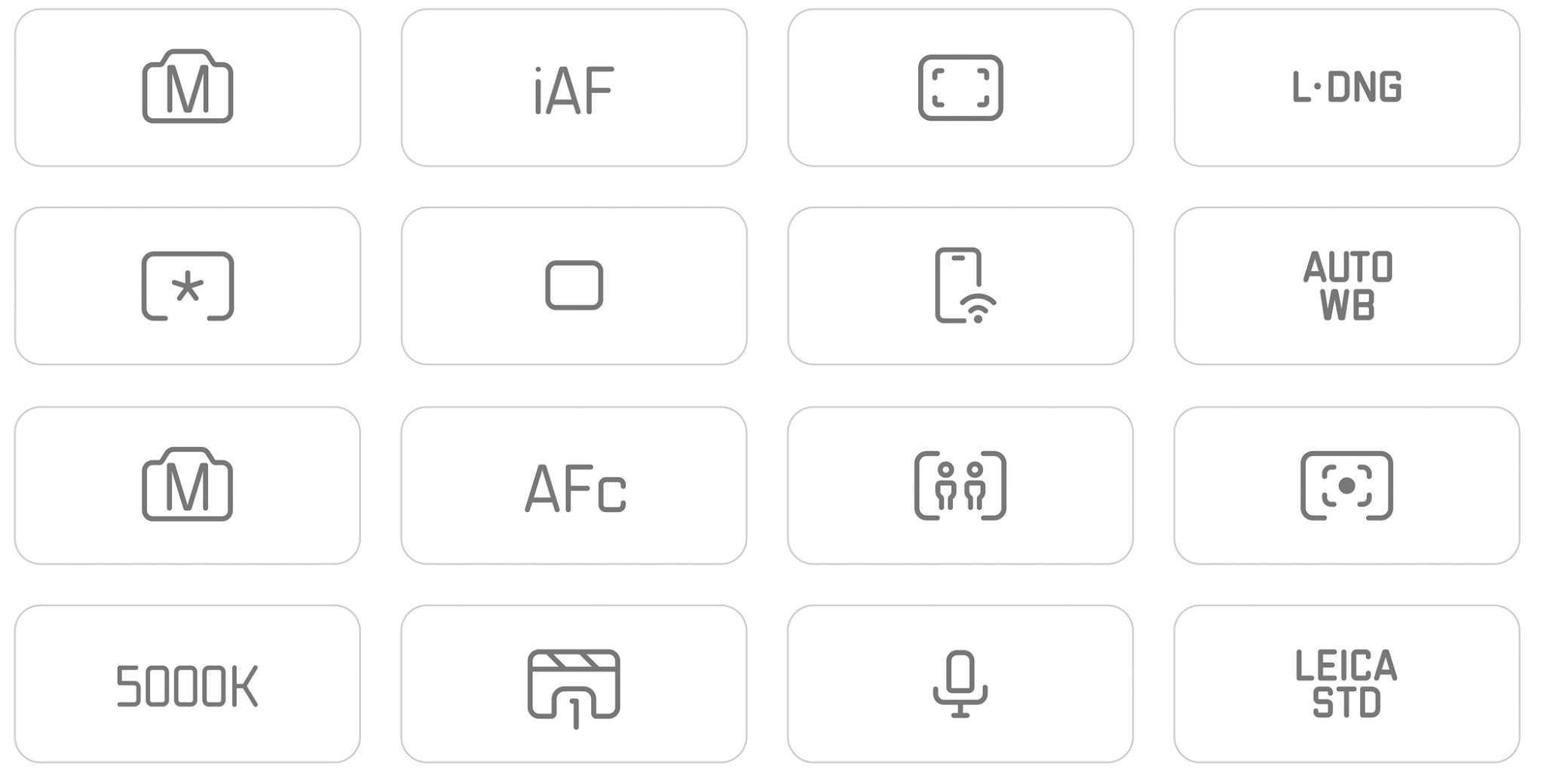
Nico offered another example. Four years ago, the design team proposed that the icons (or perhaps Leicons?) should be redesigned. Some might have questioned the need, while others thought it would help with comprehension. It might seem like a simple task, but it turns out that Leica had 927 icons in current use at that time. Leica’s design group went through numerous iterations to arrive at what we see on the latest FW4.0 of the SL3 and Q3 firmware. That process took a year.
The timing challenges of the firmware development
Some Leica customers look at what Apple does with software and assume that Leica can be just as fast in introducing updates, fixes, and so forth. One of the challenges for Leica is framing their customers’ expectations about firmware changes in the face of the realities of resource management.
As Stefan and Nico say, for Leica, there will always be firmware improvements they want to make. When people are passionate about what they do, they never stop looking for “better”. But you have to carefully manage the resources you have.
Inevitably, there are hot fixes for firmware bugs that also have to be addressed, for example where the camera freezes. But if it’s an improvement in functionality, it doesn’t make sense to launch new firmware every week. The resources needed to test it, release it to the market properly, and so forth, are considerable.
Bundling changes for efficiency
That’s why Leica will bundle several improvements into one firmware release. If there is a backlog of iterative things that Leica wants to change, this bundling of improvements is more efficient for everyone concerned and reduces the risk of errors. So, the quickest cycle is likely to be three months unless there’s an urgent bug fix required. If Leica does see an urgent need, they can make an update between two and four weeks.
Leica firmware introductions
| SL3 Firmware Timing | Q3 Firmware Timing |
| SL3 Version 1.1.9 (18/07/2024) | Q3 Version 1.3 (29/09/2023) |
| SL3 Version 2.0.1 (12/12/2024) | Q3 Version 2.0.1 (12/01/2024) |
| SL3-S Version 2.1.0 (16/01/2025) | Q3 Version 2.0.5 (27/09/2024) |
| SL3 and SL3-S Version 3.1.1 (09/05/2025) | Q3 Version 3.1.1 (09/05/2025) |
| SL3 and SL3-S Version 4.0 (18/12/2025) | Q3/Q3 43/Q3M Version 4.0 (18/12/2025) |
Good examples of firmware cycles are the Q3 and SL3, major updates. These have been timed to arrive on an annual basis, with smaller updates every three months. With convergence, these updates might become more extensive, happen at a faster rate, or simply permit resources to tackle entirely new firmware projects.
On the Leica FOTOS app, changes can be made significantly faster. The FOTOS app is likely to become a more important bridge between camera lines, the UI, and the user. It will likely continue to help improve the process of shooting and post-development.
For Stefan and Nico, these cycles represent a good rhythm for managing change, whether fixes or planned improvements. There is another side to this development cycle time: customers have also told Leica that if changes were to be made too frequently, this could frustrate them. It takes time to adapt to and to adopt those changes; be comfortable and familiar with them. Anything that appears to be radically different or too frequent can lead to a sense of uncertainty.
Cross-pollination
Nico and Stefan raised the cross-pollination of features from one platform to another and how that can enrich the range. As an example, you see some physical control convergence. The Q2 reduced the rear button count from five buttons to three.
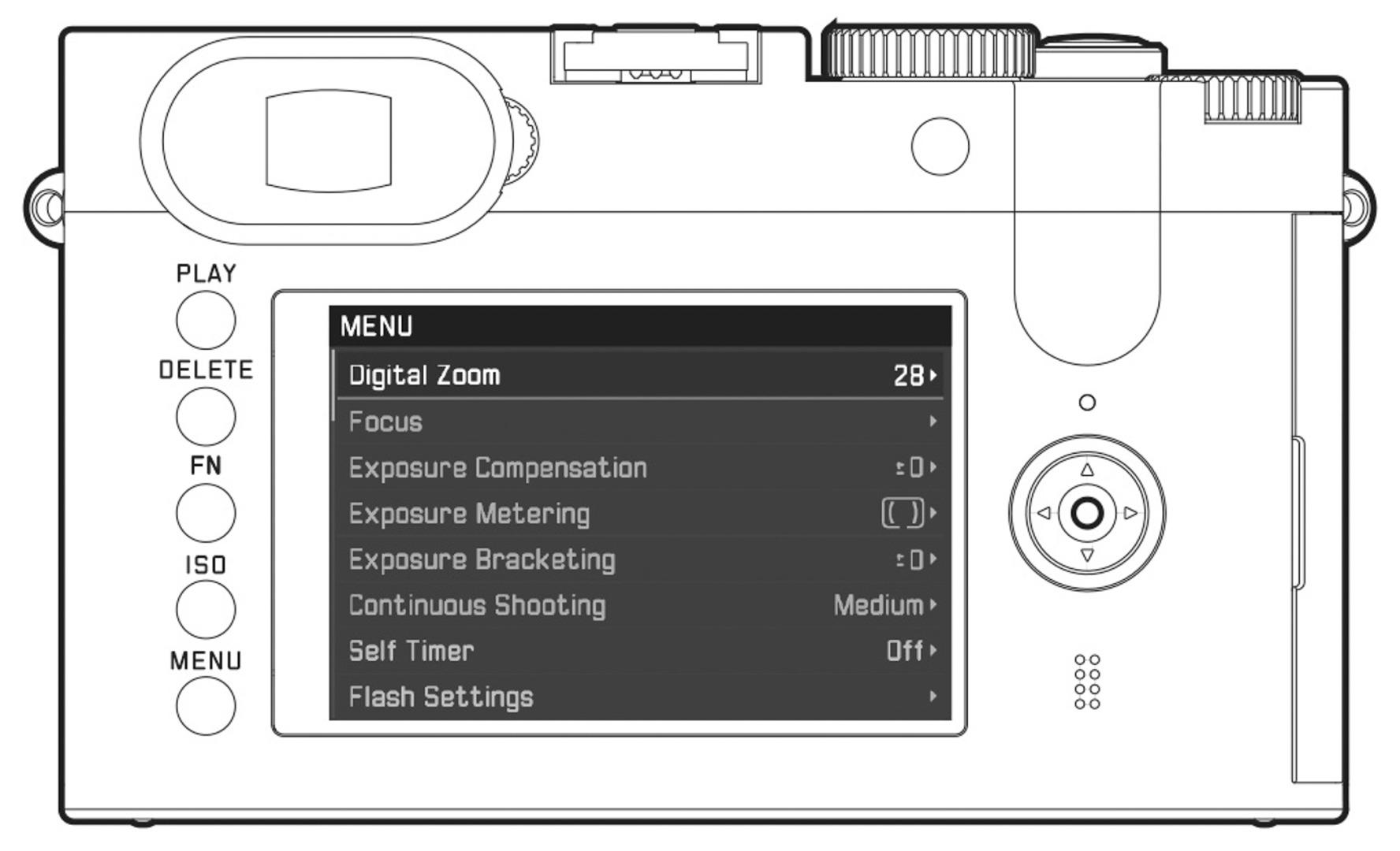
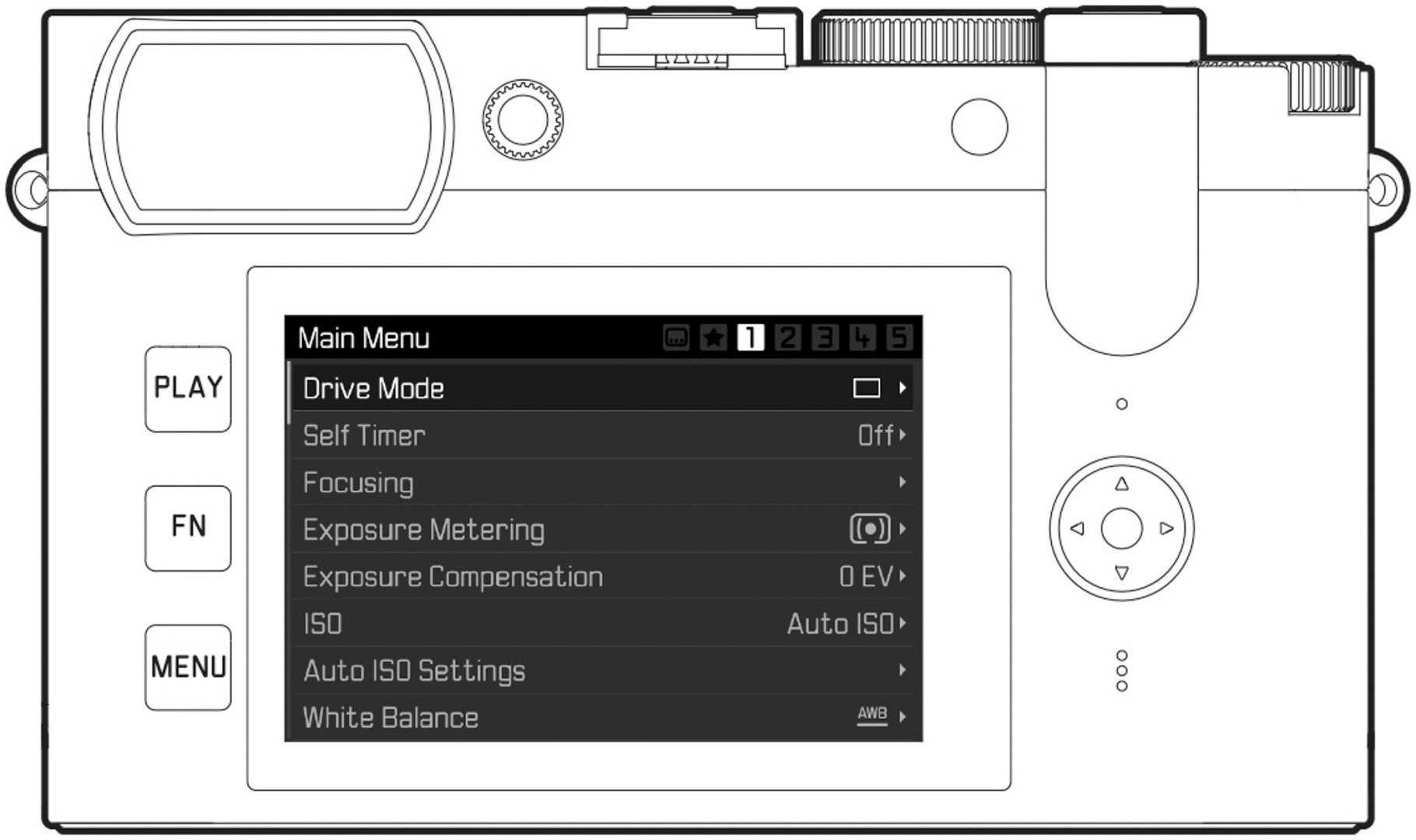
The M10 in turn reduced the button count from five buttons to three. That kind of practical simplification and standardisation will likely continue in the future.
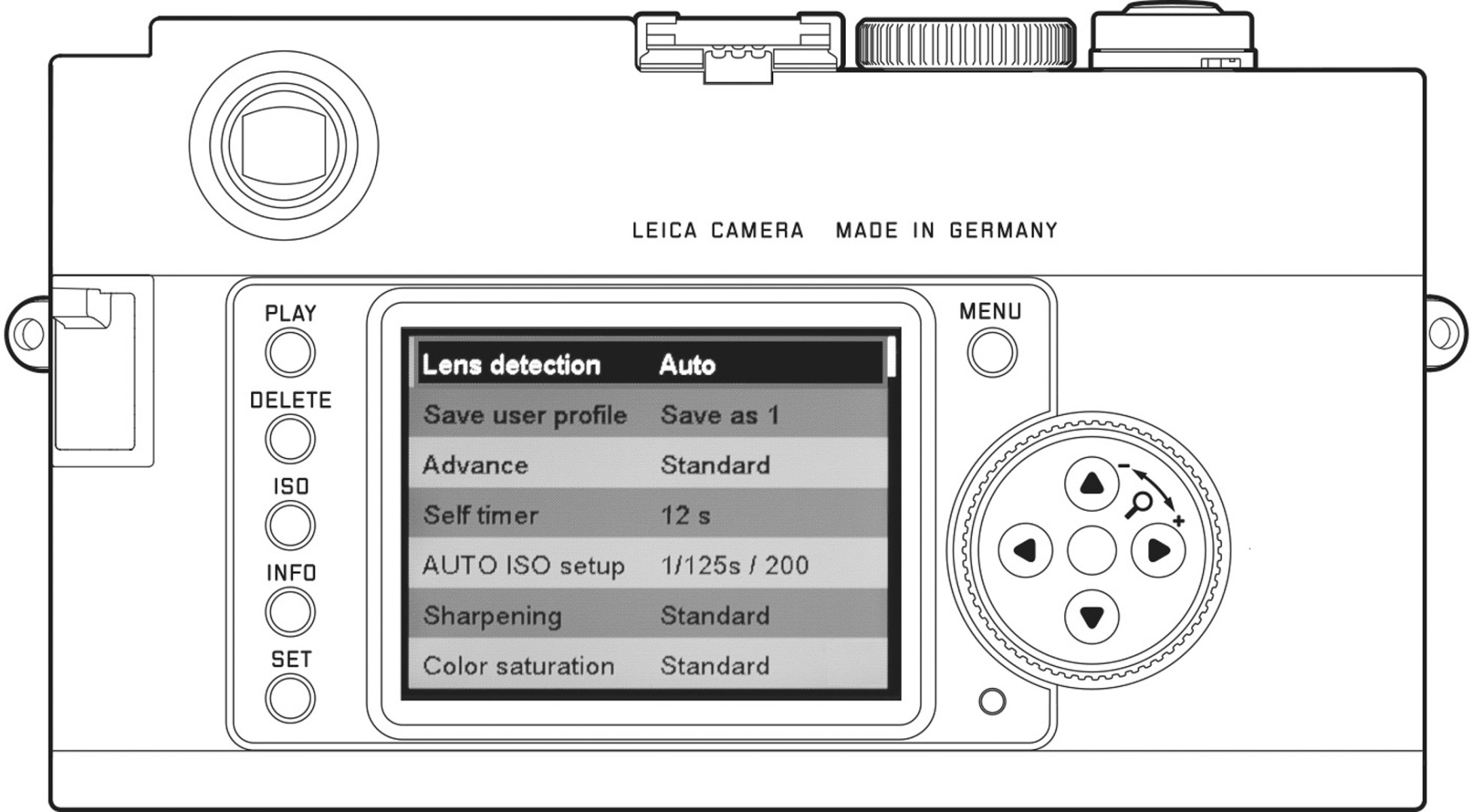
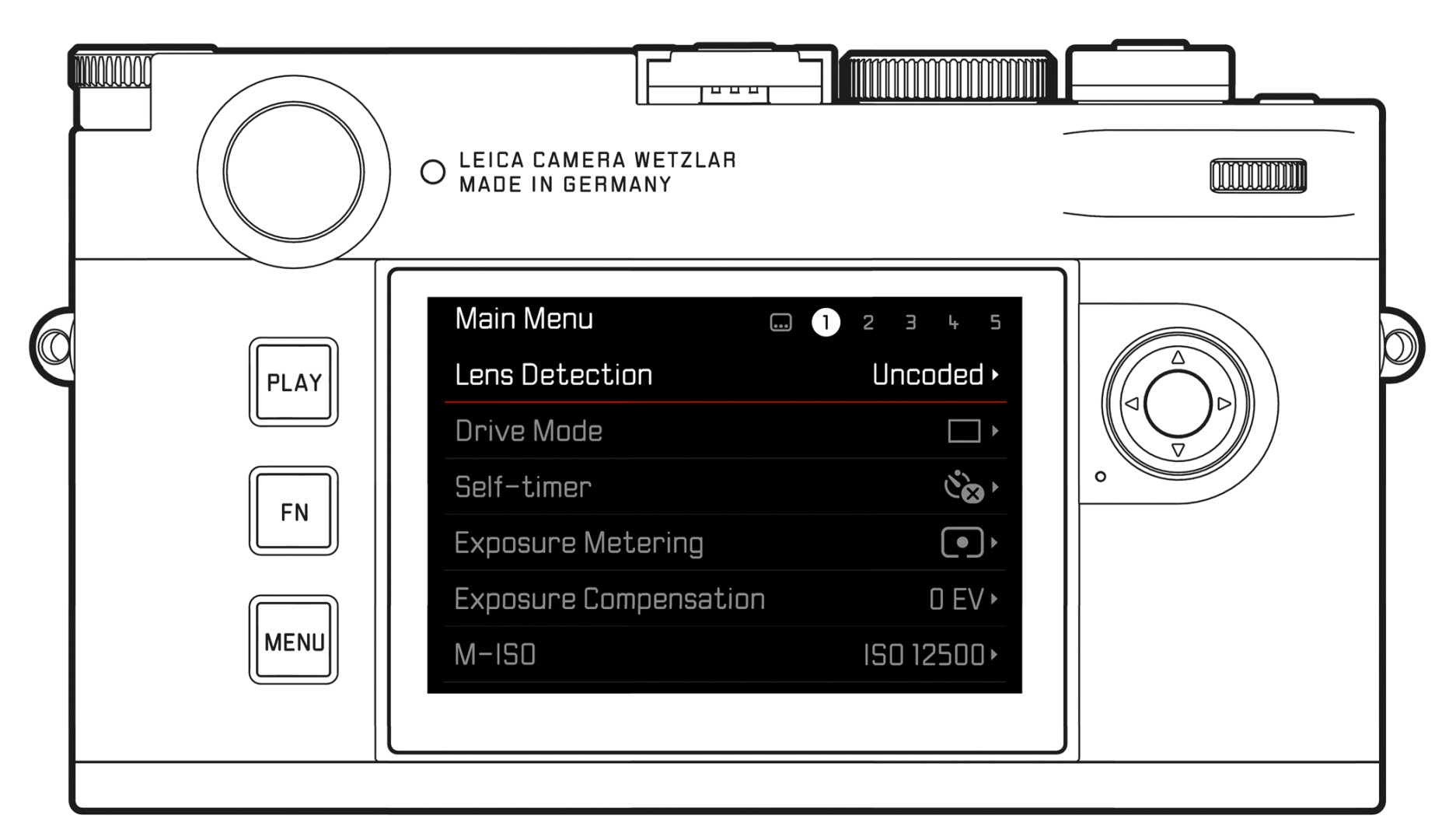
Leica also received feedback that fewer icons on the screen was preferable. Nico and Stefan explained how Leica reduced the number of tiles from twelve to eight, and did the same with the menu system. It might be a small step, but feedback from customers shows that less is more.
Less is more
Leica has also reduced the number of lines on each page of the UI, going from six lines to five. This was not accidental or a random decision. Leica tested different versions of the interface and received feedback indicating that users wanted a cleaner and easier to read interface. In turn, with the new Control Center, this allowed for a reduction in the number of options presented at any given time on the menu system.
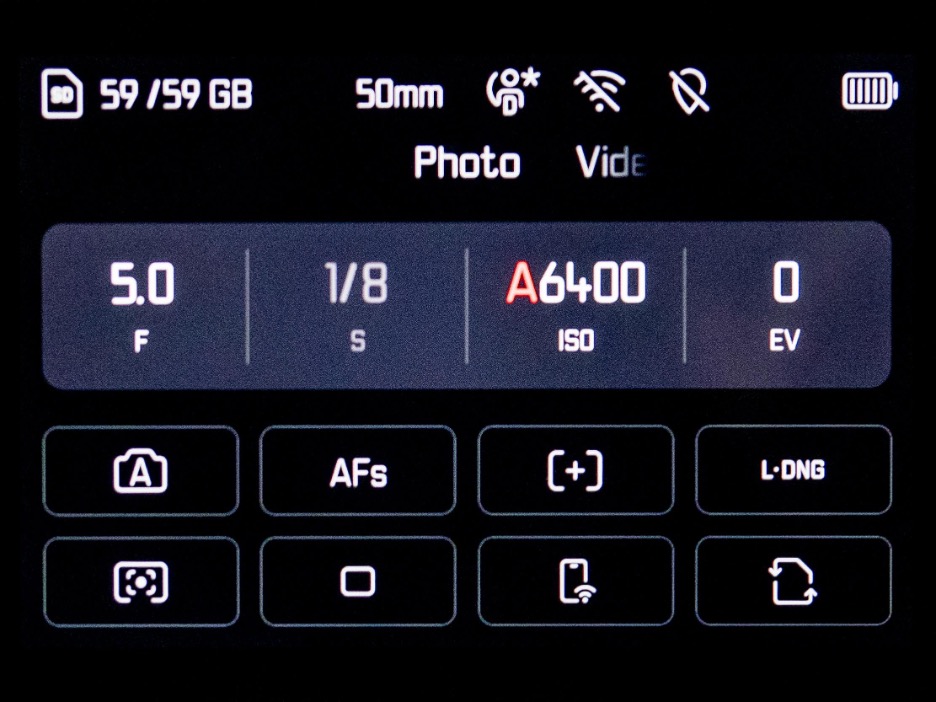
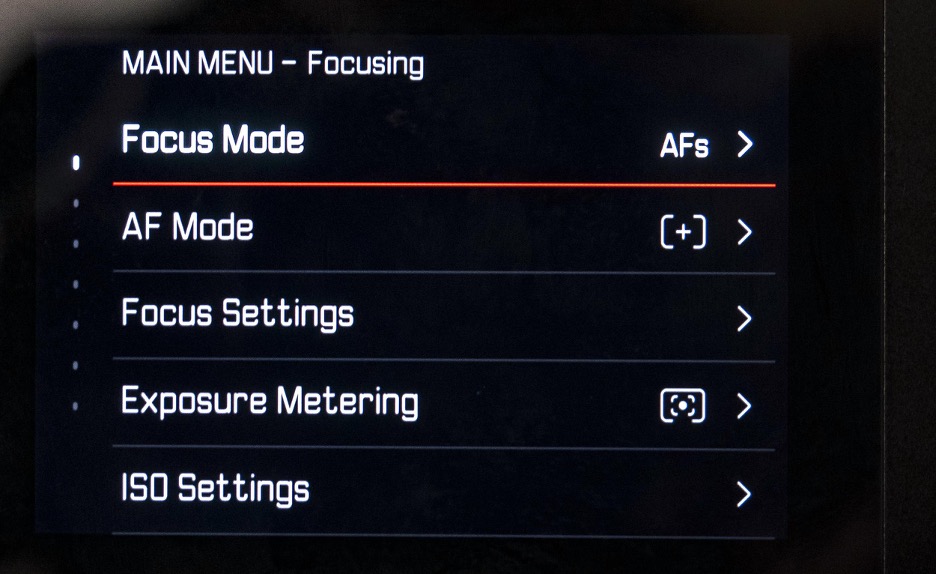
Consequently, the Leica UI on the SL3 has now been refreshed and transferred to the Q3. Or look at the example of the Leica Content Credentials, developed for the M11P. This was then transferred to the M11-D, SL3-S, and Q3 M.
Or look at how the basic “swipe” gestures introduced with the TL can be seen in Play Mode of the current cameras, and in the ability to switch from photo to video. And what started as “blind” buttons on the original SL, have become FN buttons on the SL3 and Q3, that you can customise.
Living proof of simplification and convergence
Proof of Leica’s approach to UI can best be seen across the following four key areas in the change from firmware 3.0 to firmware 4.0 for the Q3.
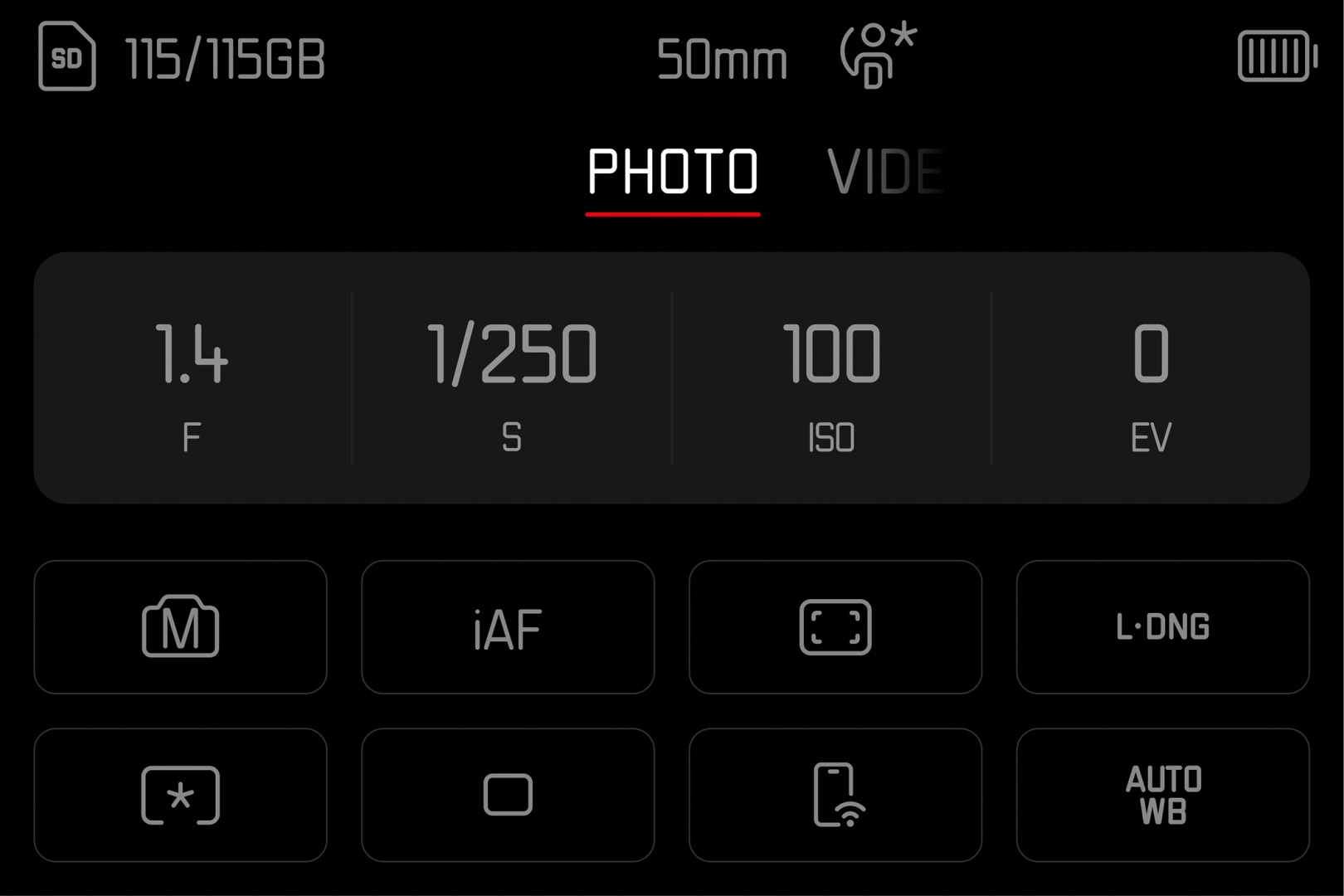
1. User interface
- The menu structure, icons, and Live View have been redesigned to match the Leica SL3.
- Enhanced Touch Functionality: The menu is now fully controllable via the touchscreen.
- Vertical Menu Rotation: When holding the camera vertically, the menu icons now rotate to match the orientation.
- Quick Menu Customisation: You can now customise the quick menu by pressing and holding icons.
- Improved Status Screen: A new, cleaner layout with options for transparent backgrounds.
- Note on Functionality Changes: Independent lists that used to be assigned independently to each Fn button has been removed. All Fn buttons now sharing the same list.
- “My Menu”(used in firmware 3.x) has been replaced by the new, more direct menu structure in firmware 4.0.
2. Autofocus and subject recognition

- AI-Assisted AF: Improved AI-assisted models for detecting human eyes, faces, and bodies.
- Expanded Subject Tracking: Enhanced tracking for animals, including birds, dogs, wolves, cats, and big cats.
- Stable Tracking: The AF algorithm now adjusts the size and shape of the focus field automatically during subject tracking for more stable performance.
- AF Menu Revision: Multi-Field and Spot modes have been combined into one, and a new “AF Acquisition” menu has been added.
3. Performance and features
- Increased Speed: The overall system is reported to be “snappier”.
- Cloud Connectivity: Added direct integration with Adobe Frame.io for faster, direct-from-camera image transfer.
- Configurable Leica Looks: The ability to customize and save “Leica Looks” (picture profiles) is improved.
- Digital Zoom Selection: Faster, more direct access to digital zoom levels.
- Video Enhancements: New video profiles and the ability to scroll through and select video modes directly.
4. Important notes and known issues
- Settings Reset: Installing firmware 4.0.0 may reset your camera settings and user profiles, requiring a full re-configuration.
- Connection Issues: Some users needed to delete the camera from the Leica FOTOS app and forget the device in their phone’s Bluetooth settings to reconnect after the update.
- Focus Peaking Bug: Some users reported experiencing focus peaking in AF mode even when it was turned off, which was resolved by a factory reset.
- Magnification Change: A potential loss of the one-button/wheel magnification feature for image checking in the EVF/LCD has been noted.
As always, and in relation to the three subjective user groups, some won’t touch it until firmware 4.1 emerges with bug fixes. Others are already enjoying the improvements and working around the bugs, and the third group continues to splutter indignantly and threaten to sell their Q3s.
Next-generation development
In contrast to the automotive industry where new products are designed in a five to seven-year window, Stefan and Nico reminded me that Leica is designing products in terms of firmware, mostly out one or two years in advance. Longer development of hardware components like sensors or processors takes the timeline out for a further three or more years.
The shorter firmware cycle means changes can be made faster and be more responsive to customer needs. That differential cycle time makes matching developments harder to factor in, particularly when customer needs and wants are also changing at a different rate. With convergence, the risk of making mistakes is reduced.
If you develop the function only once, then you test only one variant of that function, errors can be minimised. Iterations of that function are still tested, but the process does not need to be made discrete for each camera. In practical terms, you “measure twice and cut once”. That means transitional changes Leica might want to introduce do not have to be so complicated, but there is an opportunity to deliver them faster.
Speed vs completeness
I raised the question with Stefan and Nico about the challenges of convergence in a market that is constantly changing. How far in advance can Leica think about future generations of firmware? How far out can you plan?
They identified that this depended on both adoption of new sensors and also new processors. To make convergence work, there needs to be a high-level of synchronicity. A process that will permit the development of core functions, like PASM across all camera platforms. From that core, specific features can be developed for a particular model.
Leica FOTOS can make simplification easier
In the future, (my ruminations) it’s possible that FOTOS might take on a bigger role. FOTOS could become an alternative location for users to tailor the Leicons in the Control Center to their needs. It might also be a location for developing new Profiles. The hard work for users is often in the first setup configuration, which is where some users seem reluctant to commit time. BMW incidentally found the same challenge with early iDrive adoptees and had to create training for owners.
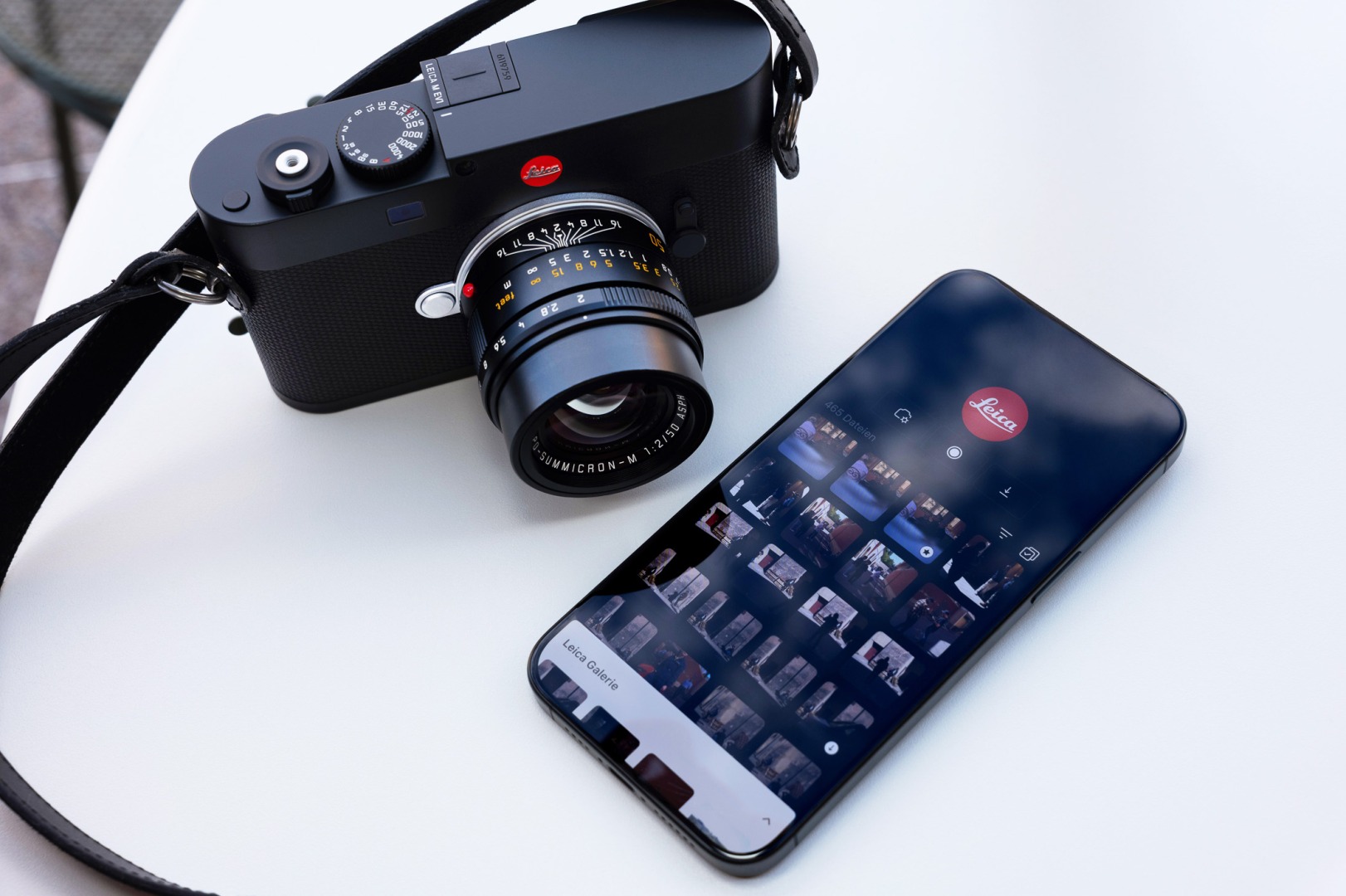
One solution might for FOTOS to offer “base” Control Center versions and possible Profiles in a “curation” model. These could offer guided installations and adaptions that could be pursued as the user’s time permits, much as onscreen HR programs operate.
This type of guided development could dovetail into Leica Looks to ease the user forward and help them make the most of the camera. If those “installations” work across all the cameras, then there is encouragement for owners to have more than one Leica. The user has their own individual setup that maps to today’s Q3, M11, and SL3 and can be migrated to future models in this convergence model.
The future of AI in camera
The future role of AI is difficult for everybody to define, as AI itself seems to be changing constantly. But how does Leica factor in what AI is delivering today and what it believes AI might be delivering in two to three years from now? Is it part of the way that Leica is approaching firmware development, or are they keeping AI to one side and out of the mainstream thinking?

Stefan offered an example where AI and the UI might adapt to that particular user. In theory, it would have a track record of how someone uses the camera and then adapts to that. In Leica’s opinion, that is unlikely to happen in the near future or midterm, and there’s a good reason for that not to happen.
If you are a photographer, regardless of what type of photographer, you want to maintain predictable control. You would not want to be surprised if something changes, and you’re not sure why. Particularly if the camera did not notify you what it was changing. So it may be that AI will not play that kind of controlling role in the near future.
Defining the practical role of AI today
AI can still play a role. Autofocus performance of the SL and the Q are good examples of how Leica uses it to give customers the opportunity to take better pictures.
The photographer wants to be able to decide what they want, and not necessarily have the camera make those decisions for them. There will likely be a longer-term discussion about how much autonomy the camera can have versus how much autonomy the user wishes to retain.
If you have a dedicated user interface, for example with a dial for exposure compensation, or where you switch between the different autofocus modes, then you have direct control. In a different environment with soft controls and AI, you might be able to tell the camera to change the autofocus or ISO or aperture. But those changes take control further away from the user and make the process feel more remote.
The need for efficiency
To come back closer to reality, part of Leica’s challenge is always going to depend on resource management. As Stefan confirms, they simply do not have an unlimited number of teams, whether design, engineering or manufacturing, to handle higher volumes of work. With increased organisational complexity, the opportunity for design errors across the different platforms could be horrendous and detrimental, and might disrupt the company’s goals.

An obvious byproduct of Leica’s decision to pursue technological convergence, and firmware UI refinement, is increased organisational efficiency. If you have two or more discrete platforms to manage simultaneously, your workload will likely be double or triple what you could achieve if you used one sensor and one processor for all the models. If you use the same sensors and ideally the same processors, then the complexity can be reduced.
Sharing components and firmware
For Leica, having a base underpinning or platform of shared components and firmware can also create time and cost savings and aid UI convergence. For example, setting ISO: you only need to develop one software version of that function rather than three.
That doesn’t mean the models have to be carbon copies of each other. The Q line and SL lines are proof of that. But early stages of development are important to get the best separation of features/price/positioning. Leica has almost arrived at the point of convergence. It may take one more model change or one complete cycle to arrive at full convergence. But it’s close.
Next-generation sensor development
The sensors for the M11, Q3, and SL3 align, with offshoots for Monochrom, but obviously the sensor for the SL3-S is different and rumoured future models may also be different. In turn, the Q3, SL3, and SL3-S use the same Maestro IV processor, but the M11 uses the Maestro III processor. There’s at least another step to be taken until all the models and variants use the same processor.
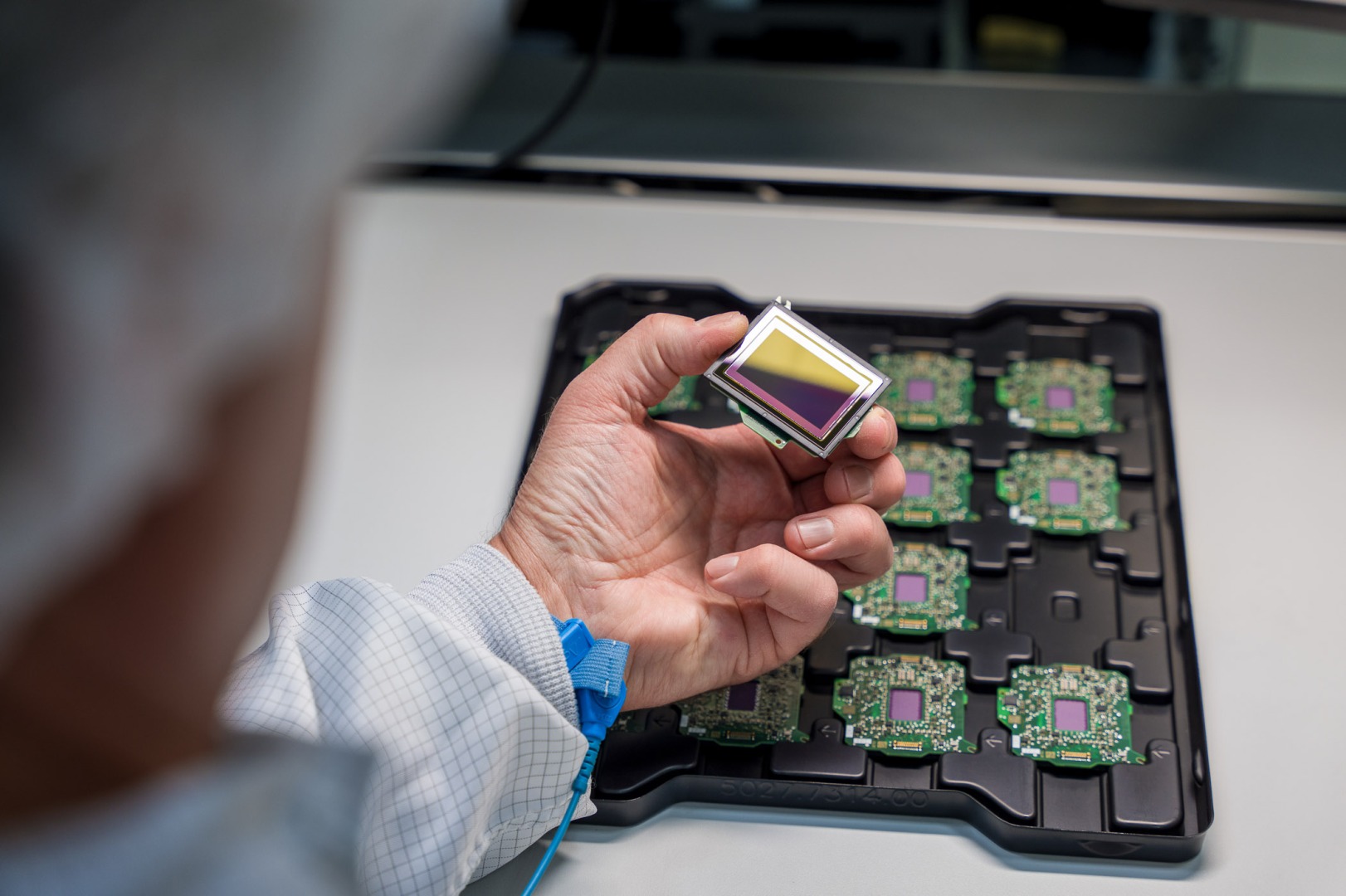
Inevitably, the question about the sensor in the next-generation Leica M12 came up in conversation, as this has been rumoured recently. What was made clear by Stefan is that this rumour contains a large dose of “lost in translation” between what Dr. Kaufmann said and what was reported. Dr. Kaufmann was stating that Leica were developing their own imaging sensor, but this was not connected to any particular camera.
Stefan also stated that Leica was very happy working with Sony, and that Sony had a clear road map for the future. Leica has a certain level of influence on that, but not complete influence. Sony, perhaps obviously from an economic perspective, would not want to make a custom sensor for one client. And that is the reason Leica has started development of its own sensor with its own specific functions.
The arrival of “Mr. M”
I had one final question for, Stefan. It was recently announced that he was going to be named “Mr. M.” I had talked to our esteemed editor Mike Evans about this, and I mentioned this new title. Mike asked, “Does the James Bond organisation know that Stefan is now going to be the new M? And what implication does that have?”


From 1 December 2025, Stefan took on the new role of Global Brand Representative for Leica. He will concentrate on promoting the Leica brand, the values, and the soul of Leica to its customers, and to the media. Stefan added that the team in which Nico is working has many experienced people and that they can forge ahead without Stefan.
Brand guardians

I think this is a fascinating role and I mentioned the example of Harley-Davidson to Stefan, which has a significant history, and incredibly loyal customers, similar to Leica. Willie Davidson’s name is one half of Harley-Davidson, of course.
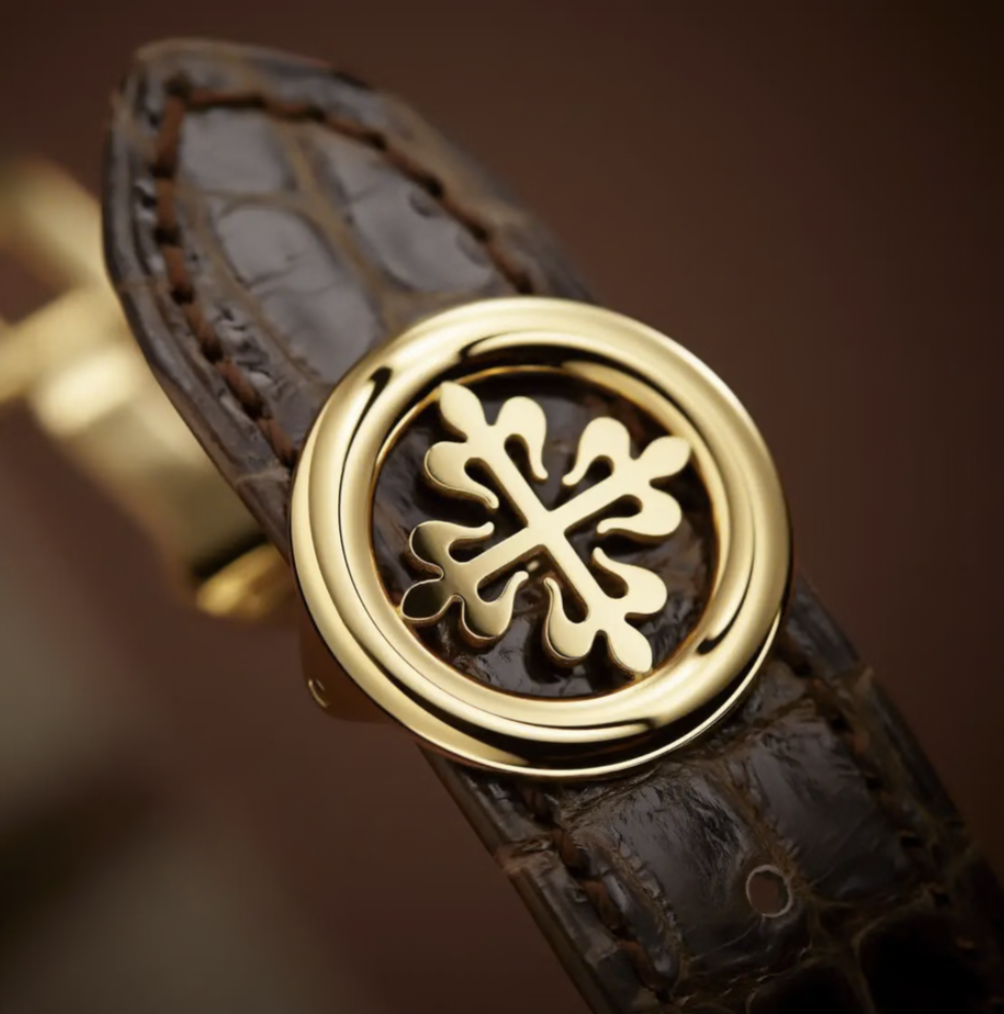
Both father (Philippe) and son (Thierry) Stern play a similar multi-generational brand role for Patek Philippe, the Swiss watch company. In all these examples, being able to access company members, who are the living embodiment of the brand, is attractive to customers and creates loyalty.
Getting closer to the customer
A brand “Guardian” spends time with customers, understanding what they’re interested in, and what barriers exist for them. It maybe a potential customer coming in and seeing things that perhaps nobody on the internal teams has thought about. But a customer can ask whether it be possible if such and such a feature could be adopted, or why the company never tell owners about X or Y?

So, Stefan in his new role can be the lightning conductor for opinions and can take those thoughts and opinions from customers to internal teams. It’s a quick and direct connection. But also, Stefan can tell customers, or would-be customers, about Leica because he has lived it and worked in it, from the ground up.
He can also tell people about the company, how it thinks, its history, and so forth, all from a very personal perspective. I happen to think if more companies had brand ambassadors like that, particularly at this level of the market where Leica operates, it would be hugely beneficial.
And finally
Many thanks to both Stefan and Nico for their valuable time for this article, and also for their help in providing images of screens and certain cameras, which is not always easy to do.
Thoughts and comments
If you have thoughts, comments, or questions on this topic, please share them with us!
Make a donation to help with our running costs
Did you know that Macfilos is run by five photography enthusiasts based in the UK, USA and Europe? We cover all the substantial costs of running the site, and we do not carry advertising because it spoils readers’ enjoyment. Any amount, however small, will be appreciated, and we will write to acknowledge your generosity.
Jon, thanks for a very comprehensive explanation of a complex subject.
However whilst not wishing to sound like a fully paid up member of the grumpy old men’s club I do have some doubts as to the veracity of some of the comments by Herr Daniel.
In particular this gem.
“As Stefan says, in addition to the more traditional forms of market research, they have a genuine curiosity in listening to anyone interested in Leica. The truth is that Leica has eyes and ears on all the forums, so they can monitor customer sentiment, opinion and potential flaws that may have been missed in development and then correct them”
Those of us who suffered from the multiple breakages of the tiny, cheap plastic battery clip in their X series cameras and which were repeatedly reported in Macfilos, and many other forums, would not be so convinced about the listening culture. And perhaps an even more striking example of Leica ignoring their customers has been the damn floating focus point on the Q series cameras. Users -particularly editor Mike-complained about this repeatedly in Macfilos and other forums and yet Leica chose to totally ignore this feedback. The factory sttitude seems to have been”let them eat cake”.
Leica have done a brilliant job over the last 20 years and I am a fully paid up fanboy but let’s hope that they really are walking the talk and it’s not just corporate double talk.
Thanks John,
I agree we all have particular irritations whether hardware or firmware and why things don’t get fixed faster. It used to irritate me that the focus point on the CL moved position more often than a politician. But maybe that problem has been fixed with the option of “EVF Extended” on the current Q.
Let’s see how soon some of the complaints made about the version 4 firmware are corrected. My sense from the conversation and installation notes is that the answer is “soon”.
How does use of EVF Extender allow the focus point to be locked? The extender function is common to all Leica mirrorless cameras, as far as I’m aware, and I have never considered it as a fix for the wandering focus point. So I’m all ears on this…
With EVF Extended the rear screen is off unless you use the Menu button. So the nose on the screen (usually the cause) does not come into play. It’s not perfect though.
I have indeed been campaigning about the lack of a focus lock for years and have written several articles on this subject.
Other manufacturers have this facility, which enables users to fix the focus point to the centre of the screen. Many people do not wish to having a floating focus point and prefer focus-and-recomposing as is obligatory on the rangefinder.
There are workarounds to return the focus point to the centre of the screen on all mirrorless Leicas. The M EV1 even has a dedicated “centre” function on the menu.
Assign that to a Fn button and it’s a quick way to do the job. But it would be so much easier to have a “focus lock” alternative to glue the point to the centre of the screen.
Thanks for this interesting piece Mr. Cheffings.
My brain injury has made more menu choices a real problem, so I am glad that Leica itself operates under its Das Wesentliche concept.
Of course the simplest cameras, are film cameras where optimising the sensor means choosing a film that you like… thankfully Leica has the customer covered there too.
As far as sensor management goes though, Leica is pretty good at it, and this article really excels at illustrating the hurdles that designers have to jump to try to maintain consistency across different hardware.
Notwithstanding though, interested as I am in acquiring a new toy, I am more likely to buy a film Leica than another digital machine.
The Leica ii from 1932 that I rashly sold following a difficult time loading a film whilst at Folkestone, no scissors etc.. is essentially repeated through all of their film cameras to this day with the optimum changes in ergonomics between iterations and surely qualifies as the ultimate in consistency, since it leaves the user two choices, self process the output, or hand your film to a decent processor, preferably an independent, in order for the snapper to form a tie with the developer or printer.
As I have probably mentioned, I enjoy preparing for and participating in Worldwide Pinhole Photography Day (not that there aren’t 364 other days in most years!), and I think that one of the main drivers for this is that every pinhole camera, even between the many hopeful craftsmen, keep any innovations Leica style… Das Wesentliche.
I sometimes wonder whether digital photography represents a bit of a cul-de-sac, even Leicas are not that simple, whereas their film cameras have improved carefully and consistently during their century of manufacture. What is more, the idea still gels with Oscar Barnack’s original concept of simplicity and portability.
I was watching a somewhat eccentric Italian film maker making snaps in Haiti, in a sea of mud and deprivation https://www.youtube.com/@Thelastphotographer1 I still have more to look at, but I love the approach, even if I didn’t ROFL at his humour.
Thanks Stephen,
I think in many ways we all yearn for simplicity, whether it’s cameras, food, or retreats into the desert. It’s easy to find “faux simplicity” but the real thing is much harder to find or develop.
In my former work life, we would constantly ask, “What can we do without? What is clutter and what is essential to this thinking and this idea?”
I don’t envy Leica going through tis process on a daily basis but I’m impressed by where they have arrived.
Whoa! I feel as though I’d just finished an advanced seminar in Design. Incredible; I doubt there are very many people who could have covered this ground.
And, of course, the opening photo was perfect. Lake Michigan?
Many thanks Kathy,
I hope readers can see that this is not an easy process for Leica to pursue nor is it that easy to write about!
The opening shot is of Lake Michigan just south of Addison and looking south. I looked up and sway three people walking south on different levels as if they had been synchronised. It was a shot too good to miss.
Interesting, Jon. I have noted the Leica digital standardisation, but as you know I pay little attention to menus, apart from in restaurants and, even there, when my eye lights on something that I like, I stop reading. However, over a hundred years ago Leica was setting a standard UI for all 35mm cameras with the wind, rewind, viewfinder, shoe and shutter dial placement being standardised and, of course, the Leica Thread Mount became widespread as well. Then there was the standardised Leica Thread Mount marked with a ‘0’ and lenses which were similarly marked to allow interchangeability. Common form factor and interchangeability have been the stock in trade of Leitz/Leica for over a century, so it is no surprise that the company is doing likewise in the digital/electronic era. As well as complying with the ‘Das Wesentliche’ formula, this not only keeps the customers happy, much the same way that Apple does with its various OS platforms, but it encourages them to buy a range of products produced by the company. It should also help with development costs which are often forgotten by customers clamouring for new camera models.
Everything here makes absolute sense.
William
Thanks William, You said it much better than me. I wish I had read your comment before I twisted myself into knots.
Thanks William,
As mentioned elsewhere, simplicity is anything but simple. I hope that despite pressure to add more features that Leica can find more ways to keep what the user needs to access on a regular basis, on the “surface” of the UI.
And your menu analogy reminds me of the 20 pages of laminated menus in the American diner which appear to have been assembled by random recall. Some camera manufacturers would seem to follow that model too…
I came late to the Leica party, having struggled through the menu jungles of many a camera from alternative brands, and, like many late converts, I’m passionately in favour of the Leica approach.
A somewhat esoteric, but none the less very interesting article – hardcore facts for the photography nerd mainlining the backstory of behind the scenes camera development.
Oh, and I very much like the “Simplicity 2” staircase photo. Thanks Jon!
Thanks Andrew,
I’m also pretty enthusiastic about Leica’s approach to the UI. I just hope users can see that moving things around on the UI is not that simple or cheap to do. Moving controls from one side of a camera to another may seem simple on the surface, but look beneath that, and you have space issues for where components can fit. It’s a pretty tight fit under the skin. And that’s before people want joysticks to make them happy.
Simplicity 2 was serendipitous as I was walking down the steps into Union Station in Chicago and I could hear someone walking across the concourse. I raised my camera just in time…
Well that was very interesting. Good work Jon!
I loved the UI of the T-series. It was really innovative and easy to use. It is great that we are seeing aspects of it moving into other cameras (and a shame the T-series is gone now, but I may find a TL2 in my future). It is great that Leica focus so much on this. It is a huge reason why I buy their very expensive cameras.
Other manufacturers like Sony and Fuji suffer badly from “menu stuffing” and it is so hard to find your way around their cameras, to the point where I actively avoid them if possible (though the X100VI and XE-5 are rather nice items). Even so, I find that the Leica UI has been getting more complex. The simplification options are good (“leicon” screen for example) but I still find there is too much stuff in there.
As long as Leica keep up the process of simplifying and ensure they don’t “enshittify” things they will get my £££s.
Thanks Andy,
The process of convergence is slow because physical components and firmware have different development cycles. And that can be frustrating for everyone.
Leica faces the conflicting demands of “menu stuffing” as you describe it vs “das Wesentliche” and keeping things simple. I think there are clever ways to address this, but that’s to Leica to develop and explain.
I’m sure there’s more to follow fairly soon!