

Can you believe this? A brand-new, fast, L-Mount lens for the price of a quality UV filter you’d screw onto the front of it? Well, it’s true. The TTArtisan 35mm f/1.4 APS-C lens for L-Mount costs $68 plus tax in the US. What’s more, it’s available in black or silver finish. This is outrageous.
When I described my new lens, asking friends to guess how much it cost, they came up with ~$250. That’s a reasonable guess: the cost of a comparable Sigma APS-C lens, heavily discounted because it’s from a Chinese manufacturer.
They all found it inconceivable that it actually cost around a third of that. To be fair, it is a manual focus lens. However, so are M-Mount lenses, owners of which extol their compactness and light weight. Surely, its build and image quality must be pretty mediocre. Otherwise, it would be outrageously cheap, wouldn’t it?
I have spent a few weeks shooting with the lens on my Leica TL2. So, I decided I had accrued enough first-hand experience to say something about its attributes, and share a few images. Furthermore, I felt some reflection on its extraordinary price/performance ratio was warranted.
Build quality
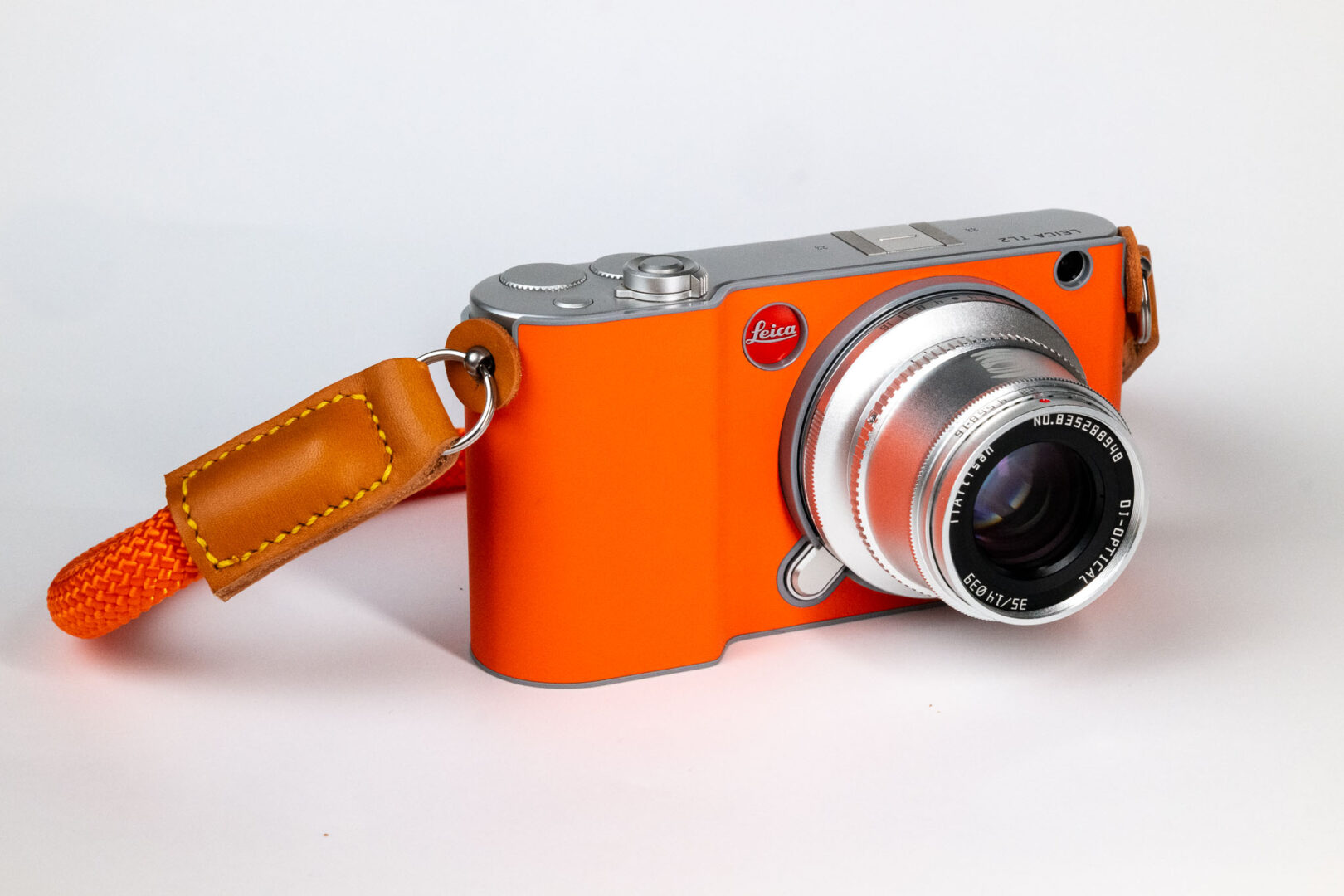
The TTArtisan 35mm f/1.4 APS-C lens for L-Mount weighs just 183g and is 4.1 cm (15/8 in) from front to back. When mounted on the Leica TL2, the kit weighs 517g. It features a smoothly rotating, clickable aperture ring at its front, with a very pleasing, firm feel. Its aperture range runs from f/1.4 to f/16, although unusually, there is no click stop for f/11.
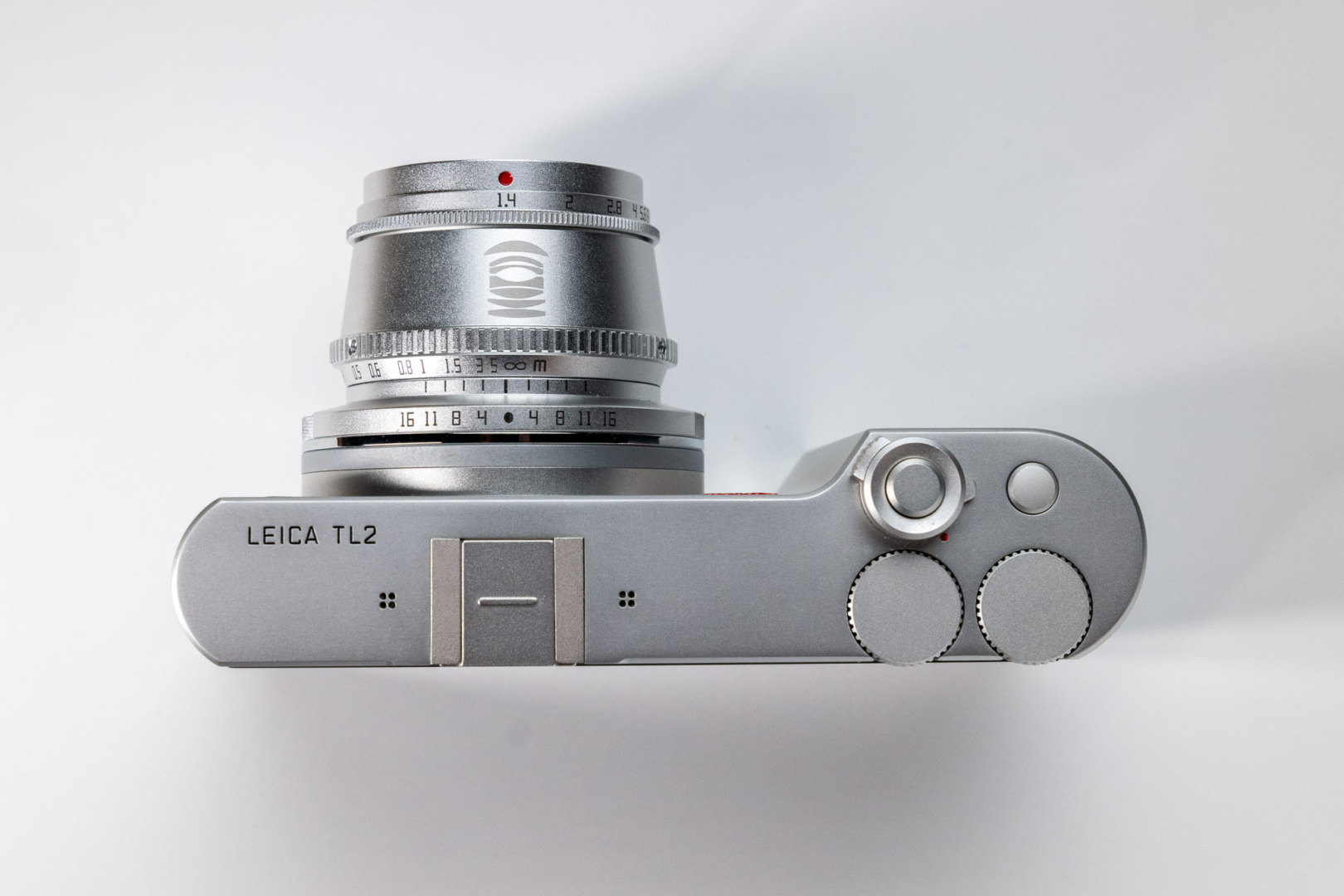
Minimum focus distance is 28cm. The focus ring is equally smooth and reassuring. The lens barrel sports a tasteful, engraved diagram of the lens’s design — seven elements in six groups. It extends slightly to approach its minimum focus point and has a 39mm filter thread, but no hood.
In use, the lens is fun and easy to use. It has a 150-degree focus throw. So at wider apertures, nailing focus required slow and careful rotation of the focus ring. I set the left-hand dial of the TL2 to focus-aid magnification, allowing 3x or 6x enhancement. This works extremely well for accurate focusing.
Real-world performance
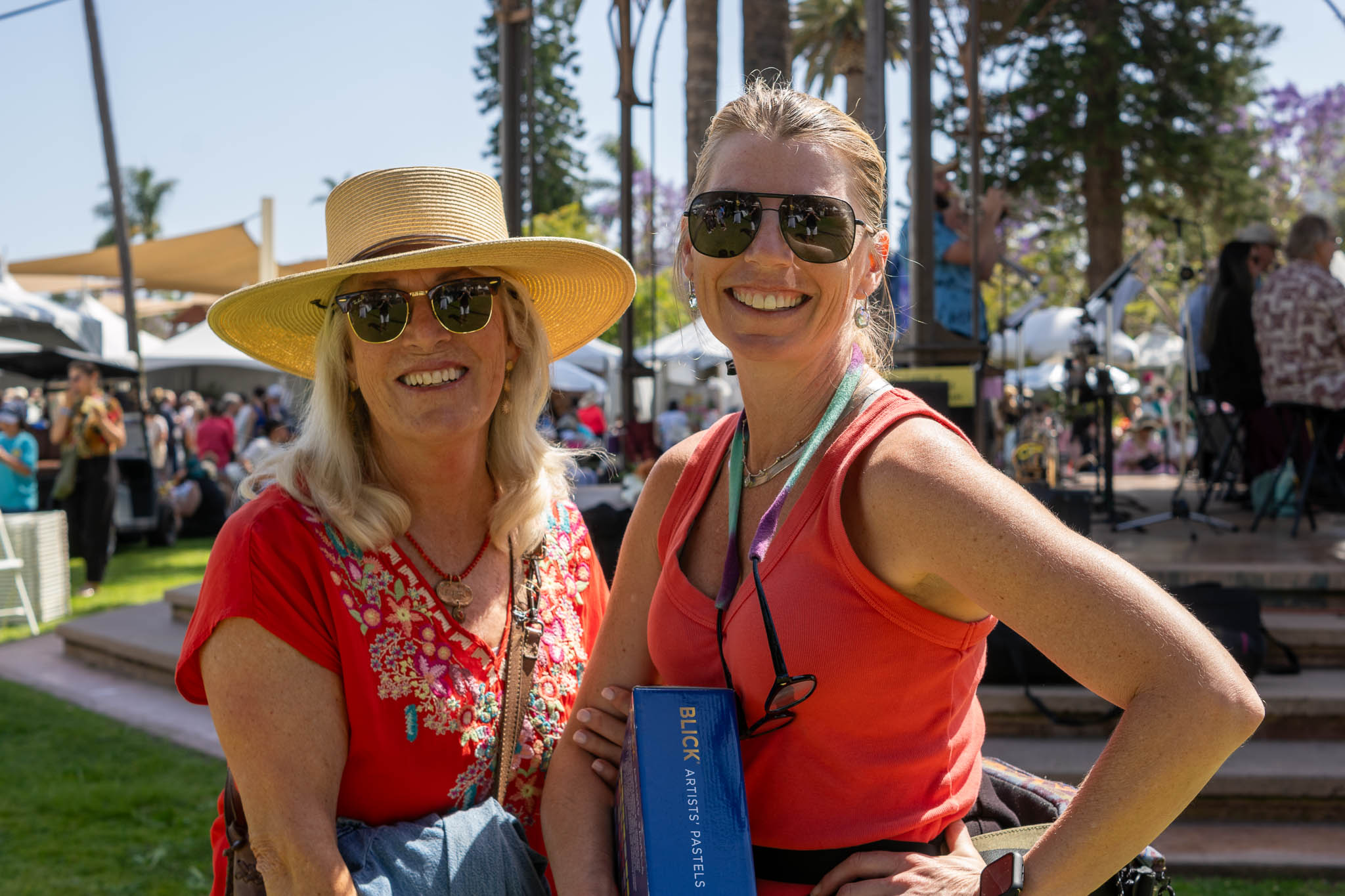
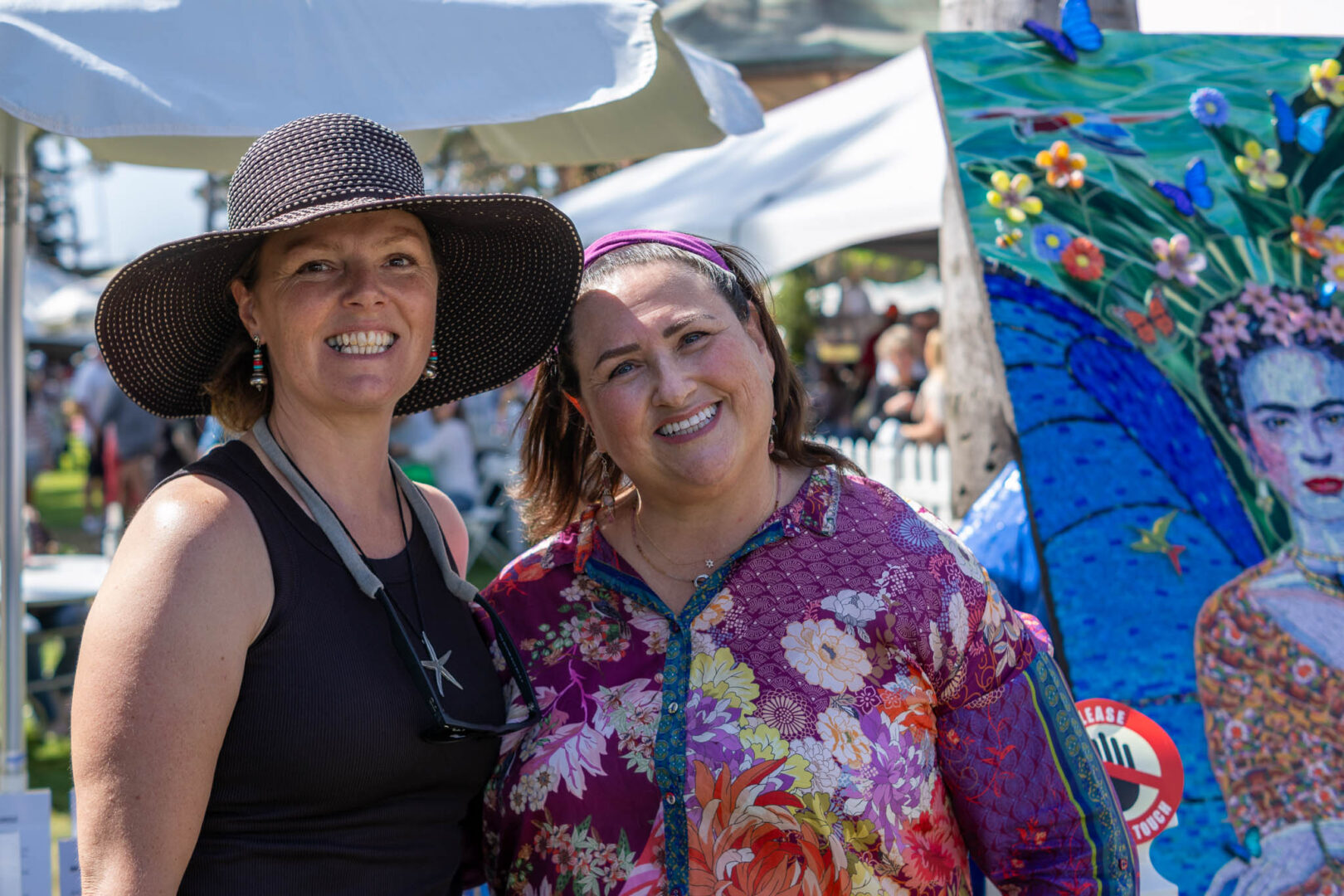
I have shot wide-open with this set-up at indoor events, and stopped-down at outdoor events. I have also used it for portrait shots and close-ups of flowers. To give you an idea of how it performs, I have sprinkled representative images throughout the article.
Overall, the performance of this TT Artisan 35mm f/1.4 APS-C lens is excellent. Given its price point, one could even describe it as outrageous.
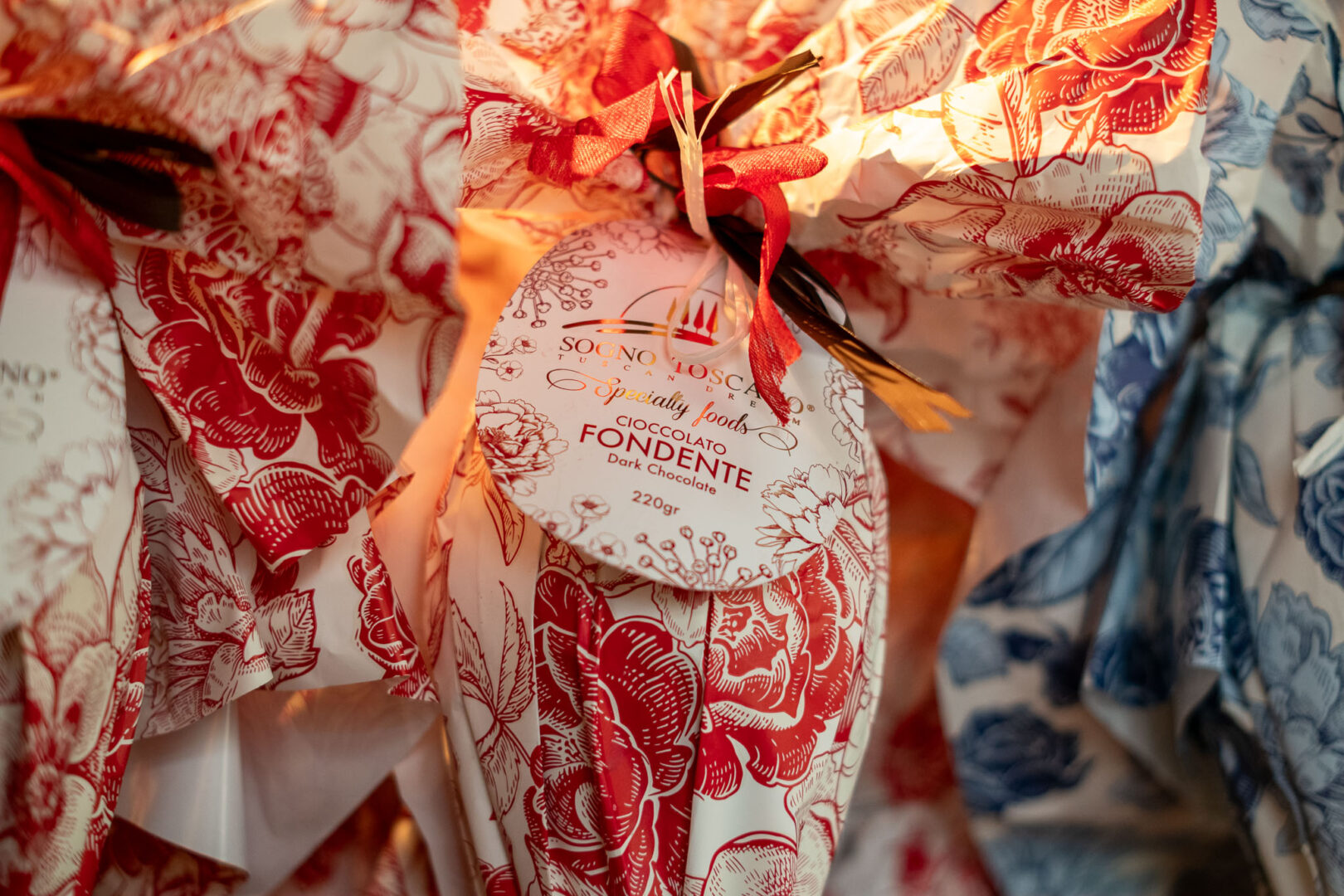
The lens is sharp, even when used wide-open. I photographed this beautifully wrapped Italian chocolate at f/1.4, in low light. The focus point is crisp, with a nice fall off beyond the focal plane.
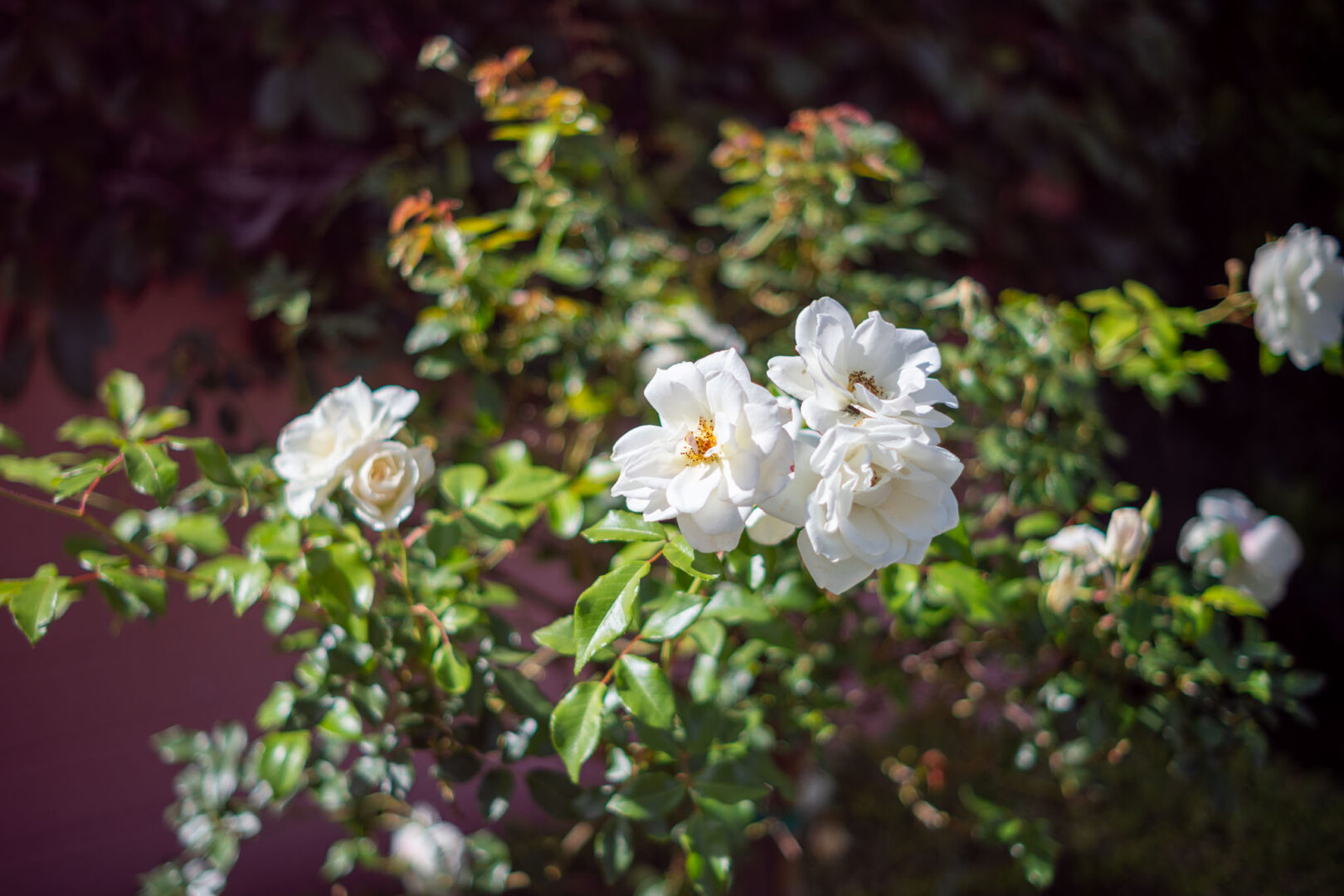
I photographed the hibiscus flower below at close to the minimum focus distance, at f/5.6. Again, the stamen and nearby petals are sharp, while focus is dropping off for the more distant petals.

All the outdoor portraits I shot are acceptably sharp, and in some cases, exceptionally sharp. I attribute any shortcoming in focus to my manual focusing skills, not the lens’s optics.


Bubble and squeak
In one particular situation I noticed the lens exhibiting longitudinal chromatic aberration (LoCA). Although I had heard of this phenomenon, I had never observed it directly with any of the lenses I owned. It results from light of differing wavelengths not converging at the same point after passing through the lens.
LoCA is usually evident, even in high-end lenses, at high-contrast regions of images shot with the lens wide open, such as at f/1.4. Thus, in the photograph of the cellist below, there is a green fringe on the piano lid (behind the focal plane) and a magenta fringe on the musician’s finger (in front of the focal plane).

The effect was revealed in this image because of the high contrast between the objects in the room and the bright daylight scene through the window behind. The best way to avoid it is apparently to stop down, for example, to f/2.8. There is no sign of it in the other images I have included, taken at f/2.8 and smaller apertures.
There is also so-called soap bubble bokeh visible in the specular highlights behind the musician’s head. Some people regard this as an attractive feature of lenses based on a vintage optical design. It seems that other TTArtisan lenses are notorious for exhibiting this effect.
Cheap at twice the price
All things considered, despite the optical shortcomings noted above, the TTArtisan 35mm f/1.4 APS-C lens is a great bit of kit. I can highly recommend it if you are an L-Mount, APS-C shooter — an increasingly rare breed these days. It is also available for other mounts, including FujiFilm X.
So, how is it possible to produce a lens of this quality for such a surprisingly low price?
It turns out that it’s not magic, but the integration of several key factors. These include manufacturing economics, optical design strategy, and the maturing of China’s industrial ecosystem.
Shenzhen’s industrial ecosystem and labour costs
TTArtisan is based in Shenzhen, which is arguably the world’s most efficient manufacturing hub. The city has an extraordinarily dense cluster of optical component suppliers, precision machining shops, CNC-tooling companies, and electronics manufacturers. These are all within a small geographic radius, dramatically reducing supply-chain costs and lead times compared to manufacturing in Japan or Germany.

Additionally, China’s manufacturing labour costs, while rising, remain substantially below those in Japan (where Nikon, Canon, and Fuji make their premium lenses) or Germany (Zeiss, Leica). For a labour-intensive process like lens grinding, polishing, and assembly, this is a major cost driver.
Manual focus and APS-C format
The lens doesn’t come with the complex mechanisms required for autofocusing (AF). Being a purely manual design means there’s no autofocus motor, no electronic coupling protocols to license or engineer, no image stabilisation, and no complex firmware.
This strips out a significant portion of the R&D and component costs that inflate the price of AF lenses from established brands.

Moreover, designing for APS-C rather than full frame means the image circle the lens needs to cover is smaller. This allows for smaller, lighter, and cheaper optical elements — less glass, less precise grinding area, and easier aberration correction.
The optical formula (a Sonnar design in this case) can be simpler while still achieving excellent performance within that smaller circle.
Optical manufacturing partner and low overheads
TTArtisan’s lenses are actually manufactured by DJ Optical, also headquartered in Shenzhen. By partnering with an experienced optical manufacturer rather than building their own factory from scratch, TTArtisan avoids enormous capital expenditure. DJ Optical can amortise equipment costs across many clients and products.
TTArtisan itself was only established in 2019. It therefore has no legacy infrastructure, large corporate overhead, brick-and-mortar dealer network margins, or expensive marketing budgets to absorb. Sales flow directly through Amazon, B&H, AliExpress, and their own online store, minimising distributor and retailer markups that add 30–50% to traditional camera store prices.

For this lens, the company targets a specific, enthusiast niche — manual focus photographers who prioritize value and optical character over AF convenience. By aiming directly at these global consumers, they can price aggressively and still be profitable at low volumes.
Accumulated optical knowledge
China’s optical industry spent decades manufacturing lenses for Japanese and Western brands as OEM (original equipment manufacturer) suppliers. That accumulated knowledge of lens grinding, coating, and quality control has now been internalized by Chinese engineers who’ve set up their own companies. TTArtisan isn’t reinventing the wheel with its 35mm f/1.4 — it’s a well-understood optical design that benefits from decades of accumulated know-how.
The net result is that you’re getting a lens optimised for simplicity, built in the world’s cheapest and most efficient manufacturing city, sold with minimal middlemen.
The $68 price is less a miracle and more a reflection of what a straightforward manual lens actually costs to make when you strip away the brand premium, the AF complexity, and the distribution chain.
What are your views?
Not everyone welcomes the advent of low-cost, Chinese-manufactured lenses.
Some object to the exploitation of innovations in lens design from established brands, built up over many decades. This argument does not hold water in my view, since patents on lens designs have expired in most cases.

Another concern is the threat to the long-term viability of established brands from low-cost Chinese competitors. We are seeing this dynamic play out in other technology fields, such as EVs. There is no denying, this is a potential issue.
I bought my TTArtisan 35mm f/1.4 lens partly on a whim, partly to fill a gap in my lens collection, and partly from curiosity. It has now become the third Chinese-manufactured lens I own, all of which have exceeded my expectations.
So, I suppose I am voting with my feet in embracing this new source of photography gear. In truth, I admire the ability of these young lens companies to build a business through innovations in lens design or manufacturing methods.


I’d be fascinated to hear your thoughts on this phenomenon, and this lens, via the comments section below.
Make a donation to help with our running costs
Did you know that Macfilos is run by five photography enthusiasts based in the UK, USA and Europe? We cover all the substantial costs of running the site, and we do not carry advertising because it spoils readers’ enjoyment. Any amount, however small, will be appreciated, and we will write to acknowledge your generosity.
Comments: Please add a comment to this article. Our comments section is a thriving community and everyone is treated with respect. In addition, please identify yourself (and add an email address, which will not be published, if you would like to see answers to your posting). Our system will automatically delete any “anonymous” posts on the basis that they are likely to be spam.
Nice review but one thing: Red-green fringing is indicative of lateral chromatic aberration, longitudinal ( or axial) chromatic aberration is characterized by purple-yellow fringing -and is often confused with sensor blooming which produces purple fringes in the OOF areas without yellow counterfringe.
Hi Jaap, and thanks for your comment. All my reading points to the green/magenta fringing either side of the focal plane, especially in the center of the image, as longitudinal chromatic aberration. It seems the lateral aberration is more prevalent on the edges of the frame. I supplied a couple of supporting links in the article. Do you have an authoritative reference for your view? All the best! Keith
I rather fear that your reaction to the quality of this lens is based upon a historic view that Asian manufacturers did not have the technically capability to design and manufacture a lens with comparable quality to those historically made by companies in EU countries. It is now evident that whatever engineering ‘edge’ that we may have once held has been replaced by 21st century reality … I hope that will be to the advantage of all of us photographers with ever increasing quality and decreasing cost!
Hi Andrew, and thanks for your comment. To the contrary, I had no difficulty in believing that a Chinese manufacturer could produce a lens with high optical performance. Those of us who own an iPhone can attest to the manufacturing prowess of Chinese companies. What took me by surprise was the remarkable price of this lens. Even though I own it, I can still hardly believe that it’s possible to manufacture and sell it for this price while still making a profit. Cheers, Keith
The lens is one thing, but what is truly astonishing Keith, is how you managed to get a prototype / advanced copy of the T.T. Artisans TL3 camera, cunningly disguised by a Leica red dot in the image above!
Seriously though, the silver and Orange combination looks amazing.
Thanks Stephen! I agree, the beautiful silver-finish on the lens, together with the matching orange case and strap makes for a real head-turner. Good looks and good photos! Cheers, Keith