
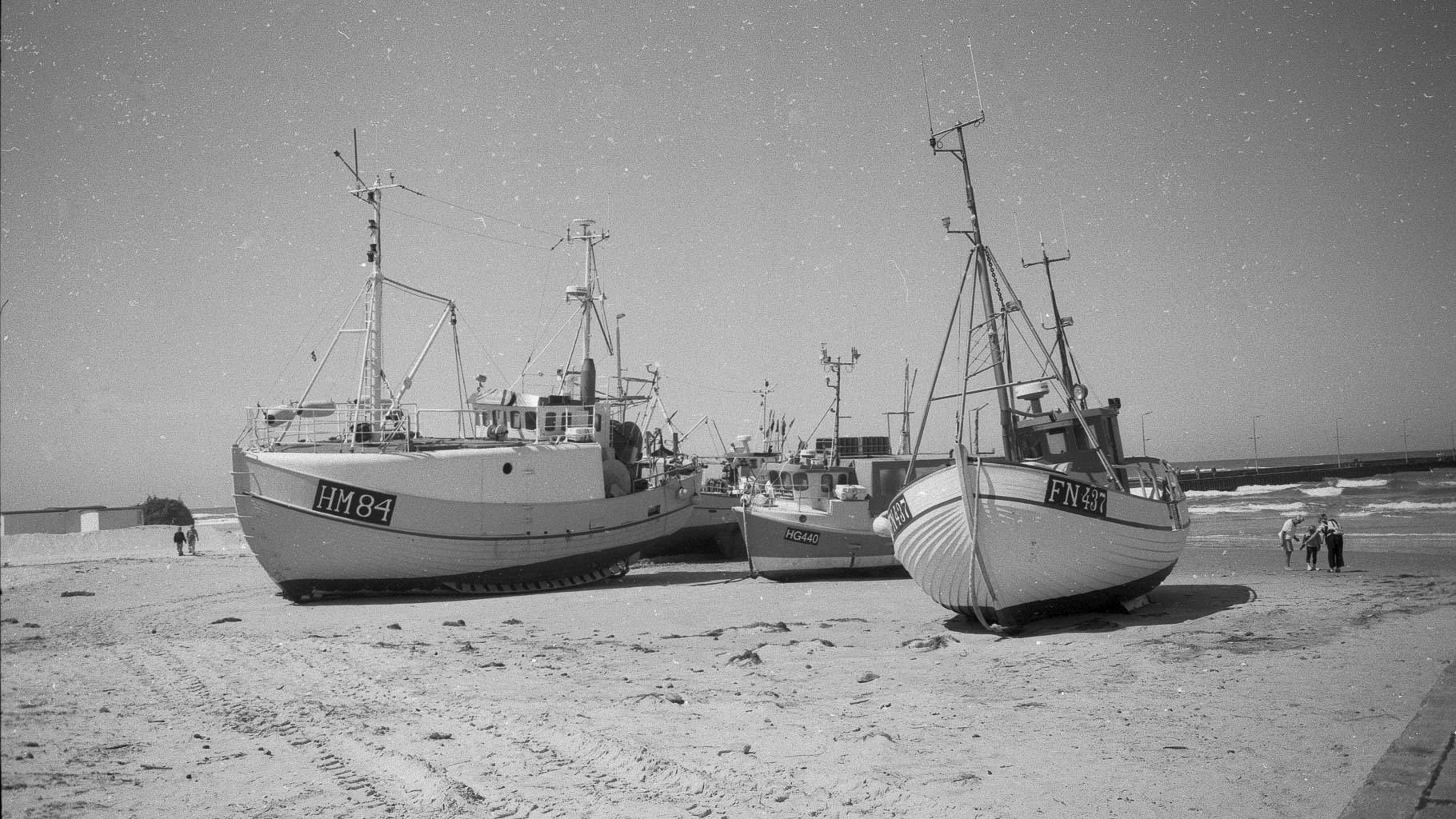
There is a quiet revolution taking place in photography. It does not announce itself with megapixels, AI enhancements, or faster autofocus systems. It moves slowly, deliberately, through streets, across landscapes, and rooms wherever light can be gathered. This is slow photography, and at its heart lies something we risk forgetting: the value of time spent and time savoured.
Resisting urgency
Slow photography is not simply about using older tools, though many followers gravitate toward film cameras, particularly rangefinders. It is about embracing tactility and resisting urgency. It asks the photographer to pause, to wait, to observe — not for perfection, but for finding meaning. In a world where images are produced and discarded in fractions of a second, this approach feels almost radical.
The human tempo
Photography, at its best, is an act of connection. The photographer meets the world halfway. There is an exchange—not just of light through a lens, but of presence and empathy. Slow photography nurtures this exchange.
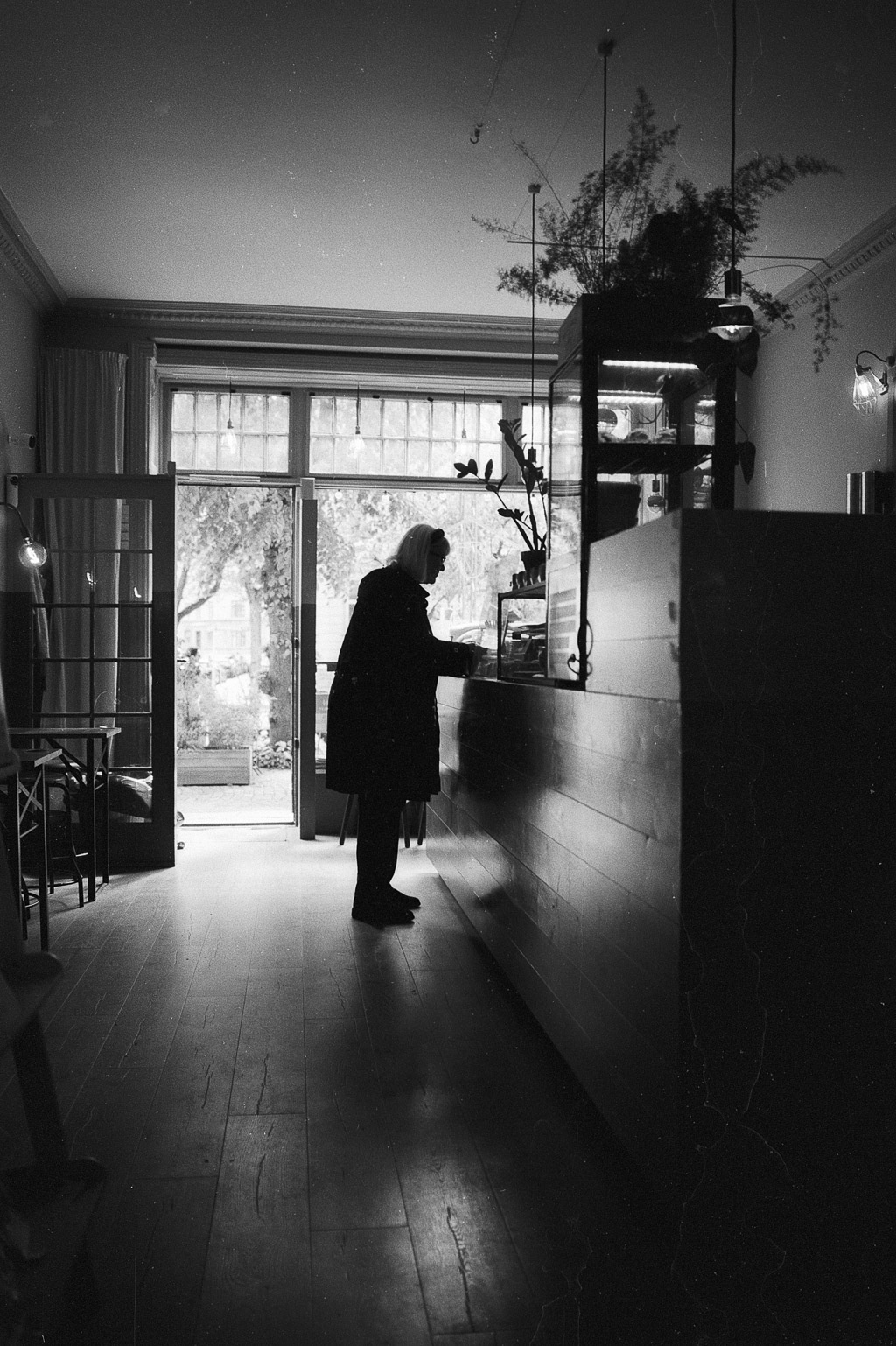
When you lift a manual/film camera to your eye, something shifts. There is no burst mode to rely on, no computational smoothing to rescue a missed moment. You must decide — here and now — what matters. You adjust focus by hand, feeling the resistance of the focusing ring, aligning the image not just optically, but to engage emotionally.
This slowness invites empathy. You begin to notice gestures and body language: the way someone hesitates before crossing a street, the softness in a conversation between strangers, the exhaustion of a worker at the end of a long day. These are not moments that reward speed. They reward patience. And patience, in photography, is a form of respect.
The weight of a camera
Film cameras — especially those built with precision and minimalism — encourage this mindset. They are not overloaded with options. They ask something of the user. In the case of rangefinders, the viewfinder does not show you exactly what the lens sees. Instead, it gives you a frame — a suggestion of what should be included and what should be excluded. You must trust your intuition. This does not mean that other cameras cannot do slow photography: film SLRs are more than capable of doing this as well.
This slight separation between seeing and capturing becomes a space where interpretation lives. There is also a physicality to these cameras that shapes our behaviour. The click of the shutter is more like a whisper, but it is mechanical and produced without artificial effects added. The film advance lever reminds you that each exposure is finite. Thirty-six frames are not that many. Every decision of what to shoot carries weight.
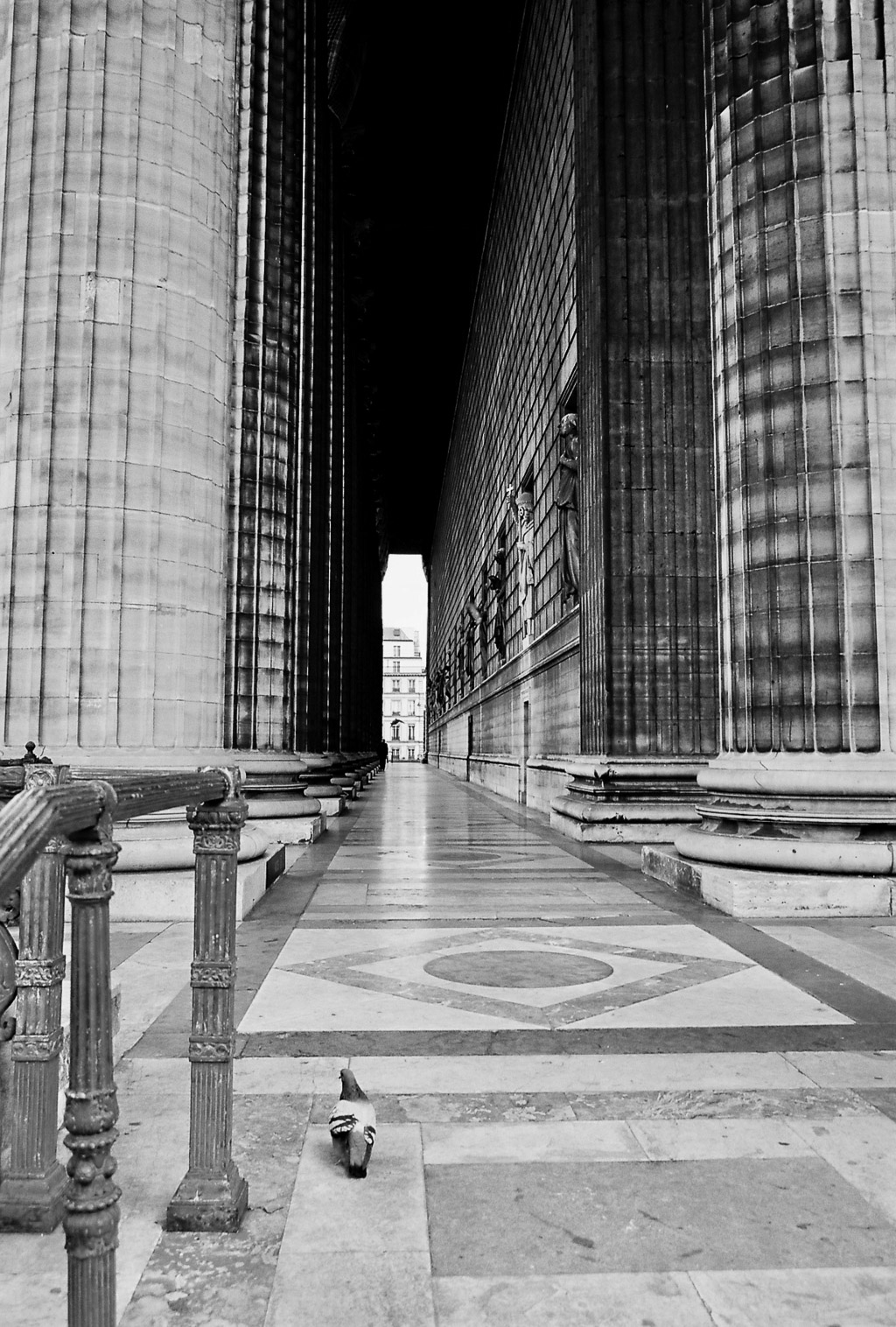
In that limitation, something unexpected happens: freedom. When you cannot take a hundred versions of the same image, so you stop trying to optimize to the nth degree. You start to understand the appeal of simplicity, and that imperfection can often be more appealing than anodyne perfection.
The discipline of film
Film, too, plays its role. It slows time. You do not see your results immediately. There is a delay — sometimes hours, sometimes days — between the act of photographing and the act of seeing. This delay creates distance, and with distance comes reflection. And if you develop the film yourself, there’s even a moment of Zen. When you turn the light on, and you are the first person to see the result.
You remember how you felt when you pressed the shutter. You wonder if the image will hold that feeling. And when you finally see the photograph, it is not just a record of light — it is a memory of intention and engagement.
Grain, often dismissed as imperfection, becomes texture. It reminds us that images are physical things, shaped by chemistry and chance. Light leaks, when you just misfocus, or you have small variations in exposure. These are not failures — they are traces of process. In slow photography, perfection is less interesting than presence.
The illusion of more
Modern photography often promises more: more resolution, more zoom, more clarity. Among these promises is a term that sounds technical but is, in truth, misleading—digital zoom.
“Digital zoom” does not bring you closer to your subject in any meaningful optical sense. It does not bend light or extend the reach of your lens. Instead, it crops into the image and enlarges what is already there. It is, essentially, magnification after the fact.
To understand why this matters, consider what a lens actually does. A lens gathers light from a scene and projects it onto a sensor or film. The quality of this projection—its sharpness, its contrast, its rendering of depth—is shaped by the physical properties of the glass. When you change focal length with a real lens, you are changing how light is collected and interpreted.
“Digital zoom” bypasses this entirely. It takes a smaller portion of the captured image and stretches it. No new detail is created. In fact, detail is lost.
This is why “digital zoom” cannot replace an exchange of lens to another focal length. It is not an extension of optical capability; it is a compromise. If anyone attempted to make a software that is a real digital zoom, they will face a basic problem. The following changes of the focal length result in:
- The perspective changes (compression vs. wide angle)
- The angle of view changes
- The geometry of the image changes.
And yet, the marketing persists because the language of “more” is persuasive.
Less as an invitation
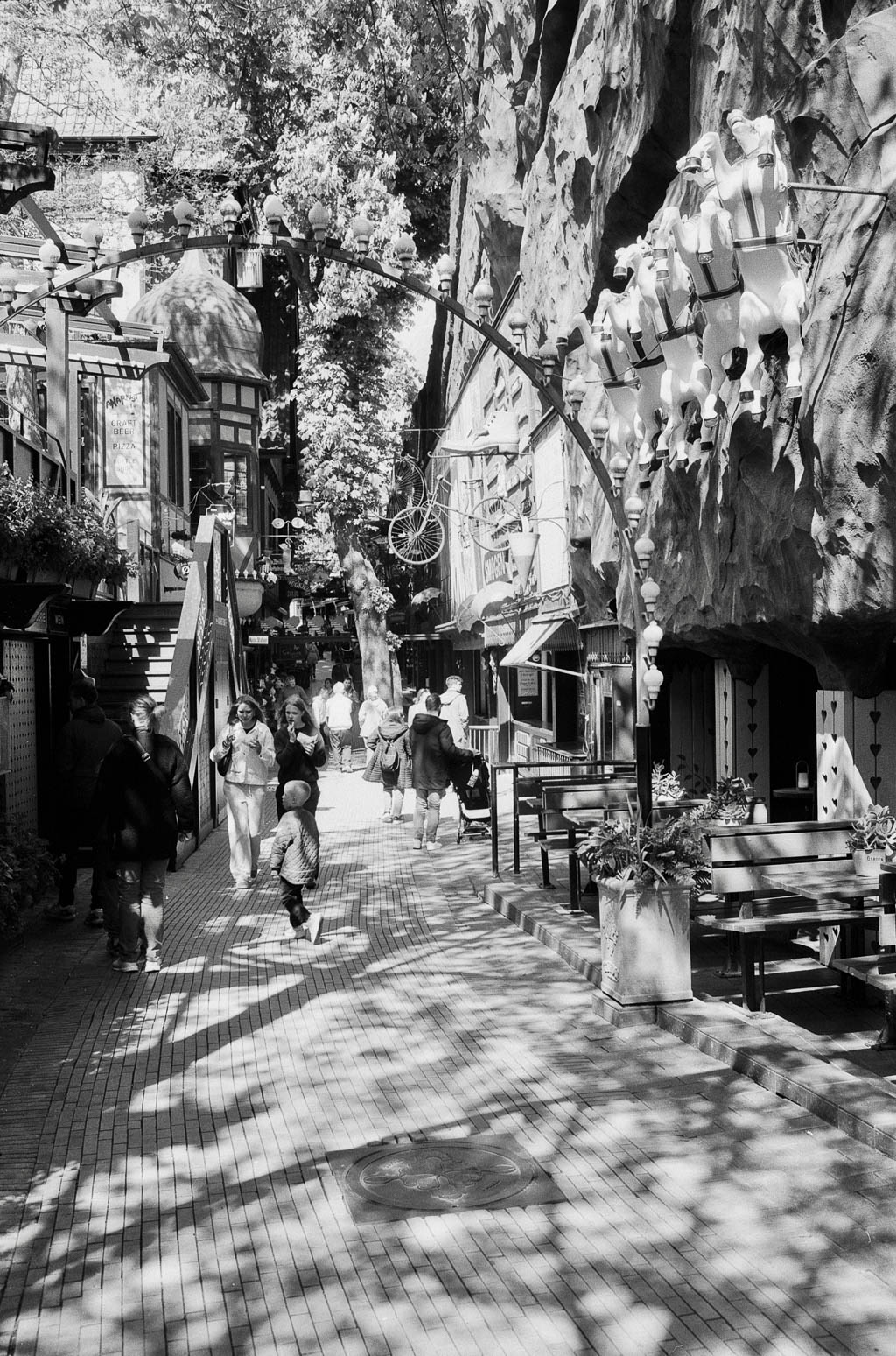
Slow photography suggests a different approach: it’s more of an invitation. In slow photography, perfection is less interesting than emotion. A fixed focal length lens, for example, limits your framing options. You cannot zoom in or out. If you want to change your composition, you must move your body. This simple constraint has profound consequences and creates new opportunities.
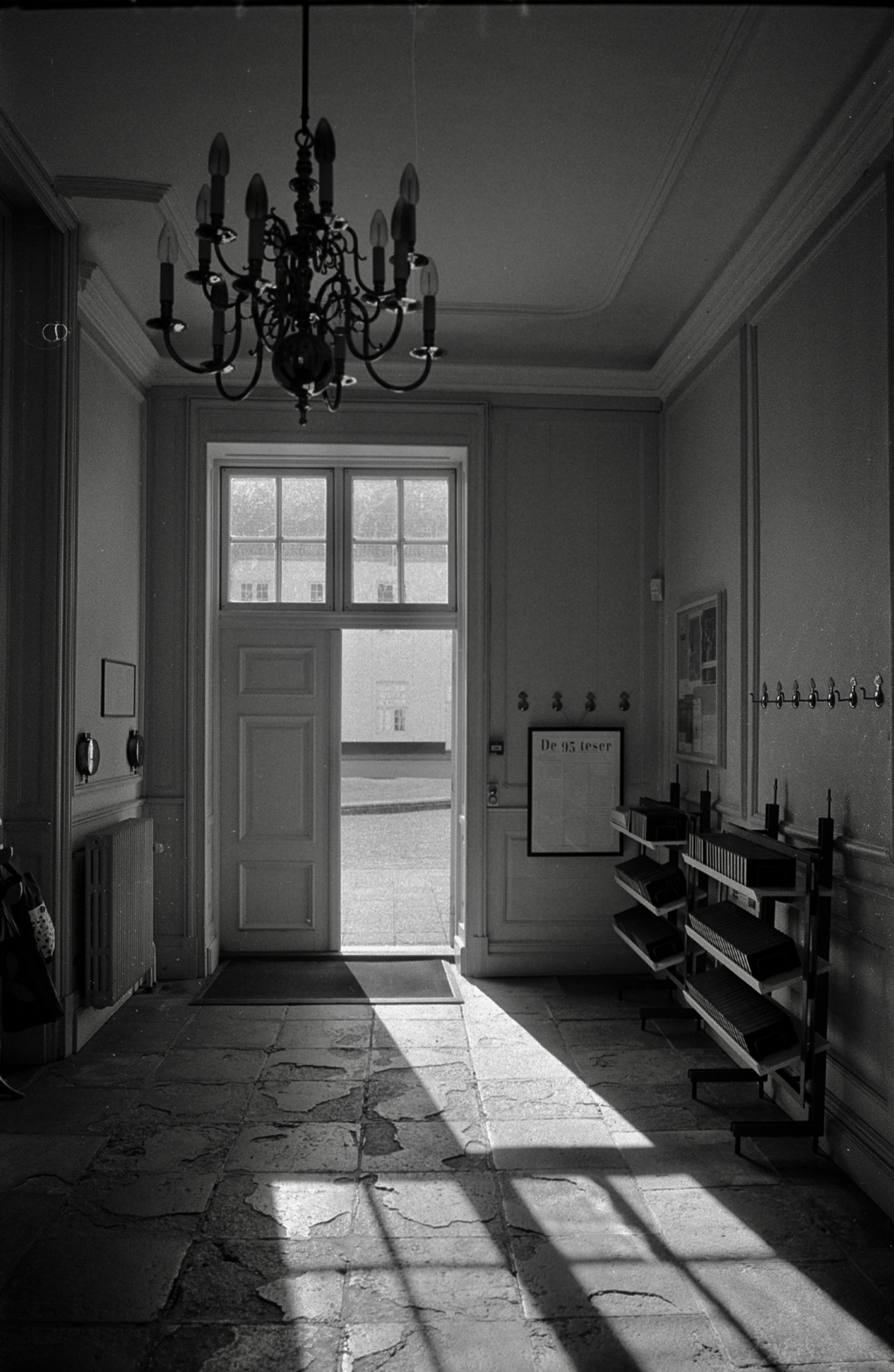
You become aware of space. You feel the distance between yourself and your subject. Not only that, but you negotiate that distance — sometimes stepping closer, sometimes stepping back. Each movement is a decision, and each decision shapes the relationship between you and what you are photographing. This physical engagement cannot be replicated by digital zoom. It is not just about perspective; it is about presence.
Seeing versus taking
The language we use matters. We often say we “take” photographs, as if they are objects to be collected. Slow photography encourages us to think differently. We do not take images — we receive them.
This shift is subtle but important. To receive an image is to acknowledge that the world offers something, and we respond. It is a collab-oration between observer and observed. It requires humility.
In practical terms, this means spending more time looking than shooting. It means having the patience to let scenes unfold. It means accepting that some moments will pass without being captured — and being at peace with that. There is a quiet joy in this acceptance. Not everything needs to be documented. Some experiences are complete in themselves.
The quiet happiness of enough
There is a particular kind of happiness that emerges from slow photography. It is not the excitement of instant validation or gratification, nor the thrill of capturing something spectacular. It is quieter.
Likewise, it comes from feeling aligned with your process. You walk through a city with a camera that asks you to slow down. You notice how light reflects off windows, how shadows stretch across pavement, how people move through space. Furthermore, you take a few photographs — carefully, and more thoughtfully.
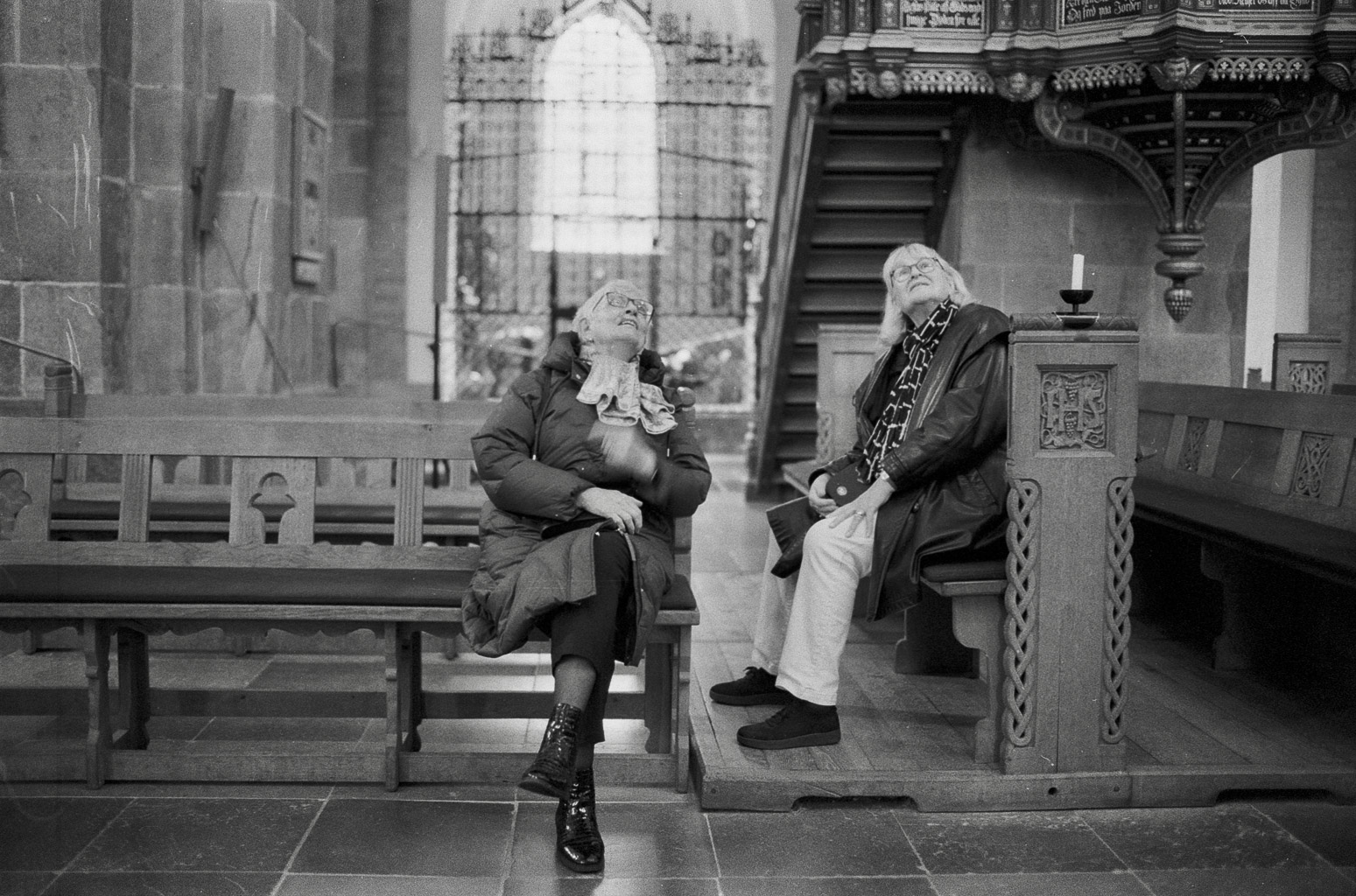
Later, when you look at them, you recognize not just the scene, but the experience of being there. This recognition is deeply satisfying. It affirms that your attention mattered.
Craft Without Obsession
Slow photography does not reject technical knowledge. Understanding exposure, focus, and composition are essential. But they reframe its purpose. Technical skill is not an end in itself. It is a tool that supports expression. But of course, you have to have the tech skills because they are essential for the expression.
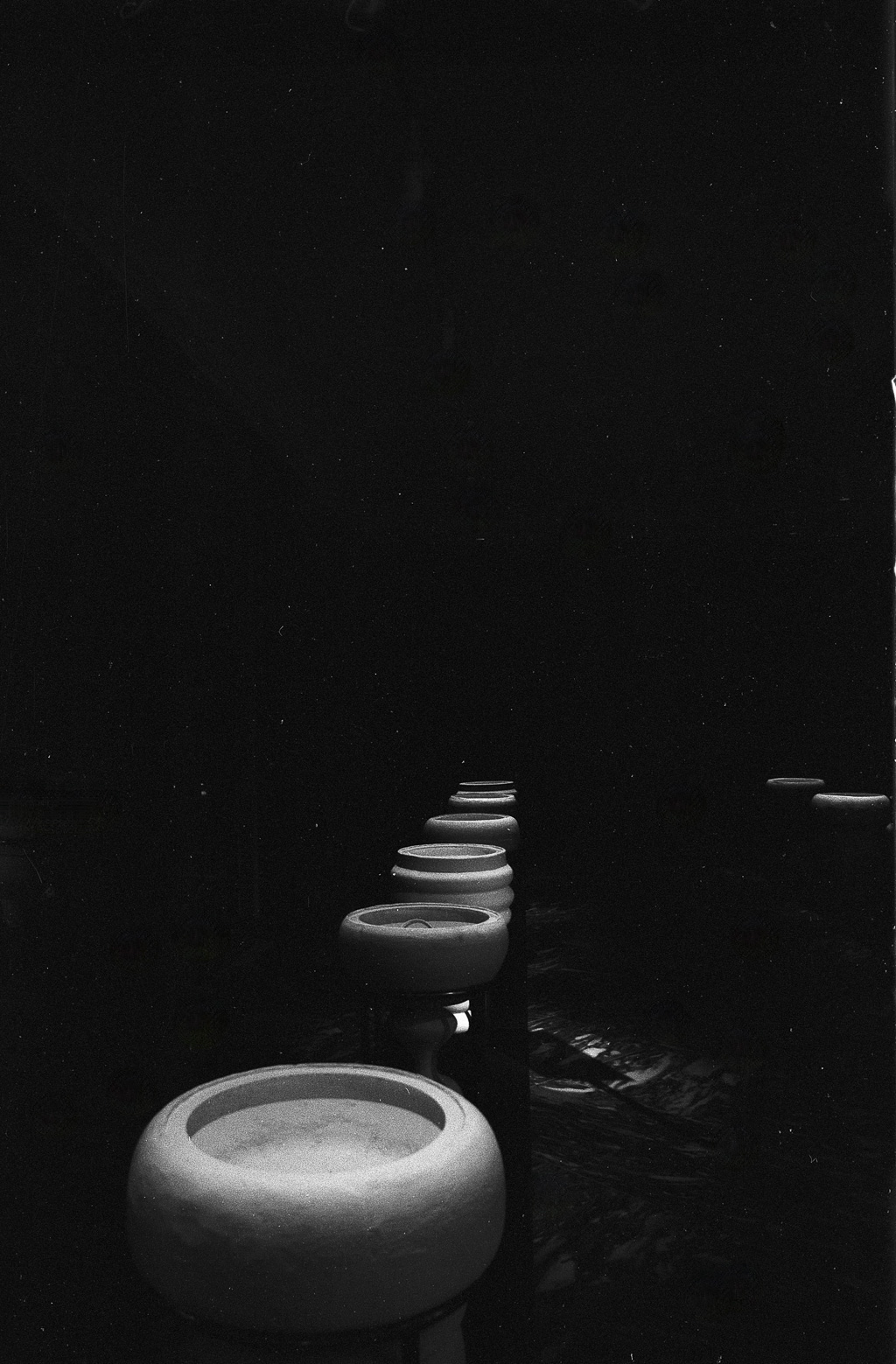
For example, knowing how aperture affects depth of field allows you to guide the viewer’s eye and make the image more, or less, three-dimensional. Understanding shutter speed helps you decide whether to freeze motion or let it blur. These choices are meaningful because they serve an intention.
However, slow photography resists the idea that better equipment automatically leads to better images. It reminds us that tools are only as valuable as the attention we bring to them. A well-used, simple camera can produce images that resonate more deeply than those made with the most advanced technology — if the photographer is truly present.
Imperfection as signature
In the pursuit of technical perfection, modern photography often erases individuality. Noise reduction smooths away texture. Algorithms correct colour and contrast to match an idealized standard. The result is clean, consistent — and sometimes lifeless and antiseptic.
Slow photography embraces imperfection as part of the image’s identity. A slight misalignment, a flare of light, a grainy shadow — these are not flaws to be eliminated. They are evidence of a particular moment, captured in a particular way. They remind us that photography is not just about what is seen, but how it is seen. Many of the great photographers’ photos are technically imperfect. Take, for instance, Henri Cartier-Bresson. But he understood how to see.
Time, memory, and meaning
At its core, slow photography is about time. It stretches the moment of capture, invites reflection, and preserves not just images but experiences. It resists the compression of life into an endless stream of disposable visuals.
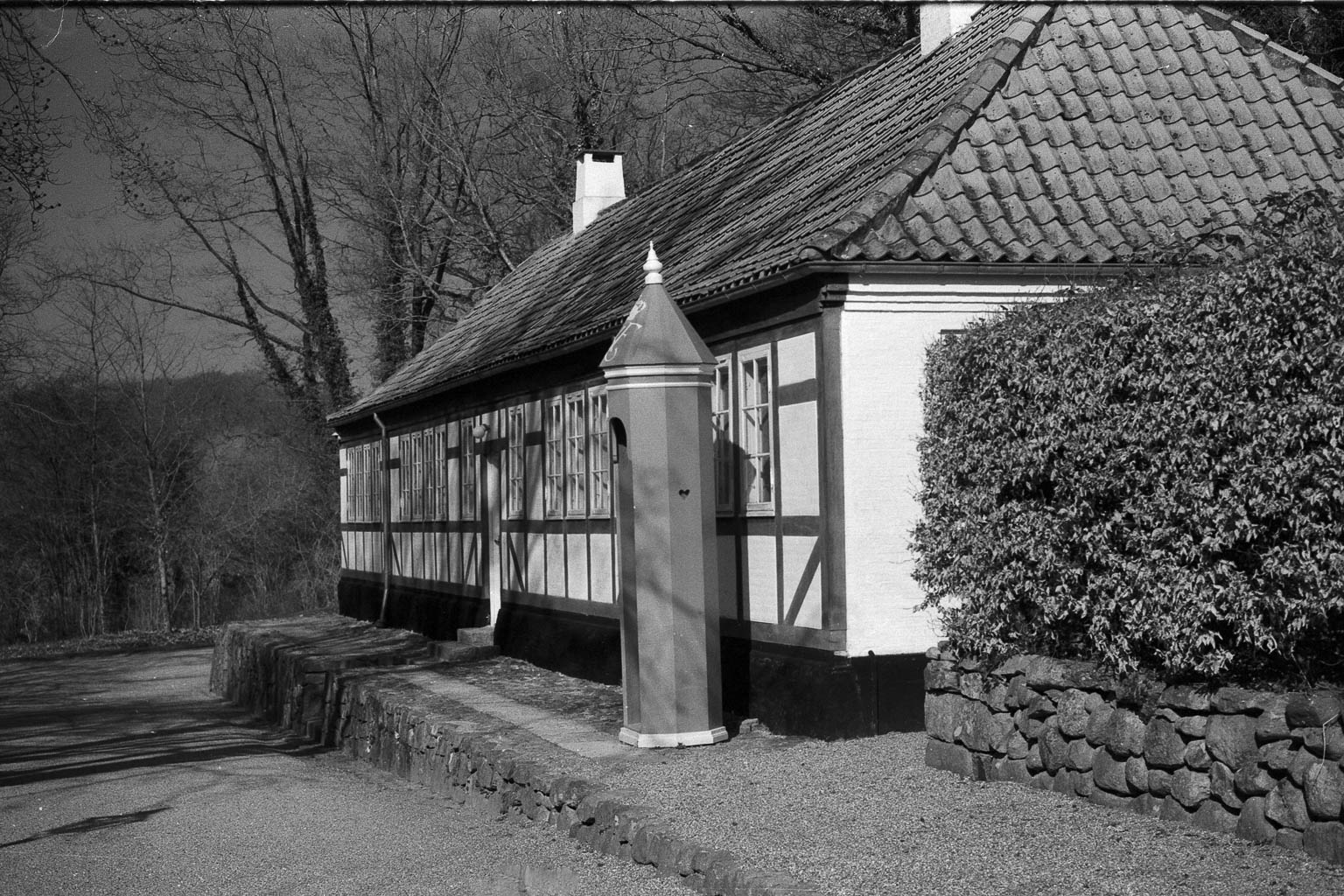
When you engage with photography in this way, your relationship to memory changes. Photographs become anchors—points of return. They hold not just information, but feeling. And because there are fewer, they matter more.
Patience
Slow photography resists the rush of modern life. It asks you to pause, observe, and truly see. There is no urgency, no pressure to produce instantly. Each frame is considered, not captured in haste. The process unfolds quietly, often over days or weeks.
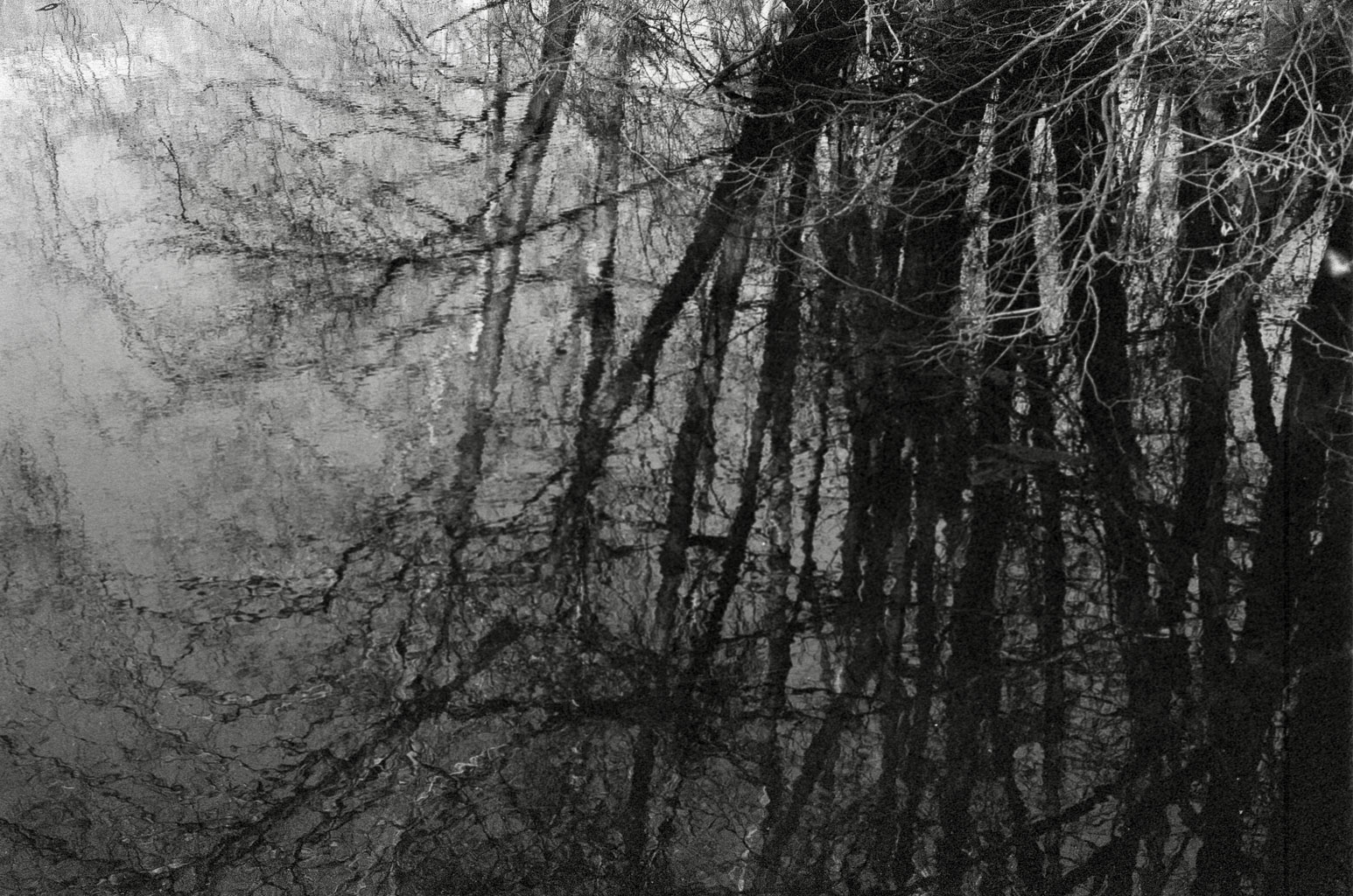
Results are not immediate, and that is the point. Anticipation becomes part of the creative experience. It stands in contrast to the quick hits of social media. Patience shapes both the image and the photographer. In waiting, you discover a deeper, more lasting joy.
A practice, not a trend
It would be easy to dismiss slow photography as a nostalgic trend — a longing for the past in a rapidly advancing technological landscape. But this misses the point. Slow photography is not about rejecting the present. It is about choosing how to engage with it.
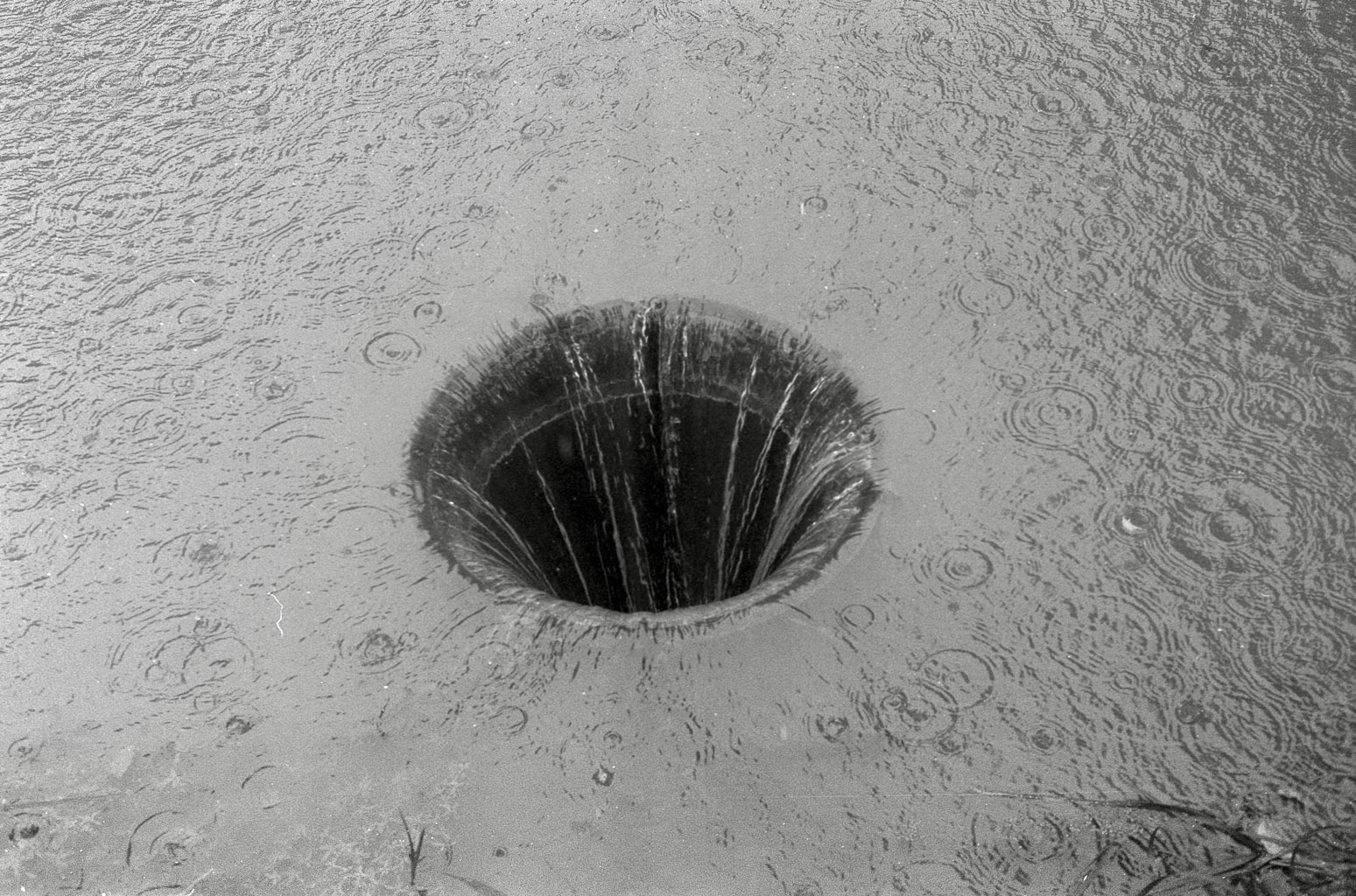

You can practice slow photography with digital tools, just as you can rush through a roll of film. The difference lies in intention. Can you allow yourself time to see? Do you make decisions consciously? Do you value the experience of photographing as much as the result? If the answer is yes, you are already part of this quiet rebellion.
Closing the distance
In the end, slow photography closes a distance—not only between photographer and subject, but also between ourselves and the world we inhabit.
It reminds us that attention is a form of care. That limitation can be liberating. That technical perfection is not the same as meaning. And perhaps most importantly, it offers a kind of happiness that does not depend on speed or scale.
- Just enough light.
- Just enough time.
- Just enough attention.
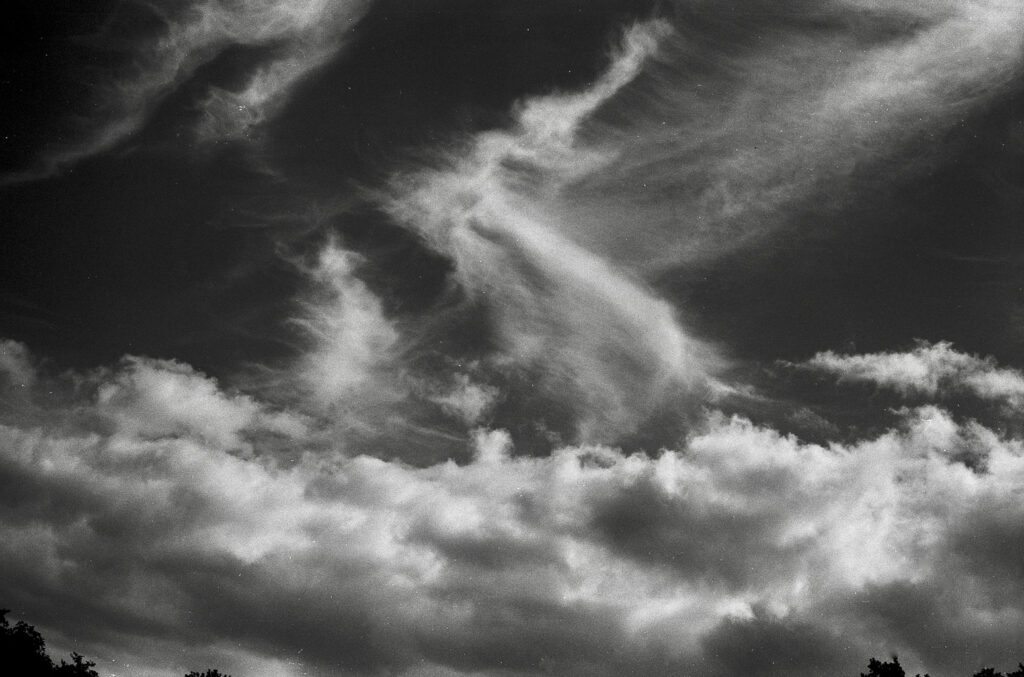
That is all it takes to make an image—and, sometimes, to feel fully alive while doing it.
Slow photography has many of the characteristics of good travelling. The end of the journey is less interesting than the travel to the goal and the pleasure of being on the move. The Danish fairytale writer Hans Christian Andersen said: To travel is to live.
Make a donation to help with our running costs
Did you know that Macfilos is run by five photography enthusiasts based in the UK, USA and Europe? We cover all the substantial costs of running the site, and we do not carry advertising because it spoils readers’ enjoyment. Any amount, however small, will be appreciated, and we will write to acknowledge your generosity.
Comments: Please add a comment to this article. Our comments section is a thriving community and everyone is treated with respect. In addition, please identify yourself (and add an email address, which will not be published, if you would like to see answers to your posting). Our system will automatically delete any “anonymous” posts on the basis that they are likely to be spam.
Fantastic article, and one that took me three or four tries to read, because I recognized that I needed to come to it without distraction. I love and agree with your message!
Great article with a beautifully slow message. I hope we continue to move beyond the milli-second second shutter snap. I shouldn’t say this, but I will anyway…. I was out with a lot of photographers a few weeks ago and couldn’t help but think the men and women there were simply… well…. “shutter sluts”….. OK maybe something like “shutter happy”????
I’m not a person who can “understand” B&W photography. But some of your images made me sit back and smile. Not because they were cute or funny. What I thought was ‘this is right; it’s exactly how it is’.
As though I were really seeing this for the first time.
(light through window panes; pattern of falling rain and water streaming through a drain)