
Occasionally, I miss the simplicity of bygone times, the simplicity of film photography in particular. I miss people’s ability to think for themselves and not leave the thinking to some kind of machine. My goal with this article is to ask readers whether they feel the magic of photography has turned into a disappearing act due to automation in the digital age, or even whether it’s still there.
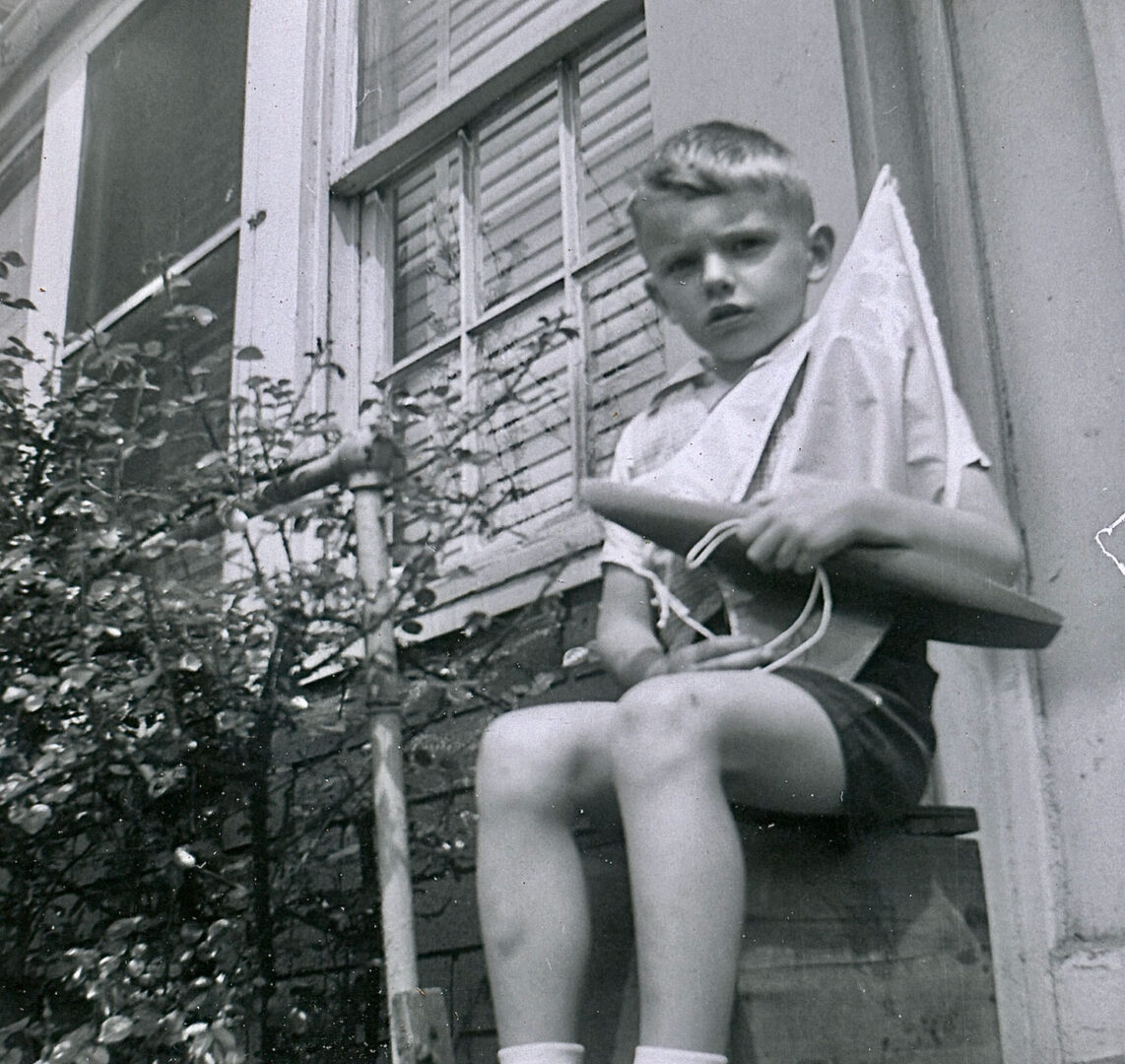
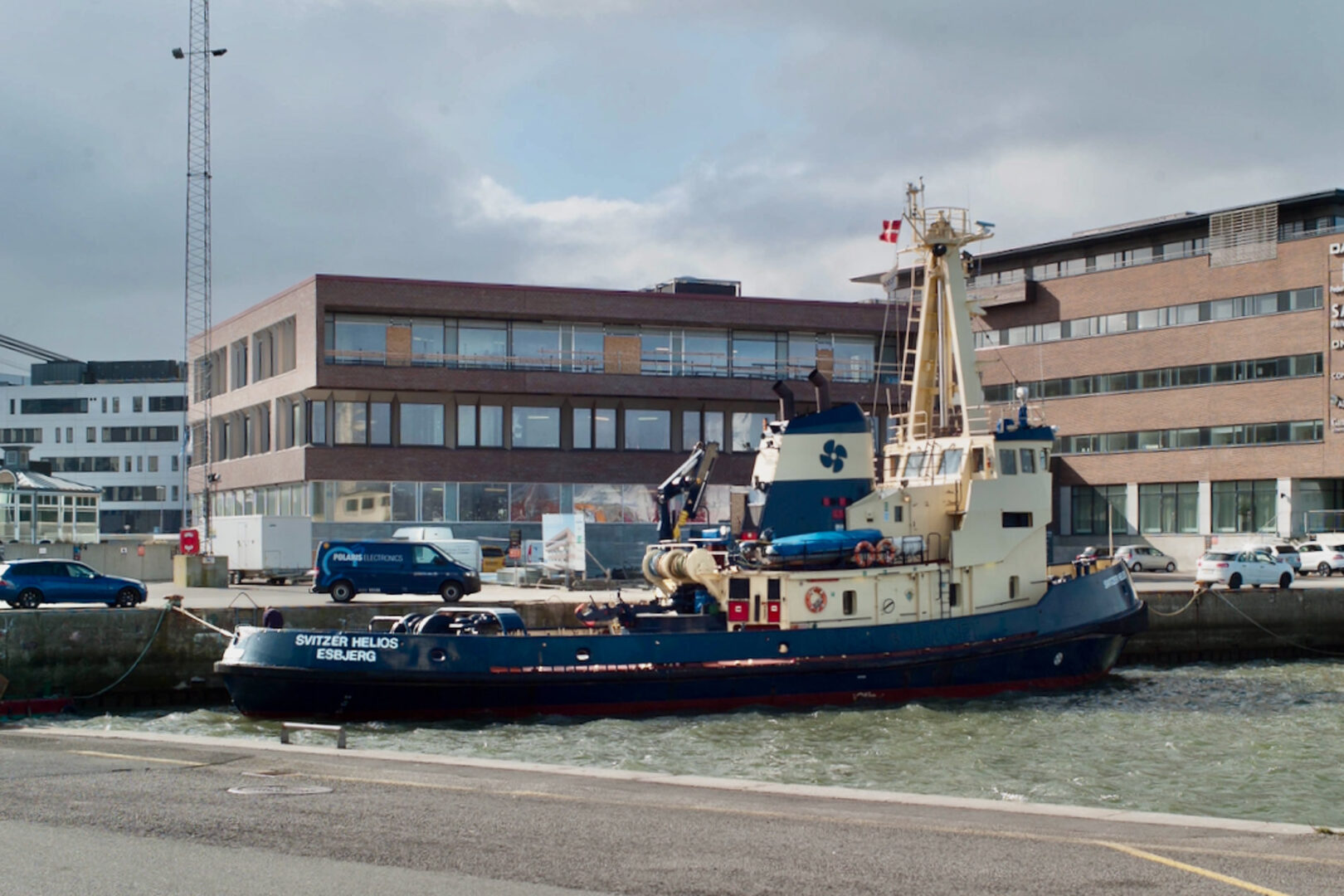
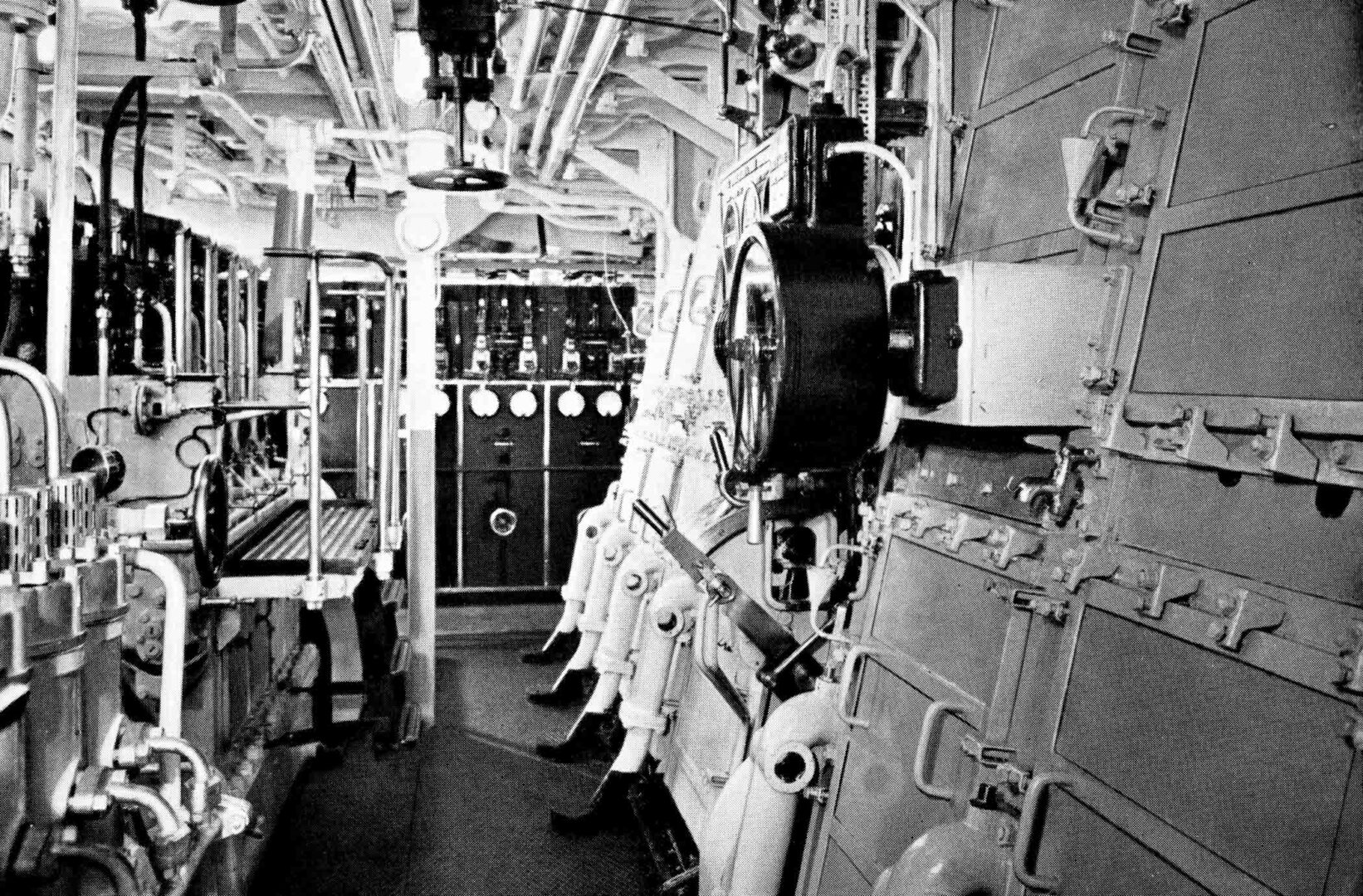
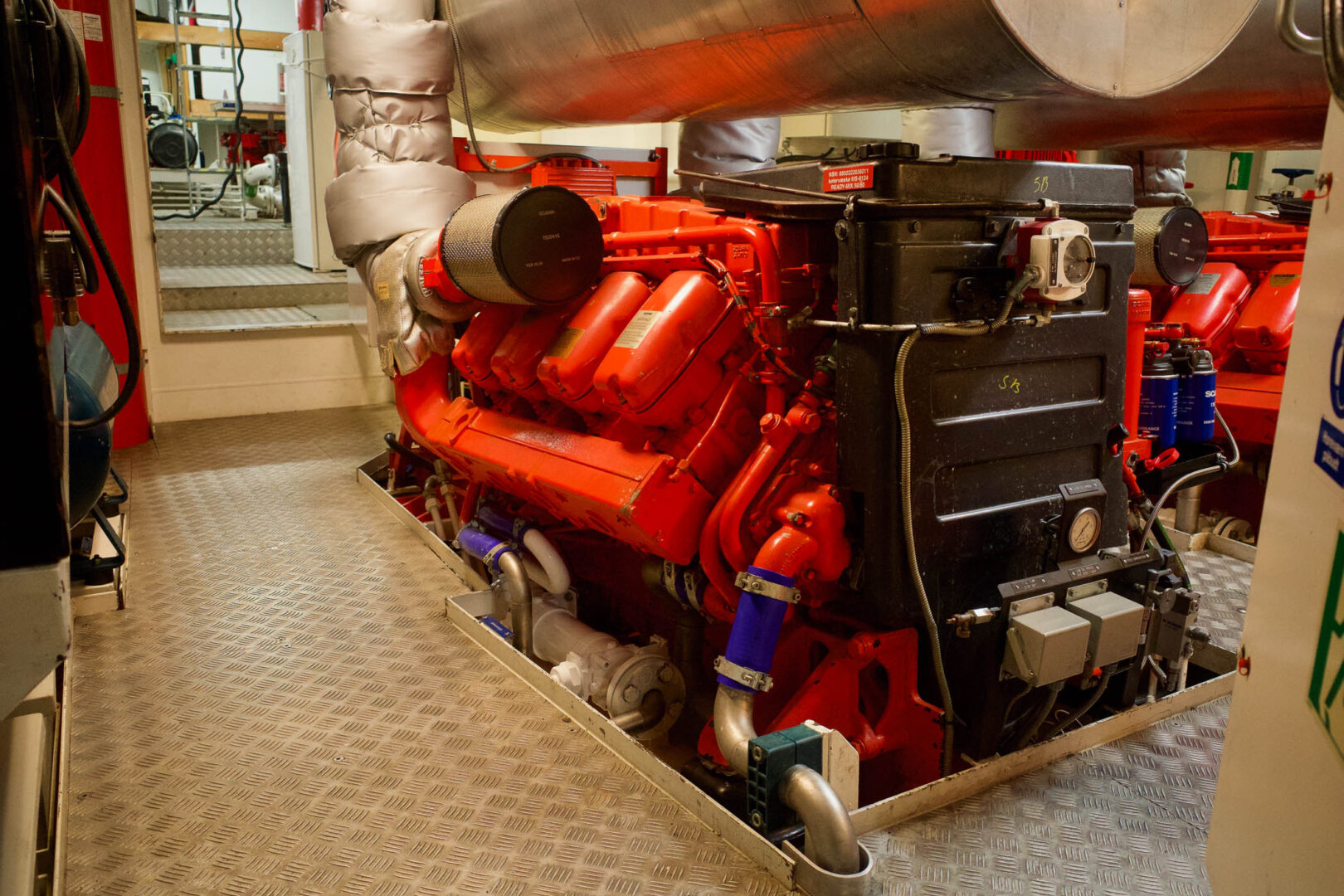
I can assure you, the old days were not always better. Who would miss the “enjoyment” of cold, damp mornings in the shipyard where I started working as an apprentice machinist many years ago? I certainly don’t pine for the wet hours on the aft deck, standing by the steam towing winch of a salvage tugboat in the North Sea. It’s better to sit in the warm engine control room with a nice cup of coffee.
Navigating based on my skills
Let me make a comparison. I have a Certificate of Competency as a shipmate 1st-Class from my time as a Naval Officer when I learned celestial navigation. That allows me to compare my skills to those built-in to GPS. With celestial navigation, it is my abilities that determine how well and therefore how accurately I can plot my ship’s position. It turns out that the skills of celestial navigation and film photography are not that far apart.
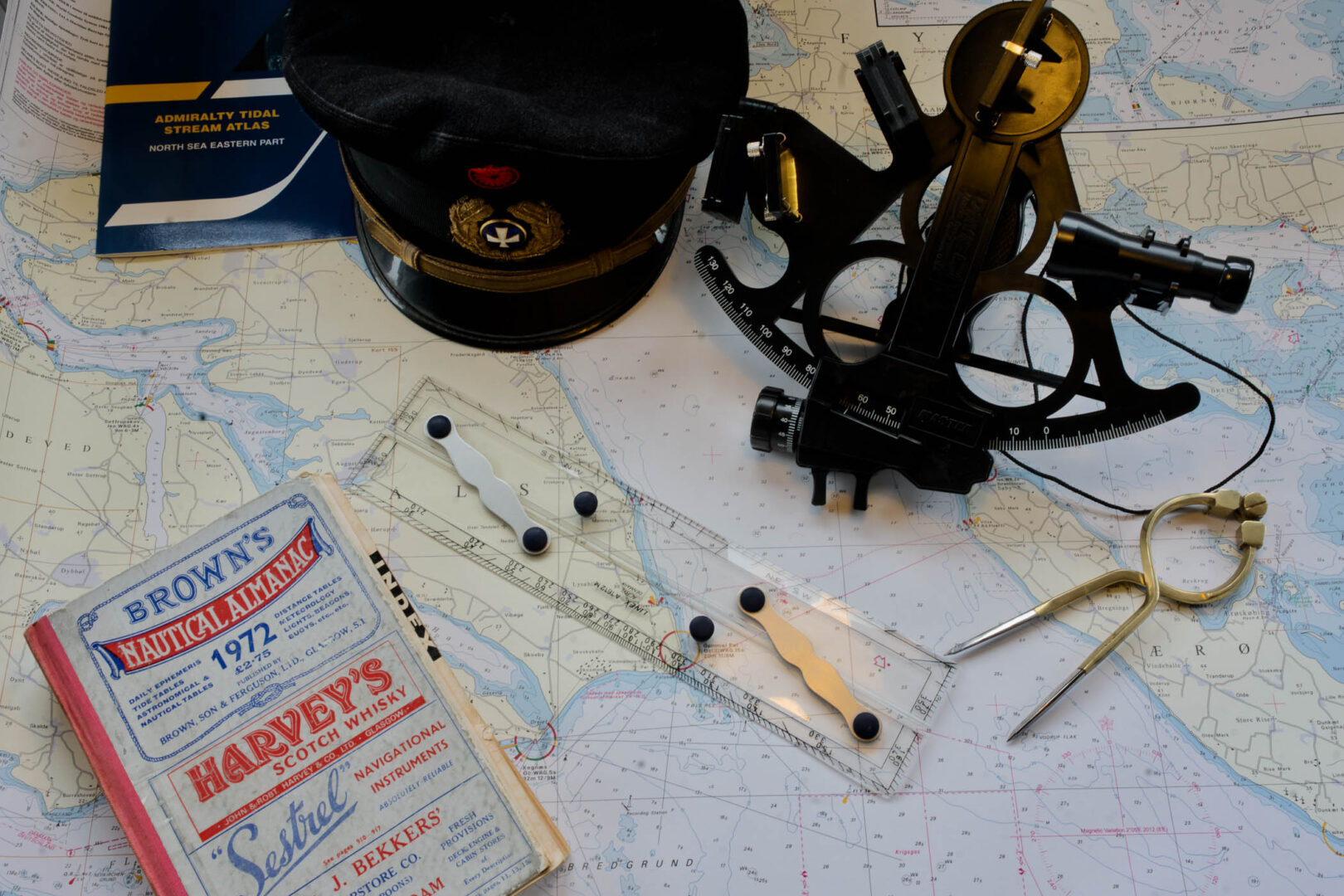
With GPS, I need only to be able to read the codes. The machine itself does all the work. I have no influence on its accuracy. With a high level of confidence, the GPS will be more accurate. But my satisfaction, pride and joy will be much lower. The process is not mine, and I’m dependent on other people’s decisions as to how the machine works.
Discovering photography
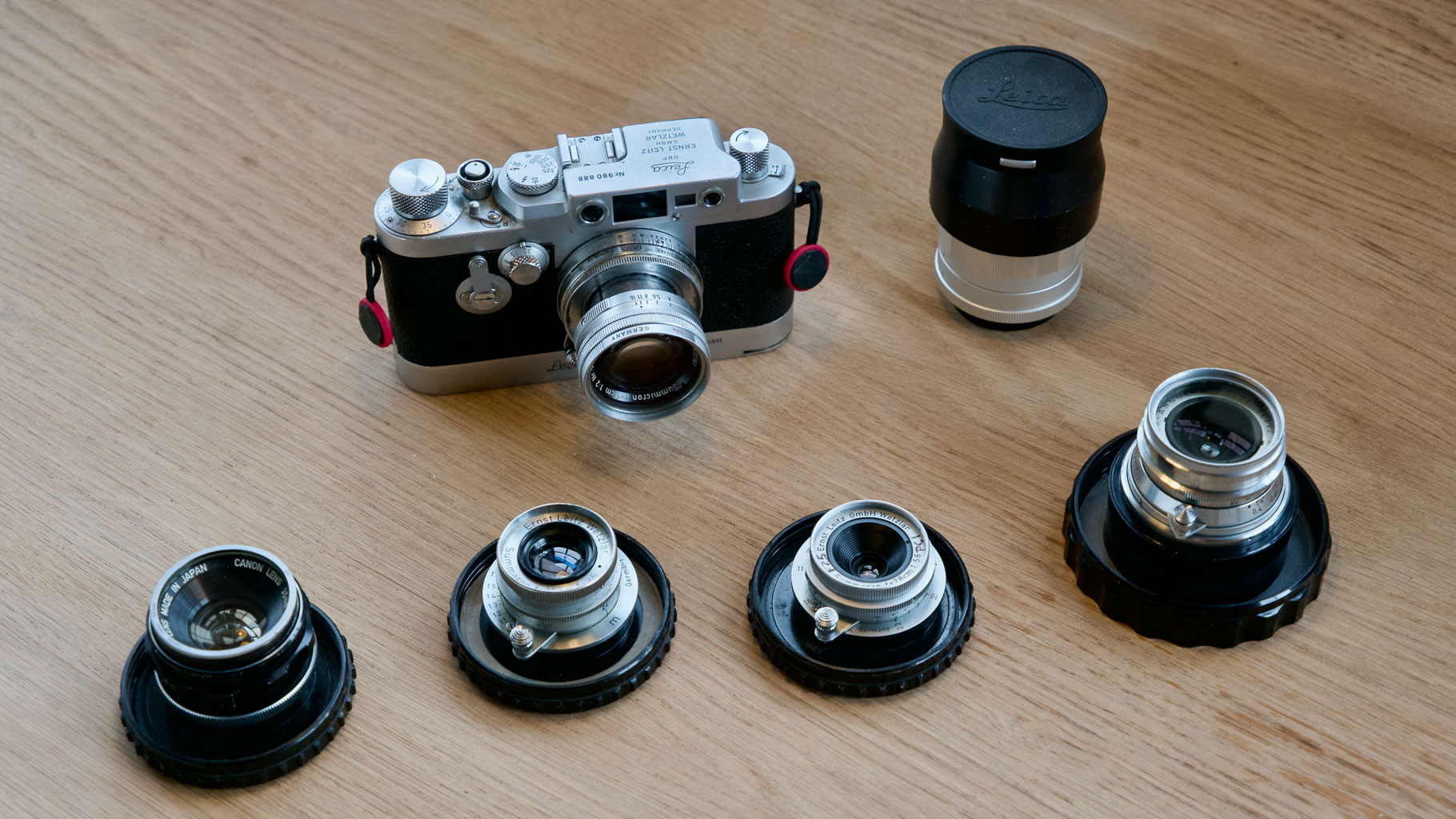
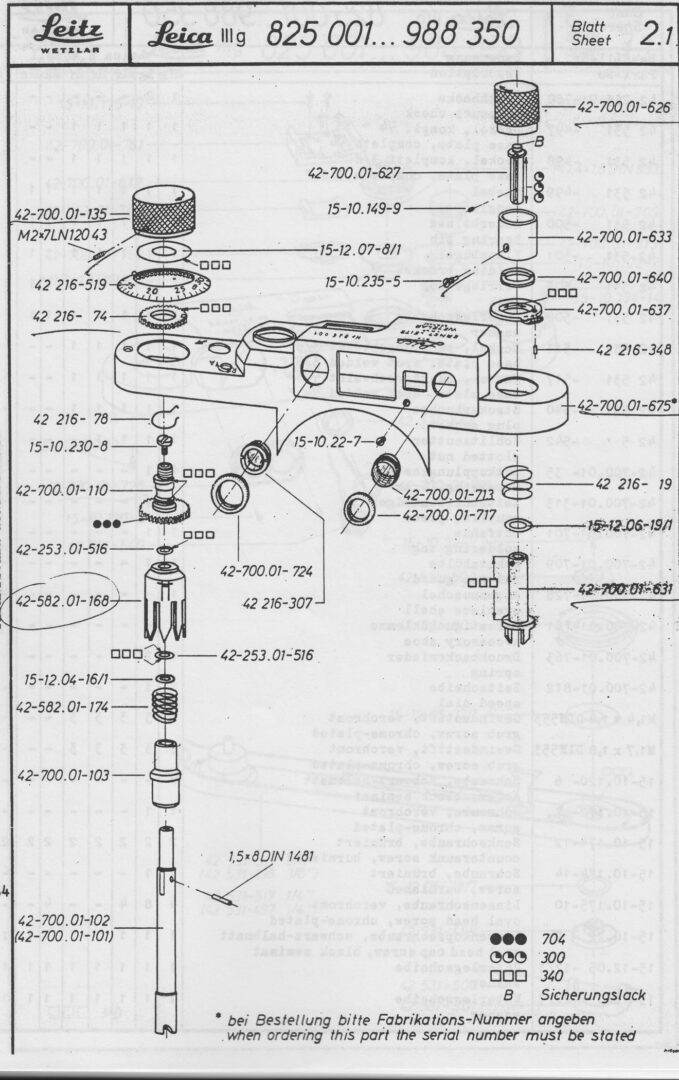
When I started taking photos as a boy, it was because a part of the world I was interested in was disappearing. My first camera was a Voigtländer Vito CL. When my mother realised that I was serious about photography, I got a new Leica IIIg with a 5.0 cm Summicron as a Confirmation gift. Over the years, it was joined by a few more lenses.
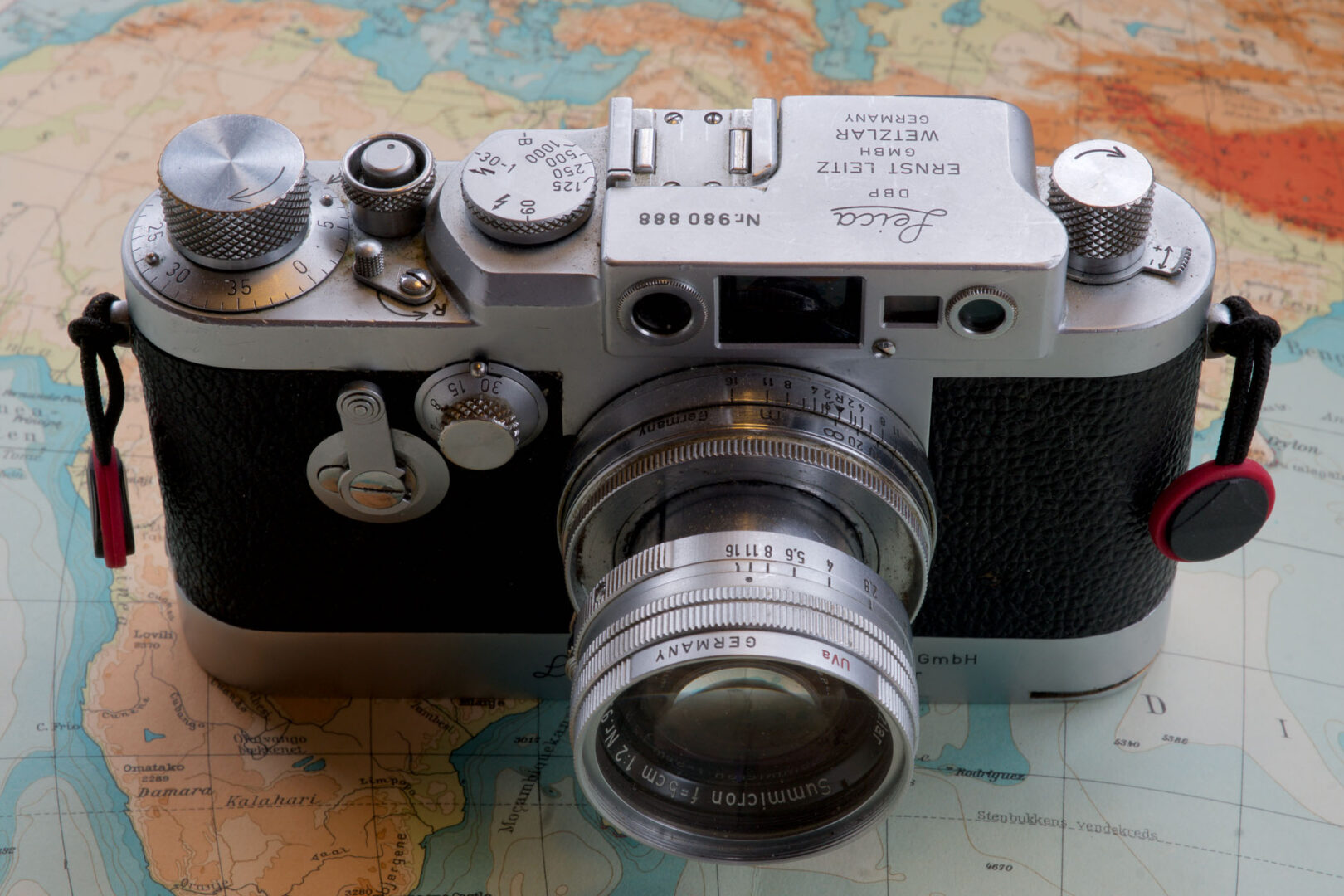
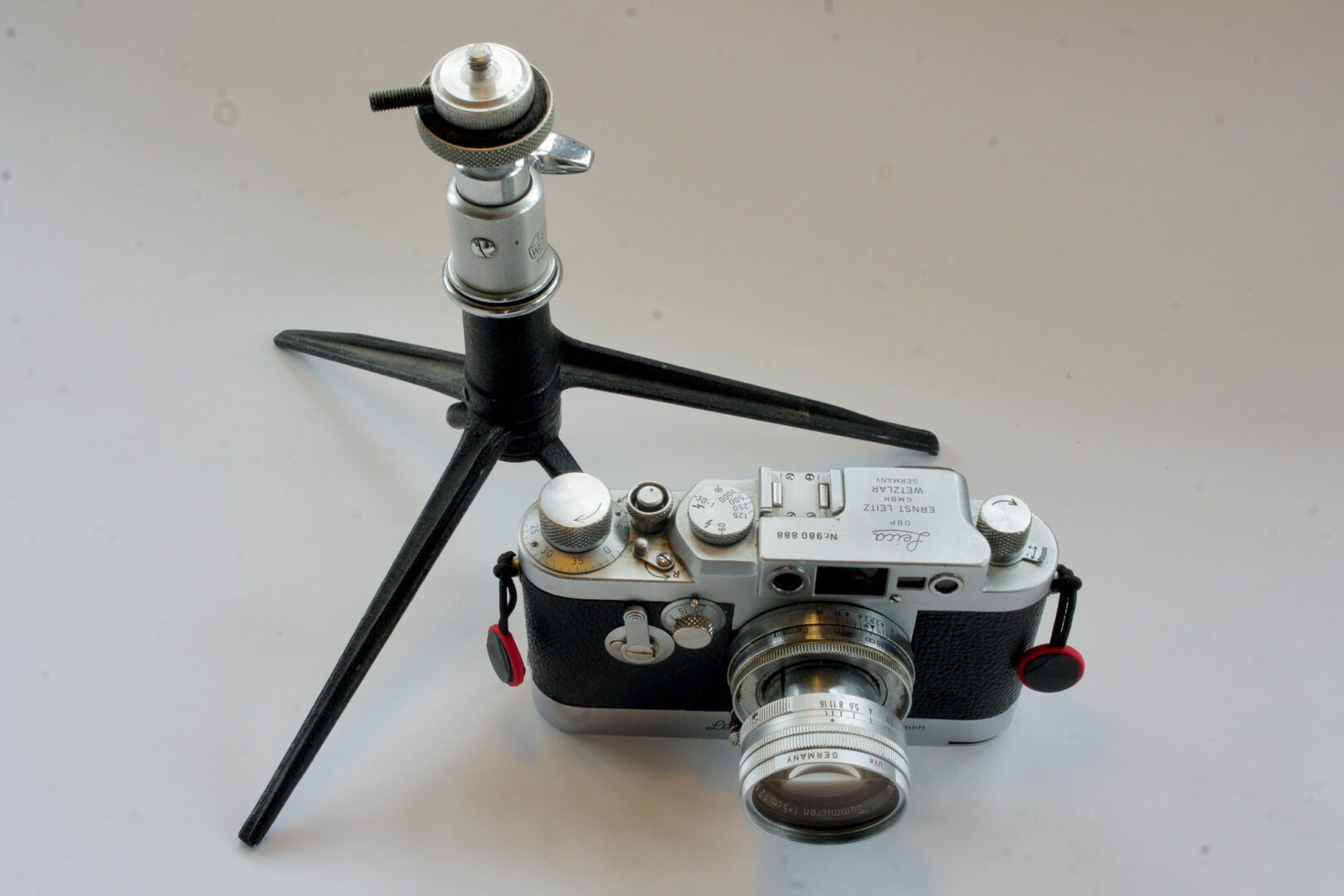
I still have it, and it has only been repaired once. That was after 48 years of use when the shutter curtain wore out. For many years, this was my entire outfit. I eventually bought a used Leica I in Jakarta, as a backup camera.
A portable hobby
Film photography became a lifelong hobby for me. My Leica followed me around the world in my professional life as a marine engineer. It was small, solid, and practical, and I could take it with me on all the ships I had been hired to work on. It was not affected by heat or cold, and there were no batteries that needed to be charged or replaced.
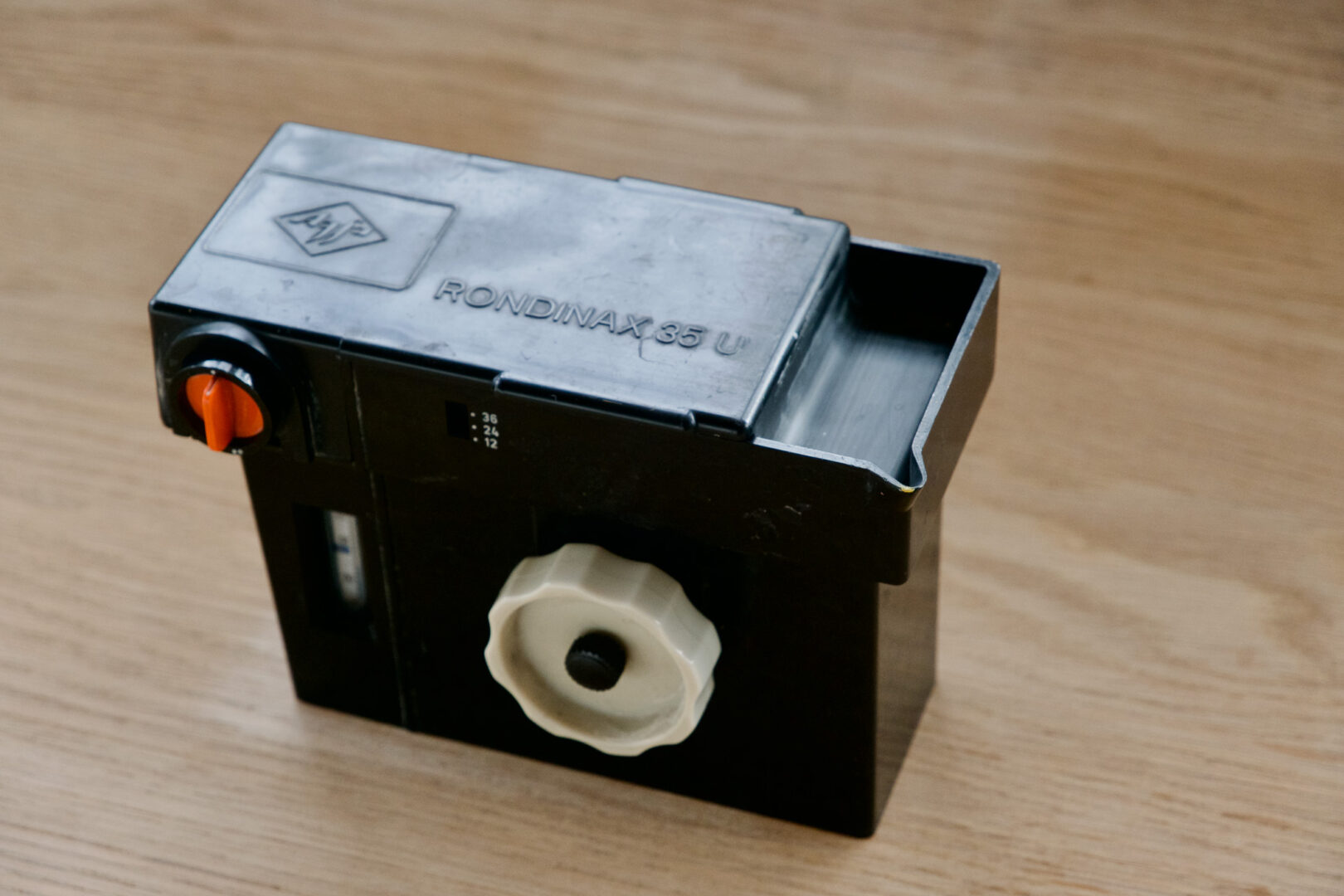
I could buy the film I needed in most of the ports my ship called at. I developed the films in an Agfa Rondinax 35 tank. The Rodinal developer had a very long shelf life, the fixer was easy to mix from available chemicals, and there was plenty of water to flush it.
Expanding my hobby
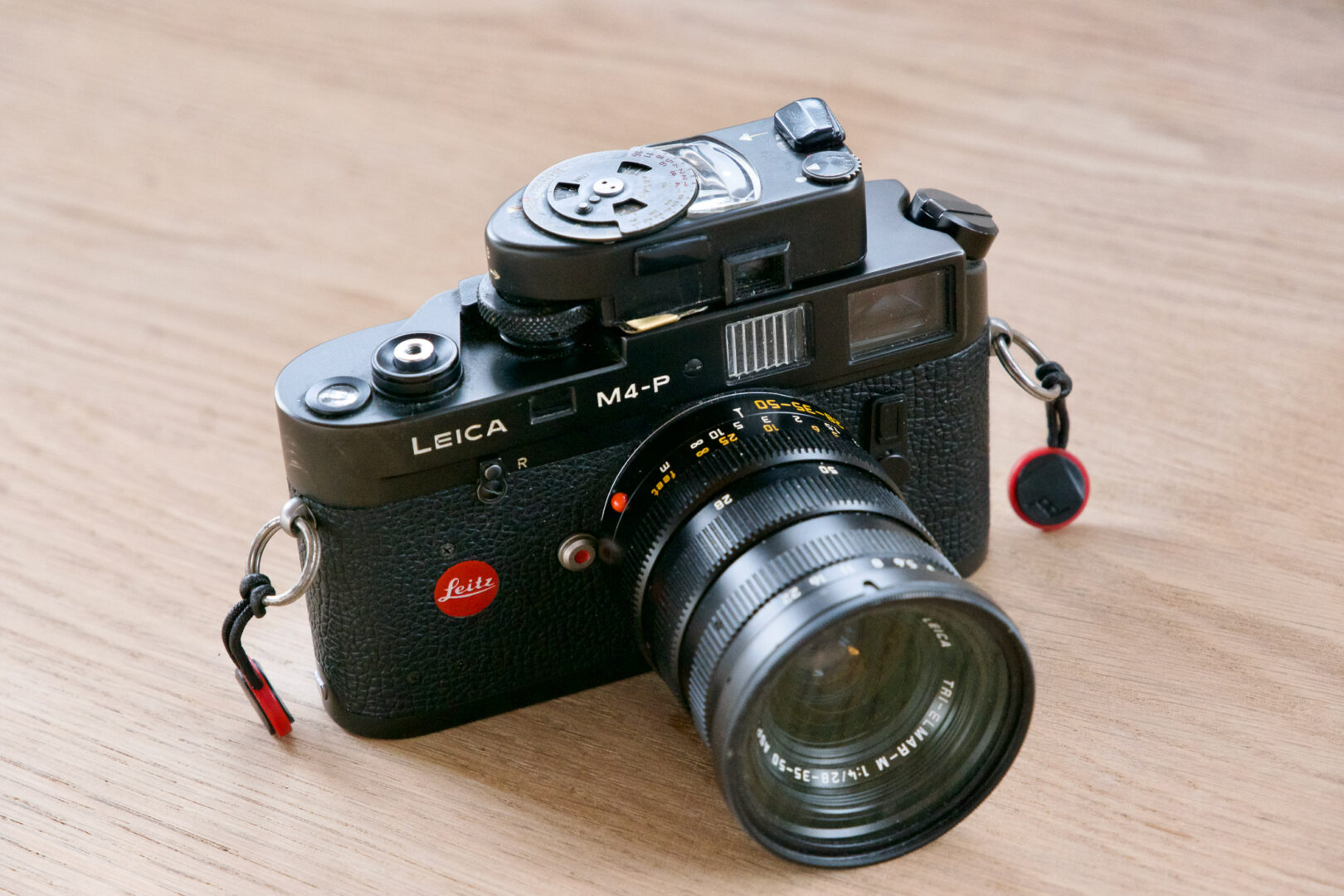
In the 70s I bought a Leica CL with lenses. An M4P followed in the 80s. The reason for this was that I wanted better wide-angle lenses, and they all had an M bayonet.
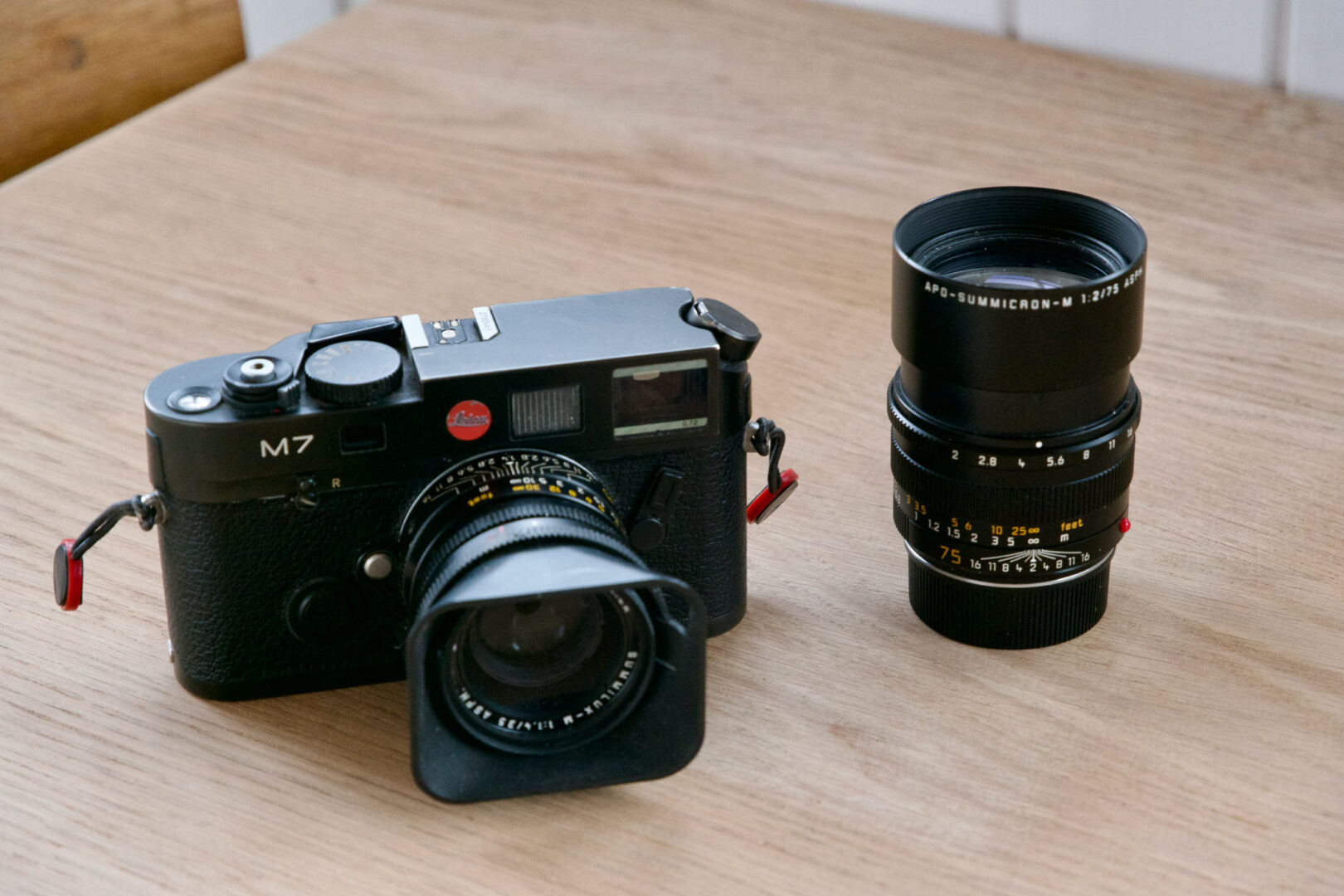
In the 00s, I bought an M7, mainly for convenience. It was partly automatic, and that meant I finally had a couple of digital Leicas. This was partly out of curiosity and partly out of laziness.
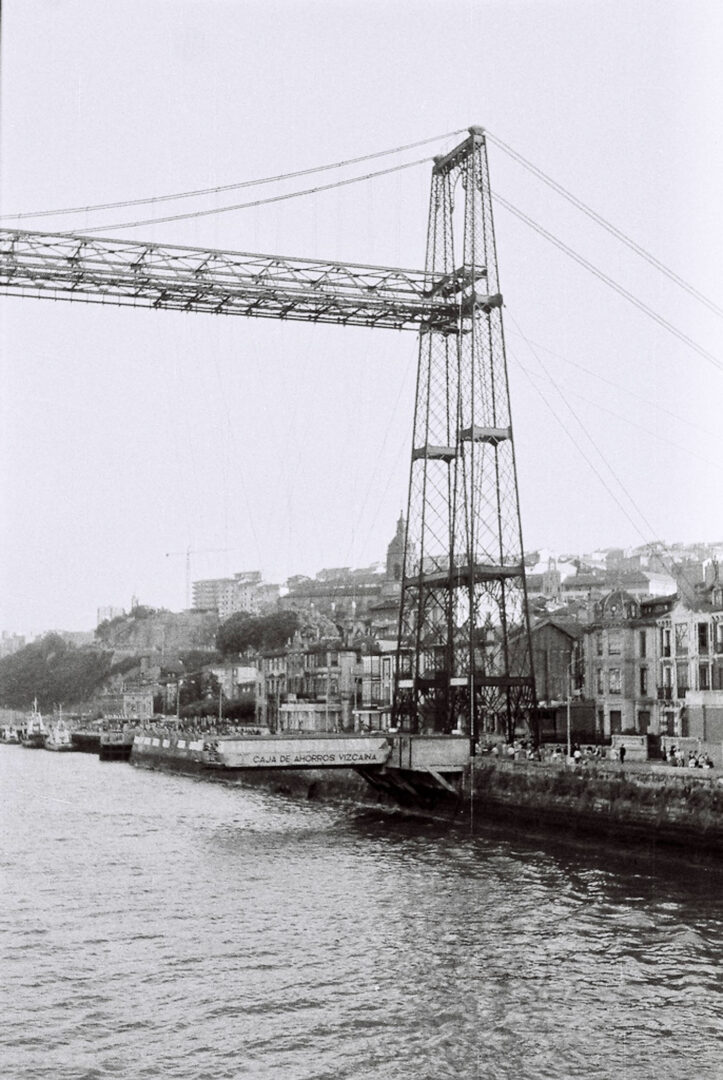
My original purpose for taking photos was simply to record events and places. Of course, this why I bought a camera originally. As the years went by, I divided my photography into two groups, memory photography and photography that I had thought about, to create a picture.
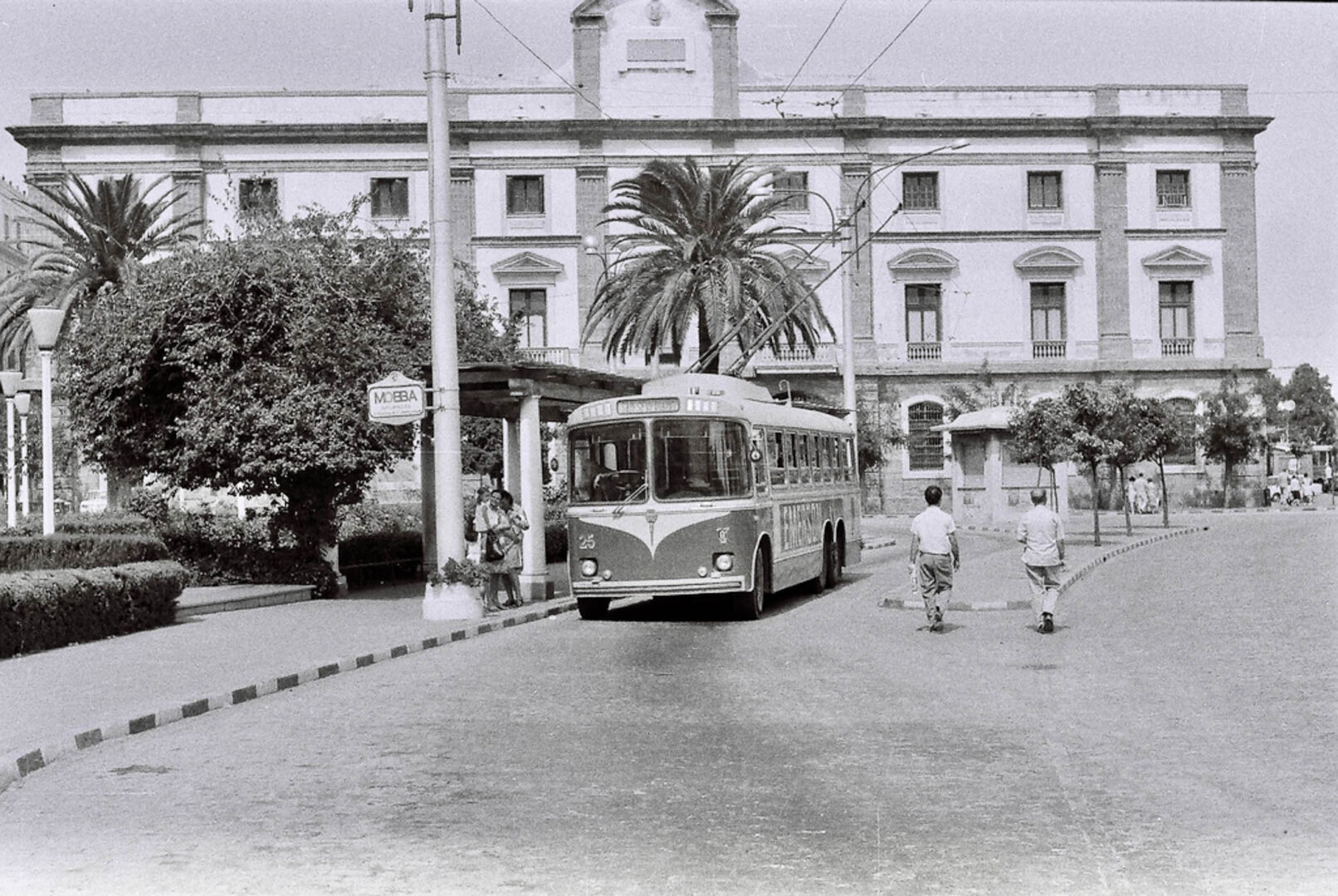
When you know more than you realised
A younger person I knew asked me to teach him how to take photographs. As I started to tell him how it all worked, he said he thought it was much easier for me to understand because I had learned photography in the film era.
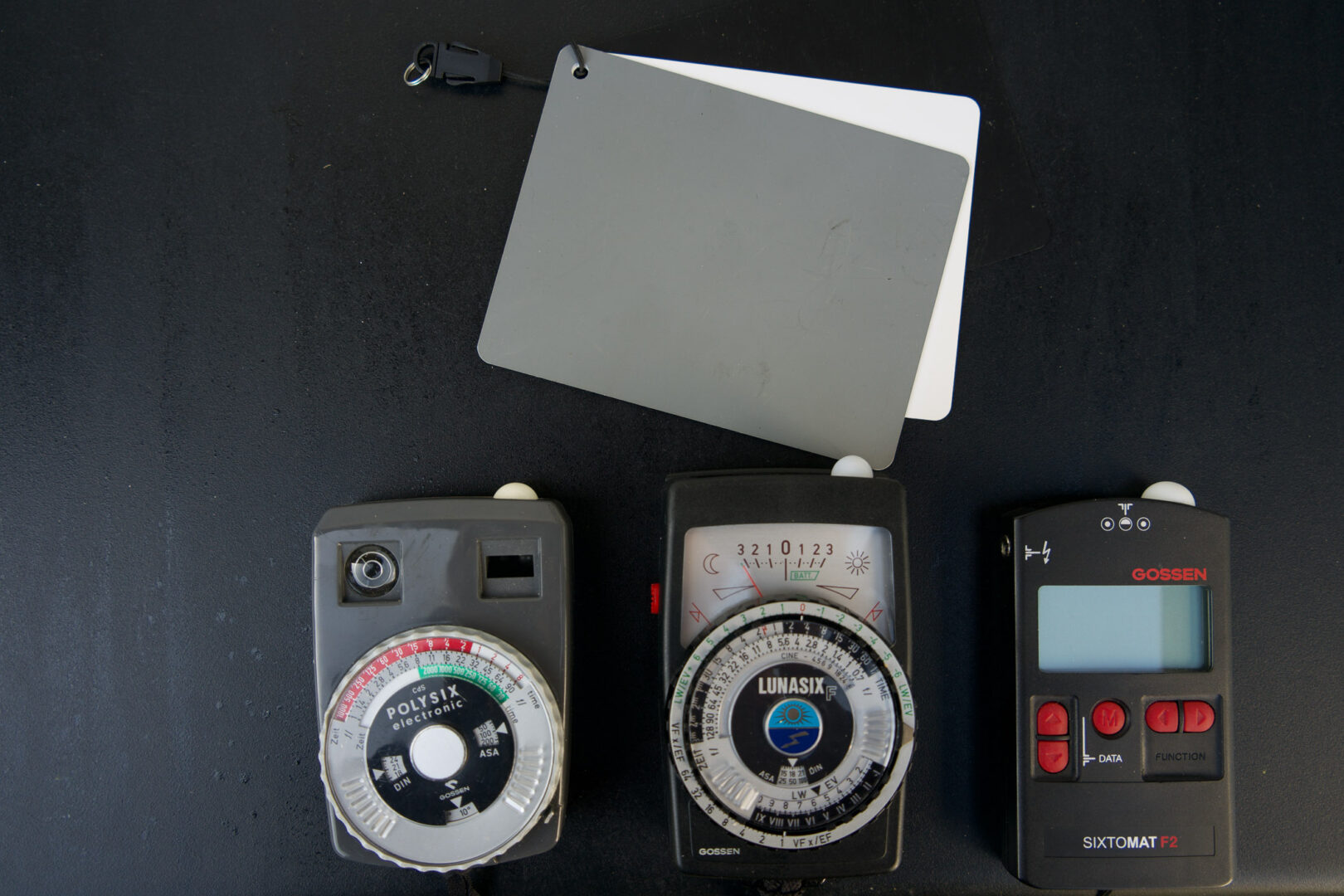
When I started photography, I had to learn all the tricks of the trade. The technical side was no big deal for me. But it took me a while longer to make good pictures.
I needed to understand all the technicalities: the interaction between shutter speed and aperture. What was the film speed? How did the colour filter influence the finished picture? How, despite a slow shutter speed, could I shoot handheld?
I had to understand when to change the focal length. How the focal length influenced where I needed to stand. It was also important to understand the influence of perspective and how to use it.
The analogue/mechanical experience
I still enjoy using my Leica IIIg as a way to make use of all that accumulated knowledge. It is my skills combined with my imagination that create images I can be pleased with.
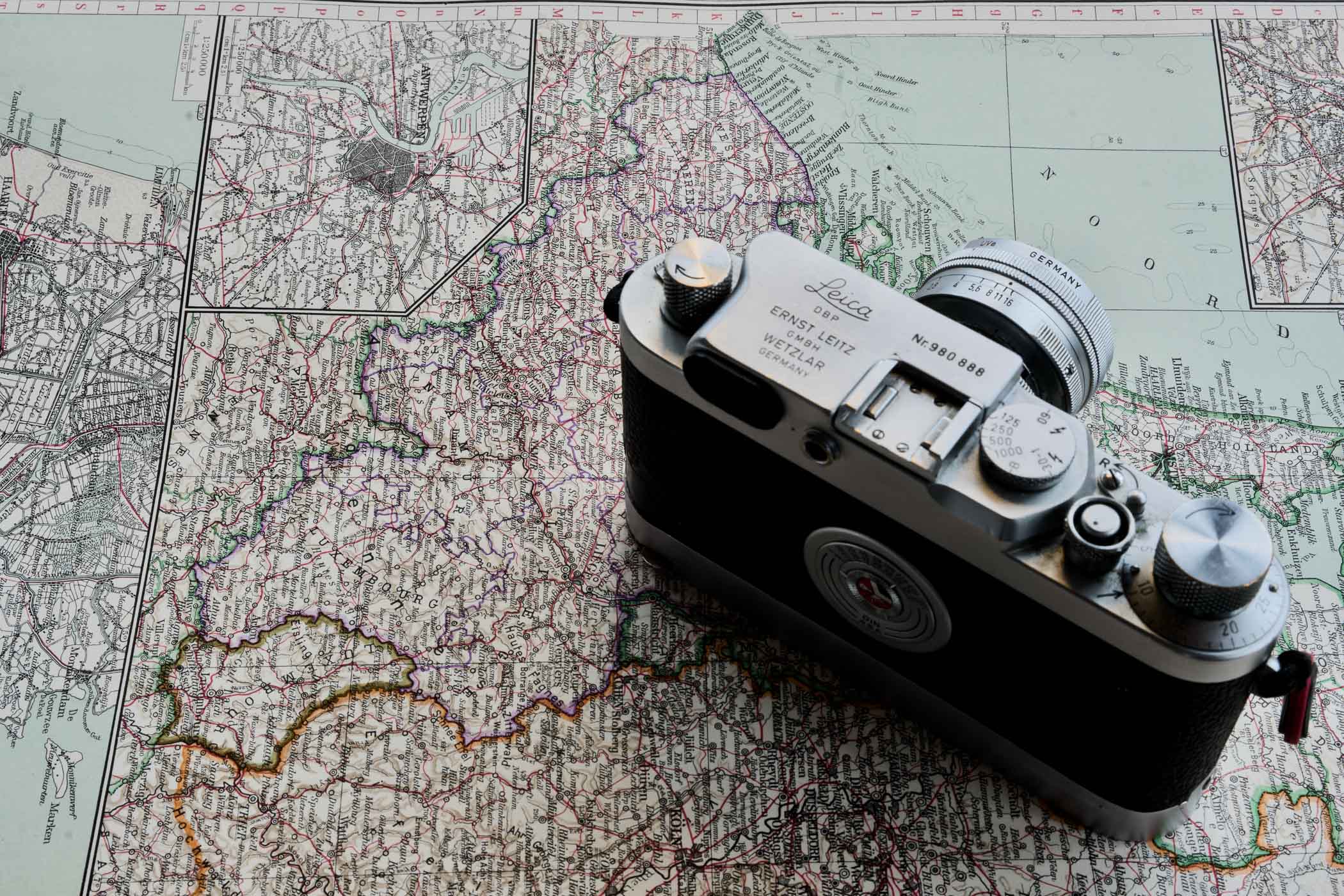
The pictures from film are the pictures I have made. Not somebody or something else that thought for me and had made decisions for me.
It was down to my abilities that made the image. I am also taking advantage of craftsmen who many years ago had made the camera.
The joy of craftsmanship
Older Leicas weren’t industrial products: you had the feeling that they were handmade in a small factory by skilled craftsman in white coats. When you have a camera like this in your hands, it is a joy, you can almost feel the spirits of past generations. Of course, you still have to have imagination and a feeling for the image you want to capture.
Film first
When I photograph as a hobby, my preference is still to use film Leicas. Photographing with film forces me to think ahead before pressing the shutter button. I have to think about how I intend the finished image to look.
Fixable in skilled hands
If something is wrong, then I am to blame. If the camera is broken, I can repair it because I was a machinist before I studied to be a marine engineer. There’s nothing inside the camera that I cannot make with my hands and the necessary tools. When I use this old camera, I still have the same pleasure, joy, and pride in film photography that I had when I first used the camera sixty-two years ago.
Digital convenience
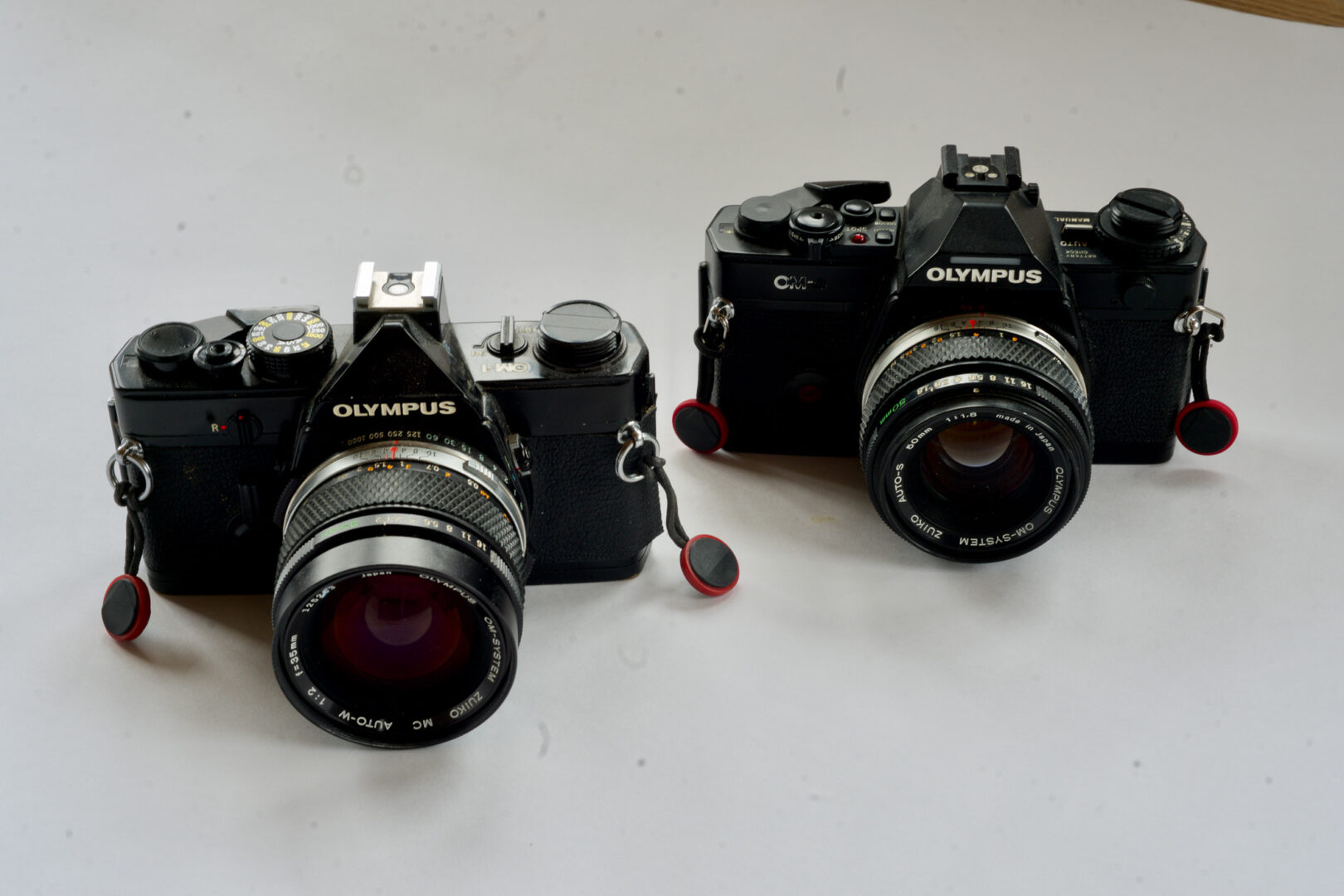
Over time, I inherited a couple of camera systems, one a Nikon, and the other an Olympus. Both systems are well-made. Some Nikon lenses, for instance, the 85mm f/1.4, was the equal of the Leica 75mm f/1.4. But if you were used to a small compact camera, for example a Leica, I’m convinced that you would prefer the Olympus. The Olympus lenses were almost as good as the Leica lenses.
Aperture, shutter speed, film speed, perspective, distance, focal length and any colour filtering, must all be considered. You maybe have to stop down one stop further, but the films available today are at least one stop faster than in the old days. Fast films in the 1950s were 21 DIN (100 ISO) but the feeling is different.
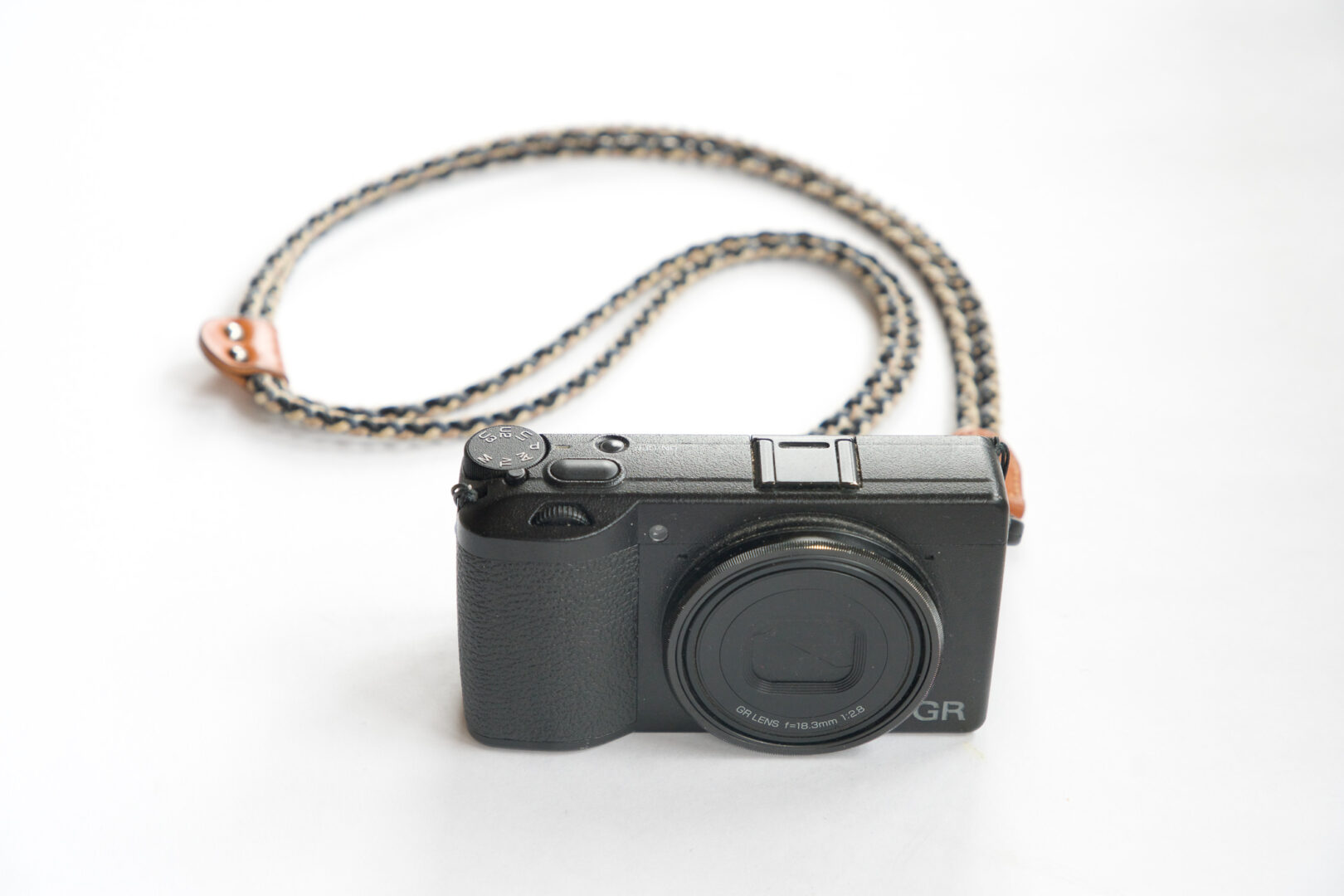
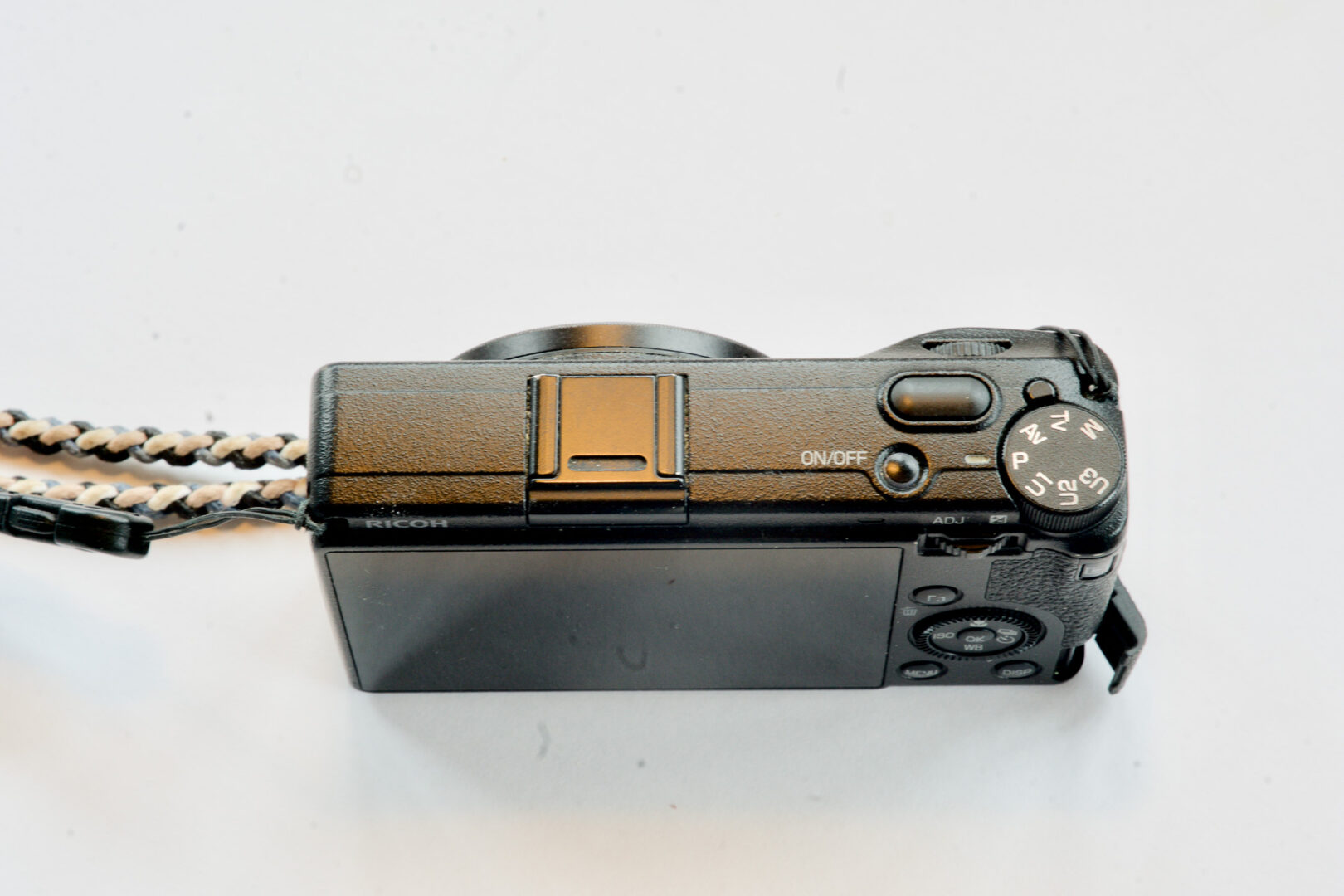
Today, I use a Leica TL2 with a 23mm f/2.0, or GR III as simple point-and-shoot cameras. I prefer the GR III because it’s smaller and pocketable. This is not a criticism against the quality of the photographs they produce. Since you can set the camera to auto everything, you can leave the technical part of your brain at home when asked to take pictures for “Uncle Ervin’s” birthday. What they are missing is the sense of involvement in determining the output, which is what you would get from a film camera.
Loss of craft skills
With digital photography and post-processing software, it is easier to think “backwards” or not think at all. You can press the shutter button and then correct any mistakes you may have made. Set the program to P, and let the autofocus decide. Or you could also just use a mobile phone.
Modern smartphones are truly magnificent. Some of them have programs that can make images look like they were shot on classic film lenses. You upload the photo to the Internet, and most of the previous finesse that a skilled photographer might have used disappears.
The resolution of the photo and the colour that may have been there in the original will instead be determined by the Internet bandwidth and the quality of the recipients’ PC/Mac screen.
Artificial colourings
Some of the photos I see on various websites could have been taken with a mobile phone. The majority of the pictures are enhanced by some kind of computer software. Presumably to tell the viewers how magnificent a photographer they are. There is, of course, a skill to operating a computer program, but in very few years (months?) these skills may be redundant with artificial intelligence and may become disappearing acts themselves.
Another thing that must be considered: what will be the operating system and whether future software will be able to read the image file format used today? We know that a film negative is usable even after 140 years. But will we be able to see the pictures taken with all the cell phones in 100 years?
When it’s easier to replace than fix
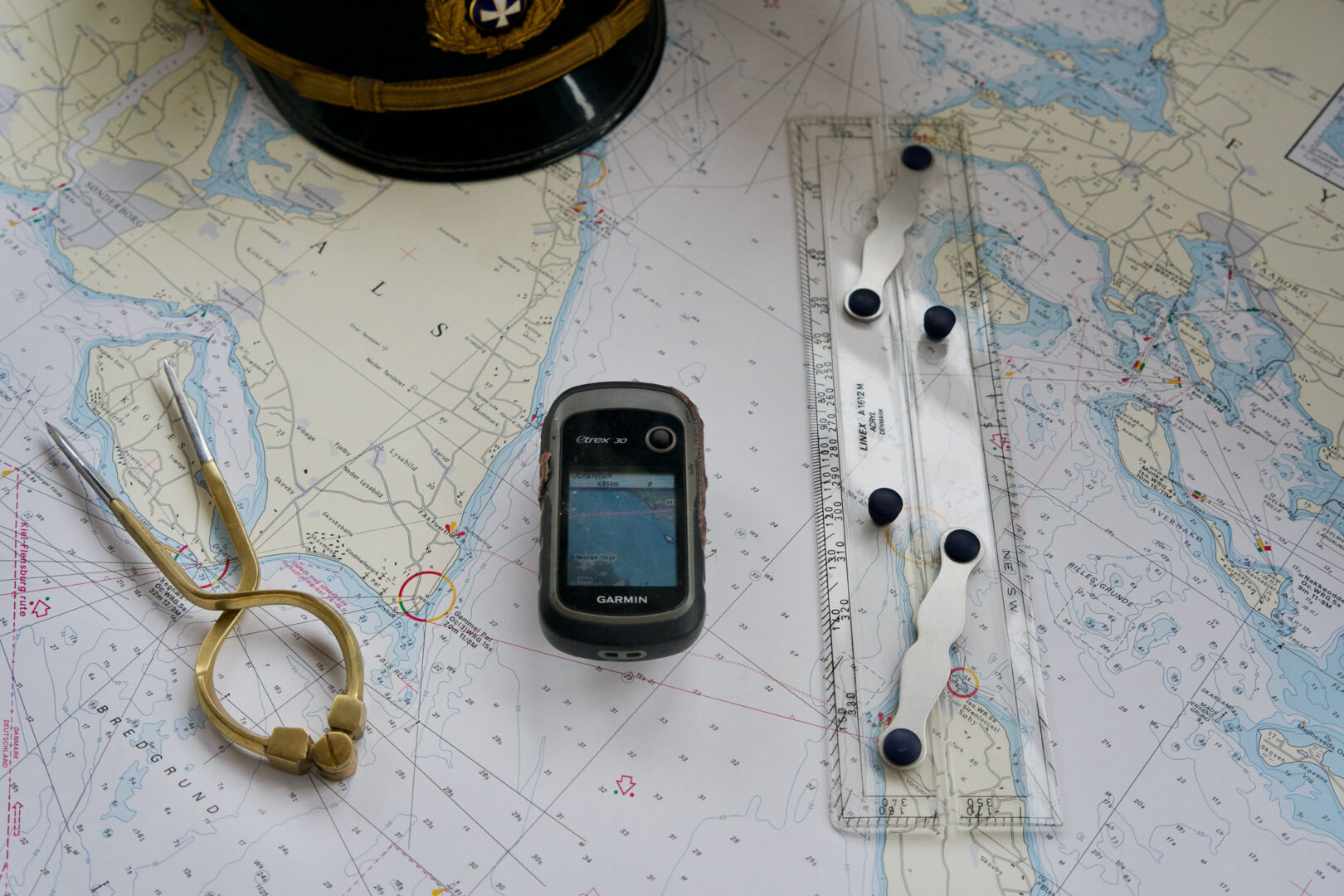
It is thought-provoking for me that we live in an increasingly technological world, where fewer and fewer people know how all these devices work. You have to make the assumption, as with an in-car navigation system, that it knows what it is doing and has not been fed erroneous data.
Blinded by technology
It’s easy to be seduced by modern technology. It has, of course, helped humanity to have a better life and in some ways an easier life. I would be long gone and have become my own disappearing act if it were not for modern medical care. As a marine engineer, I have experienced and benefited from all these advancements.
I am not sure how pleased I am with the improvements that the Naval engineer side of me has experienced. Perhaps we should consider whether all these innovations can really be considered to be progress. Another example: have we become happier people because of twenty-four hour news coverage? Probably not.
Food for thought
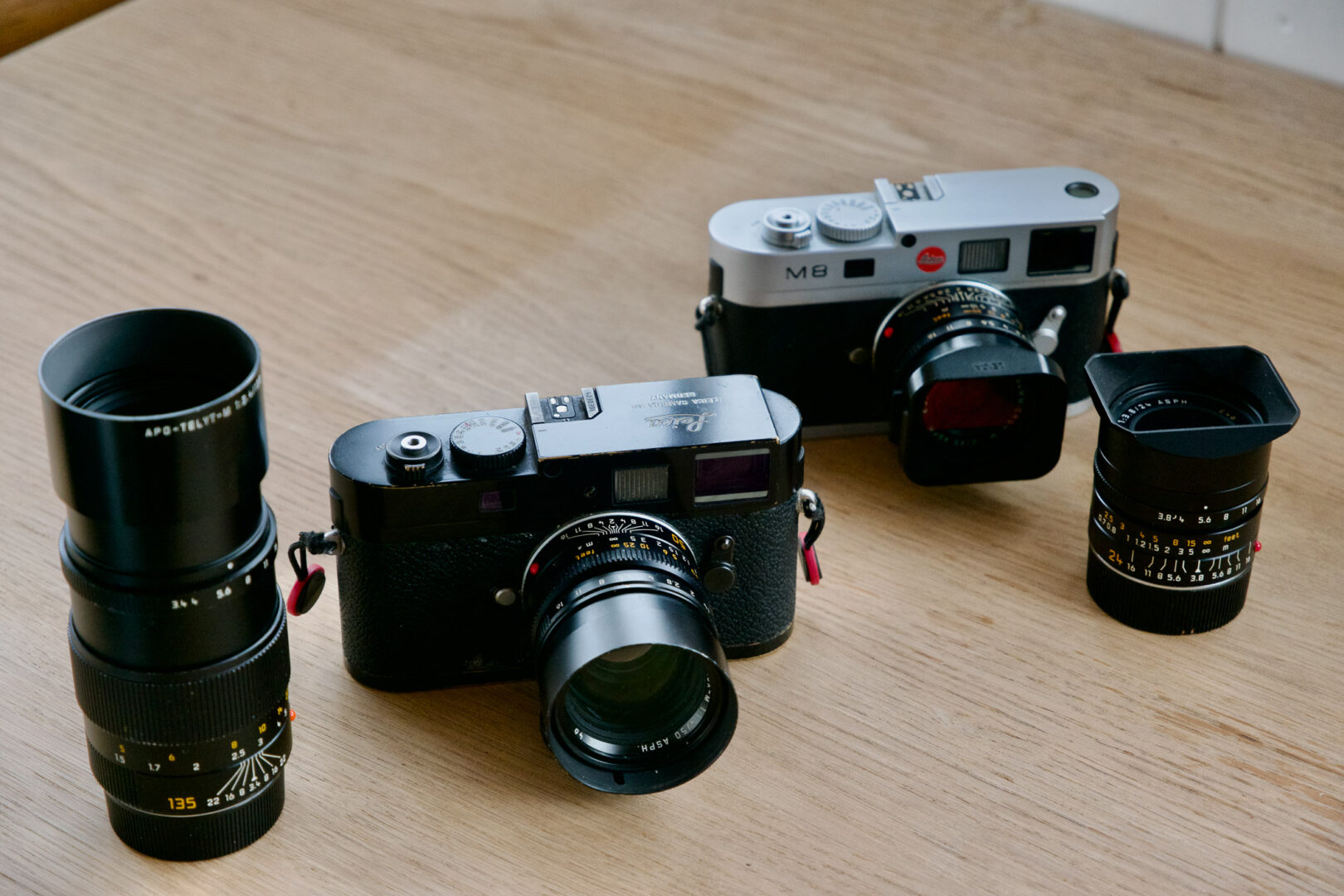
One other problem is the development of electronics. Many electronic parts are only manufactured in relatively short time. For instance, when my M9 needed a new imaging sensor after three years, it was actually a last call. Six months later, there were no more sensors in stock.
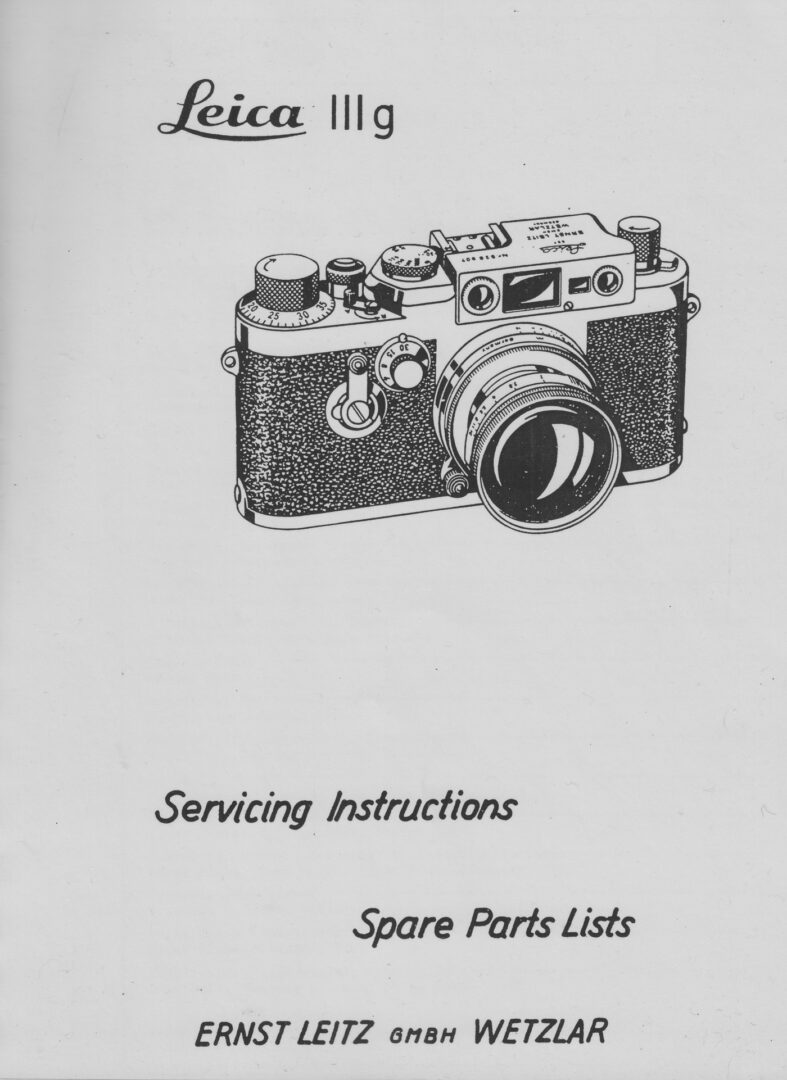
My Leica IIIg lasted nearly 50 years before it required a repair. There is nothing inside that camera that couldn’t be made by a craftsman. So, my camera continues to work after receiving a replacement shutter blind.
Does anybody believe my M9 will work in 50 years? When I received my IIIg the tagline for Leica, was “Leica for a lifetime” maybe the tagline today should be “Leica for the next six months; then disappearing.”

What do you think?
I’m interested in other photographers’ attitudes and opinions regarding the question of high levels of automation in today’s digital photography. I hope that I am not perceived as a stubborn man, who believes that everything was better in the old days.
In the end, I want to ask Macfilos readers what they feel about the “magic” of photography. Is it still there to be enjoyed? Or has it disappeared as a result of technological progress?
| More: | |
| 6 iconic cameras to start your Leica collection | A 55-year Love Affair with Leica that started with a Leica III |
| My Leica III and its 91-year journey through life | Leica M3: Return of the King |
Make a donation to help with our running costs
Did you know that Macfilos is run by five photography enthusiasts based in the UK, USA and Europe? We cover all the substantial costs of running the site, and we do not carry advertising because it spoils readers’ enjoyment. Any amount, however small, will be appreciated, and we will write to acknowledge your generosity.
Comments: Please add a comment to this article. Our comments section is a thriving community and everyone is treated with respect. In addition, please identify yourself (and add an email address, which will not be published, if you would like to see answers to your posting). Our system will automatically delete any “anonymous” posts on the basis that they are likely to be spam.
Thank you, Paul, for an interesting and stimulating article.
Photography has many facets and, for some, the process of creating the image is as important as the final result. There is nothing wrong with that approach and there is much satisfaction to be gained from a hands on approach as you have described. That said, whatever its provenance, the camera is essenyially a tool with user inputs to control its operation. I agree that many recent cameras made from modern materials lack “soul” with which it is less easy to feel a connection, although I would argue that a digital Leica M still exudes the feeling of craftmanship. As well it should given Leica prices. My main concern is the image and I have less interest in how it was obtained. For anyone who prefers to be more hands on, most cameras still retain manual operation with all the settings at the disposal of the user.
Even back in the film days, there were others who felt like this. As one example, Henri Cartier-Bresson disliked working in a darkroom and as soon as he could, handed over the processing and printing of his photographs to others. He famously said:
“Actually, I’m not all that interested in the subject of photography. Once the picture is in the box, I’m not all that interested in what happens next. Hunters, after all, aren’t cooks.”
For me, there is a lot of satisfaction to be had from seeing an opportrunity, taking a photograph, processing it, printing the image and then putting it into a mount for display. I have created something which is aestheticly pleasing (to me, at least) and tangible, just as with any other form of craft. That I have done so using a digital camera and processed the file on a computer matters not a jot.
To Michael Farley
Thank you for your answer .Tools is an important part of being a craftman.If you have good tools you are feeling well ,and the result would probably be in the same level as your tools.When I completed my apprenticeship as a machinist journeyman,I received a gift from my parents,a German calibre from the company Mauser.This tool has followed me from the day I got it to today. Every time I use it,I feel myself in family the long row of craftsman who had made this tool. It’s just like the gentleman who used a Swiss army knife for repairing his motorbike. It’s the same feeling.This is why it for me is the process of photographing that’s important,of course the result is important too.But for me, there’s no fun if the result is good if the process was terrible.I’m an amateur photographer.I do it for fun. I’m not professional photographer.For sure, if I was professional photographer, I would prefer the tool that gave me the quickest , easiest and best result. Just as I would not find it useful to use a paddle steamer as ocean salvage tug In the north sea at 30m/s.
Best
Paul de Kruiff
As much as I appreciate the capabilities of modern digital cameras I think I miss the sheer simplicity of well built mechanical film cameras. Set aperture and shutter speed, focus and shoot. All quickly and instinctively and without getting tangled up in complex menus with a myriad of distracting options.I think this is why I still have retained my Leica M film cameras even though I’m shooting mostly digital these days simply because of the cost of film. With a mechanical film camera you truly feel like you are doing it yourself and not depending on programming or artificial intelligence. I suppose it has a lot to do with enjoying the process of photography and not just the result. I have the same feeling when I visit a restaurant and am required to poke my way through a menu on a tablet. The food is the same but I don’t particularly enjoy the process of ordering so
much. Maybe it’s just me.
aul
Paul
“My goal with this article is to ask readers whether they feel the magic of photography has turned into a disappearing act due to automation in the digital age, or even whether it’s still there.”
On my three Sony digital cameras I have a dial with different positions: AUTO, P, A, S and M. In the context of you article, “M” could mean “Magic”.
Thank you for posting a thought provoking article.
Chris
Hi Chris
I’m very fond of your remark.Thank you for posting a thought provoking article.The general idea of my article was to get my readers to think and reflect over the times we are living in.
Best Paul
Hi Paul,
One more thing… Have you tried the new Leica MONOPAN 50 film yet?
Thank you Paul,
I too love the simplicity of the mechanics of our consumers goods from last century. I use Leicas since my apprenticeship as a fotolithographer. And I ride my old BMW, a purely mechanical motorcycle, regularly to destinations all over Europe. Some years ago just outside the port of Calais to embark to GB, the engine began to run uneven. I could pass customs and check in and repaired my old motorcycle in front of the waiting queue at the embarking gate. I had to open the engine front cover, replace the ignition points and set the timing, done in ten minutes and under the eyes of a dozen chauffeurs. Voilà. A very useful and handy tool is a good Swiss Army pocket knife.
Hallo Thomas Koher
One of the things you’re very quickly learn when you are engineer on a ship is that all technical problem stops at you.You can’t call “golden marine service”to get things fixed.I fully understand your fascination of your old motorcycle.There’s nothing inside it that you don’t understand and know how it works.It was one of the reasons that I kept the old cameras and still use them.
MfG
Paul de Kruiff
What a great article Paul, you have hit the nail squarely on the head.
I have been tentatively heading back to the analogue form for about a year now. Following a brain injury, I have made more progress being forced to think about my compositions and the development process, and I really do not enjoy using the computer at any point. Considering that during my career I was a systems analyst, programmer and originally computer operator, I never derived any satisfaction from the work, it was just wages,
Unfortunately, unlike you I sold all my film cameras, and my chemicals have languished in a shed for years and are no longer viable. I noticed the other day, when I was having a root, that I even have a bag of instant coffee, washing soda, citric acid etc. for the cafenol experience lurking in one of my many storage boxes.
So, I have started with a 4×5 pinhole camera, and following my first foray to a local church made a bit of a mess. I am a pinhole enthusiast, but apart from when I was sick, I have entered WPPD most years, many of those with digital cameras.
This year though, I have bought the above mentioned, and now have a box of 4×5 Ilford Ortho, and some 510 Pyro and its sister fixer EcoFix, I am looking forward to July 29th, all the while thinking about places that I would like to photograph on the day. I am thinking perhaps Reculver, a 6th century ruined church in Kent.
In the meantime, I have just purchased (still en route to me) a Rollei SL35, which is the second SLR camera I have ever owned, the first being a Nikon FM2. Once I feel a bit more competent, I will probably head back towards either a Leica M2/3 or if I can find a good well priced example, Hasselblad SW of some sort, this latter being my favourite of all time camera.
I have a few digital cameras, namely a Leica Q2 and two Sigma Quattro cameras, all with fixed prime lenses, but have noticed that I am not particularly enthusiastic about taking them out, I seem to be mainly using my Campsnap cameras which are cheap digital machines, but I take them (or rather it, now that I have the deluxe version which makes colour as well as b&w snaps), make a few pictures and then leave it on my desk, often without looking at the pictures.
It seems that part of the fun, is the WHOLE process, making the exposure, and then developing the negative. I have never printed at home, although I enjoy printing and have instead used public darkrooms.
Again Paul, many thanks for your inspirational and motivational essay.
I trust you are all recovered now, Stephen. I too suffered a severe head/brain injury around 10 years ago (the perils of motorcycling…) and once I slowly recovered I found I absolutely hated computers and digital cameras: ugly and stressful. Much as I tried, I never came back to my Nikon D850, but instead found solace in my Nikon FM2n… which led to a Leica MP. While I later enjoyed digital Leica Ms and their calm UI, ultimately I never rekindled my love of digital photography and now only shoot on film – both 35mm and Medium Format. Now recovered, I’m perfectly competent using complex menu systems and computers, but I never choose to do so – film has given me a very different appreciation of photography: tangible, mechanical, more human and to my eyes, more beautiful. I personally owe a huge debt of gratitude to Leica for continuing to support film photography and producing such amazing cameras as the MP and M6.
Thanks James…
Indeed, there is something special about film and film cameras, and rather like your love of the MP and M6, and notwithstanding my love of the Hassy (where size and weight is not to be ignored), I have been looking at the Leica M-A, which must be the simplest current Leica camera, if still quite pricy even used.
For someone who no longer has technical knowledge of computers, the WWW is certainly a place where I spend an inordinate amount of my time. 🙂
Hi Stephen Jenner
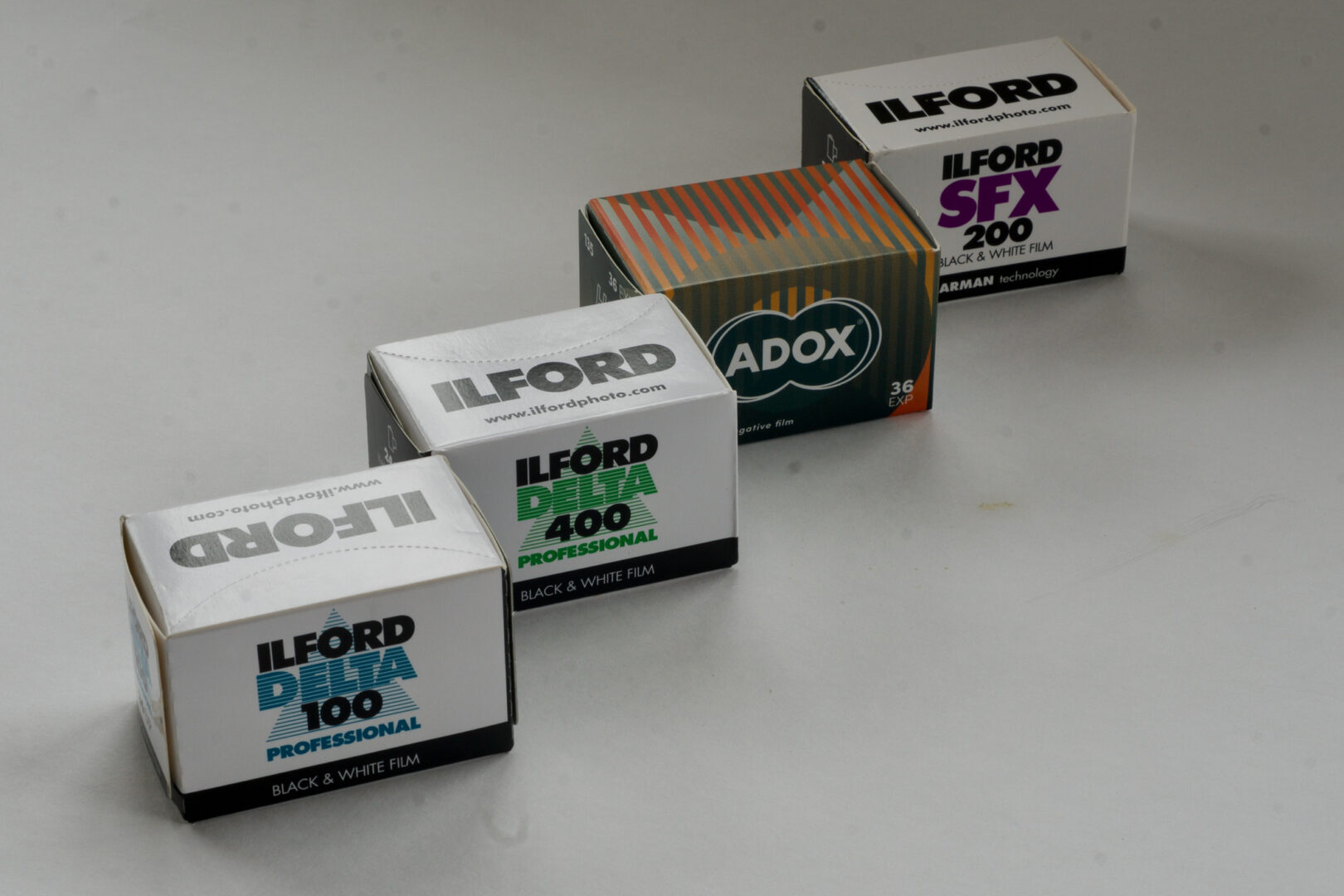
Thank you for your kind remarks over my article.Funny enough, there is some parallels between you and me.I can see you have worked with different IT systems,During my time in the Navy, I was specially trained in electronic warfare.That is the main reason why I rely on mechanical solutions.Regarding your question of, I’ve tested the Leica Monopan 50 film,The answer is not yet because it’s rather difficult to get my hands on it,I have 300 kmTo the nearest Leica a dealer,But I’m used to using the Adox HR 50,Which is probably the same film.If you look on the data sheets, it looks like it is the same.And the Adox HR 50 It’s a wonderful Film.But my favourite film is the Ilford Delta 100.
Best
Paul de Kruiff
Well it is always the question: Old vs. New, … Screw vs Chip, … what is better or what would last longer?
A Nobel prize winner was asked how she managed to discover things that no-one else could understand or even believe in. “You have to have a feeling for the organism” she said.
Unfortunately, I’m afraid the same is likely true in any field: from seamanship to engineering to photography. I say ‘unfortunately’ because there’s no shortcut: it takes discipline, experience, and knowledge. For a slow learner like myself, those can take a lifetime.
But there’s nothing like the feeling of crafting something wonderful.
Hi Kathy Davis
You are quite right there’s only one way to get things done right.Discipline experience and knowledge.As a sailor, I know if we don’t do things right King Neptune will take us.
In my language, it’s the Klaboltermaan.The thoughts of him accelerate your learning curve.
Best
Paul de Kruiff
Hi Kathy Davis
You are quite right there’s only one way to get things done right.Discipline experience and knowledge.As a sailor, I know if we don’t do things right King Neptune will take us.
In my language, it’s the Klaboltermaan.The thoughts of him accelerate your learning curve.
Best
Paul de Kruiff
Paul, I enjoyed your article. I started my Leica experience with the M4-P and MR meter. It was a really slow process to meter, frame and shoot. An M6 came later (1984) with an internal light meter. Finally, I could capture candid photographs of my kids with decent exposures. After all these years, the M6 had one CLA service for a sticky shutter. As long as the internal meter circuit board holds up, it’s a forever camera for me. Thanks again for sharing your photography journey. Be well,
Richard Clompus
Roanoke, Virginia, USA
Hi Richard Clompus
I’m fond of you enjoyed my article.I can assure you that the internal meter circuit board in your M6 can be repaired .There is not too much elektronic in it and it is all analogue so a skilled electric mechanic can repair it and all the parts inside is exchangeable.
Best Paul