
Leica has chosen Chicago to be the home of its latest Store and Gallery. It will fit right into a Chicago with a Leica connection that goes back 112 years. Ernst Leitz took a trip to America in 1914, carrying the Ur-Leica. No doubt Oskar Barnack would have given him lessons on how to use the camera, which at the time had no rangefinder, viewfinder or light meter. No easy task. In today’s brand-new Leica Store and Gallery, you can find the modern relatives of that UR Leica.
This article is not the typical “Glitterati” opening night launch report. It’s more akin to three days of diary/journal entries of what happened. Let’s start with some context that takes Leica’s new home back to just three years after Ernst Leitz visited Chicago.
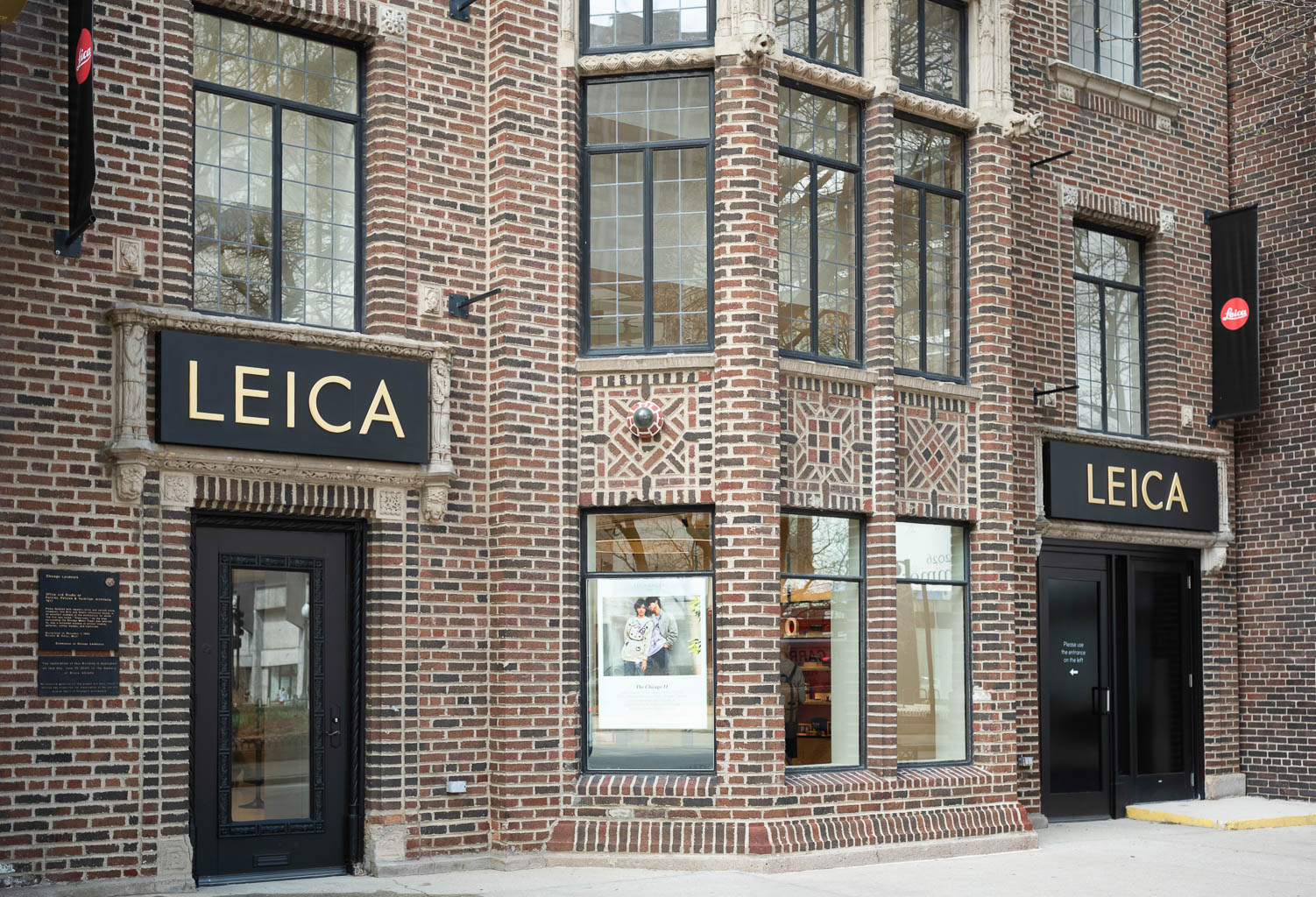
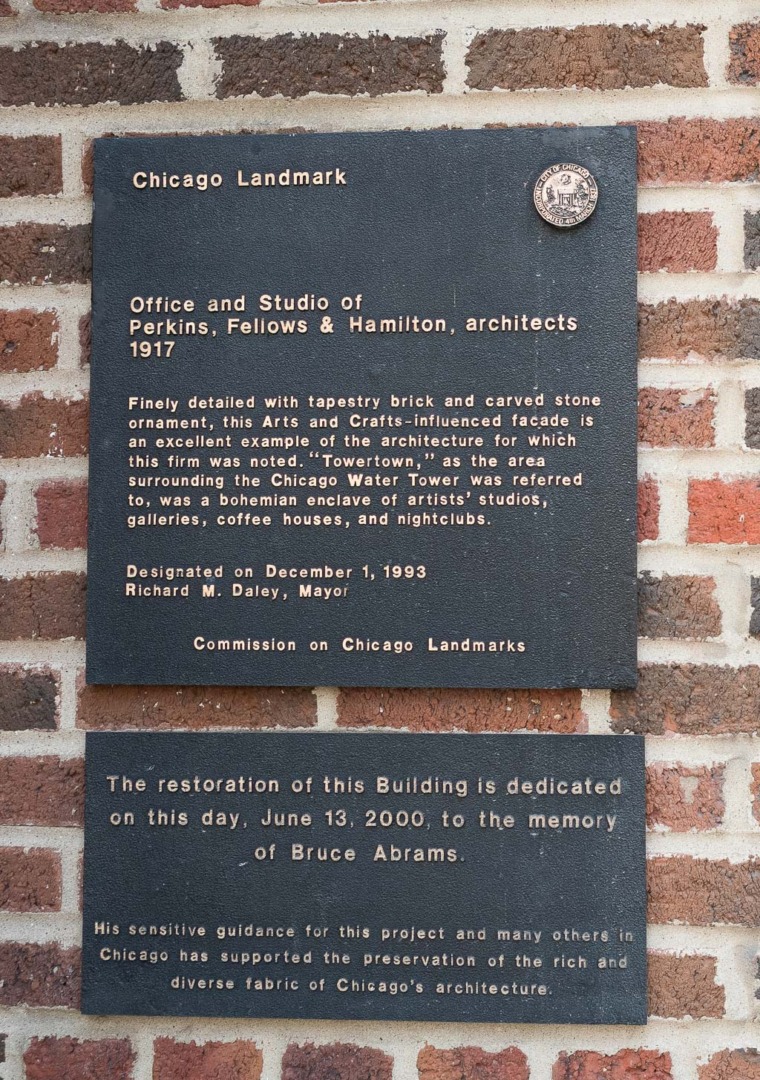
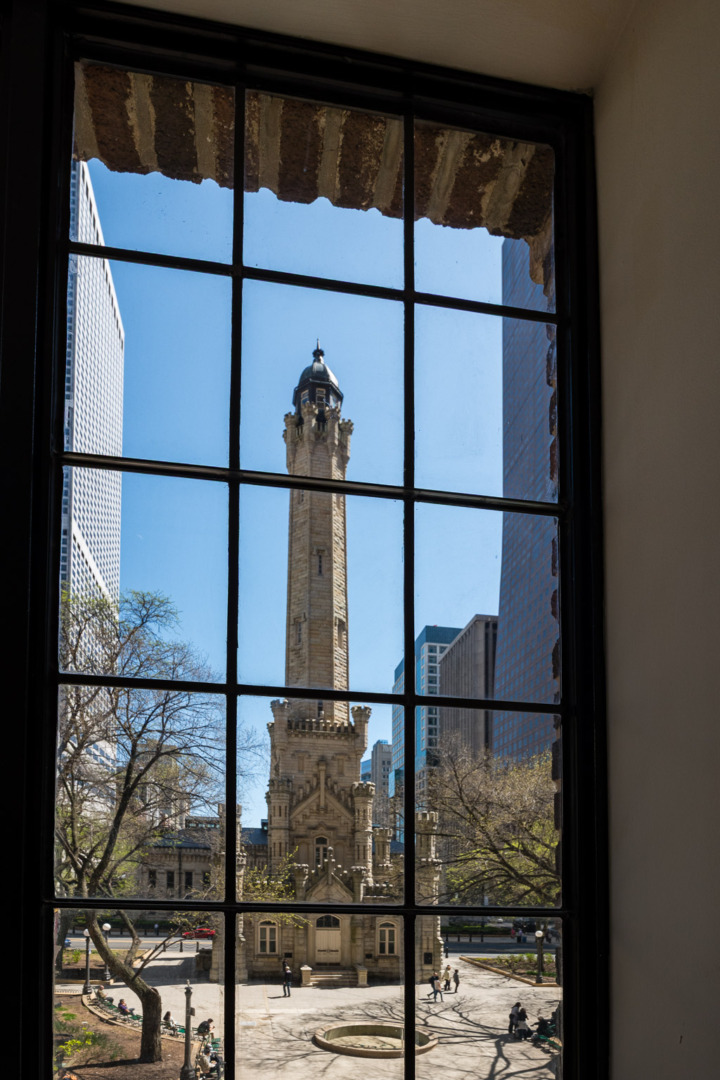
The new Chicago Leica Store is housed in an Arts and Crafts building constructed in 1917 as the architectural studio for the firm Perkins, Fellows and Hamilton. That studio eventually became the Wally Findlay Gallery from 1973 to 1997. The building overlooks the old Chicago Water Tower, which was one of the few buildings left standing after the Great Fire of Chicago in 1871. From the ashes of the fire emerged an architectural revolution which influenced global architecture, design, and engineering from the 19th century onwards to the 21st century.
Engineering and design
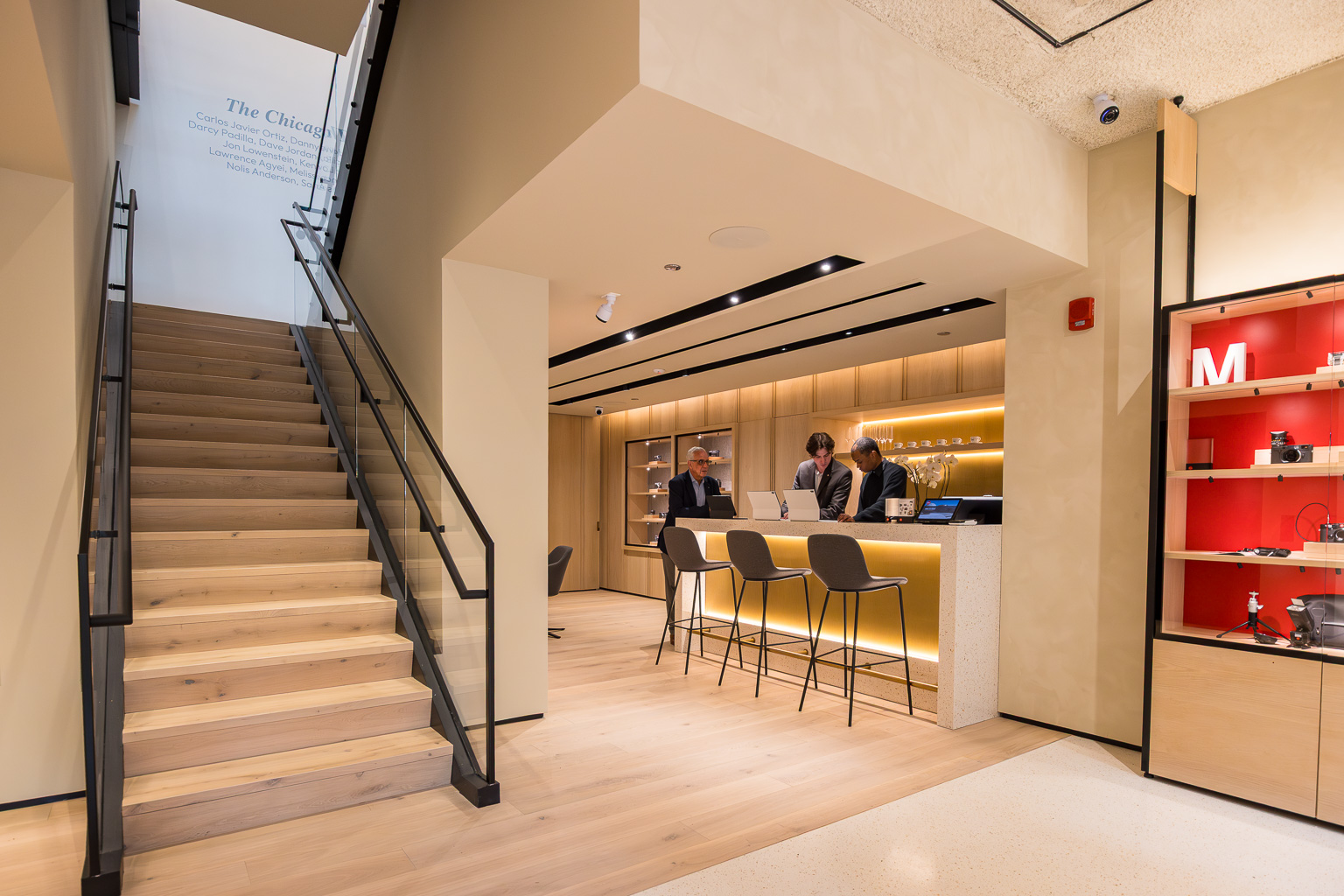
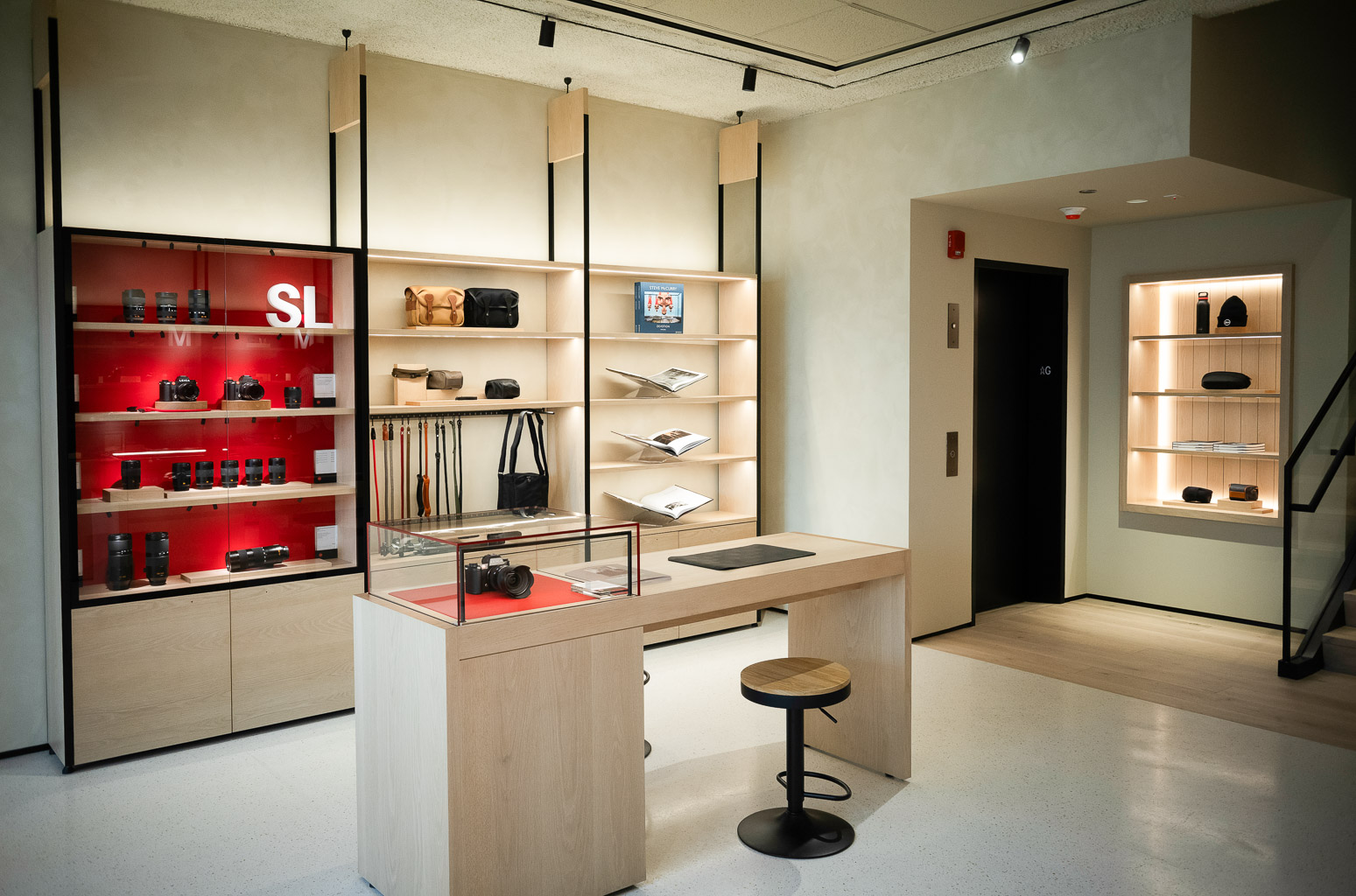
That symbiotic relationship between engineering and design continues today in the Chicago Leica Store. The ground floor houses an array of the many examples of Leica optical equipment, from binoculars to cameras and lenses. And the above floor houses the gallery that showcases the work of both legendary photographers and up-and-coming future stars.
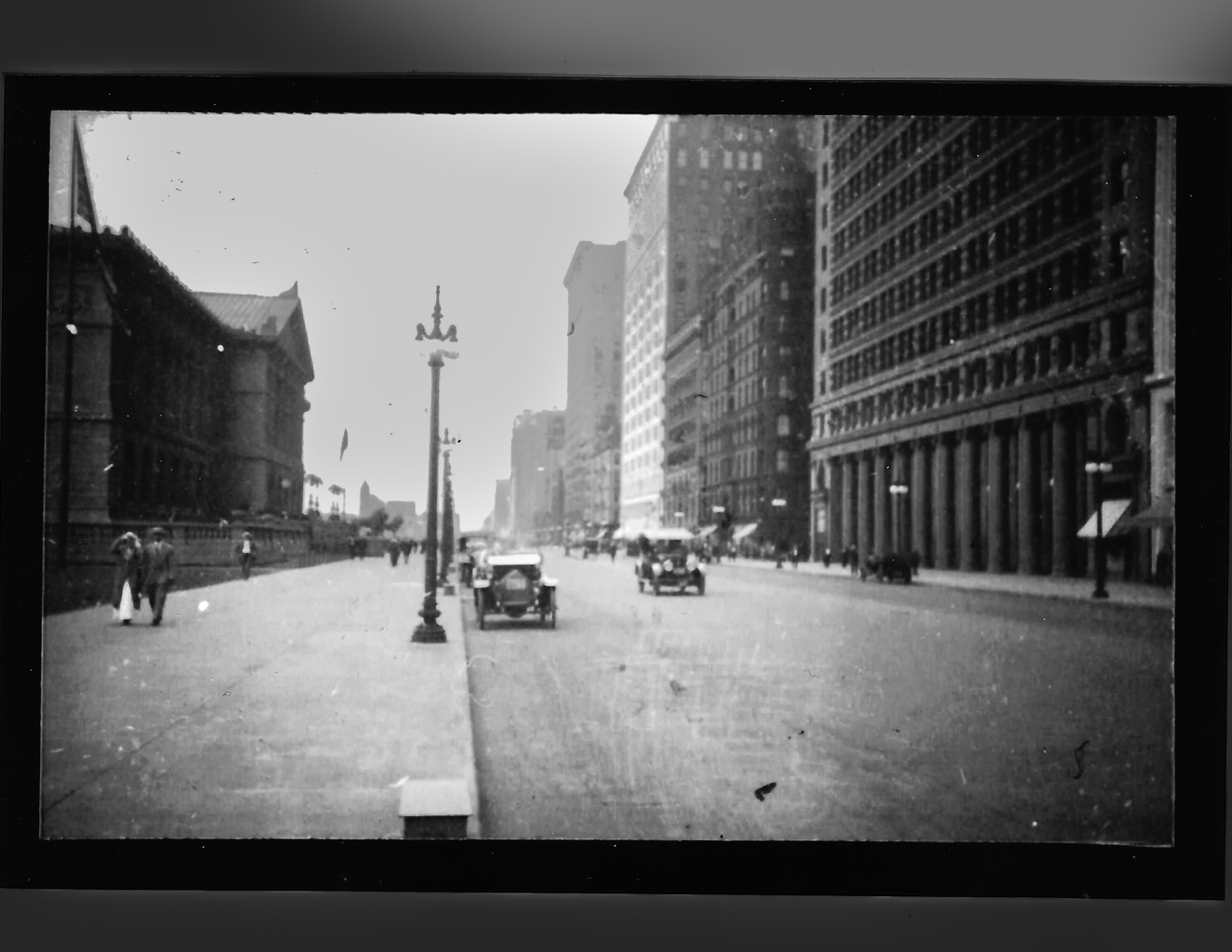
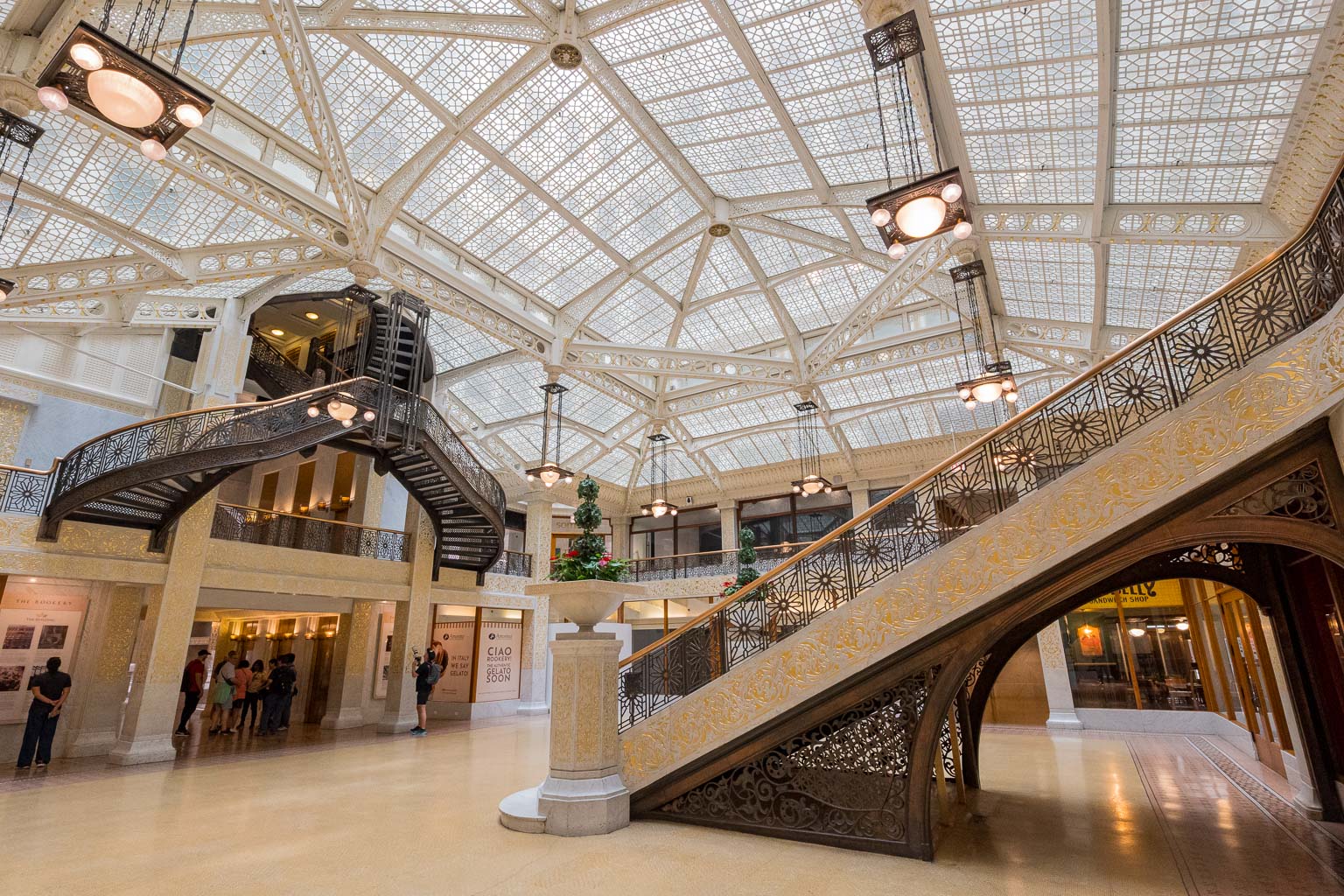
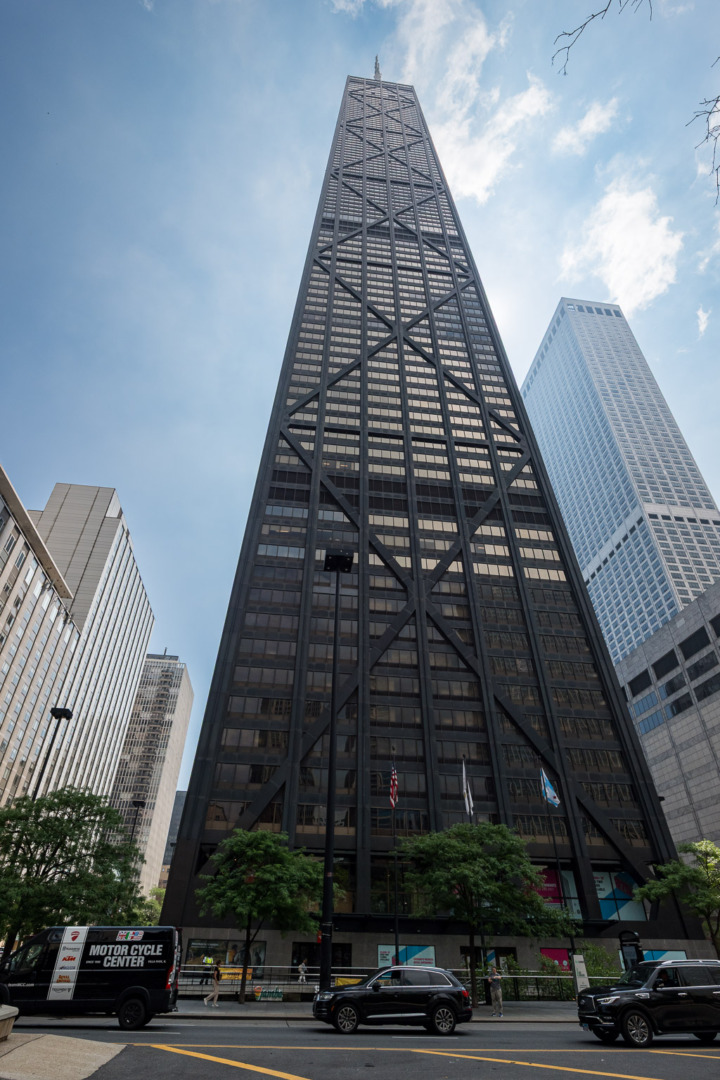
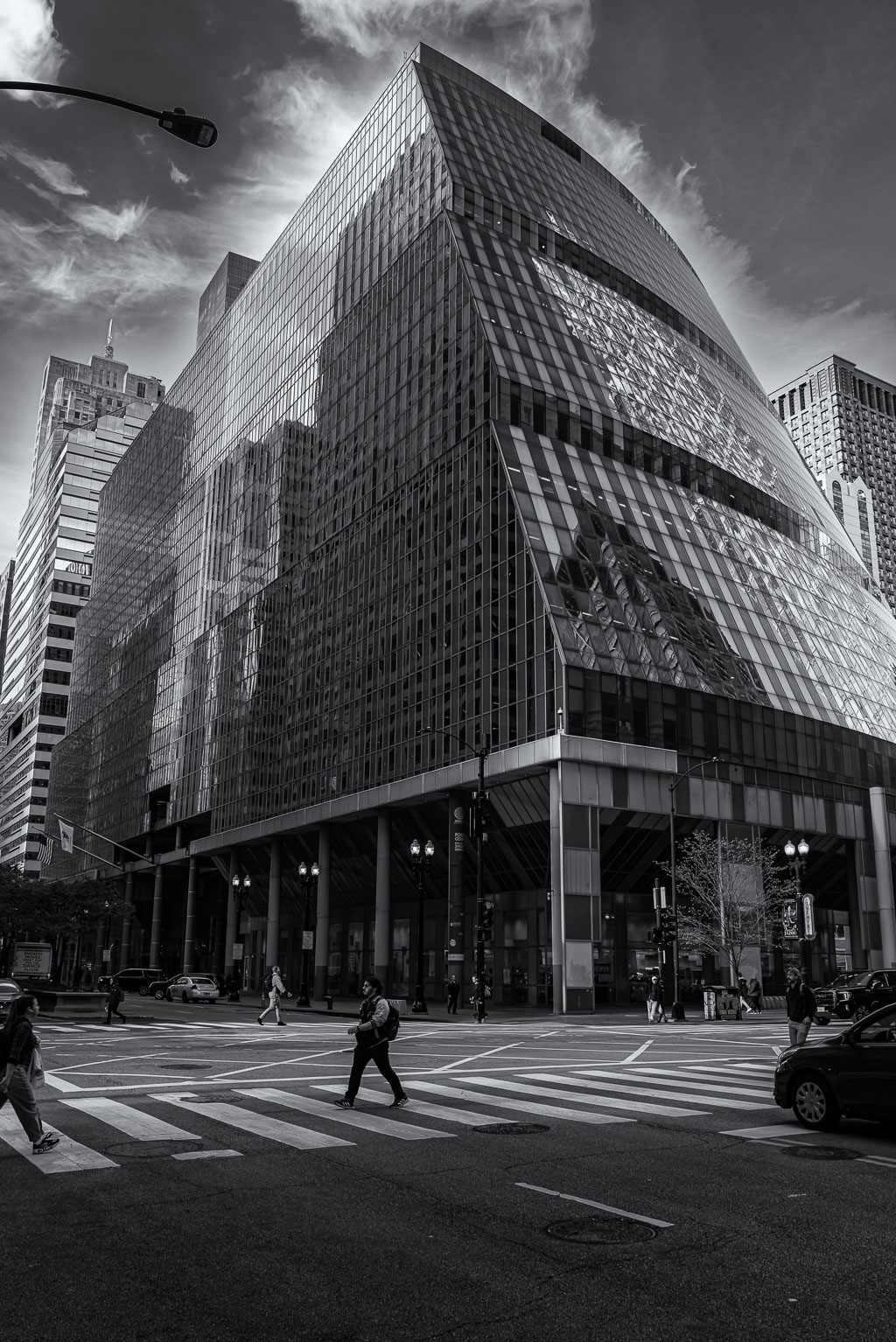
It is easy to understand why, in the days leading up to WWII, the Architectural avant-garde in Germany chose Chicago as the new home for the Bauhaus movement. The city had already laid the groundwork for the architectural revolution. Innovators such as Daniel Burnham, Mies van der Rohe, Louis Sullivan and Frank Lloyd Wright were embraced by the city and by its developers. There are two links in the table at the end of the article that cover this revolution.
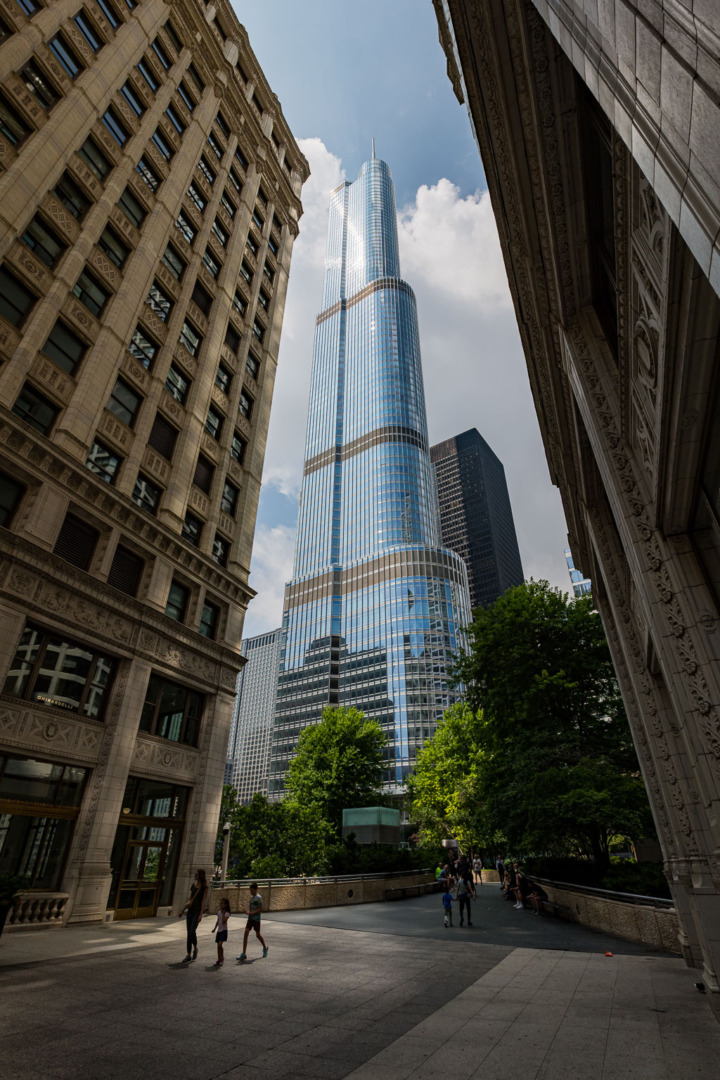
Arts in Chicago
The city has long had the distinction of being home to not only architecture but also luminary creatives in many disciplines. Chicago has incubated and been the home of many remarkable musicians, actors, authors, and playwrights. It has also been home to a significant number of the talented and influential photographers and photographic educators.
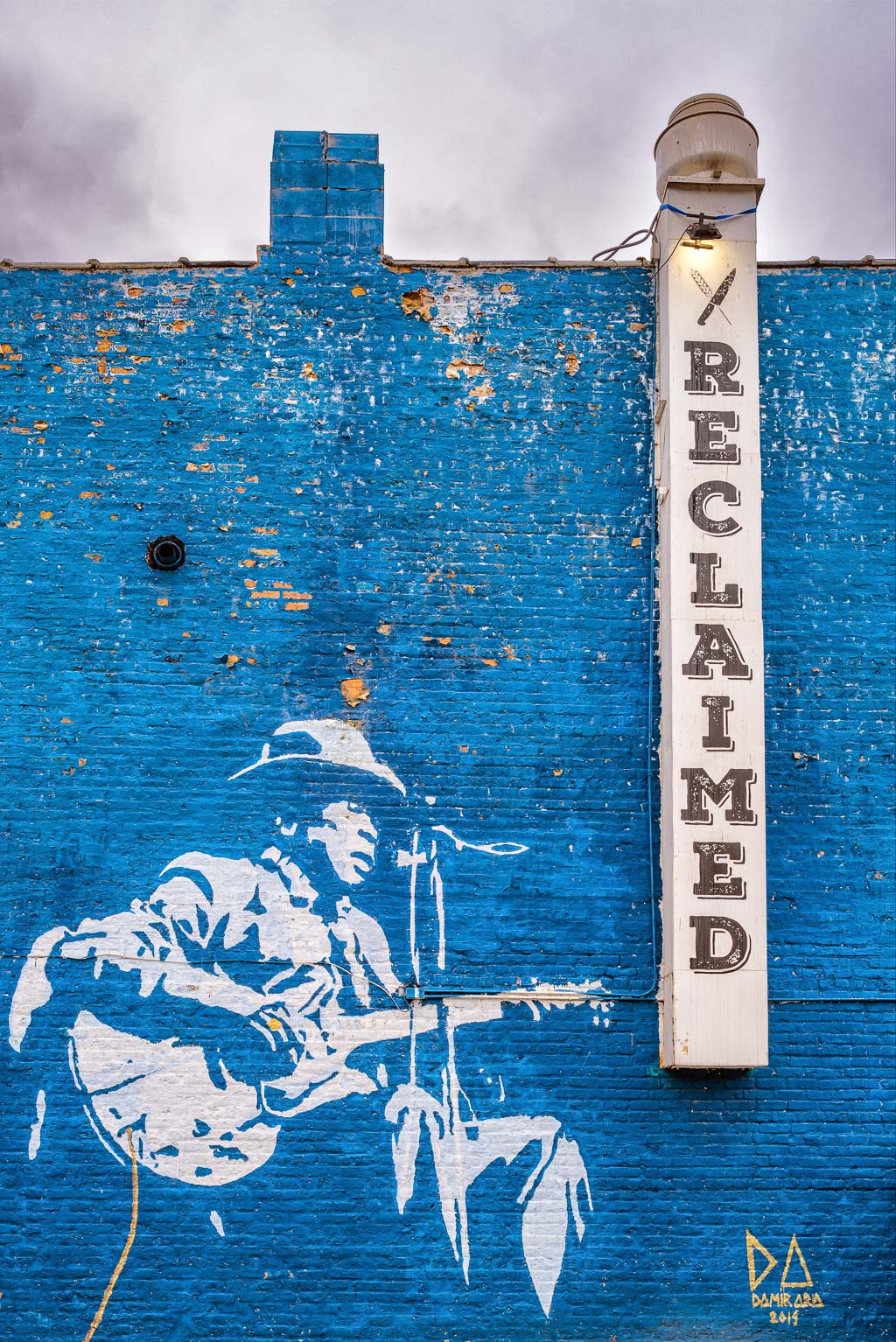
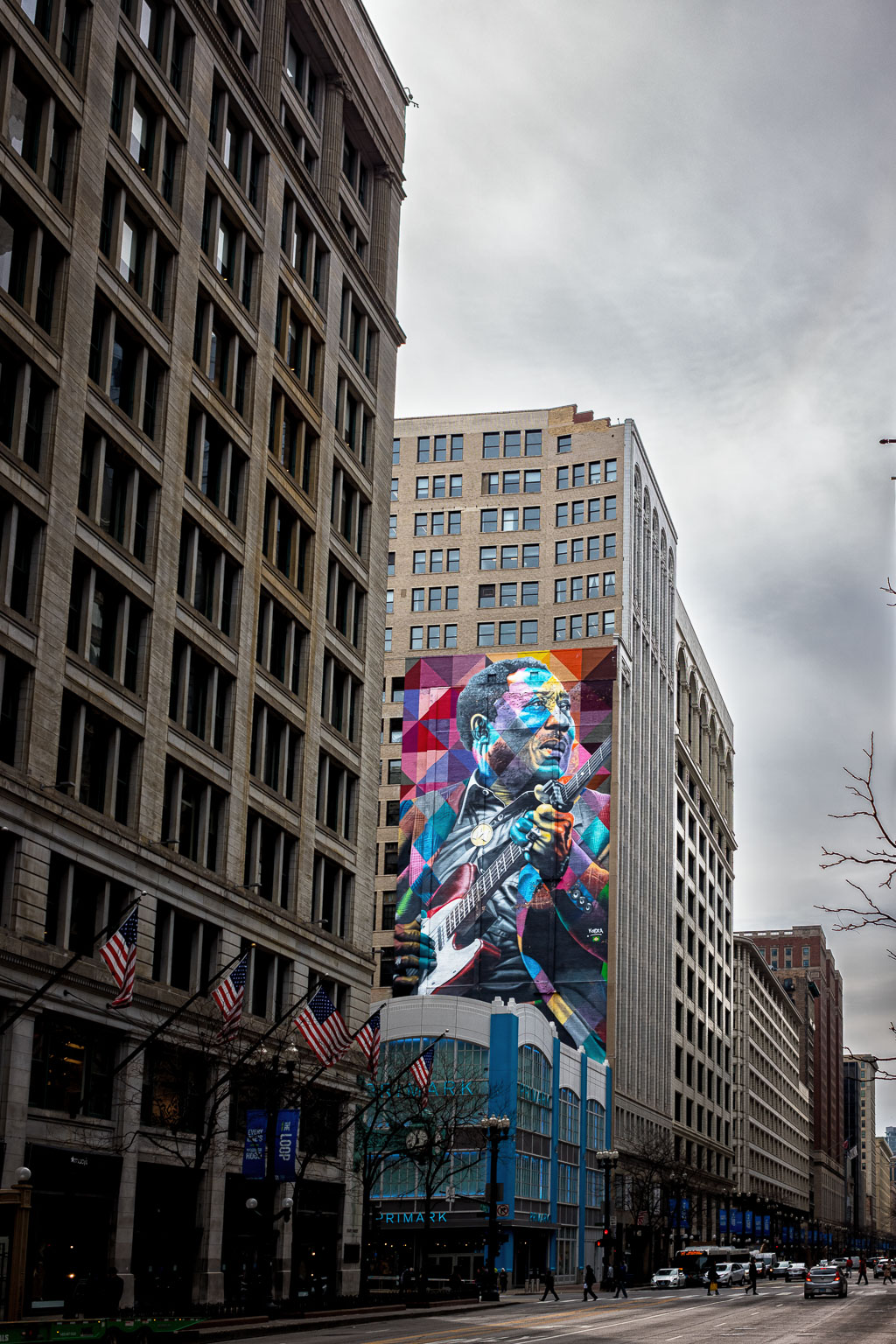
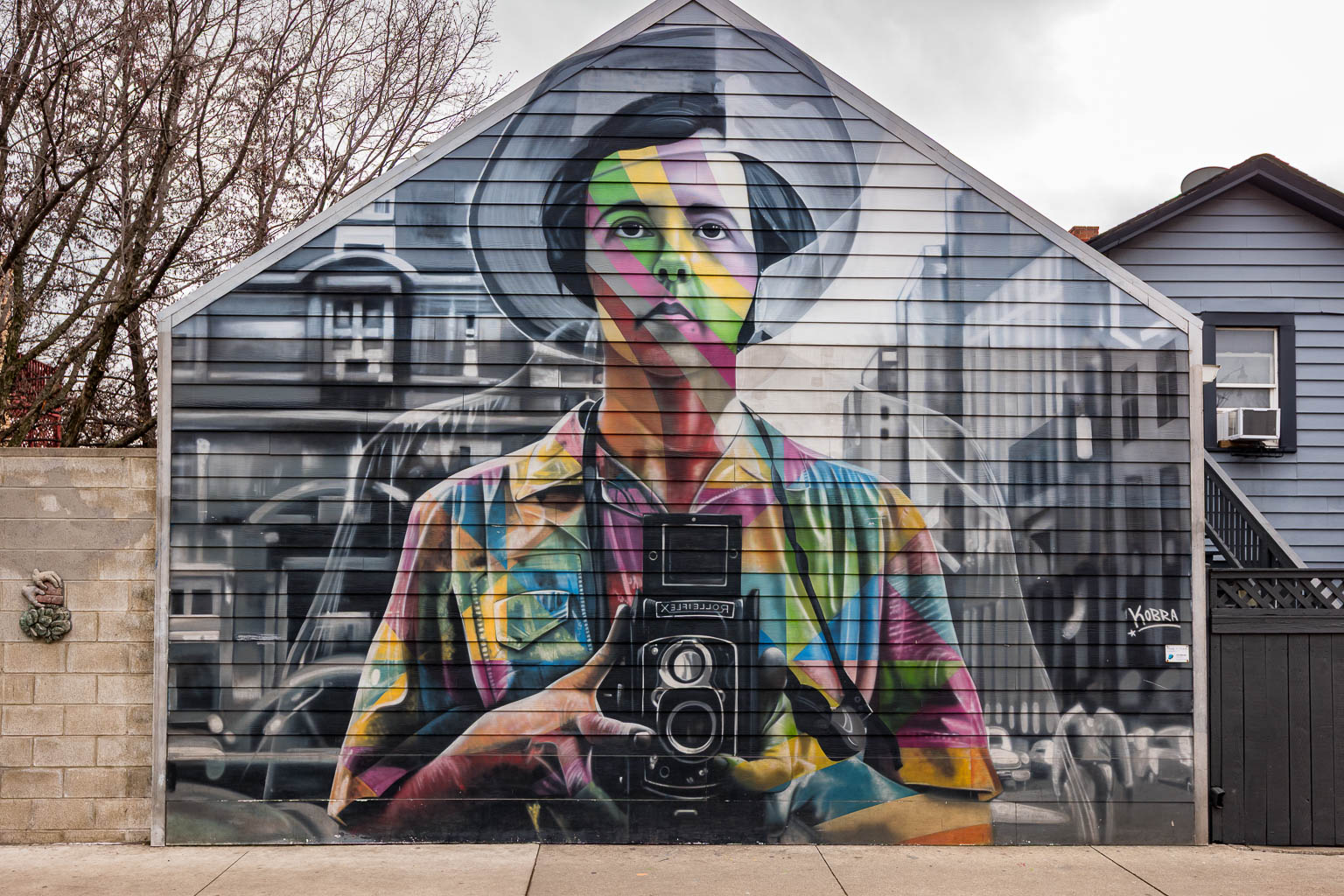
The list of Chicago photographers represents a rich creative stew that continues to grow and evolve. The Leica camera has always been one of the most important tools used by many (if not most) of these prominent photographers. One can predict that Leica will play a prominent and active role, helping to create the photographic vision of future generations of Chicago photographers.
The Leica Store and Gallery
The Leica Store is situated at a pivotal location in Chicago. It is just off Michigan Avenue, which is the main Chicago shopping thoroughfare. This part of the city is often referred to as the Magnificent Mile.
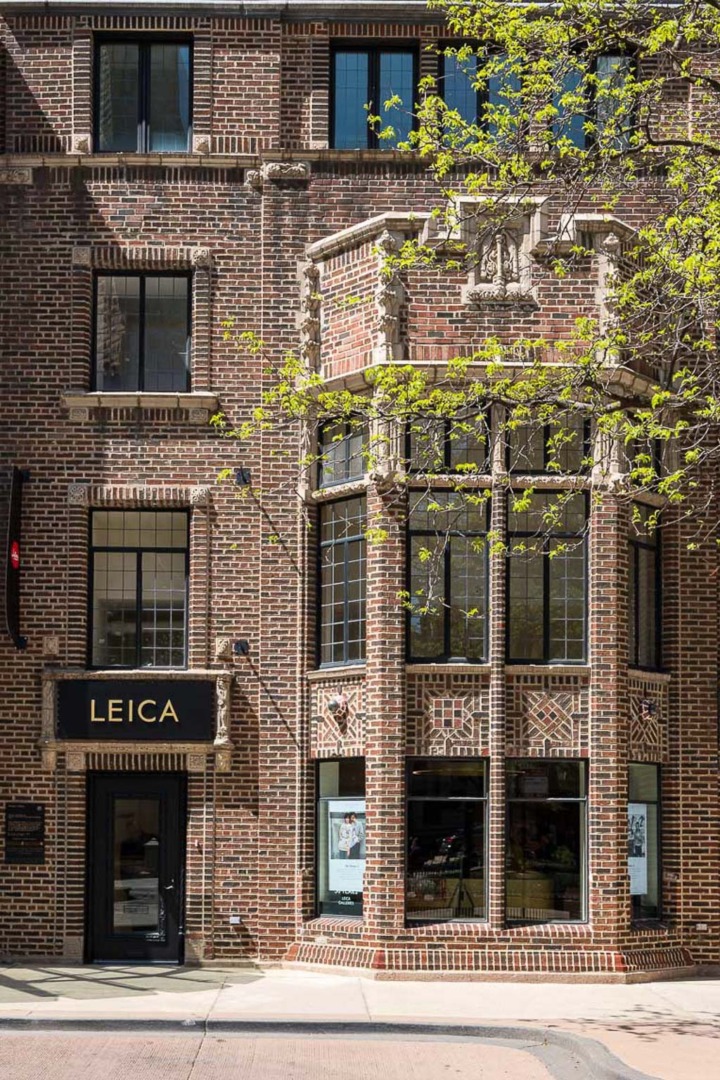
The Museum of Contemporary Art is less than a block away. Further down Michigan Avenue, are other major museums, such as the Art Institute of Chicago. This location makes it attractive both for Chicago residents and tourists, offering easy access to what the city has to offer.
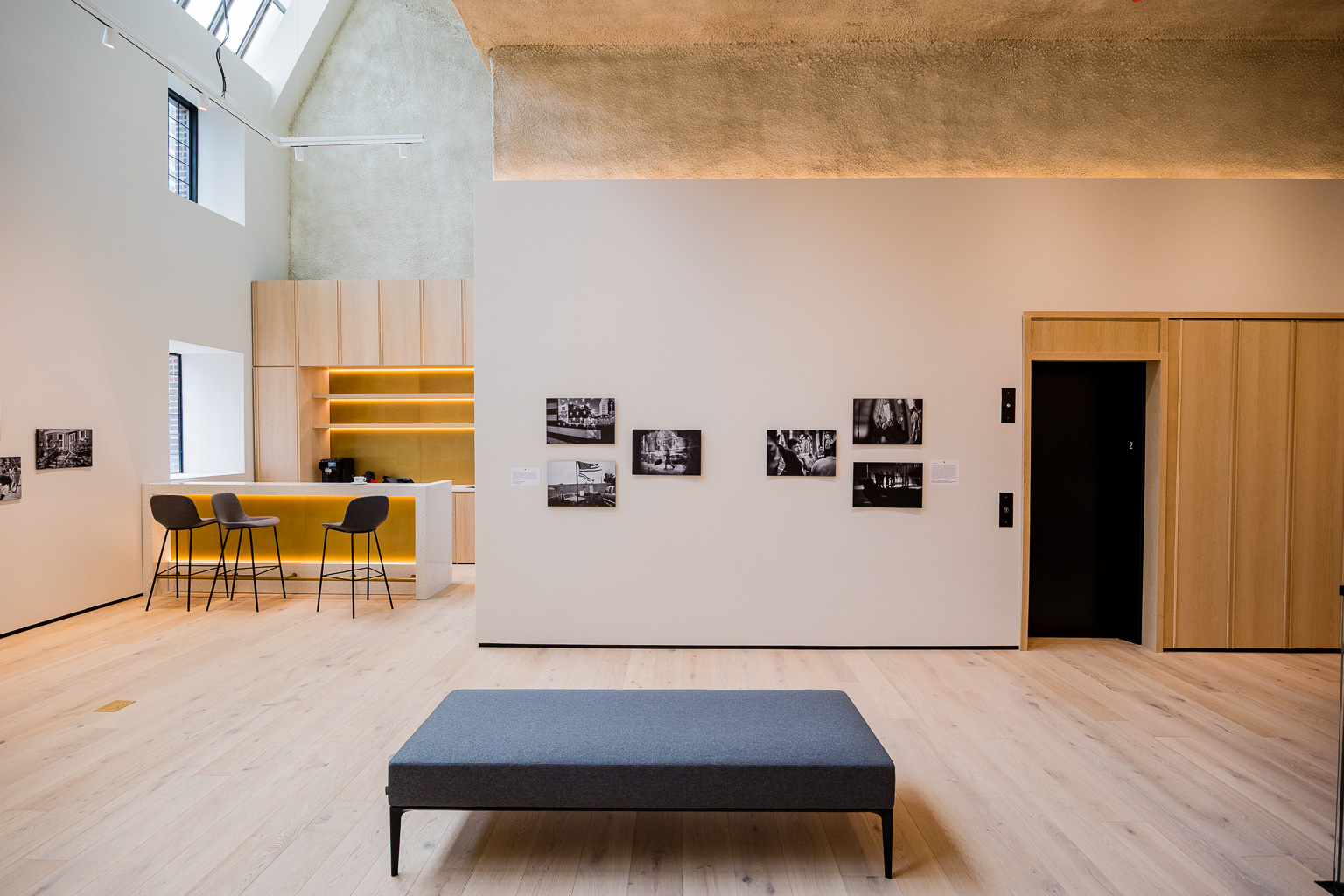
The space is clearly delineated between displaying the range of Leica products on the ground floor, and the gallery for exhibitions on the second floor. The new gallery, which incidentally celebrates the 50th anniversary of the founding of Leica Galleries, has beautiful natural light. This well-lit loft space would have been the architects’ drafting studio “back in the day”.
Now it is a perfect space for exhibitions and community events. You could shorthand Leica’s use of the building by calling the ground floor “Input” and the second floor “Output”, if you wished.
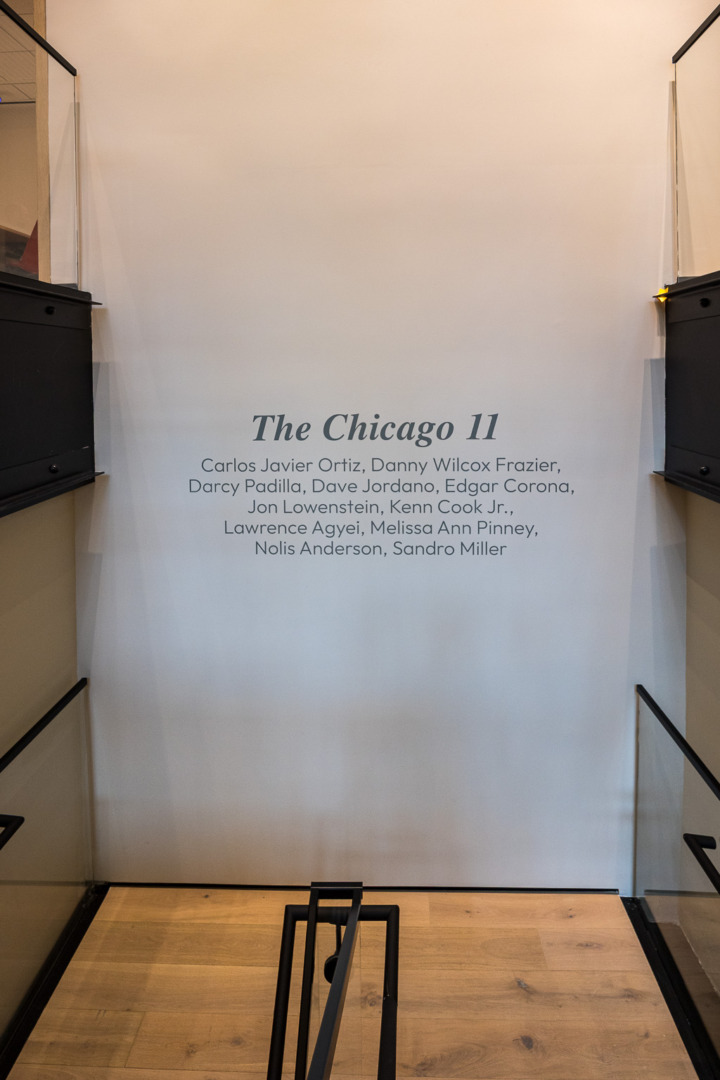
Chicago Limited Edition 17, Leica M11-P
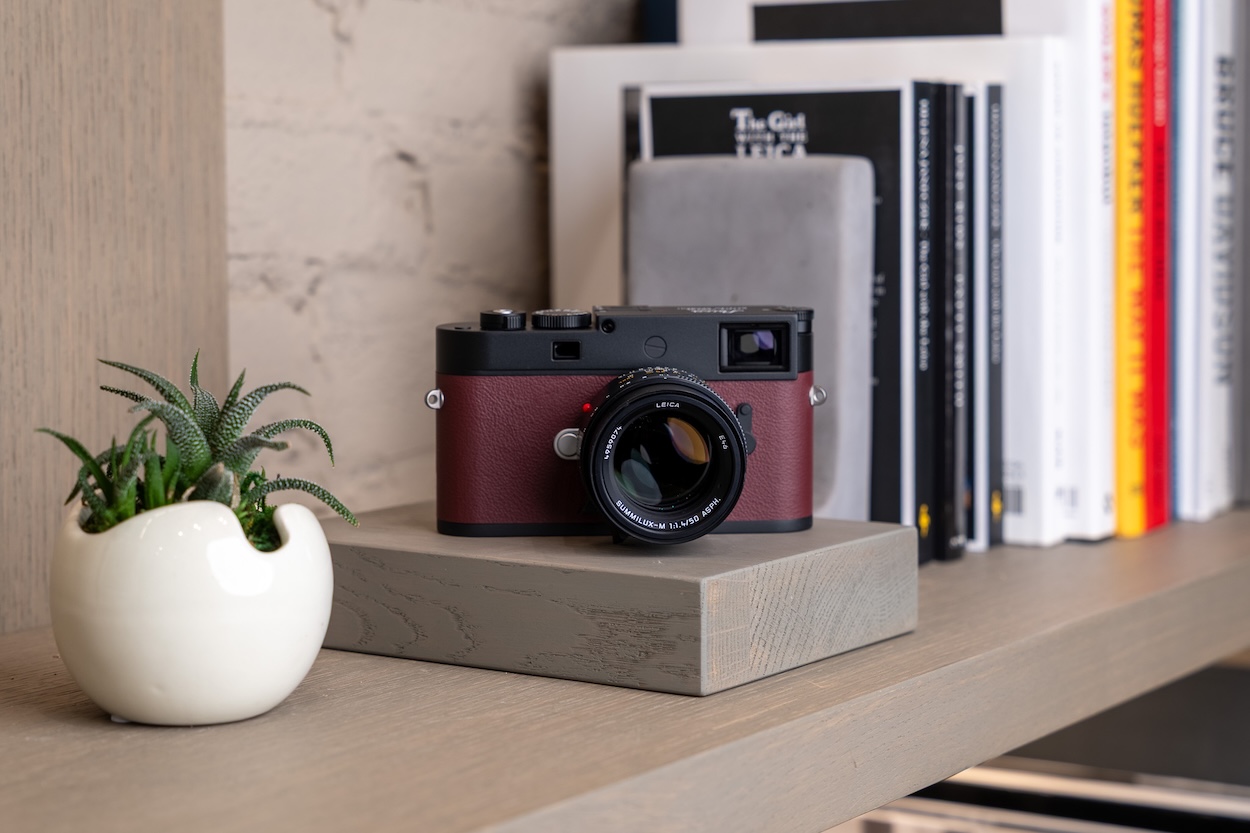
To further mark the opening of the Chicago Leica Store, you can find a, finished in boysenberry leatherette. Named for the building’s 1917 origins, the camera pays tribute to the landmark that now houses the store and gallery. It is available exclusively at Leica Store Chicago for $10,900.
Day 1: The opening night
The opening of Chicago Leica Store and Gallery was celebrated on Thursday, 30 April and marks the 50th anniversary of Leica’s creation of dedicated retail locations, started in 1976.
Leica’s full range of products, including cameras, watches, home cinema, sport optics, and accessories will be available at the boutique. “For our Leica customers, a camera is not a one-time purchase. It is the beginning of a lifelong journey, and these experiential spaces are essential to cultivating and sustaining that relationship,” said Mike Giannattasio, President of Leica Camera North America.
Karin Rehn-Kaufmann, Art Director and Chief Representative of Leica Galleries International, who cut the opening ribbon with Mike Giannattasio, said “Our entire cultural programme is geared towards sharing our enthusiasm for photography with a broad target group. Works by professional photographers are an indispensable part of Leica’s world. From the Leica Galleries, a wonderful international network has grown—a Leica family in the truest sense.”
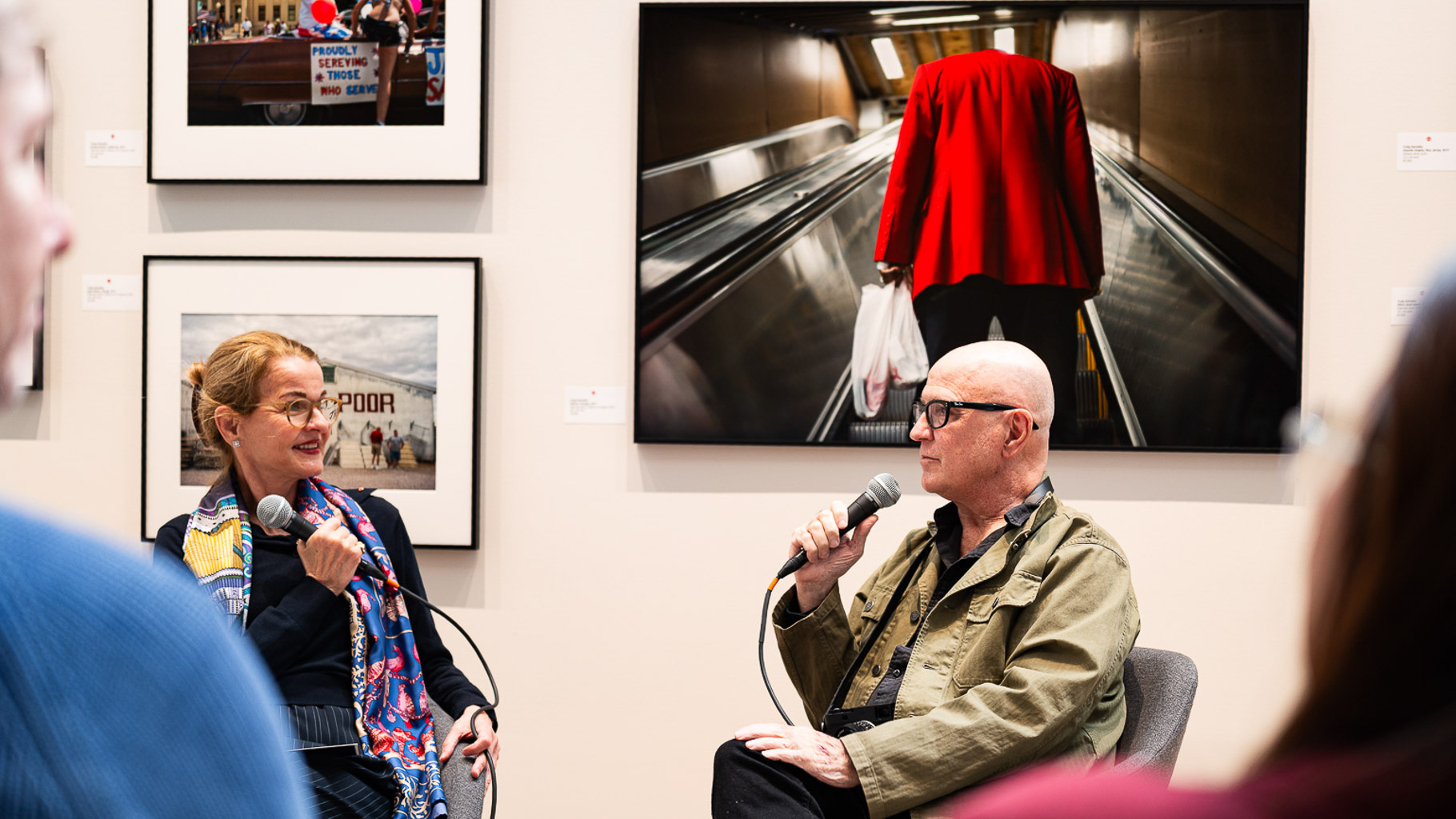
Day 2: Craig Semetko
Craig only took up photography just before he turned 40, and quickly got recognition, exhibitions, and published his first book “Unposed” in 2010. As he said in his talk, he already had a sense of who he was and his own identity when it came to ideas. That notion of being “fully formed” is something most of us have to spend years with a camera before we can arrive at our creative identity.
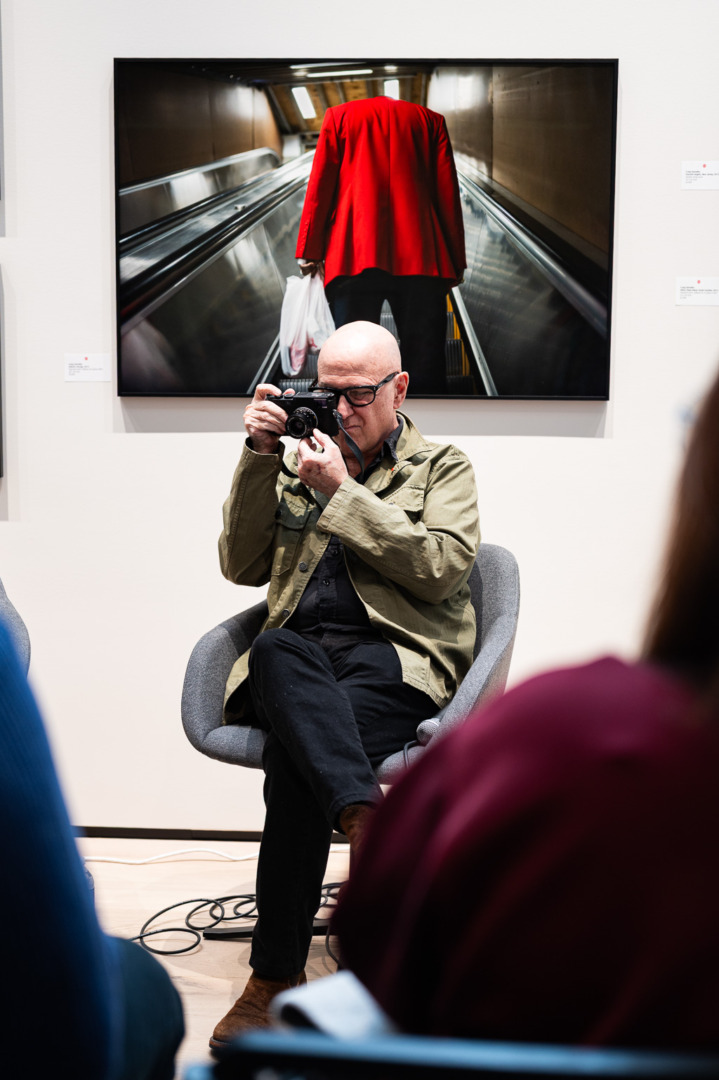
The first work shown at the new Chicago Leica Store is an exhibition of Craig Semetko’s work from his new book “America Unposed.” The idea began back with a road trip through the United States that started on July 4, 2011, on Independence Day in the small town of Independence in California, and ended around ten years later.
“America Unposed” presents 96 pages of colour images, which also symbolises the photographer’s closeness to his subject. The large-format images are complemented with a foreword by Karin Rehn-Kaufmann, Art Director and Chief Representative Leica Galleries International, and an appendix with a conversation between Craig Semetko and Tom A. Smith.
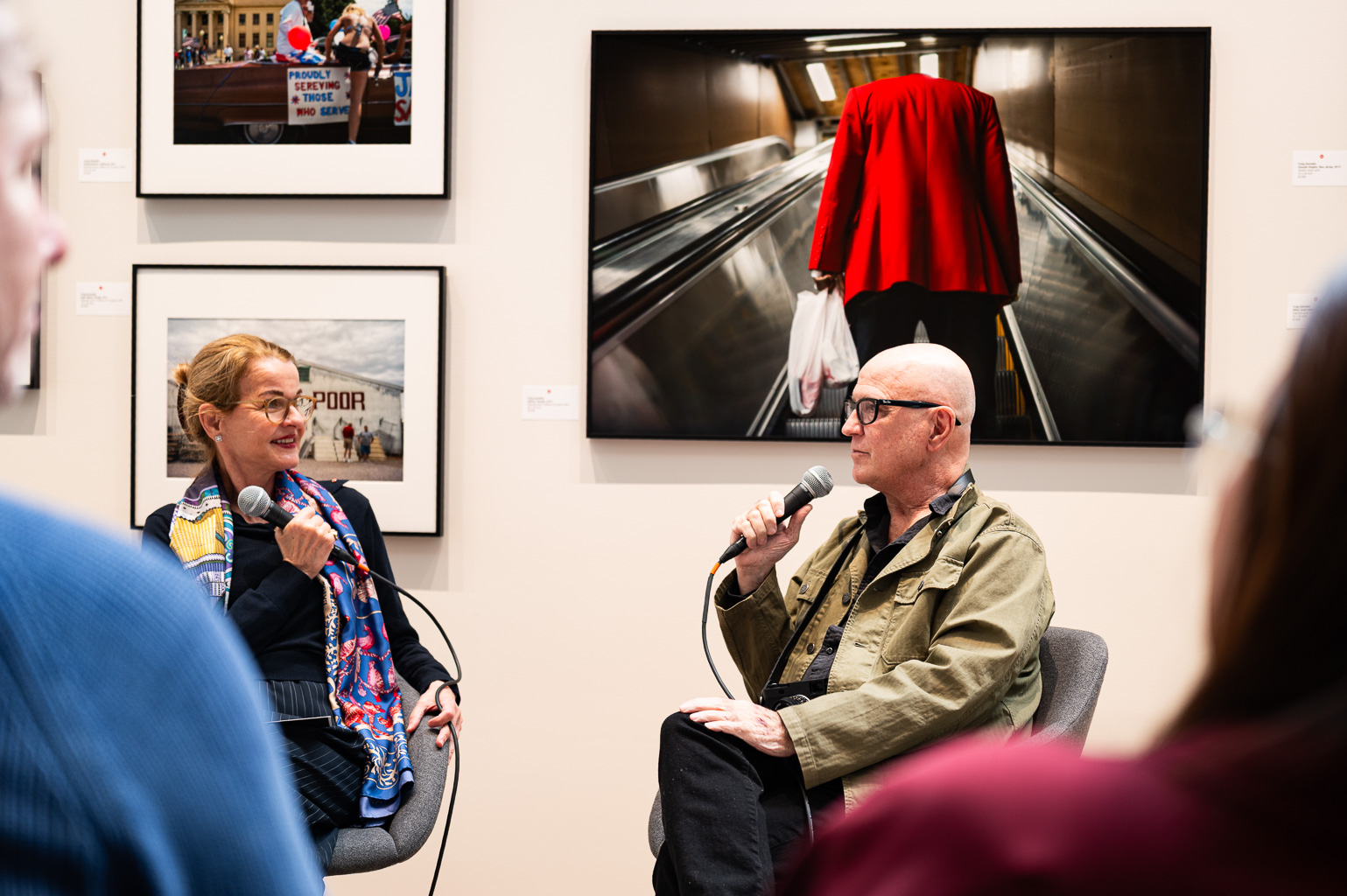
Craig is also a survivor, having recently had a double lung transplant. It must take a great deal of effort to go through the recovery process, produce a significant photographic book, and find the bandwidth to engage with people who turn up to his talks and exhibitions. It’s much appreciated.
Day 2: The next generation
The contrast with Craig Semetko could not be greater. We had these four outstanding new talents discuss their love of photography and the journeys they have undertaken. You sense they are on the rise and gaining confidence in their voices and the ideas. At times, listening, it felt like the four of them were on “The Magical Mystery Tour” exploring their photographic worlds. I’m eagerly awaiting more of their work at the Leica Gallery in the future.
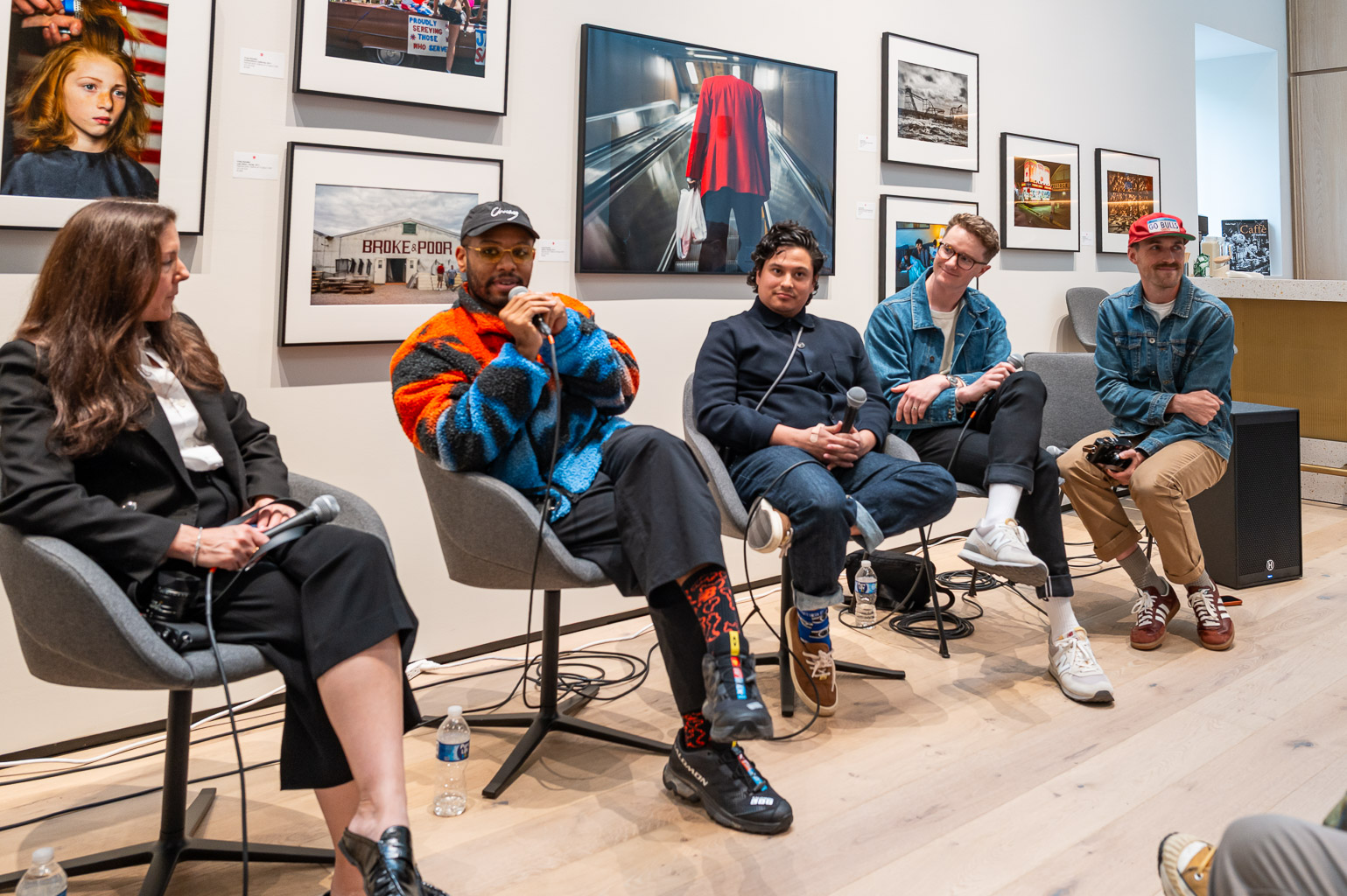
1. Nolis Anderson
Every year as a kid, on what felt like any other August morning, I would wake up to sounds of music, laughter, and the smell of barbecue filtering through my bedroom window. As a visual storyteller and portrait photographer, it’s essential to dedicate time documenting and paying homage to the spaces and people that shaped me.

2. Edgar Corona
Born and raised in Chicago, and for the past nine years, this city has been the heart of my photography. The same spirit of exploration I had as a kid on a skateboard is still alive and well and is now carried through a camera.
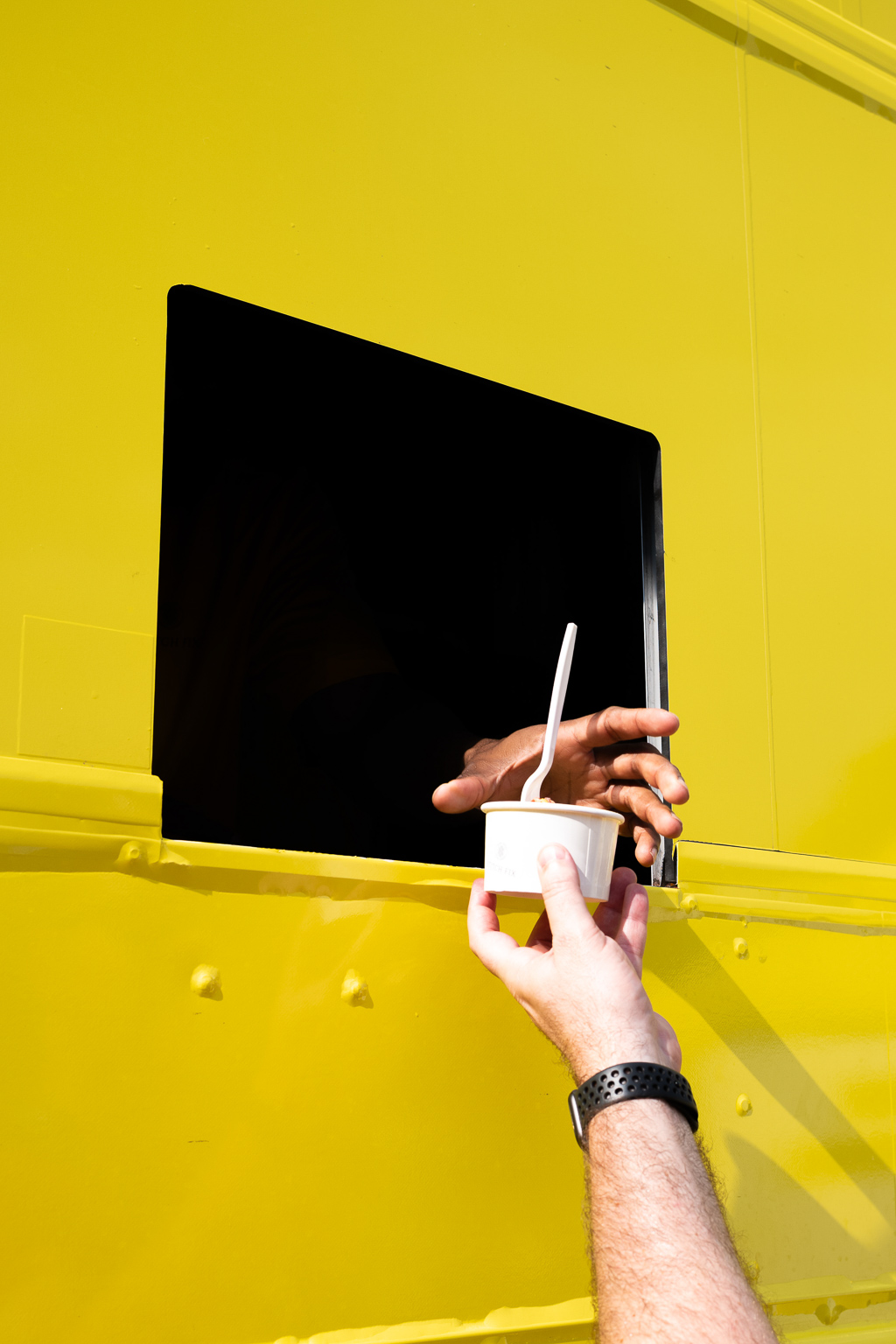
3. Steven Schulz
I am a commercial photographer and filmmaker who approaches every project with the same documentary-minded curiosity I have carried since childhood. That instinct has taken me around the world, directing and producing two feature-length films, a body of short films, and photo campaigns for global brands.
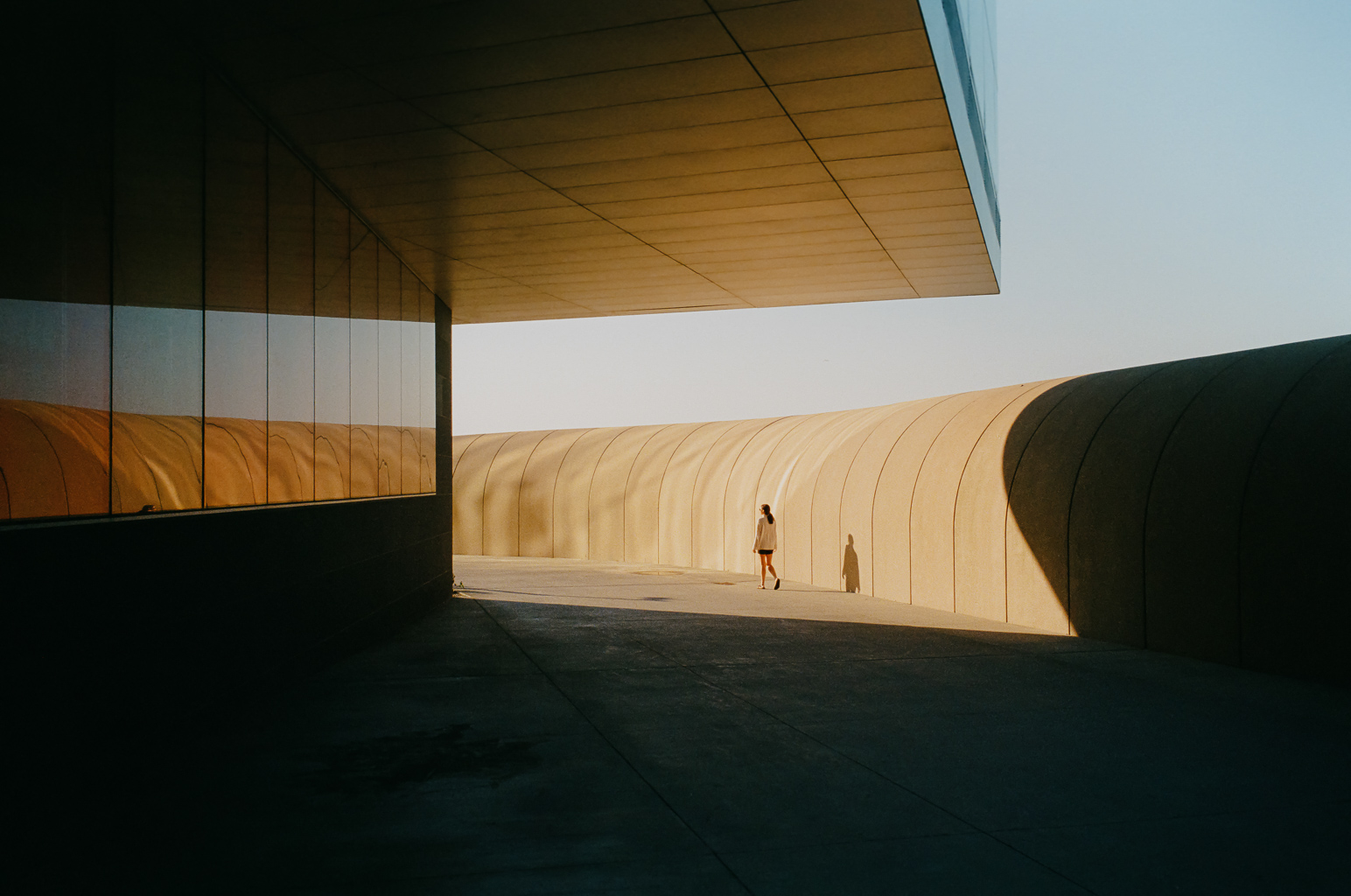
4. Eric Floberg
Eric Floberg is a wedding/portrait photographer & filmmaker based out of Chicago, IL. He is husband to Sabriah and father to four children. His creative career has been built on the shoulders of Chicago, where he was raised. Much of his film photography revolves around the documentation of his family life and a multitude of creative experiences/projects.
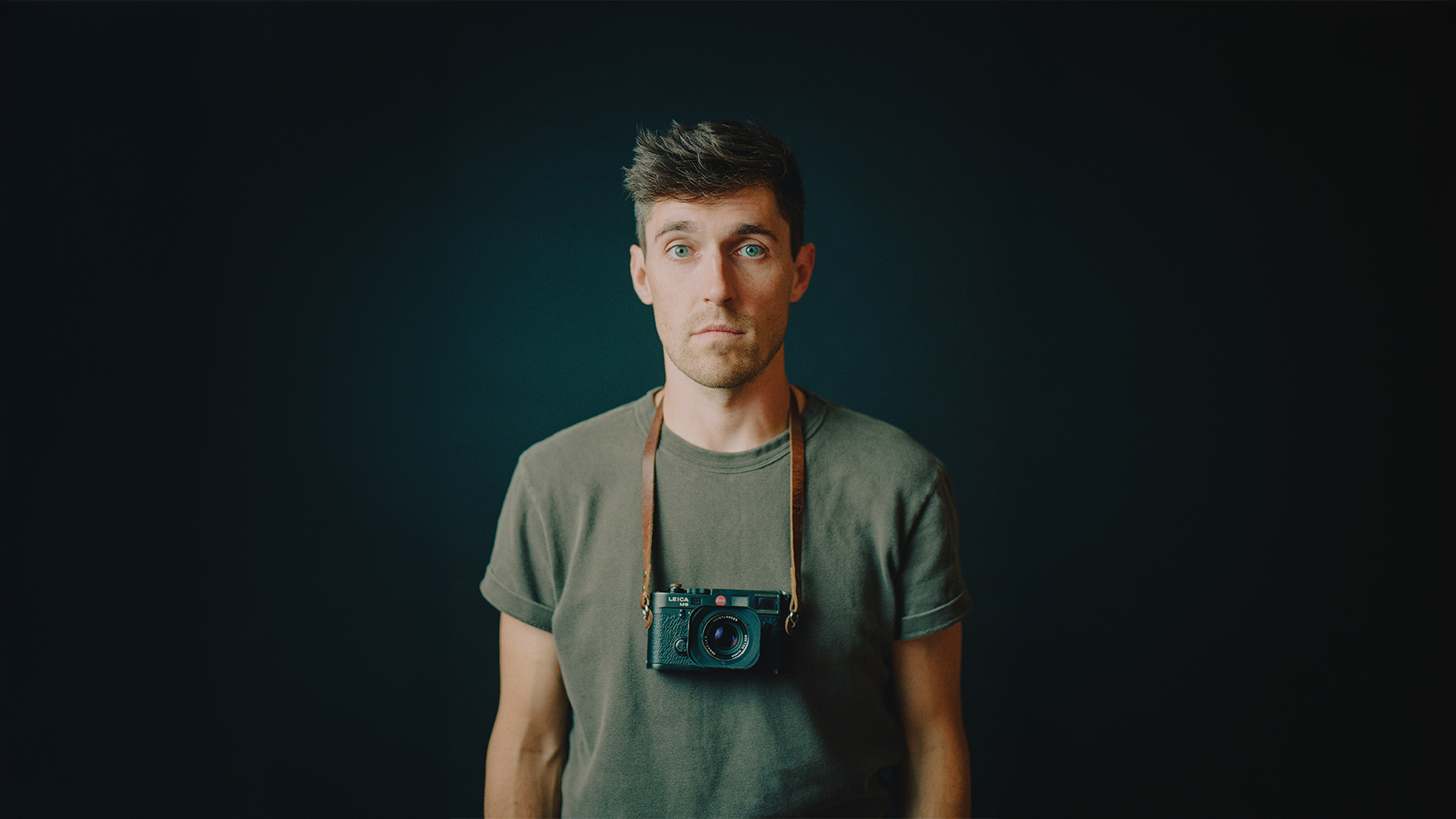
5. Melissa Ann Pinney
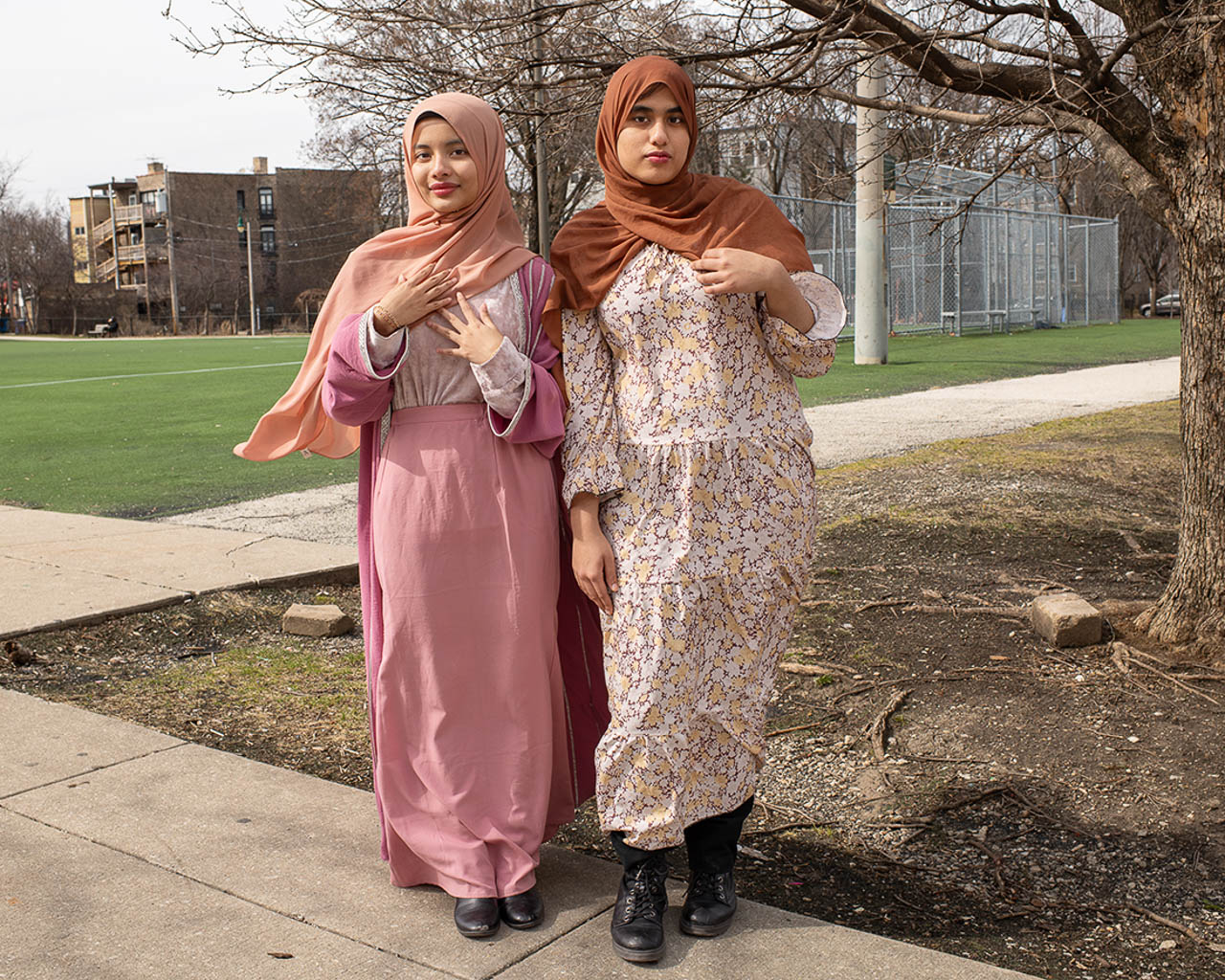
‘Becoming Themselves’ portrays Chicago Public School students during my artist residency at two high schools, from 2019-2026. The images bear witness to the everyday joys and camaraderie of student life. Tragically, the community also suffers gun violence, including the deaths of eight students I photographed for the project.
Day 3: James Rice
James is a Midwesterner from southern Indiana, where he grew up. At an early age, James’s mother had encouraged him to use a camera to document his daily life in the small town where they lived. That use of a camera ended abruptly and tragically when his mother was brutally murdered, and his father suffered from life-threatening injuries that would afflict him for the rest of his life.
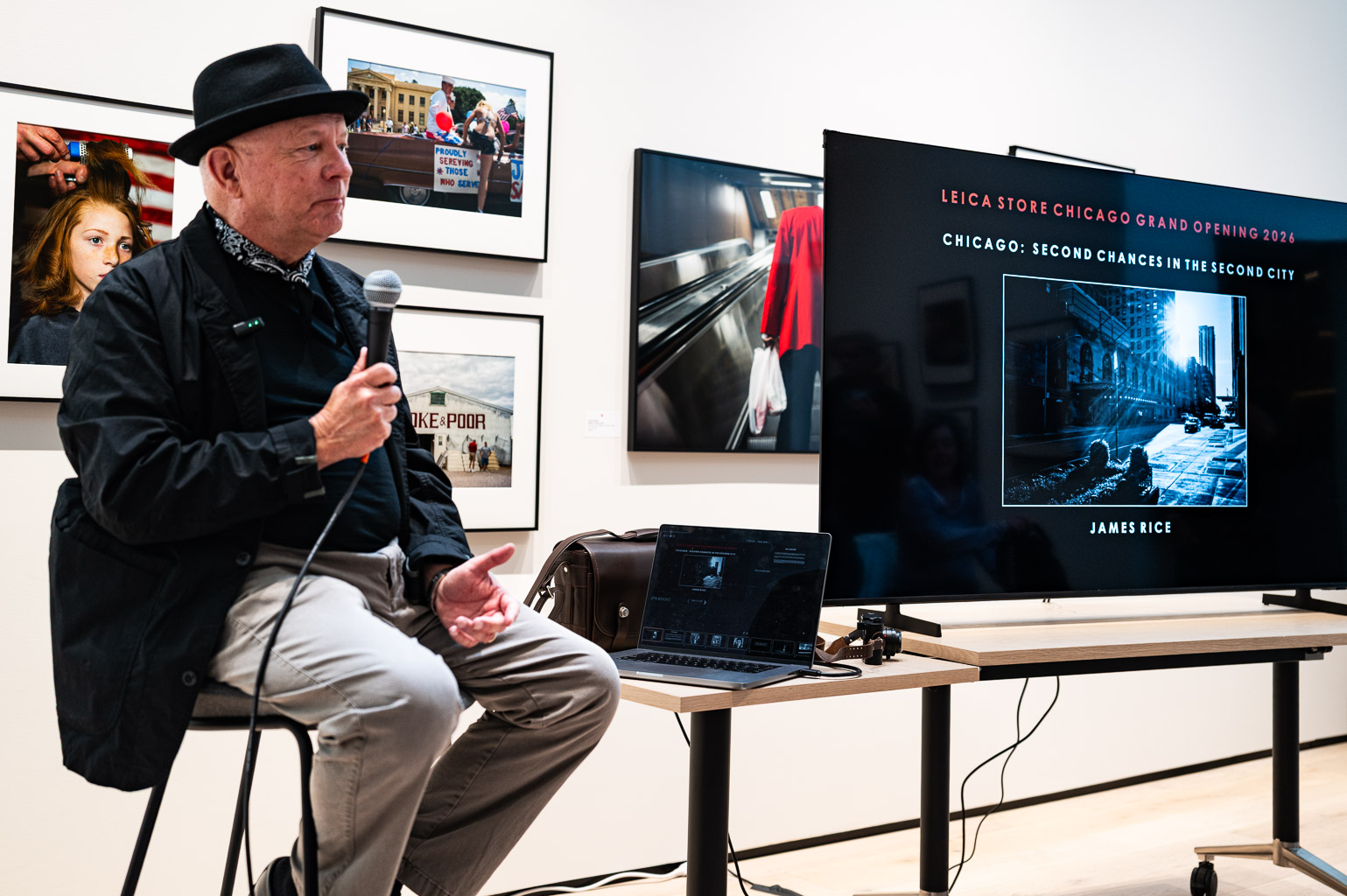
James Rice spent the afternoon walking his audience through the trauma in the years that followed. It was only when James entered his forties and through the help of a therapist that he rediscovered the joy of photography that he had experienced as a child. Photography became a form of healing from his traumatic experience that opened up a new chapter in life for him.
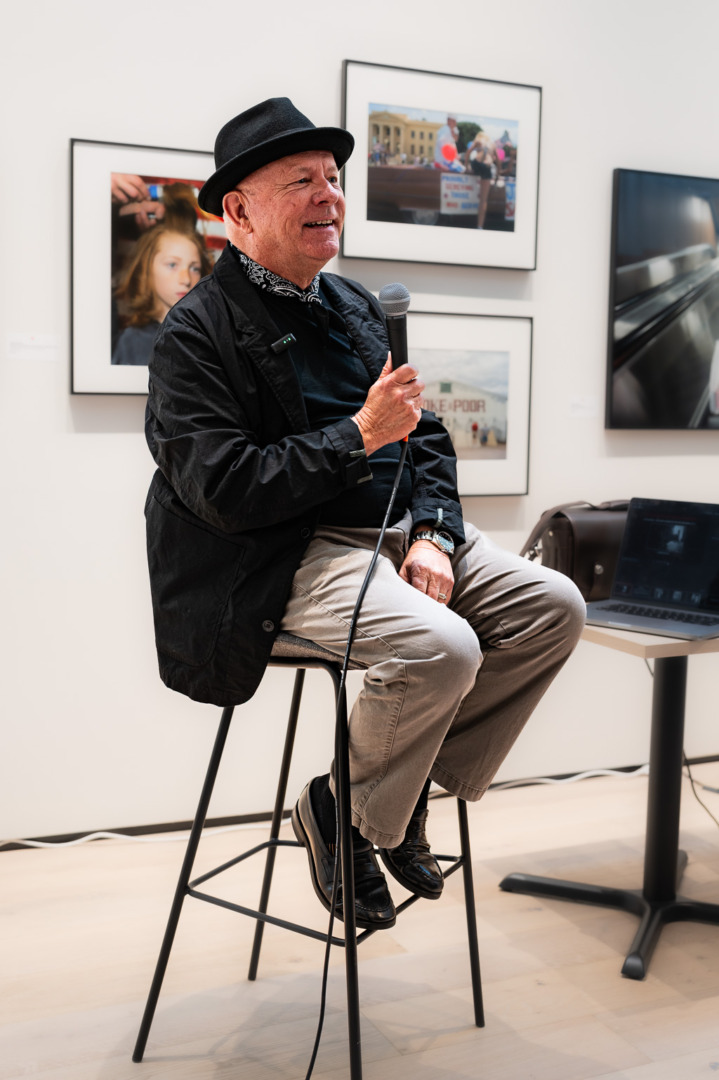

He cites a video about Craig Semetko as a significant turning point in this new chapter of his life. Along the way has been inspired by the likes of Cartier-Bresson, Elliott Erwitt, Robert Frank, and a galaxy of other great photographers.
Books that tell stories and create empathy
That led to James publishing four books: “Second Look”, “Chicago Avenue”, “Real Cuba”, and “Shooting”. They each contain powerful and empathetic stories that are told through their images. It’s hard not to feel that connection with his subjects.
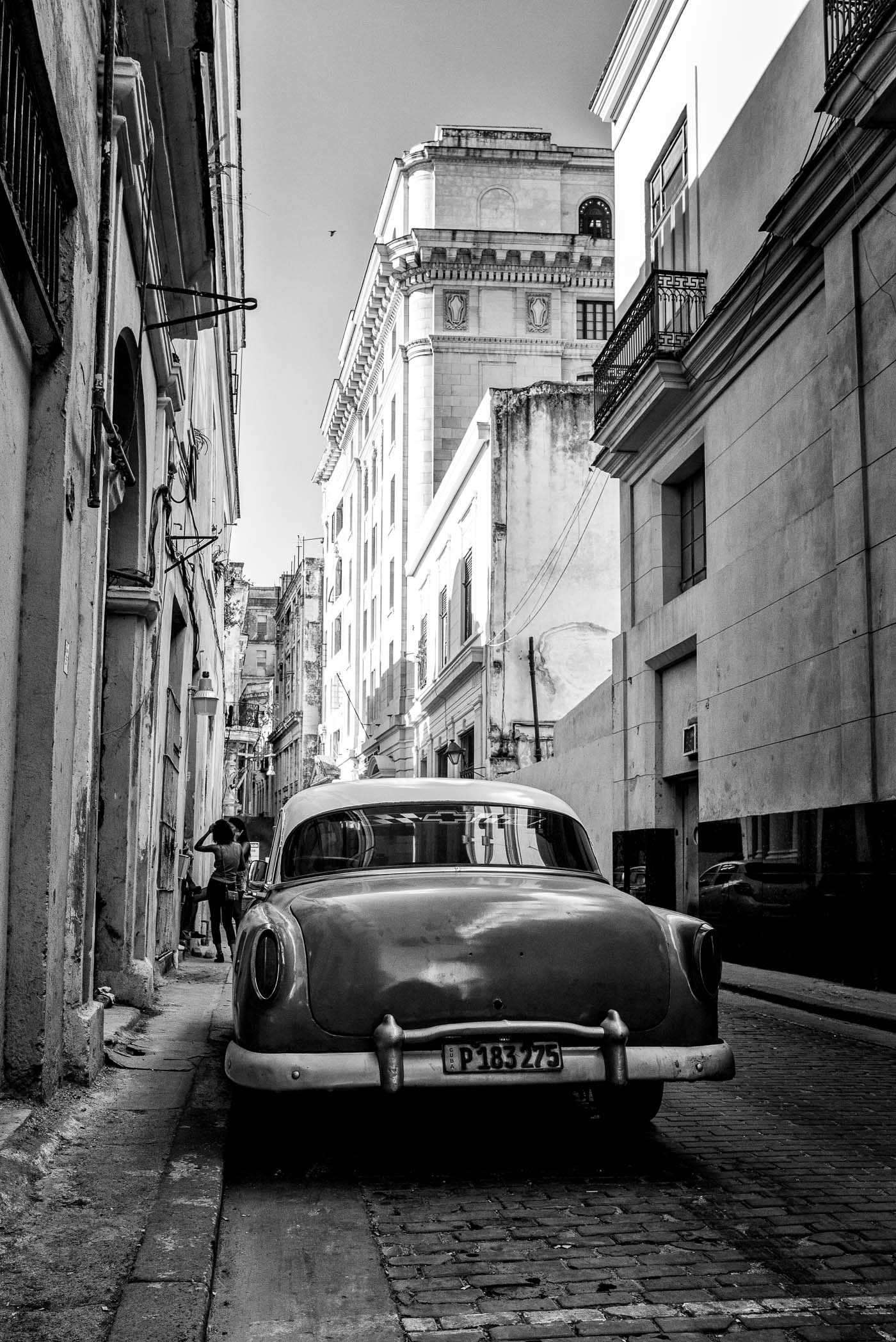
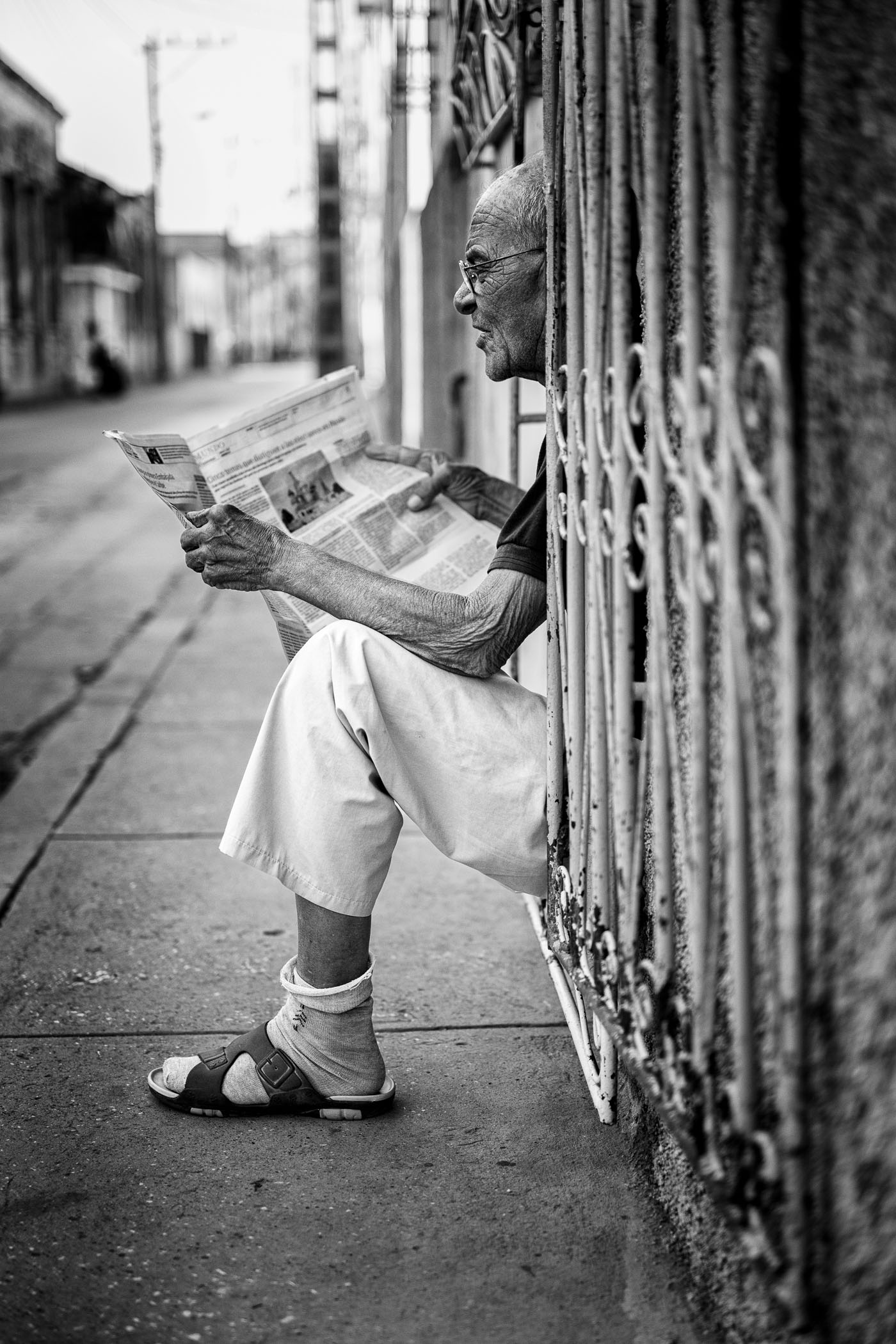
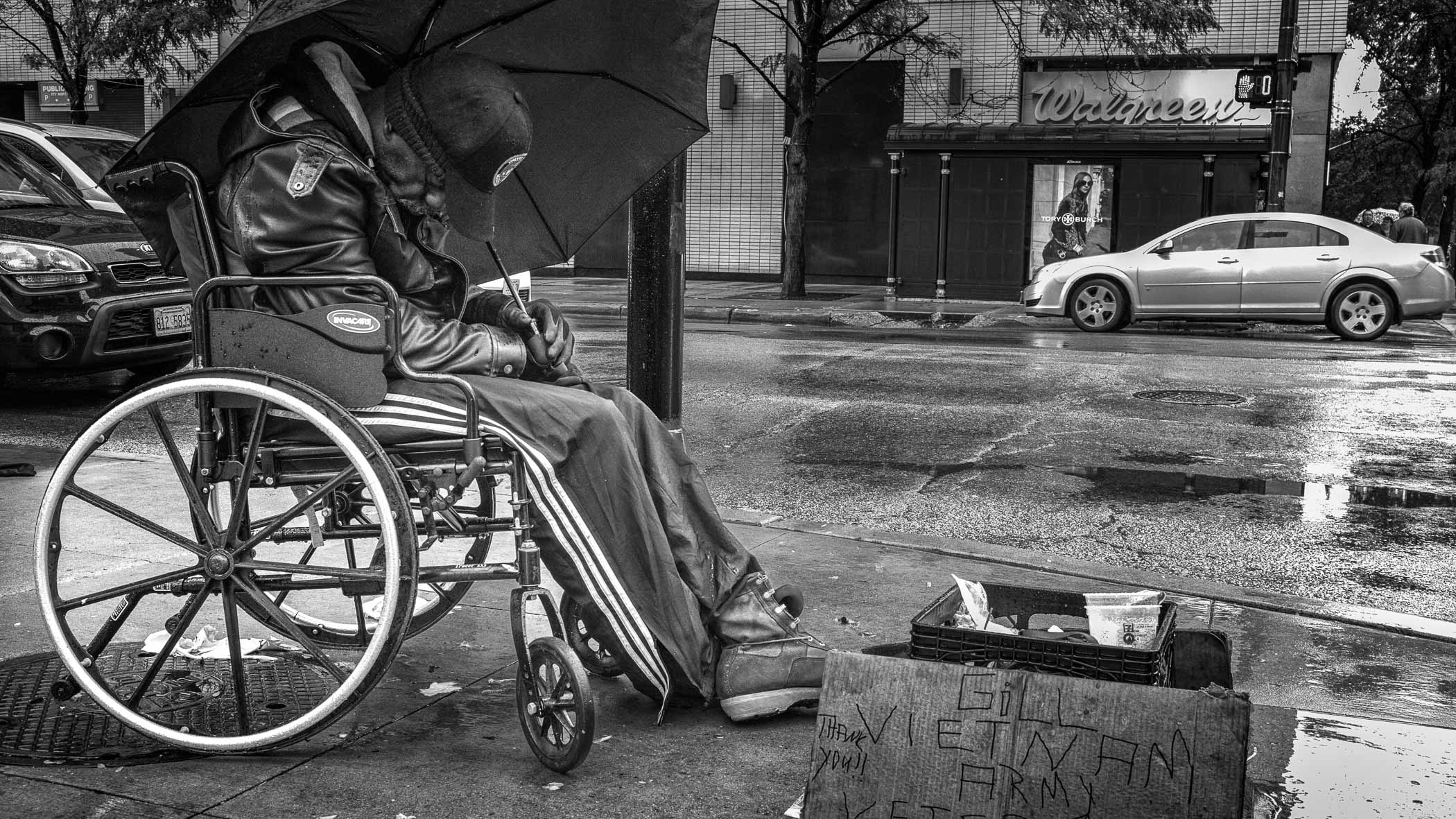
His new work opens up previously unexplored avenues for him, including the use of colour. It will be interesting to pick up his new book when it’s published and to see where he has ventured on his journey.
| Previous Leica Gallery Exhibitions | Leica Oskar Barnack Awards (LOBA) |
| Exclusive special editions to celebrate 100 years of Leica |
Make a donation to help with our running costs
Did you know that Macfilos is run by six photography enthusiasts based in the UK, USA and Europe? We cover all the substantial costs of running the site, and we do not carry advertising because it spoils readers’ enjoyment. Any amount, however small, will be appreciated, and we will write to acknowledge your generosity.
Hi Jon,
I really liked this article. A great story of Chicago history and a nice peek into some of the artists represented. It sucked me right in…not as you say, glitterati. That store looks like a really nice space. I like all the light and how the design provides some breaks from the solid sea of red so prevalent in other Leica stores.
Thanks for the article and insights.
Cheers,
Joel
Thanks Joel,
I appreciate your comments.
I get a real thrill out of seeing the work, particularly from up-and-coming photographers. I’m hoping to build a connection with Lucas who runs the gallery portion of the store, and be able to publish stories around other photographers who may get to exhibit there.
Cheers!
Jon
You’re welcome. I look forward to more stories you can do about other exhibitors/photographers at the store gallery.
-Joel
Great and comprehensive coverage of what looks like a spectacular event for those lucky Leica folks who could attend. The building must make this one of the, if not the, most architecturally attractive `Leica Store worldwide.Now feel I know it well from the other side of the Atlantic!
Thanks Keith,
It’s a lovely store, and quite different I think in that it has notable history. I’m looking forward to reporting on future exhibitions from the Chicago store.