
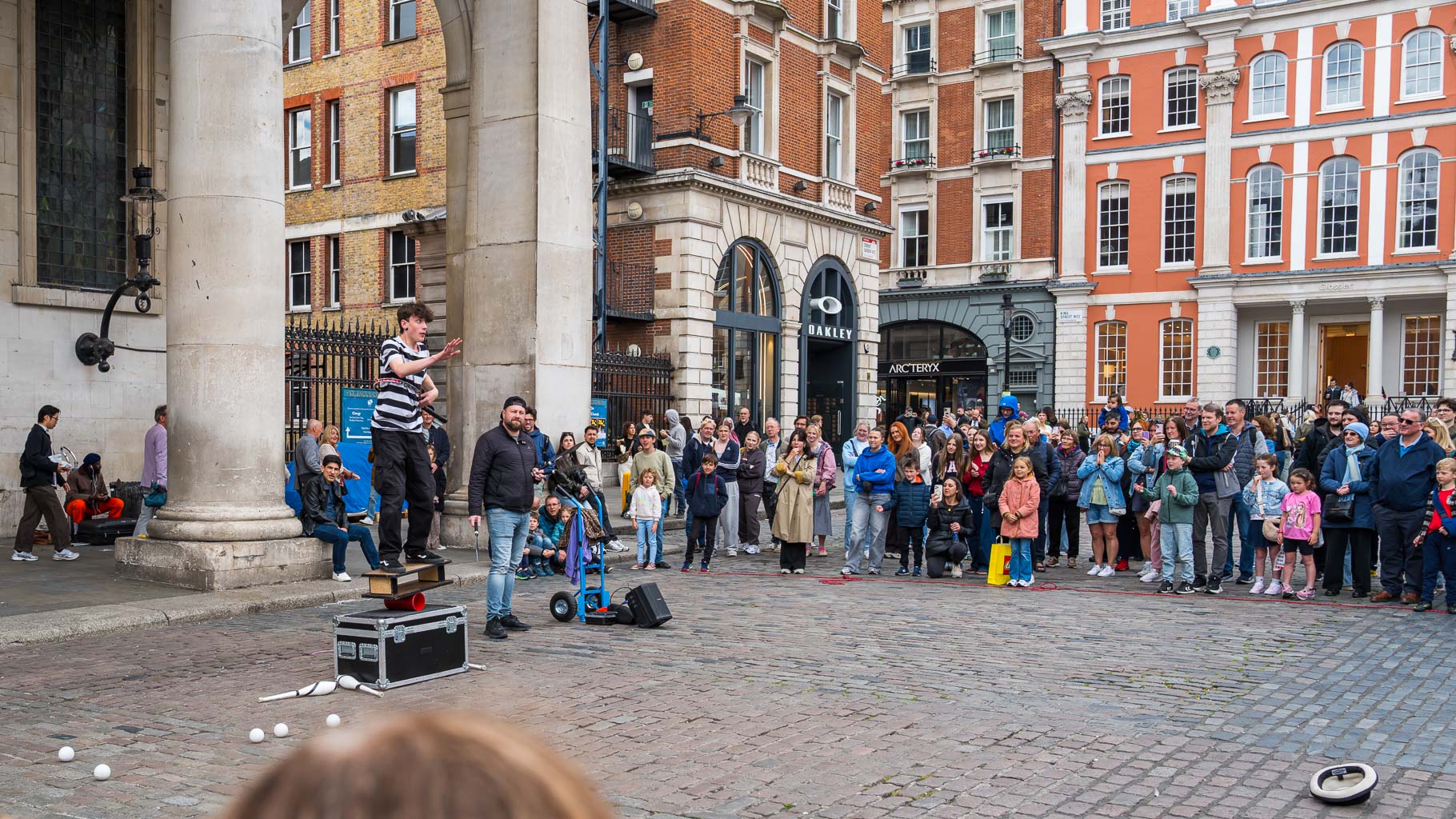
In the traditional spirit of postcards from holidays, my postcard from the LSI meeting in London should have arrived in your post, long after you returned home. Or if you are really curious as to why this report is so late, blame incompatible technology and me being away from my desktop computer.
This is my second LSI meeting, the first being last year’s annual meeting in Montreal. It feels a bit like a class reunion with many friends and several interesting speakers. We have a broad mix of members from around the globe, and as far east as Japan and as far west as Vancouver.
Day 1:
Introductions
Our loquacious president and prolific Macfilos author William Fagan welcomes us to London. For many, London is not an unfamiliar city, and in my case a 14-year home. Nevertheless, it’s a joy to be back as a tourist and not scuttling to and from work every day.
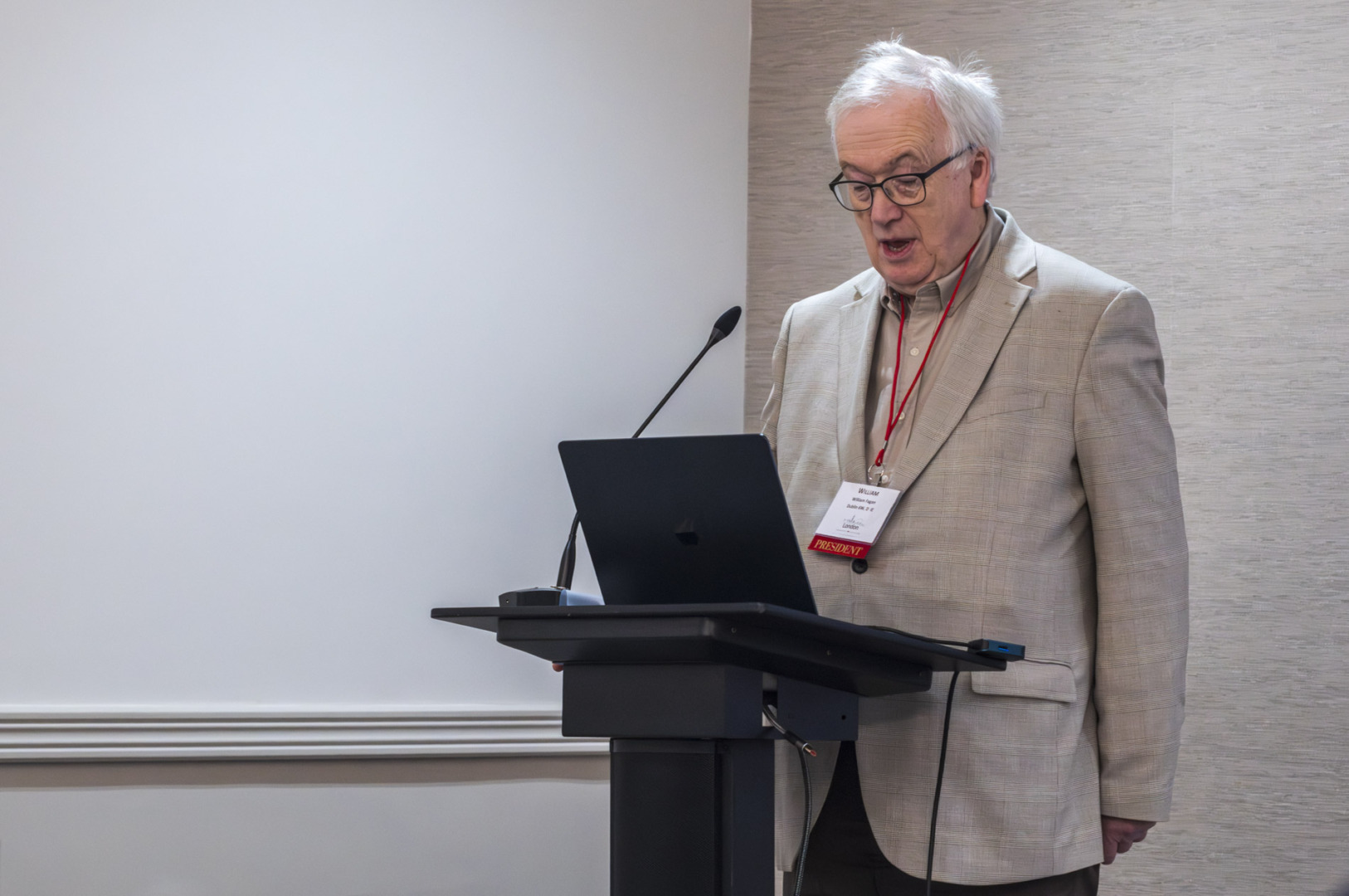
William asked what type of photography we prefer — I would estimate that it was a pretty familiar mix, with a few exceptions. William also asks us to name the favourite Leica that we own. Maybe it shouldn’t be a total surprise, but there’s a very healthy number of Leica Qs.
In a smart move, before the event, Mike Evans asked the editors on Macfilos to identify their favourite Leicas. From a business perspective, it represents both an opportunity and challenge for Leica. What should the Q4 be like? How many variants should be offered? And how much of the total resource pot should be put behind that line vs the M and SL lines?
Panel of Grant Women’s Prize Winners
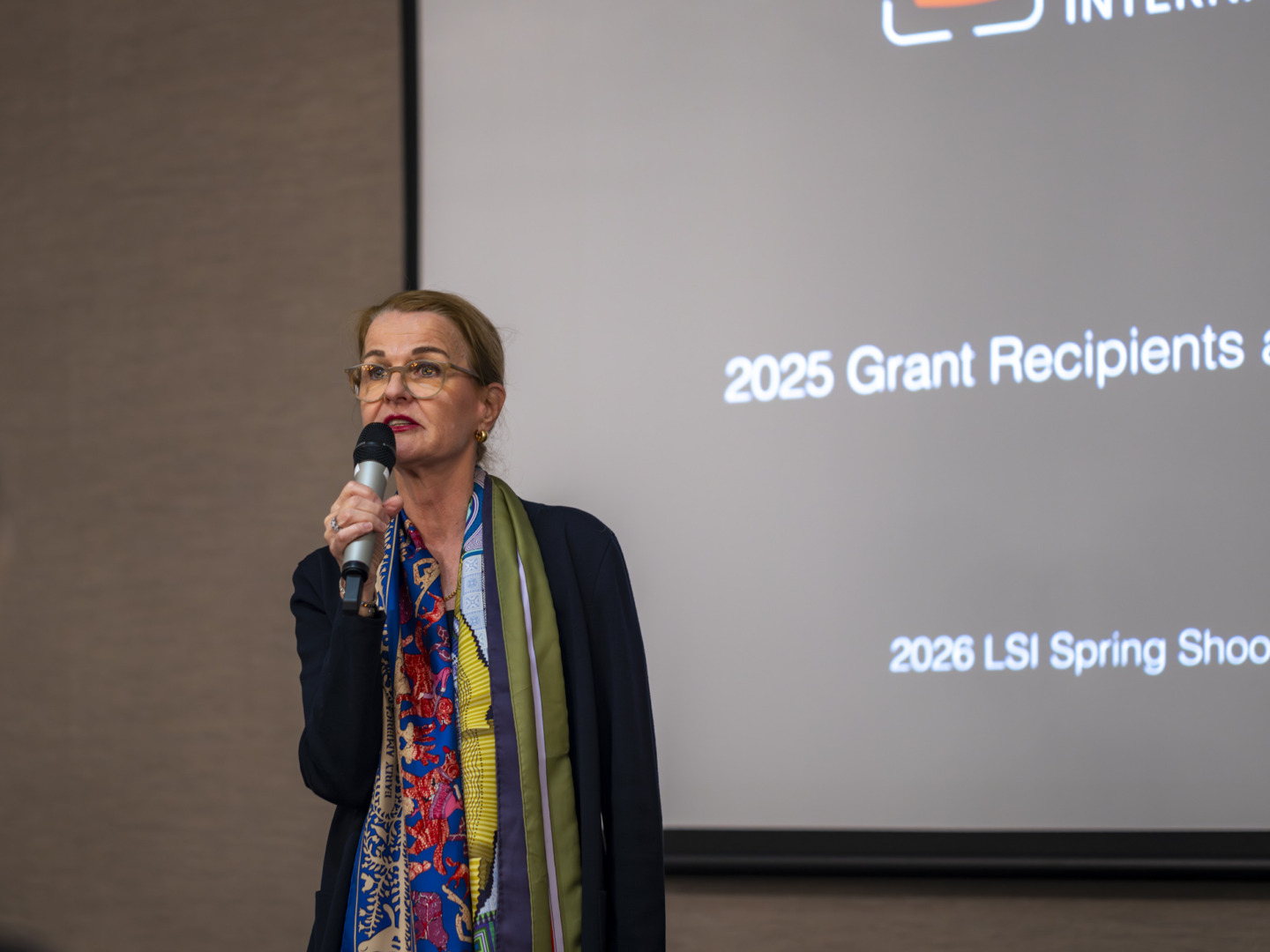
Laura Pannack, and Irina Werning with Karin Rehn-Kaufmann, Art Director, Leica Galleries International shared a review of the award-winning work with the audience.
I met Karin at the opening of the new Chicago Leica store a few weeks ago, and it’s easy to see her commitment and dedication to photographers, their craft, and their stories. We are often oblivious to what is happening outside our field of view.
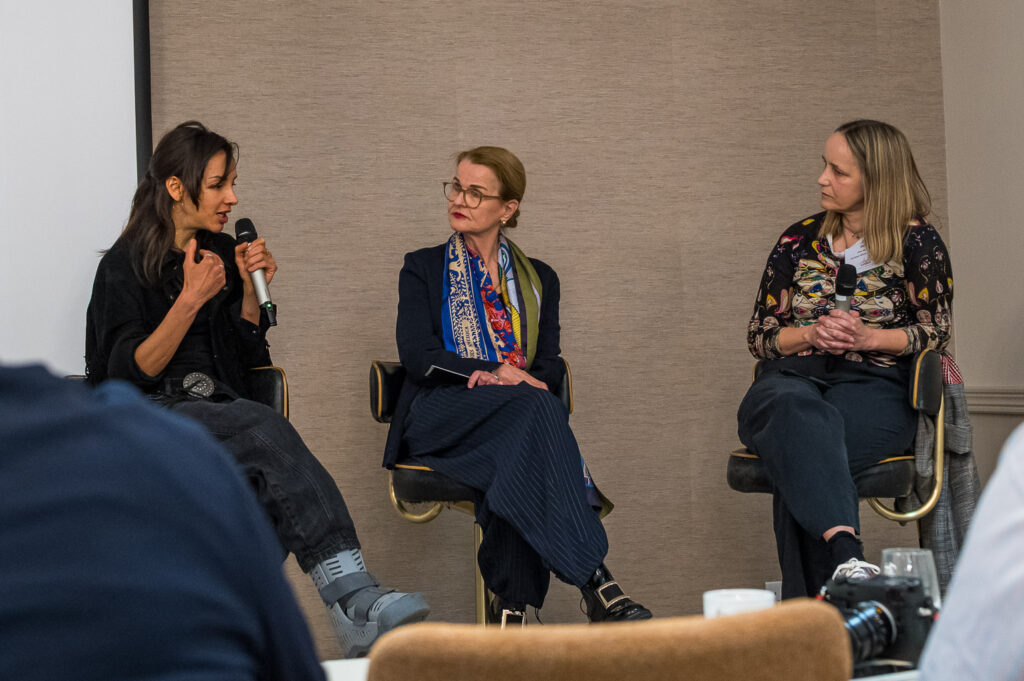
Both Laura and Irina present topics that may never have occurred to us — the lives of children in a small town in South Africa overrun with gangs, and a “tween” girl living through the isolation of Covid.
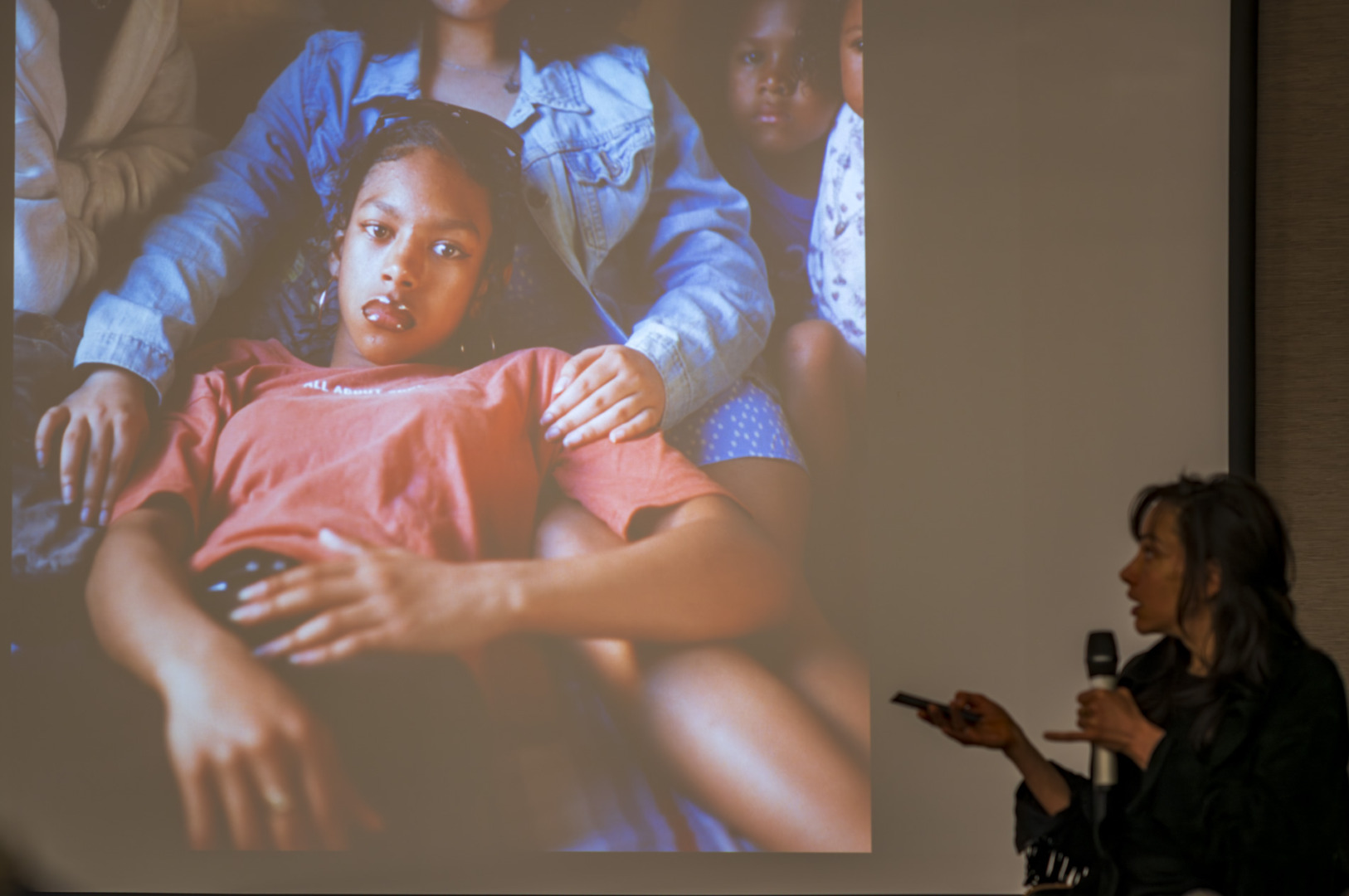
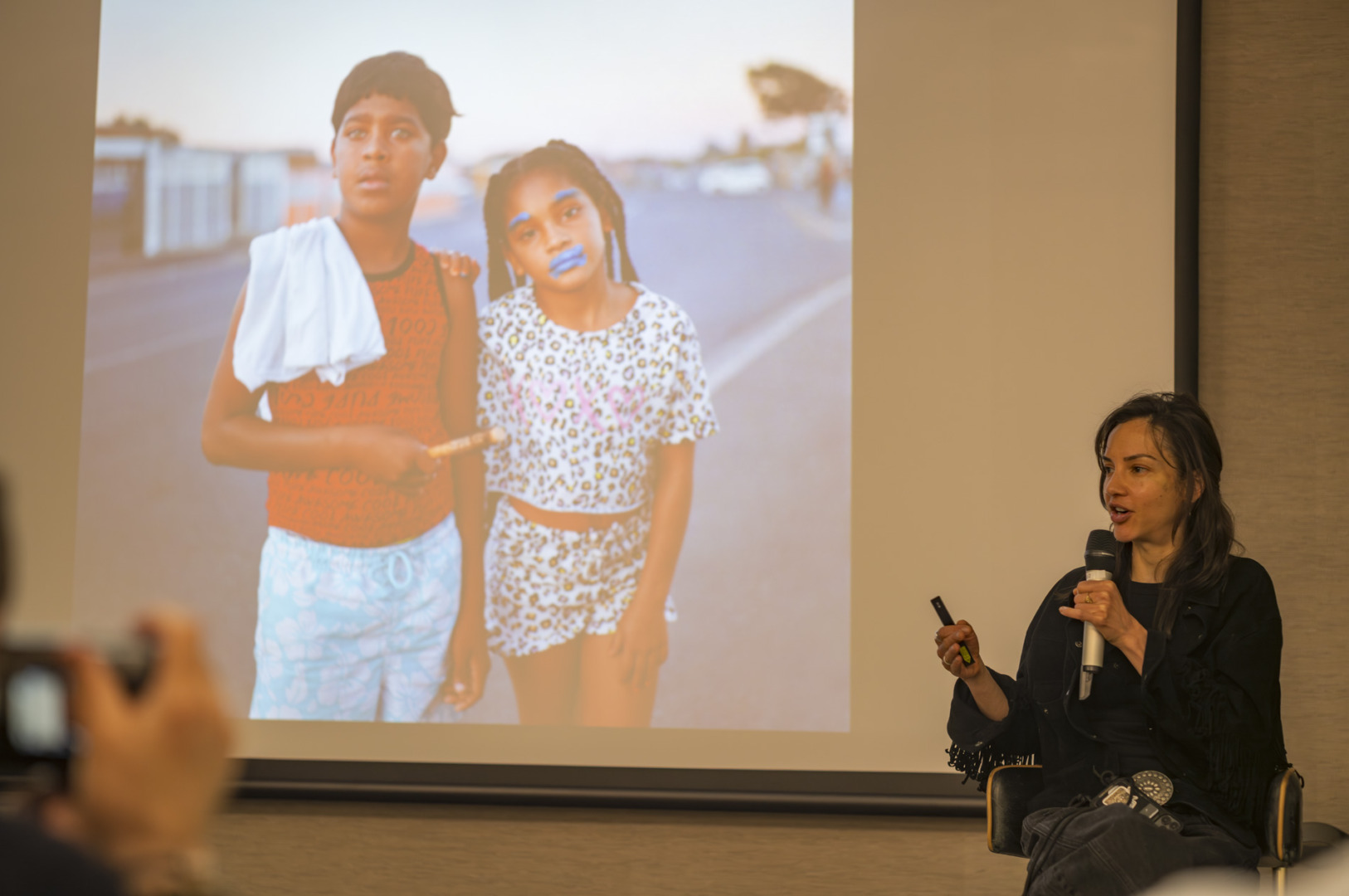
The stories they tell are fascinating and heart-tugging, revealing a vulnerability and sensibility that would benefit from further understanding and support. Are there ways in which outreach from LSI might help provide that support? I hope so.
Imperial War Museum – Truth, Lies, and Kodachrome
Hilary Roberts, Former Curator of Photography, Imperial War Museum, discusses her book ‘The Camera at War’. War photography or photography of strife and human suffering has existed for one hundred and eighty years, starting with the Mexican-American war in 1846. Hilary brought an important perspective on war photography and raised several thought-provoking questions.
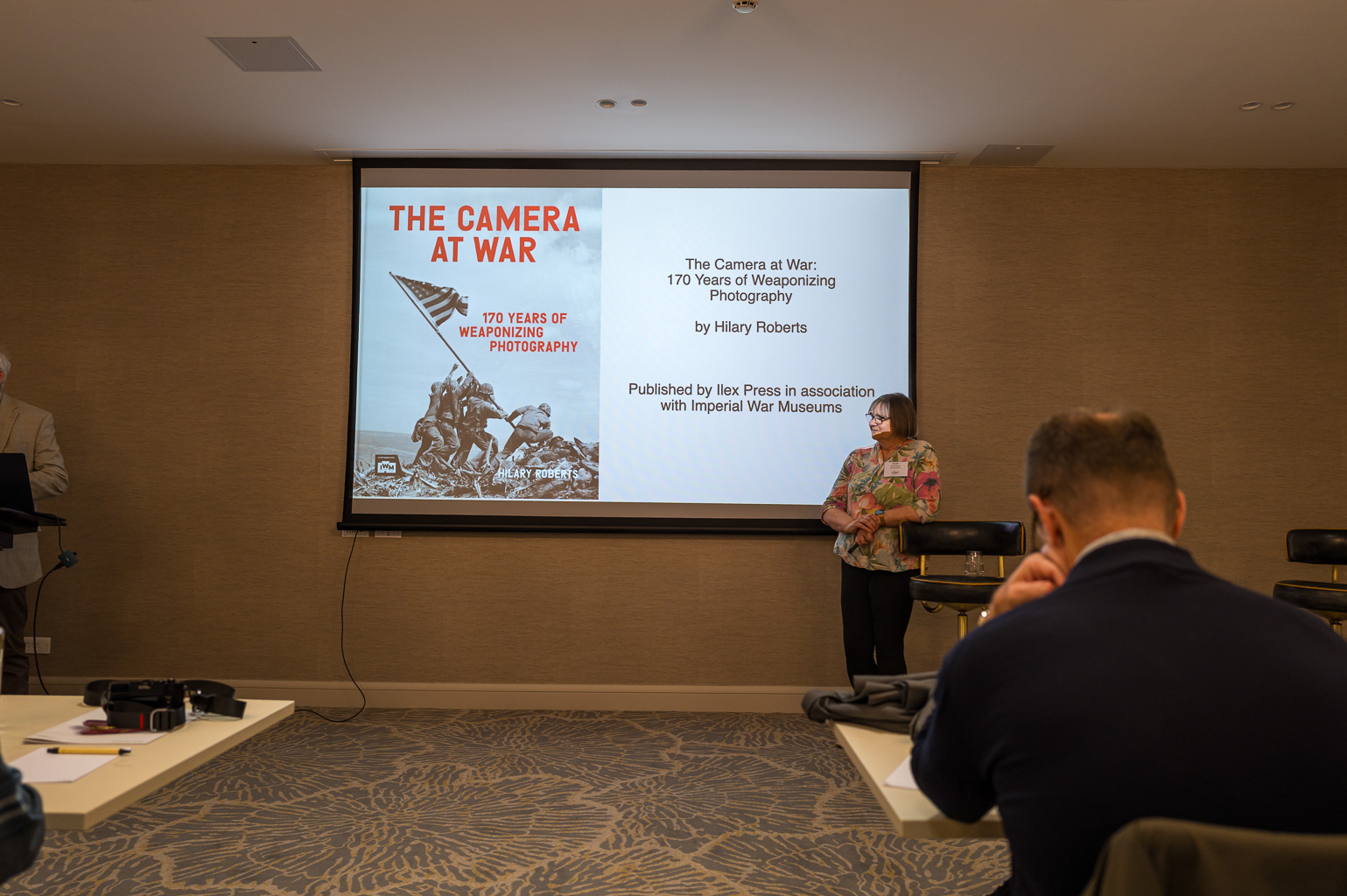
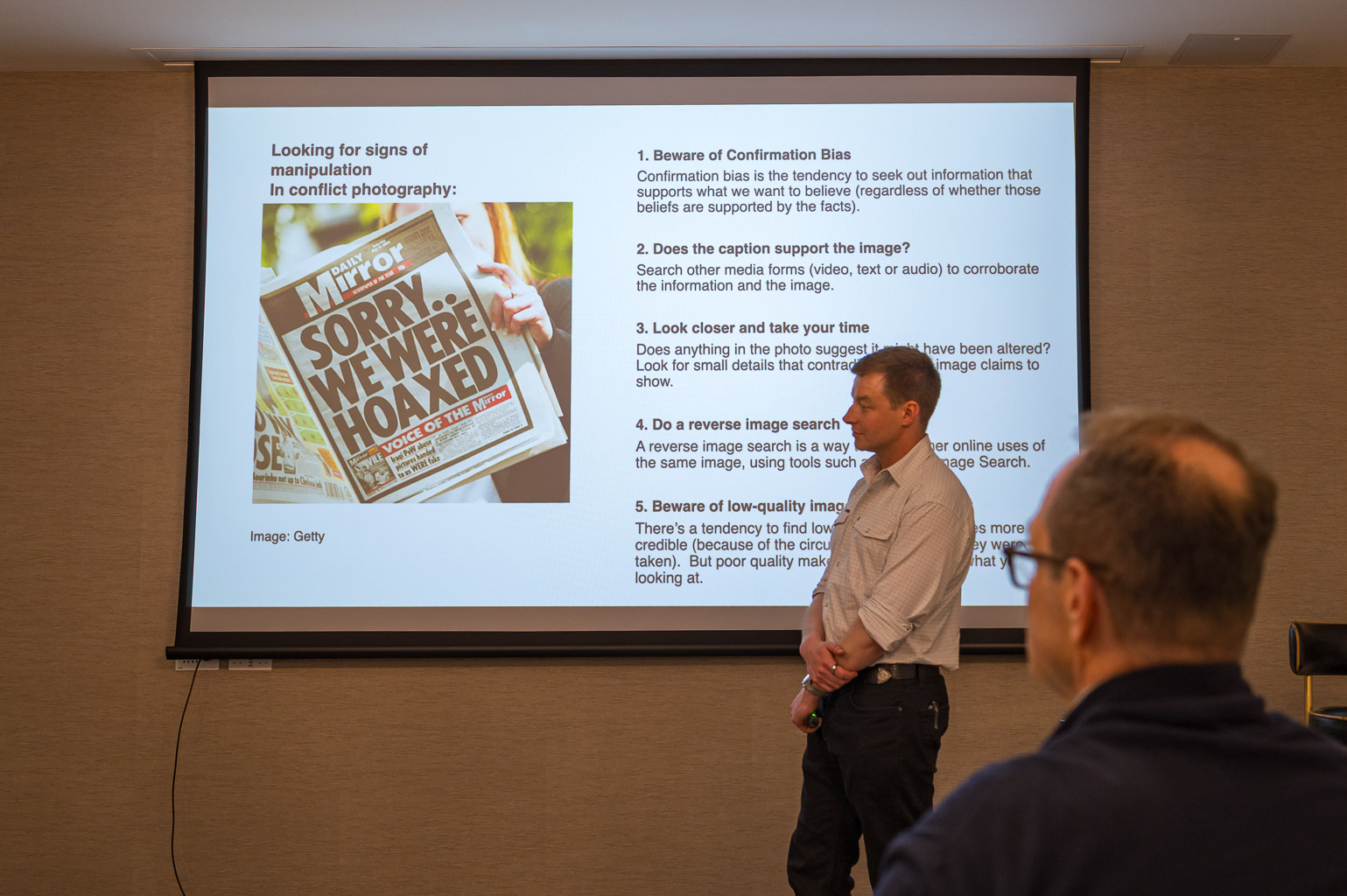
Inevitably it leads to the issue of who controls the narrative, and the level of truthfulness that is shown. In the past, we might have believed in what we saw as the default setting. Today, our default is to question what we are seeing.
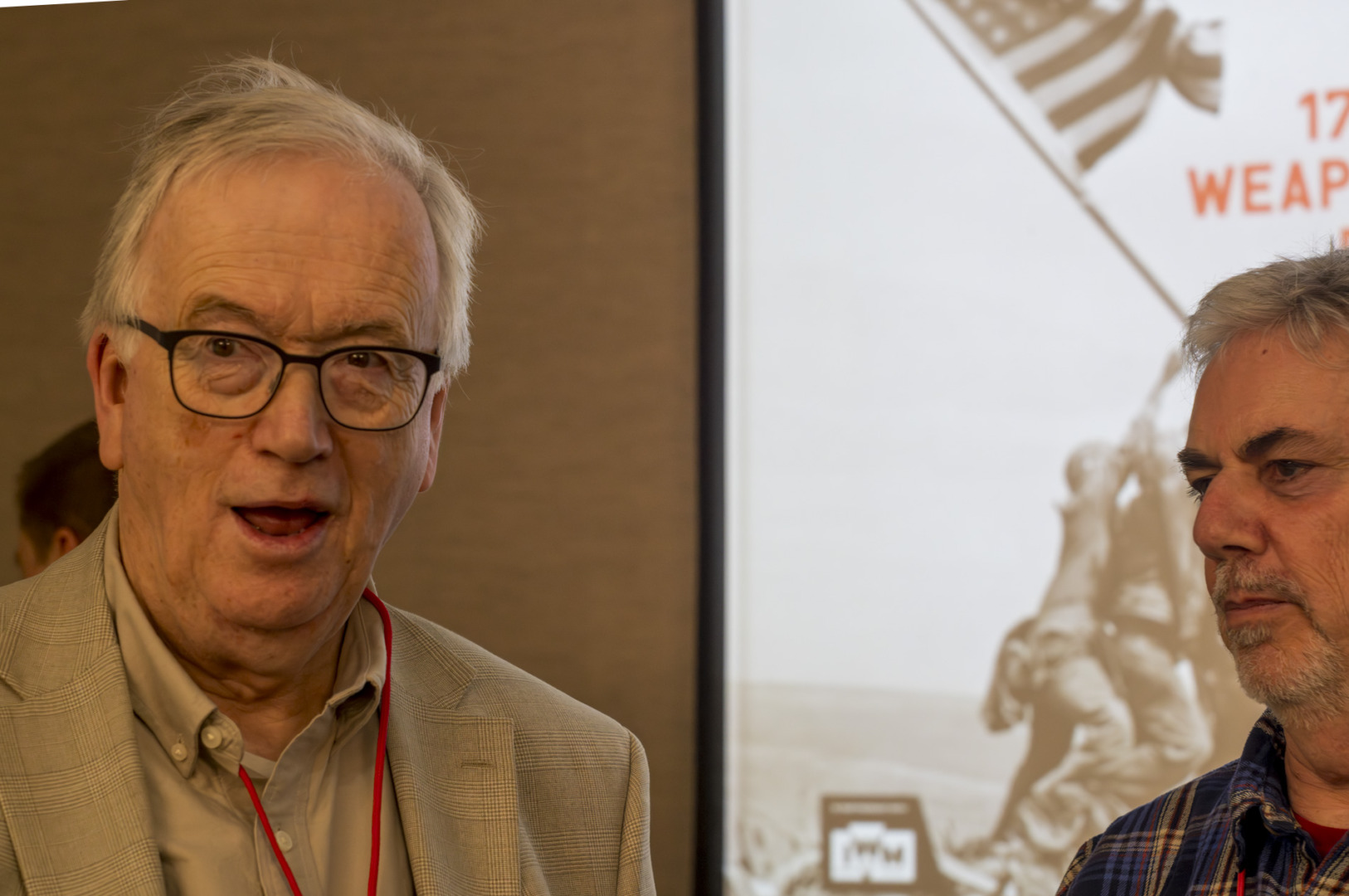
Sadly, it’s healthier to think that way. When does reportage become propaganda or disinformation? In the age of AI, this has become more problematic. Leica’s move to add Content Credentials to their cameras is a significant step in establishing credibility.
Photo-London – An almost over-abundance of creativity
Visit to Photo-London — it’s the UK’s leading international fair for photography and image-based art. Each year it brings together the world’s most acclaimed photographers, galleries, and curators alongside a new generation of emerging talent.
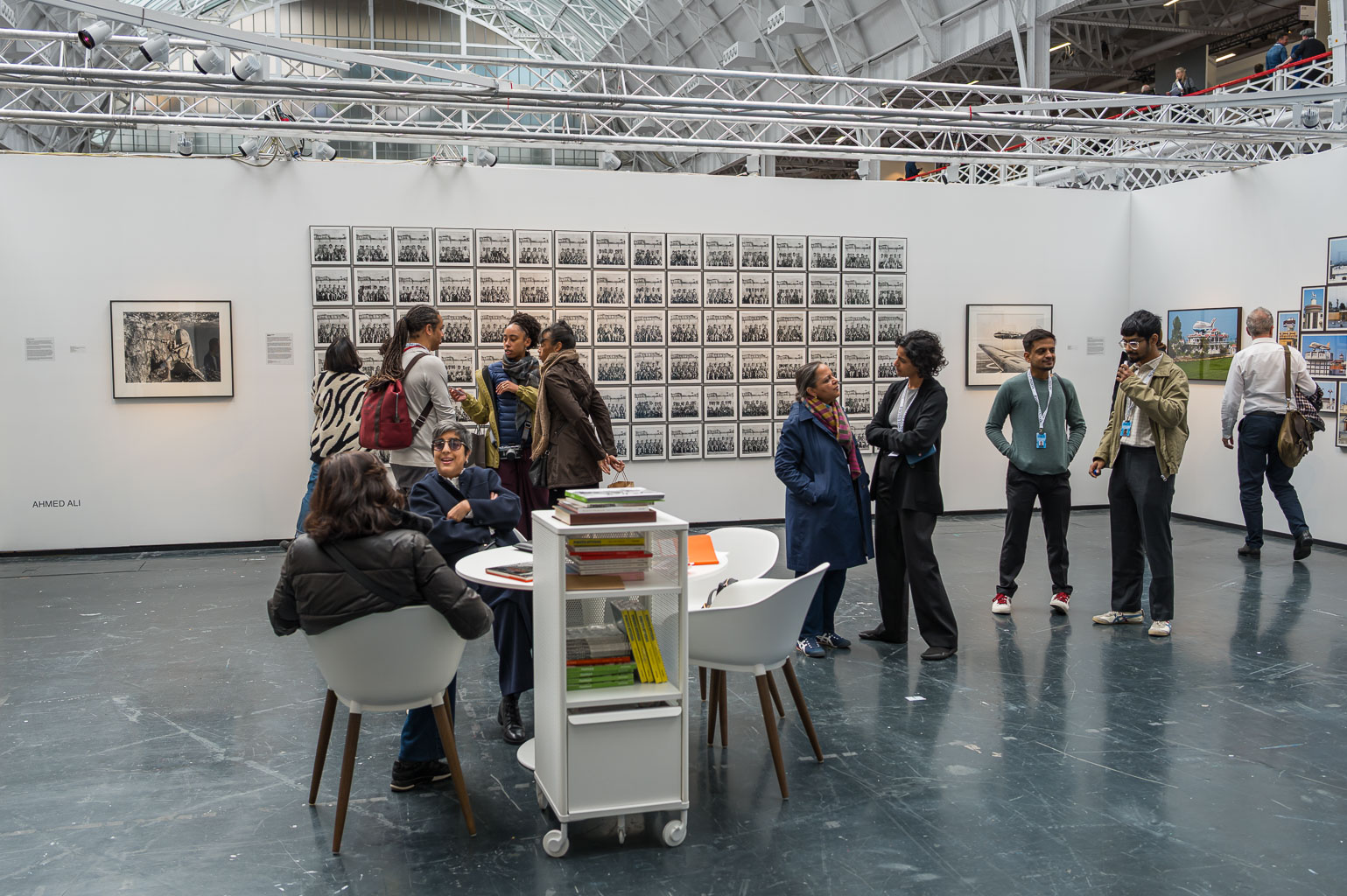
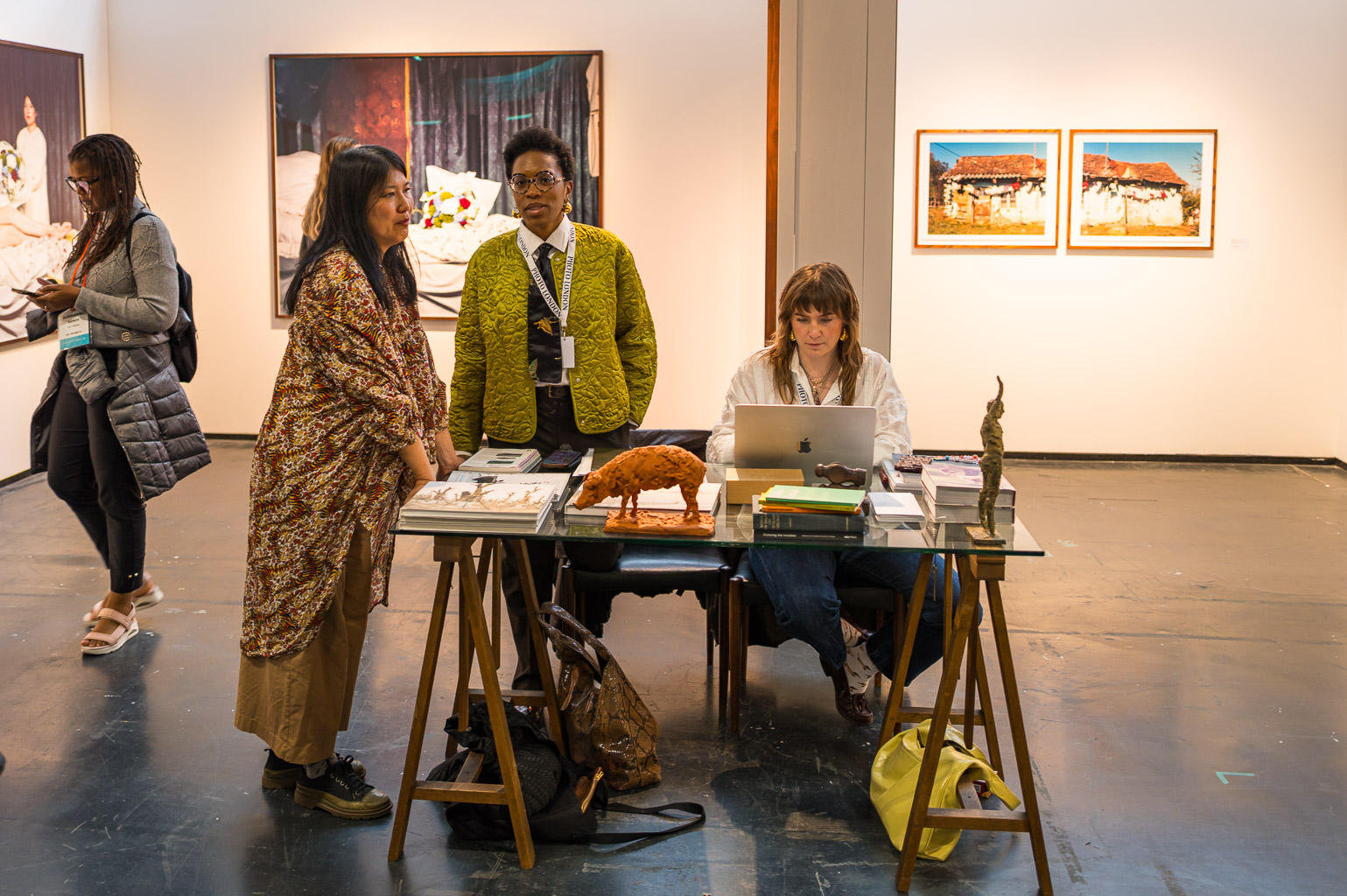
You experience a deep and seemingly endless well of creativity. Whatever your preferred style of photography, there are many examples to see. It’s exhausting, but worth it for those moments when you spot a photographer’s work that makes your heart jump a little. We should be so fortunate as to have so much ability that our images can hold the attention of amateur and professional visitors alike, even if only for a few seconds.
A cocktail evening was hosted by Leica Mayfair with some exceptional offers for LSI members. Sadly, some of us were caught in a rainstorm which shut down parts of the Tube network that would have taken us there. Rain may have stopped play, but it also protected my credit cards.
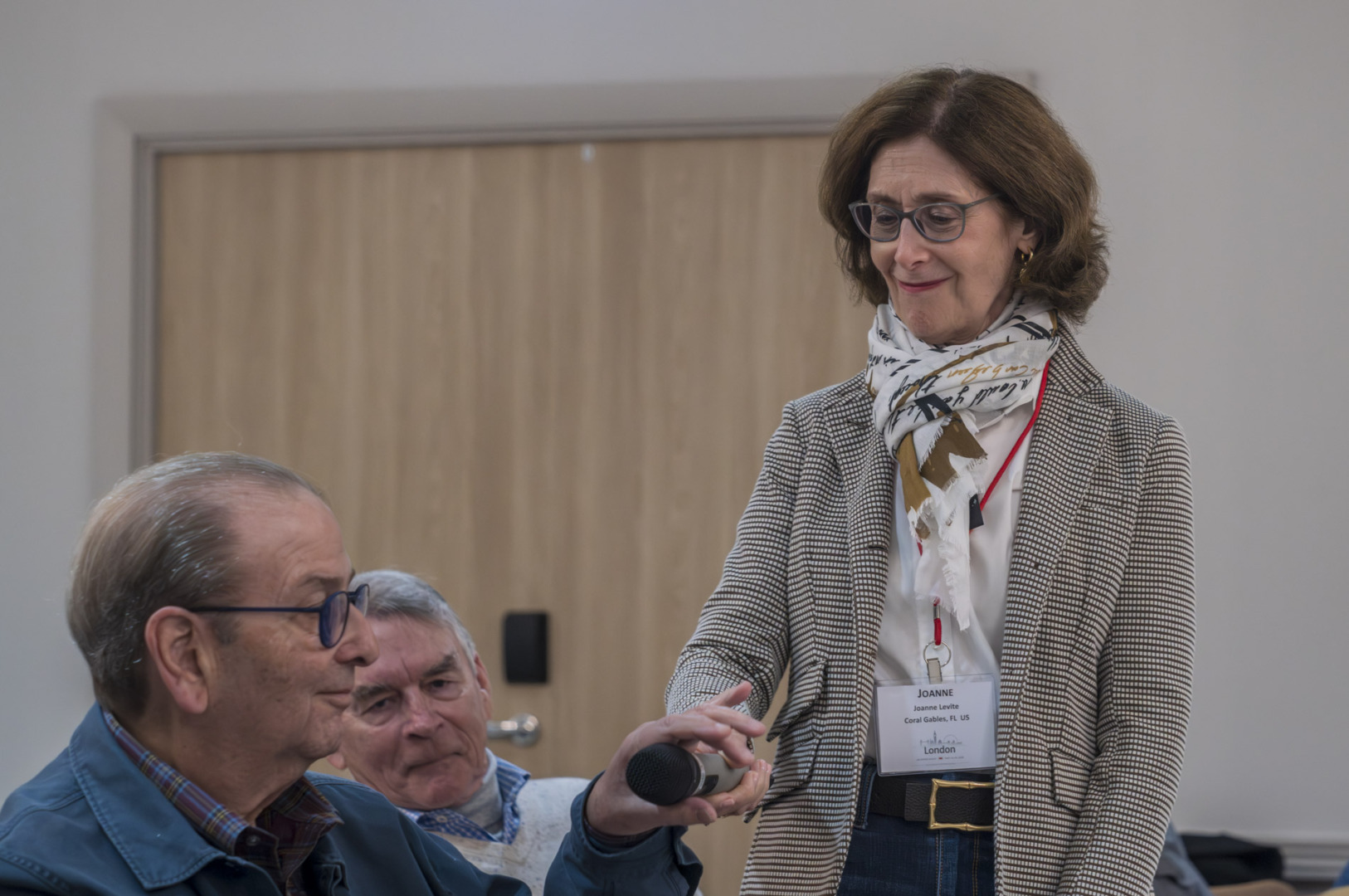
Rogues gallery from Day 1
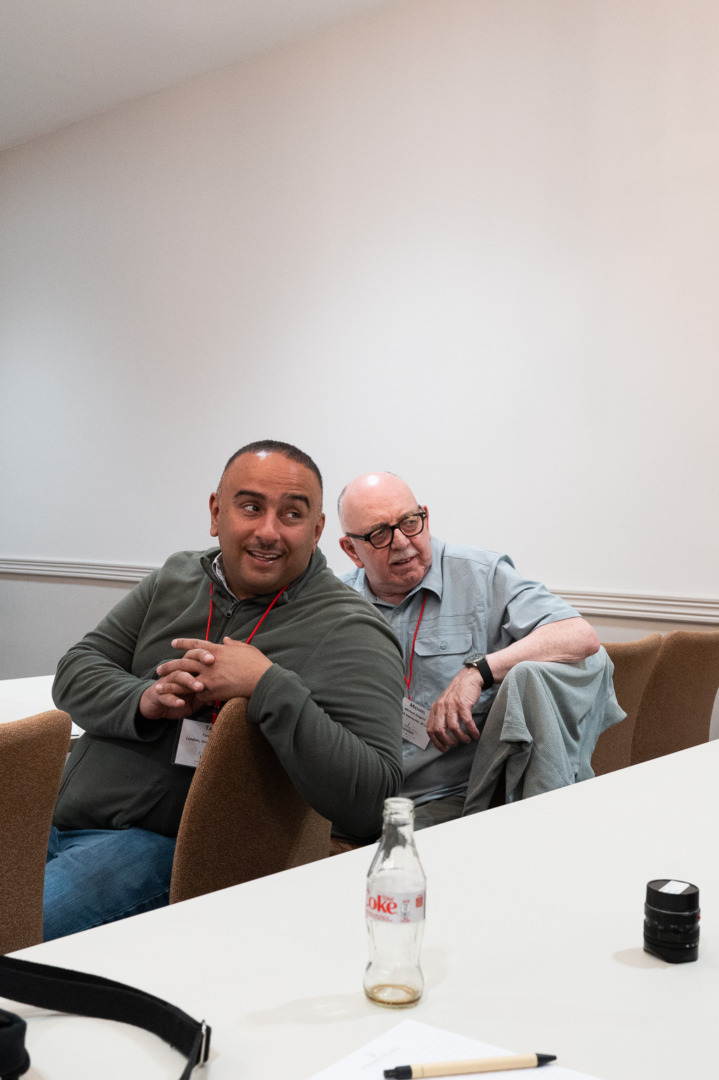
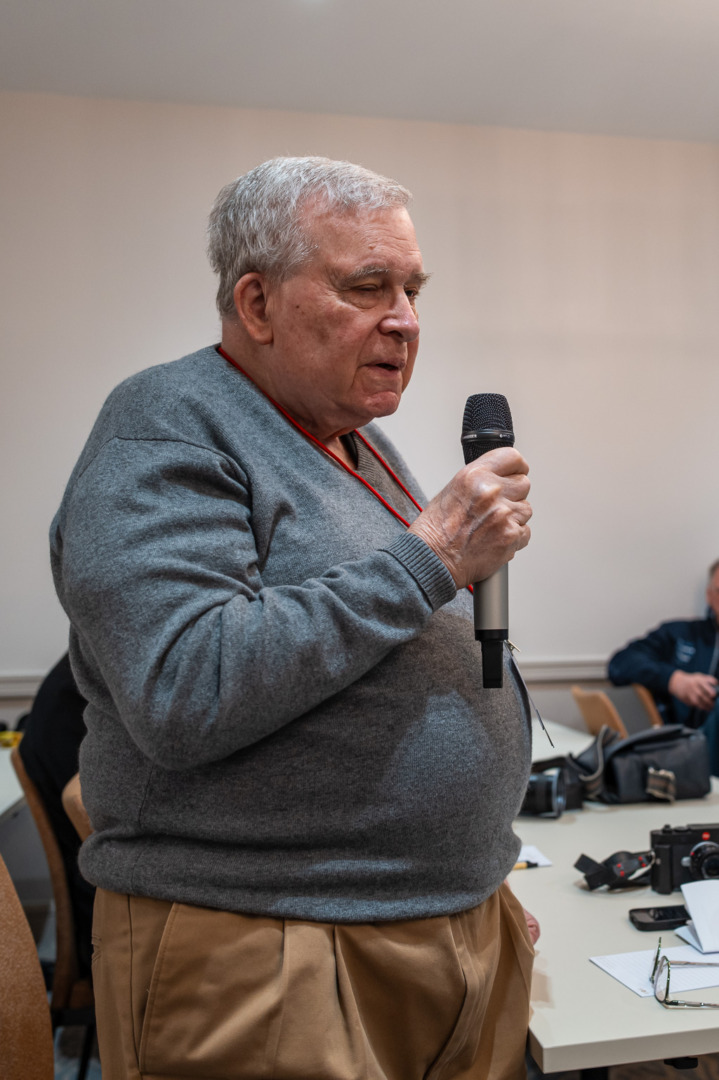
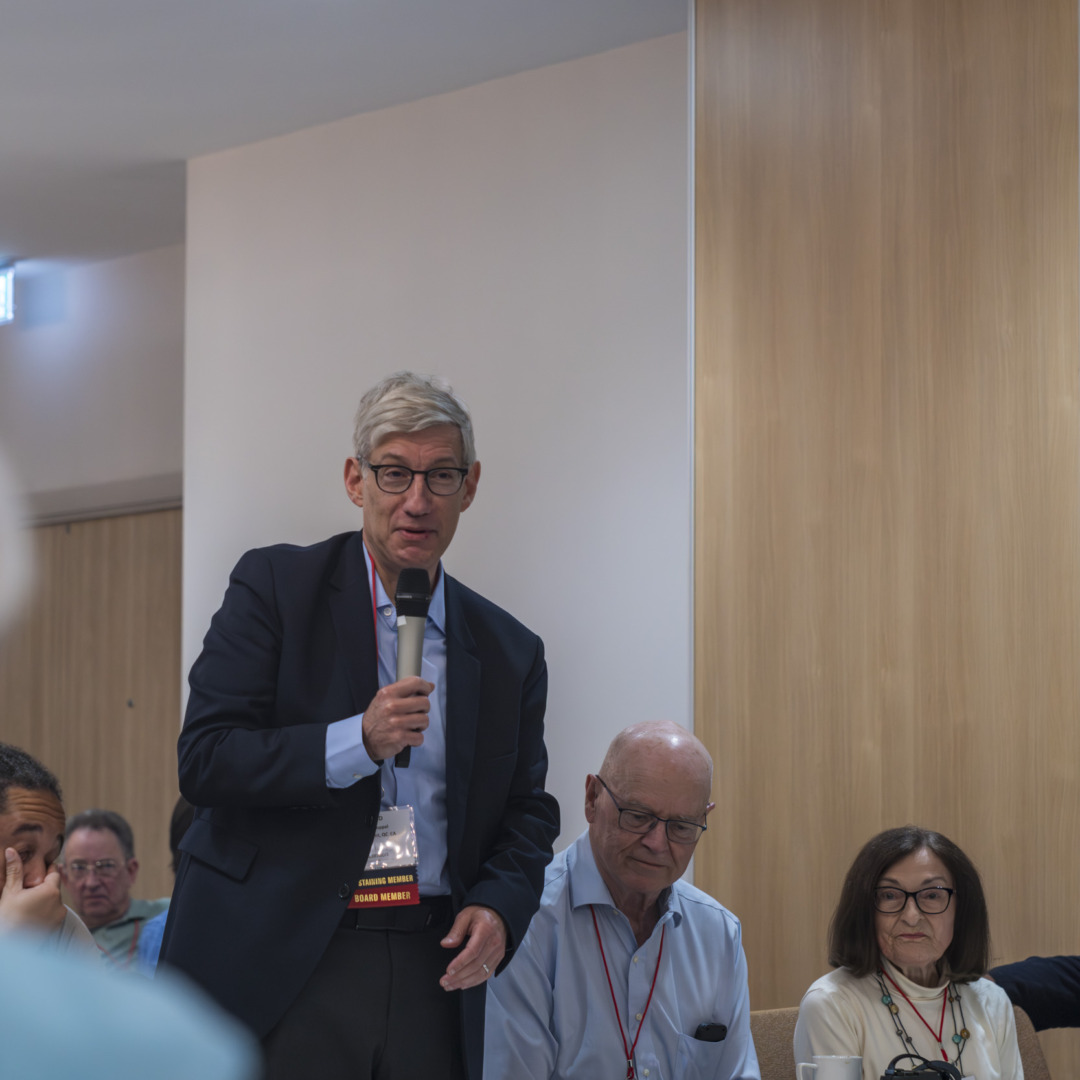
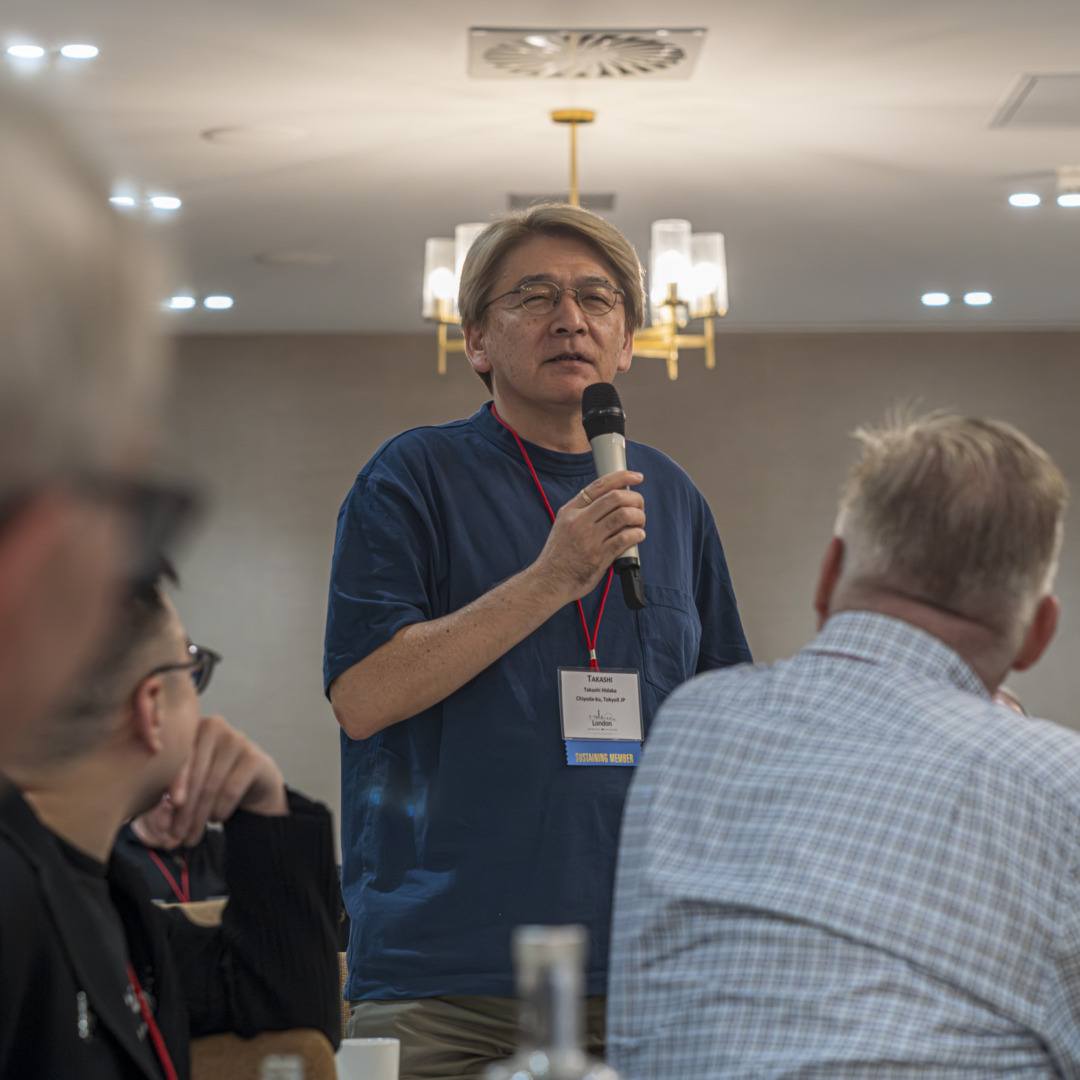
Day 2:
The evolution of the digital M cameras with Stefan Daniel, Leica Senior Global Brand Ambassador
Stefan Daniel (more about Stefan in the link) is now known as “Mr. M” and has an endless supply of historic Leica stories that underpin why Leica as a company is so highly regarded. On this occasion, Stefan brought the story of the development of the digital M line. At the time, it was a massive development with significant risk and significant costs.
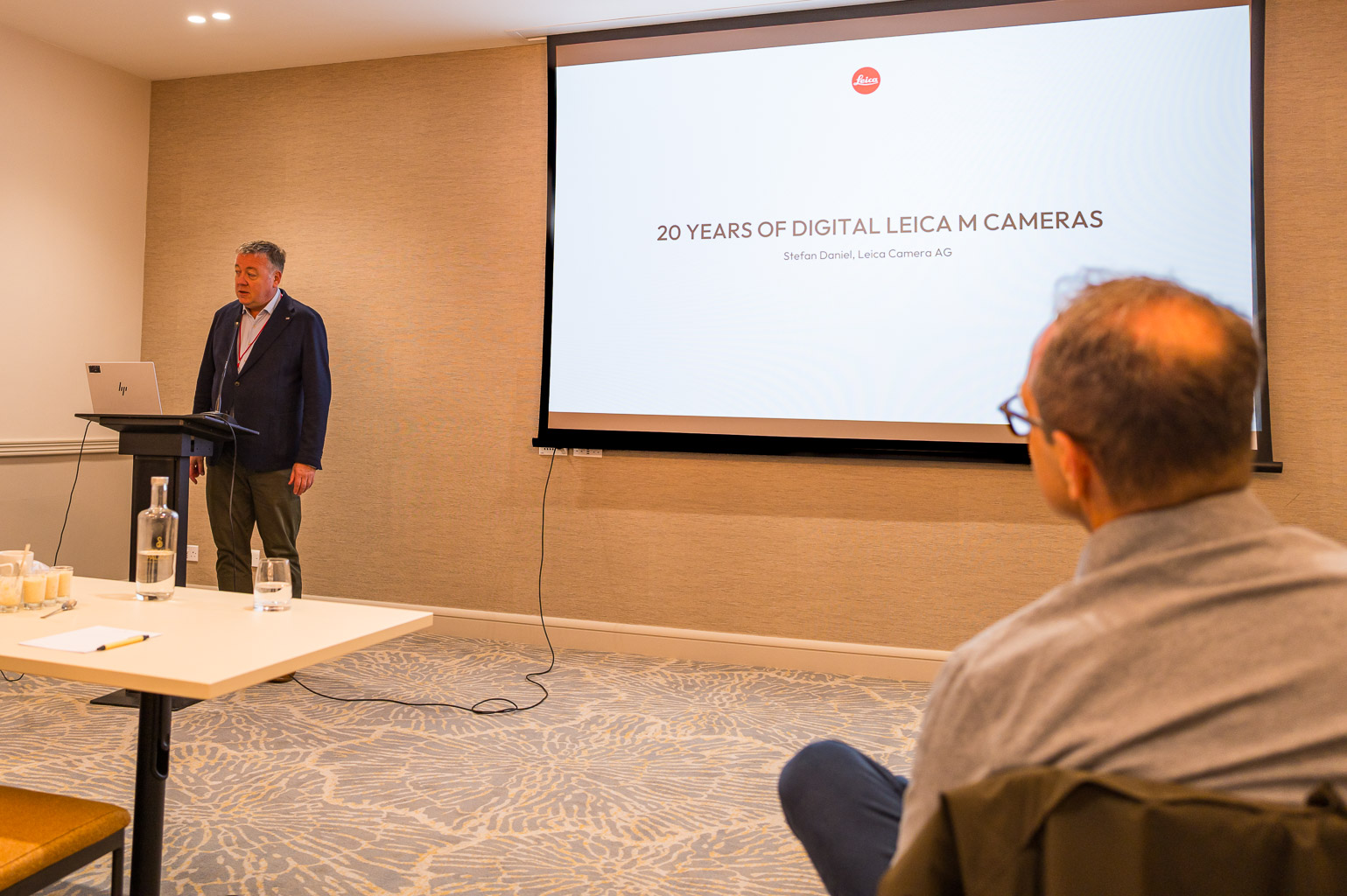
When a company has a core product like an M (e.g. Porsche and the 911) any move to shift direction is a huge risk. That “prodding around the edges” of resistance to change until an opening presents itself is time-consuming, but also frays buyer and retail confidence. And everyone has an opinion!
Leica was not a large company with endless resources or capital. The risks were therefore much greater and the chances of failure much higher. This is the equivalent of the USS Enterprise, “Boldly going where others have not gone before.”
A technical breakthrough
The precursor to digital Ms was the Epson R-D1 — which provided the breakthrough in how to develop a digital M. The Digital Module-R (DMR) followed, which was a digital attachment for Leica R8 and R9 film cameras, in 2003. It allowed photographers to swap between shooting 35mm film and digital images using a 10 MP digital sensor.
This can be seen today as a great leap of faith by Leica into the digital world. It was widely considered Leica’s first real entry into using a digital workflow. It was praised for its exceptional colours but criticised for its somewhat bulky form factor.
“Franken-camera”
An adapted M7 was then tested in the form of a “Franken-camera” with DMR transplant added as a “slave” attachment. Thankfully, it worked as a vehicle to test whether Leica could develop digital M cameras.
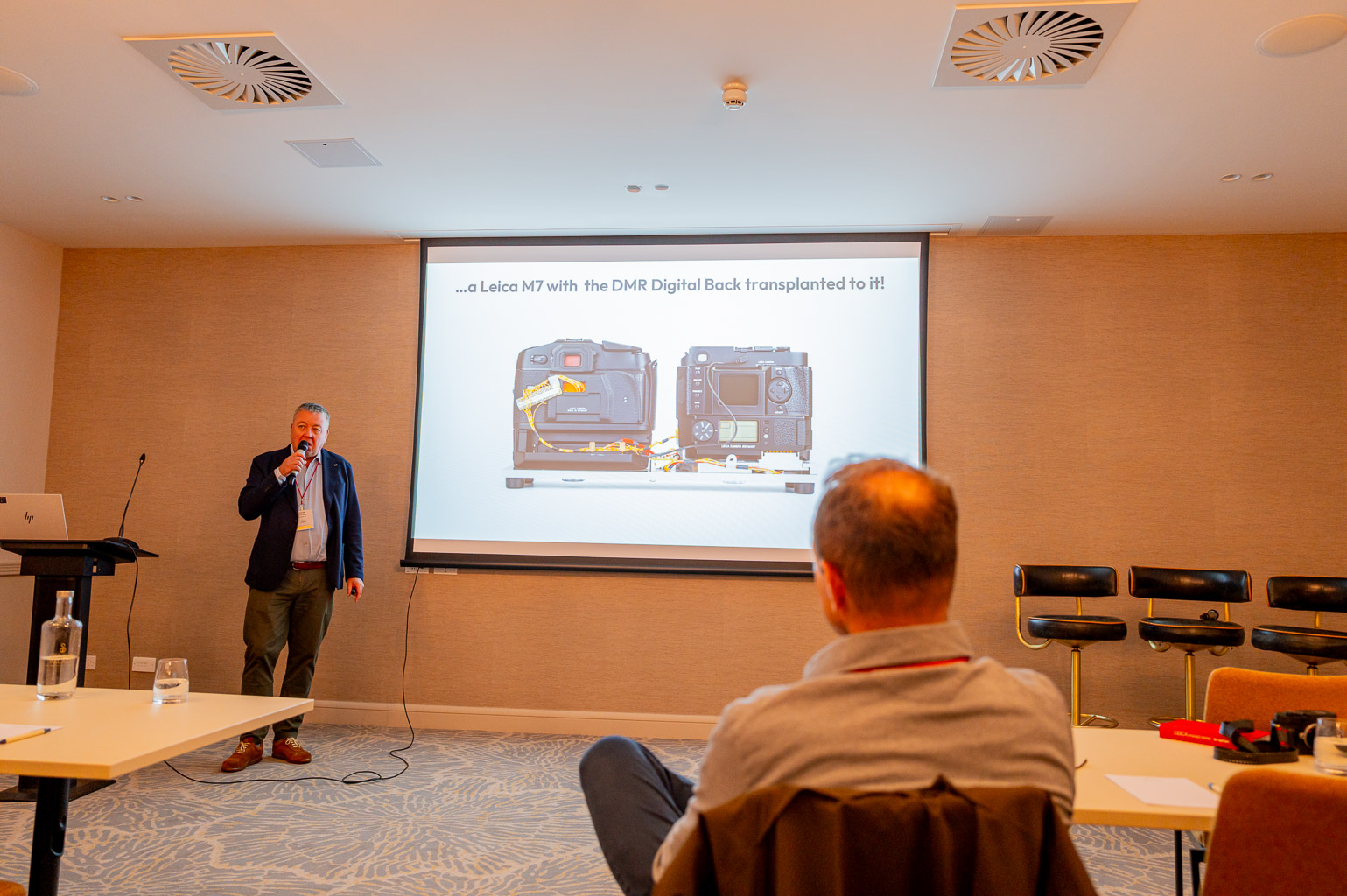
The M8, launched on 14 September 2006, was the first fully-fledged digital M introduced, featuring a 10.3-megapixel sensor. The sensor is a 1.3 (APS-H) crop of standard 35mm film, which gives the M8 a greater perspective in comparison to its predecessors. It was not without its teething problems but showed that Leica could have more confidence in pursuing this path. Capital restrictions at that time meant all monies were invested in the development of digital Ms to the exclusion of other projects.
Evolving and refining
Three years later, Leica launched the M9 and followed that with the M9 Titanium. It featured innovative LED framelines and also ushered in the era of Mark Shiphard as head of design. The black-and-white-only M9M followed as a high-risk idea but paid off with unexpectedly great success.
That brings the story up-to-date with the M11, which contains 50 significant innovations, including Content Authenticity Credentials. And now we have a Leica M11 EV-1 which employs an EVF for the first time that brings a new way to utilise M lenses.
Film Viewing: “Die Nazis, der Rabbi und die Kamera”
Frank Dabba Smith is well known to many of us. He is first and foremost a Rabbi who was born in 1955 in California. He teaches courses on dying, death and bereavement, as well as on the Holocaust. His other “life” is as a recognised Leica expert and main editor of the Leica Pocket Book published by London Leica dealer Ivor Cooper of Red Dot Cameras.
In his third “life” that began as a young student, Frank had read how Leica company boss Ernst Leitz II helped Jews in and around Wetzlar during the Nazi era. Not many people knew of the Leitz family’s role called “The Leica Freedom Train” during WWII to help Jews escape the Wetzlar area of Germany. A full-length film is in early production in addition to the documentary discussed here.
“Excessive humanity”
Ernst Leitz II and his daughter Elsie led the effort. Elsie was interrogated, and then taken to prison afterwards. The film that came from this story takes us to the original locations of the action in Wetzlar, New York and Frankfurt am Main.
The story is complex and in the film is told positively, with the children and grandchildren of those who were helped to freedom. We should be grateful of this example of altruism today. In addition to Frank Dabba Smith and Jill Enfield, Oliver Nass, great-grandson of Ernst Leitz II, also comments on the events of that time.
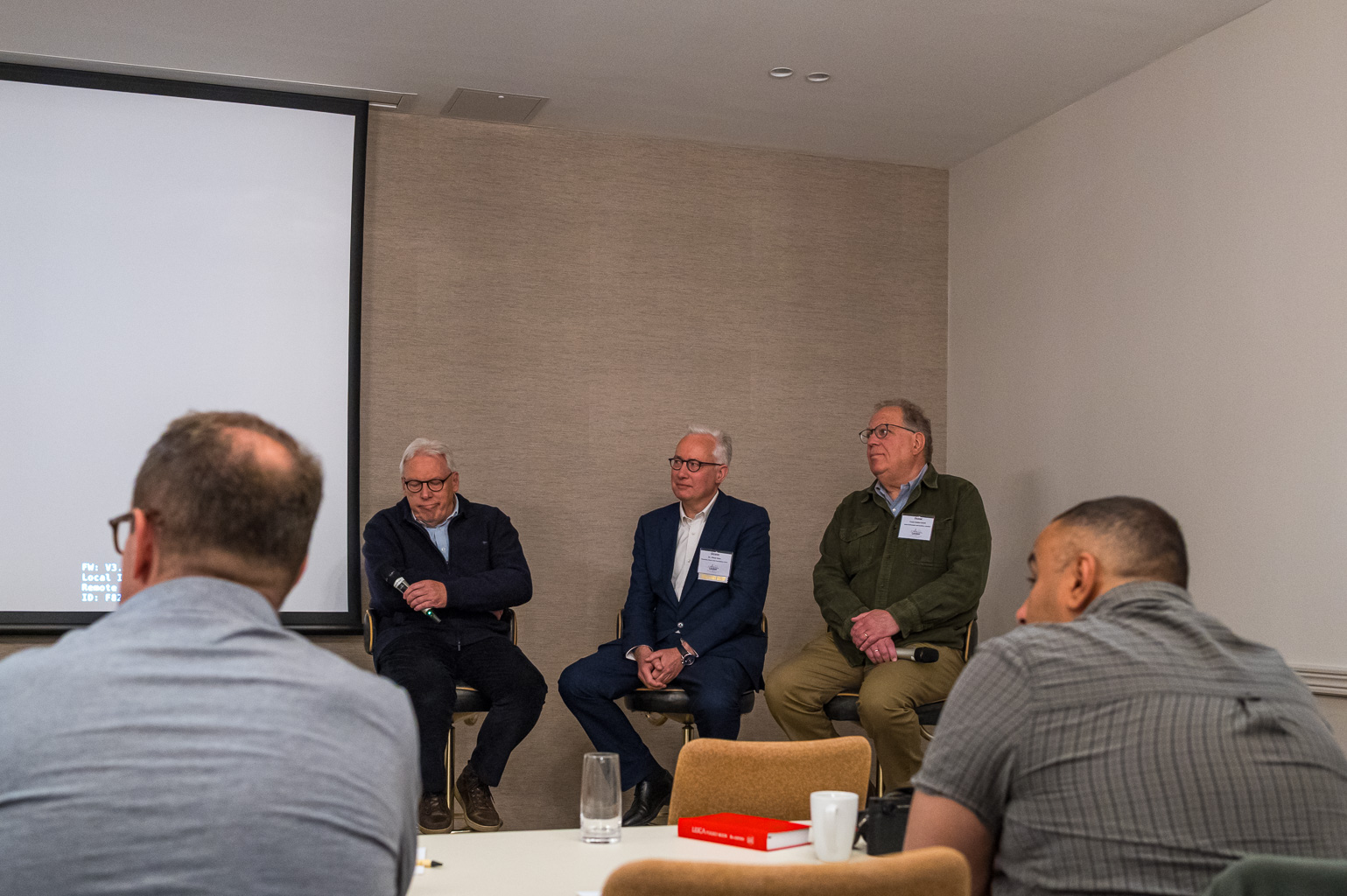
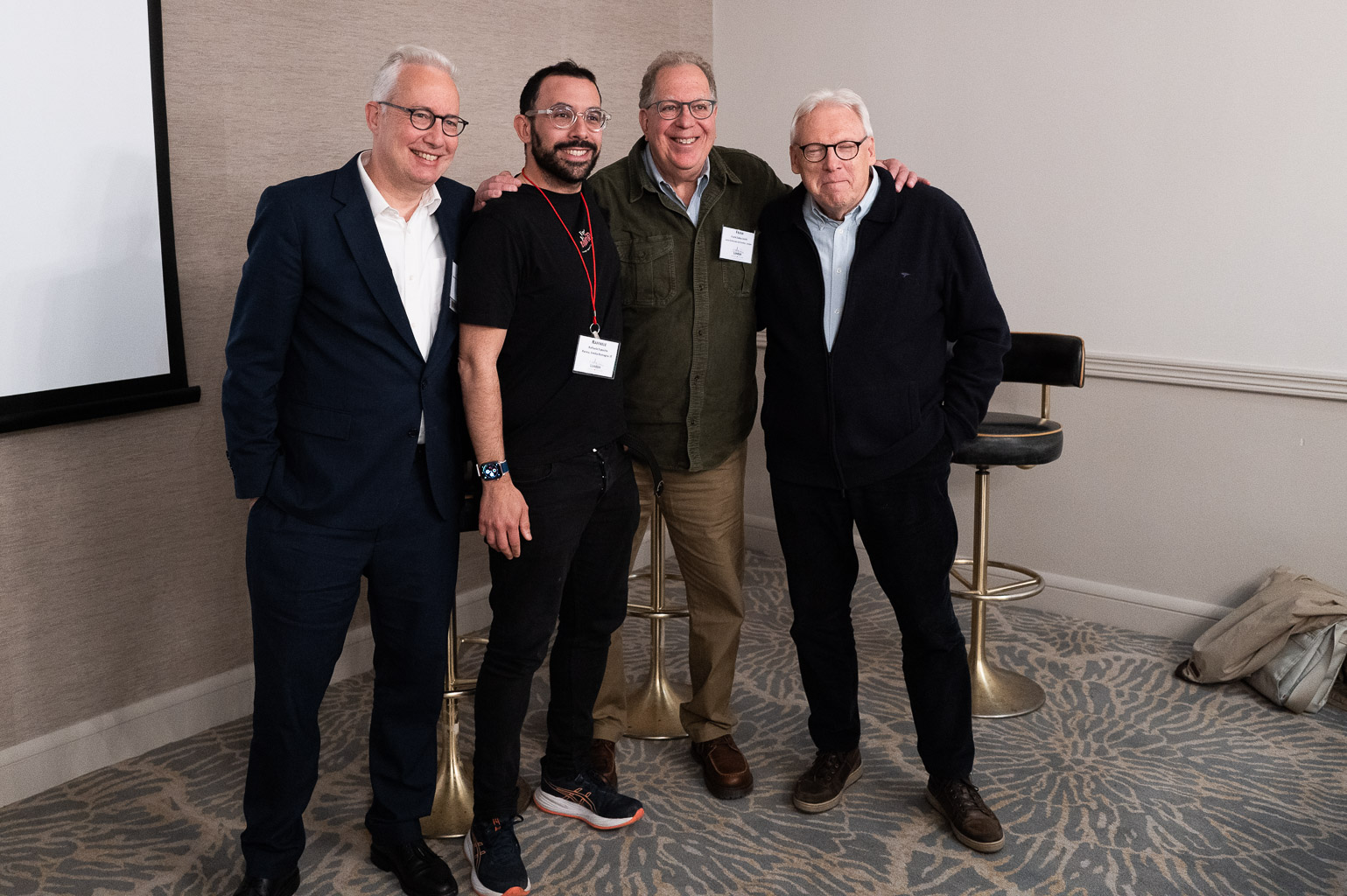
A film discussion panel was chaired after the showing by William Fagan that included audience Q&A involvement with Frank Dabba Smith, author, Oliver Nass, Chairman of Ernst Leitz Foundation, and Claus Bredenbrock, the film director of the documentary “Die Nazis, der Rabbi und die Kamera”.
Sarah M. Lee
Sarah is a professional photographer who has worked for the Guardian and Observer. She is interested in all photography that focuses on people, and our shared human experience. She is also a Leica Ambassador. In her words, Sarah discovered Leica, bought a Leica, sold her Leica, and rebought a Leica. This might sound familiar to some of us…
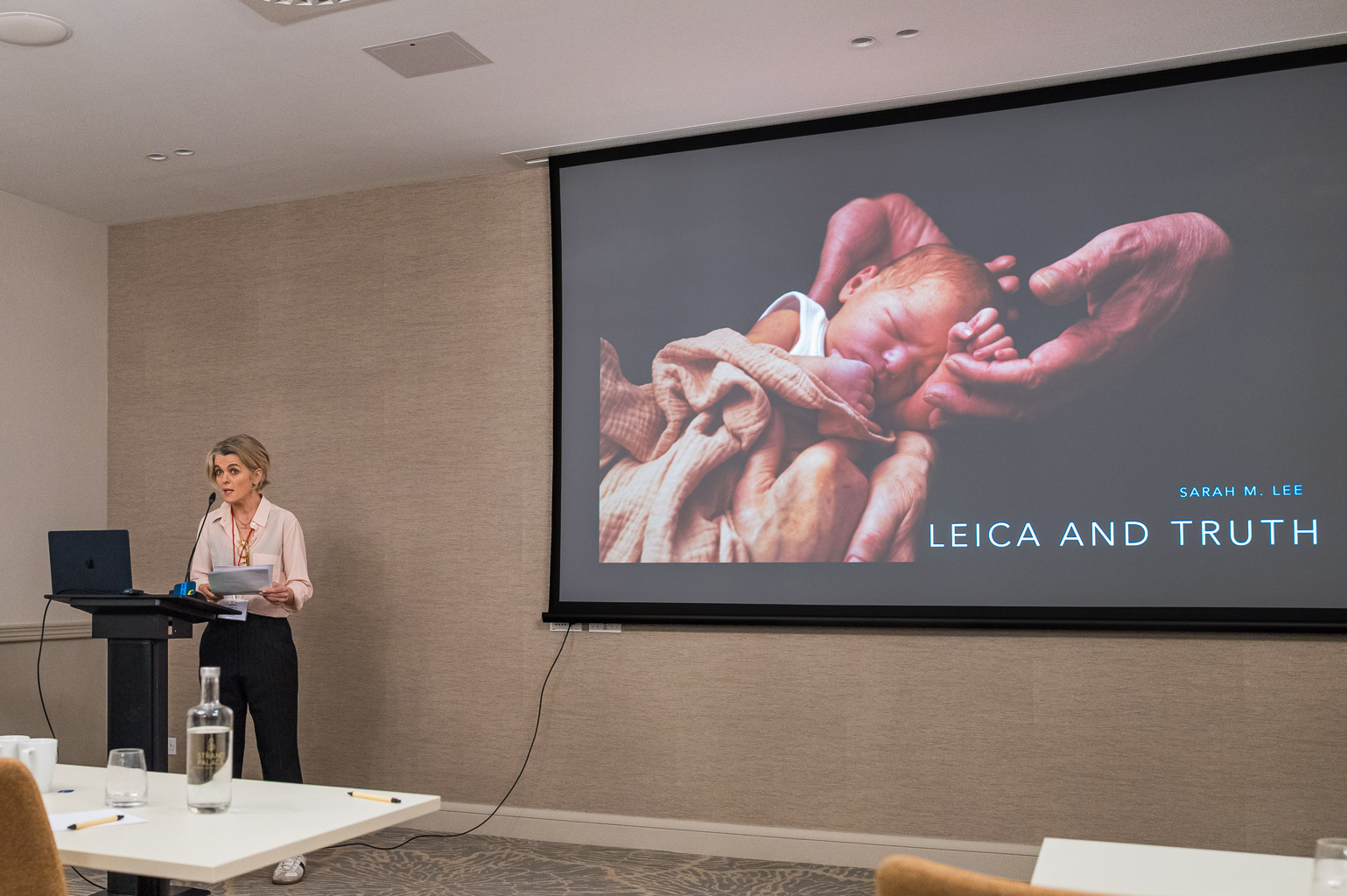
Sarah tackled the difficult topic of “Leica, truth, and AI”. We may want to believe something is real and true, but we can also be disappointed to discover that AI has played a significant role in masking the truth. Leica’s Content Authenticity Credentials go a long way to reducing the doubts we may have about the truth of an image.
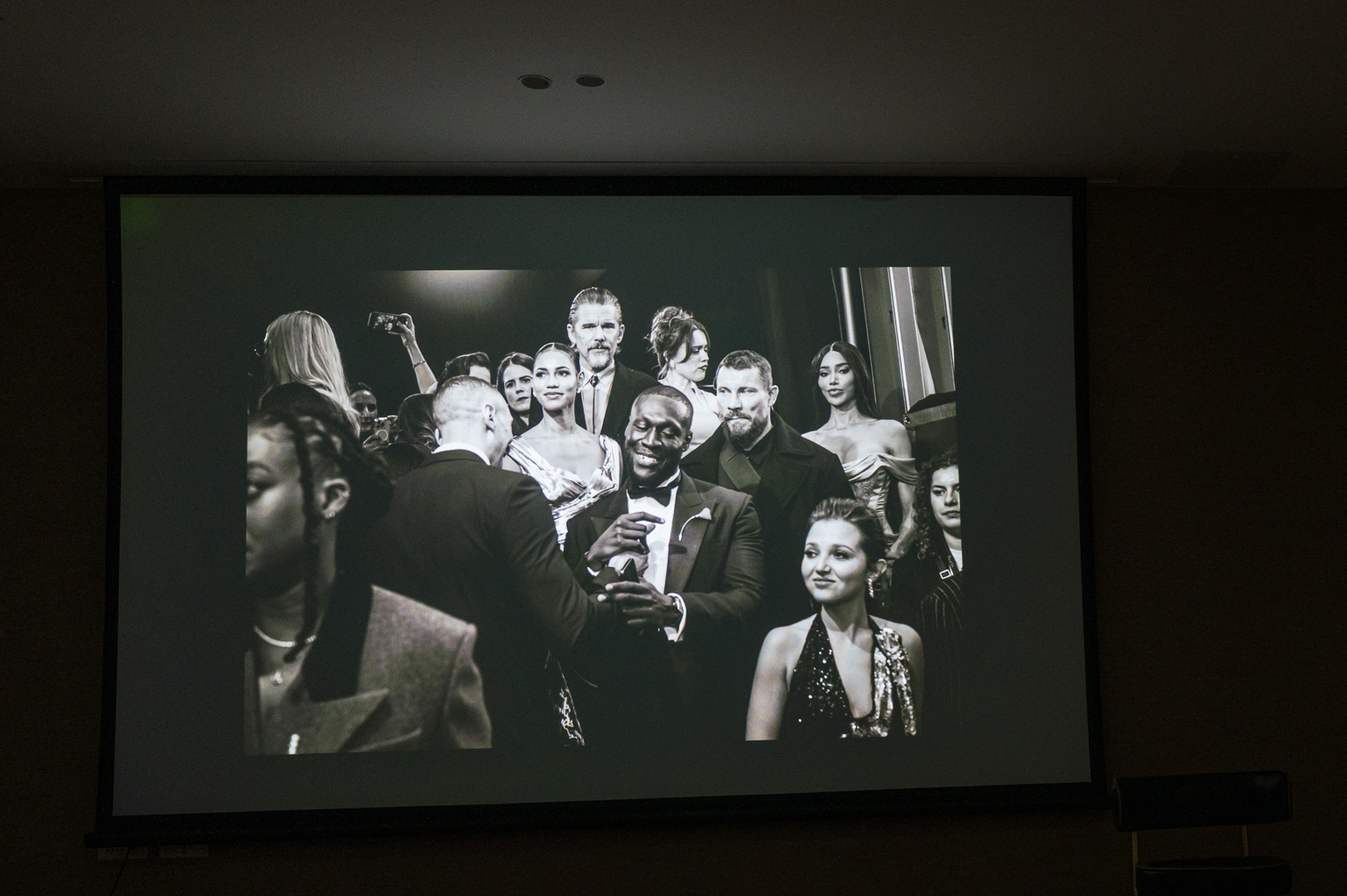
She shared some of her recent work, including the most recent BAFTA Awards evening. It is full of human expressions, joy, and humour from actors who normally spend their time being asked to pose in front of the camera. Sarah also shared a project set (pun unintentional) of images around the Wimbledon Lawn Tennis Championships. It is packed with sly, humorous observations. You can discover more about Sarah’s work by clicking here: Sarah M. Lee.
Nick Hensman, street photographer
You could fairly describe Nick’s approach to Street Photography as unusual, using flash. The images have a feeling of being on a train and watching another train pass by in the opposite direction. Regardless of whether the images are in B&W or colour, they will stop you in your tracks and encourage you to find out more. You can find some of his work by clicking the link here: Nick Hensman
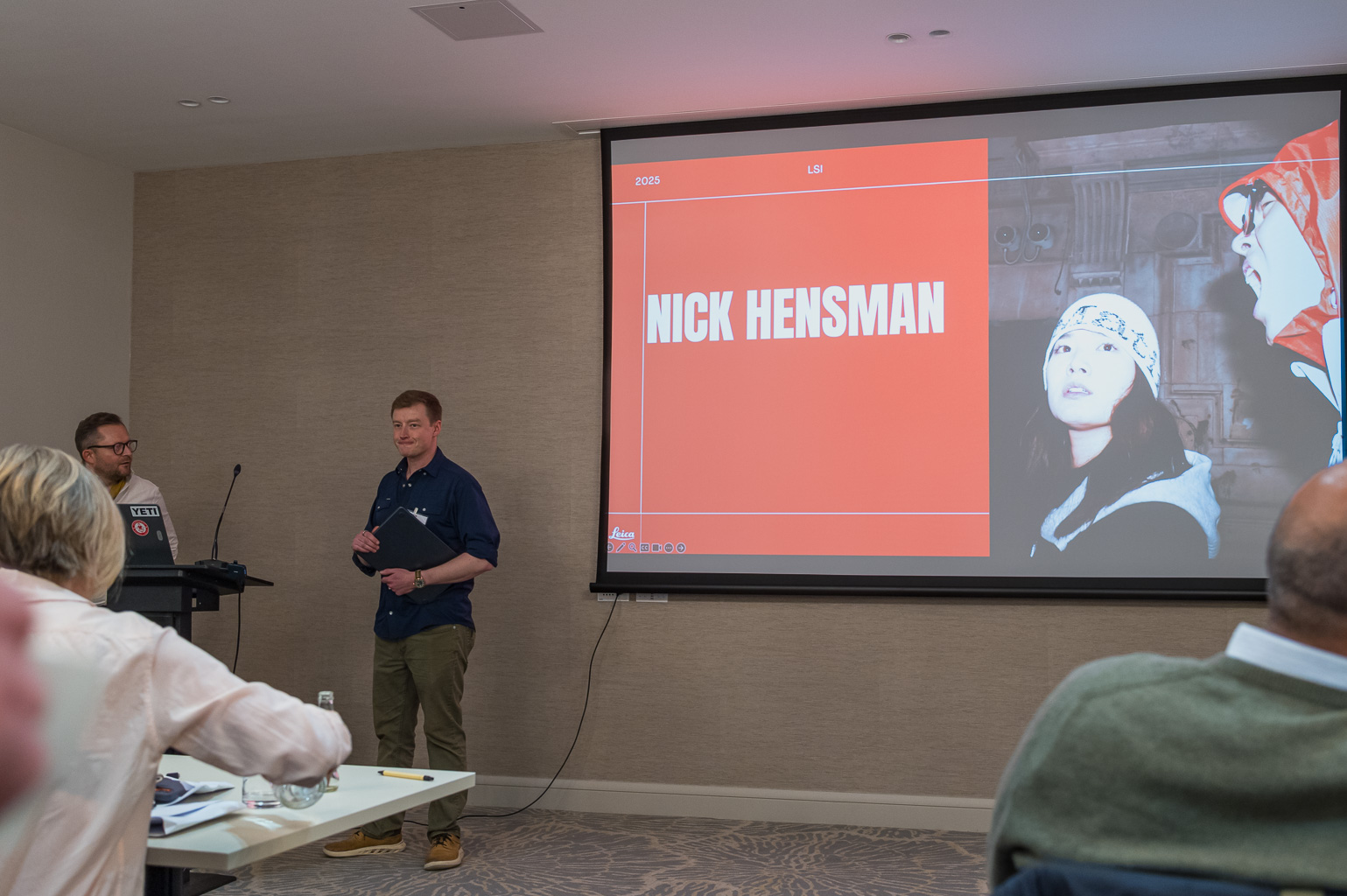
Nick then led LSI participants on a photowalk through Soho and Chinatown that evening.
The rogues gallery from Day 2
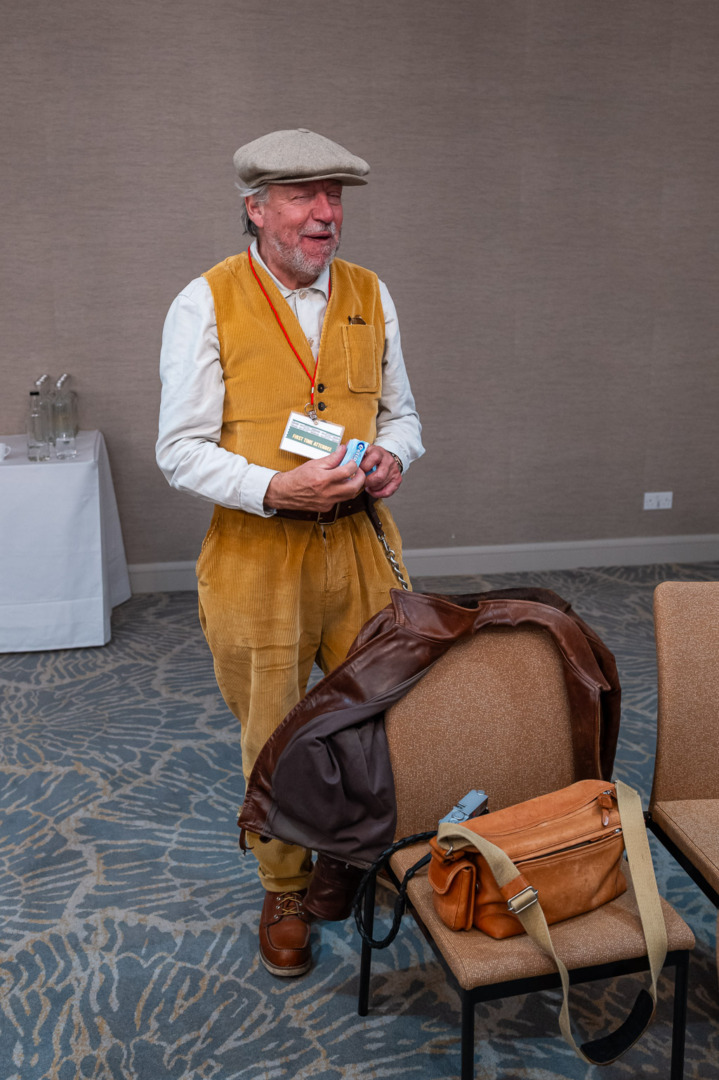
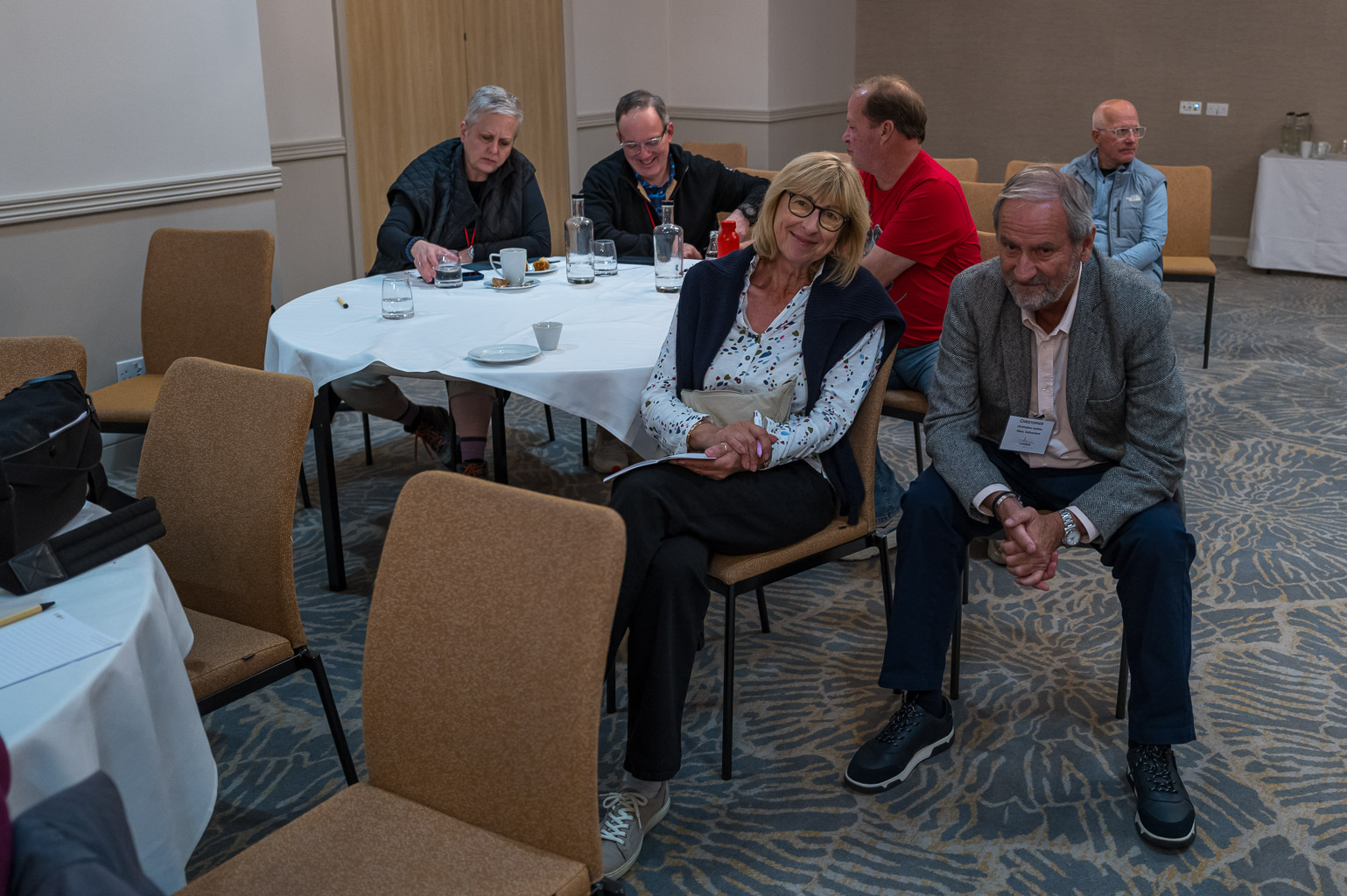
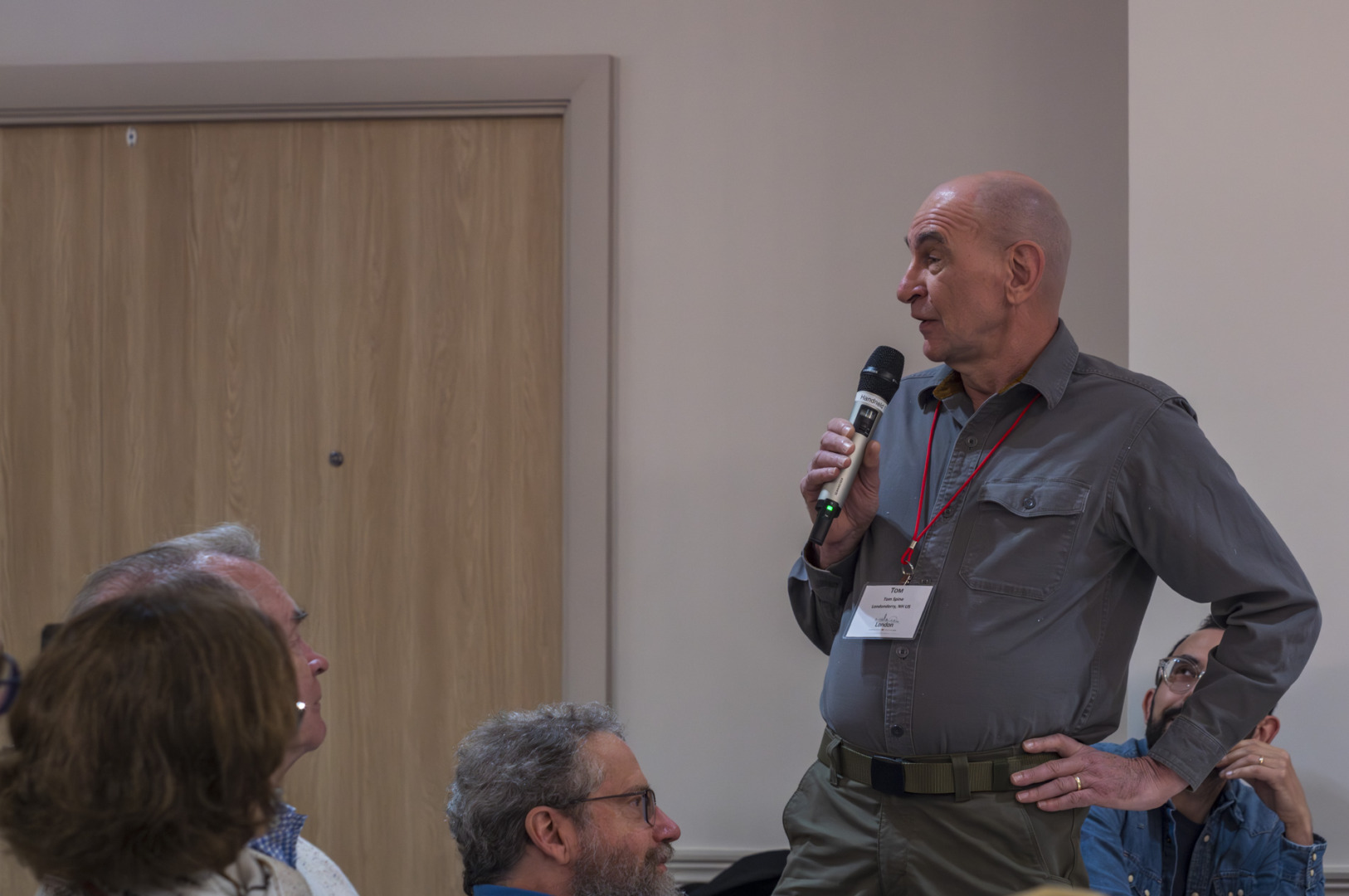
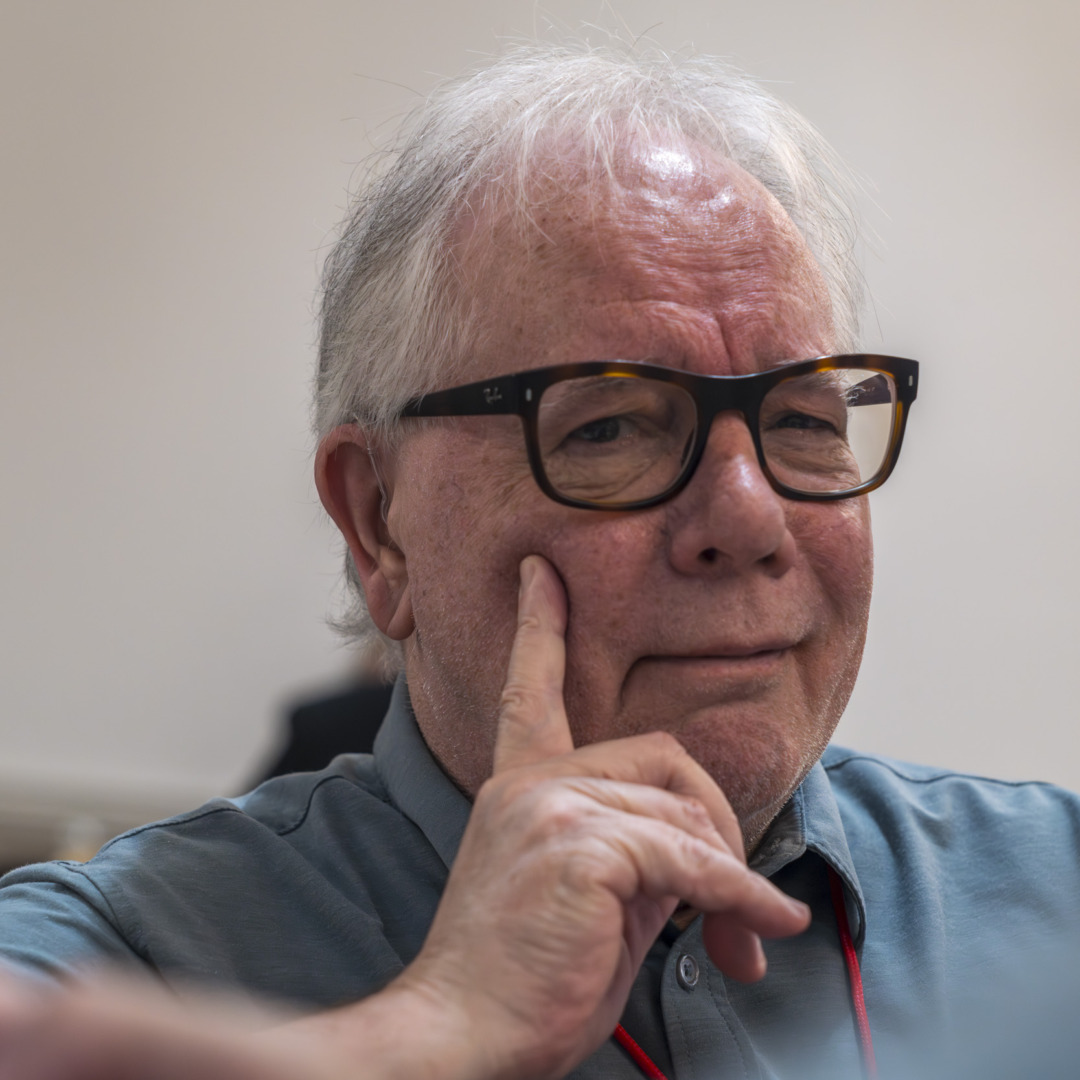
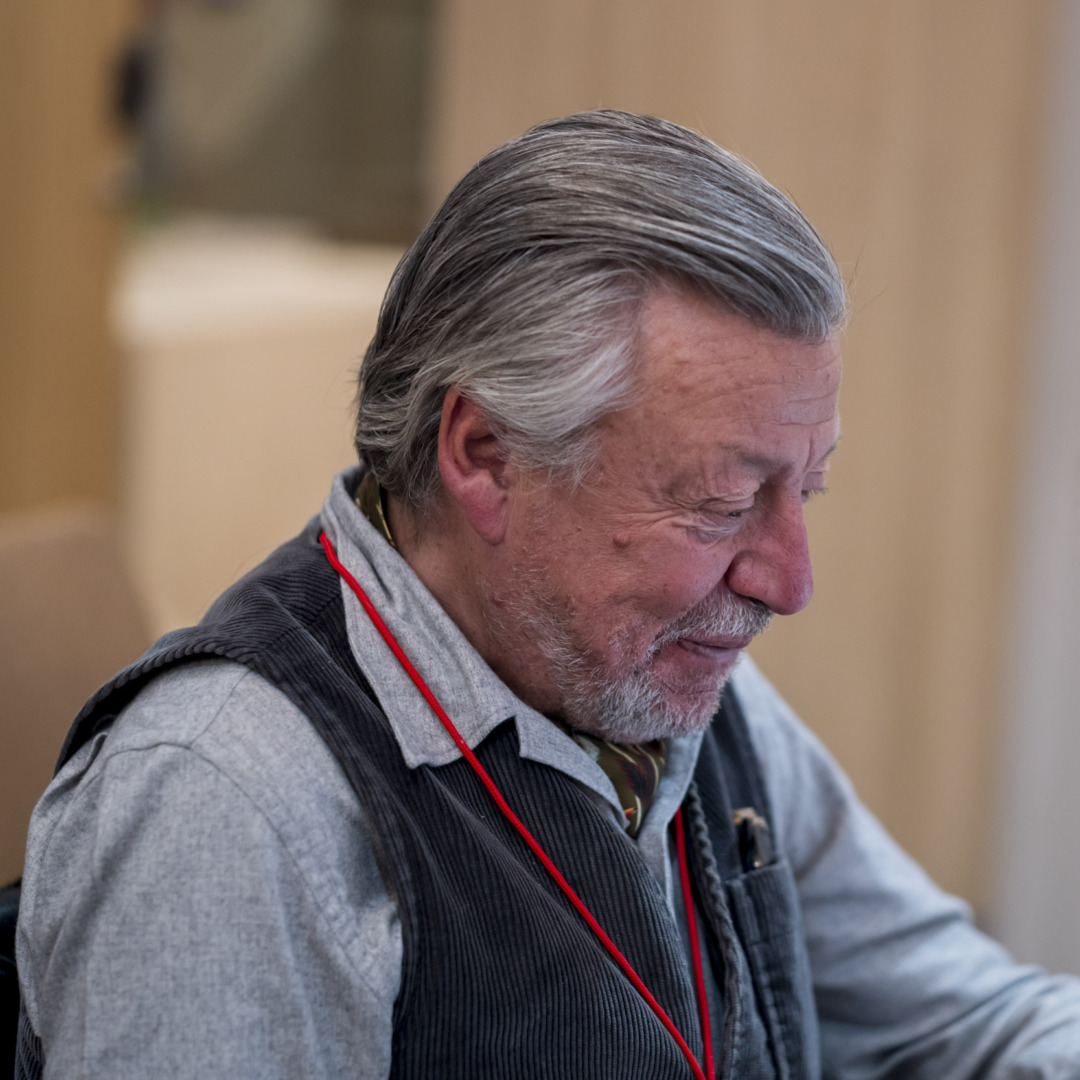
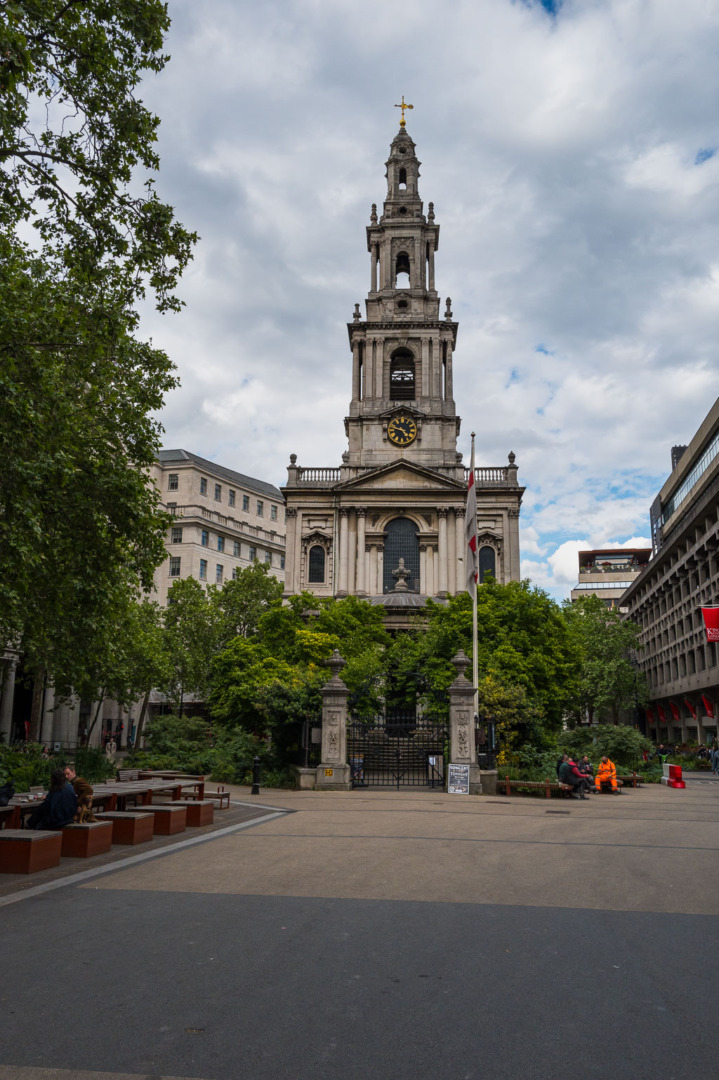
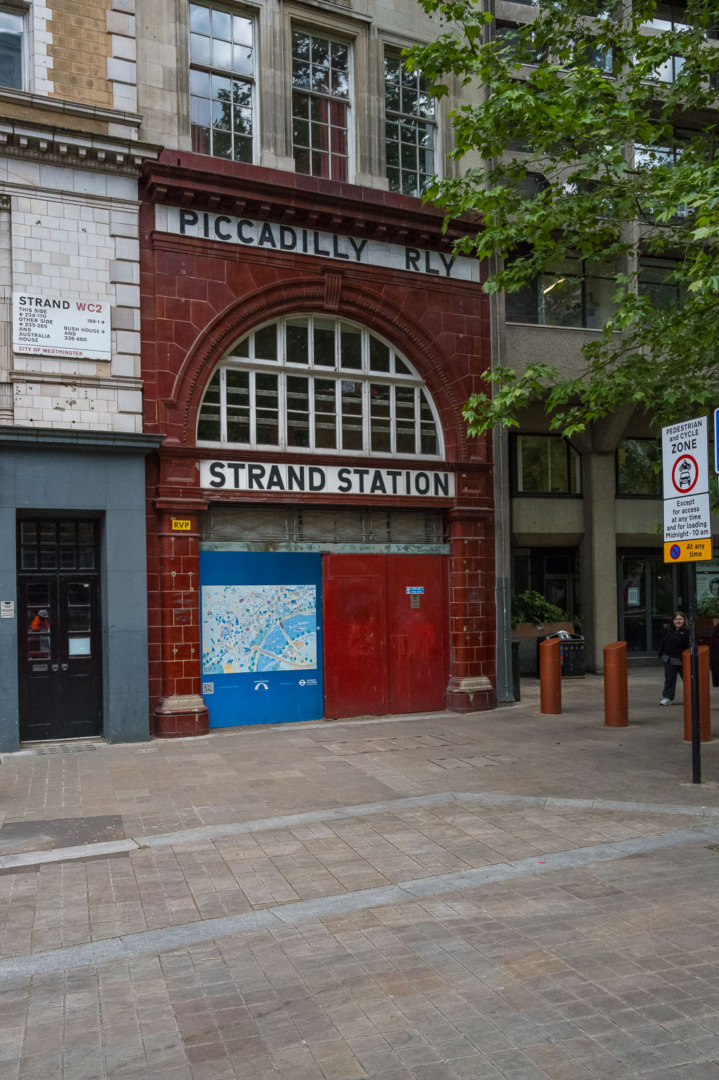
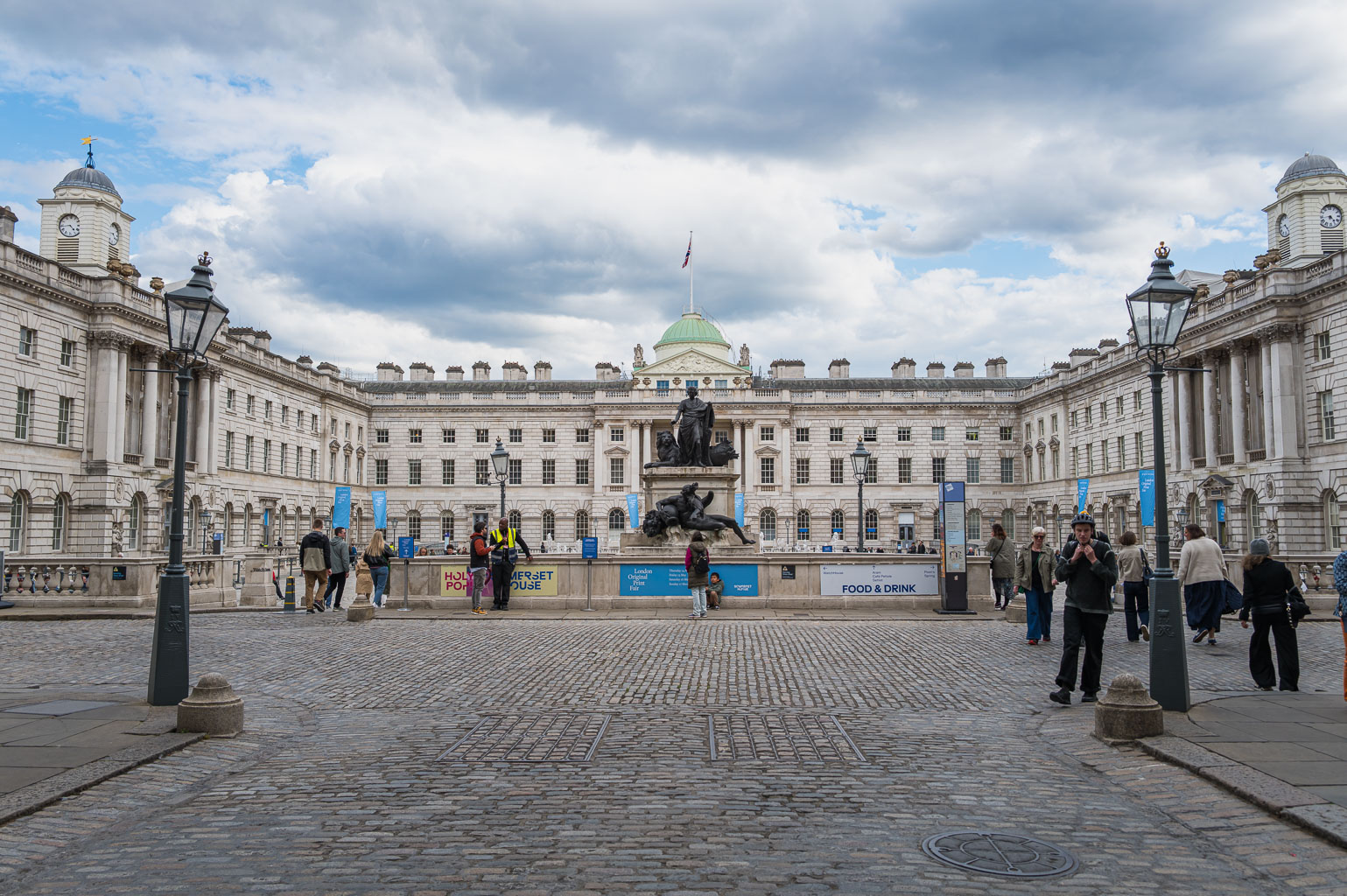
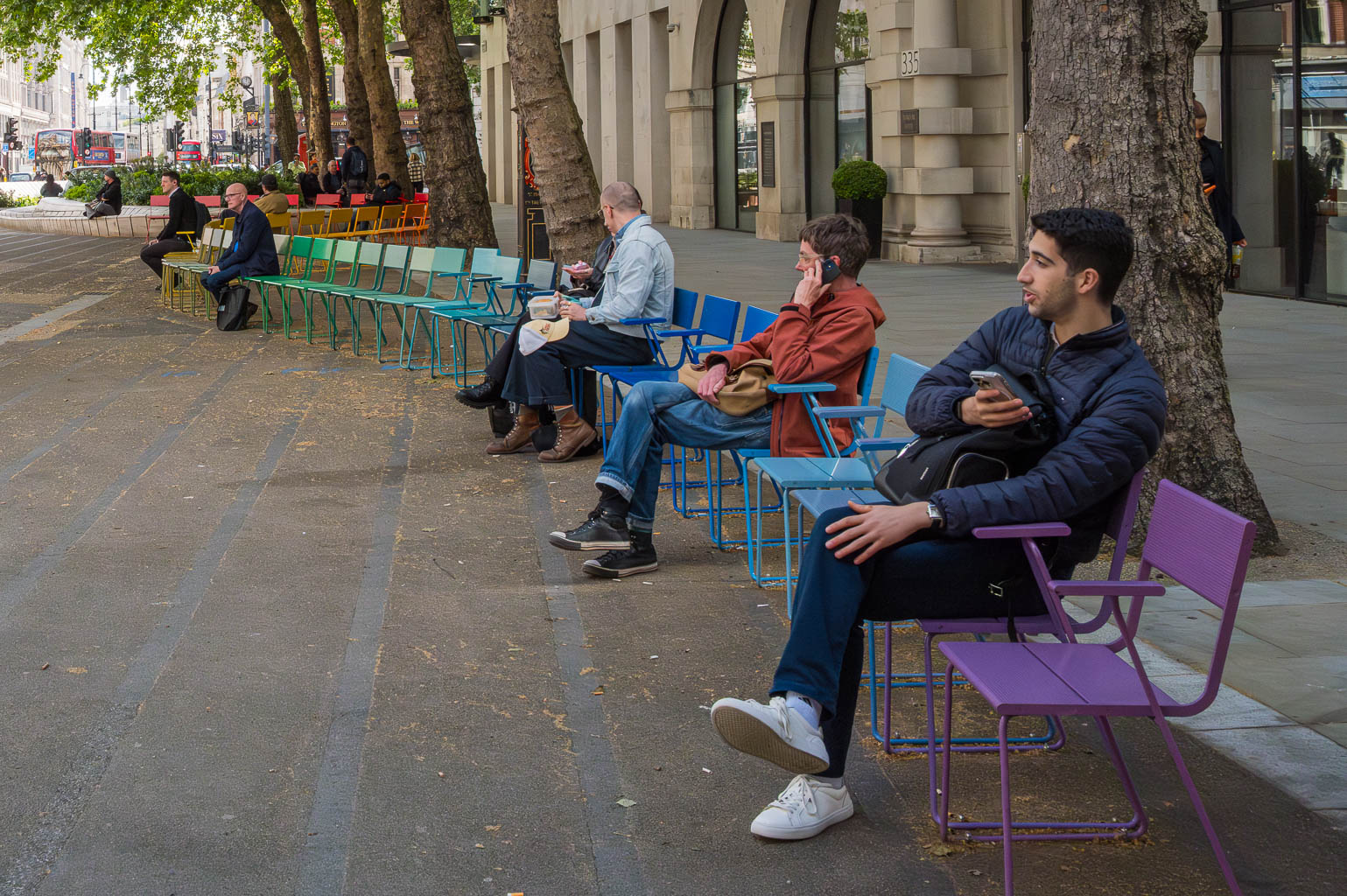
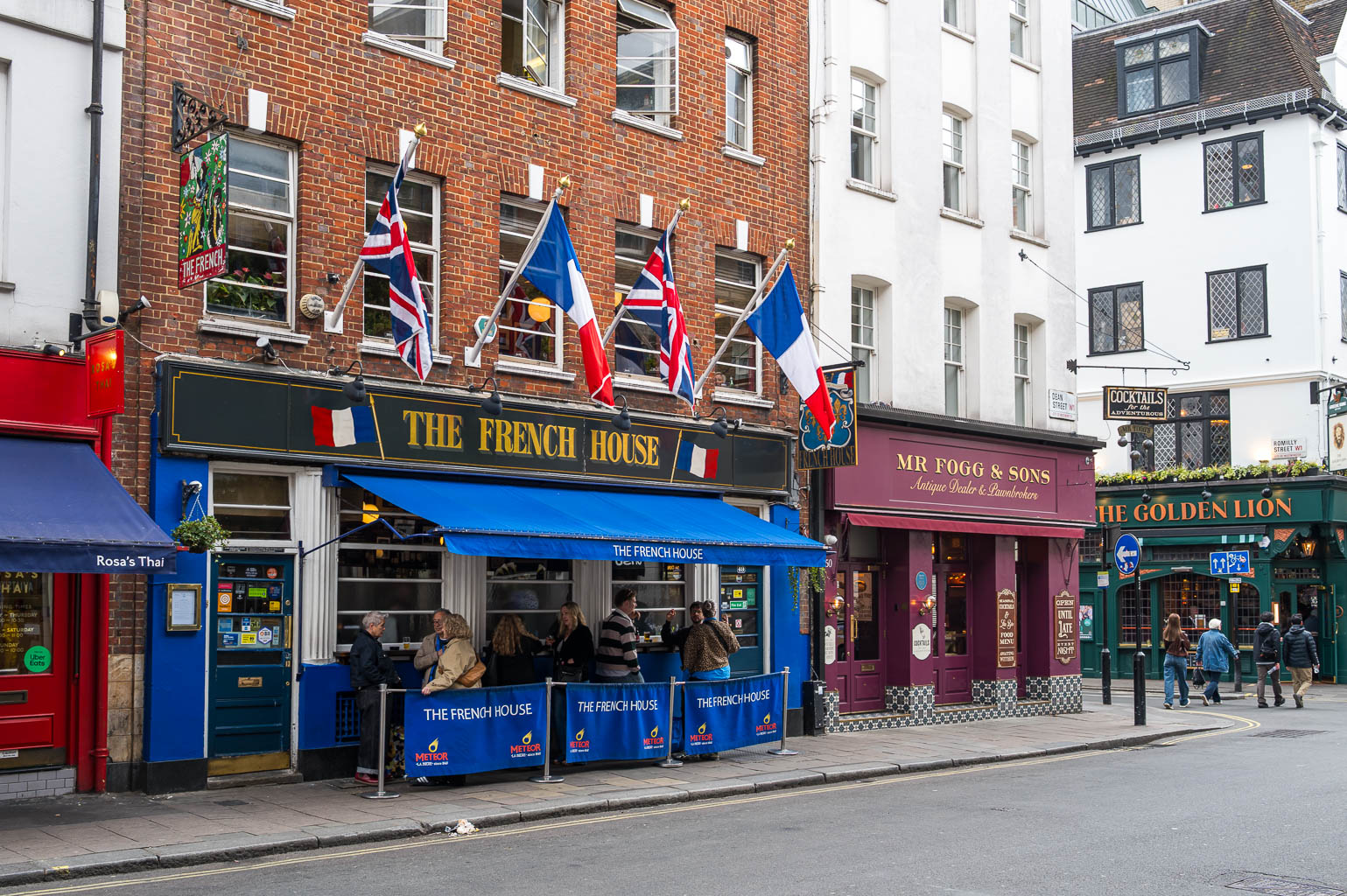
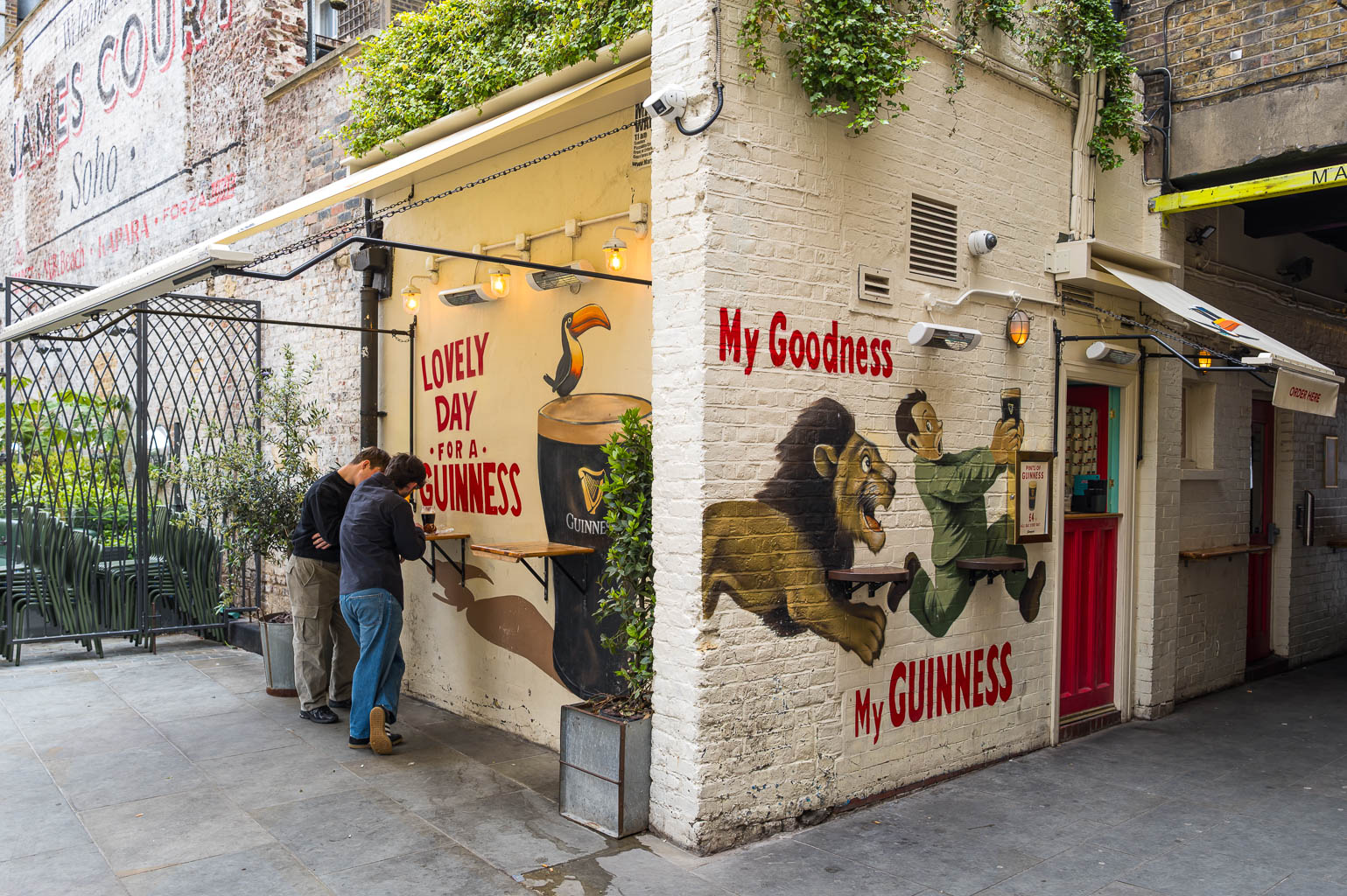
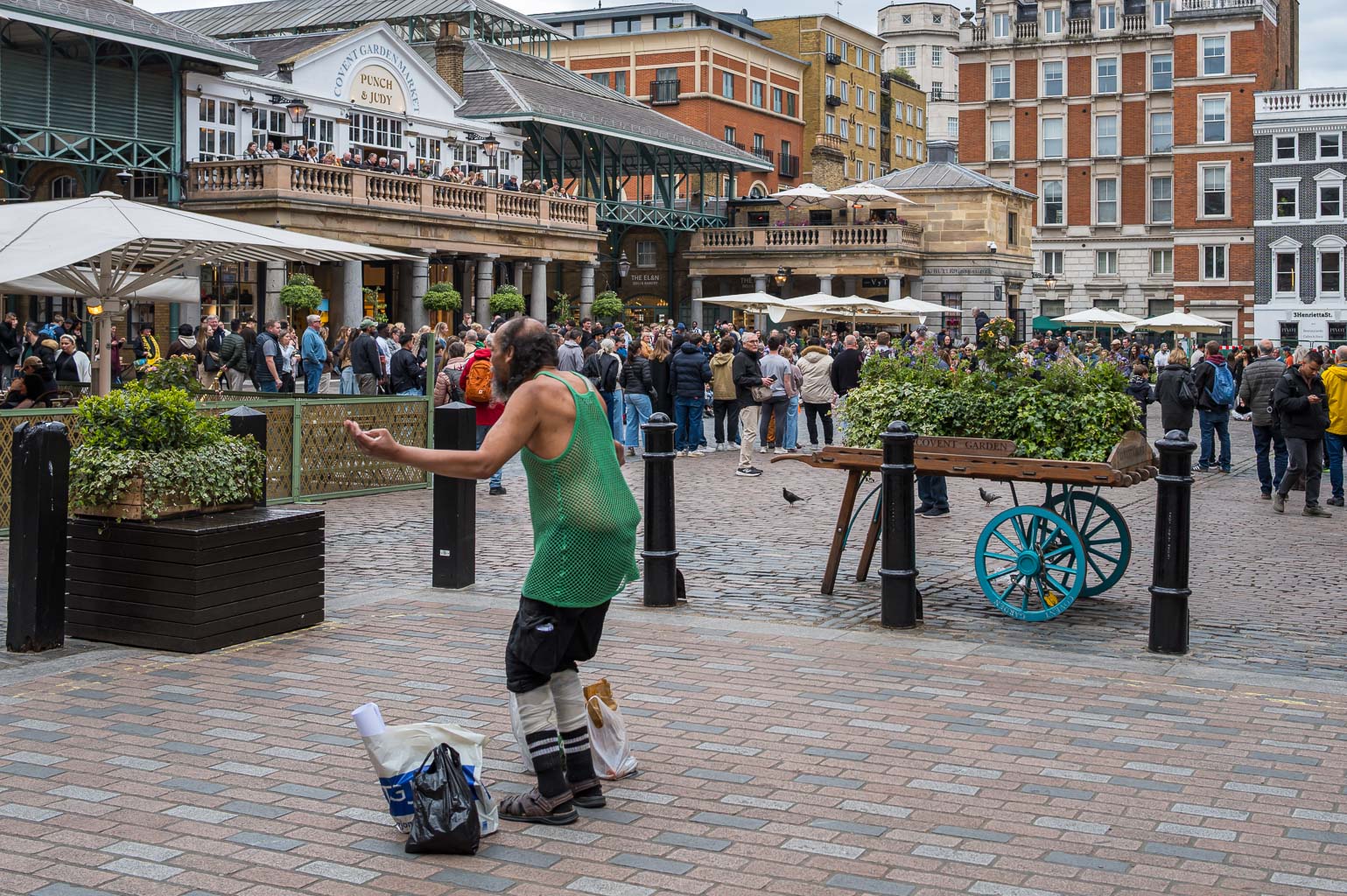
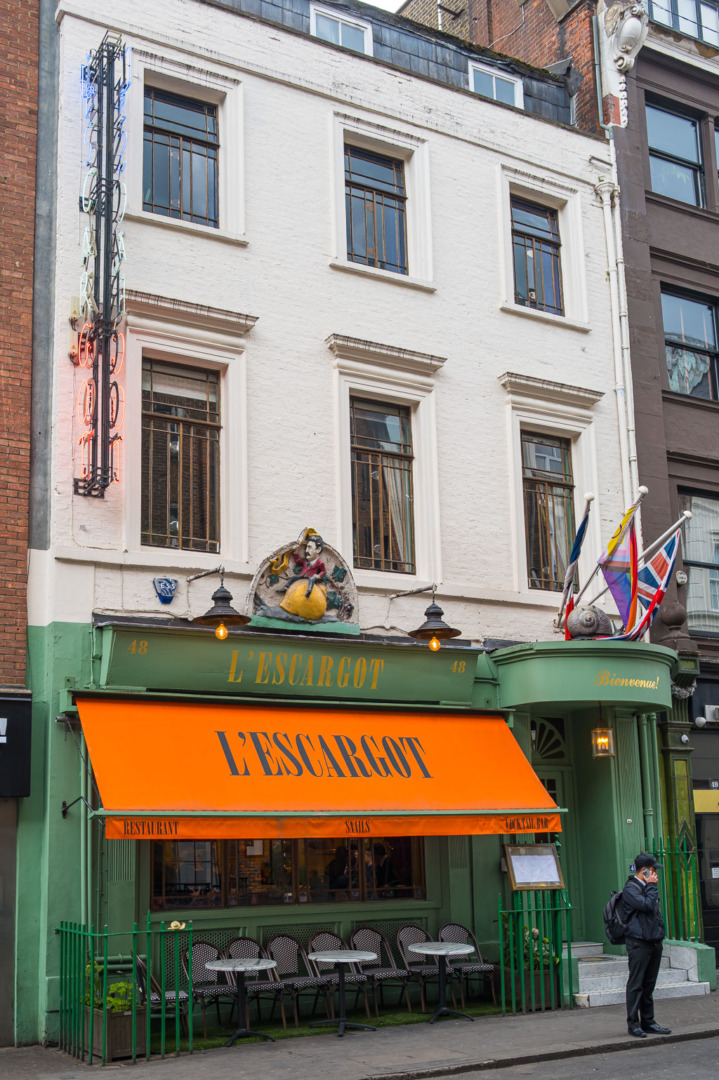
Postcards from London
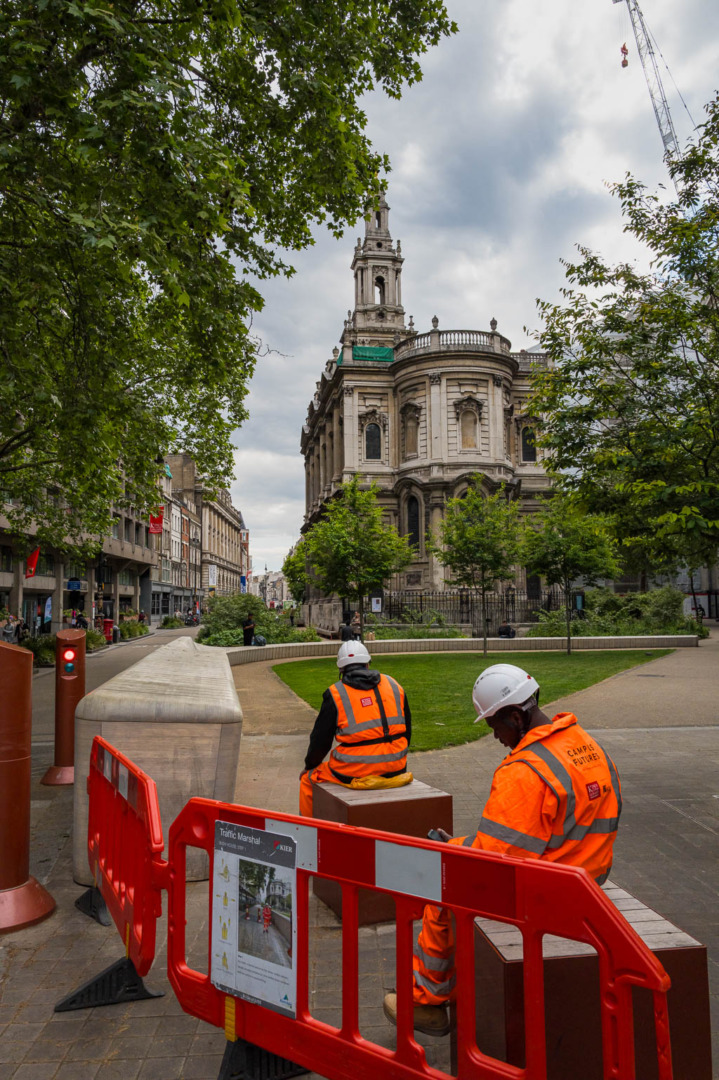
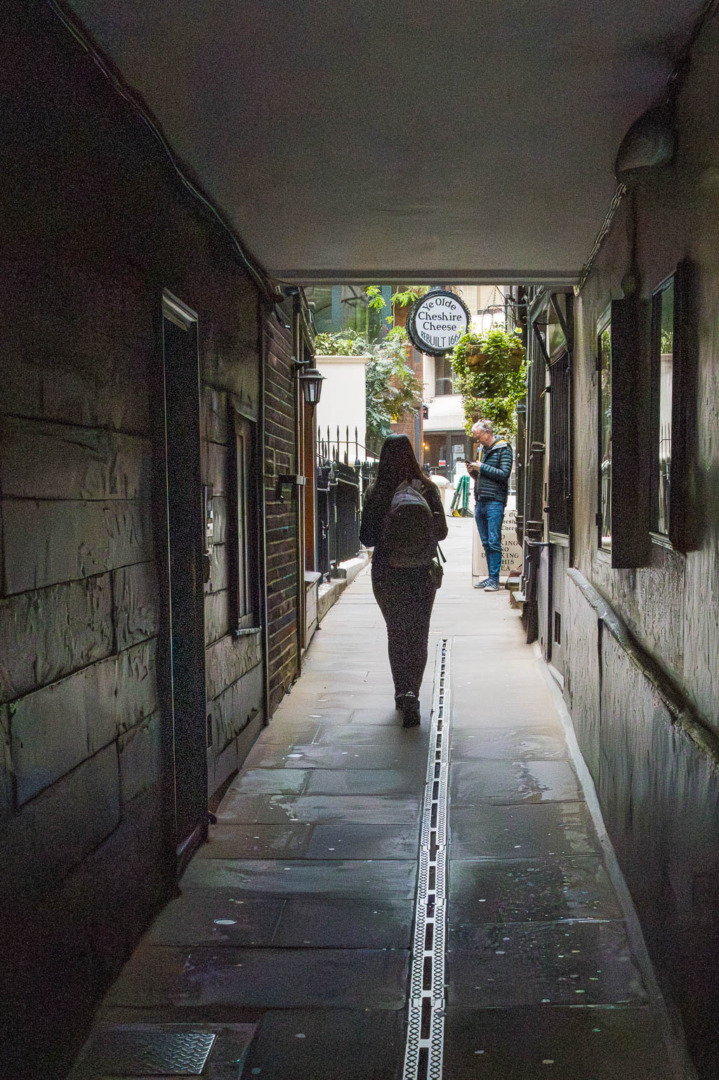
Day 3:
Solving the tech problems without losing your hair
However-much Leica strives to simplify the user interface, there will always be features and controls that users struggle to figure out how to use. Stuart Rayson from Leica Manchester held a Q&A session to respond to owners’ questions, in a way that helps them refine their approach to photography.
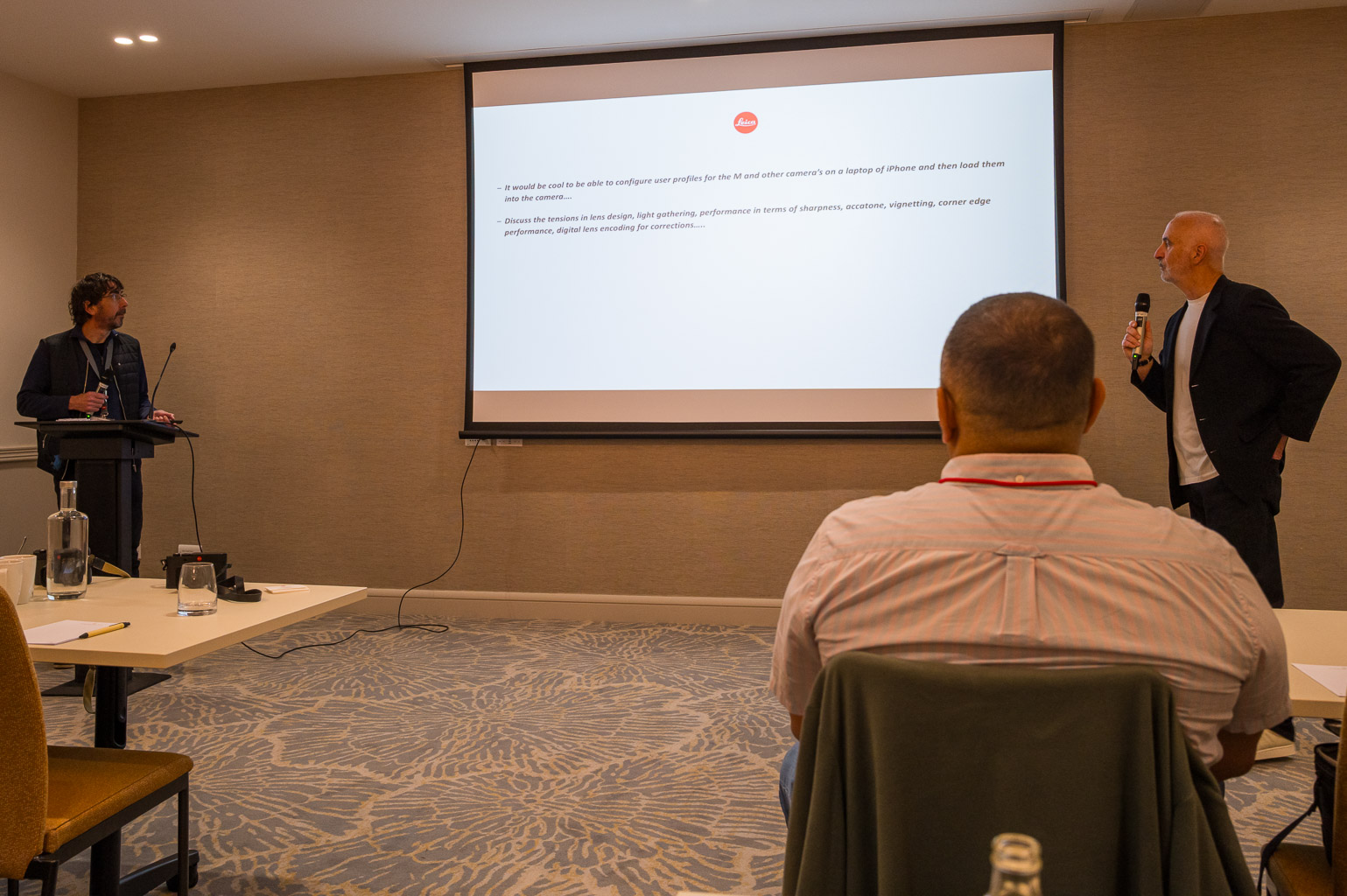
The tech Q&A covered: M EV1 focus peaking, magenta cast removal on M11 and EV1, M8 adjustments to the rangefinder and much more.
José Sarmento de Matos — every picture tells a story
José Sarmento Matos is a Portuguese documentary photographer and filmmaker, based in London. His focus is on long-form storytelling, themes of identity, inequality, migration, and community resilience. He is also deeply engaged in street photography, documenting day-to-day life and examining the changing urban and social landscape. In addition, he is a Leica Ambassador.
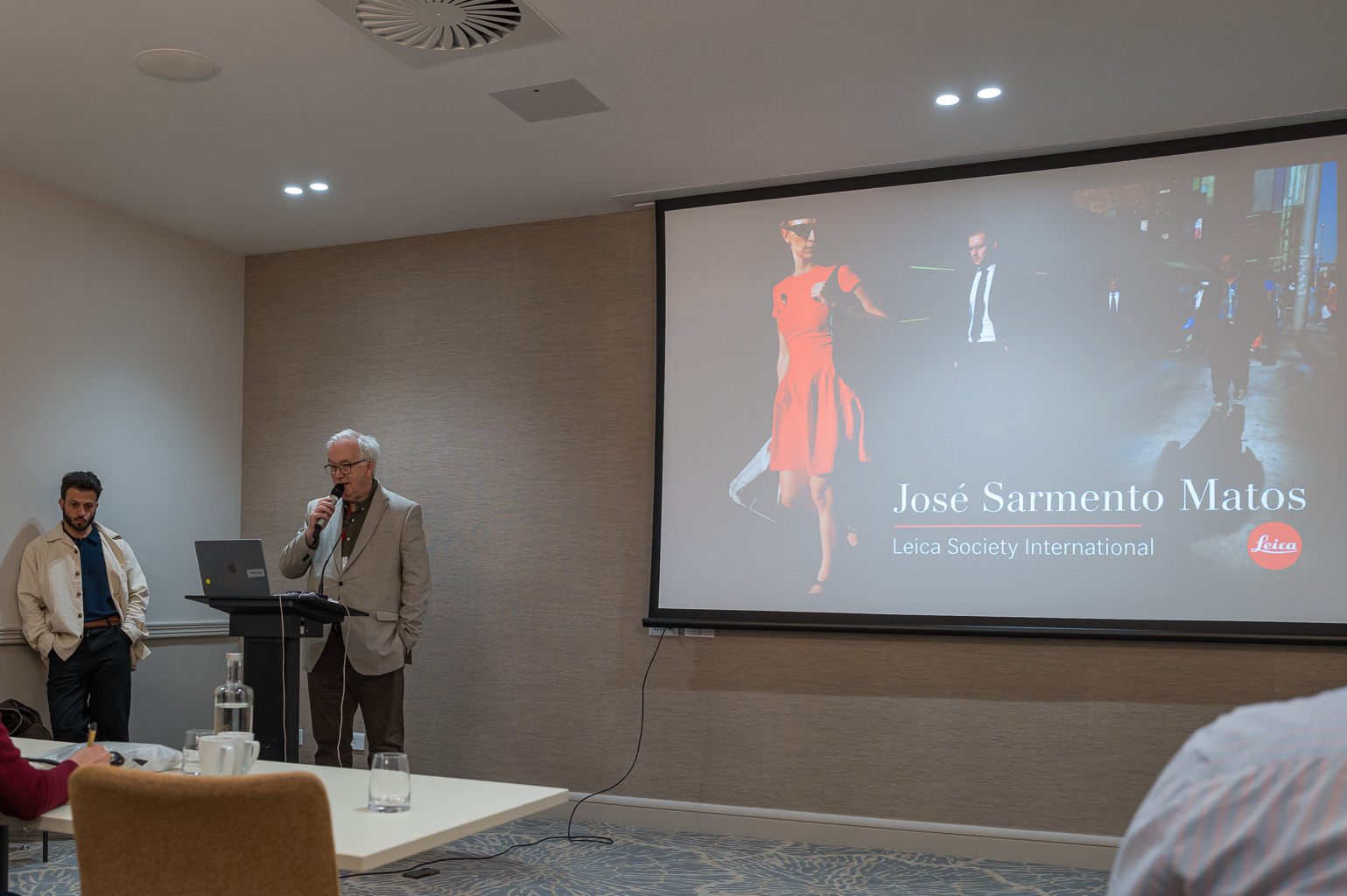

Over the past decade, his work has been published internationally in The New York Times, The Guardian, Le Monde, The New Yorker, Newsweek, and The Washington Post. He also collaborates regularly with Bloomberg, NYT, The Washington Post, A+E Networks, HISTORY, and The Guardian Weekend. You can see some of his work by clicking the link here: José Sarmento Matos
In his session, José provided the group with tips on how to develop storytelling skills, which could then be used on the following photowalk. Sadly, I only managed to catch up with Jose’s group at the end of the walk.
Rogues gallery from Day 3
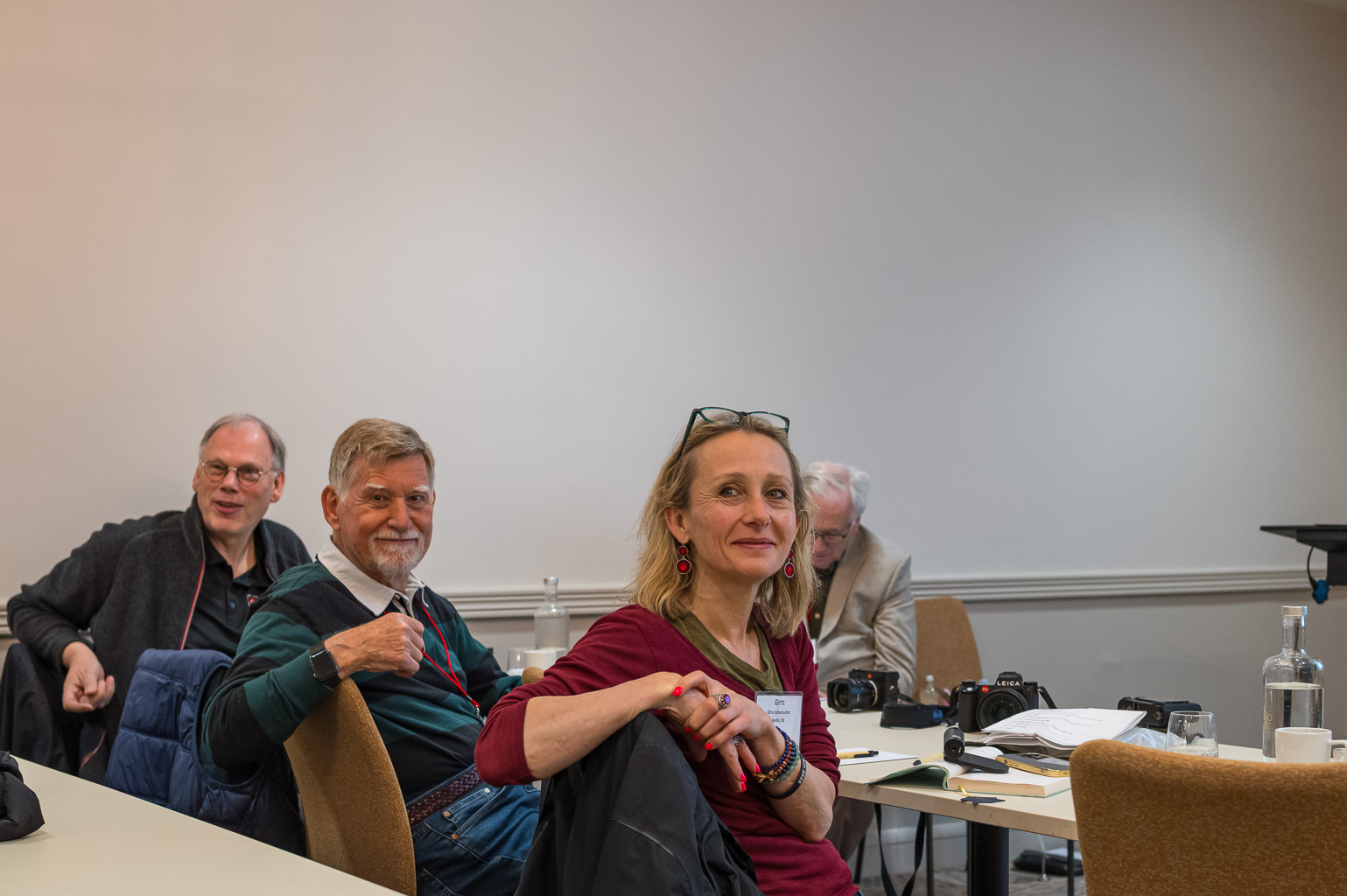
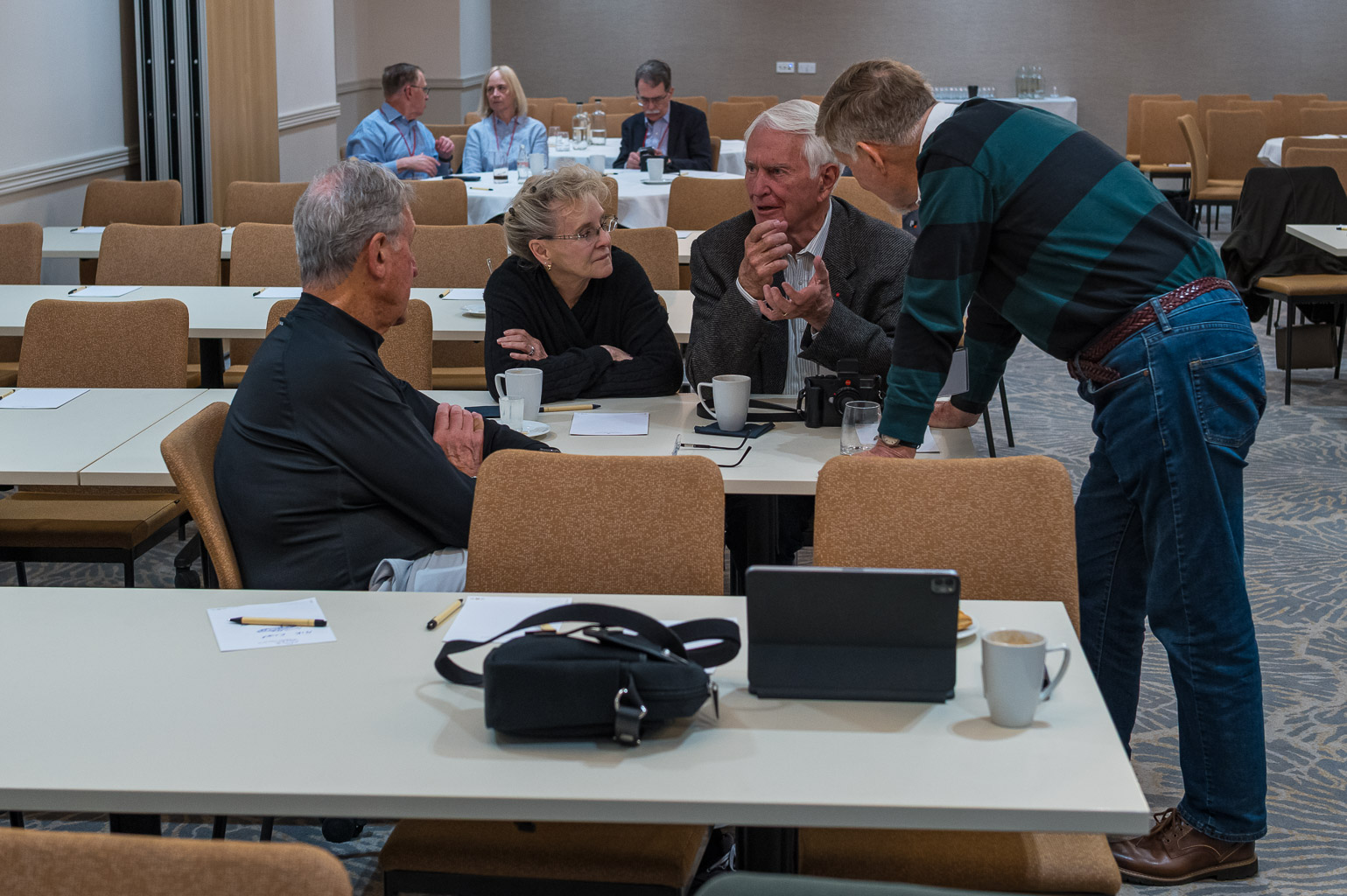
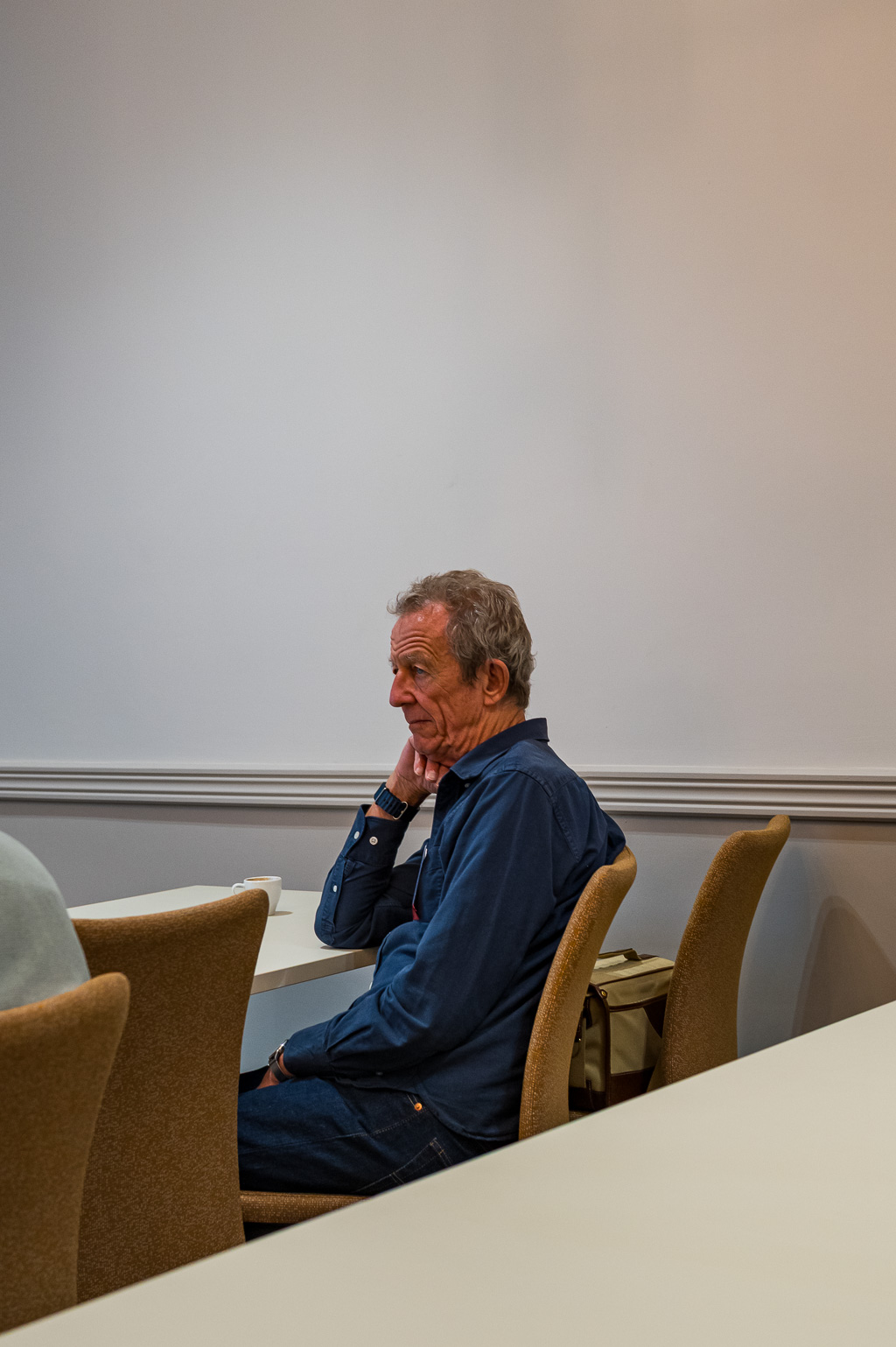
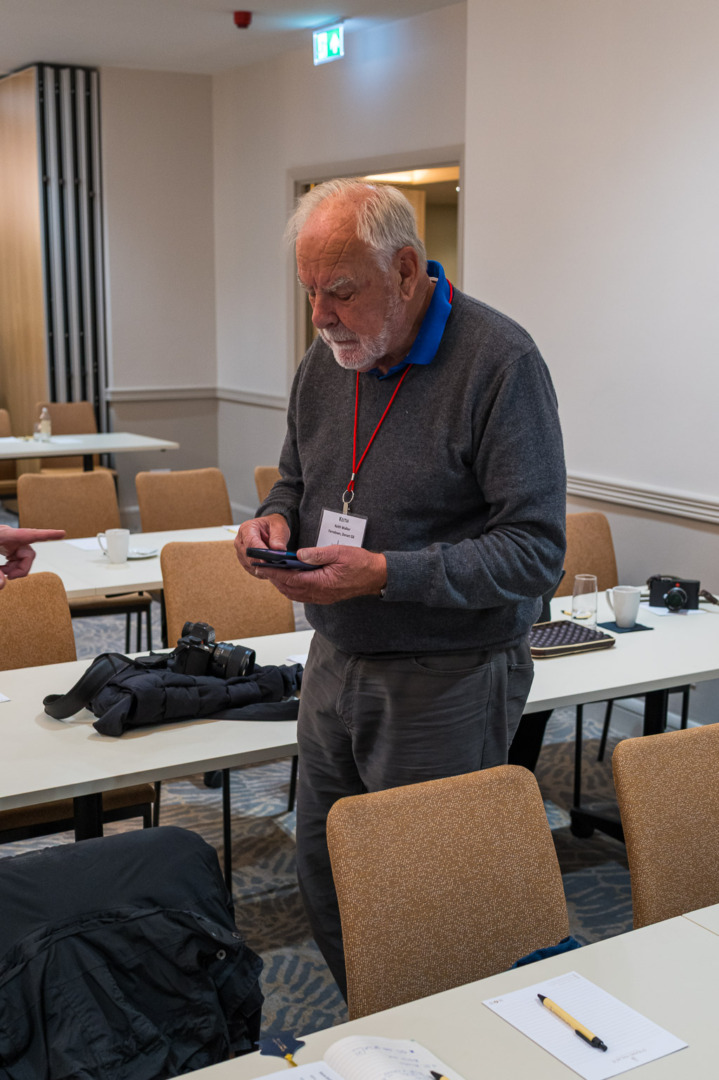
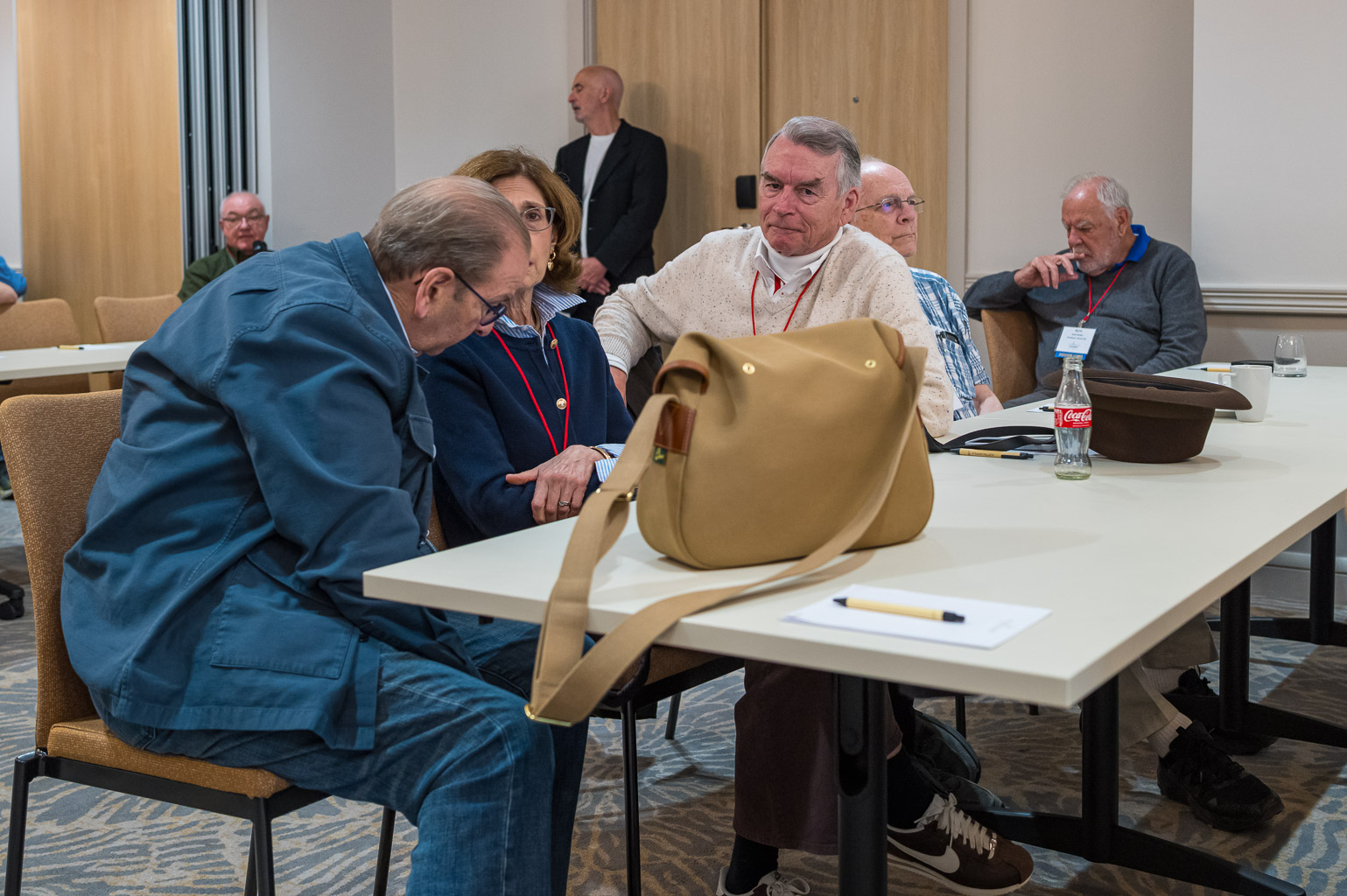
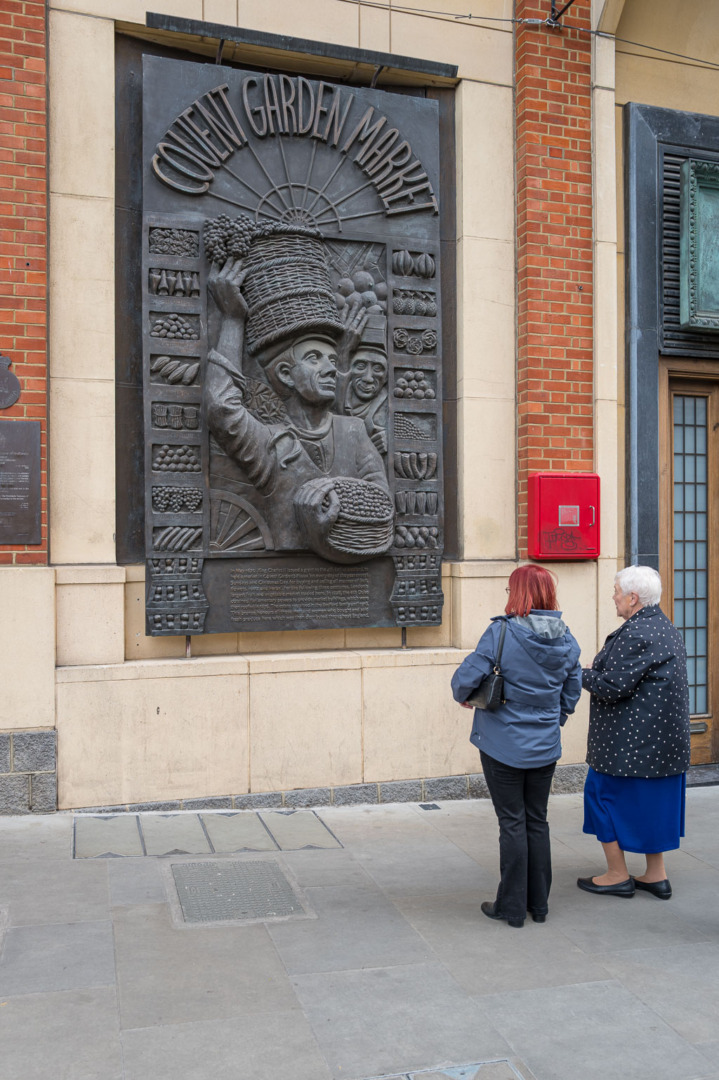
More postcards from London
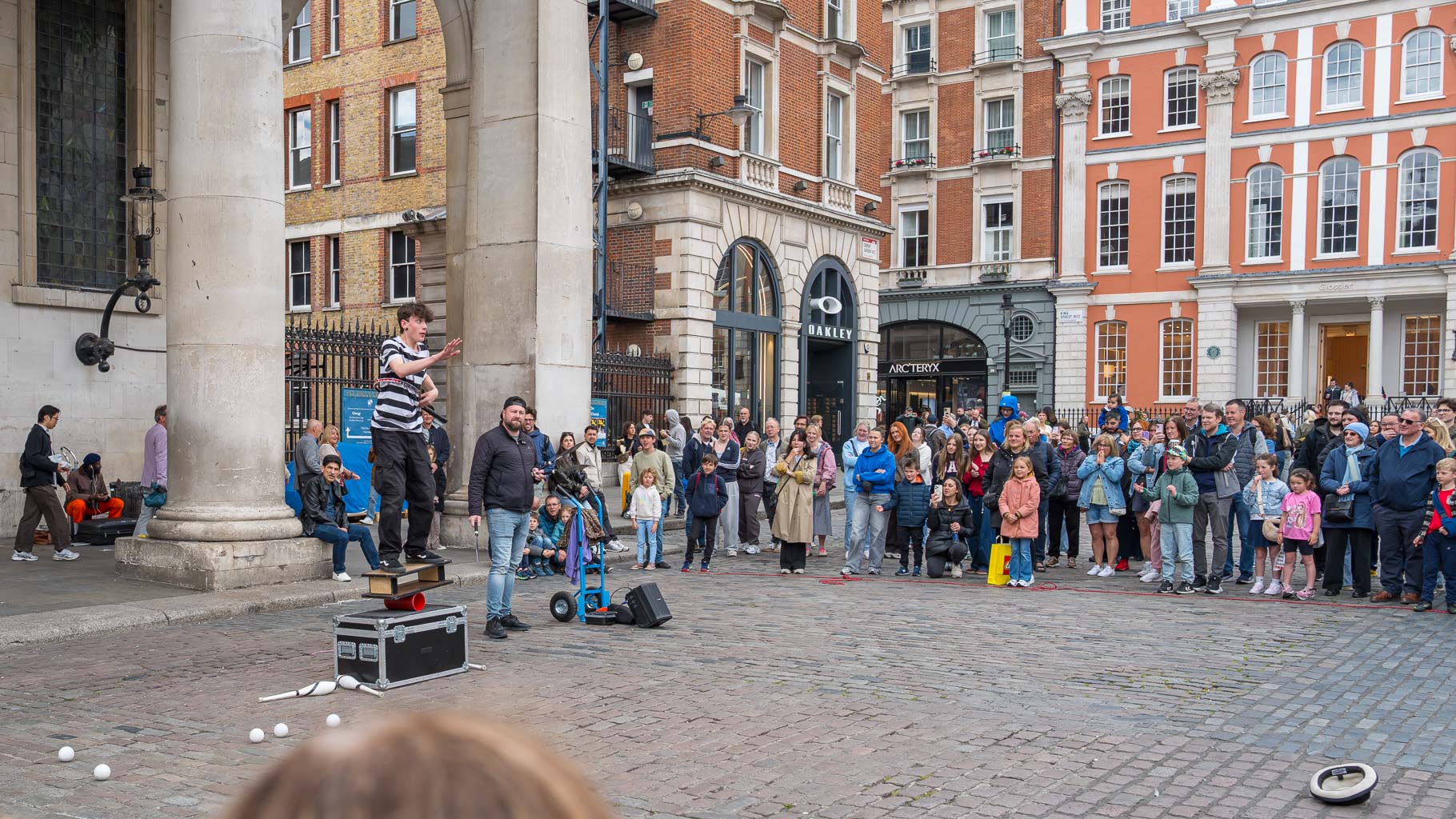
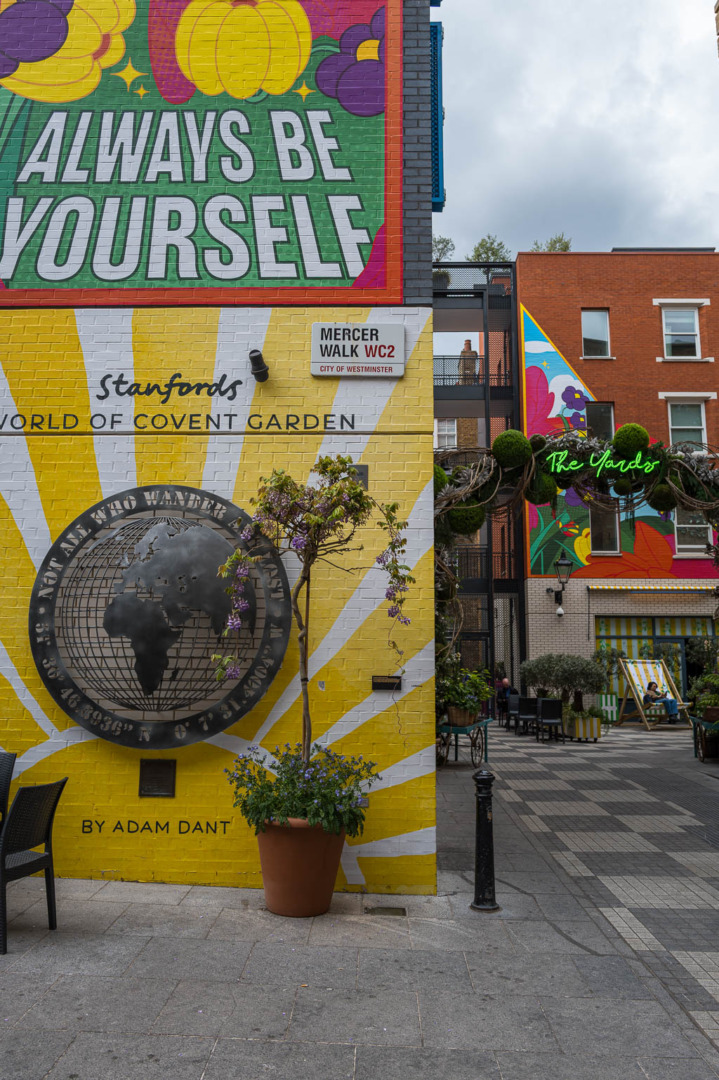
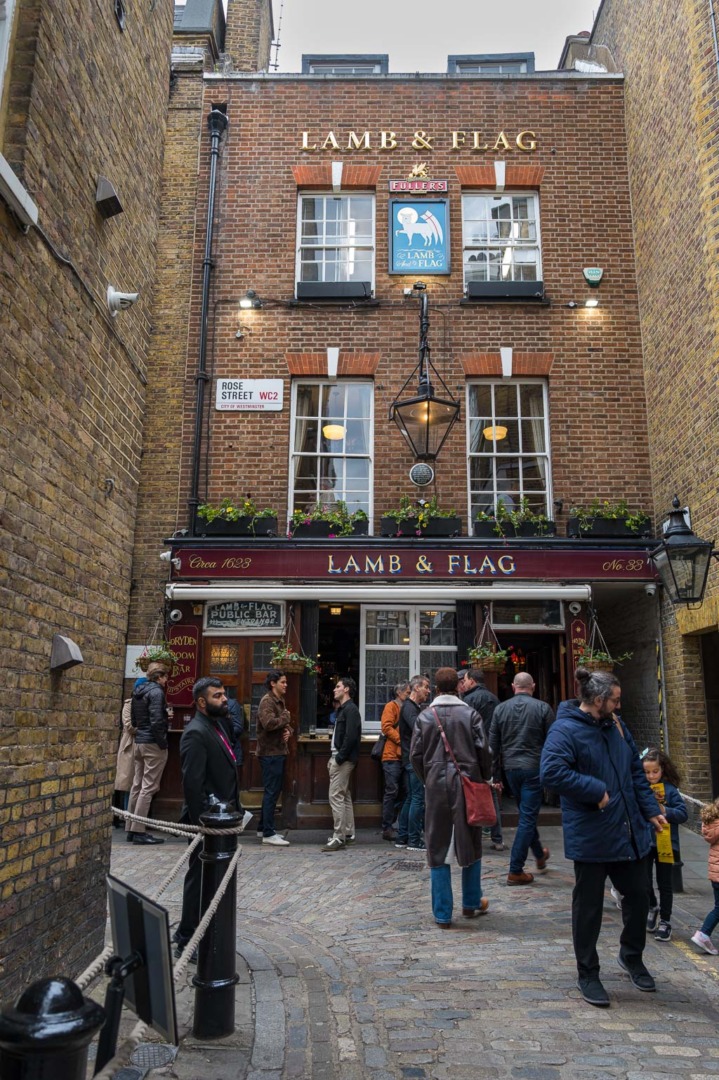
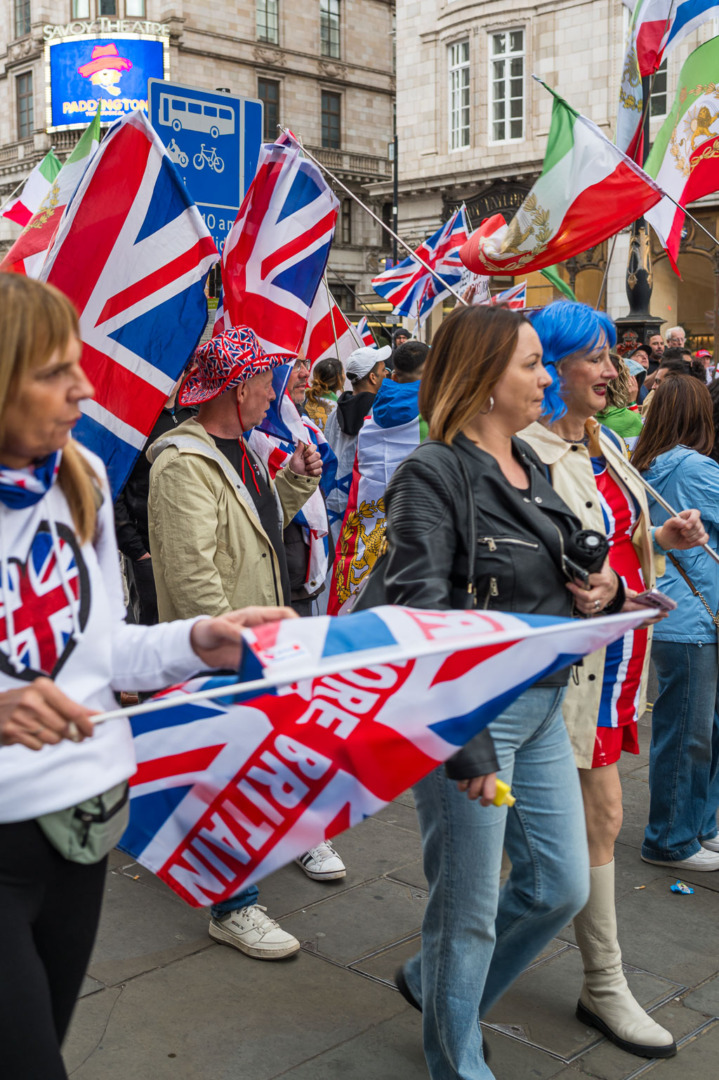
The wrap-up
Following Nick and José’s photowalks, images from participants were uploaded to the LSIConnect site, LSI’s new online digital engagement platform, and then reviewed by José, Jono Slack, and William Fagan. As with any creative work, there was a high level of debate about what worked, what didn’t, and why.
Round III will be in Detroit this autumn!
Make a donation to help with our running costs
Did you know that Macfilos is run by five photography enthusiasts based in the UK, USA and Europe? We cover all the substantial costs of running the site, and we do not carry advertising because it spoils readers’ enjoyment. Any amount, however small, will be appreciated, and we will write to acknowledge your generosity.
Comments: Please add a comment to this article. Our comments section is a thriving community and everyone is treated with respect. In addition, please identify yourself (and add an email address, which will not be published, if you would like to see answers to your posting). Our system will automatically delete any “anonymous” posts on the basis that they are likely to be spam.
I too was a little sceptical of a Leica meeting but reading that I really wish I’d made the effort, looks like a brilliant meeting and among all of the great speakers I would particularly loved to have heard Sarah M Lee, a photographer I very much admire, her images somehow so effective portray warmth and soul. Congrats to everyone involved in putting it on.
I wanted to say how pleasantly surprised I was by this post. I admit I was prejudiced: reading the details of a meeting I didn’t attend seemed as exciting as finding a two-week old slice of pizza in the back of the fridge.
Wow, was I ever wrong. The pix were excellent, the range of information wide — and I kept following most all of the links.
An exciting and pleasant way to spend a rainy morning.
Thanks, Jon. This is lovely. There is a lot of work involved in setting up such meetings, but what really makes them work are the attendees and other participants, including your good self. It is always a joy to meet you and to be ‘loquacious’ with you.
William
Thanks William,
As you might guess, my tongue is firmly in my cheek!
Best
Jon
A wonderful and comprehensive review of the event which brought a smile and lifted the spirits on a damp summer evening. It was like being there again. Thanks for the memories. Would also be remiss not to acknowledge the pleasure of your and your wife’s company. Till next time
Thanks Keith,
It was fun, and you charmed Her Ladyship for sure! And here’s to the next meet up!
Jon
Excellent and very informative report. I particularly enjoyed the M7/DMR ‘prototype’ experiment which brought back memories of using both my M8 and DMR/R8. I’ve often pondered whether the R8 and DMR were designed / developed together – or was the DMR a subsequent ‘add-on’? The combination eventually achieved the unachievable – but I recall the ‘not so good’ “initial” review in AP magazine. TTBOMK my R8/DMR is still in use after I sold it 4 years ago to a Leica Society member complete with a good supply of 2GB SD cards and an external power supply.
Thanks Dunk,
It was fun being there, but listening to Stefan I was reminded of the opening monologue from Star Trek “To boldly go”…It could so easily have gone wrong, and then what would have happened?
I don’t want to think about that…
Jon