
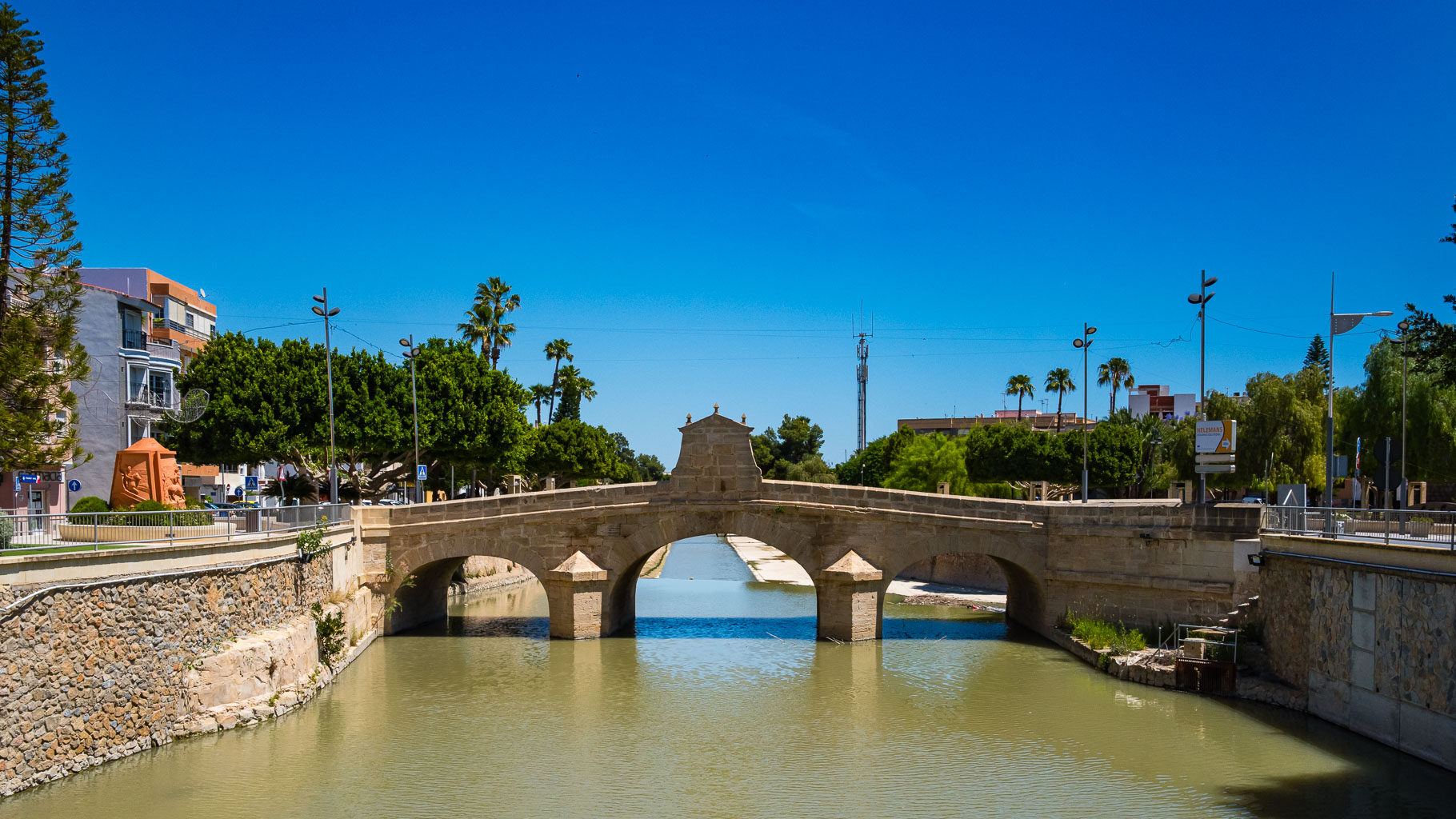
It’s obviously wonderful to wander the A-List cities from Amsterdam to Zagreb, but smaller cities and towns offer much in the way of interesting things to see and do through a process of leisurely discovery. It’s fair to say that I have become a little obsessed with street art, and once you have noticed it, you keep discovering it. All it really requires is one camera with a fast-ish and wide-enough angle lens to capture what’s there, and enough megapixels to crop. Despite the midday heat of Mediterranean Spain, when sensible people are taking siesta time, you can still explore from the shady side of the street.
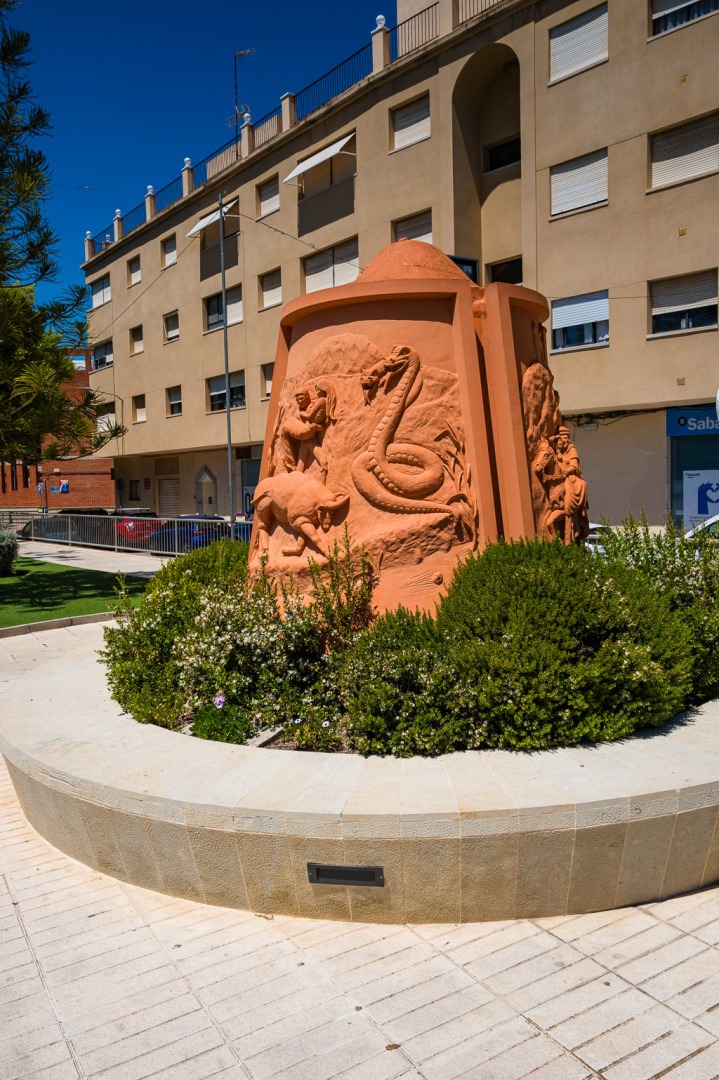
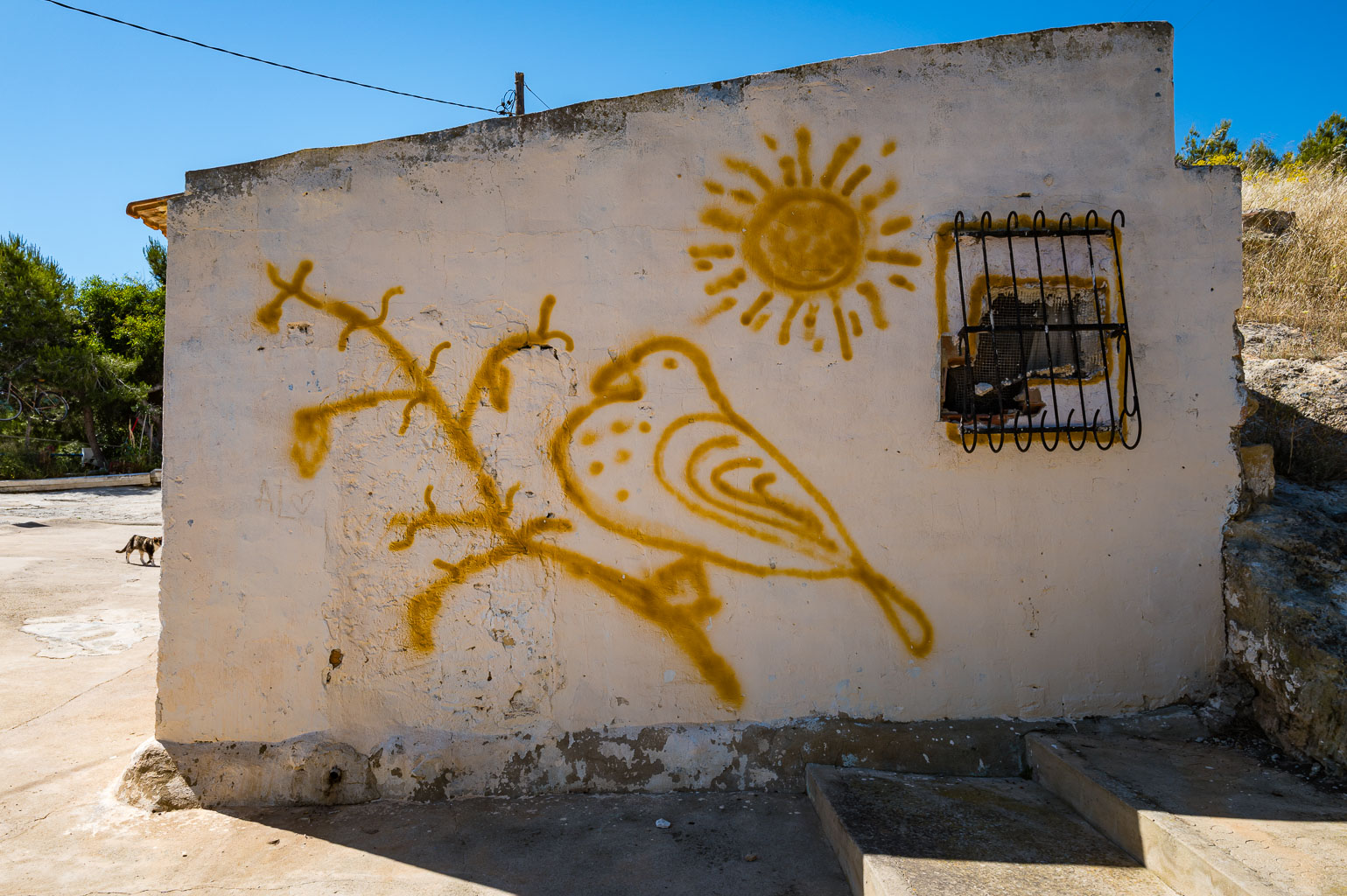
Alicante, on the south-eastern Mediterranean coast of Spain, contains many modern resort towns and neighbourhoods that have been built to satisfy the needs and wants of people visiting or retiring from Northern Europe’s damper and chillier climates. The towns of Guardamar and Rojales have street art too. If you saw the first part of Sketches of Spain a few weeks ago, you would have seen Guardamar’s street art. Now it’s the turn of Part 2 looking at Rojales, as we head into siesta time. The street art itself can be seen throughout the town, and a little farther way you can discover an artists’ colony set in caves in the hills. The art is a mixed bag of murals and sculpture, both inside and outside the caves.
Music from “Siesta”
Rojales is an old farming and market town, with the Segura River running lazily through it. Miles Davis and Marcus Miller wrote the music for the album “Music from Siesta” back in 1987.
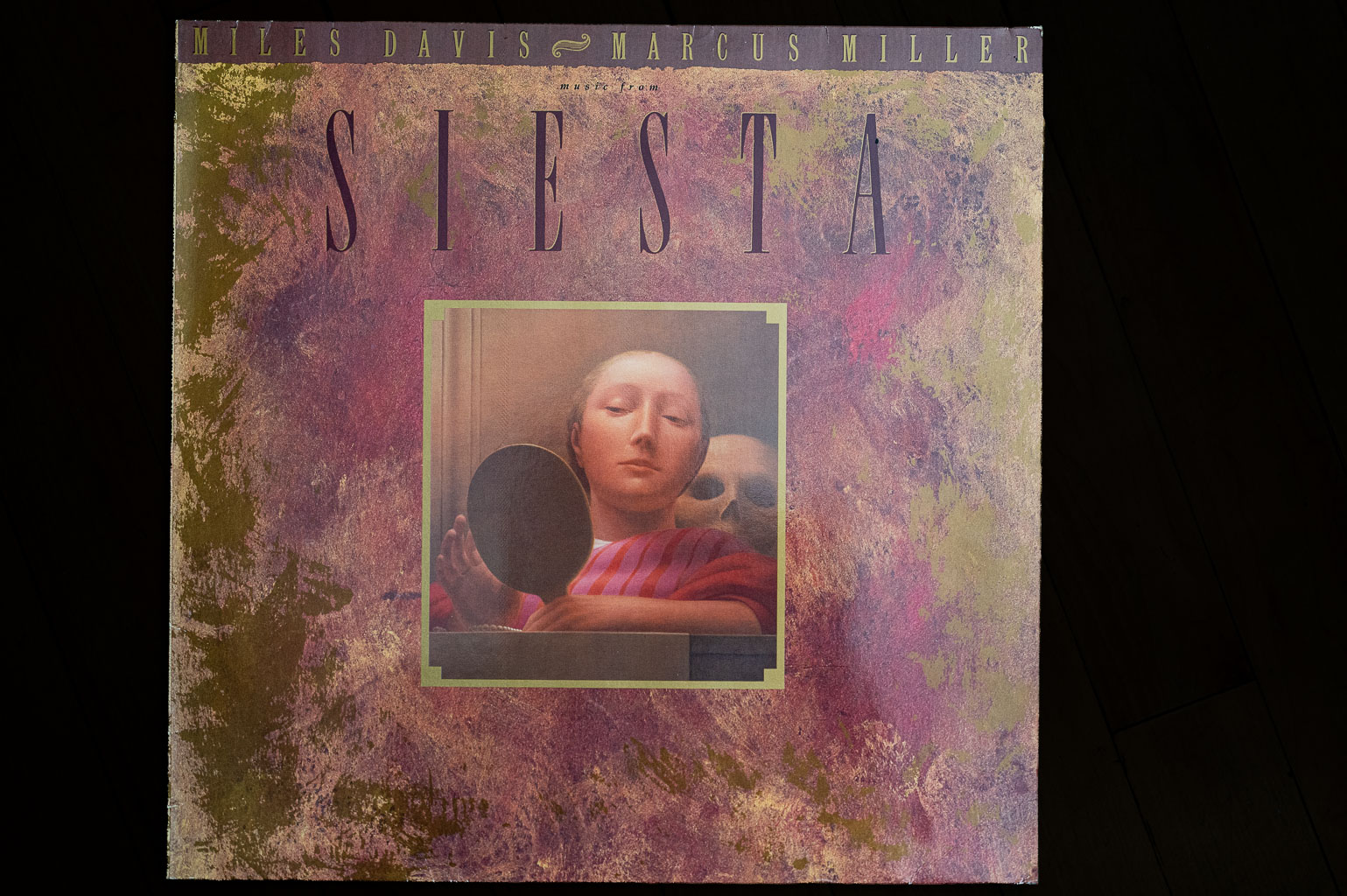
It was to be the soundtrack for a movie of the same name, directed by Mary Lambert. For jazz enthusiasts, it’s considered to be a counterpart to Sketches of Spain. It’s also dedicated to the memory of Gil Evans, who arranged Sketches of Spain for Miles Davis.
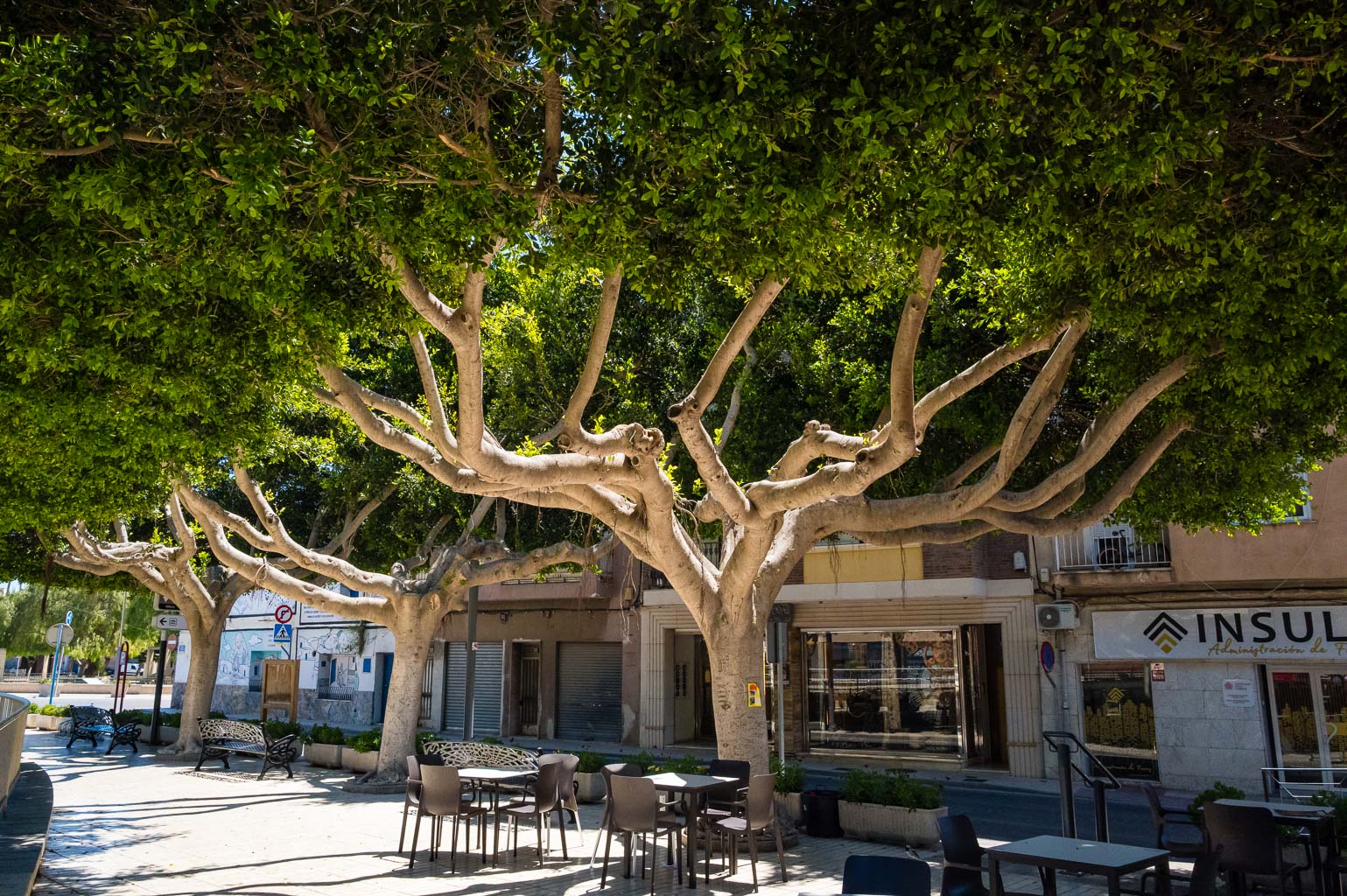
The music perfectly captures the dreamlike feeling of a summer’s midday in Rojales. The time of day means short and dark shadows wherever you look. But the street art murals still catch your attention. I didn’t capture every single image but got a representative sample.
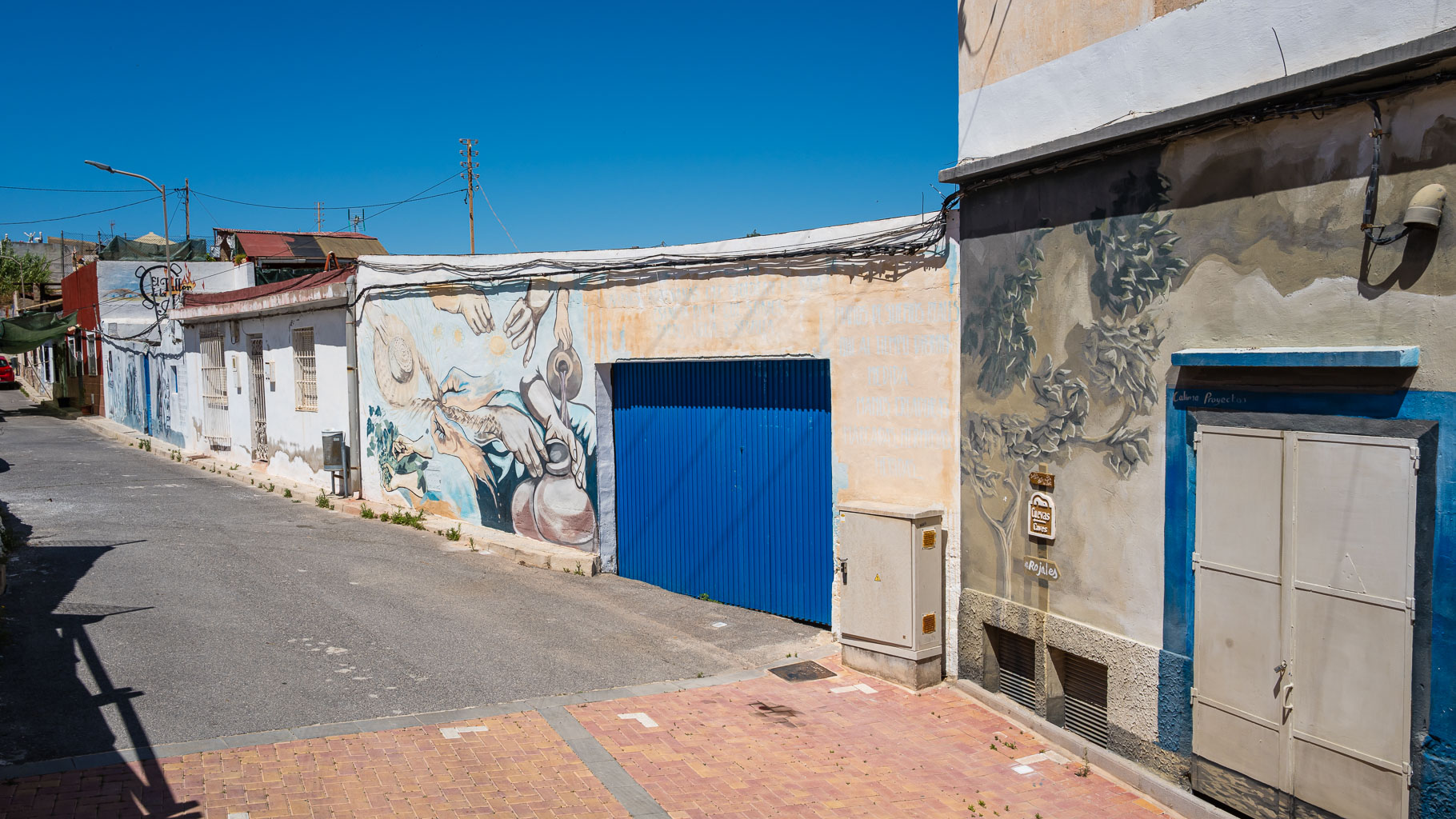
Siesta time in sharp shadows and heatwaves
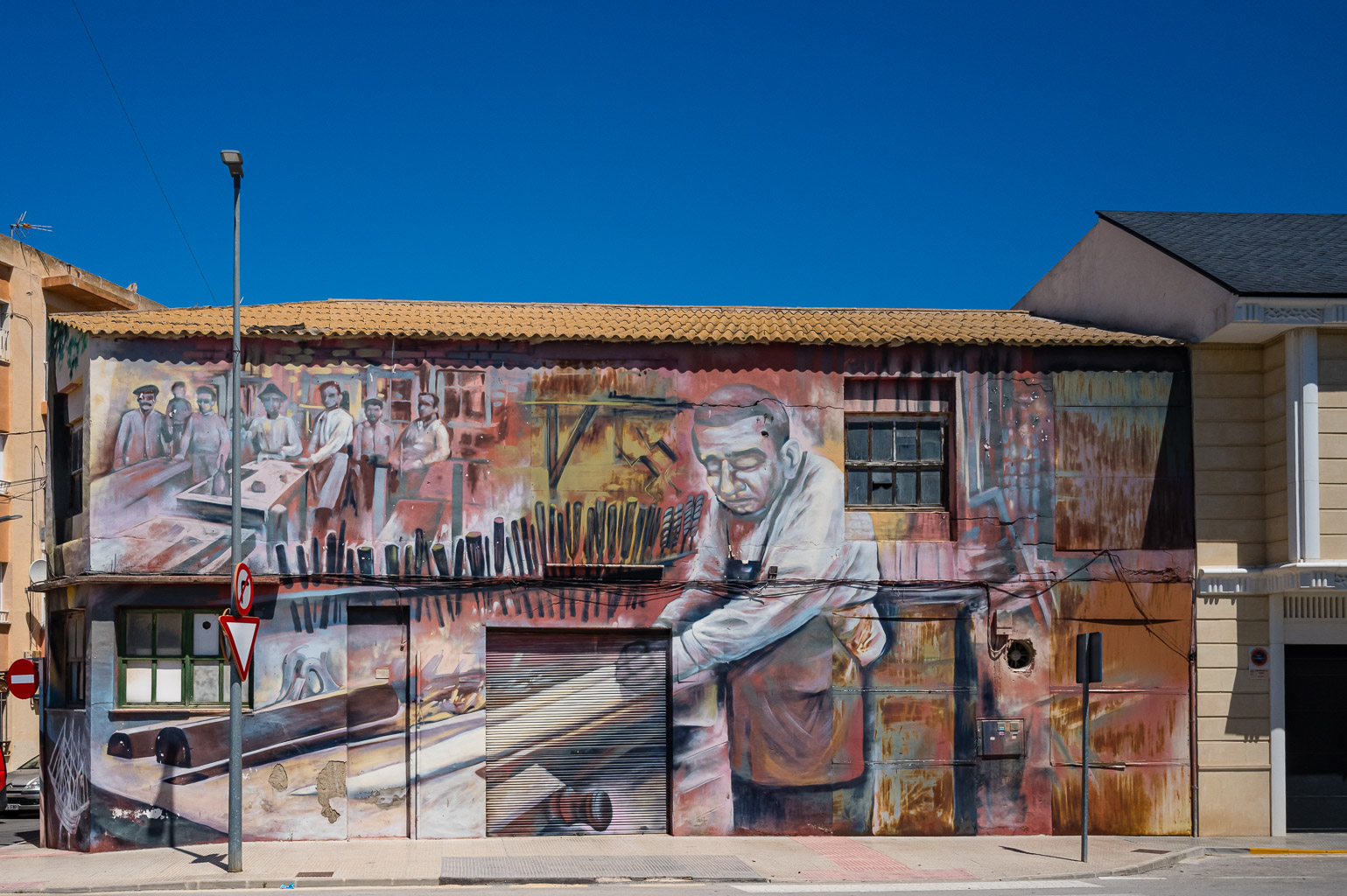
In this image you see the local carpenter shaping a piece of wood while visitors look on and chat. It conveys the slowness of pace to life.
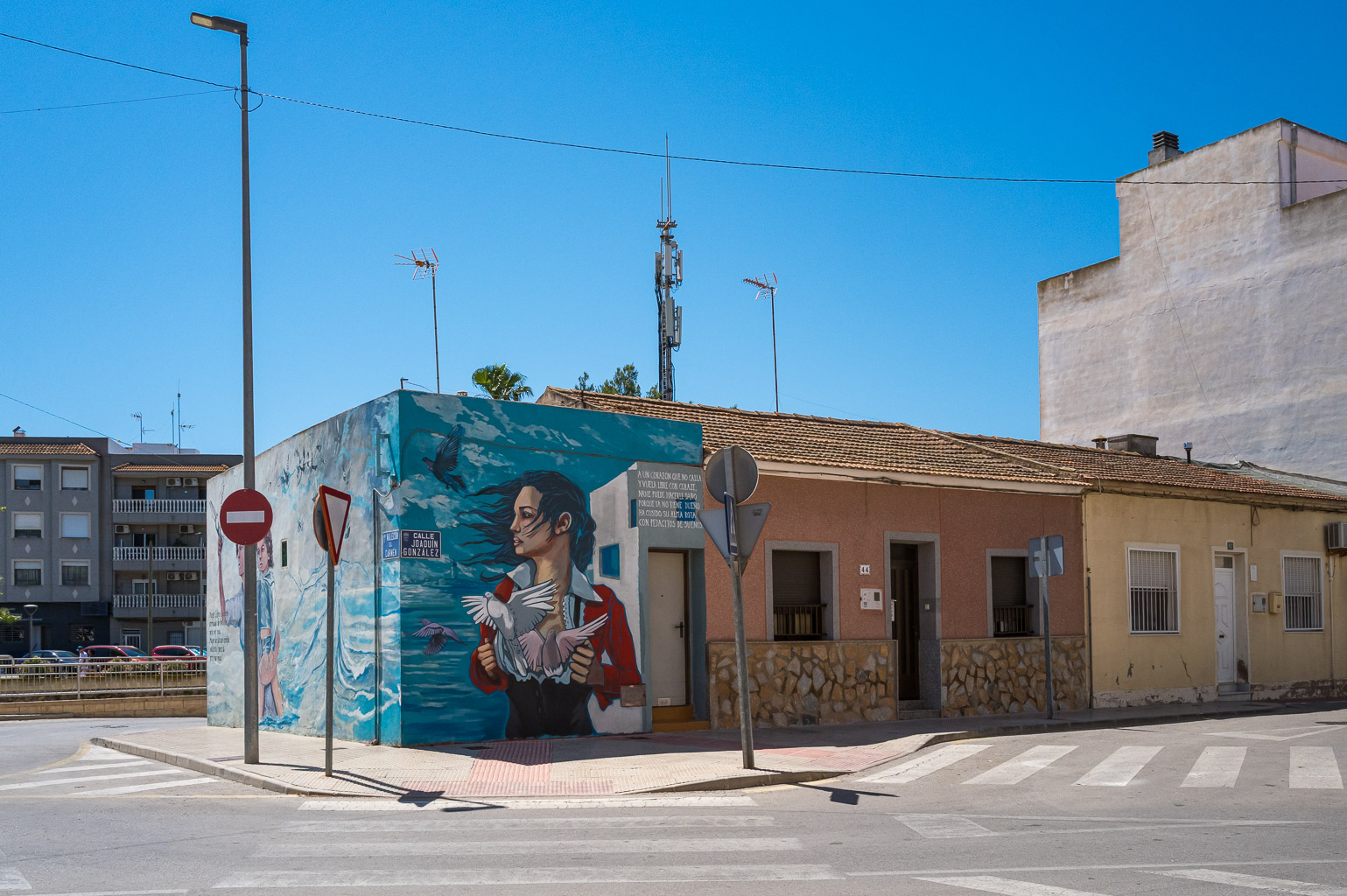
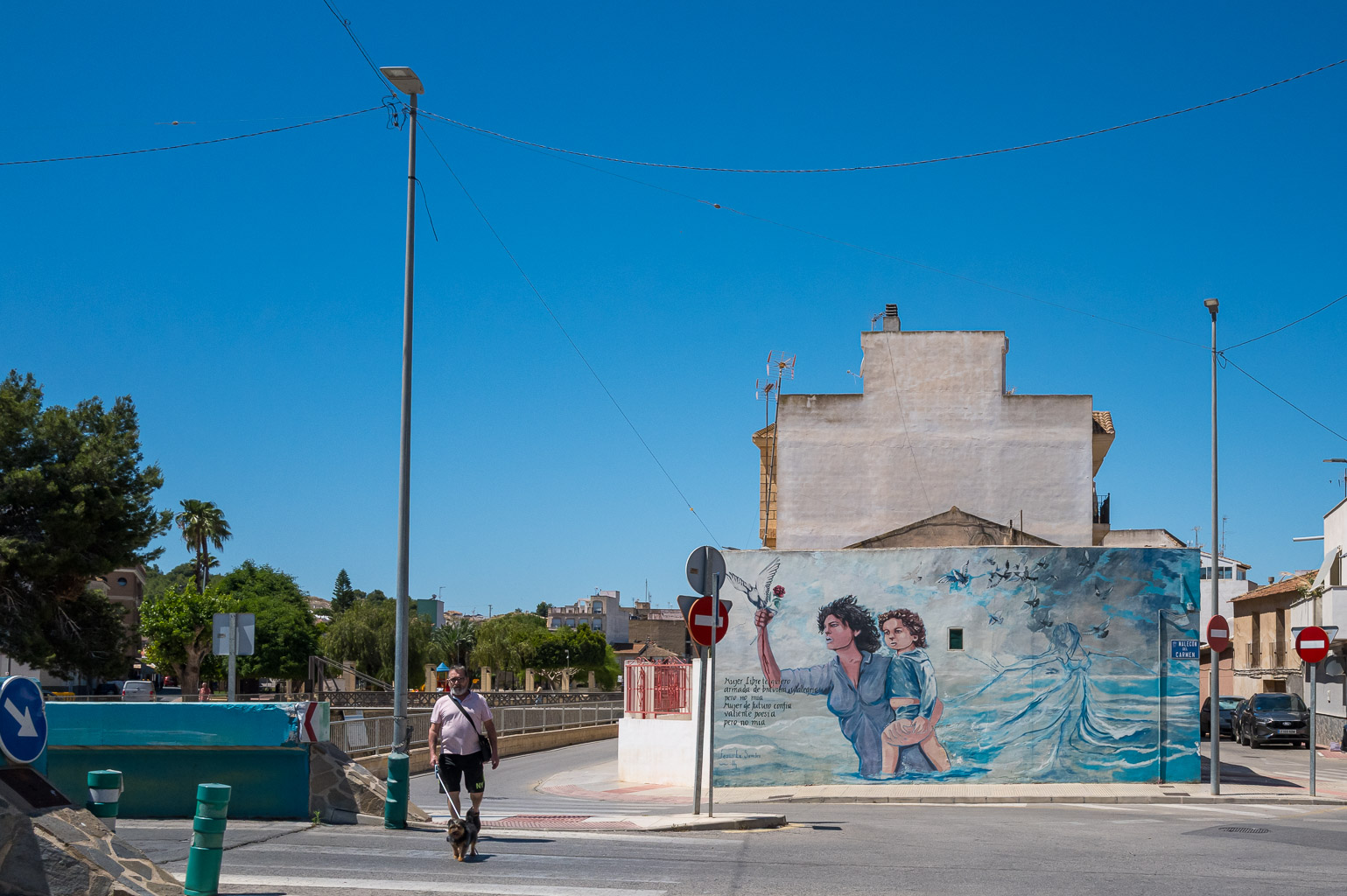
Across the street is a mural dedicated to Women’s Day.
Mujer libre, te quiero, armada de bravura y alegría, pero no la mía. Mujer de futura confía, valiente poesía, pero no la mía.
An adaption from Augustin Garcia Calvo
“Free woman, I love you, armed with bravery and joy, but not mine. Confident future woman, brave poetry, but not mine.” Whether you understand Spanish or not, the visual message is obvious.
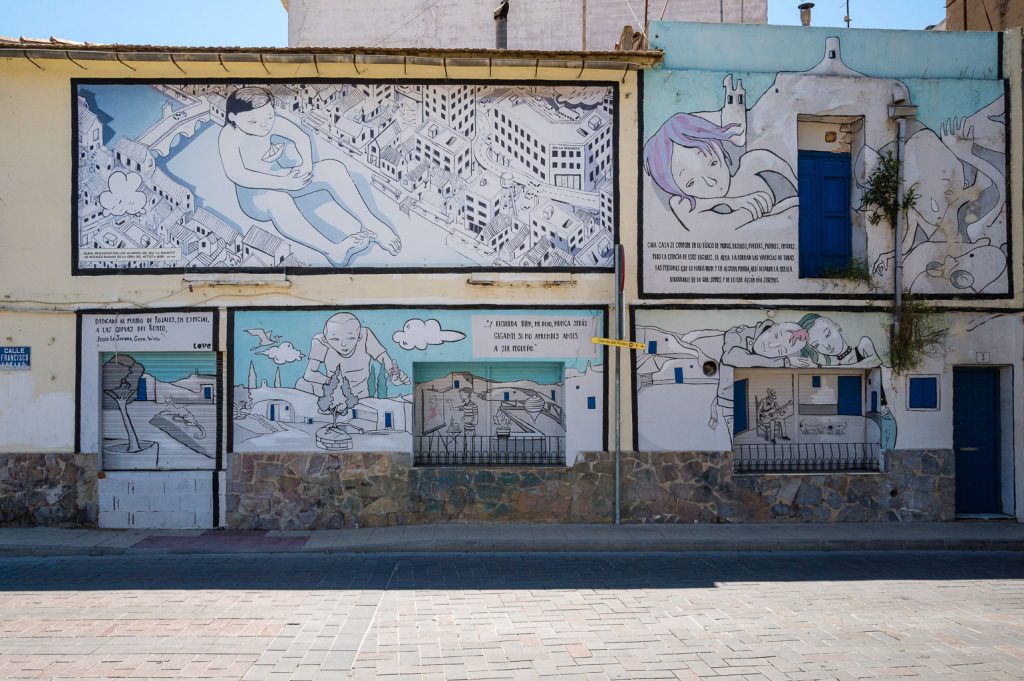
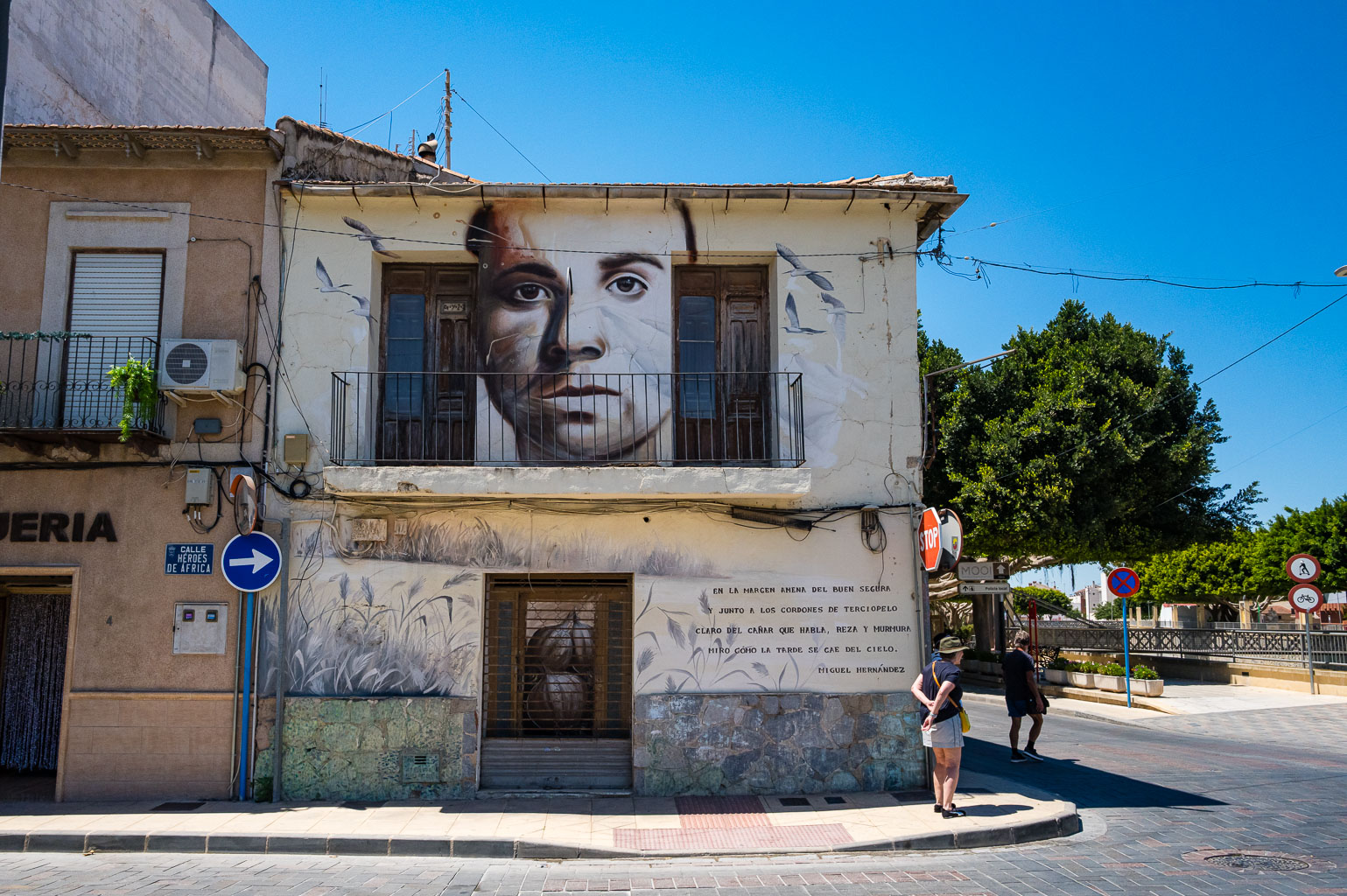
If you stand on the Carlos III bridge, you can see what look like a series of cartoon-like images painted on the wall. It feels a little like Manga. Around the corner is an eye-catching mural dedicated to the poet, Miguel Hernandez. The image of his face is surrounded by nature, with birds and even onions which grow nearby.
The modest and unassuming create art
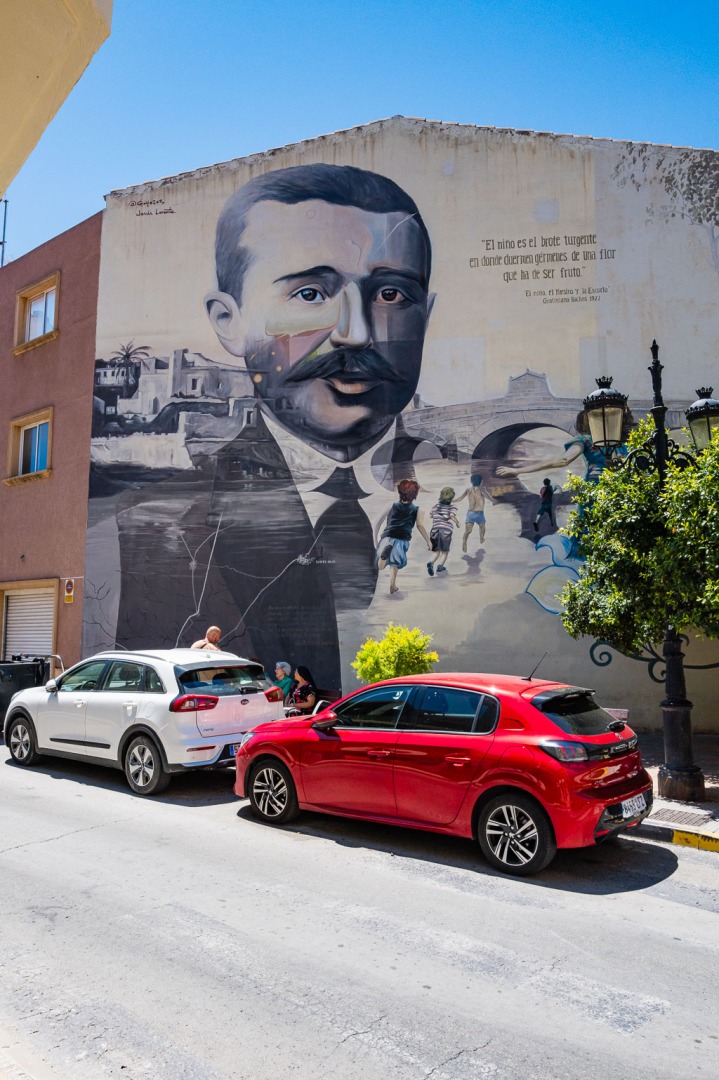
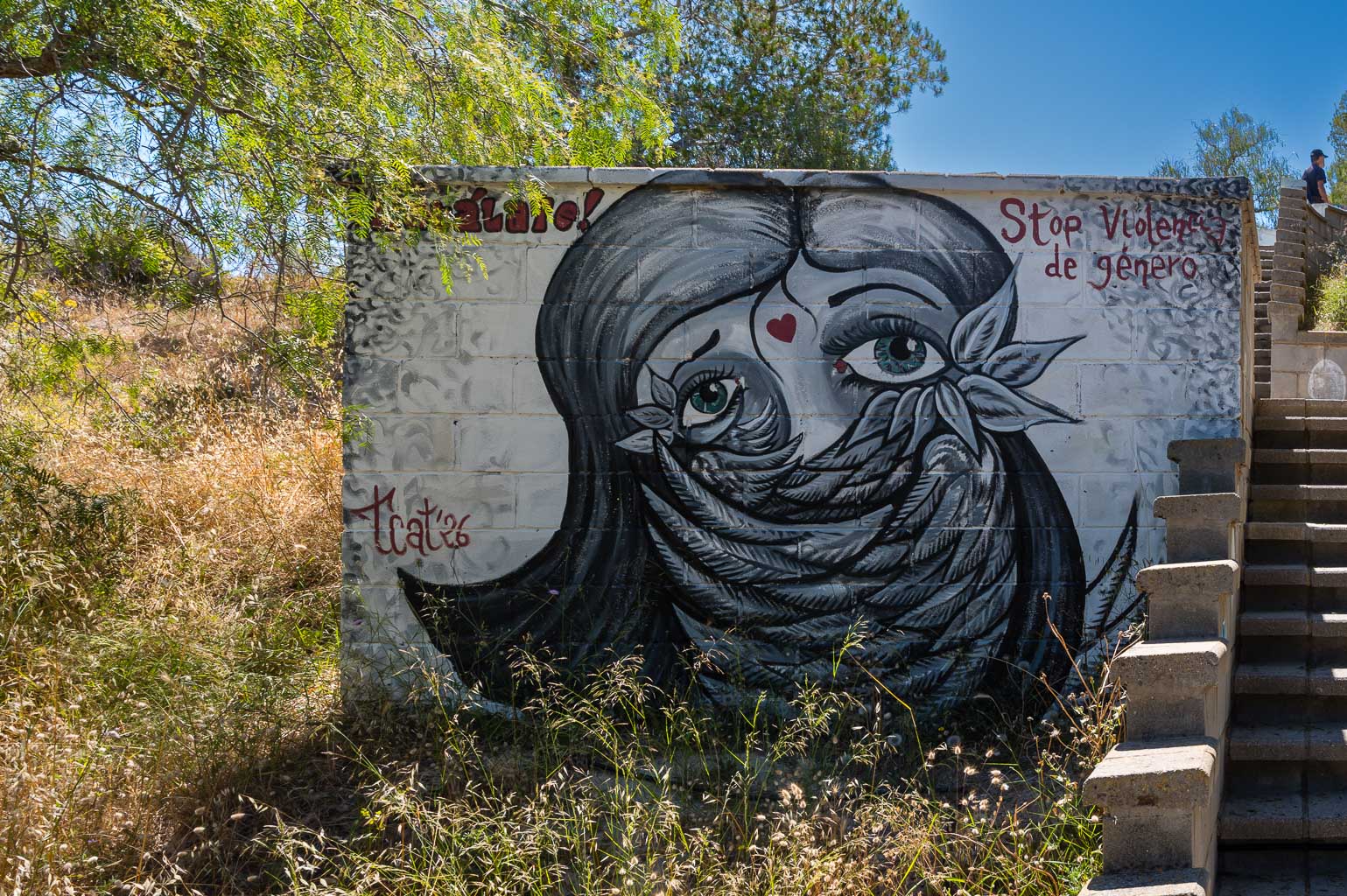
Gratiniano Baches was a local teacher who encourages the development of the Rojales Public School. He was also an enthusiastic archaeologist and developed a profound understanding of the Roman era and remains around the town. In the square by the local church is a mural against domestic violence, including children.
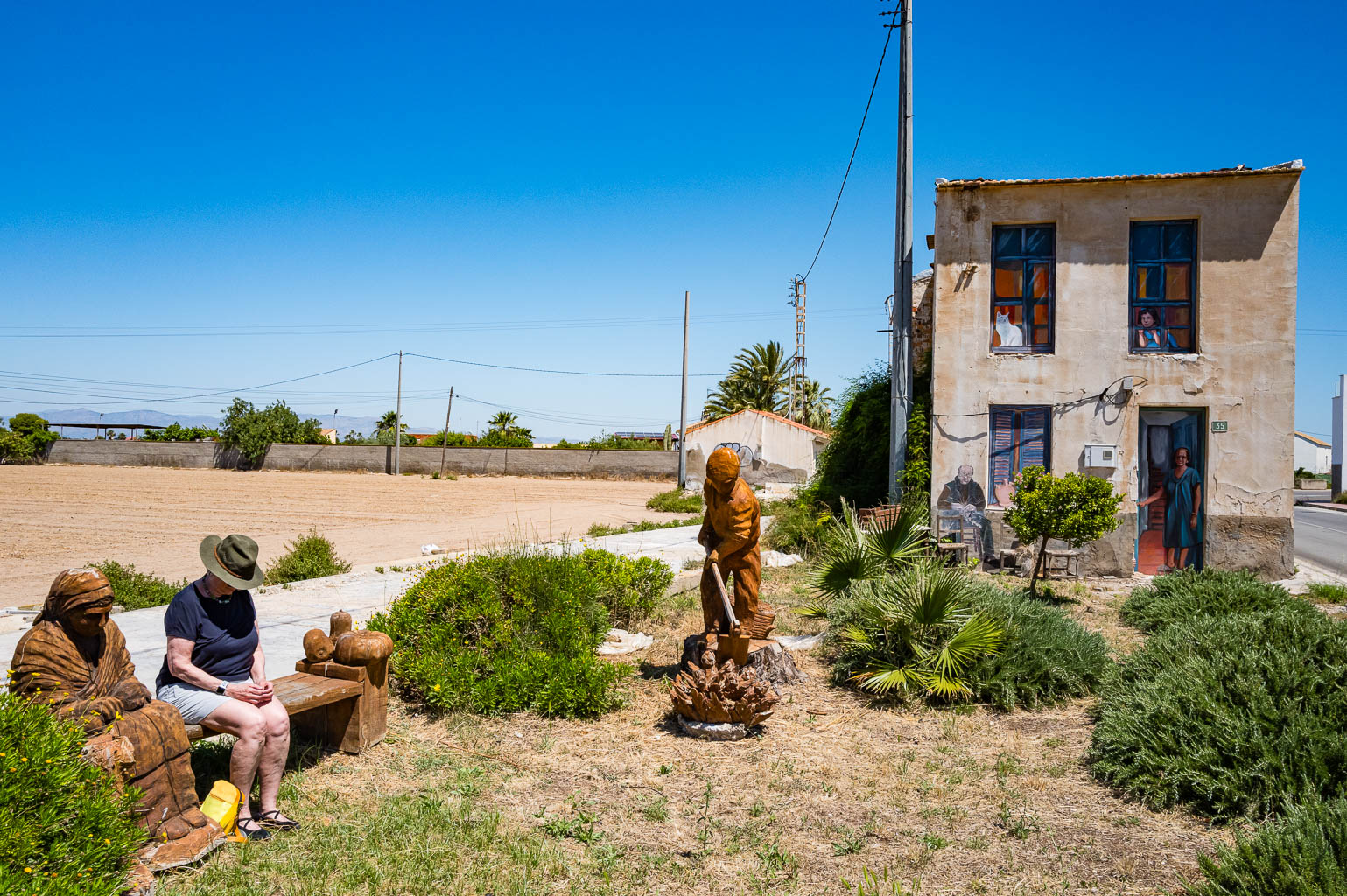
And for something different, you approach a house on the outskirts of town with murals of the family painted on the wall. The family themselves are set in sculptures outside the house as if doing routine gardening. It feels quite distracting, not to see them move or wave a greeting.
Caves and shells that became the homes of art
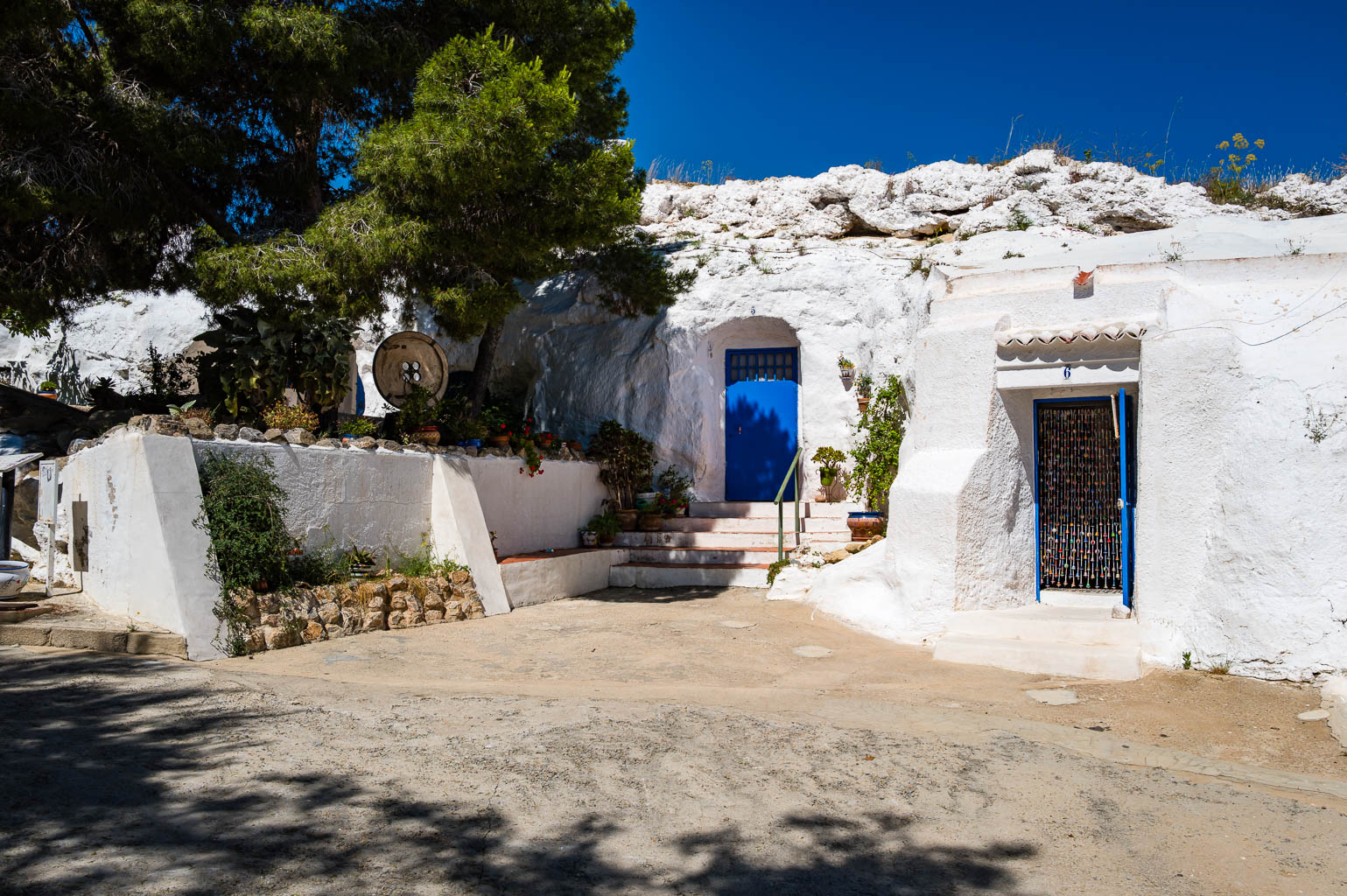
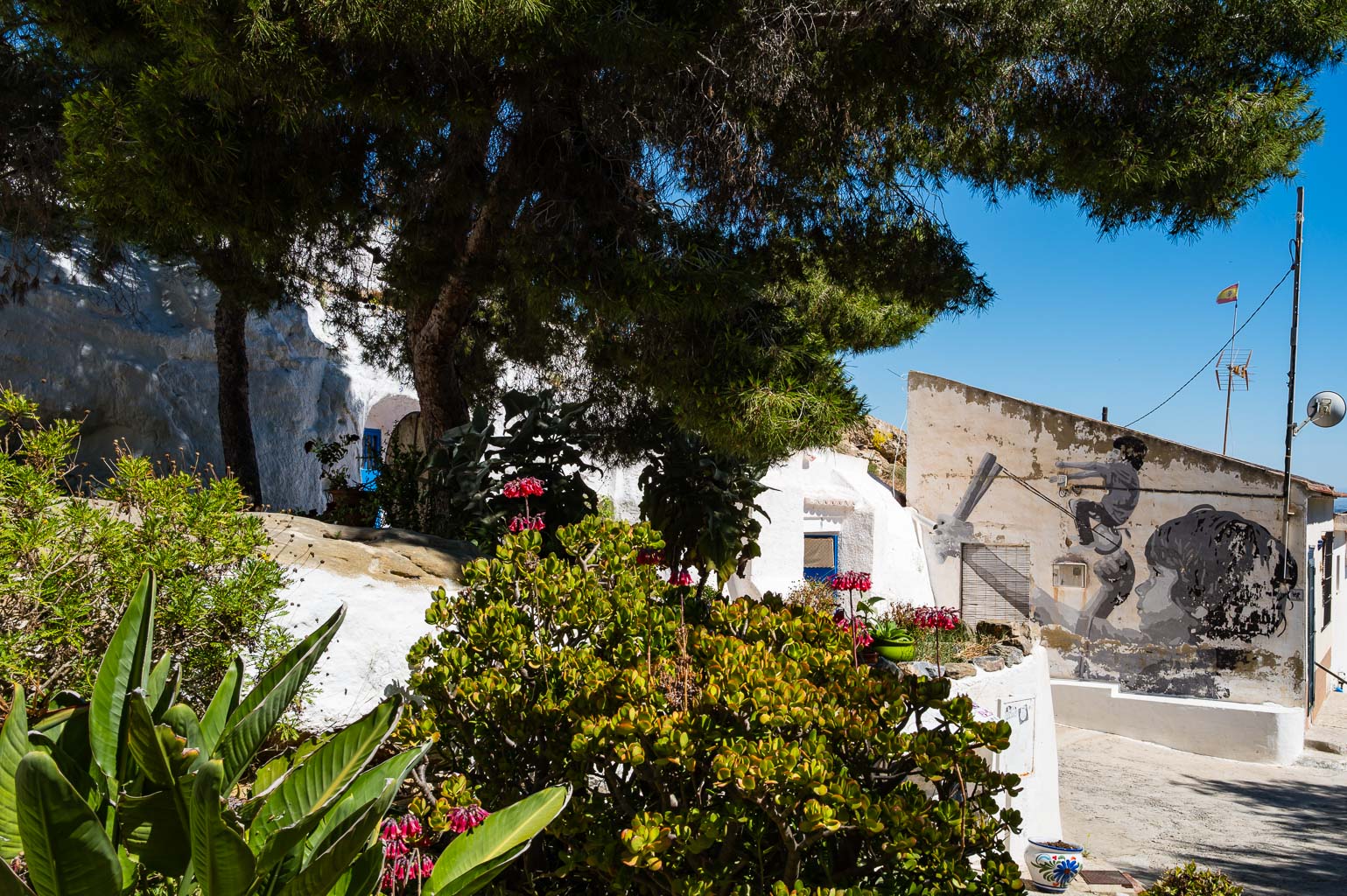
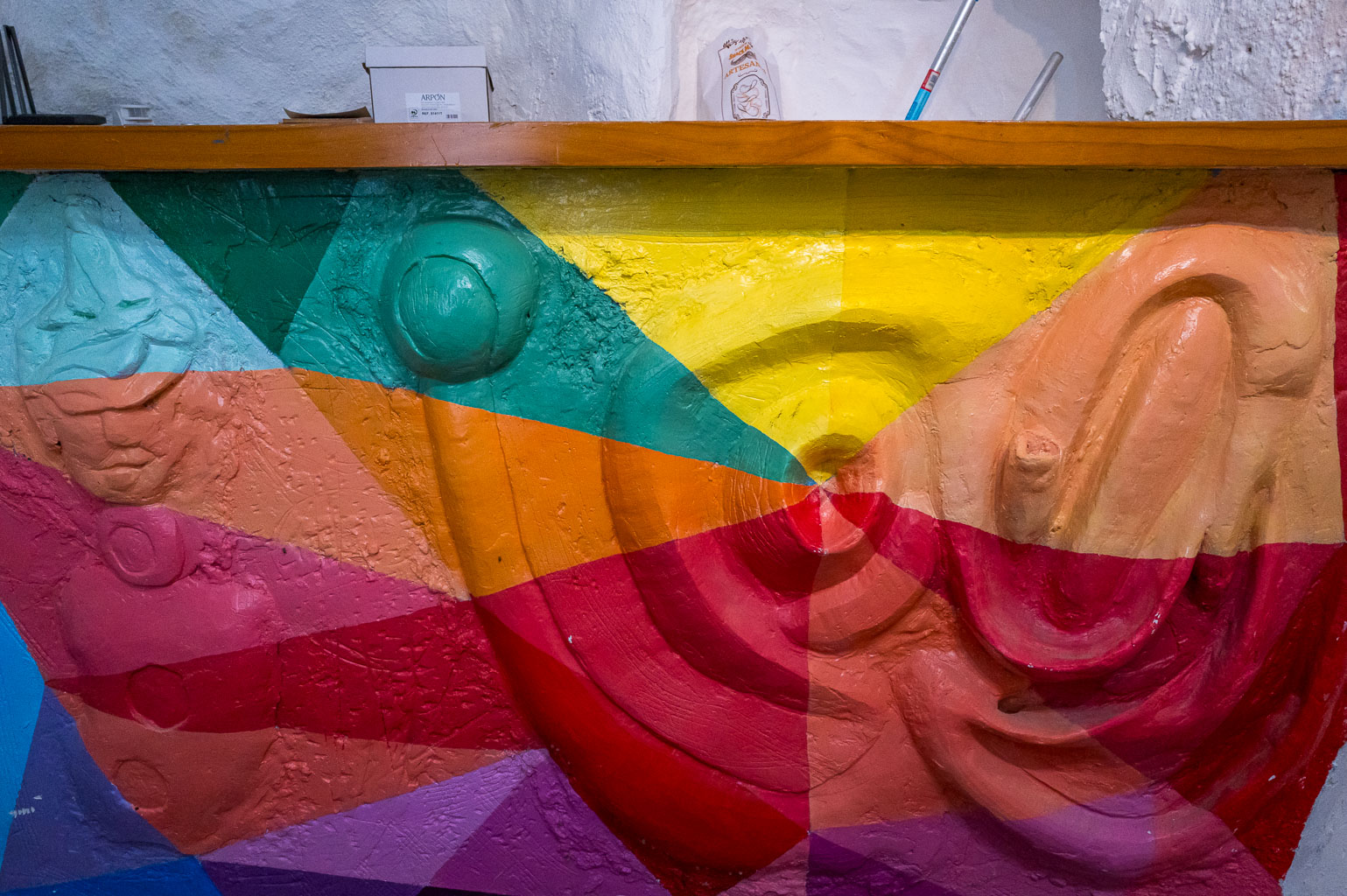
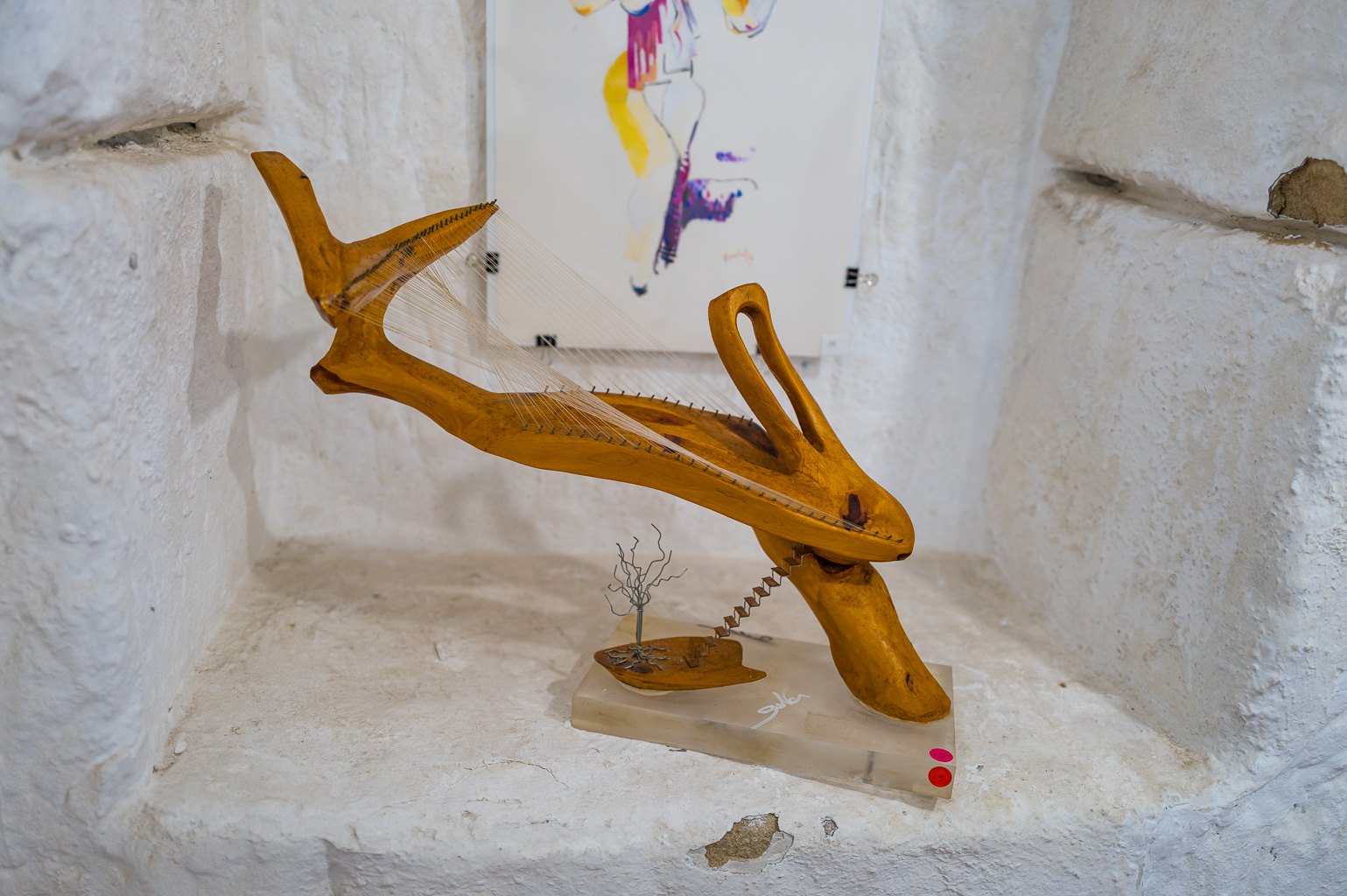
Behind the town in the low hills are a series of caves. In the past, these would have been lived in, but today they have been converted into artists’ workshops and studios to display their art. It might appear a little ramshackle, but the art is interesting, and the caves cool in the midday heat.
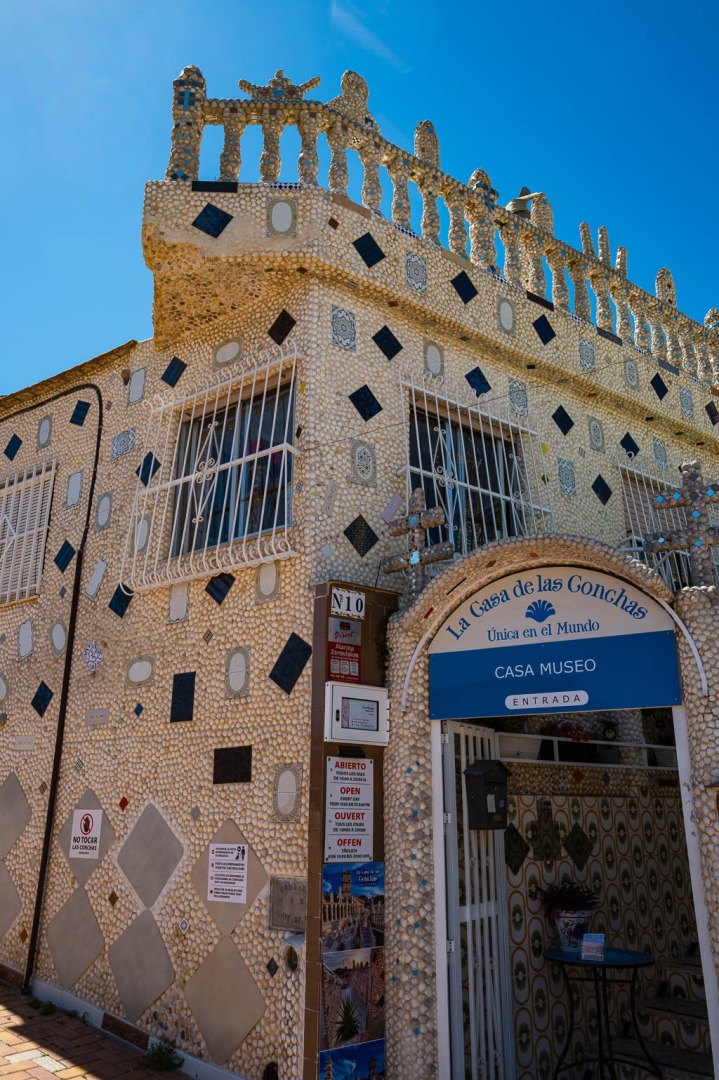
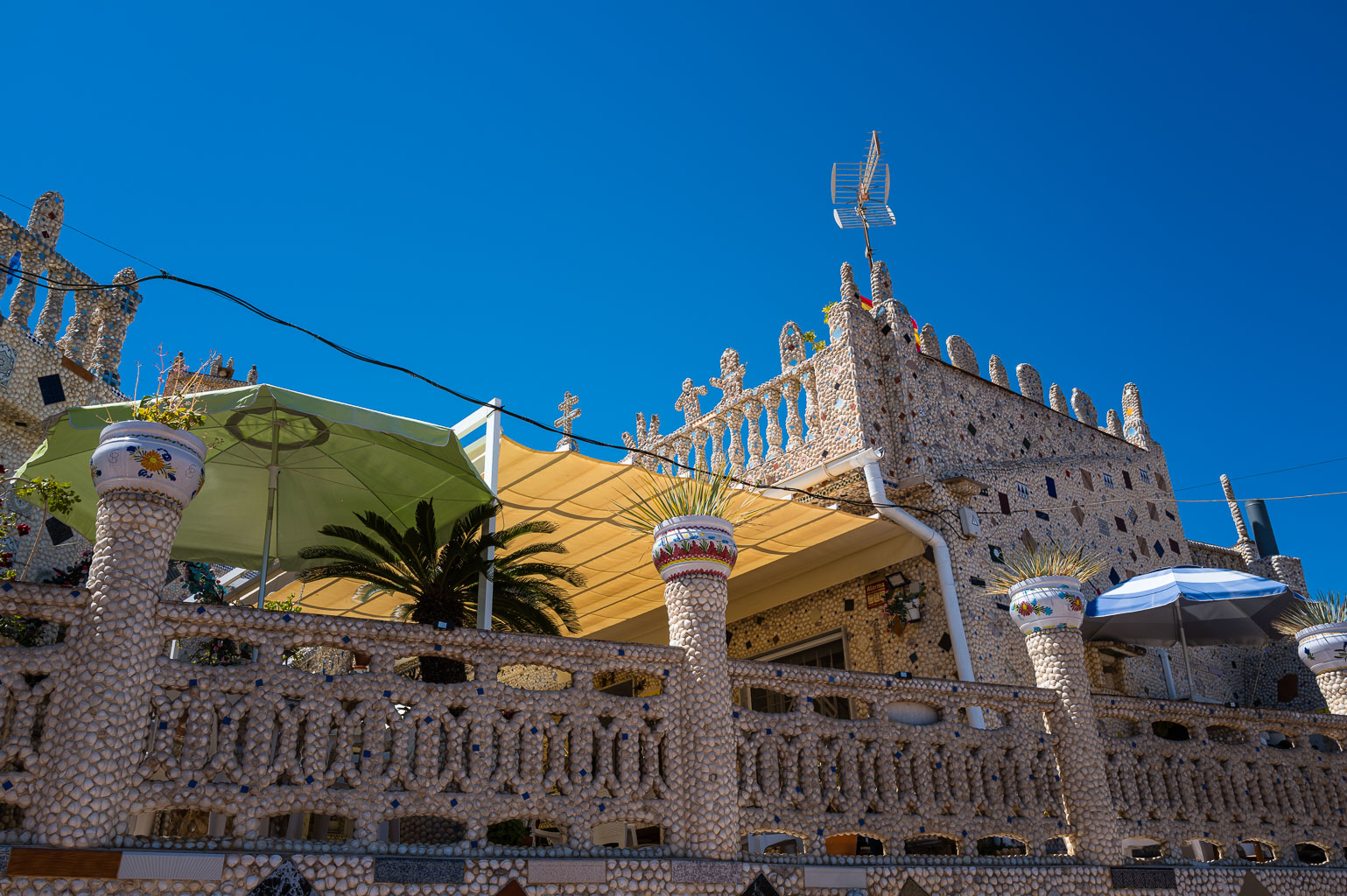
One “oddity” worth noting is “The House of Shells”. All the walls are covered in shells: every last centimetre of them. The original owner became obsessed with covering the house, so set out to make it his life’s work.
Mud and rust
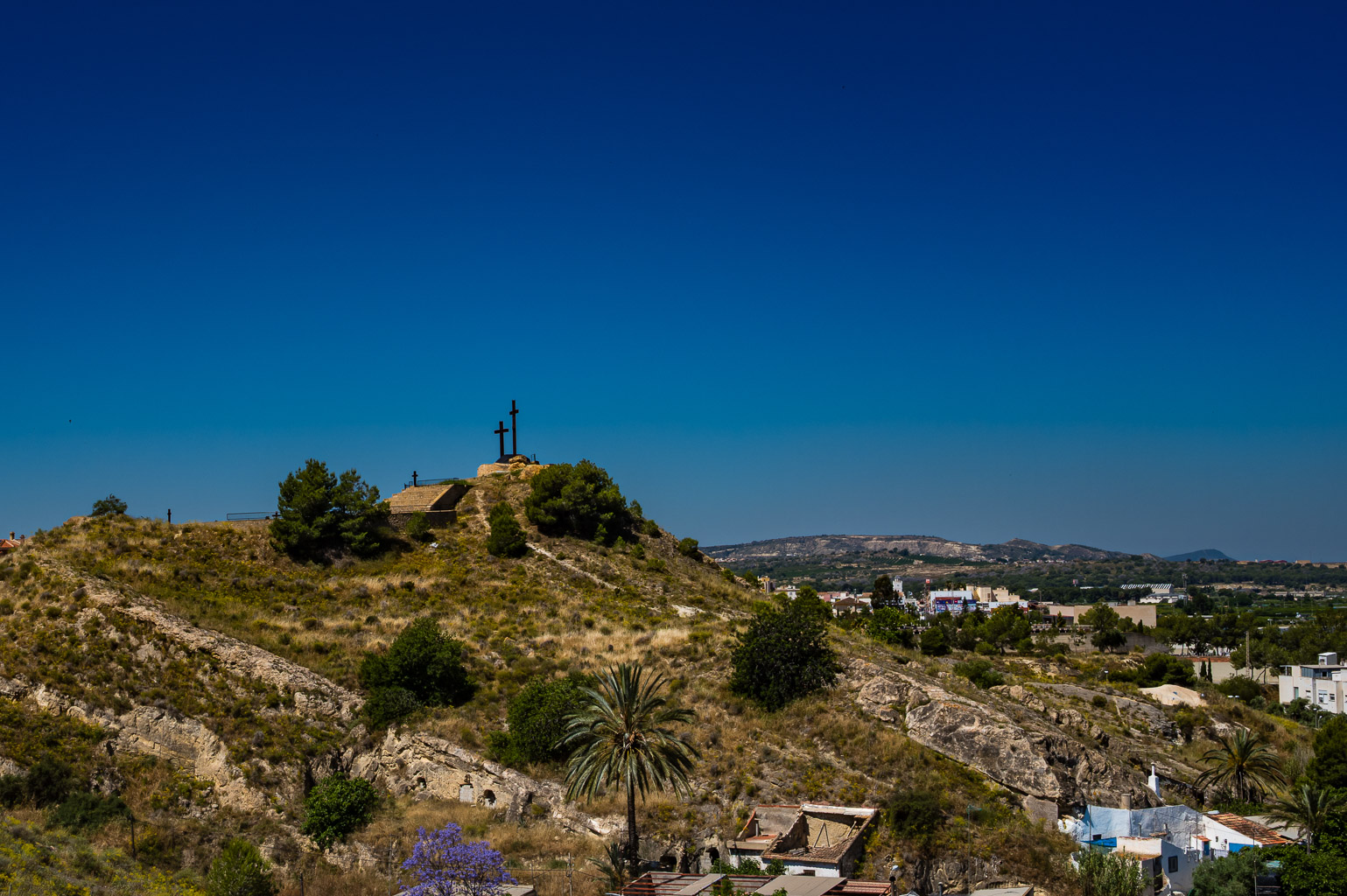
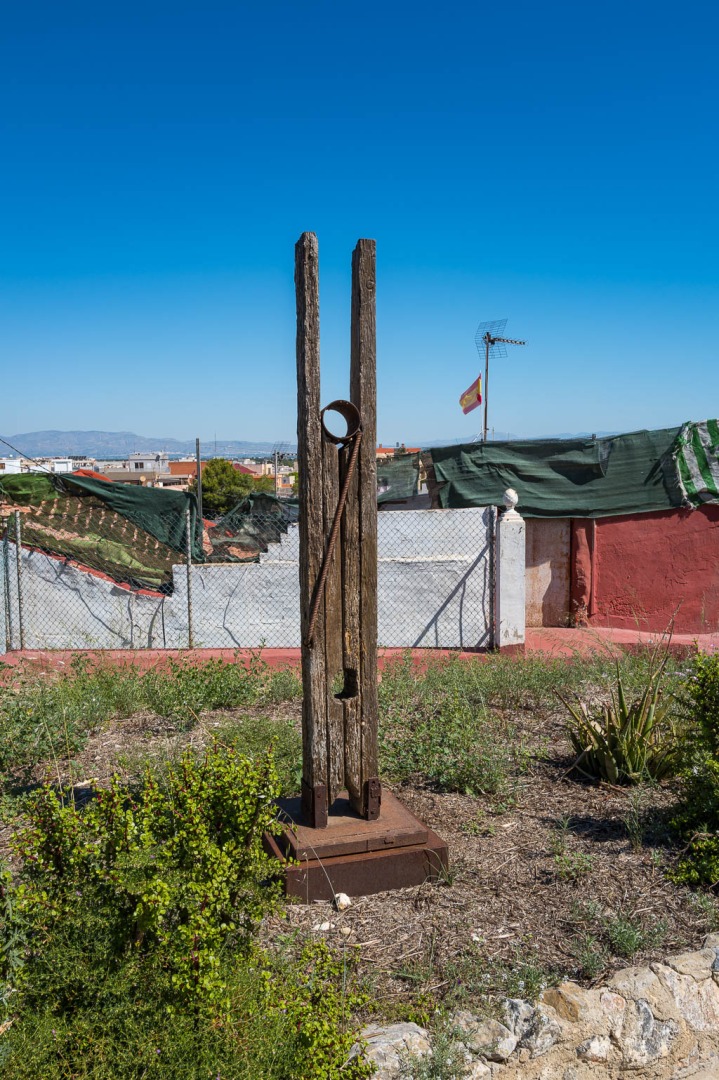
There are metal sculptures scattered through the hills that have aged and rusted in the heat. Some are simply odd, others represent everyday artefacts. While one, hauntingly, resembles what you imagine Golgotha must have looked like in Biblical times. During this hot and dusty walk in siesta time, there was nothing you could really call predictable!
Mudding
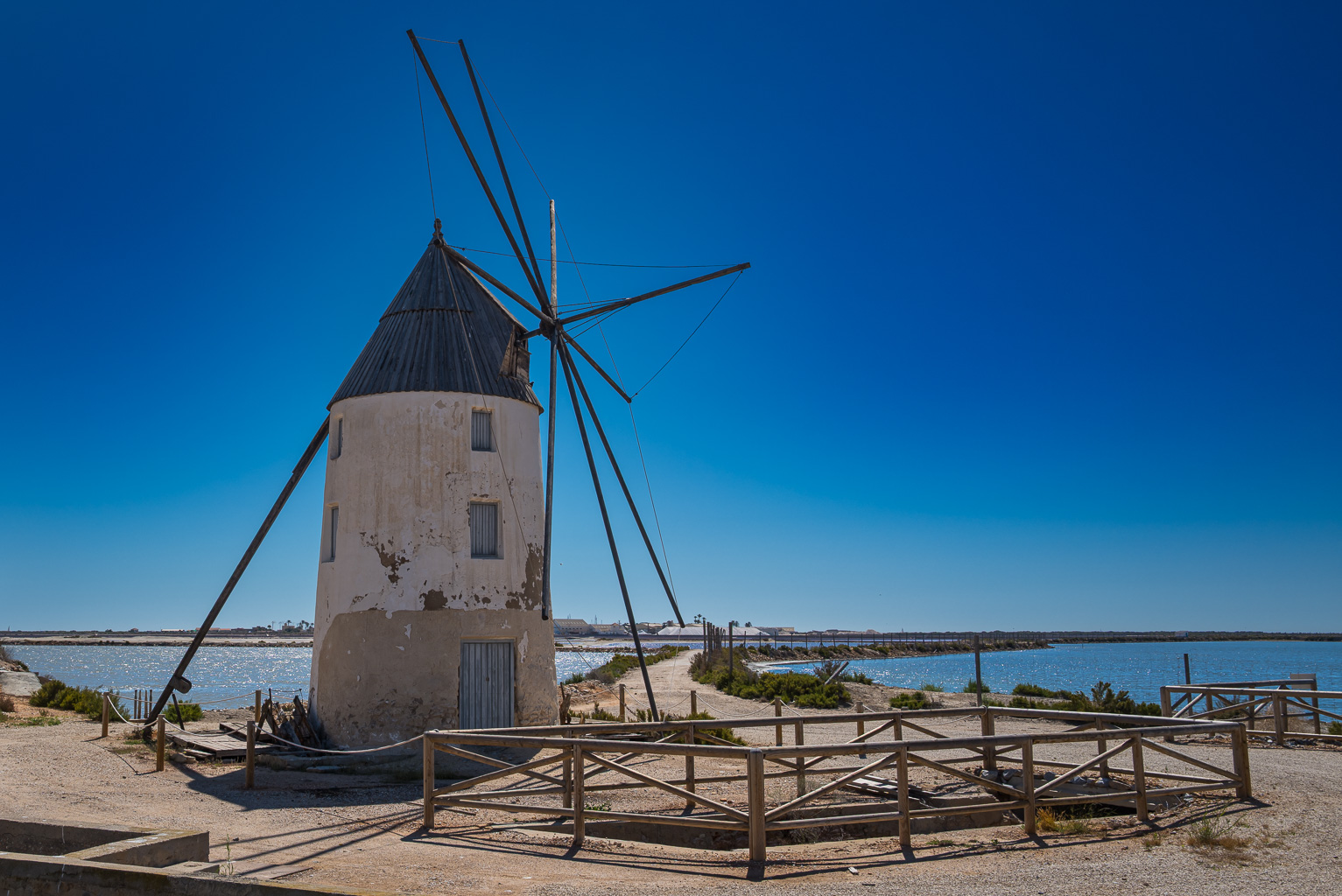
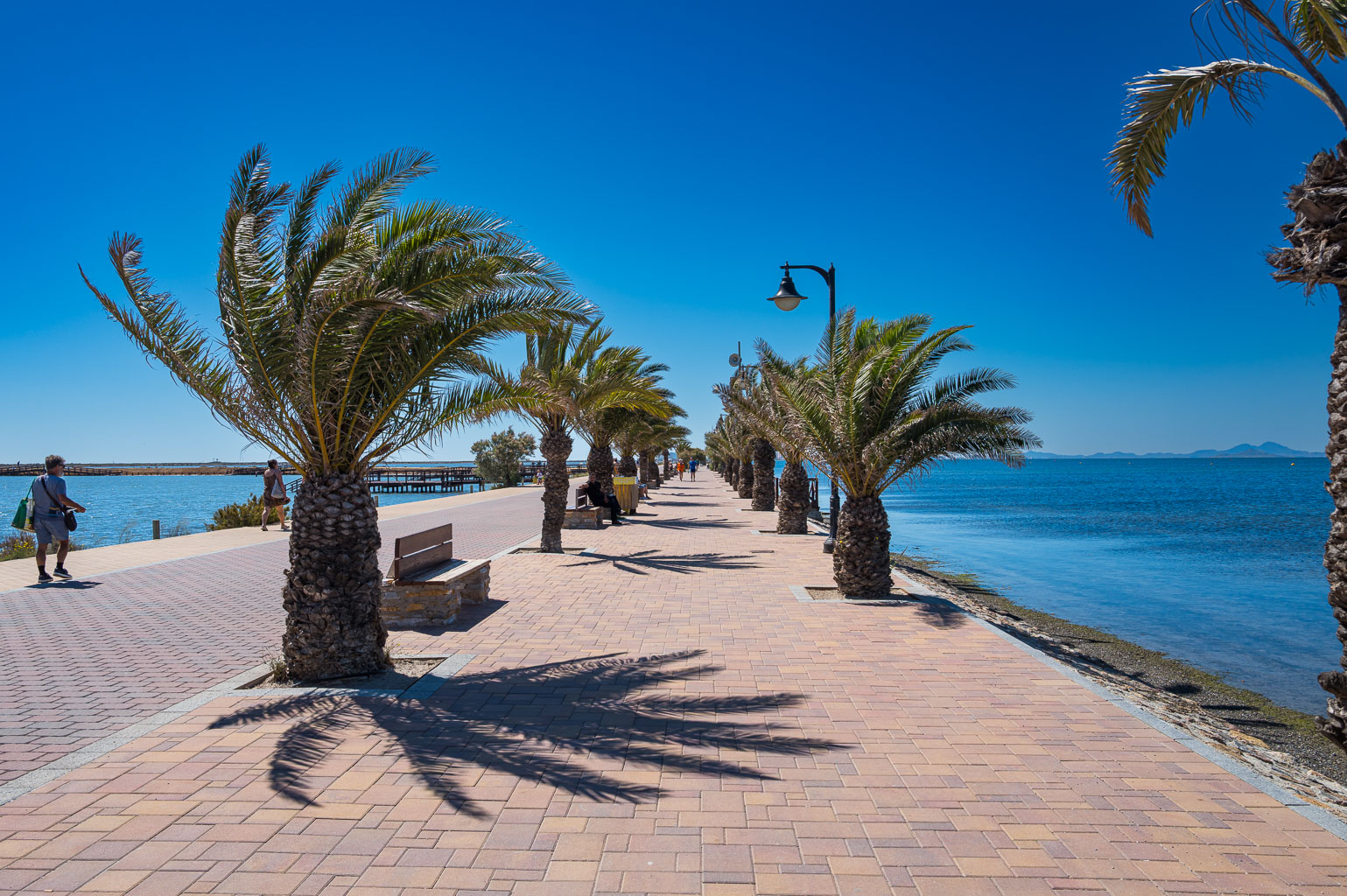
And talking of unpredictable, how about a lagoon where people bathe in the mud? Whole groups of tourists, with a veritable United Nations of languages, joyfully plunge themselves into this dark and smelly mess. And it smells! Rotting shrimp shells would be a good descriptor. Thankfully, my job was to encourage and photograph. No muddy waters for me!
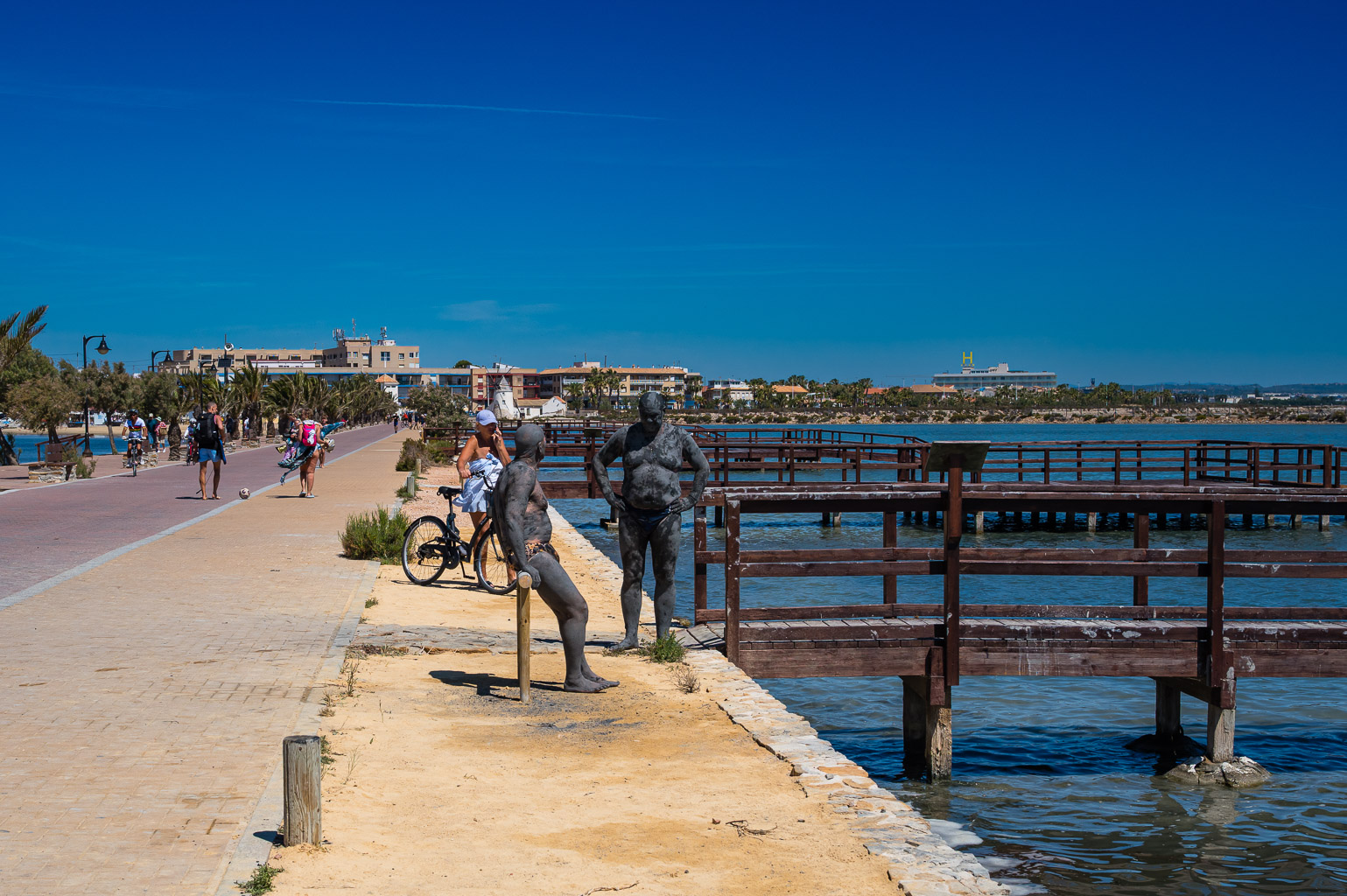
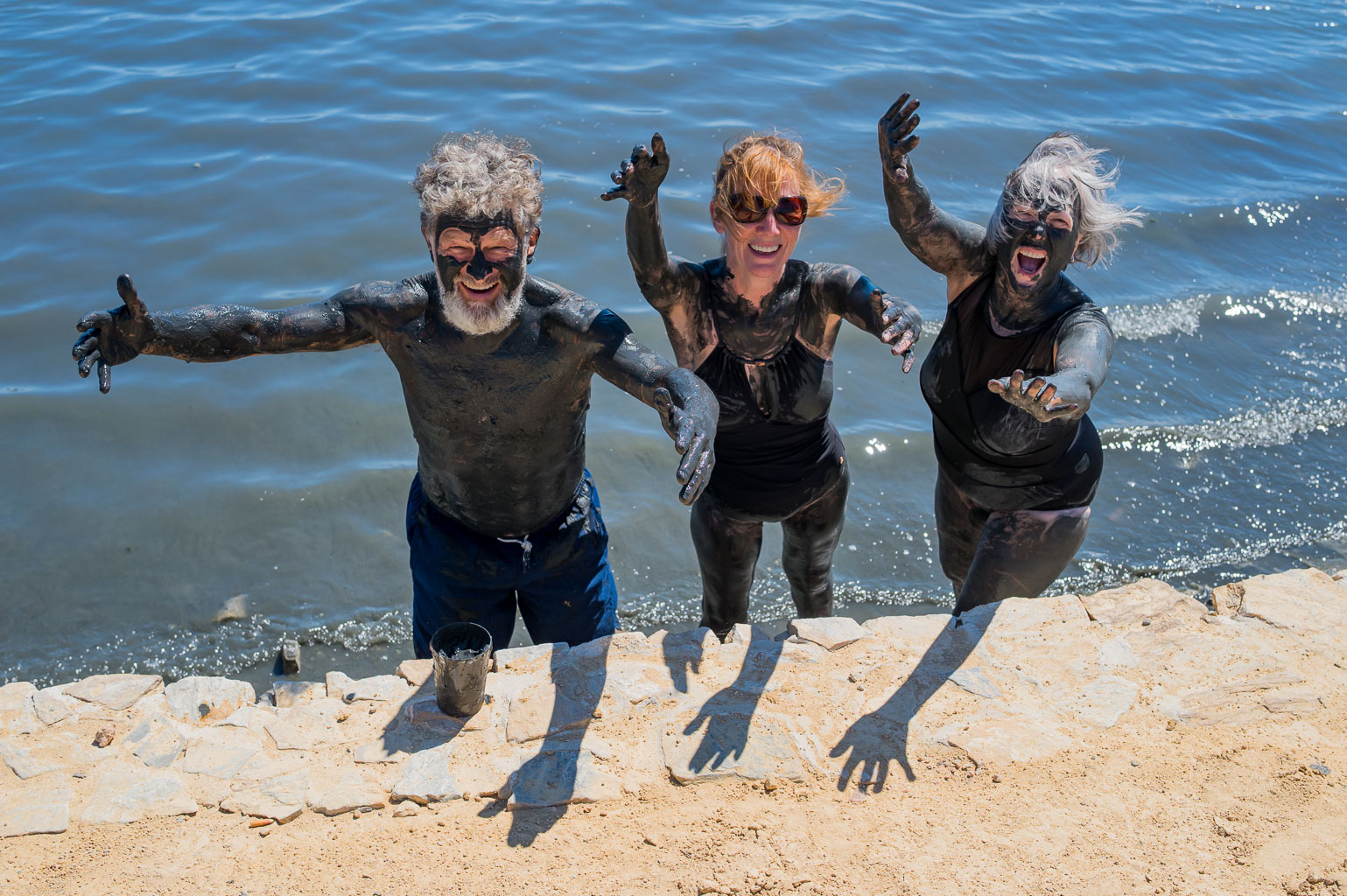
Food unprocessed
And that leaves a couple of short paragraphs to just mention food. It’s obviously easy to be drawn to places close to the shoreline, where you pay a premium for location rather than a premium for the quality of the ingredients. One of the beauties of being in an area like this is how accessible you are to fresh food and markets. Our favourite stallholder persuaded us that her brined olives stuffed with garlic were worth every euro. She was right!
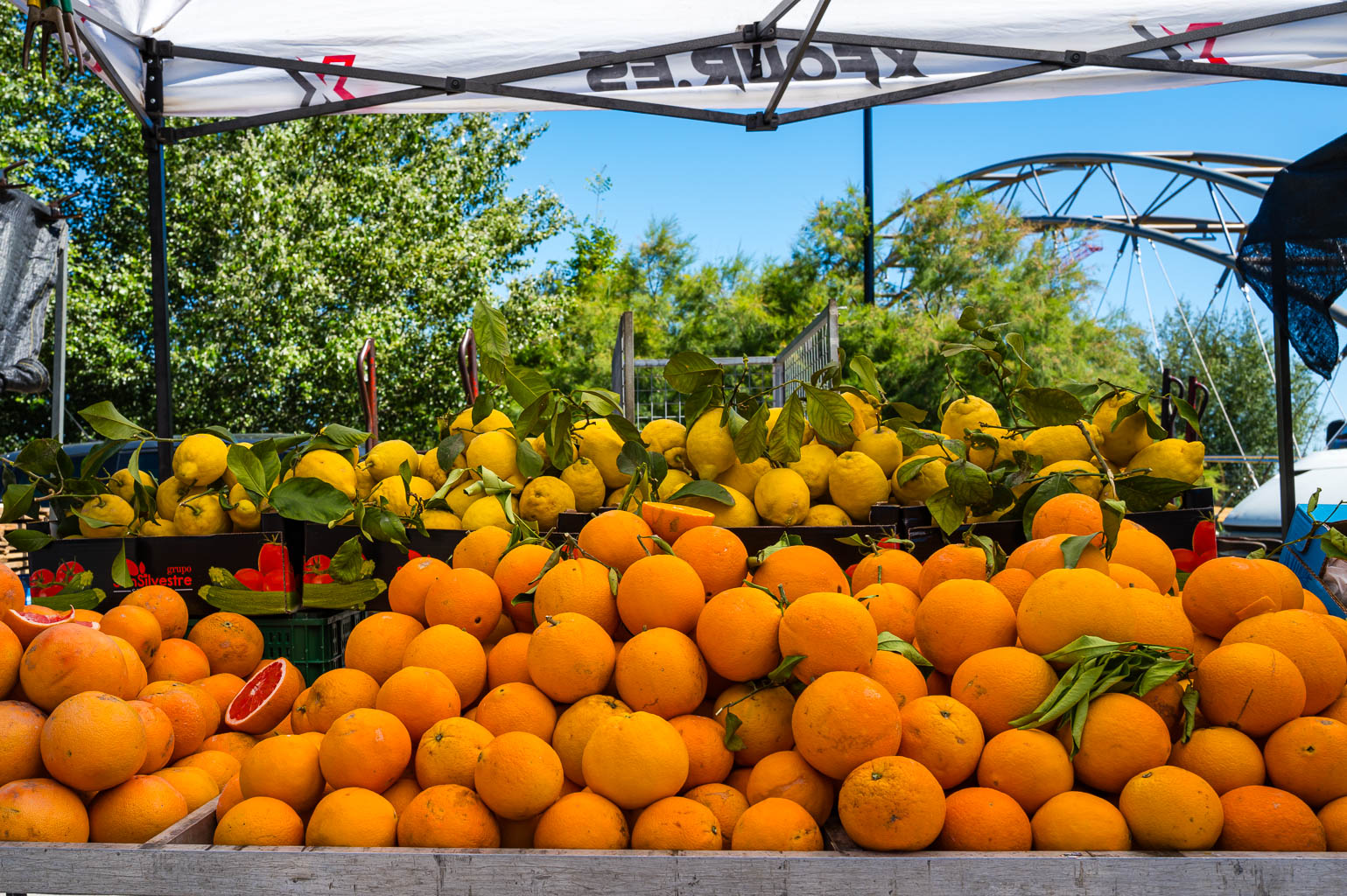
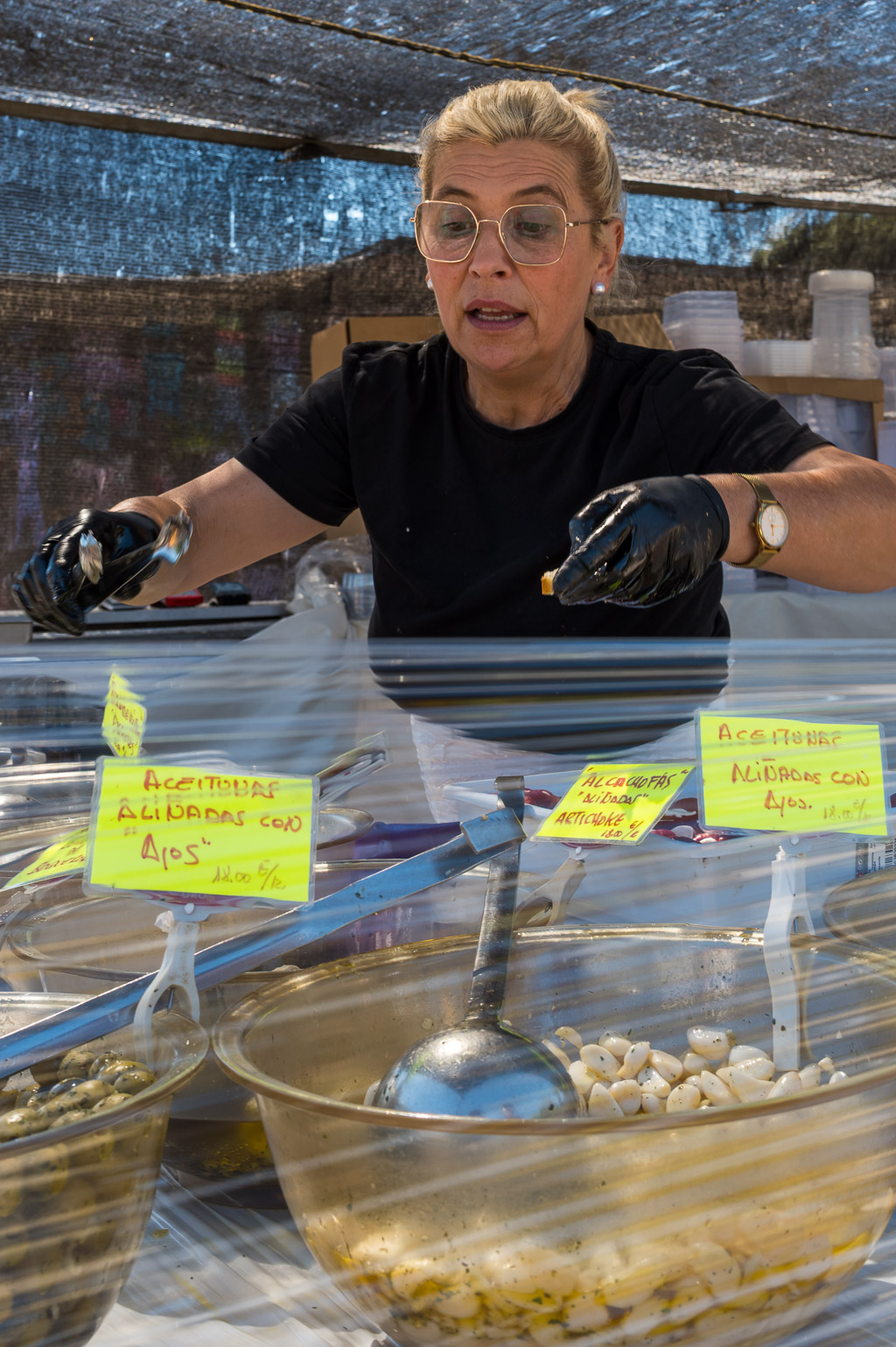
The first, sadly, was not photographed, but was a dusty restaurant serving a four-course lunch for 13 euros. In my case, salad, fresh grilled anchovies, red mullet, Tiramisu, coffee, and a glass of wine all included. And it was all excellent!
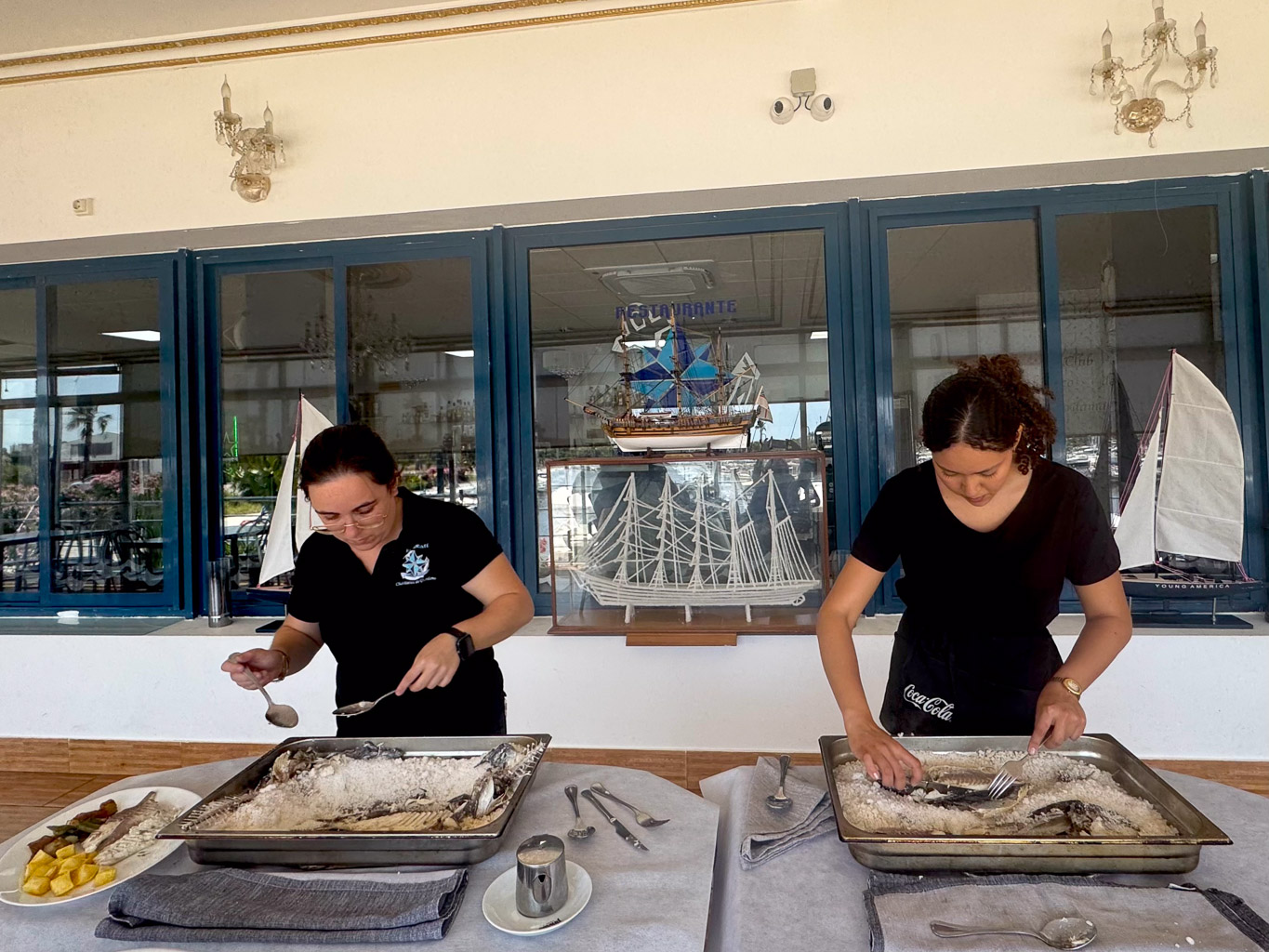
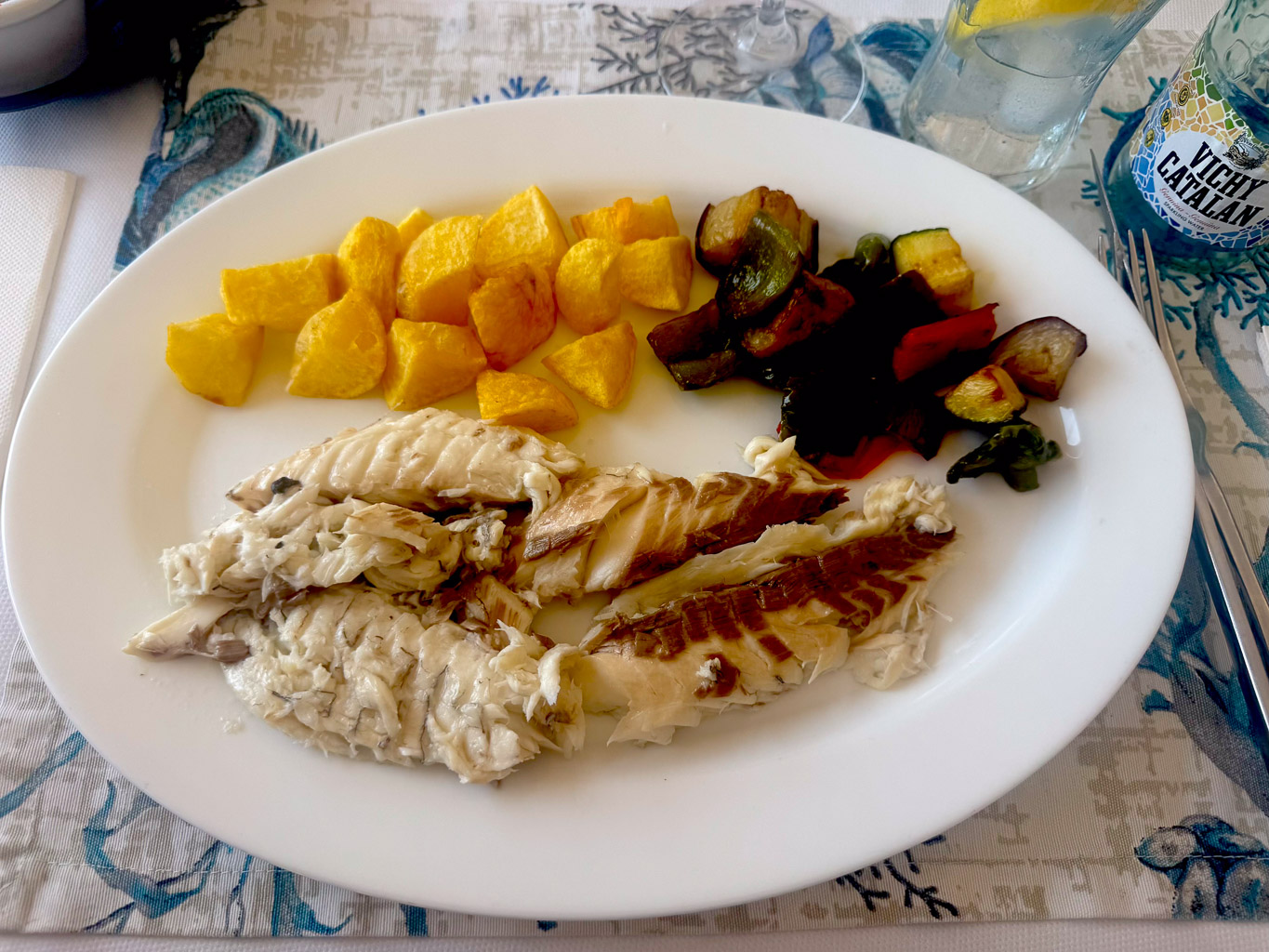
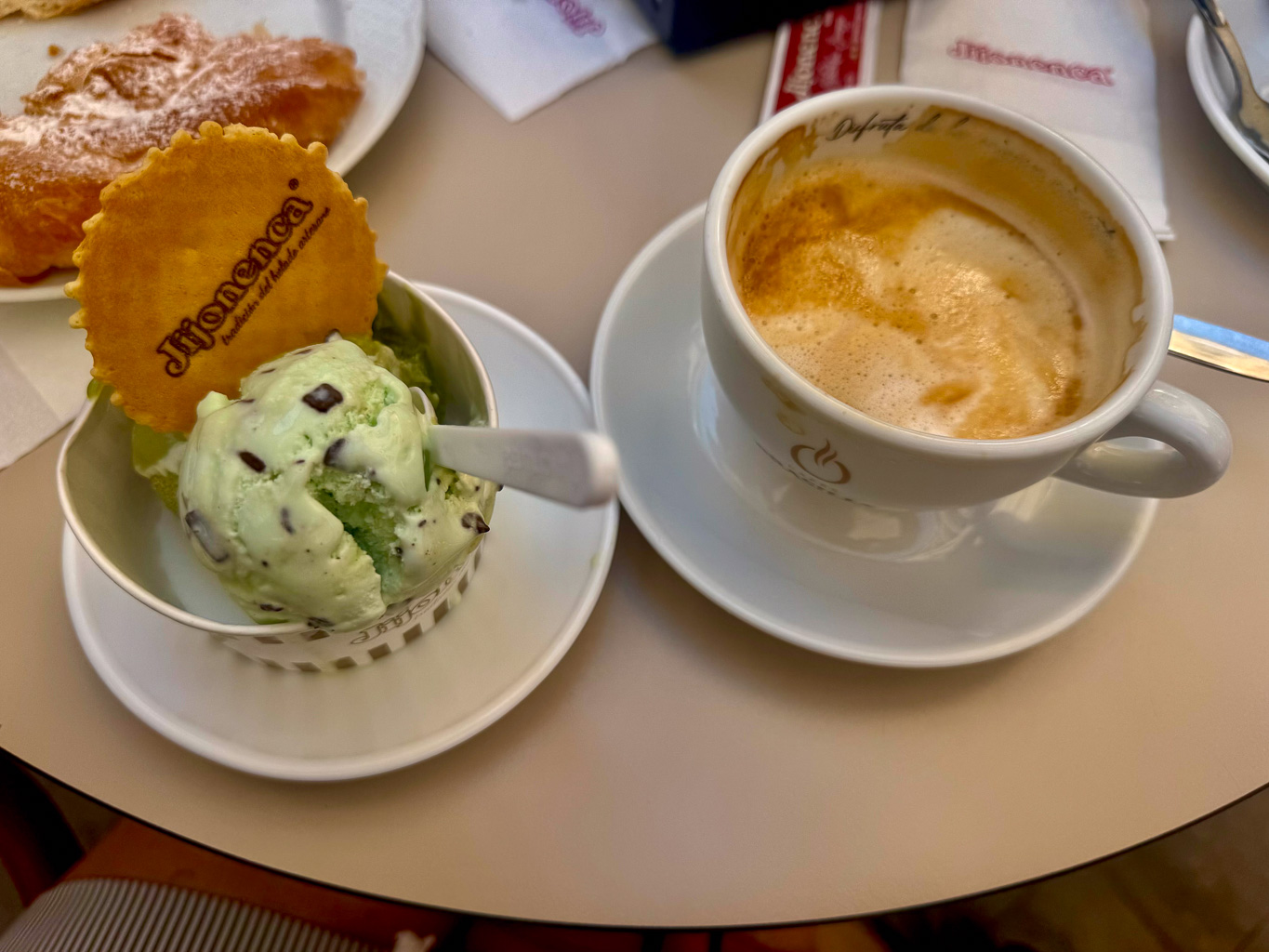
The second was a lunch which we had to wait 45 minutes for: Lubina/Sea Bass baked in salt. It was tableside art as we watched the salt cracked open with a flourish, followed by the filleting of the fish in the “silver service” way. And it was moist, flavourful, and not the slightest bit salty. And for treats, gelato and coffee.
Thoughts on the Leica Q3
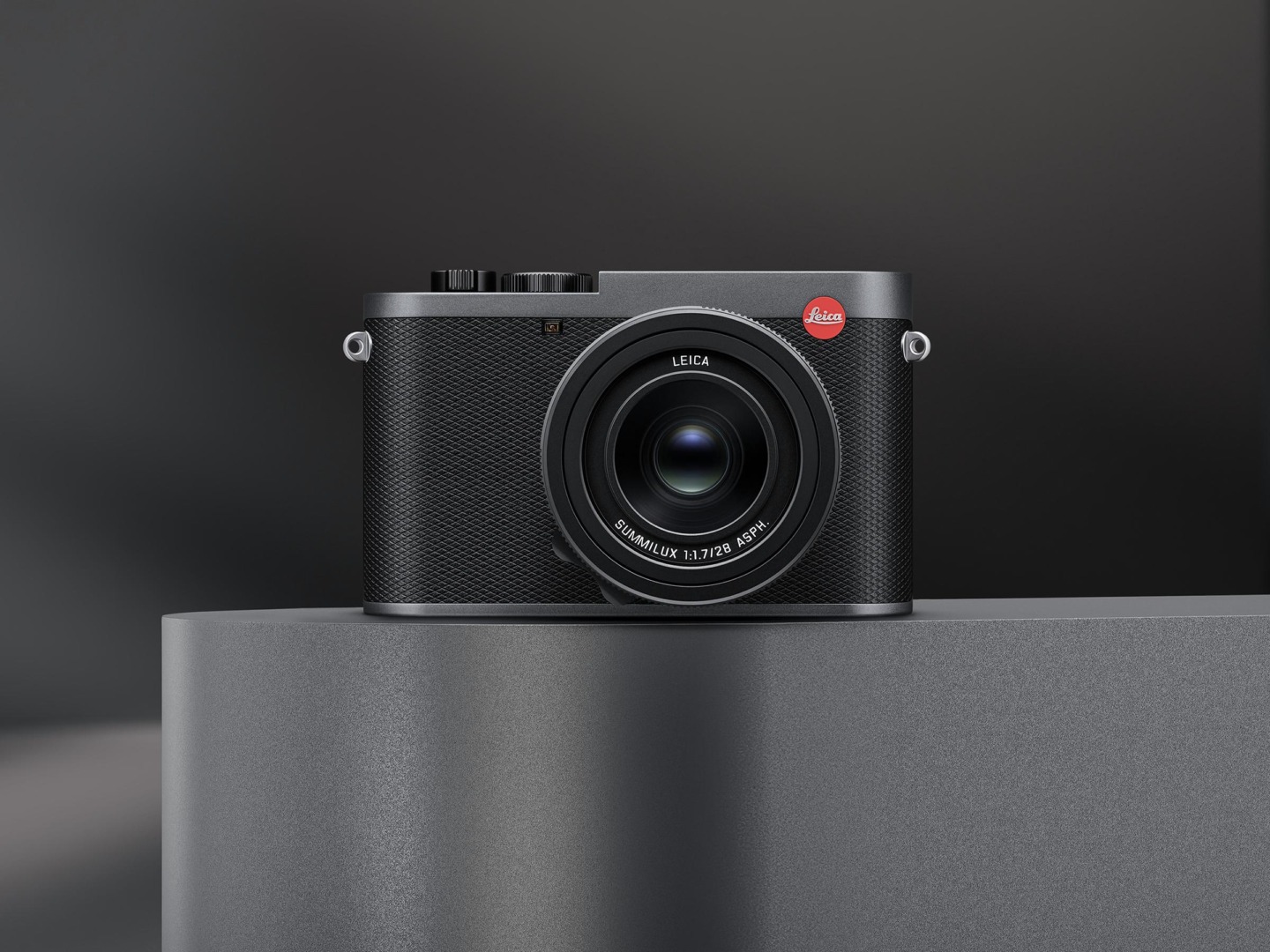
It’s really 90% there. If there were no extra refinements, I could probably live with this camera for the rest of my days.
| Request for changes: |
| 1) An internal memory would seem to becoming the norm, despite the rising cost of memory. The M11-P has a 256GB internal memory, and the EV1 has 64GB of memory. Could the Q4 have 64GB or 256GB, maybe, as options? At that point, you don’t need twin slots for SD memory cards. |
| 2) Better eye/face/body tracking. Not a new request, but bit by bit I can see the camera tracking system getting distracted. |
| 3) Faster processing of images. There are times when even for someone like me who “slow shoots” that it feels as if the camera is digesting slowly. |
| 4) A rear screen that can rotate fully. |
| 5) A built-in ND filter. On days like these in Spain, it would help balance the aperture you want against superfast shutter speeds. |
| 6) Better manual focusing aids, like a split prism. |
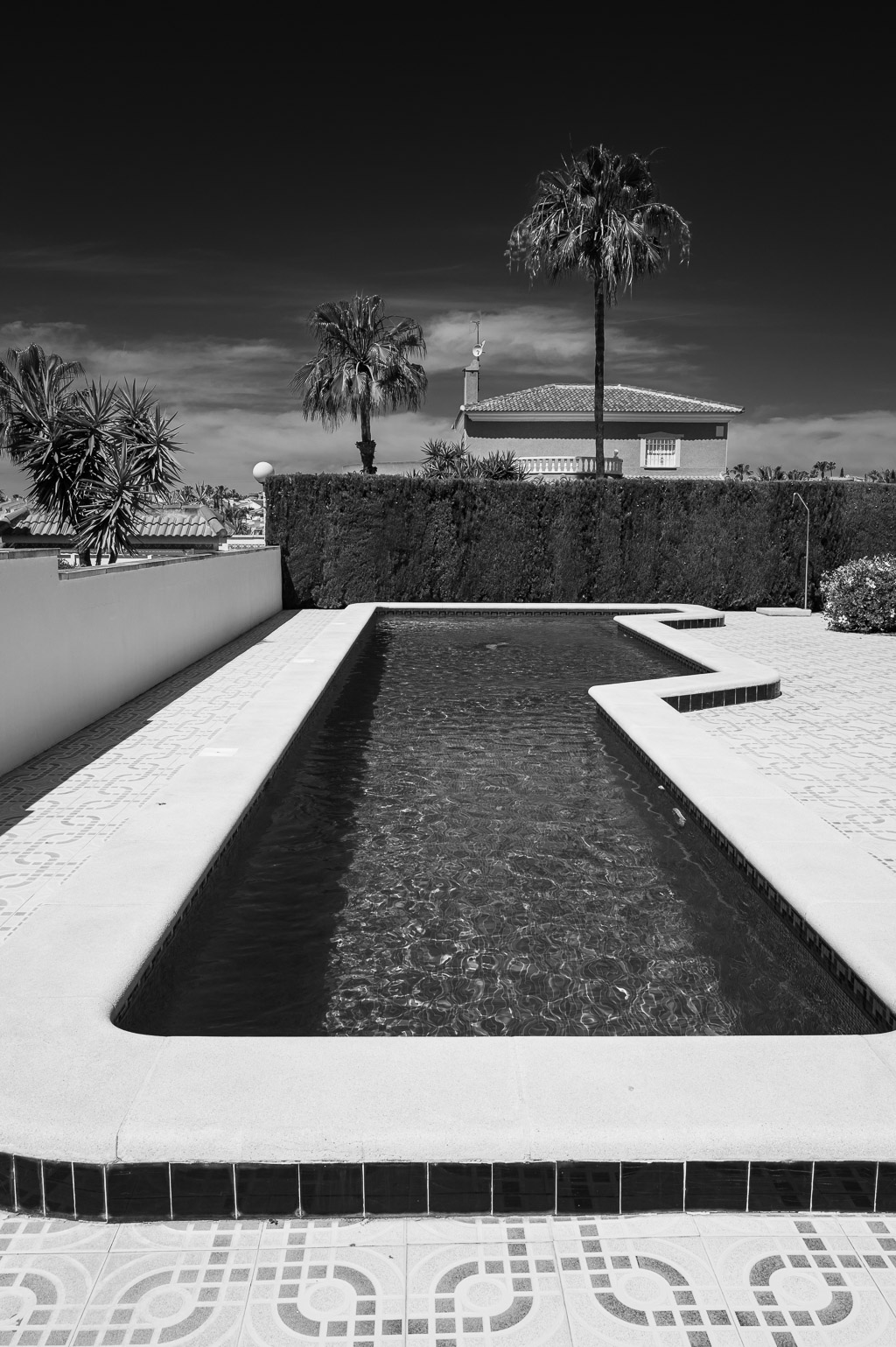
The last siesta time
And one last shot of Spain taken in siesta time to remind me I need to book a return trip.

Make a donation to help with our running costs
Did you know that Macfilos is run by five photography enthusiasts based in the UK, USA and Europe? We cover all the substantial costs of running the site, and we do not carry advertising because it spoils readers’ enjoyment. Any amount, however small, will be appreciated, and we will write to acknowledge your generosity.
Comments: Please add a comment to this article. Our comments section is a thriving community and everyone is treated with respect. In addition, please identify yourself (and add an email address, which will not be published, if you would like to see answers to your posting). Our system will automatically delete any “anonymous” posts on the basis that they are likely to be spam.