
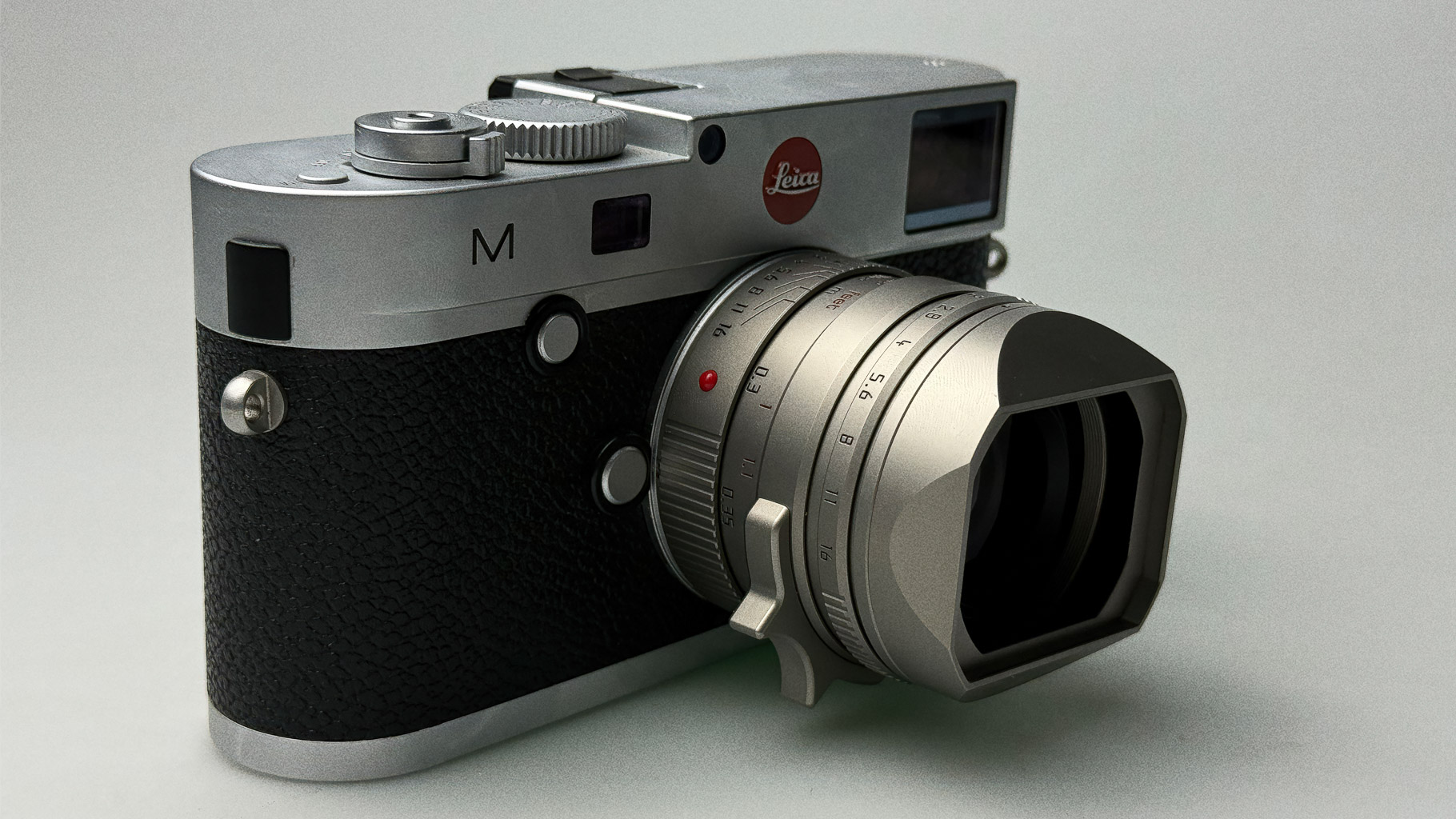
Leica’s 35mm f/2 Summicron APO-Aspherical is, in my opinion, the finest 35mm-equivalent lens that money can buy. But could Light Lens Lab challenge that claim? Peter Karbe’s design has never let me down, and I want to show you why before I get to the real subject of this piece.
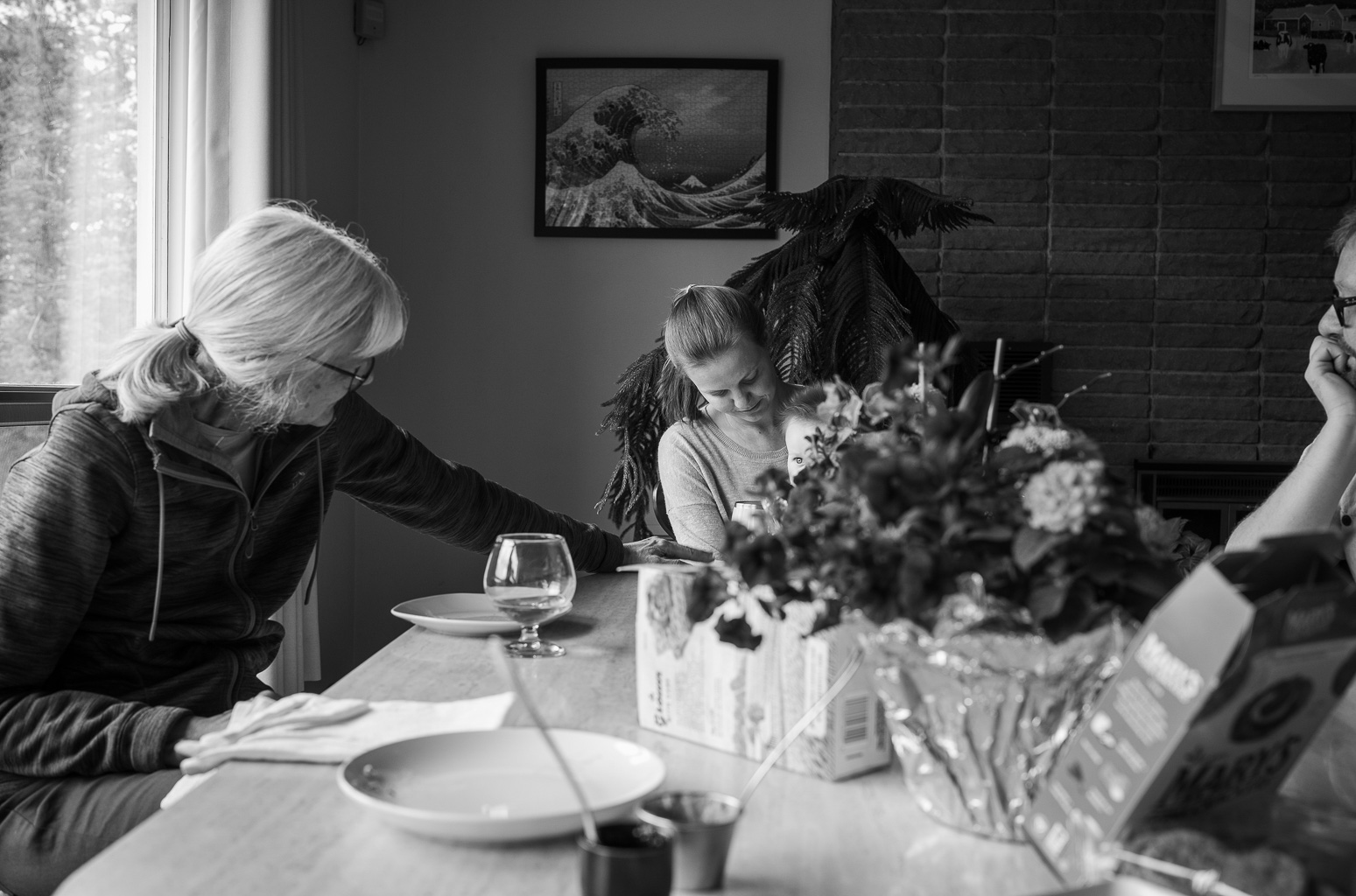
I photographed a friend’s family at her kitchen table, using an M10 Monochrom at around f/5.6. I liked the composition so much that I cropped it tightly. In an odd, amusing way, it reminded me of a Madonna and Child.
Cropped in close, the detail stopped me in my tracks

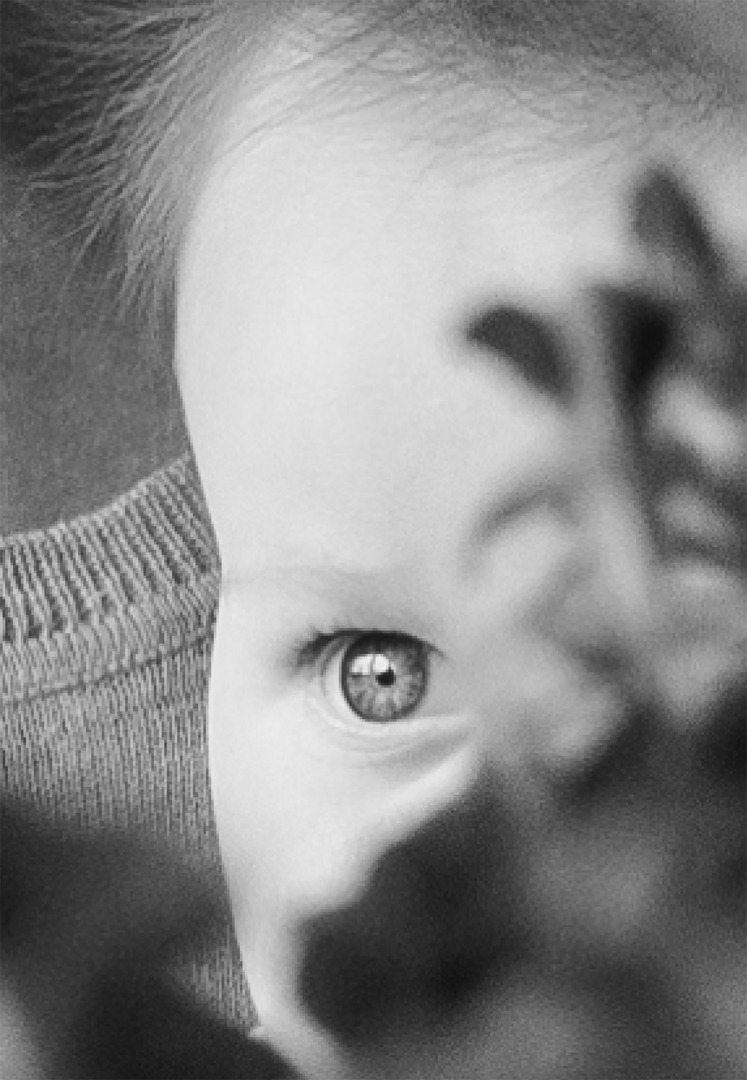
I made two 12×18-inch enlargements: one for the family, one for myself. Every time I look at mine, the child’s eye still mesmerises me. The glow, the sharpness, the visual elegance — it is remarkable.
I find myself wondering what that same frame would look like from an M11 Monochrom’s 60-megapixel sensor. That is how much I trust this lens. Almost every time I look at pictures taken with it, I ask myself why I bother with any other 35mm optic. I cannot fully explain the answer. I still reach for my eight-element Summicron or the first aspherical Summilux out of familiarity rather than necessity. Perhaps not everything needs to be perfect.
Enter Light Lens Lab
That introduction sets the scene for Light Lens Lab’s own attempt at a 35/2 APO-Aspherical. This is not a copy of Karbe’s design. It is the Chinese firm’s attempt to stand alongside it, with a different optical formula and similar ambition.
I have followed this project for several years. Now, finally, a prototype has landed on my desk.
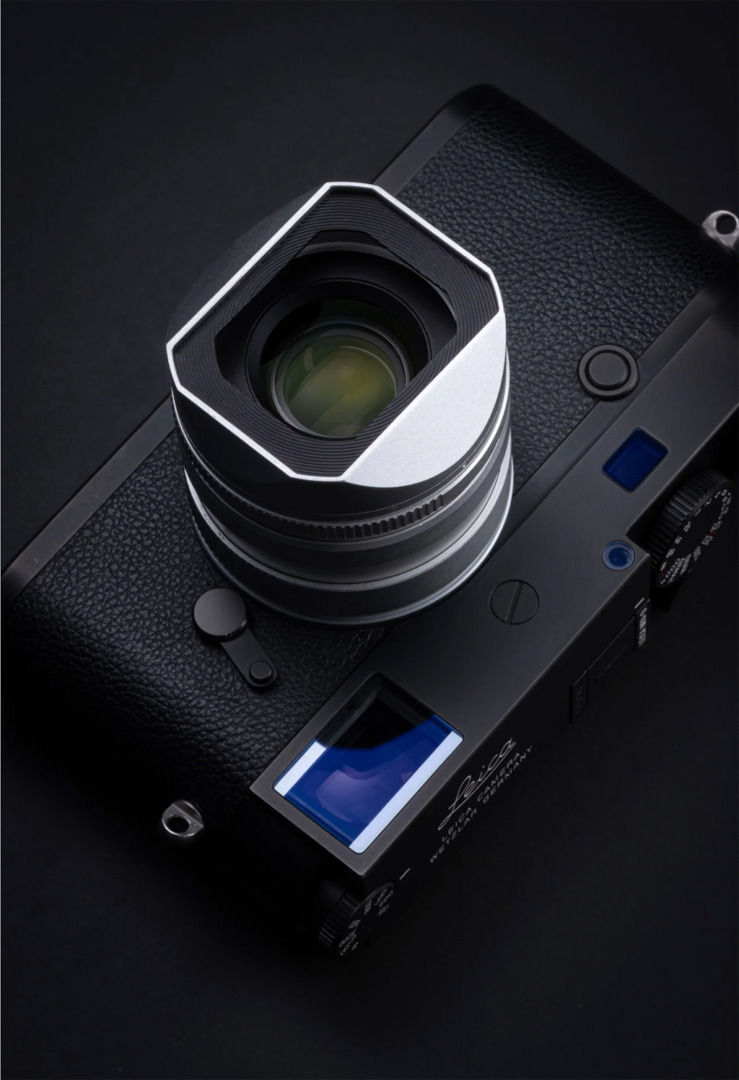
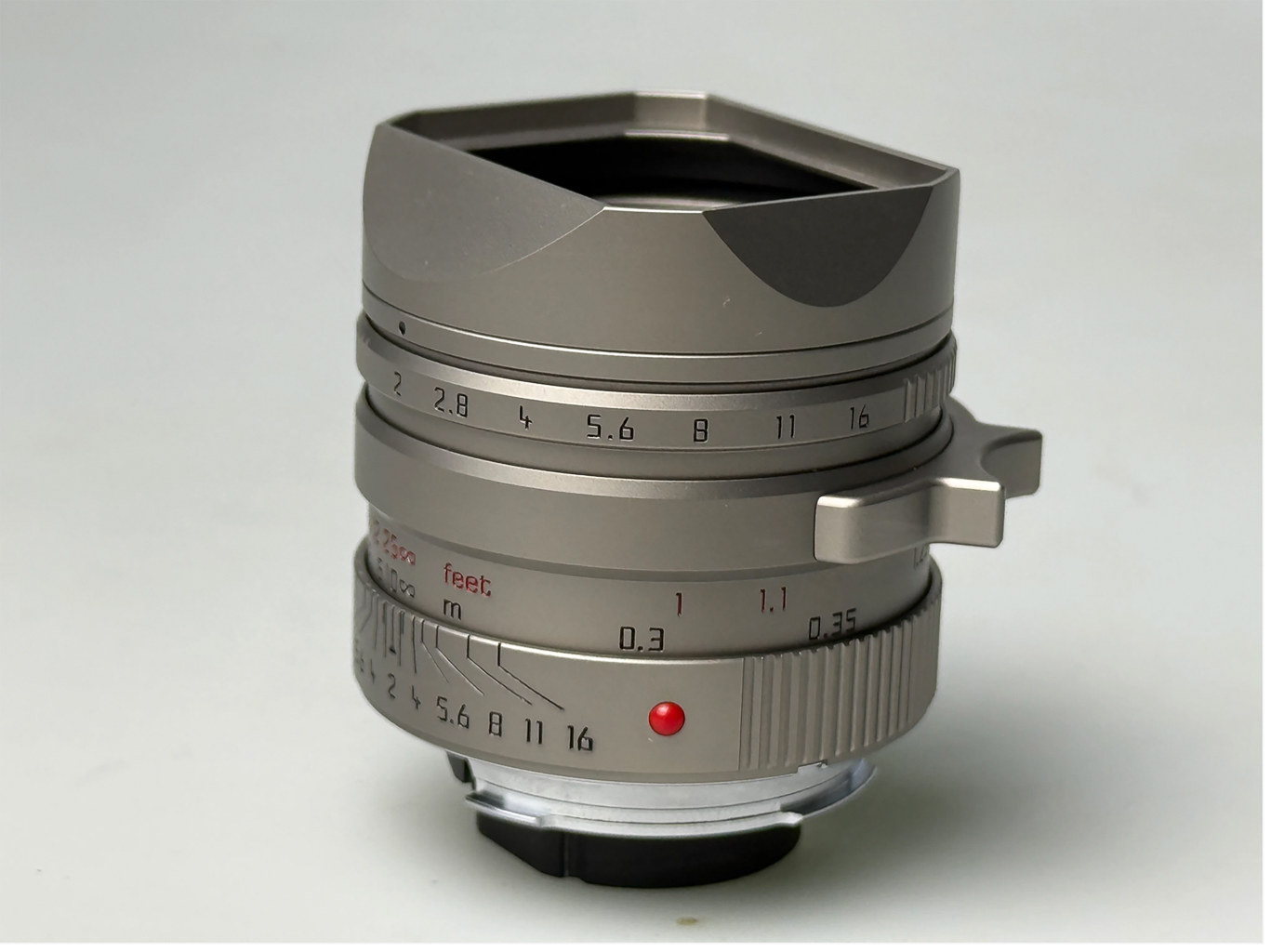
How I tested it
I shot the Light Lens Lab 35/2 AA — the maker’s own shorthand for APO-Aspherical — side by side with the Leica APO-Summicron-M 35mm f/2 ASPH, across several sessions with an M10 Monochrom, an M10-R and an M11-P. Subjects ranged from portraits and macro studies to a colour chart and open landscape, at apertures between f/2 and roughly f/6.8.
Specification
| Optical design | Light Lens Lab 35mm f/2 Apochromatic 11 elements in 6 groups, 4 aspherical |
| Aperture range | f/2 to f/16, 11 blades |
| Minimum focus | 0.3m |
| Length | 40.9mm / 49.3mm (excl./incl. hood) |
| Maximum diameter | 52mm |
| Weight | approx. 327g (aluminium) / 360g (titanium) |
| Finishes | Titanium Grey, Black, Silver Chrome |
| Price | from $2,099 |
The specification and brochure copy come from Light Lens Lab; I have translated the original Chinese material myself.
Build and handling
Handle the two lenses together, and Leica’s influence is obvious.
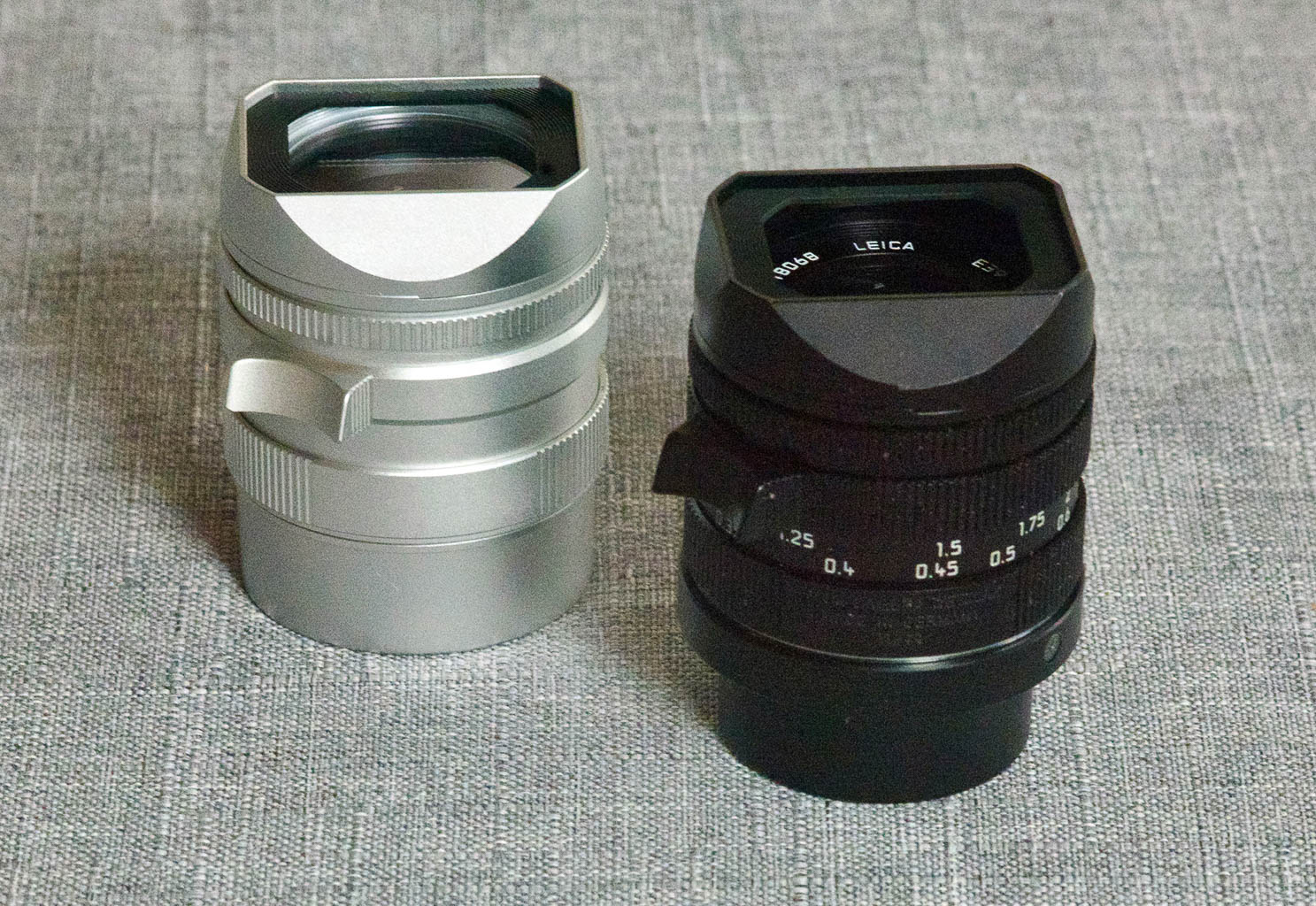
My sample weighed 340g against 309g for the Leica. The Light Lens Lab design has one extra element, which accounts for most of the difference. Both lenses share the same reassuring detent as they enter the close-focus range.
The prototype I received carries no engraved markings at all: no focus distances, no aperture numbers. That will change before the lens reaches customers, but for now, it gives the lens a faintly ghostly character on the camera.
Focusing on both lenses relies on miniature bearings, and both are silky-smooth in operation. Light Lens Lab clearly understands what Leica owners expect from a lens in the hand, even before you consider the glass.
The MTF curves
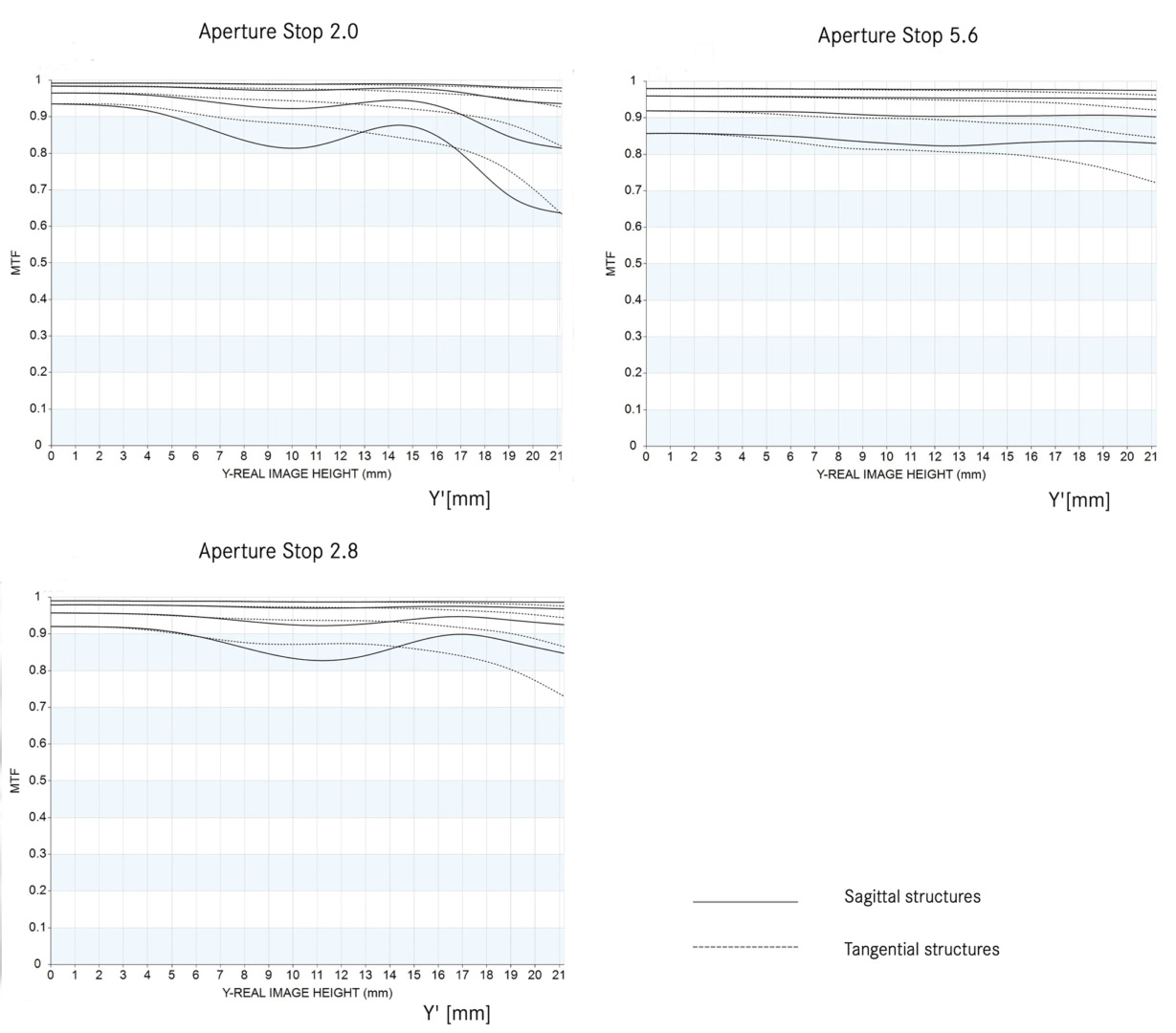
Light Lens Lab supplied MTF curves at f/2, f/2.8 and f/5.6, plotted at 5, 10, 20 and 40 lp/mm.
For comparison, here are Leica’s published curves for the APO-Summicron-M 35mm f/2 ASPH.
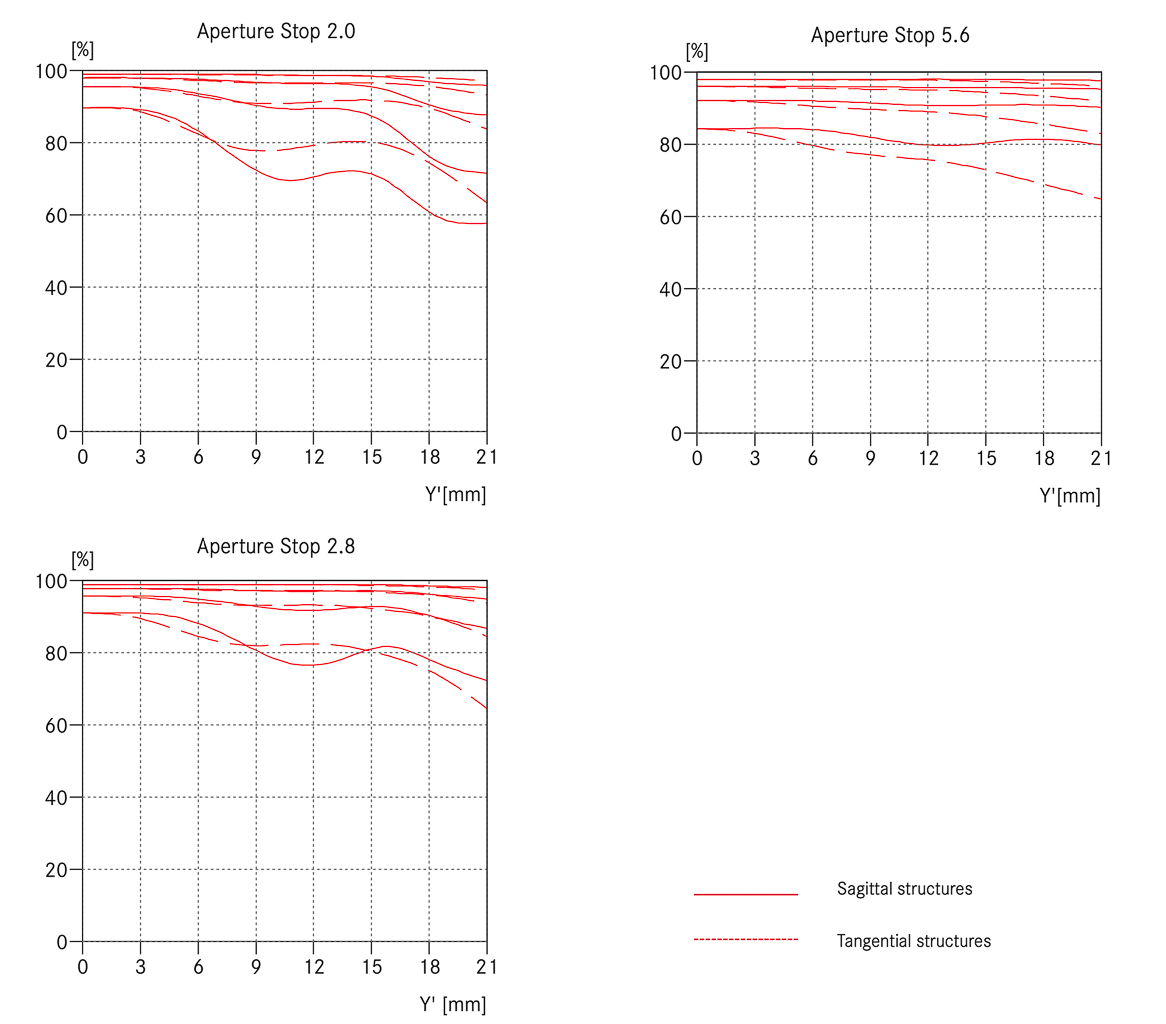
A word of caution is due here. These are manufacturer graphs, not independently measured results, so any direct comparison between them should be treated gently. Interestingly, Light Lens Lab does not publish the optical diagram for this lens, citing proprietary concerns. Given how much intellectual-property piracy affects Chinese optical manufacturers, that reticence is understandable.
Editorial Note: The following Light Lens Lab 35mm f/2 Apochromatic images were taken with a prototype, which may differ in performance from the final production version.
Sharpness and colour
Wide open, focused on the eye, is usually where a fast lens shows its true character.

This shot of a young girl on a sofa echoes the portrait that opened this review. Her eye anchors the frame. Everything else, in focus or not, simply demonstrates what a capable lens can do. The result has the same visual elegance I associate with the Leica.
To check colour rendering, I photographed a GretagMacbeth ColorChecker with both lenses.
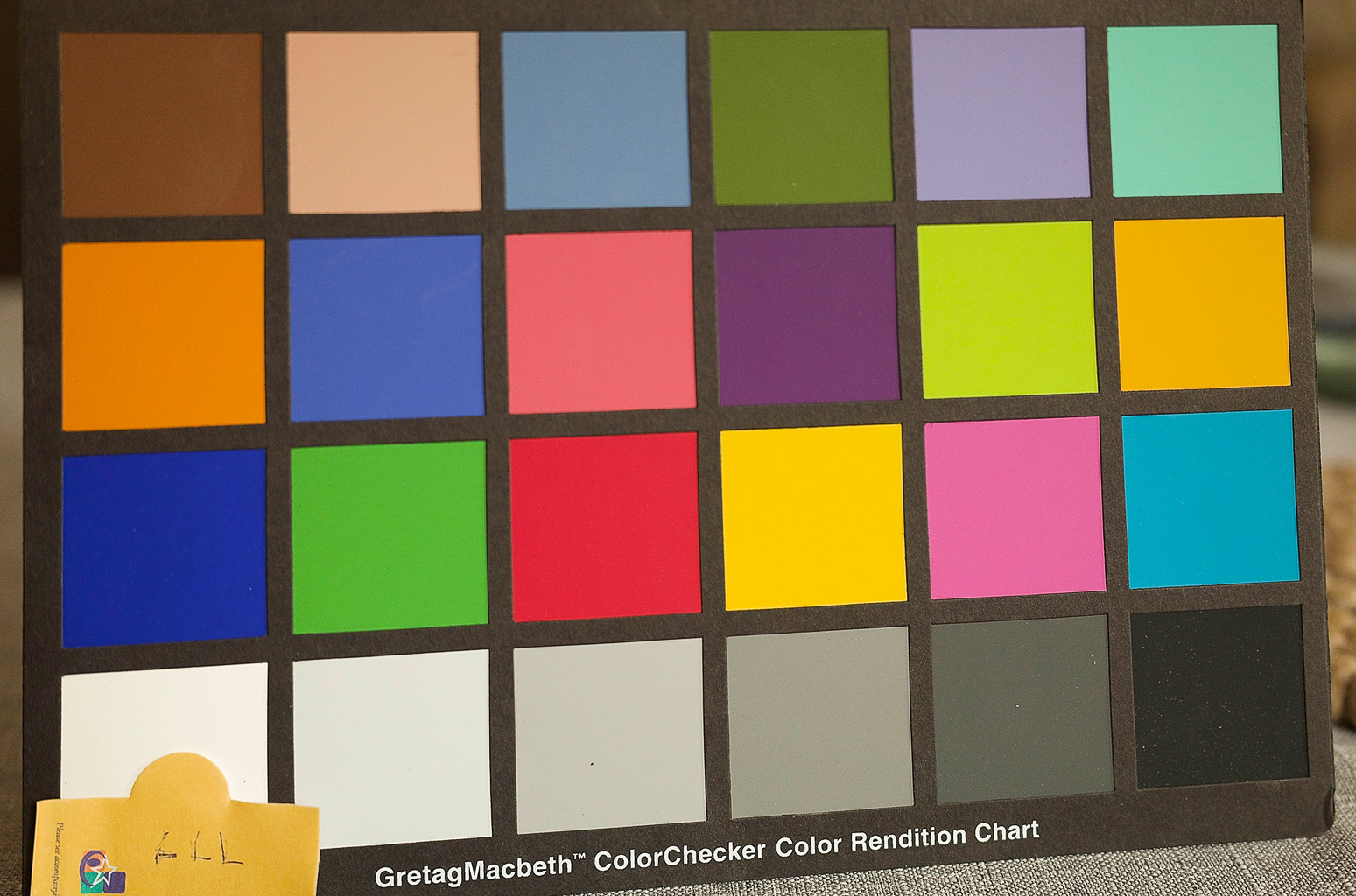
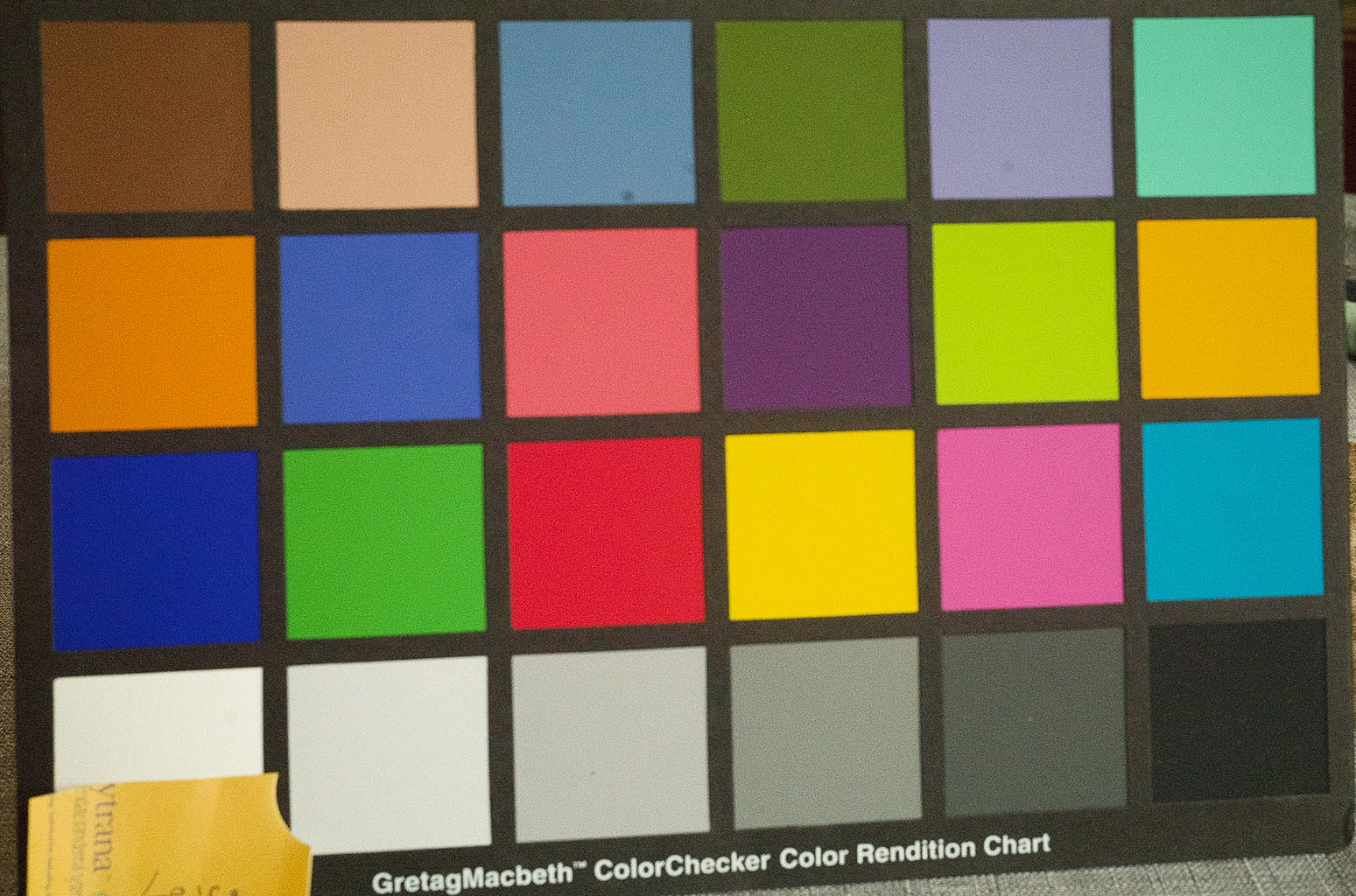
I could see almost no difference between the two, despite using an M10-R for one frame and an M11-P for the other. That gave me confidence that any differences I found elsewhere in this test came down to the lens rather than the sensor.
Scenics at f/5.6
Here are two matched frames, both at f/5.6. The Light Lens Lab lens first, then the Leica.
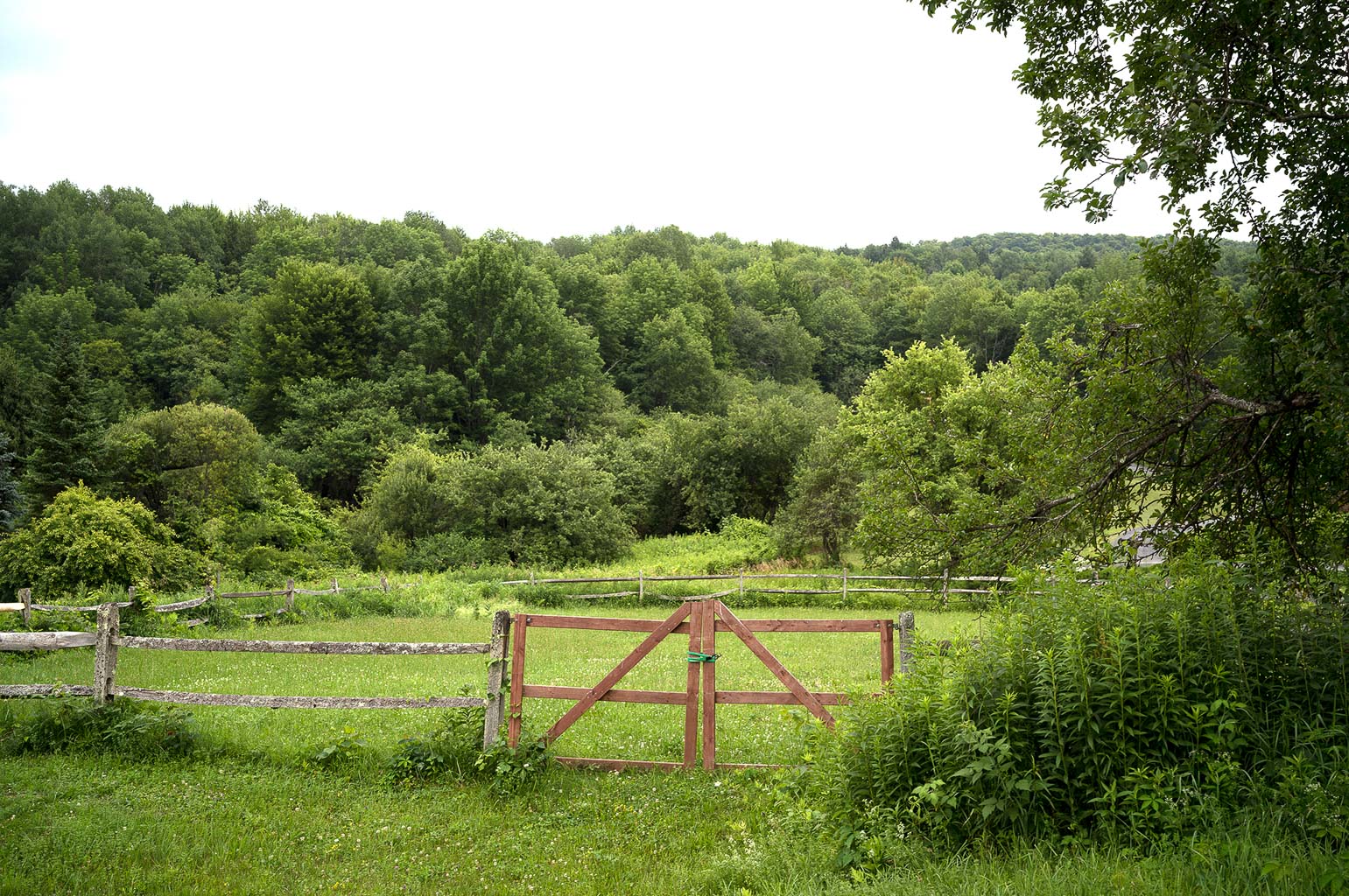
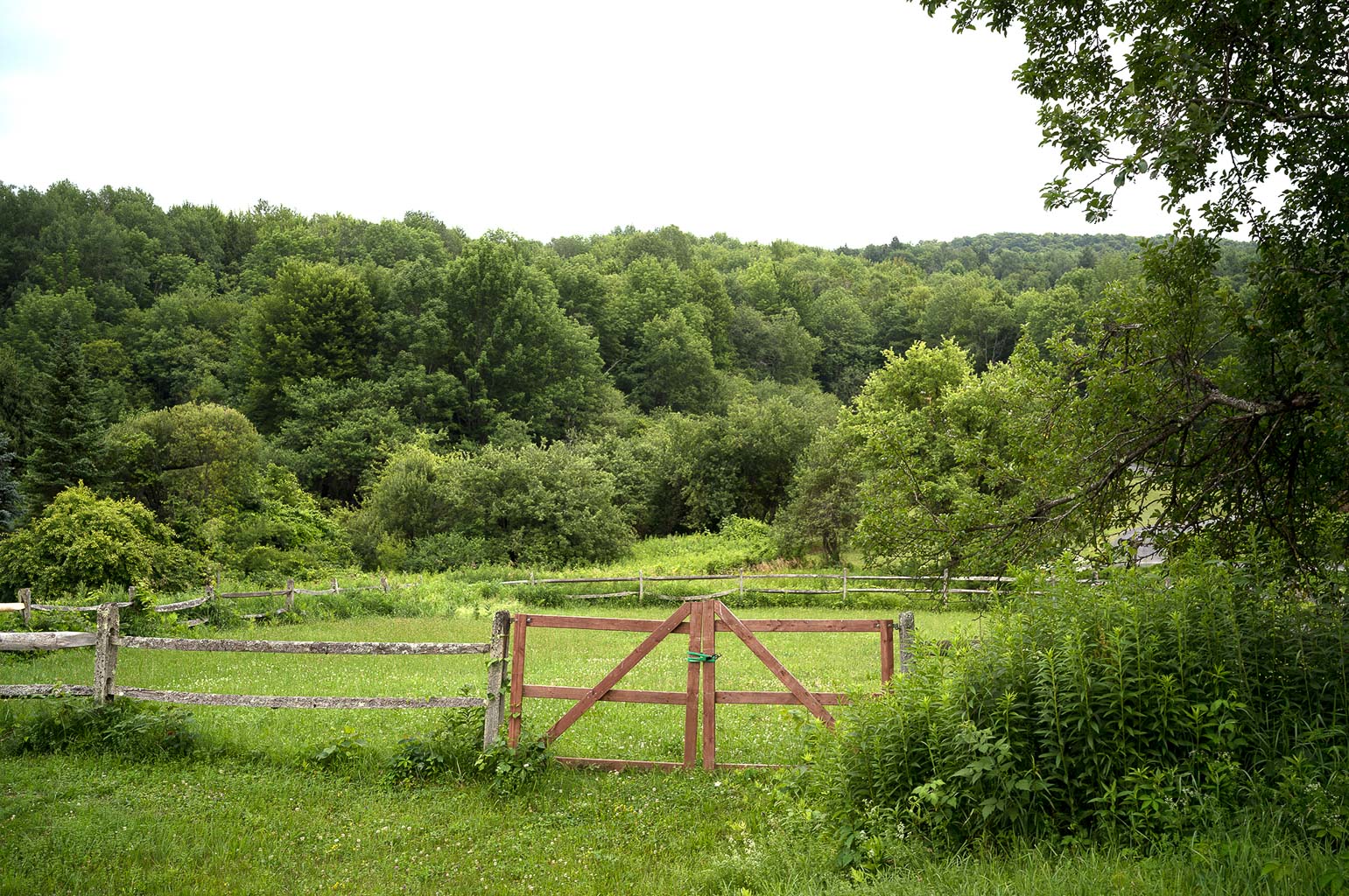
Close focus at 0.3 metres
At minimum focus, I compared crops of an antique clock face taken with both lenses. Leica first, then Light Lens Lab.
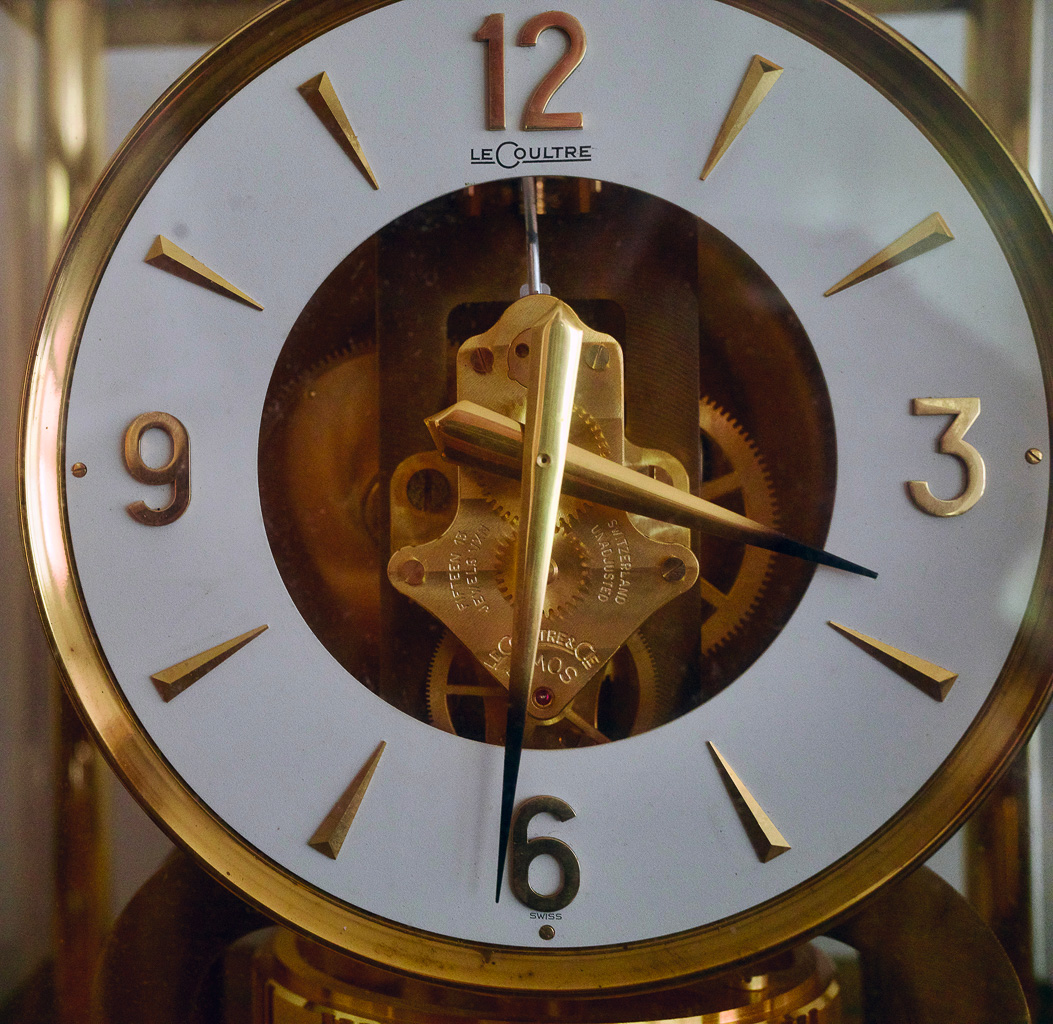
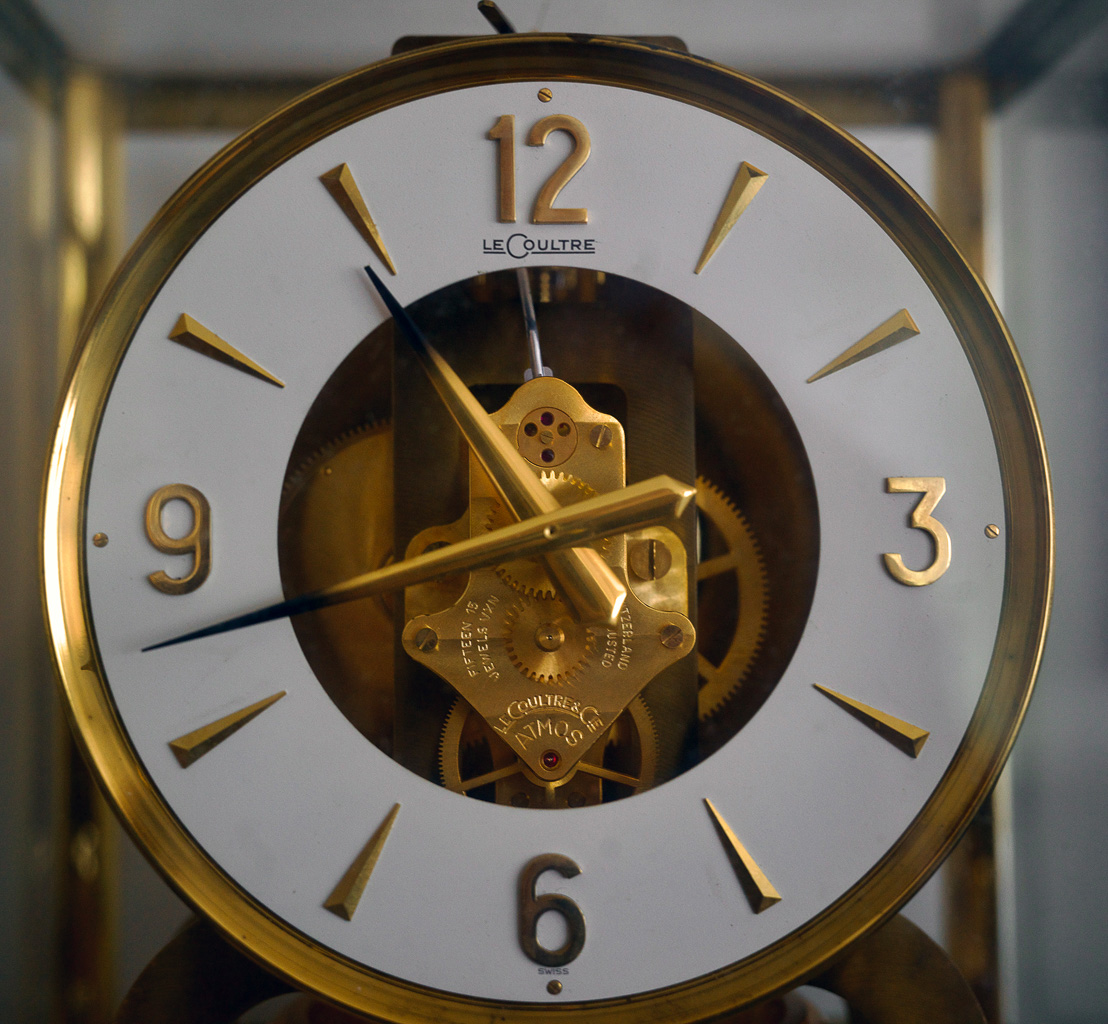
The colour difference here comes down to changing light between the two shots rather than the lens itself. If anything, the Light Lens Lab crop looks marginally sharper, though that could equally be a small focusing error on my part. Both lenses acquitted themselves well.
Flare and backlighting
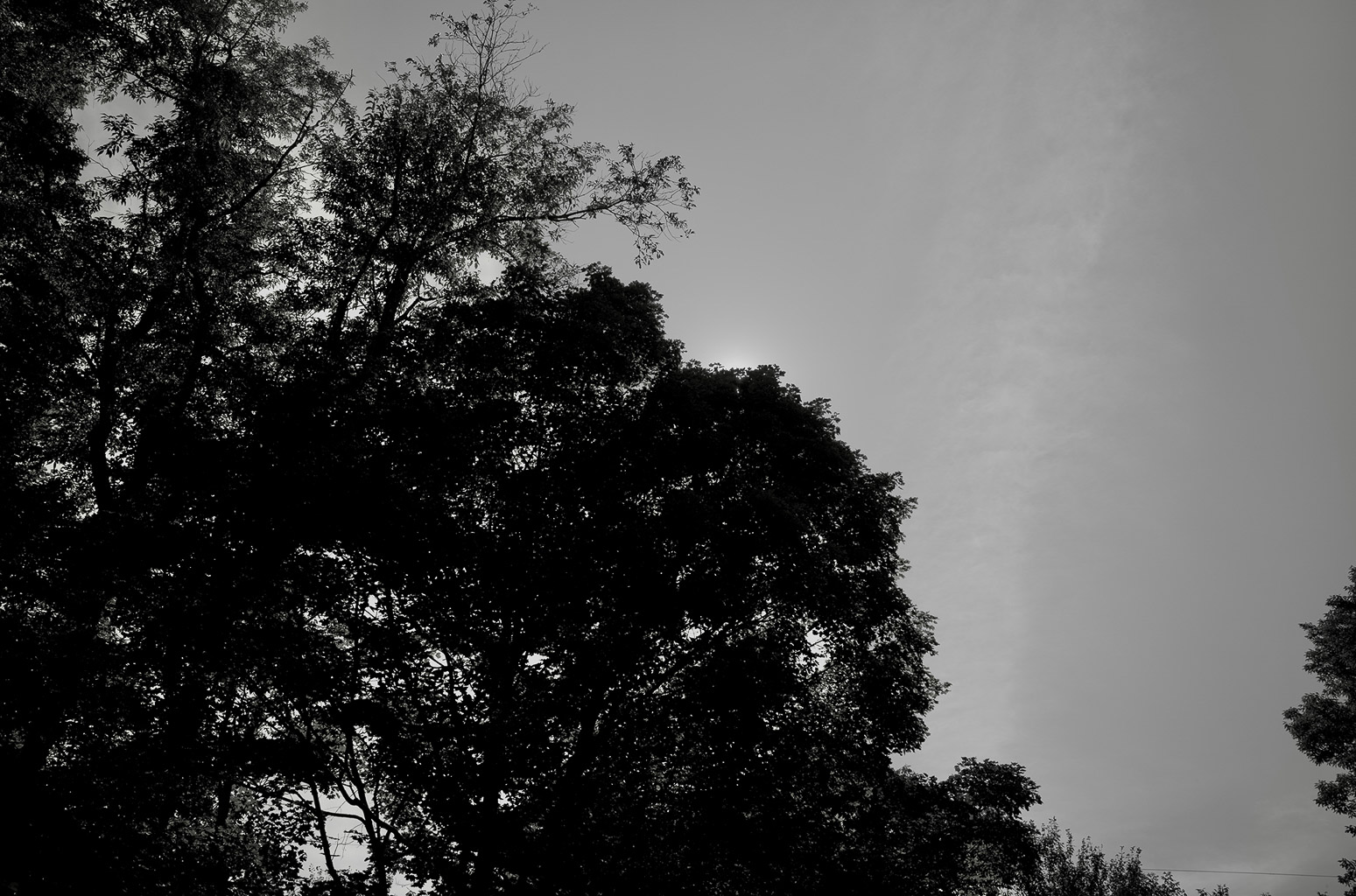
Wide open, with the sun buried in the leaves, the Light Lens Lab lens handled the scene well. At f/5.6, direct sun produced only a little flare and a pleasant sun-star. I found no focus shift as I stopped down, and the rangefinder tracked focus accurately at infinity throughout. Colour fringing and chromatic aberration, the two faults I watch for most closely on a fast wide-angle, simply did not appear.

Real-world results
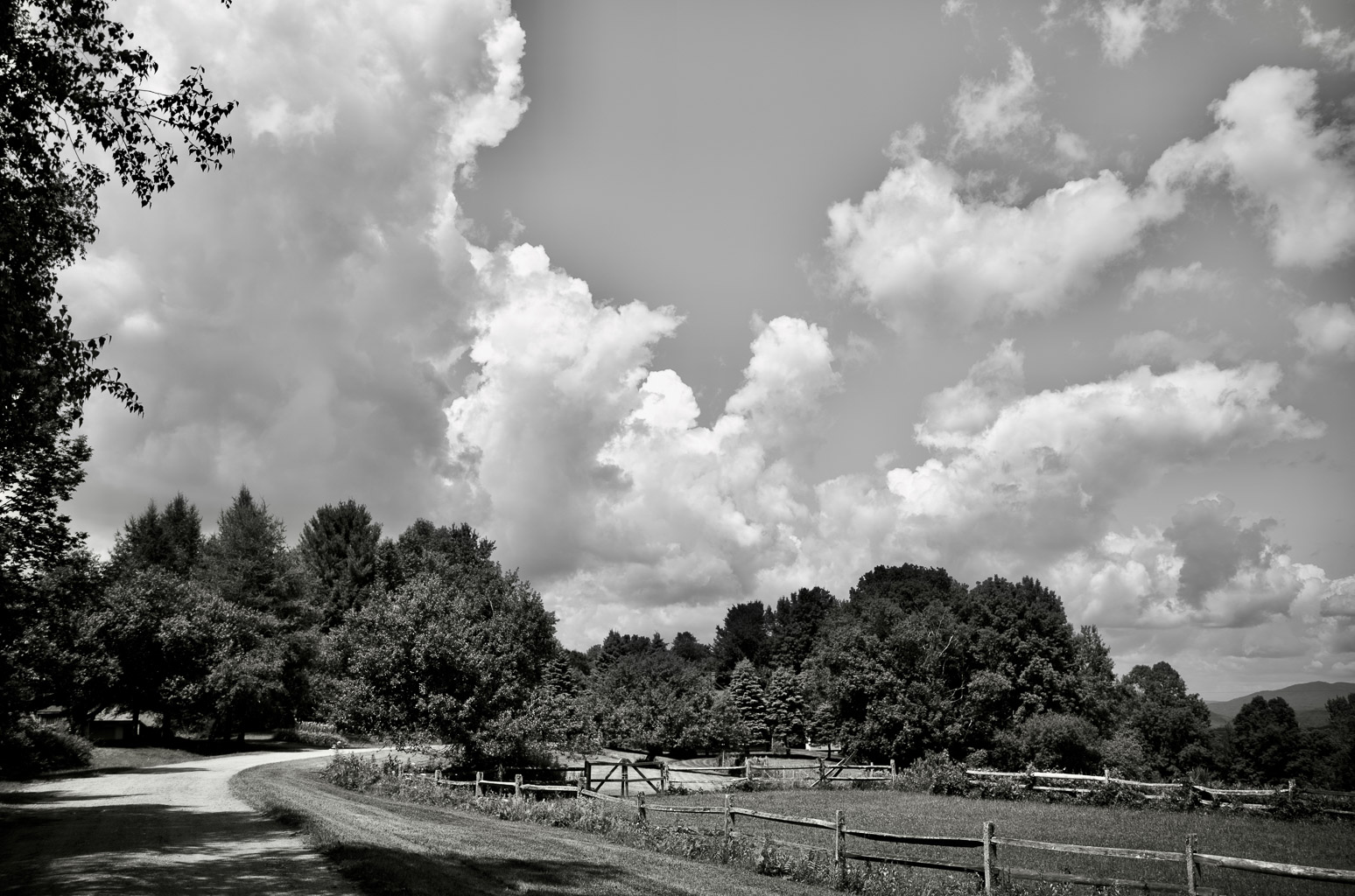
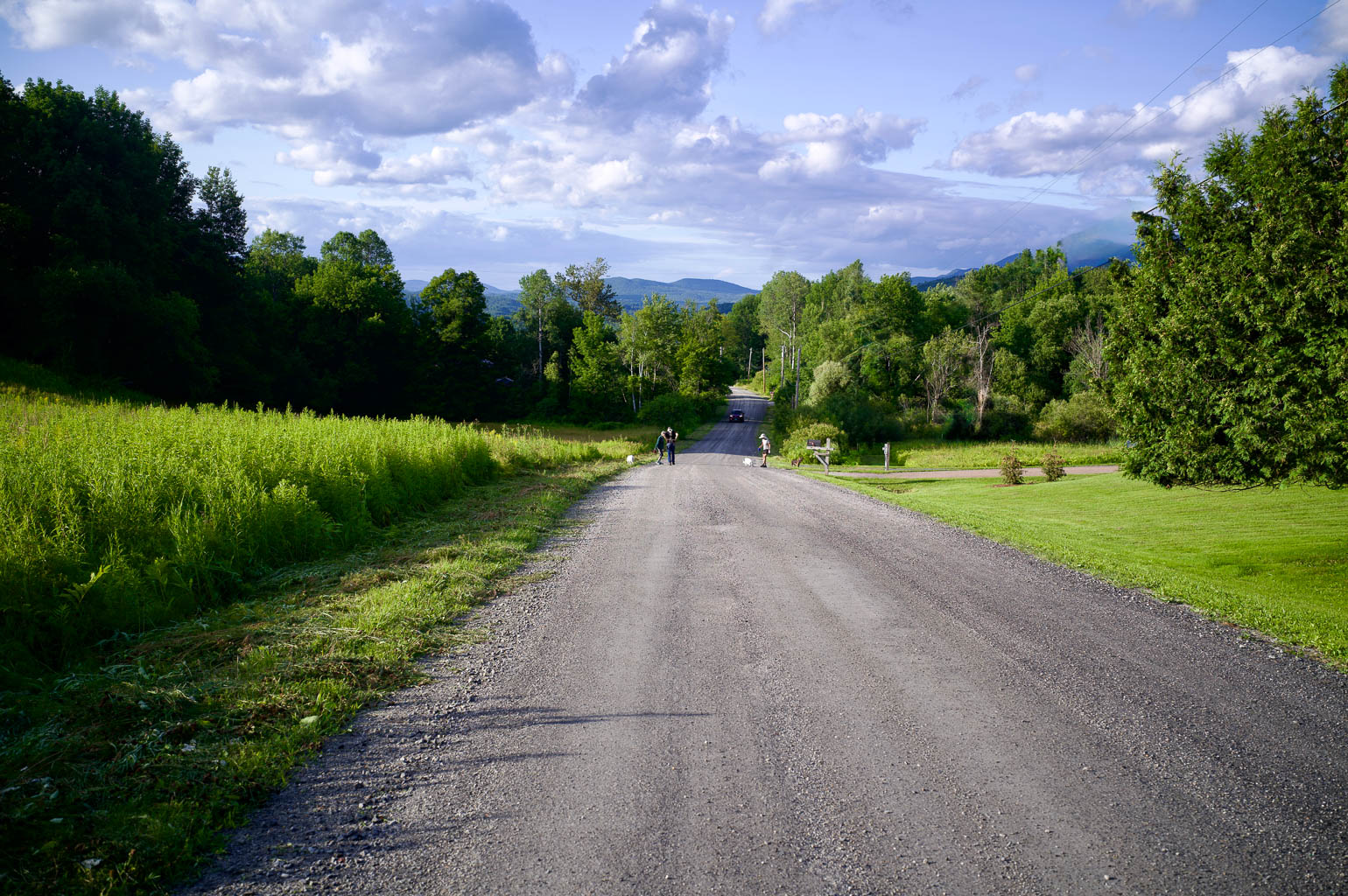
Test charts and MTF graphs only tell half the story, so here is how the lens performed on ordinary subjects around the garden and further afield.
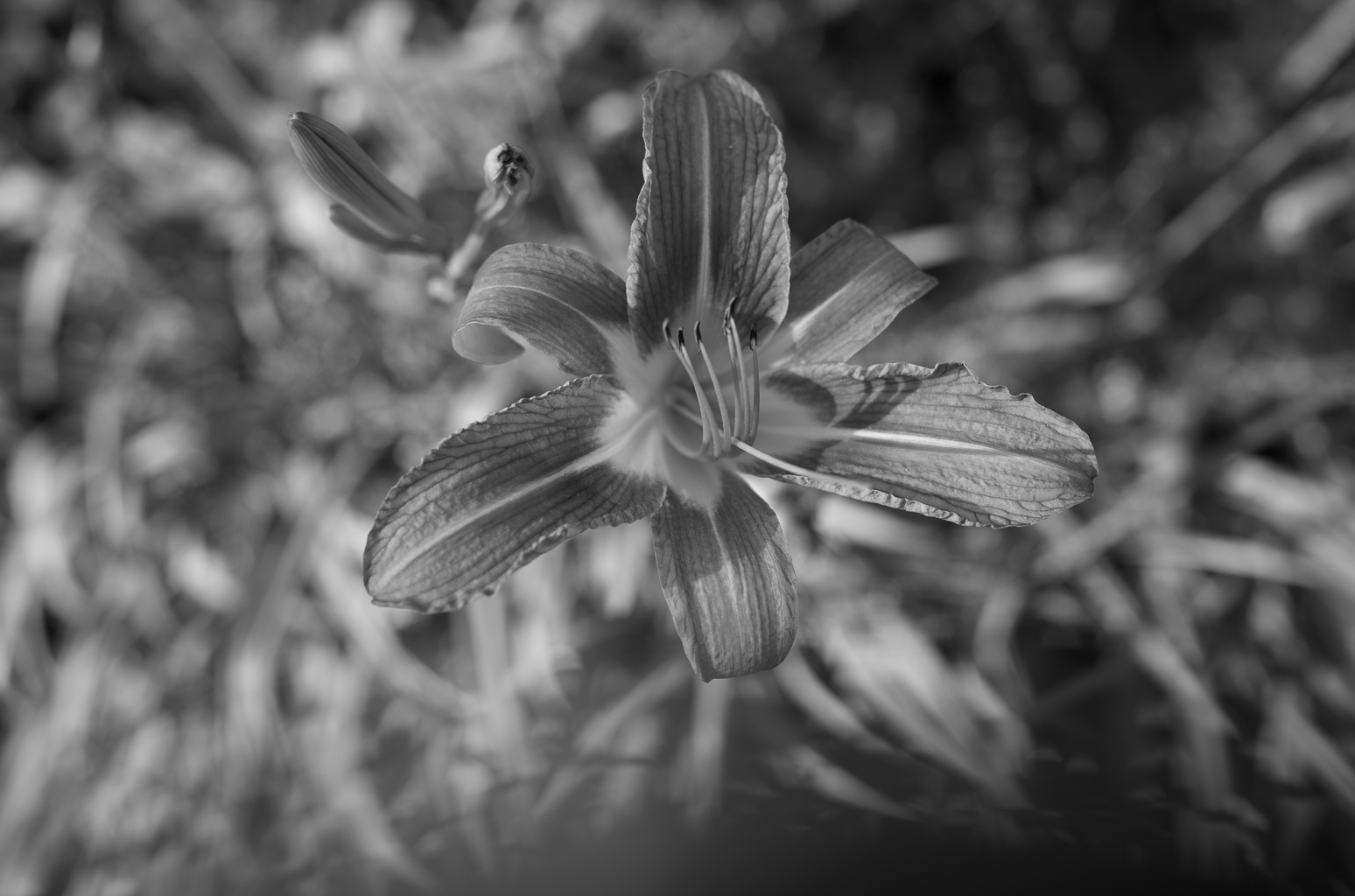
Day lilies at f/2, near sunset. Only a few blooms are sharp, yet the whole frame feels smooth and coherent.

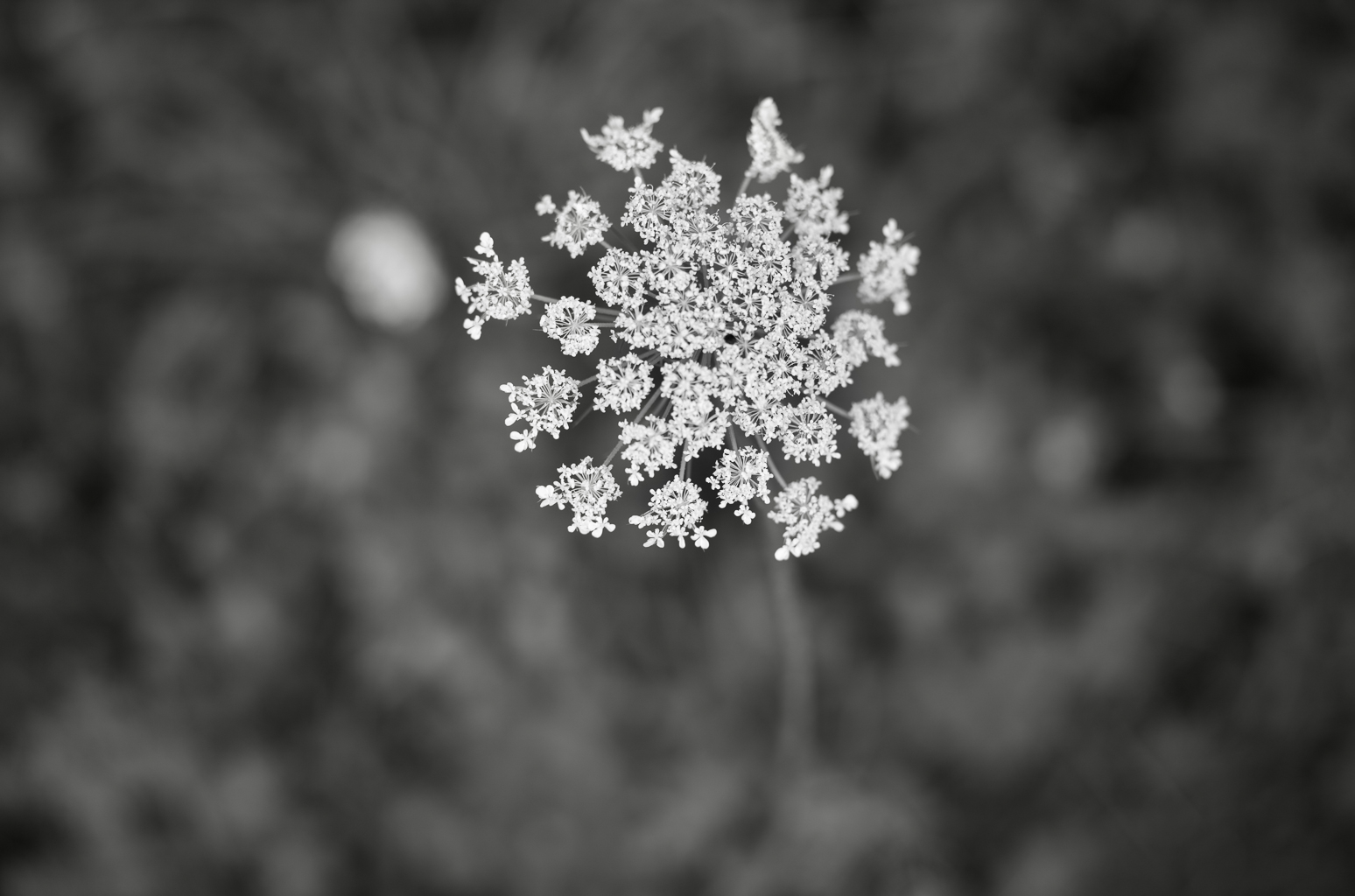
Queen Anne’s Lace

A grab shot of a friend hamming it up, at around f/4.5. As with the Leica 35 APO, there is smoothness alongside genuine sharpness. The result never looks clinical.


Shrimp scampi at f/4.8, cropped. Only the centre of the plate is critically sharp, yet the overall impression is one of realism because the lens draws so smoothly outside the plane of focus.

A day lily at closest focus, around f/4.5,

What Light Lens Lab told me
Mr Zhou, spoke with David Yu-Heng Chen, and was refreshingly candid about the company’s ambitions and its limitations. His comments below are lightly edited for clarity.
Mr Zhou said: “Many of our future products will move toward the AA series — ASPH plus APO. We will only begin pursuing AA designs once our technical capabilities reach a sufficiently high level. Too many people are copying us now. If we continue making replicas, they won’t generate significant volume or properly demonstrate our technology”.
Frankness
He was equally frank about the constraints of building for the M mount. Once a lens is associated with an M camera, viewfinder blockage becomes an issue. An M lens cannot be too large. Producing an APO lens while keeping an M lens small is much more difficult.
On the gap that remains between his company and Leica, he did not hold back. Based on LLL’s design targets and actual testing, he felt that their resolution and sharpness were better than Leica’s. So what was lacking? Leica works without regard to cost. LLL cannot do that. Light Lens Lab continues to improve quality through refining its production processes, to match the fit and micro-finish of Leica. At the same time, the intention is to reduce the rejection rate of aspheres through better quality control. These rejects of course are not sold. Since there is no visible effect on the lens rendering, it is simply a matter of pride.
The most striking disclosure concerned what Mr Zhou called spectral weighting — his explanation of the elusive “Leica look”. The spectrum visible to the human eye is roughly 400 to 700 nanometres. But when you want the Leica character, you often need to extend the design range to about 380 to 720 nanometres. The question is how you weight those different spectral regions. What people call the Leica look frequently comes from placing slightly more emphasis on the blue-green region. Chinese lenses typically end up with a red bias. This is a closely guarded trade secret.
He also claimed the lens has an unusually large image circle. Because the image circle is so large, the lens is basically usable on a 44x33mm medium-format sensor. It is hard to verify that claim with access to a suitable camera, but it is a striking one for an M-mount lens of this size.
Pricing
Light Lens Lab offers the lens in three finishes, with or without knurling on the barrel.
| Finish | £ pricing | € Pricing | $ Pricing |
|---|---|---|---|
| Black paint | £1,600 | €1,900 | $2,099 |
| Silver chrome | £1,600 | €1,900 | $2,099 |
| Titanium limited edition | £1,830 | €2,175 | $2,399 |
Comparisons to alternatives
Against the Leica APO-Summicron-M 35mm f/2 ASPH, the natural yardstick, the Light Lens Lab lens gives away remarkably little in outright sharpness, colour neutrality or resistance to flare. Where it cannot yet compete is in the fit and finish of the aspherical elements — exactly the area Mr Zhou himself flagged as unresolved.
Against my own older 35mm Leitz and Leica glass — the 8-element Summicron and the first aspherical Summilux — the comparison is less about resolution and more about character. Both older lenses have quirks I have grown fond of over the years. The Light Lens Lab optic, like the current Leica APO, sits closer to technical perfection, which is not always the same thing as personality.
Pros and cons
| Pros | Cons |
|---|---|
| Sharpness and colour neutrality close to the Leica benchmark | Prototype tested carried no engraved markings |
| Smooth, silky focusing action | Aspherical finishing not yet at Leica’s level, by the maker’s own admission |
| Genuine APO correction with minimal chromatic aberration | MTF data is manufacturer-supplied, not independently verified |
| Compact and reasonably light for an APO design | Unproven long-term reliability, from a young manufacturer |
| Roughly a third of the Leica’s price | No optical diagram published |
Verdict
This is lenticular perfection from a small optical company that, by its own admission, is still learning some of Leica’s oldest secrets. It was a pleasure to use, silky smooth in operation, compact, and light for what it delivers. The images it produces are sophisticated, elegant and transparent.
I would not hesitate to recommend it to anyone who wants APO-Summicron performance without the APO-Summicron invoice, provided they can accept a young company’s inevitable teething problems along the way.
Leica made Peter Karbe’s masterpiece without regard to cost. Light Lens Lab has made something remarkably close to it, at a third of the price. That, in itself, is the real story here.
Make a donation to help with our running costs
Did you know that Macfilos is run by six photography enthusiasts based in the UK, USA and Europe? We cover all the substantial costs of running the site, and we do not carry advertising because it spoils readers’ enjoyment. Any amount, however small, will be appreciated, and we will write to acknowledge your generosity.
with all the talk about copy right, patents, etc., innovation happens only when there is cross pollination of ideas and knowledge, as it used to happen before the new world with ‘patent’ laws were created. now Leica might be forced to rethink and come with newer concepts, which augurs well for the photographers looking for best tools !
I think we’d agree that
This is by far LLL’s most expensive lens. The 11873 35 took around 2 months to get after paying for it in full. This was totally unacceptable and it was US$1300. There is no way I will stand for that if I were to order this lens even though I also own the Leica APO 35/2.0. Heck. I bought the Mandler 35/2.0 for $350 which I very much enjoy using and it arrived within 7-8 days.
Ah, okay.
Good thing take time, I am very happy with my lens and yes it took time and we have another good one coming. Save your money I am sure some lucky soul will be very happy to get a lens
Small company, had teething problems early with QC; now much much better. I’d rather wait.
actually the f1.2 Noctilux replica is even pricier.
Hi again Anonymous. Any chance you could use a name? At the moment the system is programmed to remove any comments without a proper name, and I caught this this only by chance. I realised it was genuine and not spam. Next time you comment just fill in your details in the form.
Do you know – I keep thinking about this – and it disturbs me – even if the optical formula is different the body and design is so obviously a copy of the current Leica lens, I write software and if someone copied it’s functionality exactly and sold it for 1/3 of the price (even if it was written differently) I would feel cheated. . . . and then to decline to show the optical design in case someone steals it!!!!!
I’m right up with LLL making copies of classic lenses – or making modern ones better than Leica, but I don’t really think this is okay.
I feel split about the resemblance to the Leica 35 APO too, but I wouldn’t say the rendering is that similar. So I don’t know what we’d rather have. A lens that renders like the Leica 35 APO, but looks quite different (i.e. the Voigtländer), or a lens that doesn’t quite render like the Leica 35 APO, but indeed looks quite like it? I’ve been bothered by this enough that I’ve gone back and forth, not knowing what to write.
There’s a number of things that make the Leica 35 APO special, and the fall-off of contrast is one of them. This LLL doesn’t do that fall-off at all, if we look at the girl on the sofa, nor does it do that other thing the 35 APO does that I think makes it special (what exactly? I won’t say, because I’m kind of annoyed by everyone and their mom copying Leica I guess, dammit go do your own thing, and no, it’s not the bokeh).
Karbe’s 35 APO is my ride-or-die lens, so I know its faults well too. Taking group shots requires stopping down more than just a bit, but then the wide-open character is lost. The LLL is not as striking as the Leica wide-open, but it does seem to retain its feel better when it’s stopped down? This is still just one set of photos, but at least from these, it feels to me [almost] like a 55V with an apochromatic, yet classic touch.
So then… why did they make it look so much like the Leica? And why did they not publish the optical diagram when the lens available to order?
One thing I’ll say is that there seems to be no end of folks copying them nowadays. Some of these companies don’t have English marketing names, so they must not have any intention of selling outside of China at all. But it’s not like you can just copy quality. Even in China you get what you pay for. Not publishing the lens diagram is a bad look. Not finding their own design language feels like a missed opportunity.
About the fall-off in contrast. I took a picture this morning with the Leica lens, wide open, of a family member sitting in the same position as the girl you mentioned. I saw no more or less contrast fall-off.
I have neither the girl nor the LLL lens any more to do a direct A:B.
Haha… I’m tempted to go do my own comparison now. But if the LLL doesn’t render depth much differently than the Leica, then there’d be little reason for me to buy it.
At least in my shooting experience, the Leica APO is connivingly difficult to focus at less than 2 meters. I’ve taken so many pictures of cats (and dogs) where their ear was in focus but their eyes were not.
Perhaps if they made the body of the lens look different, would that be O.K?
Hi Ed,first, I did want to say that this was a helpful review with lovely pictures.
As for your question, while these complaints may sound superficial, I think we should ask: If Leica were to go after LLL in court for copyright infringement, would Leica win?
Even if Leica leaves them to their own devices, I still don’t feel good about this, as someone who has rooted and cheered for them. It feels a bit socially-maladjusted to “beat” Leica this way. In the end, the Leica is still more striking for reasons that come down to art as much as engineering. The lenses that Leica makes aren’t just feats of optical engineering. Each one is beautifully made and thoughtfully designed. LLL has aspired to a high standard as well, when they’ve remade historically-significant optics.
To that point, LLL is making a premium product. They are certainly not making a bootleg product. Their manufacturing capability is definitely getting there; the lens’ rendering appears to stand on its own.
If they want to make their own premium product, they need to have their own design language. They don’t have to go maximalist like Thypoch did, making lenses that look somewhat out of place on an M11. Something quieter and more subtle would have been fine. This is something that other companies in China have had to figure out as well. From what I understand, China’s car companies couldn’t move product until they also finally put some effort into design.
Maybe we could say, alright alright, one step at a time. Maybe LLL will still sell plenty of these anyway. But, I still think there was a missed opportunity here. Even if Leica doesn’t go after them, LLL should to find their own voice, in their lens’ rendering as well as the design language that goes with it. Otherwise, even if the optics and internals were at the same level as Leica, it would somehow still feel a bit bootleg.
LLL has made quite a few lenses, and exposed themselves to quite a number of different rendering philosophies, as well as industrial design aesthetics. I’m sure there’s museums and other sorts of inspiration near them too. With this first step, they seem to have the technical chops to design and build great lenses. They’ve figured out how to use the paintbrush. So now they should go and find their way. As photographers, we are also aspiring artists, and as artists, we have to find our own voice.
Thank you for your comment, Arthur. Of course I know neither what Leica’s thinking may be, nor whether their patent was violated. I think it fairly likely that LLL’s design here was a complex interaction between homage to Leica and yet wanting to show LLL’s merit. If they goofed with the psychological aspects of the near-identical exterior design, it will have to winnow out.
From what I am told, LLL plans to continue to make new high-end lenses that Leica has not, or has yet to make. That would likely remove this problem in the future.
Well do remember that patents and copyright are different things. It seems like it would be difficult to bring a patent suit against LLL; design-around is legal in optical manufacturing, and LLL appears to have gone beyond that. But copyright is a different thing. If Leica has a copyright on the likeness of its 35 APO, then that is something that they might take LLL to court over.
That said, I hope that things will settle out on their own; your explanation is plausible enough. These are two companies that we’re both fans of and it would be disappointing if they were to spend precious time and resources on a legal spat.
Agree Jonathan. Should Leica sue?
Hi Ed
Just another point here – you can buy the excellent Voigtlander APO Lanthar 35mm f2 for about half the price of this LLL lens – and having tried that myself I thought it was pretty hard to distinguish it from the Leica APO – certainly in normal use.
We are lucky to have so many options!
So, for the serious consumer, some trait has to be the selling point, to choose one lens over another. No doubt shortly there will be a shoot out among these 35/2 Apo lenses. For persons like myself who amass a plethora of lenses, it is like having a closet of beautiful and useful clothes. “It’s Friday, so I will wear my Apo-Lanthar.”
Hi there. It does get good write ups pretty much everywhere with light criticism of weight (and those three colours on the front for me!). Do your views on the 35mm equally apply to the 50mm please Jonathan. I am dithering around a potential lens change at 50mm and would be grateful for your thoughts. All the best. Des
Thanks Ed, great article and excellent snaps.
However, even though I am probably going to be alone amongst the commenters here, I subscribe to Gary Winogrand’s idea that one takes photographs to see what a subject/object looks like photographed. We see in 3D but the camera sees in 2D, so a snap will always be different.
I really don’t want my photographs to be perfect.
I believe that Henri Cartier-Bresson, who had oceans of cash at his disposal, made some of the most evocative photographs, and for most of his career used either a Barnack type of camera, then an M type, and finally a compact Minilux type, thus keeping up with the contemporary technology.
After that, because he was rather talented, he put the camera down and sketched or painted his subjects.
I certainly do not have to worry whether my photographs will be perfect. That said, I carry my iPhone with me at all times when awake, just in case a photographic opportunity arises. But I much prefer my Leica, and probably have that with me at least 50% of the time. The Leica offers much more creative potential IMO, whatever focal length you choose.
And then, it is a question of which lens to place upon that Leica. That decision depends on whether I have a plan or an assignment, or just want to be prepared. I have a favorite 28mm, a favorite 35mm, and a favorite 50mm. I usually do not go longer except for a particular subject. Often these days, I have a lens to test. I just received a LLL “Hua” lens (look that beast up if necessary) to put through its paces. There will be no review, but it is a good 40 mm/2 lens which greatly reminds me of the 40/2 Summicron-C. So that is what I have been playing with this week.
I think it may have been HCB himself to say that he would be satisfied to get one good image per 36-exposure roll. For me, I never know. I try to shoot every day, but subject matter is restricted by old age and mobility. But sometimes the juices are flowing and I know I have one or two nice images to save from that day’s shoot. Regardless of which lens. And that, and the quest, is all that matters.
Stephen – isn’t HCB also known for the famous quote “sharpness is a bourgeois concept”?😄
As allegedly spoken to Helmut Newton when HCB was my age (83), and his hand likely steadier than mine. Unclear whether this had to do with his photography in general, or a comment on his age.
“La netteté est un concept bourgeois”.
oh my god why is this lens being referred to as the AA? The 35/1.4 Double Aspherical is the AA, this lens is the APO.
I thought that as well Lincoln – confusing!
Probably intentionally as I would imagine that they are being a little cautious about being accused of copying – it’s obviously okay to copy a lens which has been out of production for 50 years, but a little less so one which is in the current catalogue. I’d love to see a lens diagram to see how it actually differs from the Leica version – the MTF curves are better than the Leica – but they are so similar that you would imagine that the lens design would be similar – but perhaps not!
Mr. Zhou has asserted for at least two years about this lens’ development that it is not the same formula as what Leica had done. It is stated that there is one additional element, but I would doubt that this is the only change. He saw equaling Leica here as a goal, and has plans for other Apo lenses that Leica has yet to make but he wants to.
I asked for a lens diagram but was told that they do not want to publish this for fear of pirating. However, anyone experienced can buy the lens, take it apart and copy it. I do not know anything about Chinese patent law, but I would expect a patent ought to be in the works, if that is indeed enough protection.
That has been corrected. Admittedly confusing. FWIW the prototype I tested had no name on it.
Hi There Ed
First of all – a great article with fine pictures and extremely interesting.
One point is that the clock face pictures say Leica first above – but LLL first in the caption (or am I being stupid ).
Peter Karbe’s great point about the Leica APO lenses is the area where they lose focus – there is a much bigger drop in contrast than in equivalent Asph lenses which means that there is a very fast fall-off between in focus and out of focus – so that an f2 effectively behaves more like an f1.4 when wide open (not because the depth of field matches but because the falloff in contrast makes it look like that).
I actually have a drawing by Peter in one of my notebooks he did when he explained it to me.
That, together with the wonderful bokeh of the 35 APO (and most other APO lenses – like the 75) is what seems so distinctive to me.
Sharpness of course is also very important – and you’ve covered that very well You don’t mention the bokeh (I think 🙂 ) how did you feel that they compare?
All the best
The captions on the first photos confused me also.
Hi Jono,
The clock face that says 3:30 in the Leica image — just double checked. We are wrongly captioned here.
I recall Peter saying that about the contrast drop, and indeed that was one of the features that helped persuade me to sell my 35/1.4 11873 and buy the 35/2 AA (plus a M10M, plus spare change) for over $18K.
About bokeh. The notion of bokeh appeared in my photographic vocabulary maybe 20 years ago IIRC. Before that, and fast sensors, it was all about whether the lens had enough speed to capture the subject in that very dark image. And who could care about what the rest of the image looked like. Personally these days it is only very rough bokeh that bothers me — like in the review I recently did of LLL’s 75/1.5 Angénieux fantasy lens. The bokeh of both LLL’s 35/2AA and Peter’s lens is smooth as butter and so very unobtrusive that I forgot to mention it. See no difference.
Oh, and I think I implied a comment about bokeh with my picture of the plate of shrimp scampi — how realistic it looked even though the plane of focus was only in the middle. That was the bokeh speaking. I just did not make it very loud. My focus, if you will, was on how true to life the impact of such an image was.
Hi There Ed
It is interesting – I can remember using the stop down lever to check depth of field with a film SLR – but as you and William say – there wasn’t much discussion about bokeh, and certainly looking at the images the LLL bokeh looks fine.
But it is something which matters to lots of people (me included as I nearly always shoot lenses wide open).
Yes, as Peter has said repeatedly, there is no reason to stop done — only for DOF.
But for me, I don’t really care about bokeh unless it is really rude.
We never talked about ‘bokeh’ pre-digital as I recall, Ed. Nor did we ever use the term ‘analogue’, we just took photos using film. Reviews of cameras and lenses were also much shorter as we all used the same films which some today might describe as ‘sensors’ and, of course, back then, menus were for restaurants. Happy Days!
Great work, Ed. I admire your determination in getting to the bottom of everything.
William
Thank you, William. Back then it was just f/8 and be there.
Thanks Jono – let me take a look and correct.
May have been my error, not yours.
My pleasure – apologies for being so picky – I guessed it was the case as the LLL lens doesn’t have the Close Focus option.
No, the LLL lens does indeed have the same close focus option as Leica. It was perfecting that feature that took it so long for the lens to reach production.
Dear Ed, thank you very much for your post and your objective review of this lens.
I don’t have any experience with either lens; I use the 35mm 1.2 Noctilux, which probably falls more into the “modern image look” category.
But what I really like is your conclusion at the end—a very well-done summary of this comparison. I haven’t read anything like this, in this form and at this high level, anywhere else.
I won’t speak for Ed, but he is a great asset and addition to our team. Not only is his photography superb, his insightful articles are well written and hit the mark squarely. Mike
Thank you both! Actually, Jon Cheffings, my editor on this piece, worked up the conclusions / comparisons.
I try to make my lens reviews and comparisons what the average photographer might need, hands on, with few of the bells and whistles that I see in other reviews.
I had been waiting for this lens for several years, and likely got the prototype early because they knew I wanted to test it. After I had finished with it, it was sent to Singapore to be evaluated — like just got there a day or two ago. So no doubt there will be more reviews using that very particular prototype. I hope that other reviewers will feel as I do, and eagerly await their reviews.