
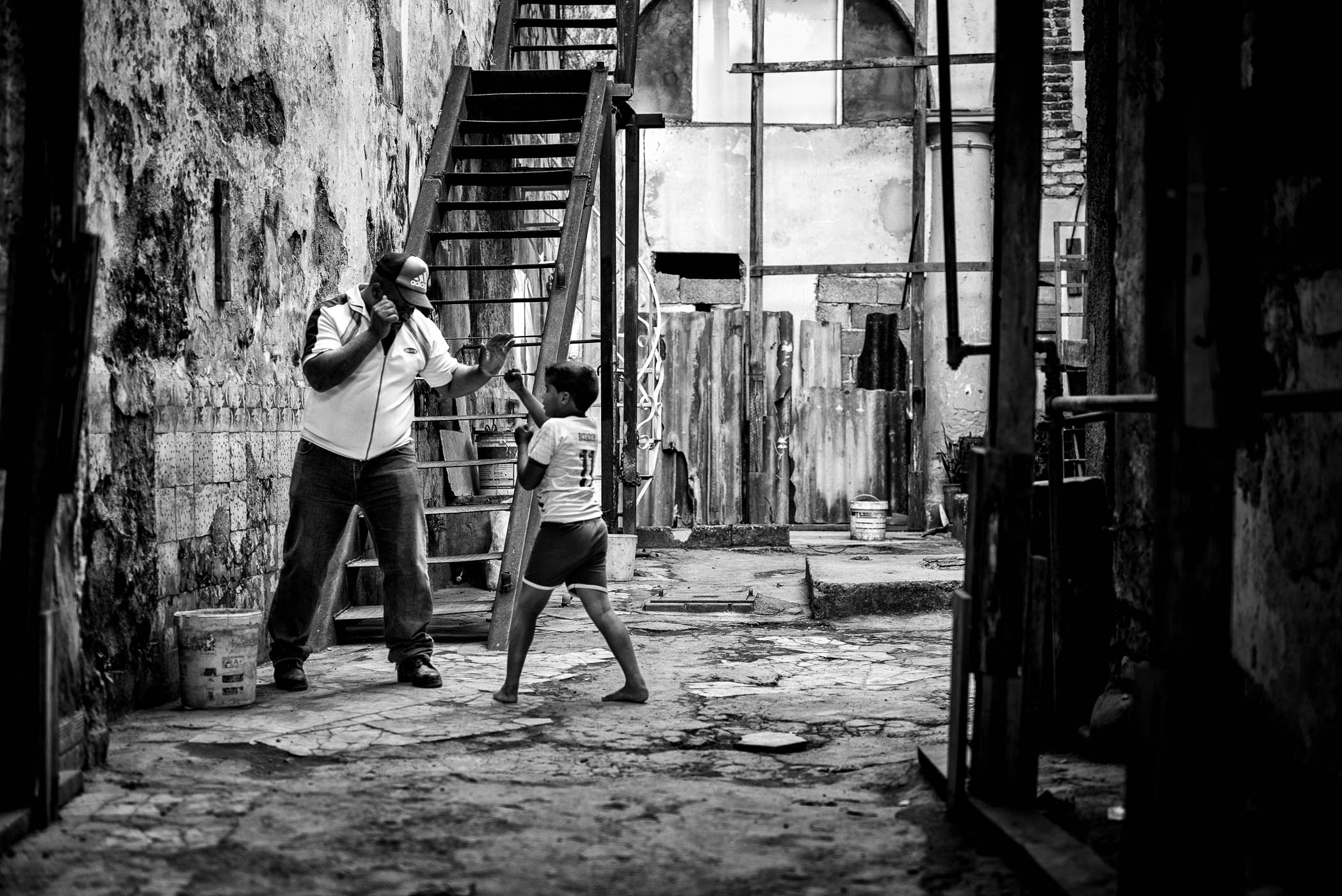
For the whole of last week, Macfilos focused on the joys of monochrome photography. John Shingleton rediscovered the joy. We looked back at the career of James Jarche, the Fleet Street photographer who captured Wallace Simpson and the future King Edward VIII in public. Jono Slack helped us revisit one of the great monochrome cameras, the Leica M11 Monochrom. Mike Evans recalled the astonishing career of Don Morley, who seemed to be right at the centre of many of the great photographic opportunities of the Sixties, Seventies and Eighties.
On Friday, April 10 we set the first part of our “Can you tell which is which?” test, and then added the second part on Friday, April 17. Could you tell the difference between an image shot with a monochrome camera and an image converted from colour to monochrome?
Just as a refresher, here are the 21 images again:
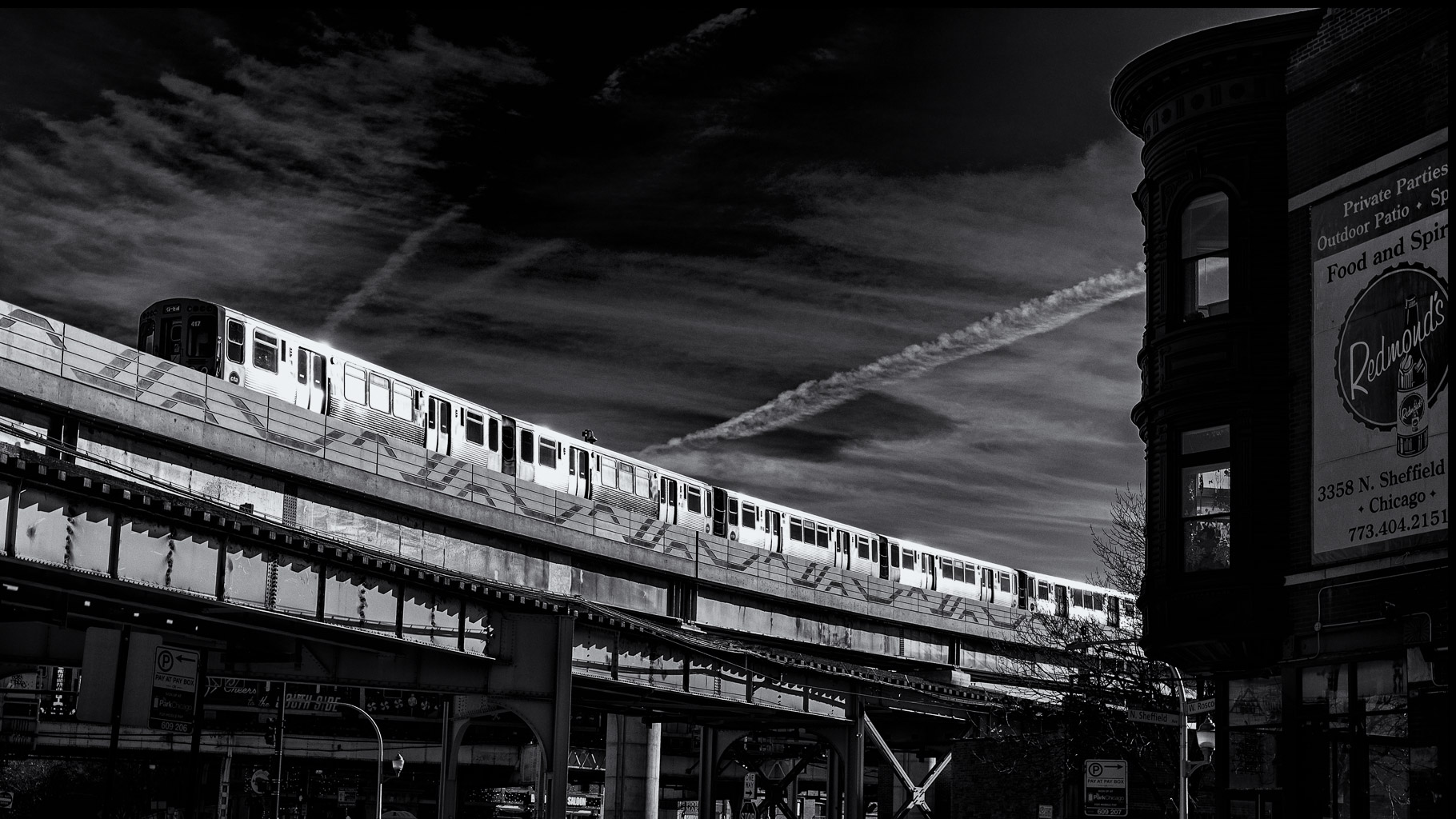

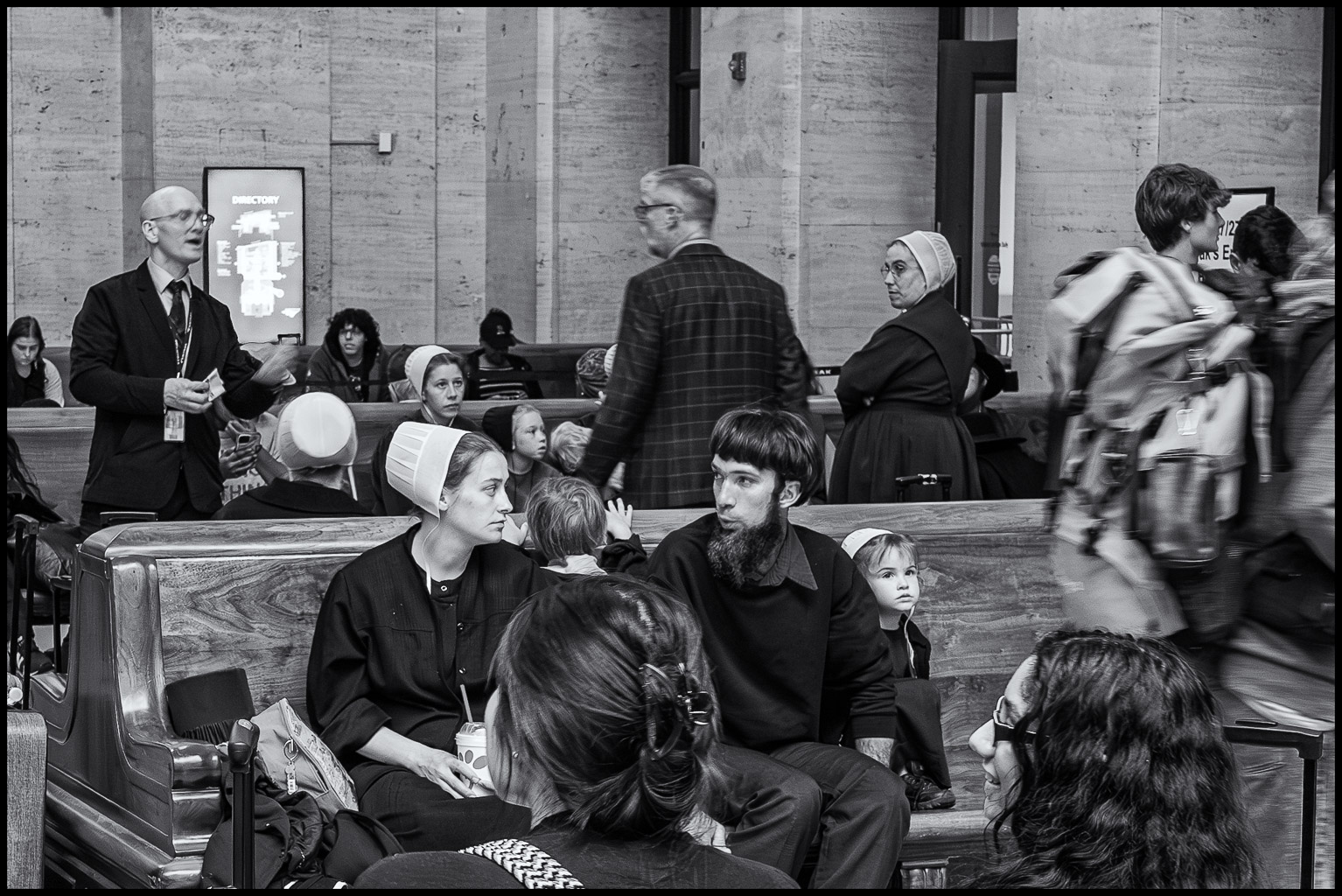
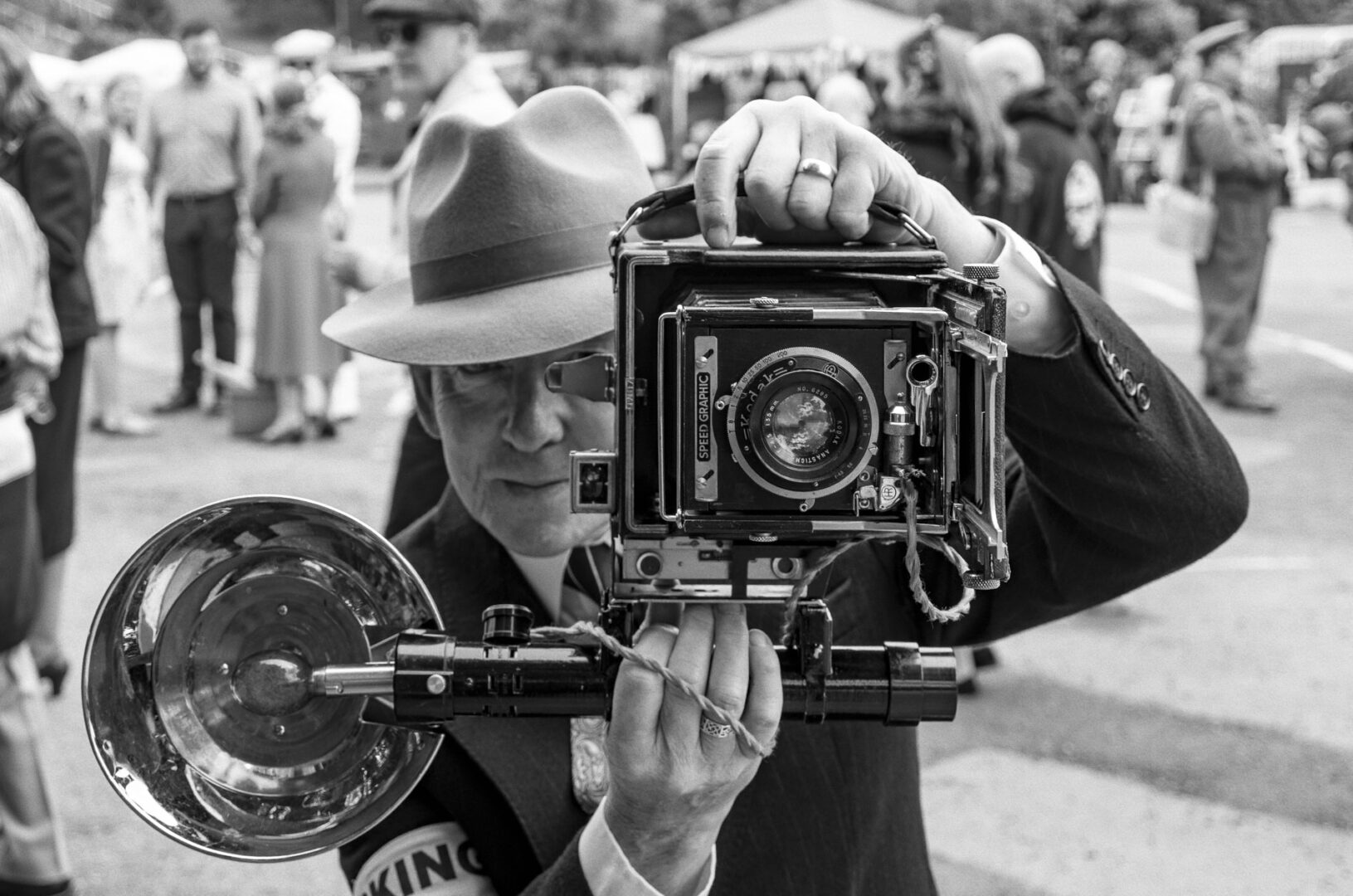
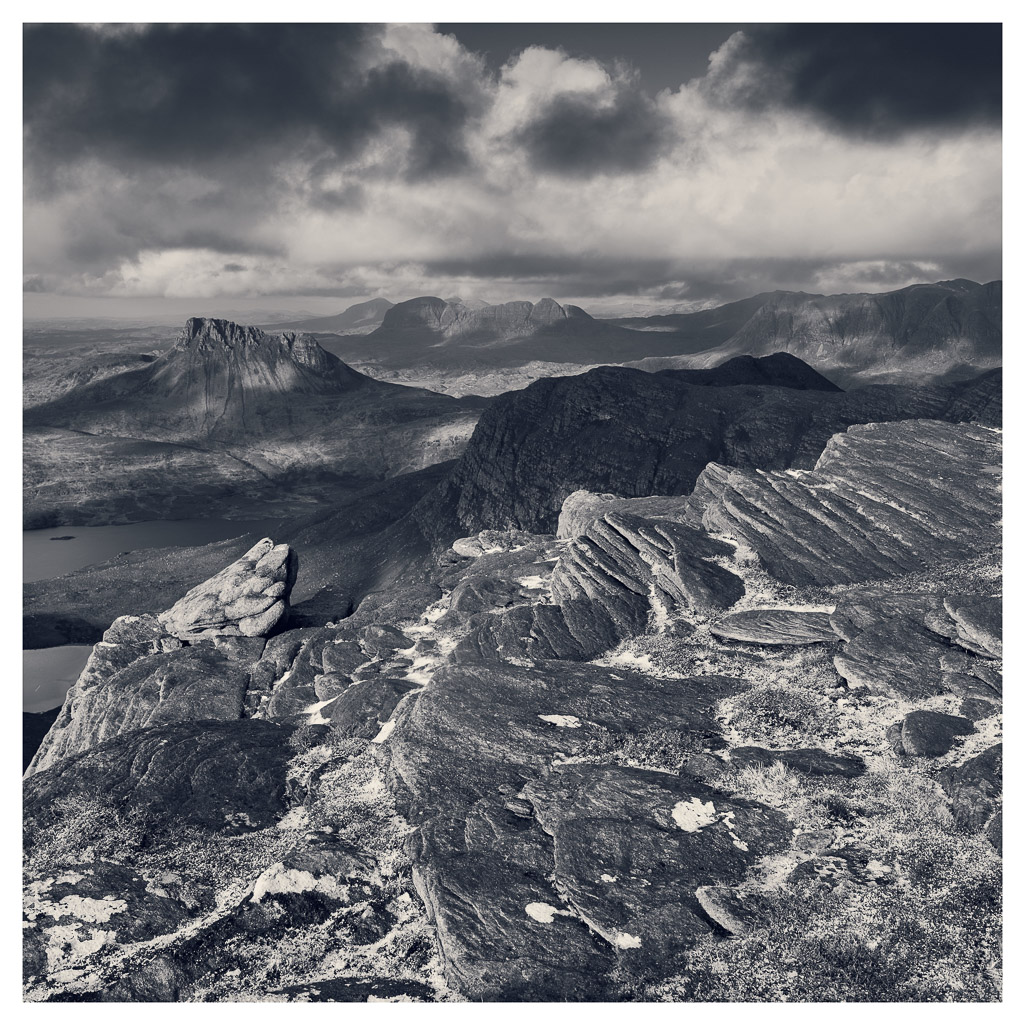
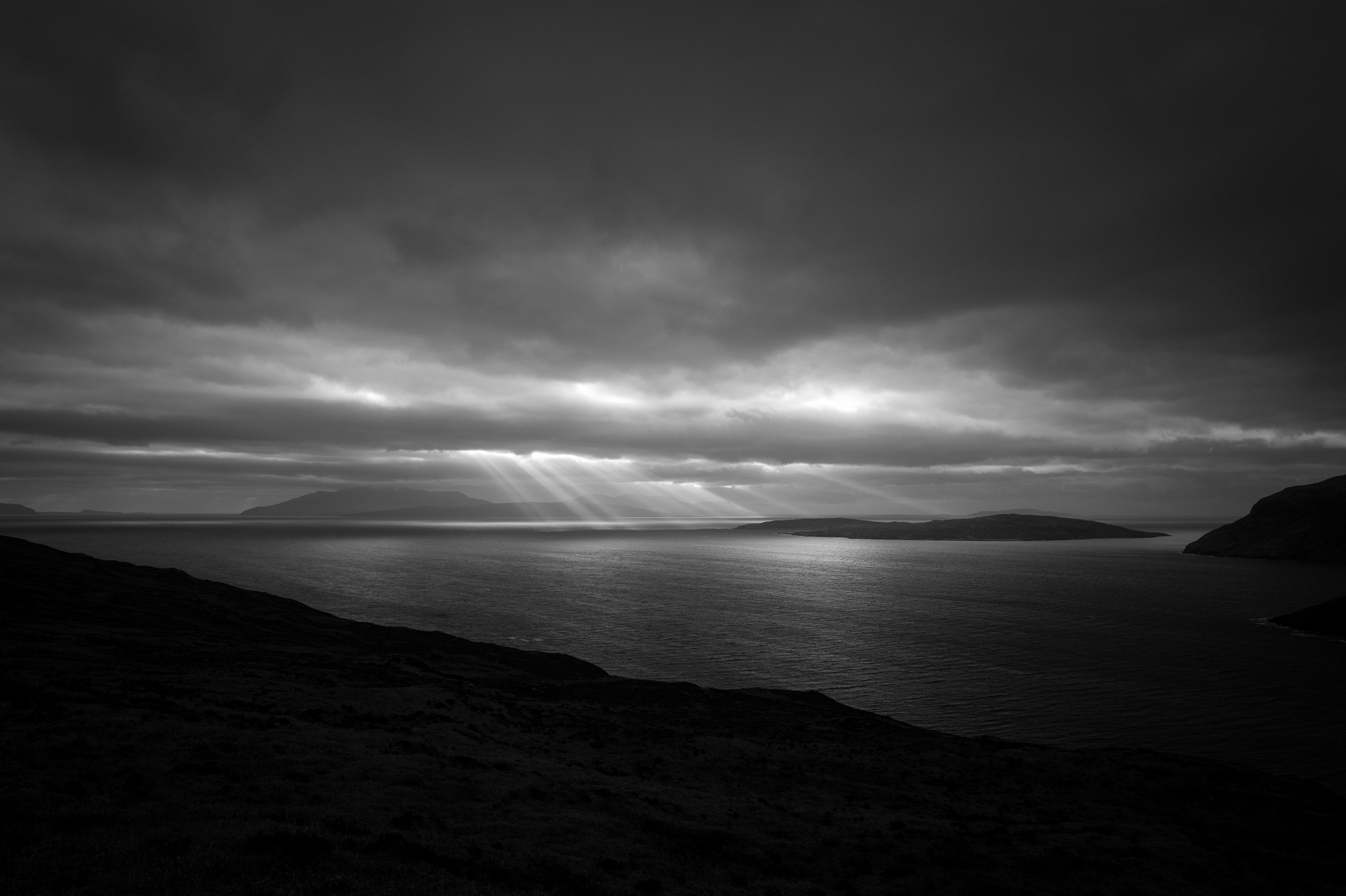
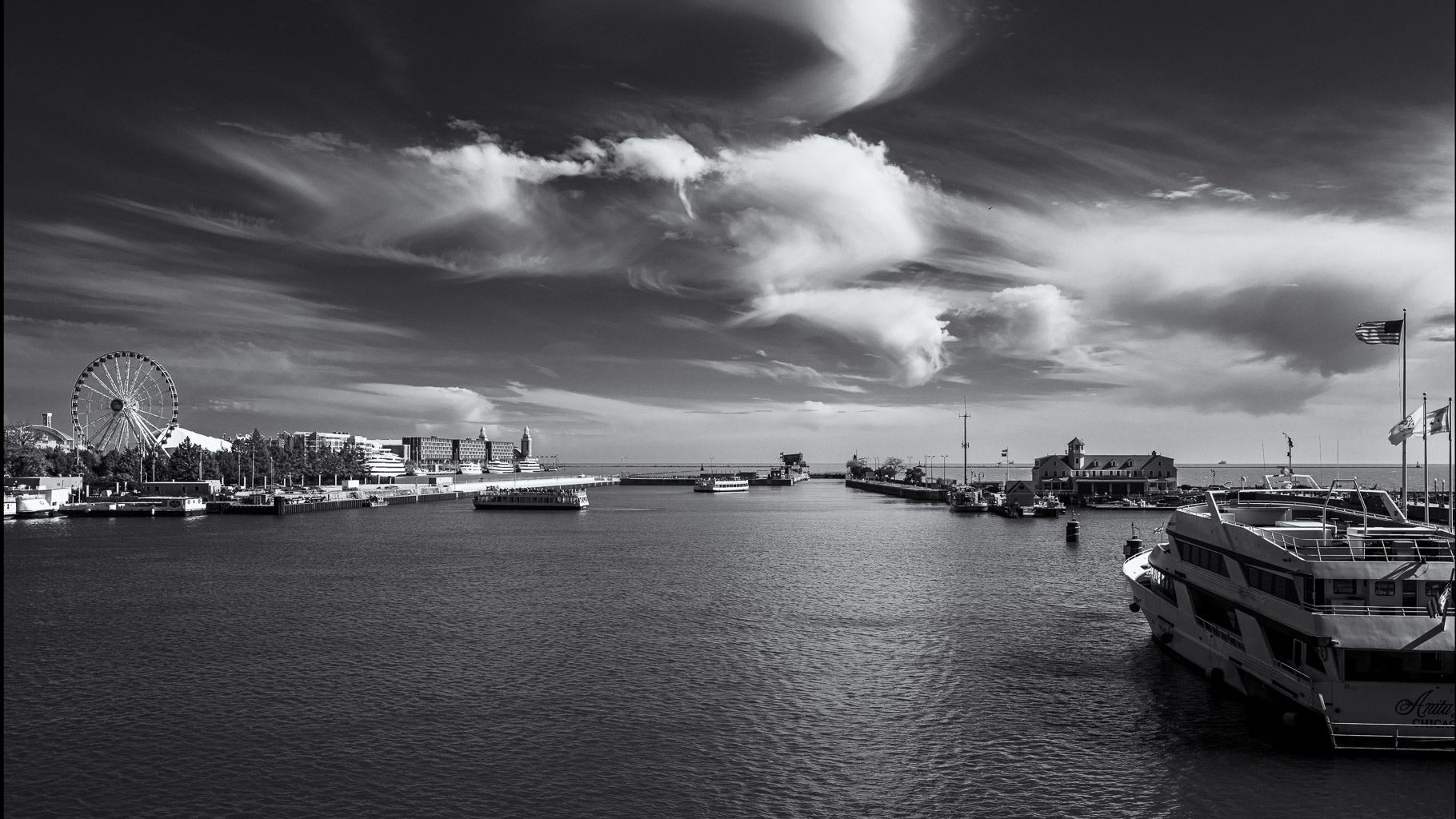
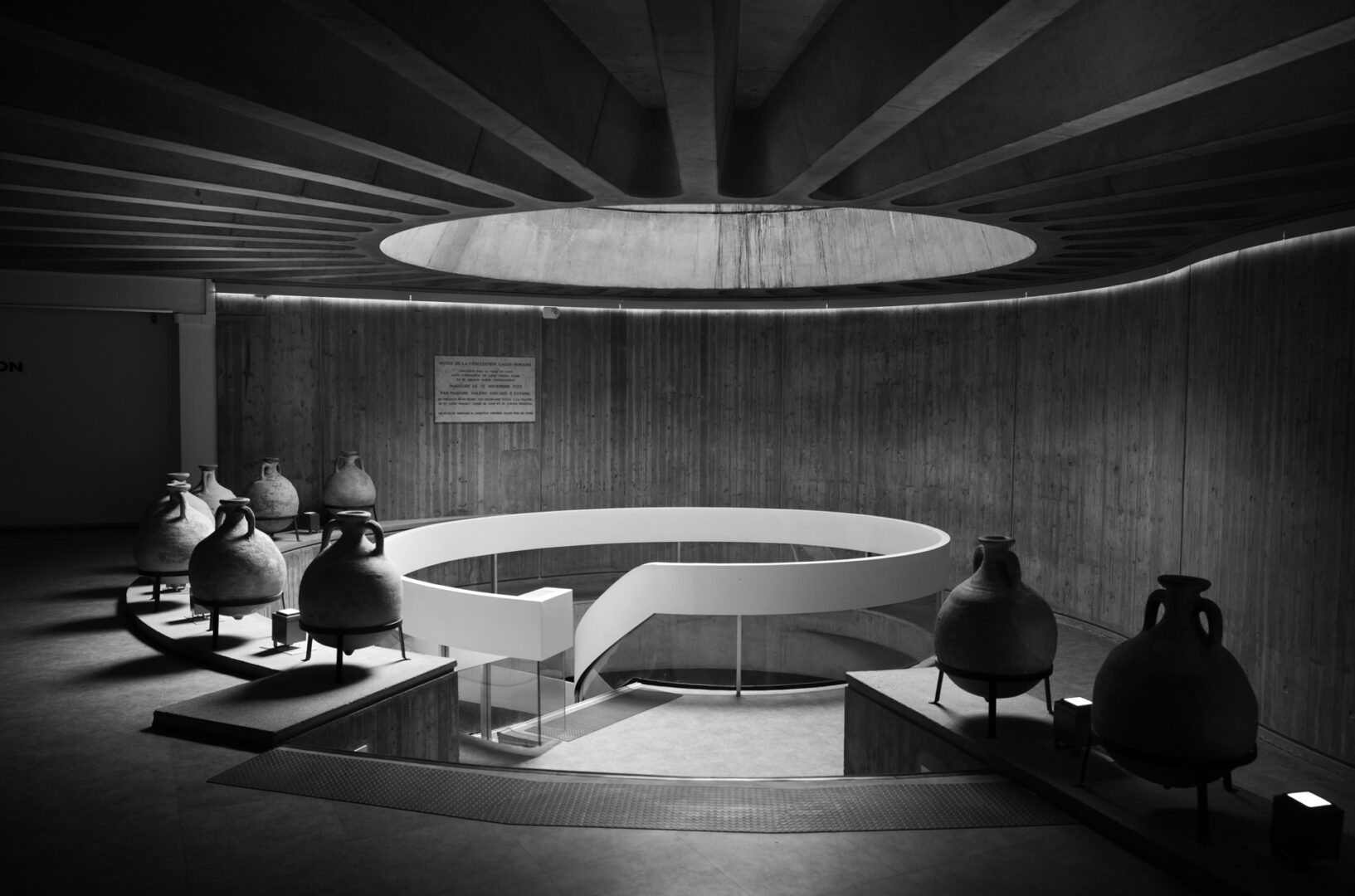
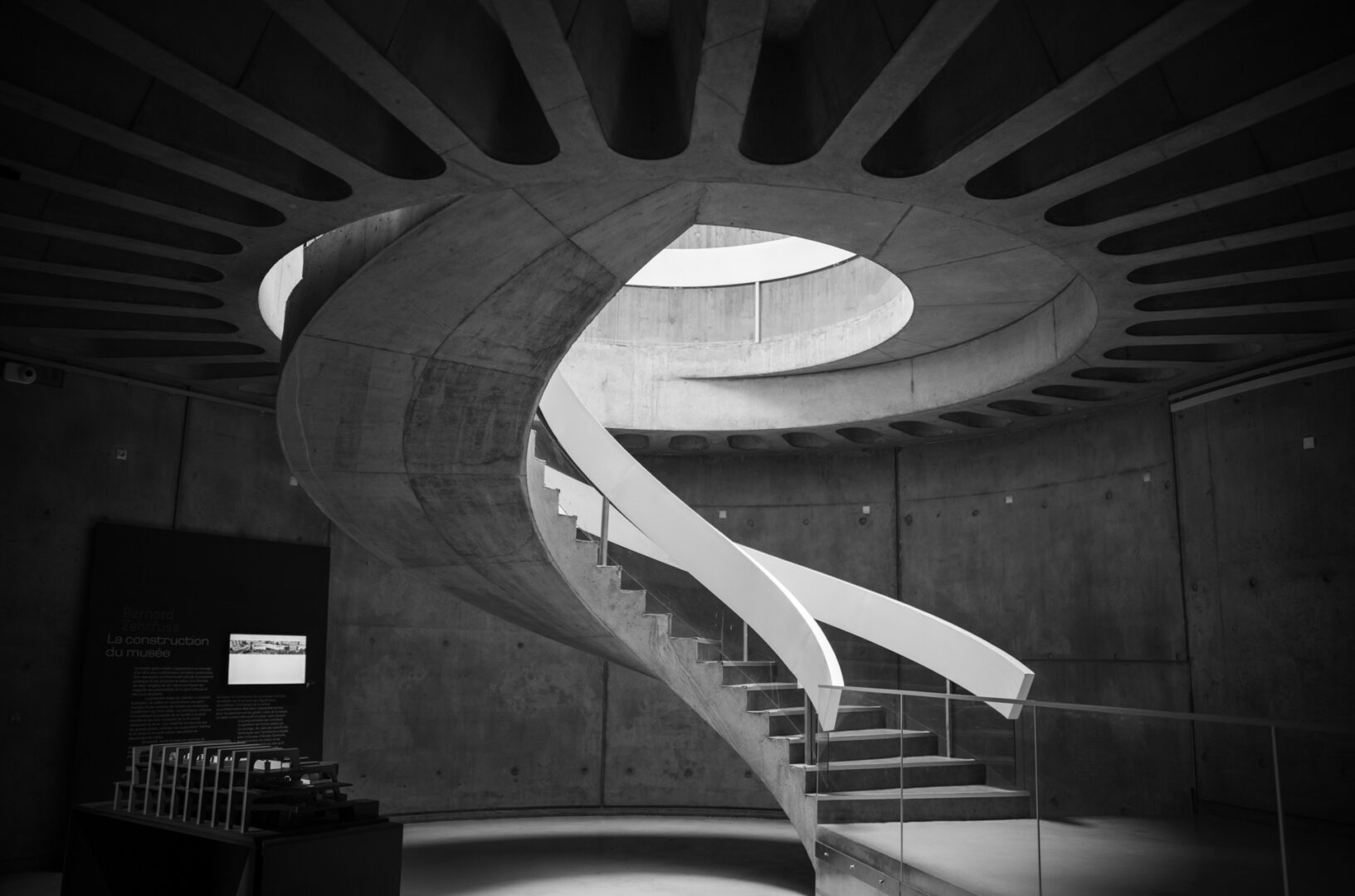

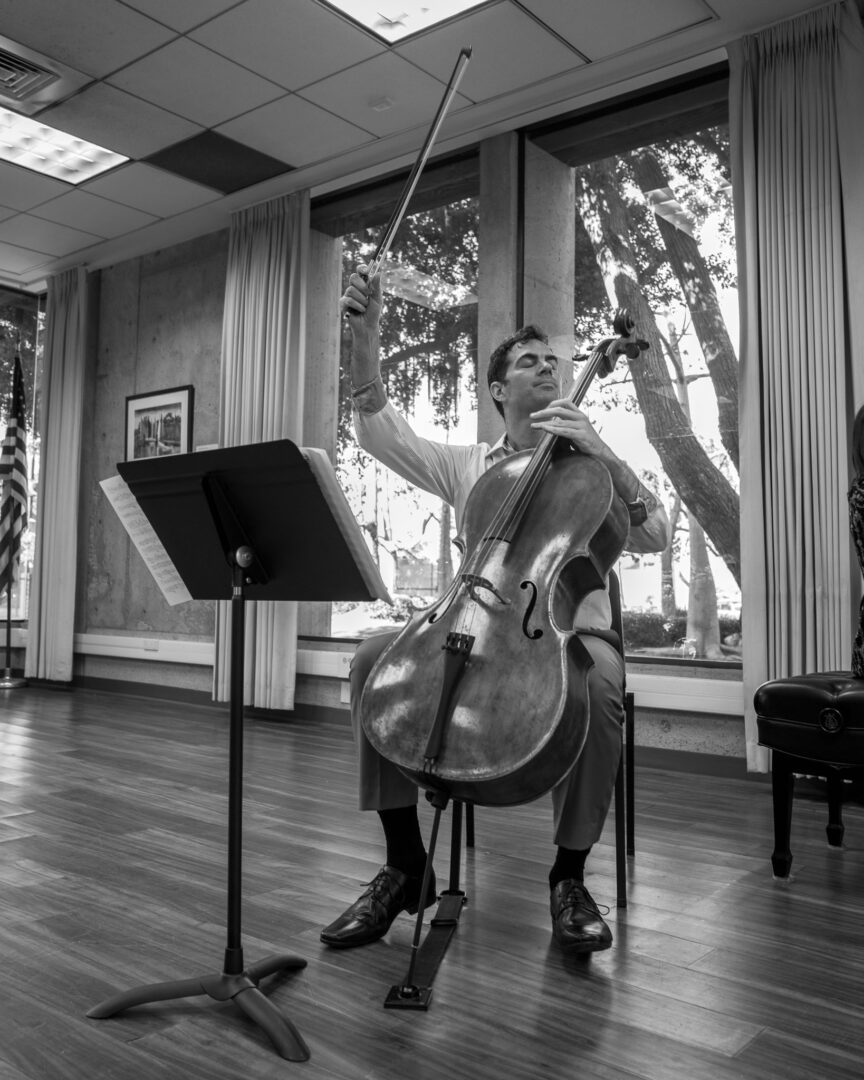
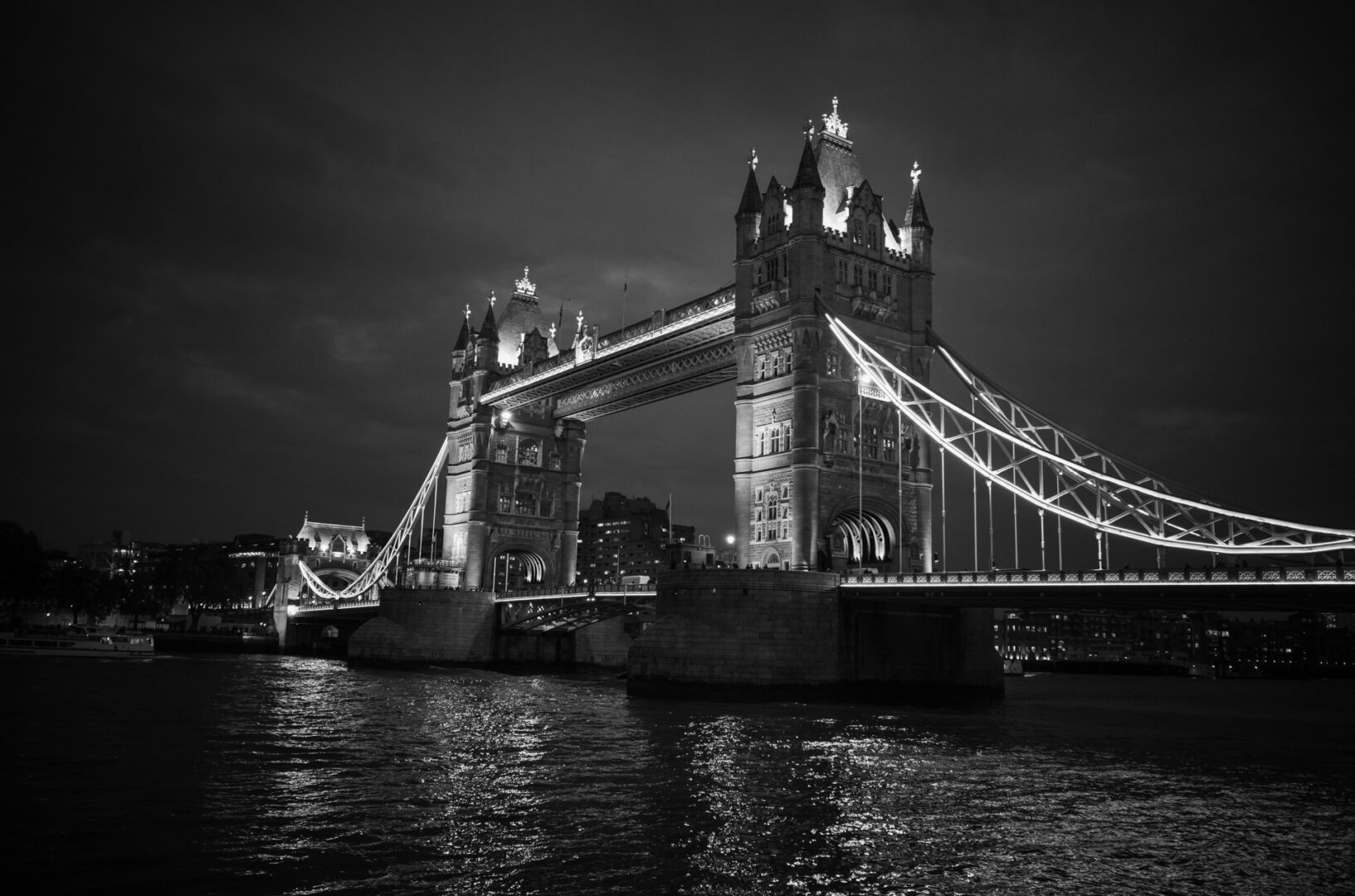
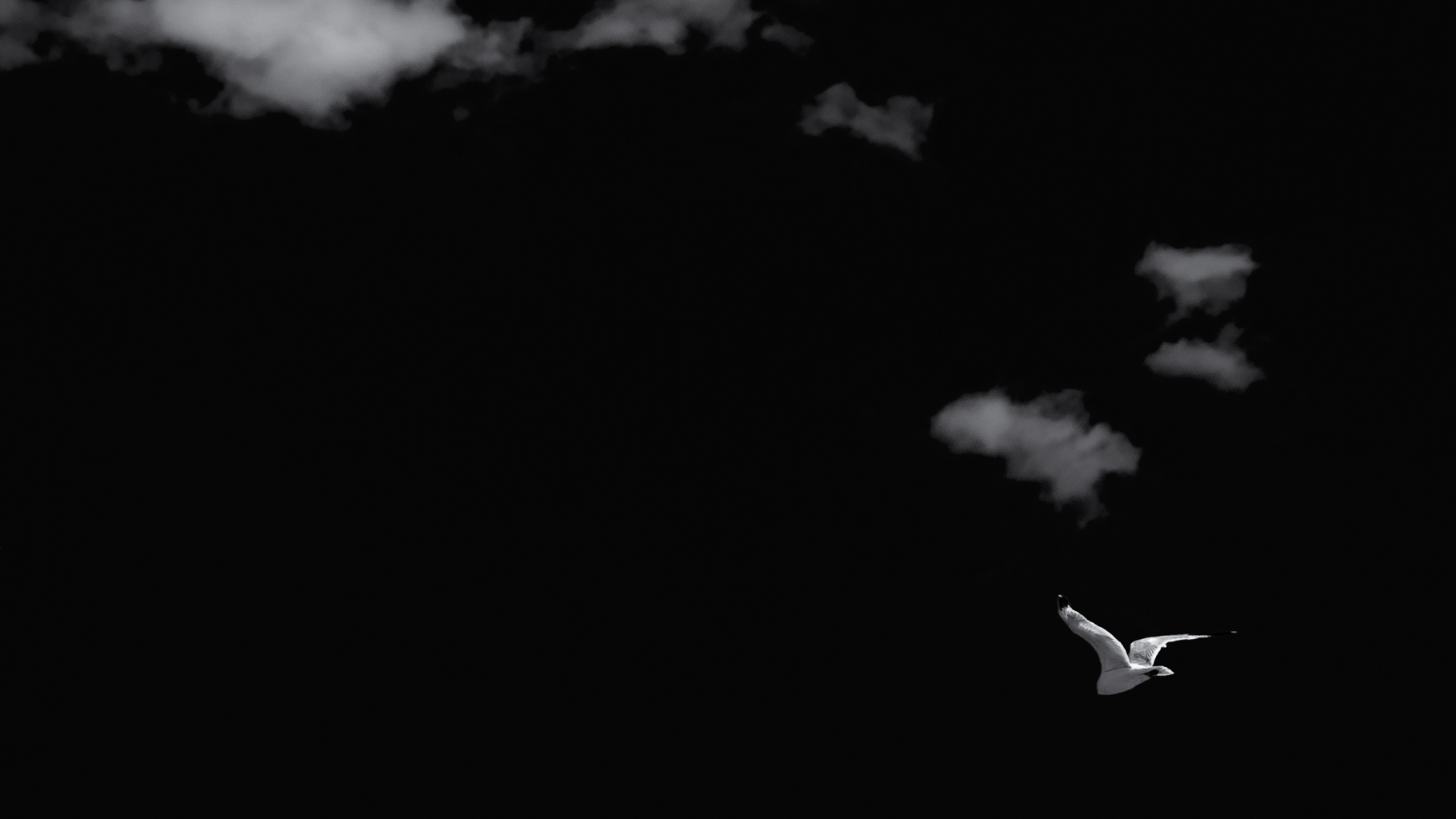
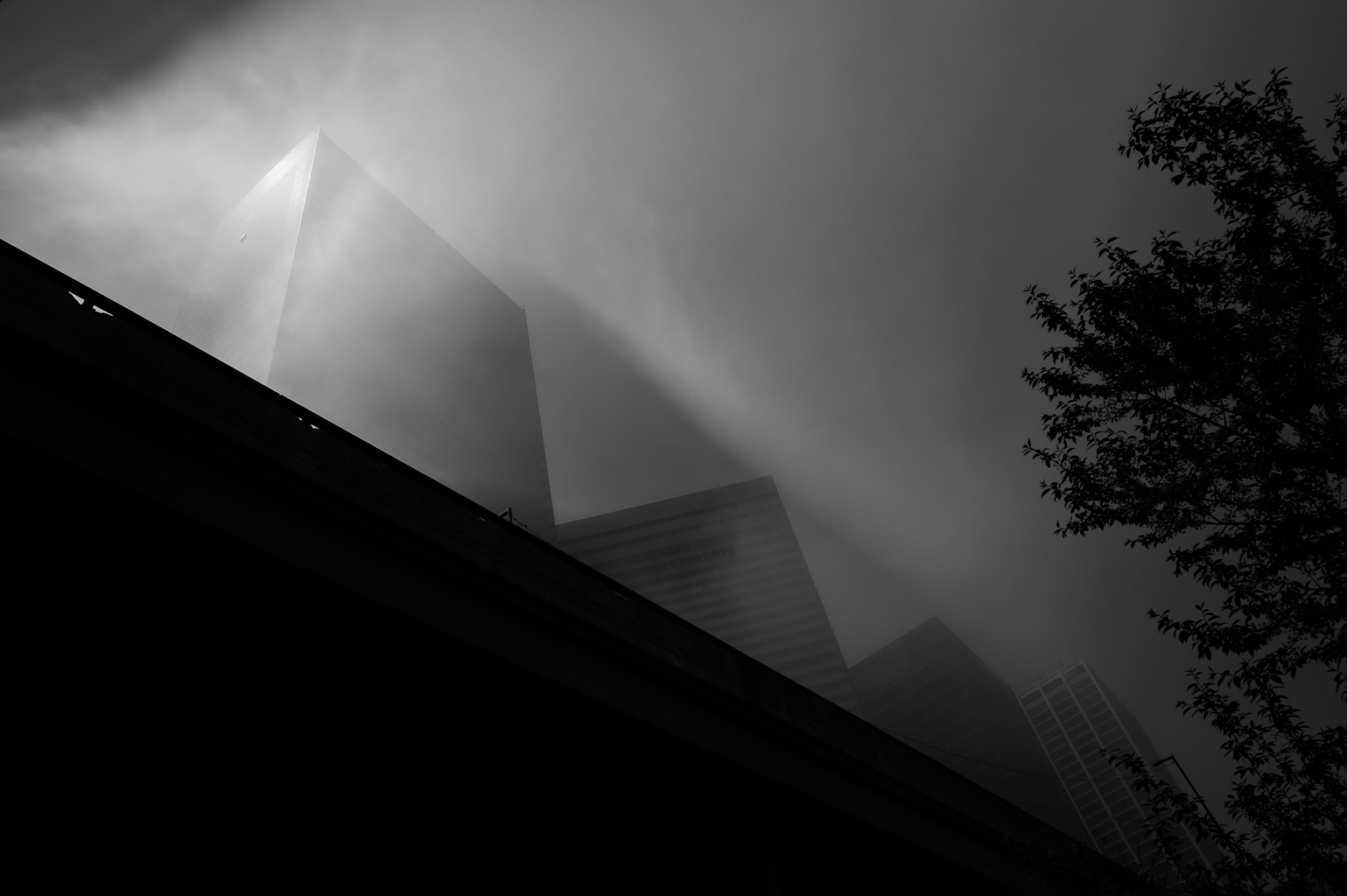
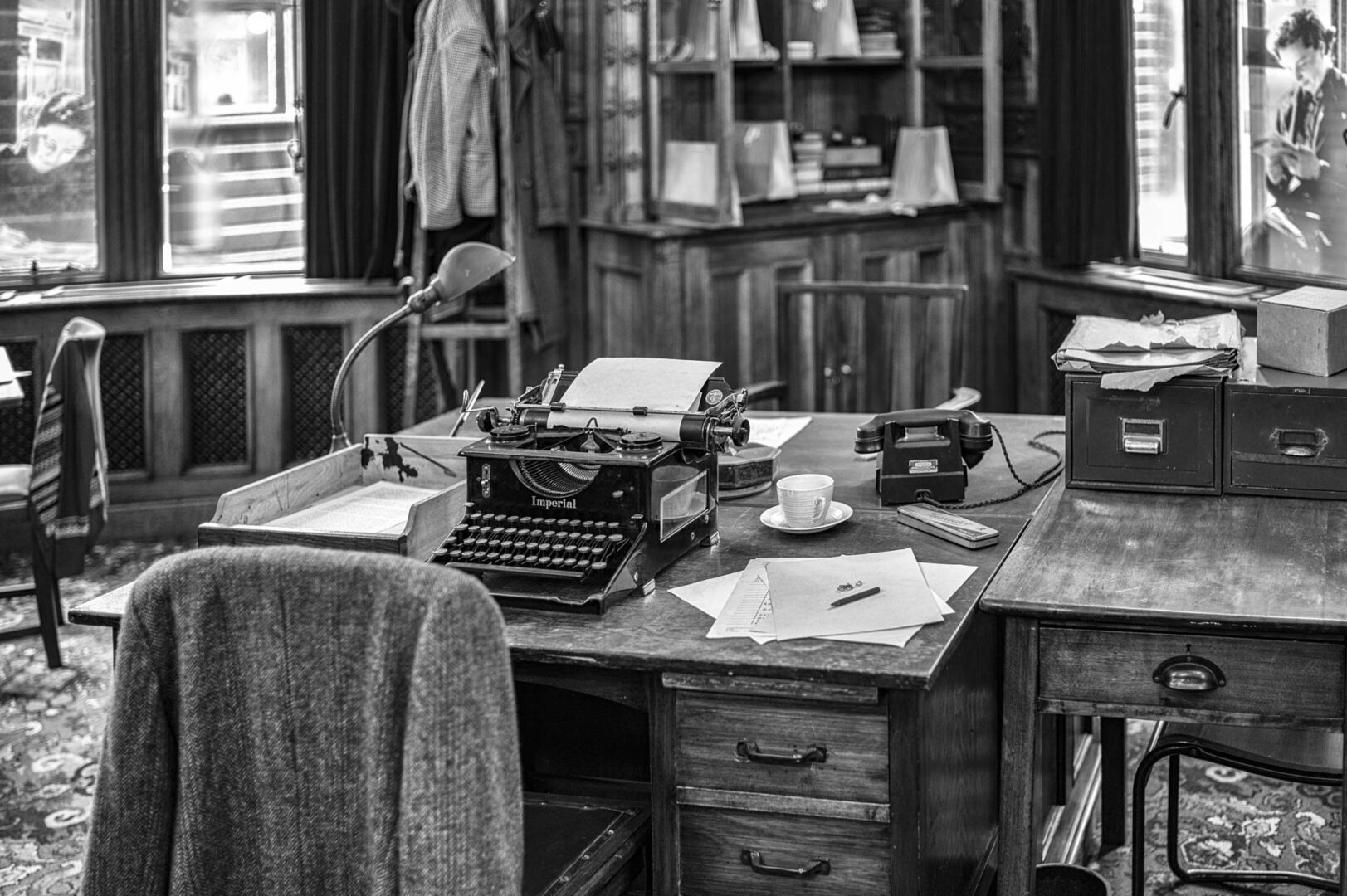
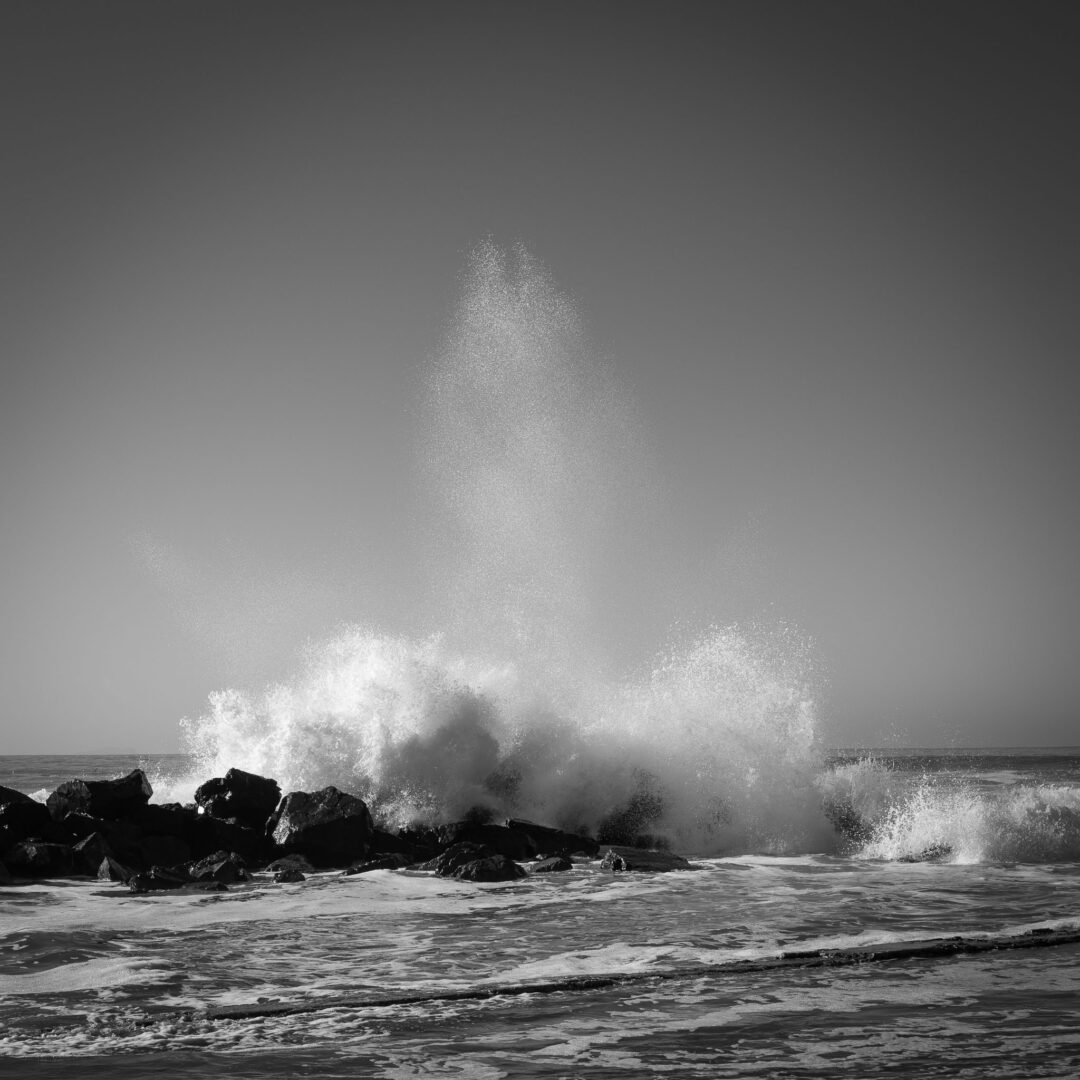
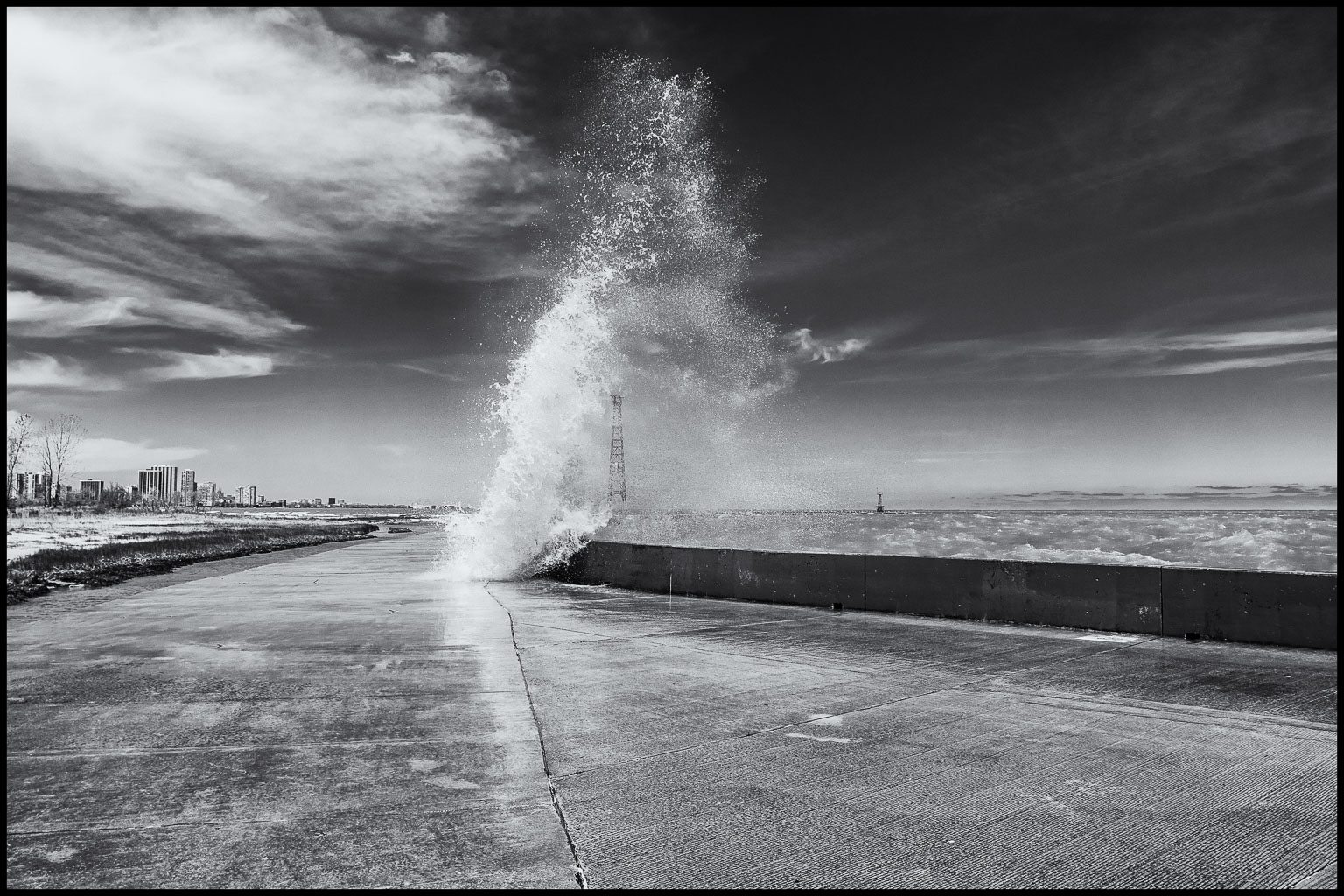

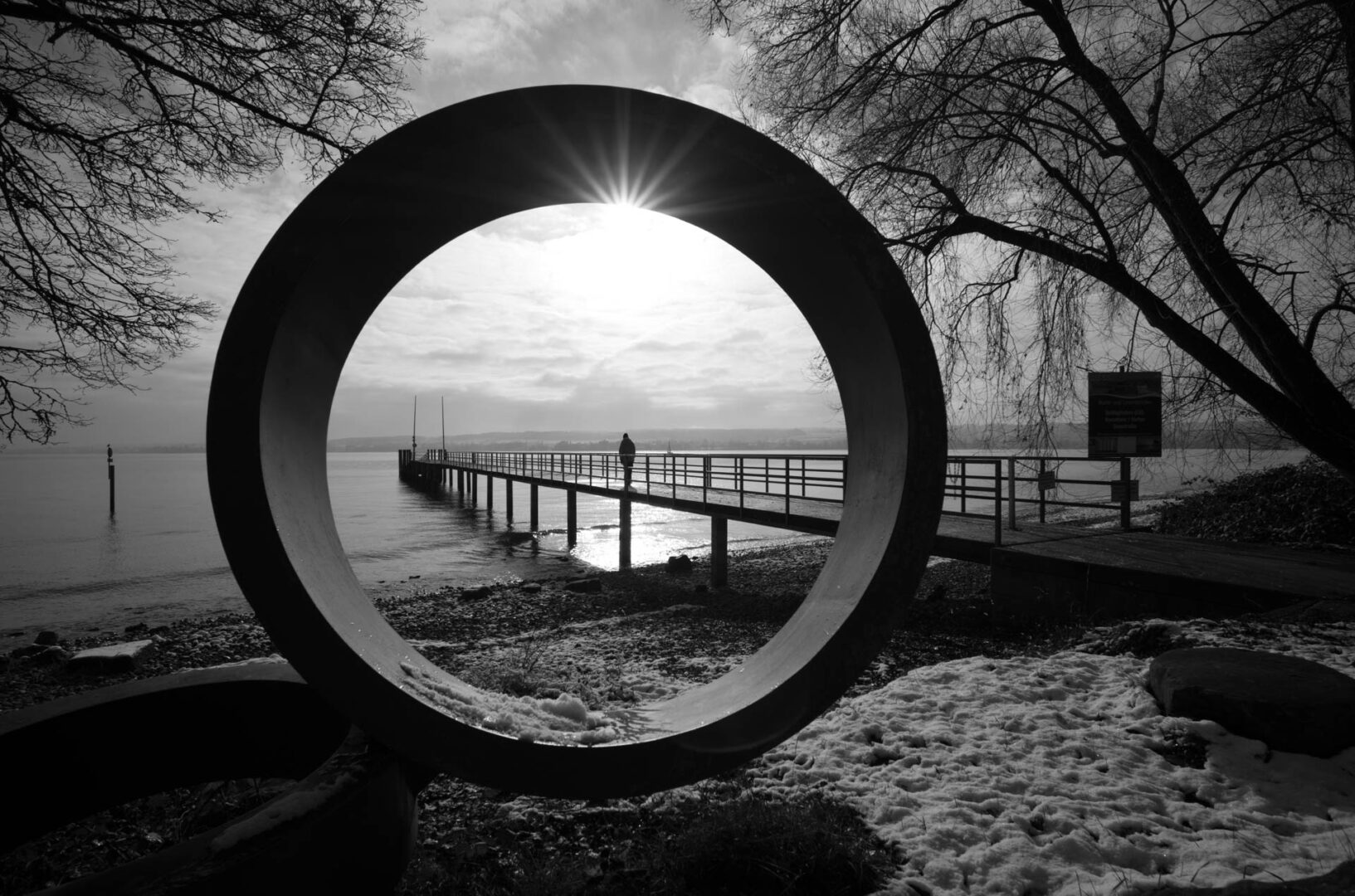
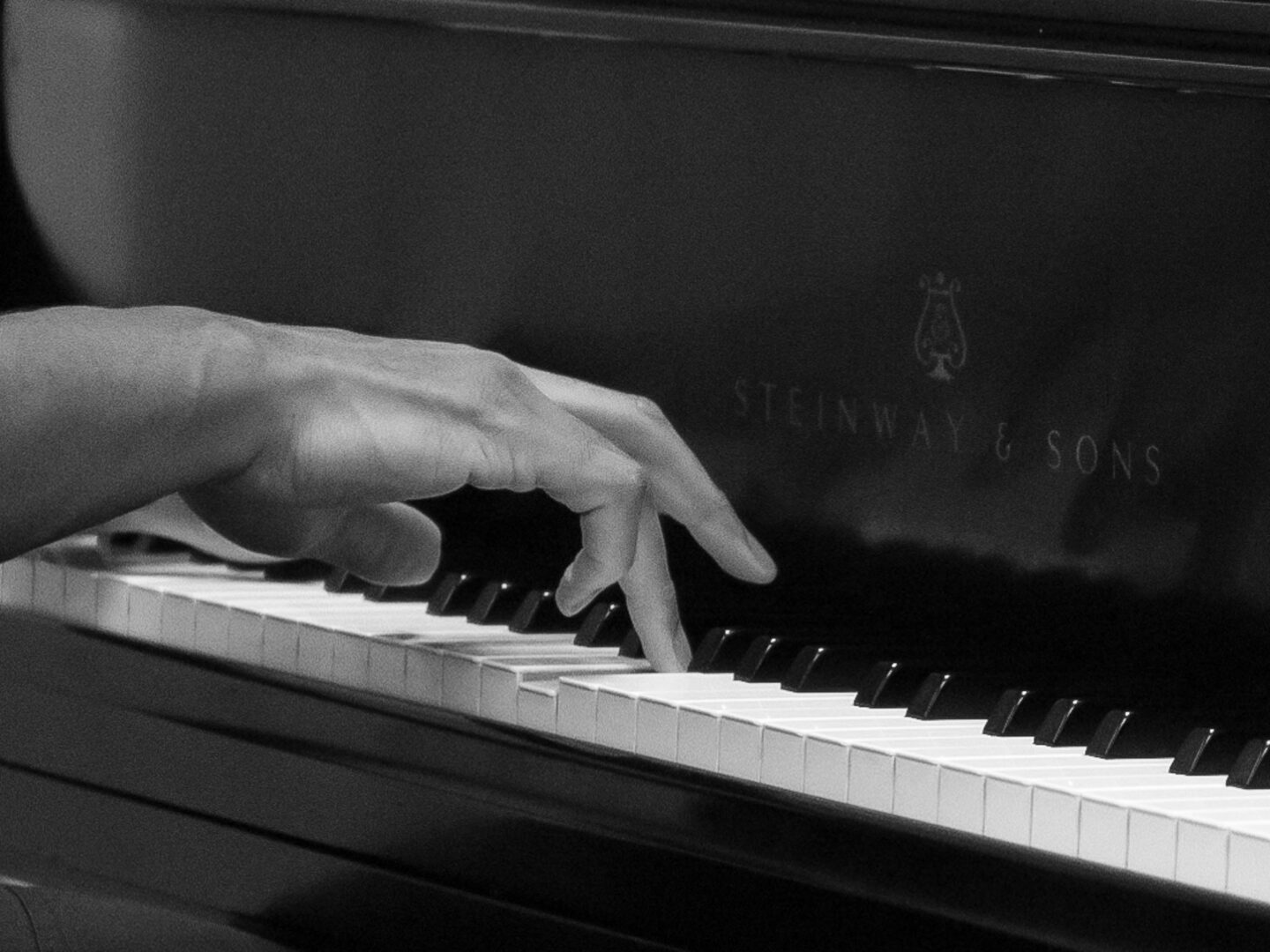
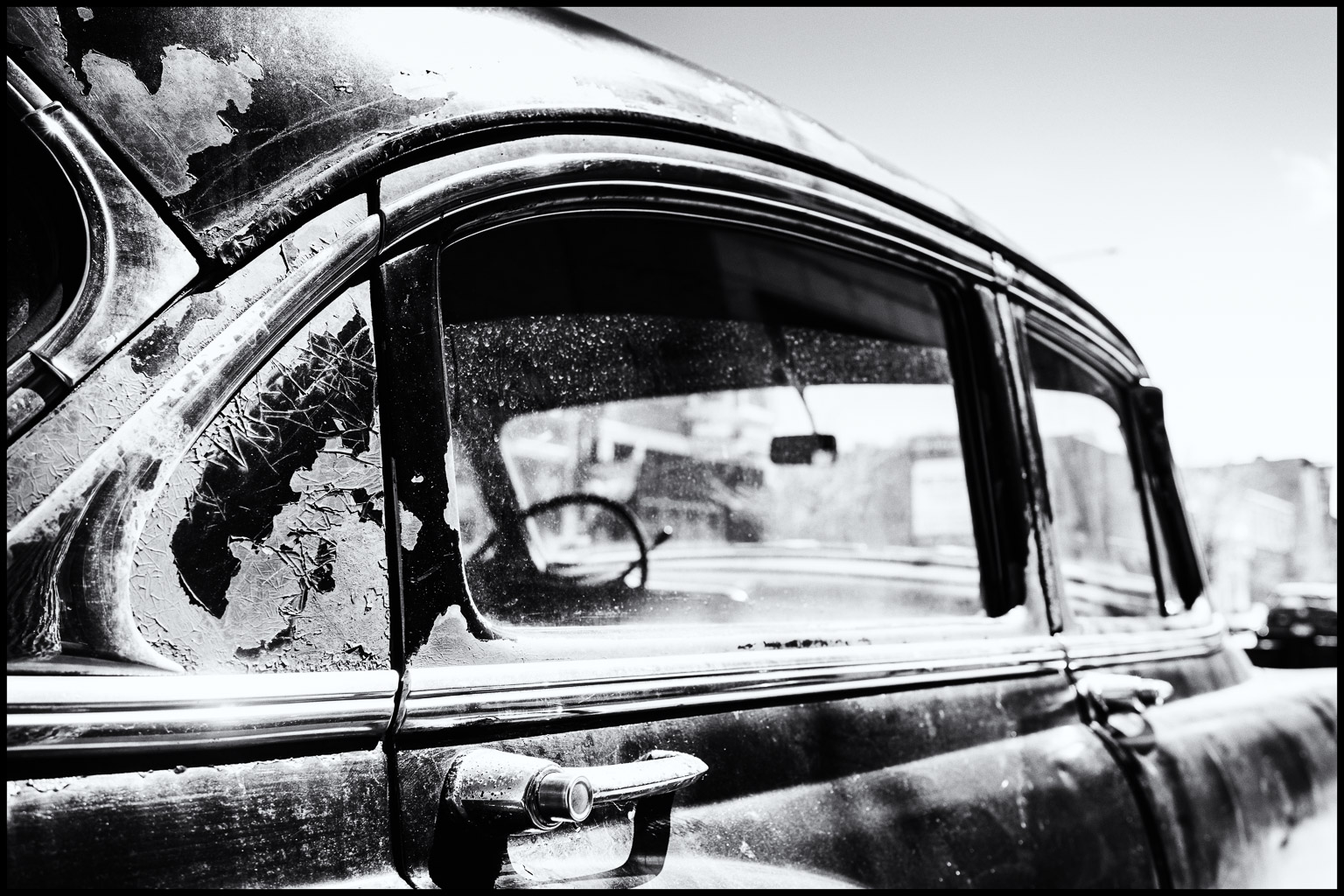
The joys of monochrome: who shot the image, and what camera did they use?
The answers might surprise you, but see how you fared:
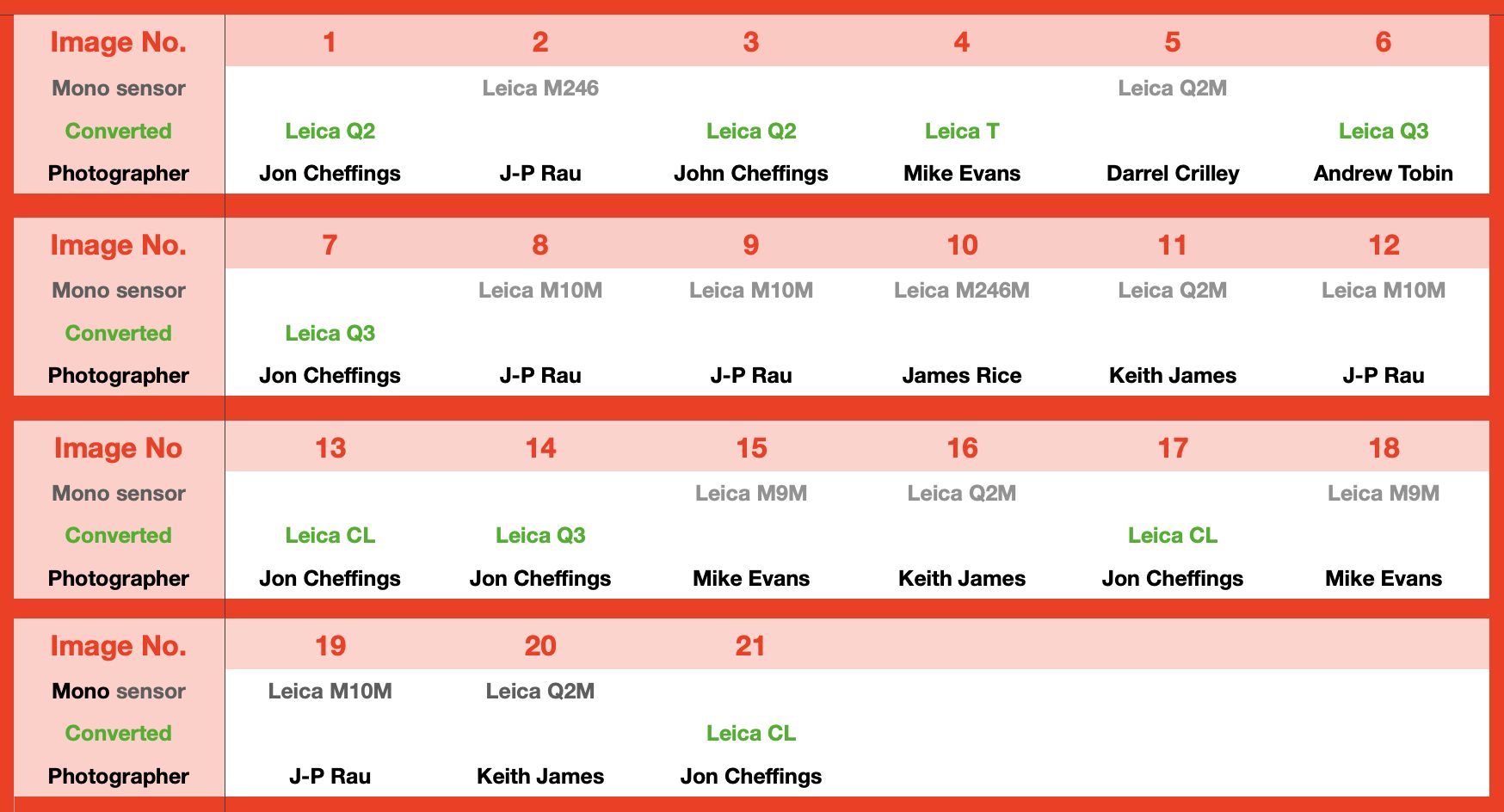
How did you do?

- 1–7 correct. It’s harder than you think!
- 8–14 correct. You were on the right track to identifying which was which.
- 15–21 correct. Impressive! You have a superb eye, and clearly know the joys of monochrome.
How did you like Monochrome Week?
Would you like to see more thematic weeks?
What topics would you be interested in reading about over a week?
What changes to the format of the week, if any, would you like to see us make?
Please answer any or all of the above questions in the comments section below this article.
| More: | |
| Choosing the best camera for black-and-white photography | Monochrome: The extra creative dimension |
Make a donation to help with our running costs
Did you know that Macfilos is run by five photography enthusiasts based in the UK, USA and Europe? We cover all the substantial costs of running the site, and we do not carry advertising because it spoils readers’ enjoyment. Any amount, however small, will be appreciated, and we will write to acknowledge your generosity.
I strongly prefer using the term “black & white” (B&W) instead of “monochrome” which might be red, or yellow or blue or any other clour, as it means “one colour.”
A good point and it is one I tend to agree with. Similarly, I object to the term “analogue” for film photography (as does William Fagan).
But language changes, and “one colour” has come to become synonymous with black and white (which is a bit of a mouthful). It is all further muddied by Leica’s successful adoption of “Monochrom”.
So, you are strictly right, but be can claim common usage for monochrome!
All
I’m not sure I can claim to be “on the right track” vs just lucky with my choices. Tough, regardless of sensor, for most of the presented images, I wish my ability to process an image was up to the standard presented here.
PaulB
I’ve been enjoying these monochrome articles. For a long time I used to mainly shoot monochrome film instead of digital or colour, and there was always something pleasant about not having to worry so much about the colours in a scene, but rather focus on making an interesting images from the textures, tones, lighting, etc.
My main take-away though has to be that a good monochrome image is a good monochome image, regardless of the sensor used! There are absolutely fantastic images above from both types.
An M Leica is one I’d (currently?) prefer to be colour because I like the versatility and options in what I can do with the files. But… I do sometimes use my Nikon Zfc in monochrome jpeg only using a custom profile I that modeled to match the tone curves from an M10M, so perhaps at some point a monochome Leica will be in my future…