
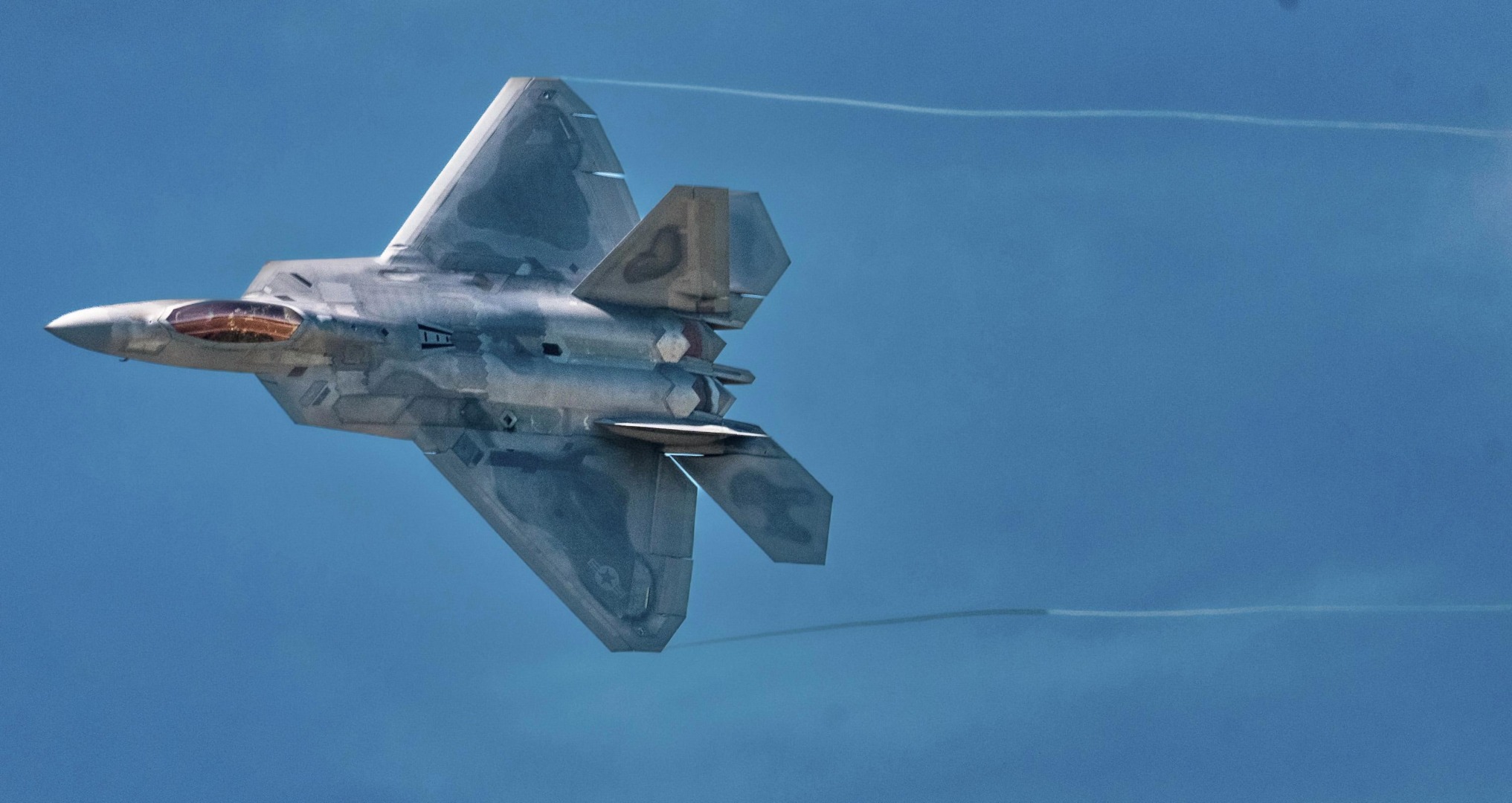
Leicas have been a passion ever since I got seriously into photography close to fifty years ago, especially after handling a borrowed Leica M3. Since then, I have been fortunate to own various types of film and digital Ms, Qs and many iterations of the Leica APS-C line up, including the X Type 113, T, and CL. This is the story of how I used what is reputed to be “the fastest-ever Leica” to develop my passion for photographing winged subjects — from birds to aircraft.
I was attracted to the SL-2’s simple and handsome design, far simpler to me than the Fujifilm XT-3 I had been using for years as my main digital all-around camera. Eventually, I bought one on impulse and owned it for all of one week — it was a great camera, but proved to be too heavy and unwieldy for my relatively small hands.
Handsome design
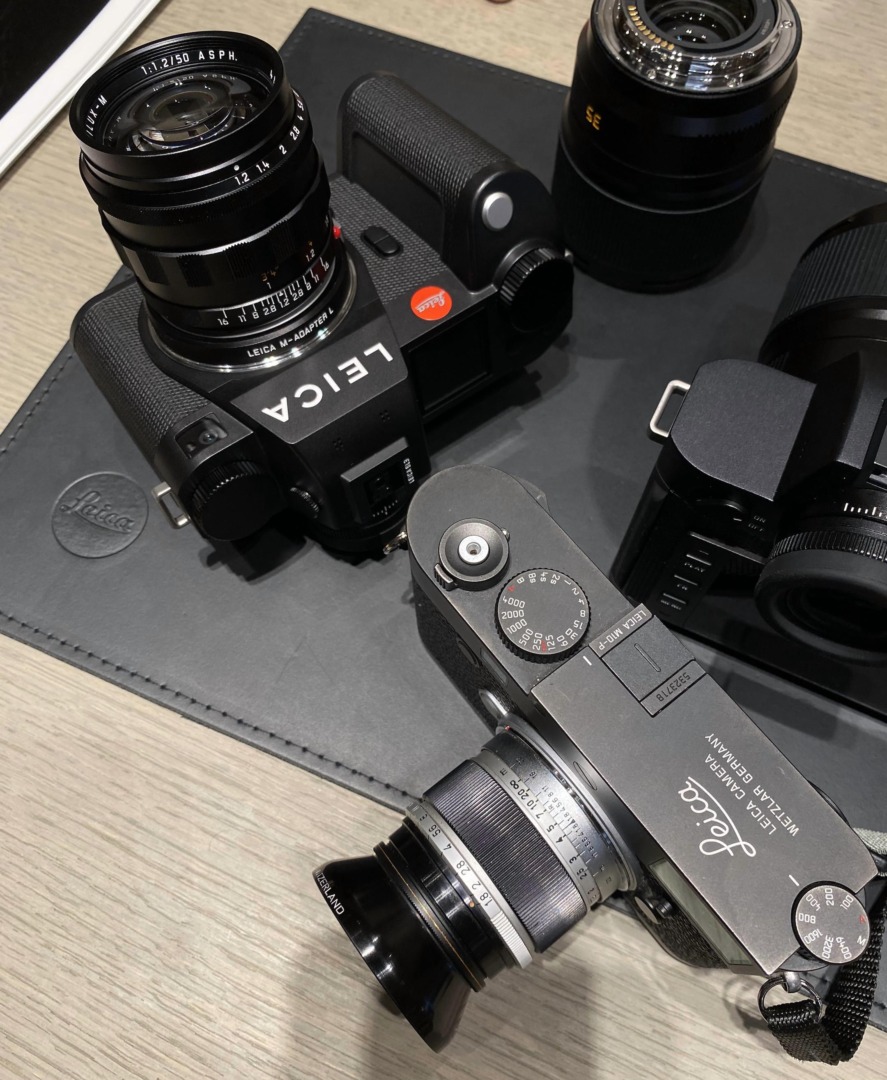
However, when the SL3 was launched, I was enticed by the promise of the same handsome body design as the SL-2, but in a slightly smaller package. Therefore, I checked one out on my first visit to the then newly opened Leica flagship store in New York City’s Meatpacking district. I was thoroughly impressed by the updated, more compact body of the SL3, and its handling was superb.
For several months, I debated whether to buy one, but then the SL3-S was announced—“the fastest-ever Leica”. For example, the improved autofocus was the most appealing feature, since it would be important for photographing aircraft at air shows, which I loved to do. Moreover, I had been using the Fujifilm XT-3 for a long time, but I was no longer completely happy with the quality of the APS-C files.
As it happened, coinciding with the launch of the SL3-S, was my decision to retire early, and my desire to spend more time doing wildlife and bird photography. All the social media and gear reviews assured me that I would be better off with one of the major brand cameras for capturing fast jets or birds in flight. I was told unequivocably that they had better autofocus capabilities and a more customisable feature set than the SL3 or SL3-S.
Making the jump
However, I made a list of the most essential characteristics I was looking for in a replacement for my Fuji. Aside from excellent images and a full frame sensor, a robust build, superb handling, simplicity of design and user-interface were the most important characteristics on my list; only Leica met those requirements.
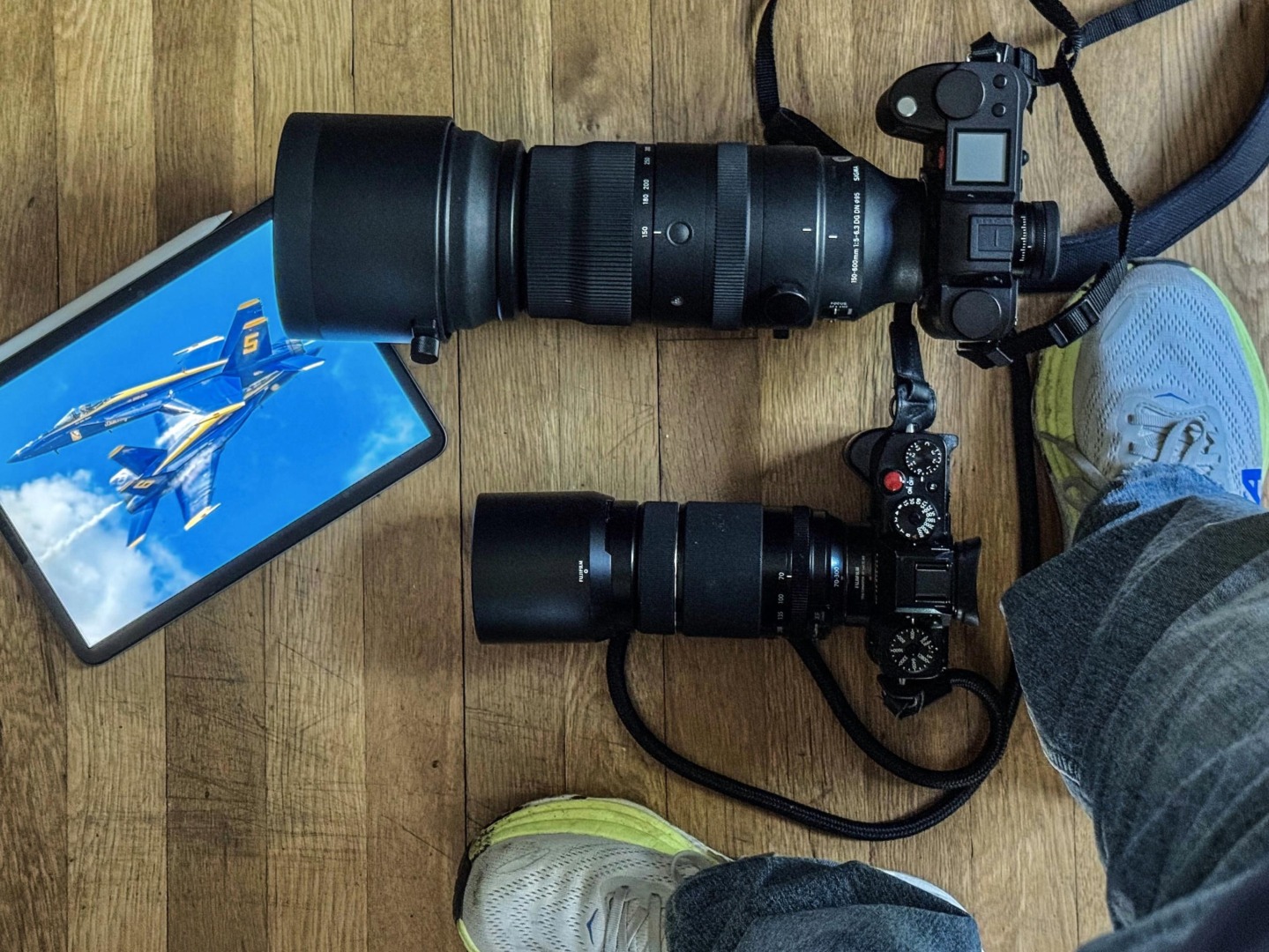
Accordingly, I made the jump, sold all my Fuji gear, and bought an SL3-S. In addition to being a substantial upgrade from the XT-3 for my aviation and bird photography, the SL3-S was also a well-deserved retirement present to myself (together with a Q3 43) for thirty-five years of a tough but fulfilling corporate career. I am glad my wife (reluctantly) concurred.
Maiden shoot… and first hitch
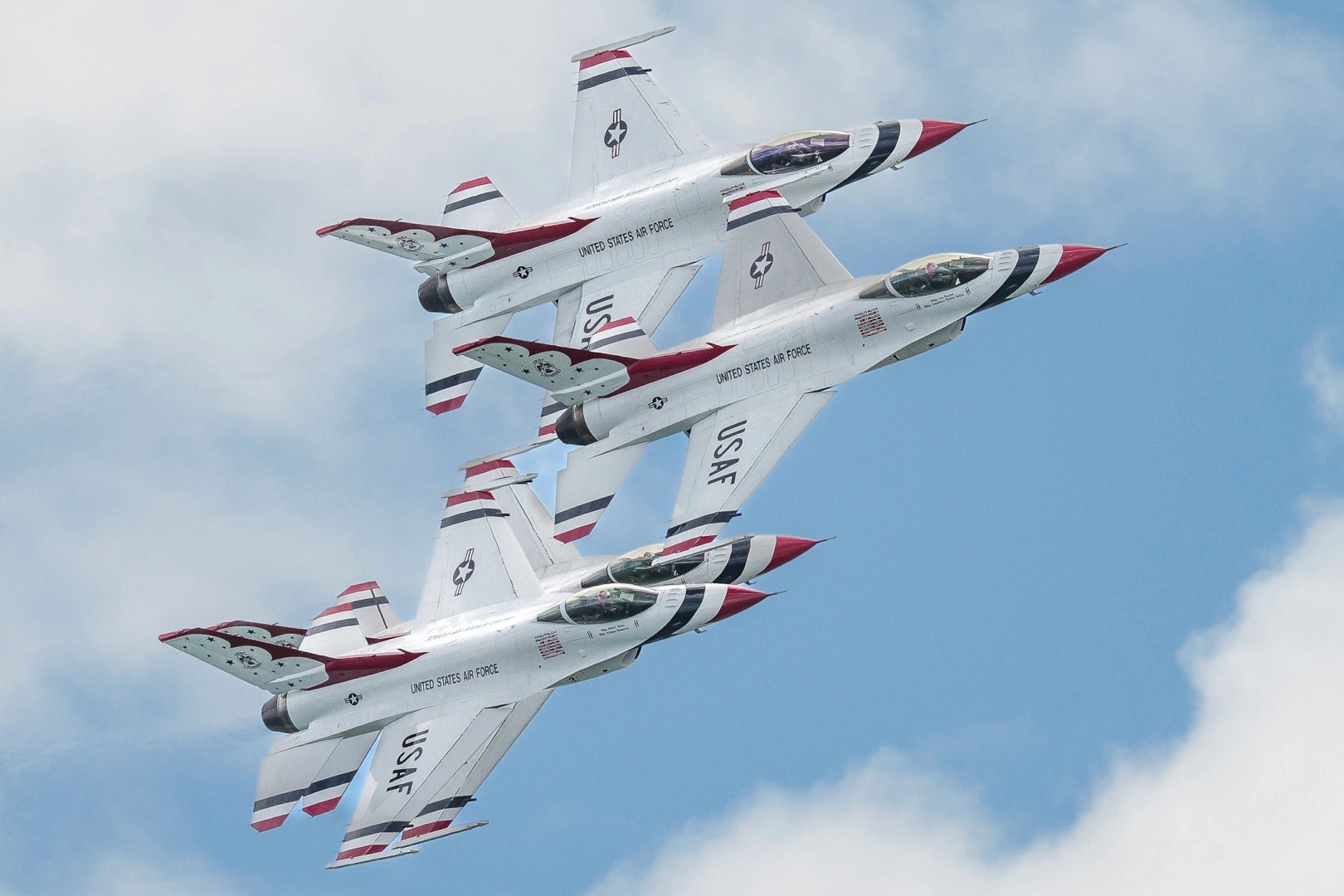
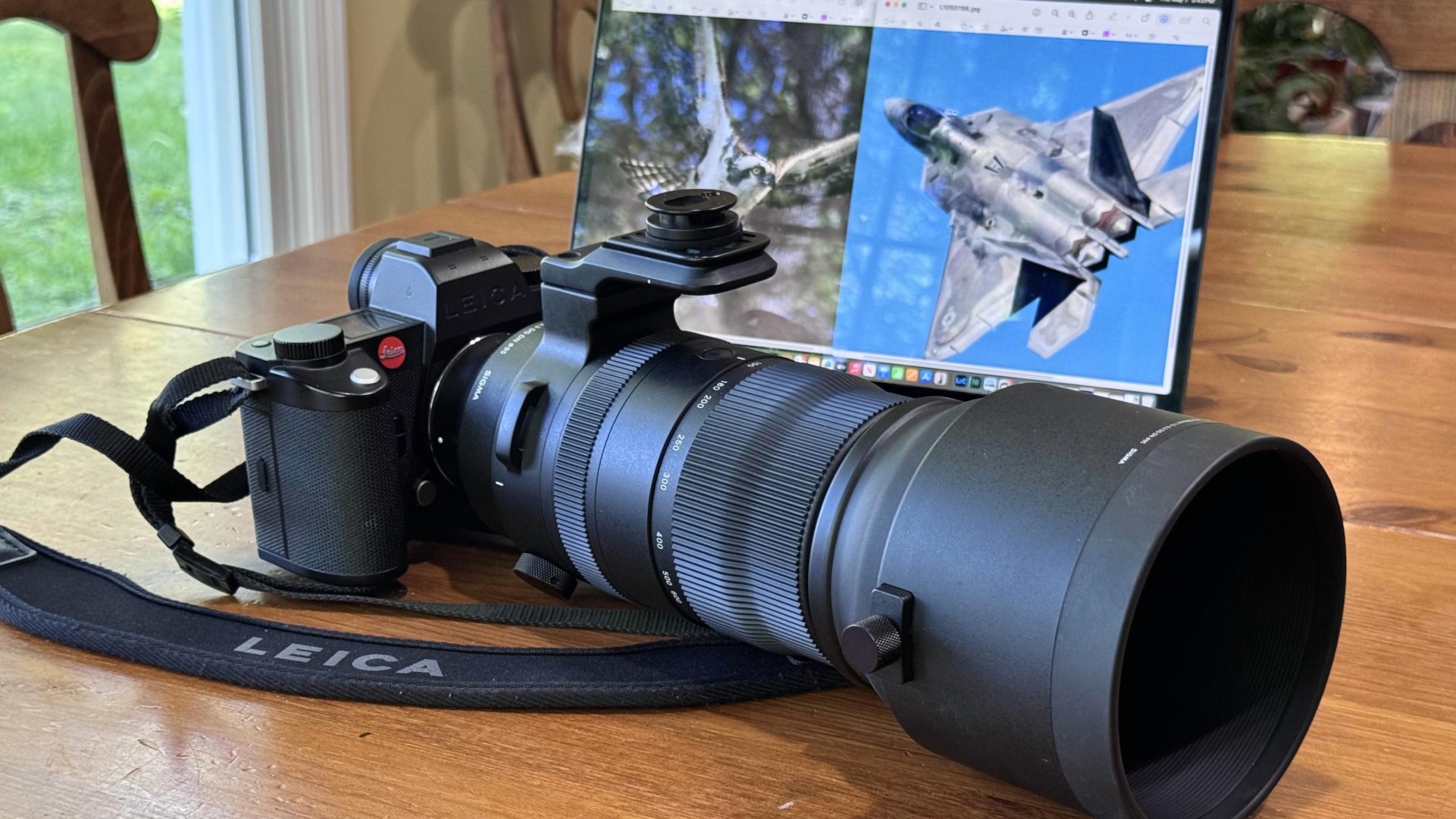
In May 2025, I took the SL3-S on its maiden shoot to one of the major air shows in the Northeastern United States, the Memorial Day Air Show at Jones Beach State Park, Long Island. Pairing it with Sigma’s excellent (though humongous) 150-600 f/5-6.3 DG DN Sports lens, I spent an entire day shooting the various performers, including the US Air Force flight demonstration team, the Thunderbirds.
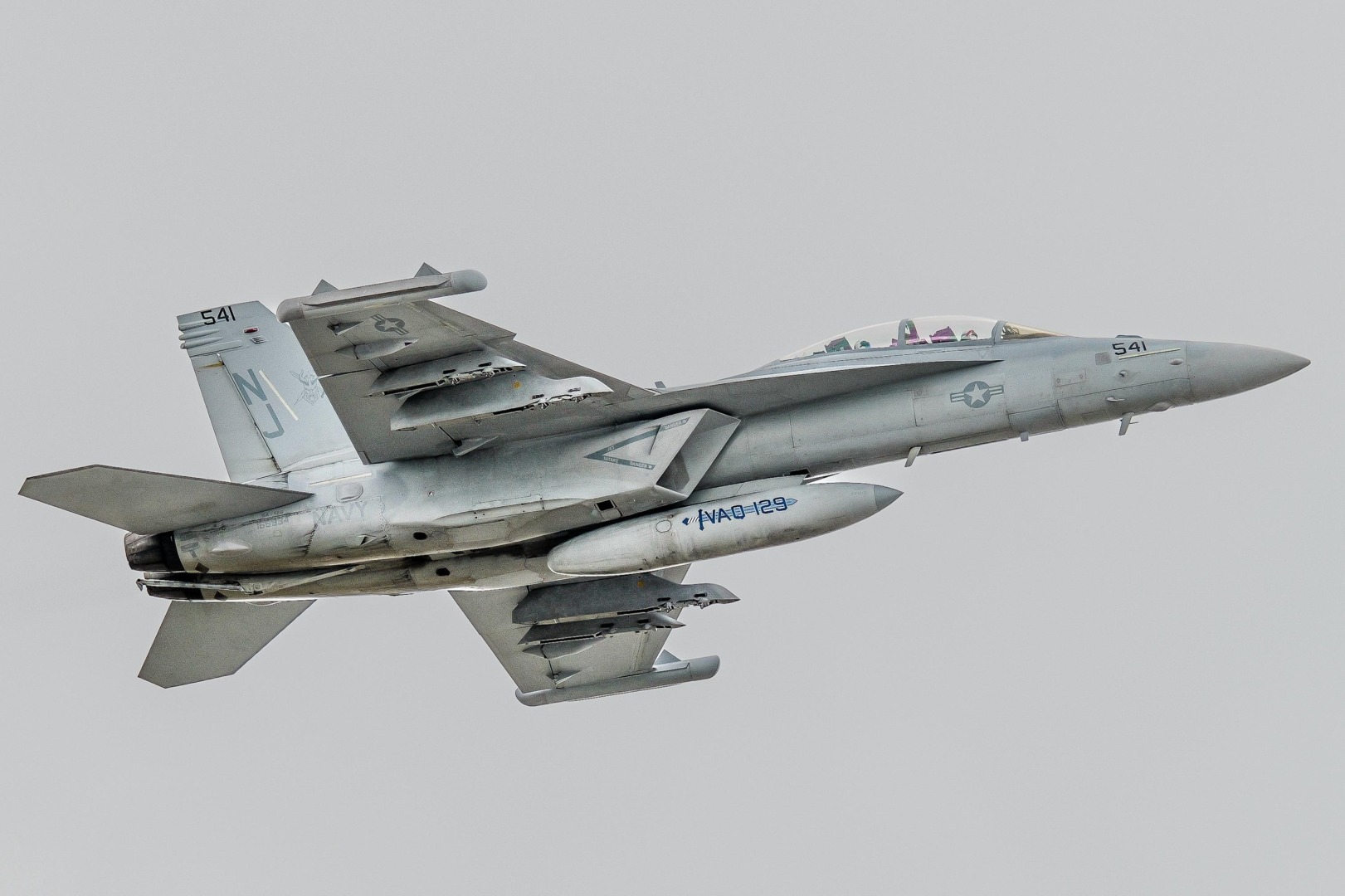
I found myself feeling very frustrated as it seemed the autofocus was not locking properly, the EVF image staying blurred despite the focus confirmation boxes being lit up. So I felt disappointed at the end of the day, afraid that the SL3-S was a poorer performer, autofocus-wise, compared to my trusty old Fuji XT-3. Buyer’s remorse began to set in.
A pleasant surprise
That is, until I downloaded and processed the images in Lightroom. I was surprised at how many in-focus keepers I actually had. Moreover, the colour quality of the SL3-S images out of the camera was astonishing. It was only several months later that I read that the SL3-S EVF is not quick enough to display in-focus images in real time, even if focus has been achieved.
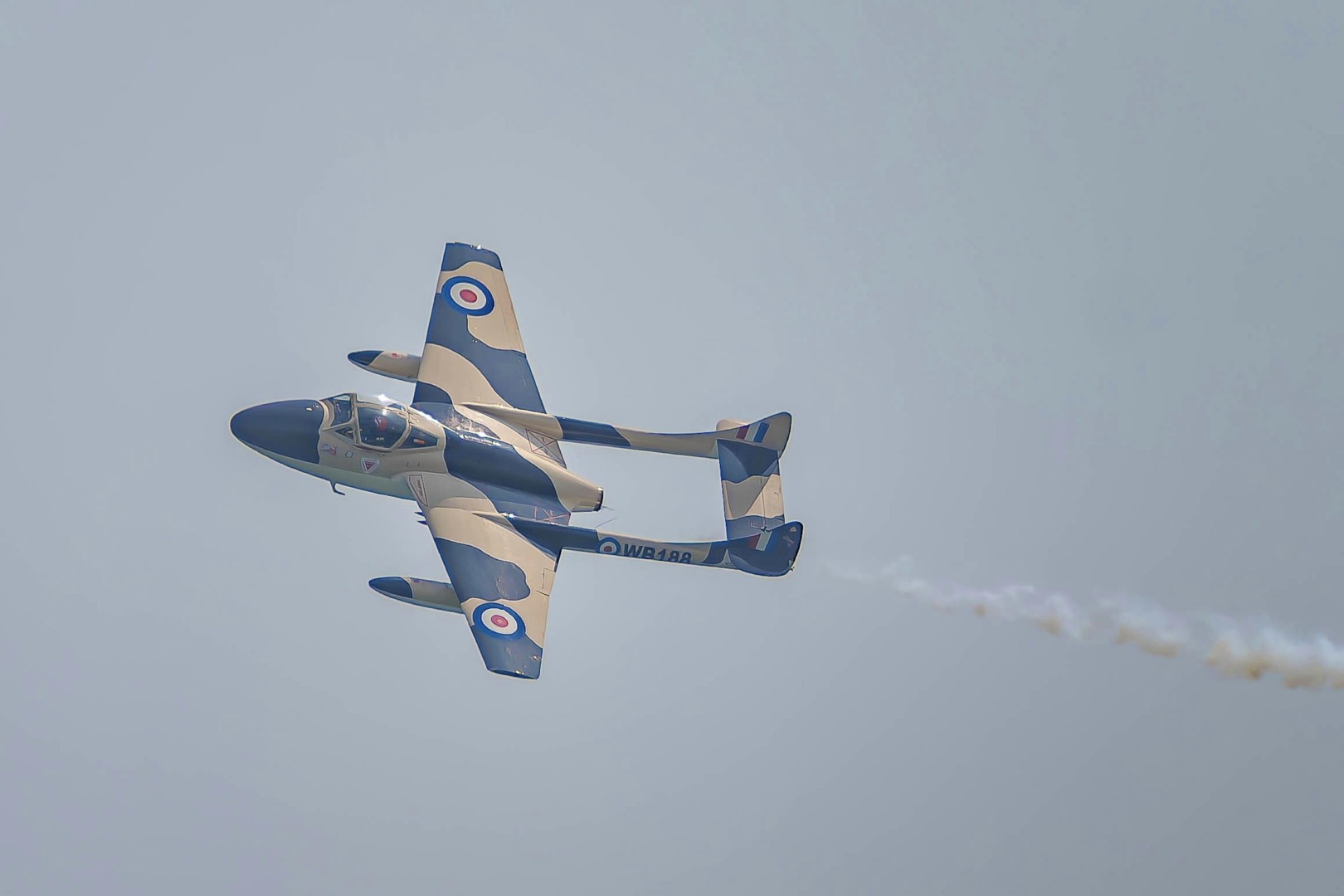
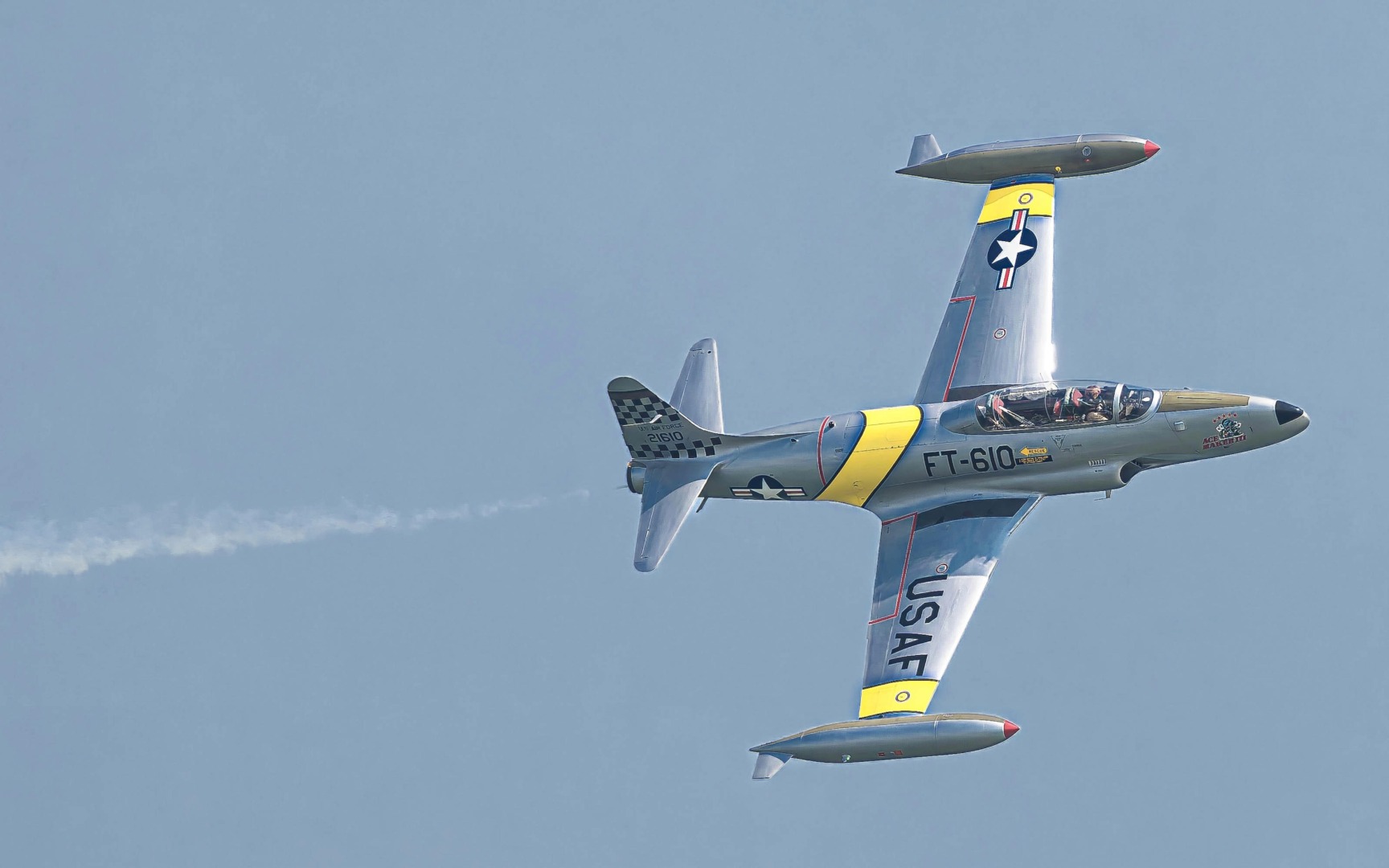
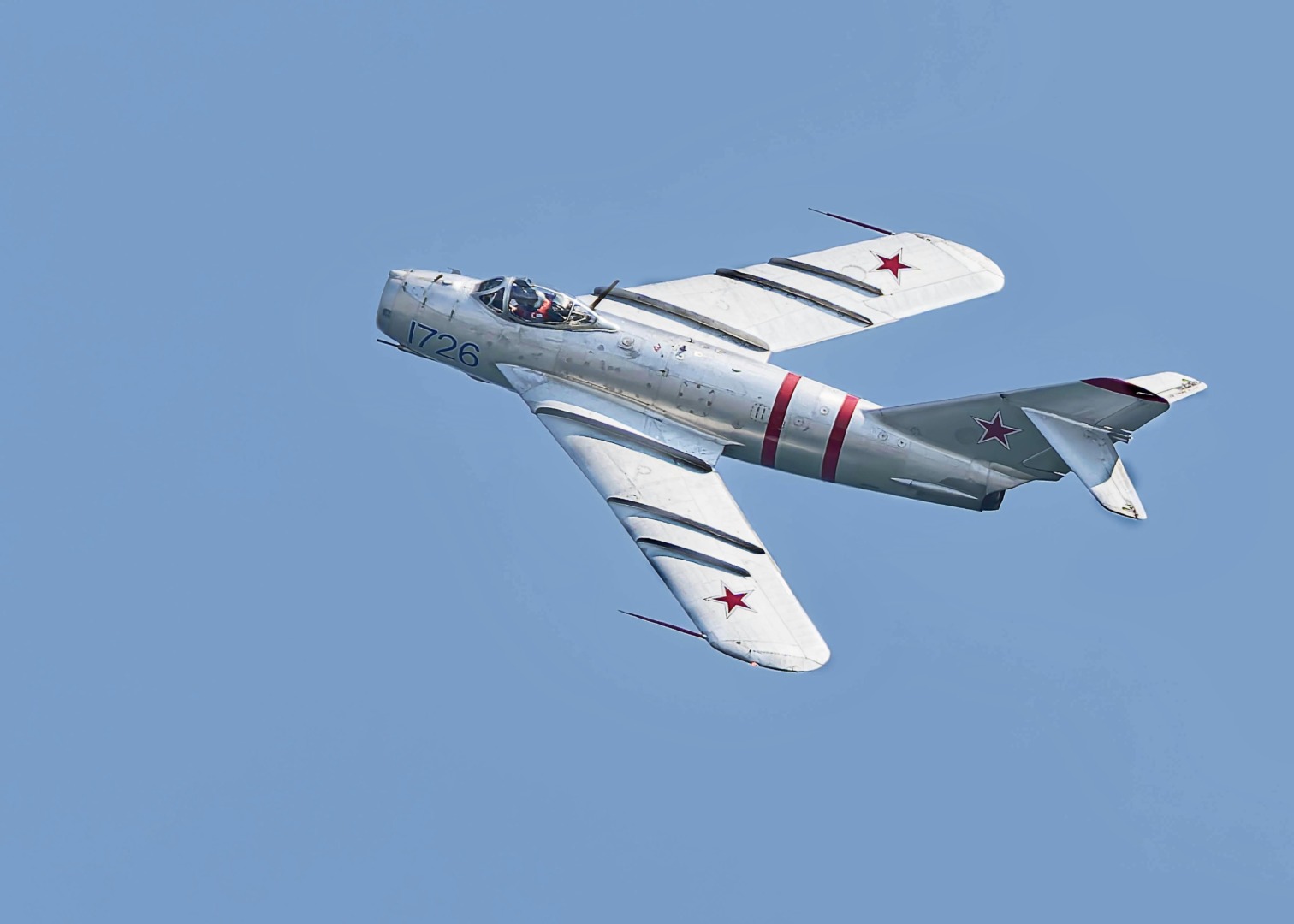
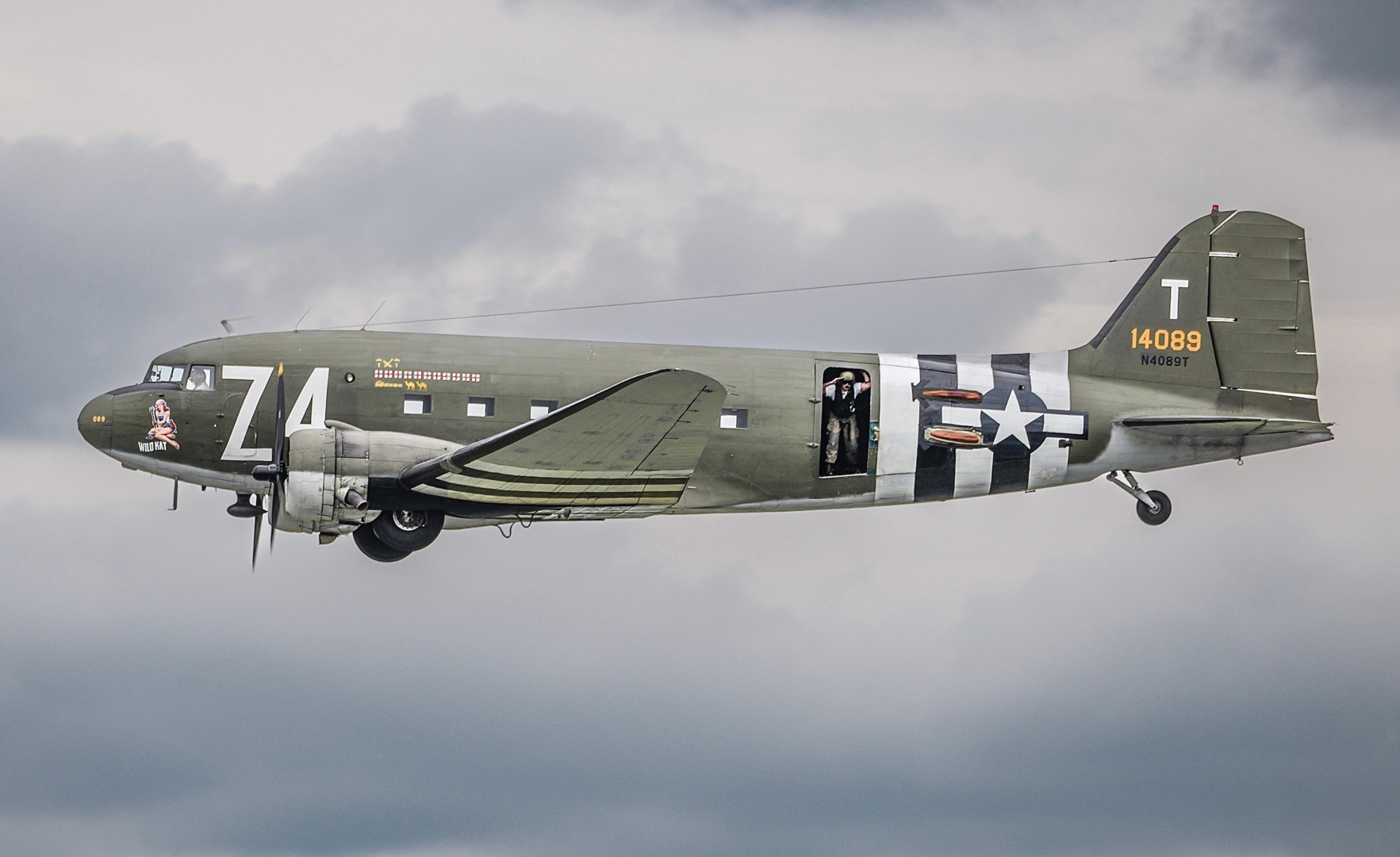
So, I had to learn new habits, trust the camera and continue shooting away even if I saw a fuzzy image in my EVF, as long as the confirmation lights came on. I have also been impressed by the ability of the SL3-S to track fast-moving aircraft coming into frame. I have read that other flagship cameras sporting stacked sensors have a much better ability to stay focused on fast-aircraft compared to the SL3-S, but I have no personal experience with these other cameras.
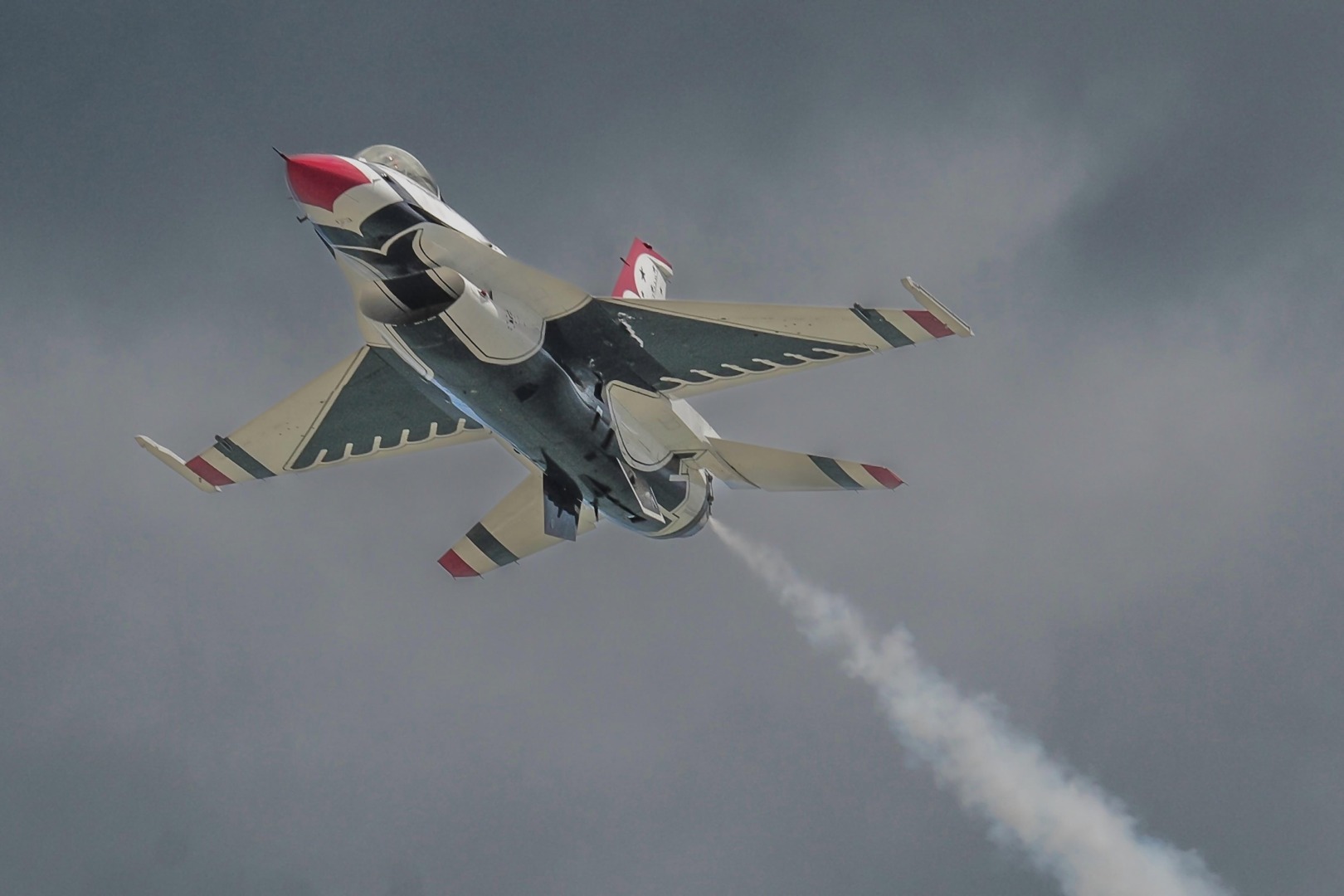
All I can say is that I have had enough keepers to be very satisfied with the results. As an aside, I rarely shoot faster than 5 fps (a habit from decades of being a film-only shooter) and even then, only for very short bursts. If I get three out of five frames in focus, I am more than happy.
Settings
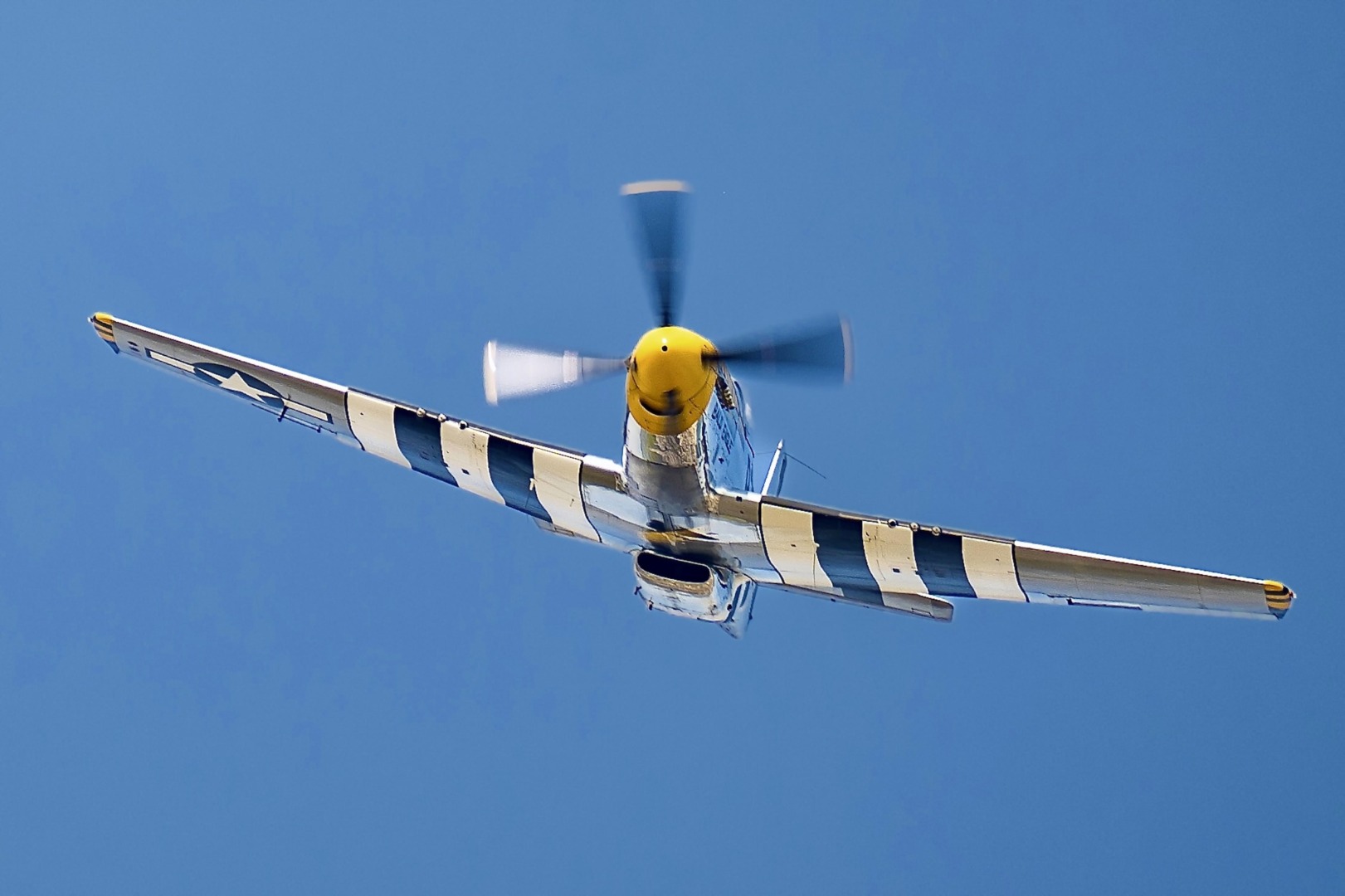
Regarding settings, I have found the combination of using the Wildlife profile, with AF Sensitivity, Field Movement, and Shift in Direction all set to the maximum of +2, with Zone/MultiField or Tracking focus points, to be the most ideal for shooting fast-moving aircraft. Perhaps Leica will add a dedicated aircraft detection focus setting, similar to other manufacturers’ cameras.
I was also initially concerned about the SL3-S’s 24 MP Sensor, and how the images would hold up given the significant amount of cropping one has to do sometimes, even when using a long lens for shooting performers at air shows.
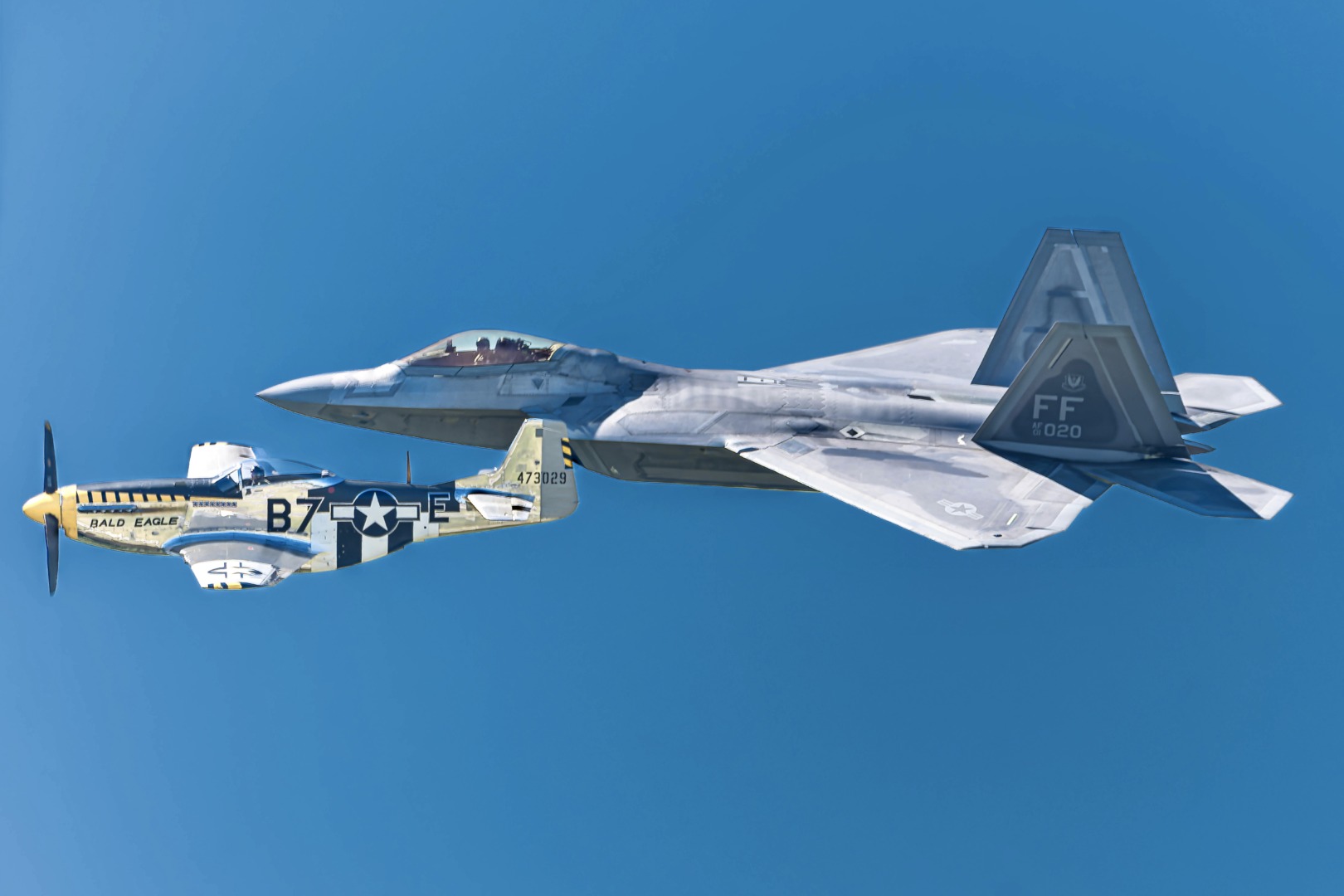
Image quality
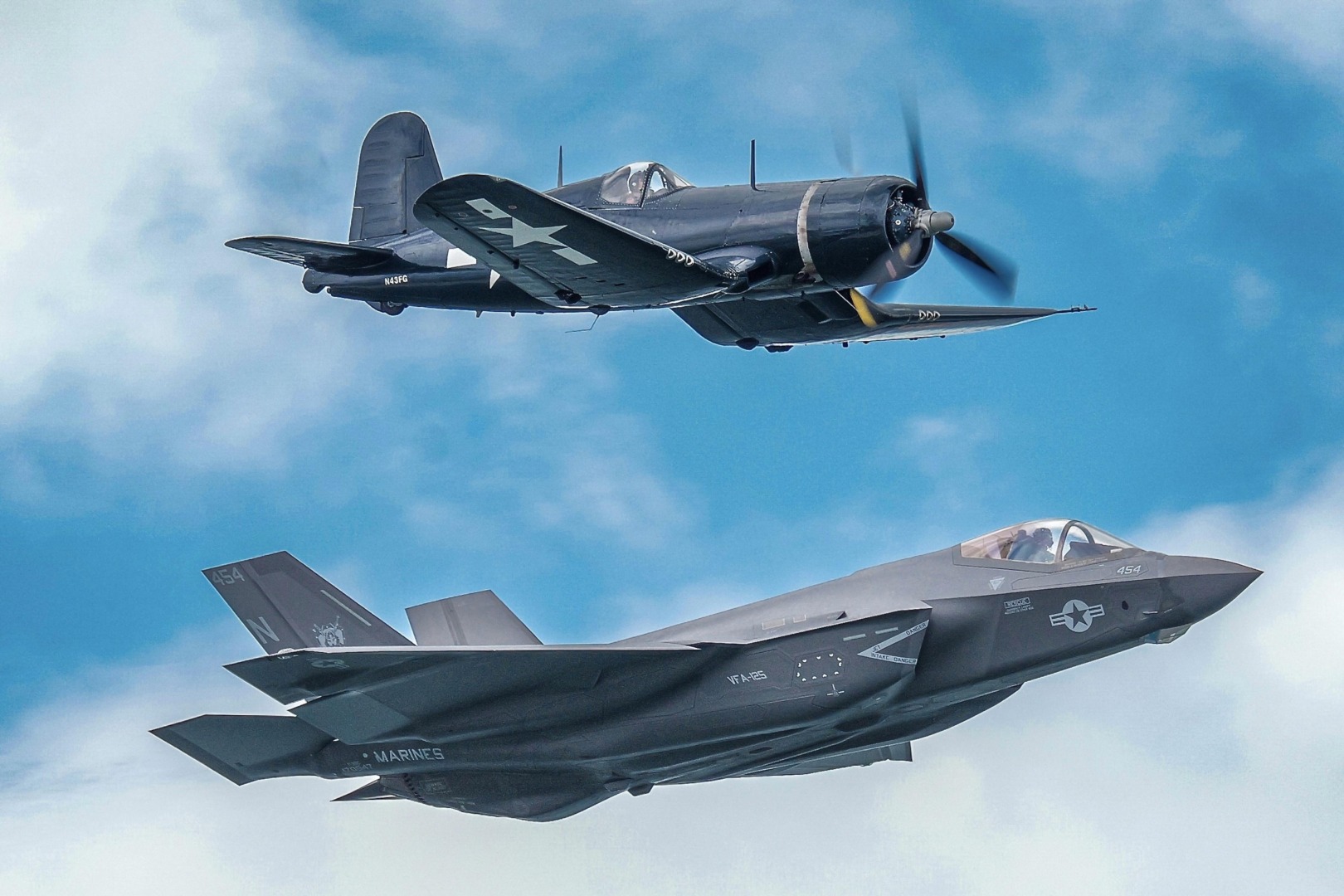
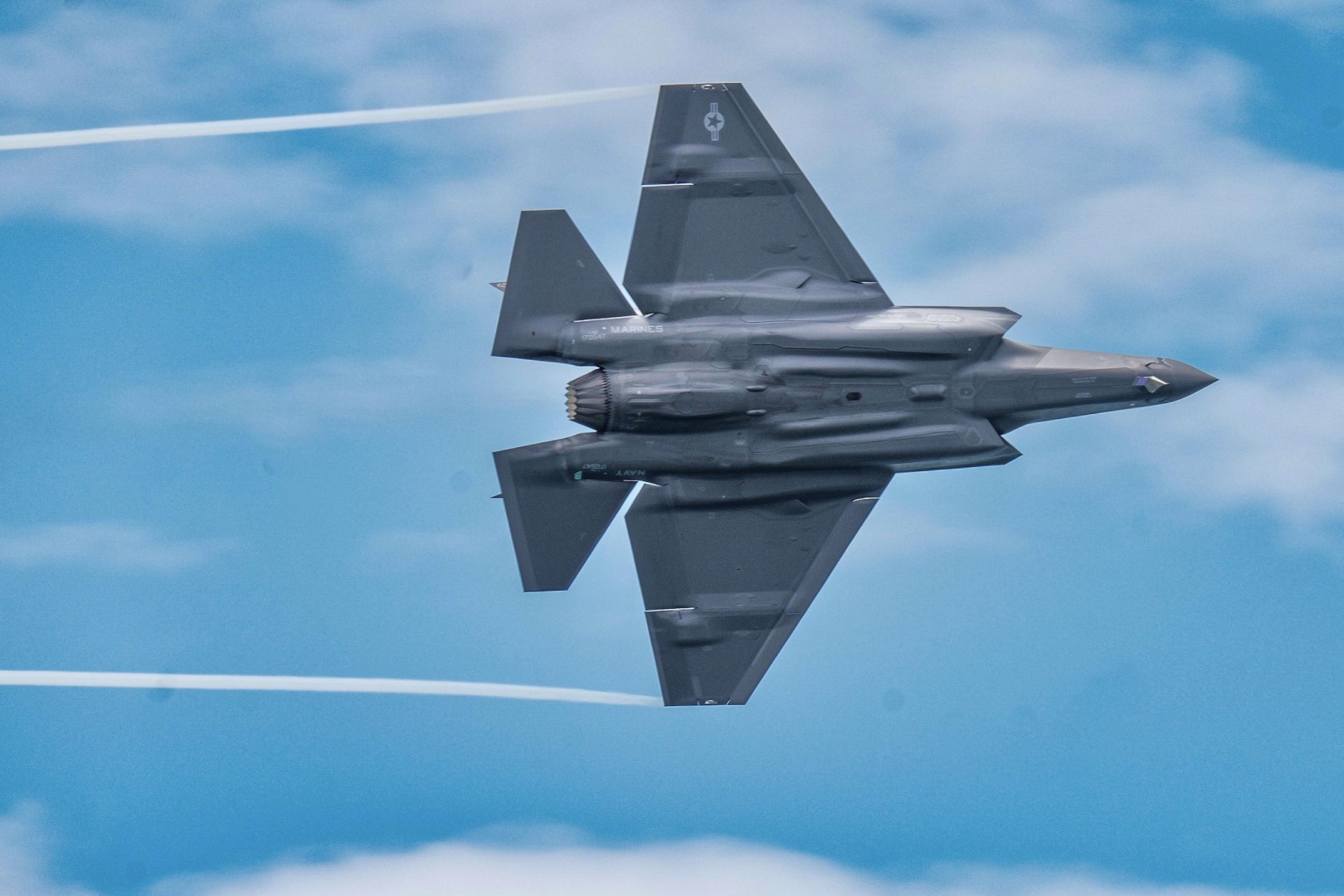
The quality of the 24MP files is excellent, and when photographing subjects in good light, the detail, and colour tones hold up very well, even when I need to do some fairly significant cropping. I find that the slightly softer tonality is more film-like, and, in my view, more appealing. This is especially true when the light is diffused, as in the photos of the US Navy EA-18G Growler and of the WW2-era F4U Corsair flying alongside the US Navy/Marine Corps F-35C.
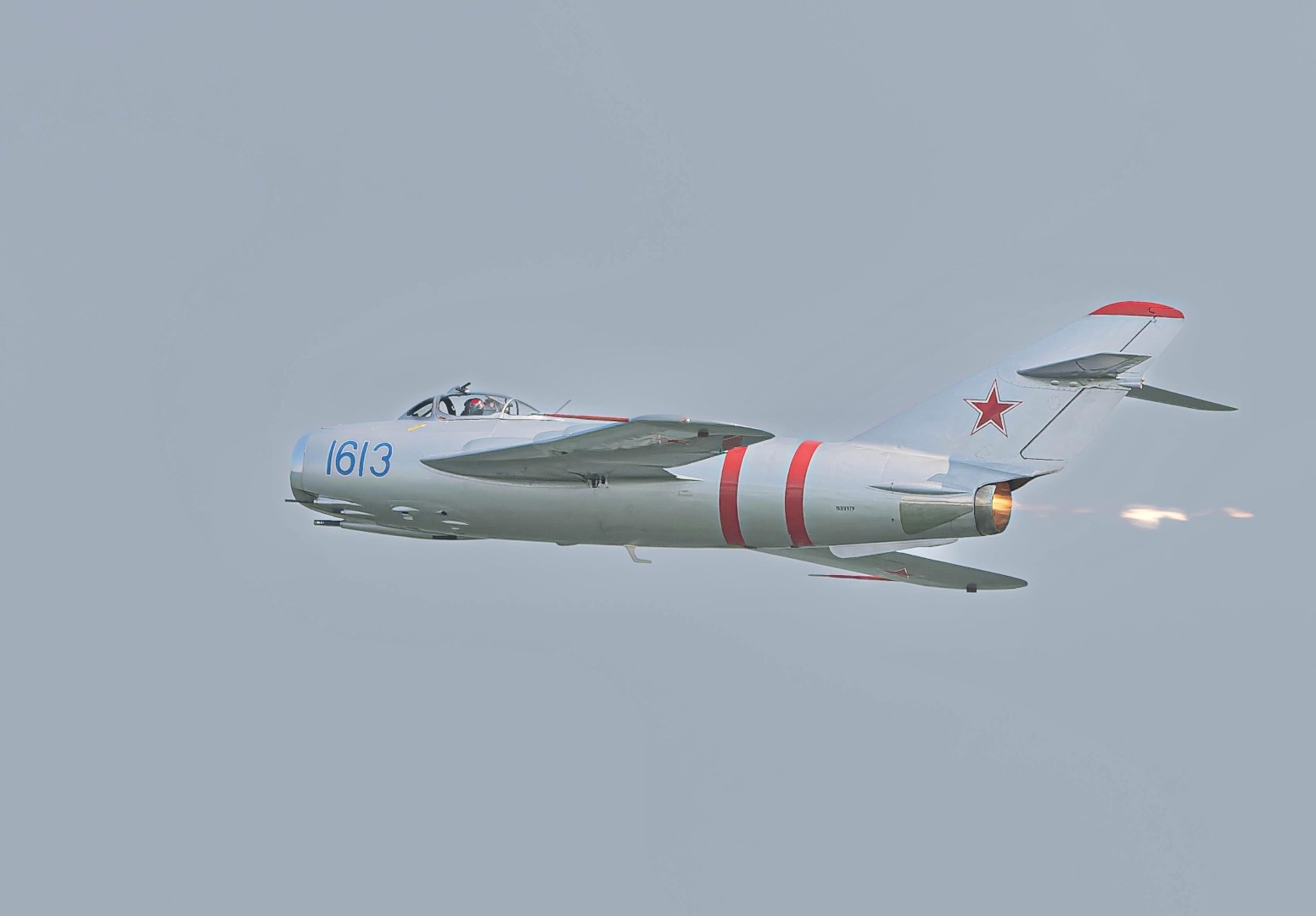
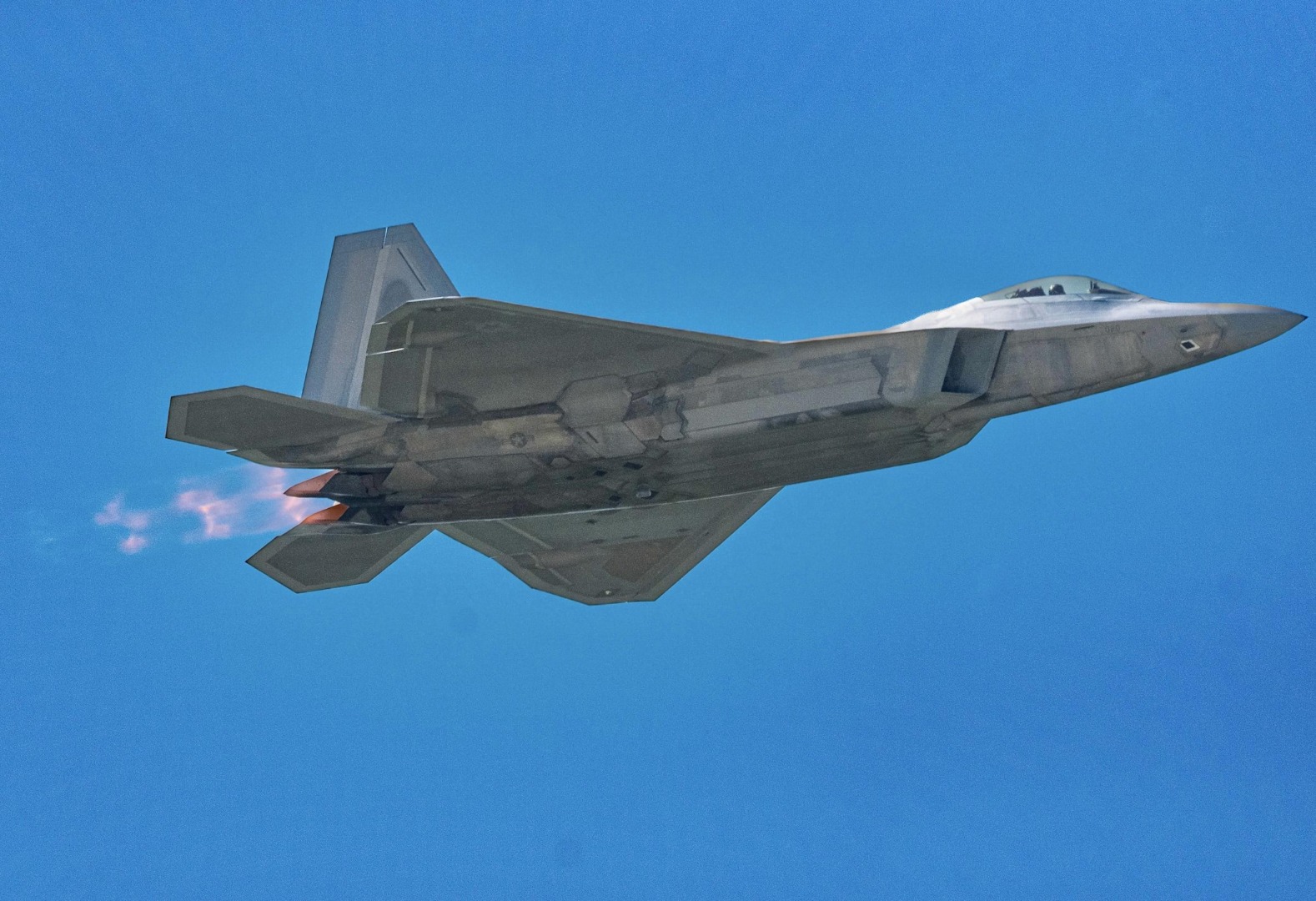
In bright sunlight, the images have the very crisp quality of typical digital photographs, but the colours seem far more refined and true-to-life than what I used to get from my Fuji XT-3. I have since used the SL3-S at many other air shows, and have been more than satisfied with the photographs.
Steep learning curve
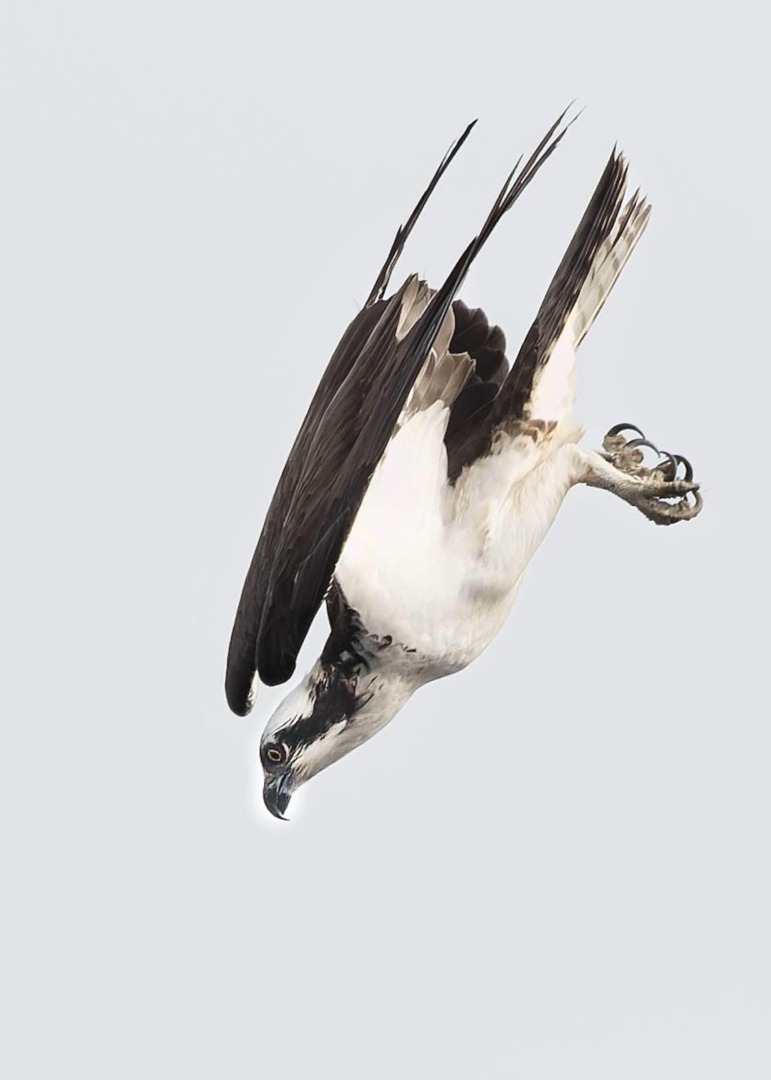
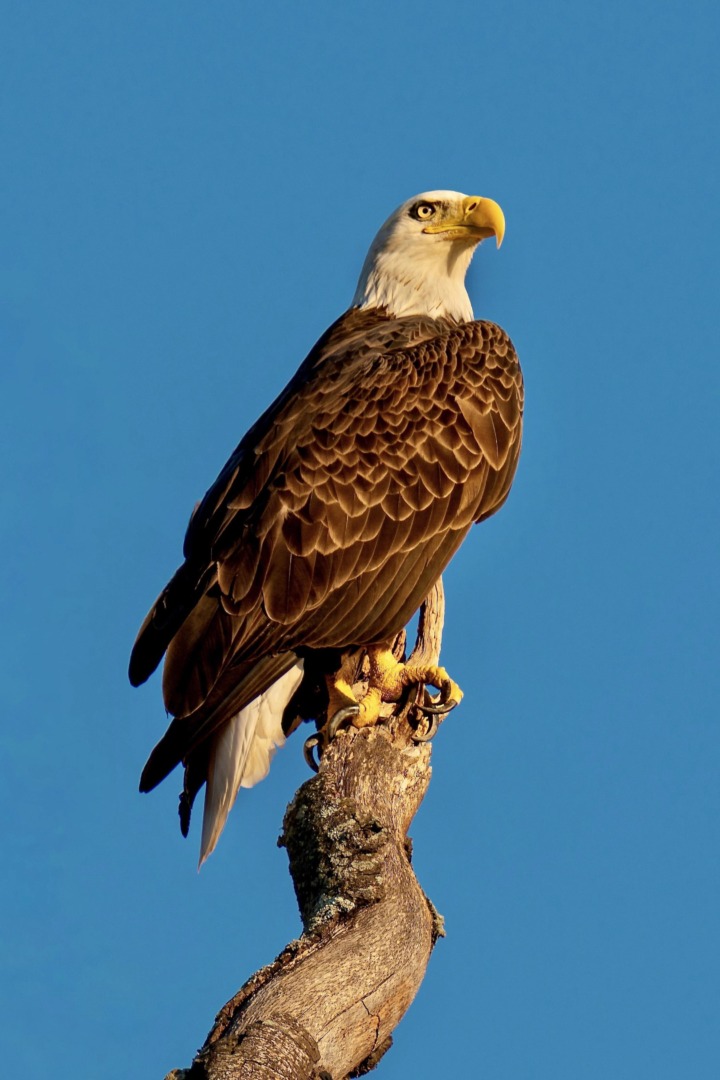
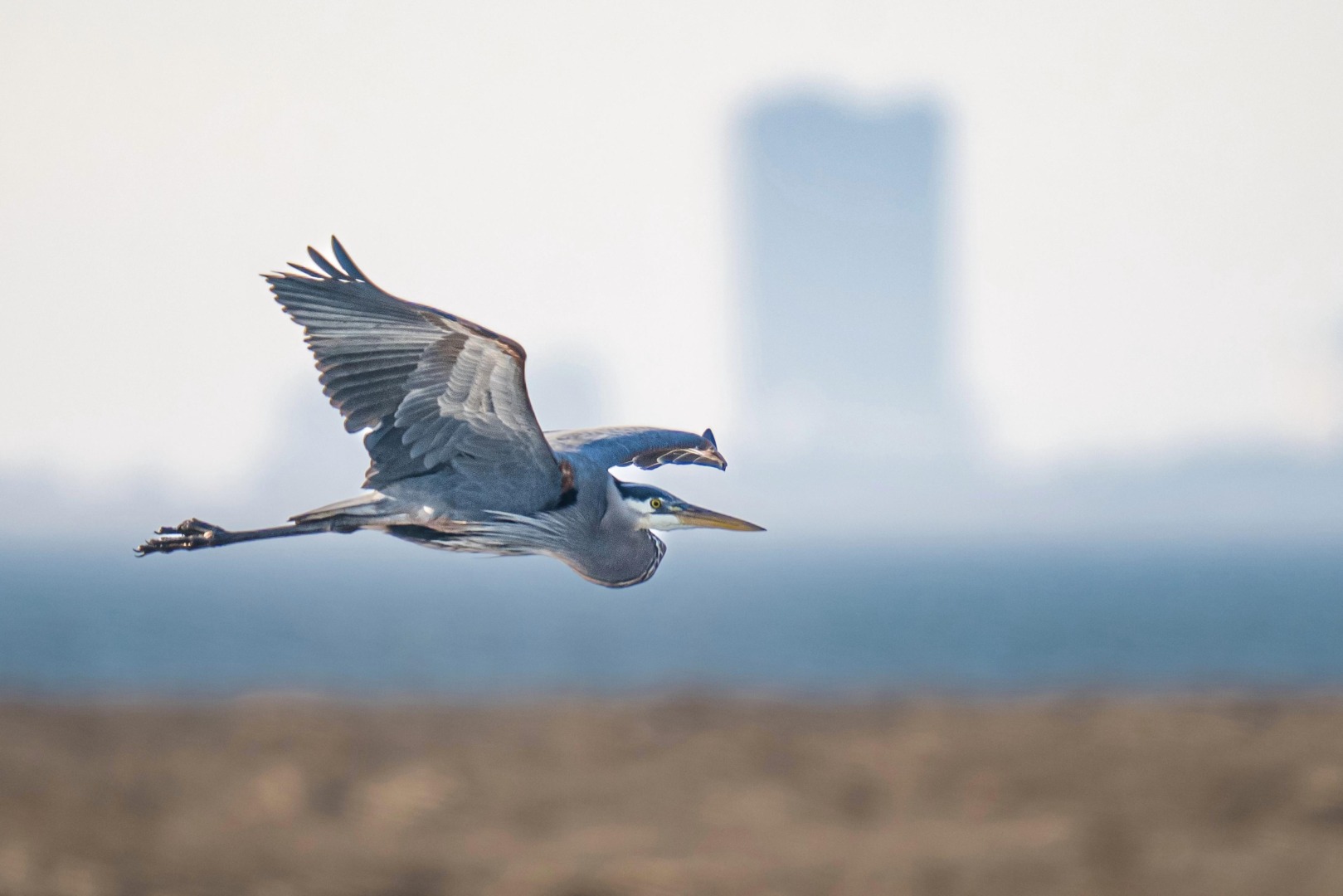
Shooting wildlife, and birds in the wild in particular, has been an entirely new learning experience. While I have occasionally photographed these subjects in the past, in retirement I find myself travelling more regularly to different wildlife refuges and bird sanctuaries across my home state.
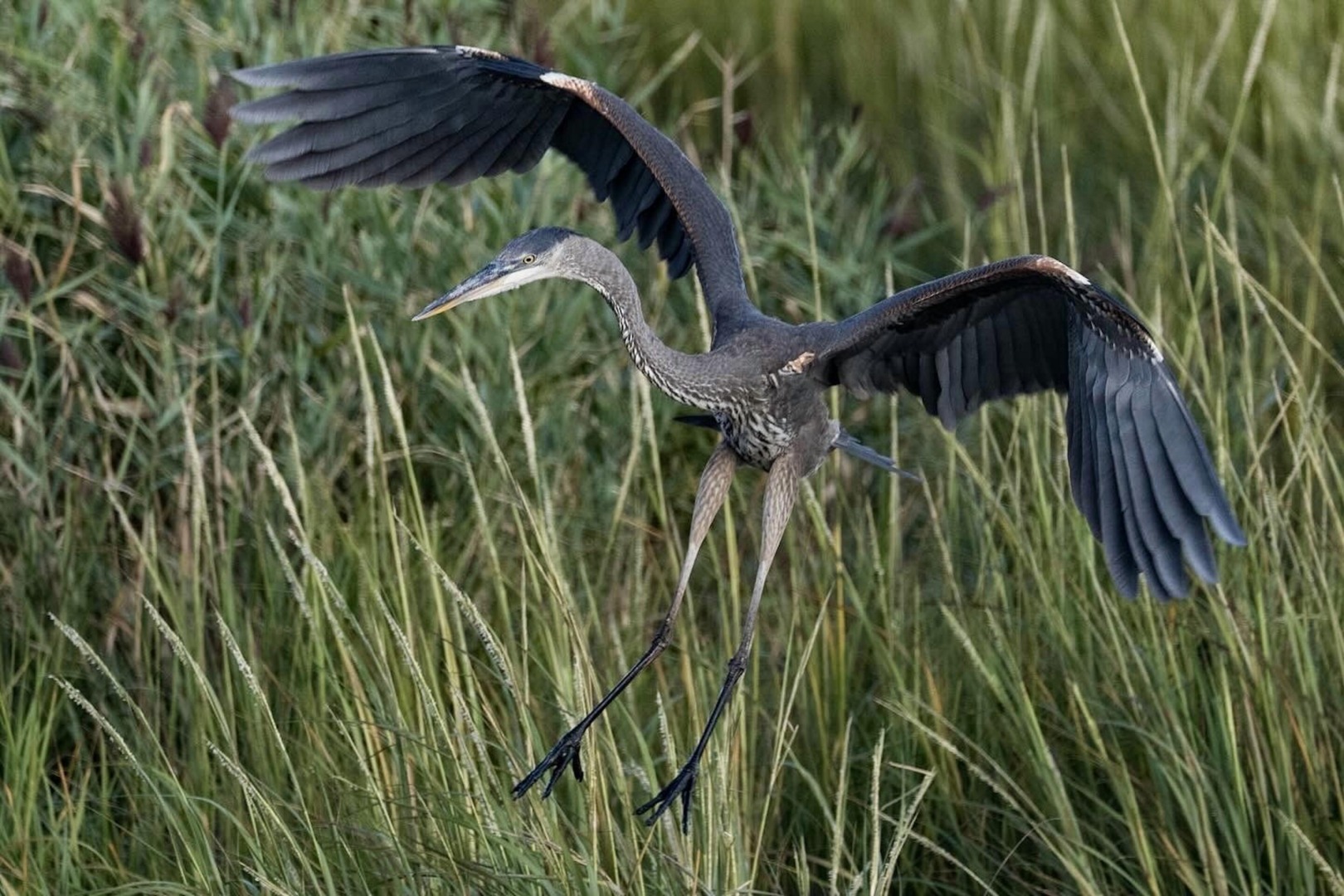
It has been a fairly steep learning curve for me, understanding more about the behaviour and habitat of various species, and the best times and locations to photograph them. It has also been a challenge to learn how to make the most of the SL3-S’s features and settings for these subjects.
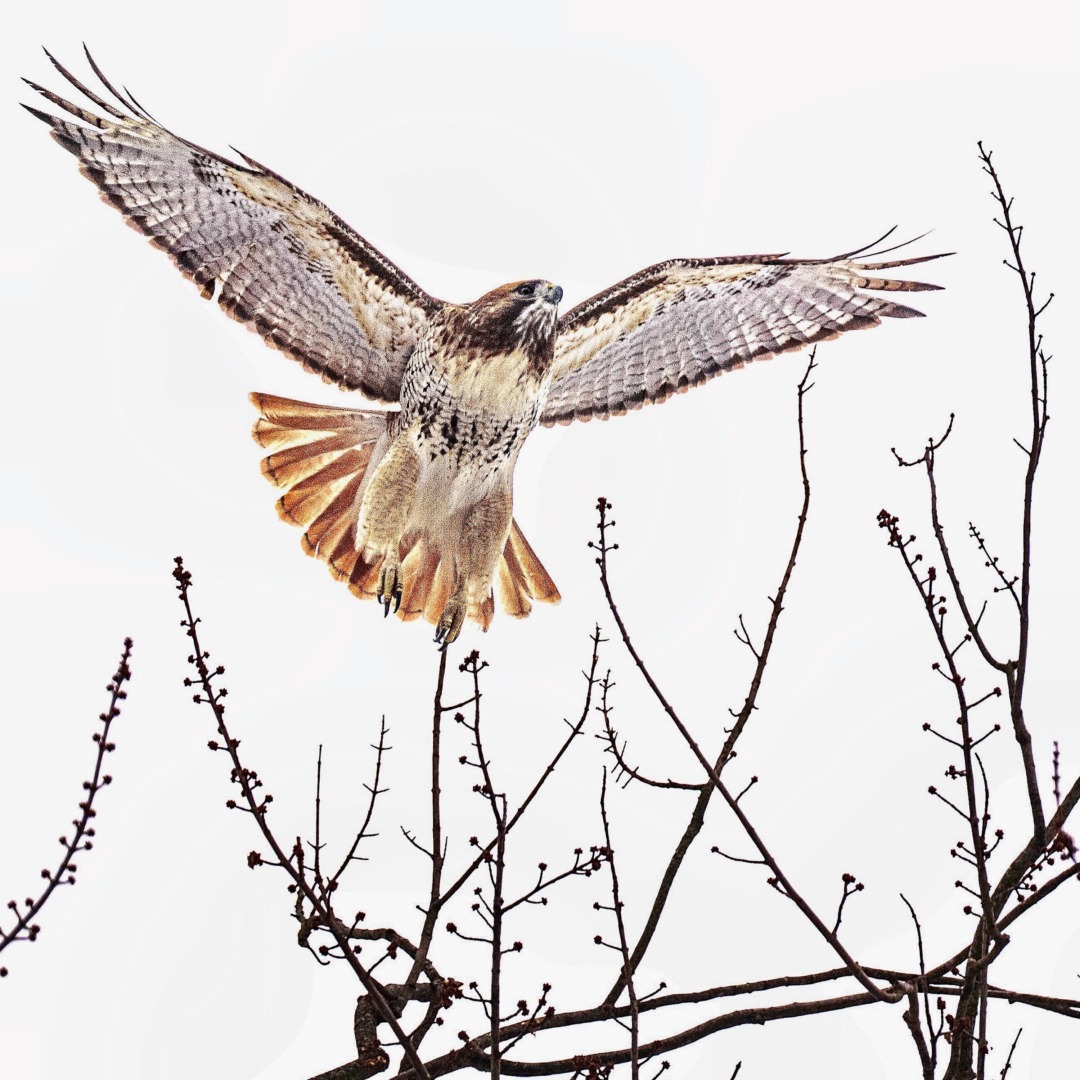
As with aircraft photography, all the YouTube videos and online reviews pointed me towards the supposedly far more capable Japanese camera brands for the superior AF capabilities required for bird photography. Yet, one look at the Byzantine menu systems, and button-festooned, symbol-laden bodies of these other cameras, and I immediately say “no, thank you”.
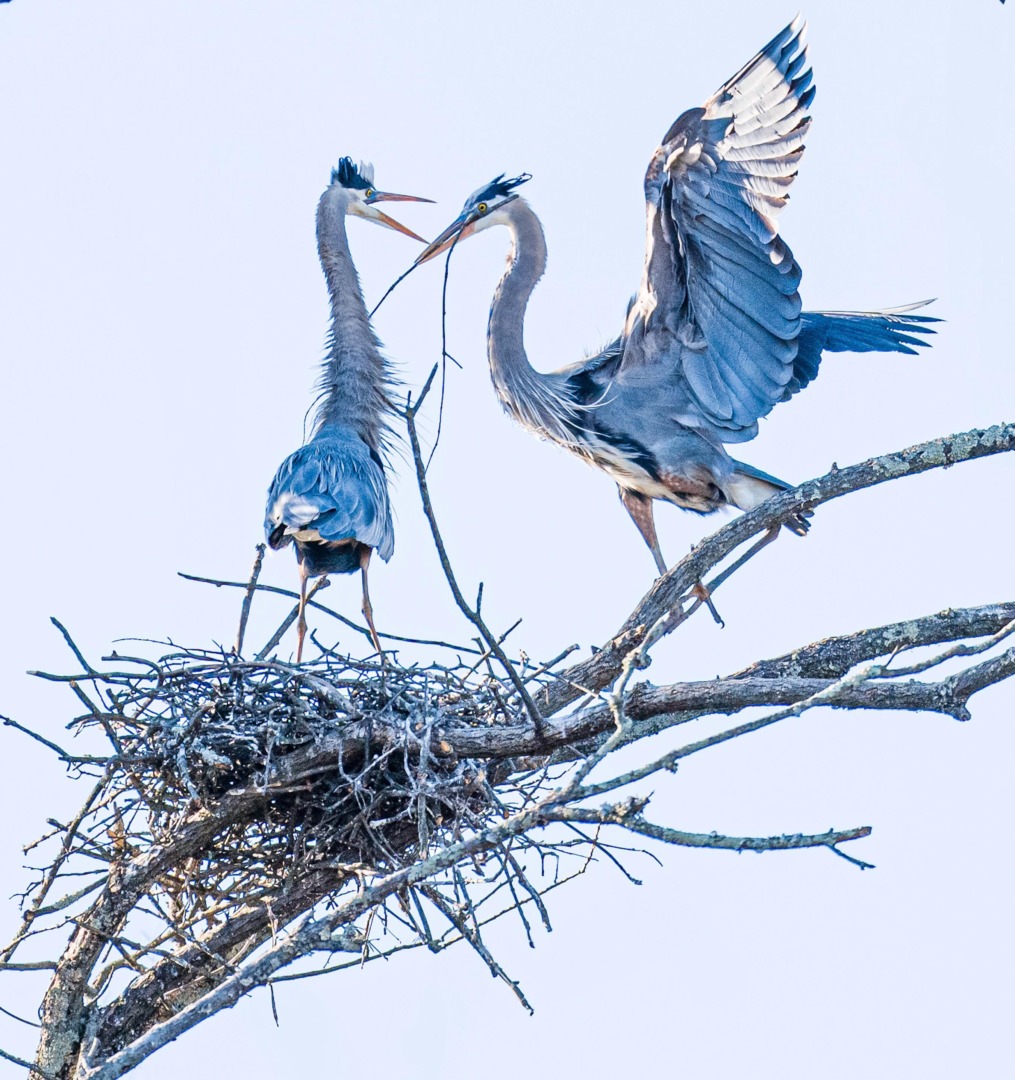
To be fair, I have used Sony A7s in the distant past, but have never really liked the harsh colour rendering, body handling, and menu of that series of cameras, even if Sony’s AF is purported to be much better than the SL3-S.
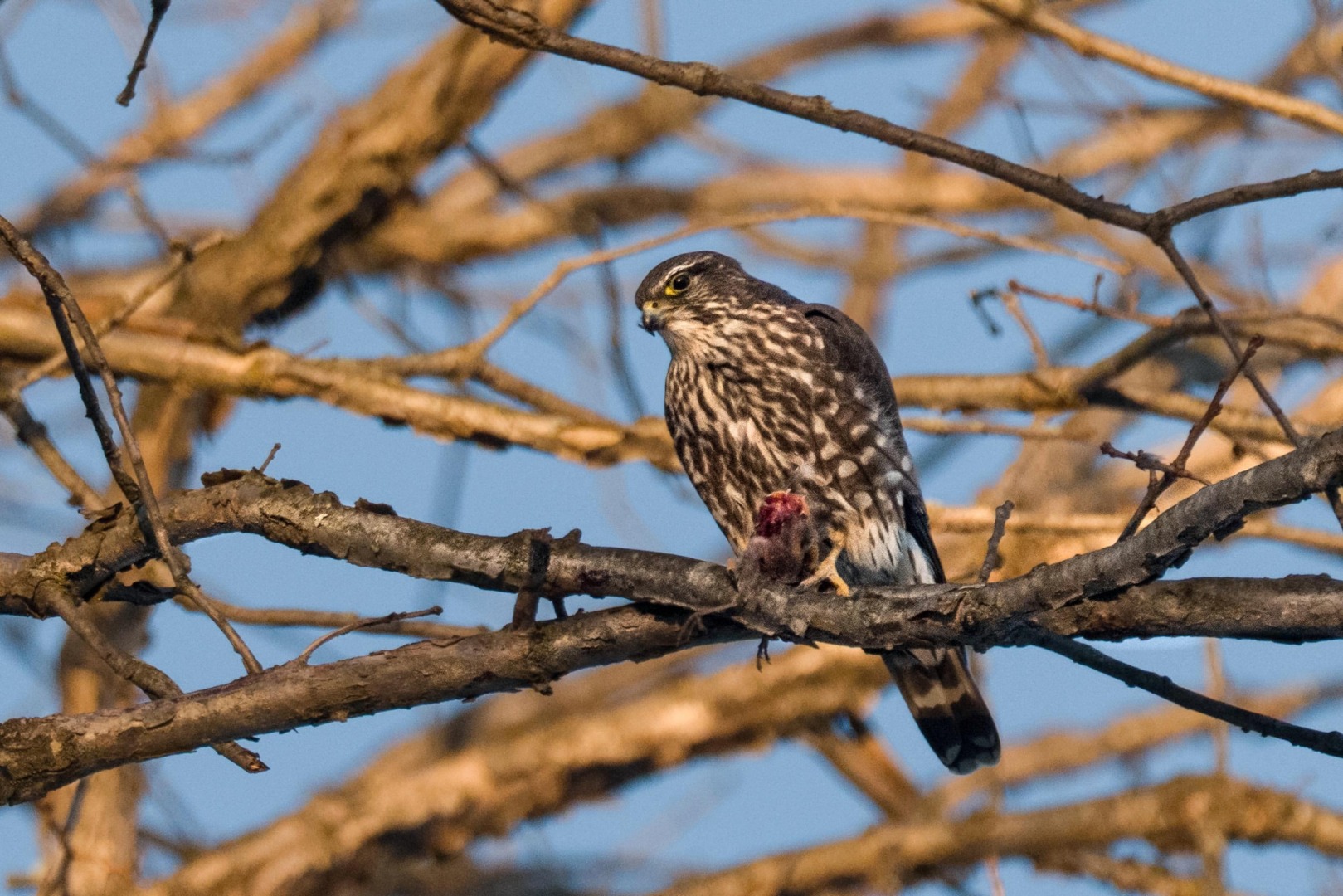
Dogged devotion
Consequently, I have stayed doggedly with the SL3-S through the ups and downs and ongoing trial and error stage of learning more serious bird photography practices—including the ability to wait for hours in near-freezing temperatures of an early winter morning, for the possibility of capturing some interesting bird behaviour. The SL3-S body’s IP54 weather sealing certification certainly helps in these situations. I wish I had that feature built into my body.
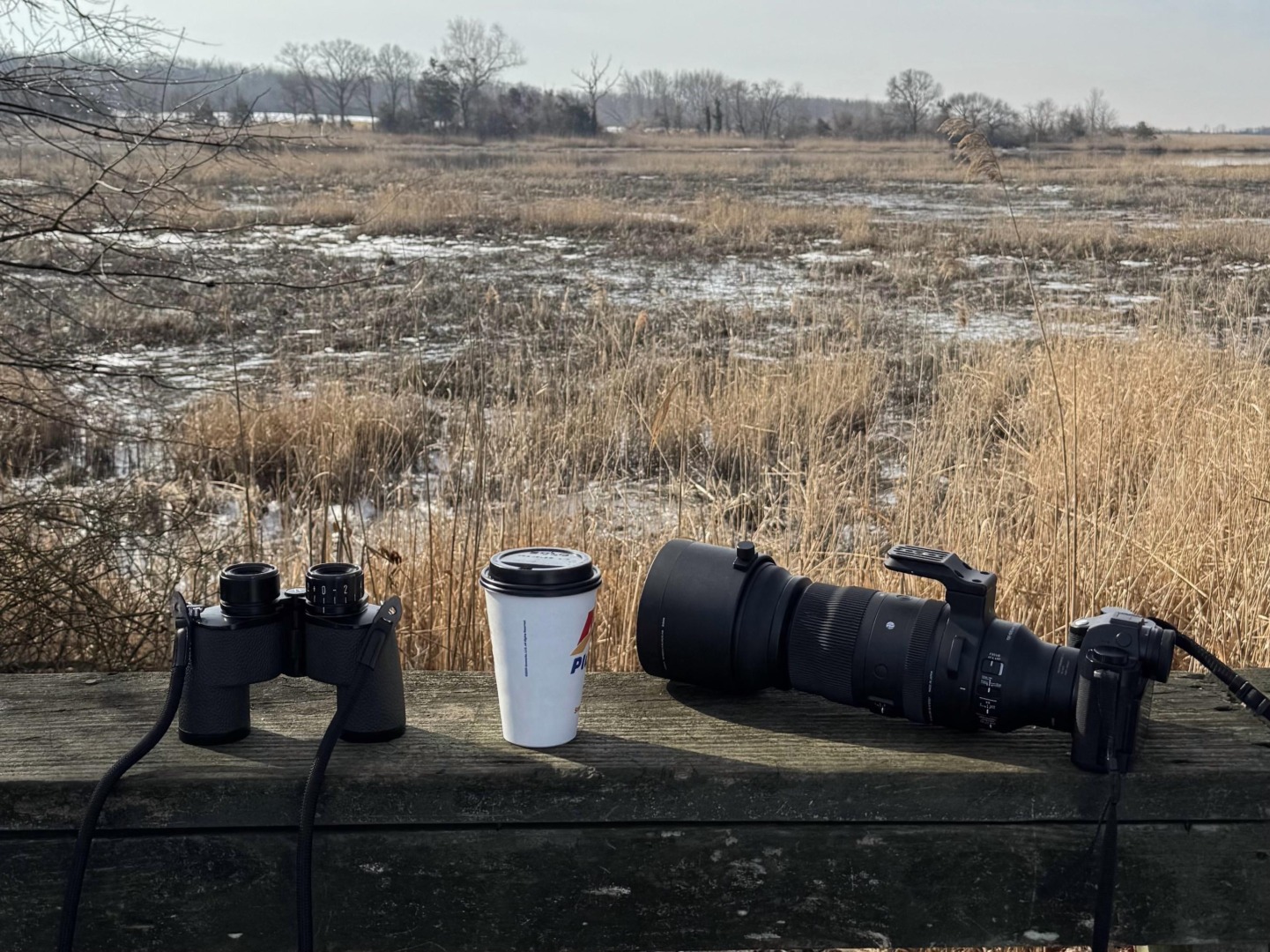
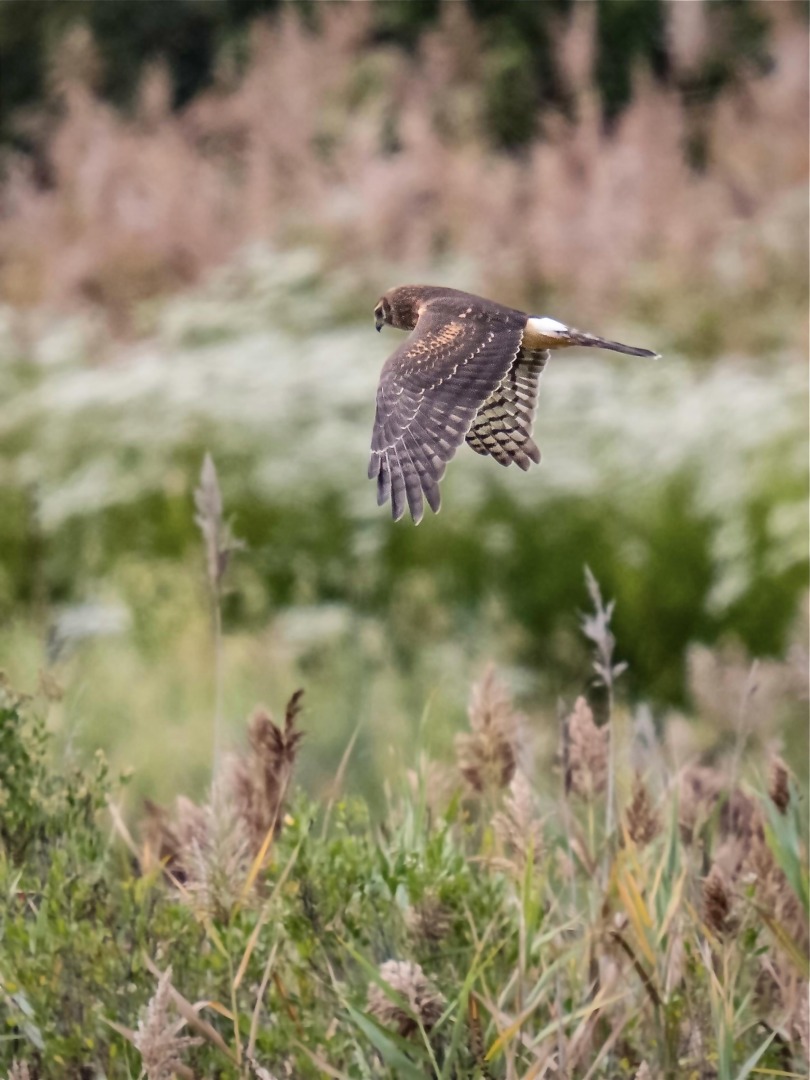
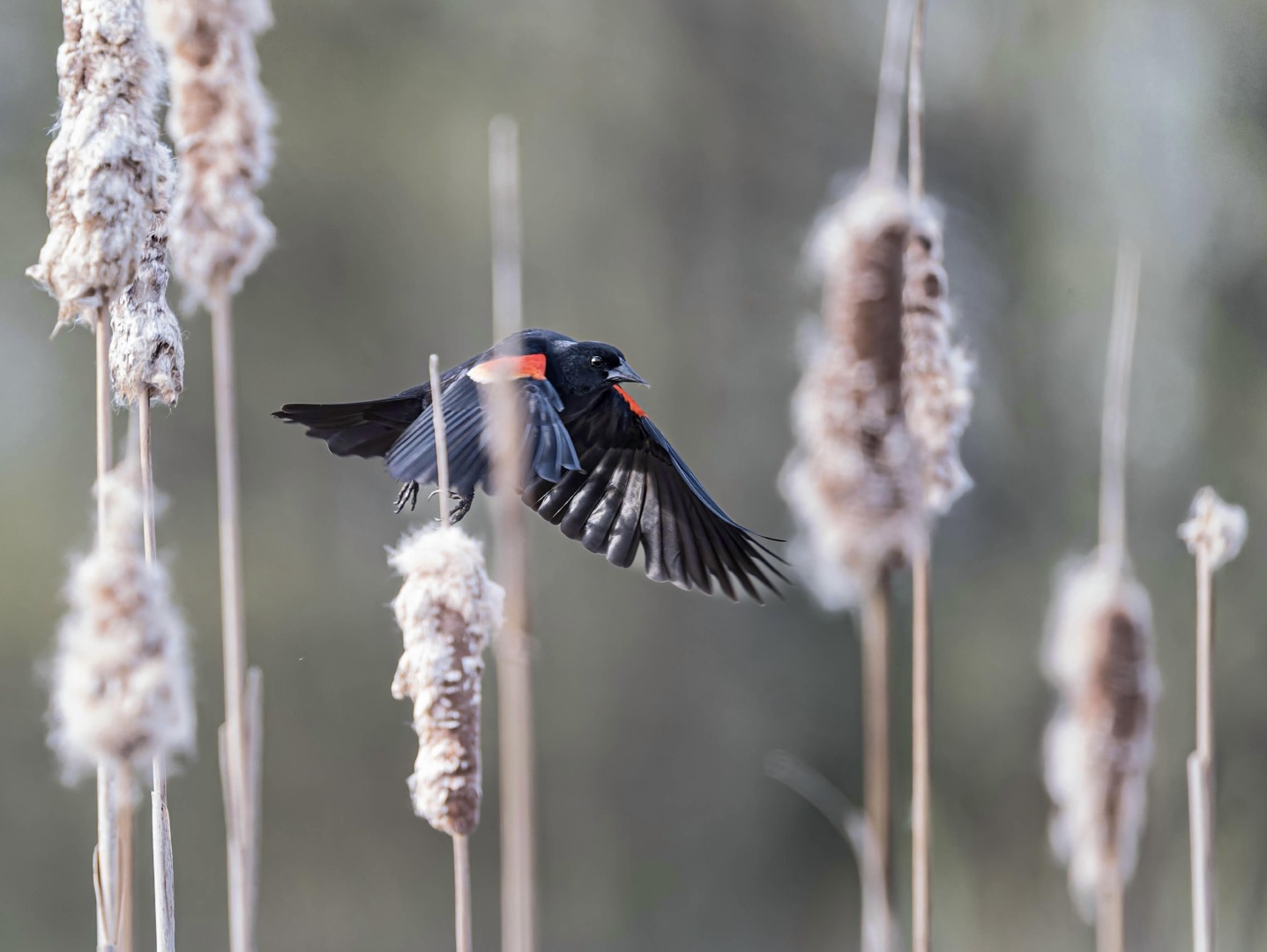
The greatest challenge in photographing birds in flight has been learning to track them with the much heavier camera and lens combo. It’s especially so when they are on flight paths that are more erratic than an aircraft in an air show.
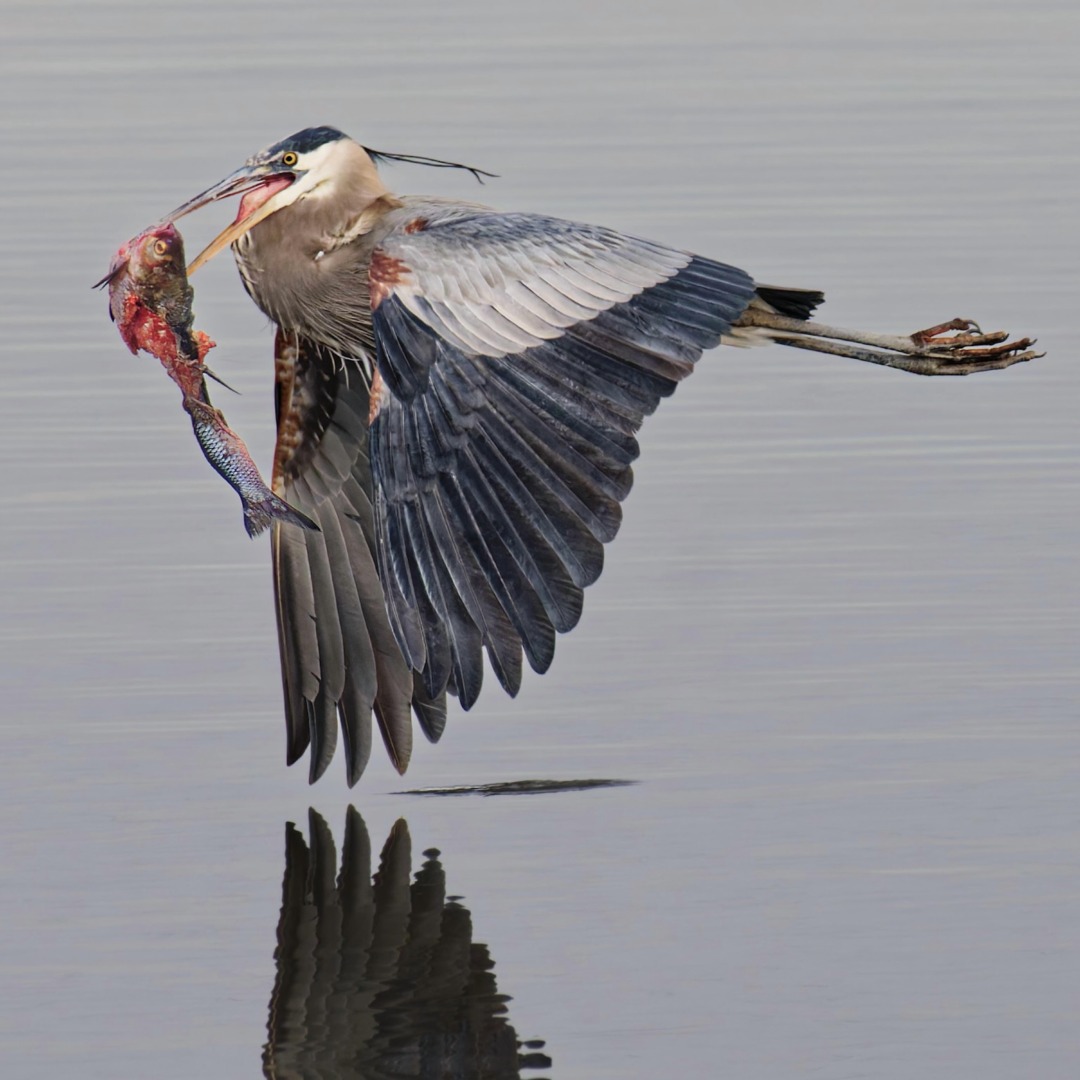
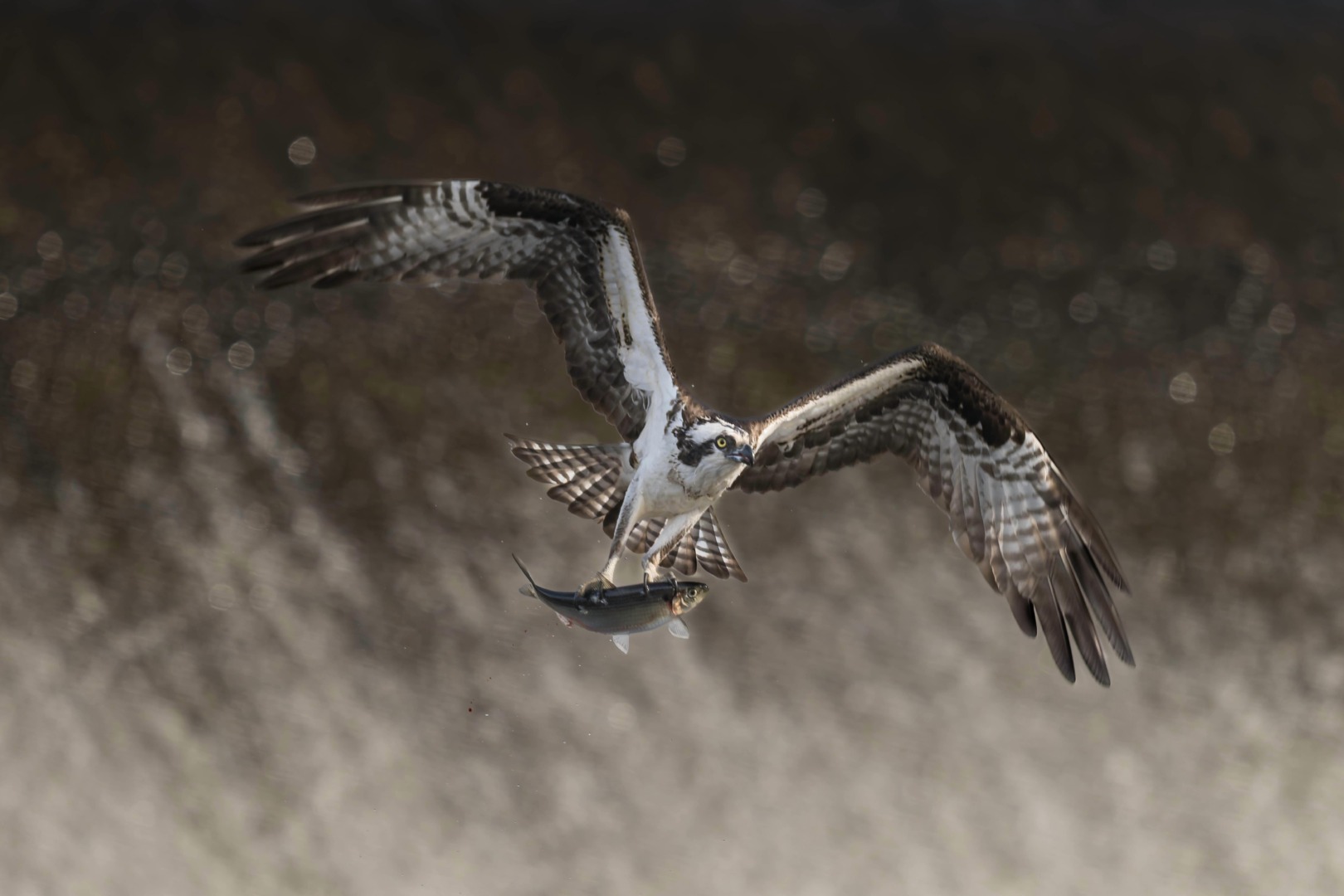
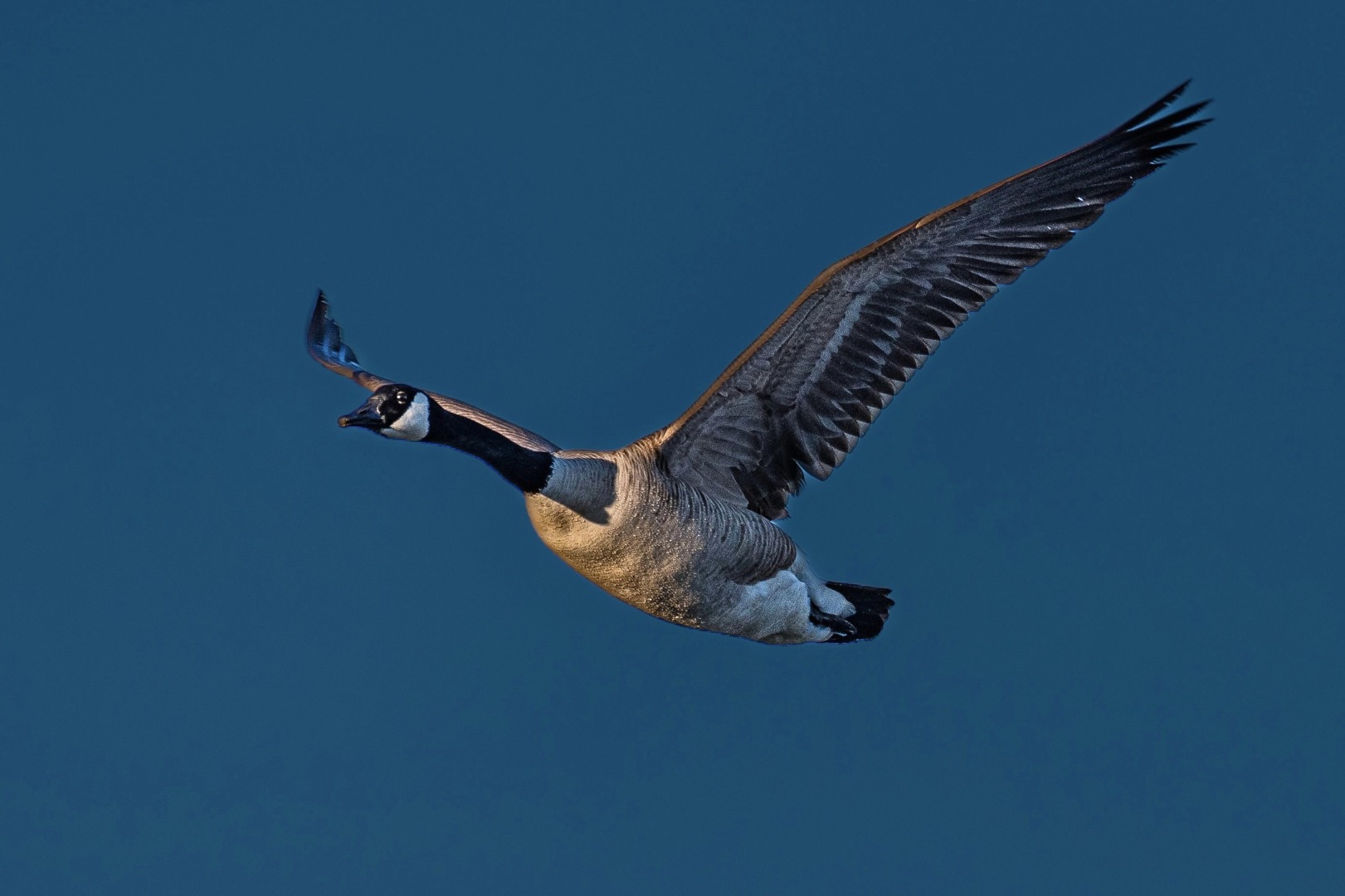
Trusting the AF system
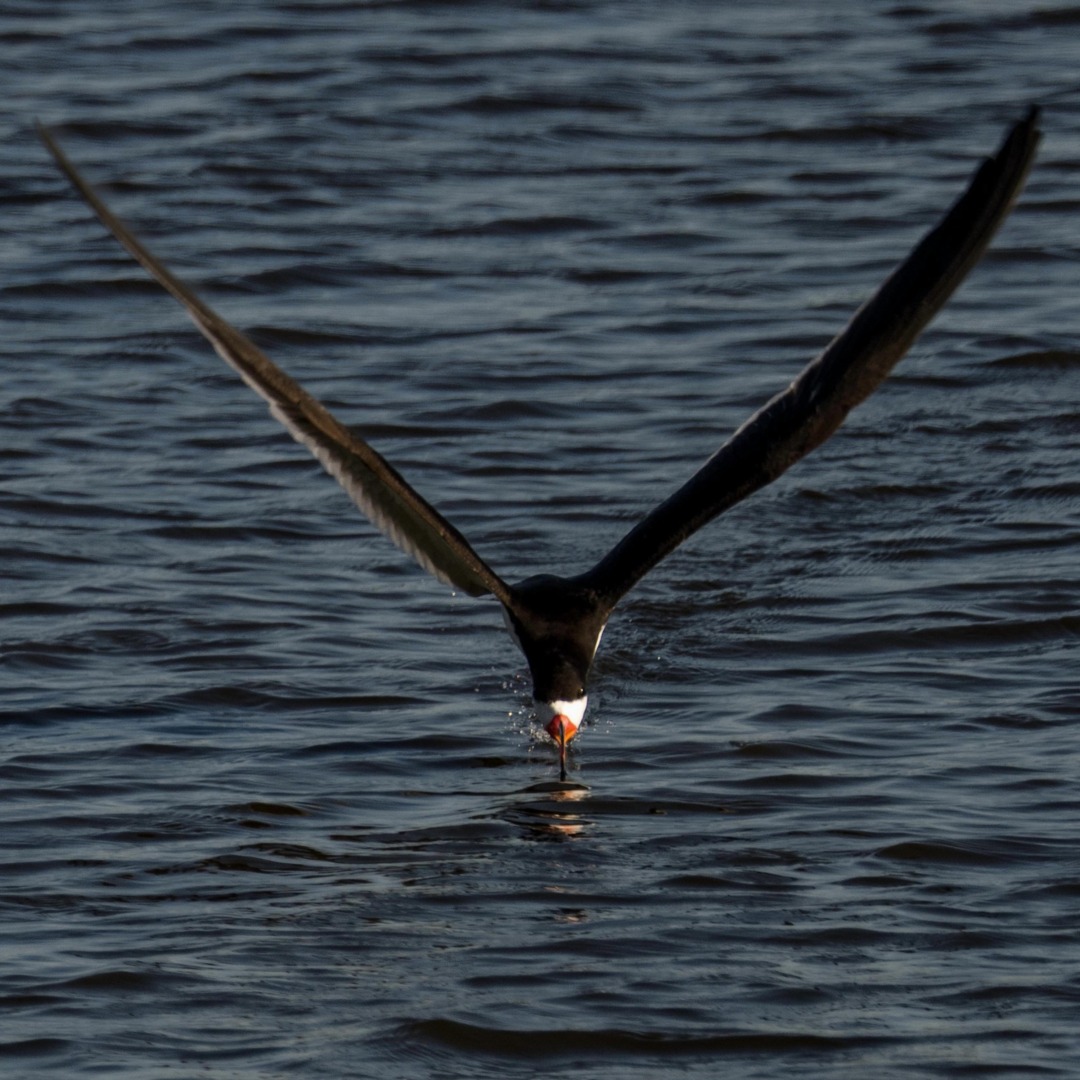
As with aviation photography, I have had to learn to trust the autofocus system. In addition, I realised that in many situations, adjusting the zone focus area to its widest (that is, full-frame) setting is more advantageous for capturing birds flying directly towards me, taking advantage of all 779 phase-detection points.
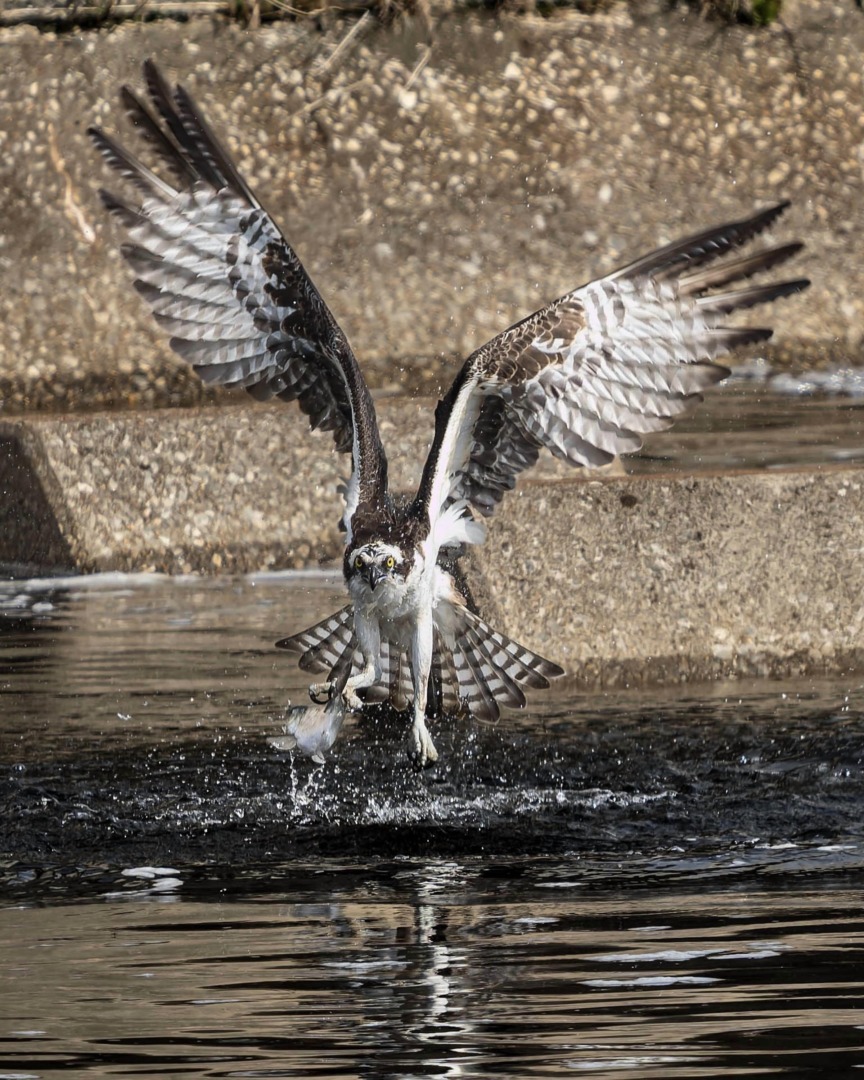
I have been impressed with the photos I have been able to capture using these settings. There has certainly been a discernible improvement in AF ability since the v.4.0 firmware update. Focusing seems more accurate and faster with birds in flight.
Again, despite the significant amount of cropping I have to do sometimes, the image quality holds up very well. This is especially when using software like DXO Pure RAW as part of my workflow to get cleaner, high-ISO flies before developing in Lightroom Classic.
In addition, as has been mentioned in other reviews of the SL3-S (such as from Gajan Balan), the camera features a dual gain ISO system, which provides very good dynamic range in bright scenarios in the low gain ISO range, and reduced noise in low-light scenarios on the separate circuitry of the higher gain ISO range.
Enter the Lumix S1R II
Recently, I purchased a Panasonic Lumix S1R II as a second L-mount body to see whether I could get better cropped images with its 44.3MP sensor. The images from the S1R II can be sharper than those from the SL3-S for the same amount of cropping. Yet, my first impression is that they appear a bit grittier and lack the smooth, almost creamy tonality of colour that the SL3-S produces.
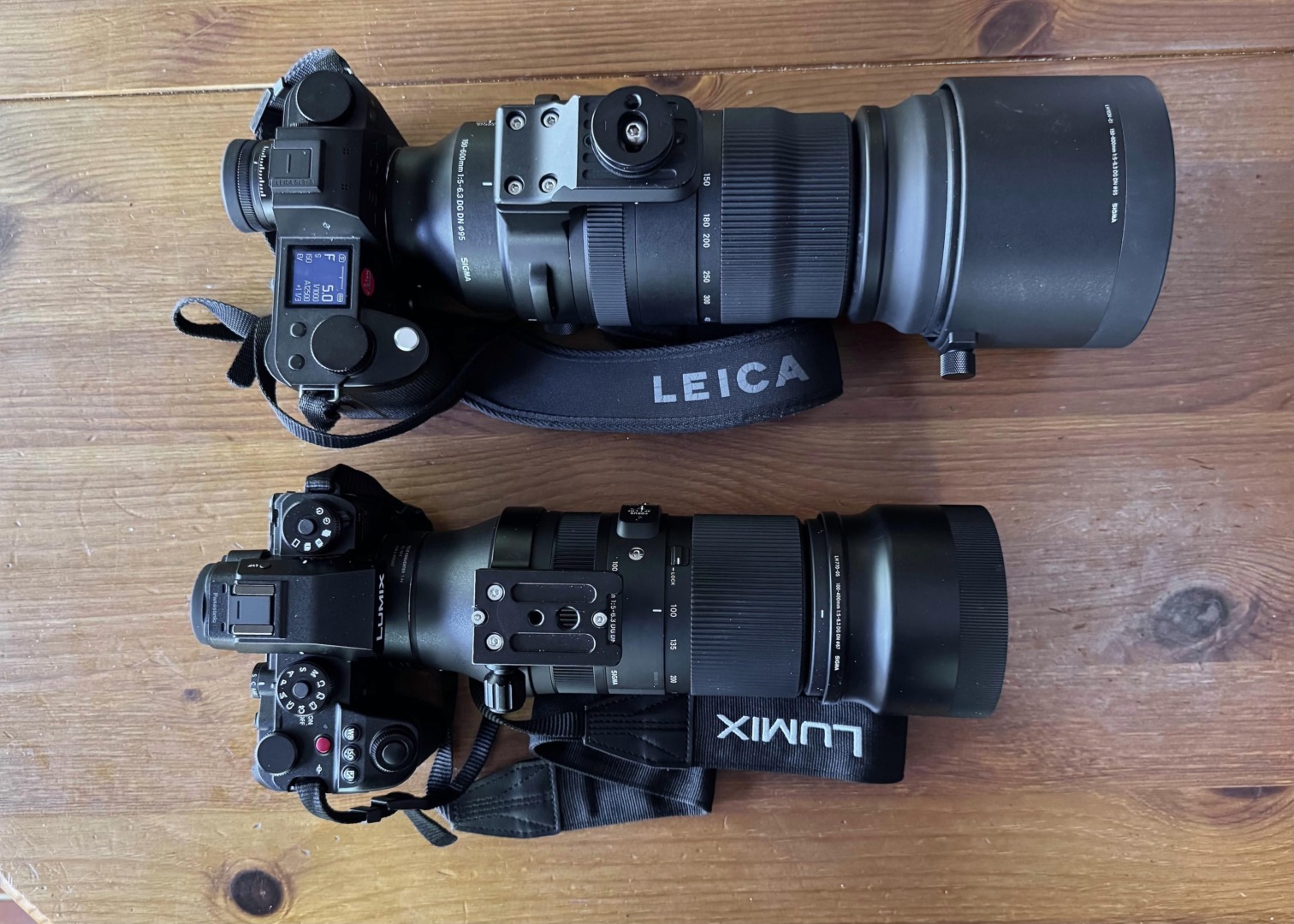
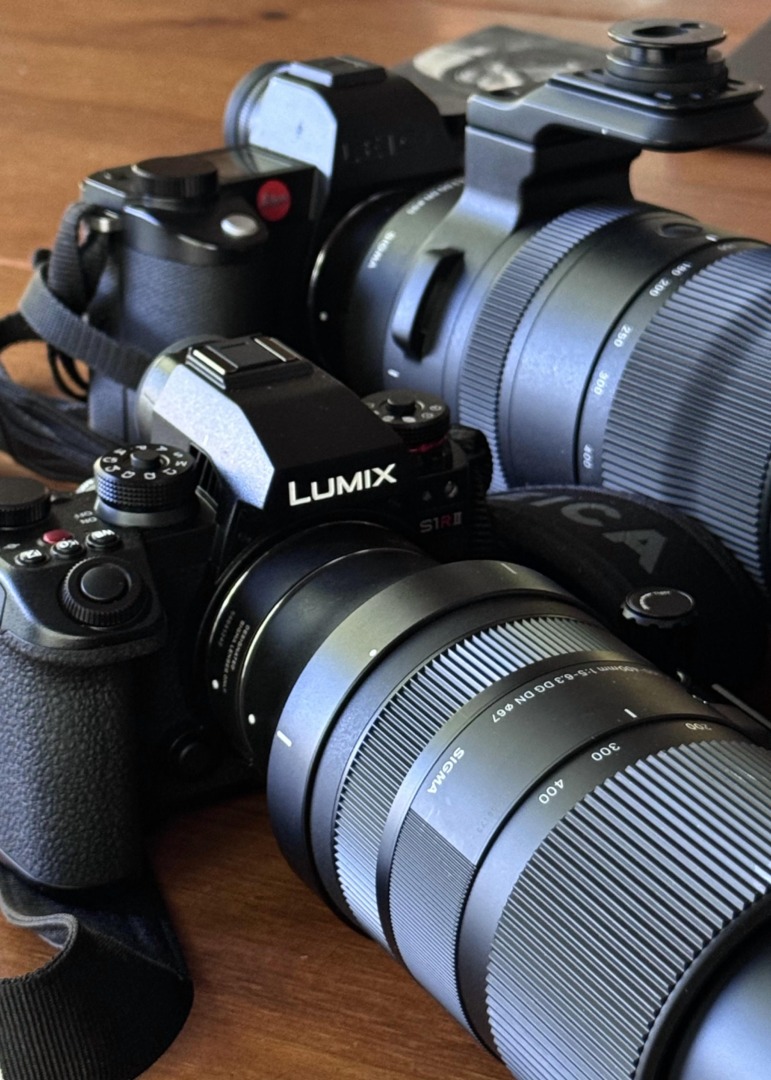
For now, the main use case for the S1 R II is as a second L-mount body when I need to shoot birds or jets that are farther away than usual. The 44.3 MP sensor of the S1R II provides significantly more detail for extreme cropping compared with the 24MP sensor of the SL3-S. Time will tell whether the S1R II will also become an all-around travel and event-recording camera.
Diving into the verdict
So, what’s the verdict after a year of using the “fastest-ever Leica”? I am tremendously pleased, overall. It is well-designed, handles very well in my smaller hands, has excellent colour rendition, and yes, it is fast. It is certainly the fastest-ever Leica I have owned, and fast enough for the kinds of aviation and bird photographs I enjoy taking.
Furthermore, the SL3-S has become the most used of my cameras, Leica or otherwise. As others have written on Macfilos, it’s an exceptional all-around camera for travel, events, and everyday family photography, and I have enjoyed using the SL3-S for such situations as well.
I used to shoot mostly street photography in the metro New York area where I live, using my M10-P, CL or various iterations of the Q. I would shoot at air shows only a few times a year, and occasionally photograph birds in the wild.
Upper body workout
However, in the past year, it appears that I have spent most of my photographic time on avians and all things aviation, in large part because of the joy I get from using the SL3-S. As with other cameras, it is not perfect. But, it certainly fits the bill for my needs. In my experience, the design, user interface, handling, and colour output are second-to-none.
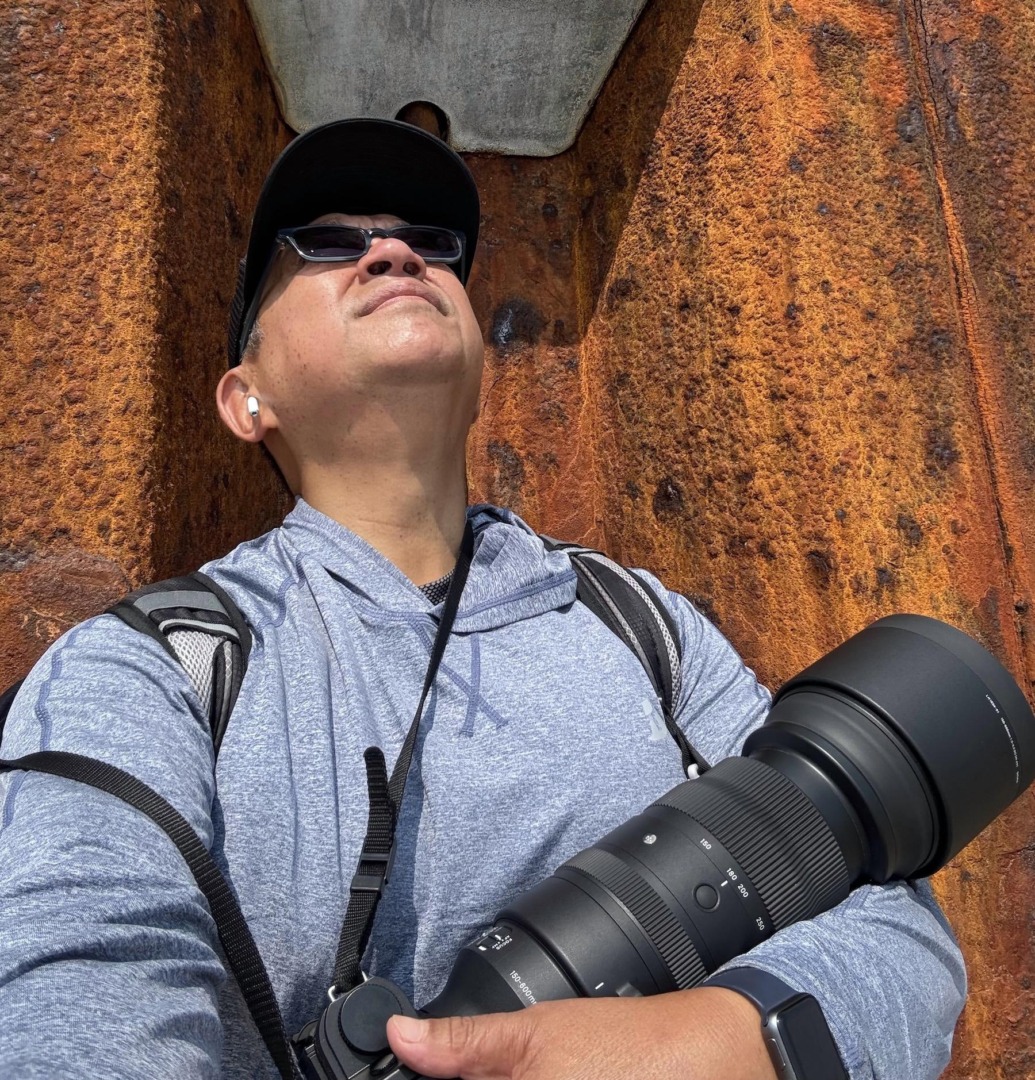
One additional side benefit of spending so much time shooting with the SL3-S/Sigma long tele zooms. I have been doing more upper body workouts to ensure I have the strength to hold up the SL3-S/Sigma 150-600 combo for extended periods. Better upper body strength has certainly been a great side benefit of the upgrade to the SL3-S!
I continue to spend a lot of time on photographing birds in the wild, and I look forward to the air show season in the Northeast picking up this month. I am keen to continue putting my fastest-ever Leica through its paces.

Make a donation to help with our running costs
Did you know that Macfilos is run by six photography enthusiasts based in the UK, USA and Europe? We cover all the substantial costs of running the site, and we do not carry advertising because it spoils readers’ enjoyment. Any amount, however small, will be appreciated, and we will write to acknowledge your generosity.
Wonderful images, so, how to say, realistic. Amazing sharpness, roundness, color.
I am old, and my M Leicas, are nearly too heavy for me. Appreciate the stamina it must take for your images.
Ed – apologies for not responding sooner. Thanks very much for your comment, and, yes, the kit I use for photographing birds and jets is certainly heavy. Since writing this article I have sold the Sigma lenses and moved to a lighter and easier-to-use Lumix S 100-500mm lens. I also tend to use the Lumix S1RII more for these subjects and it, too, is lighter and slightly smaller in hand than the SL3-S. Interestingly, over the years I have taken my M10-P with me to airshows and have used it for a few good photos as well, but more with the aircraft in context rather than the close-ups I have featured here.
The photos of aircraft in flight are simply amazing — I never imagined one could get so clear a photo with a Leica.
I also enjoyed the avian photos — the poses are again wonderful.Makes me want to get a really long lens and then, what? Another ten years learning how to use it properly.
Thanks, Kathy, the SL3-S is very capable for aircraft and bird photography, for sure. It does take practice to keep birds or aircraft in flight in the frame, but certainly worth learning. For bird photography in particular, I would say the bigger learning experience was just learning about bird behavior and the best times and places to photograph them, as well as learning to deal with waiting many hours for interesting activity to photograph.