
My journey to ownership of the Leica Q3 Monochrom, a dedicated black-and-white camera, was punctuated with intermediate purchases of other Q-series cameras along the way. A family project provided the final impetus to sign up to a version with a dedicated monochrome sensor. When I did, the door to a new world of photography opened for me.
Prologue
During a long-term photography project for one of my former employers in 2018, we worked with two professional photographers, one of whom occasionally used a Leica Q. From the very first moment, I was fascinated by the camera’s design (which I recognised from the Leica M and the Fuji X-Pro1/2) and the images produced by the photographer on assignment.
Whenever he used this camera, the people involved at the time forgot after a very short while that there was a camera nearby. Wonderful images were created entirely without artificial light sources.
My curiosity and interest were piqued, but the professional advised me against buying one, as the autofocus, in particular, was well below the technical standard already common at the time. So, for the moment, I stuck with my Fuji and Canon, but I hadn’t forgotten the Leica Q.
My journey to the Leica Q
In March 2019, the Leica Q2 was launched, giving me another strong incentive to look into this camera once more. I read the reviews in photography magazines and watched lots of videos on YouTube. The appeal of this camera grew ever stronger, and the only thing holding me back from buying it was the recurring question of whether such a high price for a camera with just a single focal length really made sense.
Then, when Fuji unveiled the X-Pro 3 in October 2019, my preference for the Leica Q2 waned somewhat. Viewed rationally, the Fuji had a similar design, the same compact size, the best autofocus of all X-Pro models and, above all, the option for different focal lengths. Aside from the financial aspect, the Fuji also had a spectacular tilting screen by the standards of the time, so the Leica initially had to take a back seat.
In mid-2020, I experienced a major career turning point and found myself in a new role that took me to Nuremberg from 2021 onwards. The city isn’t just exciting from a photographic perspective; it also has a Leica store. And so, the Leica Q2 and I met again.
Emerging from the pandemic
The restrictions of the first year of the pandemic eased, and it wasn’t long before I had the camera in my hands in the shop. Less than two weeks later, I was the proud owner of a Leica Q2. To this day, I still only partially understand what happened next: within a short time, almost two-thirds of my photos were being taken with this camera.
The limitation of a single, fixed focal length rarely bothered me; my photography changed, and my zooming and lens changes were replaced by walking around and searching for alternative vantage points. If there was anything I missed, it was a tilting screen, a faster autofocus, and a 35mm or 50mm focal length. In short: my Fuji and Canon cameras stayed in the cupboard almost all the time.
Less than 24 months later, Leica unveiled the current Q3 (28) model, with a flip-out display and significantly improved autofocus. I bought the camera on the day of its launch and am even more enthusiastic about it today than I was with the Q2. When, in September 2024, a Q3 43 was launched – completely out of the blue (for me) – I could hardly believe my luck: two compact bodies, two focal lengths, all fitting into an equally compact camera bag.
The number of photos I took with my remaining interchangeable-lens systems continued to dwindle.
B&W photography with the Leica Q2
I like colour; I like the variety of colours, and so black-and-white photography held no appeal for me. In one of my previous jobs, I regularly travelled to various tropical countries. I remain deeply impressed to this day by the atmospheric lighting conditions to be discovered there, and the power of the colours in almost every part of the countries I have visited. Even the aerial shots taken with my drone would be only half as beautiful without colour.
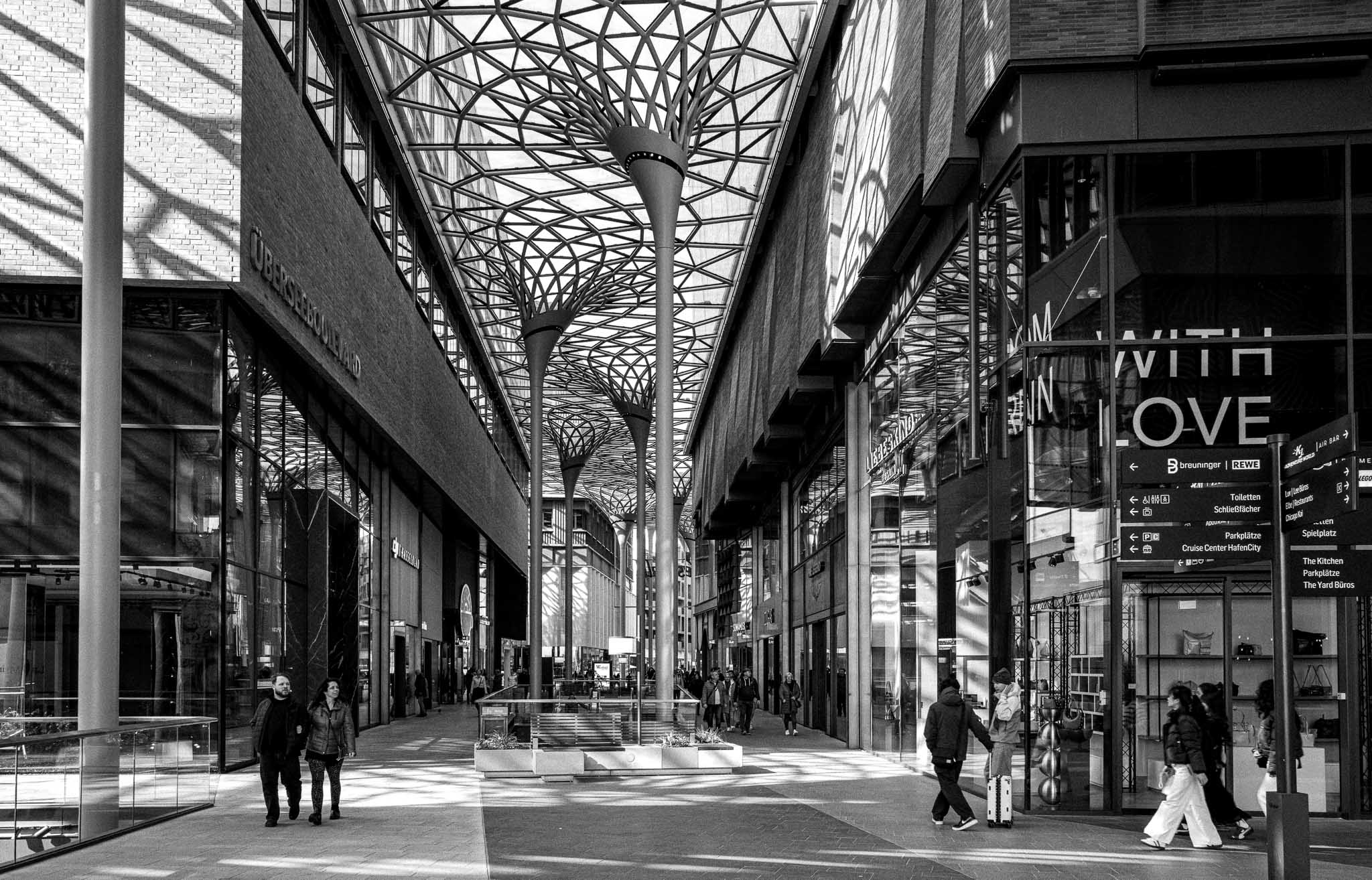
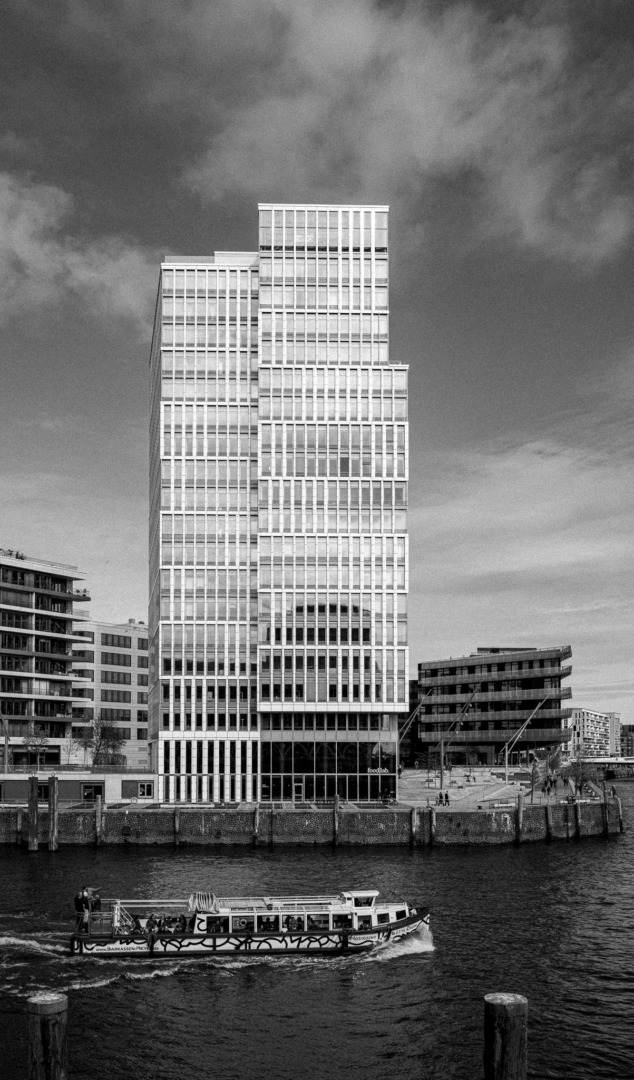
I first got more seriously involved with black and white in 2024. Or rather, I had to: my partner asked me to create a yearbook with photos of our families in black and white for a change. So, I began to explore this subject.
I converted the colour RAW files to black and white using Camera Raw, adjusted contrasts, tonal values, colours, and so forth, and created my own presets. I soon found myself using the Nik Collection and the SilverEfex filter, with its almost limitless possibilities.

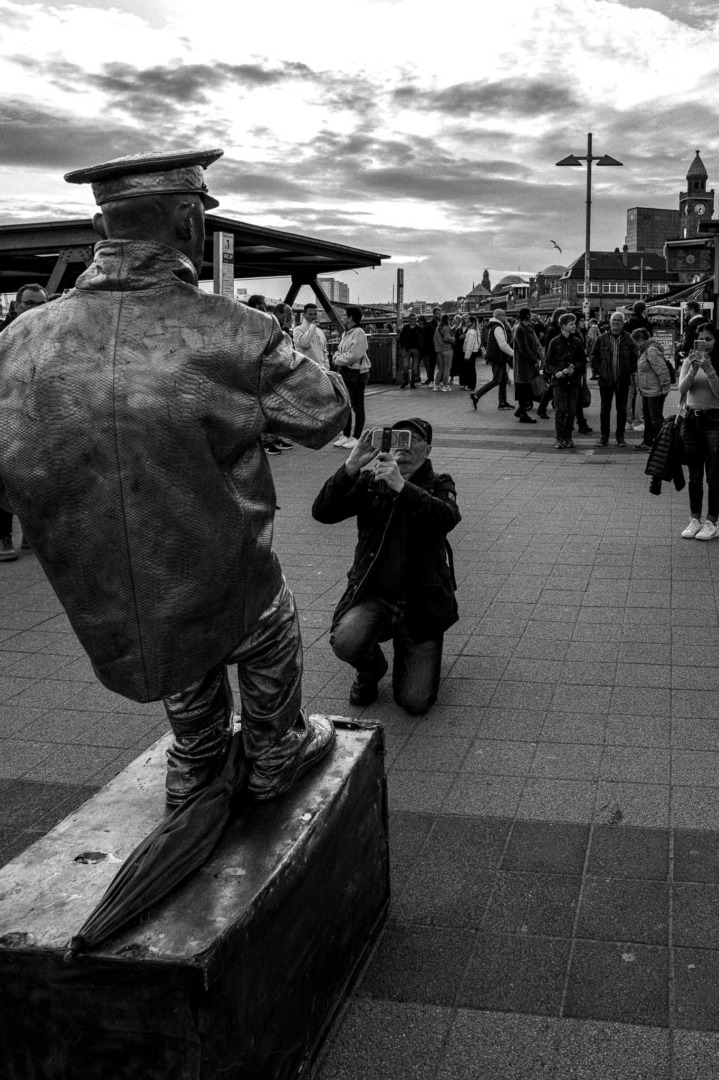
I liked the different visual language, initially with faces and portraits, but then also with landscapes and in urban settings. More and more often, I switched the camera view to black and white, and thus discovered the other possibilities of monochrome photography. But what always remained was the constant back-and-forth between colour and black and white within a single camera.
I would frequently ask myself: “What might the image look like in black and white? Would it perhaps work better in one version or the other?”
Encounter with Leica monochrome cameras
Switching between color and monochrome views meant a constant balancing act between the possibilities offered by digital photography. At Leica Academy workshops, I met photographers who worked exclusively with the Leica Q2 Monochrom and the Leica M11 Monochrom, and they told me that it was precisely this limitation that had helped them develop a ‘black-and-white perspective’.
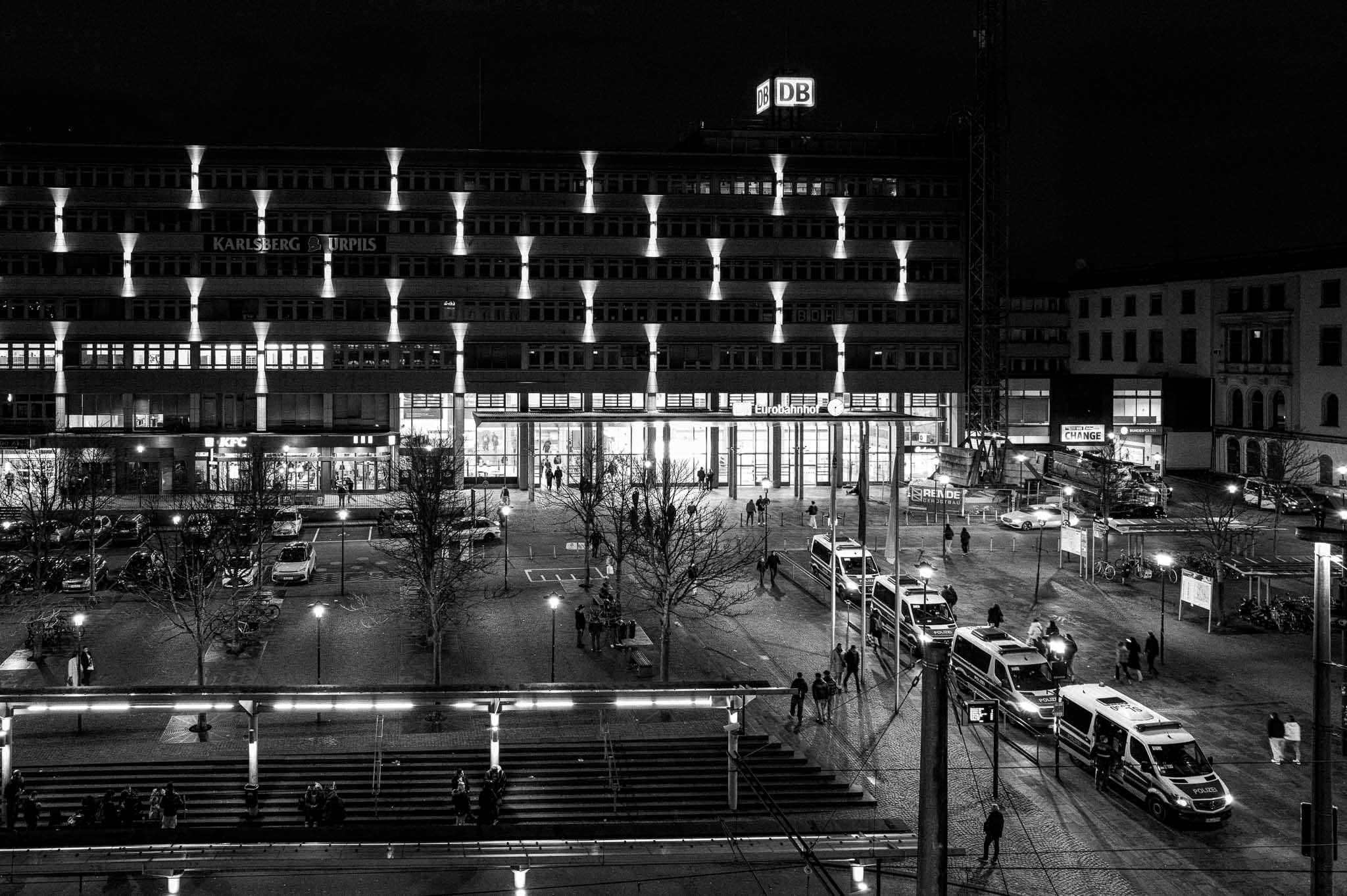
I decided to attend a workshop on the subject and spent the time photographing with a borrowed Q2 Monochrom. And, lo and behold, the restriction to black and white does indeed change one’s photographic vision. I found it a real pleasure to embrace it.
The only downside at that point, however, was the camera: if you’re used to a Leica Q3, the Q2 Monochrom seems, by comparison, like an iPhone 9 next to an iPhone 16. And then there’s the lack of a flip-out display. However keen I was on the ‘special camera’, I would rather not downgrade in terms of camera technology.
Leica Q3 Monochrom – Here it comes
In November 2025, the time had finally come: Leica remained bold, continuing the tradition of slightly different camera models, and so presented the Leica Q3 (28) Monochrom. The day after its release, I held the camera in my hands and, from that day on, discovered yet another new genre for myself.
The body, made from the familiar magnesium alloy, weighs 746g — substantial but not too heavy in the hand. Lens, sensor, tilting display, (programmable) buttons, menu… everything is the same as on the standard Q3 28.
Aesthetically, in my opinion, it is the most beautiful Q. It is certainly one of the most beautiful current Leica models: Completely matte black, without a red logo, scale engravings are entirely in grey and white — that’s understated style. As far as I’m concerned, all cameras could look like this: a true beauty.
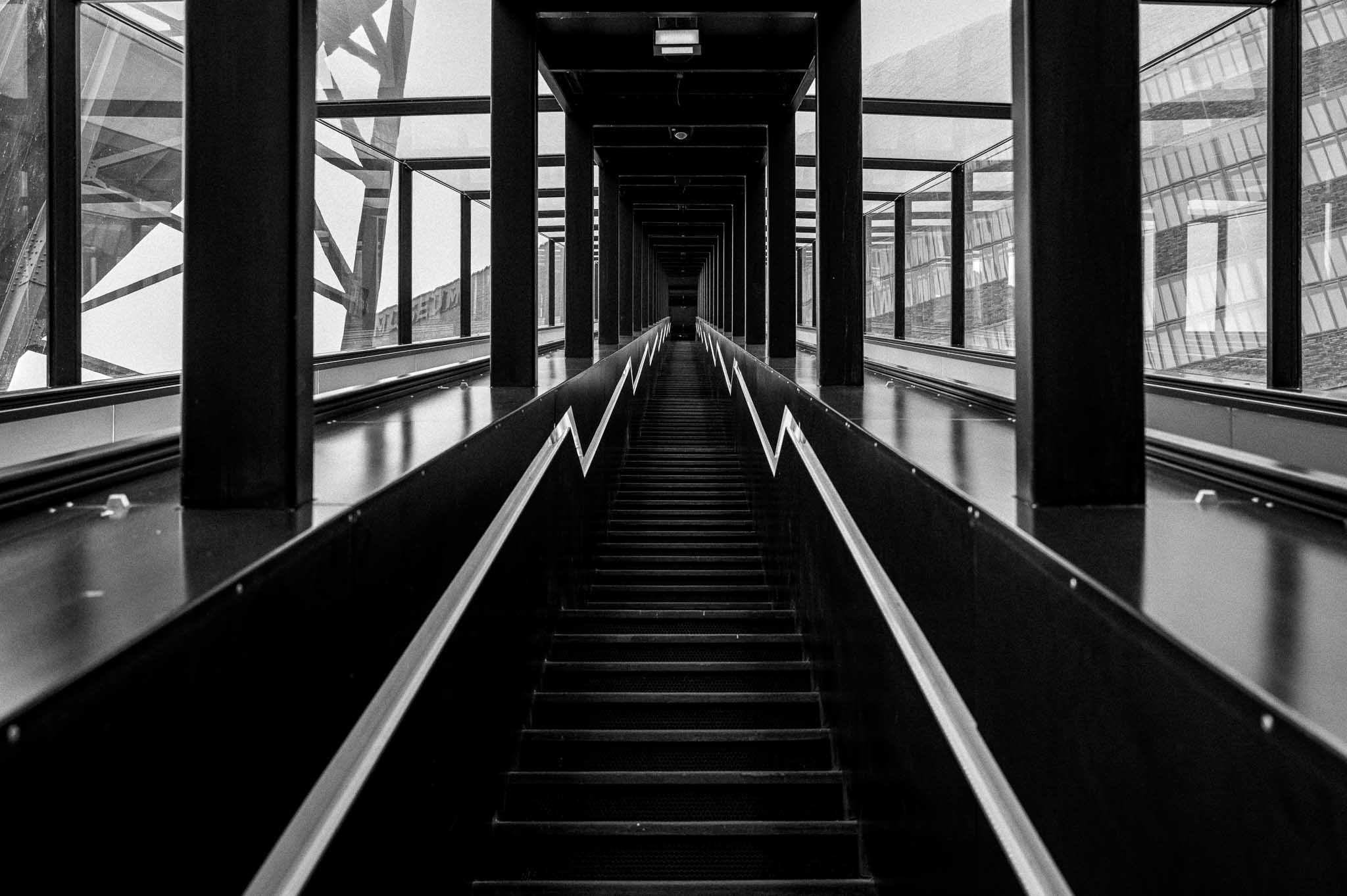
The monochrome Q makes it incredibly easy for me to switch to black and white, and there’s simply no longer the temptation to switch to the colour view. Looking through the viewfinder reveals a wealth of grey tones, and my photographic environment transforms into an exciting, new, black-and-white world.
B&W world
From the very first glance through the viewfinder, you find yourself in a different photographic cosmos and, after just a short while, begin to look for light and shadow and for contrasts. The more often and the longer I look at subjects through the viewfinder, the quicker I start to think in black and white.
The camera has no Bayer filter and no low-pass filter. In this case, however, less becomes more, as the high light sensitivity of the 60-megapixel sensor and the impressive resolution ensure detailed images with very finely graded grey tones.
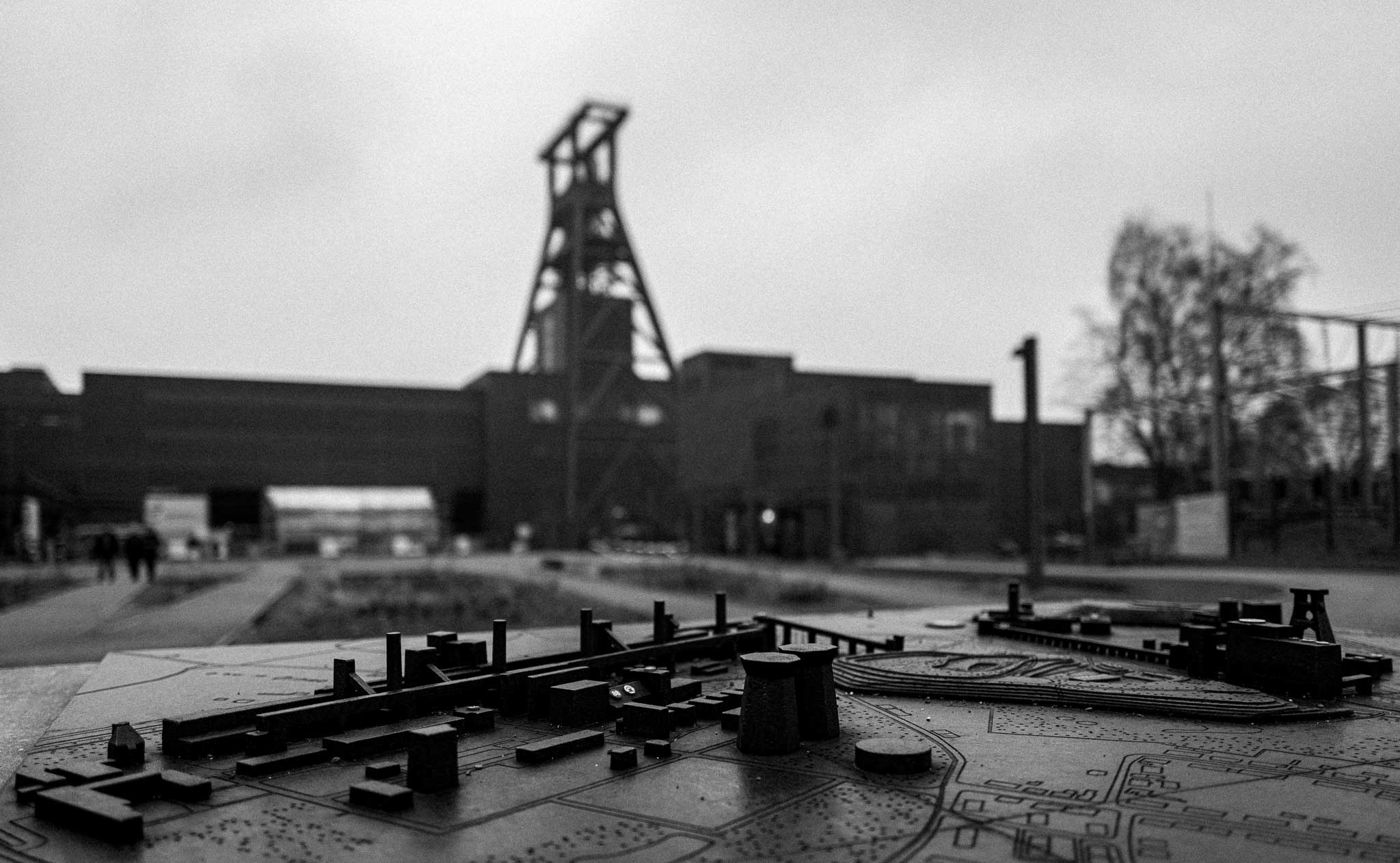
In typical Q fashion, daily use is simple: switch on, set the shutter speed and/or aperture (I select the aperture manually and leave all other parameters to the automatic mode with defined upper limits for the ISO), and start taking photos. The camera can easily capture images at very high ISO values; handheld night shots in low light are possible.
My preference is for two defined maximum ISO values (3,200 and 6,400). I also use a tripod for night shots in true old school style to achieve images with a low ISO value. It isn’t strictly necessary, though.
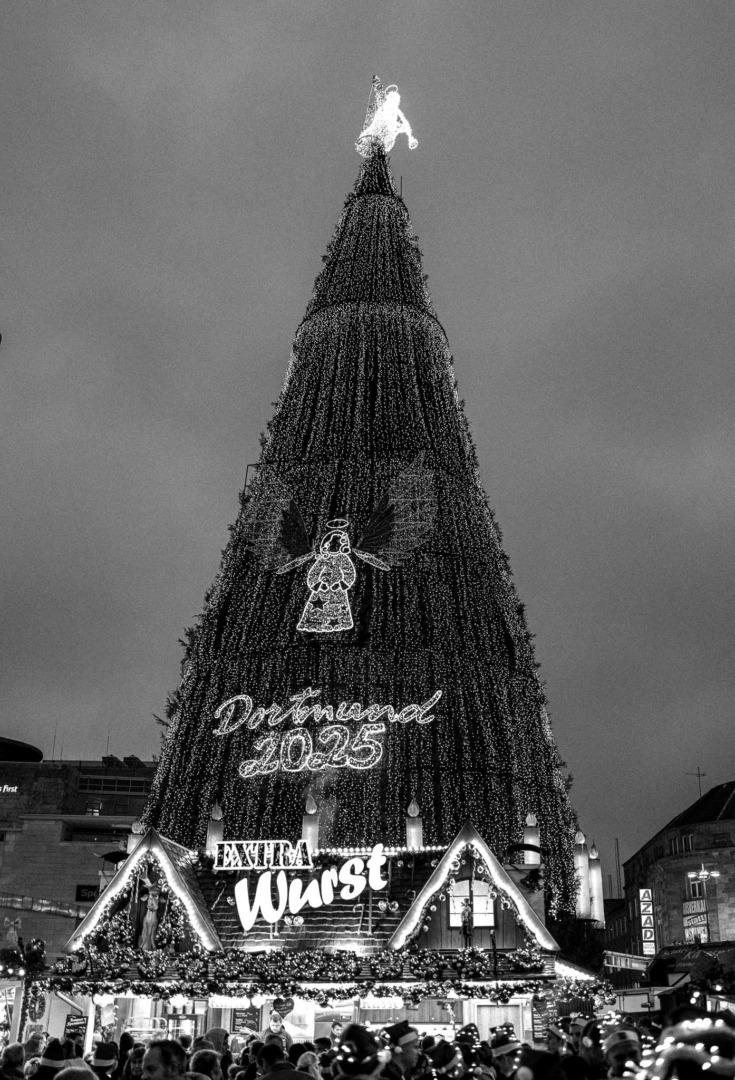
What a lens
And then there’s the wonderful lens with a maximum aperture of f/1.7, which has been used on all Q models to date. This also allows for portraits with excellent background blur. Even though the depth of field is shallow, the autofocus with face/eye detection helps to optimise focusing compared to the previous model.
There is a digital zoom (35, 50, and 75 millimetres), which I never use on any of my Q3s. I crop my images very little anyway, and when I do, it’s exclusively on the computer.

I should also mention that the monochrome sensor has only one colour channel (brightness values only), so you should pay attention to the histogram when using manual exposure, to avoid blown highlights. To date, I have used the automatic mode and haven’t had any difficulties with it so far. From the Leica accessories range, I recommend and use the thumb rest, the handgrip, a soft-release button for the shutter release, and the fixed wrist strap.
One-channel editing
When it comes to developing/editing the images, one might argue that the lack of colour channels reduces the creative possibilities compared to converting colour images. There is no active control over specific colour and tonal values; this is possible with the Q3 Monochrom using appropriate colour filters. These are attached via a regular screw thread at the front of the lens. I have only used this option very rudimentarily so far, and am only just beginning to explore the filter effects.
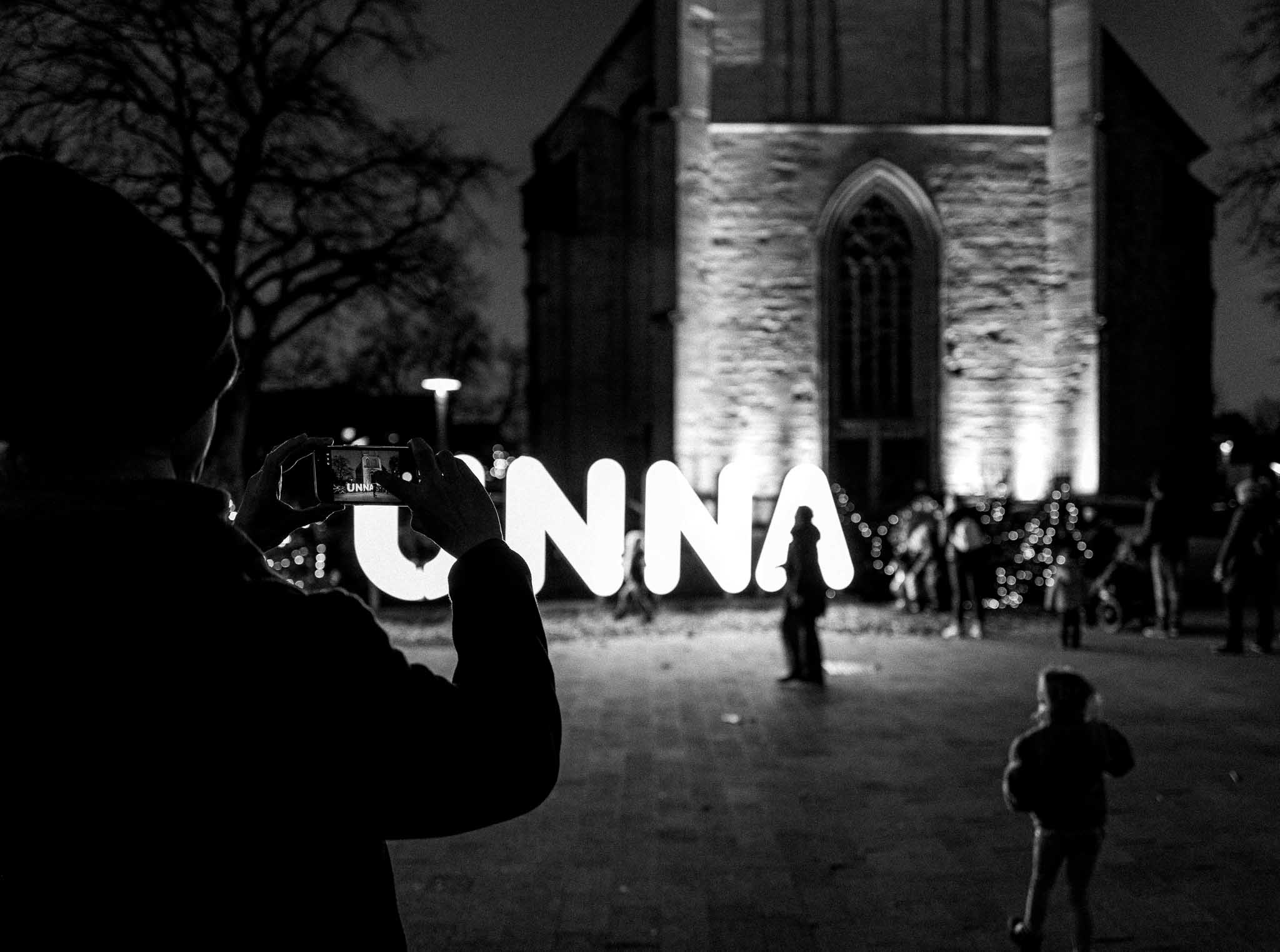

The way I edit my images has changed in that I hardly use the Nik SilverEfex filters any more. With a few adjustments in Camera Raw and two of my presets, I can quickly achieve the results I like.
My new photographic life with this beautiful camera…
My (provisional) conclusion: the Leica Q3 Monochrom isn’t a camera you need; it’s a camera you want. It has changed my photography in the sense that black-and-white photography has added a new dimension. For just under six months now, I’ve been enjoying heading out with my ‘monochrome bag’ and thinking and shooting entirely in black and white.
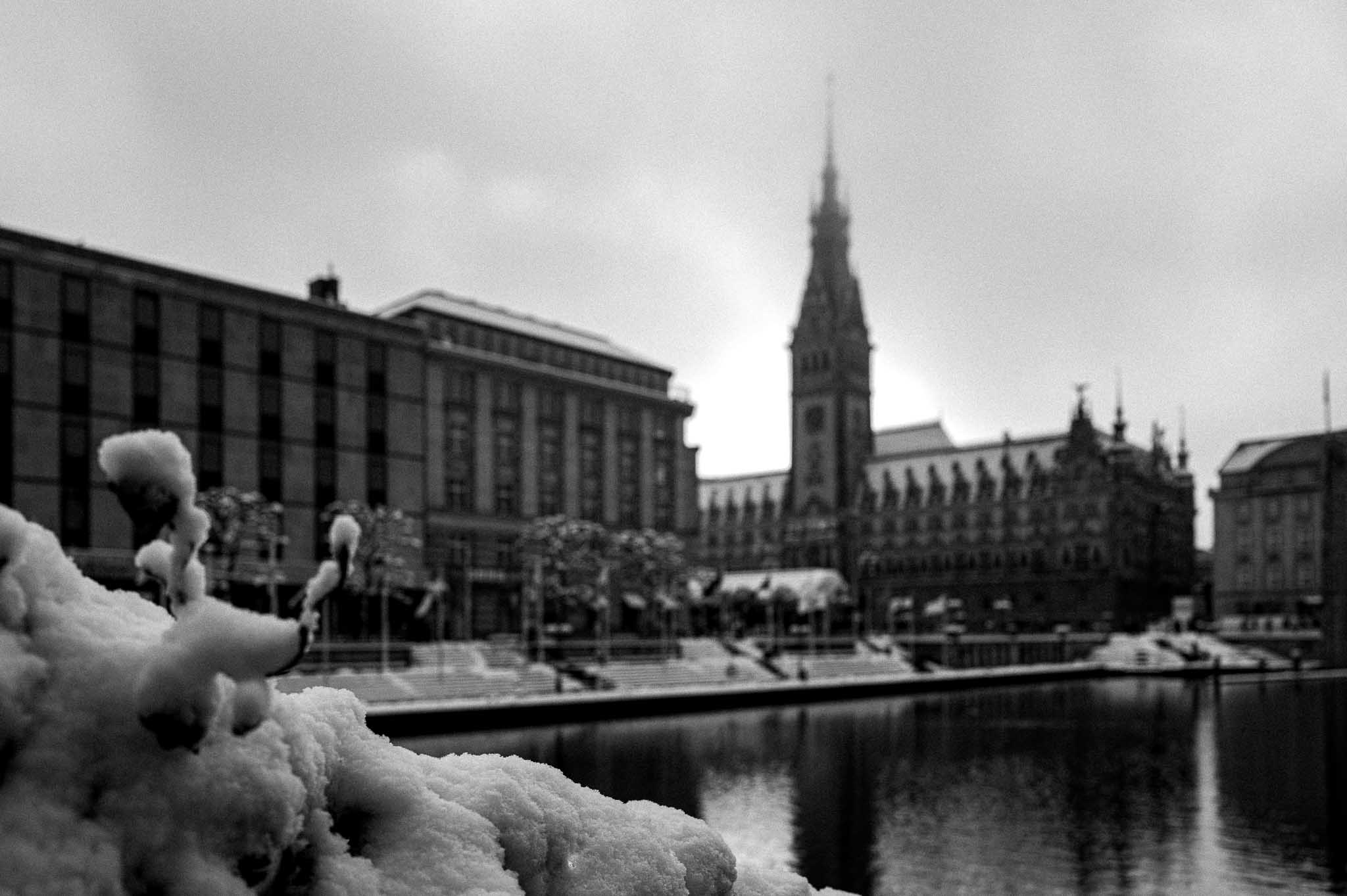
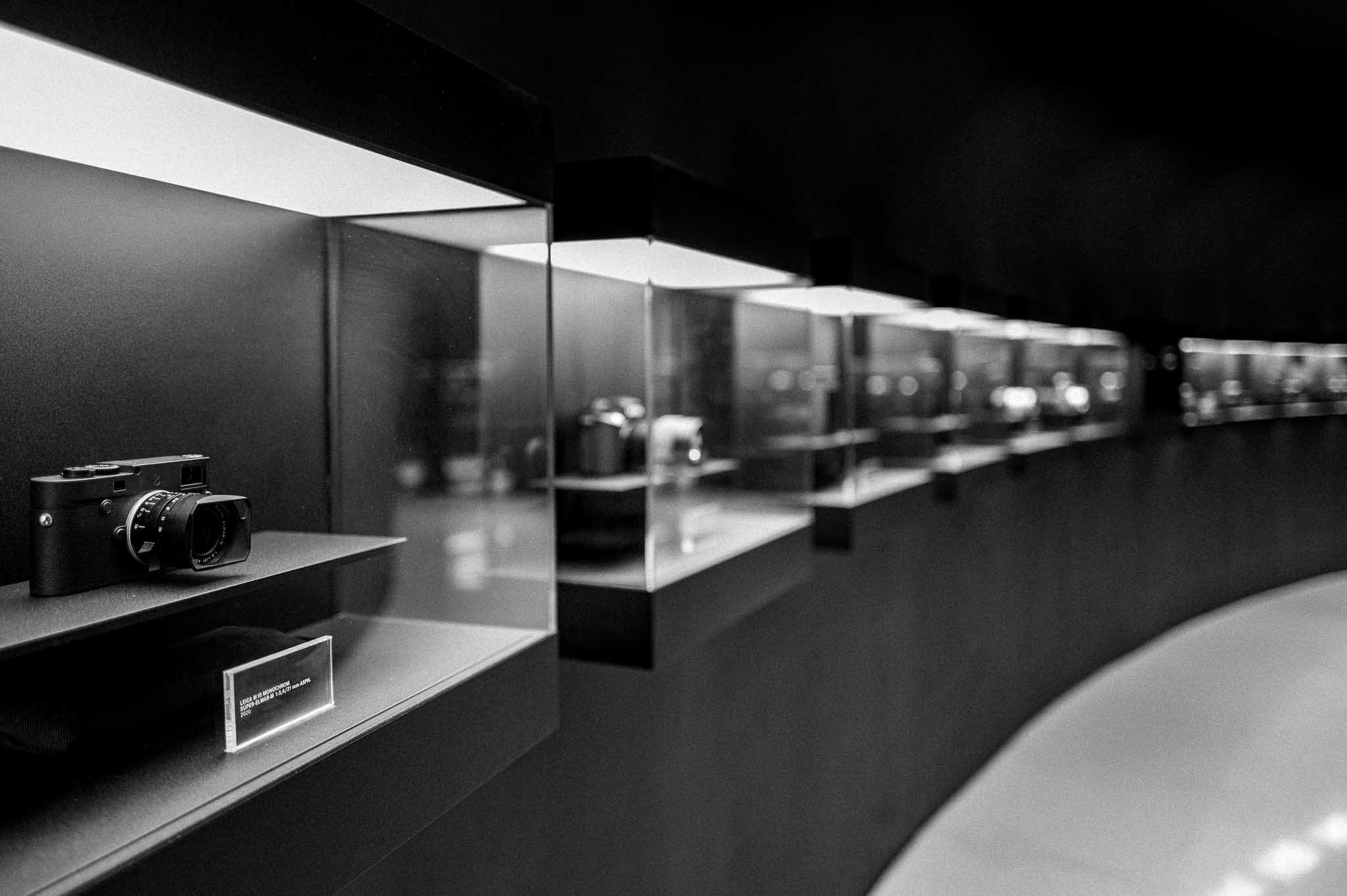
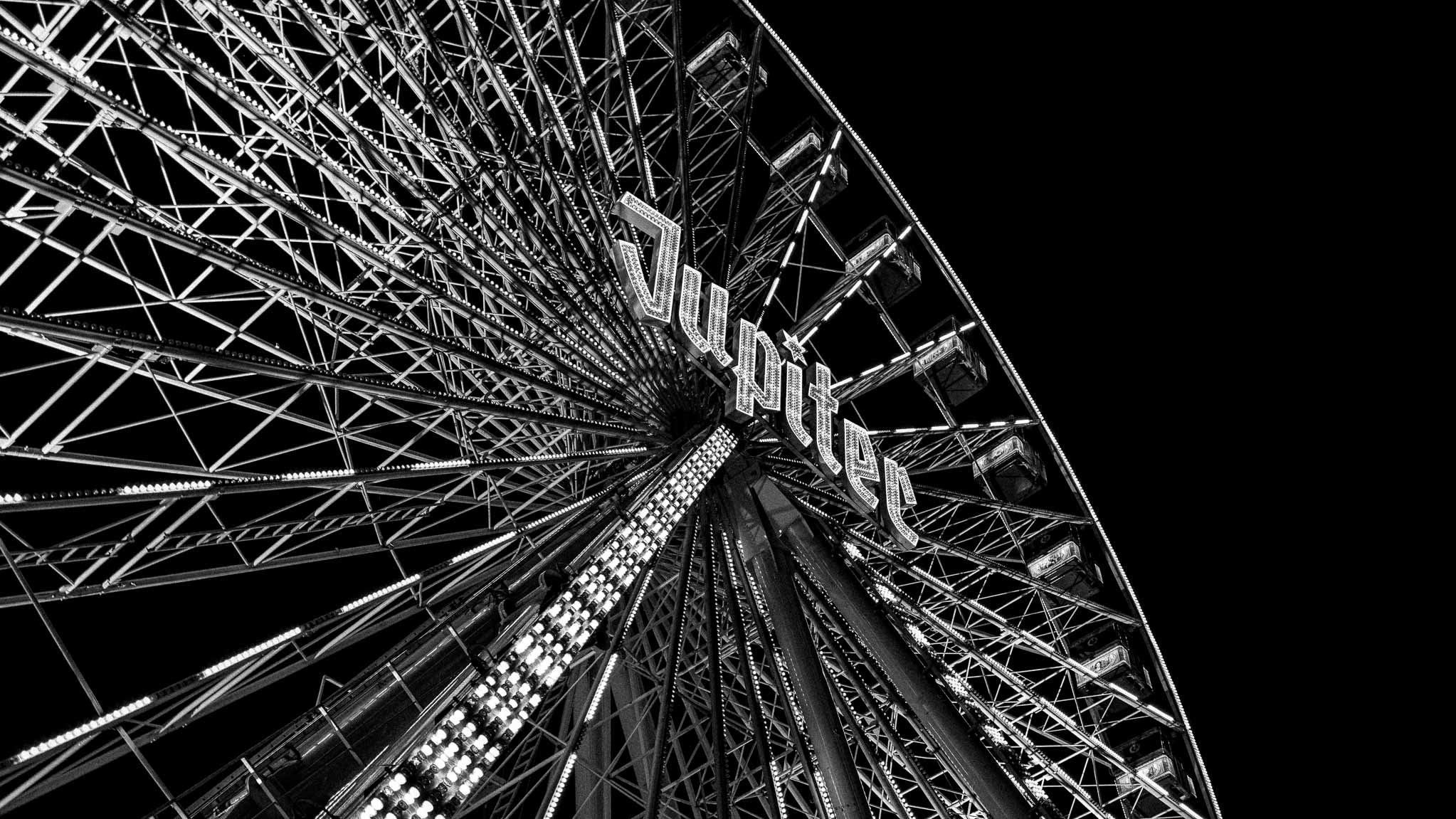
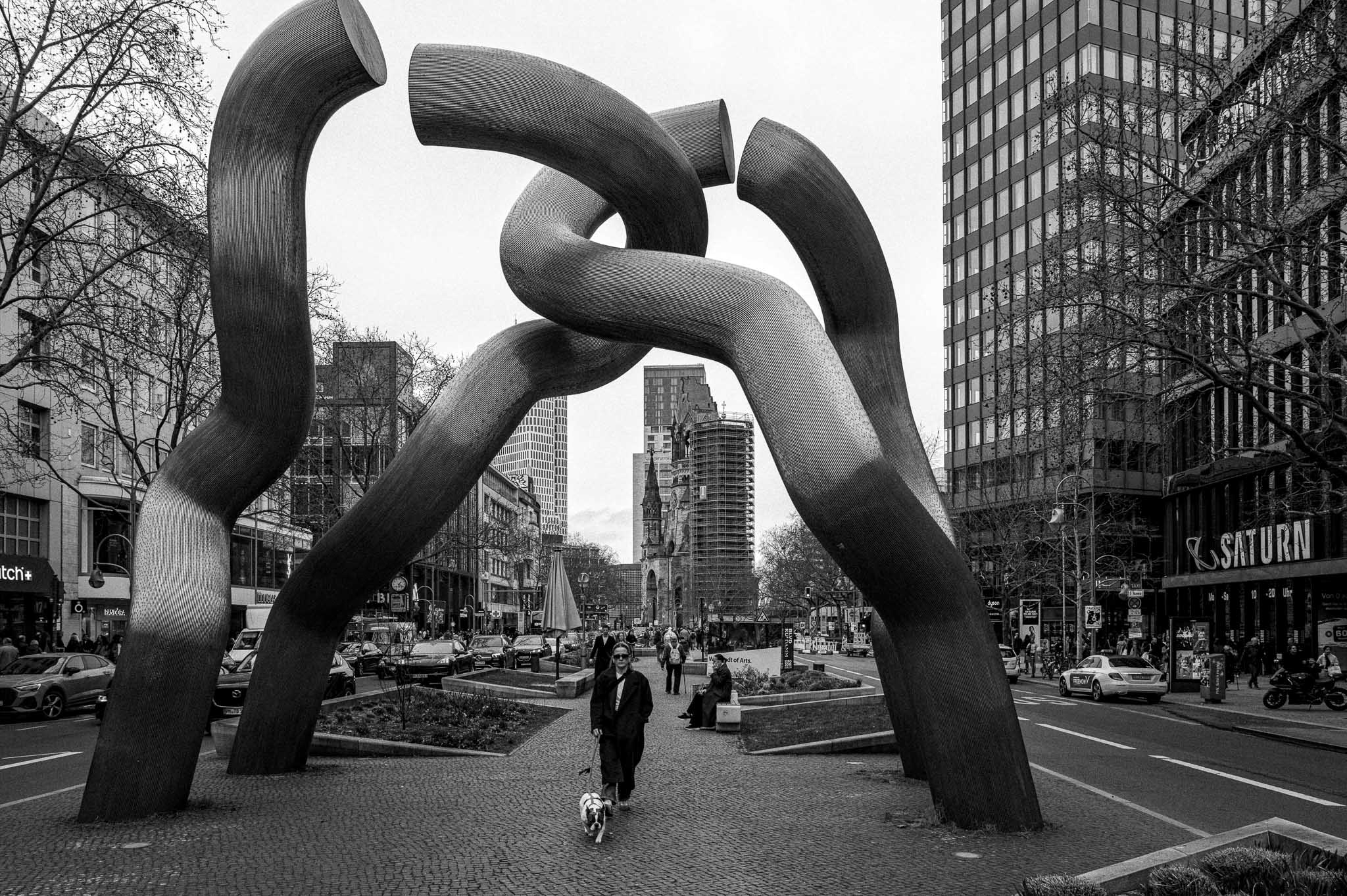
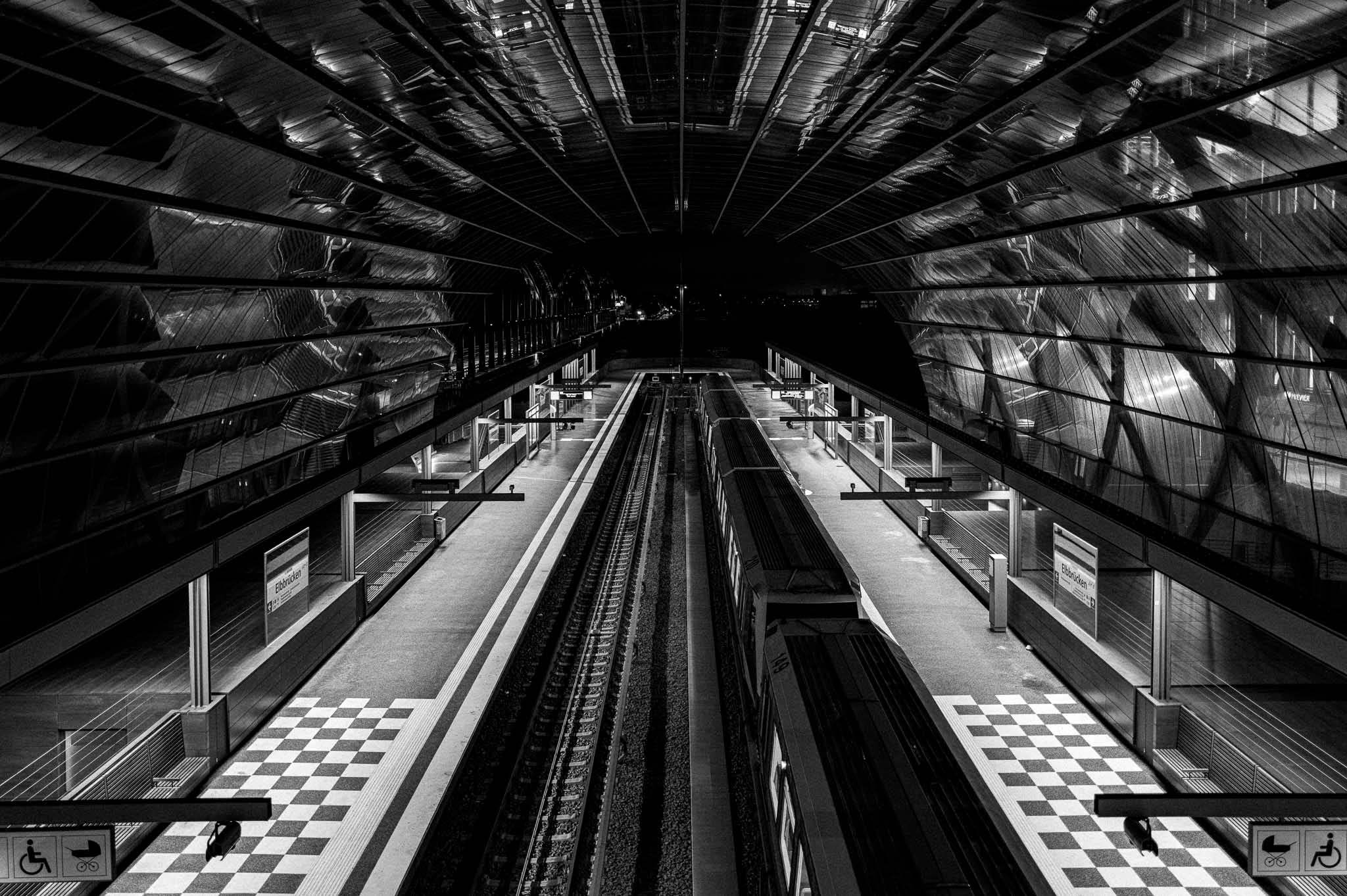
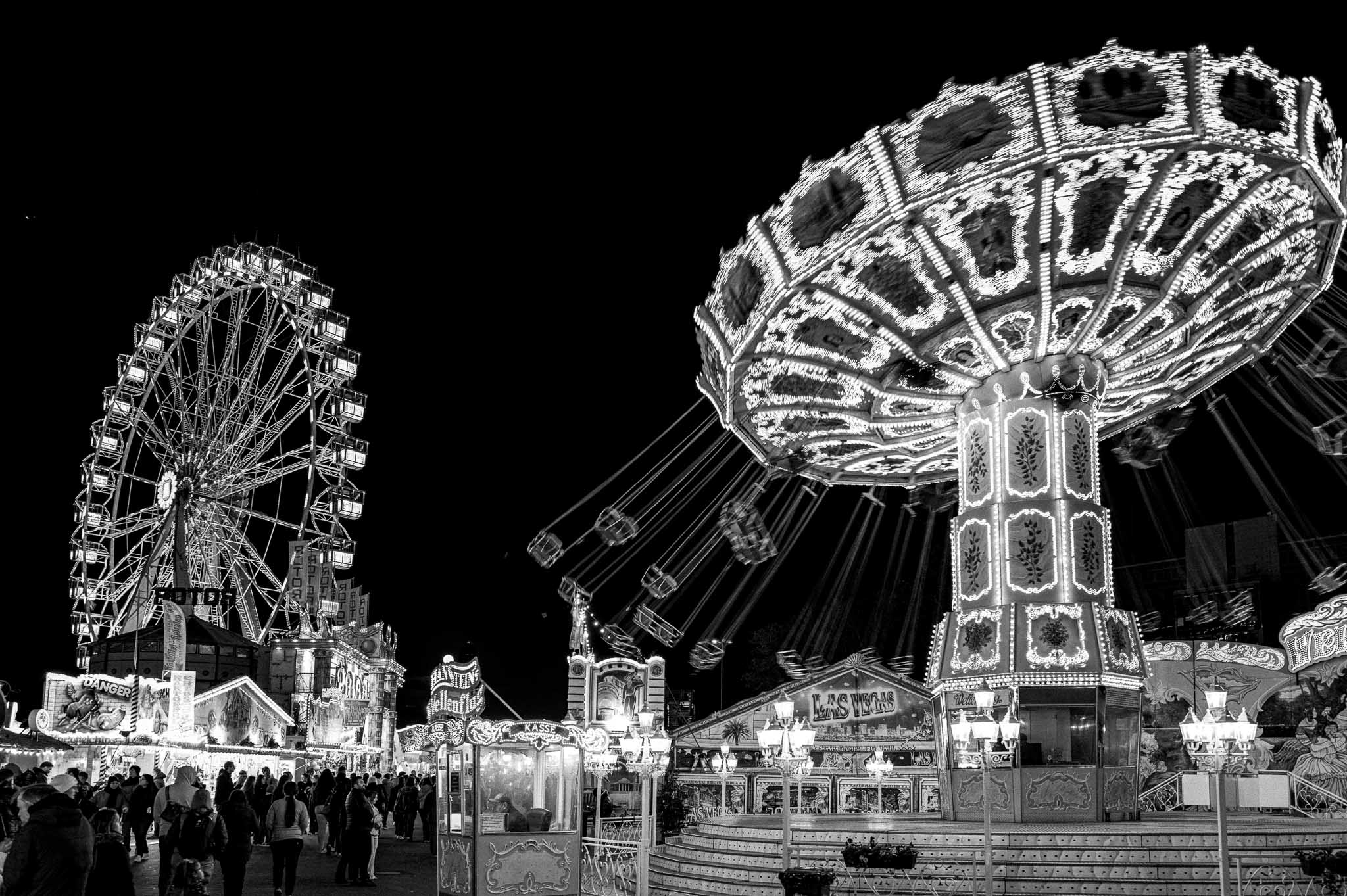
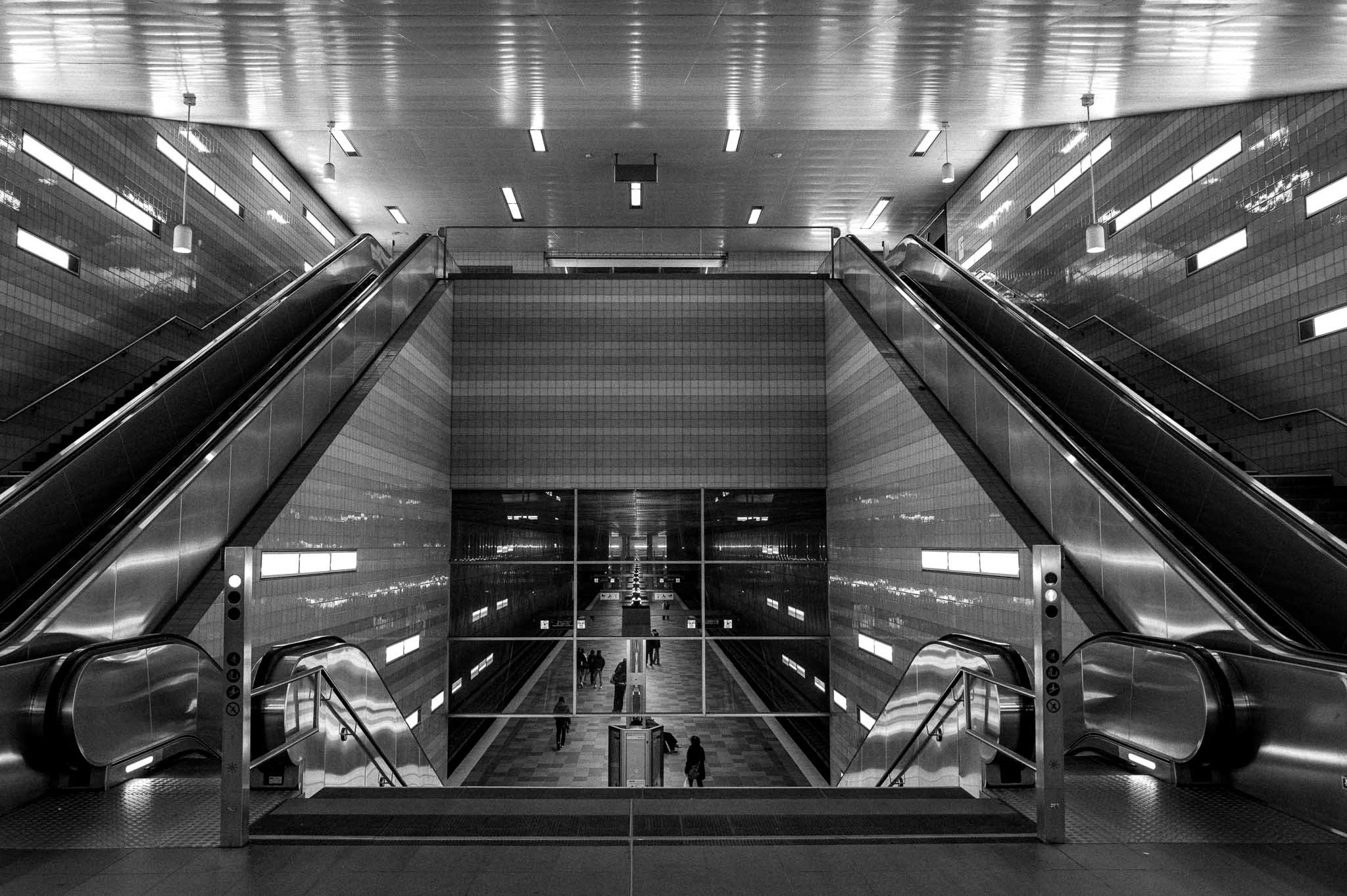
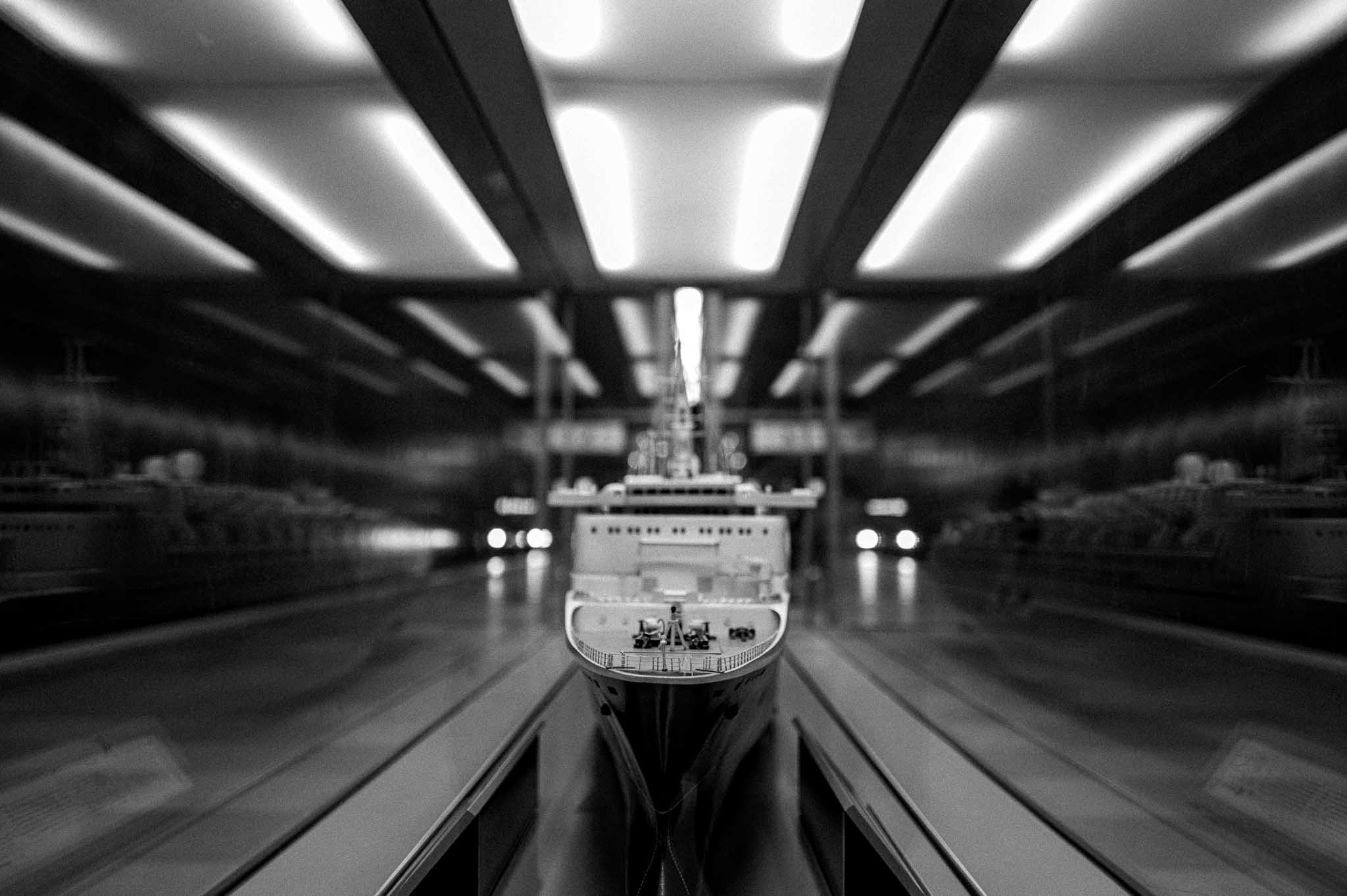
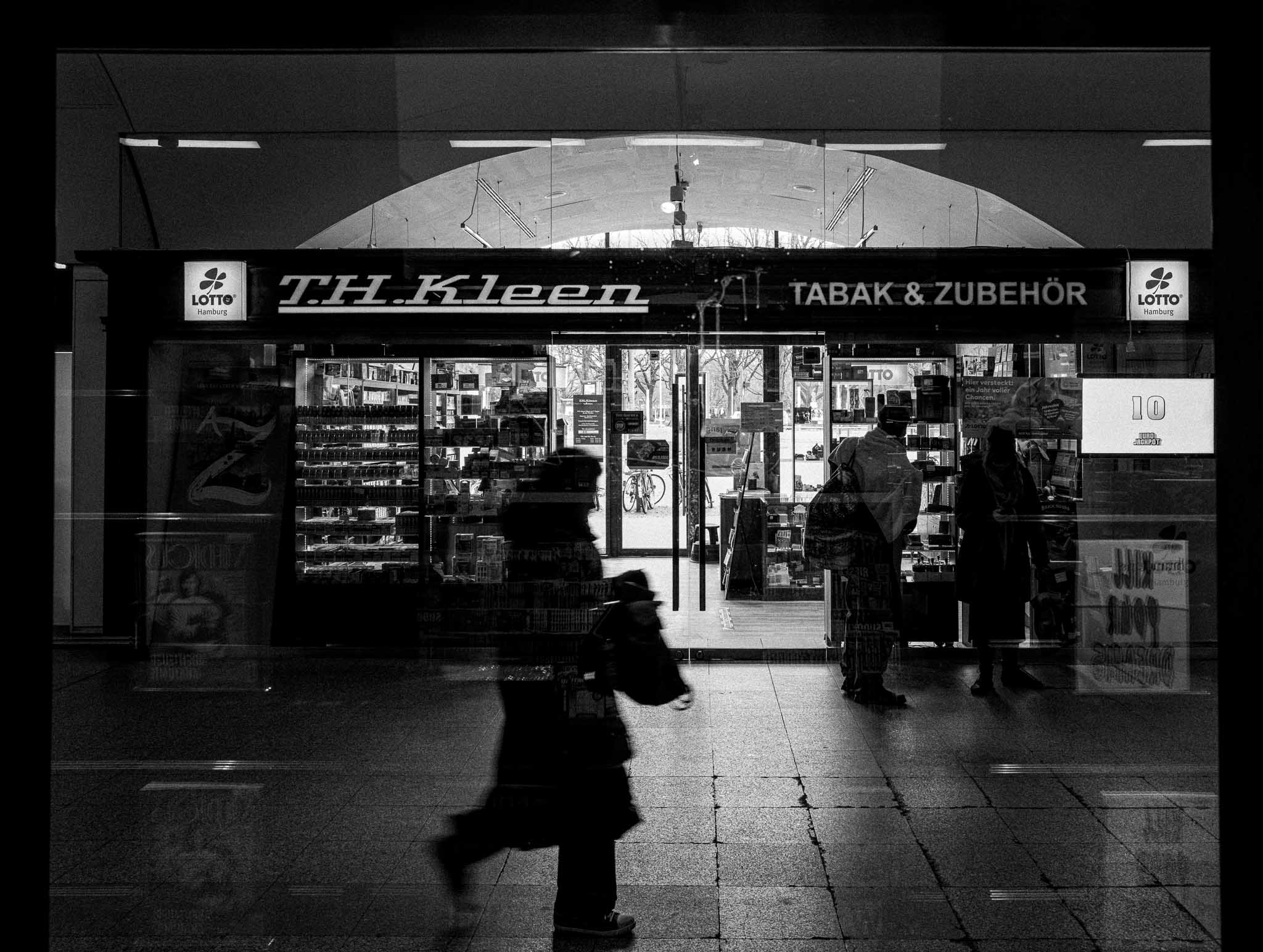
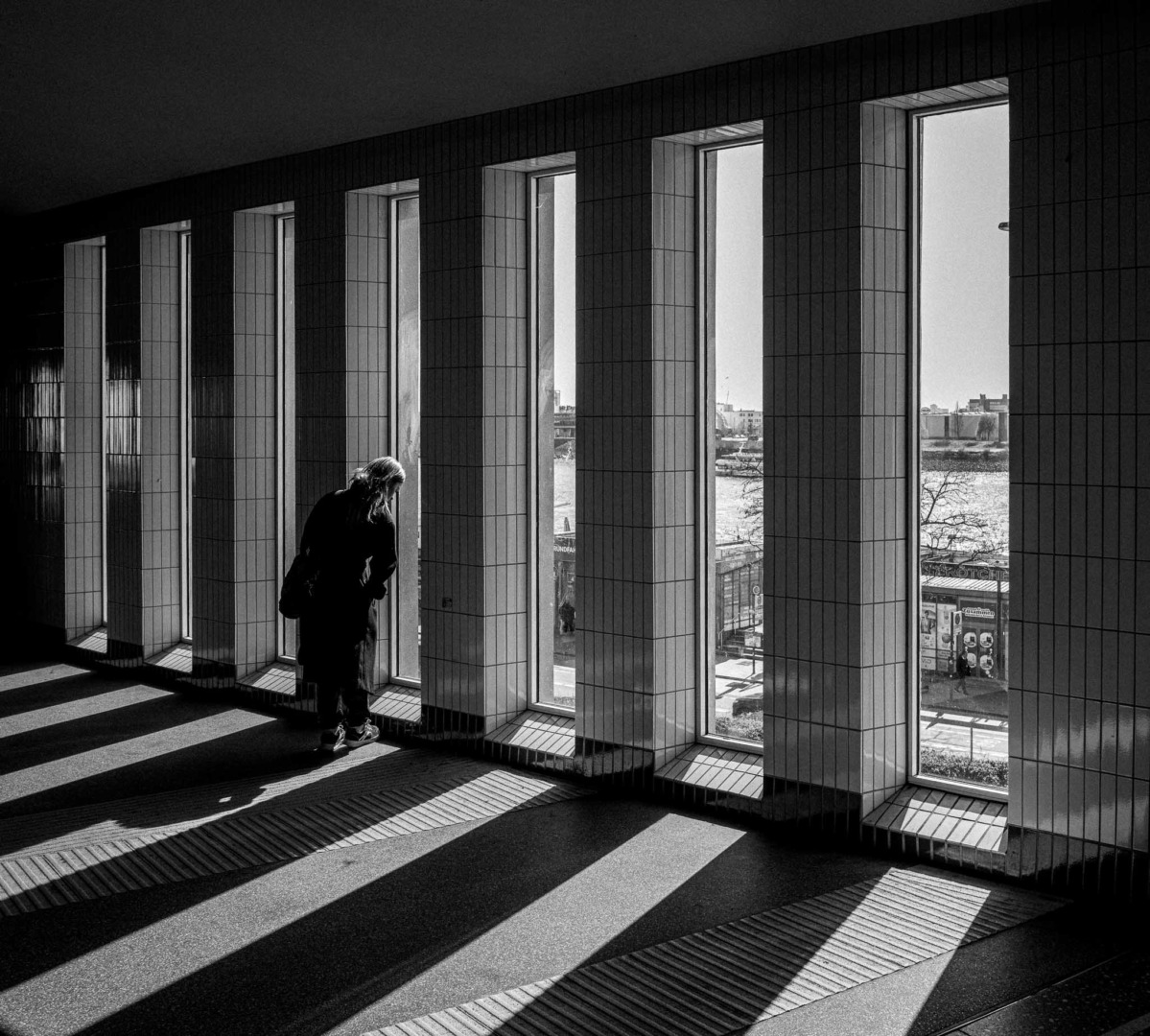
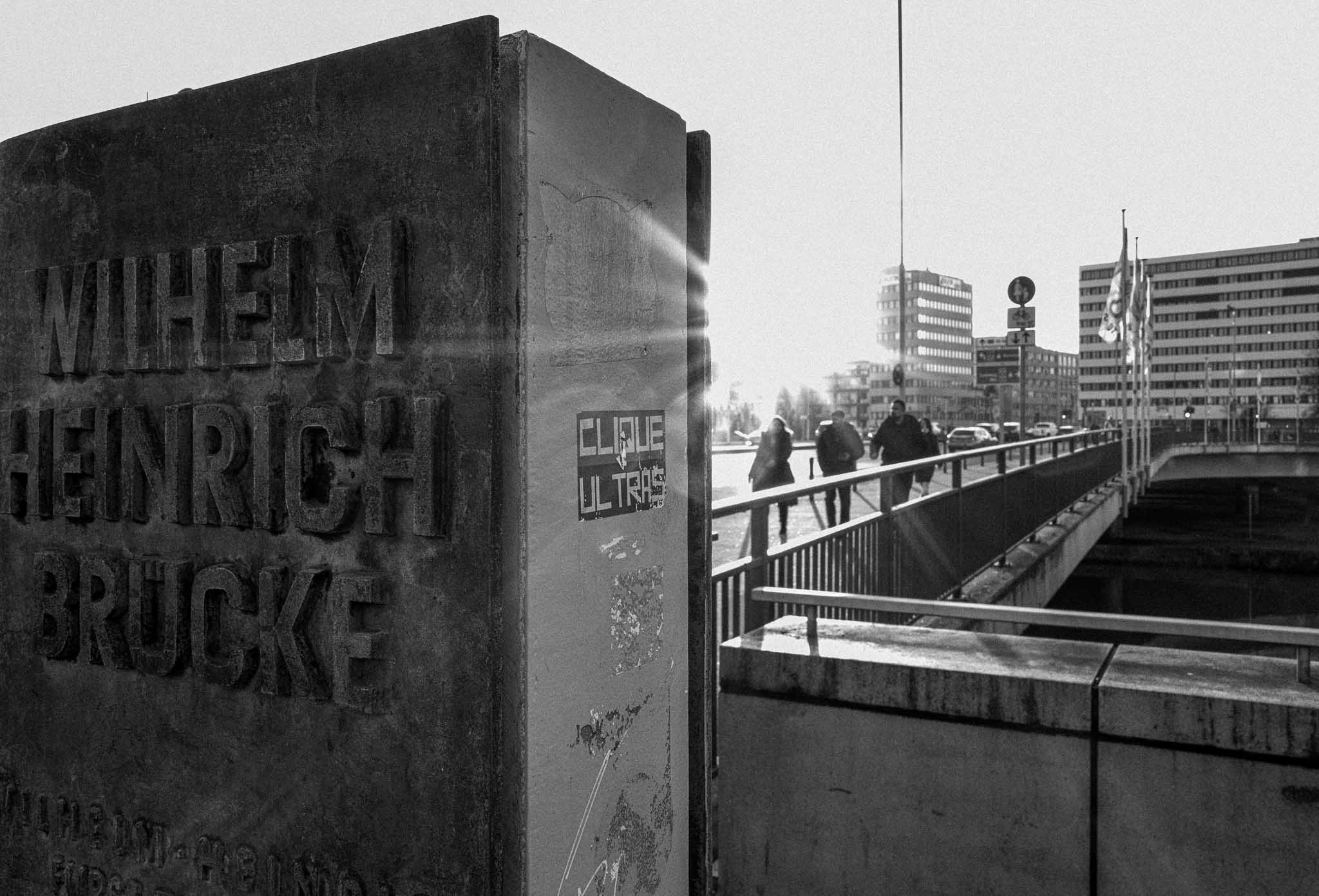
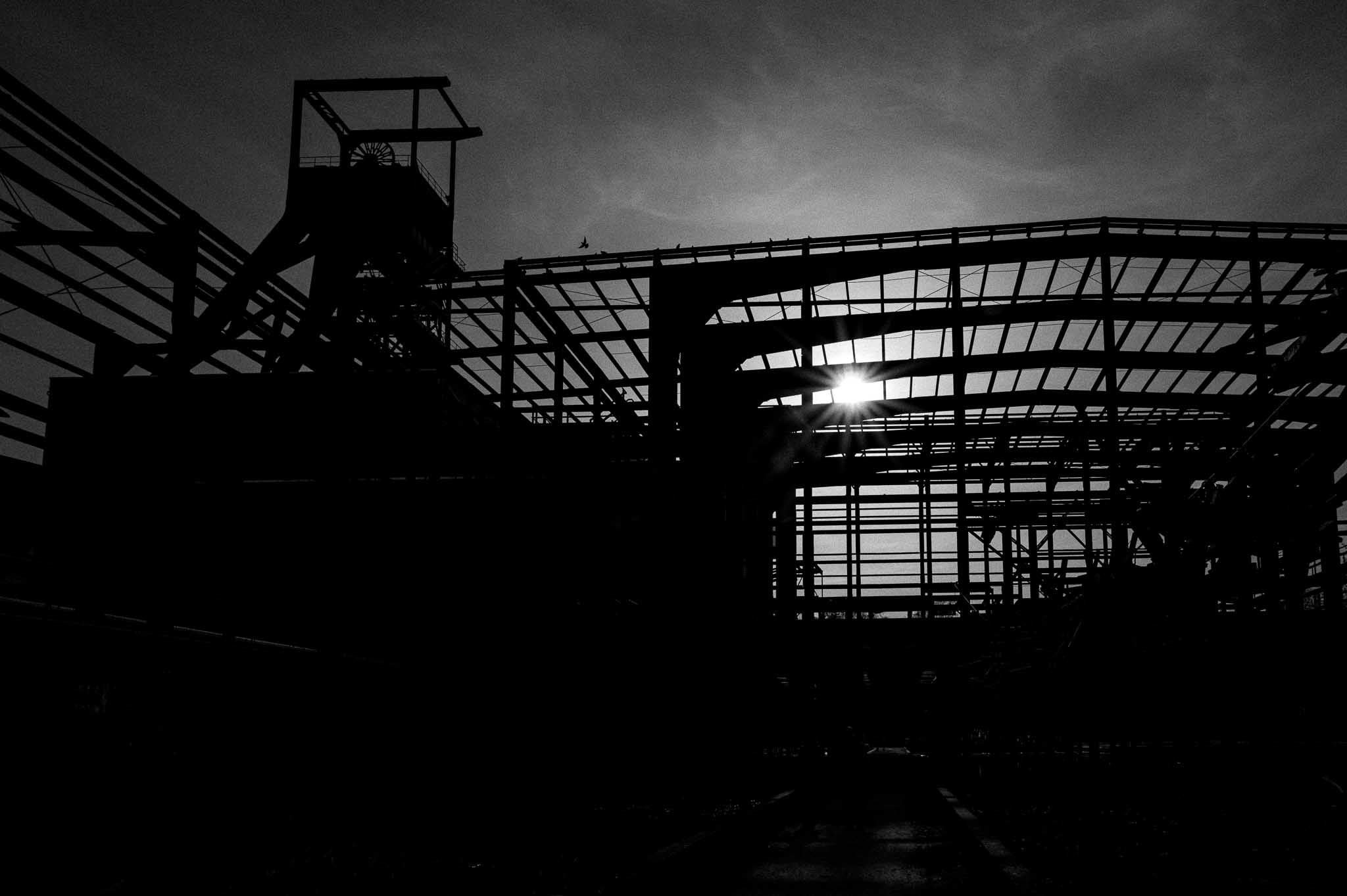
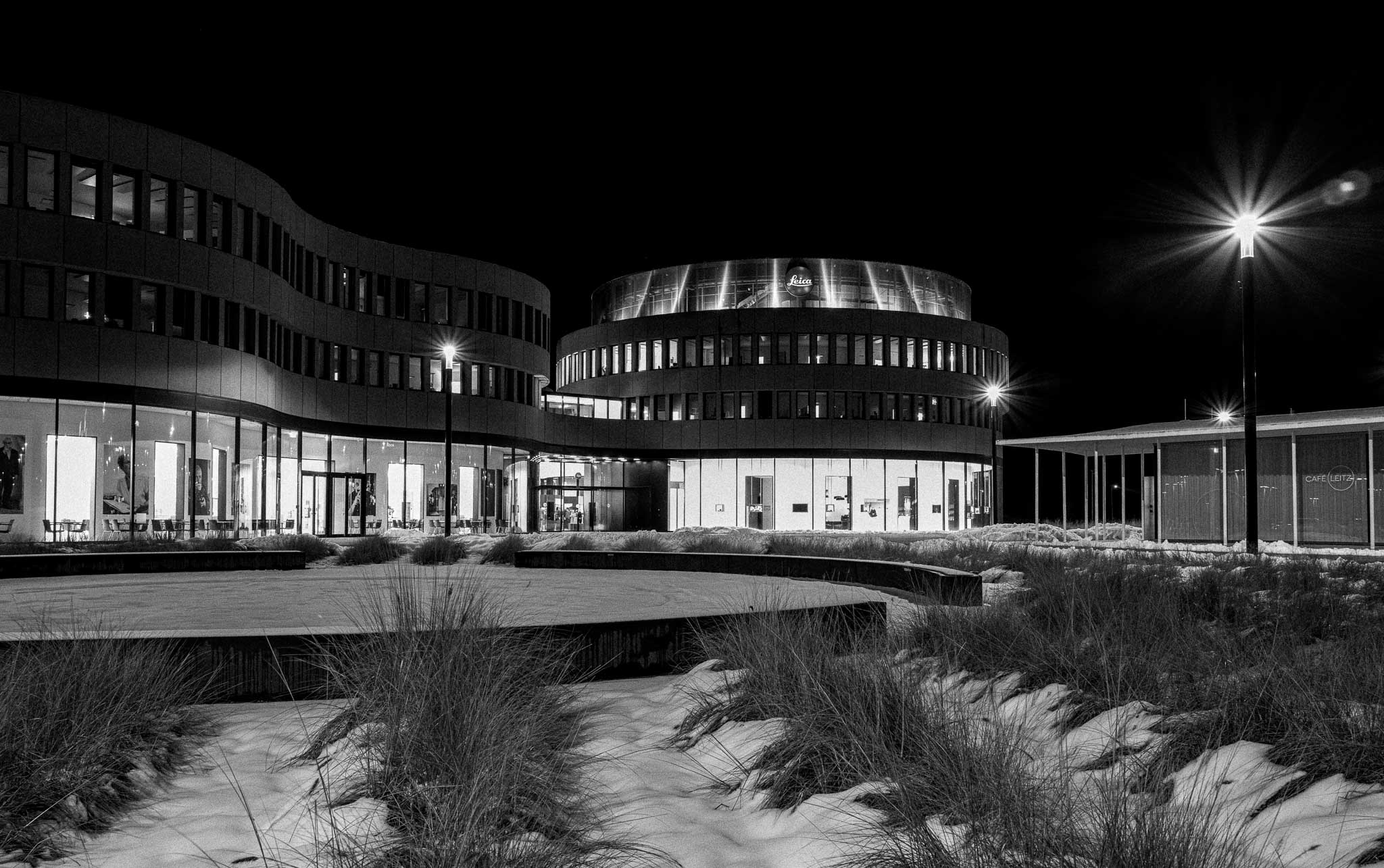
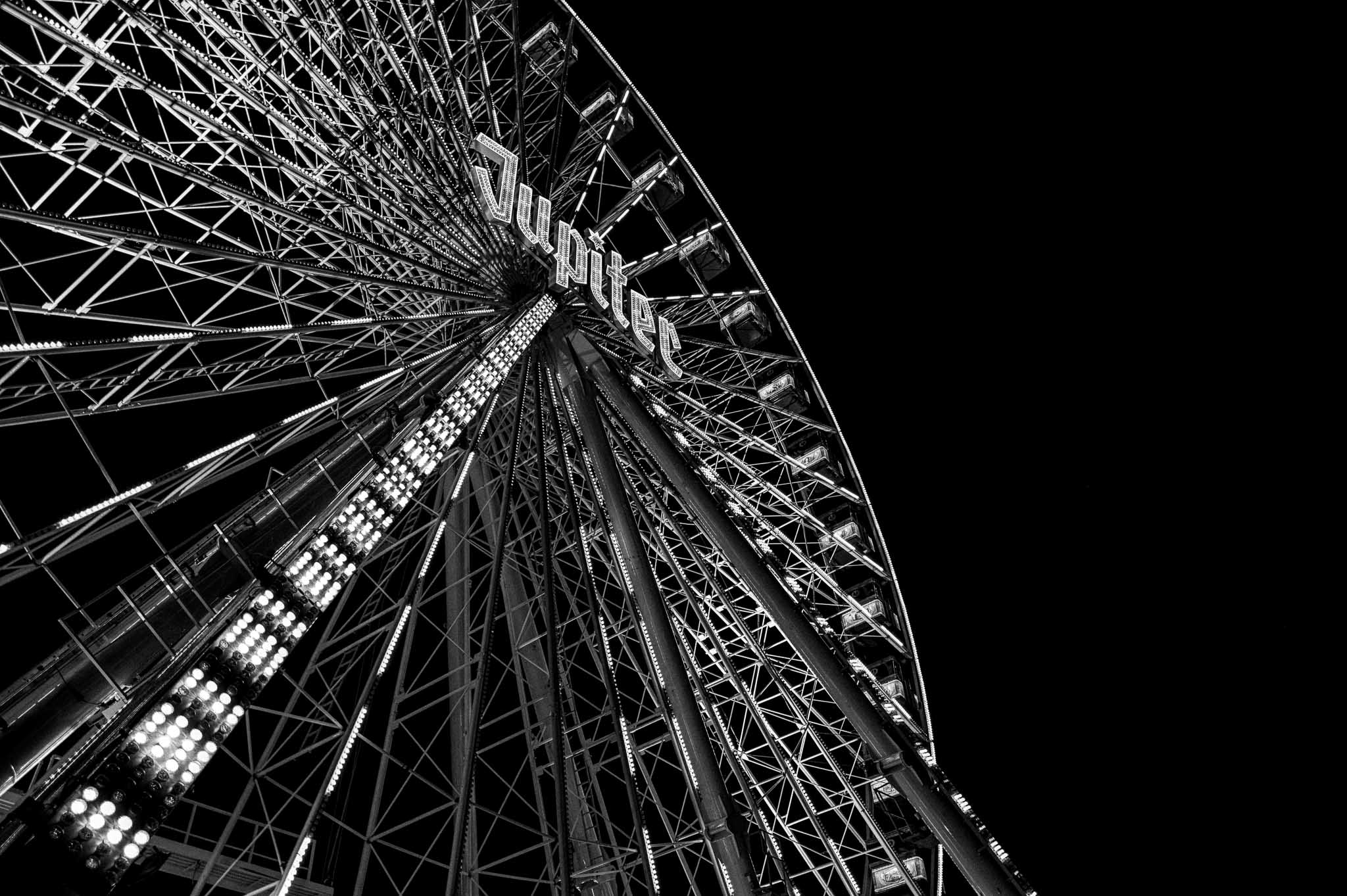
Black-and-white images have become a natural part of my photography. Every time, I find myself wondering whether I shouldn’t just use this special tool to go searching for exciting subjects. I wouldn’t have achieved that in the same way with a normal camera. Picking up this camera is a joy because it’s simply a feast for the eyes and, like every Q, a delight to hold. All the photographs in this article were shot using my Leica Q3 Monochrom.
I want for nothing, except perhaps a Leica Q3 43 Monochrom or a Leica SL3 Monochrom…
So Leica, keep being crazy and bold, and bring even more of these kinds of cameras to the market!
| Jonathan Slack Leica Q3M review | More from Olaf Reichardt |
| Leica Q2 Monochrom | How to use filters in b/w photography |
| Hamburg | Saarbrücken |
| Unna | Zollverein |
Make a donation to help with our running costs
Did you know that Macfilos is run by five photography enthusiasts based in the UK, USA and Europe? We cover all the substantial costs of running the site, and we do not carry advertising because it spoils readers’ enjoyment. Any amount, however small, will be appreciated, and we will write to acknowledge your generosity.
Comments: Please add a comment to this article. Our comments section is a thriving community and everyone is treated with respect. In addition, please identify yourself (and add an email address, which will not be published, if you would like to see answers to your posting). Our system will automatically delete any “anonymous” posts on the basis that they are likely to be spam.
Well, it’s a bit late to reply to this article, but here goes anyway ;-).
I have manged to wrest a test Monochrom from Leica UK for the weekend. It’s very interesting and produces great B&W straight out of the box. Images from demanding scenes show remarkable rendition and detail. I don’t yet think that I would want to do much with (e.g.) Silver Efex but I always feel that, with any B&W from whatever source, you always “reserve the right” to tweek it to suit your visualisation of the scene.
I should point out that although I shoot 90+% of my non-phone photos in B&W, the level of commitment required is, as Olaf says, great. Nonetheless with the quality that Monochrom produces it might not be too hard to make.
While I normally shoot with a 5cm ‘cron I am finding the 28 is a really easy lens to work with. and being an APO Summilux I know that the design is easily capable of giving the results that I am looking for. So why am I thinking of buying it? As I think I have said elsewhere there are some issues with CT scanners at some airports and fast film (which is what I normally use), but also because, although quite a bit heavier than an M3 + ‘cron, it does mean not having to carry multiple lenses around.
I haven’t decided to get it yet – or not to get it! It’s a fascinating beast. Would I sell the M3 and Summicron? No way, the M3 is still THE Leica. and on occasions when I don’t have to go through scanners I will undoubtedly have it with me.
I’ll keep you posted!
Peter
Dear Peter, thank you very much for your comment; it is never too late to respond to a post.
Reading your words put a smile on my face… keep your M3 and treat yourself to this “monochrome beast” as an addition to your gear—you won’t regret it, because this Q3 doesn’t just take wonderful photos; it is also beautiful!
I wouldn’t sell an M3 even if I didn’t use it! I have one of every iteration from M3, through M2 to M7 (excluding M5) and I keep them as objets d’art and subjects for occasional use. Al of them are good investments.
Olaf
Your article has placed me in a bit of a pickle. I’ve convinced myself that I didn’t need a monochrom camera, and now your images are showing me that I may be mistaken. Your Christmas Market images, and the one looking into the food stand in particular, really resonate with me.
The one feature that holds me back from a Q, and all of the new Leica bodies, is the flip down screen. At least 60% of my images are made in the portrait orientation and Leica hasn’t given us that option (yet) with the flip down screen.
On the other hand, if Leica gives us a monochrom Q3-43, EV-1, or SL3(-S/P) I am doomed.
Finally, please write a follow up article regarding your use of color filters on your Q3M. Thinking back to my film days, the use of filters opened a lot of creative possibilities.
PaulB
Paul, I have similar pangs whenever I see an article on black-and-white images. I always convince myself that Lightroom or Silver Efex Pro conversions as just (almost) as good. But there’s always a nagging feeling I’m missing out. I suppose one of the main attractions with a monochrome camera is that you don’t have the choice. Once you’ve seen the colour image and created a B&W conversion, the doubts come in. Which should I go with? The only solution, it seems, is to get a monochrome camera.
As to flappy screens, Leica makes a virtue out of sticking with simple up and down tilt. It’s sturdier and more reliable, they say. I remain unconvinced, since I have a few vintage Lumix cameras with fully articulating screens, and they have never given a problem. Recently, I’ve been testing the new Lumix L10 and that has a superb articulated screen. Among its tricks is my favourite — the ability to reverse the screen so you can paw the camera to your heart’s content without any danger of scratching the screen or setting some exotic touch fantasy. This is nothing new for Panasonic and several other manufacturers, but Leica is resistant to the idea. Pity.
Having said that, many Leica enthusiasts (and probably many readers) continue to hate any form of adjustable screen.
Mike
Yes, Leica’s views of an articulating rear screen is a pity. Fuji and Nikon both have rear screens that provide portrait orientation that seem more robust than the typical articulated screen. Though, as you mention I do appreciate the ability to reverse the touch screen into the camera body to prevent changes by a “nose”.
Concerning upsetting the faithful. I think that should be body dependent. For the M body I would agree. For a small modern body, like the Q, I’m not so sure. I am using a Sigma BF, and really don’t mind its minimalist design; though I do miss having the articulated screen. On a large modern body, like the SL, an adjustable screen that provides for portrait orientation is a must; to assist my aging knees.
PaulB
Dear Paul, thank you very much for your detailed comments.
Since I’ve owned the Q3 Monochrom, I have “color days” and “black-and-white days.” And frankly speaking, that’s what makes the difference; I no longer stop to consider whether images make sense in one format or the other. It is certainly a luxurious way to limit oneself, but it is wonderful.
I wish Leica would also offer the Q3 43 Monochrom; then I would have the Q models I love so much in both versions.
Another aspect is processing images from the Monochrom: it’s quick and straightforward. I only adjust a few things—there are no color channels to deal with, and the Nik Collection almost always goes unused.
The tilting display could be better—I agree with you there. But having one is better than having none at all; Leica will eventually narrow the gap with other manufacturers in this regard, too. I get along well with it, including on the SL3.
Olaf
Yes, now that every camera manufacturer has included a rear screen that provides portrait orientation, Leica will close the gap.
Though, this does show that Leica can be rather “Trailing Edge” in their thinking. Look at how long it took them to think the EV-1 was a good idea.
PaulB
Dear Paul, thank you very much for your comments.
Regarding functionality and design, I completely agree with you—there is certainly room for significant improvement there.
On the other hand, I am a big fan of these displays and am glad that the Leica cameras I enjoy using so much are available with them.
Oh, and regarding the M-EV1… I wish Leica had been a bit bolder; a tilting display would have really suited that highly controversial camera. But I am sure that feature will come eventually.
Olaf – thank you for a great article. Your initial concerns about the Q made me smile as I remembered having similar concerns. I did end up owning a number of the Qs, but ultimately ended up selling them because the 28mm focal length was good for probably a third of the subjects I was drawn to photograph; I found myself cropping a lot. I have ended up with the Q3 43, and while the 43mm field-of-view is a smidge tight, it is closer to how I do see the world, which is between 35 and 40mm.
With regards to the Monochromes, o was briefly the owner of a Q2 Monochrom and M10 Monochrom, bot gorgeous cameras with amazing output. However, once again, they are too specialized for my overall photographic approach, and I am happy enough with converted files from my M10-P or Q3 43.
Glad you have found a camera that really works for you and your photographic style. Thanks for sharing your thoughts and photos- the image from the Christmas market is my favorite.
Dear Ed, thank you so much for your detailed feedback on my post and for sharing your “Q experiences.”
I made it both easy and difficult for myself by treating myself to both Q3s (“Two cameras, two focal lengths, one bag”), with almost 60% of my photos being taken with the Q3 28. (This is probably also why I enjoy the Q3 Monochrom so much.) Even though this equipment can lead to a “burden of choice,” my motto is “It’s better to have it and not need it than to need it and not have it.”
Therefore, I hope that Leica is crazy enough to release the Q3 Monochrom in a 43mm version as well.
Even though I use other systems (SL3, M-EV1), the three Q3s still produce the most images.
Thanks, Olaf. I bet they will release a Q3 43 Monochrom!
Just yesterday I told a friend I have an interest in a monochrome camera, and then I read this today. Thank you — very helpful in understanding more about the use of B&W.
Robert, thank you very much for your feedback.
If my post is of use to you, then I am very pleased and happy about it.
I LOVE my Q2M~~~. LOVE!
I can certainly understand that… I really liked my Q2 28 as well.
However, the Q3 represents a noticeable evolution, so I’m glad I didn’t jump on board with the monochrome version until the Q3.
The bottom line remains: Leica had a brilliant idea with the Q series.
The only issue I have with he Q3, Q3 43, and Q3M is the rear display. I don’t believe Leica implemented it as well as others and it sticks out too much — It takes away from the camera lines. Useful? Absolutely!! But I wish Leica had implemented it better – such as my Fuji 100RF, 100s, XT5 where it’s almost flush. Just niggles…. But they are all outstanding!!
Jorge, I agree with you: the tilting display on the Q3 models isn’t state-of-the-art, and it could be better.
On the other hand, for me, a “Q” with a tilting display is better than a “Q” without one.
Very interesting journey, Olaf. Just as you have found the Q series to call your name, the same happened to me with the Nikon Df. For me it is the film-camera-like handling, and the ability to easily use the manual focus Nikkor lenses that has me hooked.
I too wanted a dedicated monochrome Df, but there is now only one company the converts Dfs, and I was a bit put off by the price. Then I discovered infrared B&W. I had one Df converted to this. The conversion consists of removing the IR/UV filter over the sensor and replacing it with a filter that passes IR light. Several different wavelength cut-offs are available; I chose 830 nm, which is outside the visible spectrum, so one gets true monochrome. With this camera I have been able to capture some stunning images.
Dear Martin, thank you very much for your comment.
Even though I’m not at all familiar with Nikon systems (oddly enough, I’ve never really had any dealings with that manufacturer in the past, even though I always felt their camera designs were a bit nicer than Canon’s), I’ve heard great things about the Nikon Df—which, incidentally, is a real beauty. I’m glad you’re so happy with the camera! After all, that’s always the most important thing.
I like the Q3 models for their compactness, ergonomics, and technical capabilities; they are the kind of cameras you just love taking along with you. If Sony hadn’t developed the new RX1R III in such a half-hearted way (no tilting screen and an EVF with rather low resolution by Sony standards), that would have been a camera for me, too.