
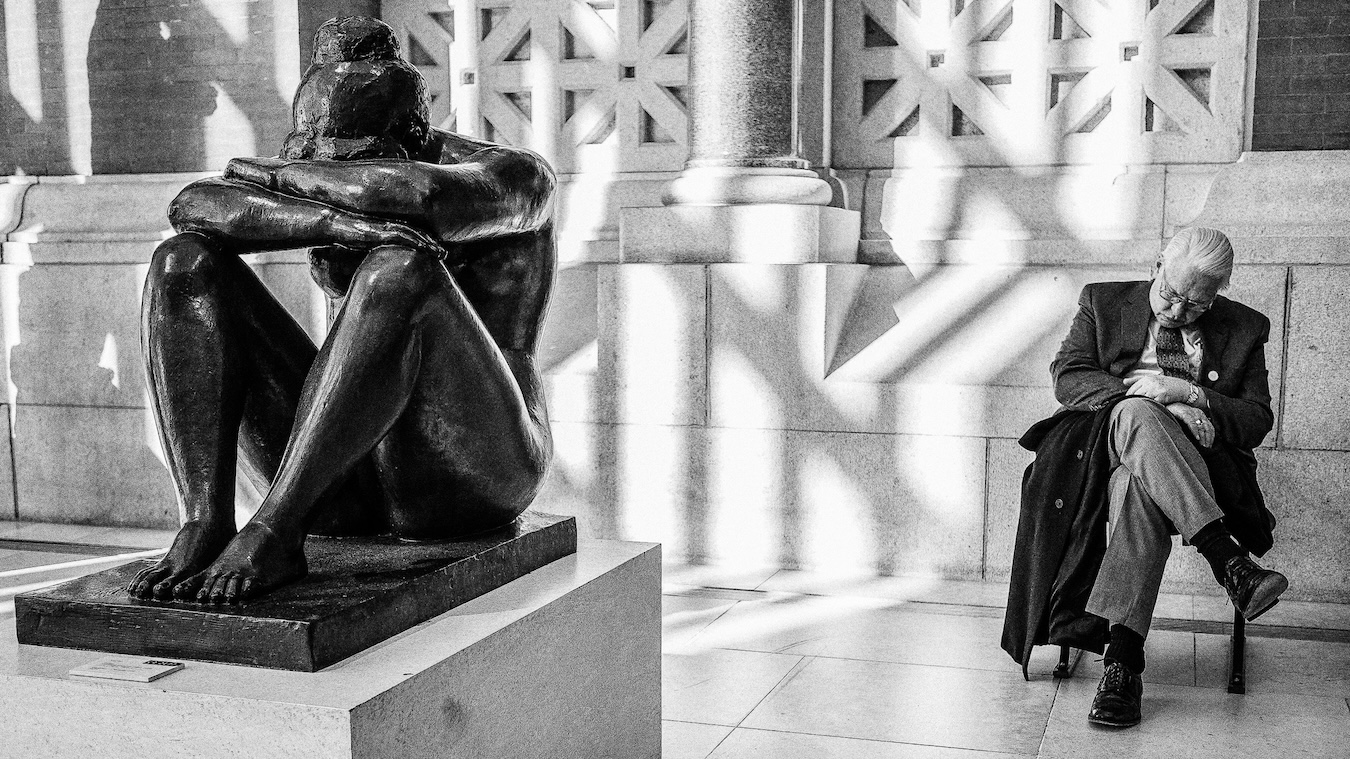
I have been a long-time reader of Macfilos because of the wide-ranging topics covered on the blog, as well as the many photography styles featured. The photographs and articles are often grouped by subject, or by medium used (film or digital, colour or black and white). But, can photographs also be grouped by differences in mindset?
The difference in photography styles goes beyond subject matter. I have recently noticed that the approach and mindset I adopt for one type of photography is distinct from the other. Was I using a different part of my brain for each distinct style of photography? Is there such a thing as a left brain and right brain photographic style?
The master and the emissary
In the book, The Master and His Emissary, British neuroscientist and psychiatrist, Iain McGilchrist, dives into the differences between the left and right hemispheres of the brain. He starts with a review of the physiological characteristics of the many regions of the brain, and the underlying structural differences between the left and right hemispheres.
At the level of experience, the world we know is synthesised from the work of two…hemispheres, each…having its own way of understanding the world — its own ‘take’ on it.
Iain McGilchrist
McGilchrist goes beyond the stereotype that the left hemisphere is the more “rational and logical” side, while the right the more “emotional and creative” side. He points out that both hemispheres are critical to different aspects of language, reasoning and creativity, which play an important role in helping us perceive and navigate the world.
Precision versus nuance
Nevertheless, there are differences in the way each hemisphere operates. The left hemisphere excels at grasping or acquiring — physical objects, ideas, precise descriptions. The left brain values precision, repeatability, and predictability.
The right hemisphere excels at perceiving the context of situations. It picks up nuances in communication, facial expressions, and voice tone. The right hemisphere evokes empathy, and is more open to making unexpected connections. It provides us with the capacity to appreciate humour and understand metaphors, as well as describe ideas and concepts.
Both hemispheres provide essential and complementary functions which have helped our species survive for so long. However, McGilchrist points out that over the last few centuries, humans have leaned more towards the left brain tendencies at the expense of the more holistic and nuanced right-brain capabilities. Consequently, human interactions as a whole have become less nuanced and more openly aggressive. In addition, modern cultural norms tend to over-emphasise and reward outcomes which are measurable rather than sublime.
A twist In the road
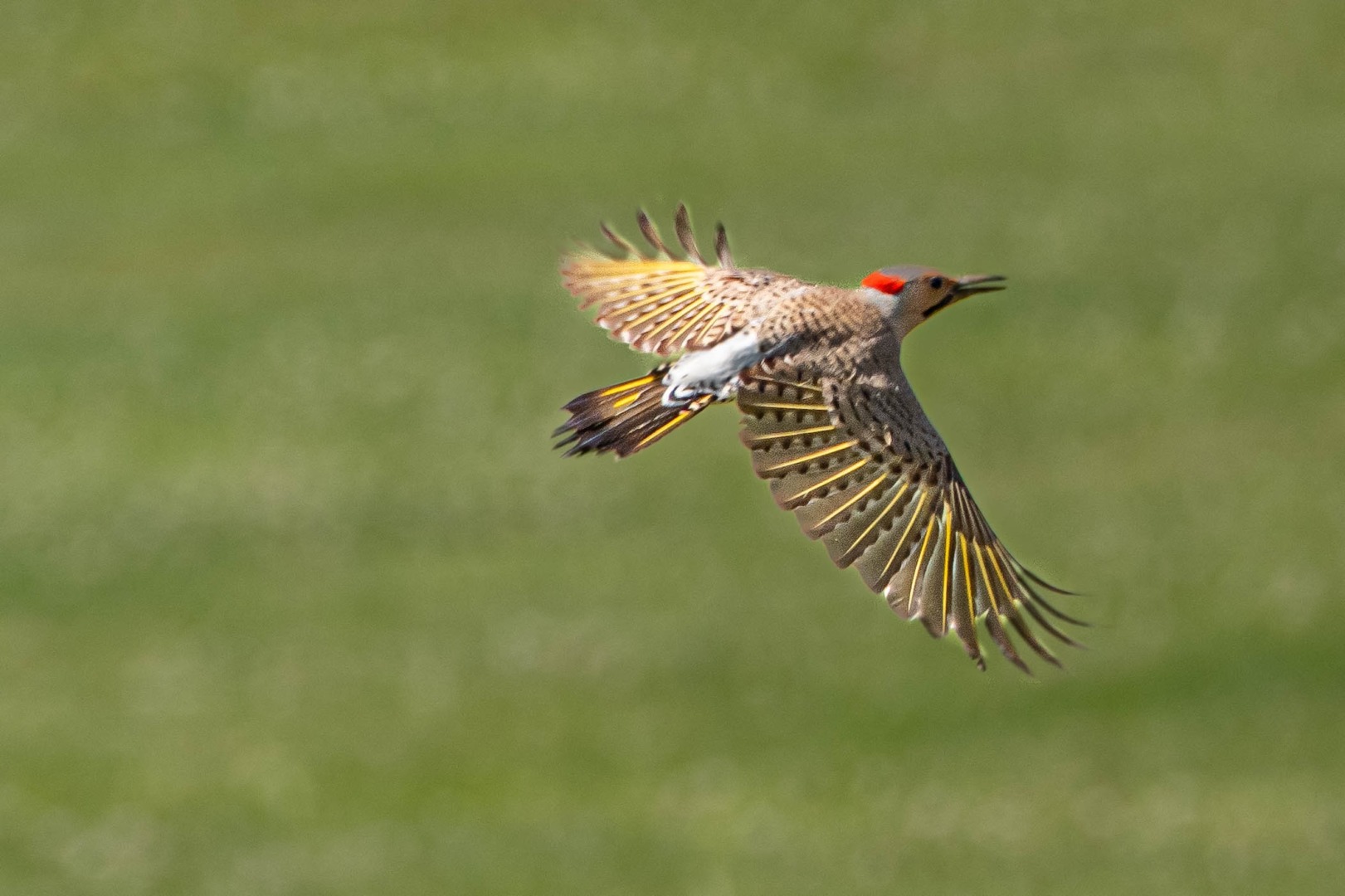
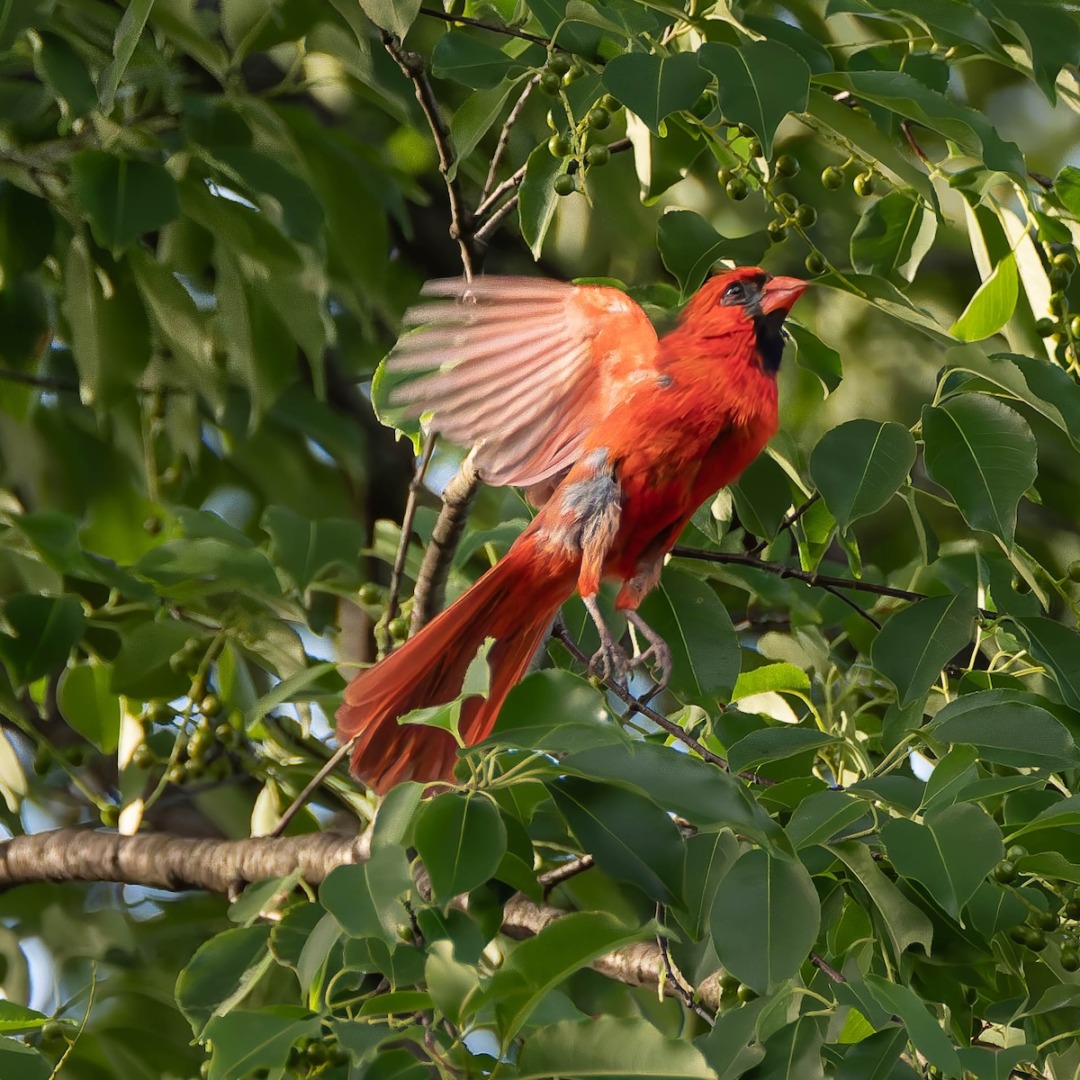
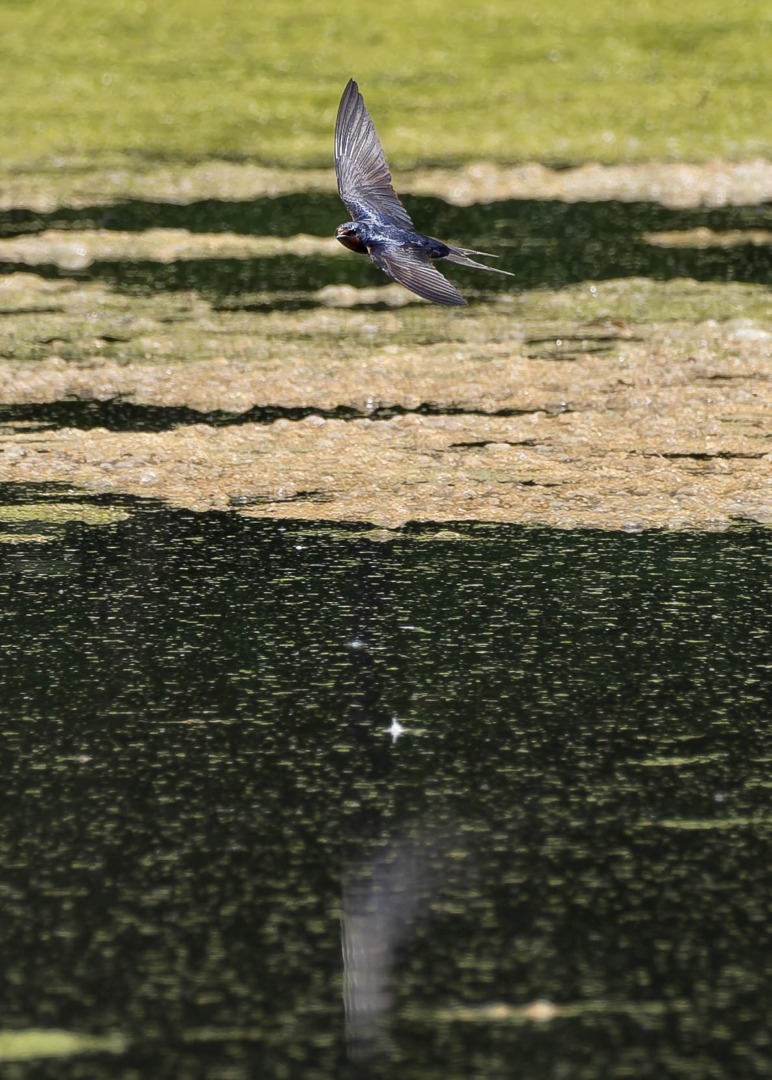
I thought about this after reflecting on how my photographic journey has taken a major twist in the last year. Ever since I got more seriously into wildlife and aviation photography, I have become better acquainted with wild bird behaviour, and have made the effort to attend more air shows. Additionally, I have found it rewarding to master new techniques which improve my tracking of fast-moving jets and erratically moving birds.
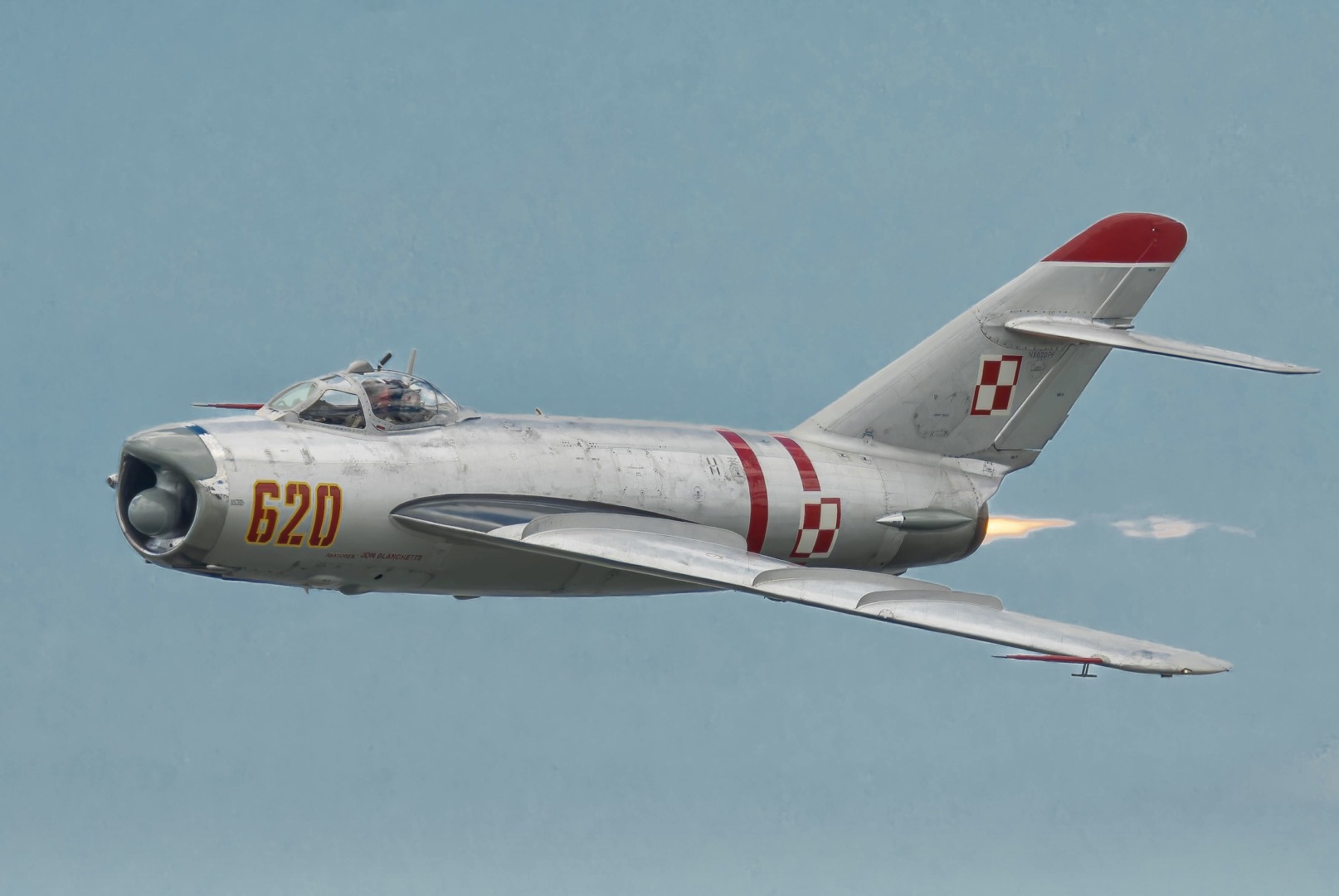
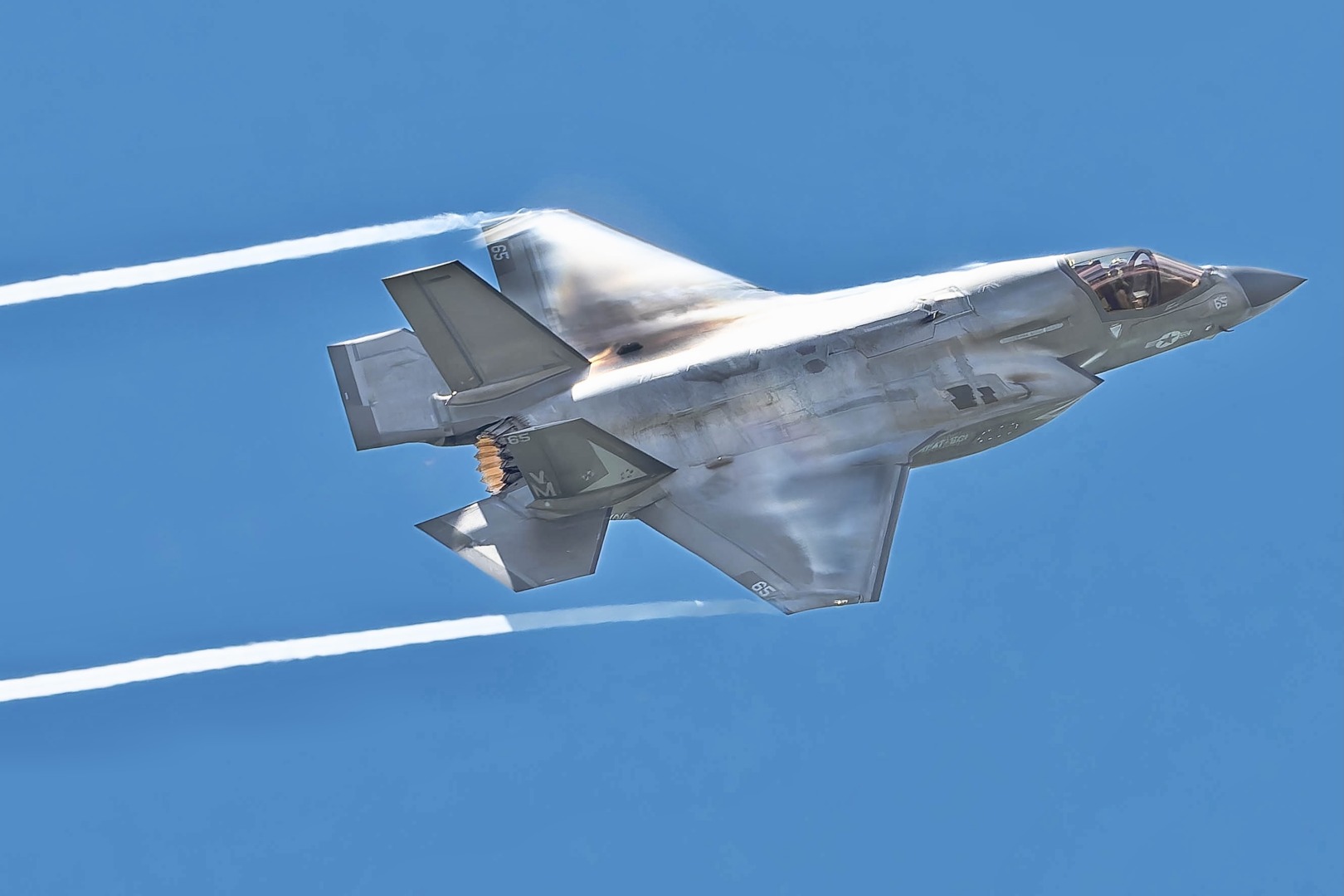
As a result, I have captured many good images of birds and aircraft in flight. But then I notice the words I have just used to describe the experience: “tracking”, “shooting”, “captured”, and I can’t help but think that this type of photography is so different from the street and documentary-style photography I have done for most of the last fifty years.
The mental strain of lying in wait
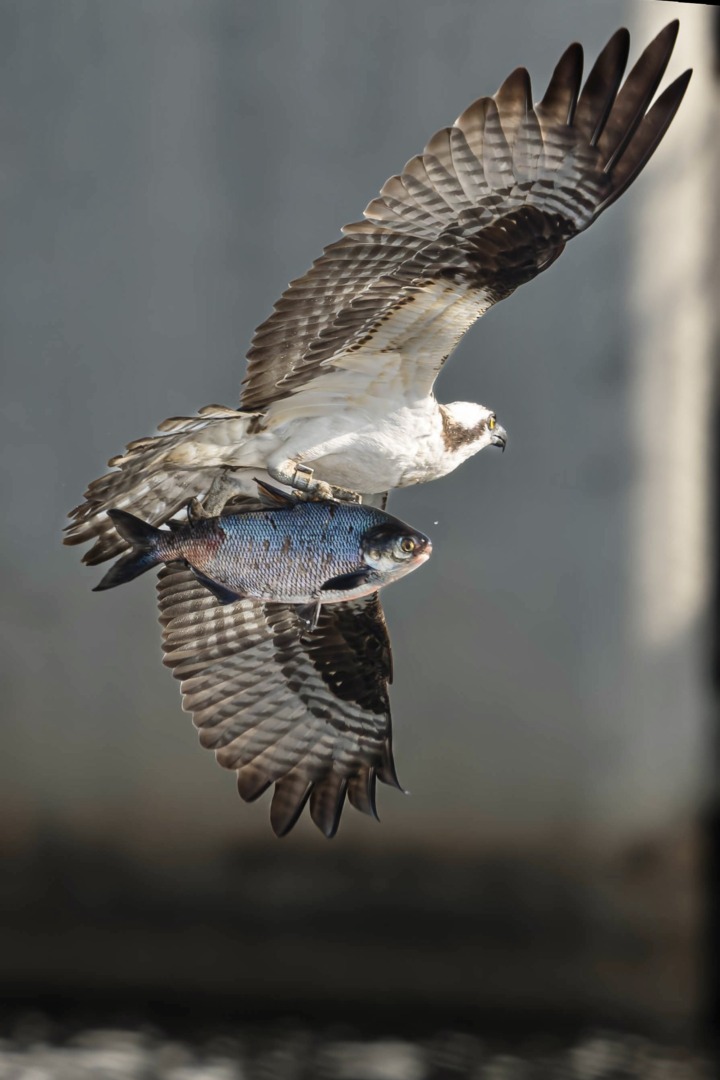
When I am out in the forest, standing around for hours in the cold, waiting for an osprey to dive and catch its morning meal, I feel like a sniper waiting for a target to present itself. When I am out all day in a crowded airport, scanning the skies for the next air show performer, I feel like I am a soldier defending a critical target, always at the ready, and in many respects, I am.
I am mentally exhausted at the end of a long shoot day. And I feel a bigger sense of disappointment when I have not captured many good images from all that effort.
Going with the flow
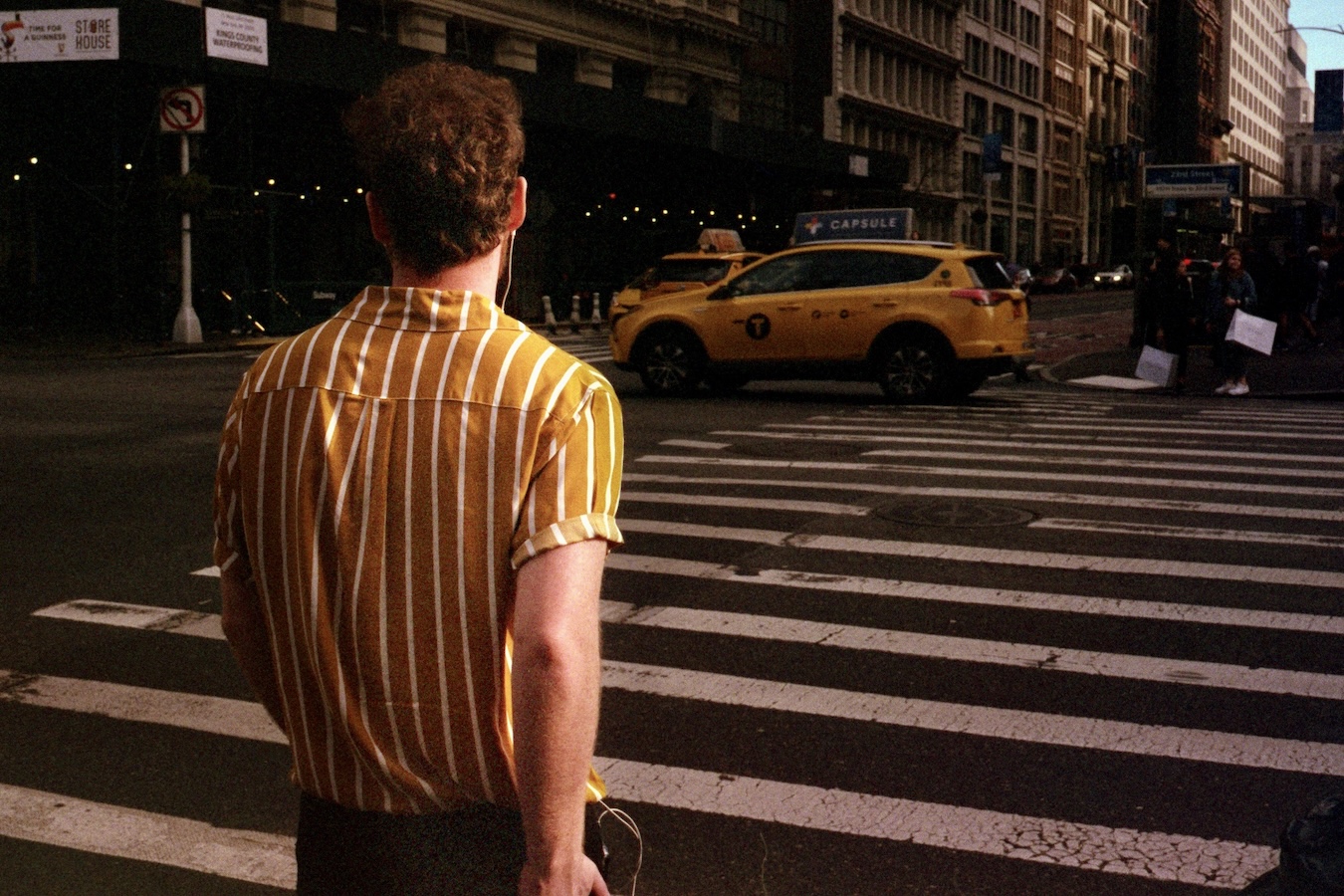
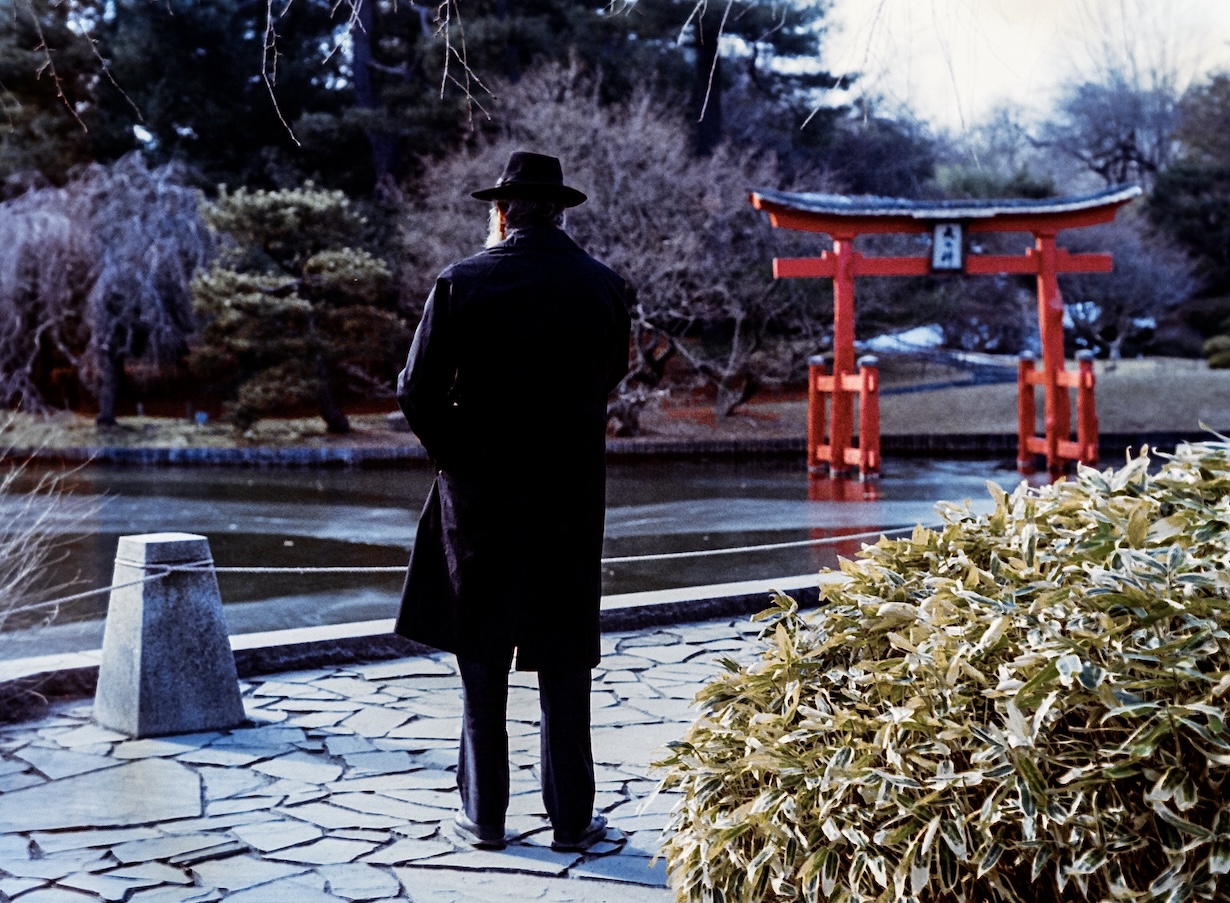
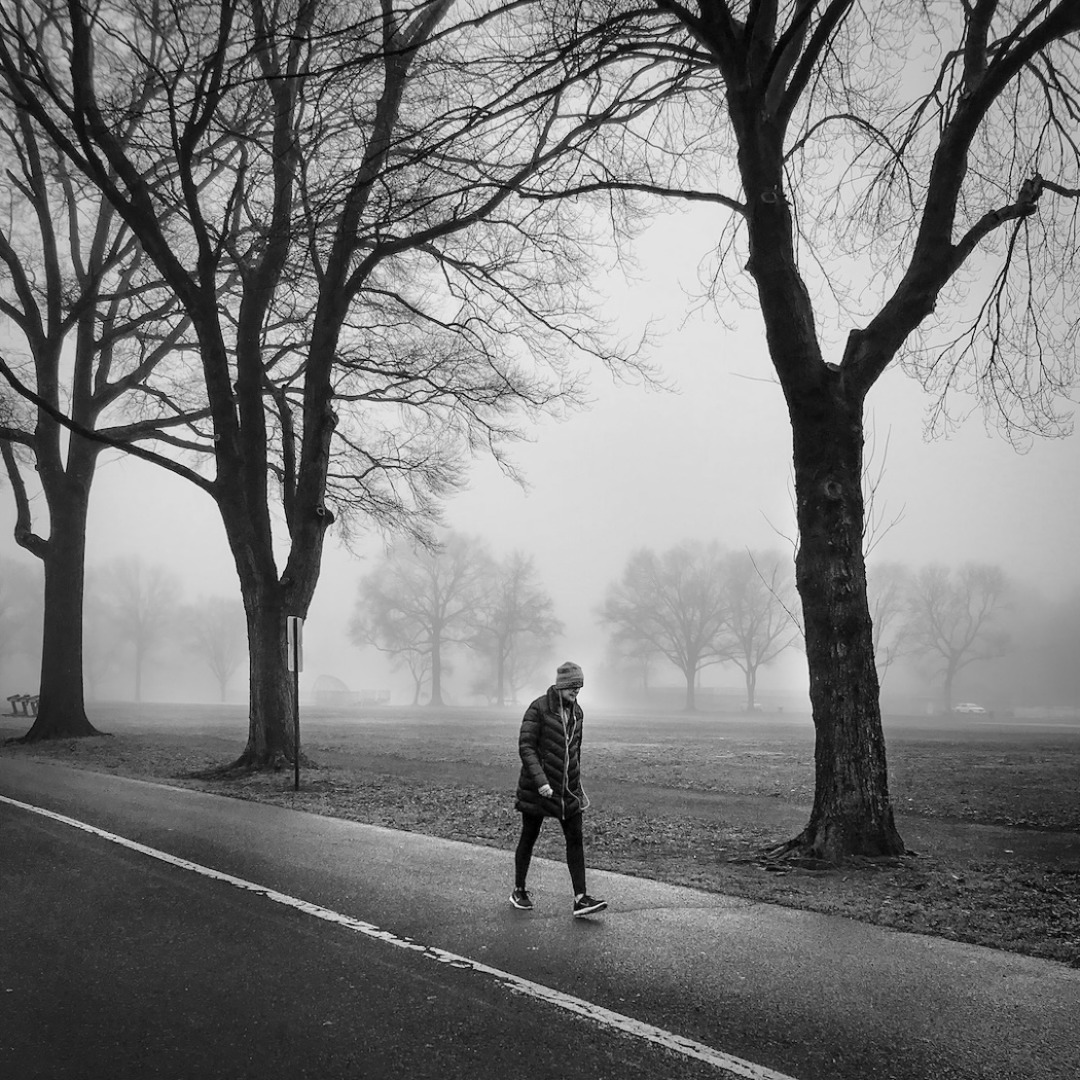
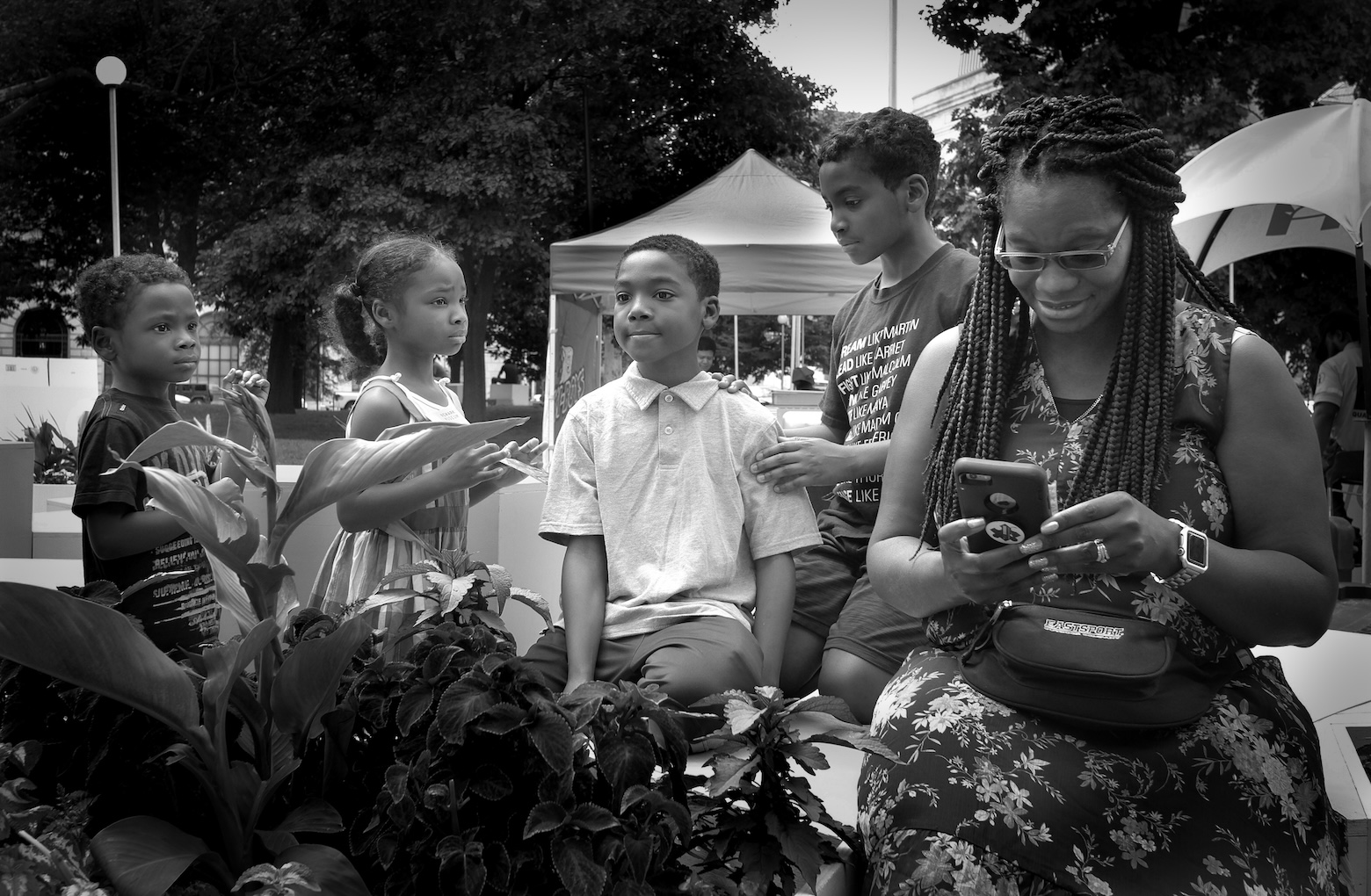
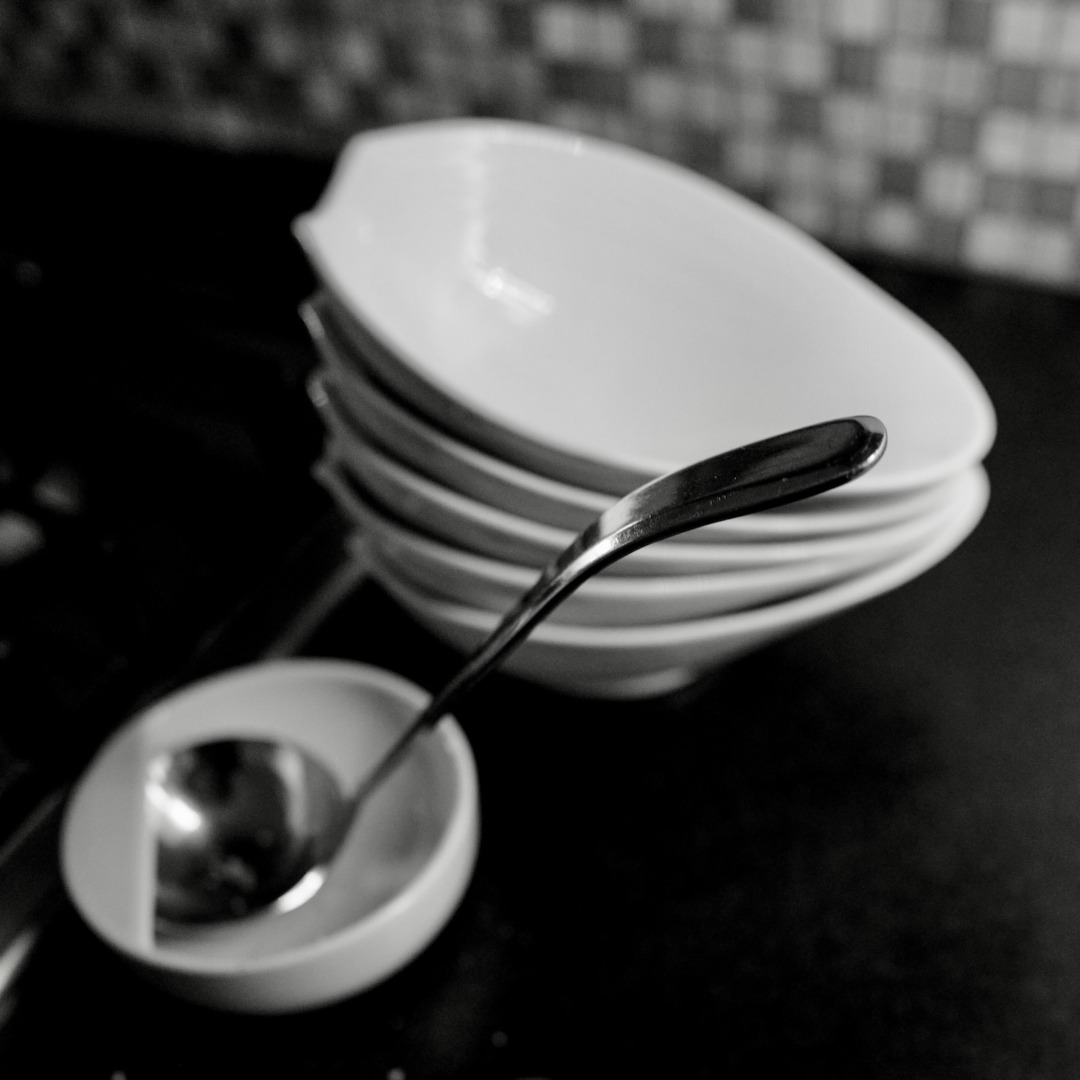
In contrast, when I am out and about walking the streets of a major city or around my neighbourhood with a camera, I have no real agenda. I have no idea what to expect, and I have no set outcomes in my head about what types of photos I will shoot that day.
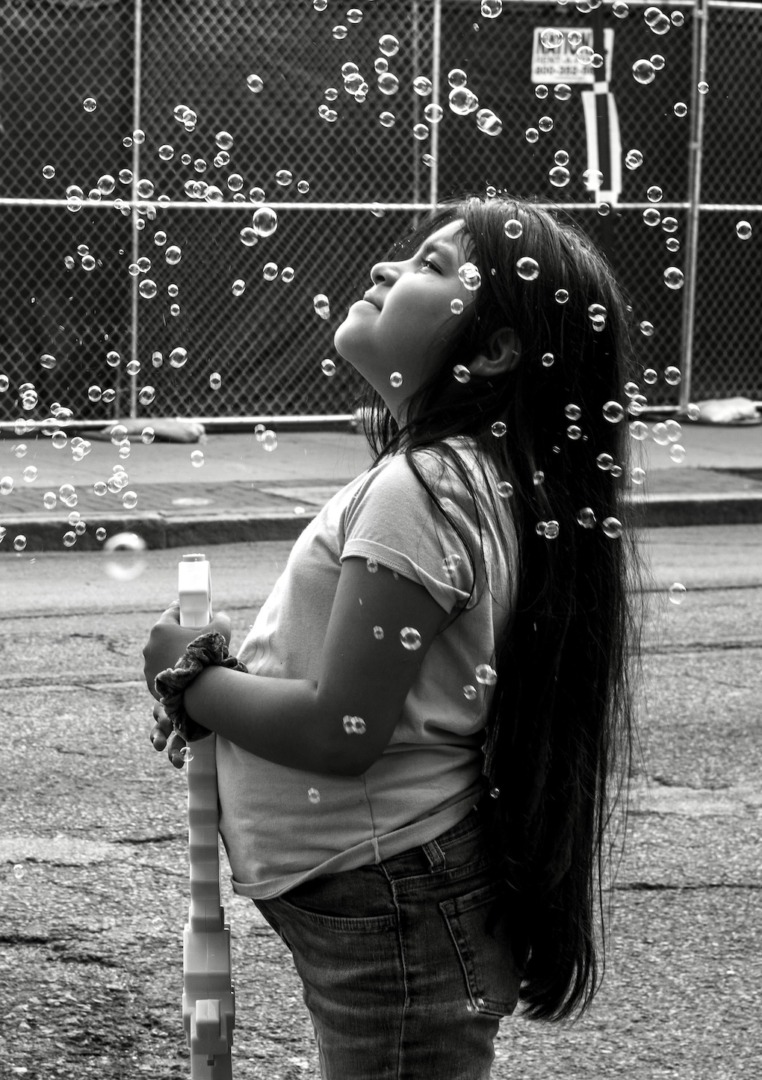
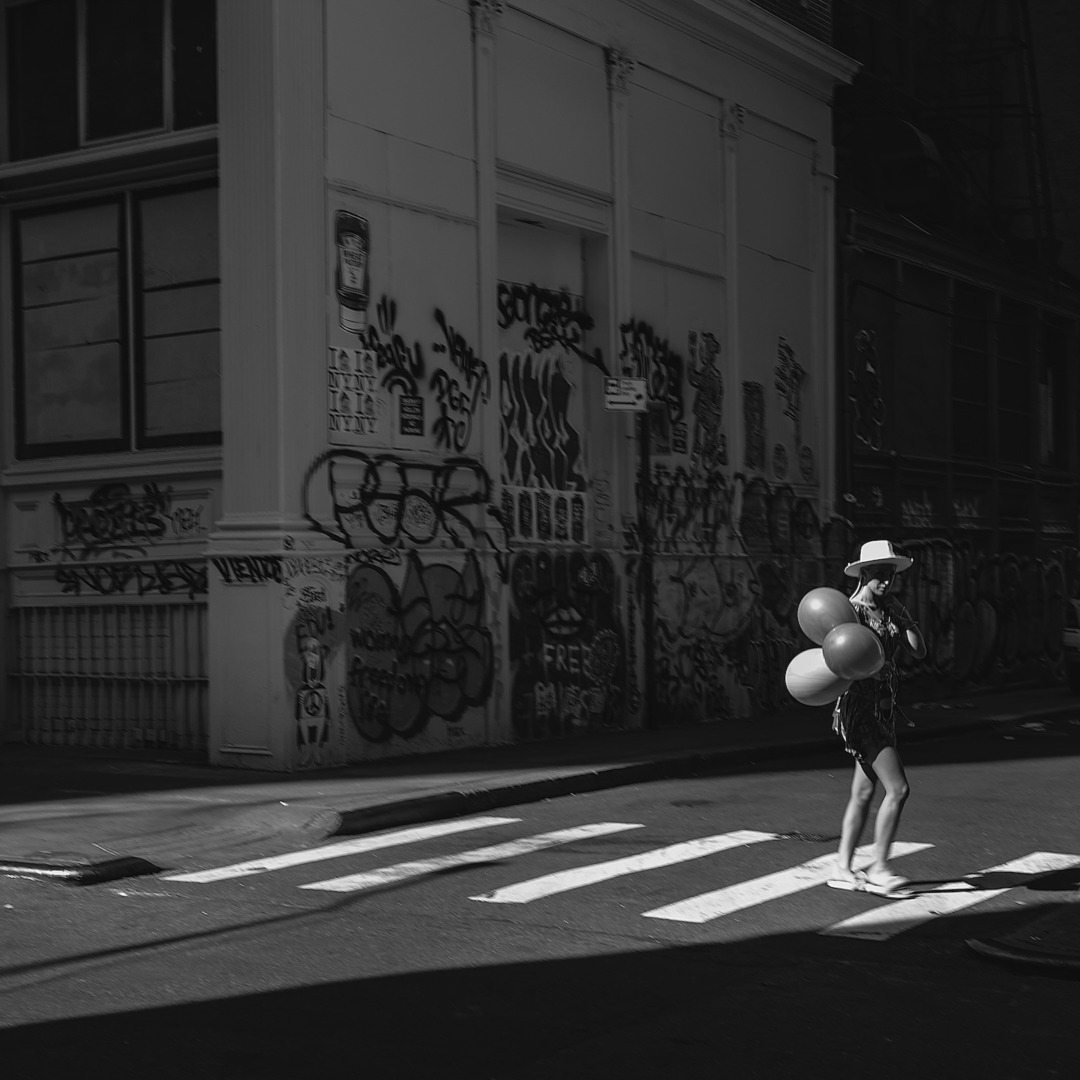
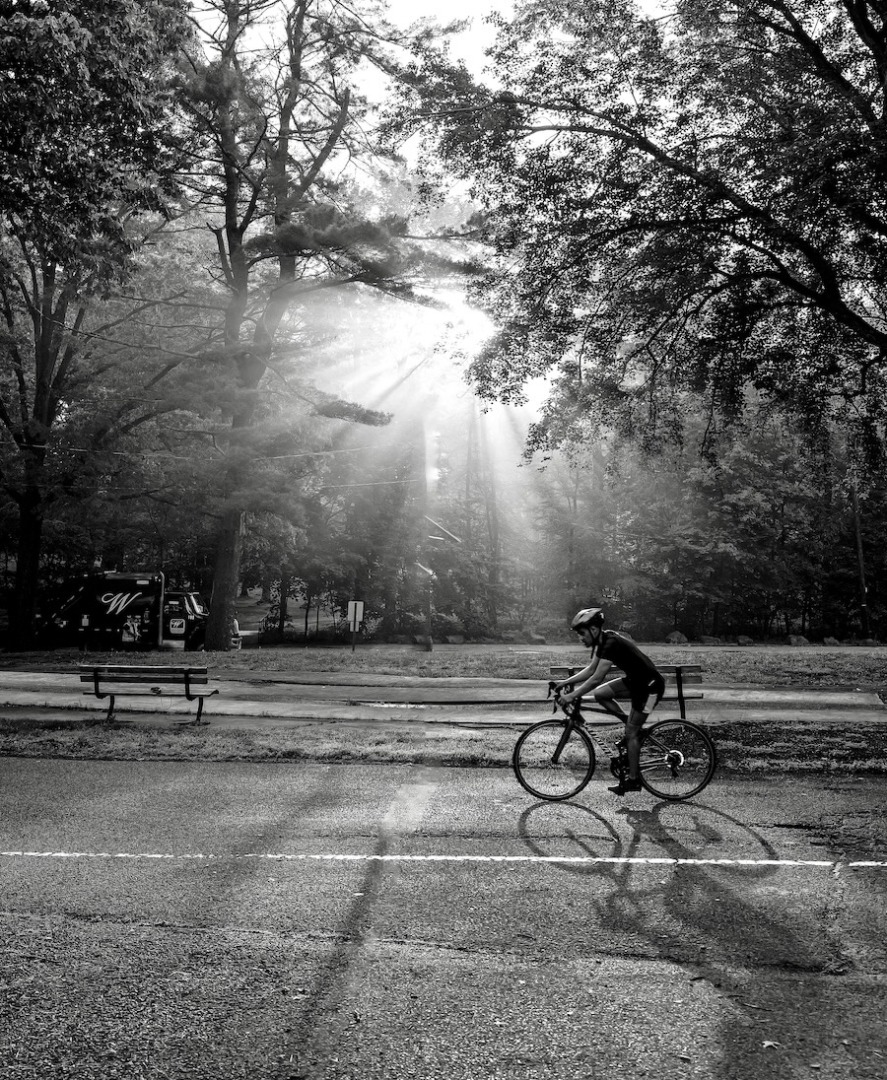
I try to be open to whatever comes my way. Yes, at the end of the day, I am physically tired, but not mentally exhausted. I have been strolling, observing, immersing myself in the city’s environment, and ruminating all day, not hunting or targeting.
When I check the images later on, and there are no photos that catch my attention or make me laugh, that’s okay! There will be another day. And I had a good stroll and got in some cardio steps anyway.
Hunting and targeting
So, yes, I believe there are left-brain and right-brain photography styles, at least in my personal experience. Wildlife and aviation photography seems to me more of a left brain photography style since it requires precise, repeatable skills, with clear “targets” to photograph. And, there are very narrow definitions for what makes a good photograph.
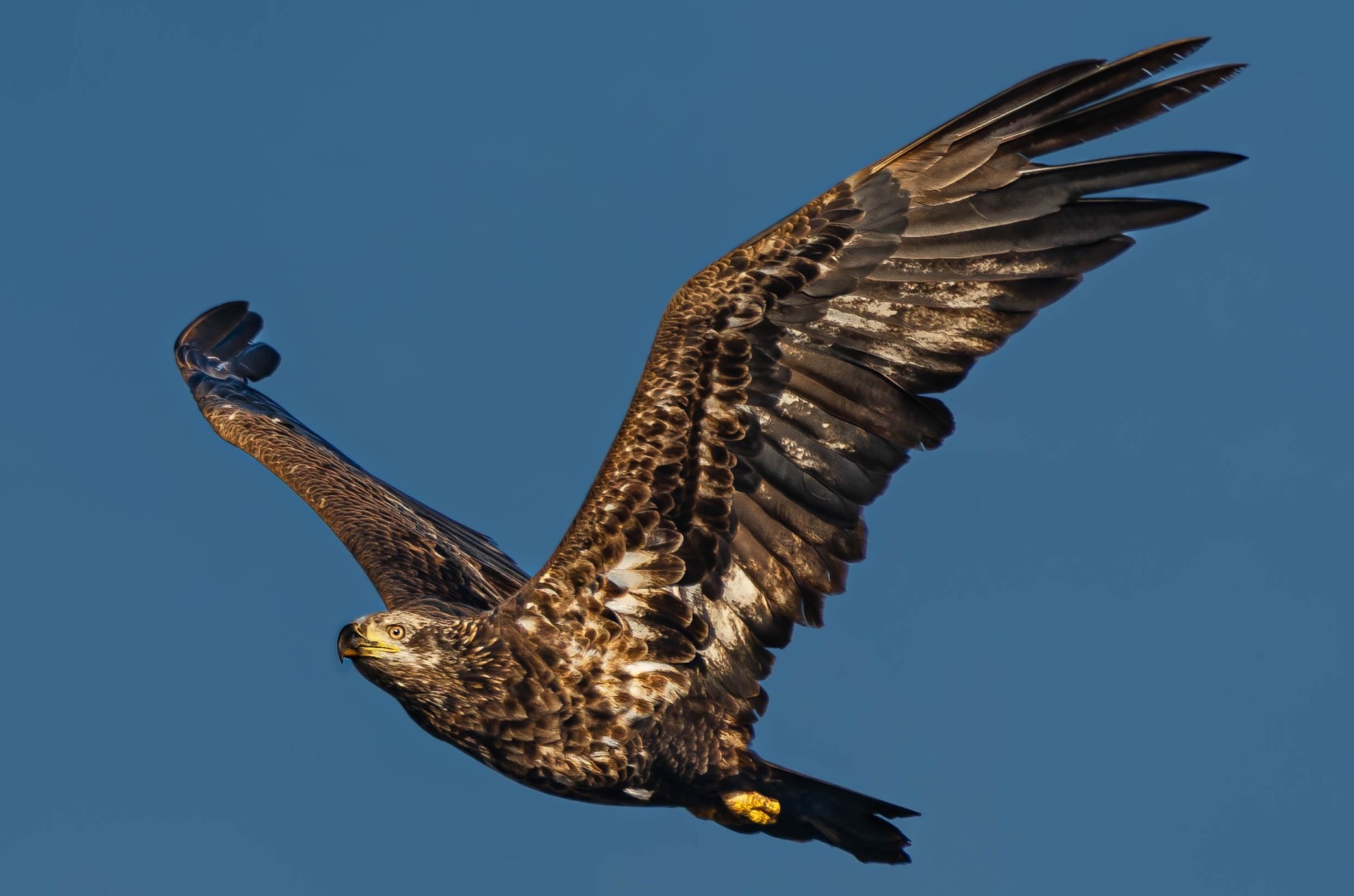
These include tack-sharp, super close-ups of a raptor’s beak, eyes, and talons grasping a bewildered fish, or extremely detailed cockpit views of a steeply banked military jet, with vapour trails streaming from the wing roots of the aircraft. In addition, the photographic kit required to capture these types of photographs is “hunting-adjacent”, with long lens barrels, many covered in camouflaged skins, mounted on massive metal bodies.
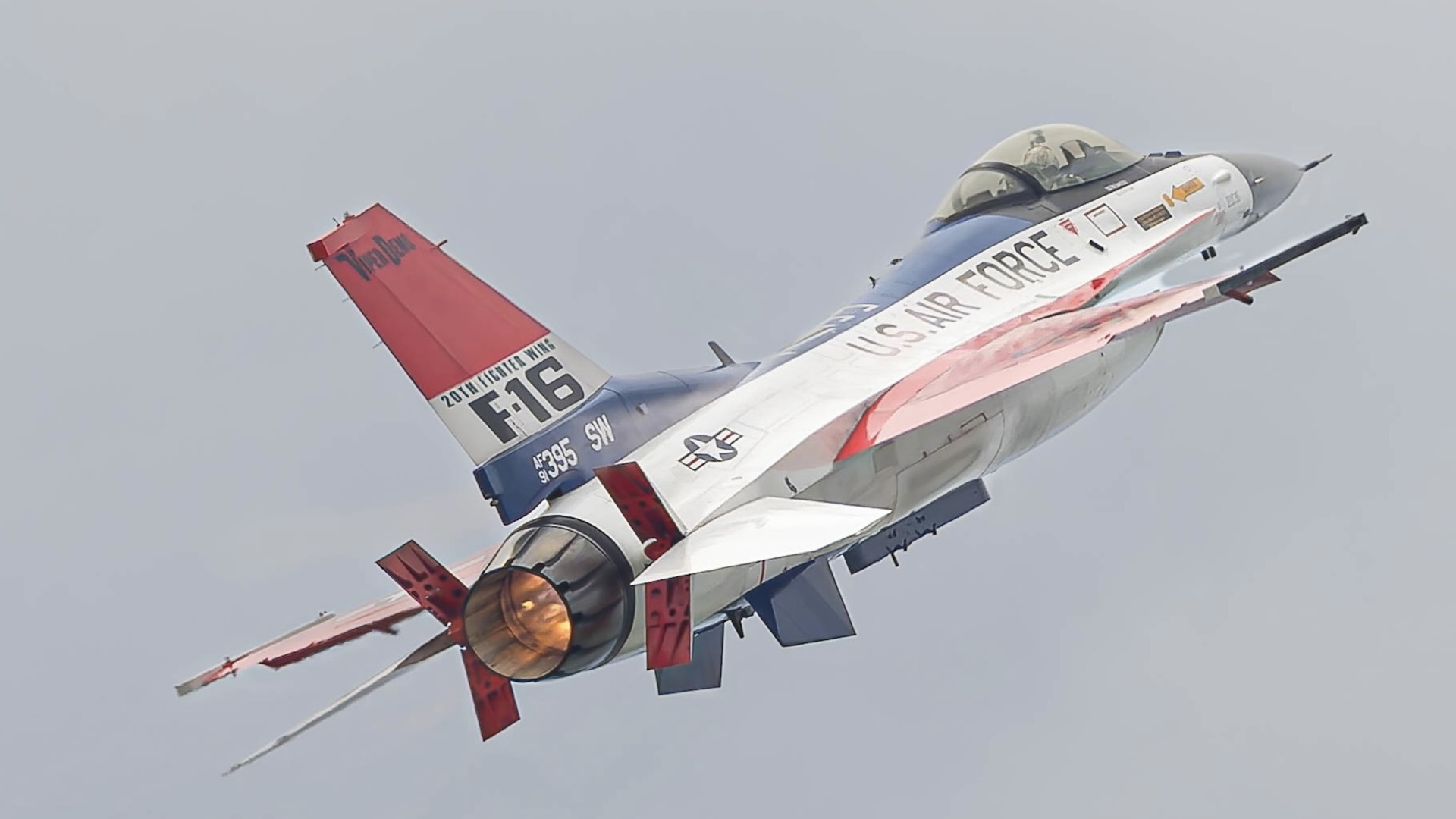

A subtle affair
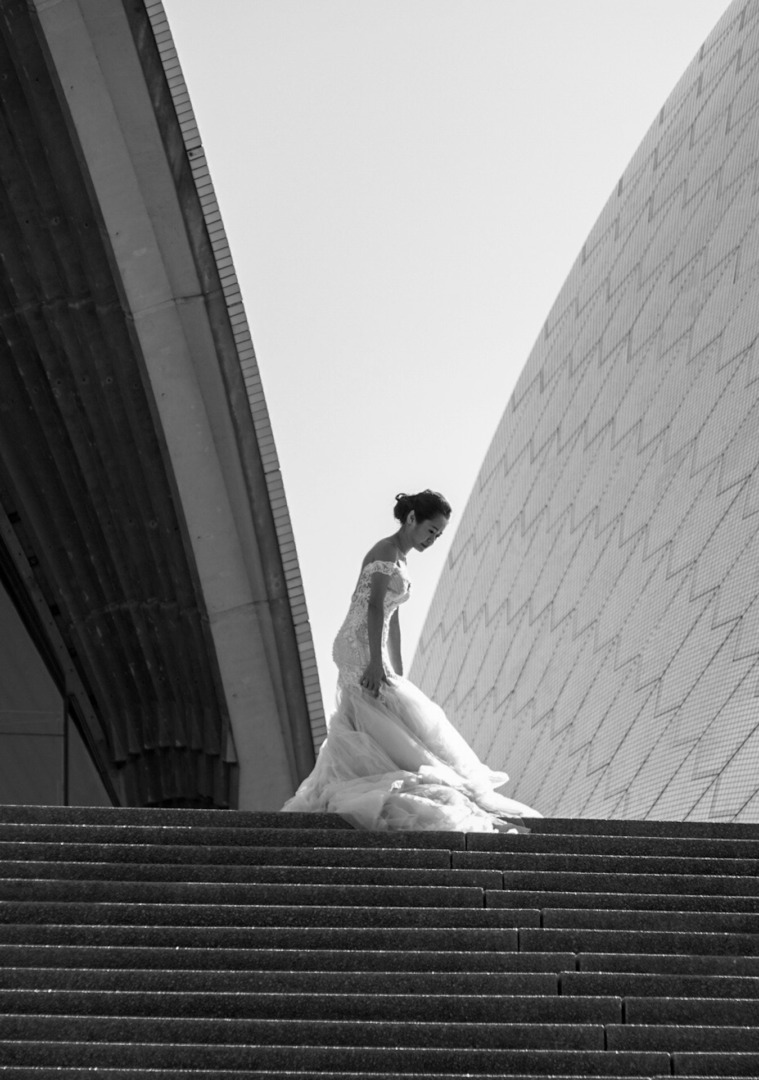
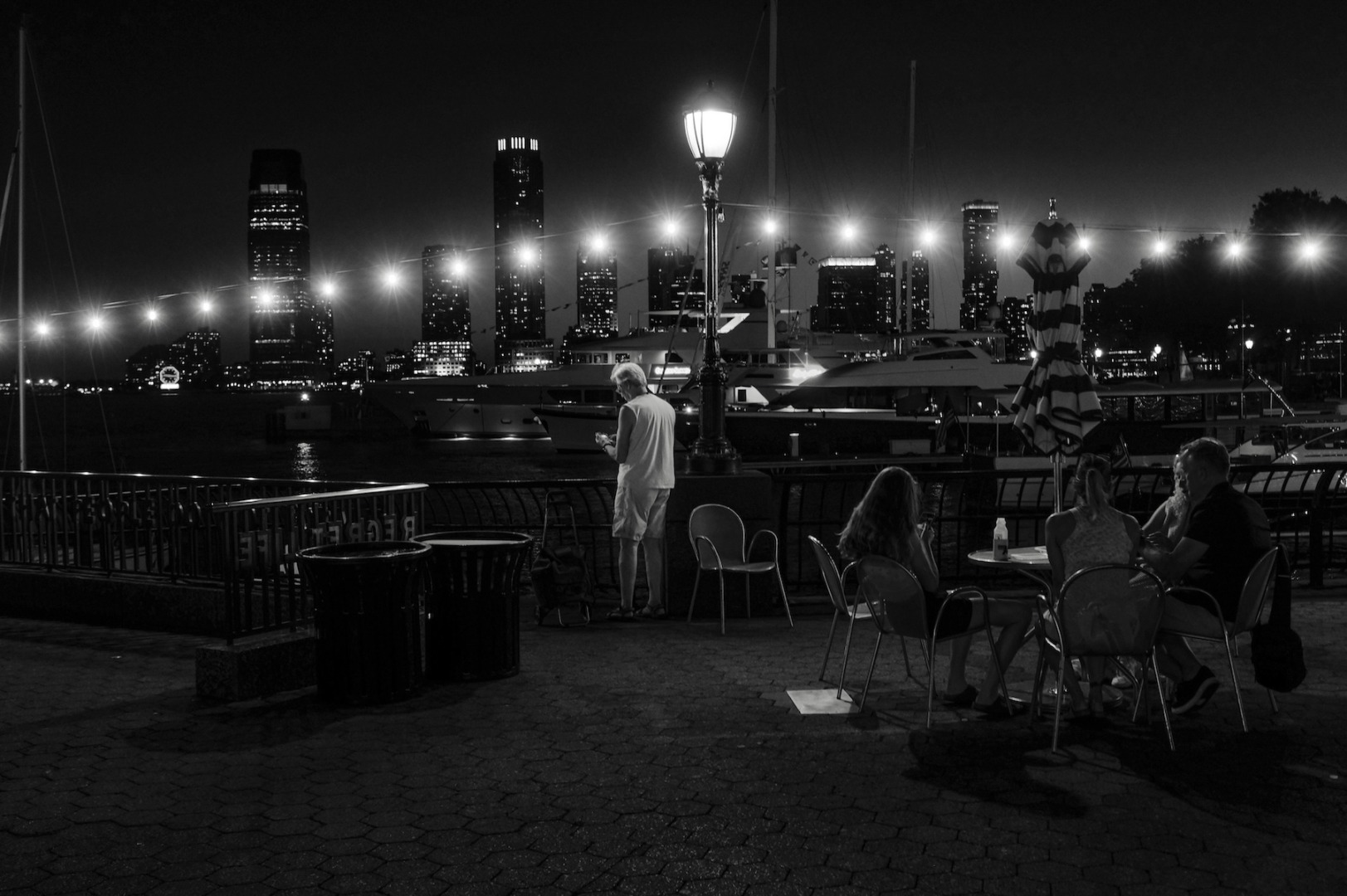
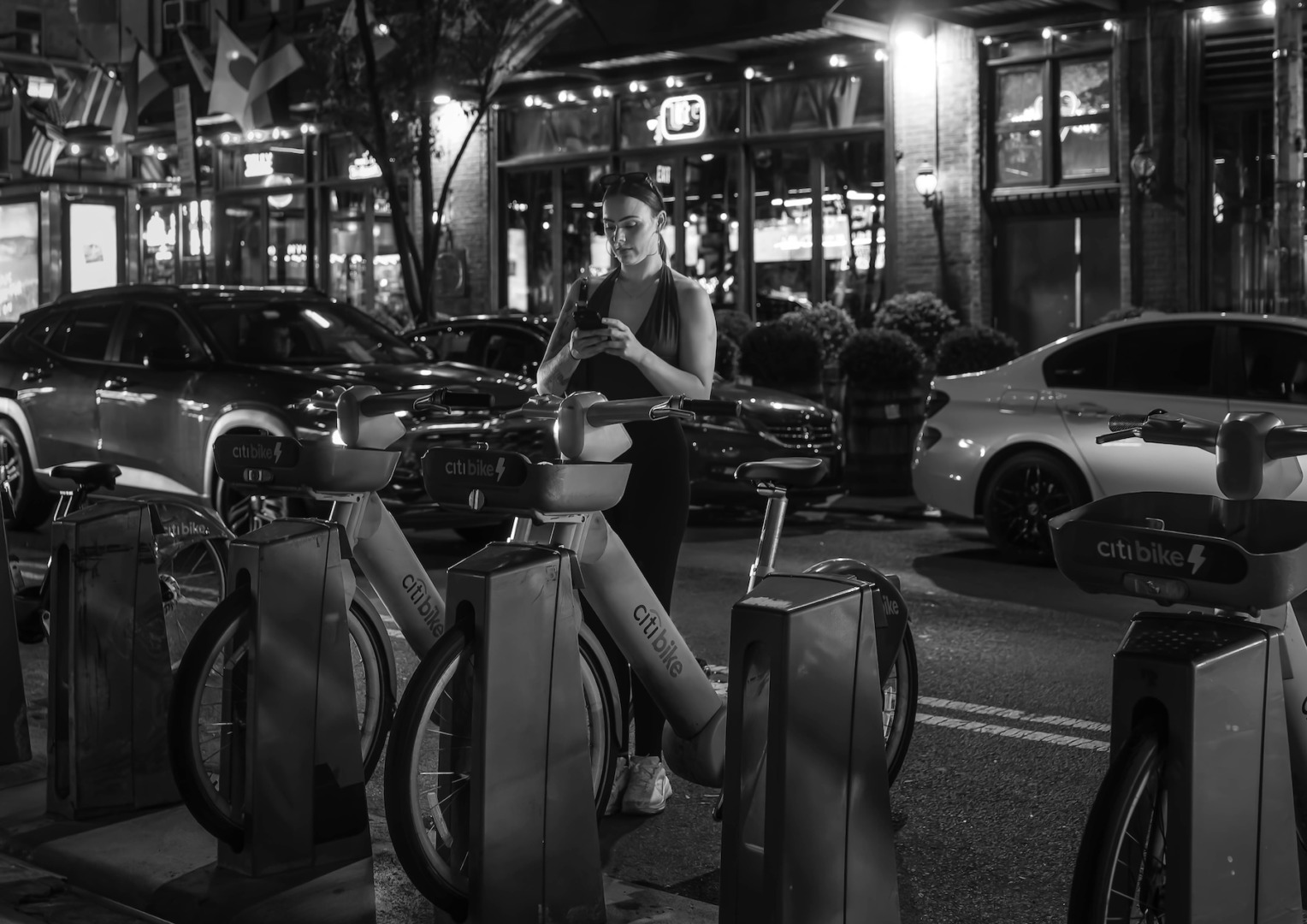
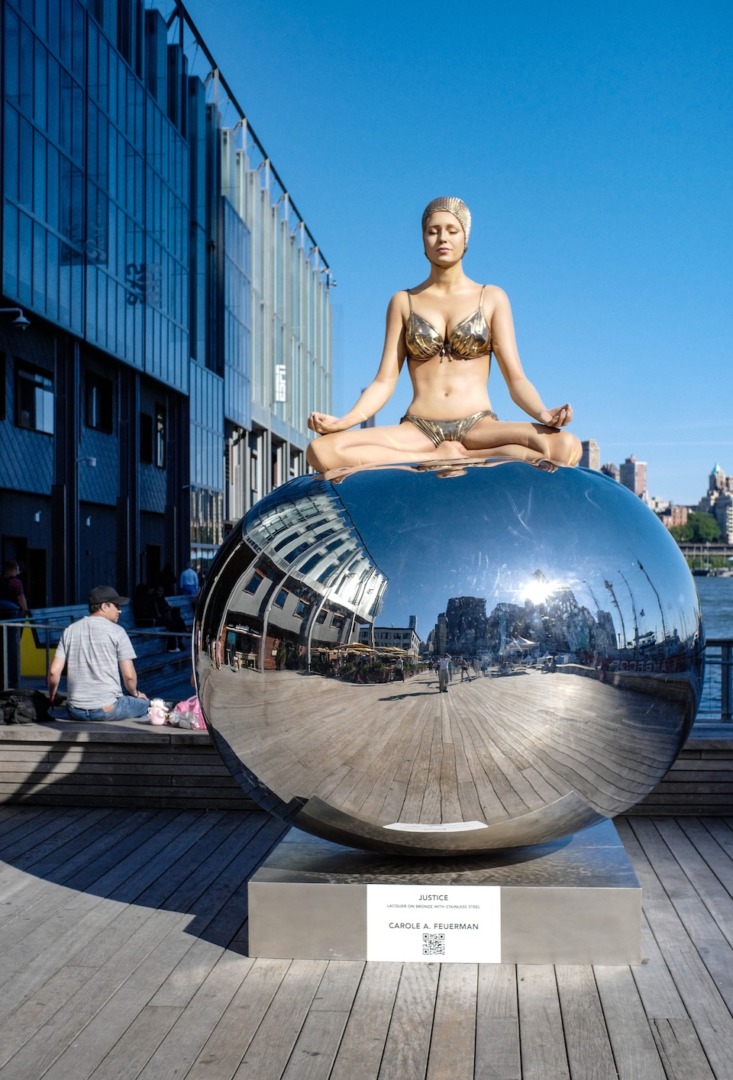
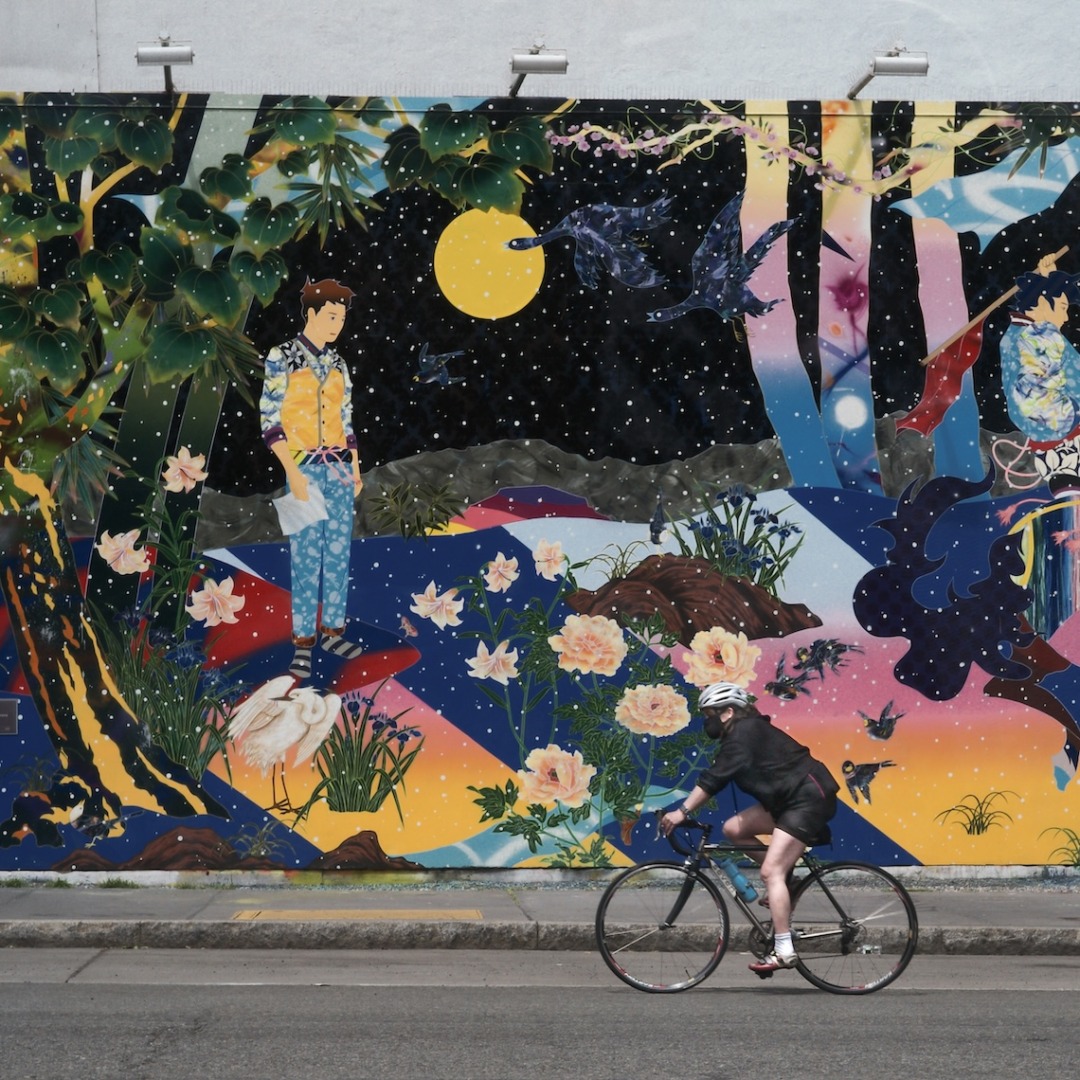
Street and documentary photography are more subtle affairs. It is important to blend into the environment and be as unobtrusive as possible. As a result, kit tends to be more compact. This is the preserve of the fixed-lens wonders like the Fuji X100 series or X70, Ricoh GRs, and Leica Qs, as well as the granddaddy of all street cameras, the Leica M.
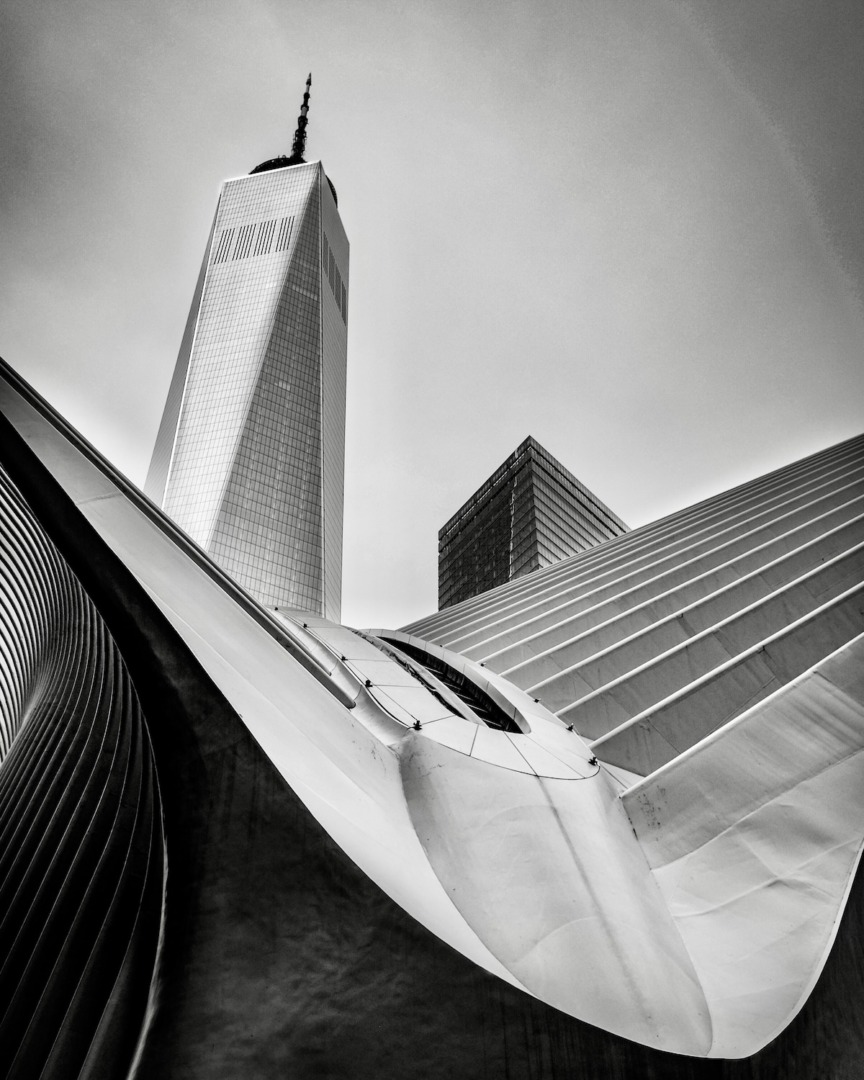
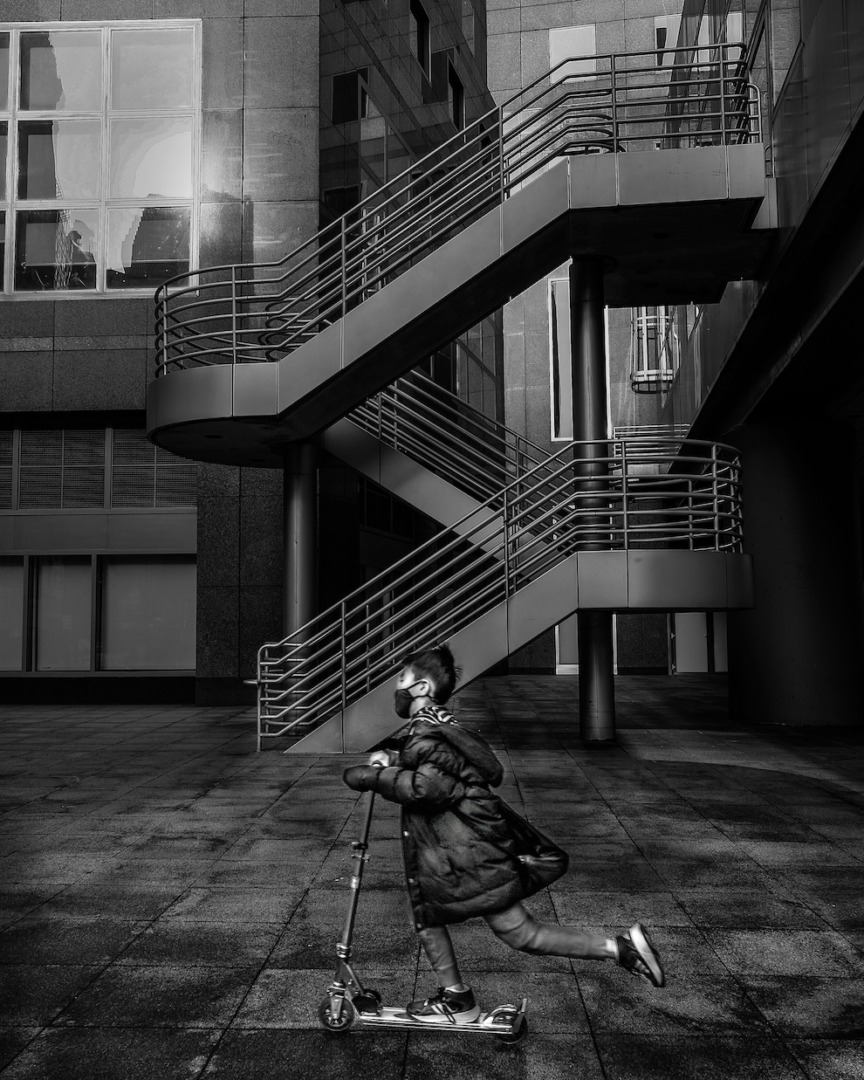
Street photographers seem to have a “sixth sense” for seeing a photo emerge amidst the ever-changing juxtaposition of people, urban landscape, and light. And, their techniques for focusing, framing, and tripping the shutter are as fluid as the personal styles and cameras. What defines good street photography is as varied as the situations photographers choose to record.
Two sides of the same photographic coin
One approach is not better than the other; horses for courses, as they say. I have learned a more left-brain photographic style later in life, and I appreciate getting outside my comfort zone. But, I need to recharge my psychic and creative juices by returning to the more right-brain realm of street and documentary photography that I have loved for so long. Ultimately, both types of photographic approaches come from the same wellspring of curiosity about the world around me. Regardless of which hemisphere of my brain I use, I truly enjoy taking photographs.
What do you think? What has your experience been? Do you tend to gravitate towards a more left brain or right brain photographic style?
Make a donation to help with our running costs
Did you know that Macfilos is run by five photography enthusiasts based in the UK, USA and Europe? We cover all the substantial costs of running the site, and we do not carry advertising because it spoils readers’ enjoyment. Any amount, however small, will be appreciated, and we will write to acknowledge your generosity.
Comments: Please add a comment to this article. Our comments section is a thriving community and everyone is treated with respect. In addition, please identify yourself (and add an email address, which will not be published, if you would like to see answers to your posting). Our system will automatically delete any “anonymous” posts on the basis that they are likely to be spam.
I use both hemispheres, and I agree that they complement each other. Perhaps surprisingly, though, I find the left-brain approach more relaxing, simply because the analytical process feels much easier to me.
Thanks, Samuele, i fully agree!
I think that in years past, photography required a lot of left-brain thinking because the technology wasn’t so advanced, and we had to make up for it by being clever. Nowadays, it’s so much easier to be a right-brained photographer, to the degree that a lot of left-brain thinking is actually kind of brain-damaging and harmful. We chase ever-more technical perfection in our gear, but our photography doesn’t seem to get better.
In all, you’ve written a compelling (and vulnerable) take on wildlife photography. But it pains me a bit to read it. If taking pictures of birds is so exhausting, are you trying too hard? I remember the joy of just driving around the Western Washington coast, walking around, and catching whatever I had managed to bump into. It was one of few bright spots of the time that I spent there. Nowadays I only have a cheap pair of bins because that’s all you need in NYC.
Do we “have to” take a good shot? Why do we even have to take a good shot in street photography? If I were privileged enough to live out my life in this country I would’ve gotten a “real” birding lens, but I’m not, so I’ve scaled down on that end. But if I had to get a good shot of a bird, I wouldn’t go about just doing it myself. In this day and age, I’d tether a Canon R5M2 to a lightweight Arm-based machine running a dedicated birding model on Jetson-class hardware, and let the machine hunt the pictures for me. There’d be separate cameras to do wide-angle volume-search, whereas the 600 f/4 lens takes the “good” shot. If I had to go left-brain about it, I’d go all-in left brain, and the fun would be had in making the quadruped bot do more of the legwork that I would otherwise have to do. I could go on and on about it, about how the economics ultimately favor having a large number of smaller drones handle the volume search, target identification, and mapping, because the wide-aperture telephotos required to take the good shot are brutally expensive as well as large and heavy, etc., etc., but, it’s not the life that I was meant to live.
Arthur – agree with your point that back in the day when photographers had to work harder at getting the basics right, photography was likely more of a left brain exercise. That said, once you got the basics of exposure and focus right, I believe moat photographers could then shift to more of a right brain approach.
With regards to the effort and exhaustion required for the bird and aviation photography I love to do, I see that as part of the process; I take special satisfaction in knowing I still have to put in quite a bit of physical and mental effort and patience to get satisfying photographs of such subjects.
Thanks.
Ed
I was fascinated by this article; thank you for this slant on the creative side. I was additionally excited to read this as not only is a close friend an avid fan of IKMcG’s books and lectures but also I was at school with him in the early 1970s.
Thomas- thanks for your comments, and what an interesting coincidence that you are a friend of Iain McGilchrist. His book has had a big influence on me, and not just in the area of photography.
Cheers.
Ed
YES!! I’ve not seen photography described this way before, but it rings true.
In my engineering career, I am mostly a left-brain guy. When I look back at my photographic life, I approached it primarily from a left brain perspective for the first half. But for the last half, I have flipped to the right brain. I have been aware of the change, but the only language I have used to describe it is something like “developing an eye for good images”. I see colors, shades, shapes, and textures come together in a way that just draws me to capture the image. Although I am aware of such compositional tools as rule of thirds, leading lines, and selective focus, in practice it is seemingly intuition that guides me.
Thank you for sharing your ideas and images.
Martin – thanks for your comments, and I am glad the theme has connected with you. I, too, was in mostly left-brain corporate jobs for many decades. The “right-brain” photography I enjoyed so much during that time (and still do) was a way to relax and exercise the more intuitive parts of my personality. Thanks again!
Ed