
Over 60 years ago I worked with Don Morley, a life-long Leica enthusiast, a professional photo journalist of repute and an outstanding photographer. In those days, he was one of the staffers at Dorset House, home of a multitude of technical magazines including Amateur Photographer, Flight, Autocar and The Motor Cycle where I was a young journalist. I was the bane of his life, constantly asking for ever more impressive riding shots of the latest Triumph or Honda as I circled the roundabout at the southern end of Waterloo Bridge.
This article is based on a Macfilos story published in February 2014. Recently, I asked Don if he could send me images from his career. He enthusiastically agreed, and a couple of days later a WhatsApp file appeared on my computer screen. It contained over 120 images. You can follow the story below.
I was at an impressionable age, and developed an early love of photography. However, this was a black-and-white world where magazines were produced using metal type and “halftone blocks” which transferred the results of the photographers’ labours to paper. As a result, I have never lost my love of monochrome photography and still believe that a good black-and-white shot can tell a story more effectively than colour.
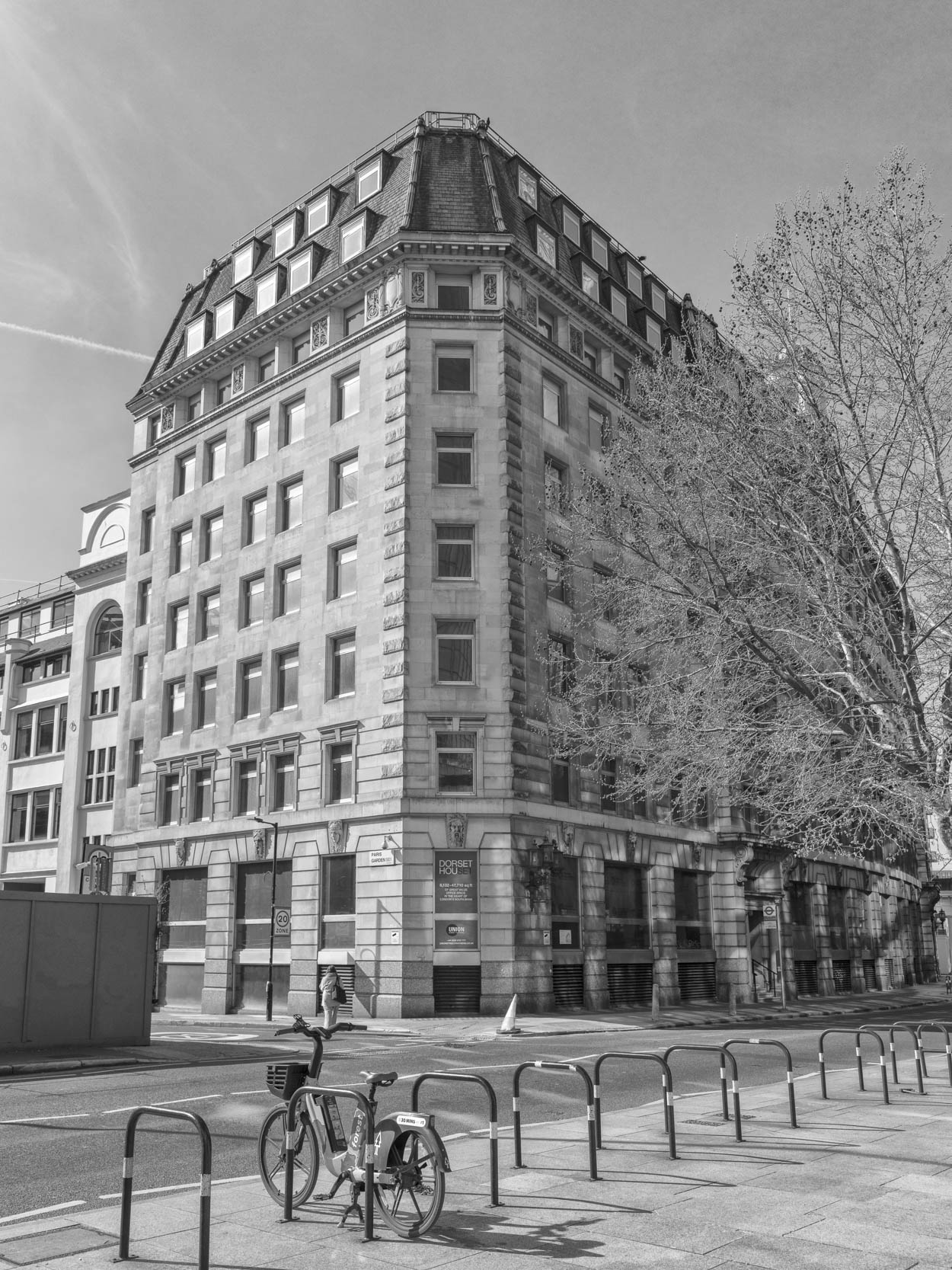
Dorset House
At the time, in the early sixties, Don was a member of the team of photographers which served most of the magazines published at Dorset House. We both eventually moved on, but we kept in touch over the decades and, when I turned back to Leica with Macfilos in the 2010-2012 period, I was delighted to find that Don was such a pillar of the Leica community.
Recently, I asked Don to give us an insight into his Leica life as well as a brief overview of his glittering career in photo journalism.
Don takes up the story…
“My passion for Leica’s started in 1952 with a Pre WW2 Leica 11 and 50mm f/2 Summar with which I covered the British GP (Cars F1) at Aintree which the great Argentinian Driver Fangio won beating Stirling Moss.
This led up to my being able to buy my first and most loved Black Dial 111f and 50mm f/1.5 Summarit, followed by a 90mm Elmar and 135mm Hector then later my Visoflex 11. But it was the Leica 11 which started it all.
“Of course, screw-mount Leicas, with their twin tiny finders, one for focus, one for composition, were hardly the best choice for fast-moving events. I solved the problem by inserting a wad of silver cigarette packet lining paper into a centre-track cavity before the start of racing. All I had to do was focus on the silver paper and wait for a car or motorcycle to pass the focal point. A bit cack-handed, but it worked time after time…

Leica disaster
“One day, however, my cameras met disaster. I was standing on a mound at the trackside during a vintage car race at Oulton. Suddenly, a 1920s racing Bentley left the track and ploughed into my perch. I was OK, but my precious Leicas disappeared into the rubble. One was recovered, intact, but the second IIIf had clearly gone to the great camera museum in the sky.
“A replacement had to be ordered from Germany, which wasn’t easy in those days and required numerous permits and string pulling. Imaging my surprise, then, when the new camera arrived, and it wasn’t a replacement for my beloved IIIf. No, it was the new-fangled IIIg with its much larger viewfinder alongside the smaller focus window.
“I hated it and I yearned for my familiar IIIf. So I advertised it for part exchange and found a nearly new IIIf. The previous owner’s Christmases had all come at one time. He was delighted with the latest camera, and I was back in heaven with the traditional IIIf.”
Move to London
“Until 1961 I worked in the photographic department at Rolls-Royce but decided to make the move into the press world by joining the staff at Associated Iliffe Press at Dorset House in London. It was a culture shock after all my experience with using Leicas over eight years.
“I was astounded to be handed a more or less pre-war 9×12cm VN Press plate camera. My fellow photographers were begging to be allowed to get something more modern, but the management line was: ‘We love your pictures―so why spend money needlessly on new cameras?
“That said, I often still used my own Leica M2s and M3s despite the ban, especially with the Visoflex 2 and 200mm Telyt when working for The Motor Cycle or Autocar at race meetings. But in doing so, I made myself very unpopular with my colleagues who resented what could be achieved with these small cameras; they were not prepared to spend any of their own money to follow suit and had to soldier on with pre-war technology.”
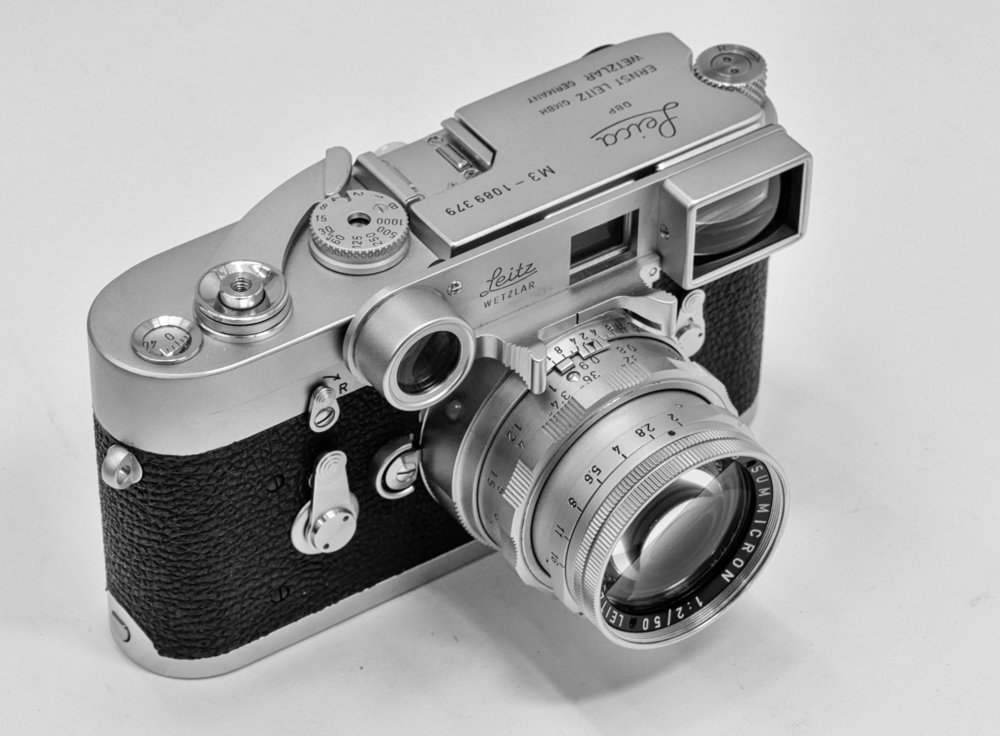
Seeing the light
“Ron Eastham was the only colleague who saw the light. He did eventually persuade Iliffe to foot the bill for a similar outfit to my own. Then department head Bill Banks, who had been violently against any change from plate cameras and big format, gave in by buying a twin-lens-reflex Mamiya.
“In the mid-sixties I then went back to Motor Cycle News and East Midland Allied Press for a couple of years (I had freelanced for them from when MCN started in 1957 through to joining Iliffe) and added a couple of Pentax S1s to my stable. Soon, though, I moved back down to London as assistant chief photographer at United Newspapers.
From Pentax to Nikon
“By 1963 most Fleet Street photographers were using Pentaxes and Rollieflexes. But Pentax was soon pushed aside in favour of Nikon Fs, mostly because the bayonet lenses could be changed quicker than the Pentax screw-mount optics. From then until the 1980s nothing much changed on Fleet Street in terms of equipment.
“Most newspapers still had a 5×4cm Speed Graphic Press Camera or two right through this period because they were great for getting the one quick shot, for instance outside the Old Bailey during high-prominence trials. One such was the famous Oz trial in 1971 when the London undergound magazine Oz faced charges of ‘corrupting public morals’. Nipping back 100 yards to the office, I processed the film for 30 seconds (in print rather than film developer), sticking the wet 5×4 in the enlarger and knocking a wet print straight off to put on the wire.
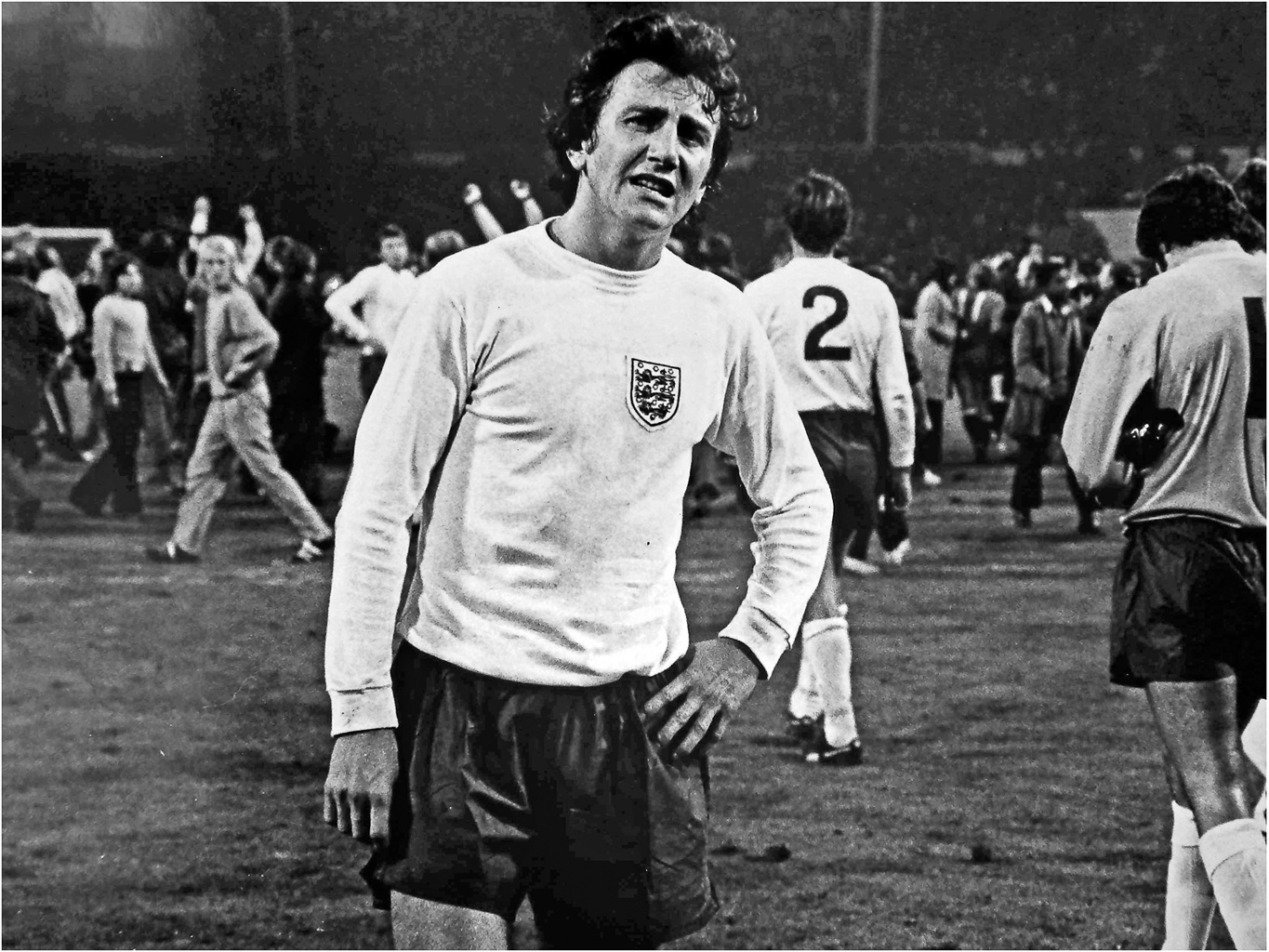
“The negative was then scrap, but the point is that 5×4 quality was normally so good you could abuse it and lose it. And, incidentally, this is also why most of us also used a Rollei, especially at major sporting events. At an England international at Wembley we would process the bigger format film on the pitch, while continuing shooting on 35mm, then rush the wet film back to Fleet Street by motorcycle messenger to catch the earliest editions.”
Buy your own
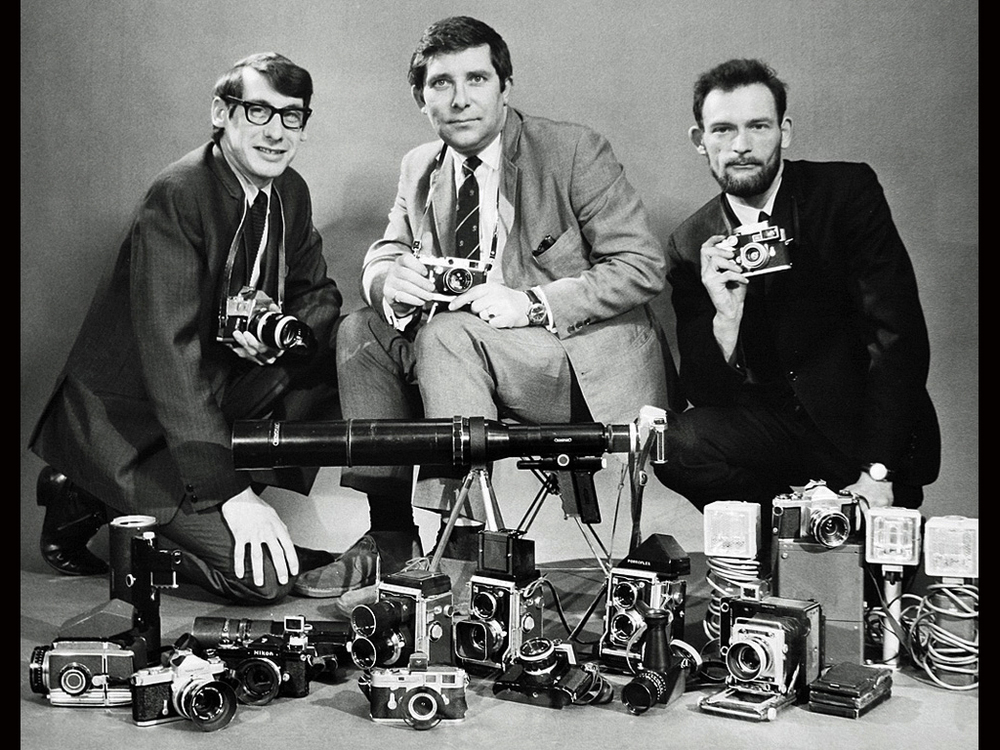
“The above photos shows United Newspapers Photographic Team chosen to cove all training grounds and then all matches at the 1966 Soccer World Cup. I have my Leicas still on the right, but note also the Speed Graphic, which I also still own, a Bronica and Mamiya six-by-sixes. You will be impressed by the fact that we photographers owned all the equipment ourselves. We were paid a weekly camera allowance.
“Some years later I moved over to The Guardian as photographer/picture editor. Believe it or not, even in the 1970s, Guardian staff photographers all had to use screw-thread Pentax Spotmatics with just a 50mm lens, nothing else, and flash was totally banned. Again, I often used my own Leicas, but very much in secret.”
Quiet shutter discretion
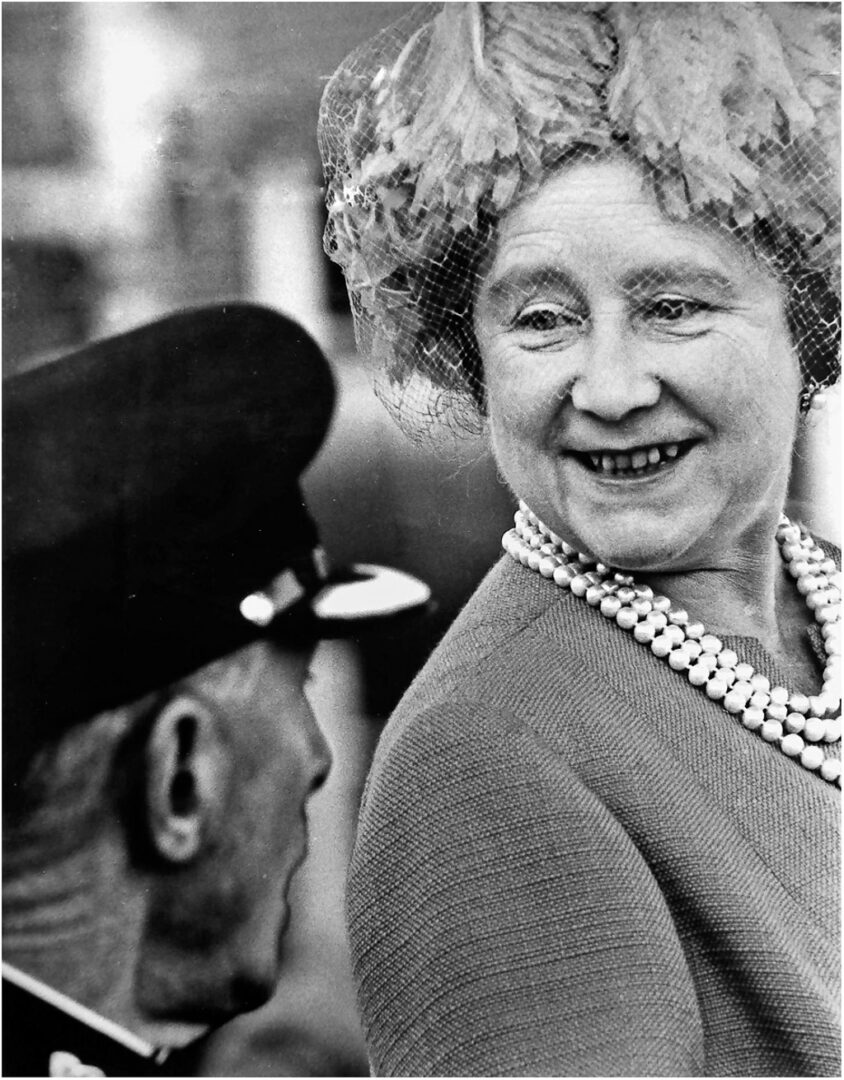
“Some of us stuck with Leica for two good reasons. First was the much quieter shutter noise, important, for instance, at events such as royal occasions and funerals. I covered many, including the funerals of John F. Kennedy and Winston Churchill.
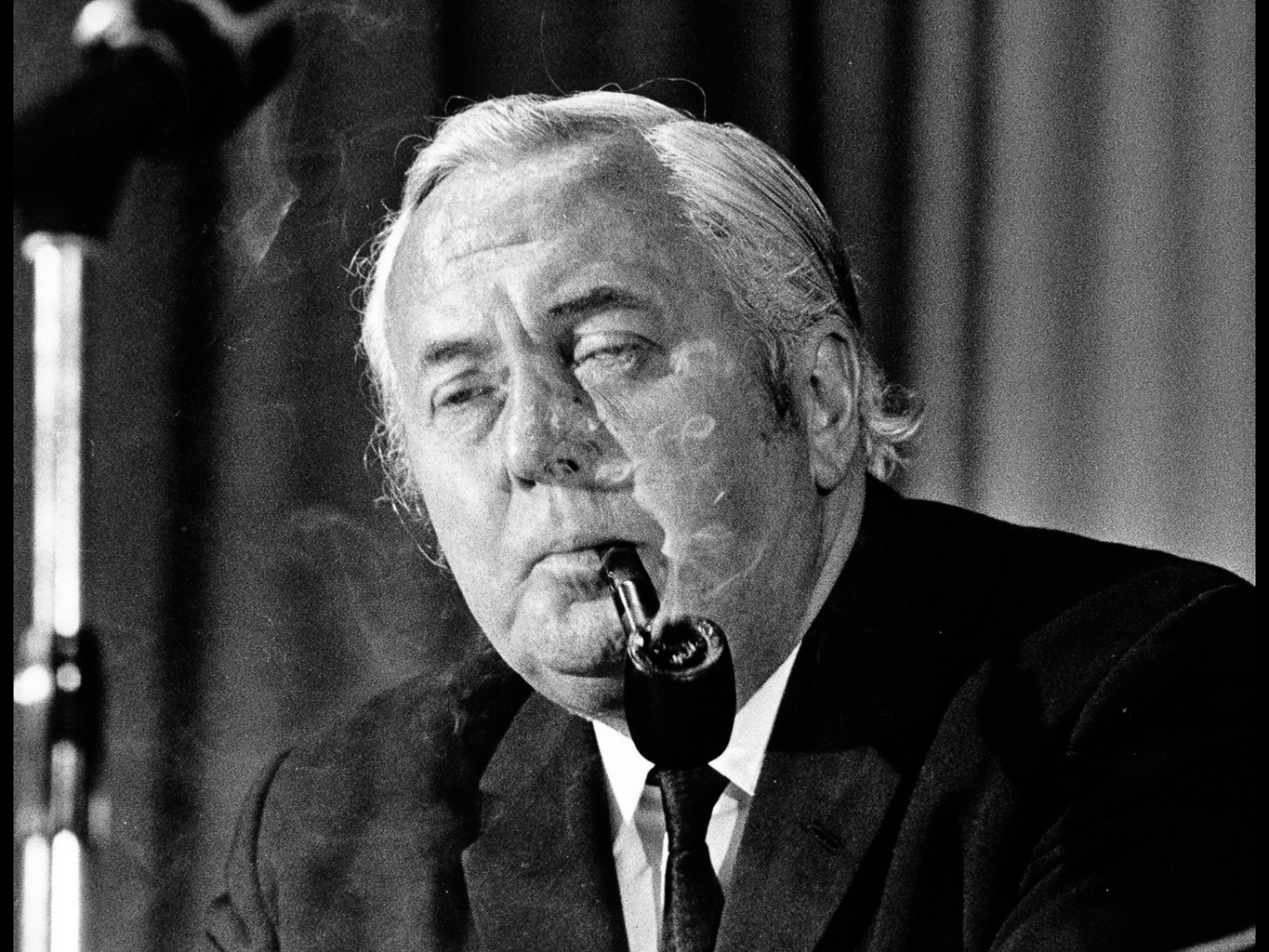
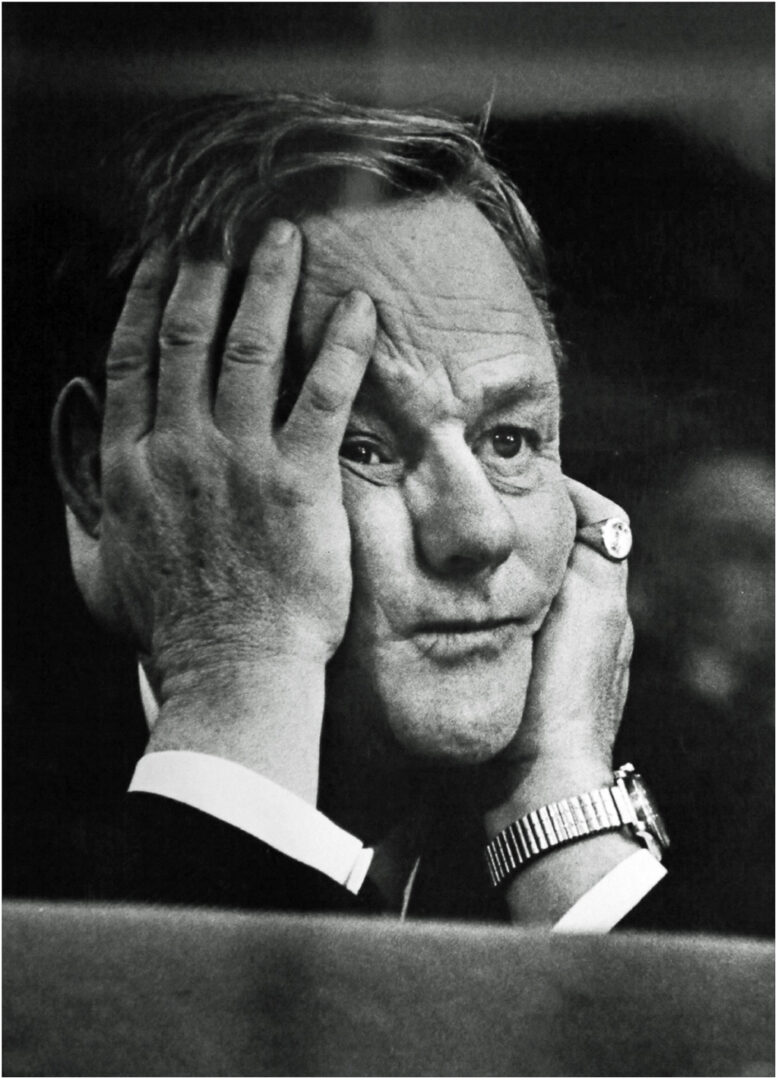
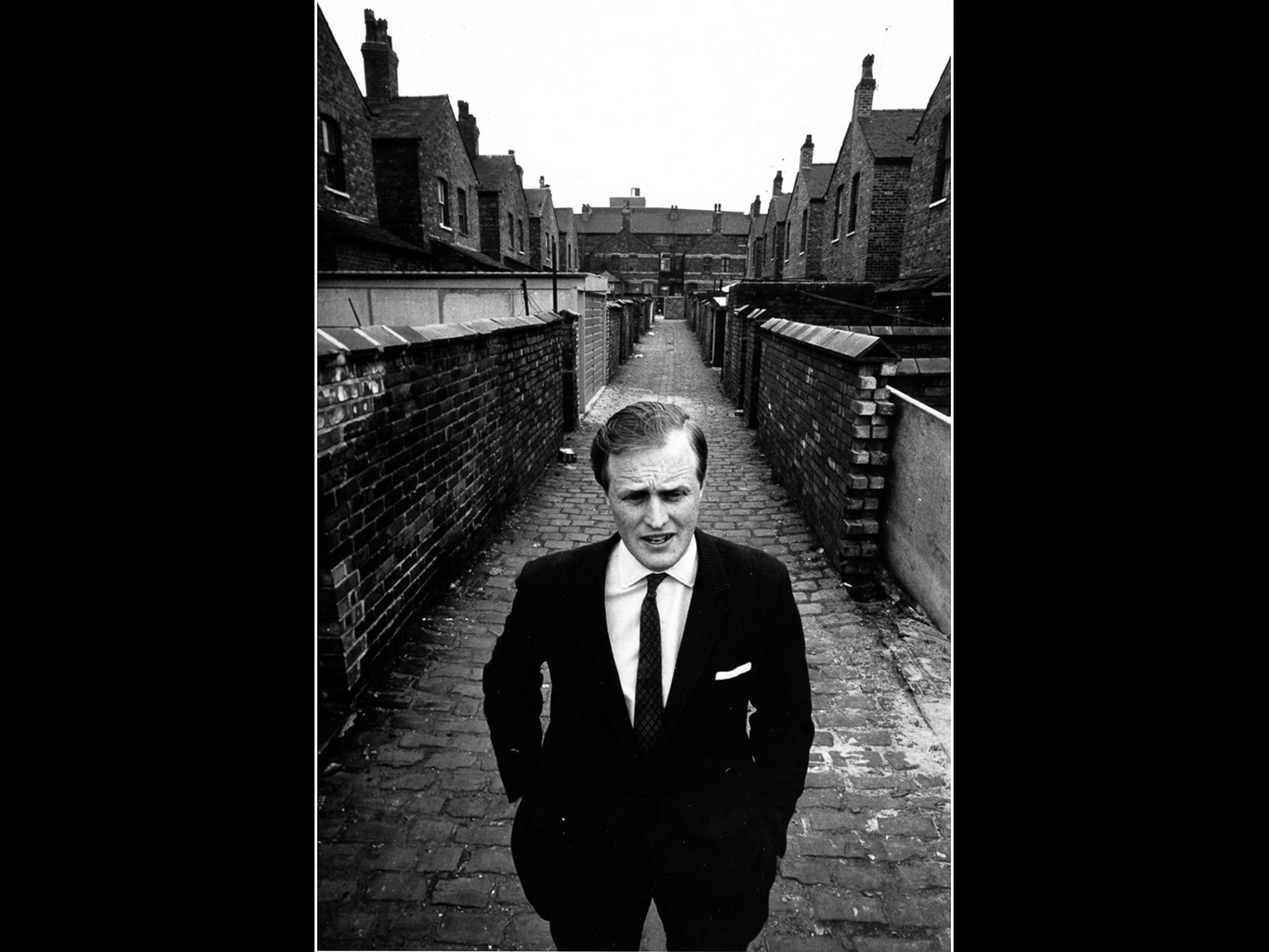
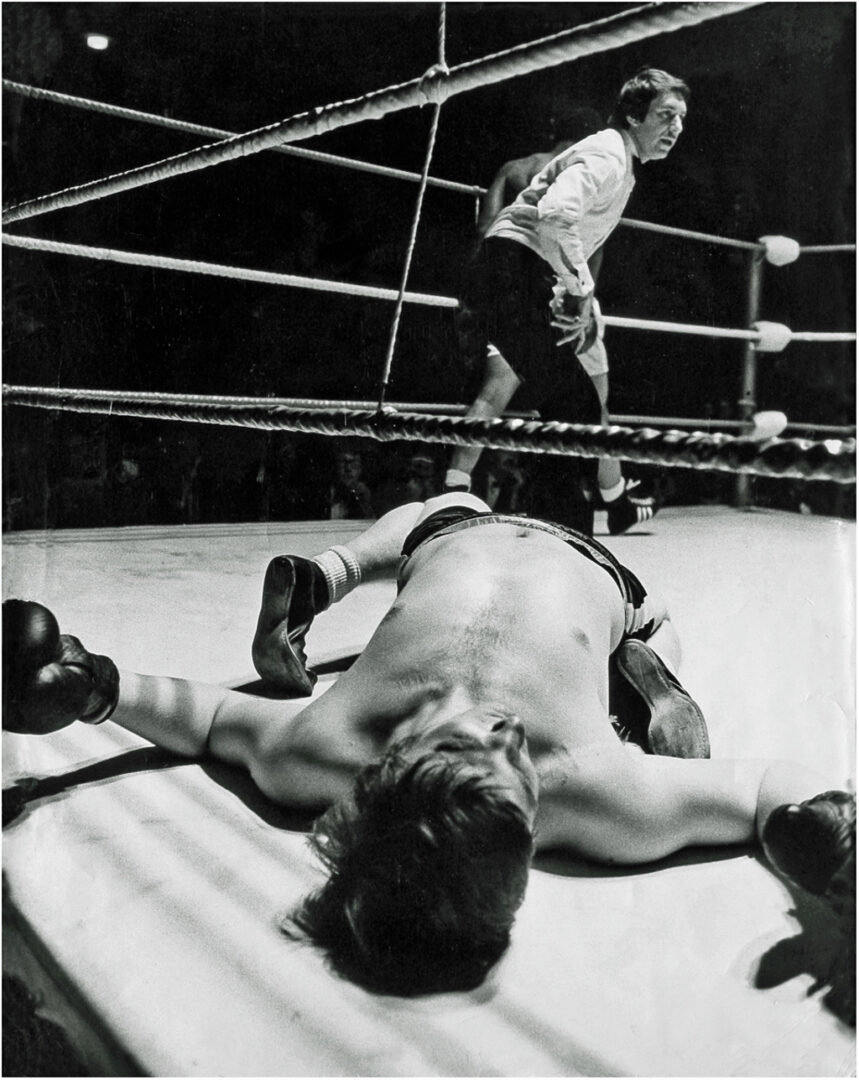
“The second benefit was the instant picture. It is the only way to capture the precise moment ― such as the punch landing on the chin at a boxing bout. With an SLR, you lose that fleeting but vital fraction of a second when the mirror flips up to allow the shutter to fire. This also was another reason why twin-lens reflexes such as the Rolleiflex continued in use.
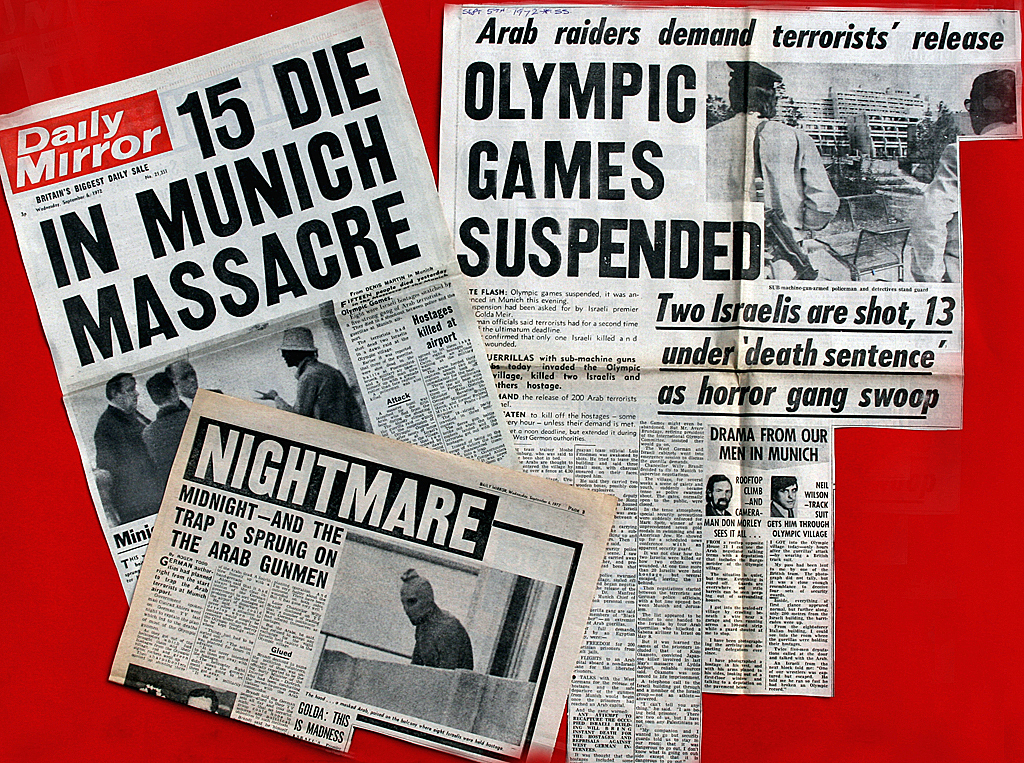
“I rejoined United Newspapers as Chief Photographer and continued my passion for sports photography. At the 1972 Munich Olympics, I got a World scoop as the only photographer able to get close-up shots of the hostage takers during the dreadful Olympic Village siege.
Canonisation
“Later, went back to Nikons, and then Olympus before going off and co-founding the All-Sports Agency. At the 1976 Olympics, I had all my Olympus gear stolen and had to go cap in hand to Canon (who were the official camera sponsors of the games) to borrow a replacement. I have used Canon ever since.”
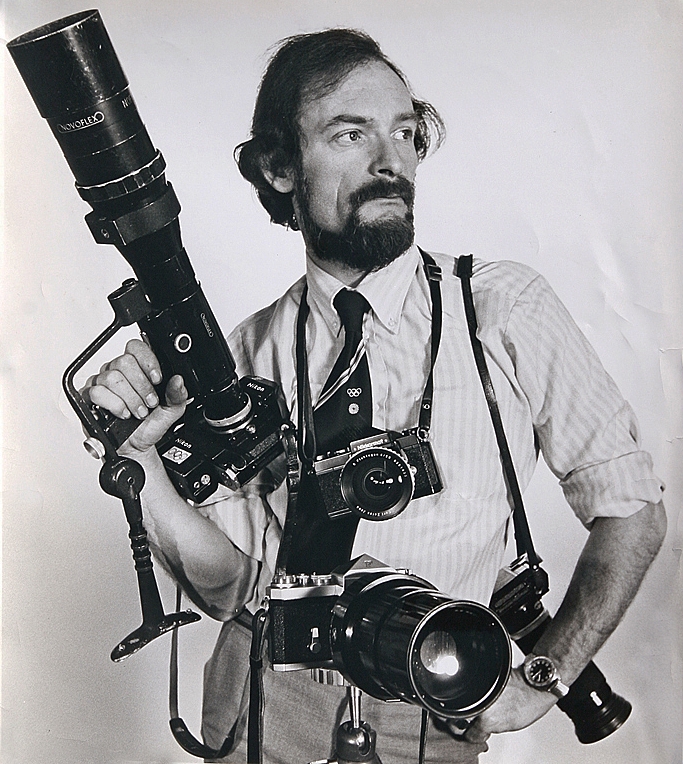

“Despite this, I still love my Leicas and take a keen interest in the happenings in the Leica world. It says something that my original IIIf is probably still in pristine condition and being used to this day by an enthusiast somewhere.
“Few other manufactures can command this level of dedication and longevity. I still own an M2, M3, two M5s, a CL outfit, two M9s, many lenses (including those big long Novoflexes in the picture), Viso 3, 200 & 400 Telyts.
“I have kept my Visoflex II which has a screw thread, meaning I can use it on my older Leicas and also Bayonet Leicas via a screw to M adapter. I kept my old 200mm f/4 Telyt.
“But I sold the 280,400, and 560 Telyts a while back, and not least because I never rated any of them very highly compared to the Novoflexes.
Don Morley: A man who knows a thing or two about photography
- Former chief photographer, The British Olympics Association
- Winner of Time Life Man in Sport award (USA)
- Assistant chief photographer, United Newspapers (10 years)
- Staff photographer/picture editor, The Guardian
- Chief photographer, Sports World and Worldsports magazines
- Chief photographer, The Football League Review
- Chief Photographer of International Motorcycle GP Annual ‘Motocourse’
- Three times Motoring Photographer of the Year
- Winner, AIPS International Sports Photography award
- Winner, Royal Photographic Society/Sports Council Sport for All photography award
- Winner Sports Picture of the Year award
- Chief photographer and photographic manager, World Student Games
- Chief Photographic Liaison Officer, IRPA (all Grand Prix circuits worldwide)
- Founder, past chairman and honorary member of the Professional Sports Photographers’ Association
- Co-founder, director, All-Sports Photographic Agency (now Getty Images)
- Author of 24 books, including six on photography
A selection of Don Morley’s images
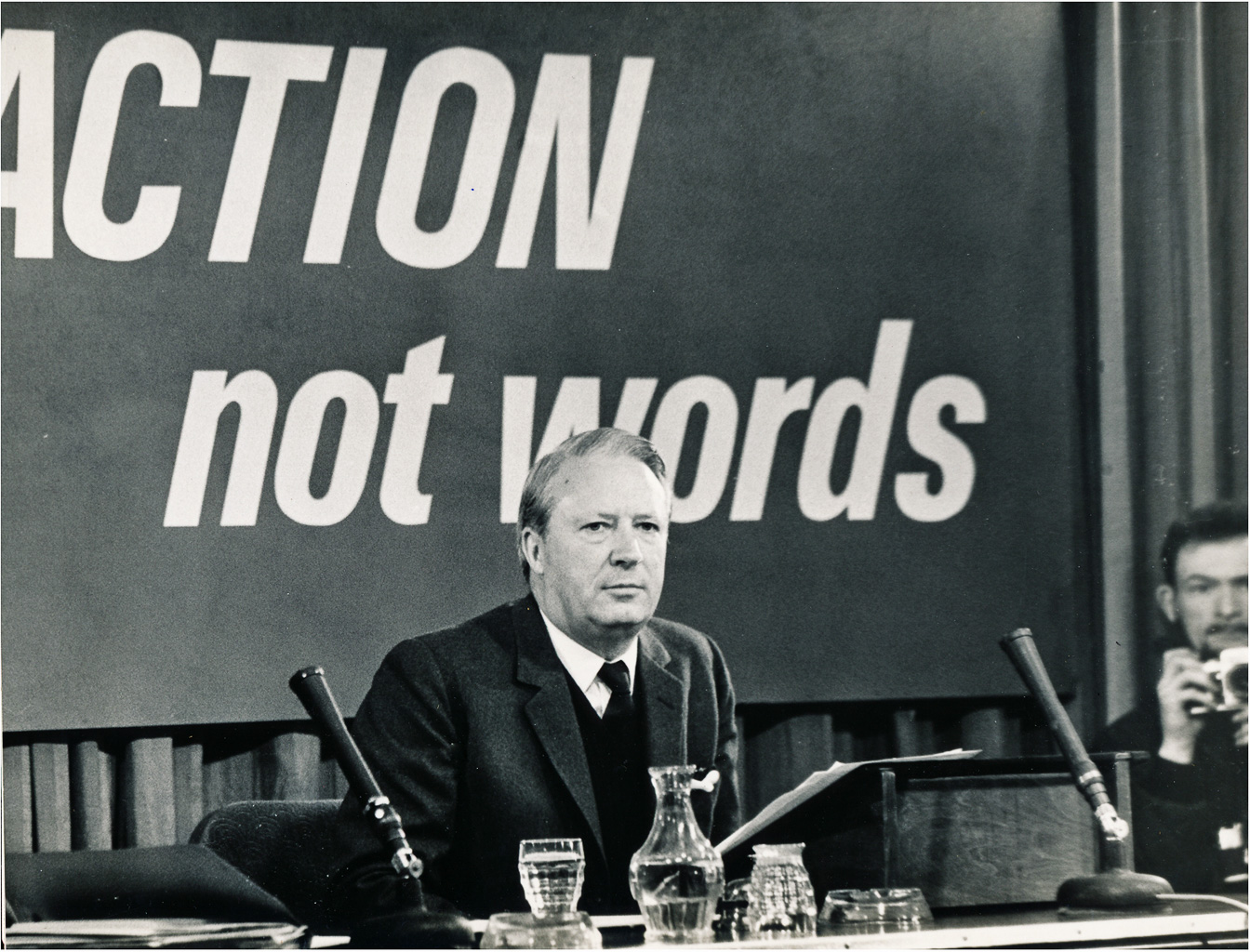
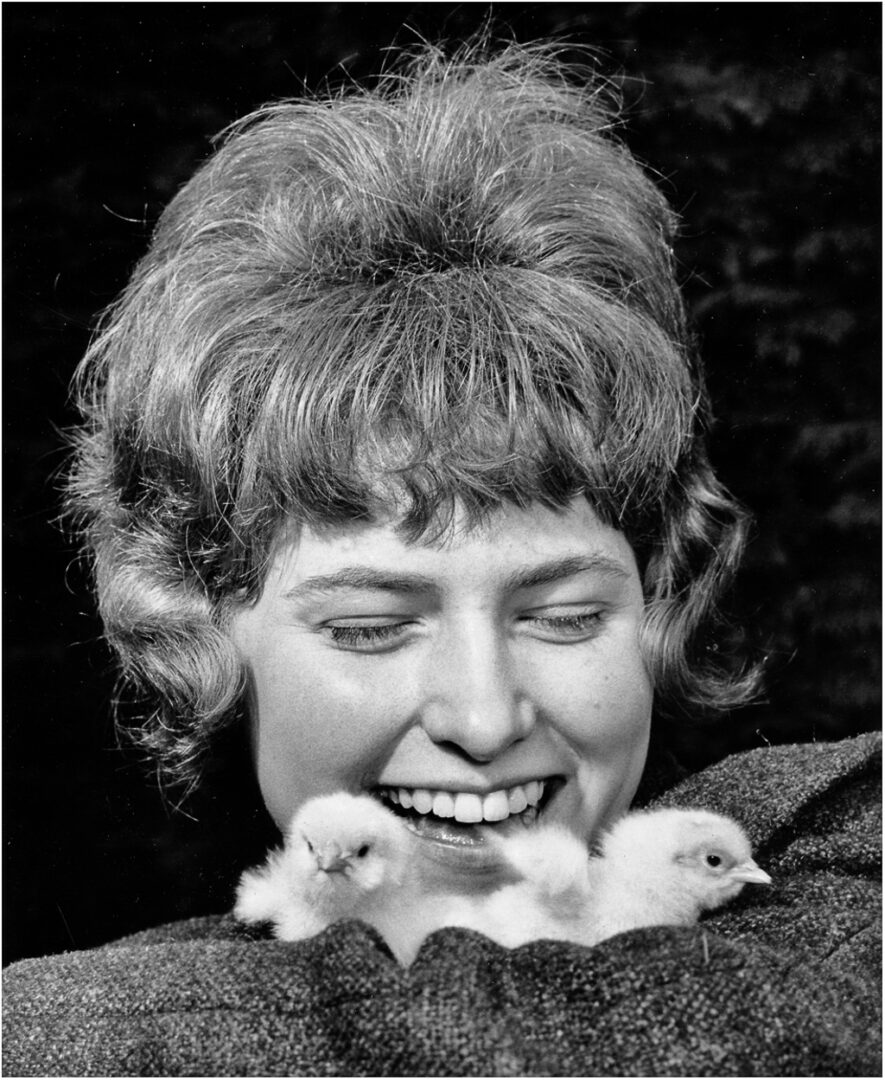
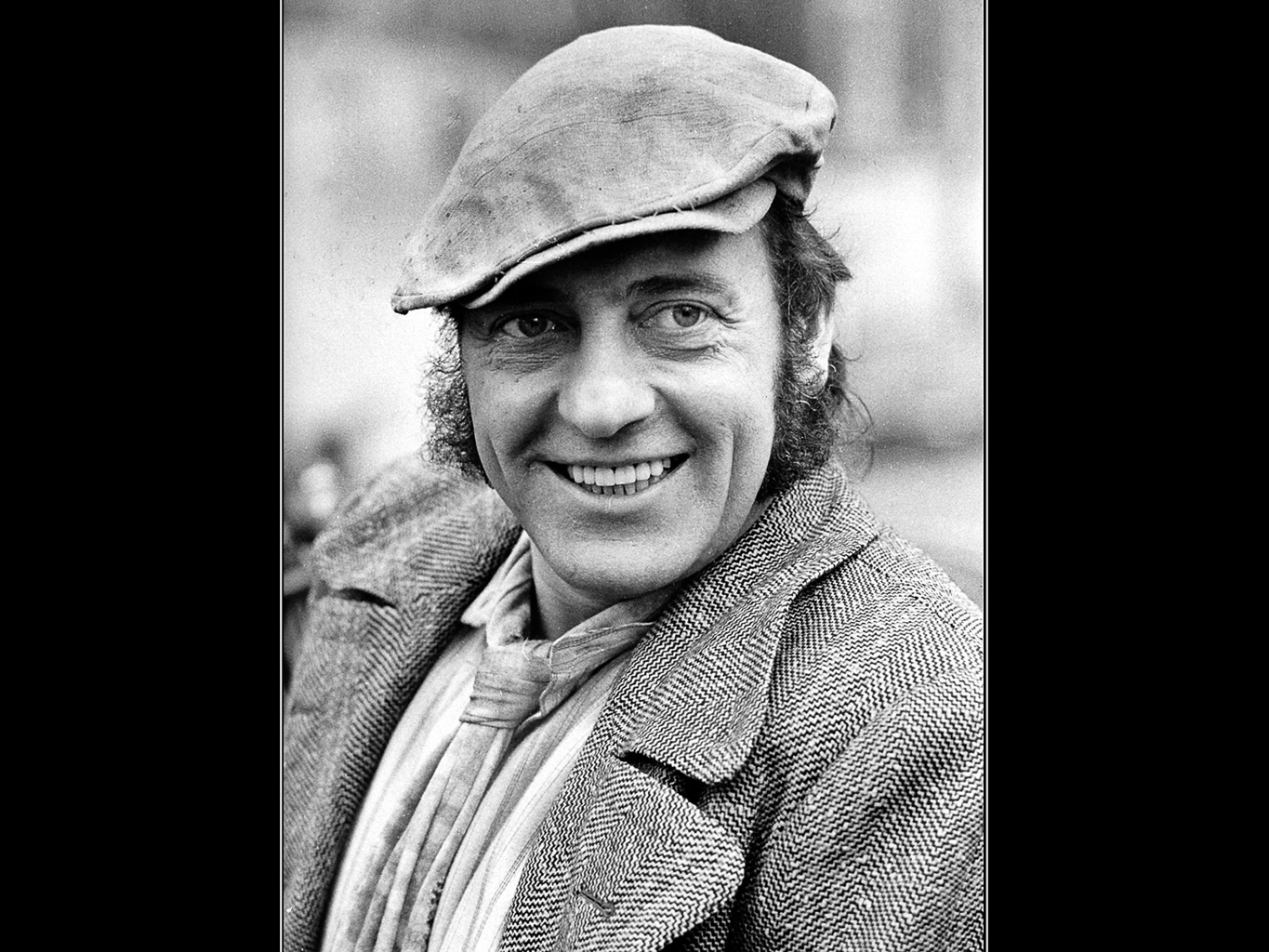
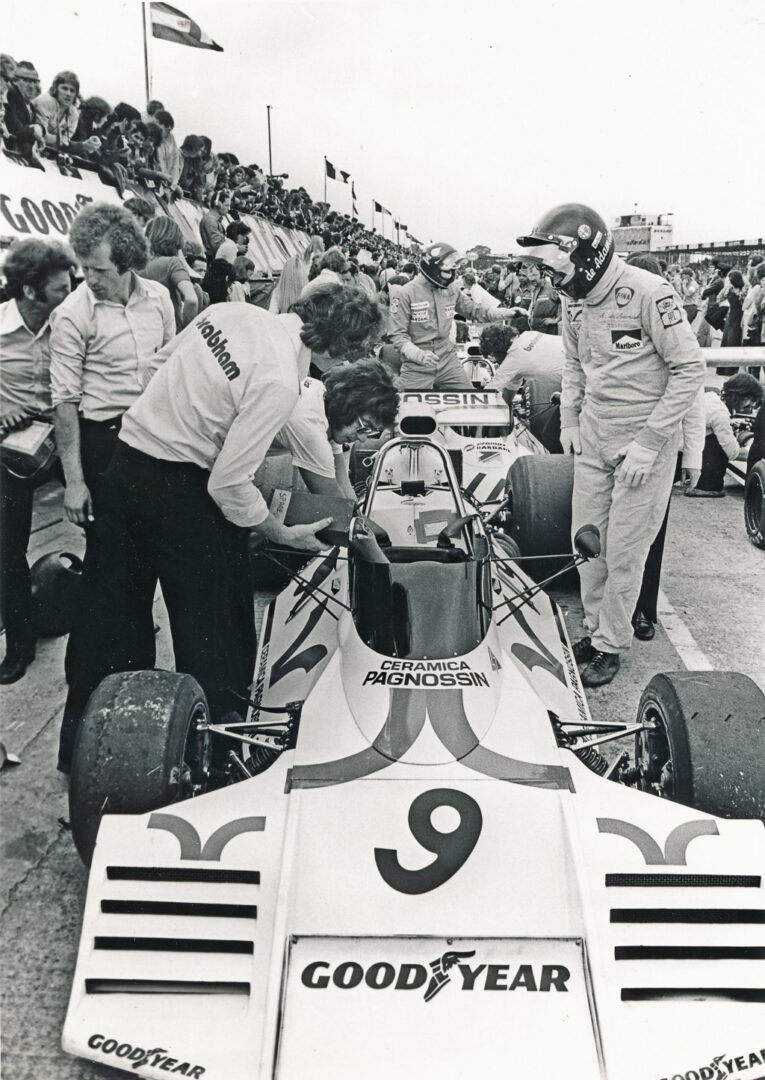
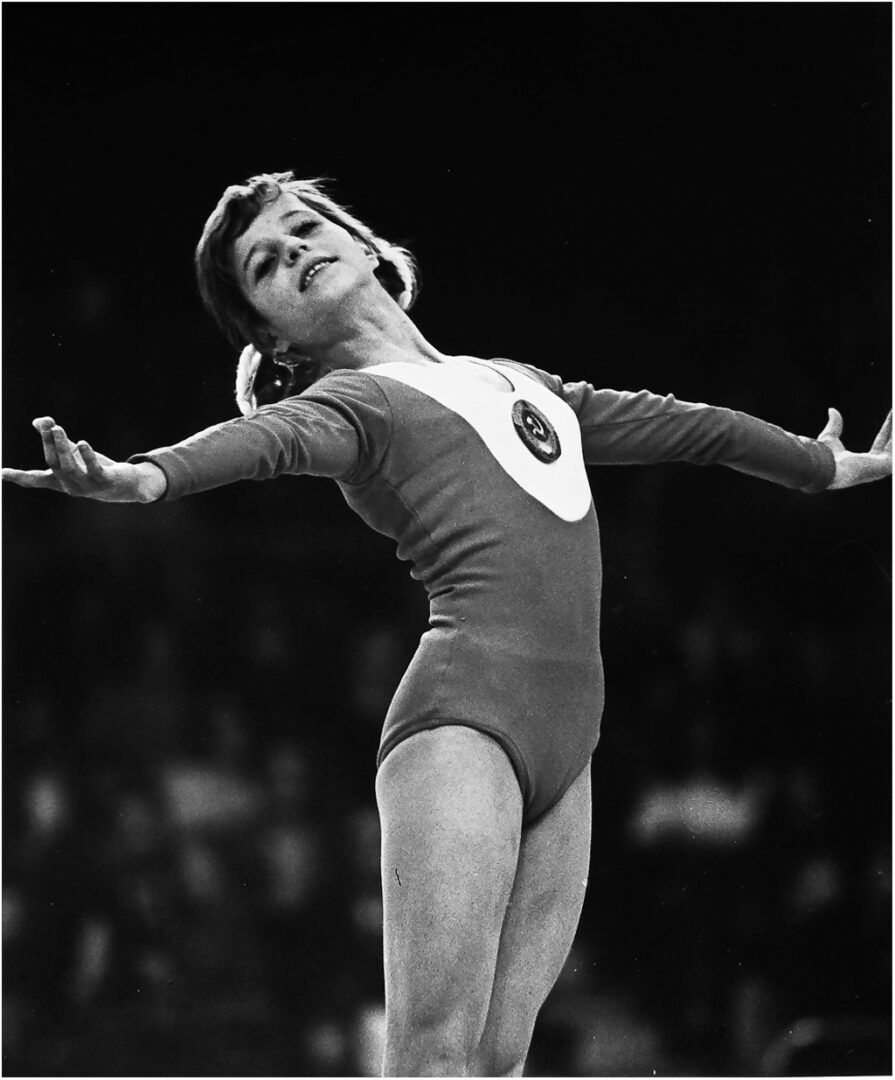
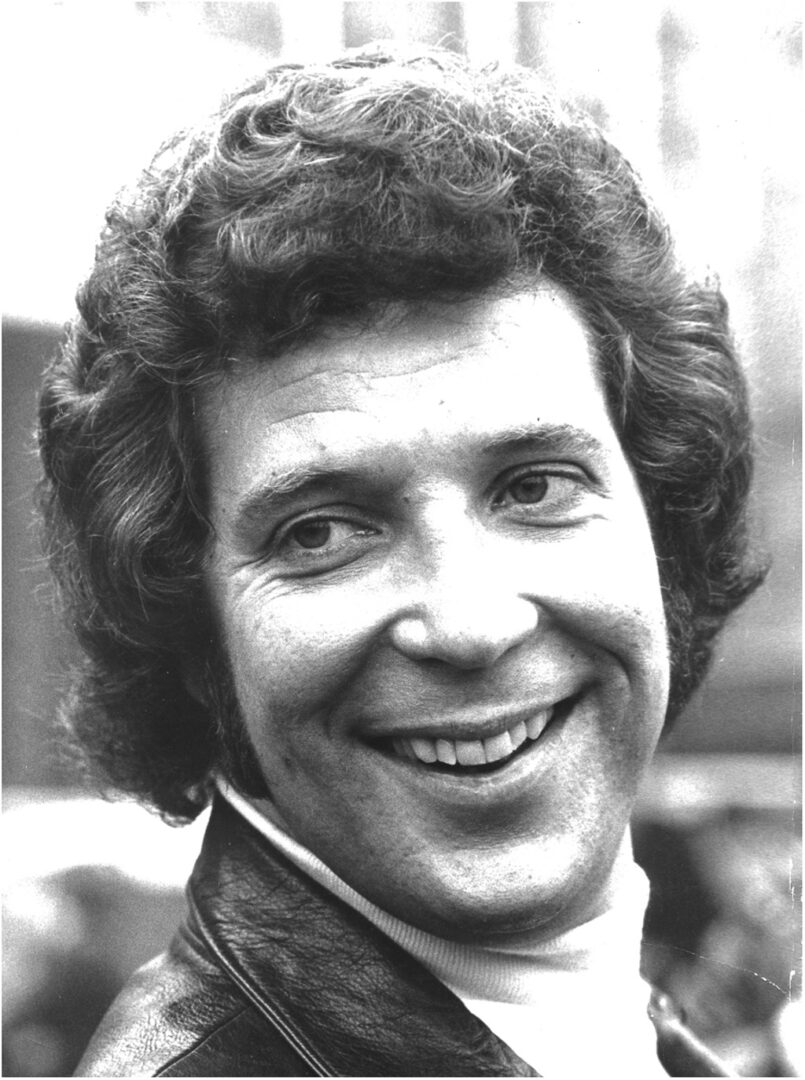
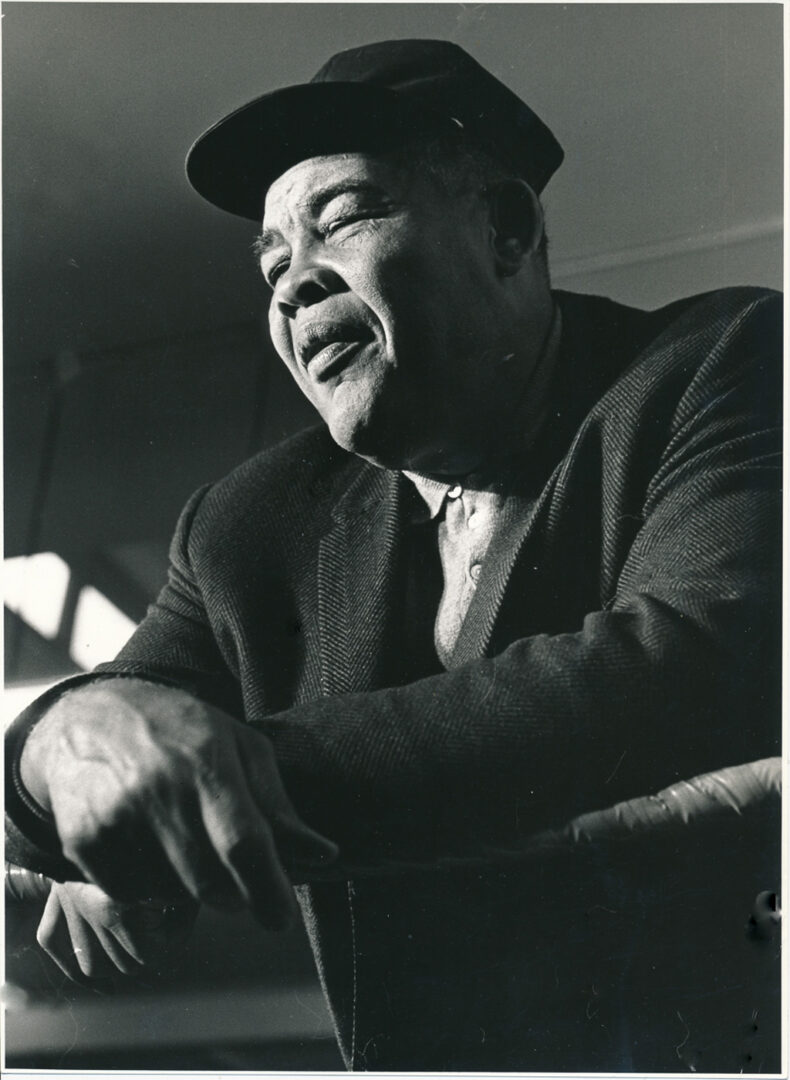
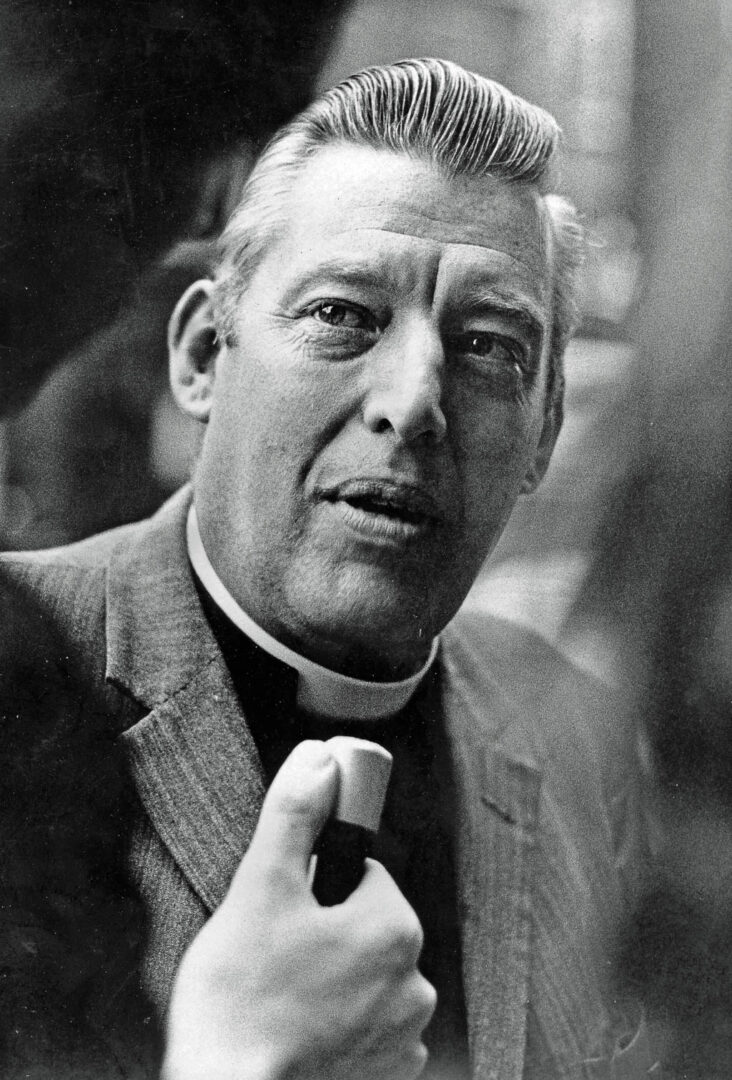
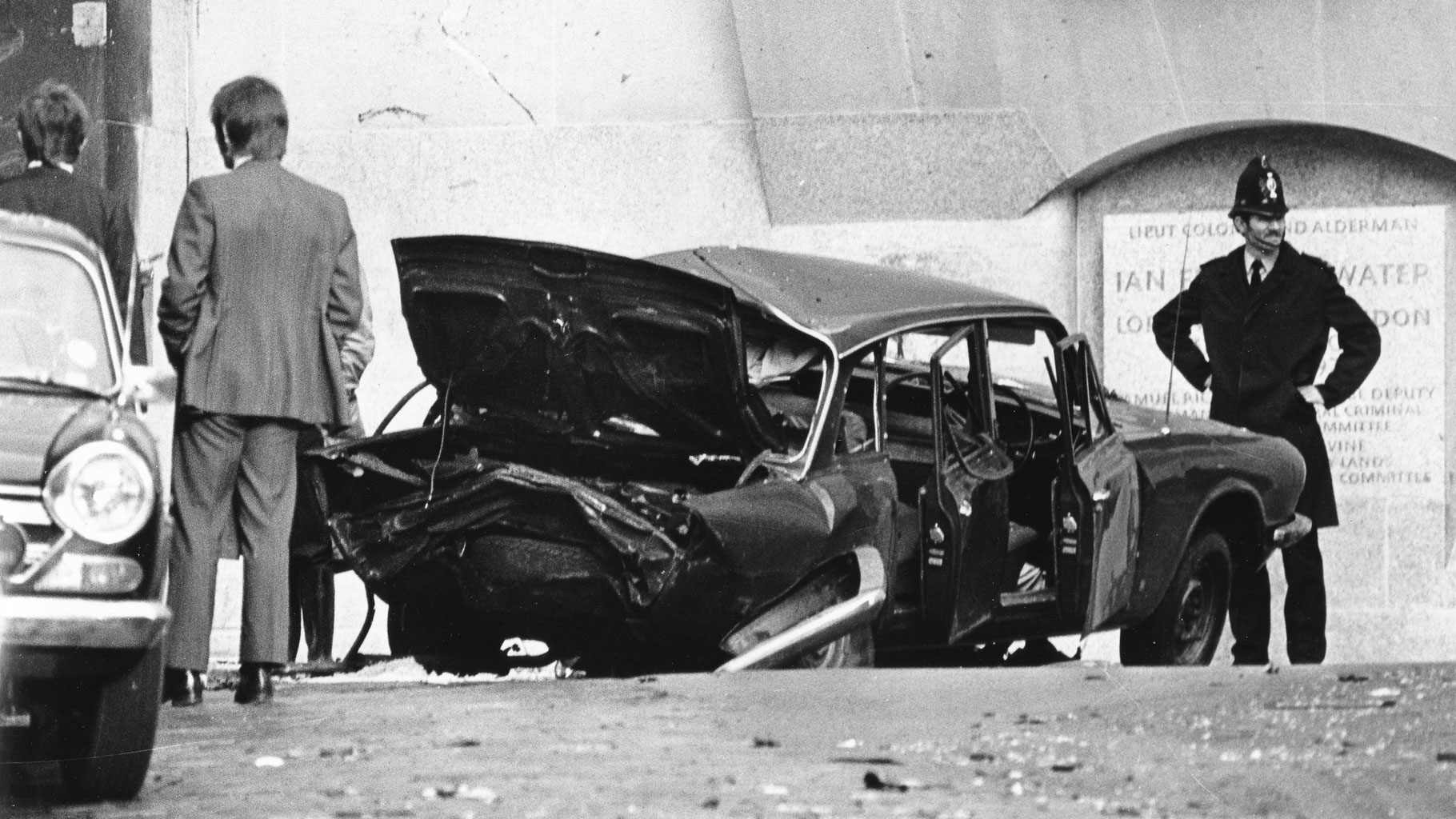
What surprised me was the diversity of images. I knew Don as a sports photographer, but I was less familiar with his skills and experience covering diverse “events” meaning everything from bombings to hijacks, to wars. He photographed leaders in the arts and leaders in politics. Clearly, if you had time, you could spend hours with Don parsing every single shot in that 120 image folder. And more.
Make a donation to help with our running costs
Did you know that Macfilos is run by five photography enthusiasts based in the UK, USA and Europe? We cover all the substantial costs of running the site, and we do not carry advertising because it spoils readers’ enjoyment. Any amount, however small, will be appreciated, and we will write to acknowledge your generosity.
I’m not a photographer & don’t speak the language but I love vintage motorcycle (& car) race images. I stumbled across a Don Morley photo of Kenny Roberts on a YZF500 two stoke that absolutely moved me… & led me to reading your article… which was def written for the photographer tech head but still enjoyable for a lay person… like me. Good job.
Thank you Robbie. I am sure Don will be pleased to see this.
Don Morley’s motorcycle trials career both as a competitive rider, and trials m/c engineer, is also worth mentioning. He competed on British bikes and without wearing a crash helmet! Don’s ‘trials irons’ were (and possibly still are?) stored in his garden shed. Mention should also be made of Don’s Brough Superior SS100 – featured in a past Macfilos article.
Indeed, Dunk, Don’s wider accomplishments in motorcycle sport could have been included. We were concentrating on his photographic career and writing for a specialist audience, but thanks for mentioning this. As you say, we have covered this in previous articles.
Just worth mentioning that in recent years Don (like me) has been a distinguished judge of camera club competitions in the Surrey area, always using his extraordinary background (unlike me!) to give valuable guidance to up and coming amateur photographers.
What a wonderful archive of monochrome photography. Well done, Don, for your outstanding achievements.
In the days of black and white photography, it required great skill to achieve striking results, regardless of ncertain available light. Present day photographers tend to forget that fact, having grown up with colour photography. It calls for a different mindset.
Thank you Don, for reminding us how wonderful monochrome photography once was. And then there was the historical factor. What a treat!
Thank you David. And all who have also kindly posted such lovely and much appreciated comments. Truth is yes I worked hard, and never gave in. But most of all I have been so very lucky. Best of all Photography gave me the chance to get to know and work alongside so many genuine and unlike me Propper Pro’s including such as my long standing friend Mike Evans and many truly talented artists writers and Photographers. I just thank my lucky stars and have done since day one for my somehow having been able to turn what had been a wonderful hobby into a near lifetimes full time job. Best wishes, Don
Lovely article — ranging from the parochial world of motoring to the world stage. Defining an era.
Also a small personal connection — in early 1970 I too was using a Pentax Spotmatic, my first camera. Have a lovely photo of a Notre Dame that we’ll never see again.
Thanks for these vivid memories.
Thank you, Kathy.
Never tire of reading about Don’s amazing career. Thanks for this update
Thank you, Keith. I’m sure that Don will appreciate this.