
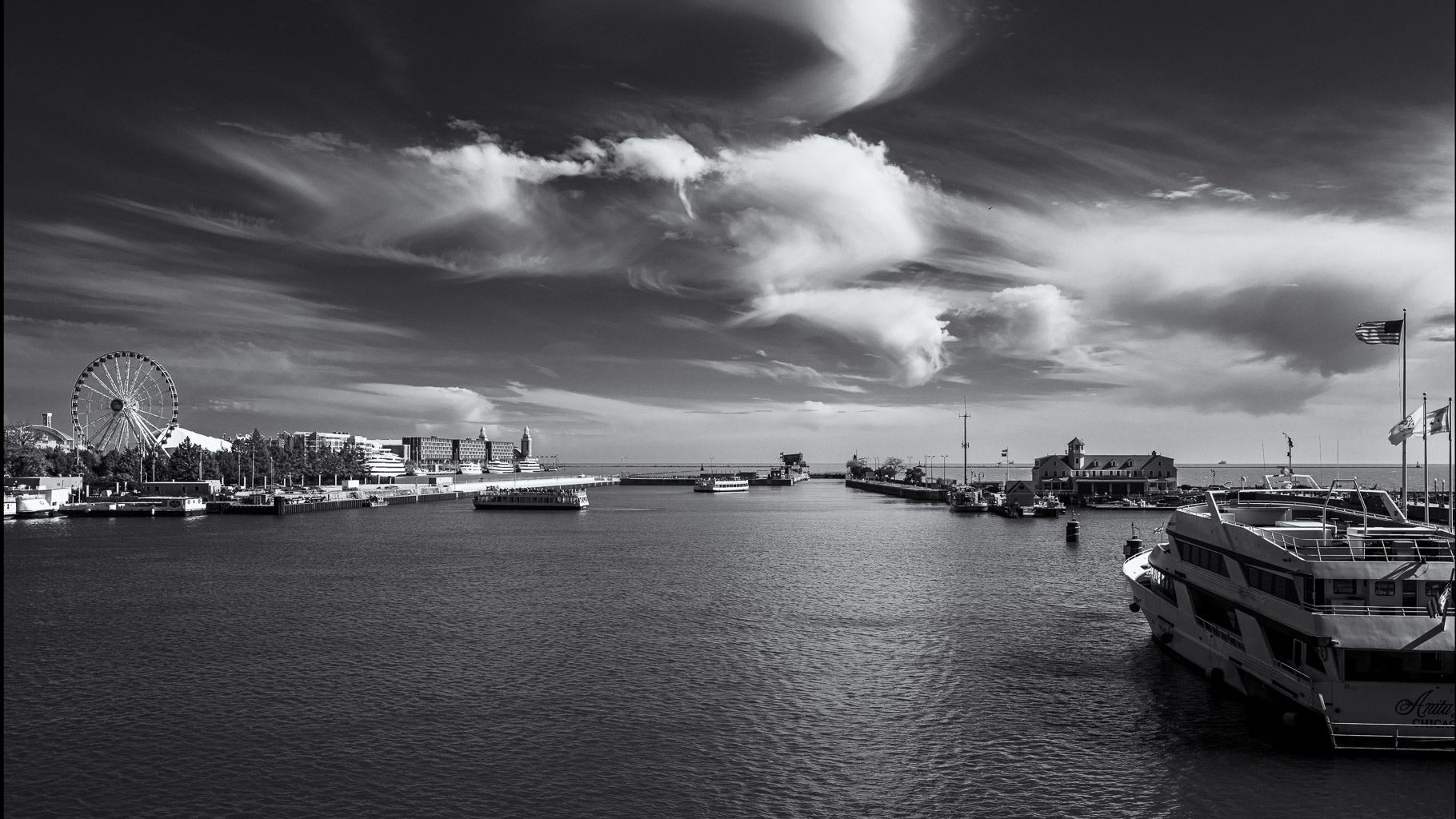
If you were around in the late 70s and early 80s, you may have seen a quite dramatic advertising campaign for Memorex cassette tapes — Whatever happened to Memorex? The campaign featured a man sitting, almost reclining, in a chair, his hair blown back while listening to loud music. The tag line was “Is it live or is it Memorex?” The implication was that you could (hardly) tell the difference. And that challenge is inherent in digital B&W or monochrome photography today: “Can you tell the difference between an image from a dedicated monochrome camera and an image shot in RAW and then post-produced?”
That’s a different question from the one people (particularly online) usually ask, which is “Which is better — a B&W camera or a colour camera converting images to B&W?” That second question is actually much easier to answer, as you will see. What we’re going to go on to try to respond to is the “Can you tell the difference?” question, and look at what makes a definitive answer difficult to arrive at.
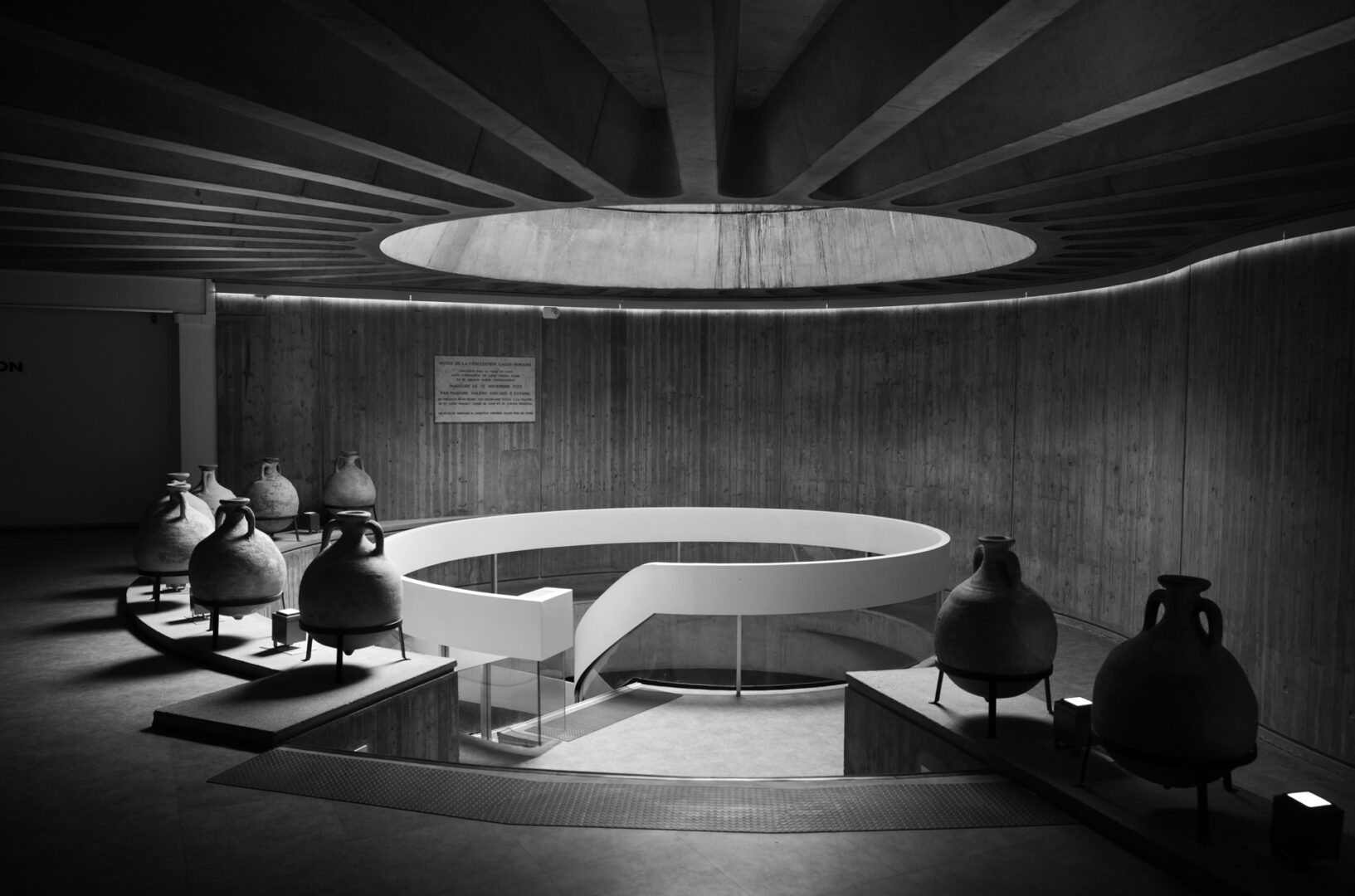
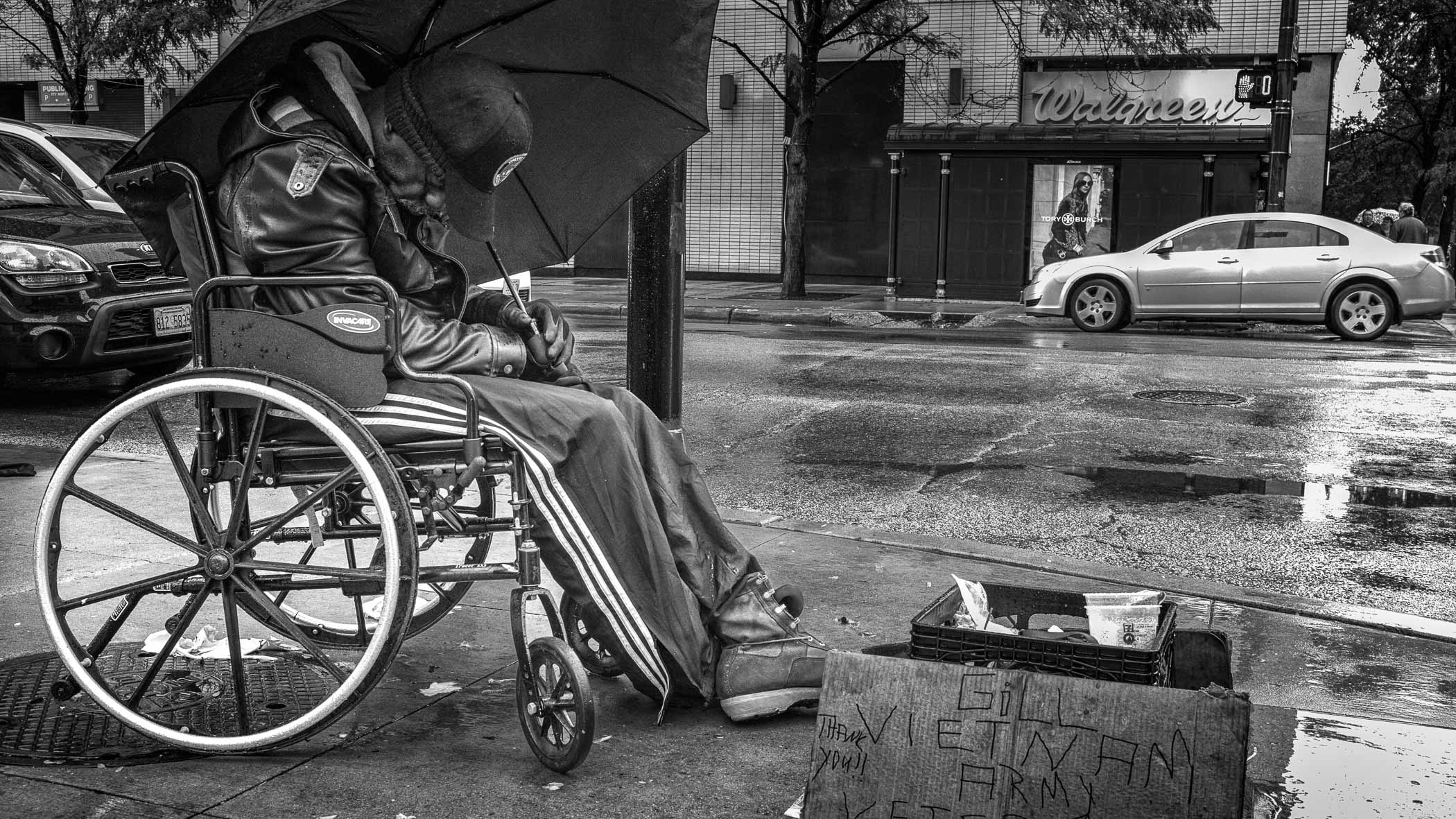
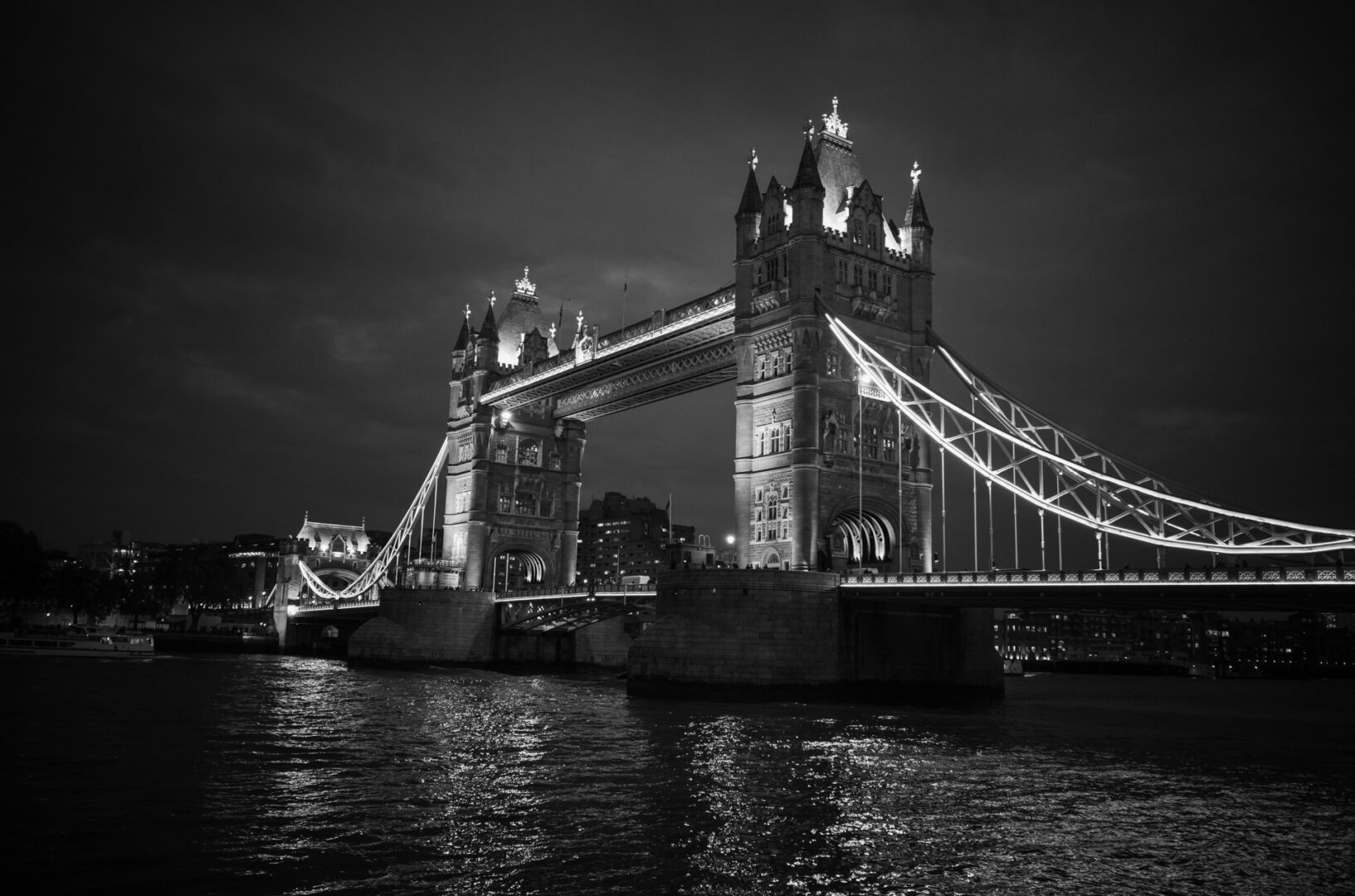
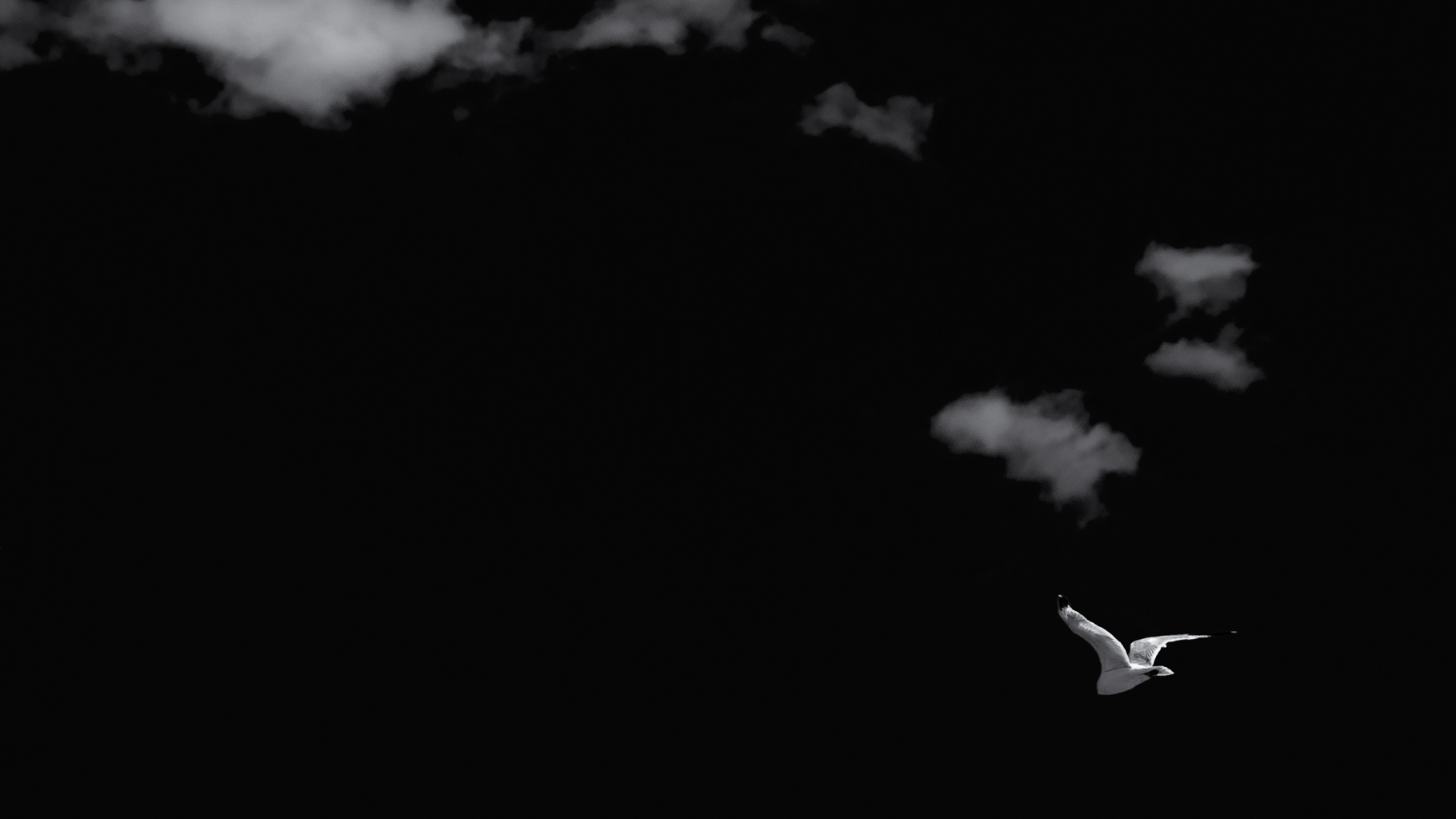
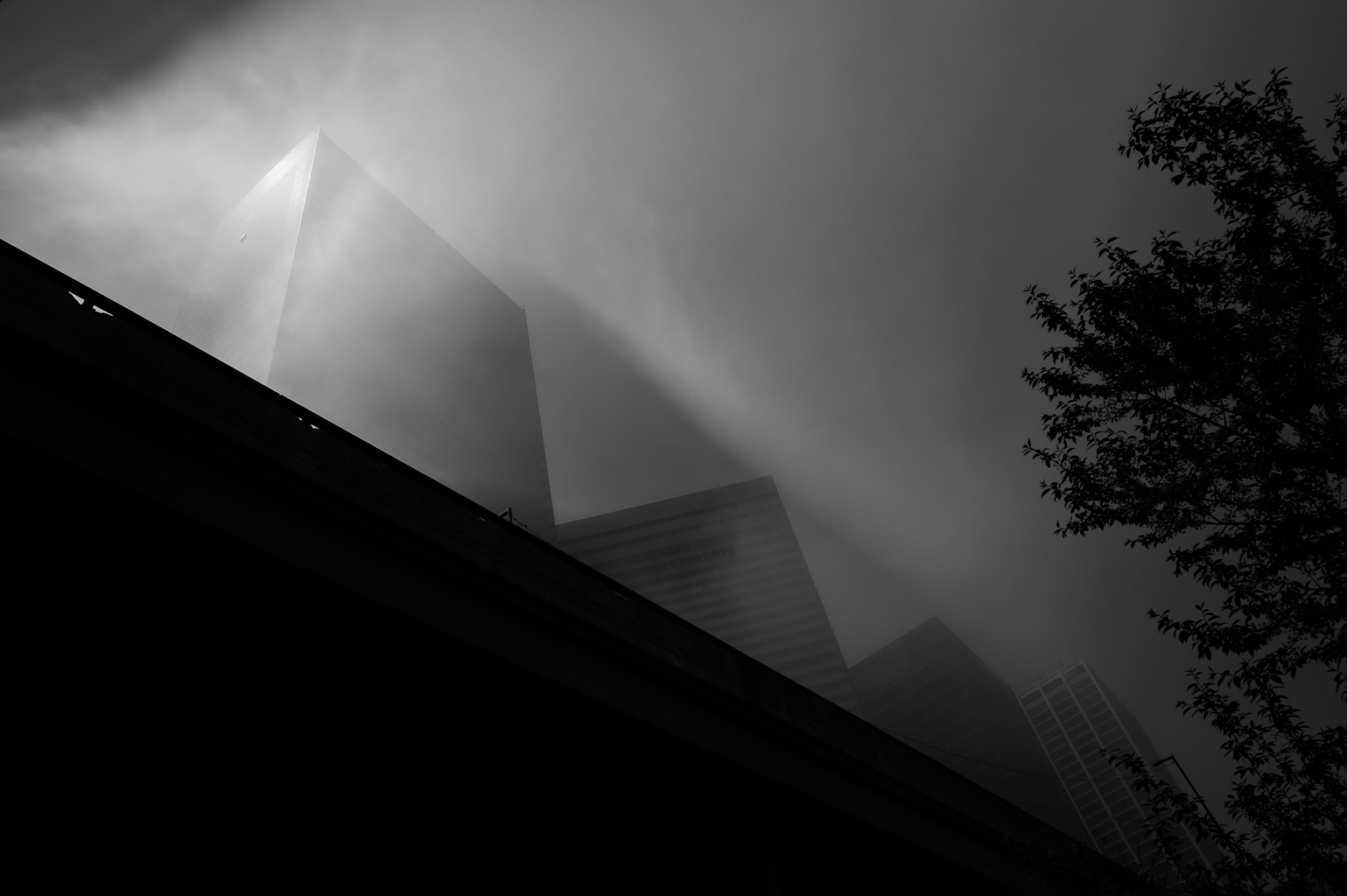
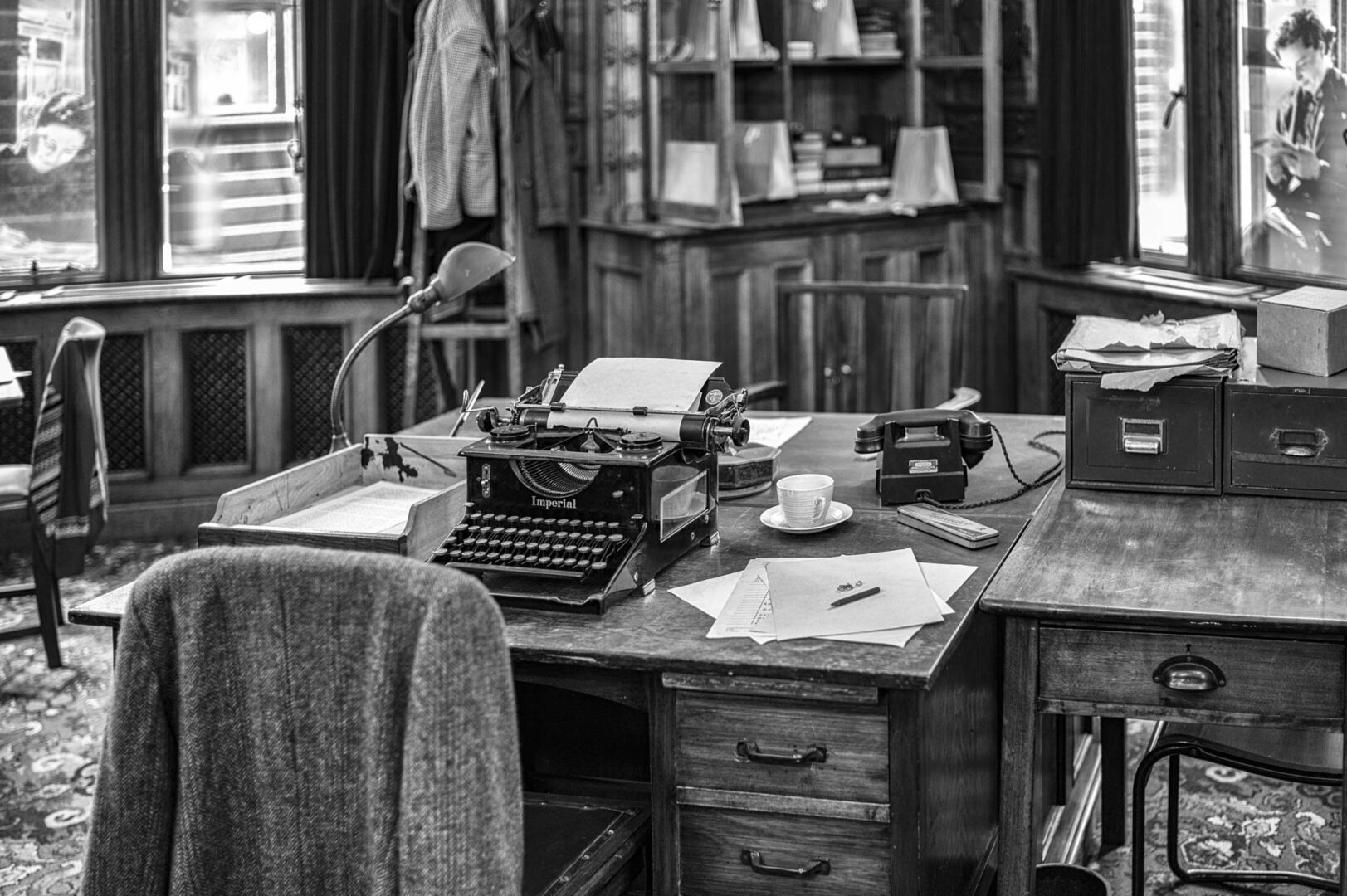
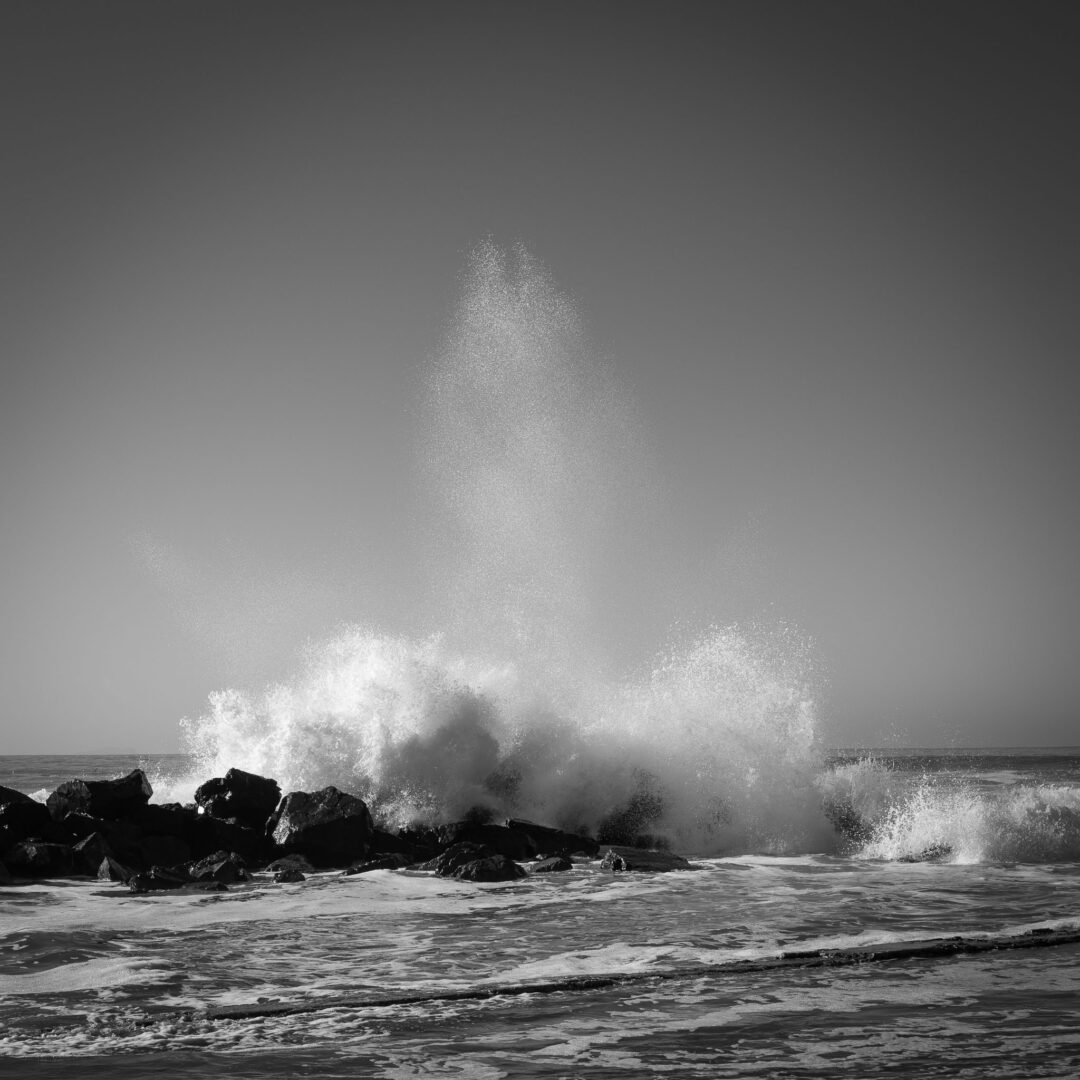
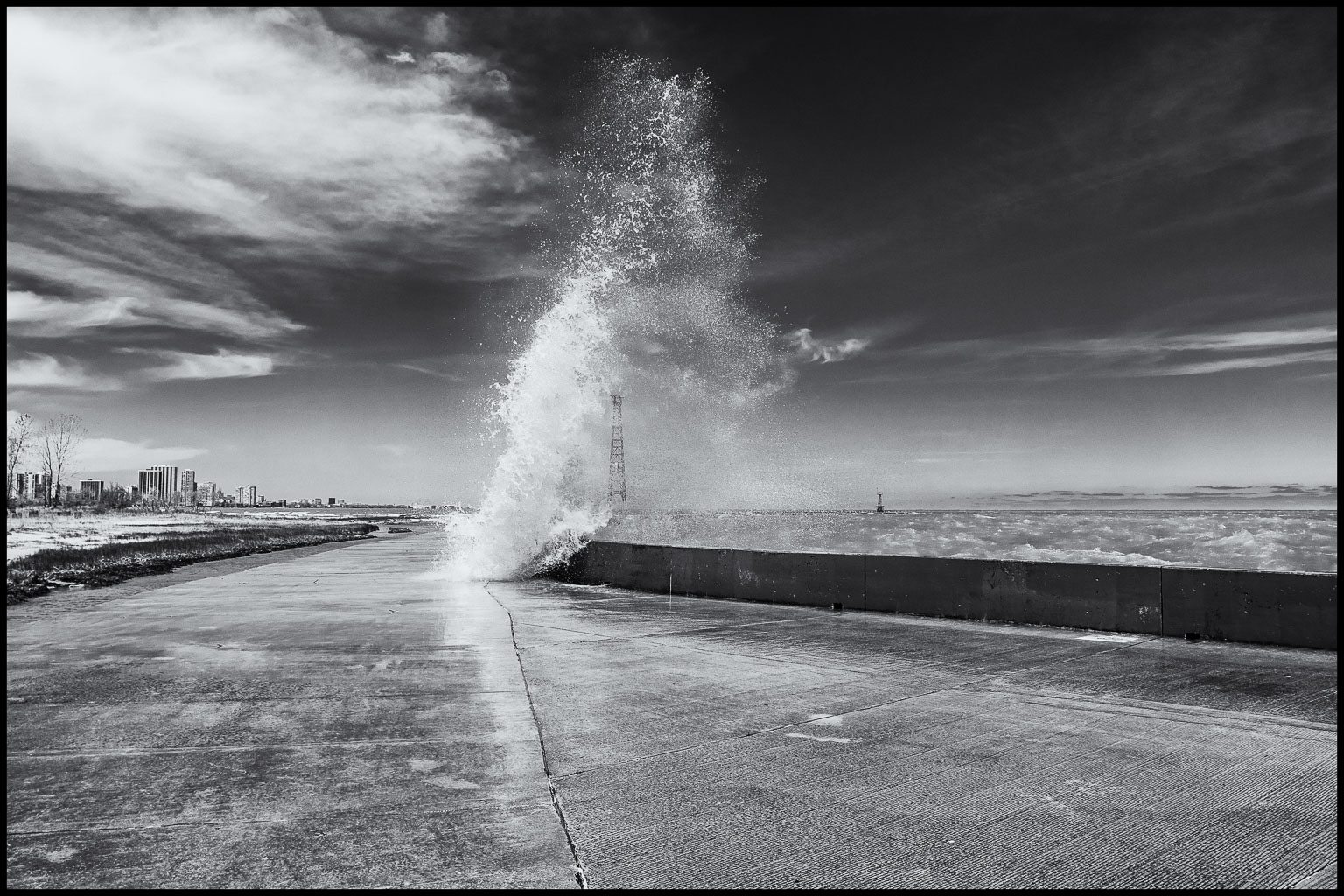
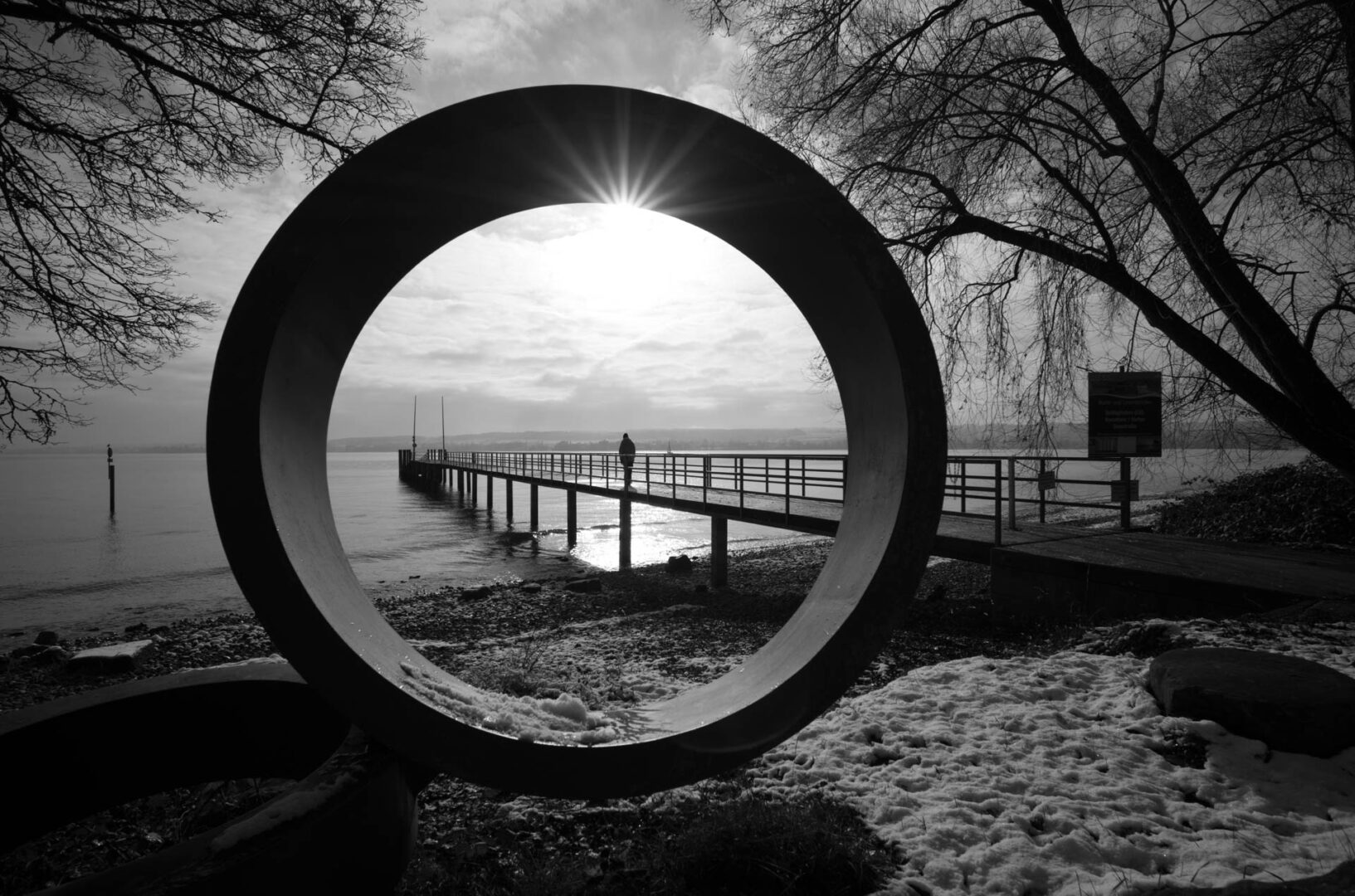
Here’s a visual test. We have 21 images across both the first and last monochrome articles; some shot with a monochrome camera, others with a colour camera and the images converted. The contributors’ names and any EXIF data were stripped.
All will be revealed in a short article on 22 April.
Let’s start with a potted history of Leica Monochrom cameras
- Leica M Monochrom (2012–2015): The pioneering 18MP CCD sensor camera based on the Leica M9. It was known for exceptional tonal range but limited ISO performance.
- Leica M Monochrom (Typ 246) (2015–2020): Switched to a 24MP CMOS sensor, introducing Live View, video recording, and much better low-light capability, while maintaining the classic rangefinder experience.
- Leica M10 Monochrom (2020–2023): Based on the M10-P platform, this camera offered a 41MP sensor, significantly improved high ISO performance, and a quieter shutter.
- Leica Q2 Monochrom (2020): A fixed-lens compact camera featuring a 47.3MP sensor, autofocus, and weather sealing, making it a more accessible entry into the monochrome system.
- Leica M11 Monochrom (2023–Present): Currently in its fourth generation, featuring a 60MP BSI CMOS sensor with triple-resolution technology (60/36/18 MP), internal storage, and USB-C connectivity.
- Leica Q3 Monochrom (2025-): The latest compact entry, mirroring the Leica Q3 with a 60MP sensor, and a tilt-screen.
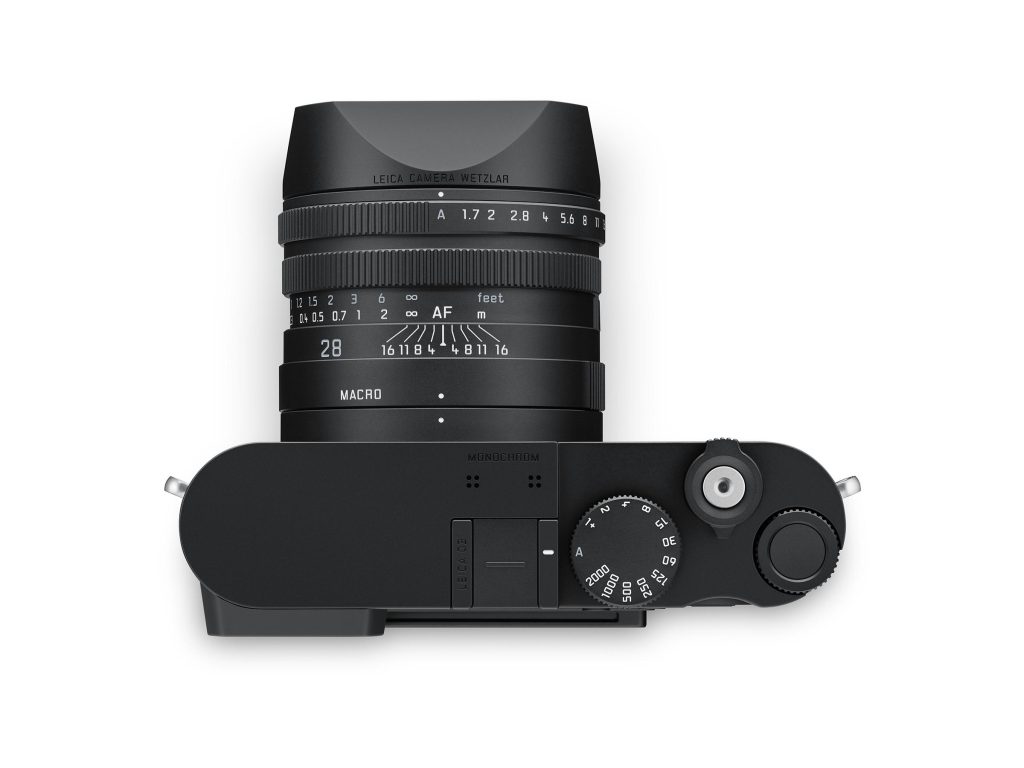
Other Monochrome cameras
- Pentax K3 Mk III Monochrome: DSLR and APS-C, 27.5MP BSI CMOS monochrome sensor, IBIS, weather-sealed
- Ricoh GRIV Monochrome: APS-C, 25.74MP monochrome sensor, hybrid autofocus PDAF and CDAF
A dedicated B&W camera will generally perform better
| The key differences | |
| Q3 | Q3 Monochom |
| ISO 50–10000 | ISO 200–200000 |
| Dynamic range 14.7 EV approx. | Dynamic range 16 EV approx. |
| PDAF focusing | Contrast based focusing |
End of discussion: or is it?
What photography works in B&W?
Much of what works in B&W depends on what light is available and the shooter’s ability to get the most out of composing images in B&W. Or, “seeing it in B&W” if you want the romantic description. With the Leica CL/Q/SL families, you can help yourself by switching the EVF to show monochrome, regardless of whether you shoot RAW, JPEG, or a combination of both.
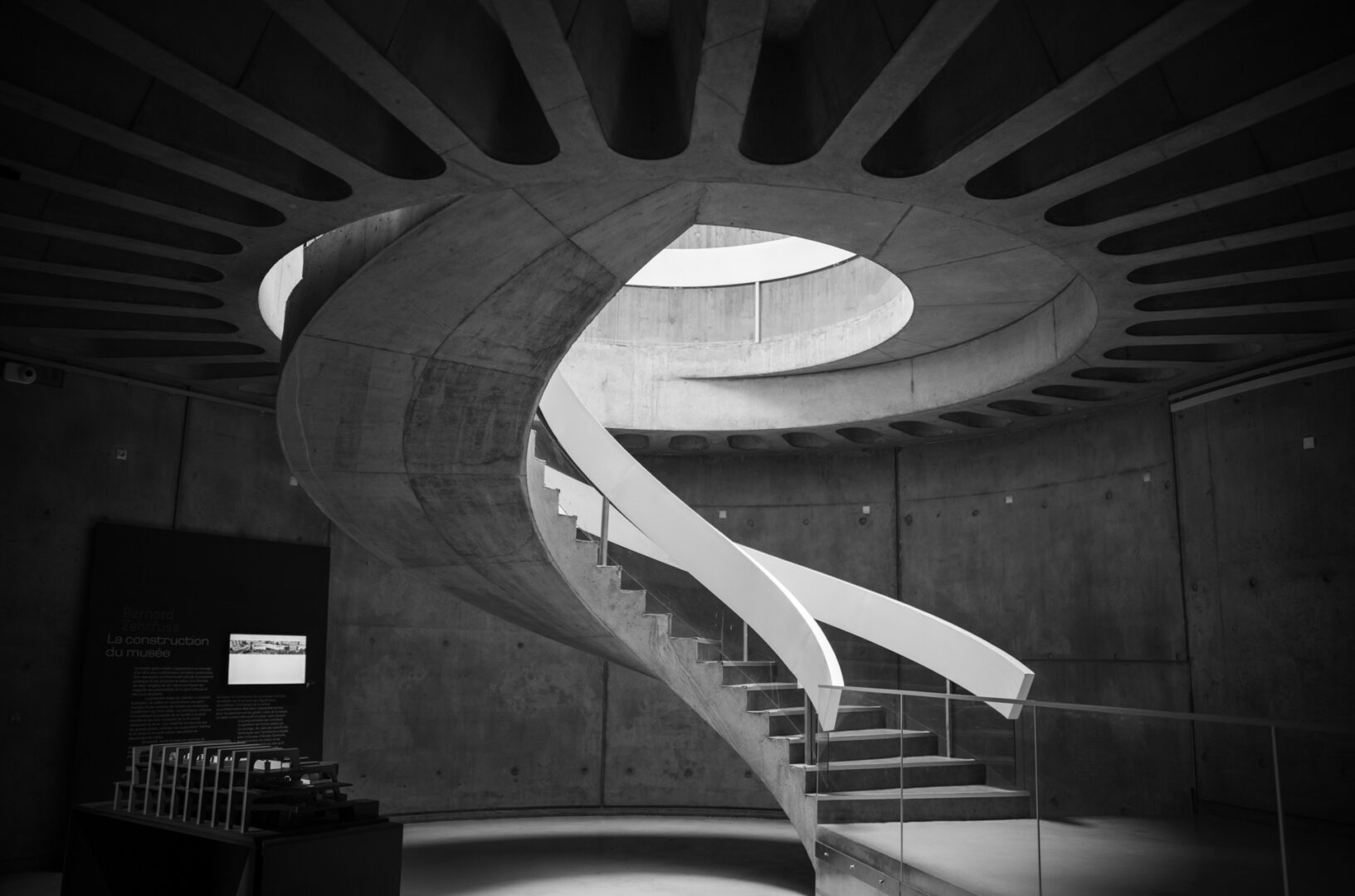
Typical subjects, which lend themselves to monochrome photography, include:
- Architecture
- Strong contrasting light that creates shadows
- Tonal patterns
- Faces
- Simple graphic images
Key differences between pure mono and converted from colour
These days, post-processed colour images can get very close to dedicated monochrome cameras in resolution and tonal range under good light, but they still cannot match their high-ISO noise performance or pure luminance resolution.

Here are the key differences between capturing images using a dedicated monochrome sensor versus converting colour images to B&W during post-processing:
- Pure monochrome images — captured by a dedicated monochrome sensor — are technically superior to those converted from colour because they record true luminance at every pixel without the interference of a colour filter.
- Light Sensitivity & Noise: Monochrome cameras are usually 1 to 2 stops more sensitive to light, resulting in cleaner images, especially in low-light conditions.
- Greater Dynamic Range: By not filtering out light through colour pixels, true monochrome cameras capture more tonal range, leading to better shadow and highlight detail.
- Superior Detail and Sharpness: Monochrome sensors don’t have a Bayer filter (red-green-blue), meaning every pixel records light intensity directly. This results in sharper images, higher resolution, and better performance in low light.
- Cleaner Tones: Removing colour removes chromatic noise and inconsistencies, providing smoother, more accurate tonal gradation.
- Flexibility vs. Quality: Post-processing RAW colour files allows you to selectively choose how colours map to greyscale (for example, darkening a blue sky), which is difficult to change without physical filters on a dedicated mono camera.
The cost of pursuing perfection
Most people don’t want to think about buying and shooting with a dedicated monochrome camera. If they still want to shoot colour, how many can afford both a B&W and a colour camera? The cost can be prohibitive. Unless you shoot almost exclusively B&W images, the cost of a dedicated camera may not justify the outlay.
A monochrome camera can create both restrictions and freedom, depending on your viewpoint. Do you see it as liberating or an unnecessary constraint? Using a dedicated B&W camera has to be intentional: you can only shoot B&W. There is no colour option. But you have freedom to think about composition, without the distraction of colour influencing what you shoot.
What is the cost of a dedicated monochrome camera?
Here are current prices for brand-new models:
| Colour | Monochrome |
| Leica Q3: £5,400/€5,950/$7,350 | Leica Q3M: £5,800/€6,750/$7,998 |
| Leica M11: £7,800/€5,990/$10,400 | Leica M11M: £8,300/€9,450/$11,050 |
| Pentax K3 Mk III (APS-C): £1,899/€1,999.99/$1,799.95 | Pentax K3 Mk III Monochrome (APS-C): £2,249/€2,499/$2,199.95 |
| Ricoh GRIV (APS-C): £1,199/€1,349/$1,499.95 | Ricoh GRIV Monochrome (APS-C):£1,599/€1,799/$2,196.99 |
RAW vs JPEG (let’s get it out of the way) pros and cons
If you are a photographer using a digital camera, you may be happy with JPEGs straight out the camera. You have plenty of “recipes” you can use, from the subtle to the outlandish. A black and white image? Easy.
But where do JPEGs and film simulations fit into how we approach black and white? With JPEGs, you choose the treatment or recipe at the time of shooting. Once the shot has been taken, you can make some adjustments in post, but those changes are limited.
The numbers behind the differences
I looked at an online thread the other day where the original poster asked whether they would get just as good results shooting a Q3 Monochom using JPEGs rather than RAW. I was taught that you lose from 60% to 80% of the original data if you shoot JPEG.
Why is that? RAW files store 12-16 bits of data. JPEG files are limited to 8 bits. What that means in reality is that JPEGs do not do well at recovering all the detail that’s there, either in the shadows or in the highlights.
Changes you don’t control
JPEGs also apply algorithms that automatically apply sharpening, contrast, and saturation. Clipping in JPEGs is much more prevalent. In addition, compression of details leads to mosaicing if you enlarge the image at all.
RAW also keeps tones in images from creating banding. In musical terms, RAW provides each instrument with a separate microphone, whereas JPEG groups instruments together under the equivalent of one microphone.
If you’ve come to the conclusion that JPEGs are a little restrictive, you can shoot RAW and make all the changes you want in a post-processing software like Photoshop, which was the pioneer with its channel mixer function, Capture One or Lightroom.
Maybe you have become interested in shooting B&W and have increased your array of tools by adding the DXO Nik Collection 8 that includes Silver EFEX Pro. There really are almost limitless options for B&W in that program.
So how can you tell “Is it live or is it Memorex?”
Today’s processors allowing more sophisticated demosaicing routines to generate colour images, so the advantages of a monochrome sensor are probably not quite as significant as in the past. You still gain increased sensitivity to light, and a broader potential tonal range that surpasses a camera with a colour sensor.

By the time most social media sites have processed images to fit their format, the size of the file possibly down to about 500kb from 60MB data. They have been compressed and exposed to all sorts of other witchcraft.
That makes comparing an image shot on a camera with a monochrome sensor, against one that has been post-processed, almost impossible at a 500kb file size. To really appreciate the differences, you probably need to print both images to gallery size (A2 at least) and compare them side-by-side.
Conclusions
The technical details of RAW images shot with a monochrome sensor will be superior to RAW images shot with a colour sensor and converted to B&W in software. The post program can only attempt to offset what was there and has been affected by the presence of the Bayer array.
Does it matter? It’s the old “Perception vs Reality” question, and brings us back to Memorex. It might also fall under the heading of “Input + Process = Output”. How much of the initial quality is important to you, and how much you are prepared to spend, or live with, in terms of image quality.
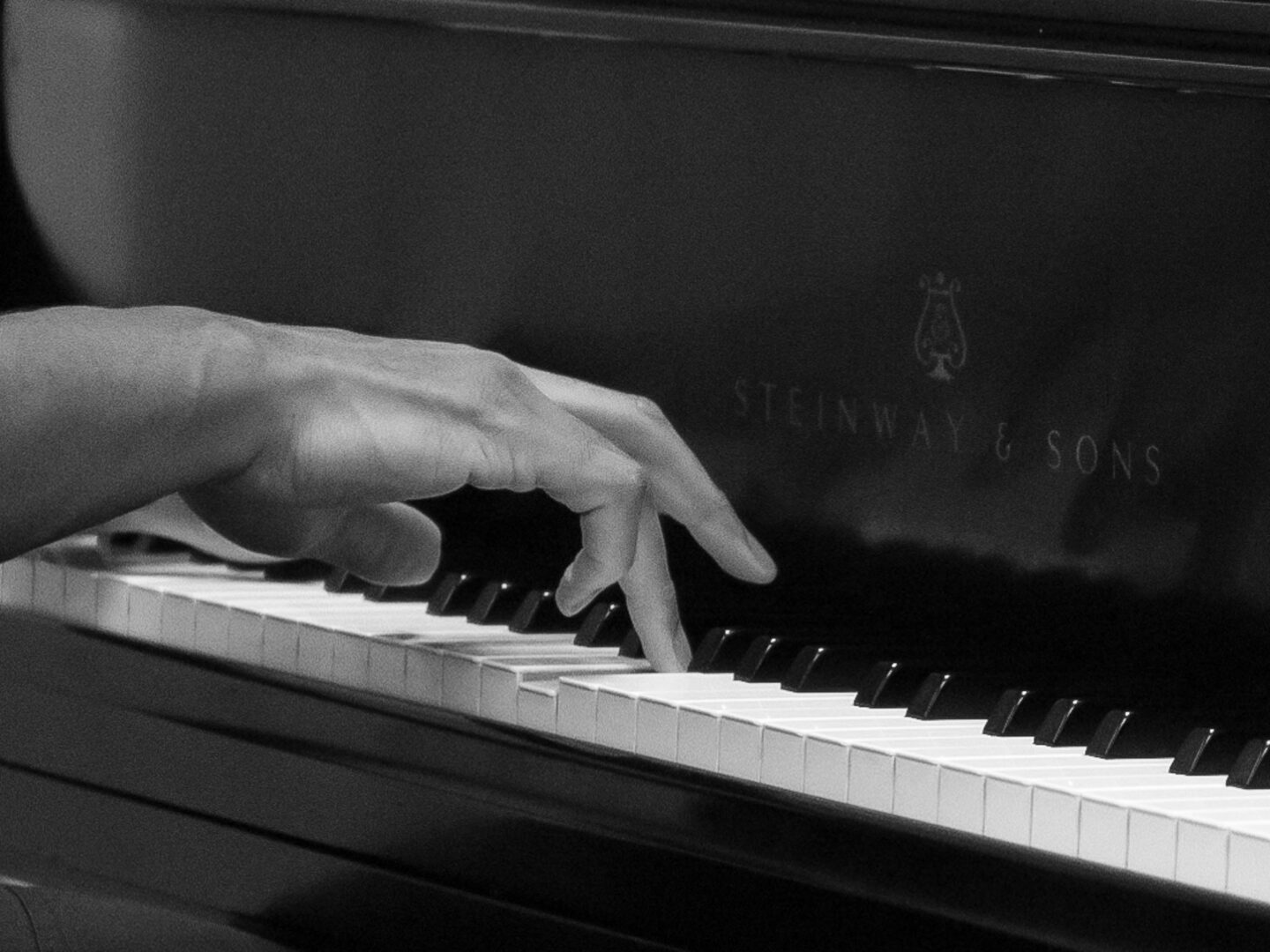

It’s never really about “which is best?” (the data tells us that answer), but about “which is best for you?” In reality, it’s your choice, and it doesn’t matter what other people think. If you think you can perceive that a pure B&W image shot on a camera with a monochrome sensor is better, then that’s your choice. But ultimately, it all depends on your budget…
Have your say
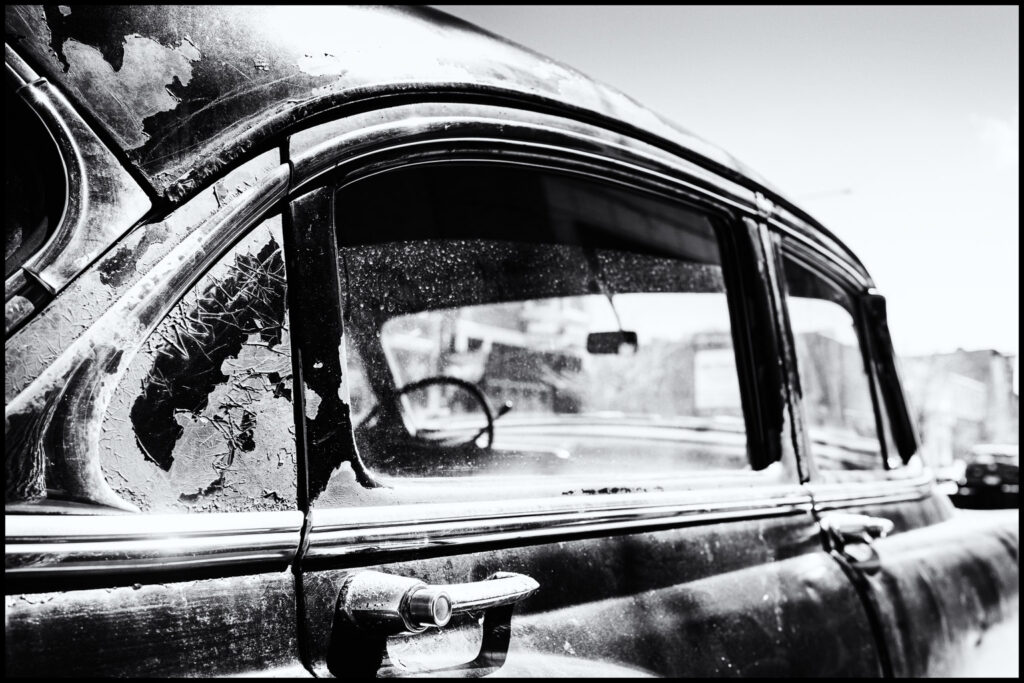
So, the debate will no doubt continue to rage. And we want you to have your say. We want you to look at the implications of the decision you have made or will make, whether it’s a dedicated monochrome camera or a “colour” camera. There are some obvious and some not so obvious positives and negatives. What do you think?
Table of images in Monochrome articles
After looking at this article, and the first article published on April 14, can you tell which images were shot with a monochrome camera and which images were converted from colour? Answers will be revealed on Wednesday, April 22.
Make a donation to help with our running costs
Did you know that Macfilos is run by five photography enthusiasts based in the UK, USA and Europe? We cover all the substantial costs of running the site, and we do not carry advertising because it spoils readers’ enjoyment. Any amount, however small, will be appreciated, and we will write to acknowledge your generosity.
I am not sure why my comment wasn’t published, but I stick to the fact that the term ‘ monochrome’ may imply that pictures are Red&White, or Green&White, or whatever colour. As ‘monochrom’ is mostly understood as ‘Black&White’ Why do ‘t we use the correct dénotation.
Thanks Gerard,
As always a healthy level of debate takes place at Macfilos Towers about the use of names and language. In this instance we chose monochrome, as Leica designate some of their cameras as “Monochrom”.
We will look again, open up the debate, and sharpen our pencils,
Could you tell us a bit about the sensors in Pixii cameras? Their sensors can produce both colour and black-and-white RAW files. Is it possible to tell the difference between these and an image taken with a monochrome Leica?
We have had almost no contact with Pixii despite trying over the last 2 years. We would love to try the latest versions.
Pixii’s claim about monochrome is really about an algorithm that factors/calculates the effect of the Bayer array and removes it in processing. An example of this in a parallel universe is noise canceling in headphones.
“True” monochrome sensor cameras do not have to go through this algorithmic calculation. Which also begs the question, whether the Pixii algorithm is dynamic and being calculated in real time, or whether it’s fixed.
We would love to know more and try out Pixii’s latest, but until we get a response from them we can only speculate.
Jon
May be there is a difference but I cannot see the difference. If you compare Leica with Leica you should not forget to compare it with the Huawei P10/P20 because of the monochrome sensor for monochrome photos in this smartphone. Leica says it is original Leica….
I use until today the Olympus XZ10 with CCD and the art filters in monochrome. May be everything is different but the Leica monochrome is not a better monochrome in my opinion.
And last not least a lot of photographers use the nik collection with the monochrome tools. What is the difference between a Leica monochrome photo and a nik silver efex made monochrome photo without leica? Is it really only possible to see a difference on a print A2? What printer is used?
I must say thank you for the question because it opens a large view.
Thanks for your comment Michael.
I am unfamiliar with the Olympus XZ10 as it appears to be 13 years since it was launched, so can’t comment on the quality of that camera’s colour vs monochrome RAW output. As to the Huawei P10/P20 we don’t usually test phones, so can’t comment on its performance.
With printers, all I can say is that to get the full effect you would need a printer that could handle up to A2 sized paper. An Epson Sure Color P900 would probably work well, but as always you should try before you buy.
Best
Jon
Hi there —
If you begin with color, you have more ‘information’ to work with in the conversion. More choices, more options. The difference between good and bad lies more with the person who does the conversion, not with the camera.
What do all bad B&W images have in common, regardless of camera? They aren’t B&W at all; they are a murky soup of gray, with poor tonal contrast, rendered by photographers pursuing some sentimental, retro look.
John Kerans in Saint Louis
Thanks John,
If you follow the G.I.G.O. rule, then starting with a colour sensor and converting to B&W can only degrade what you have. Whereas a B&W sensor gives you greater exposure latitude, more tonal range, more depth, and more detail. If you look at a RAW image from a B&W sensor and print that to A2 then compare the same shot with a colour sensor, converted, and printed to A2 you can easily see the degradation. The muddiness comes from compression of the image file and then lower attention to detail in processing.
Jon
Jon
“That makes comparing an image shot on a camera with a monochrome sensor, against one that has been post-processed, almost impossible at a 500kb file size. To really appreciate the differences, you probably need to print both images to gallery size (A2 at least) and compare them side-by-side.”
I agree it would be a nugatory exercise to try and decide which type of camera (monochrome or colour) was used from looking at an image on a Macfilos webpage by image quality alone.
However, I do like quizzes and challenges, so considering the subject matter and perhaps what the photographer wanted to portray; I will say images:1, 6, 12, 13, 14 and 20 were taken in monochrome. So what’s my grading? E minus?
Chris
Thanks Chris,
I could tell you…but I’m going to suggest you come back on Wednesday and look at that day’s article and the table within it to see how you scored.
Cheers!
Jon
Jon
I only guessed correctly on two out of the six images. What I did correctly guess though, was that my grading would be, “E Minus”.
So in summary, I agree with you conclusion on this topic as:
“It’s never really about “which is best?” (the data tells us that answer), but about “which is best for you?” In reality, it’s your choice, and it doesn’t matter what other people think. If you think you can perceive that a pure B&W image shot on a camera with a monochrome sensor is better, then that’s your choice.”
Chris
Agree.
Interesting article, although the explanation about the data loss incurred with JPEG processing is incomplete. The format dates to 1992 when disk space was considerably more expensive than nowadays, making desirable a method to limit file size. As well as reducing colour bit depth, the algorithm applies lossy compression to optimise efficiency. This means that when the file is read and the data uncompressed, it will not necessarily retain all its original values. For example, if tonality in adjacent pixels is similar, they might become the same to reduce the number of bytes required.
This explains the different in camera JPEG quality settings; users are being asked how much information they are willing to discard, similarly with the quality options in image editing applications when saving JPEGs. It works because the viewer does not notice what is missing, unlike other situations where reconstituting the original file is imperative, such as a Word document. In these cases, lossless compression is utilised as occurs with Zip files, for instance.
With the advent of the Internet and the initial slow speeds incurred with dial-up modems, the JPEG format found a new purpose. It made image transmission more efficient and became a de facto standard. Time will tell whether it will remain dominant with the advent of improved algorithms such as HEIF. There have been many predictions of JPEG’s demise, but it has a strong legacy which so far has proved resistant to newcomers.
Thanks Michael,
Agree, the story of the difference between RAW and JPEG is incomplete. I felt too much information on that might cause readers to glaze over, but maybe I should have included more.
What some people Don’t seem to be aware of is how much that loss really is. Printing these days is probably one of the best tests to see what’s lost.
Jon
I know of photographers who only shoot JPEGs and do so successfully. Presumably they treat them in much the same way as slide film and make few, if any, changes subsequently. After all, JPEGs can display over 16 million colours which is (probably) equivalent to what the eye can perceive. However, tonal adjustments might prove unsatisfactory due to the limitations imposed by the lower bit depth. Repeatedly saving the file can also cause gradual degradation due to build up of compression losses. (In that instance, it would be better to convert the image at the start to a non lossy format such as TIFF, preserving the information which remains.)
Despite its shortcomings, the JPEG format suffices provided it is the final output, not the start of post capture processing. It has withstood the test of time and has many uses where image quality is paramount, such as submission to competitions or online printing companies.
I don’t think anyone denies that JPEGS have value, it’s where you start from and where you need to end up that determine their role. G.I.G.O. still applies.
An oft-discussed topic you’ve not covered here is if the older M8 & M9 cameras with Kodak CCD sensors yield better B&W images, whether captured in color or monochrome, than the newer CMOS sensor cameras. Perhaps that would need to be covered in an additional article, but very relevant to this post.
Rick, a good point and a constructive suggestion for the future. I have heard this before. Indeed, I can recollect receiving an in-depth briefing on the benefits of CCD sensors from David Slater in the London Leica store many years ago. I’ve forgotten the detail, but the gist sounded very plausible. We can research it.