
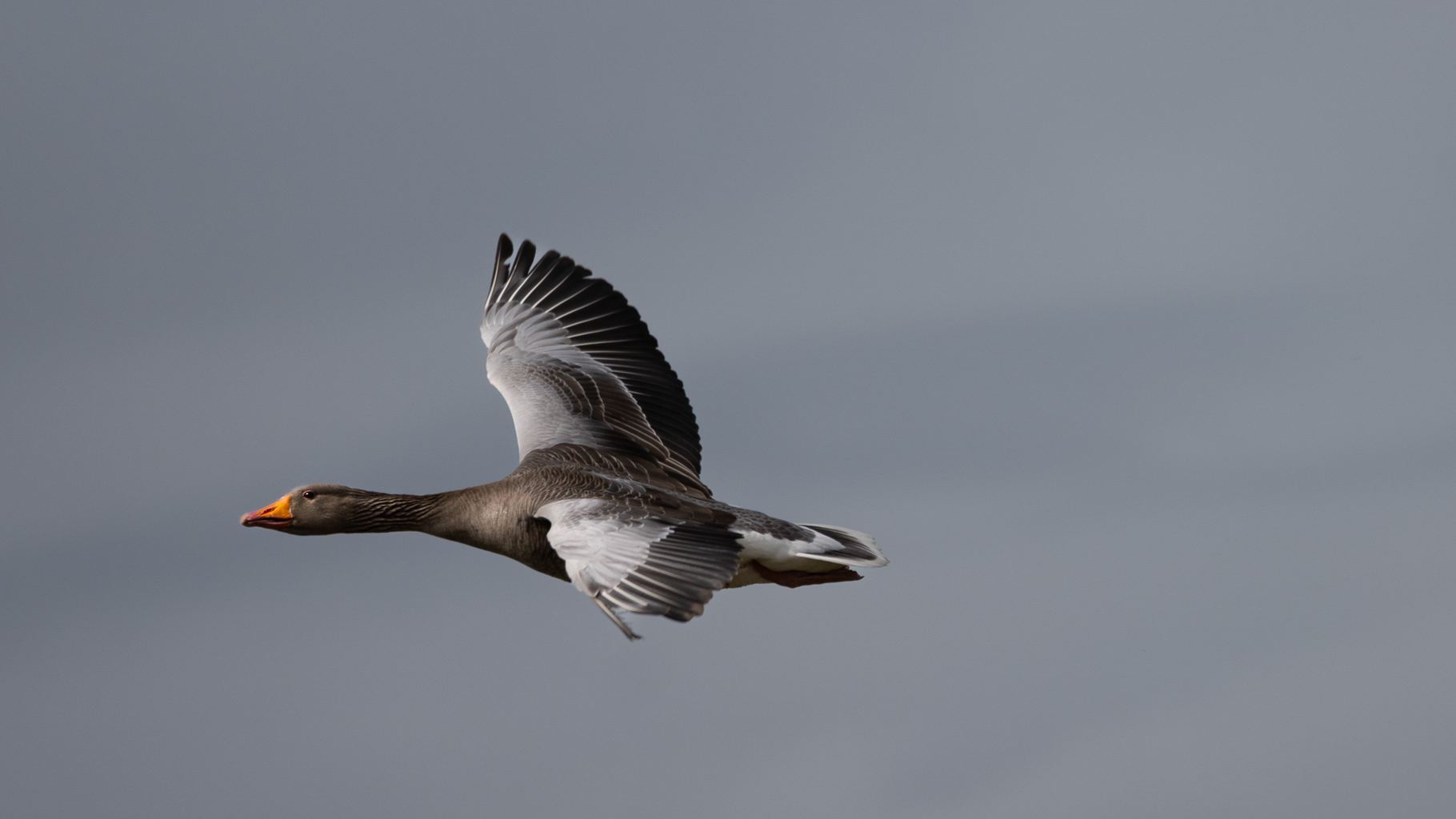
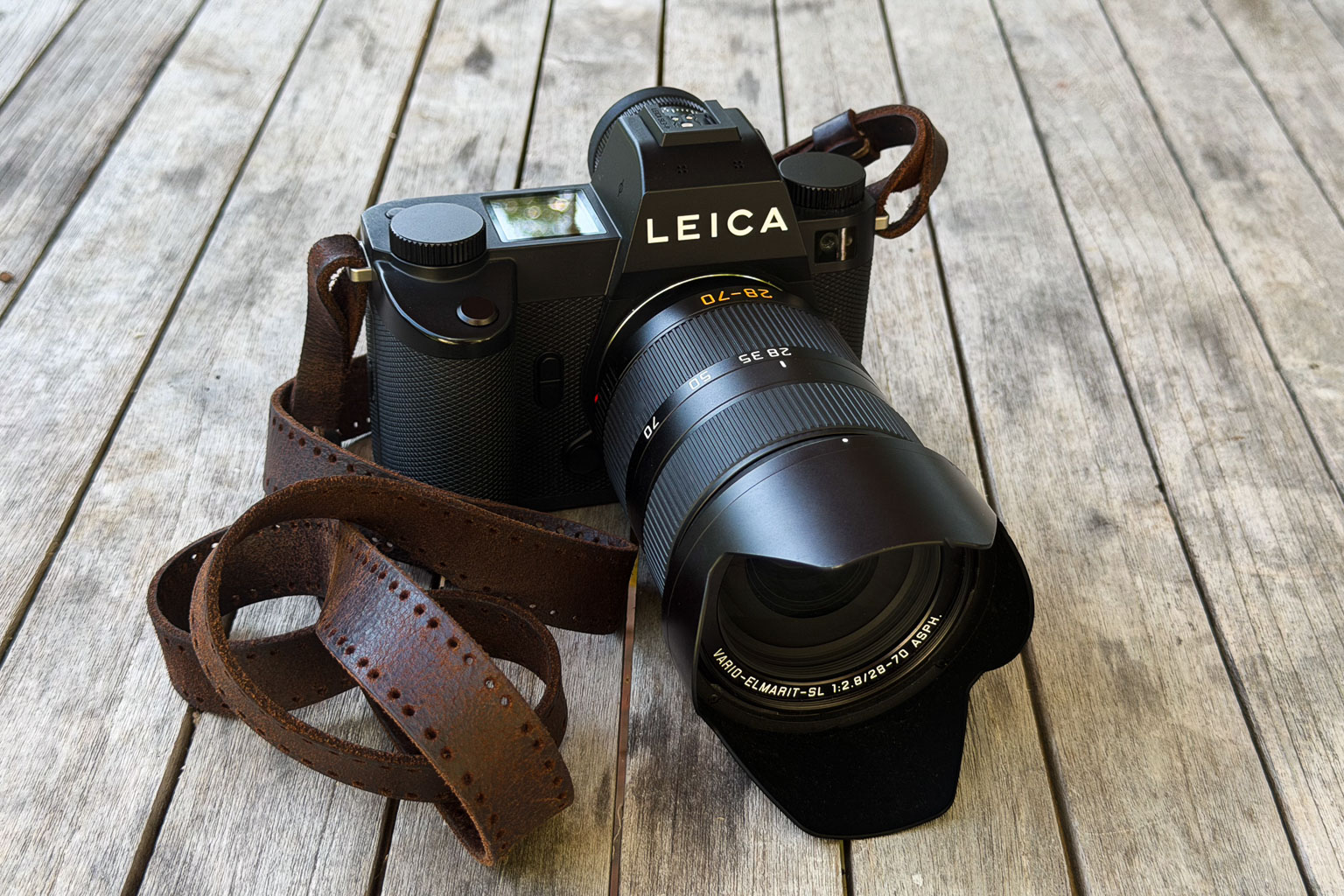
Today Leica has announced a new member of the SL family of cameras, but also two new lenses, both of which are excellent additions to the L-Mount stable. This article is mainly about the new camera, the Leica SL3-P. I won’t go into comparisons with the SL2 — most of this is covered in my articles about the SL3, and the SL3-S. I have been shooting with the SL3-P since back in November last year, so this really is a long-term test.
First impressions were that the camera was a kind of half-way house between the SL3 and the SL3-S but extended use and firmware updates have definitely changed my feelings on that.
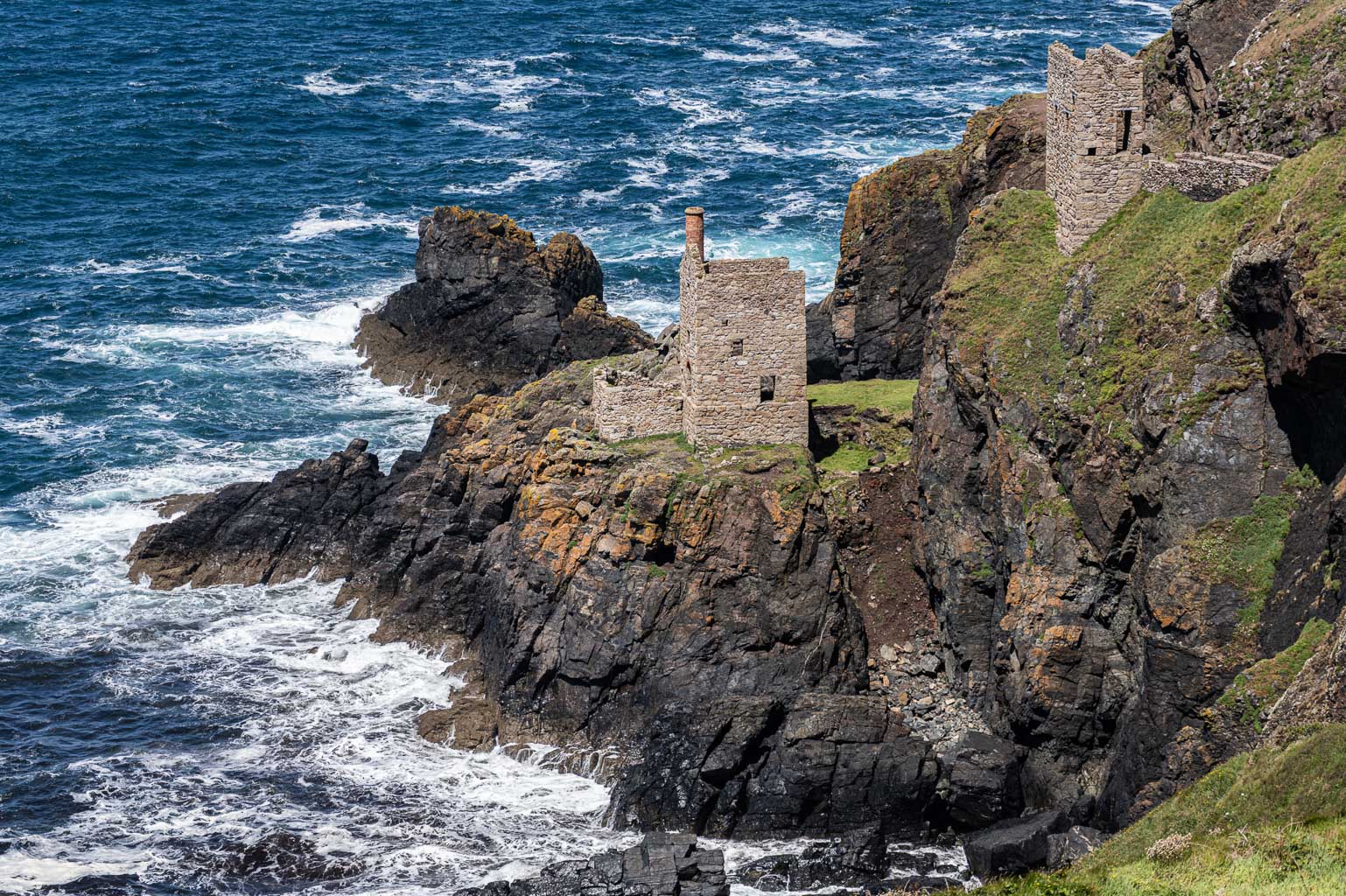
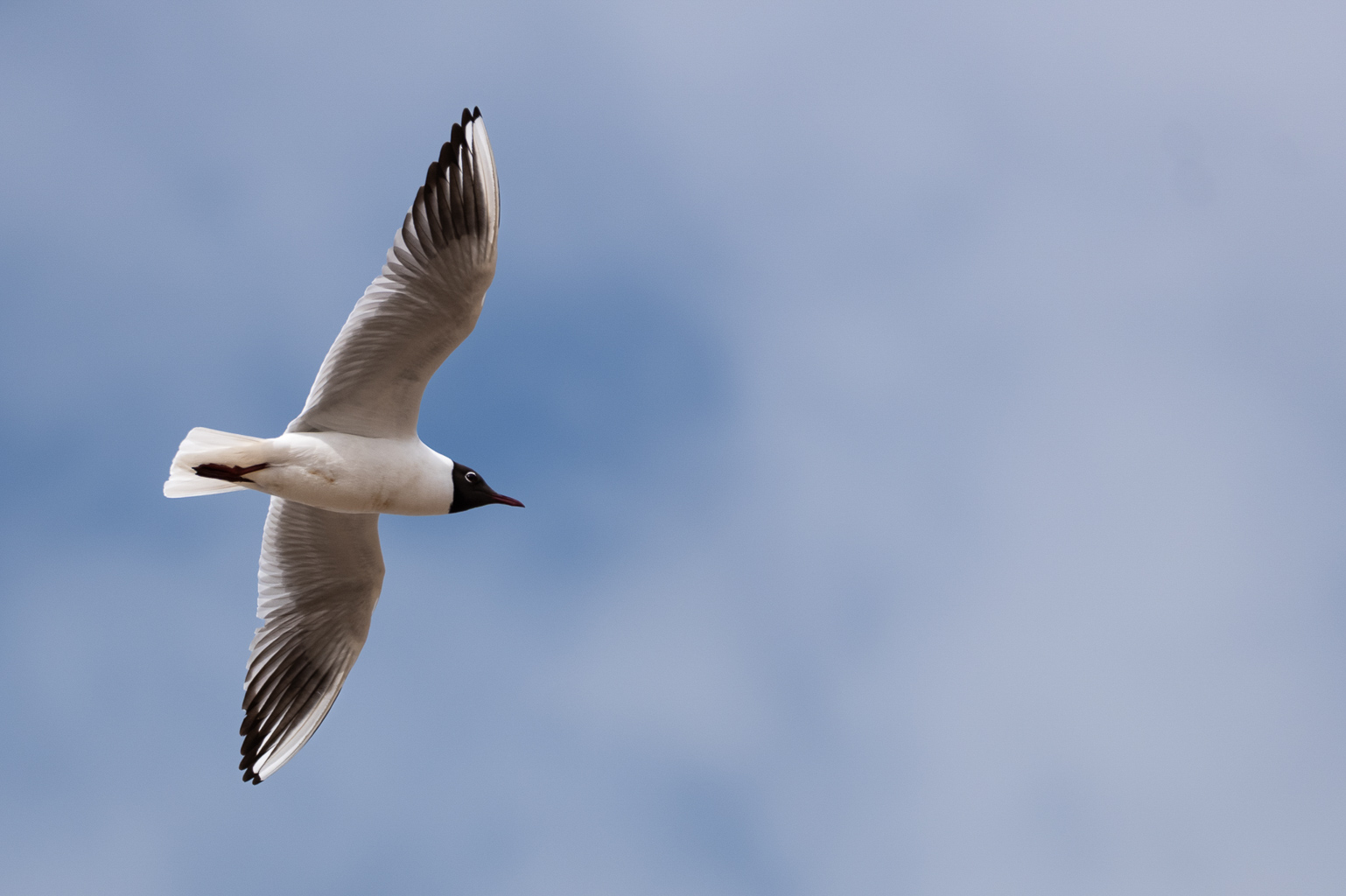
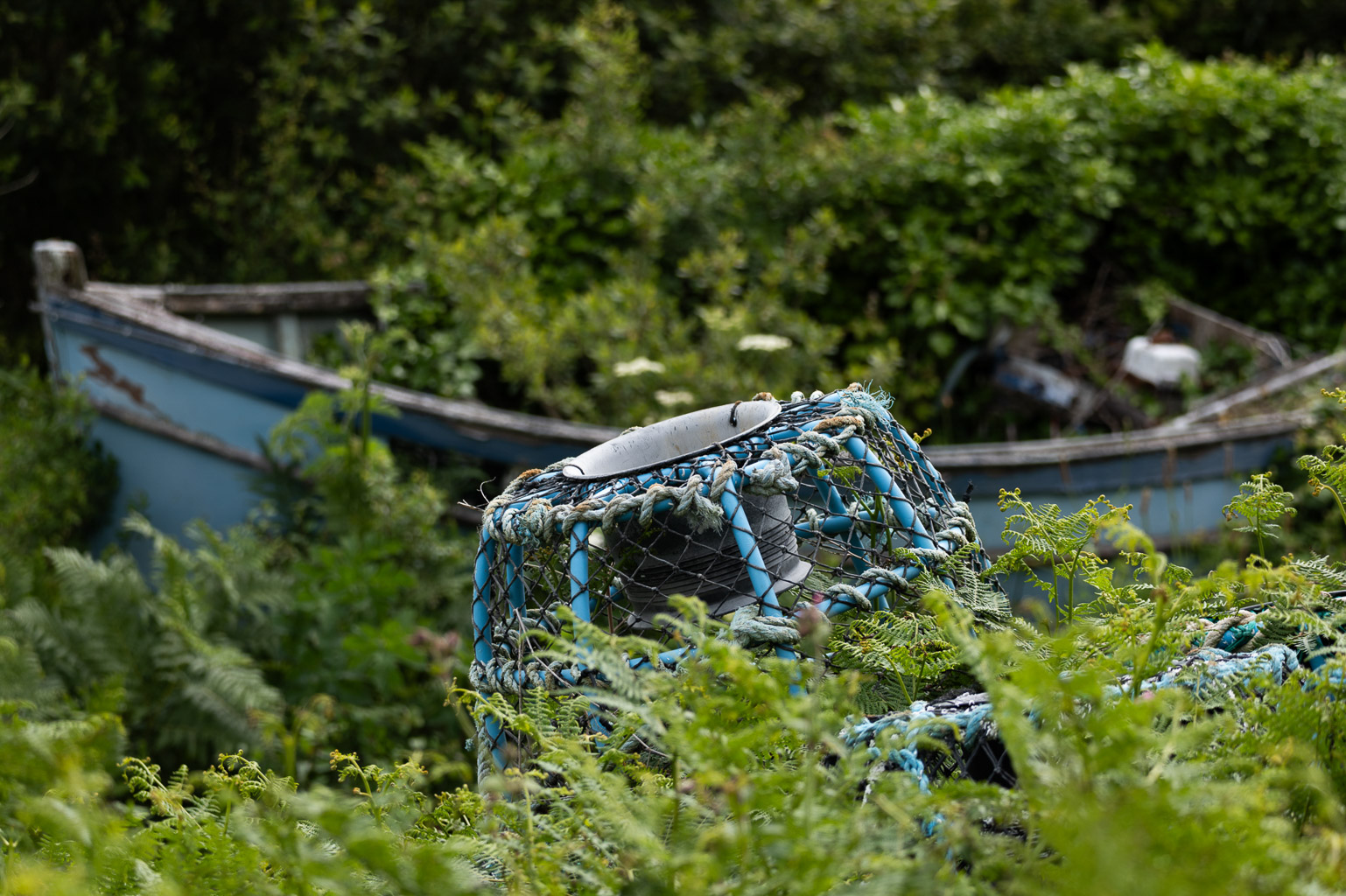
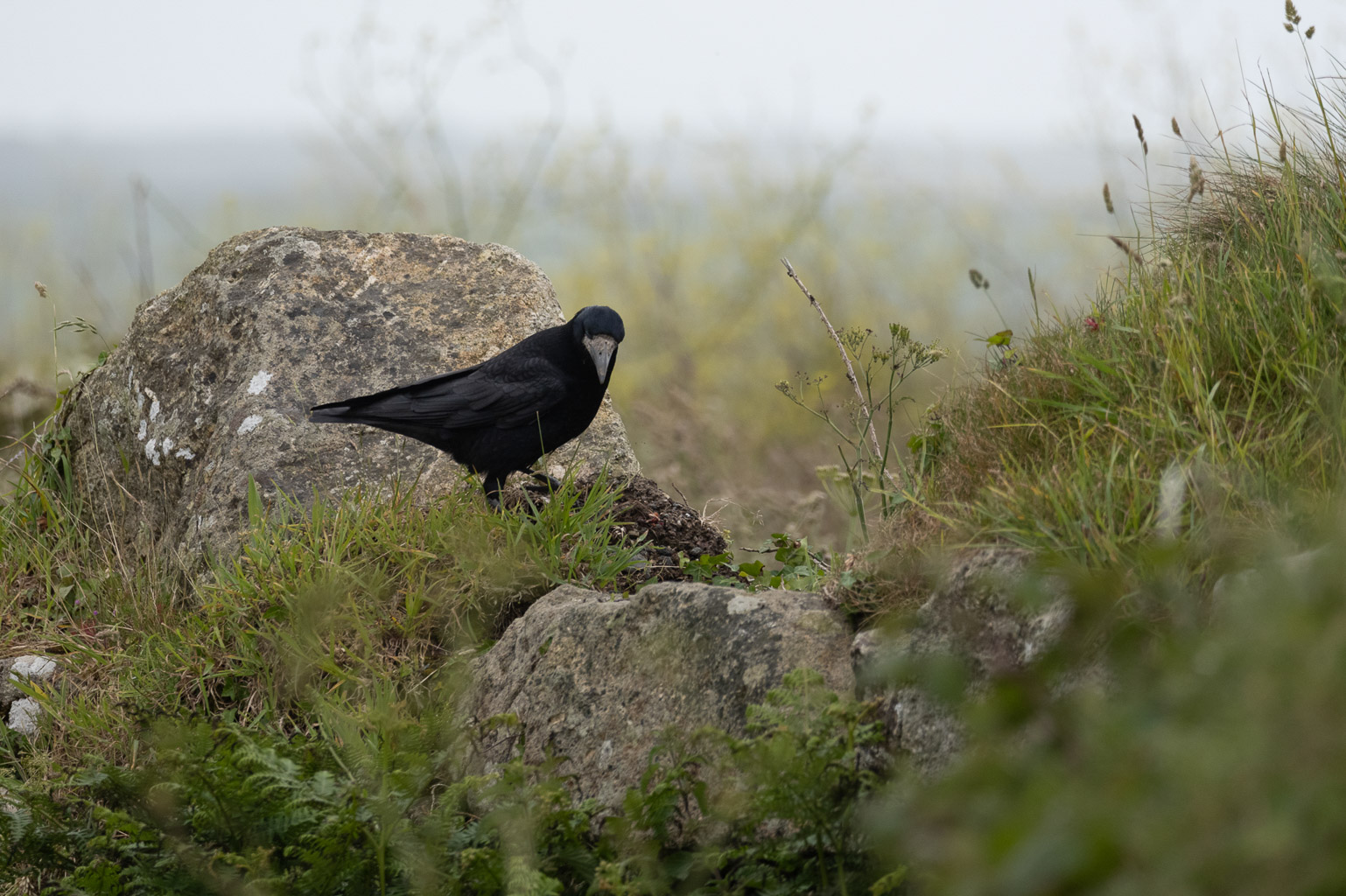
I have been shooting quite a lot of nature photography over the last couple of years; I don’t have the patience to sit for hours in hides waiting for a duck to move, but I do spend a lot of time walking in the countryside and taking pictures of what turns up, whether it’s a bird in flight, a zooming dog or an interesting flower.
Over the last couple of years I had been using an OM System OM-1 Mark II together with the 40-150mm (80-300 equivalent) and 50-200mm (100-400 equivalent) lenses. The camera has a stacked sensor, providing lightning-fast focusing. And, of course, with the µ43 sensor, the kit is all pretty light to carry about. That, and their clever computational options (pre-capture, focus stacking, multi-shot mode, and so forth) make this a compelling package.

However, perhaps the elephant in the room here is that the SL3-S does not have a stacked sensor. I’m going to address that concern directly in this article.
I thought it would be an interesting exercise to compare the SL3-P and to see whether it could replace the OM-1ii with it’s stacked sensor for this type of nature and wildlife photography (something for which the OM System is renowned).
I’m going to concentrate on nature, wildlife, and weddings in this article. However, I’m planning a second article in July to look at the Ladies Tractor Road Run.
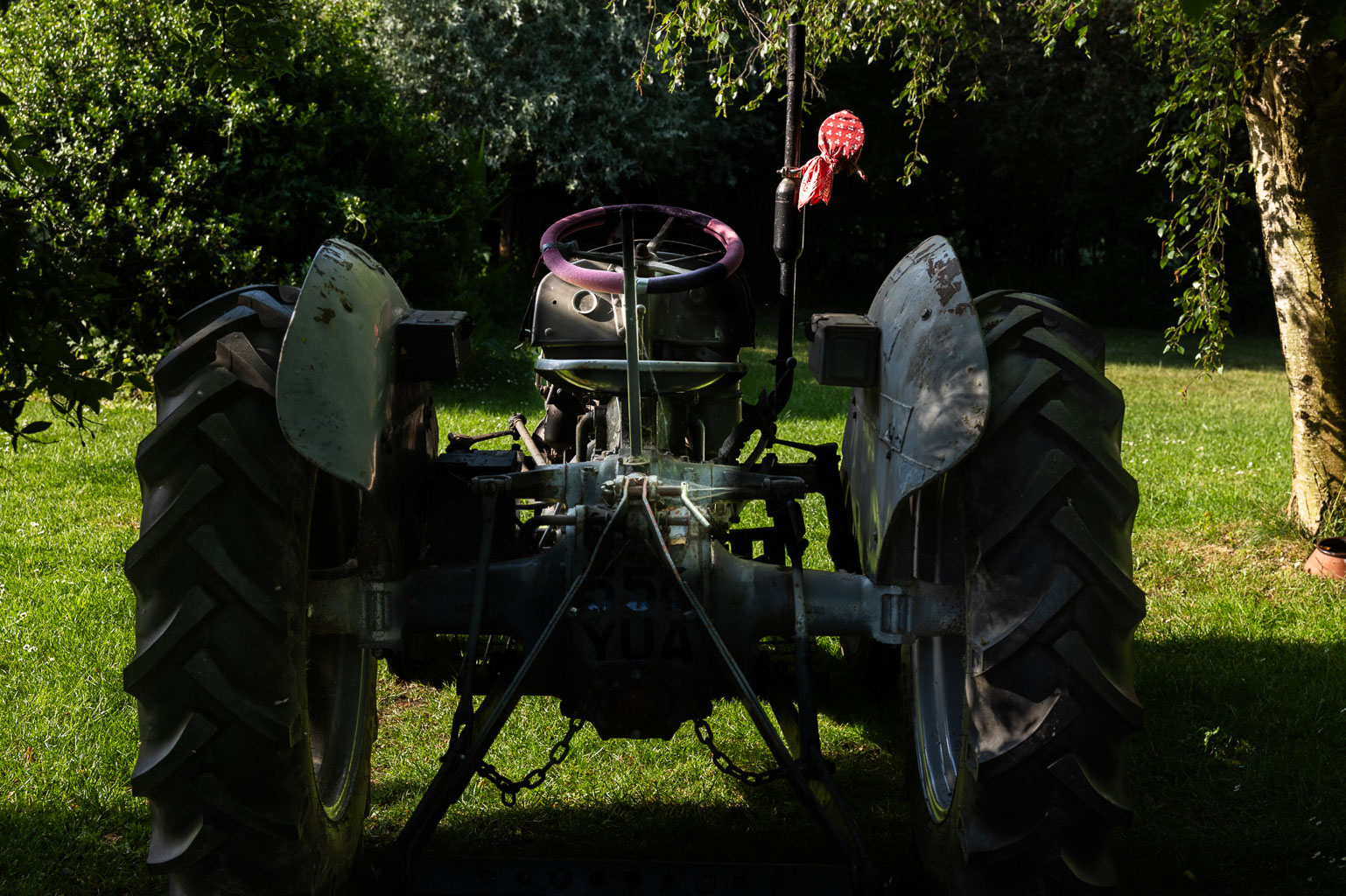
This year’s event is on July 5, and, as usual, my wife Emma will be driving her Little Grey Fergie. It’s always my biggest gig of the year; I take upwards of 2,000 images, of which most have to be good enough to use (the Ladies use them for their fund-raising efforts).
The Camera
The body is fundamentally the same as the other two SL3 cameras — lighter than the SL2, but with a deeper grip. Construction is all metal, and it is dust and splash proof to IP54, which, in real life, does seem to mean that it’s fine to shoot for hours in a downpour (at least, I have done that on several occasions).
The SL3 has Leica in white on the body, with a red dot, the SL2-S has black script and no dot. The SL3-P is splitting the difference with white script but no red dot. It certainly does look very handsome.
The camera really does feel like a premium product, right down to the buttons and dials. It’s a lovely thing. Perhaps that shouldn’t be important, but I always think it’s better to be working with satisfying tools. Of course the whole SL3 family qualifies, but I think this camera with the white writing and no Red Dot looks particularly elegant.
User Interface
We are now on version 4.0.1 for the Leica SL3 family. Leica has continually refined and updated the firmware and the user interface. I think that it’s a work of real inspiration.
All function buttons can be programmed individually — you don’t need to do this through the menu. You simply long press on a button and a list of options appears. There are about 60 possibilities, but you can limit these in the Settings to whichever subset you like.

The eight icons on the quick menu on the rear screen can also be programmed — long pressing an icon brings up a list of options.
All of these options can be saved to named user profiles, including the icons on the rear screen.
I’ve been spending the best part of my life designing user interfaces, and I love this. It’s minimalist, intuitive and incredibly configurable.
I have different setups for different situations with different icons on the quick menu and different functions for the function buttons — it just works and the more you use it the better it seems.
Autofocus performance
Leica has been doing a lot of work on the AF performance for the SL3 cameras. Firmware version 4 introduces different AF detection types and adds AI training models.
They have also separated out the different functions of the AF in the menus, although this might be a little confusing to start with, it makes it much easier to adjust things as you get familiar with it.
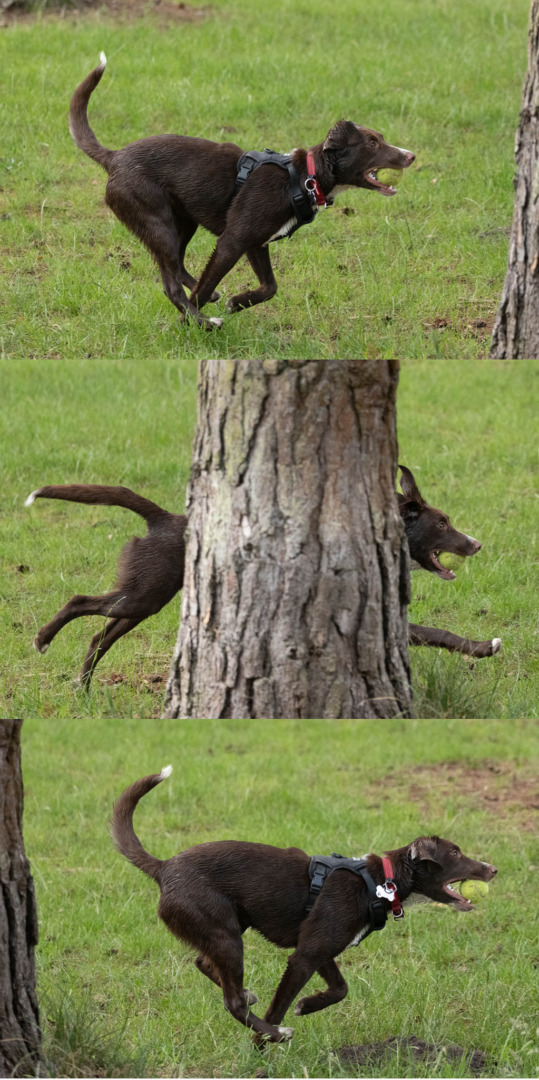
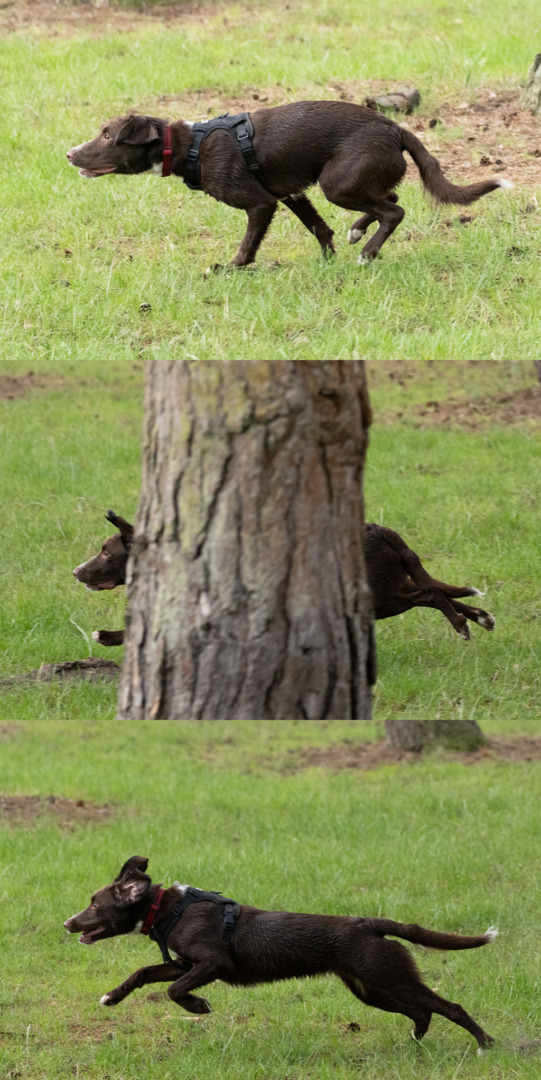
What is obvious is that the new SL3-P is much better and faster at AF than the SL3-S was when I reviewed it — much faster! What is less obvious is how much of this improvement is to do with the new firmware changes. But whichever way you cut it, the autofocus is great.
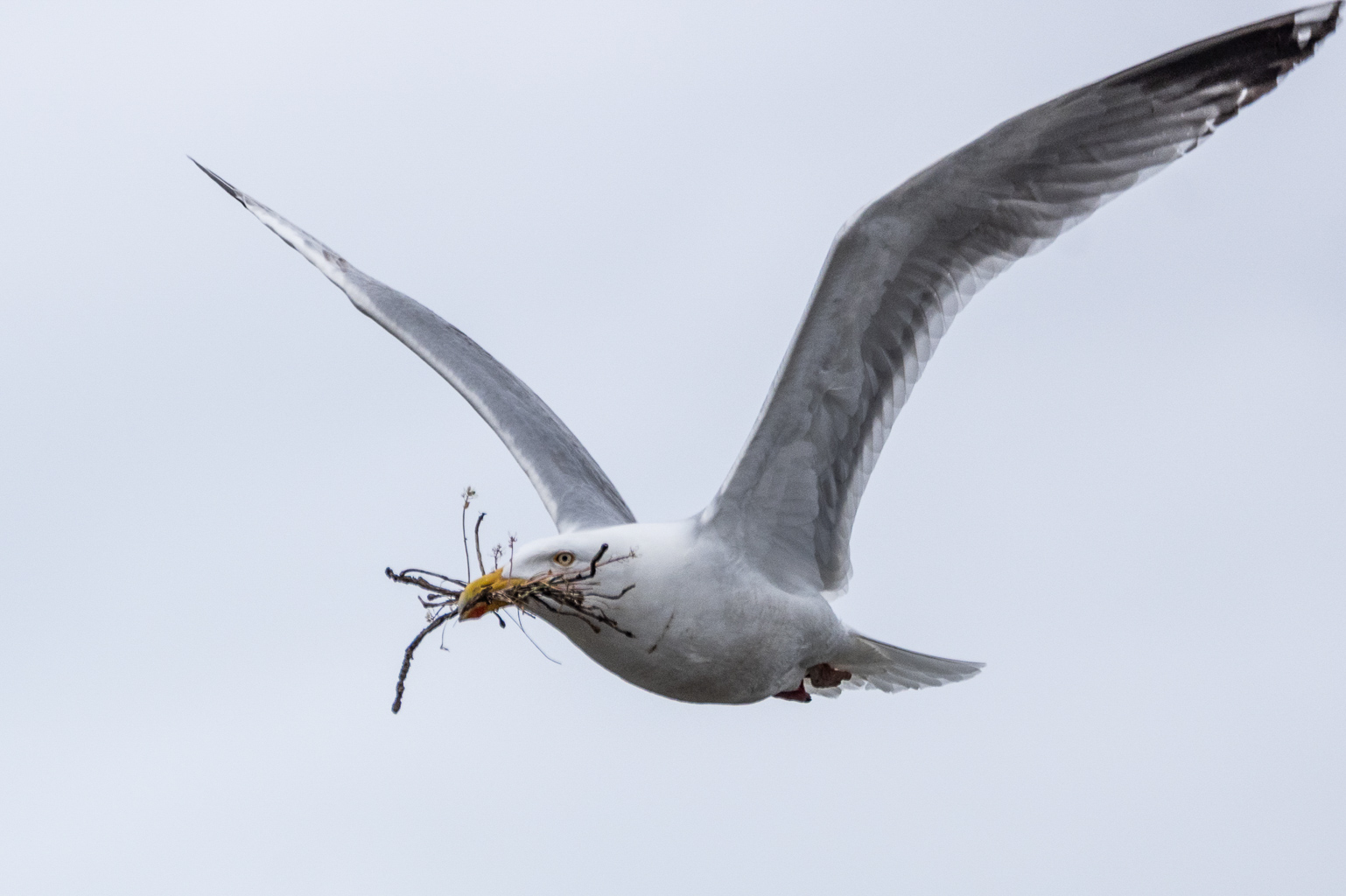
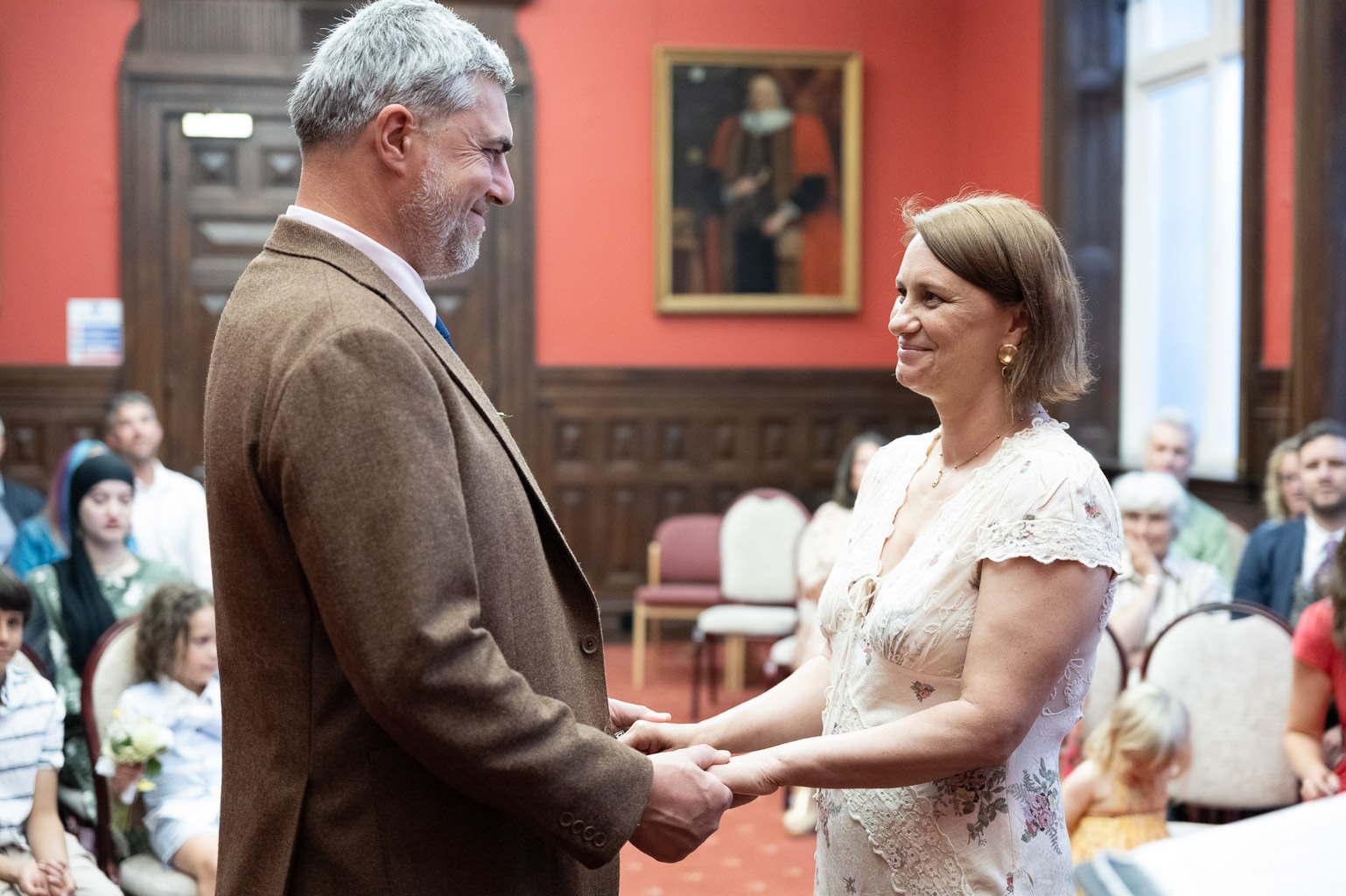
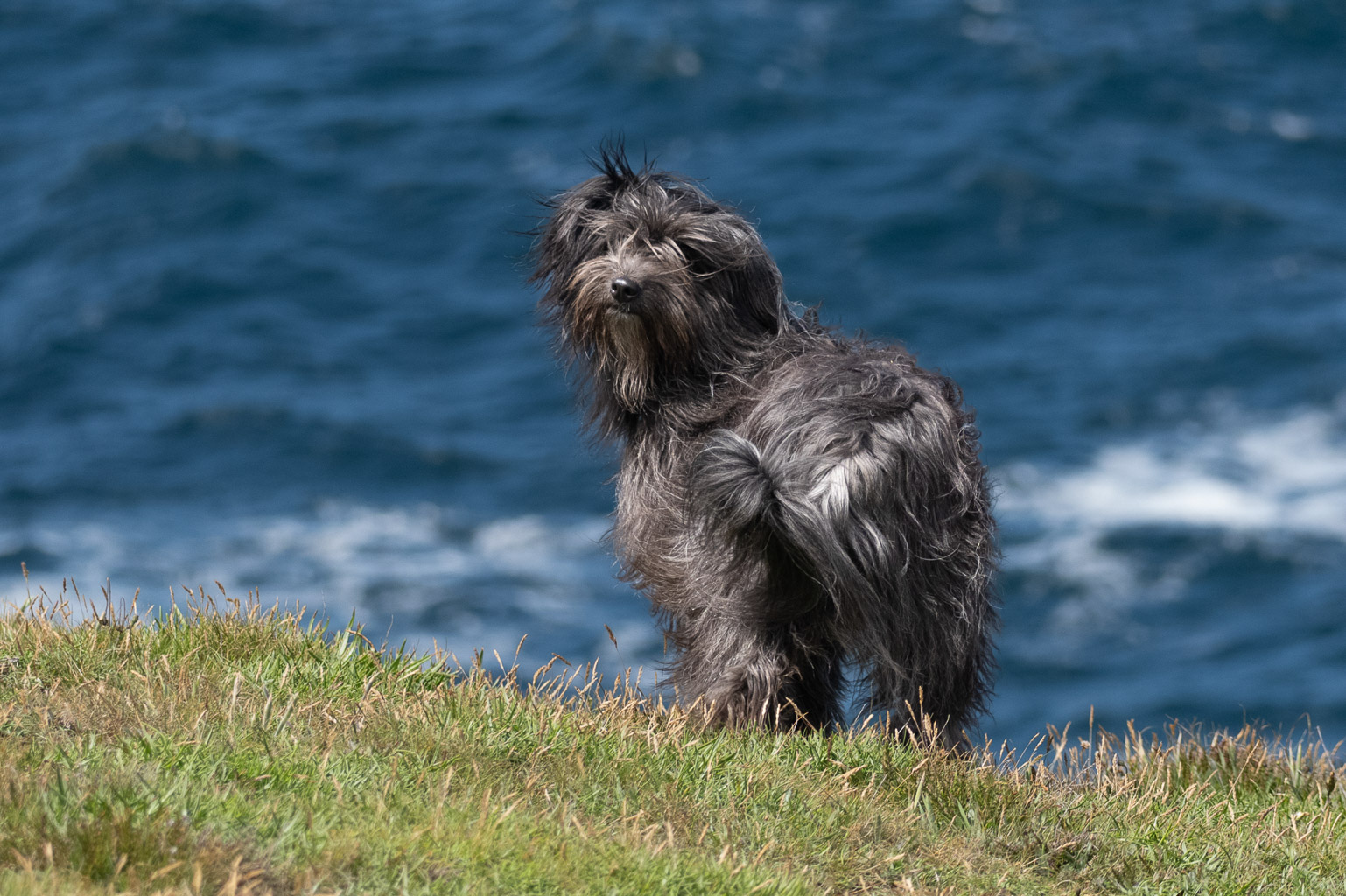
This year I have been using the SL3-P for birds in flight, general nature photography, tracking zigzagging dogs. Recently, I shot a wedding ceremony, and I’ve just gone through nearly 1,000 images and, as far as I can see, it has only failed to nail focus on one image. This with the small and lovely 28-70 f/2.8 Vario-Elmarit.
Regarding autofocus, the point at which you can get all the shots you need is the point where you can stop wondering about whether other cameras might be better.
Readout and rolling shutter
Despite almost doubling the resolution, the sensor readout speed of the SL3-P is about 2 per cent faster than that of the SL3-S, which in turn is twice the speed of the SL3. This represents a considerable improvement and as well as allowing a faster shot to shot time (40 frames a second with AF in 12 bit mode) it also significantly reduces rolling shutter.

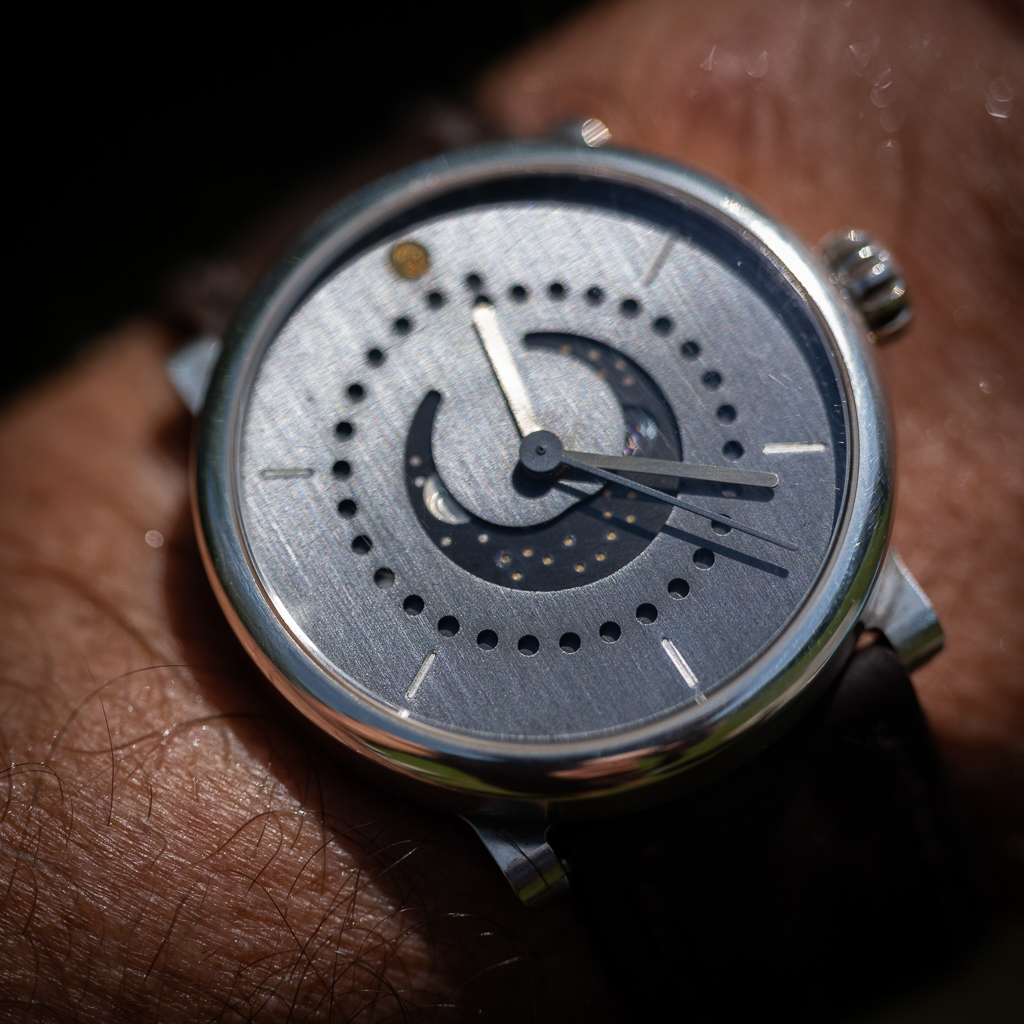


Certainly, in my time with the camera I haven’t noticed any instances of rolling shutter, although I’m sure it could be found — I don’t have any drummers at hand to test for bent drum sticks… except!
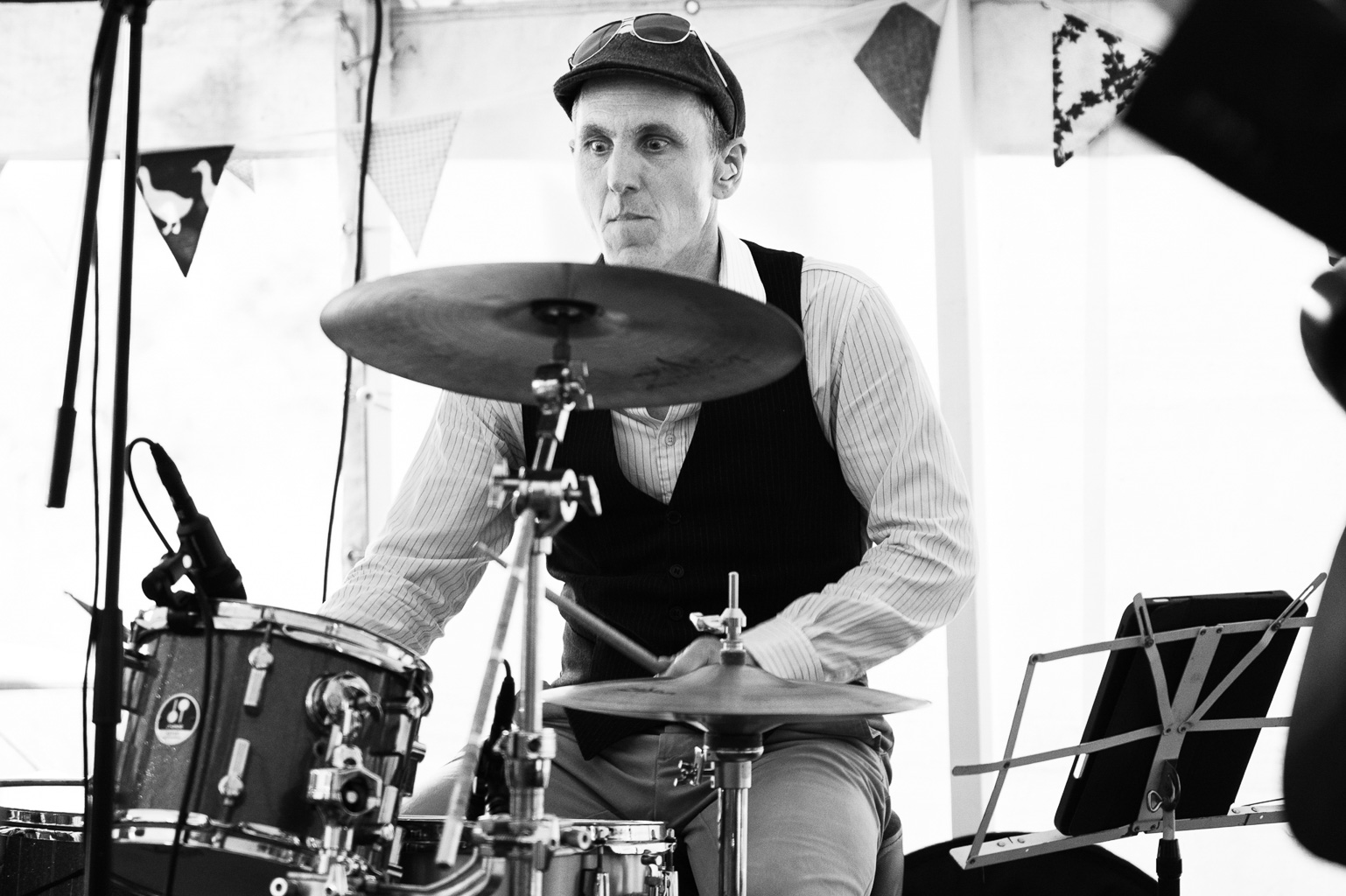
Last week I shot the ceremony of a wedding exclusively using the electronic shutter without any issues…. and I found three drummers! I used the electronic shutter and still failed to see any bent drumsticks!
Computational photography
Computational options are becoming more and more significant in modern cameras (even more so in modern phones). Leica is very aware of this, and the SL3-P already has an excellent 171MP Multi-Shot mode, producing incredibly detailed images (even hand held, but more so with a tripod). With firmware version 4 this has been developed even further so that if you use a tripod, the camera can remove moving objects.
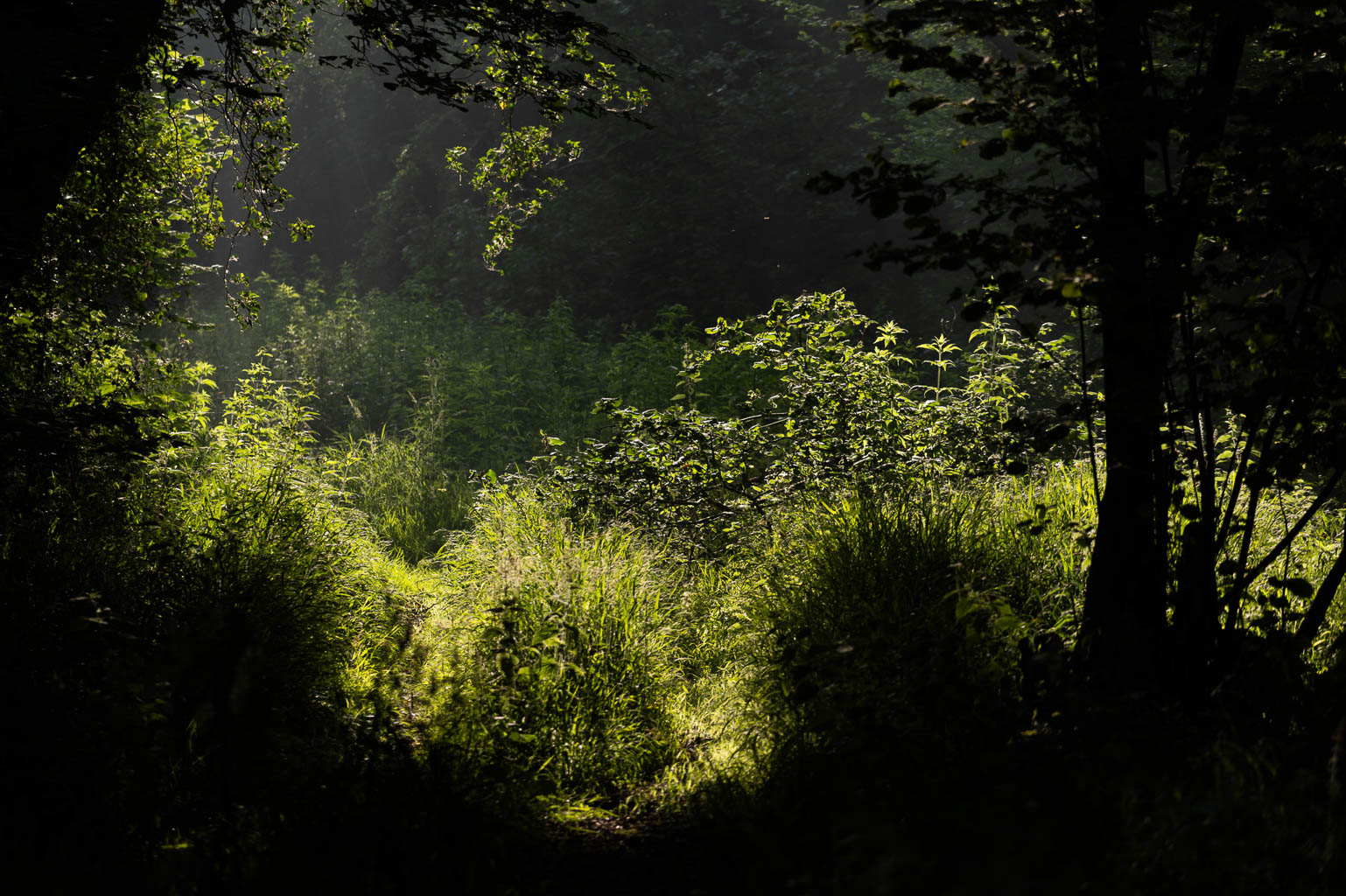
Leica Looks can be added to your camera from the Leica FOTOS app — these allow you to customise the look of your images. Hopefully, at a later date these will also be available in Adobe Lightroom so that they can be applied to DNG files as well.
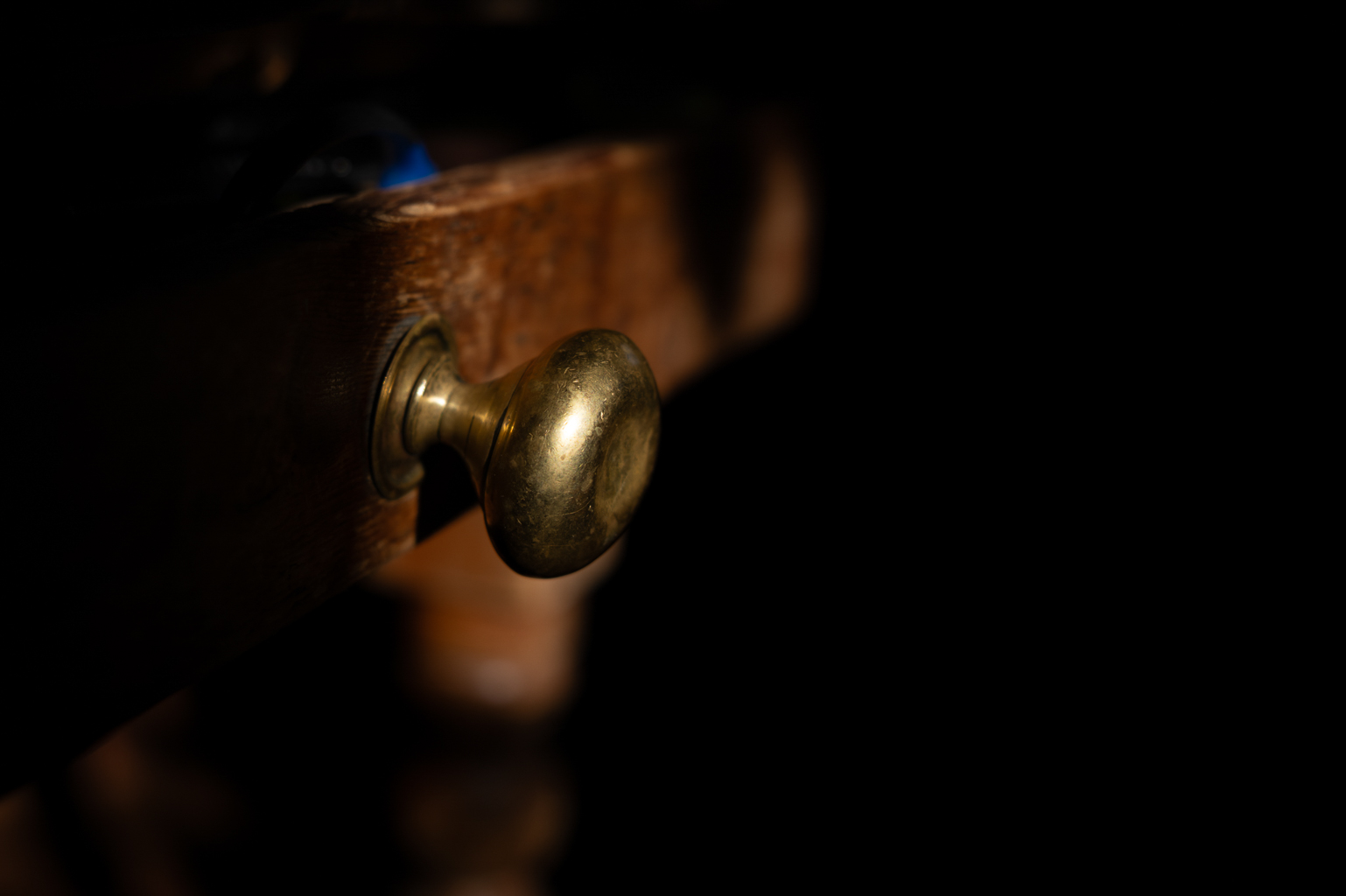
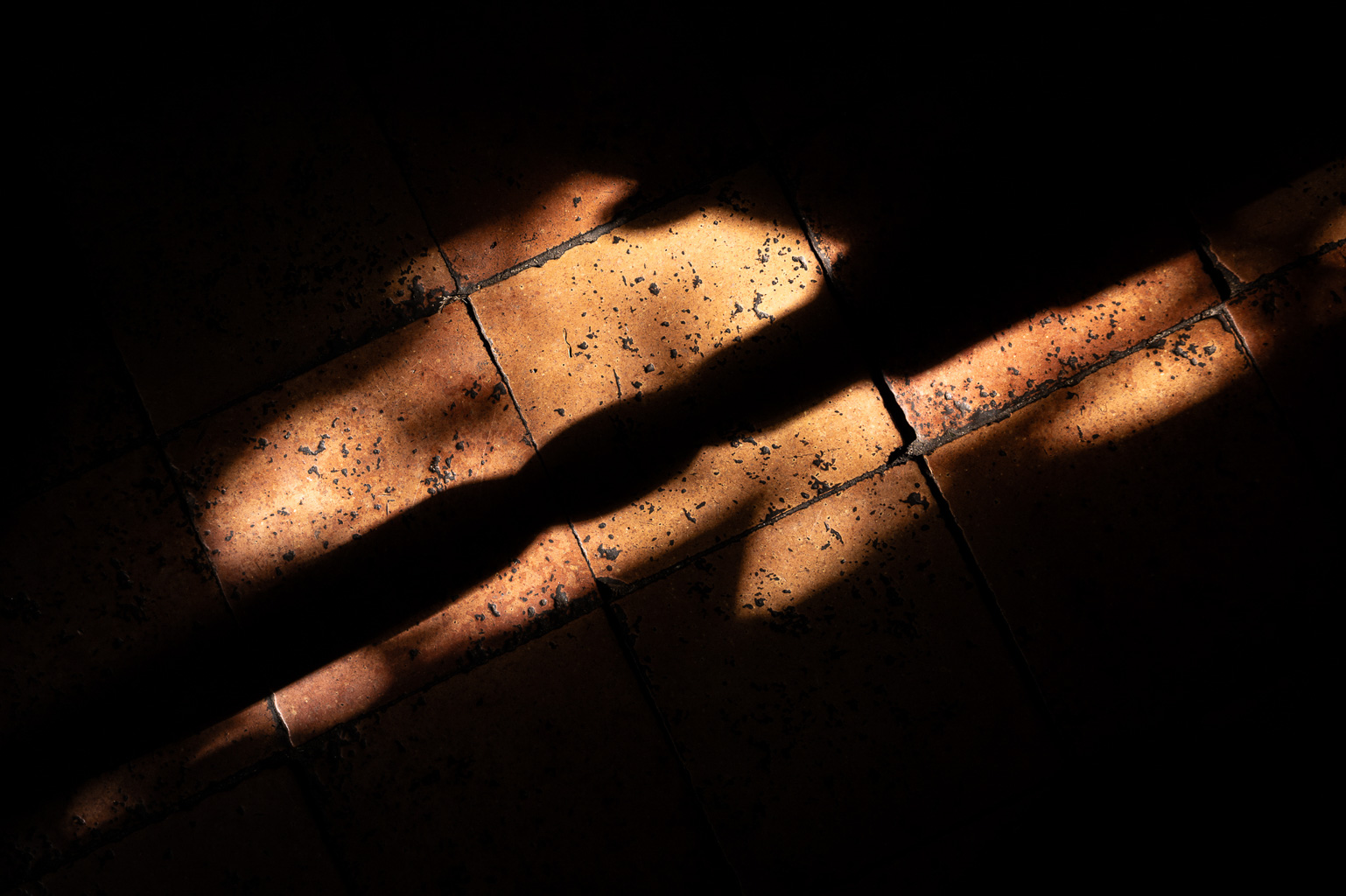
From the perspective of a nature photographer, there are a couple of features which I have discussed with Leica, and which, I think, would be incredibly useful.
Firstly, pre-capture, where the camera continuously takes images and stores them in the buffer when you half-press the shutter. When the buffer is full, the oldest images are discarded and new ones are taken. When you fully press the shutter, the images from the buffer are stored. This means you have images from a second or so before you pressed the shutter. Of course, this would be great for shooting wildlife, waiting for a squirrel to jump or a bird to take off.
Secondly, focus bracketing: If you are using a tripod for macro shots you can do this yourself, but it is much easier if the camera does it for you! Images can then be easily combined in your photo editing software.
This is great for shooting bugs, flowers, and other close up subjects where you need a fast aperture to keep the noise down but where you want as much depth of field for your subject as possible.
I’m hoping that Leica has been listening and that these options might be available in the not-too-distant future.
Leica Fotos and Leica Looks
Leica FOTOS has developed from humble beginnings in 2018 when it was officially released alongside the M10-D. The SL3-P has excellent Bluetooth and Wi-Fi hardware, and remote connection is fast and effective.
I have to admit to having started as a sceptic about FOTOS, but today I use it constantly. I use it on the phone for getting images quickly on to social media, and more importantly on an iPad for culling and triaging images before sharing them directly with Lightroom.


Last weekend was a three-day wedding shoot and, for the first time, I used the iPad exclusively for selection of images and sharing directly with Lightroom. Every evening after finishing shooting, I sat in our van with a glass of wine, transferring the images to Adobe Cloud via the FOTOS app.
The internet connection wasn’t that great, so the upload didn’t finish until I got home, but that didn’t slow me down and of course the images were safely stored on different devices after copying to the iPad.

Geotagging is now pretty flawless via FOTOS on your phone, and you can control the camera remotely and update settings. I’m hoping that in the future, FOTOS will also be able to manage User Profiles and transfer them between cameras.
Currently, there are twelve Leica Looks profiles which can be downloaded from FOTOS to SL3 and Q3 cameras:
| Silver | Bleach | Greg Williams | Teal |
| Brass | Chrome | Eternal | Contemporary |
| Classic | Blue | Selenium | Sepia |
Each one is described well in the FOTOS app with sample images. Currently, they only apply to JPG files — if you shoot JPG+RAW, then importing both will show the Look only on the JPG. Hopefully, at a later date, they may be able to be applied to DNG files (perhaps only in post-processing software).



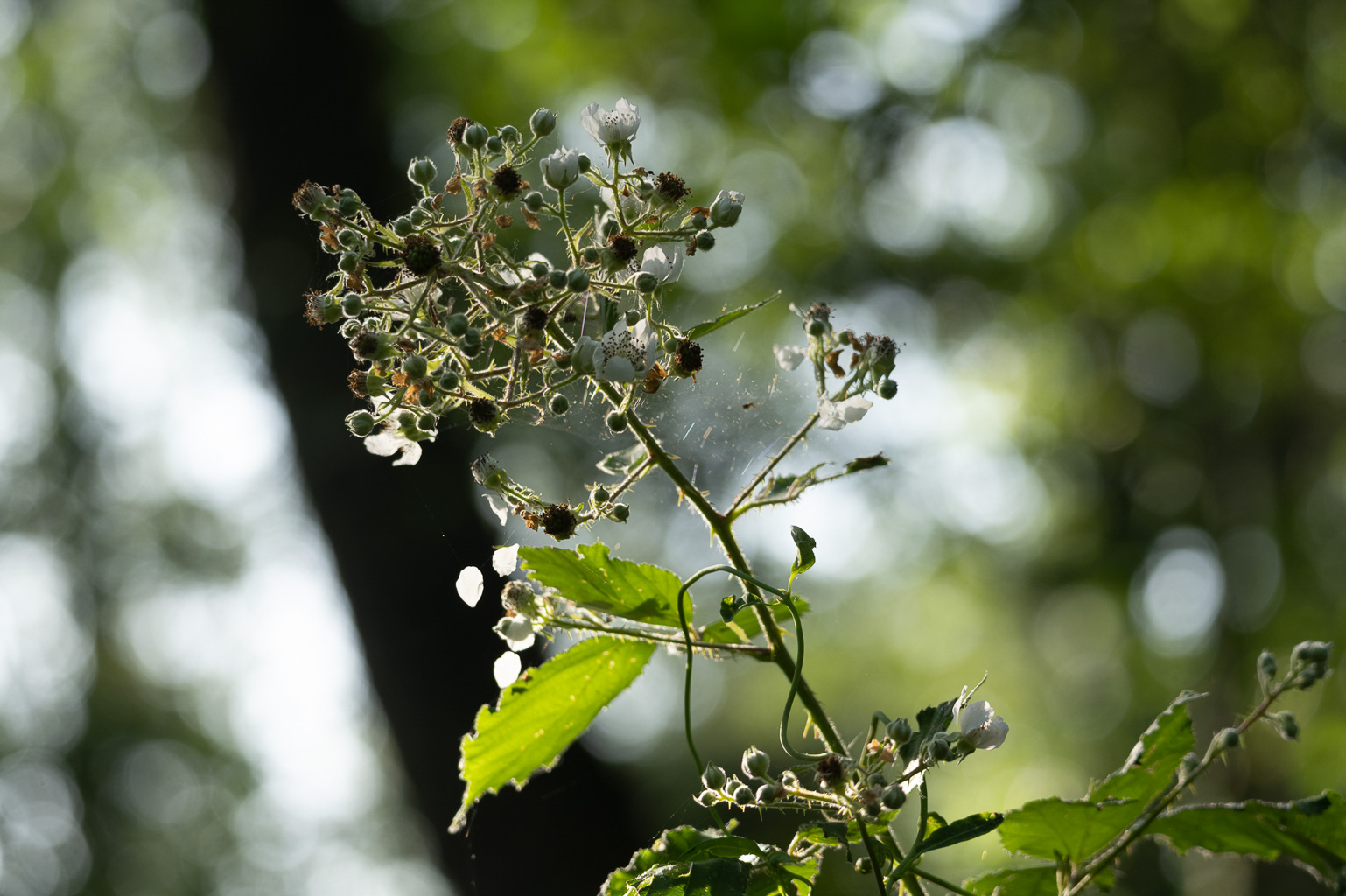
Video
I am not a video shooter, but the SL3-P is clearly an extremely capable video performer. In my review of the SL3-S, I included a piece by Ralf Ilgenfritz who had used the camera for a real-time interview with Isabel Allende. He also had extensive Sony kit but preferred the operation and results from the SL3-S. You can read about it here.
The SL3-P can only be an all-round improvement, with a faster sensor with more resolution. The camera can shoot 8.1K Open gate up to 30fps for real high-resolution work using the whole of the sensor. You can shoot 5.9K at 60fps and 4K at 120fps for detailed slow motion work. The Apple ProRes codec has been integrated, and the camera comes with two new in-camera LUTs.
Changing from Photo to Video is a simple swipe on the rear screen, at which point the menus change from red to yellow to avoid any confusion. There are so many possible changes in configuration for video, not all are compatible with each other! Leica has developed a novel way of dealing with this: You can change any option you want, after which only possible other options are available. You can lock your selection at any time.
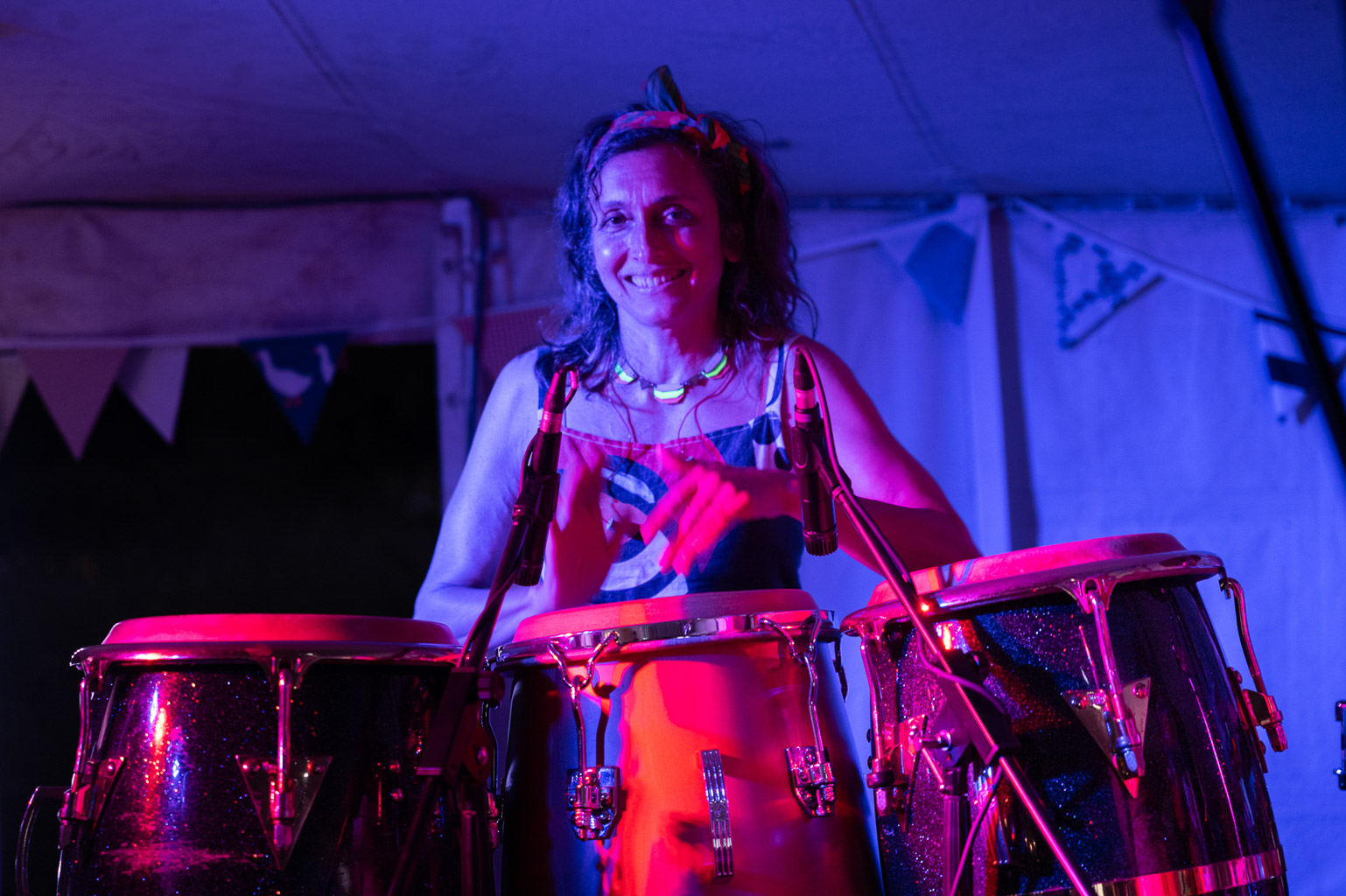
Content Credentials
The Content Authenticity Initiative (CAI) is an association founded in November 2019 by Adobe, the New York Times, Twitter and others, intending to curb disinformation. The idea is to promote an industry standard for provenance metadata for files defined by the C2PA.
The C2PA is the Coalition for Content Provenance and Authenticity, co-founded by Adobe with ARM, the BBC, Intel, and Microsoft and many more. As you can see, big guns are involved in this. While the C2PA is tasked with the formulation of an open, royalty-free technical standard for metadata, the CAI sees its task in the dissemination and promotion of the standard.
The idea is to add another set of metadata to a file containing information about its provenance, and edits which may have been made using compliant software. This could apply to a photo, a video, or a text file.

The base information (added to the metadata by the M11P) shows: The photographer, the device, the location, and the time of the recording
If you edit the file in Lightroom CC or Photoshop 24 (or another compliant program) then the provenance of any edits are also recorded.
Leica is the first camera company to implement this in a camera; sadly, the first step is a hardware chip, so it won’t be possible to make this backwardly compatible for previous Leica cameras.
The M11-P was the first camera to have this, and I dealt with it in more detail in the article here.
There is an interesting article on Content Credentials it here.
There was no time to implement it with the SL3, but Leica has implemented it with the SL3-S and now the SL3-P.
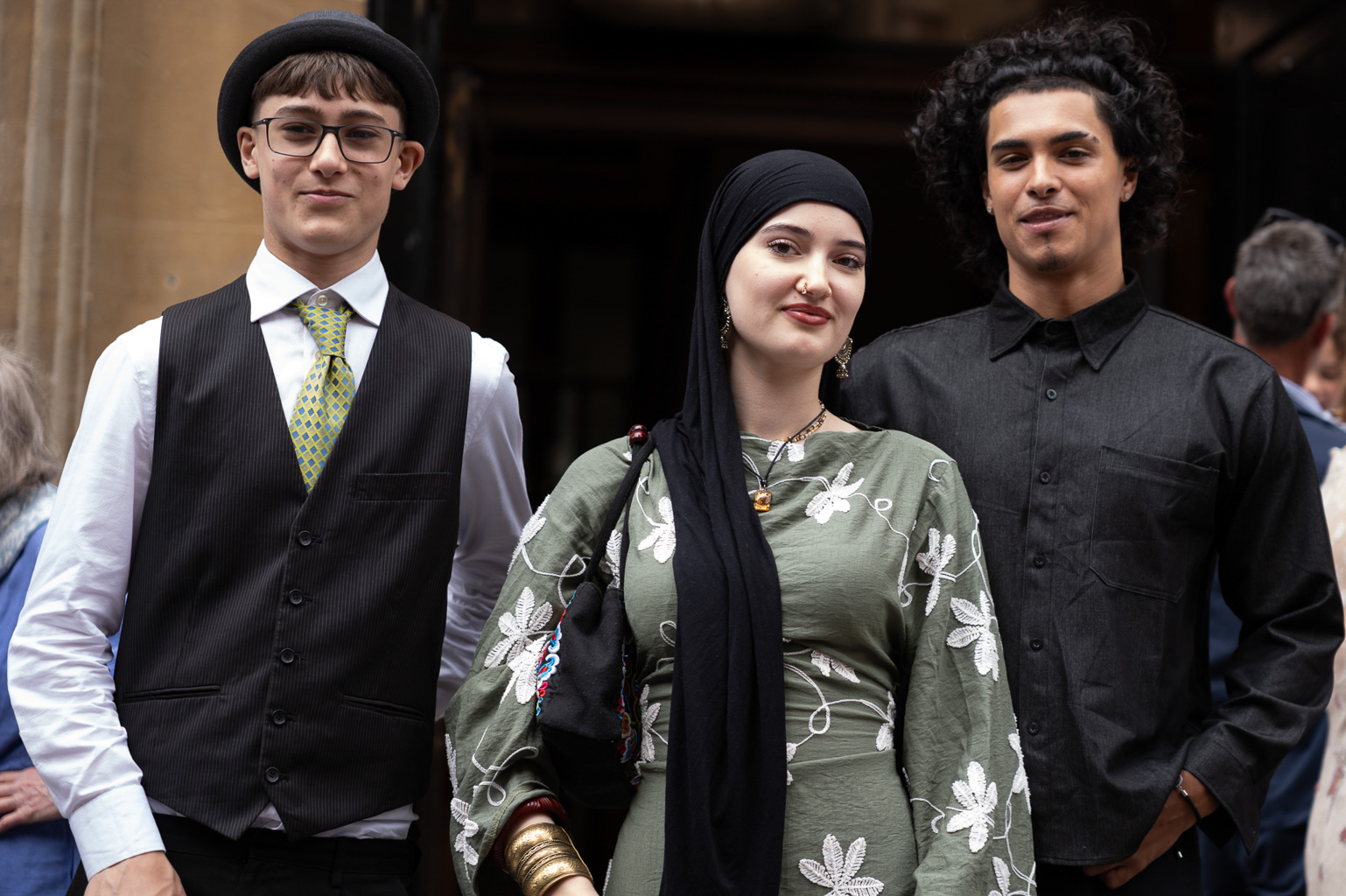
Nature camera?
Three months ago, Leica loaned me the 100-400 Vario Elmar (I already own the wonderful 90-280). This set me off on the path of trying to use the SL3-P for my nature work instead of the OM1ii.
Back in the deep and distant past, one of my favourite lenses was the Nikkor 100-400 VR. I used it extensively on the Nikon F100 just before turning to digital.
It’s a superb focal length range. Leica had loaned me one just before the launch, but it was December, not the best time to be trying out medium telephotos, and I didn’t have it for very long, and only on the SL3, where the 90-280 definitely reigns supreme.
Of course, the 100-400 has a smaller aperture and is a great deal lighter than the 90-280. I thought this was a good opportunity to really put it through its paces.
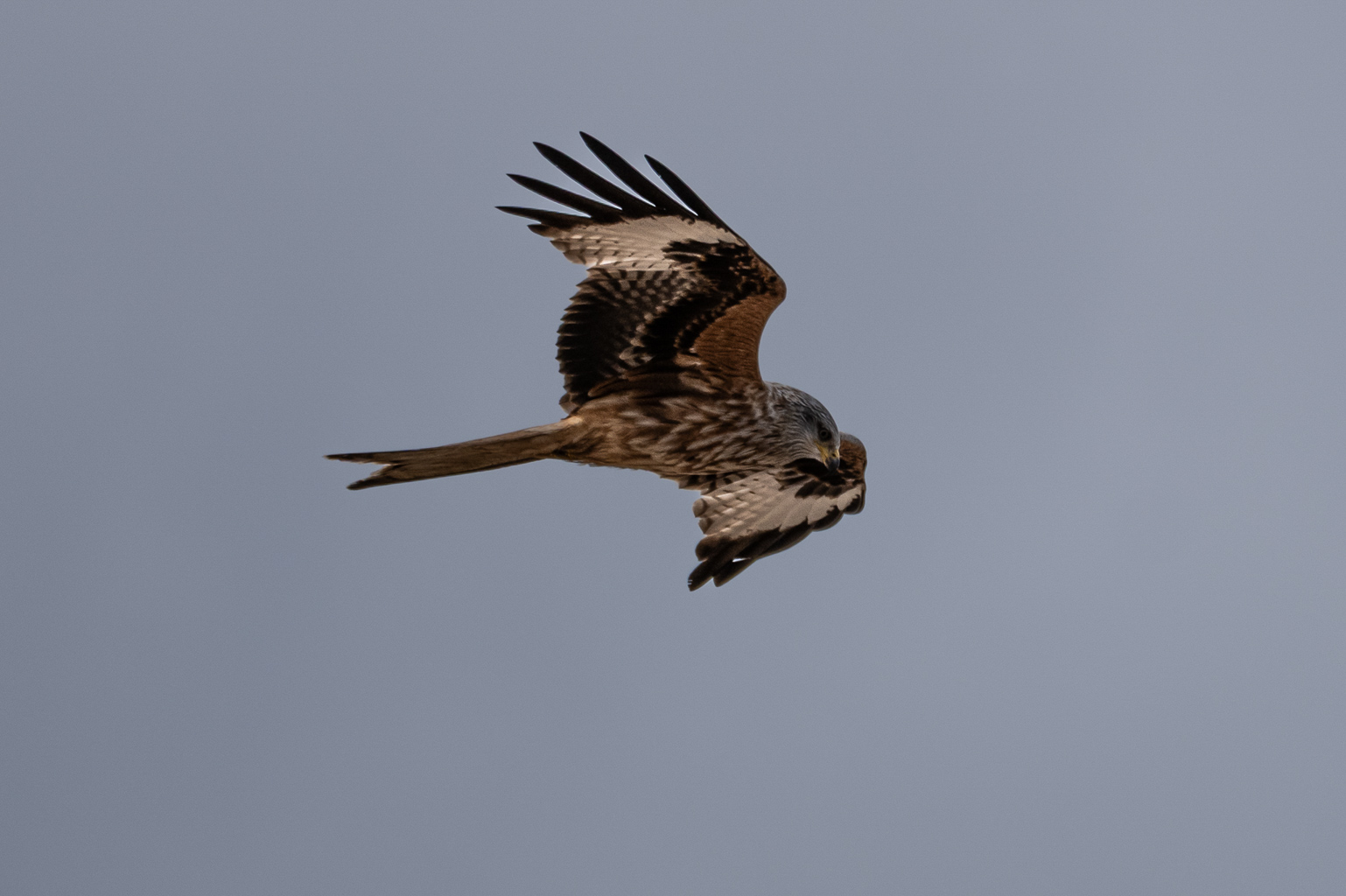
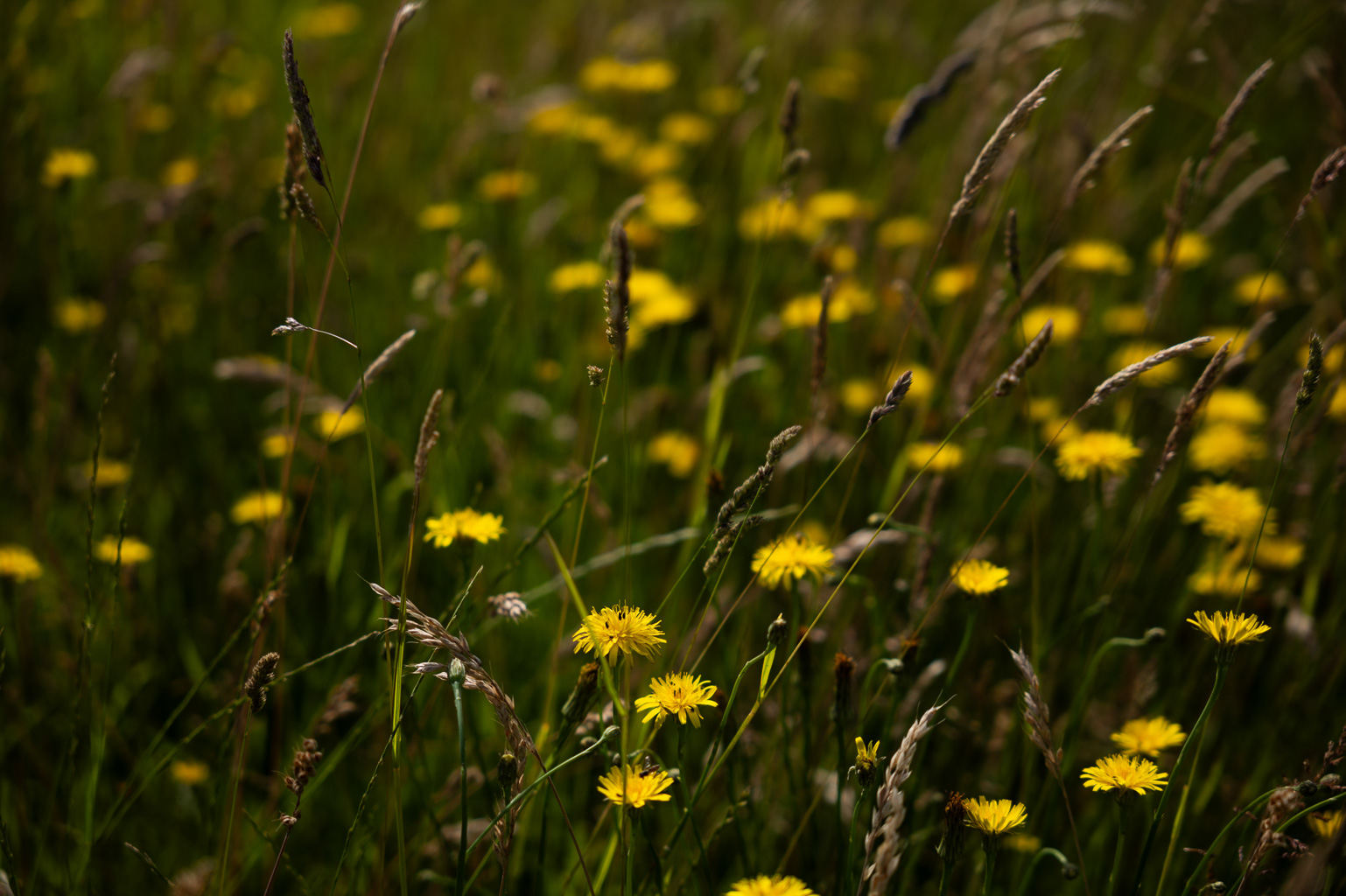
The nature pictures here were all taken out walking, I don’t have the patience to sit and wait. Most days, I would have the 28-70 f/2.8 Vario Elmarit (or the Q3 43) in my bag and the SL3-P with the 100-400, either over my shoulder or in my hand. I found the combination easy to manage without a tripod and fine to hand carry for several hours.
I also found that the autofocus was really quick. The lens focuses as close as 1.1 metres at 100mm to 1.59 at 400mm, making it suitable for that first honeysuckle of the season as well as the Marsh Harrier in the distance.
The only thing I would change is that it would be great to have a limiter switch (1-5 meters and 3-meters-to-infinity would be good). I did try the teleconverters, but I felt that the lens handled better without them, and the 45MP sensor does have some scope for cropping.

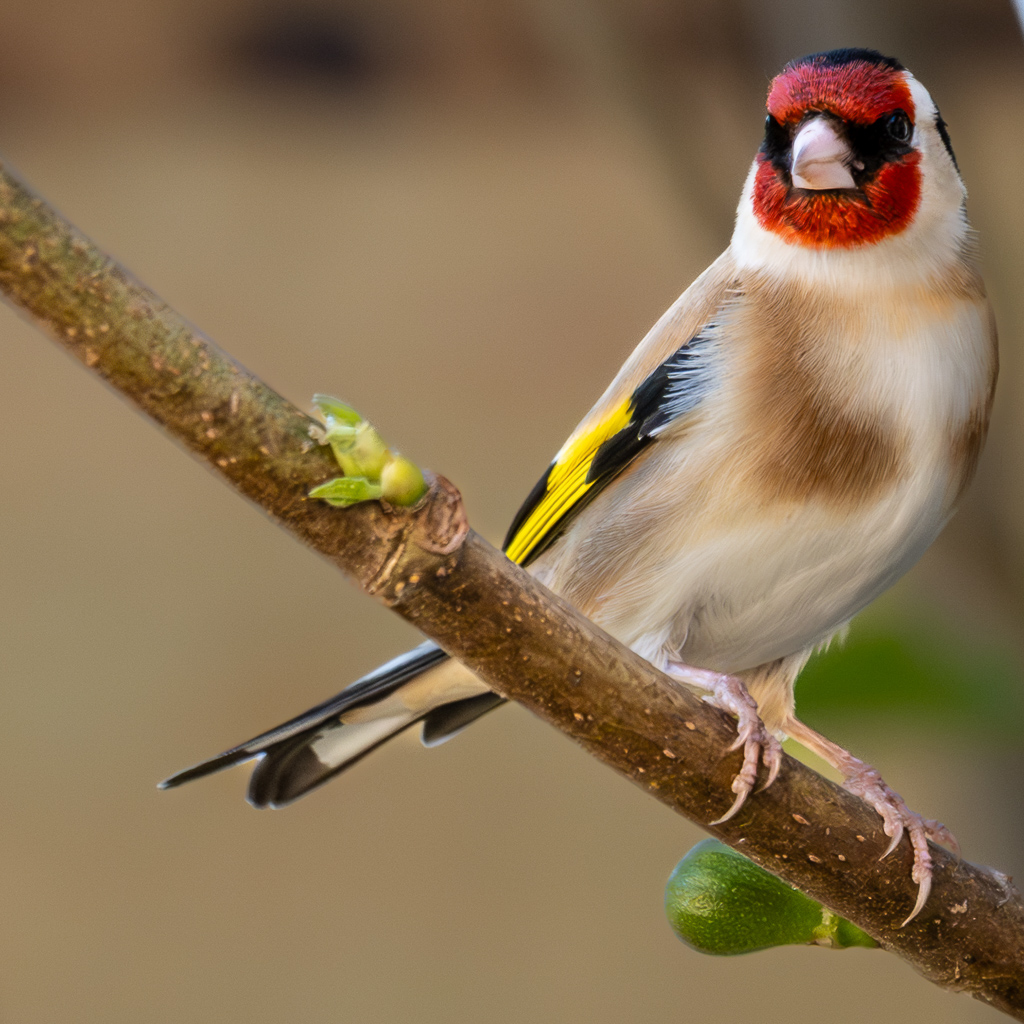
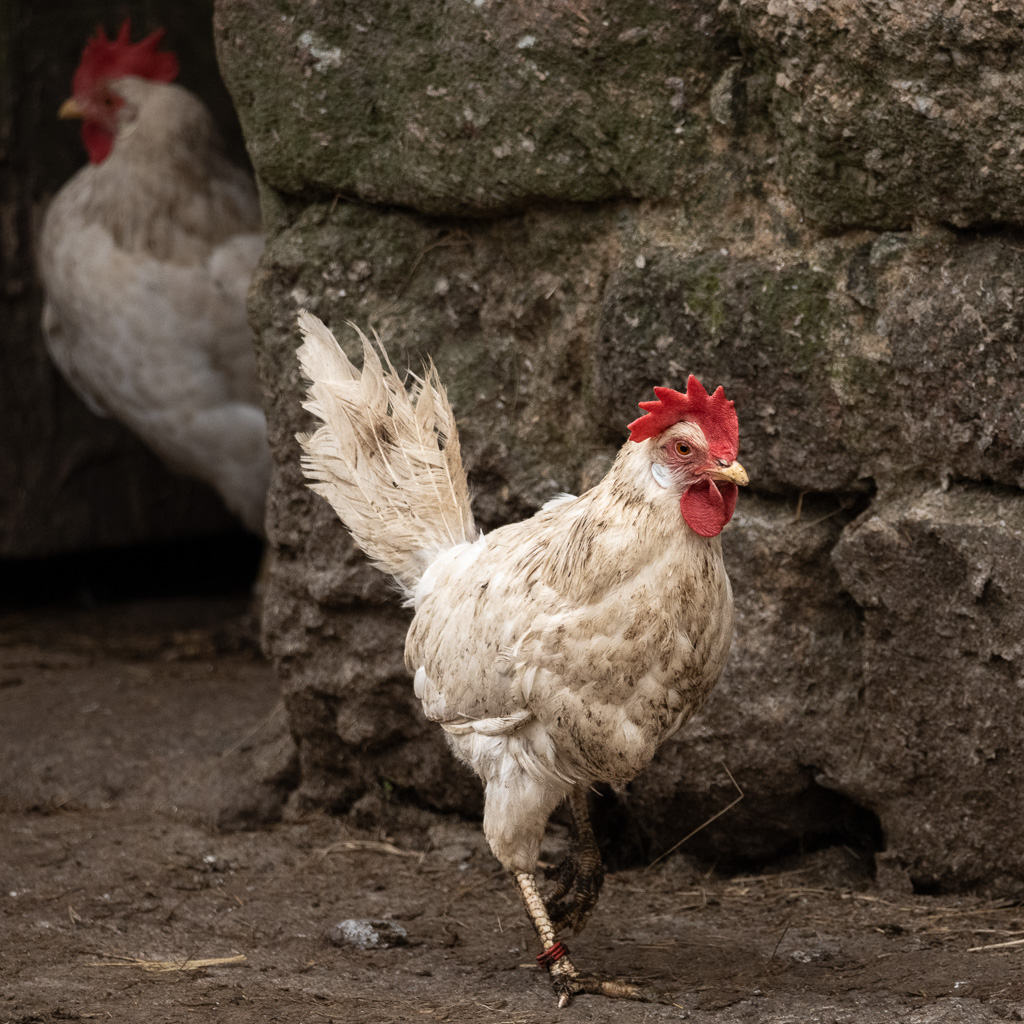
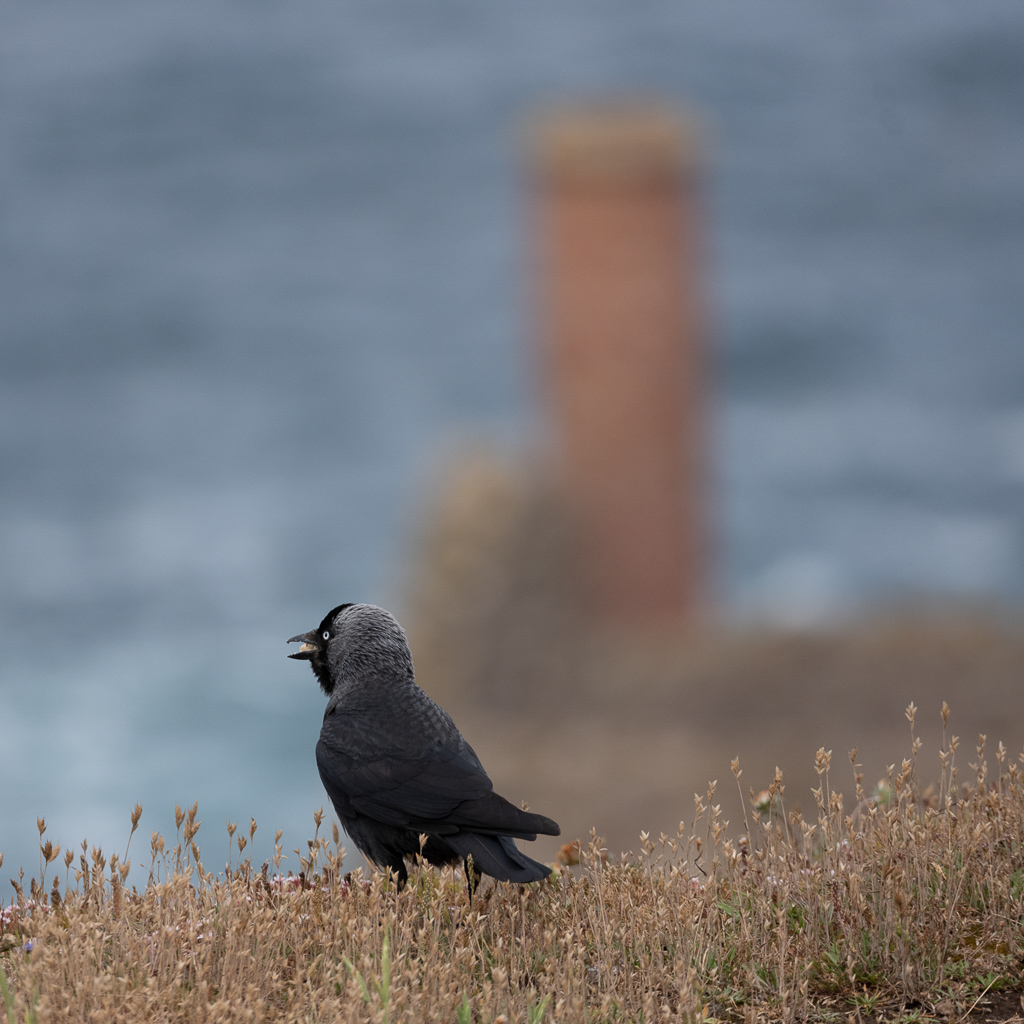
For Birds In Flight, I set the camera up as follows:
- AF on continuous with animal (eye/body) detect together with tracking.
- The camera was on Shutter priority (mostly at 1/2500) with Auto ISO set with a maximum of 12500 ISO
- For general purpose and close up I changed to Aperture priority but left the animal (eye/body) and the AF on continuous but this time on Zone/Multi field.
I don’t use a tripod, and the AFC is good at counteracting swaying when focusing.
This took some time to work out, but it does work really well. Limitations were definitely more to do with the speed of the photographer than the speed of the camera. Of course, the different sets are baked into user profiles.
Needless to say, the lovely OM kit has been “moved on”.
Wedding camera?
A couple of years ago, Emma said, “no more weddings — I can’t take the stress”. that is, until her delightful god-daughter announced her marriage.
Last weekend we took off in the VW California to sleep in a field in Somerset (just near Glastonbury). The wedding ceremony was in Bristol on Friday morning, there was a family barbecue back at the ranch on Friday evening and then a big party on Saturday evening with six bands from the excellent Bristol jazz scene (Benji, the groom, is an accomplished professional bass player – among other skills).
I thought this would be an excellent opportunity to test the SL3-P in a proper working environment. My previous workhorse for weddings was the SL3 with the 24-90, with an M11 with a 50 or 75 for more intimate settings.
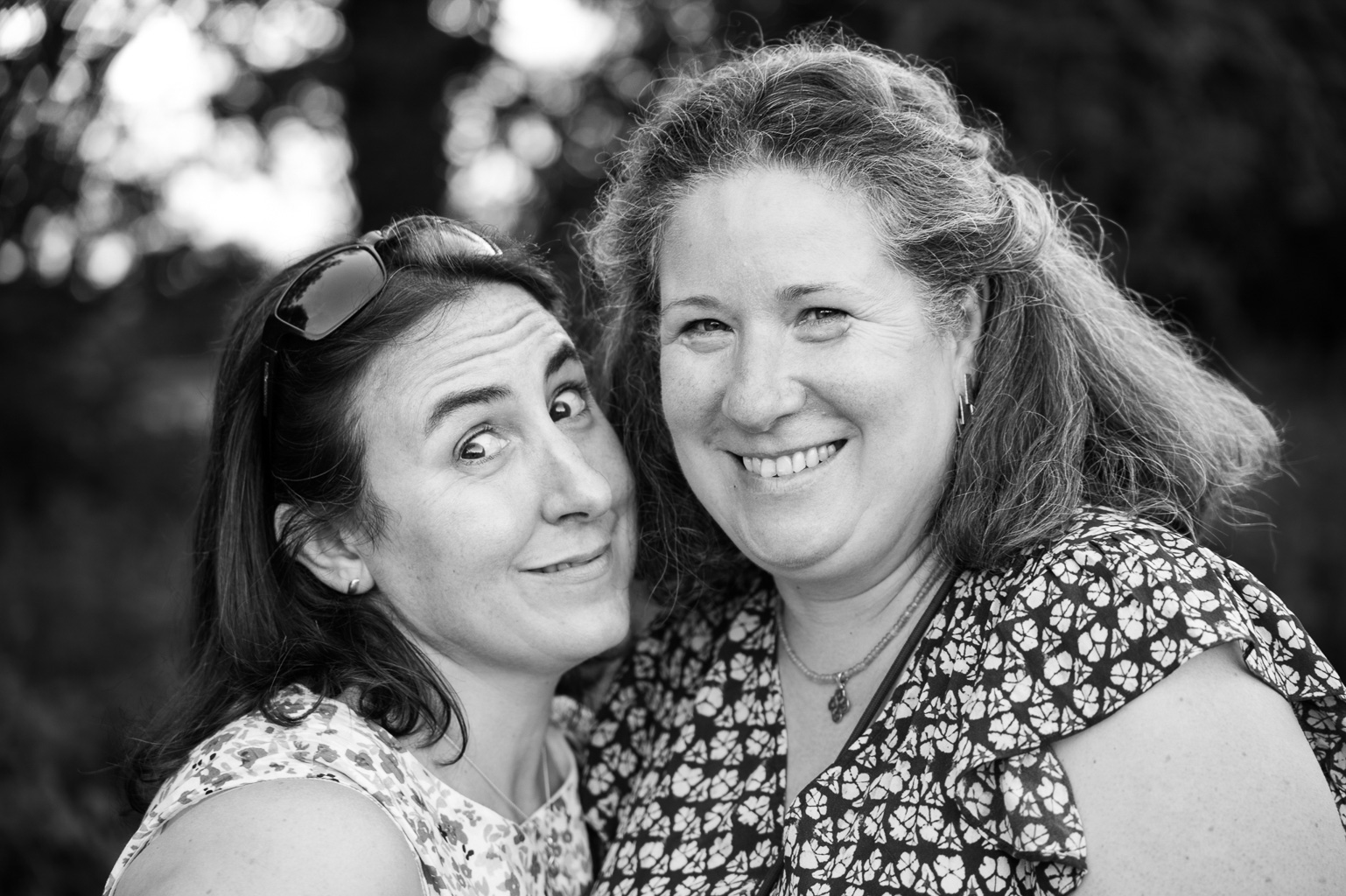
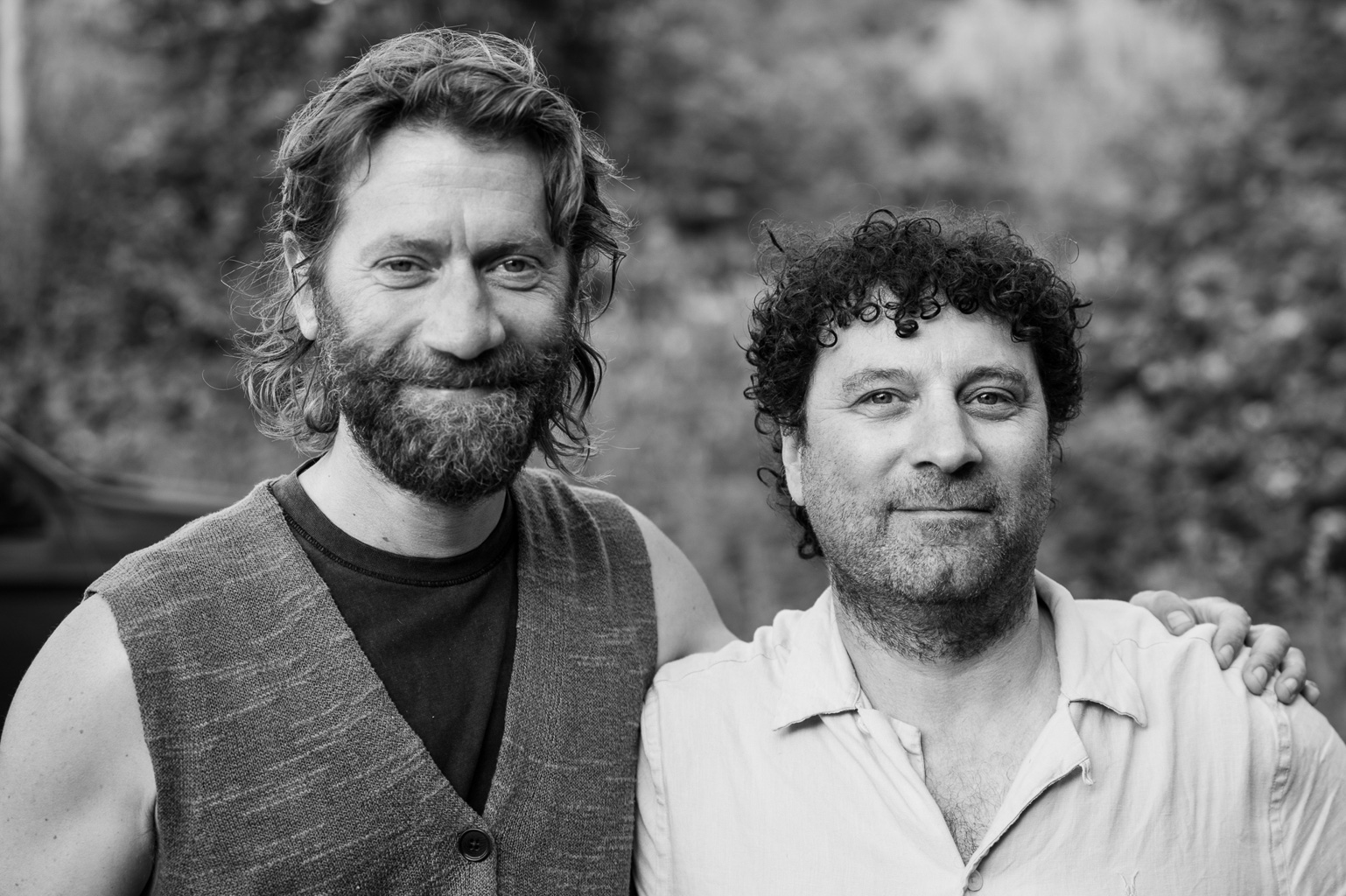
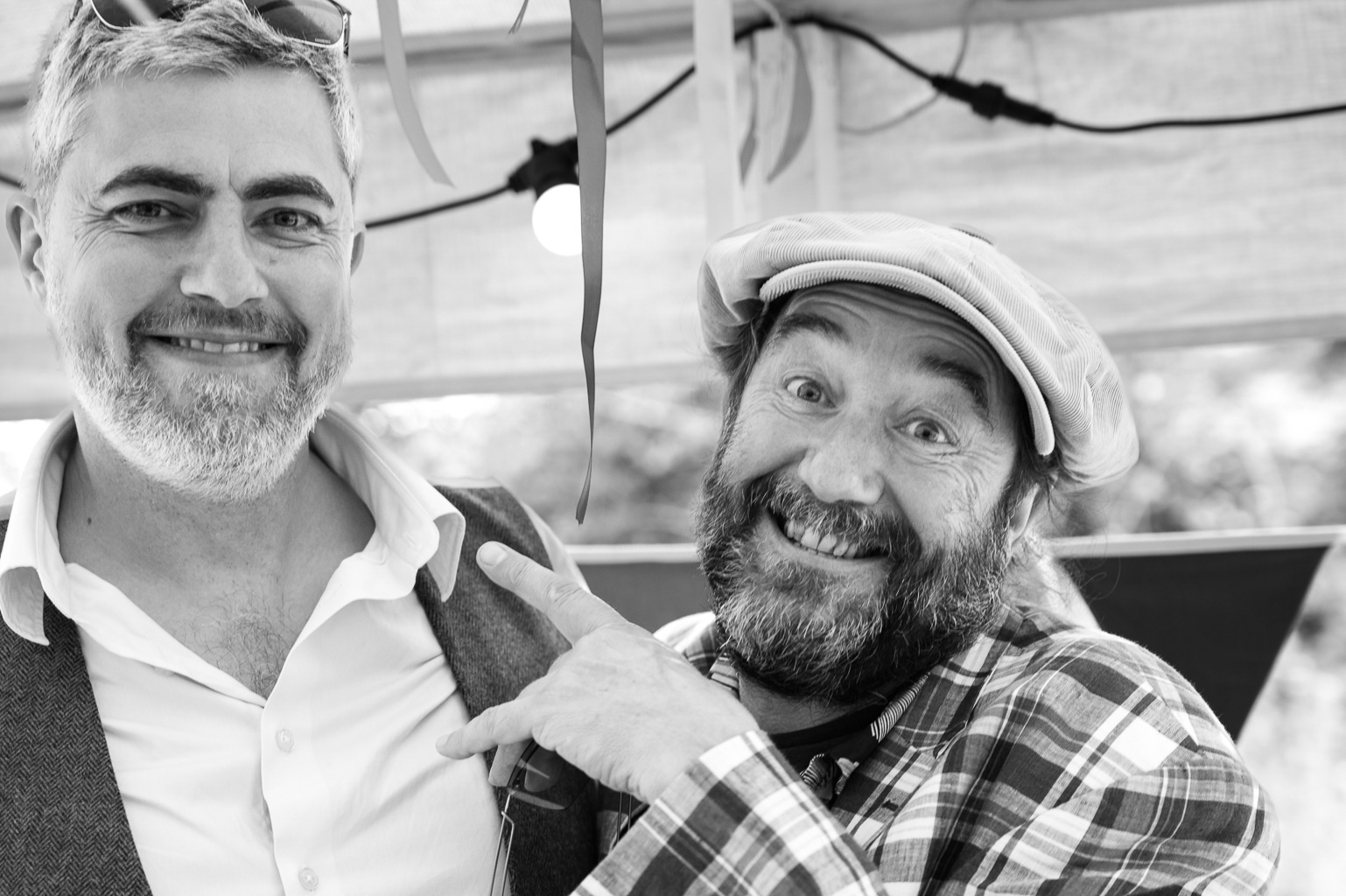

This time I thought I would take a step forward in time and use the SL3-P with the diminutive 28-70 f/2.8 for most of the work. I actually also used the M11 with the 50 f/1.2 Noctilux (classic remake) for those intimate moments.
Out of the 601 images which made the ‘first cut’, there were 538 with the SL3-P and 28-75, 42 with the M11 and the Noctilux, and 21 with the M11 and the APO Summicron.
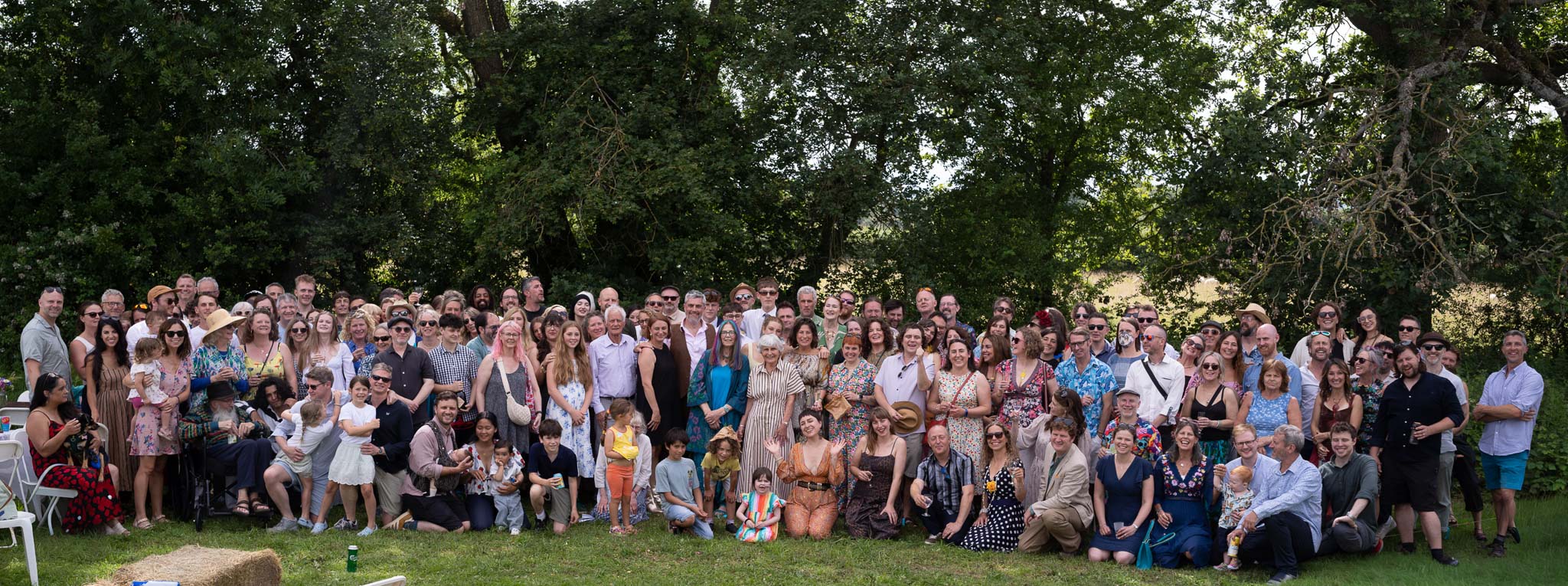
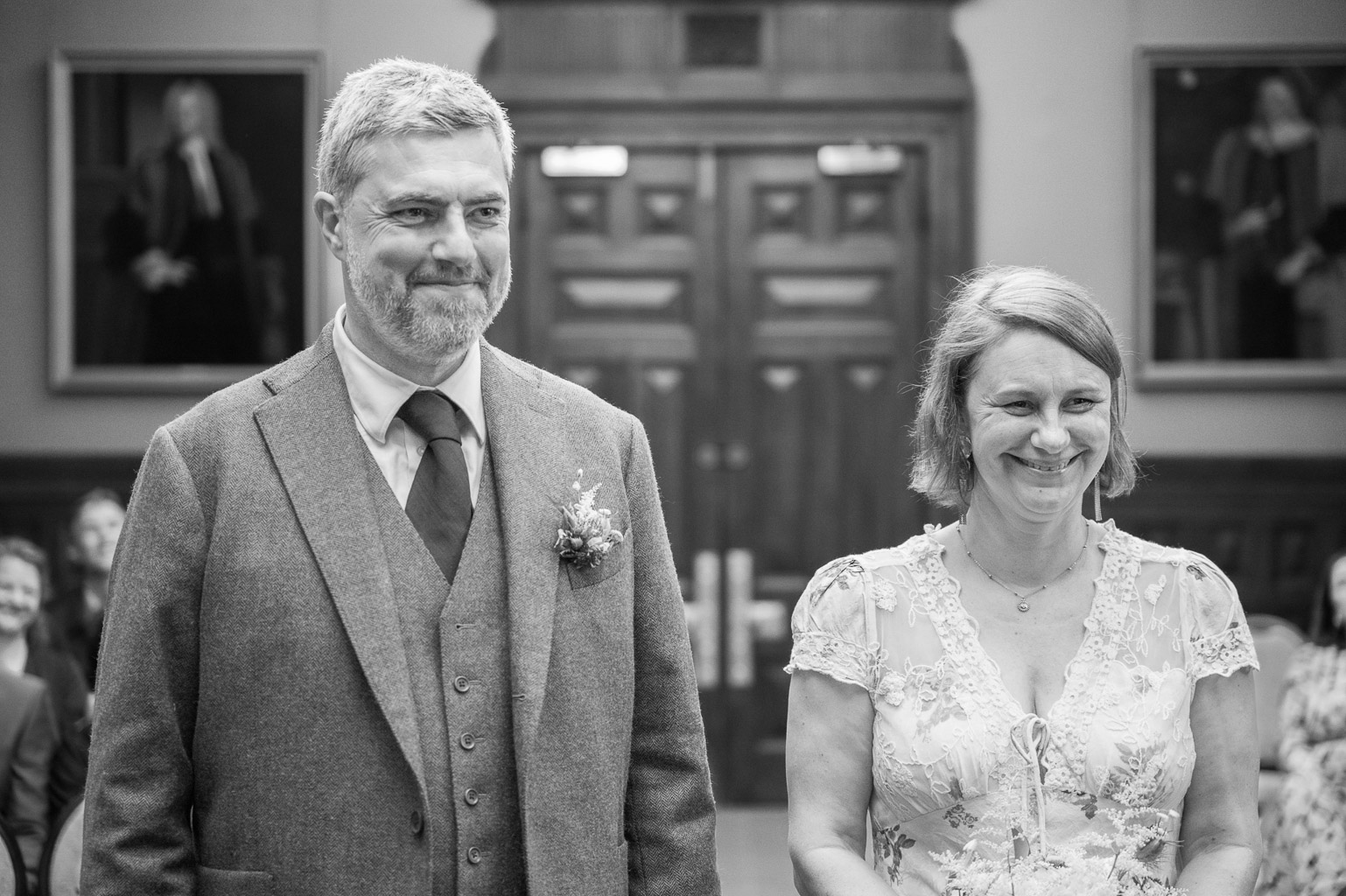
For the ceremony itself I used the SL3-P, the 28-75 and the electronic shutter. I set up the AF on continuous with human (eye/face/body) detect together with a slightly extended zone in Zone/Multi field focus (not tracking).
The camera was on Aperture priority (mostly at f/2.8) with Auto ISO set with a maximum of 12500 ISO. I had free-range of the ceremony room, and the electronic shutter meant that I wasn’t disturbing anyone with clicks.
It worked like a charm — even though the room was really very poorly lit. Basically, it nailed everything.
Event camera?
Sadly, the Ladies Tractor Road run is not until July 5, but I’m planning to use the camera for that as well, and will write about it later. I don’t have much doubt that it will perform better than any camera I’ve used for it in the past.


The elephant in the room
Stacked sensors — many people are going to say, “Why doesn’t it have a stacked sensor”. “Stacked sensors have a faster readout time, which normally results in faster shot-to-shot times and quicker AF”.
But if, as with the SL3-P, you have 40 frames per second, a fast readout, and AF (which works really well) with a BSI sensor, you have to ask yourself, “what for”. BSI sensors generally have better dynamic range, they probably also hold highlights better than stacked sensors, and they are much cheaper to manufacture.
In this instance, although I’ve done no sports (where I’m certain it would be excellent), I’ve worked with flying birds, dogs, and children (and drummers with straight sticks). Over more than 10,000 shots, I haven’t seen any which would have been better with a stacked sensor.
New lenses
Two new lenses have been announced at the same time as the SL3-P:
Leica APO-Macro-Elmarit-SL 100 f/2.8
Many of us remember fondly the previous Leica incarnation of this lens, indeed many of us are using the R lens with an adapter as a macro lens on the SL cameras.
This new AF APO lens is made in Japan (and none the worse for that). It offers the advantage of an autofocus and a focus limiter switch, and is properly dust and splash resistant. It looks lovely in the pictures, but I haven’t got my hands on one yet. I plan to write a proper article about it when I do.
This lens is due to ship early in the Autumn.

Leica Summilux-SL 50 f/1.4 Asph
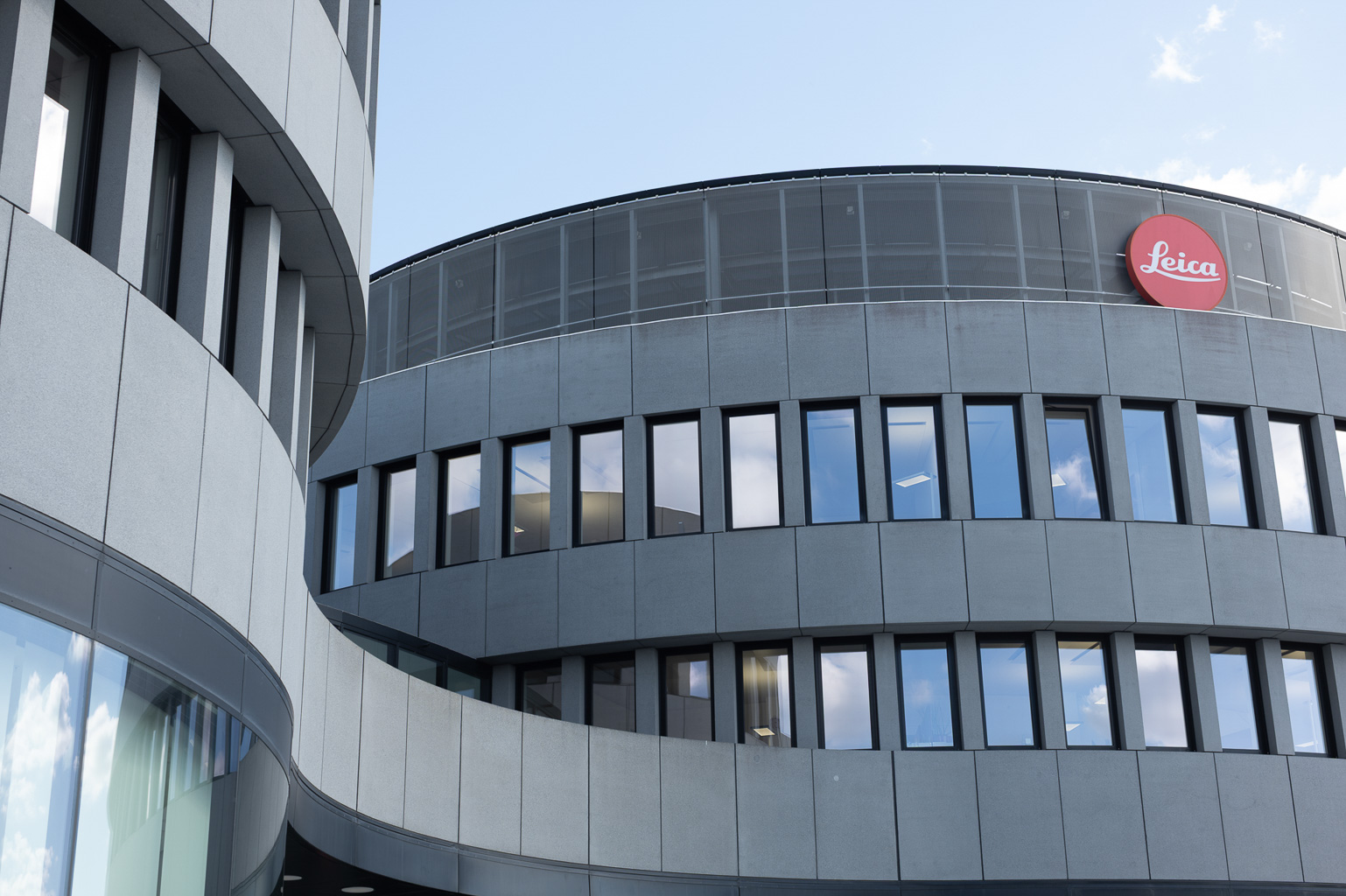
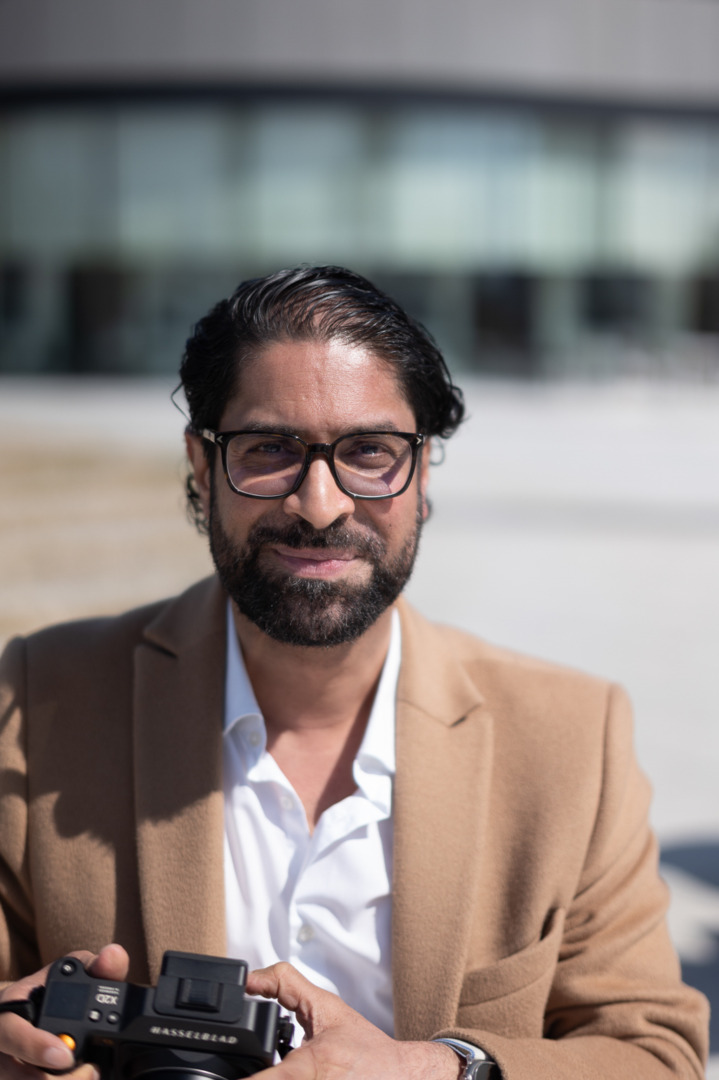
I was lucky enough to play with an early prototype of this lens for a couple of hours when I visited Wetzlar in April. It is apparently the smallest 50 f/1.4 autofocus lens ever made. In addition to this, it focuses incredibly quickly, especially on the SL3-P.
It is not designed to be of the same optical quality as the existing 50 f/1.4 (size really does matter here). However, it has been designed and made in Germany from the ground up, using the very latest technology to ensure character as well as real quality.
While wandering in the Springtime woodlands in Wetzlar, I shot almost exclusively wide open. It seemed to me to be sharp with really lovely bokeh.
I’m hoping to kidnap one of these lenses from Leica in the near future. I can’t imagine I won’t buy one as well, but I will certainly be writing a review of it nearer to the shipping date towards the end of the year.


Conclusion: All that matters
When I first used the camera, I wasn’t convinced that it was really enough of a step up from the SL3 and SL3-S. New firmware and a different approach to lens choice has really changed my mind.
Of course, the old Leica SL lenses — the 16-35, 24-90 and 90-280, together with the SL Summicrons —represent the pinnacle of image quality. But they don’t focus as fast as the more modern lenses. Fine if you don’t need it, but if you do, then the newer lenses are definitely faster; you save some money and lose only a little in quality.
Personally, I’ve rather fallen in love with the 28-70 f/2.8 and the 100-400 Vario Elmar. They aren’t too heavy, they focus and track very fast, and they both provide excellent image quality (without breaking the bank). If you are more traditional and favour the conventional triumvirate (14-24 / 24-70 / 70-200) then they are all great performers too.
For some incredibly specialised professional sports situations a global shutter and a stacked sensor might provide some benefits, but only in the hands of a really skilled professional… and the sacrifices are not small. You will be missing out on the fantastic Leica interface (they really have got this stuff right), the lovely rugged body and design and, quite possibly, some image quality too.
The SL3-P has all that matters in a great package for a decent price (and there will be some great bundles at launch). Get it with the 28-75, and you cannot fail to love it (I know I do).

Thank you to…
- Gerrit Gissel at Leica for all his help and support in writing this report and supplying so much information.
- Stephan Daniel, as always, for his continued support.
- Elmar Streyl and all the other Leica Beta testers (you know who you are). This stuff is so much more fun and productive with lovely people to talk to (and to laugh with)
- Emma who puts up with my spending time taking photos and writing.
And finally, on her Little Pink Fergie, Emma Slack is collecting for Cancer Research UK’s Breast Cancer Research Fund. If you would like to help, click here.
Make a donation to help with our running costs
Did you know that Macfilos is run by five photography enthusiasts based in the UK, USA and Europe? We cover all the substantial costs of running the site, and we do not carry advertising because it spoils readers’ enjoyment. Any amount, however small, will be appreciated, and we will write to acknowledge your generosity.
Comments: Please add a comment to this article. Our comments section is a thriving community and everyone is treated with respect. In addition, please identify yourself (and add an email address, which will not be published, if you would like to see answers to your posting). Our system will automatically delete any “anonymous” posts on the basis that they are likely to be spam.
Thanks for a very good review. How is the IBIS compared to the Panasonic S1Rii? On paper, the S1Rii have 8 stops of compensation, while the SL3P have 5.
Hi There Aut
That’s an interesting question about IBIS – I imagine that it’s using different criteria (the Panasonic says ‘up to 8 stops’)
I’m going to check up on it and see if I get an answer.
All the best
Well – I certainly have had no problems with the 5 stops – and it seems that the IBIS is different from that on the S1Rii
The Lumix system also adds “Dual IS” where (selected Lumix) lenses work in tandem with the IBIS to slightly increase the effectiveness. I also am not sure where the 5-8 difference lies. It sounds a lot. Maybe Ed Lara has some more information for us on this.
Aut – Wanted to add my perspective having just done a thorough review of the S1RII as well as one for the SL3-S, which uses the same (I believe) IBIS as the SL3-P. The S1RII indeed has very impressive IBIS ratings, which I have found to be very good. I will say that I have been thoroughly impressed with the IBIS on the SL3-S and I have shot handheld photos of wild birds with the Sigma 150-600 on the end of the zoom range, at 1/125 of a second, with very good outcomes. So, if indeed the SL3-P has the same IBIS as the SL3-S, it should be very good as well. I am currently doing a side-by-side comparison of both the S1RII and the SL3-P in the field which I will share in a few weeks, I will ensure that I look into this feature as well.
Jonathan, an informative, interesting, and thoroughly scrupulous review. I’ll hold on to my SL3-S and get my pixel fix from my Q3, but a new SL buyer would do well with the P. And thanks as always for the composition clinic. Beautiful shots. More evidence that it’s the photographer more than the camera. Tom
Hi There Tom
I was discussing this issue with a good friend of mine who does mainly supercar photography about two months ago. He could get a cracking deal on an SL3-S making it, in effect, a bit more than £1500 cheaper than an SL3-P.
He went for the SL3-S with a secondhand 24-90 and is seriously impressed with the face eye focusing etc. etc. coming from Fuji and Sony that is indeed praise. He also was actually pleased only to have 24mp as well.
I suspect that the actual focusing speed between the SL3-S and SL3-P with version 4 firmware is very small (and that the high ISO is pretty similar as well. I could have borrowed an SL3-S and done some comparisons, but I’m rather allergic to comparisons – it’s so easy to make a mistake comparing apples (at 24mp) and oranges (at 44mp).
So I think you probably made the right decision to stay where you are!
Tom- I have been using the SL3-S with good results to photograph wild birds in flight and jet aircraft, and the AF has been solid, even when they fly toward the camera. I did buy an S1RII because of the higher MP count and what I thought was better AF detection. The S1RIi does in fact detect birds in flight and jets much quicker and locks on longer; I will be testing the SL3-P over the next two weeks to see if it is comparable to the S1 RII, I’m a bit concerned that without dedicated aircraft focus detection it may not do as well, but from my experience with the SL3-S, sports or animal-detection at high movement settings works very well for these types of subjects. I do love Leica’s minimalist design and superb menu, though, so I may switch to the P regardless of it AF tracking is close enough to the S1RII.
Good insights. Thank you. I really like my SL3-S, especially in waxing or waning light, and shoot mostly landscape, street, and some local wildlife (local meaning wherever I happen to be). I had the SL2, and 2S, and will stop here for now, along with my Q3. I’m a recovering Leica upgrader and it feels good to pause this time around!
Hi Jonathan, thanks for the review! It looks like this is the most versatile SL body yet. Is there in your opinion any chance we will ever see a smaller and lighter SL body? On LUF a while ago you said the following: “But I would really like to see a new and much smaller SL with the 60mp sensor and a decent EVF – and I think there is a big market for that.”. I agree with you. Do you have any indication this will ever materialize?
Hi there – glad you enjoyed it, and yes, it is versatile. . . . . . . I don’t know the answer to your question. I do know that there are people at Leica who would like it, but the danger is always cutting into other sales. I’d love to think it would come, but looking at the sizes of cameras in general, nobody seems to be trying to make premium cameras smaller. One can but hope though!
Perhaps the appearance of the diminutive summilux is a good sign?
Thanks for the reply! The new Summilux-SL 50mm is definitely a step in the right direction. It is more compact than the corresponding Sony, Nikon and Canon lenses which is impressive. Slightly heavier though than the Sony and the Nikon and about the same weight as the Canon. Compared to the Summilux-SL 50mm version 1 though the difference is huge. Hopefully there will be more lenses like this one in the future!
It’s certainly a welcome development because the Leica lenses have generally been heavy, especially when compared to offerings from other LMA members. As you say, perhaps this is a good sign for the future.
Jonathan- great review, as always. I was just at the launch event in NYC, and did get to do a brief side-by-side with my SL3-S. I’m planning to get a loaner to test the SL3-P against the LUMIX S1RII (which I just reviewed here on Macfilos). I use the SL3-S and S1RII primarily for wildlife and aviation, so I was hoping the P would have more focus-detect options like the S1RII, but perhaps they have all vehicle AI detection algorithms embedded under “car” (Lumix has separate car, train, and airplane detection modes). The main thing going for the SL3-P in my view is the beautiful Leica design and simpler menus; as impressed as I am with my S1RII, I am still annoyed by the menu and the preponderance of buttons. I’ll just have to wait for the chance to compare them directly. Thanks again for your review.
I think you have a point… the SL3-P doesn’t have as many AI options as the S1RII. The Lumix is still better in some small ways — although the Leica UI and menu system justifies a considerable premium in my view.
Hi Ed – great review of the S1RII – and Mike – having used the OM1ii which has different AI algorithms for birds / animals / cars / buses / aeroplanes / trains / aardvarks etc .etc. I really like that the SL3P doesn’t – I don’t usually know what I’m going to shoot until it shoots past, and having the wrong algorithm is a pain – the SL3P seems to focus pretty well anyway, so it’s not a bother. Perhaps less is better?
As you say, what the SL3-P has going for it is the lovely design and the magnificent interface, just the right amount of buttons and it’s just a pleasure to use. . . . DNG files!. . . . mind you I haven’t compared it to the S1Rii so what do I know!
Thanks, Jonathan. I can’t wait to start the real-world comparison with the S1RII!
Hey Jonathan,
As always an engaging and well rounded review. I appreciate you covering all sorts of situations and photos that provide great examples. Also appreciated is your candor pointing out what would make it better. I think pre-focus should be a staple with a modern camera in this category.
With this camera, it seems that Leica could eliminate the SL3 from their line. I suppose if they could dramatically improve performance of the SL3 in a 60+ MP camera, there may still be room for it, for people that “need” 60MP.
Based on your review and what some others have said about the video quality, Leica have really hit a sweet spot.
Thanks and all best,
Joel
Joel,
I find it telling that Panasonic clearly decided not to go to 60 MP. They must have had a good reason, and our recent test of the S1RII tells me that 44MP and some faster action could be the sweet spot. — Mike
Hi Joel
Thanks for chipping in – my feeling is that it is the SL3-S which could be removed from the line. Leica need a high resolution camera as well as a fast one . . . not sure why they need a 24mp one though!
best
It’s interesting that over at Lumix they make a virtue of 24MP on the S1II, while the S1RII with its 44.3MP sensor (let’s understand, it can’t the same sensor because it has 0.6 fewer pixels…) is the speed king “for photographers and videographers”. Why do you think they resisted the temptation to produce a 60MP sensor? — Mike
it has a different number of AF points as well (819 vs 768) 🙂
Hände hoch! I’m convinced. I just knew it must be a wholly different sensor, entirely unrelated to anything else we’ve ever seen. Hand-crafted for Leica. A few pixels here, a few AF points there, and the case is closed. No relation.
Hi Joanathan,
Interesting. Thinking about it, it might indeed make more sense to eliminate the SL3-S if they are going to get rid of one of the models. I don’t have experience with any of the 3s. I’m assuming the SL3-P is overall faster performing than the S (?) If so it would make sense to ditch the SL3. The higher price of the SL3-P fits in with Leica as well.
Do you think it being $800 USD cheaper than the SL3 would cannibalize SL3 sales? Or are there enough Leica shooters out there that feel they need 60MP?
Interesting question, Joel. There appears to be a current trend to thinking “enough is enough”, and all the major brands have something fast in the mid-forties. I’ve just changed from SL3 to SL3-P and I fairly confident it will be a better camera to use, even without the high-resolution sensor. Mike
Well Mike – rumour has it that the S4 is no more – so dropping a high resolution camera (which some people want) seems even less sensible – driving people into Hasselblad and Fuji’s arms.
Currently I don’t think there is much point to the SL3-S (except it’s a few dollars cheaper than the SL3-P) unless you already have one – why would you buy one instead of the SL3-P?, but I do think there is a point to the SL3 (I’m not selling mine) – and one would hope that any SL-4 would come in high resolution and fast versions . . . . not sure you need 3 variants though.
It’s probably good to have all the options. I just wonder why Panasonic didn’t think 60MP was for them. Anyway, we have the three (perhaps two) sensors with Leica and it gives everyone a choice.
Hi Mike
It’s an interesting point – they might have thought it was too expensive to do the requisite software for the expected returns (after all Leica are using that 60mp sensor all over the place!). Maybe they had an agreement not to tread on each others toes (Panasonic have the smaller entry level body which Leica never picked up).
Fun to speculate – hard to know!
Yes that could be write. Ed Lara made this very point in his review of the S1RII.
Dear Jonathan, thank you very much for this article—engaging, substantive, and entertaining, as always.
I am not in a position to judge why Leica feels it needs to offer a third variant of the SL3. Just because I don’t quite grasp the rationale doesn’t mean Leica doesn’t see—and find—a market for this camera.
Visually, I find the camera stunning; for me, it is the most beautiful camera in the entire SL series. That alone might tempt me to trade in my two SL3 bodies.
Based on the technical specifications, I can see Leica narrowing the gap with manufacturers like Sony, Canon, and Nikon regarding autofocus and continuous shooting speed; however, even with this model, they are still far from being on equal footing. Consequently, I don’t view this camera as the “new kid on the block” among the “speed demons” of the camera world. If my photography required that level of technology, I wouldn’t buy a Leica SL.
But—as mentioned earlier—I don’t consider myself smarter than the sales strategists at Leica who see a market for this. My own photography requires neither that specific combination of speed and autofocus nor the 60MP resolution of my two SL3s, yet the camera’s aesthetics might just make me reconsider.
Hi There Olaf
I wonder whether this is really to replace the SL3-S – it’s hard to see a need for it instead (the high ISO is only very slightly better)
Interesting point about autofocus and continuous shooting. I was trying to think of someone who actually needs more than 40fps and better focusing than this provides. Perhaps someone shooting a very esoteric sport? This camera I’m quite certain would be quite as good for Football or Tennis . . . I think Leica feel that stacked sensors are a bit of a box ticking exercise – and there certainly are downsides. Firstly with respect to dynamic range but also almost certainly with respect to highlight sensitivity. My feeling is that you are swapping something you actually want for something no normal person is ever going to need. So you could actually say they are on a higher footing than Sony, Canon and Nikon with respect to Image Quality! (and these cameras usually have cropped modes above 30fps).
I think it was a wise move not to use a stacked sensor (it almost certainly would have been £1500 more expensive too)
Best
Dear Jonathan, thank you for your comments, with which I generally agree; I have already made my position clear regarding the camera’s utility for me.
Nevertheless, for the sake of completeness, allow me to place this in a technological context: At full RAW resolution, the Nikon Z9 and Sony Alpha A1 manage 20 frames per second with comparable sensor sizes. Leica is not yet on par in this regard and likely won’t win over those who require such performance.
It may be a somewhat philosophical or theoretical discussion—I was at the Nürburgring two weeks ago and managed to get good results with the slower continuous shooting speeds of my two SL3s—but fundamentally, I would have expected more from a new camera positioned as an evolution of the SL3-S.
Had I bought the SL3-S, however, I might be a bit annoyed right now, wondering why that model is being somewhat “devalued” by the arrival of the SL3-P. But as I said, I am not in a position to evaluate Leica’s strategy.
Ultimately, though, my personal view remains: “The most beautiful SL ever built!”
Hi Olaf
It’s 40fps with full resolution (12 bit Raw not 14 but still!)
25fps full resolution 14 bit Raw
… and with a BSI centre it ‘should’ have better dynamic range and better highlights than the Nikon Z9
Dear Jonathan, thank you very much for your comment and the correction!
You are right—I really should have read the camera’s datasheet all the way to the end… the seventh line actually lists a specification for 14-bit quality.
I apologize… and I am therefore correcting my statement: The camera is on par with the “established manufacturers” of these “imaging machines.”
look forward to upcoming comparison tests pitting this camera against models already on the market.
HI Olaf
I don’t think there is any doubt that stacked sensors and global shutters are faster, or that BSI sensors have better dynamic range and are considerably cheaper. It depends on what you are after – BUT I would contend that the SL3-P is fast enough for lots of sports and action photography with that kind of specifications and in use that is what I’ve been seeing.
All the best
Hi Olaf
It’s 40fps with full resolution (12 bit Raw not 14 but still!)
25fps full resolution 14 bit Raw
… and with a BSI centre it ‘should’ have better dynamic range and better highlights than the Nikon Z9
Dear Jonothan,
A quick follow-up to my email: I visited the Leica Store in Düsseldorf on Saturday (they have air conditioning there… that was my justification), and—thanks to there being few other customers—I was able to get an initial, more in-depth impression of the Leica SL3-P.
YES, the camera performs well in terms of autofocus and subject recognition (I’m not interested in video). With the exception of Canon’s eye-controlled focusing, the experience reminded me of my test day with the R1 (I know the two cameras can’t really be compared, not least because of the megapixel difference, but for me personally, this was the fastest camera I’ve held in my hands over the last nine months), which means that, as an amateur, I couldn’t detect any significant differences.
I think Leica got it right, and I hereby retract my earlier skepticism.
If I were an SL3-S owner, I’d probably be a bit disappointed, as the SL3-P “devalues” that camera a little bit in my eyes.
And yes, it looks even better in person than in photos or videos.
Fortunately, I didn’t have my two SL3s with me, so they couldn’t make me a trade-in offer… 😉
Dear Jonathan, for the sake of completeness, I’d like to finish telling my story regarding the Leica SL3-P here as well… a week after my first hands-on encounter with this camera, I traded in one of my two SL3s for an SL3-P (I’ve long called this phenomenon “Morbus Leica”—an irresistible urge to buy once you take a liking to something) and have now been the proud and very satisfied owner of this visually stunning camera for a few days. (My Leica Q3 Monochrom is showing the first signs of jealousy…!😉)
I fully agree with you: Leica has succeeded in building a very good—perhaps the best—SL model to date, offering a great balance between sensor size and speed.
Your post on this platform definitely played a part in my engaging more deeply with this tool than I had originally intended or anticipated at the time of its launch. Many thanks for that, too.
Hi Olaf
I’ve just seen this – I’m glad you’re happy with the SL3-P – I think Leica got it just right this time. Sadly my kidnapped camera has to go back to Leica next week, my SL3 seems a bit slow in comparison!
I now have to decide whether to buy one or not!
All the best