
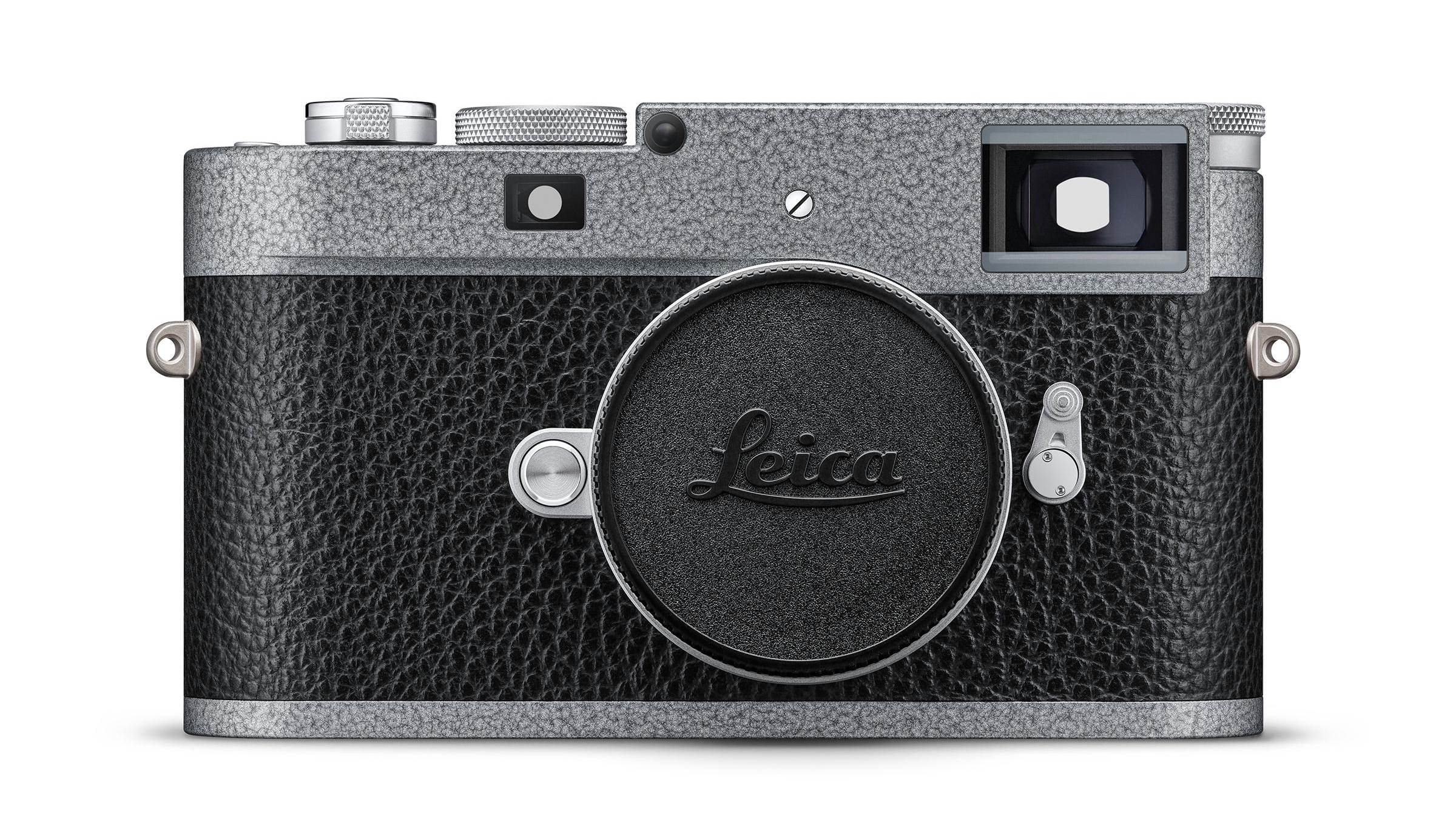
Leica has revived a finish it has rarely used on its cameras. Two new special editions, the M-A Hammertone and the M11-P Hammertone, carry that textured surface across their top and baseplates. Both go on sale on 12 November 2026. The pair is priced between £5,700 and £8,500, and only one of them is completely mechanical.
Hammertone’s long history
The hammertone finish has signified durability and a technical look since the 1930s. It forms as paint dries, when metal pigments and special additives create small variations in surface tension. German industrial design took the look to heart, and it came to stand for function and reliability. Leica cameras, though, wore it only rarely.
The MD documentation camera for the Leitz Reprovit system carried the finish, as did an exceptionally rare MD from 1964 of which only ten were produced. Later special editions picked up the thread. The 2003 MP LHSA, the 2011 M9 Hammertone and the 2016 M-A Vienna Edition all drew on the same idea, and the two new models continue that line. Leica Japan also released a 100-unit M-A Hammertone in April 2026, to mark the 20th anniversary of its Ginza store in Tokyo, and PetaPixel covered the release. A 2017 Macfilos piece on the LHSA special editions covers the 2003 MP in more detail.
Shared details
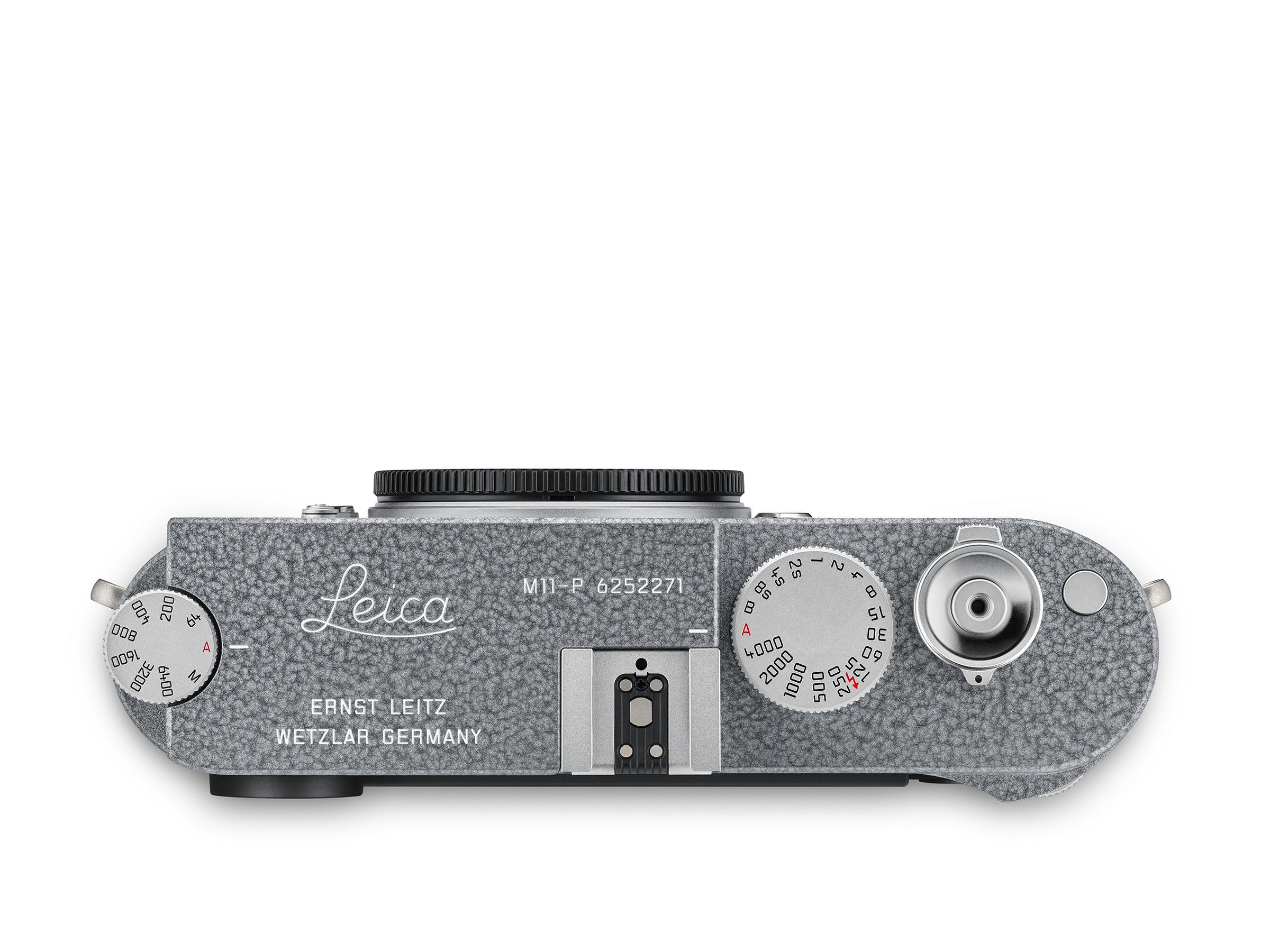
Leica says it reworked the process for these editions. An even finish across that texture takes the hands of experienced specialists in the Leica Manufacture team at Wetzlar. Because no two surfaces match, each camera is unique.
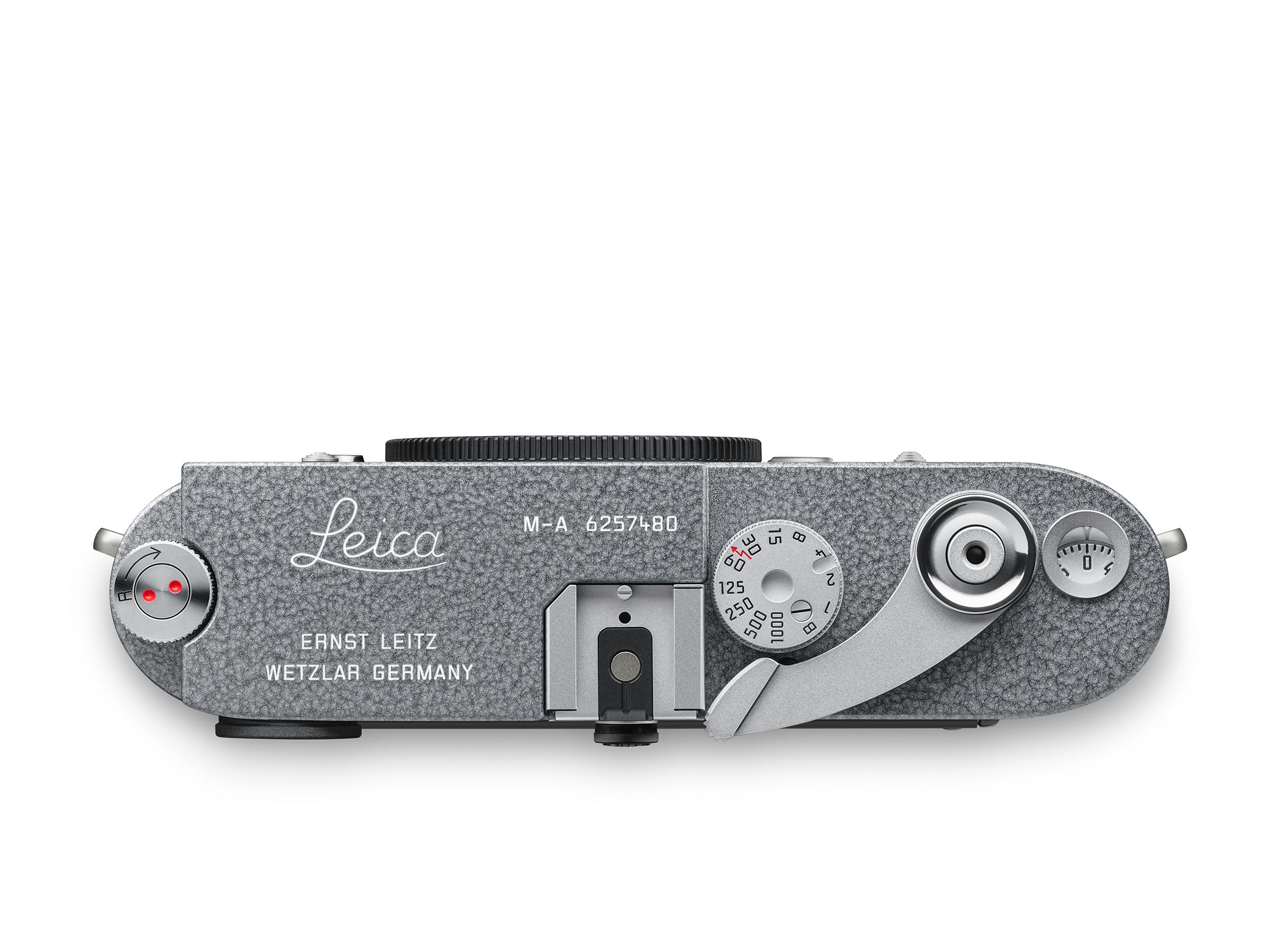
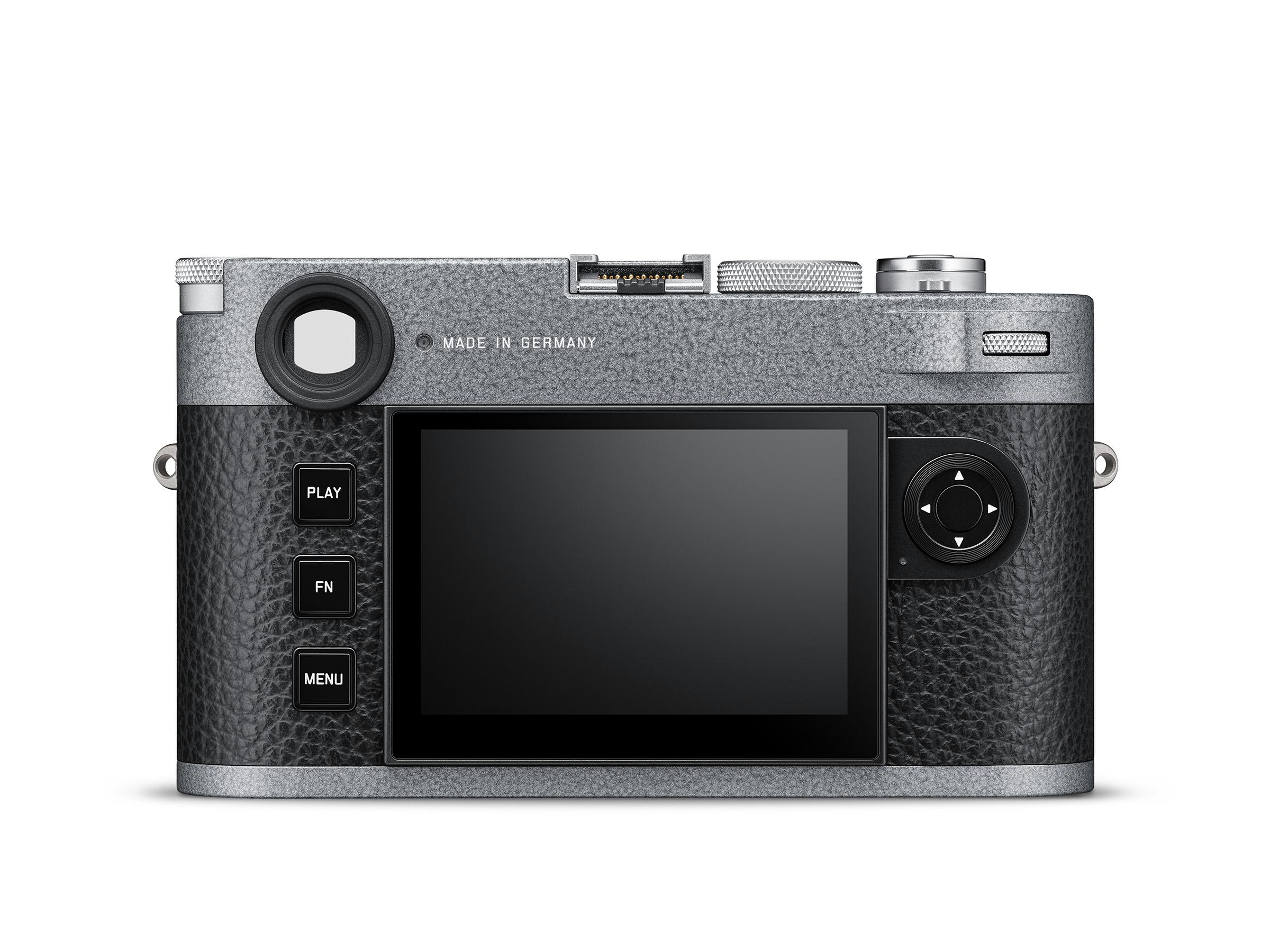
Both models carry the hammertone finish on the top and base plates. Both are crafted from solid brass, with classic cross knurling on the control elements and a shiny silver shutter-release plate. A black leatherette covering in a vulcanite style, with white engravings, completes the look.
The M-A Hammertone
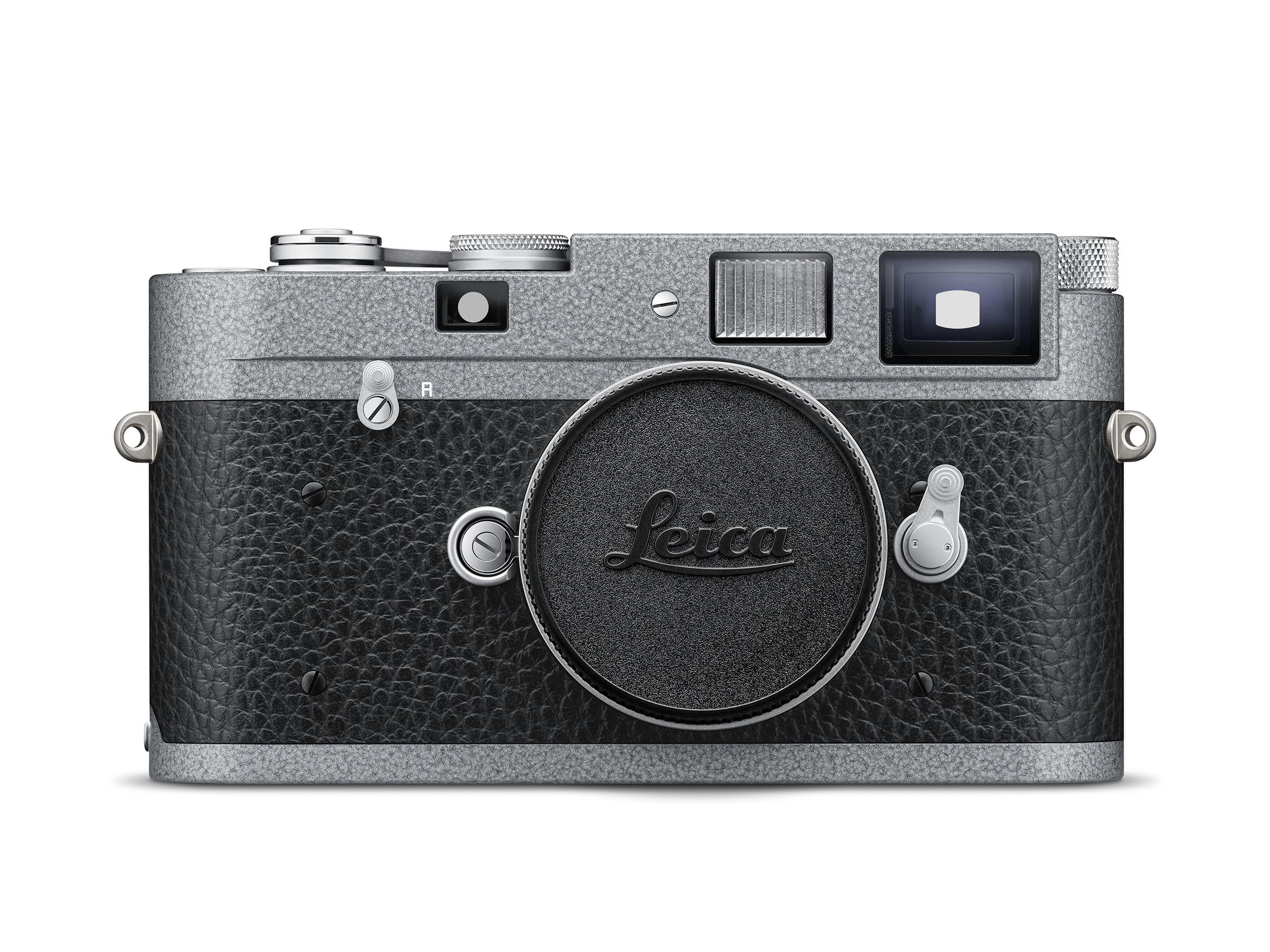
The M-A Hammertone uses the standard M-A specification. Leica aims it at photographers who want film in its purest form. As a completely mechanical M camera, it leaves aperture, film ISO and shutter speed entirely in the photographer’s hands. Its outside looks as timeless as the precision mechanisms inside.
Our 2021 review of the M-A, tested alongside the M-D, is a useful starting point for anyone weighing up the purely manual approach.
The M11-P Hammertone
The M11-P Hammertone brings the look into the digital M system. Its specification matches the standard M11-P. It carries Leica Content Credentials, which record authorship, image attributes and each editing step so that viewers can verify them. Inside sit 256 GB of internal memory and a BSI CMOS full-frame sensor with Triple Resolution Technology, which delivers 60, 36 or 18 megapixels.
The screen is scratch-resistant and anti-reflective, with sapphire crystal. Connection to the Leica FOTOS app runs over Bluetooth, Wi-Fi or cable. The package adds a BP-SCL7 battery in the same hammertone finish. The top and baseplates have newly rounded, classically styled edges, and the front screw now has a silver-chrome finish.
Our review of the standard M11-P covers the wider hardware, and an earlier article on Content Credentials explains that feature in more depth.

Price and availability
Both cameras go on sale worldwide from 12 November 2026, through Leica Stores, the Leica Online Store and authorised dealers. The M-A Hammertone has a recommended retail price of £5,700 or €6,700 including VAT. The M11-P Hammertone lists at £8,500 or €9,500 including VAT. An additional BP-SCL7 battery costs £160.
Both models match their standard counterparts on specification, so the finish and trim are the real distinction.
Feature image: Leica Camera AG press imagery. © Leica Camera AG 2026.
Further reading
| Macfilos Articles | Other Links |
|---|---|
| Leica M11-P Review: The camera with Contact Credentials – The fullest hands-on look at the M11-P | Leica Camera AG – The company’s own website |
| LHSA Special Editions and the new 50mm Apo-Summicron in retro style – Background on the 2003 Hammertone MP | PetaPixel on the 2026 Ginza M-A Hammertone – News report on the April 2026 limited edition |
| Review: Leica M-A meets Leica M-D on the streets of London – A hands-on look at the purely mechanical M-A |
Make a donation to help with our running costs
Did you know that Macfilos is run by six photography enthusiasts based in the UK, USA and Europe? We cover all the substantial costs of running the site, and we do not carry advertising because it spoils readers’ enjoyment. Any amount, however small, will be appreciated, and we will write to acknowledge your generosity.