

Leica has gone back to one of the odder corners of its history for its newest lens. The Summicron-M 66 f/2 reworks the Elcan 66mm f/2, an optic built in secret in the late 1960s for covert US Navy photography and disguised to pass as an ordinary lens. Fewer than 200 of the originals were ever made. Leica is now offering that same 66mm focal length to enthusiasts for the first time.
A lens built for spies
The Elcan 66mm f/2 was manufactured of Ernst Leitz Canada, where the German-born optical designer Walter Mandler led development. According to Walter, speaking at the time as Head of Development and Vice-President of Ernst Leitz (Canada) Ltd, the brief from the US Naval Intelligence Service was specific: a lens that “looked like any other but delivered an unparalleled level of resolution”. The 66mm focal length was chosen deliberately, Leica says, to balance maximum resolution, fine contrast and a compact body.
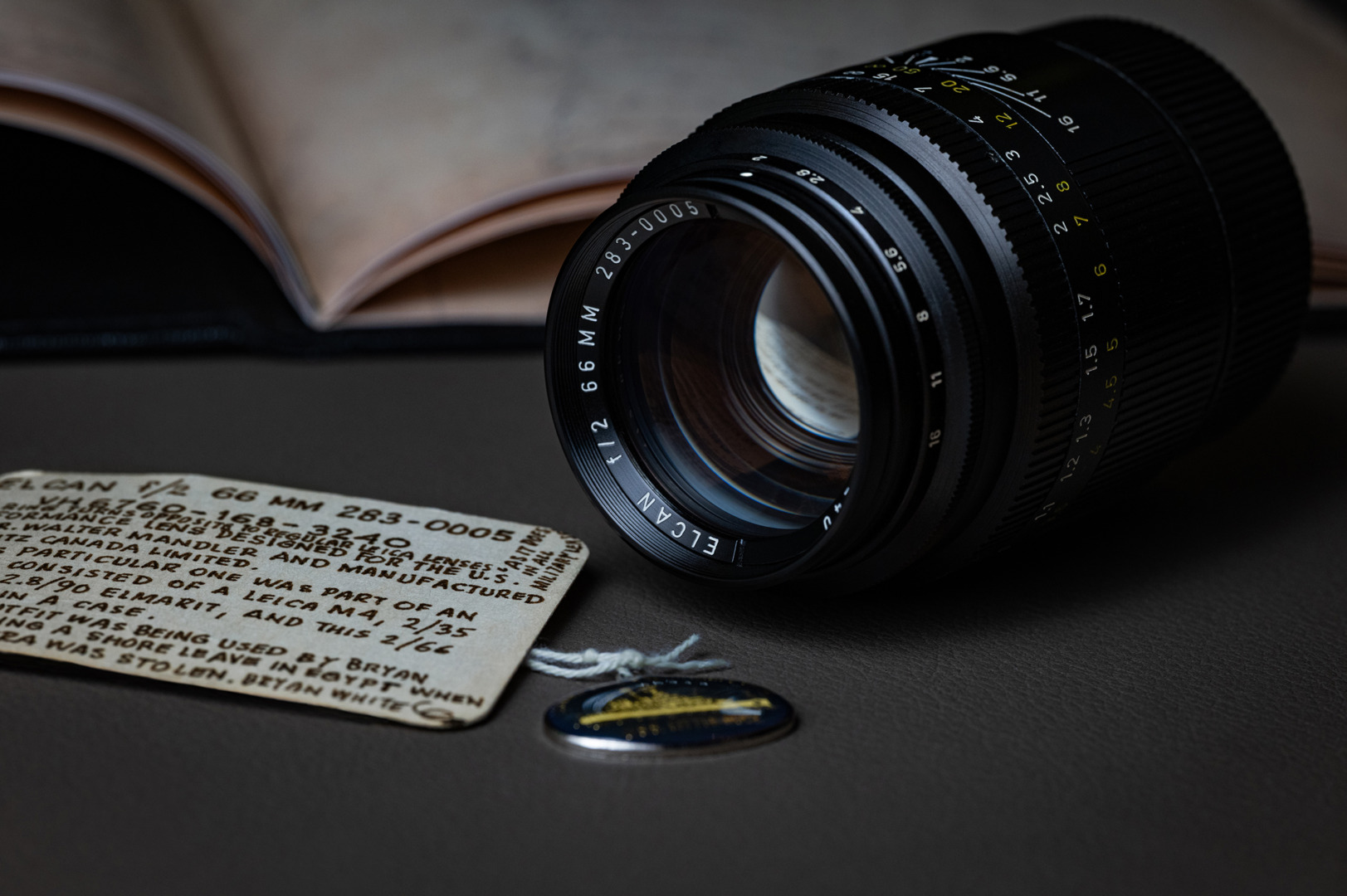
Leica’s account suggests the lens saw use beyond its original Navy commission, reportedly among Western allied partners during the Cold War, though the company gives no further detail on this. Many surviving examples are associated with the Leica KE-7A, a military variant of the M4 built for the same discreet work. The pairing’s original instruction manual, Leica notes, included guidance on destroying the camera and lens if they were at risk of capture — a detail that says more about the sensitivity of the assignment than the optics.
Wetzlar replaces Elcan
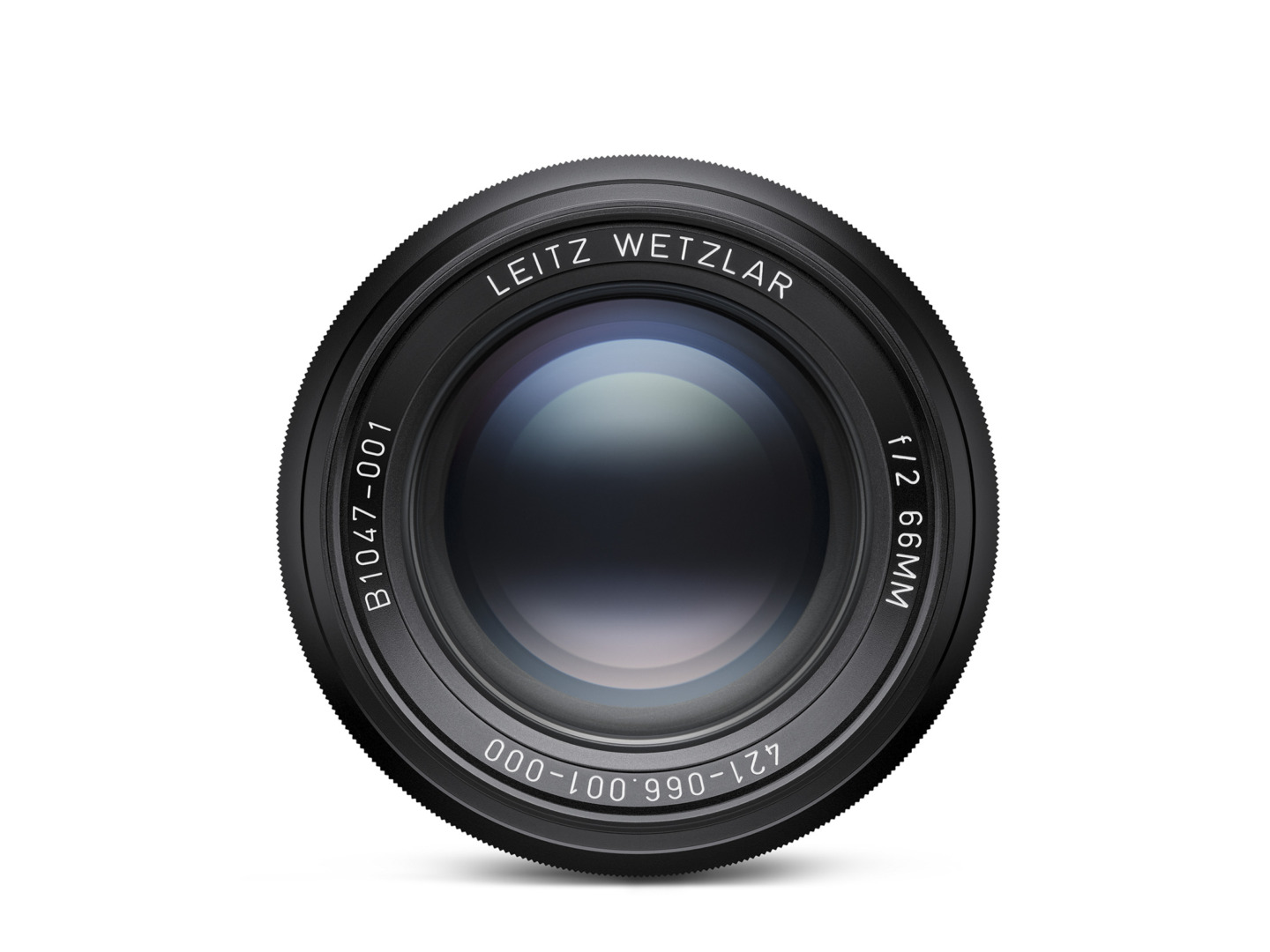
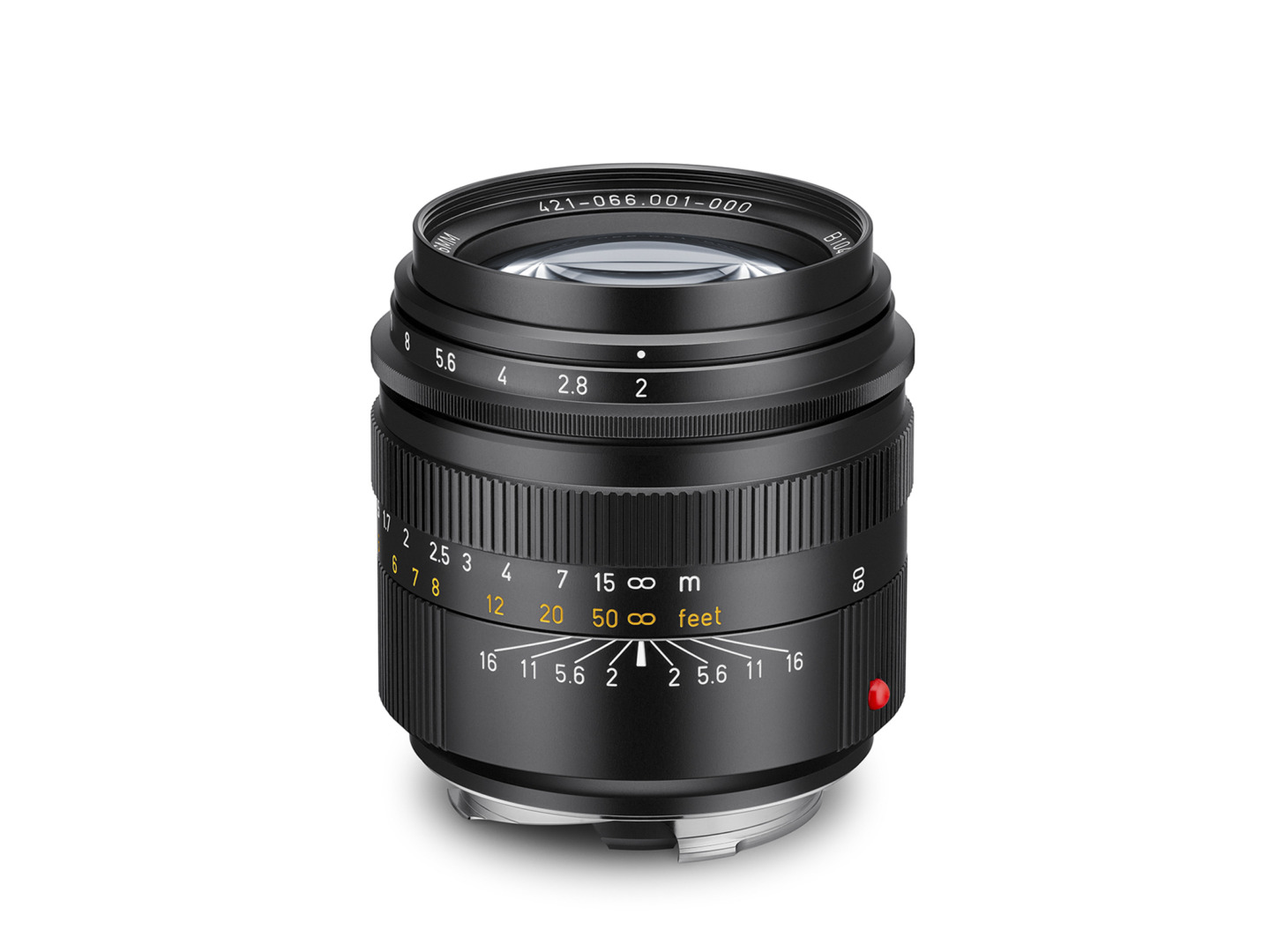
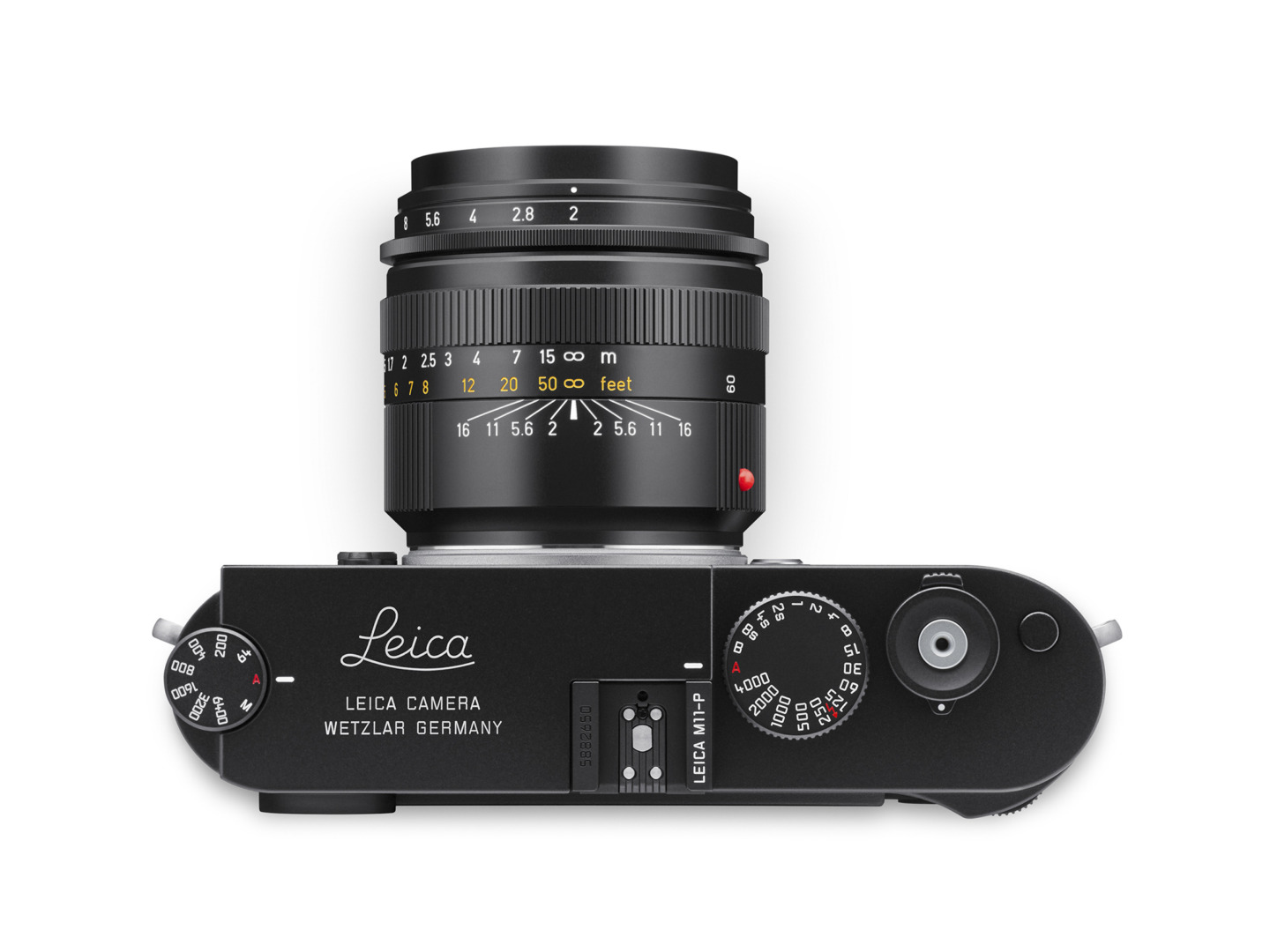
The new Summicron-M 66 f/2 keeps several quirks of the original by design. Its aperture ring turns in the opposite direction to every other current M-lens, and the distance scale follows the old military layout rather than Leica’s standard arrangement. The engravings echo the Elcan original but have been redrawn in a finer typeface specific to this lens.

Leica is building 660 examples. Each carries its serial number alongside the optical calculation number B1047 and a 12-digit internal material number, engraved on the front ring in the position where the Elcan carried its calculation number (C283) and a 13-digit US Navy order number. The ‘Elcan’ name — an acronym for Ernst Leitz Canada — is replaced on the new lens by a ‘Leitz Wetzlar’ engraving. A small ’60’ on the lens barrel marks the precisely measured 66.0mm focal length, following a wartime-era convention Leica says was standard practice for marking precision optics of the period.
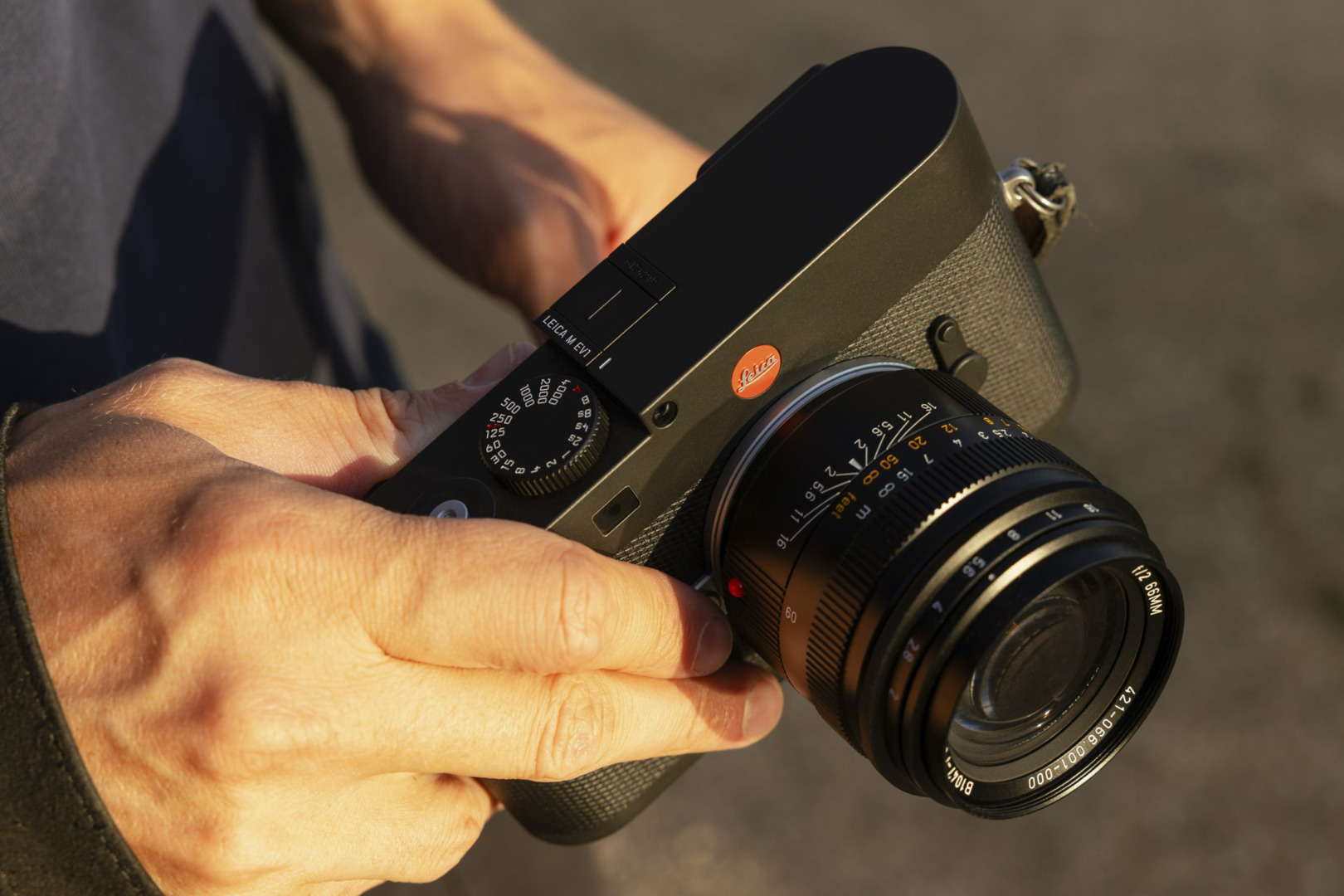
Rendering and handling
Wide open, Leica describes the rendering as typical of the Classic Line: soft bokeh paired with high contrast. Stopped down, the lens is said to show the resolution its military brief originally demanded. Sitting between a standard 50mm and the longer portrait lengths, the 66mm focal length gives a natural perspective with a degree of compression.


Price and availability
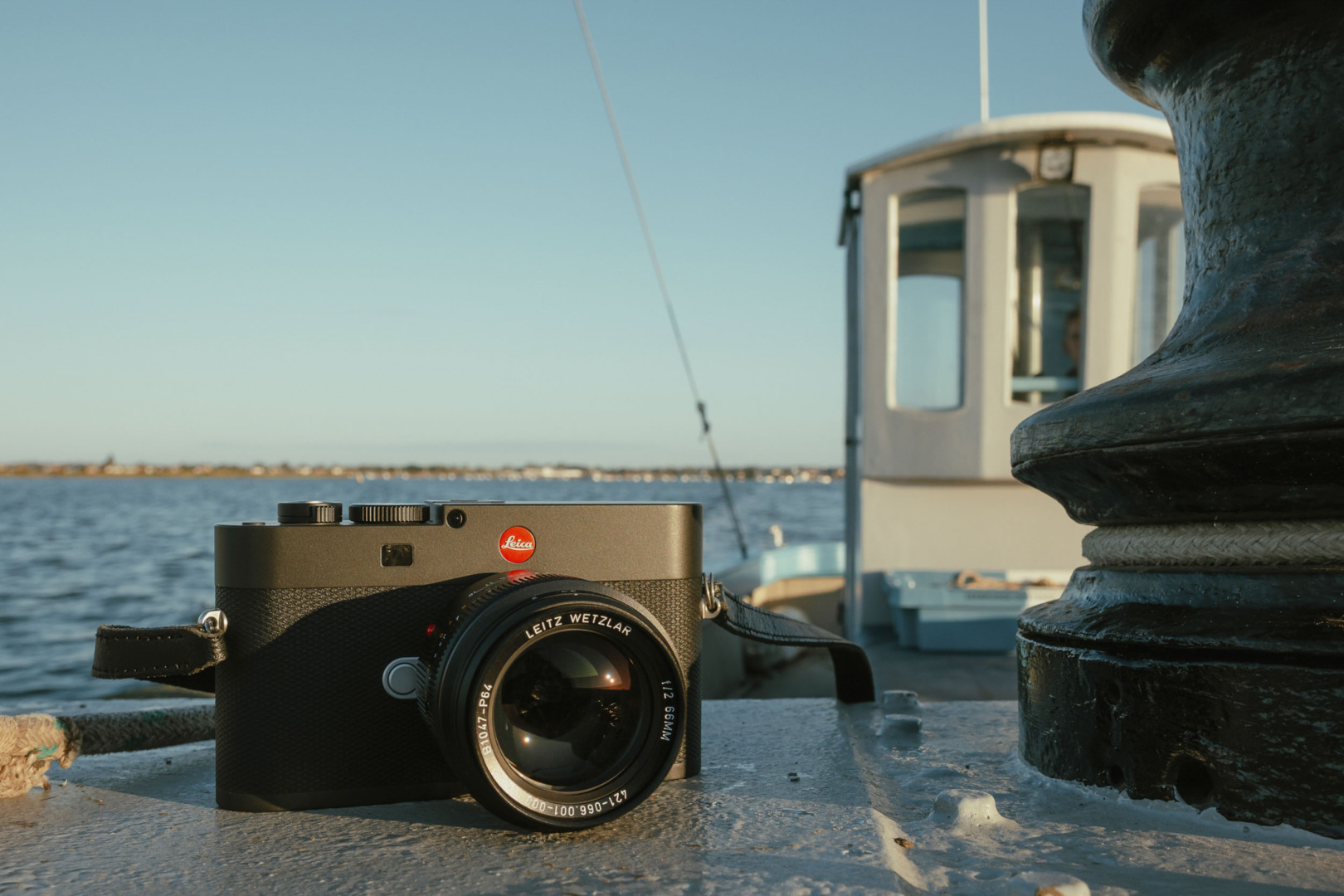
The Leitz Wetzlar Summicron-M 66 f/2 goes on sale worldwide on 3 September 2026, through Leica Stores, the Leica Online Store and authorised dealers, at a recommended price of £8,410 | €9,850 including VAT. In November 2026, the first-numbered example from the edition of 660 — serial 001 — will be sold at the Leitz Photographica Auction in Wetzlar.

Further reading
| Macfilos Articles | Other Links |
|---|---|
| Leica KE-7A: Special edition for the United States Army – Macfilos’s own look at the military M4 variant paired with the original Elcan 66mm | The Leica Elcan 66mm – A close look at the ultra-rare Cold War original this new lens reworks |
| Not a Replica of the Leica Classic: The Mandler 7-Element 35mm f/2 reimagined – Another Mandler design revived for the Classic Line | Walter Mandler – Biography of the designer behind the original Elcan and much of Leica’s classic glass |
| Leitz Photographica Auction: Half million record price for military Leica M4 – What military-issue Leica gear has fetched at past Wetzlar sales | Leitz Photographica Auction – The auction house selling the Summicron-M 66’s serial 001 in November |
| Leica Lens Names explained: A user’s guide – A primer on Leica’s naming and engraving conventions | Elcan 2/66mm – A past auction listing for an original Elcan 66mm f/2 |
| Leica Launches the Summilux-M 50 f/1.4: Another retro gem in the Classic Line – A previous Classic Line reissue, for comparison | Leica’s New Summicron-M 66mm F/2 Could Be Based on a Rare “Spy Lens” – Another outlet’s early coverage of the announcement |
| Leica’s Noctilux: Myth or magic? – The history of another Mandler-designed Leica legend | Leica M-Lenses – Leica’s own current M-mount lens range |
Make a donation to help with our running costs
Did you know that Macfilos is run by five photography enthusiasts based in the UK, USA and Europe? We cover all the substantial costs of running the site, and we do not carry advertising because it spoils readers’ enjoyment. Any amount, however small, will be appreciated, and we will write to acknowledge your generosity.
Comments: Please add a comment to this article. Our comments section is a thriving community and everyone is treated with respect. In addition, please identify yourself (and add an email address, which will not be published, if you would like to see answers to your posting). Our system will automatically delete any “anonymous” posts on the basis that they are likely to be spam.
Reading about the Leica Hugo 66 T2.1 cine lens, which was said to be based on the original ELCAN 66/2, and now the new 66/2, I think we can figure out the derivation. Unfortunately, no MTF curves for the Hugo or for the original.
I have just read Milan Swolfs’s’ review of the lens, which has pictures of both the old and the new lens side-by-side. The new lens has an obvious larger diameter. To me this means that new glass was used and that the specs cannot be exactly the same.
Milan’s review does give the MTF curves of the new lens, but nowhere, including Erwin Puts’s books, can I find the curves for the original.
I have handled and used Rolf Fricke’s original, way back when. I had asked LLL in the past about a faithful remake, but they demurred.
Obviously, this particular lens fascinates me.
Interesting photo of the new lens with the card showing details about an actual Elcan 66/2. I believe this card is from Rolf Fricke’s collection which now resides in the Archiv in Wetzlar. Rolf wrote an entertaining article about this lens in his collection for the LSI Viewfinder. You can find this article in VF 42-3 in the LSI Viewfinder archive if you are a member.
I presume that is the story about a US naval officer being told to throw the 66mm overboard along with some other items, Bill. That is told in full by Milan Swolfs on his site today where he does a review of the new copy.
William
This is a puzzle to me. (Speaking of the original) it suggests the U.S. government propensity to overspend on “specialized” equipment rather than a truly remarkable product. NASA had both Nikon and Hasselblad make special edition equipment for use in outer space. The CIA has resolution requirements more demanding than NASA? I doubt it. Why not just buy a Micro-Nikkor? Honestly, this was probably a ruse to budget Big $$$$ each for many Leitz lenses and cameras, while the money was really going for some secret project. Anyone remember the line in the movie Independence Day from Judd Hirsch’s character? “You don’t actually think they spend $20,000 on a hammer, $30,000 on a toilet seat, do you?”
Not meant to disparage Leica.
Are there any comments on the fidelity of either the new lens’s components, or its MTF curves to the old lens? Dr. Kaufmann told me 20 years ago that reproducing this lens would cost them about $20,000 back then, if done with the original glasses. It seems doubtful that this is the case, and that the new lens has a different optical formula which approximates the old lens’s performance.
Ed
I don’t know, Ed. As far as I can remember there was nothing extra in the press pack.
I am helping an LSI member who has acquired a prototype of an ELCAN military 35mm f2 lens with Thorium glass. He is by background a scientist with experience of radiation and he is testing the lens. We are in correspondence with Peter Karbe who has confirmed that they do not have the Mandler/ELCAN optical designs and papers in Wetzlar and it also appears that they are untraceable in Canada. Peter referenced the Lanthum Crown (LAK) type glass and expressed surprise that Thorium glass was used rather than LAK glass in the 35mm lens. Peter confirmed that the ELCAN 66mm design was obtained by the folks at HQ due to a special request, so, Ed, your question to Dr Kaufmann may have had some effect.
Peter also sent me a piece on the standard 50mm ELCAN lens for use with the KE-7A which states that it used Lanthanum infra-red absorbing and high refractive glass.
Military orders often specify items from a money no object perspective. Lens design has come a long way in 60 years, so maybe the folks at Wetzlar might have found some substitutes which can do the same thing with a much lower cost. Personally, I would be surprised to find that the 66mm copy had LAK glass.
Ed, you could ask Peter what type of glass was used for the new 66mm copy.
William
Peter and I worked on the structure of the ELCAN 50/2 because the patent was available. (Nothing was available in Canada). Peter was able to give much important detail then.
Now the issue would be if a patent is out there. Being such a secret lens, I strongly doubt this.
But Leica would have the original MTF curves, because they could calculate this with one of the two 66/2 lenses I know Leica has. I’d like to see those curves versus the new ones.
I agree that it is highly unlikely that a patent exists for the original 66mm lens (a) because it would have to contain military secrets and (b) because it would actually be unnecessary. In a case like this the customer is always right. Wetzlar had no information on this lens until much later when to quote Peter Karbe today “The design data off the Summicron 2/66 we got from ELCAN much later due to a special request”. In those circumstances, it is highly unlikely that Leica has MTF charts for the original lens unless they were supplied with design data.
One interesting point in Milan’s article which I have referenced above is that Leica asked the current ELCAN company ( Raytheon ELCAN) if they could use the ELCAN name and when no reply was received to that request, they decided to proceed with the Leitz name on the front.
I have yet to see the specifications for the glass used in the new copy, but given the development in technology over the years it is likely to match or exceed that of the original ELCAN item.
William