
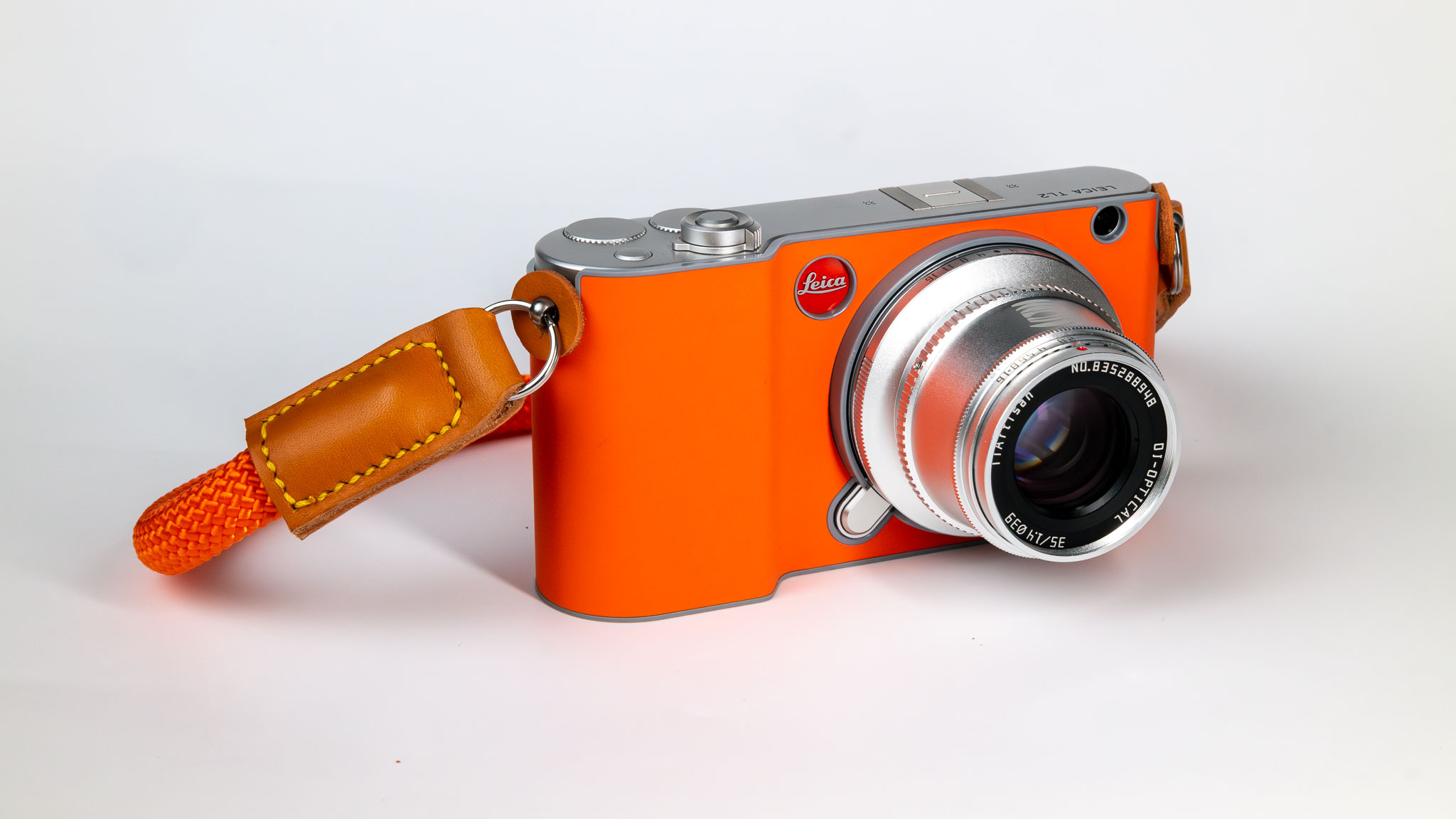
Much has been written in the pages of Macfilos about the demise of the Leica APS-C system. Anguished wailing and gnashing of teeth, as well as countless references to ‘betrayal’, litter the accompanying comments. But Leica’s stroke of genius in equipping the system with an L-Mount means owners of TL- and Cl-series cameras can still pair them with a growing collection of cool lenses. Thanks to that L-Mount, Leica APS-C photography still has some life in it.
Leica’s strategic decision to withdraw from the APS-C format meant no new camera models from the TL or CL series would again grace the shelves of its boutiques. However, the ‘end-of-the-line’ models released by Leica, now available on the secondary market, still have much to offer.
Before exploring the many opportunities still afforded by these Leica APS-C format cameras, I should comment on the lenses designed specifically for this system.

High and dry
Owners of a Leica CL or TL2 who invested in a collection of TL-series lenses probably feel they were left high and dry by Leica’s change of heart on the APS-C format. At the time, Jörg-Peter Rau offered his thoughts on alternative ways to utilise these excellent optics, should the cameras themselves eventually bite the dust.
His options included mounting the lenses on an SL-series body. The full-frame sensor would still deliver high resolution images, even if only part of the sensor was exposed when using these APS-C format lenses. A more drastic option would be to sell the collection and migrate to a completely different system.
As you will read below, I bought one of Leica’s TL-lenses, knowing full well that the company had abandoned this format. I wonder if others readers have done so, or how they have managed their existing TL-lens collection?
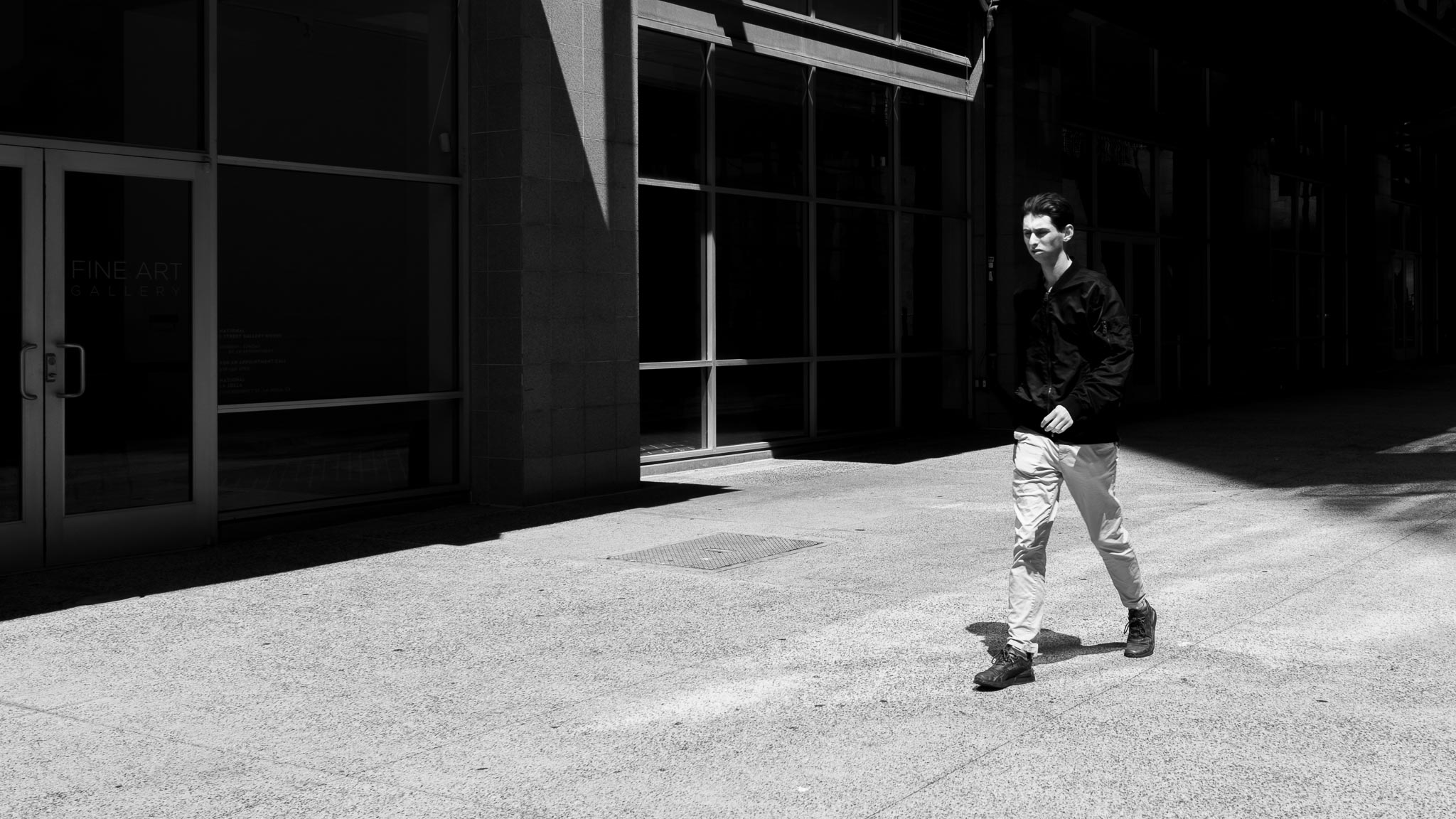
The situation is different for the cameras themselves. Because of their L-Mount, the universe of lenses to which they could be coupled has continued to evolve, even if the cameras are now frozen in a final version. In the rest of the article, I will share examples of new opportunities for Leica APS-C photography that L-Mount now enables.
Silver machine
I bought a used Leica TL2 in silver-finish a few years ago. My aim at the time was to extract more value from my superb, albeit expensive, Leica M lenses. With an M-to-L adapter, I could extend their effective focal length by shooting on this APS-C camera. Manually focusing these lenses on the TL2 was easy.
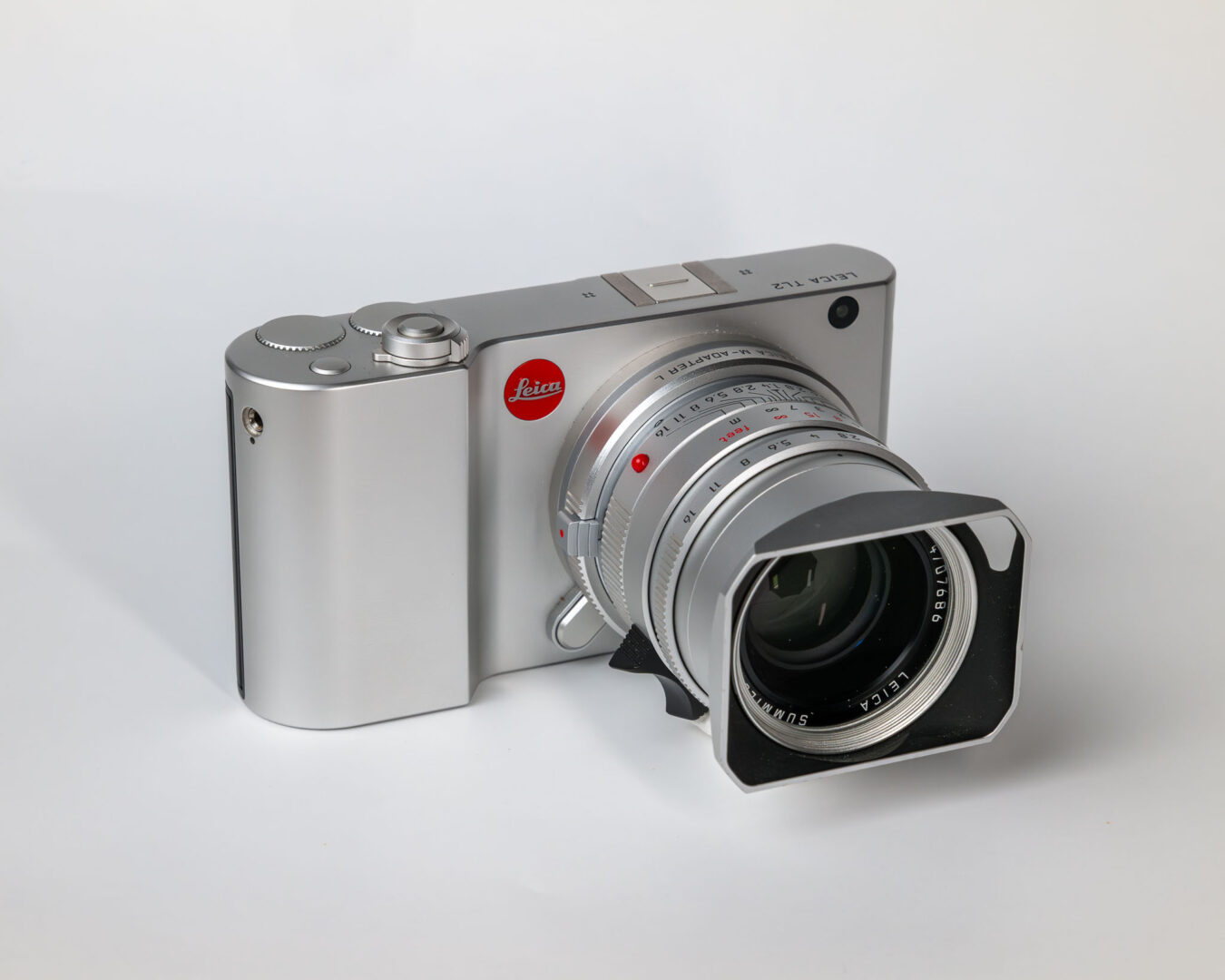
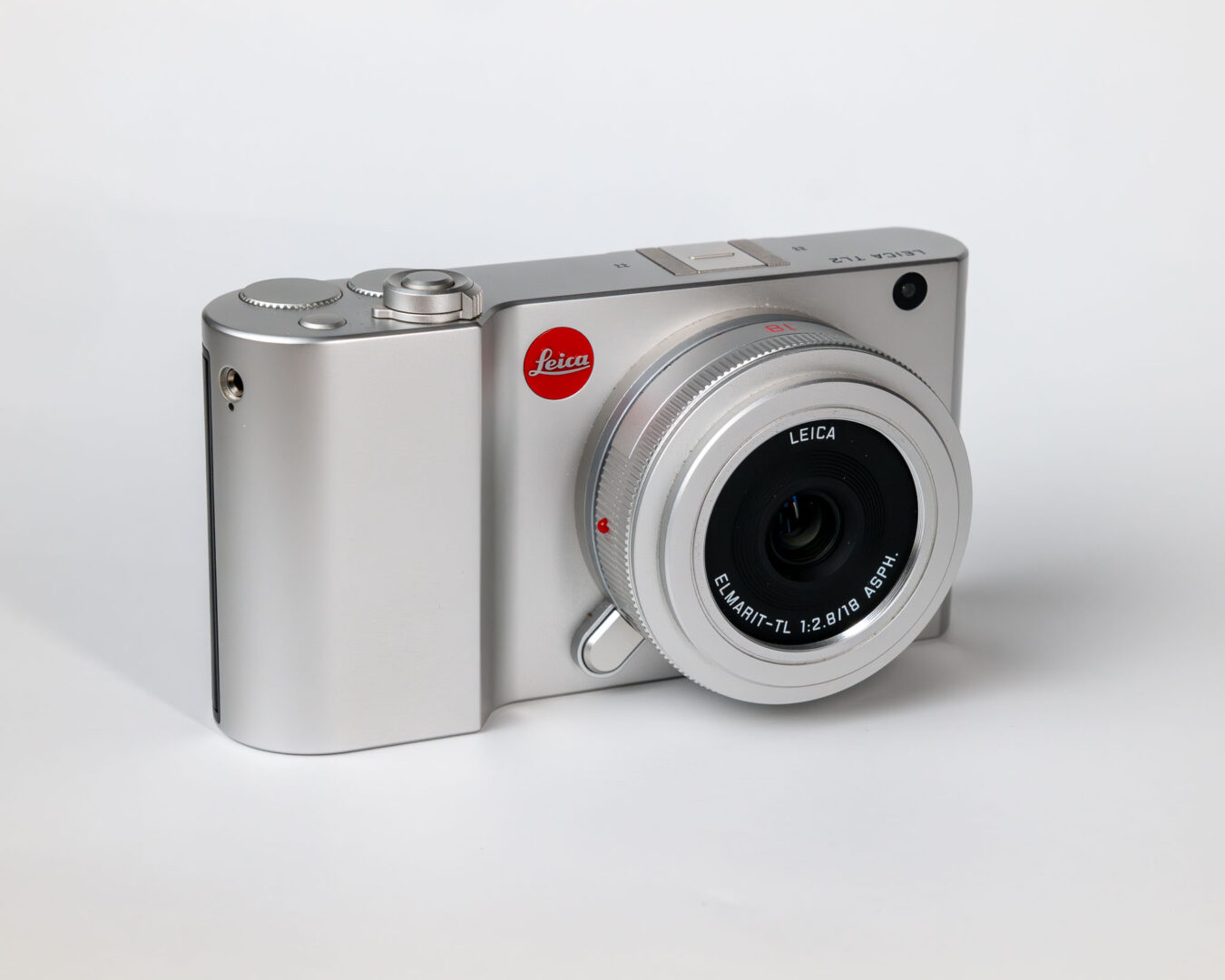
Subsequently, I bought a used, native 18mm f/2.8 TL autofocus lens to give myself a stylish, pocketable, walk-around kit. It remains one of my oft-used street photography companions.
Over time, I began to realise that the L-Mount-equipped TL2, perhaps the pinnacle of Leica APS-C photography, together with a vast L-Mount lens ecosystem, afforded me even more new photographic opportunities. I would like to describe a few of those in this article.
But first, let me say a bit more about the camera itself. I largely covered the technical aspects in previous articles (see links in table below) so here I shall comment primarily on its aesthetics.
It’s a looker
Apart from the recently introduced Sigma BF, I don’t believe there is any other camera which remotely resembles a silver-finish Leica TL2. Its ultra-sleek, machined-aluminium body is a triumph of Audi-led industrial design. Equipped with a matching, silver-finish lens, it is a functional work of art that could sit proudly in any exhibition of modern design.
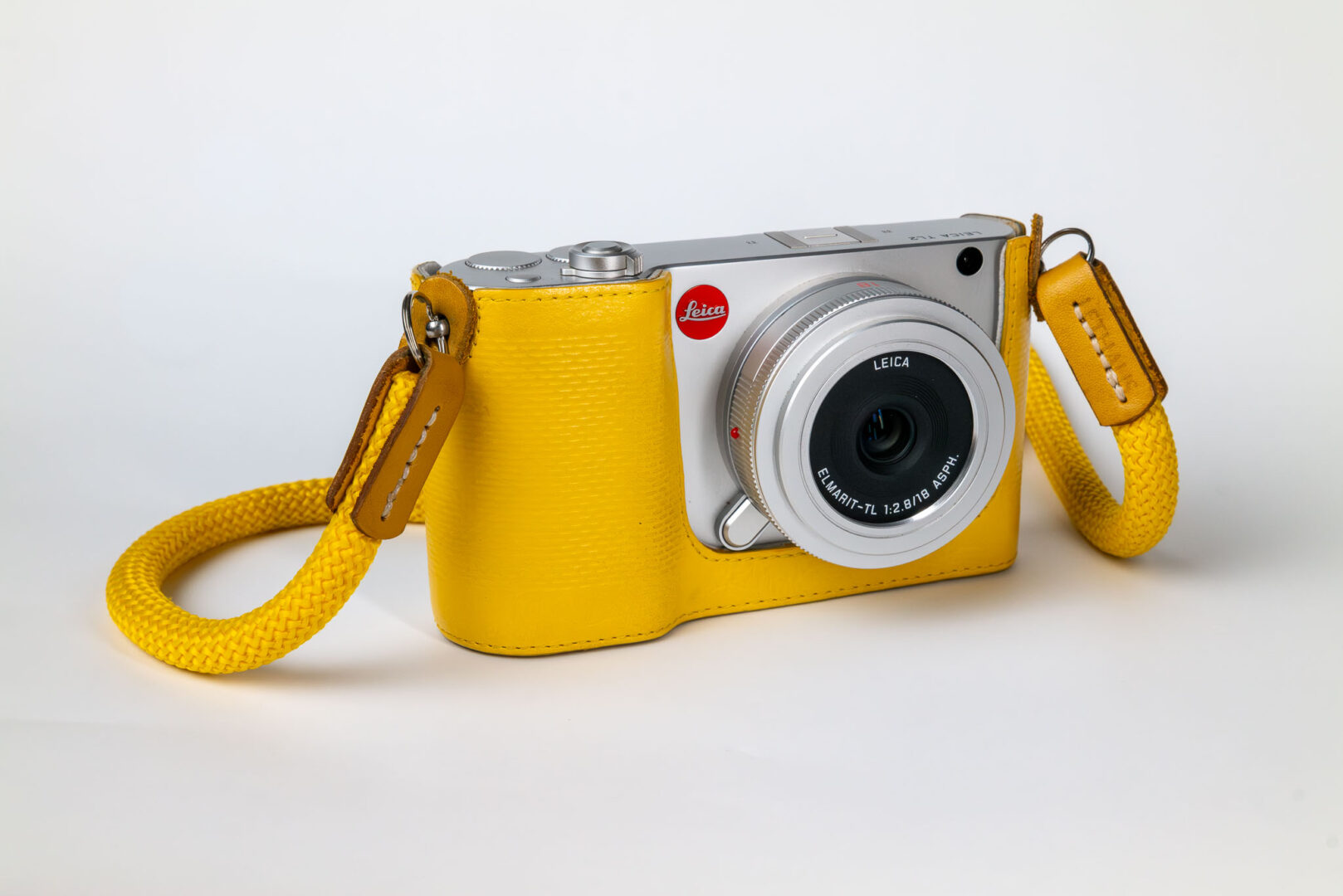
To protect its smooth, metallic surface from scratches, I tracked down a canary yellow leather half case, sold as an accessory by Leica at the time. This called for a matching yellow rope strap, custom-produced by a small company I found through Etsy.
More recently, I stumbled upon an orange T-Snap, another TL2 accessory available from Leica back in the day. It’s a little trickier to fit, but is another means of protecting that precious silver TL2 surface. Naturally, this called for another matching custom strap, sourced again from an artisanal outfit operating via Etsy.
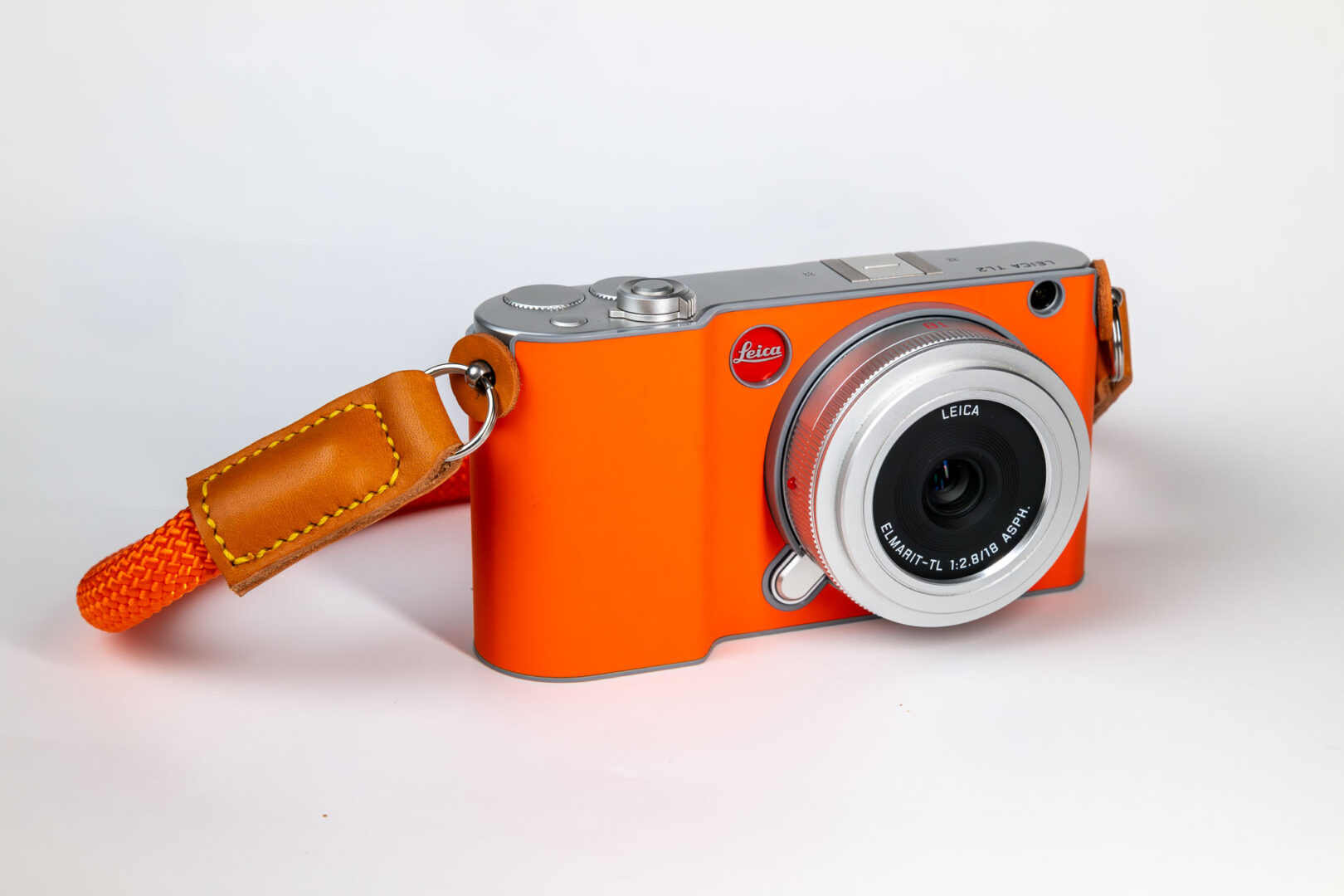
I have to remove both these protective cases to retrieve the SD card or plug in the USB-C charging cable. But I consider that a small inconvenience compared to the satisfaction of being the most stylish photographer in my neighbourhood.
Cheap at twice the price
Who would pair this gorgeous silver-finish gem with an ugly black lens? Well, I confess I have indeed committed that sin, as I will describe shortly. But if possible, it’s got to be a lens in (close to) matching finish.
Since my 18mm f/2.8 TL lens already gives me a full-frame equivalent 27mm focal length, I decided to buy a compact 35mm L-Mount APS-C lens. I would then have a full-frame equivalent 52.7mm focal length, with a 44.6° rather than 63.4° field-of-view.
How do I know these relationships between focal length, sensor format, and field-of-view? Because I recently built a lens-format-converter app, which I will describe below.
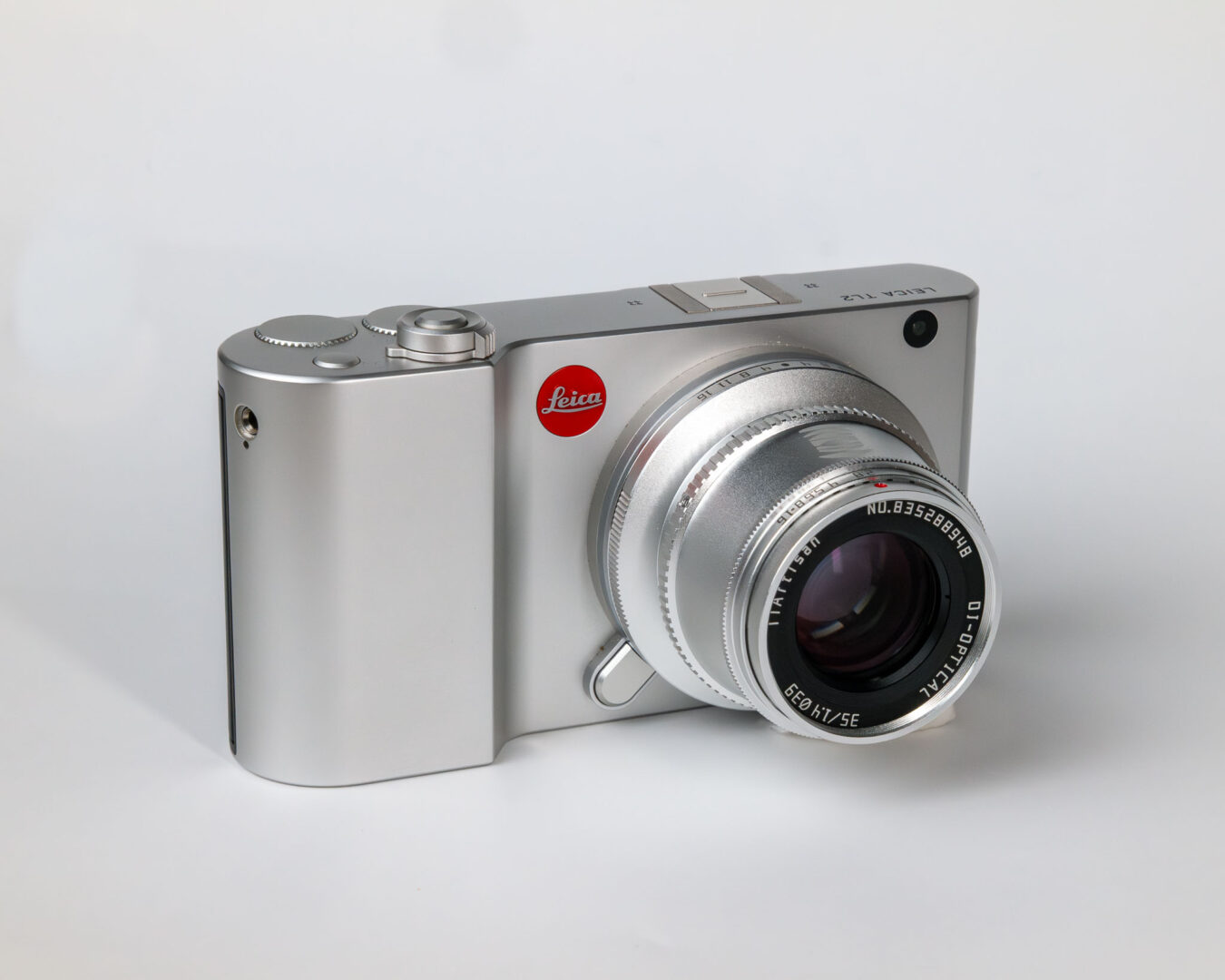
So, I splashed out on a TT Artisan 35mm f/1.4 L-Mount APS-C silver-finish lens, which I described in a recent article. It is focused manually. Having read positive reports of this manufacturer, and good reviews of this lens, I thought I would give it a whirl. If you did not read that earlier article, I wonder if you can guess how much I paid for it, brand-new. No need to look it up; I will give you the answer below.
Not a bad performer
The lens is not quite as sharp as my Leica APO Summicron SL 50mm ASPH (Author Note: in case you missed it, that was meant to be a droll understatement…). Nevertheless, I have taken some worthwhile shots with it on photo-walkabouts in my local neighbourhood.
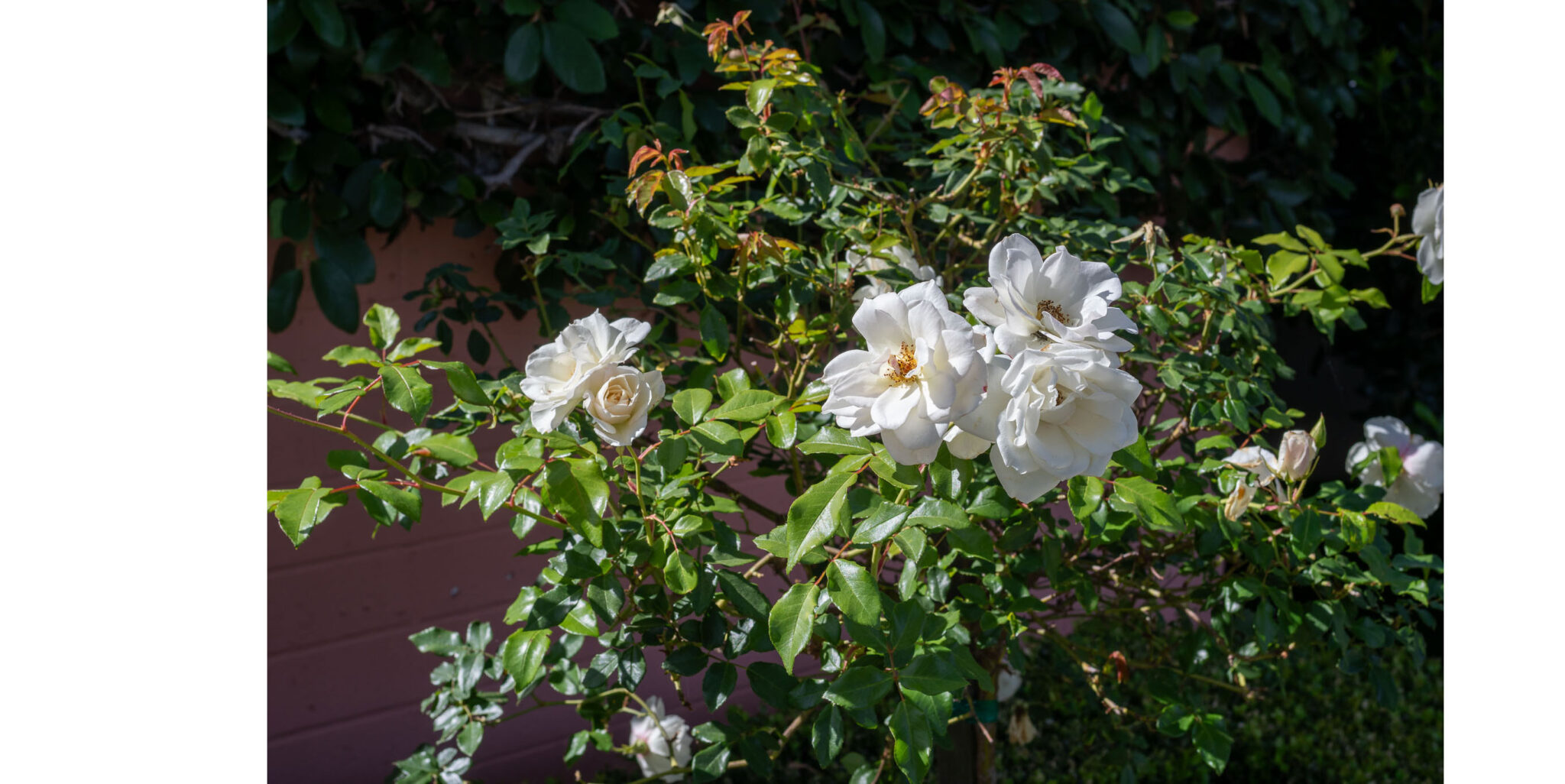
Here are a few shots comparing the TTArtisan 35mm f/1.4 L-Mount and a Leica 35mm f/1.4 Summilux, the latter attached via a Leica M-to-L adapter. The first set were all shot wide-open.



For completion, I have also included photographs of the same scene, taken with a 35mm T/1.8 Super-35 1.33-squeeze anamorphic lens (see below). The images are aligned as best I can to aid comparison, hence the white space either side of the spherical images.
The next set was shot at f/8.
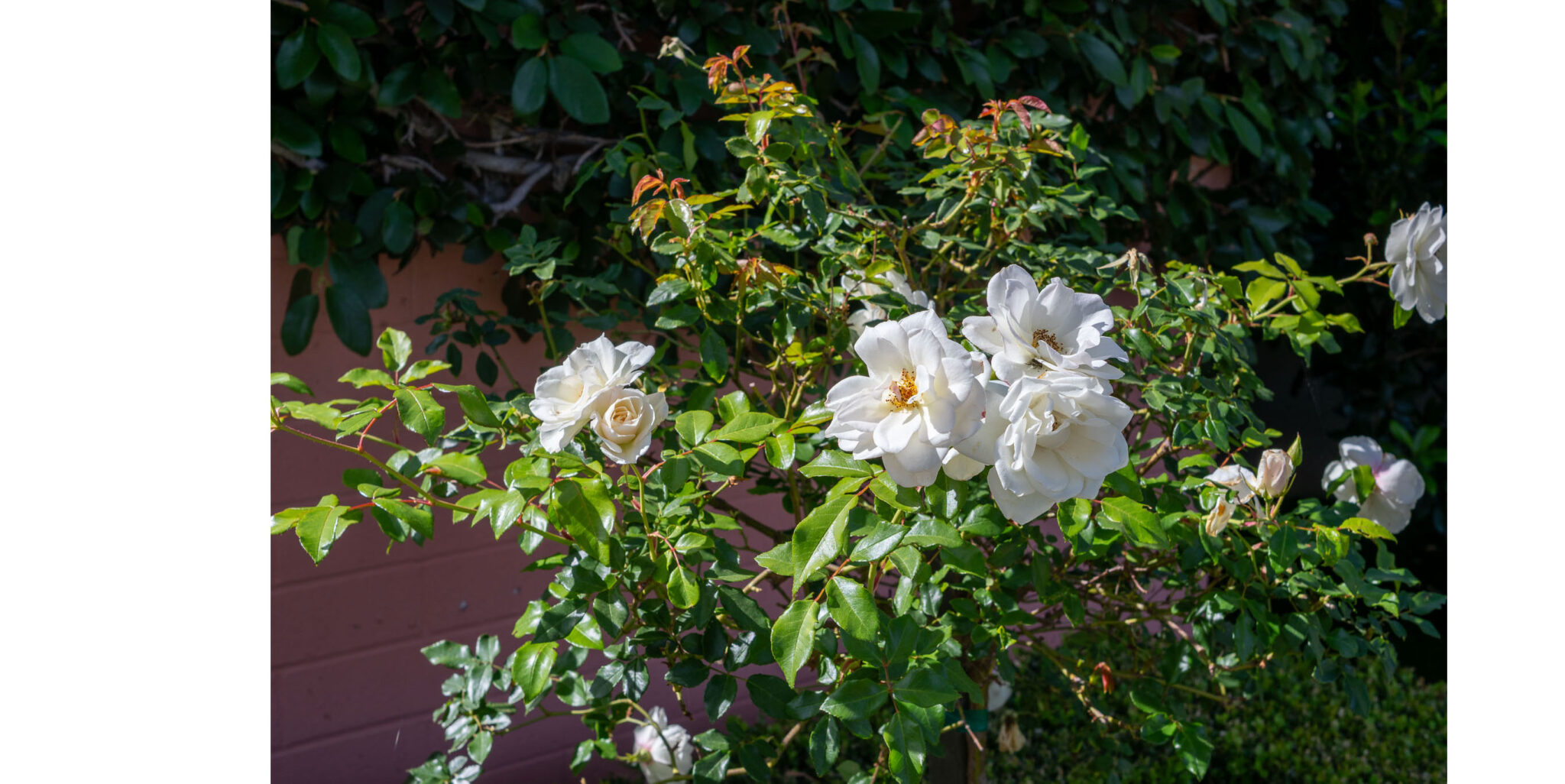
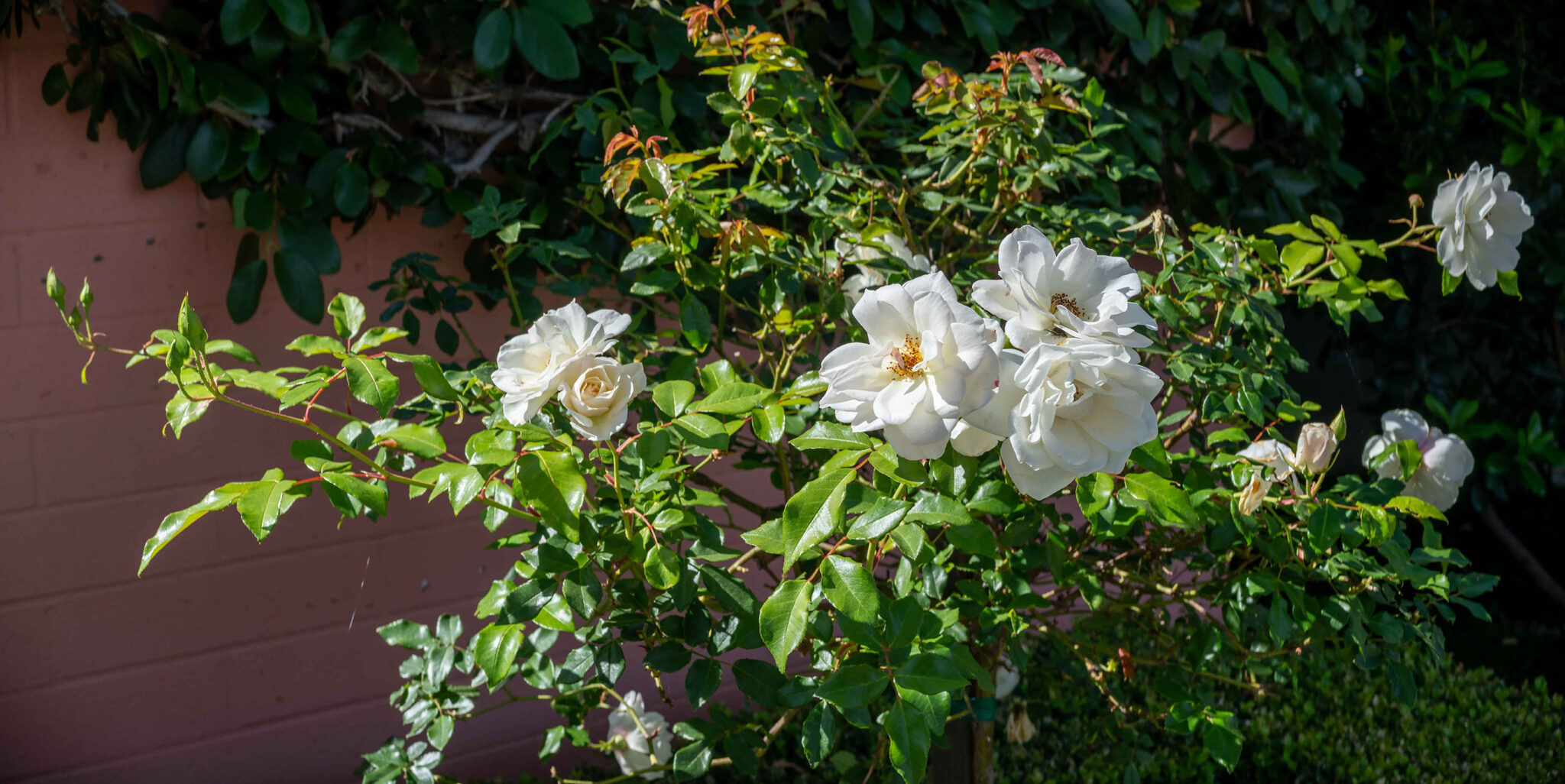
What do you think?
A lens-format-converter app
I am routinely swapping lenses between my APS-C TL2 and full-frame SL2 or M240. These format switches bring changes in effective focal length and field-of-view. I have also done some shooting with digital medium format cameras recently. Here again, focal length and field of view differ from the full-frame standard.
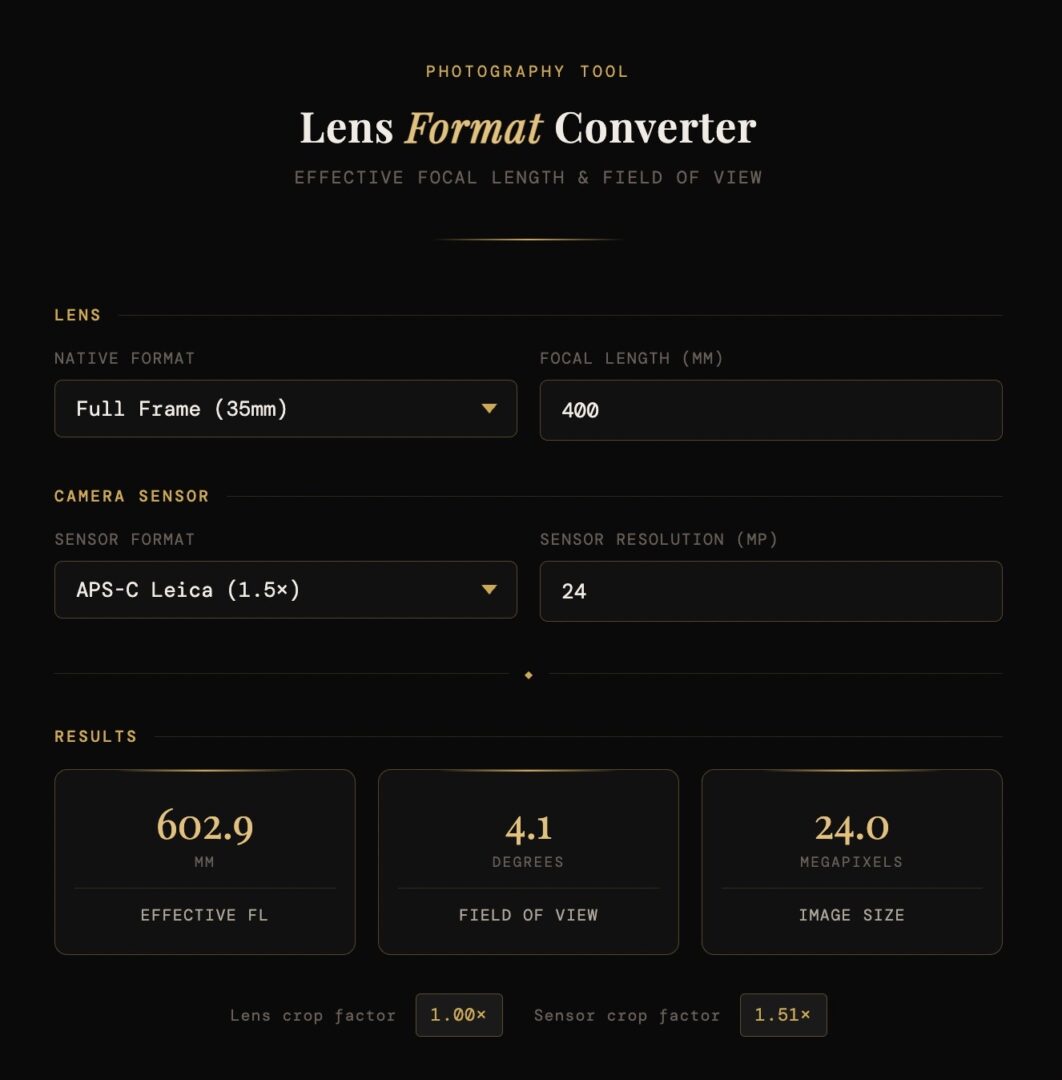
I decided to build a personal lens-format-converter app, with which I could easily determine how these parameters changed. I recently described how I used Claude, the Anthropic large language model, to vibe code an effective focal length calculator. So, I built on that experience to generate this latest app. Here is a screenshot of the user interface.
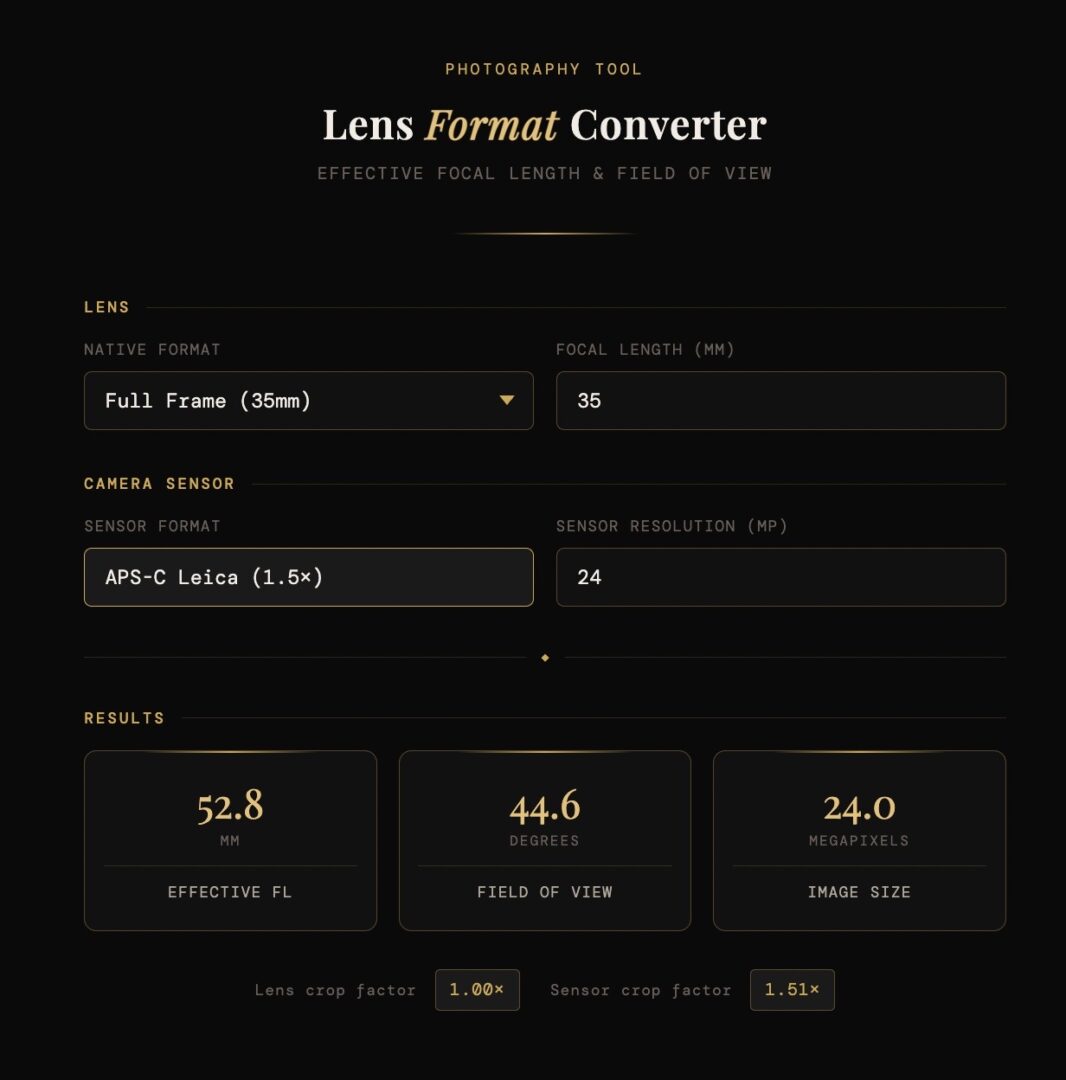
It features an input field (with drop-down menu) for the native lens format, plus the lens focal length, as well as input fields for the camera format on which it will be used, and its sensor size.
The output is the effective focal length, field of view, and effective sensor size of the camera-lens pair. The app is a .html file which sits on my computer, opening up a new browser window when launched. I would like to take credit for the tasteful layout and colour palette, but that’s all the work of Claude.
Anamorphic adventures
I have written previously about shooting with a Sirui 35mm Super-35 T1.8 1.33-squeeze anamorphic lens on my TL2, so I will not spend much time on it here. It’s another example of exploiting the camera’s L-Mount to pair it with an interesting lens.
As mentioned above, I now have three 35mm lenses I can mount on the Leica TL2. So I thought it would be interesting to generate some three-way comparison shots. You saw some earlier. I have included further examples below, the first set of which were all shot wide-open.



In order to make it a fair comparison, I used a consistent vertical field of view for all three images in each set. This means there is white space either side of the spherical images, since the horizontal field of view of the anamorphic image is 30% wider. Here is the final set, shot at f/8.
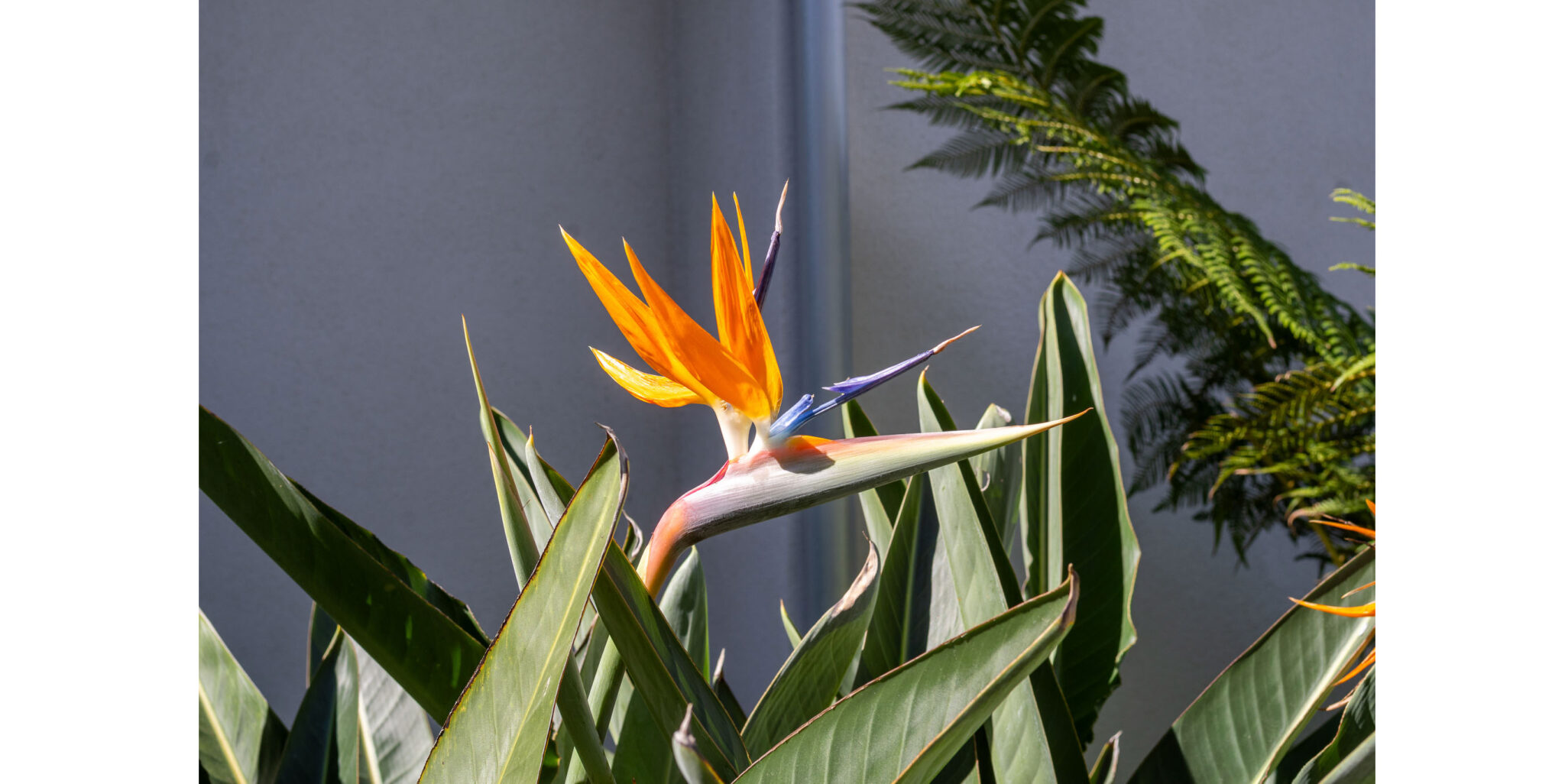
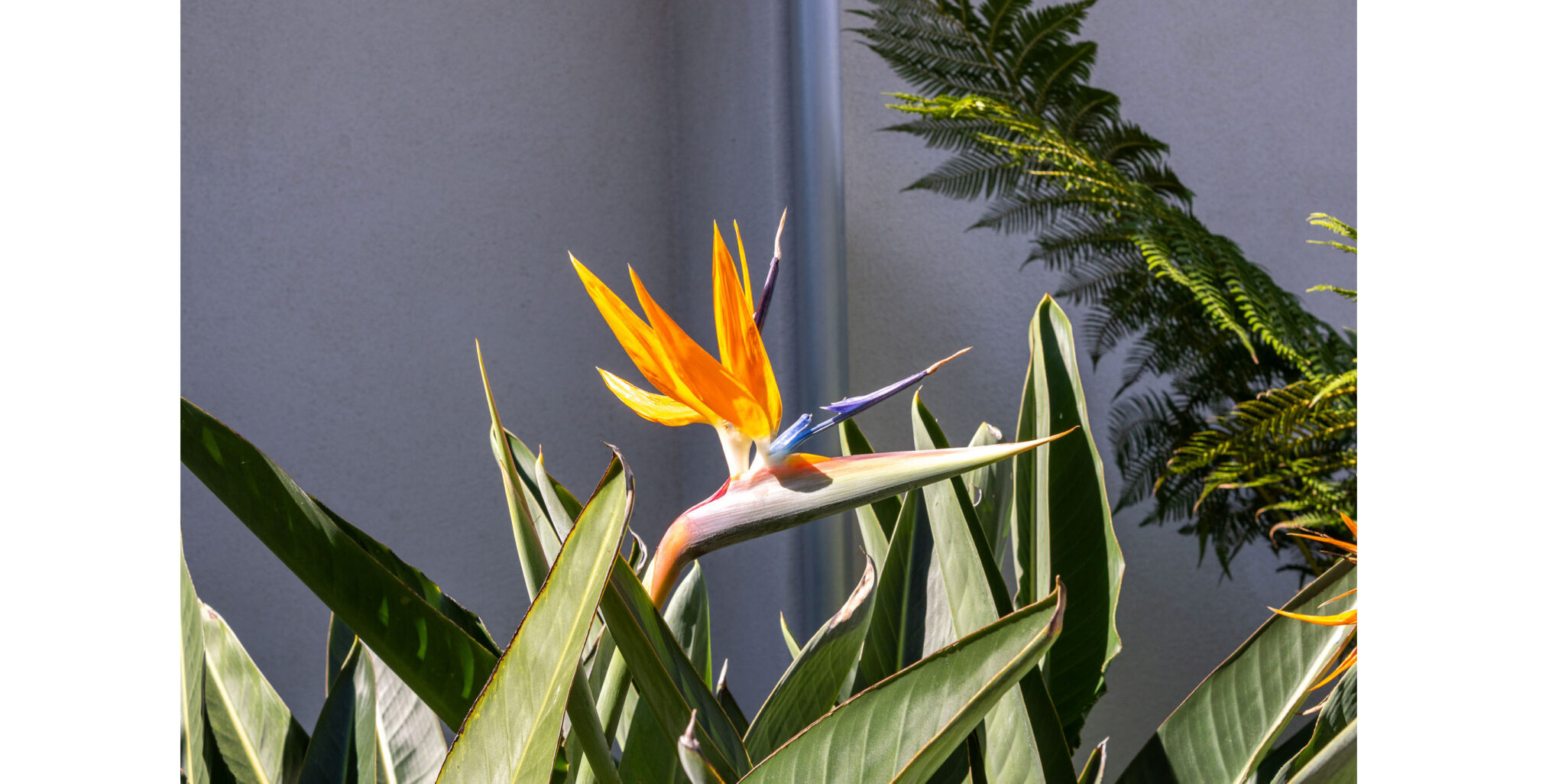
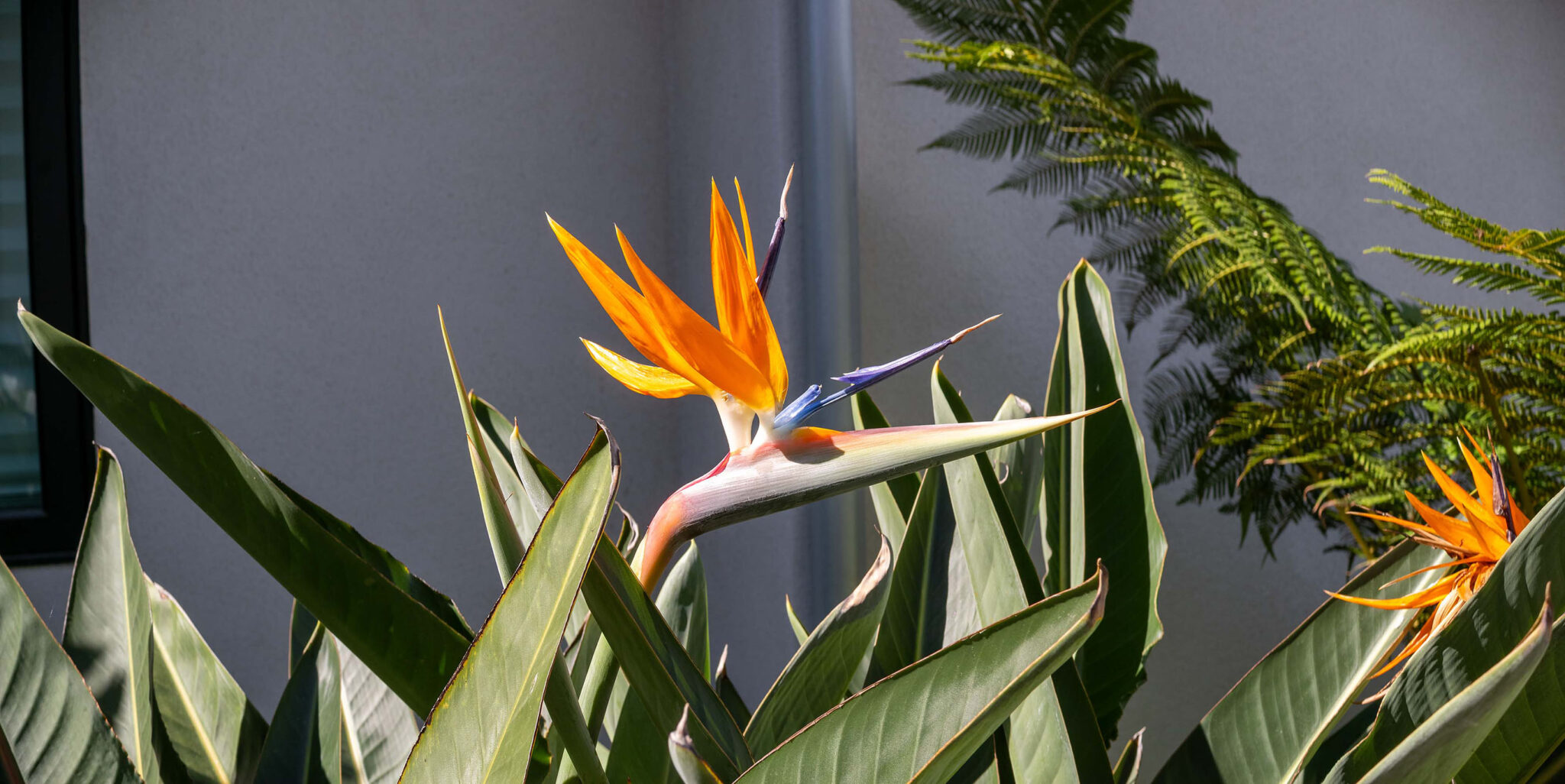
I think the inexpensive TTArtisan and Sirui lenses both acquitted themselves honourably.
Big bazooka
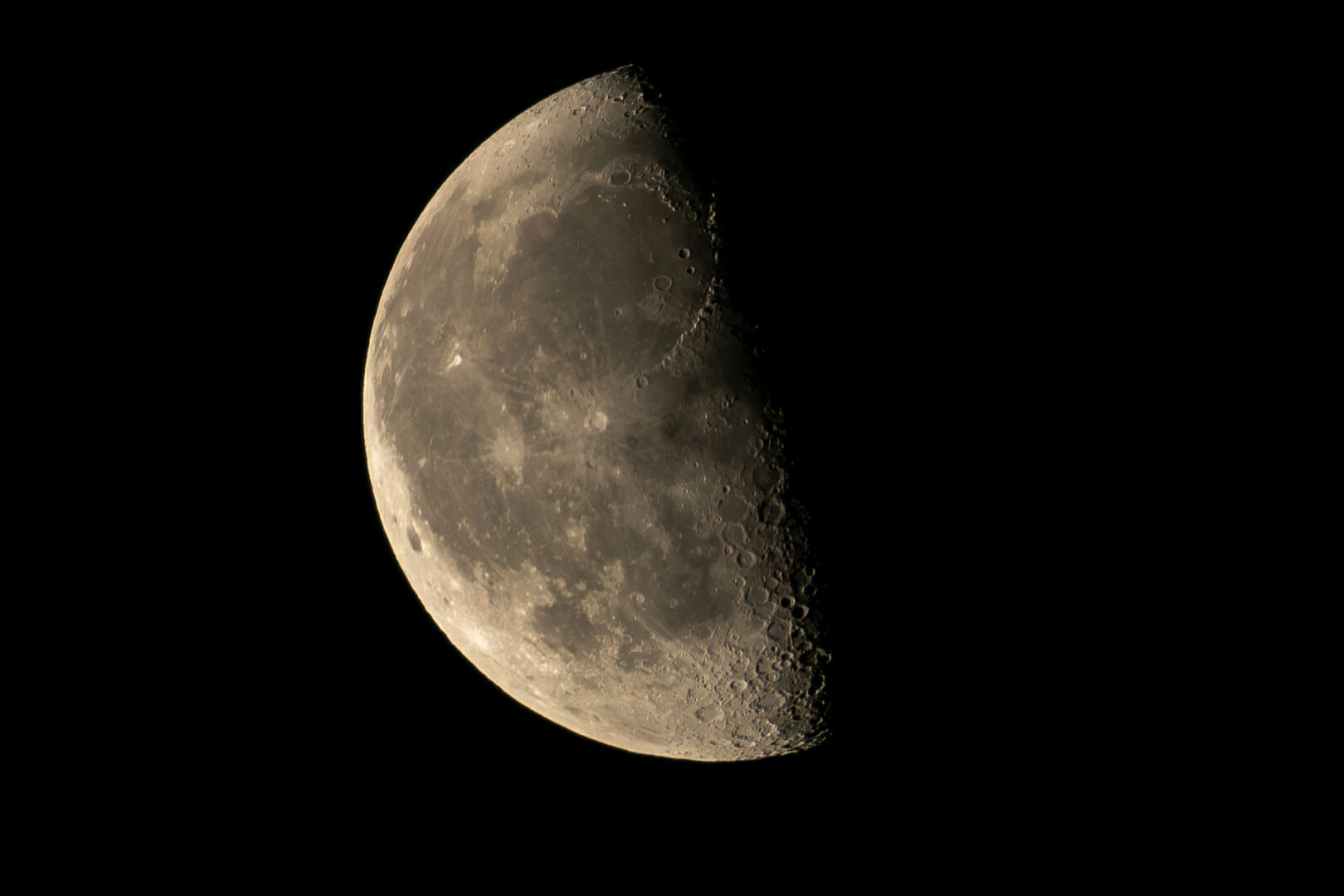
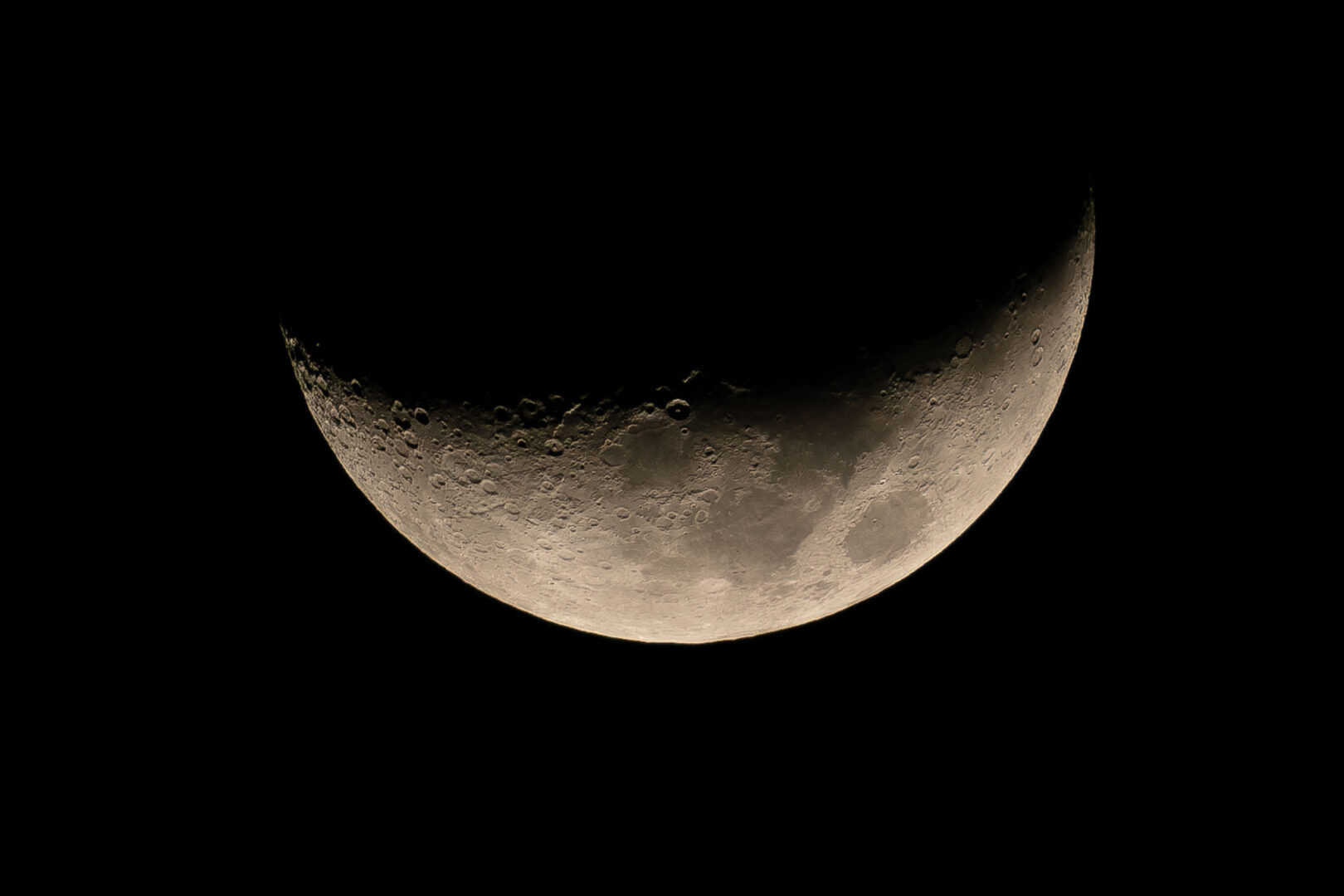
Now for something completely different. A benefit of mounting a full-frame telephoto zoom on an APS-C-equipped TL2 is the resultant boost in effective focal length. My app tells me when fully extending my Sigma 100-400mm telephoto zoom, I achieve an effective 602.9mm focal length and 4.1° field of view.
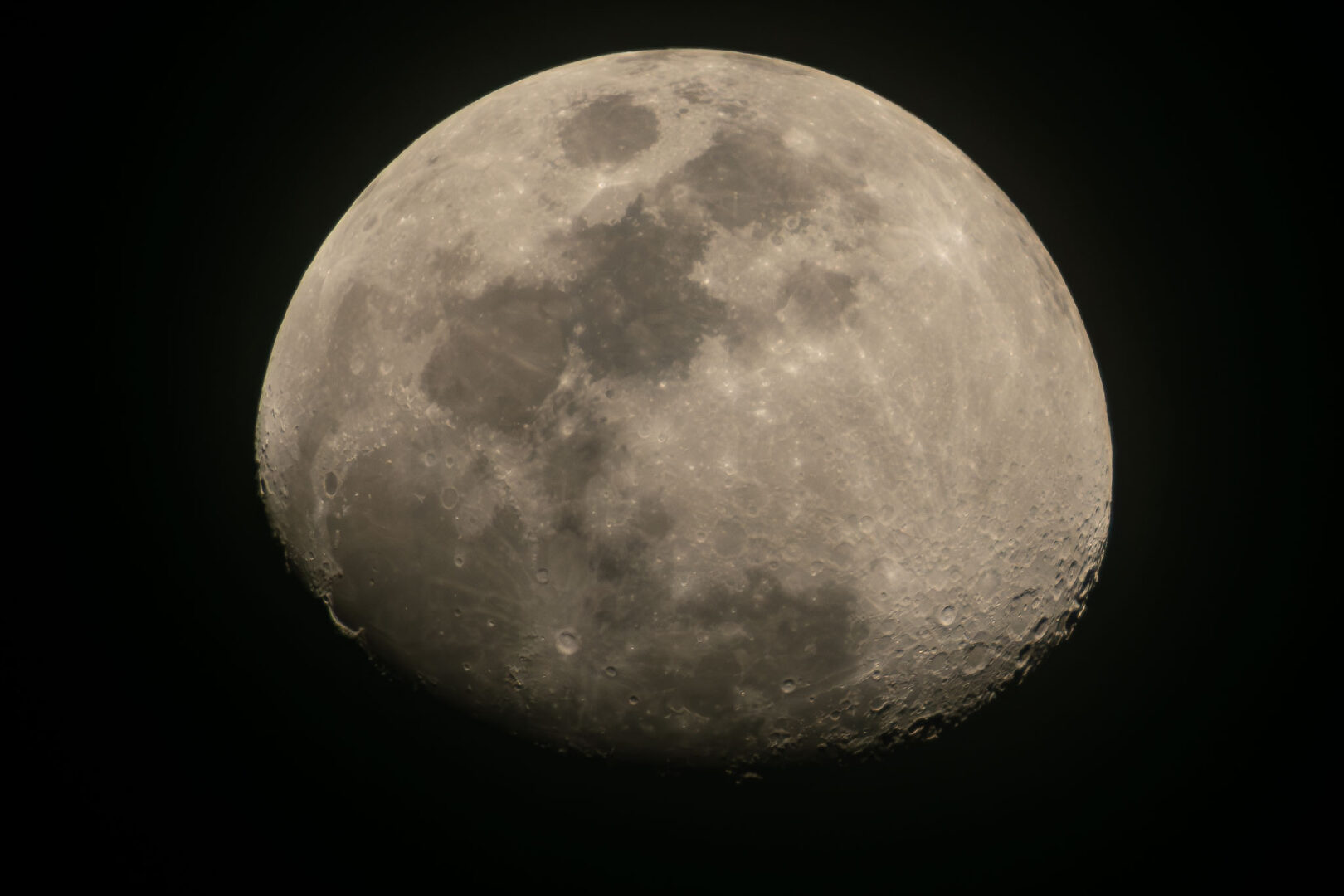
This extra reach has come in handy in recent projects, pursuing images of the sun and the moon, ideally adjacent to notable terrestrial landmarks.
The TL2 almost looks like an afterthought, tacked on the rear of a bazooka-like telephoto lens sitting happily atop a tall tripod. For the moon shots, where accurate manual focus is critical, I used a Leica Visoflex 02 attached to the TL2.
Come to think of it, all the images in this article were taken using manual focus, since none of the 35mm lenses I employed possess autofocus.
Here are a couple of shots of the moon, as it passed through its phases, taken with this set up.

Leica APS-C photography
While it is unfortunate that Leica no longer produces these beautifully designed, compact, interchangeable-lens cameras, I, for one, still enjoy using them.
I entered the world of Leica APS-C photography well after the company had discontinued production of the TL2. I was drawn to it as an alternative way to use my M lenses, and the appeal of owning such a gorgeous device. But I have steadily come to appreciate both its versatility and ease of use.
Coupled with lenses at the short end of the focal-length spectrum, it offers a very compact and lightweight package, easily covering popular focal lengths. Coupled with full-frame lenses at the long end of the focal-length range, it provides a welcome boost in reach. It has no in-body-image-stablisation though, and so a tripod becomes obligatory.
I do not plan to abandon my full-frame L-Mount cameras and lenses any time soon, but I am pleased to also have a small stake in Leica APS-C photography. If your budget can handle it, and you are after a fun way to make the most of your L-Mount lens collection, I can highly recommend tracking down a Leica TL2.
It’s a bargain
You can find links to other articles featured in our APS-C-week coverage in the table below.
By the way, my TTArtisan 35mm f/1.4 silver-finish APS-C lens cost $68 plus tax.
| The future of APS-C systems | Leica’s use of its APS-C technology in FF devices |
| More articles from Keith James | Leica v Fujifilm APS-C |
| Ways to use Leica APS-C lenses | The end of Leica APS-C |
Make a donation to help with our running costs
Did you know that Macfilos is run by six photography enthusiasts based in the UK, USA and Europe? We cover all the substantial costs of running the site, and we do not carry advertising because it spoils readers’ enjoyment. Any amount, however small, will be appreciated, and we will write to acknowledge your generosity.
[…] La photographie APS-C Leica a encore un pouls, grâce à la monture L (en anglais) […]
Happy CL user here — so much so, in fact, that I’ve been considering another; alas, Keith keeps coming up with these great articles tempting a TL2 purchase instead. (Thanks…;)
I wanted to mention the AstrHori 18mm f/8 macro probe lenses, somehow still made for L-mount APS-C. Available in straight-on or 90-degree flavors, these items include a built-in ring light, waterproofing for the end of the wand, and 2x magnification — and really good results. They’re not cheap, but B&H occasionally runs sales of up to 50% off, which is when I got mine.
Otherwise, I enjoy Sigma’s 10-18mm f/2.8* and most of the Leica primes (the 23mm being a daily driver and 60mm macro being an absolute gem). I also recommend the TTArtisan 50mm f/1.2 and their 10mm f/2.8 fisheye, the latter no longer produced but available on the used market. Next up for me is to try TT’s 40mm macro and possibly their 17mm f/1.4, less than $100 each used (just for kicks), and possibly Leica’s 55-135mm, although I’m not sure I’d use it enough to justify the outlay.
No matter what, I’m glad other folks have, enjoy, and keep using their Leica APS-C cameras. I certainly do mine!
*I do notice quicker battery drain with this lens, by the way.
Last year I purchased a used TL2 from the Leica store in Melbourne and love it. I had previously owned the TL but foolishly traded in towards an SL2, I regretted it almost immediately. I’ll look out for T-Snap as they look great even if they are totally impractical. I may add the Sigma 17mm Contemporary (silver) to the TL as it can also serve as a very compact wide angle lens for the SL3.
I am very much into the T system. I have two T’s, a TL, a TL2, and a CL. I have the Leica, Sigma, TT Artisans, 7 Artisans lenses as well as adapters galore to use Contarex, R Leica, and many other lens on the Ts. I just think it is a great system that had potential but corporate thought otherwise.
I was very disappointed that when I sent my T in because the internal battery had failed and all settings reset every time it was switched off that Leica said it was a “hard no” to any work on the T.
They offered me a good trade in on a CL which I took them up on, but in truth I thought it was pretty poor that they abandoned the T.
Mark, this is a problem I had with the X1 and X2 (see elsewhere in this week’s comments). Nice cameras that I would still use if only that battery was easy to replace. That said, I have an old Olympus camera that is a similar age to the X1/X2, not to mention the T, and it is still going strong with no sign of the internal battery failing. As you probably know, there are third-party repairers who will tackle the job, but paying a couple of hundred dollars/pounds/euros is no guarantee that this isn’t going to happen again next year. It’s a pretty poor showing for a premium brand.
Hi Keith, interesting article, does your Sigma lens drain the battery faster than the native APS-C Leica lenses? I have been using Sigma APS-C lenses on the Leica CL and they drain the battery significantly faster than the Leica APS-C lenses. If you are not experiencing this behavior it must be because you are using a TL2, or more likely because you are using full frame Sigma lenses and the firmware of Sigma full frame lenses somehow nowadays caters for this.
My two Sigma lenses do drain faster than the Leica made lenses. They also sometimes struggle to find focus. Apparently there is no firmware update that can be applied to the T/CL series of cameras which is a shame.
That’s obsolescence for you.
Yes, physical longevity (through build quality) alone nowadays is not sufficient, you need digital longevity as well. I am still curious to hear Keith’s reply, if he is not experiencing the same problem with a full frame lens, that would mean that the issue was resolved in the lens firmware of Sigma. I had always assumed that it needed to be addressed in the firmware of the Leica CL.
Hi SlowDriver, I have not noticed any unusual loss of battery power when using my Sigma 100-400 telephoto, either with or without a teleconverter. To be fair, the lens does not spend a lot of time on my camera, and I tend to top up the camera’s battery pretty regularly because of the convenient in-camera charging via USB-C. I will try a timed comparison of the Sigma telephoto vs the Leica Elmarit-TL I have. Cheers, Keith
You should notice relatively quickly. I took about 50 pictures of a bison herd and the system went through 3 batteries… I took out the battery each time when the system told me I had no power left. Afterwards I noticed that when you put them back in again there actually is still some power left…
In part I suspect this may be due to lenses with optical image stabilisation which require power from the camera. I get a warning when I fit my Panasonic 70-200mm lens to the Leica CL that I should expect faster battery drain.
Perhaps it is more pronounced with OIS lenses. I used to have 2 non-OIS Sigma APS-C lenses and they definitely also drained the battery faster. That being said, it seemed to be much worse with this lens (Sigma 16-300mm f/3.5-6.7 DC OS Contemporary Lens) which has OIS. This lens was released in April 2025, so relatively recent. The lens Keith is using is much older if I recall correctly. The only explanation would be that Sigma fixed it in their lens firmware for full frame lenses but never bothered to fix it for APS-C lenses. It would be very nice to get confirmation on that.
Just thought of one other consideration. I have been using the TL2 with the Sigma 100-400mm mounted on a tripod, so the OIS on the lens has been switched off. This is recommended when the lens is immobilized in this way, so that the OIS does not get confused. I don’t recall a situation where I have hand-held this set up. If it’s the OIS system that’s power hungry, this could be why I have not noticed any unusual battery drain. Cheers, Keith
A Very welcome article thank you Keith. I still have my Leica T and the standard and Tele zooms but like a idiot traded my TL2 when I bought the then new CL several years ago. Big mistake that as I never got on with the CL yet had always loved the TL2. Time I think now to look for another.
Hi Don, and many thanks! Was your TL2 black or silver? I still see them offered for sale on the major US camera resale websites, as well as on eBay. All the best for finding one in good condition. Mine is my pride and joy! Cheers, Keith
Hi Keith, Black but I wish ithad been silver, and I also wish I ha coleted some or all of the brightly coloured accessoris, all of which seem to have disappearedfrom the S/H market in theUK now