
I am no stranger to Fujifilm. I maintained a comprehensive Fuji kit, alongside by M cameras and lenses, until as late as 2015. Then, the advent of the Leica T prompted me to change my APS-C allegiance. This turned out to be a monumental mistake, although I did enjoy the roller-coaster ride at the time, sampling all three Ts and the CL. I believed in Leica; I followed the company’s APS-C machinations uphill and down dale, innocently toddling into several of Wetzlar’s dead ends. I suspect many readers will have shared my journey.
In common with many readers and associates in the Leica world, I spent a lot of money keeping up with Leica’s rather haphazard journey through the world of APS-C. The X1, the X2, the X, the X Vario all came and went. When the Leica T arrived, I finally thought they had their act together. It was innovative and showed great promise, and it came with some interesting lenses to add to my collection.
Throughout all this, I never lost faith, and I welcomed the CL with open arms. This was it, the promised start of a new and exciting phase in APS-C photography. More cash, more shelves filled. Then disappointment yet again. When will we ever learn?
“It started in 2024 when I was able to buy one of the rare-as-hens-teeth X100VI compacts”
Meanwhile, good old Fujifilm has been beavering along with its Kaizen and I discovered that I could just jump back on the moving wagon. Unlike Leica, Fujifilm had been beavering away with a clear objective in mind. A good system had become a much better system over 15 years of dedication. If only I’d kept all those lenses that I unloaded when tempted by Leica’s TL!

The Fujifilm resurrection (for me) all started in 2024 when I was able to buy one of the rare-as-hens-teeth X100VI compacts — at full price, of course. I came to love this camera, and it was my constant travel companion during 2025.
Less of a burden
As I get older, I am finding the Leica SL3 — Leica’s only current autofocus interchangeable-lens mirrorless camera — to be a burden when tramping around foreign parts. With Fujifilm, I can build an effective lighter system more easily than with Leica. I acknowledge the many advantages of a full-frame system, but for me the compromise is worth it from a practical perspective.
And even the X100VI is less than two-thirds the weight of its Leica fixed-lens colleague, the Q3. It is easier to carry and offers great image quality. I’m not saying it offers better image quality and resolution than the Leica Q3 or Q3 43 — that is not the case — but it is more convenient and less stressful to carry around. It’s horses for courses. But when you get older, those horses need a bit more encouragement.
Satisfied with the X100VI (for much the same reasons that Jörg-Peter detailed in his article), I decided to re-explore Fujifilm’s system cameras. The natural choice for me, as a fan of the X100 format, was the almost identical X-E5. It follows the design ethos of the world-beating compact, but offers much more versatility.
Film simulations
Fujifilm’s simulations or recipes, based on classic film products, represent another compelling reason to go for this system. They are some of the best in the business, and add a great deal of fun to your photography, whether you shoot JPEGs or just RAW. Whether you use them for the finished product or not, they are undeniably fun to play with.
I’m currently firmly in the RAW camp, but I do enjoy playing with the simulations because they change the viewfinder image to create a good impression of what the picture could look like after processing. Impressively, all the Fuji film simulations are available in Lightroom (only, of course, if you have used a Fuji camera) so you can play around with the full complement of recipes as a starting point for image processing.
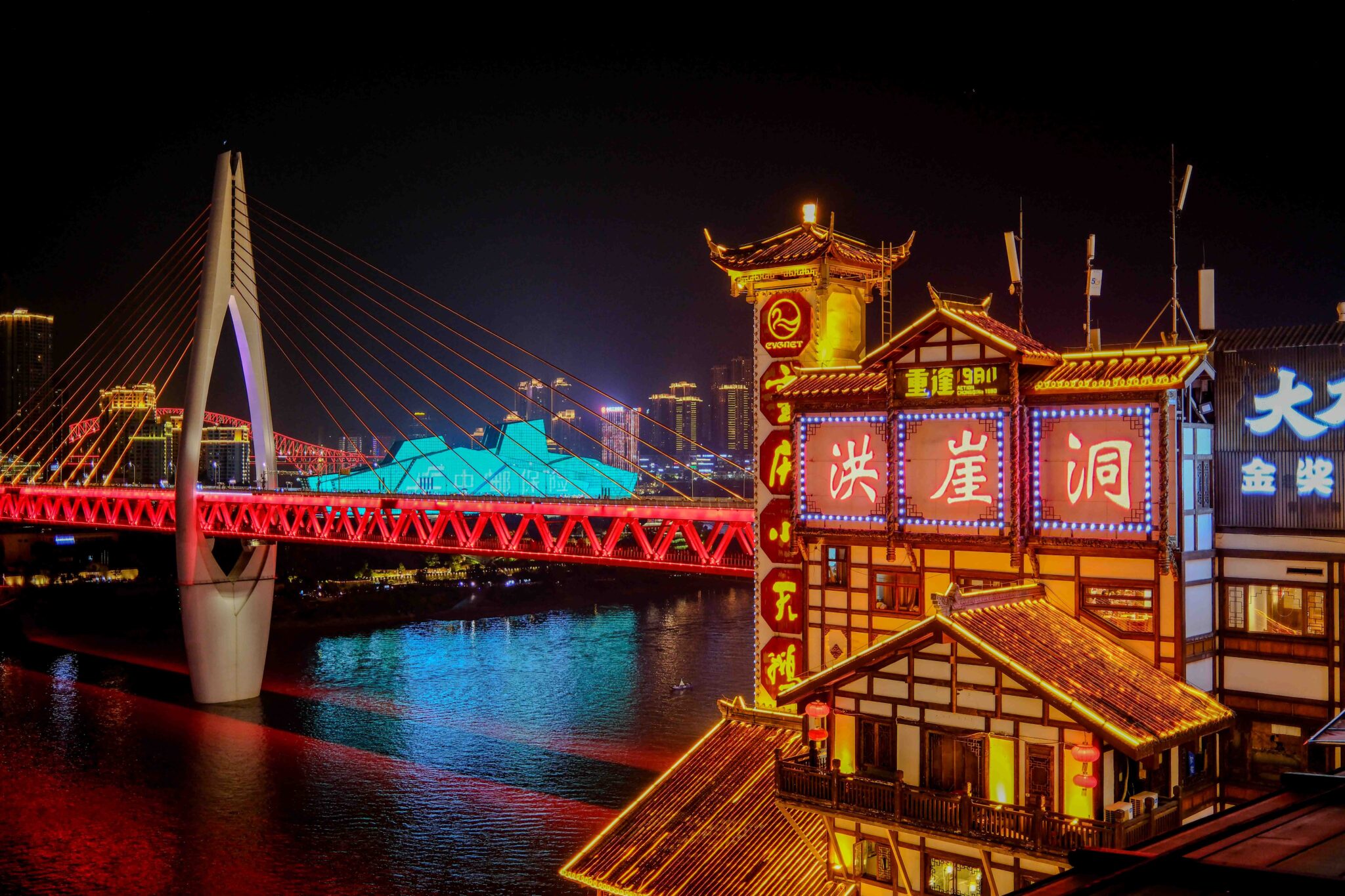
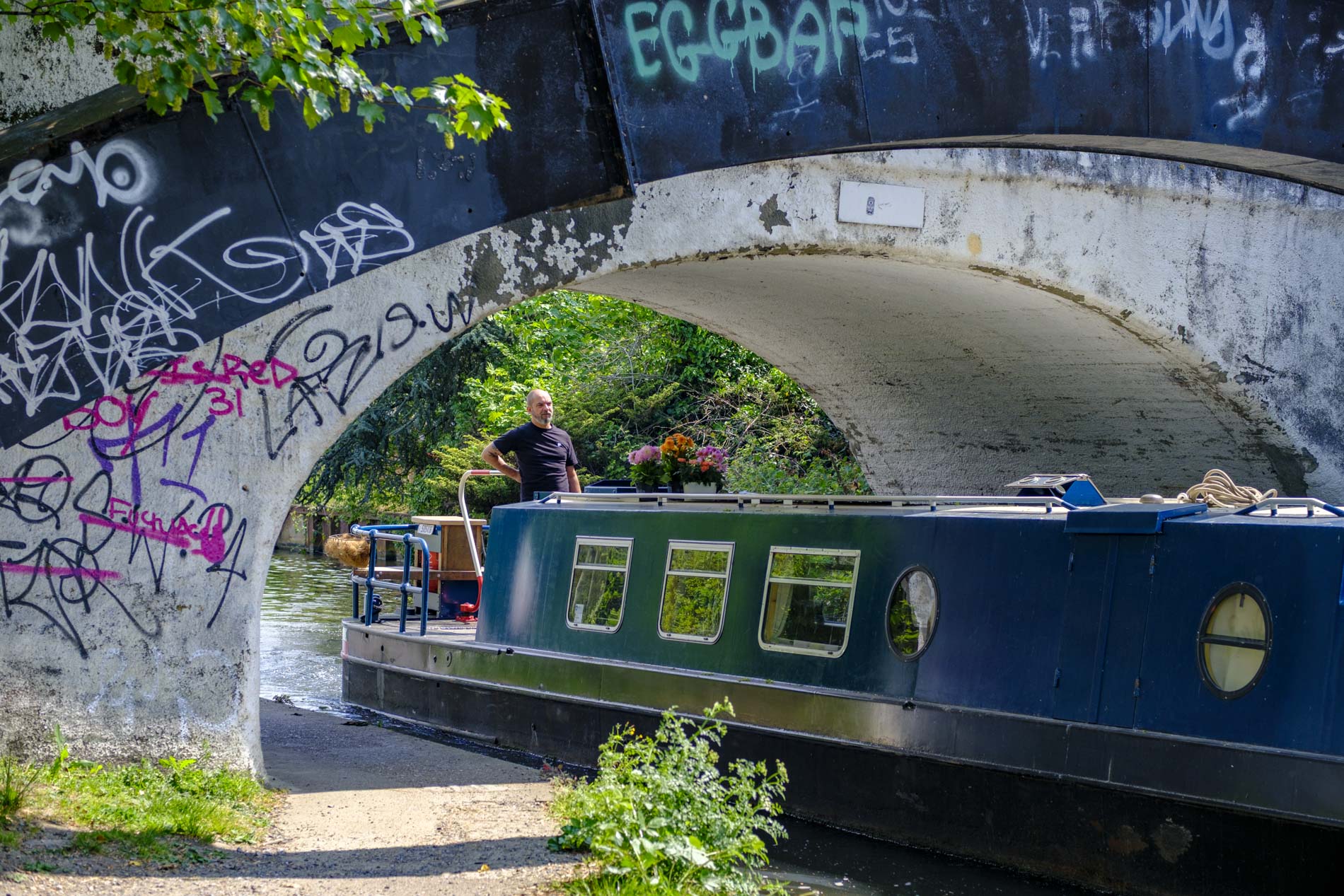
For reference, for most of the pictures in this article (except the historic shots) I applied a film simulation during processing in Lightroom and have made only minimal tweaks. So, if you prefer shooting JPEGS, these images are more or less what the camera would produce.
Nevertheless, there is one aspect of the Fuji system that I do not like. The menus are at best unintuitive and at worst thoroughly confusing. I abhor the mix of fonts, and I hate the condensed capitals with a passion. Fortunately, this isn’t a dealbreaker. Almost everything I require frequently can be set on the Q menu. And, truth be told, Fuji’s menu system is probably no worse than, say, Sony’s or Panasonic’s efforts. In this one aspect, come back Leica, all is forgiven!
The X-E5
The little X-E5 has proved to be a sound choice, and I am thoroughly enjoying my time with it. I bought it from a small family Fuji dealer in West London, Chiswick Camera Centre (there aren’t many of them left, and they are worth supporting).
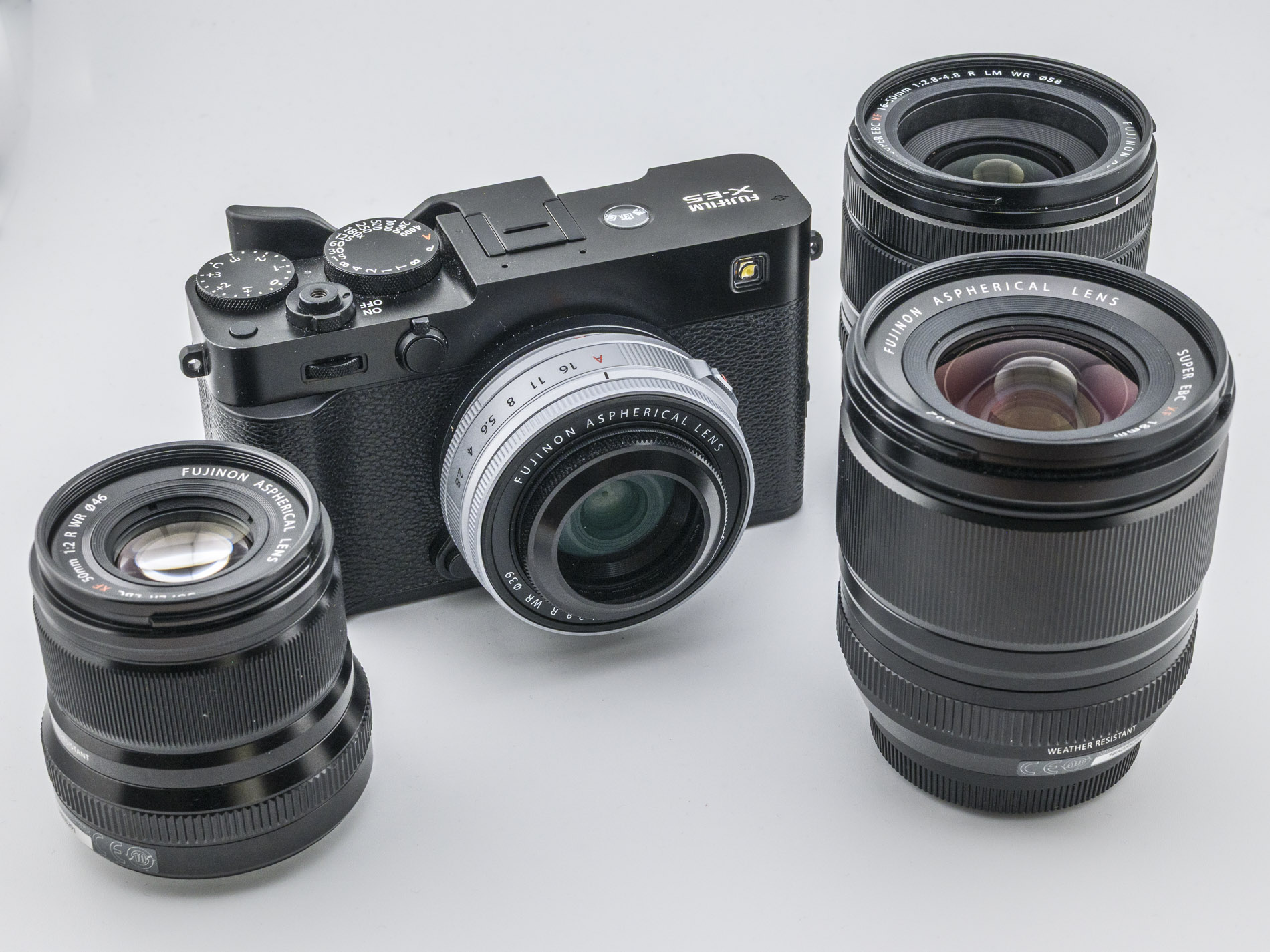
On a whim, I bought the body only rather than the kit with the 23mm (35mm-equivalent) f/2.8 pancake. In retrospect, this was probably a mistake because I have since bought the pancake to add to my collection. As you will have read, Jörg-Peter took the opposite choice.
But, at the time, I figured at the time that the 23mm would replicate the capabilities of the X100VI, although a stop slower. Instead of taking the pancake, I snapped up a small second-hand 16-50mm zoom lens, and the camera and lens cost was the same as the XE-5 kit with the pancake.
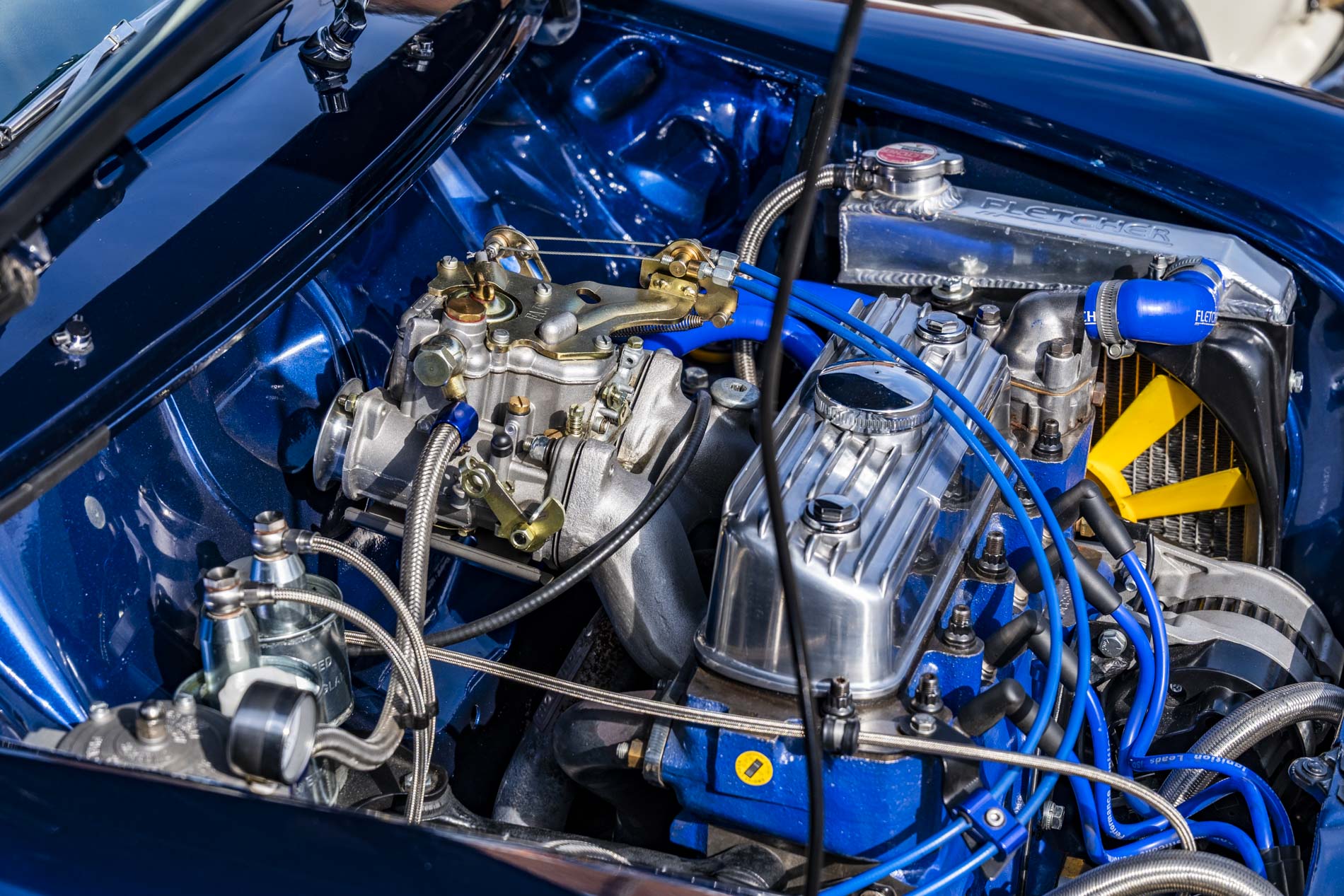
The new 16-50mm zoom is something of a gem. It weighs only 240g and is just over 70mm long. Furthermore, all the zooming is done internally, unlike with the majority of such lenses. To all intents and purposes, it feels and looks like a small prime while offering a very usable full-frame equivalent range of 24-75mm.
Stabilisation
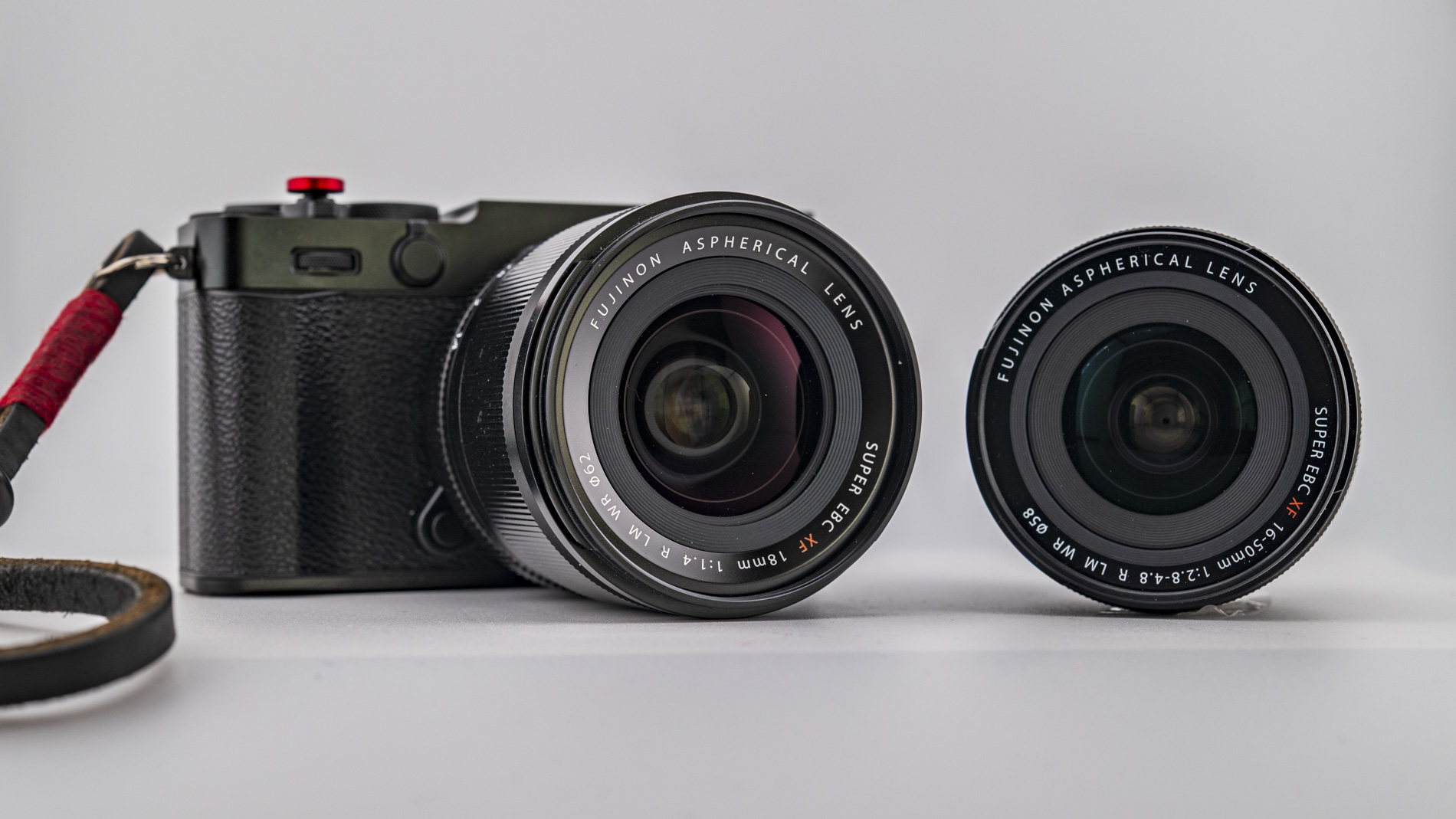
The 16-50 doesn’t have OIS (but the X-E5 body offers 5-axis IBIS with up to seven stops of compensation in the centre of the frame and six stops at the edges), and it isn’t the fastest zoom on the planet, with its relatively modest aperture range of f/2.8-4.8. But it is designed for the new high-resolution sensor and offers outstanding sharpness and rendering.
This zoom (let’s not call it a “kit lens”, for that would be an unwarranted insult) makes a very congenial and capable companion for general photography and travel, and I hope to review it in the future.
The X-E5 and this miniature zoom together weigh just 685g. My only non-rangefinder system camera, the Leica SL3, weighs just under 1.5kg when paired with the “economy” Leica 28-70 f/2.8 Elmarit zoom. You have to really need the extra resolution and the fixed aperture to carry around over twice the weight. But I still love the SL3, and it’s my outfit of choice for special events — especially when I can travel by car and don’t have to lug it around on public transport.
Another lens
I required another lens, preferably a prime, that wouldn’t look unwieldy on the small X-E5 and which would give me a faster prime experience. I went for the new and much-recommended 18mm f/1.4 LM WR X which is equivalent to a full-frame focal length of around 28mm.
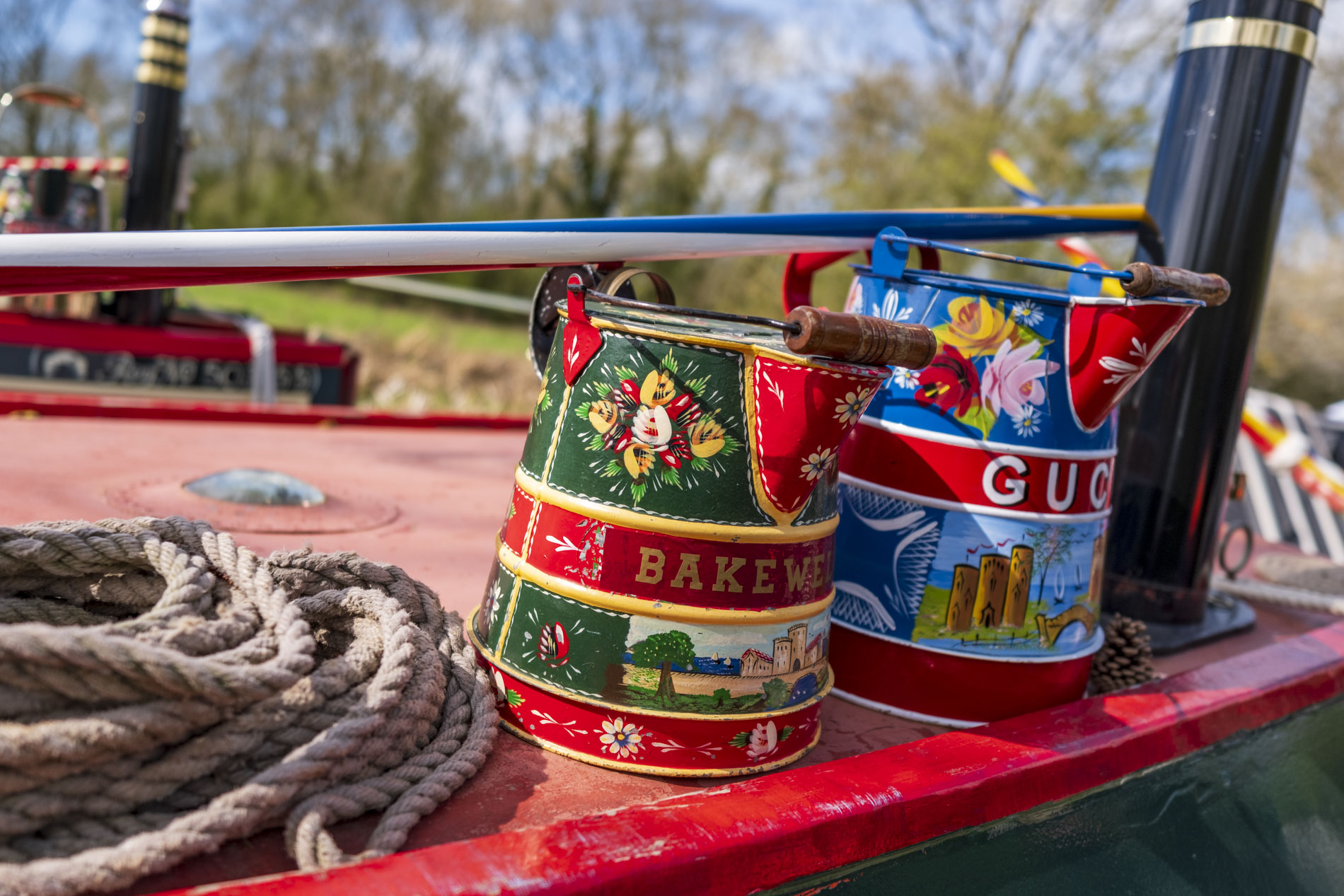
The 18mm f/1.4 is one of the best lenses ever made by Fuji, according to reviewers, and the output is outstanding from the 40MP sensor. Again, it doesn’t have OIS, but the camera’s IBIS is capable of handling most situations.
Both of these lenses are solidly built and feature weather sealing. Unfortunately, the X-E5 is not weather resistant (unlike the X-T5), but this is something I am prepared to live with for now. Fuji’s weather-resistant alternatives are bigger and heavier, but I have my name on an X-T6 when it is announced.
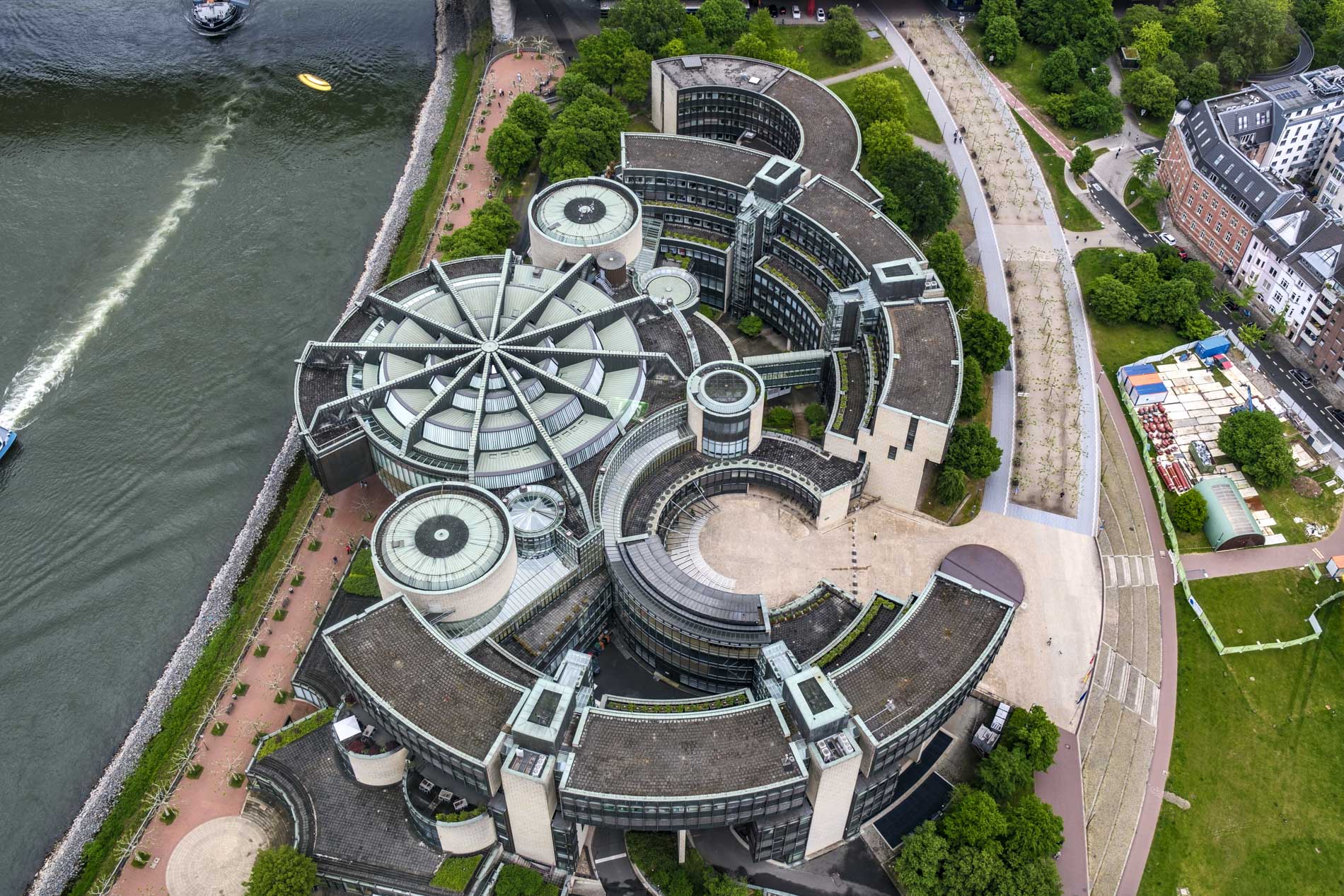
One of the problems for a Leica enthusiast moving into Fujifilm is the seemingly low price of the equipment. It’s an egregious temptation for the wallet. In fact, brought up on Leica glass, I felt like a kid in a candy store when reviewing the vast panoply of new and used Fujinon lenses.
As a result, I couldn’t resist adding a 50mm f/2 to my collection. It’s a well-established Fujinon lens with an excellent reputation and a very useful 75mm full-frame equivalent.
Into the future with Fuji
And the future? I am definitely enjoying my return to the Fuji X system, and I am already eyeing the prospects. There is a vast range of great glass out there, ancient and modern (“get thee behind me, Satan…”). After all, the system has been popular for 15 years and the used market is full of tempting offers.
However, I will endeavour to choose lenses that are fully compatible with the resolution demands of the new 40MP sensor.
I have my eyes on a very fast 56(85)mm (or a Sigma alternative) and the little 27(40)mm f/2.8 pancake is also an attractive proposition.
Or, perhaps, I should go for the affordable TTArtisans version, which costs around £150. Just for the heck of it because the native Fujinon is worth the extra.
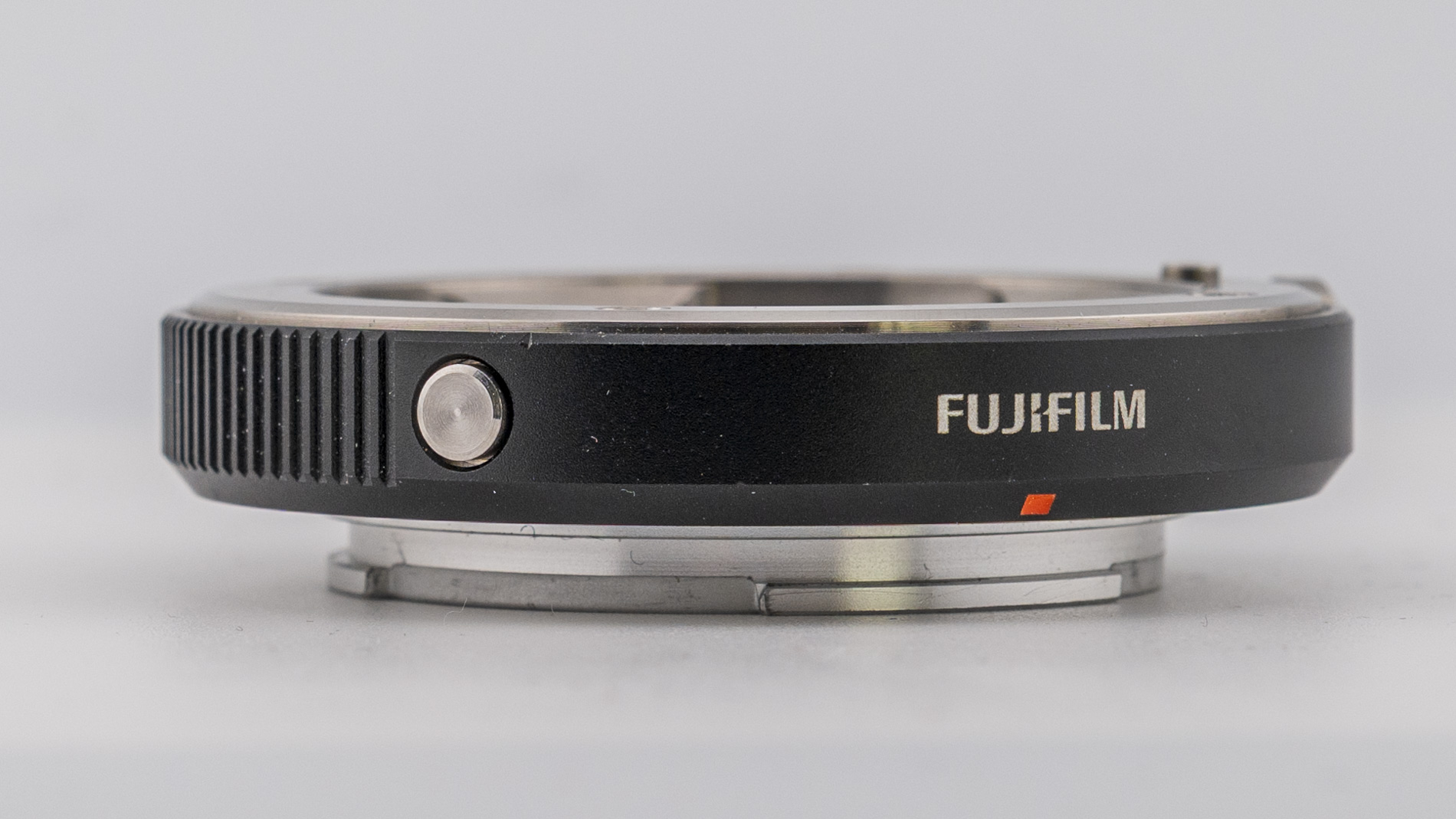
And something else: I intend using my M lenses on the XE-5. Fortunately, I found an old Fujifilm XF-M adapter at the back of a drawer. I’d bought it in 2012 when I was enthused by the prospect of using M lenses on the Fujifilm X-Pro 1 and X-E1. Now, having just acquired a Leica M EV1, I am keenly anticipating a comparing the two systems. Which will be easier to use and easiest to focus? Watch this space.
“These costs underline the relative economy of a high-end APS-C system”
The numbers
The cost of my initial foray into the Fujifilm APS-C system? Below I quote current street prices, but you should check local suppliers. Note that in some countries, the 16-50 f/2.8-4/8 zoom is sold in a kit with the X-T5 and can be found frequently on the used market at a good saving.
Incidentally, these costs underline the relative economy of a high-end APS-C system when compared with the cost of an equivalent full-frame outfit. Such a system also much more affordable than Leica’s outgoing CL/TL cameras. But perhaps this explains why Leica couldn’t make the CL pay.
Since a chunk of my kit was bought second-hand, I have included what I paid to compare the overall bagful with the recommended retail prices. Any reader entering the Fuji system will choose at least some second-hand glass.
The lovely Fujifilm X100VI is still on the books, although it is not relevant to this discussion of system cameras. However, I did take the opportunity to unload the X100 tele and wide-angle converter lenses which I had been using with the fixed-lens camera. No need for them now, and I was able to buy the 50 f/2 with the proceeds.
| THE KIT | THE NEW COST | WE PAID (*used) |
| Fujifilm X-E5 system body | £1,199 | €1,549 | $1,699 | £1,199 | =€1,366 | =$1,610 |
| Fujinon XF 18mm f/1.4 R LM WR | £849 | €1,099 | $1199 | £575* | =€665 | =$772 |
| Fujinon XF 16-50mm f/2.8-4.8 R LM WR | £599 | €799 | $849 | £400* | =€463 | =$537 |
| Fujinon XF 50mm f/2 R WR | £392 | €499 | $499 | £210* | =€243 | =$282 |
| Fujinon XF 23mm f/2.8 R WR | £399 | €449 | $499 | £379 | =€439 | =$509 |
| Total | £3,438 | €4,395 | $4,745 | £2,763 | =€3,194 | =$3,710 |
I am sure you can do better if you search around, and in some countries you will do considerably better. Note, as always, that the quoted new prices include around 20 per cent tax in Britain and Europe, while the US recommended prices are before tax. The euro and dollar prices in the “we paid” column are a straight conversion from £ sterling.
As mentioned earlier, our editorial colleague Jörg-Peter Rau in Germany has been on a parallel journey in looking for a smaller system following Leica’s unpopular withdrawal from the market. He described his starter kit in this article.
The strange thing is that we didn’t even discuss it. I had no idea he was thinking of moving to Fuji, and it was a surprise to find he had independently acquired the XE-5 at almost the same time I did. It was this coincidence that prompted us to plan our recent APS-C week, and we are delighted to see the excellent response.



What’s your view?
Have you given up on APS-C since Leica discontinued the system? Are you plodding on with the CL and lenses until the equipment becomes unserviceable? Or are you, like half the Macfilos team, making a bold move? What’s more, do you agree with our choice of Fujifilm or do you favour another brand?
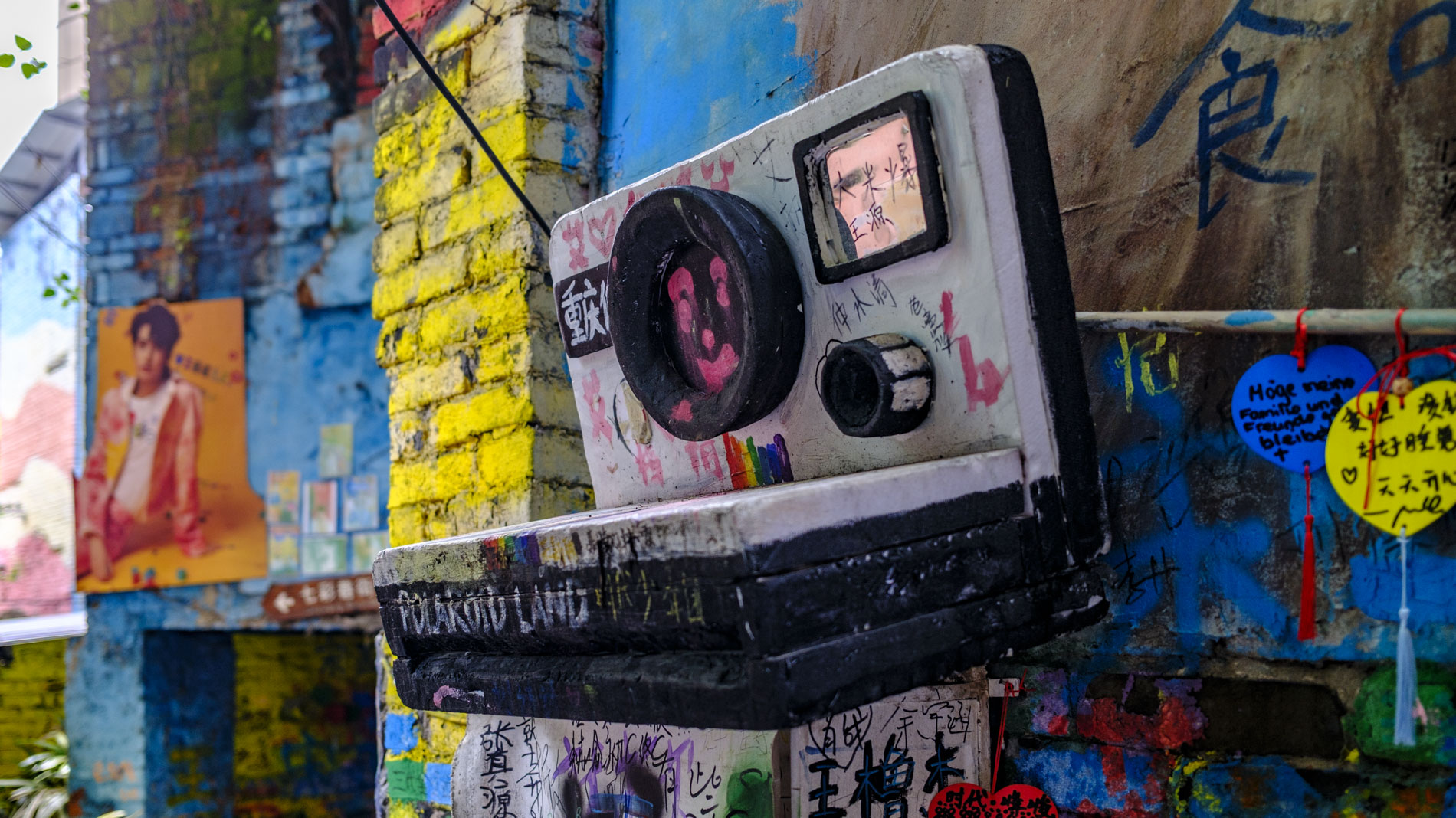
Note: The feature image of the Polaroid at the top of this article was taken in “Colourful Lane”, No 66, Mafang Bay, Shapingba District, Chongqing, China, with the Fujifilm X100VI (©Mike Evans)
| Why Macfilos chose Fuji as it’s APS-C system | APS-C still has a pulse — Leica’s CL and TL |
| How Leica evolved: Key tech from APS-C | Fujinon XF 18mm f/1.4 long-term review |
| Fuji on Macfilos over the years |
Make a donation to help with our running costs
Did you know that Macfilos is run by five photography enthusiasts based in the UK, USA and Europe? We cover all the substantial costs of running the site, and we do not carry advertising because it spoils readers’ enjoyment. Any amount, however small, will be appreciated, and we will write to acknowledge your generosity.
Comments: Please add a comment to this article. Our comments section is a thriving community and everyone is treated with respect. In addition, please identify yourself (and add an email address, which will not be published, if you would like to see answers to your posting). Our system will automatically delete any “anonymous” posts on the basis that they are likely to be spam.
“The 18mm f/1.4 is one of the best lenses ever made by Fuji”
Oh, this is very sneaky: not content with replacing the X-Vario, you’re turning the Fuji into a poor man’s Q2.
Minus the haptics ….
🙂
Excellent article, Mike. I understand your choice, as I am also looking for light gear to second my beloved M cameras. I have been very close to buy a XE3, then 4 and recently 5, but each time I played with it at the dealer, the menu convinced me to stay away from it. I recently tried a Rich GRIIIx. Excellent camera, nice results, but I had no pleasure to use it and I sold it a month later. I recently found a second hand DLux-8, and I’ll give it a try… 🙂
Alain
The D-Lux 8 is a nice camera and I hope you are happy with it. I am just trying the Lumix L10, which will probably become the D-Lux 9 in due course.
The weight comparisons with the D-Lux and X-E choices really help a travel kit decision.
My first serious incursion into the world of digital photography was the purchase of a Fuji MX700, just before it was superseded. The dealer told me that the model was very popular with jewellers for close-ups of their stock.
I still have it and remember that Leica’s first foray into coproduction was with Fuji. My model, badged as a Leica, was called ‘Digilux ‘. It was followed by a Digilux Zoom model. My Fuji MX700 had a mere 1.5 mp sensor but it didn’t stop me printing the results to 10×8 inches.
Later, Leica chose a new partner because, at the time, Leica lacked the expertise and resources to launch any new technology digital cameras. Although it did find a partner to produce the DMR alternative back for its Leica R-range of film cameras. It then linked with Panasonic and the rest is history.
Just think what the outcome might have been had Leica stayed as a partner to Fuji?
David,
That’s a question I have often asked myself. Fuji was such a perfect fit for Leica, and I am convinced that re-badged X cameras would have sold well, even at a substantial premium for the name. Apart from any other consideration, cameras such as the X-E1-5 look more like Leicas than any modern mirrorless Leica.
Imagine how APS-C fans would have been spared so much anxiety (and cost) by following Leica-badged Fujis instead of hitching their horses to Leica’s constantly changing wagon. And Fuji would now possess a fleet of premium Leicanon lenses…
Great article, Mike, and I was a Fujifilm APS-C user for many years, having owned (then sold) a few iterations of the XEs, XTs and X-Pro Series. Ultimately I settled on the Leica CL as my small everyday camera of choice because of the simplicity of controls and color rendition of the JPGs. One lens I have loved using on either the CL or the Fuji XE-3 and 4 is the Vöigtlander 28mm F2 Ultron M mount, it provides very sharp photos and is well-balanced on both bodies. I did finally sell my CL earlier this year and bought a used Sony RX1RM2 as my compact everyday shooter. As much as the Sony is more capable in many ways, I do miss the handling and simplicity of the CL. Too bad Leica decided to abandon their APS-C line-up.
Thanks, Ed. I did own the first version of the RX1 and got some good results… then the Q came along. Why not write a review of the RX1R Mk.II for Macfilos? I am sure readers would be interested. Mike
Mike
I always feel I am interloper on Macfilos as after being a Minolta film camera man, I then moved to Sony digital cameras after Sony’s takeover in 2006 when Minolta got into financial difficulties. I have never owned a Leica camera (projector, yes) nor a Fuji camera. However I found your article stimulating in that it raised the question for me; what is the best system/kit for my future planned photography?
Applying the “Goldilocks principle” what is just right? My Sony A7C with a couple of primes is too heavy. I didn’t take it on a recent trip to Amsterdam. My RX100’s Mks 1 and VI are getting overtaken with more modern technology and the 1″ sensor could be described as limiting. So is the “just right” solution for me a Fuji APC system? I will give it some thought.
Chris
Chris, I certainly think it is worth trying the X-E5 or X-T30 to see if one of them gels with you. There is such a wide range of gear these days that there isn’t a single one-size-fits-all solution. Mike
Another thought (lens hopping): the fairly recent Voigtlander MACRO APO-ULTRON 35mm F/2 Aspherical. I picked it up used for about US$400, and because I wanted to try an APO lens. Rather nice, though it is manual focus.
Of course, if you already own a Leica APO, you’d be using your excellent M->Fuji adapter!
You are the second person to mention the Voigtländer lenses. I do own the 35mm APO-Summicron and it works well on the EV1 and X-E5. I’m planning to look a bit closer at the way these two cameras handle the M lenses. Mike
I was quite pleased with Fuji’s M->X adapter. Expensive, but well thought out. I did quite a bit of experimenting with an (older) Summicron 50 on my X-E3, and was very happy with the results. I can’t believe I’ve yet to mount my Elmarit 90 on the X-T5!
I was also amazed at how thin the adapter is. If I recall, the R->M adapter was a monster. Some principle of optics I don’t understand, no doubt…..
Yes, the R-M was big, but the Fuji X-M is relatively small. It has the advantage that it triggers the Len’s selection menu when attached. And the smart button on the side brings up the same options.
I am currently looking at the EV1 vs XE5. The adaptor adds about 90g to the weight of every Len’s, of course, so that actually combined weight of the Fuji is not far from that of the full-frame Leica.
Okay I have to say it folks WITH OUR FRIEND MIKE DOING THIS….ELVIS HAS LEFT THE BUILDING !
I must admit the earth did move sideways when Mike and J-P made their moves. Both were very articulate about why Fuji was the best choice for them.
I also think that Fuji deserves a lot of respect for embracing APS-C “for richer, for poorer…” and having shown that commitment can lead to growth. Anyone try to buy a Fuji X100VI for a discount recently?
At the most recent LSI meeting, Stefan Daniel acknowledged that Fuji was a company that Leica admired, and for good reason.
The lesson coming out of all this may be simple: focus on what you’re good at and don’t be tempted to stray off your path.
J
Judging by the amount of interest in the comments to both this article and Jörg-Peter’s, it looks like we are banging at an open door. The interest in the Fuji system is quite remarkable.
Well, John, I never quite saw it like that. But it’s an interesting analogy!
I have a Fuji XE3 with a few lenses, and the image quality is excellent; however it is limited by lack of ibis and fixed screen. I much prefer my Olympus ep7 and omd-em10: their lenses are lighter and equally excellent, they have ibis and a movable screen.The image quality is perhaps less exciting than Fuji’s, but you cannot notice unless pixel peeping, and I rarely print larger than a3. Indeed the crucial point, which is rarely addressed, is: which is the final product you want to obtain? If you look at your pictures on a screen, even a computer monitor, or you print up to a4 or a3, every modern (and even not so modern) camera and lens are excellent. A2 is where I may possibly start seing a difference, but only if I move close and check the image details.
I think the X-E5 is a big advance on even the X-E4, never mind the X-E3. It does have IBIS and a tilting screen, of course, but the built quality is so much better. The X-T30 offers a similar experience (plus flash), while the 40MP X-T5 offers similar output in a more professional package. Good to hear from you again, by the way, and I am glad you are still keeping an eye on Macfilos. Mike
Fuji is great system, but not for me. If I do anything it would be GR4 mono as companion to Q2M or trade that in and go full SALGADO Canon 5r 11 with three zooms. Nice hearing from you Mike, stay well!
Mike you introduced me to the X-Vario and I loved and still ratr it as being a absolute classic, then came the T which apart from more or less offering everything the X-Vario did likewise on 15mp it also benefitted from having interchangeable lenses. ine is still in use, and againas a design clssic I believe it will live on even more for those reasons than even the far superior TL3. But as truly more versatile working tools for photograhy I have to say I do think most of Fuji’s all embracing and so versatile range APSC range have been cnsistanty been or rather more versatile, and hence more useful than any of Leica’s
Ah, I remember when we went out on that photo walk, and you were so impressed with the X Vario — a camera that was very underrated at the time but has since become a classic. As it happens, I’ve been thinking about the X Vario a lot while using the X-E5 with that beautiful little 16-50 f/2.8-4.8 zoom. It reminds me so much of the X Vario, both in handling and capability. The lens is a bit faster (which was always the main criticism of the Leica) and more useful at the wide end — but I’d venture to say that the output is as good. Of course, the X-E5 is much more versatile because the lenses can be swapped, but the similarity when the 16-50 is mounted is quite uncanny. Mike
Mr. Evans also introduced me to X-Vario in his article to China. The X-Vario now become an exhibition item on my shelf becoz of slow autofocus comparing with my other gears. I ventured into TL system and soon sold it becoz it was, by my opinion, less versatile than my Fuji X-T5 with short and long lens. Although I am using an M11, I bought an X-E5 with a pancake 23mm recently for general walk around lens. I have absolute faith in the 40 Megapizel sensor.
Joseph, thanks for reminding me of that China trip with the X Vario. I particularly remember getting a good indoor shot at an opera performance with the lens at 70mm and the ISO cranked up to, I think, 3200. I still have an A5 print of that picture on my wall. Not only that, but I agree, though, with your choice of the X-E5 with 23mm pancake. Apart from the slower lens, this is a very worthwhile replacement for the one-trick X100VI.
Hi Mr. Evans, that indoor shot was the killer shot that made me dive into the Leica world, thank you very much😊😊
Thanks, Joseph. I have a lot to answer for. In case anyone is wondering about this picture, you can view it here in this article from 2013.
https://www.macfilos.com/2013/12/01/2013-12-1-leica-in-beijing-packing-the-one-camera/
Thanks Mike for the review.
So far I enjoy the X2 and XVario that I’m reluctant to move to another brand as Leica imaging on both cameras is spectacular. Both might miss details of a 40 MP camera but there’s so much depth and beautiful colours on the Leica that I can’t make up my mind changing gear. As long as the cameras can be repaired I won’t look elsewhere. The closest imaging I’ve found so far are from some MFT cameras. I guess I would not gell with Fuji interface.
Have a nice weekend
Jean
I take your point, Jean, and why change if you are happy with your present equipment? I do sometimes wonder about colour science and how this is translated into RAW files (which I tend to use exclusively). We have to differentiate between RAW files and JPEGs, where Leica’s colour profiles have a distinct presence. I can’t remember, but do you work mainly with JPEGs or do you use RAW? I should know, because you’ve written about your preferences here on Macfilos so much in the past. Anyway, thank you for your input. Mike
I work both raw+jpegs with both Leicas and after processing in LR I keep the image I like best. I always export jpeg version on the computer as it’s usefuI for printing. I doubt I’d work raw files if I were to go down Fujifilm but I’d use film simulation. From what I’ve seen I like the acros preset for B&W. I liked the monochrome D on my gone Panasonic GX9.
Ref: “Have you given up on APS-C since Leica discontinued the system? Are you plodding on with the CL and lenses until the equipment becomes unserviceable? Or are you, like half the Macfilos team, making a bold move? What’s more, do you agree with our choice of Fujifilm or do you favour another brand?”
I’ve also had a ‘love / dump’ relationship with Leica APS-C after commencing with an X1, an ex demo Leica T (subsequently converted to ‘full spectrum’ for IR & UV imaging), X Vario (still my ‘grab and go camera choice), X2 (sold as preferred the X1), two TL2 bodies (neither of which would function properly with non-TL lenses which caused the cameras to ‘crash’), Leica CL (still in regular but ‘limited’ use ref its poor ergonomics for ground level flora / fauna imaging [no articulated screen or ‘flip-up’ EVF] ) …. and last week bought another s/h Leica T (for ‘ground level’ flora / fauna imaging with its ‘flip-up’ Viso 020) … and a s/h Leica X (Type 113) at a favourable price (managed to remedy its faulty flash). The X 113 scratches a long term itch ref its f1.7 lens and I’m thoroughly enjoying experimenting with its c/u capabilities after discovering how to ‘over-ride’ the auto stop-down which usually ‘kicks-in’ at close-focus. Also using a Metz 15 MS-1 ‘slaved’ twin flash with the X 113. The ‘flip-up’ Leica Viso 020 works so well on both the Leica T and X 113 and is indispensable for ground level imaging. I would not be without the Leica CL for architectural imaging using the TL 11-23mm but much prefer the T for c/u work. Would I consider a Fujifilm camera? No – because much of my imaging is planned with Leica Society publication and TLS print circles in mind. Ref. ‘plodding on’ with Leica APS-C – I’ve been lucky to acquire my T / CL / X series cameras at favourable ex demo, discontinued, & s/h prices – and I’m fairly confident that if they require servicing, former Leica UK technician David Slater’s ‘Camera-Focus’ company can ‘oblige’. I also use a now 11 years’ young Leica SL 601 for FF imaging – often with Leica R and third party tele and tilt/shift lenses. A ‘bold move’ to Fujifilm is not on my radar; I’m more than happy with the Leica cameras.
Thanks, Dunk, I can sympathise with your position and your need to stay within the Leica ecosystem. There’s a social aspect and belonging to a “one-make club” as we used to call similar motorcycle clubs, brings with it a responsibility. I don’t have this problem, since my primary job is to feed Macfilos. To this end, I feel I need to sample the wares and make comparisons. All I can say is that Fuji equipment is good and rewarding — if you feel it can be part of your life. Mike
Hi Mike:
My view you asked? Well, I had no real interest in Leicas APS-C system, so I did not buy into it. I was and still am a Leica M aficionado, but also wanted a companion system that can do the things a Leica M cannot.
Years ago I bought a Fujifilm X-E2 with the XF18-55mm kit zoom lens plus the XF55-200mm f3,5-4,8 as a companion for my Leica. I loved it. Later the X-E2 got exchanged with an X-Pro2 with the XF35mm f1,4 lens which I love even more.
For a short time I had a X-H1 body, because I finally wanted IBIS for my non-Fuji glass, but that X-H1 had too many design flaws (among other things, too weak batteries, a quick menu button that always got in my way and the worst spongy release button I ever had in my 57 years of photography), so I got rid of it. Then I moved on to the X-T5. This camera comes pretty darn close to the perfect camera I wanted, although I definitely prefer the rangefinder style camera design.
Recently I dumped the 18-55mm zoom, because it was ramshackle after 12 years and could not be repaired by Fujifilm service as I had to find out. Too bad, because image quality wise it was one of the best kit zooms I ever had far.
Then I finally bought the new improved versions of the XF16-50mm f2,8-4,8 and the XF10-24mm f4 zooms. Both lenses are absolutely fantastic quality wise plus both are internal zooms. The images look like being taken with fixed focal length lenses. So I don’t plan to buy any Fuji fixed focal length lenses at this time. Instead I carry on using my old Leica M (and R) glass.
As a 50mm lens a Summilux-M 50mm f1,4 ASPH on the X-T5 is pretty hard to beat. Small, unobtrusive and sharp as a tack. Even my oldest glass, a Macro Elmarit-R 60mm f2,8, now 50 years old, still is a favourite of mine for macro and studio work.
Other brand cameras? As long as Fuji (as well as Leica) will carry on making equipment like they do now–not for me. The image quality from the 40 megapixel Fujifilm cameras is so good now, that there is no real need to buy a full frame camera system anymore. Although Fujifilm also made mistakes… e.g. I never felt tempted getting an X-Pro3 camera body, that was a total miss, IMHO.
Cheers,
Frank
Dear Frank, well, I did ask… But thank you for relating your Fujifilm journey. I am rather staggered by the number of readers that are already firm users of Fuji cameras. Many people who take a glance at, say, an X-E5 think to themselves, if only Leica had made a camera like that. It actually looks like a Leica. Unfortunately, they didn’t.
I agree with your liking for the X-T5 and, in many ways, this is the camera I will end up with. It has just a bit more heft and grip than the X-E5. However, I can afford to wait for the X-T6 which should be coming soon. I do hope they improve the AF speed and accuracy, though.
Having tried the XF16-50 f/2.8-4.8, I agree with you that it is a superb little lens. Apart from the excellent performance, it’s light, unobtrusive and doesn’t extend.
I had a somewhat similar experience as yours. I bought the XF55-200mm with my X-E3. If I used it as a macro lens, it gave great photos. But as a long lens — for me, it was difficult holding the camera still. I recently moved to the X-T5, and the lens functions very well on the larger body — not to mention the IBIS! Now I can use the lens as it was intended.