
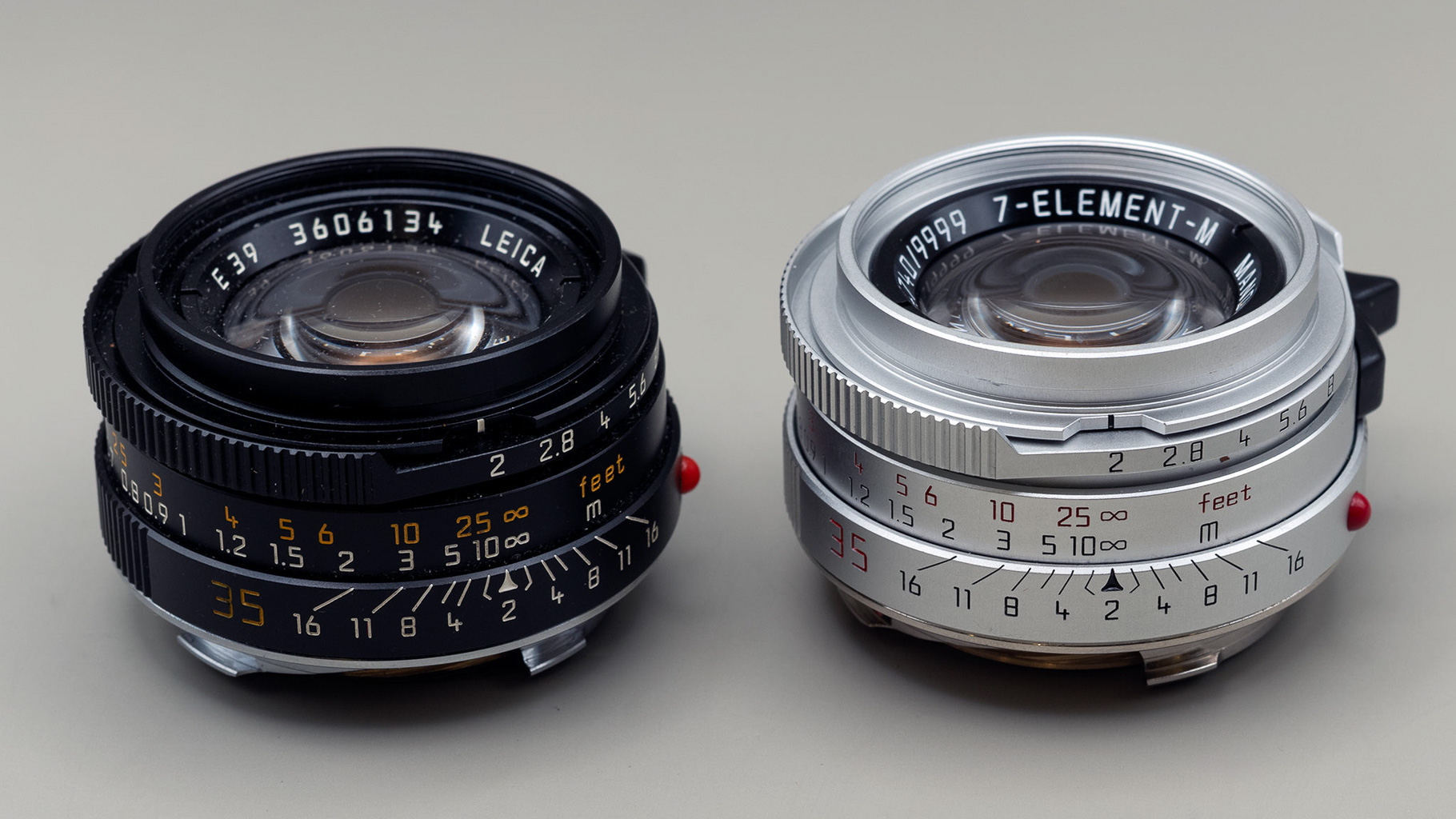
Life has a strange way of offering up new opportunities. It started with a discussion between two photographers comparing their different versions of the same lens, a 35mm ASPH Summicron. It ended with a broken lens hood, a good replacement, and a long conversation with the co-founder of a new Chinese company called Mandler making homage versions of classic Leica lenses.
Stubbing your toe on the tip of an iceberg is not always a bad thing. I first came across the Mandler lens company when I needed a replacement for a 1970s-vintage square plastic lens hood. There was a small mishap with the transaction, so I contacted Mandler’s customer service.
Being endlessly curious about everything Leica, I struck up a conversation with the designated Mandler spokesperson. One thing led to another, and before I knew it, I had in my possession Mandler’s own interpretation of the classic Leica 7-element Summicron. It’s the lens often nicknamed the “bokeh king”.
Meeting Mr Liu
Mr Liu, the Mandler spokesman, stressed one point above all: the lenses Mandler makes are not copies or replicas. They are, he told me, a modern interpretation of the classic Leica design. It has been subtly tweaked optically and re-engineered mechanically to make their version of the 7-element Summicron the best it can be, at a reasonable price.
To find out more, a Zoom call was arranged with Mr Liu ahead of writing this piece. With a local Chinese-origin Leica enthusiast acting as translator, we spent well over an hour and a half in conversation. Afterwards, Mr Liu followed up with a lengthy written summary covering everything we had discussed.
Two college friends
The Mandler story starts at college, where the company’s two founders studied photography together. They discovered a shared passion for Leica along the way. Like many young photographers, they ran into the familiar problems of scarcity and higher prices that keep the “Leica experience” at arms length for some enthusiasts. For example, the most desirable classic Leica lenses are increasingly hard to find, and so retain robust pricing in the pre-owned market. The new Mandler 7-Element 35mm lens costs from $348 USD which is a fraction of an original Mandler designed lens (Version 4) produced between 1979–1996. That original lens can reach up to $6,500 on the used market.
Mandler was formed to bring high-quality, modern facsimiles of classic Leica lens designs to a wider audience. Unlike some other Chinese lens makers, such as Light Lens Lab, Mandler has no interest in reviving designs that never appeared in Leica’s own catalogue. For now, the company intends to stick strictly to established Leica M focal lengths, choosing only lenses long out of production to avoid any question of copyright infringement. By using modern optical glass and production engineering, Mandler aims for the highest quality it can manage. For its two founders, this is very much a passion project.
Key data from Mandler
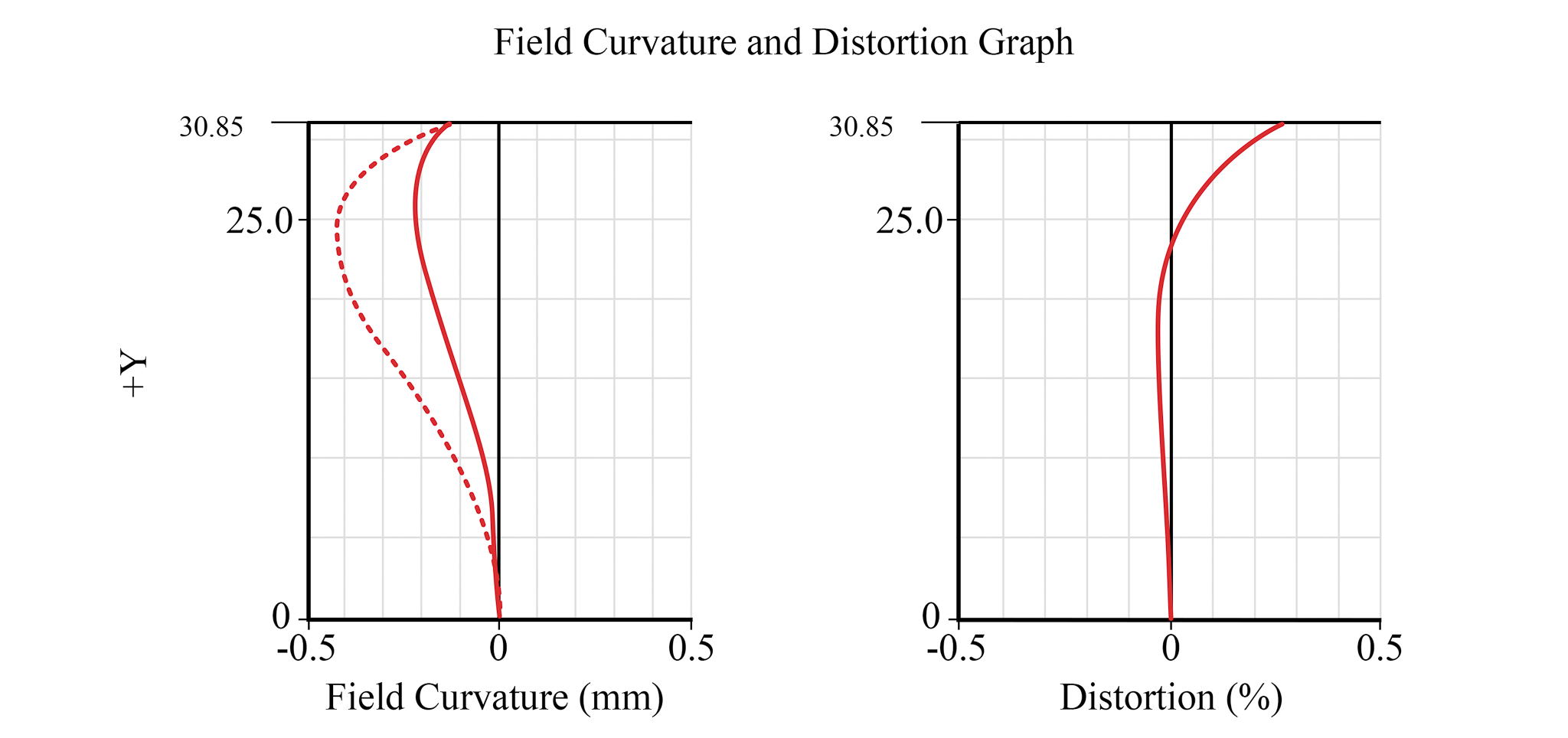
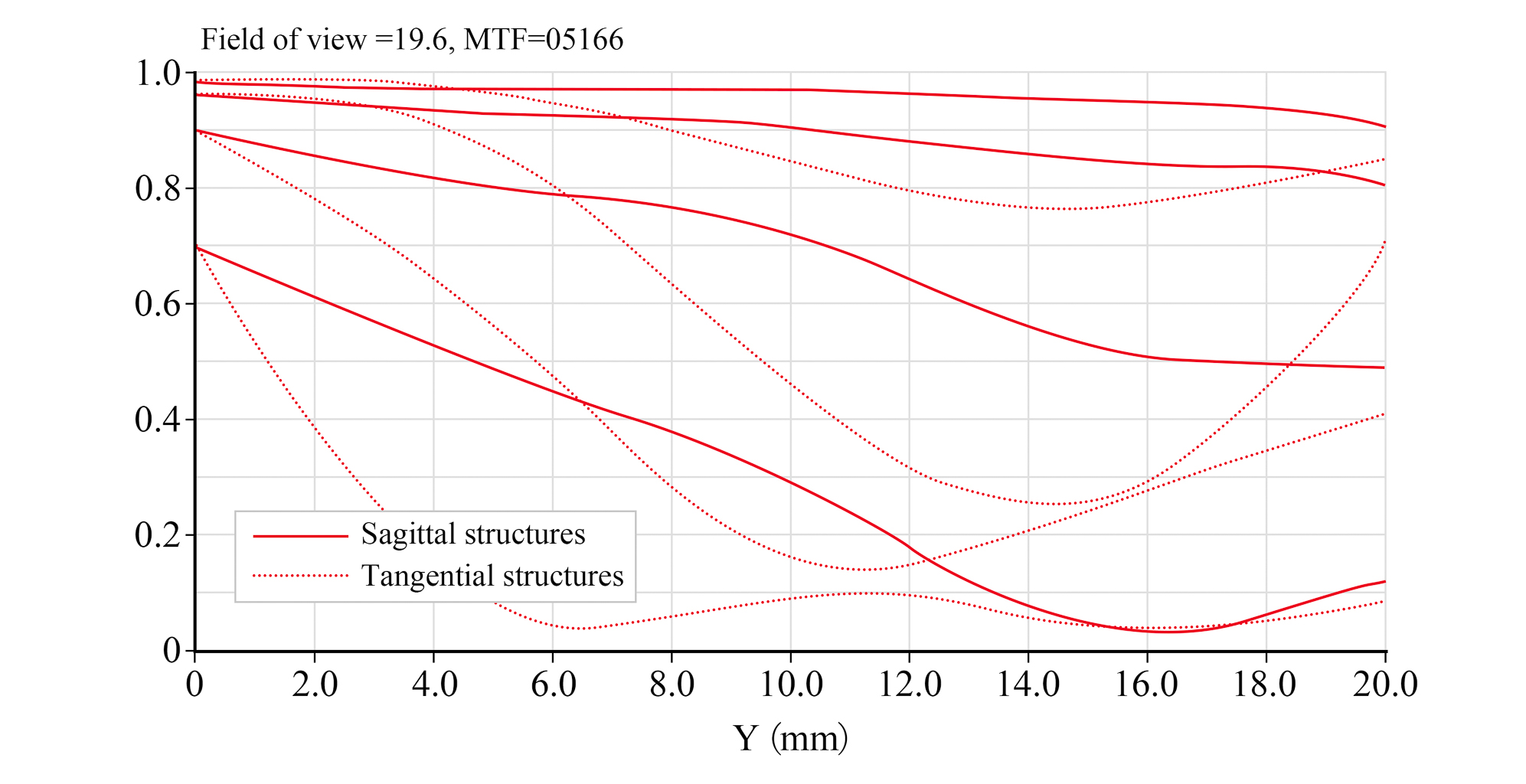


How Mandler lenses are designed and constructed
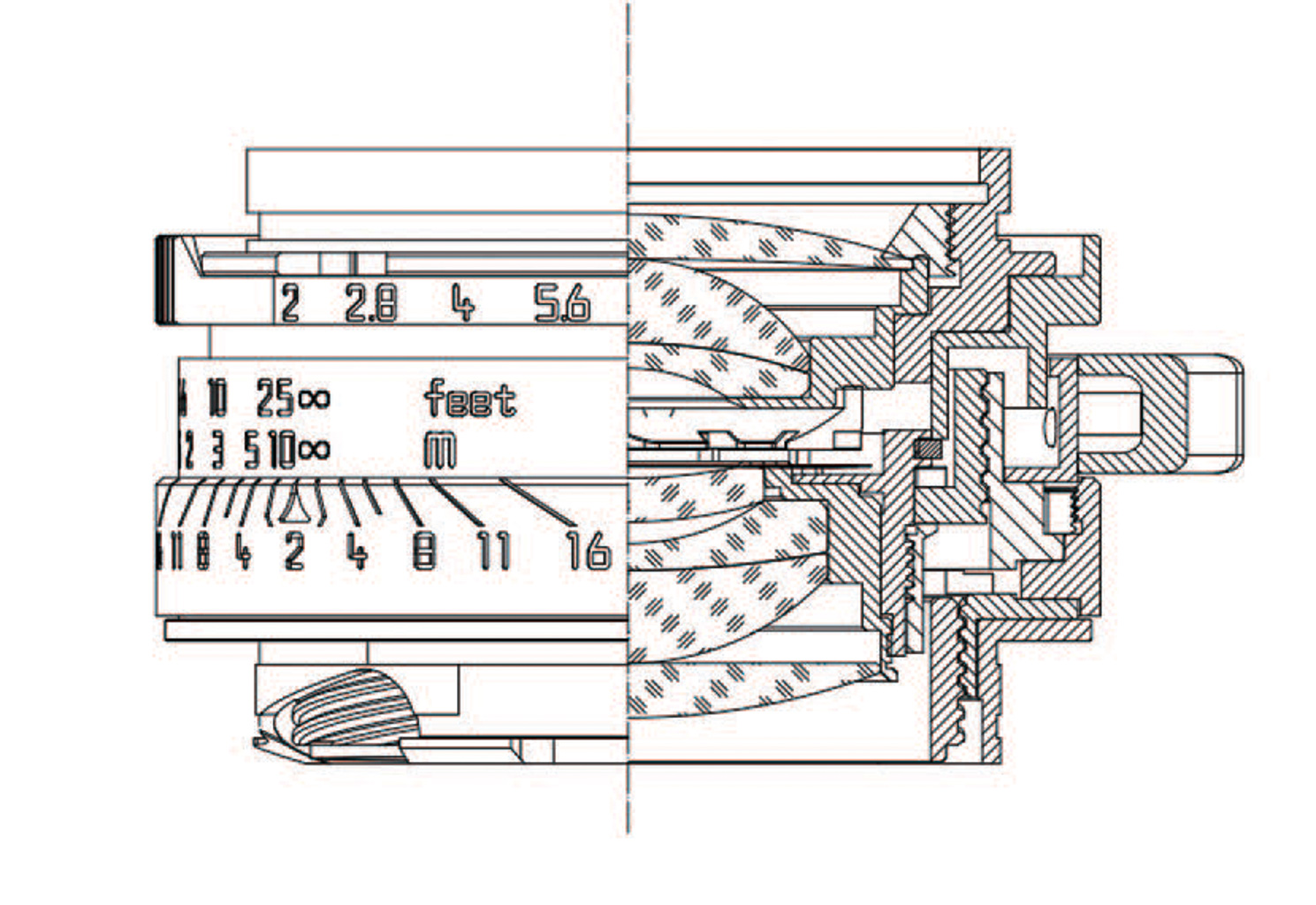
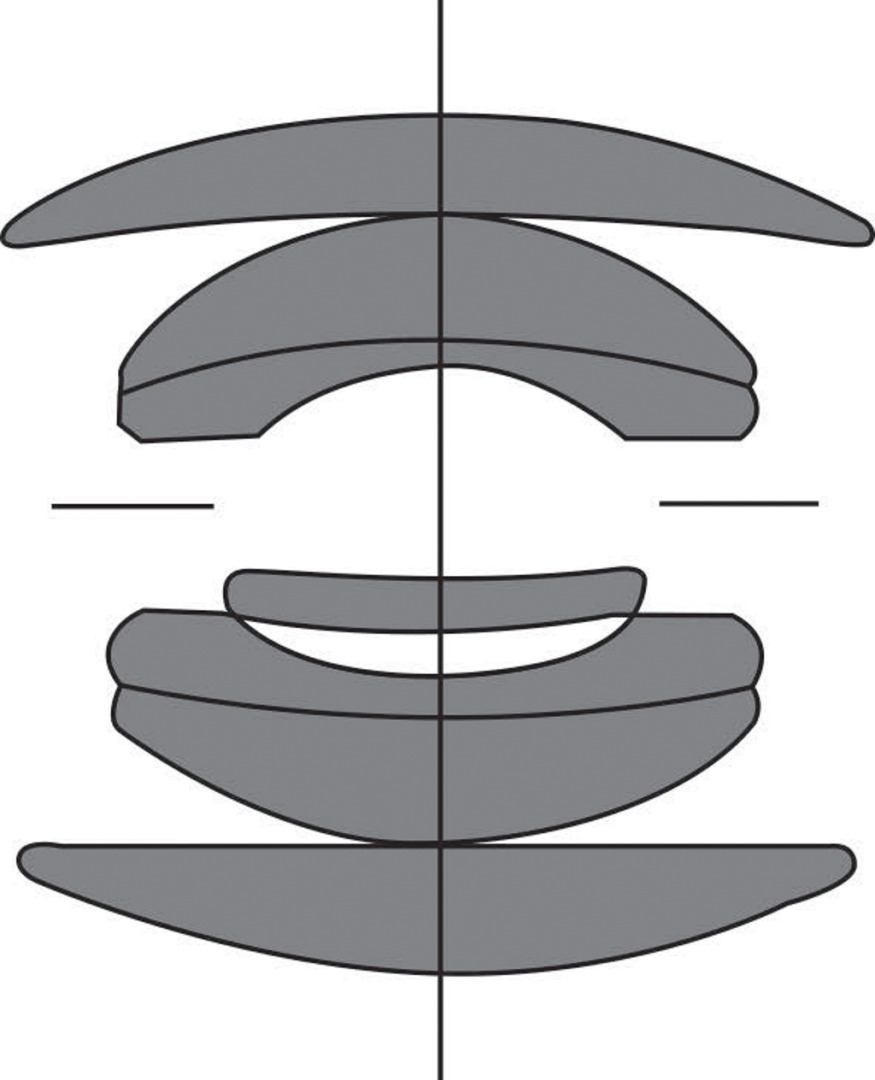
Our conversation ranged widely, and I took the chance to ask some basic questions about how these lenses are actually made. I had heard that many new Chinese lenses are designed by different companies but built in the same factory. That turned out not to be the case, or at least not universally. Mandler claims it runs its own assembly line and that it sources raw materials from specialist suppliers. I was told that broadly the same applies to other Chinese manufacturers too. Nobody, it seems, is simply badge-engineering somebody else’s production run.
On the scales
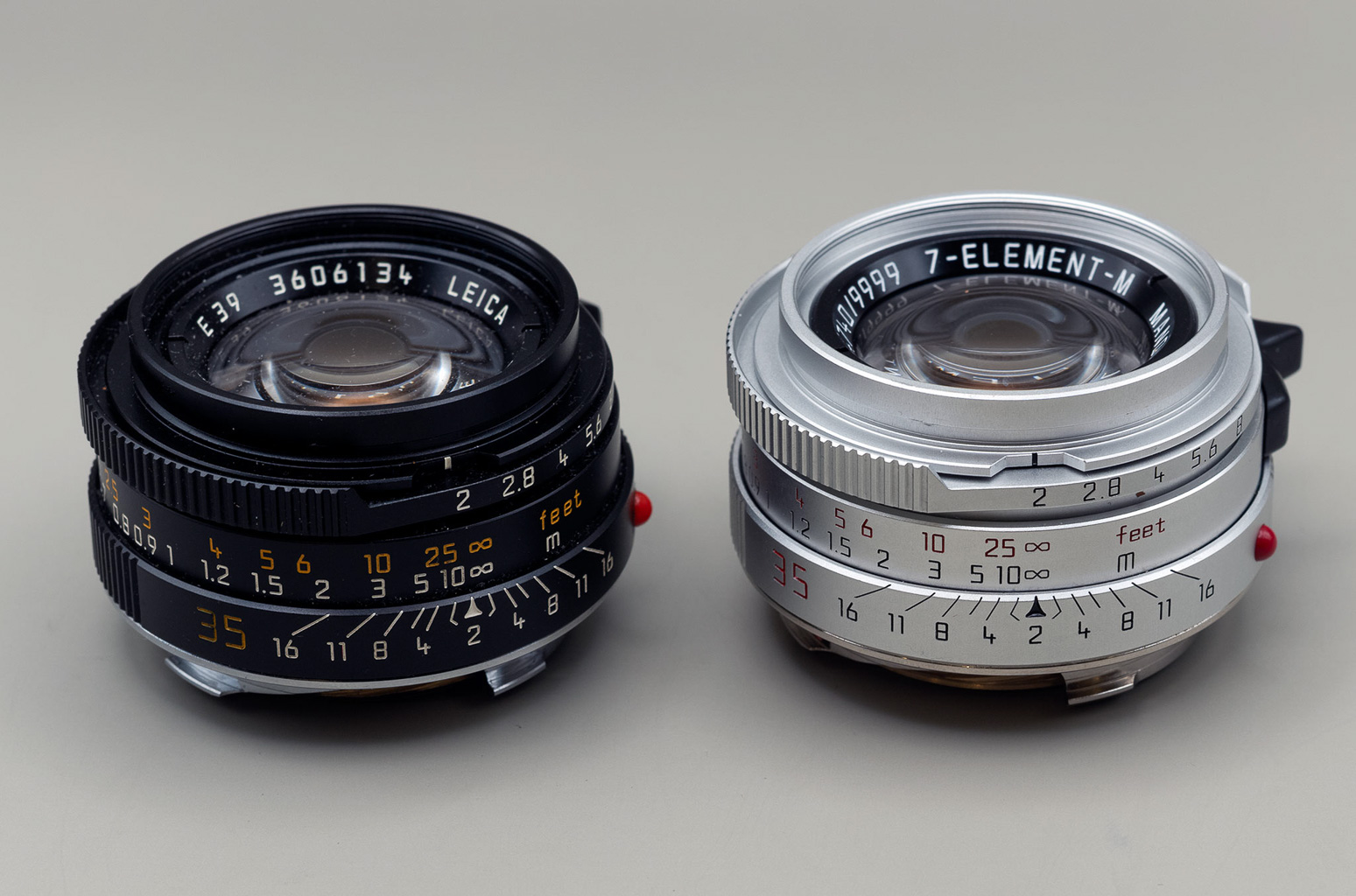
Mandler supplied a full set of spec sheets and technical data for its 7-Element 35mm f/2 lens. As part of my evaluation, I weighed the Mandler lens, plus an original Leica 7-element example borrowed from Bill Rosauer, on my ancient triple beam darkroom scale. The Leica lens weighed 159.6 grams, close to its published spec of 160 grams.
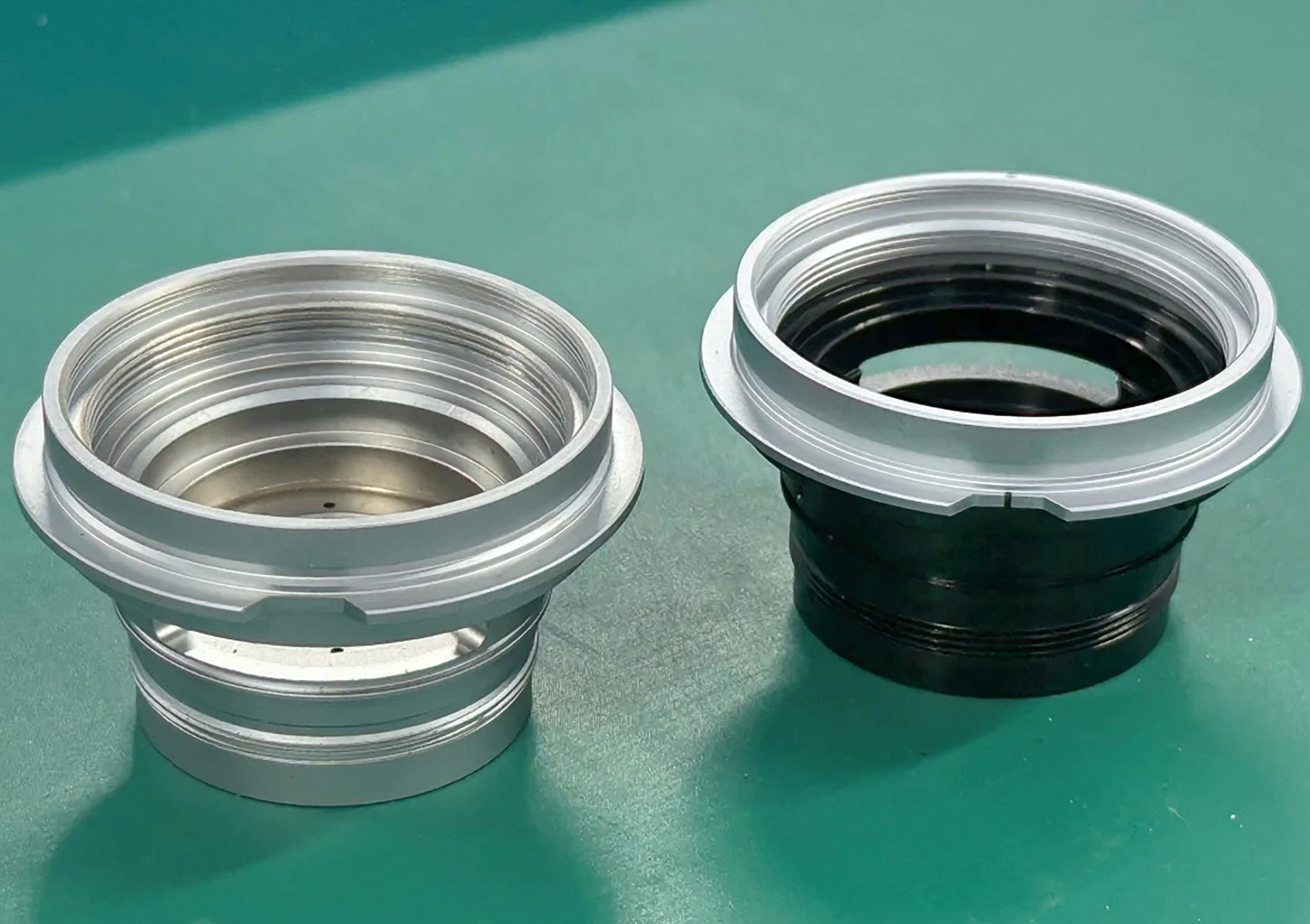
My Mandler test lens weighed 148.5 grams. However, Mandler’s own spec sheet cites a weight of just 138 grams, a discrepancy I had to ask about. The answer was an image showing two variants of the lens’s internal structure. The earlier version was single-piece, lighter, and without the matte black coating used to control internal flare. In fact, the lens went through five significant redesigns before Mandler was satisfied with the quality. The extra ten grams are the result of a more robust build.
Specifications
| Parameter | Detail |
|---|---|
| Lens name | Mandler 35mm f/2 |
| Lens type | Prime |
| Focal length | 35mm |
| Construction | 5 groups, 7 elements |
| Filter size | E39 (39mm) |
| Aperture type | Preset, with click stops; supports half-stop adjustments |
| Aperture range | f/2–f/16 |
| Aperture blades | 10 |
| Focusing range | 0.7m–infinity |
| Lens mount | M / LTM |
| Material | Aluminium, chrome-plated brass |
| Dimensions | Length 34mm · Diameter 52mm |
| Weight | 138g (aluminium) / 210g (brass) |

Mandler lenses as gateways
Mandler understands that some enthusiasts will treat its lenses as “gateway” lenses. That doesn’t seem to trouble the company’s owners. If anything, they are pleased to hear stories of customers later “graduating” to genuine Leica glass.
Whether bought as a stepping stone or simply as a high-quality lens for a Leica body, Mandler has convinced me that it is very focused, no pun intended, on every aspect of the lens’s quality. Over and over, Mr Liu on behalf of Mandler stresses that 7-element is not a replica or reproduction. It might resemble the original, but he claims inside it is new and different.
The stated goal is a 35mm that is slightly sharper and more contrasty in the centre. At the same time, Mandler wanted to preserve the original Leica design’s beautiful, subtle fall-off towards the edges. That combination, on paper at least, is the whole pitch.
Field-testing
To put these claims to the test, I went out shooting on several occasions, always with a pair of matching M10-R bodies. Occasionally, I carried the Mandler lens alongside my own first-version 35mm ASPH Summicron. On other days, I took both bodies out with the Mandler lens and a borrowed original Leica 7-Element Summicron.
I photographed the ISO 12233 test chart, an X-Rite ColorChecker, and a wide range of real-world subjects with all three lenses. The result was three very nice, subtly different sets of images. None was better or worse, just a little different.
It will surprise nobody that my favourite remains the ASPH Summicron. However, between the Mandler and the original 7-element, there were small pluses and minuses in tonal separation, edge fall-off, and shadow detail. Colour fidelity across all three lenses was excellent.
Real-world comparisons
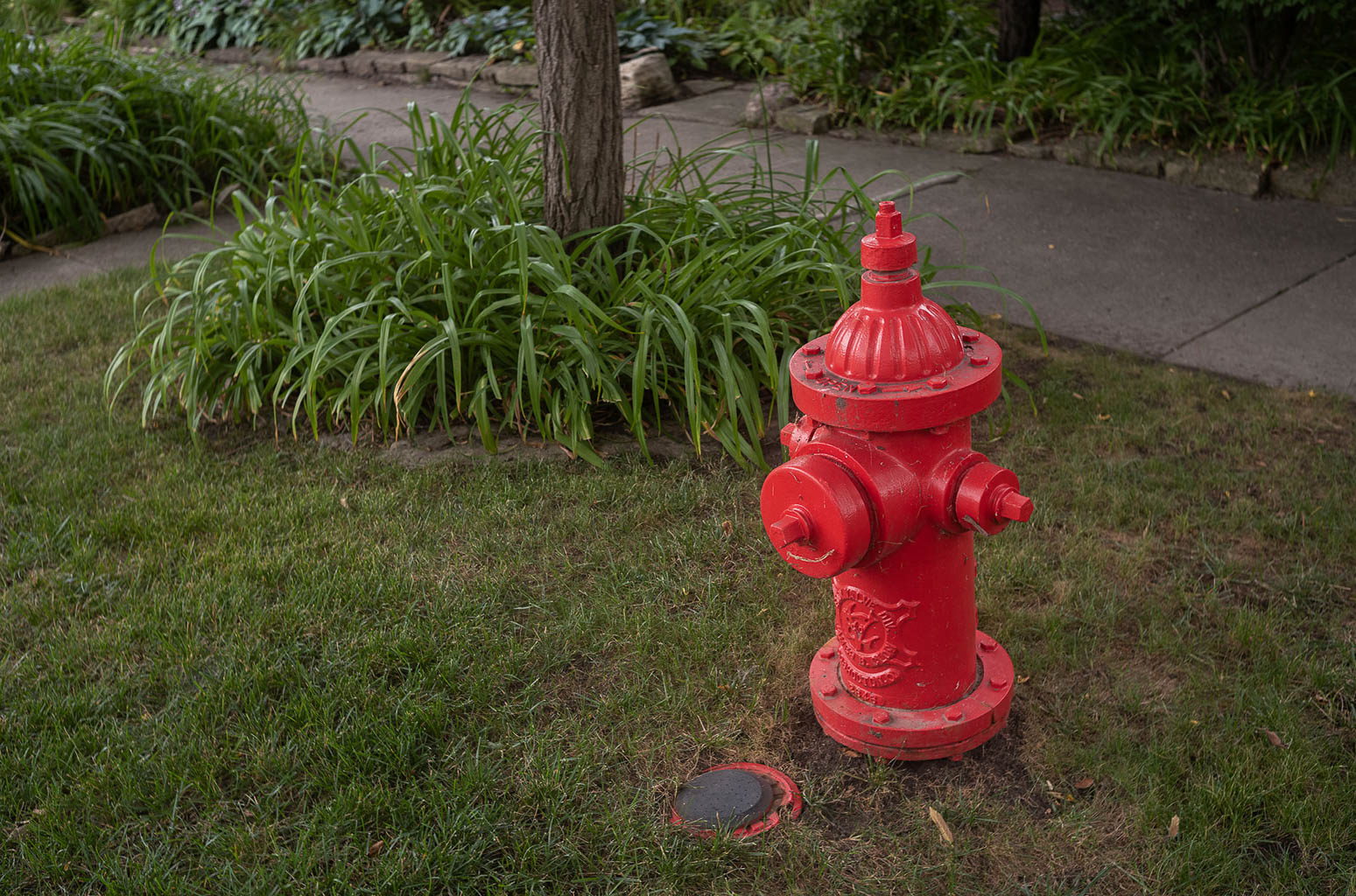
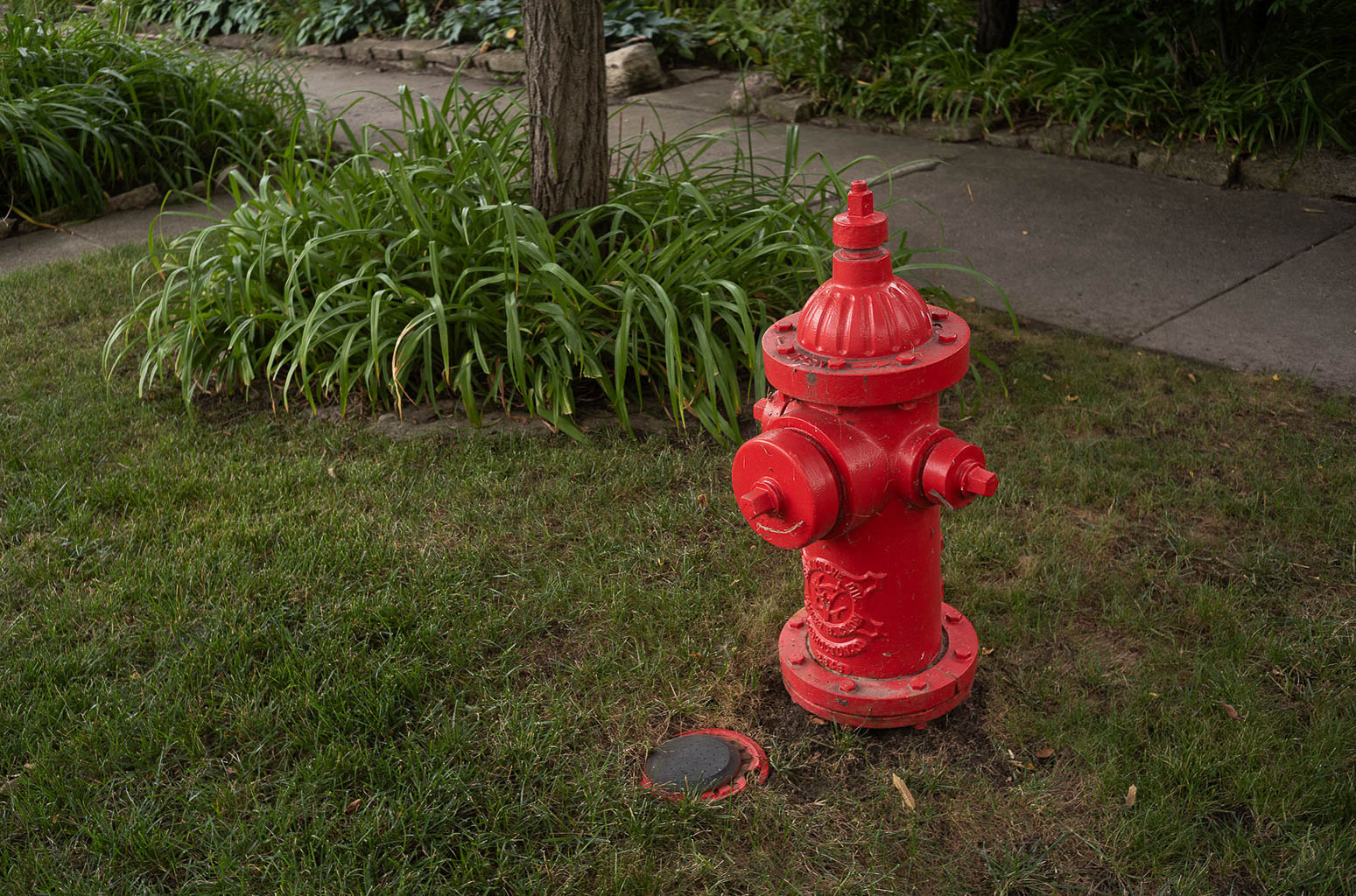
Fire hydrant:
Park bench and fountain:
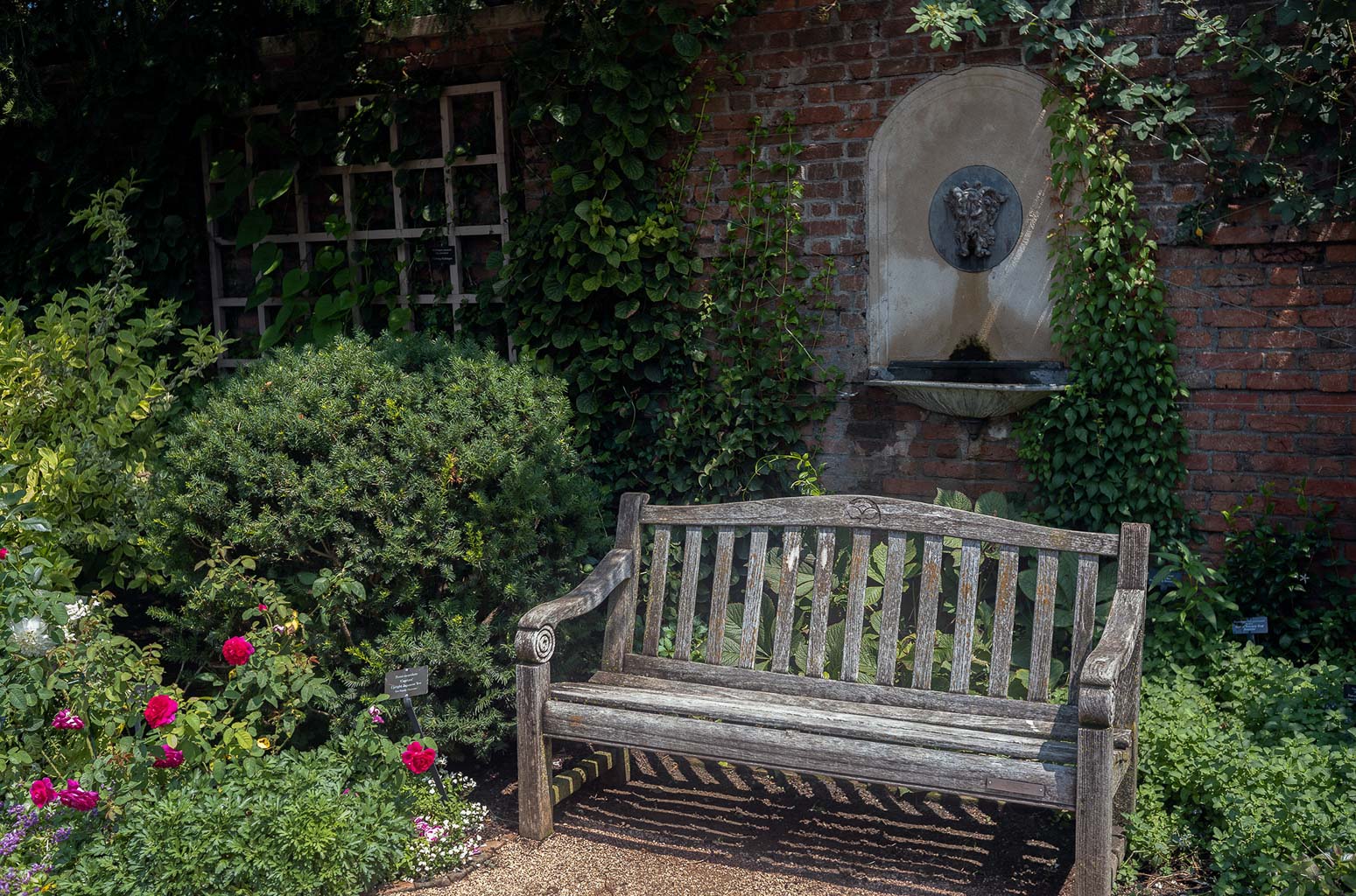
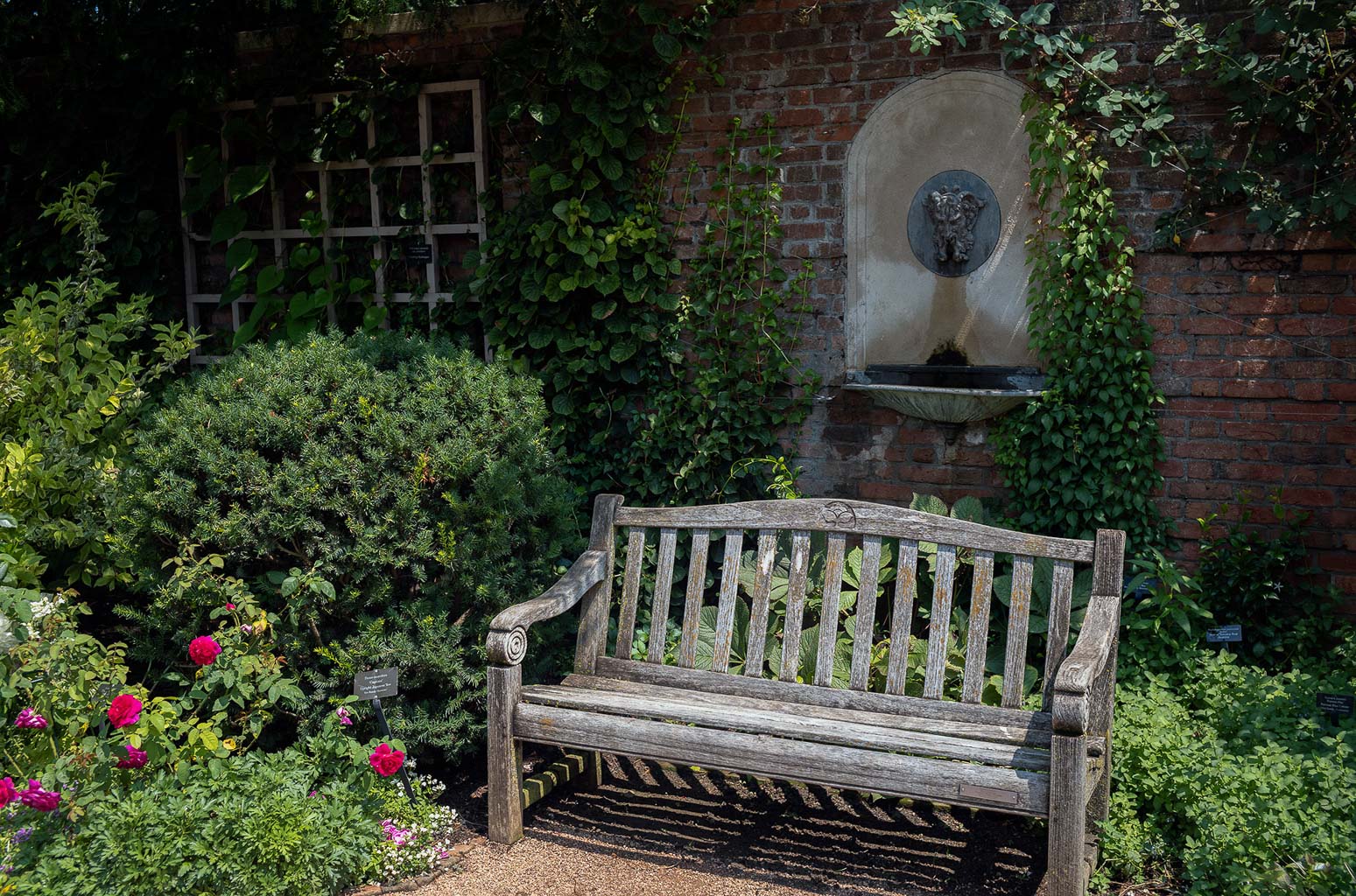
Both lenses produced crisp, clear images with exceptional detail and lovely colour. The most significant difference was that the Mandler showed slightly more contrast and a little less shadow detail on the left of the frame.
Botanic Garden landscape:
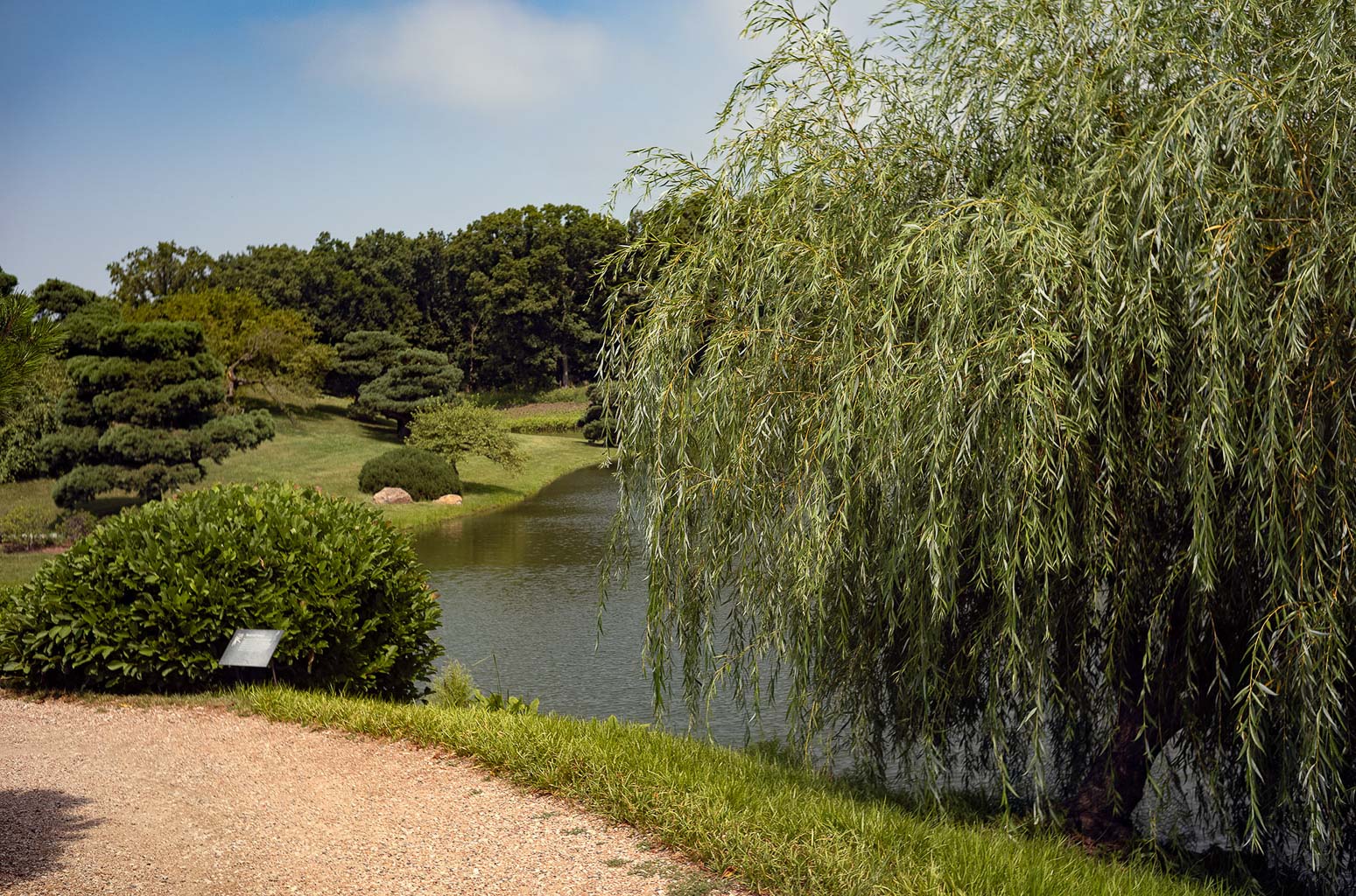
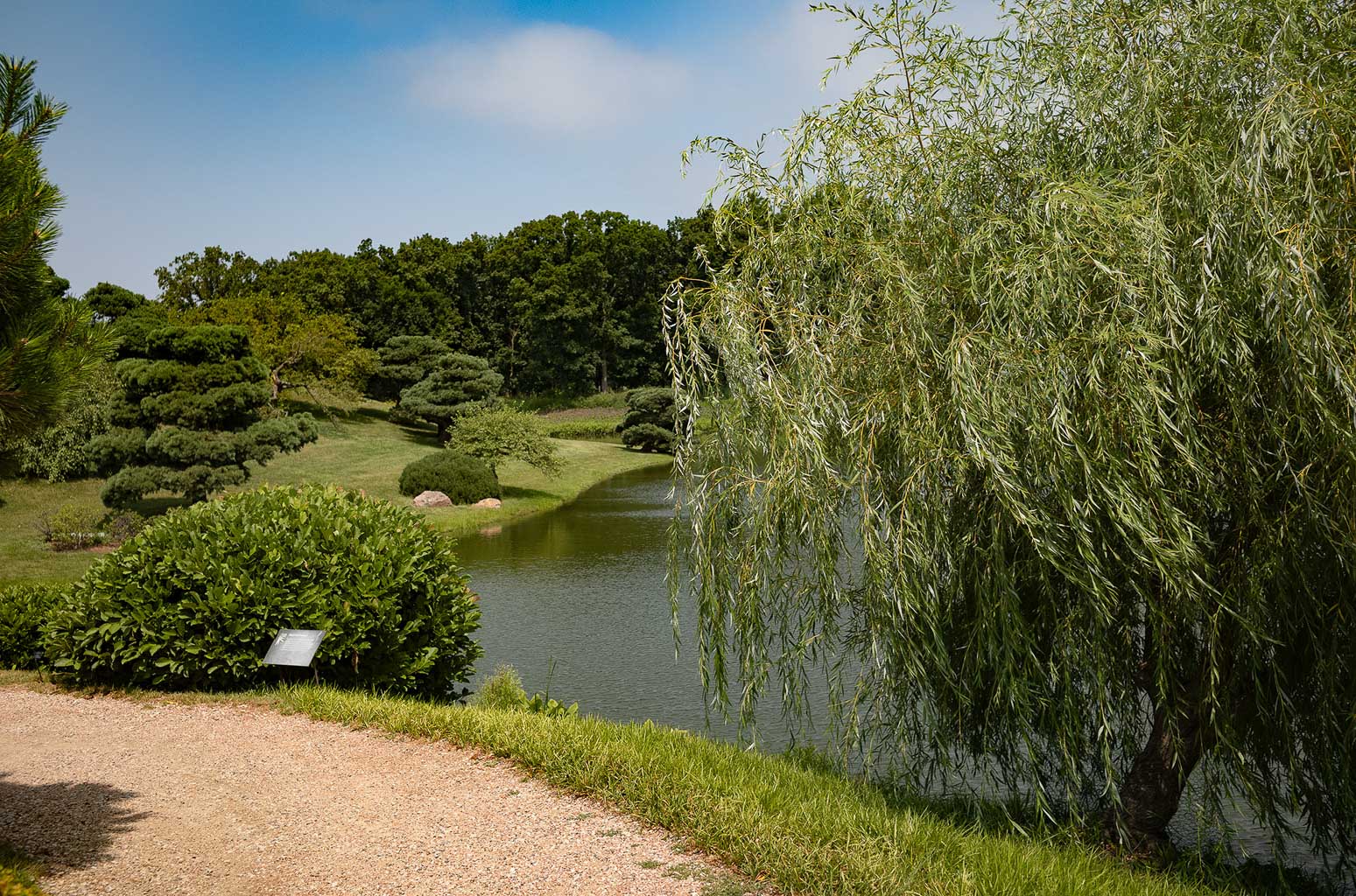
Centre sharpness was splendid with both lenses. The Mandler showed a slightly more subtle fall-off in background detail.
A century-old bungalow:
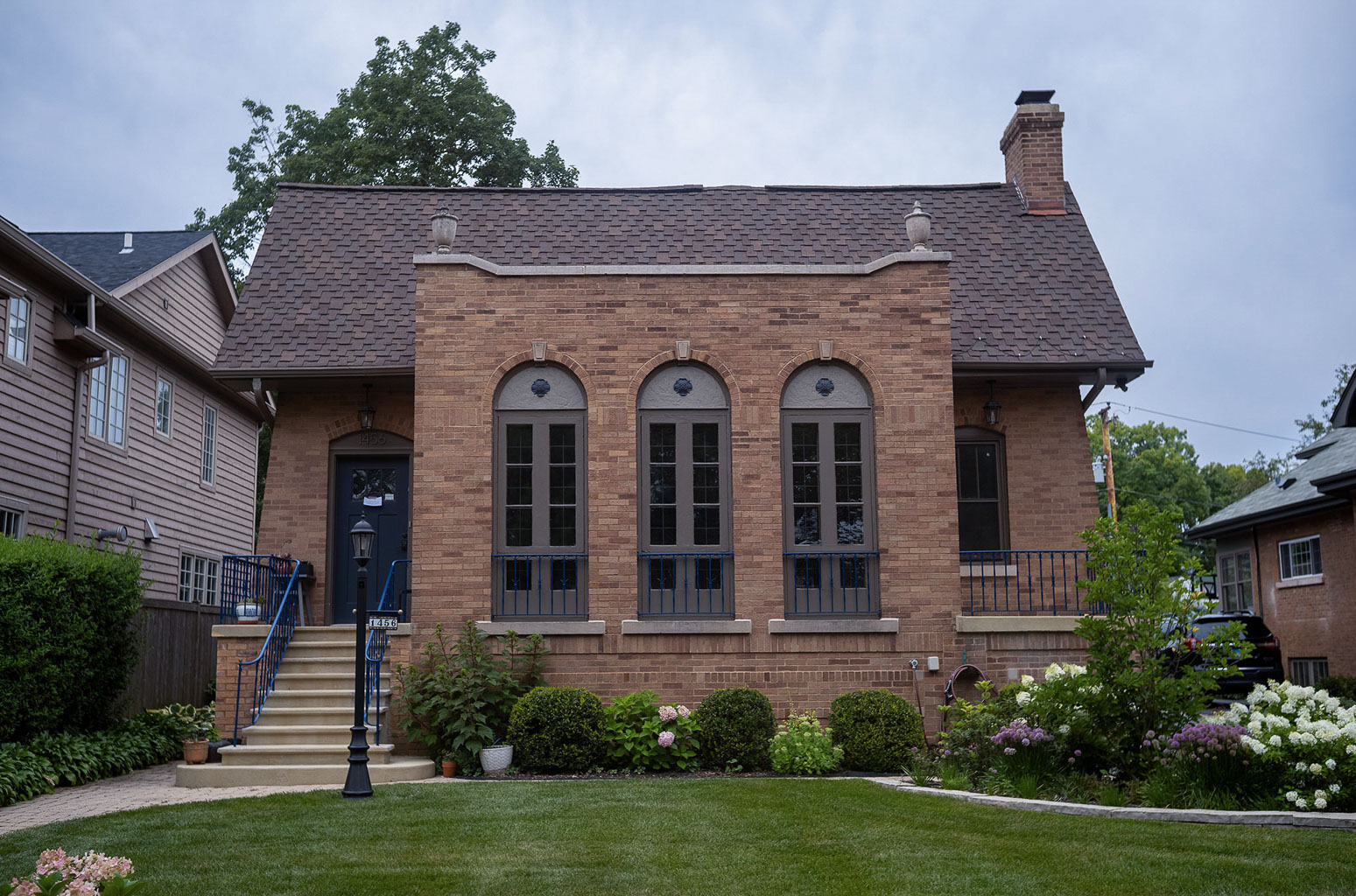
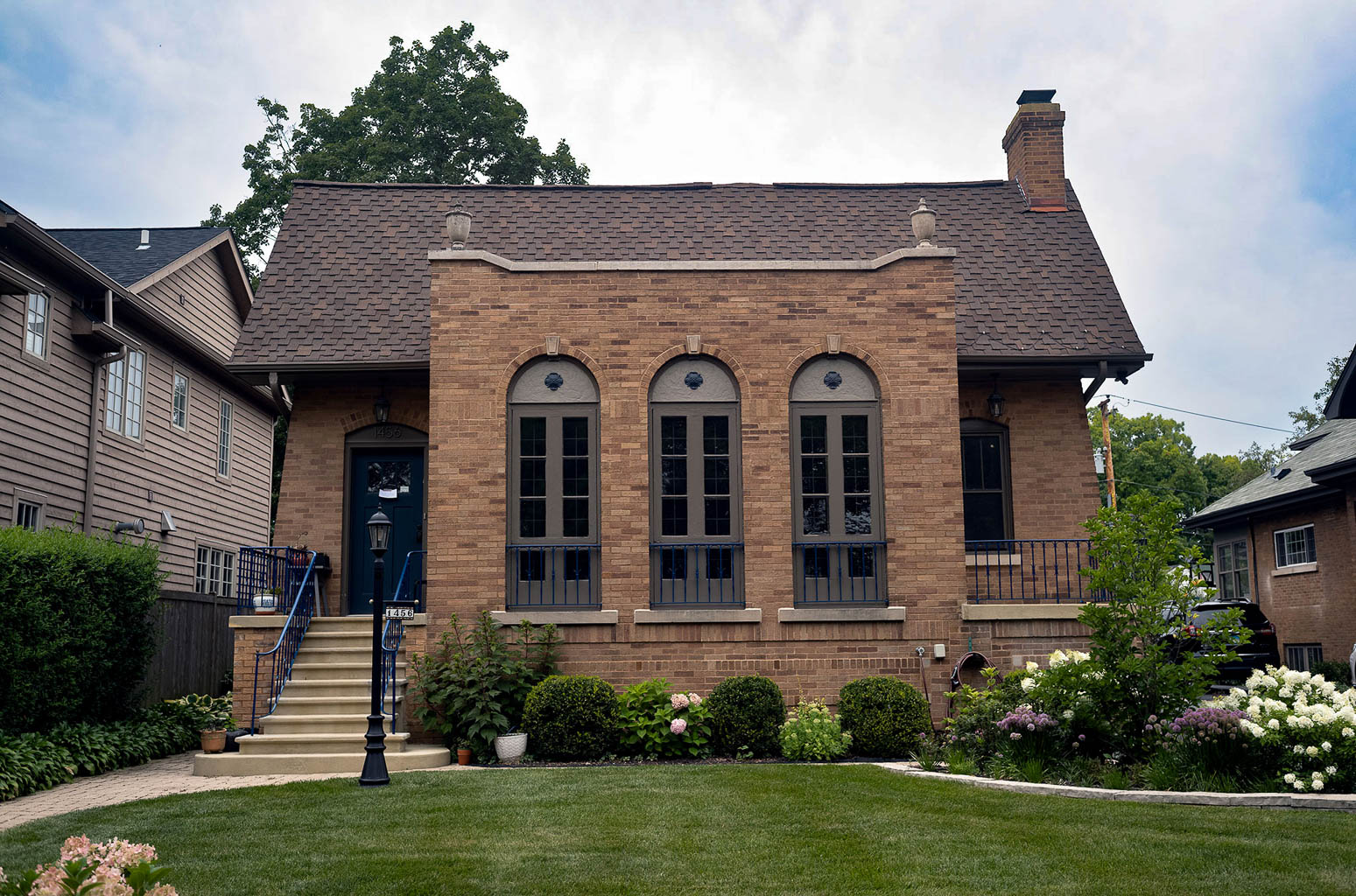
Both lenses produced flat, distortion-free images that were exceptionally sharp. Any colour difference here came down to my post-processing rather than the glass.
A bed of bright flowers:
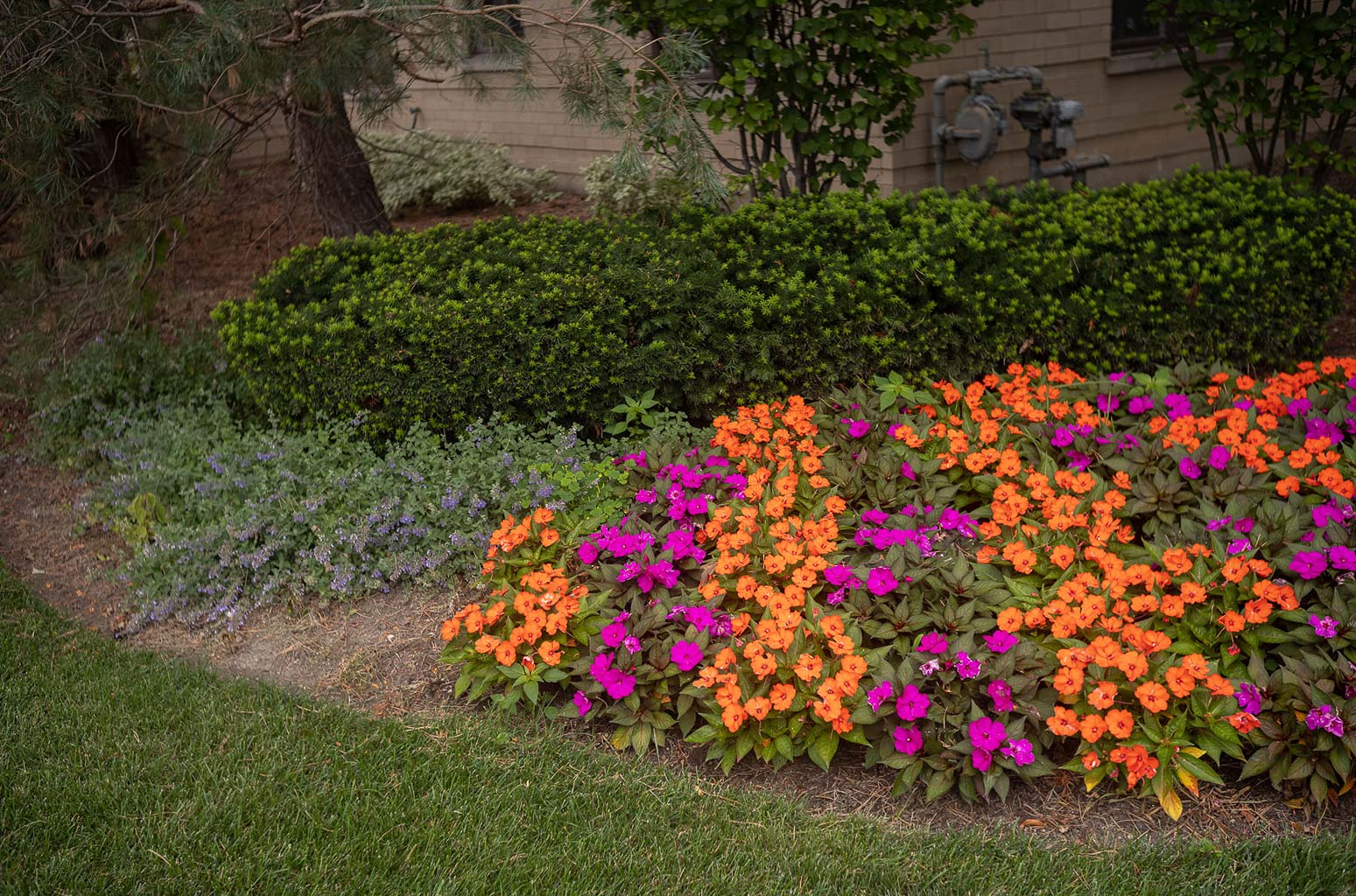
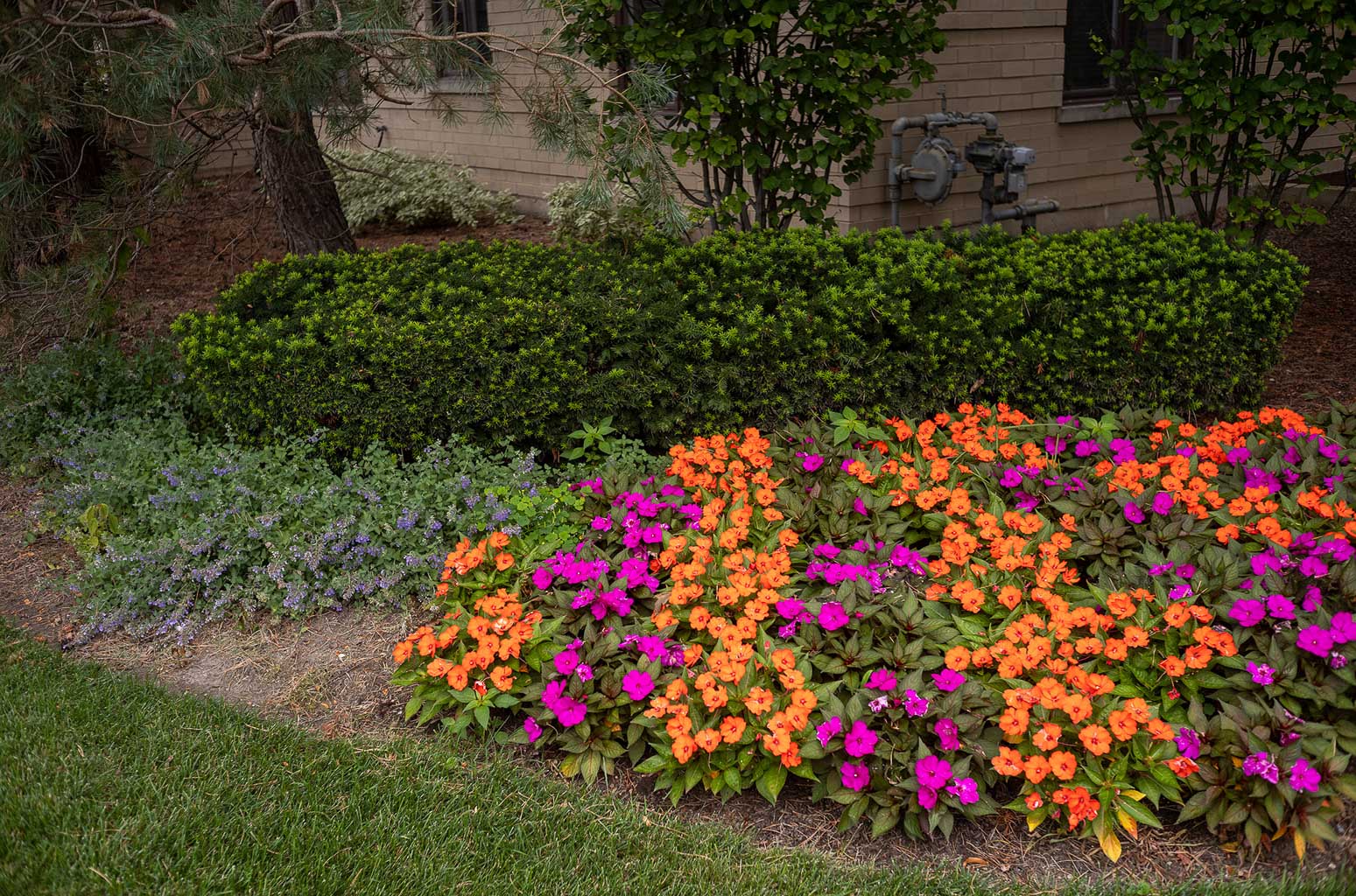
Both lenses delivered sharp, brilliant colour in the foreground blooms. Once again, the Mandler was a touch darker and softer in the background shadows.
The verdict
In a world with Adobe Camera Raw, ON1 NoNoise, and every other modern post-production tool, I could happily travel with any of these three lenses and come home pleased with the results. That said, if you want a basic 35mm f/2 that runs from pleasantly soft-edged wide open, to sharp, modern performance stopped down, I would still lean towards the original Leica 7-element. Unfortunately, good examples are becoming scarce.
Where to buy
If that vintage “look” is what you are after, the Mandler 35mm 7-Element will do the job. Mandler only sells directly to consumers through its website, Mandler.shop. As a reminder, the new lens costs from $348 USD, which is a fraction of an original Mandler designed 35mm ASPH Summicron, Version 4, produced 1979–1996. That lens can reach up to $6,500 on the used market. For many enthusiasts, that trade-off alone will settle the argument.
Further reading
A table of related reading, on Mandler and on the wider world of third-party M-mount lenses, follows below. It mixes press coverage and manufacturer sites with pieces already published on Macfilos.
| Macfilos Articles | Other Links |
|---|---|
| M Files (24): M-Mount lenses from China, an overview – Macfilos’s survey of the Chinese M-mount scene | Mandler official shop – Buy direct from the maker |
| The Story of Light Lens Lab: An interview with its founder, the enigmatic Mr Zhou – A comparable founder interview, Light Lens Lab’s Mr Zhou | Walter Mandler – The Leica designer whose name the company borrowed |
| LLL 50mm f/1.2 review: The march of the Nocticlones – Macfilos tests a Light Lens Lab homage lens | Another Leica 35mm f/2 Cron 7-element replica from China – Leica Rumors on the Mandler launch |
| This is Outrageous: The TTArtisan 35mm f/1.4 lens for L-Mount – Another budget manual-focus challenger | The Mandler 35mm f/2 M-Mount Lens Borrows Much More than Leica’s Optical Design – PetaPixel’s take on the lens and its origins |
| 7Artisans 55mm f/1.4 TL unboxing – Macfilos’s first look at 7Artisans glass | Mandler’s First Recreated Classic Leica Lens Sold Out Almost Immediately – Demand for the 7-Element since launch |
| Review: Leica APO-Summicron-M 35 f/2 – The current, ultra-corrected Leica 35mm Summicron | Mandler Lenses — Leica Lens List – Full specification and pricing archive |
| M Files (14): Voigtländer APO 35, 50 and 90 — the attack on Leica’s heart? – Voigtländer’s own challenge to Leica primes | Light Lens Lab – Another Chinese maker of homage Leica optics |
| Eyes wide-open: A review of the Summilux range of Leica lenses – Context on Leica’s own faster M-mount lineage | Cosina Voigtländer – Background on the longest-running third-party M-mount maker |
Make a donation to help with our running costs
Did you know that Macfilos is run by five photography enthusiasts based in the UK, USA and Europe? We cover all the substantial costs of running the site, and we do not carry advertising because it spoils readers’ enjoyment. Any amount, however small, will be appreciated, and we will write to acknowledge your generosity.
Comments: Please add a comment to this article. Our comments section is a thriving community and everyone is treated with respect. In addition, please identify yourself (and add an email address, which will not be published, if you would like to see answers to your posting). Our system will automatically delete any “anonymous” posts on the basis that they are likely to be spam.
I appreciate hearing about the new Chinese versions. Good article! I own two really nice 35mm 7 element Leica Summicrons, one black Wetzlar with 6-bit coding (I use it a lot), and one silver one (also Wetzlar). They are both superb lenses in pristine condition and have appreciated in value quite a bit since I bought them. I had the black one CLA’d by Leica a few years ago. I love the wide open rendering and, as the article states, are really sharp stopped down a bit.
They render very well on my M11M along with several other older lenses including a 50mm Rigid.