
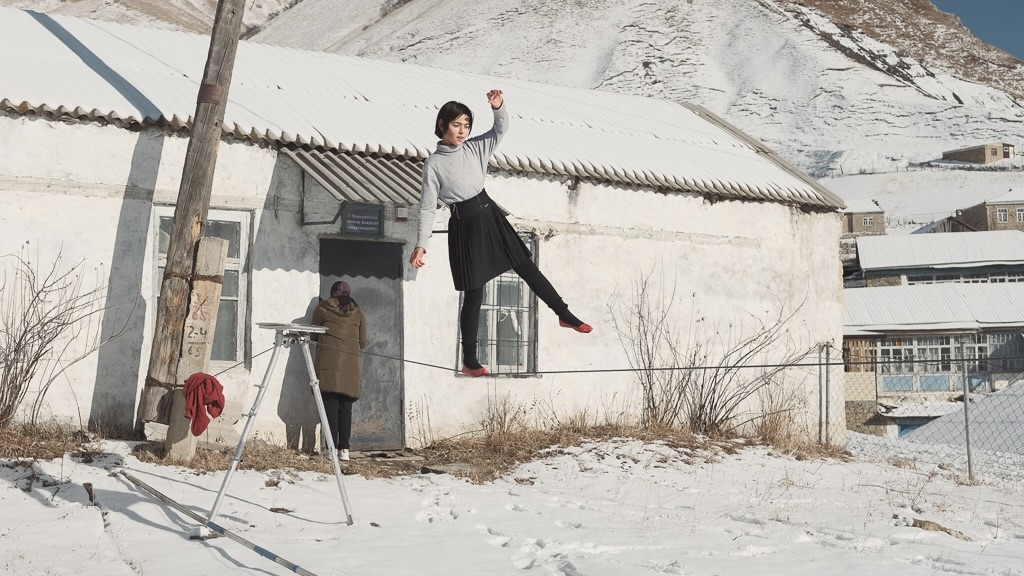
The results are in from Wetzlar. Damir Faizulin, a former professional wrestler who turned to photography only six years ago, has won the 46th Leica Oskar Barnack Award. Laila AnnMarie Stevens takes the Newcomer prize. And the first LOBA Women Grant goes to a name nobody outside the jury room knew until this evening…
We have followed this year’s award since April, when Leica named the five-person jury, and again in August, when the twelve-strong shortlist went public. The winners were announced on the evening of 8 October at the Celebration of Photography, held at the World of Leica in Wetzlar. Both Damir and Laila featured in that August shortlist, so regular readers will already have seen a few frames from each series.
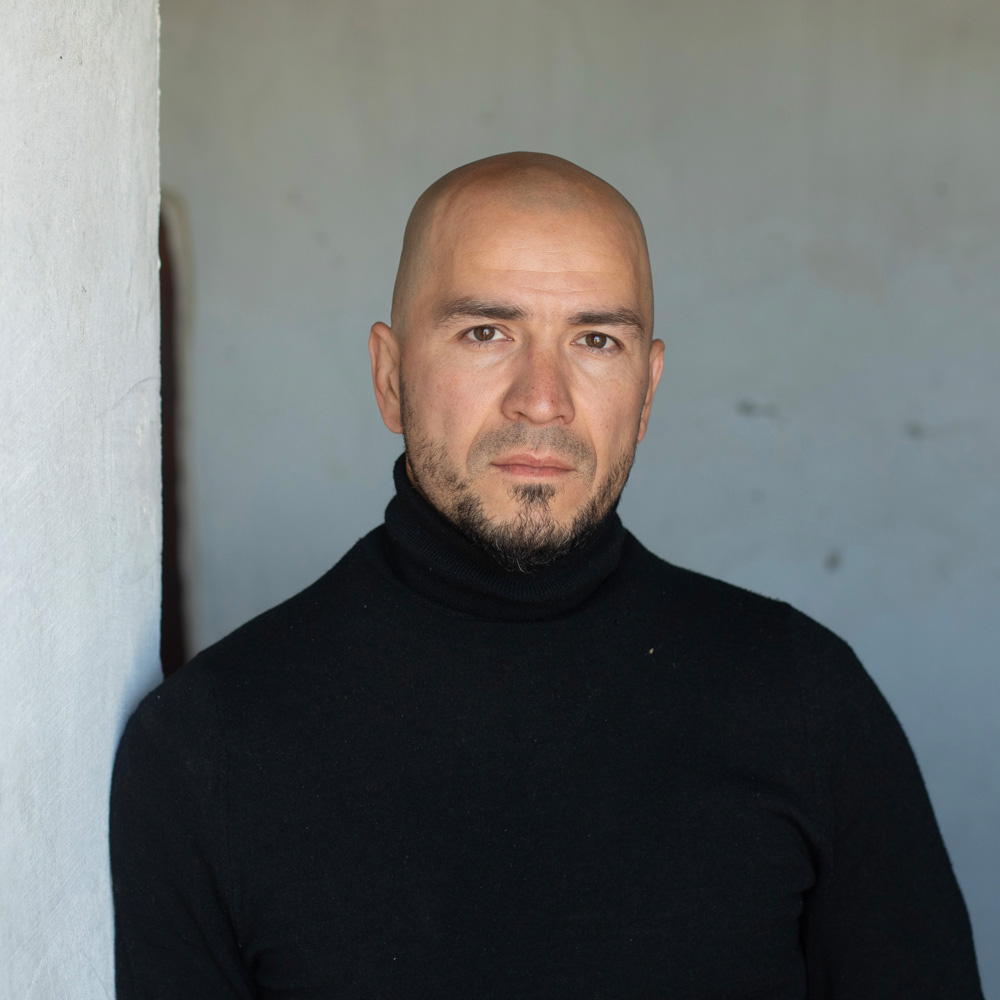
The Women Grant winner is Italian photographer Valentina Sinis. Her name was kept back until the ceremony, as the grant rewards a project still in progress rather than finished work.
Dagestan in focus
Damir’s winning series, Preserving Nature as Preserving Ourselves, is set in the mountains of Dagestan in Russia’s North Caucasus. It examines the fragile balance between the people who live there and their landscape. He records the arrival of a tourism industry, new architecture and the neglect of older buildings and customs, while still making room for the region’s beauty.
He first visited Dagestan as a tourist in 2020 and moved there the following year. “I had a strong feeling that the region was about to undergo rapid change, and I wanted to document these developments,” he says. For Damir, a photograph should help us recognise the complexity of reality rather than simplify it.
A late start
His route into photography is unusual. Born in Uzbekistan in 1986, Damir moved to Russia with his family after the collapse of the Soviet Union and worked as a martial artist and professional wrestler until the age of 33. He then attended workshops with the documentary photographer Dmitry Markov in Kaliningrad. The LOBA is the first international competition he has entered.
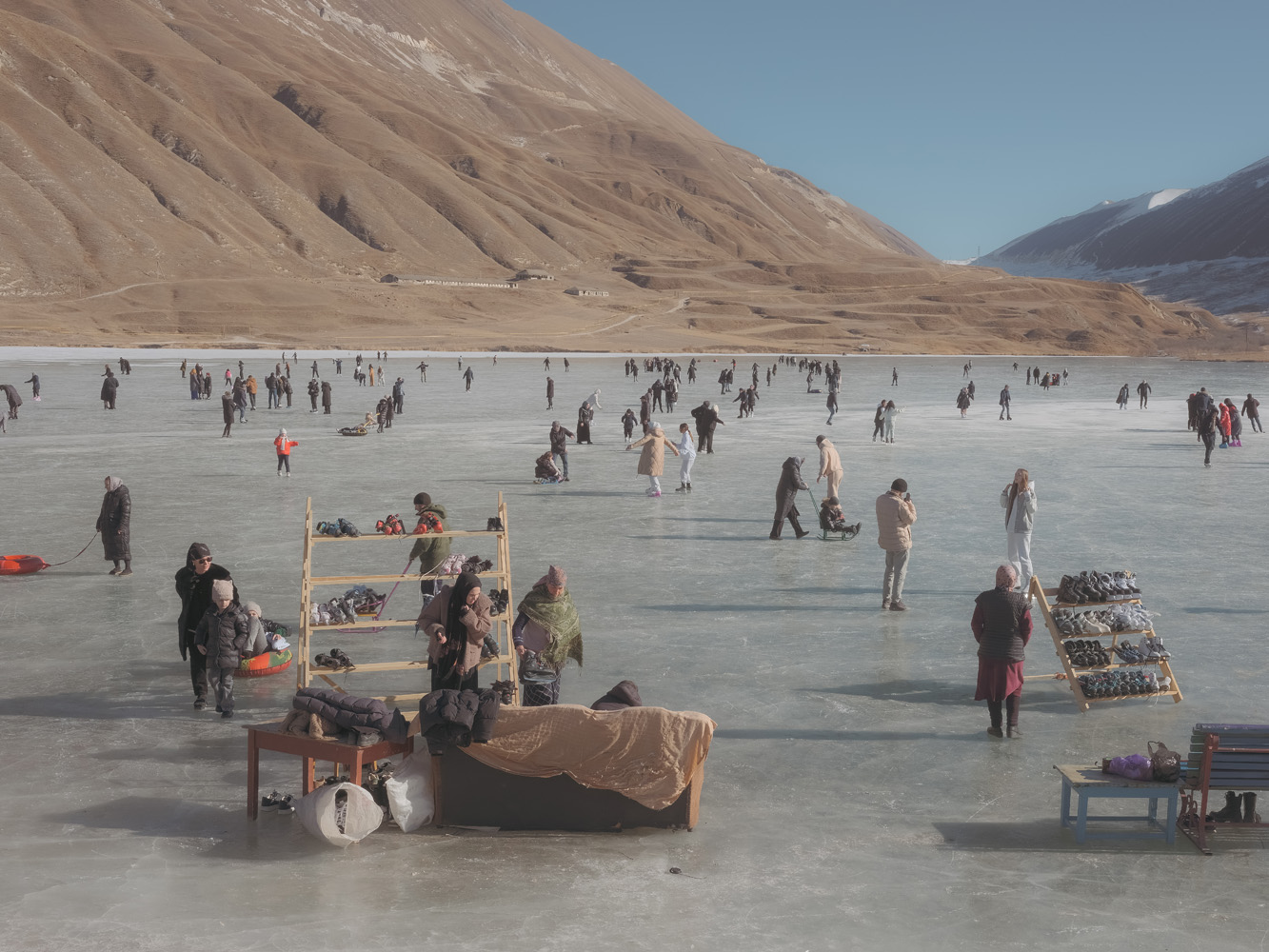
Karin Rehn-Kaufmann, Art Director of Leica Galleries International and a member of the jury, singled out the series’ calm, unhurried and occasionally humorous visual language. In her view, it combines documentary precision with a more poetic approach. “It’s precisely this balance between thematic relevance and emotional depth that makes the work so special,” she says.
As main prize winner, Damir receives €40,000 and Leica equipment worth €10,000.
The Newcomer award
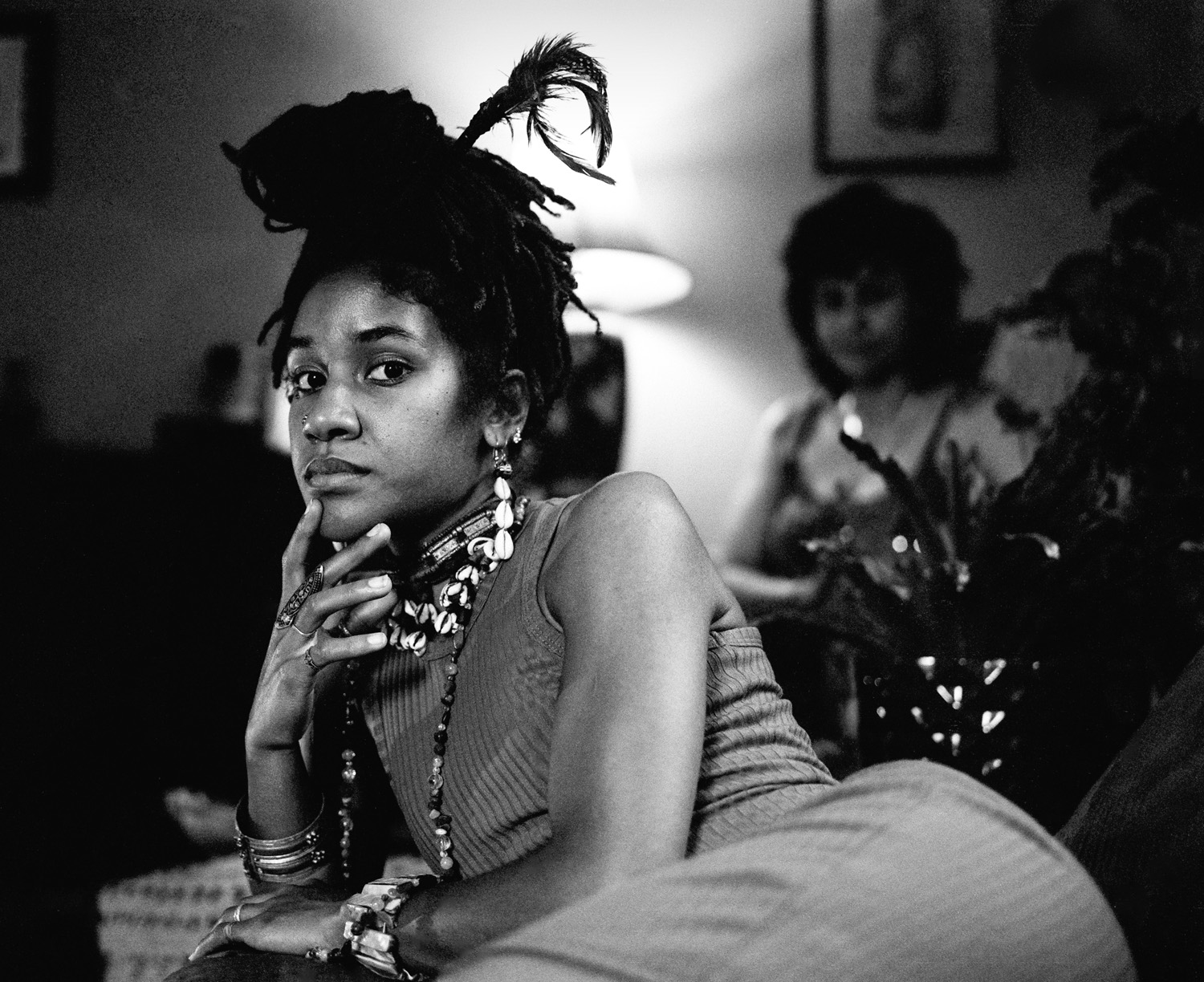
Laila, born in South Jamaica, Queens, in 2001, wins the Newcomer award for her black-and-white Clayton Sisterhood Project. The series centres on the household her two sisters and four nieces created after moving from Queens to a shared house on a plot in Clayton, North Carolina. It explores contemporary queer kinship and the legacy of strong, self-confident Black women, prompted in part by her longing for memories of her ancestors.
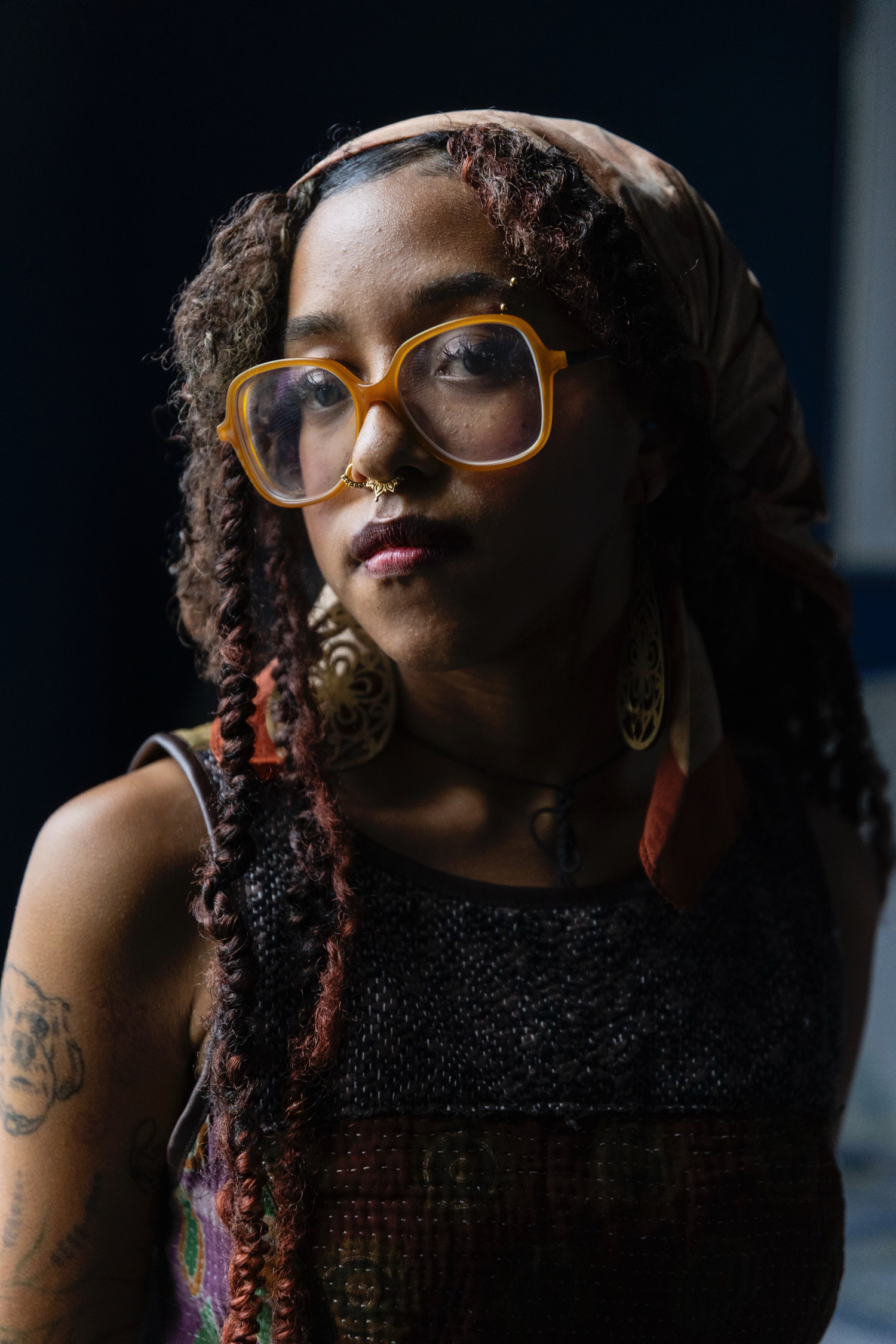
She began working for The New York Times at 20, with pictures published in its Metropolitan section, and holds a BFA in Photography and Media from the Fashion Institute of Technology. “When selecting these images, I wanted the works to reflect the various ways in which connection is expressed across generations,” she says. Laila finds the recognition encouraging and adds that, given the current political climate in the United States, the award has given her high hopes.
Karin describes the series as intimate and authentic, approached with warmth, respect, and sensitivity. The Newcomer prize carries €10,000 and a Leica Q3.
The Women Grant
The LOBA Women Grant is new this year and works differently from the two established categories. Rather than honouring a completed body of work, it supports a project still under way, chosen through open applications. Valentina receives €10,000, a Leica Q3 and professional support during production.
Her project, The Last Butterflies, follows Kurdish women in Iraqi Kurdistan who have left home to join the armed resistance. The next chapter will look at how that struggle reshapes their ties to land, family and belonging, using portraits, landscapes, and pictures of abandoned places. It will also consider the human cost of the fighters’ commitment.


Valentina lives and works between China, Iraq and Italy, and her pictures have appeared in newspapers and magazines internationally. She will present the new work at next year’s LOBA. “It’s important that Valentina Sinis is able to continue and complete this project,” says Karin.
Inside the jury
Alongside Karin, the jury comprised Jane’a Johnson of MoMA in New York, Celina Lunsford of Fotografie Forum Frankfurt, the Italian photographer Paolo Pellegrin and Gu Zheng, professor at Fudan University School of Journalism in Shanghai. They chose from more than 400 entries, put forward by over 130 nominators in around 50 countries. The Newcomer award drew on 28 institutions and universities in 18 countries.
The deliberations appear to have been thorough. Karin says the strength of the process lies in its intense discussions, while Celina notes that these covered the photographers’ integrity and stories as well as the pictures themselves. Jane’a describes the debate as lively, respectful and in-depth.
Karin also found this year’s selection unusually multi-layered. “It was less about making quick visual impact and more about encouraging long-term exploration and depth of photographic research,” she says. That emphasis on sustained work fits the award’s brief, which since 1980 has favoured documentary and conceptual projects on the relationship between people and their environment. Last year, Alejandro Cegarra took the main prize with The Two Walls.
Exhibition and catalogue
All twelve shortlisted series are now on show at the Ernst Leitz Museum in Wetzlar, where the exhibition runs until 4 February 2027. An accompanying catalogue presents the full shortlist, with complete series, interviews and background notes. After Wetzlar, the exhibition will travel to Leica Galleries and photography festivals.
If you missed the shortlist first time round, our August preview (see below) carries pictures from all twelve series, including the two winners. It makes interesting reading now that the results are known.
The feature image at the top of this article is © Damir Faizulin 2026.
Further reading
| Macfilos Articles | Other Links |
|---|---|
| Leica Oskar Barnack Award 2026: The Jury’s in – Our April report on the jury and how this year’s selection began | Leica Oskar Barnack Award – The official LOBA site, with the winning series and the full shortlist |
| 2026 Leica Oskar Barnack Award Finalists Announced – Pictures from all twelve shortlisted series, including both winners | LOBA Women Grant: Information – How the new grant works and who can apply |
| Leica Oskar Barnack 2025 Award Winners – Alejandro Cegarra and Serghei Duve, last year’s winners | LOBA 2026: The process – Leica’s outline of nomination, judging and prize money |
| Davide Monteleone and Maria Gutu head the 2024 Oskar Barnack Awards – The 2024 winners, for comparison | Leica Awards – Leica’s overview of its photography prizes and past LOBA winners |
Make a donation to help with our running costs
Did you know that Macfilos is run by six photography enthusiasts based in the UK, USA and Europe? We cover all the substantial costs of running the site, and we do not carry advertising because it spoils readers’ enjoyment. Any amount, however small, will be appreciated, and we will write to acknowledge your generosity.