
My Leica M10-P is the digital camera I have owned the longest, yet it does not get used nearly as often as it deserves. For the best part of a year it sat on its perch, untouched. Recently, I finally took it down for a full day of general shooting: the kitchen, the dog walk, the streets of New York, and an evening event. I expected the muscle memory to come back. What I did not expect was the photograph waiting for me on the card that night…
Horses for courses
Like most photographers, I own and enjoy using several types of cameras, both film and digital. I generally assign a camera and lens combination to a particular subject or purpose: I have a favourite for street and “walkabout” photography, another for wildlife and aviation, and yet another for travel.


That said, I have found that the camera and lens I happen to have in hand also strongly influence how I shoot, and what I choose to shoot. It is as though long-developed muscle memory for each camera/lens combination makes me see the world in a slightly different way. For instance, I may be holding a very sophisticated Leica SL3-S or Lumix S1RII, but if the Lumix 28-200mm is mounted, I may as well be shooting with a consumer point-and-shoot zoom camera. The long zoom range is the signal to my brain that we are in a relaxed, fun shooting mode. Mount a 40mm prime on the same cameras, however, and I photograph in a far less casual, far more intentional manner.
The M mindset
With a Leica M rangefinder, everything becomes even more deliberate than it is with an SL3-S and a prime. As other experienced rangefinder users know, framing and composition are much more considered. Some part of my brain seems to switch on when it detects an M body in my hands; it unconsciously starts perceiving my surroundings differently, and becomes more attuned to unusual juxtapositions of people, light and form. Many a time, I notice these compositional elements only after the fact, when I am looking through the images in Lightroom.

And so, a few days before writing this article, I took the M10-P down from its place of honour on my camera display shelf and used it for all my photography that day. That included the “sketchbook” photographs I normally take with my iPhone — interesting compositions I find around the kitchen while having my morning coffee, or while taking the dog for his walk.
I also took the M10-P out for some walkabout photography in the streets of New York City, and to an event I was attending that evening. Despite a year on the shelf, all the muscle memory built up over the many years of use before then kicked in, as did the different way of seeing.

Seeing ahead
With a rangefinder, I tend to see a clear image in my mind a few moments before it actually appears in front of me, which is what is usually called pre-visualisation. I would not call this pre-planning; I am just as open and spontaneous with an M as I am with an EVF-equipped camera. The difference lies in the timing. With an EVF camera and an autofocus prime, I can wait until the very last second to take the photograph. With the M, on the other hand, I am scanning and framing a possible image in my head several seconds before the composition, light and juxtaposition of elements actually come into play.

I am also more inclined to shoot from the hip with an M, with an estimated subject distance dialled into the lens. On other occasions, especially in very bright light, like other M photographers, I stop down to a smaller aperture and rely on zone focusing. This lets me respond to a sudden photo opportunity without worrying about focusing, even faster than with an EVF camera and an AF lens.
The M as talisman
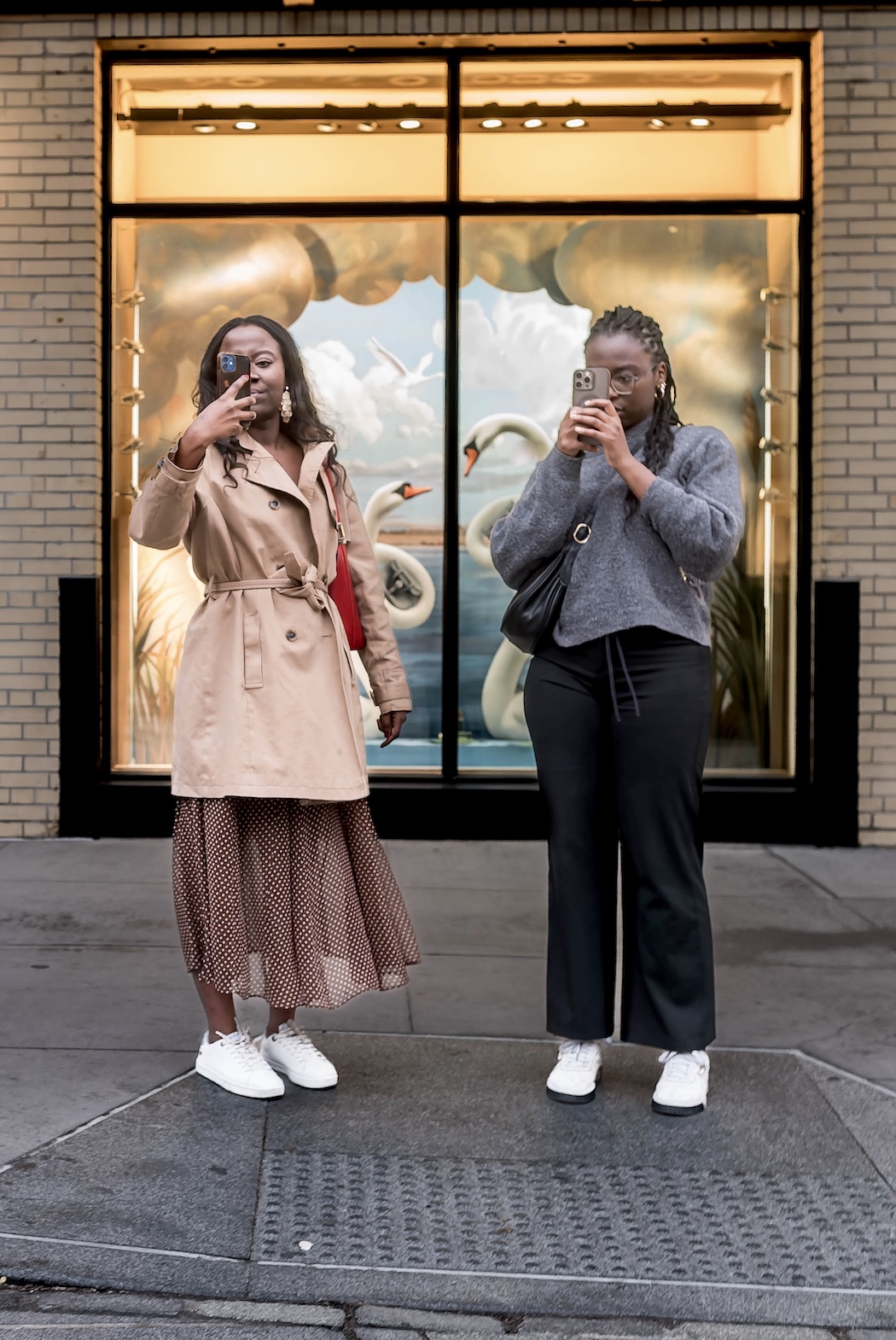
These are all techniques that experienced rangefinder users know well. What truly surprises me, even after years of shooting with Ms, are the images that emerge from a day’s worth of shooting with a rangefinder: the subjects I am drawn to, and the situations I put myself in. Somehow, having an M around my neck or in my hand seems to give me special access to moments I would not otherwise experience with another type of camera.

Hugh Brownstone, photography educator and host of the YouTube channel Three Blind Men and an Elephant, has said a few times that the M is a sort of “talisman”. Hugh’s word fits my experience. The M makes me want to shoot better and push myself harder, to live up to the storied photographs and photographers who made the M (and the Leica IIIs before it) iconic and synonymous with great reportage.
Closing in
A good example came when I happened to be standing across the street from a fire station in Midtown Manhattan, just after an engine had pulled out to respond to a fire. Half the vehicle bay was empty, and I noticed one wall lined with storage hangers for the firefighters’ heavy coats and protective helmets.
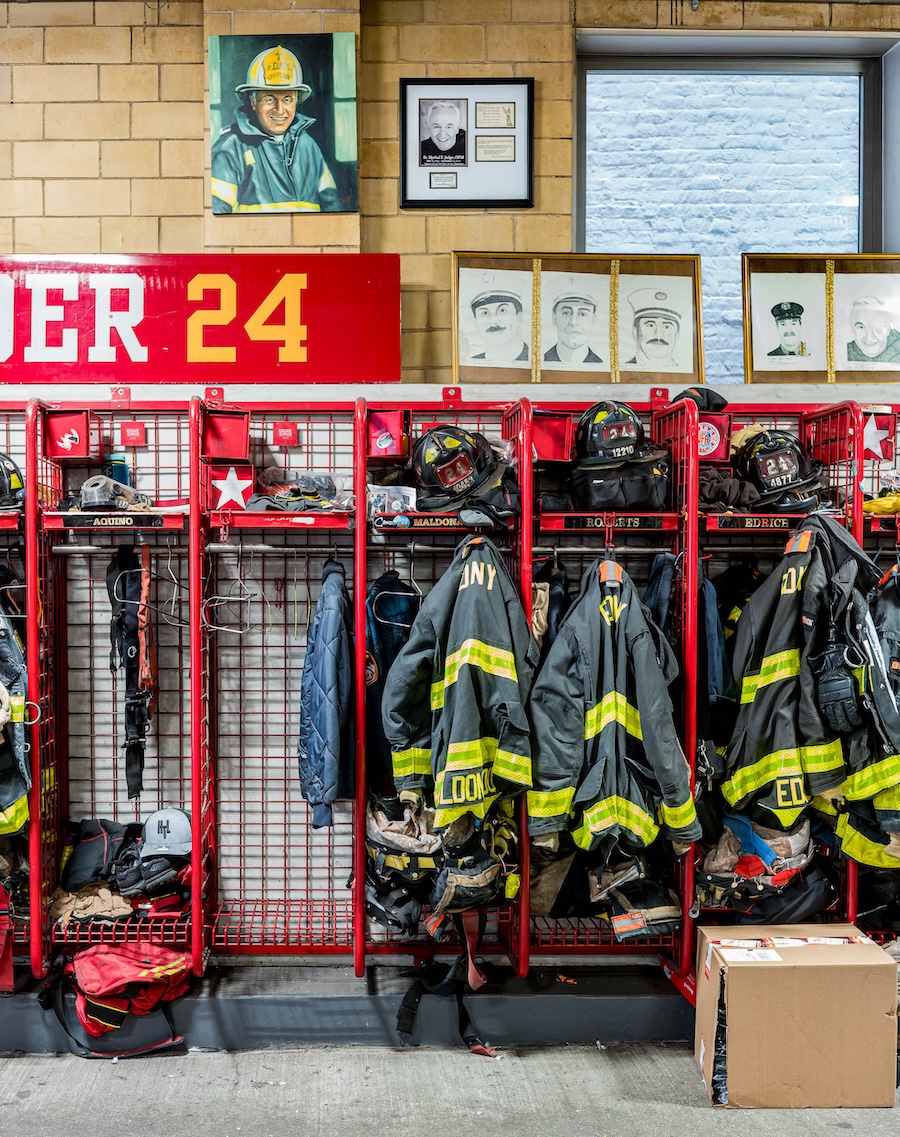

I would usually try to photograph a scene like that discreetly from outside. With a 35mm Summicron mounted on the M10-P, though, I simply walked up to a couple of firefighters standing outside and asked whether it would be all right to go inside and photograph their gear. They said it was no problem. I was happy to get up close with the M10-P and the 35mm, admiring not just their kit but the photographs and sketches of a few firefighters from their company who died during the 9/11 rescue operations.
Two worlds, one frame
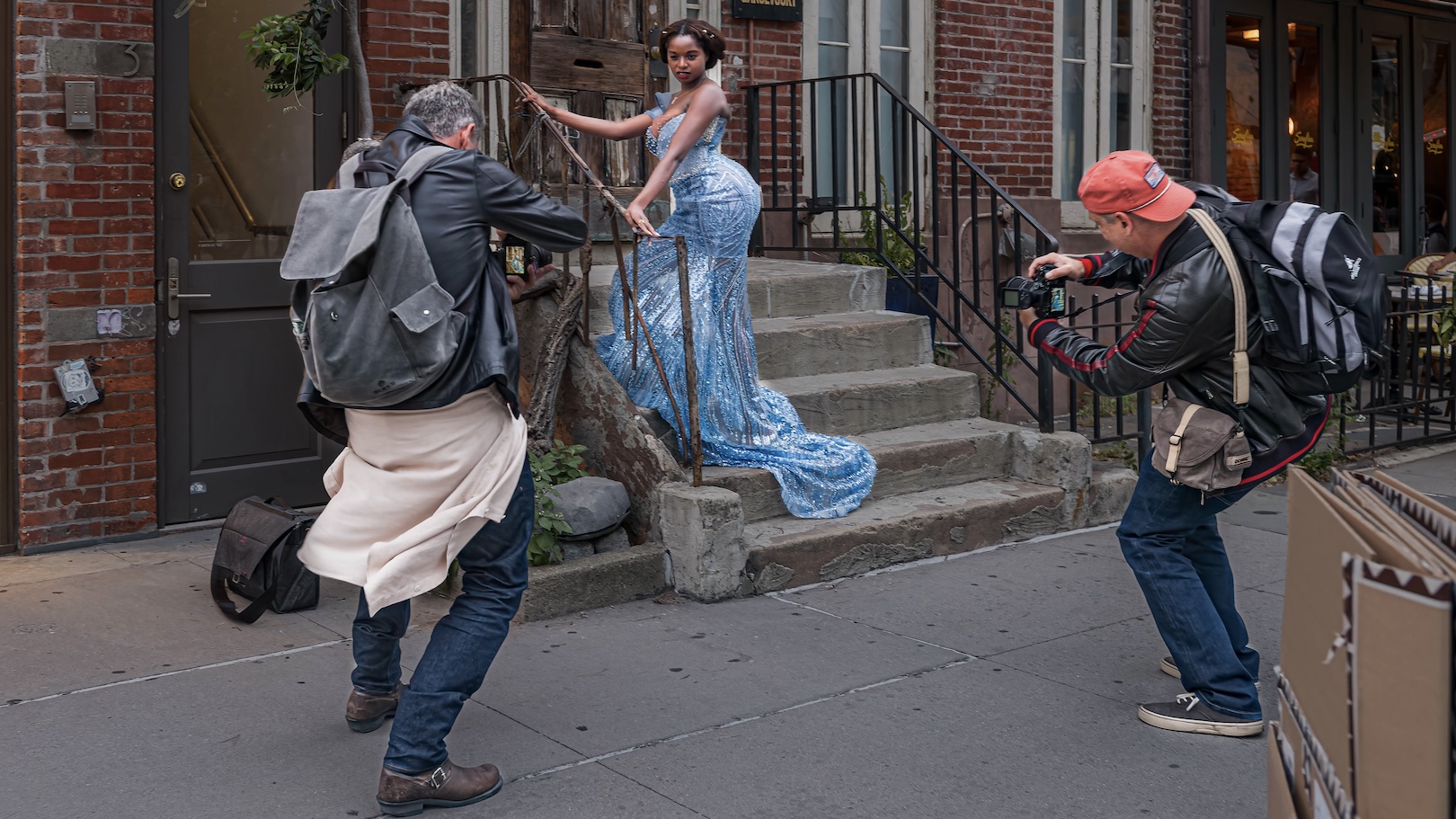
Likewise, while waiting for the evening event at the Leica Gallery to begin, I spent half an hour or so walking the surrounding streets. There I came across a couple of photographers on a shoot with a model. Had I been using another camera, I would have been content to photograph the photographers interacting with their model, and leave it at that.
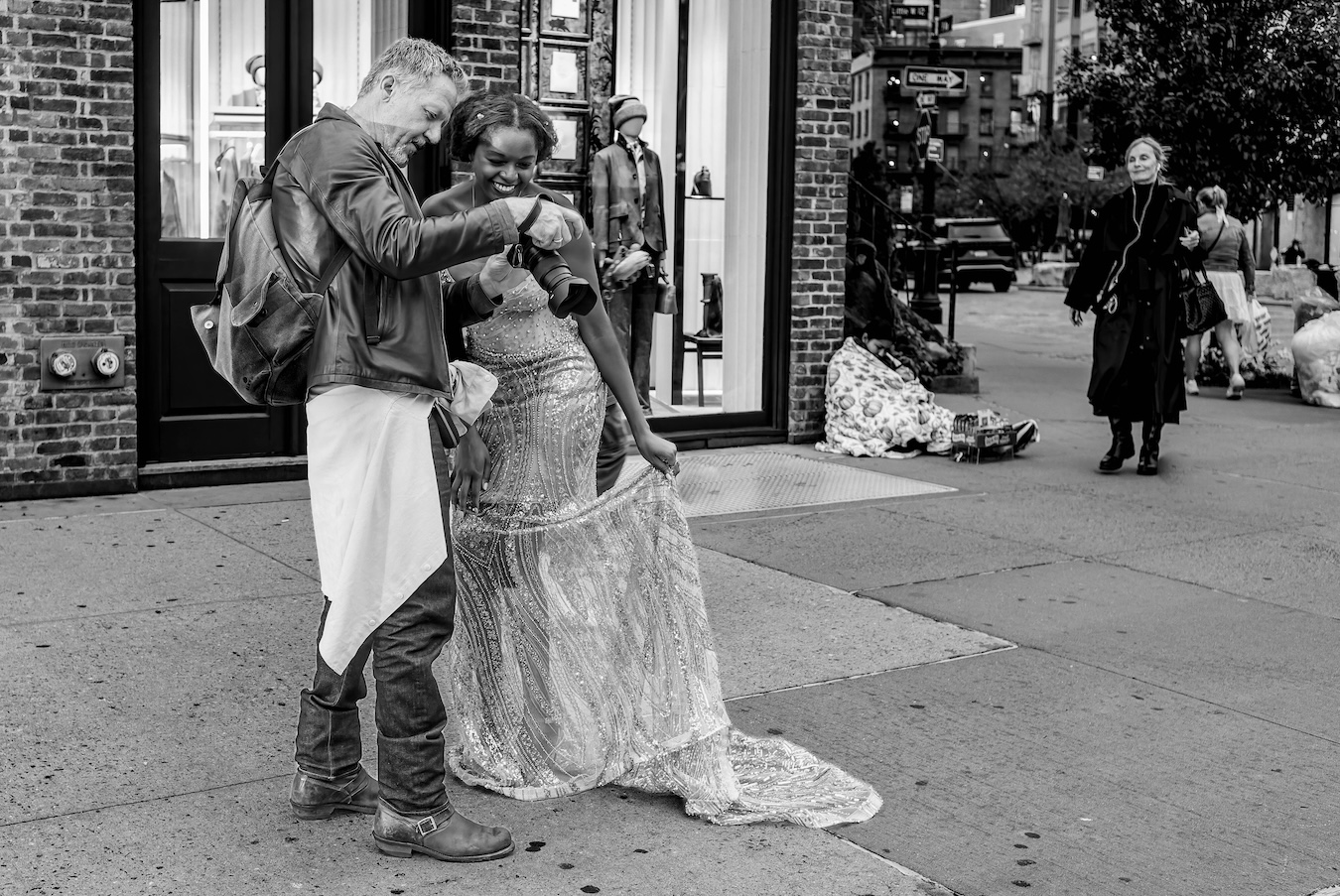
With the M10-P, however, I followed them for a while as they moved to a different part of the street. I kept shooting, backing away to show more of the surroundings, and unknowingly juxtaposed the glamour and gear of the fashion shoot with a very tender moment between a woman and her child, in much humbler circumstances.
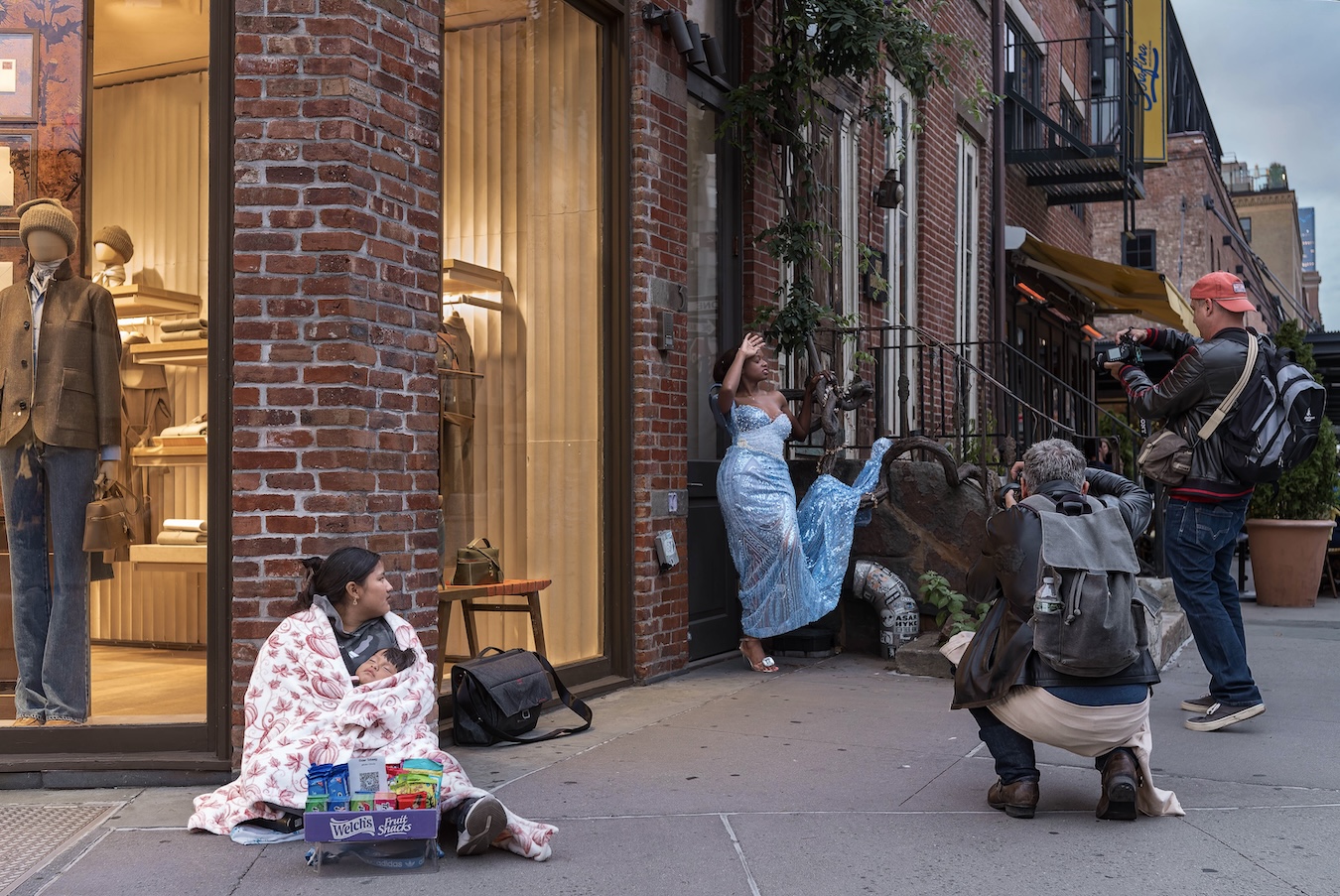
I was not consciously aware of the important place the mother and child held in the frame until I saw the image on my computer screen later that evening. It was by far the best photograph I took that day, and one I would count among the best I have ever taken.
To EV or not EV?
It is remarkable what the right tool in your hands can do for your creativity and productivity, and how rewarding the output from even one day’s work can be. Lately I have been toying with the idea of upgrading from the M10-P to an M EV1. After all, it is still an M, but comes with an EVF, which I have missed using with manual-focus lenses on a compact Leica body since I sold my CL and Q3 43 earlier this year.
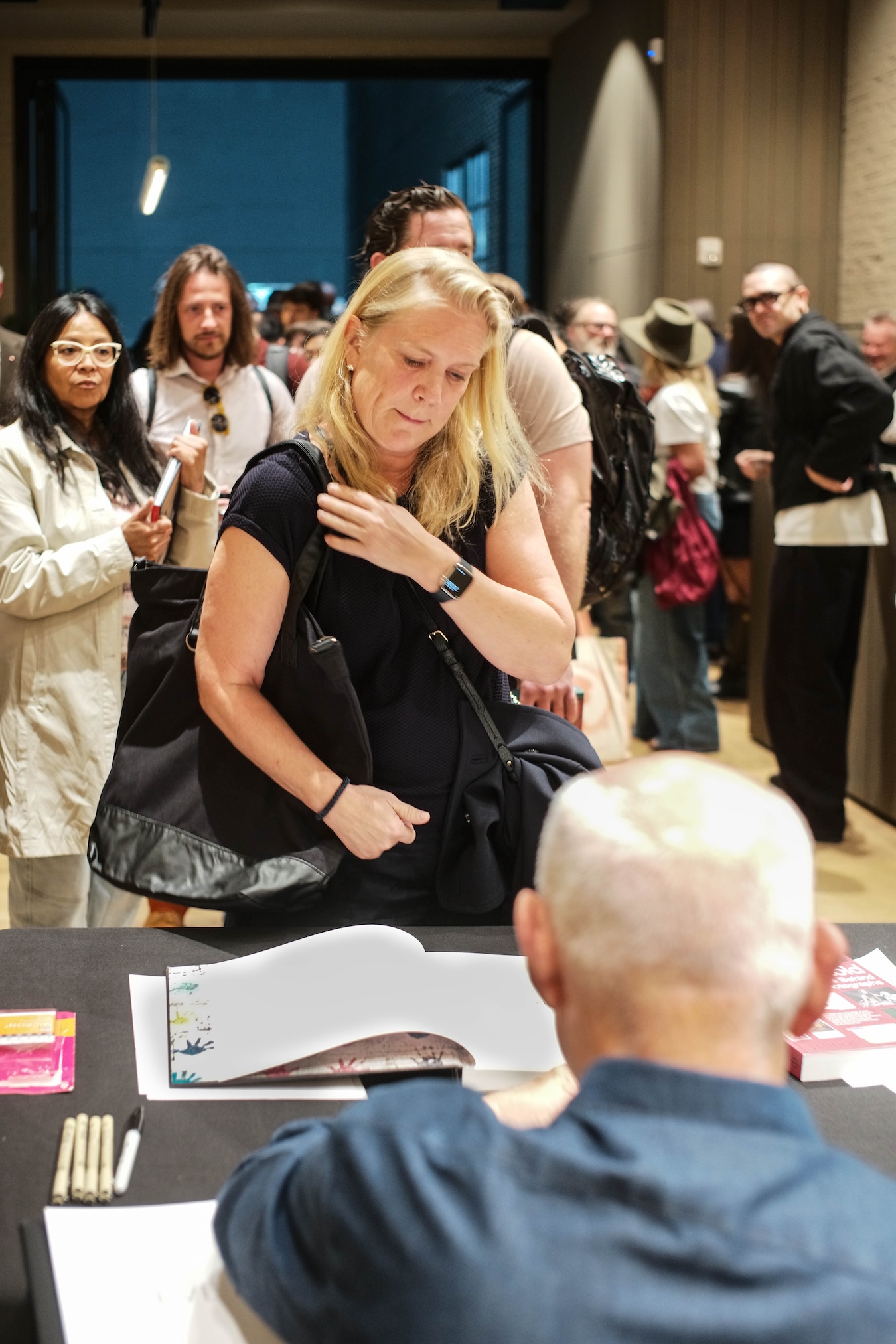
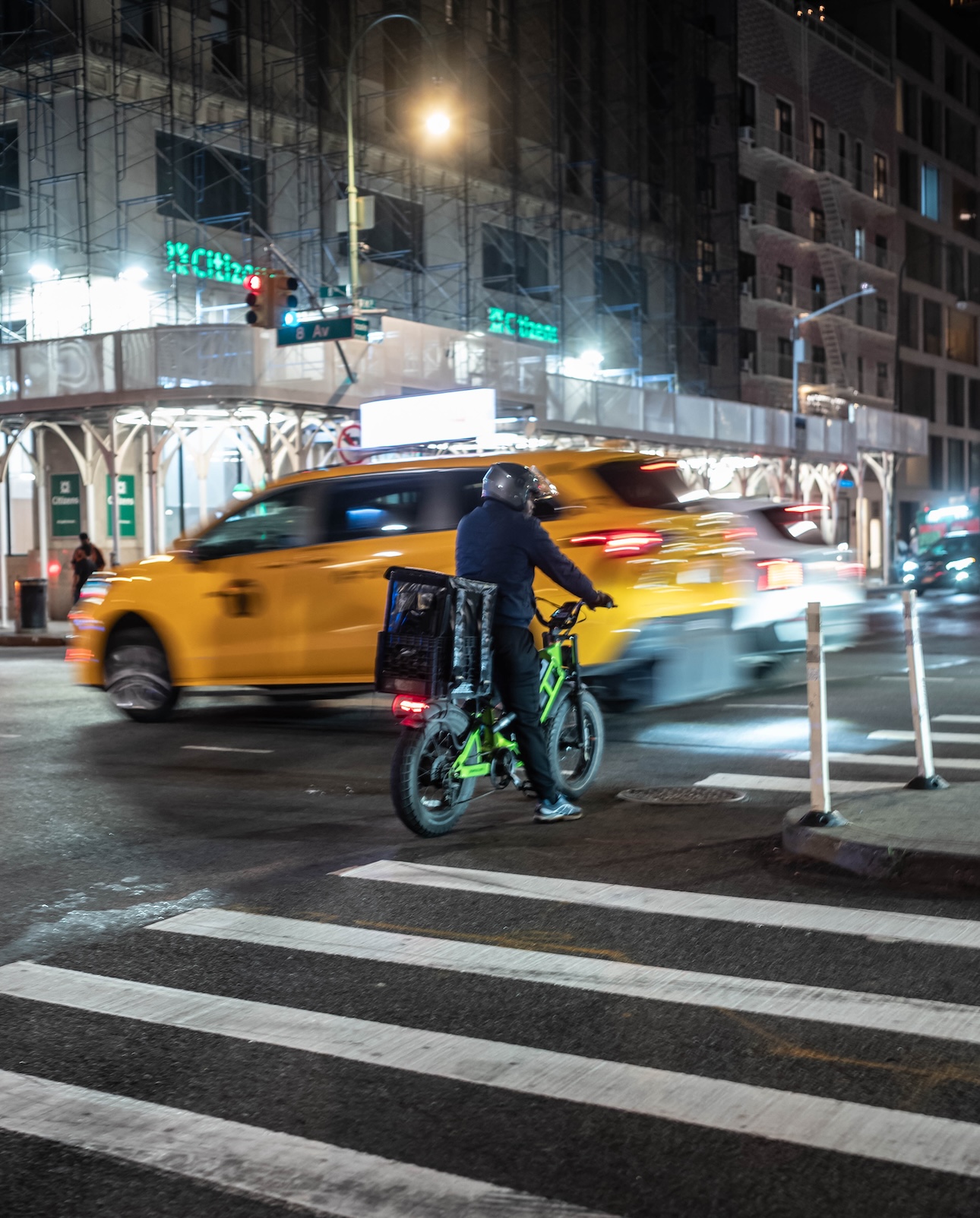
Yet the output from this one day with the M10-P gives me pause. I wrote in an earlier article about left-brain and right-brain styles of photography, and for me, the M10-P is the epitome of a right-brain creative instrument. Would I be giving up a large part of its magical, talismanic quality by forgoing the rangefinder? Or have I simply drunk too deeply from the Leica M rangefinder “Kool-Aid” well? My gut, and my right brain, suggest giving up the rangefinder could be a mistake.
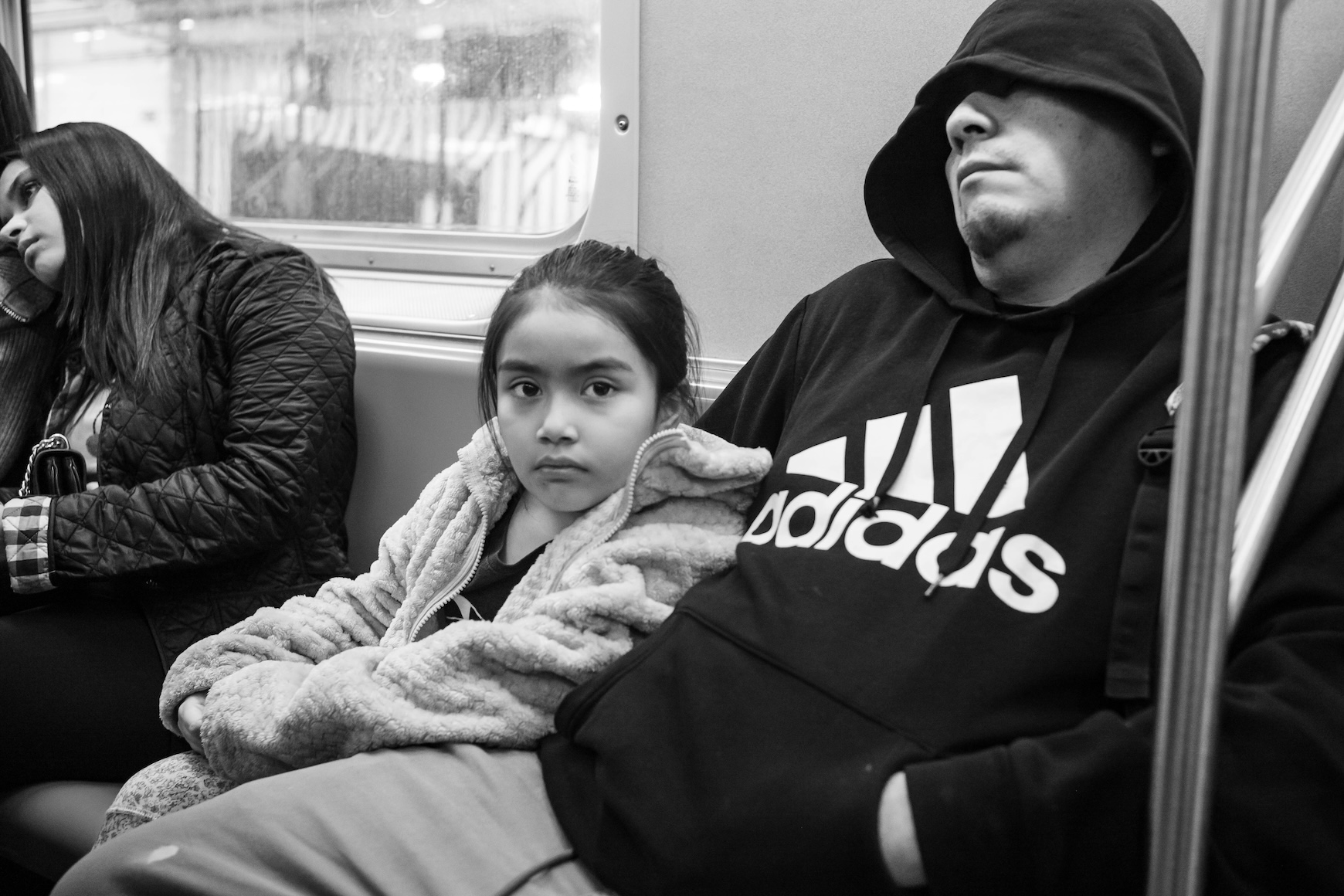

What has your experience been? Does your camera of choice lead you to see and shoot in different ways, beyond the obvious reasons?
Further reading
| Macfilos Articles | Other Links |
| Left brain and right brain photography styles: Is there such a thing? – Ed’s earlier essay on the two photographic mindsets | Leica M10-P technical data – Leica’s full specification sheet for the camera |
| Leica M10-P: Testing the new addition to the range – Macfilos’s first look at the M10-P on its launch | Leica Gallery New York – The gallery where the evening event took place |
| M EV1 review: A new era for Leica cameras – The EVF M that tempts the author away from the rangefinder | Three Blind Men and an Elephant – Hugh Brownstone’s YouTube channel, source of the “talisman” idea |
| Street photography and the Leica rangefinder – Why the M remains a natural fit for the street | Leica M EV1 in-depth review – An independent assessment of the rangefinder’s EVF sibling |
Make a donation to help with our running costs
Did you know that Macfilos is run by six photography enthusiasts based in the UK, USA and Europe? We cover all the substantial costs of running the site, and we do not carry advertising because it spoils readers’ enjoyment. Any amount, however small, will be appreciated, and we will write to acknowledge your generosity.
Dear Ed, thank you very much for your interesting-to-read post.
I don’t believe there’s a direct connection between inspiration and camera hardware. But there are certainly types of inspiration that can be realized better or worse with specific hardware.
I don’t notice any difference for myself between using the Q3s and the M-EV1s, though with the latter there’s perhaps the added benefit that I can consider using different focal lengths. (I’m always torn between “It’s nice to have lots of options” and “I’ll focus on two (I use two camera bodies.) or at most three focal lengths.”)
Regarding the M-EV1: The traditional M-series has never really fascinated me, so I can’t comment on your idea of upgrading. But the M-EV1 is definitely a practical piece of hardware for a compact system with interchangeable lenses.
Olaf – thank you for your comments. I appreciate your added perspective on the EV-1. I agree, it seems to be one of the best options for a compact kit- with my 35mm ASPH, it would certainly be smaller in hand than the Q3 43. Like you I tend to go out shooting with two camera bodies, one with a wide-to-short tele zoom, the other with a 35 or 40. It is good to have options!
Kind regards,
Ed
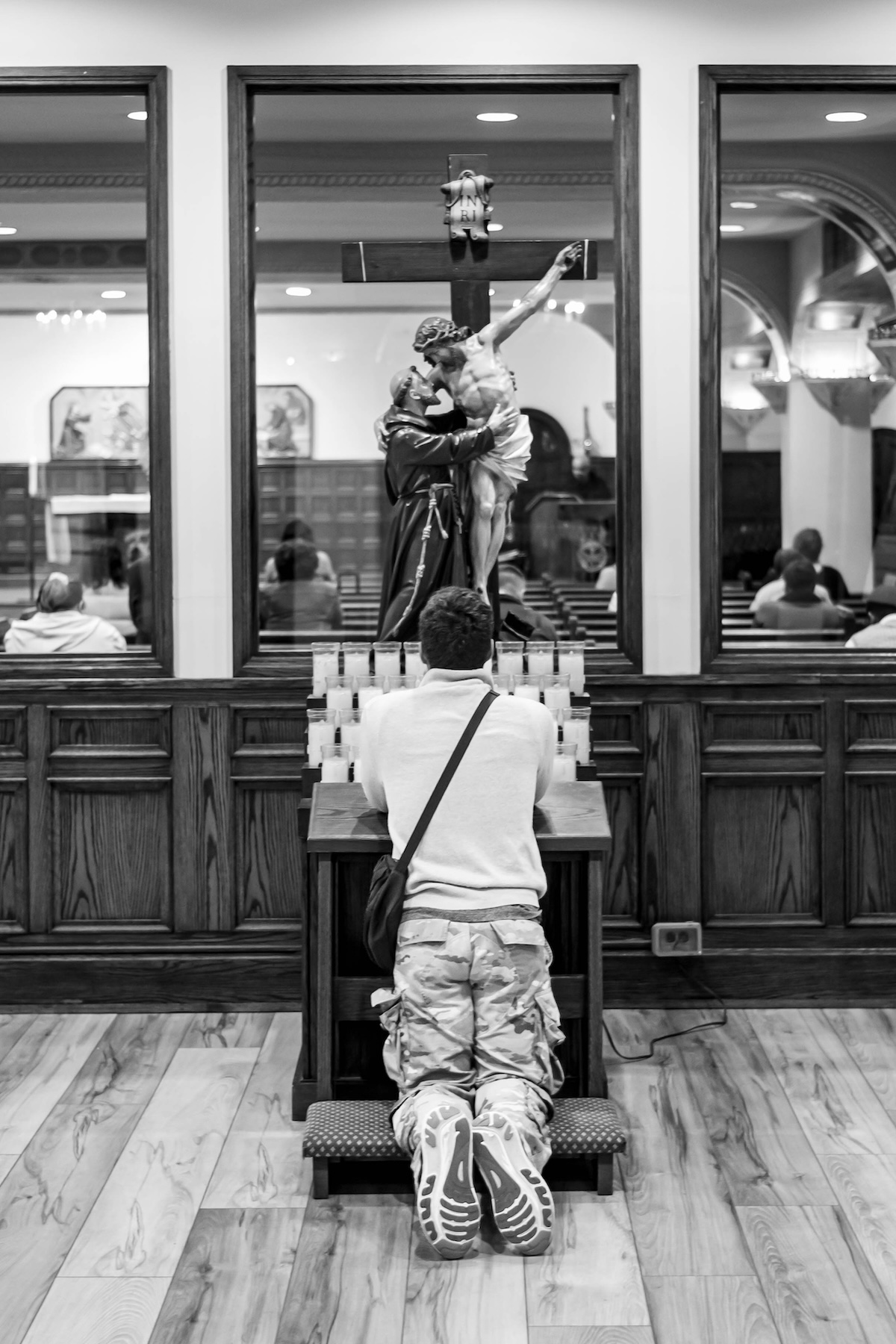
I suspect many would trade their back-up Q for a photo like “Madonna and Child”.
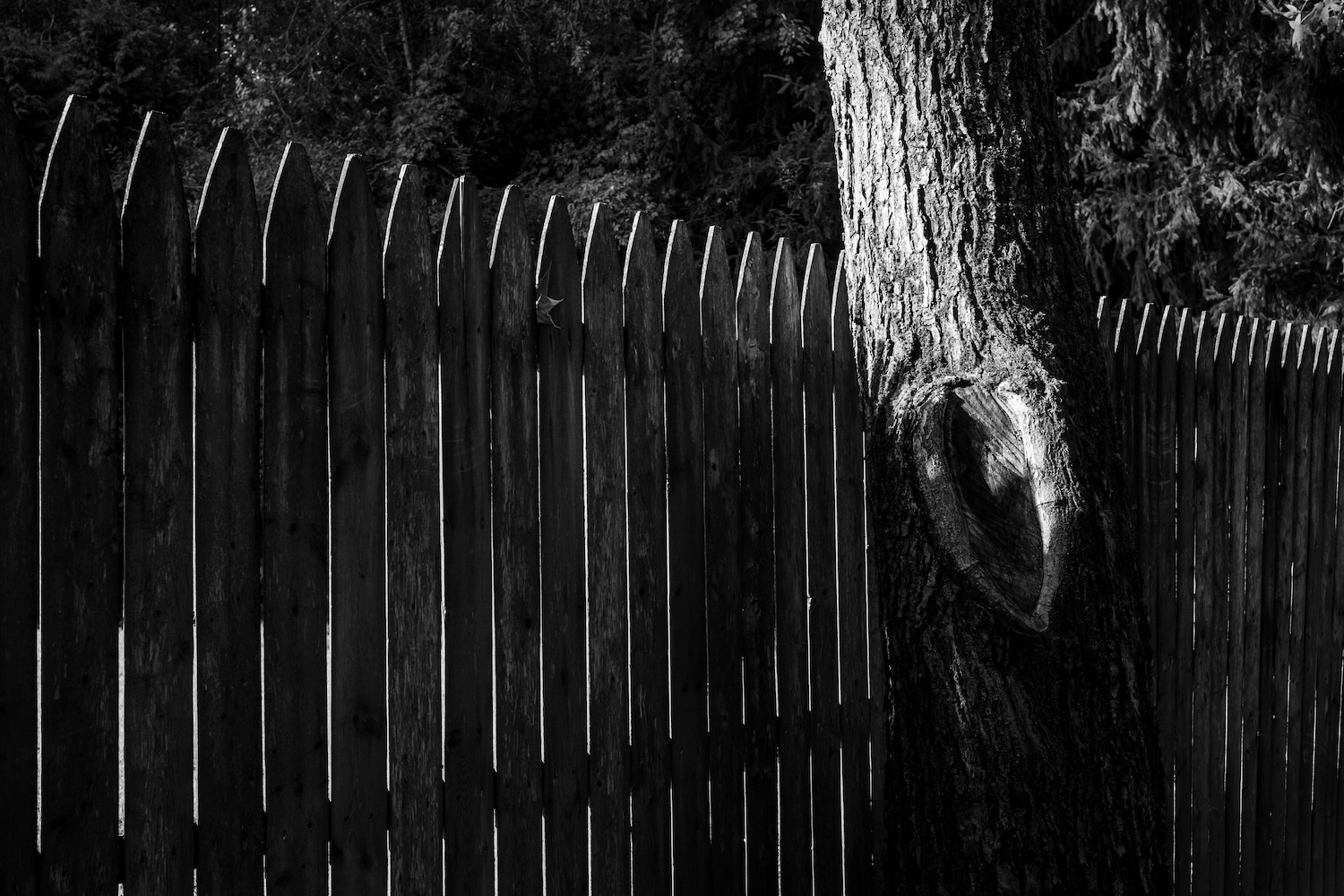
But there’s something about “Transfiguration” that draws me in. It’s almost — ‘creepy’? Inter-dimensional? It does strike one. Another photo … the finger bling. I don’t know how you saw the rings and managed to persuade the subject, but it’s quite a photo.
About cameras — locally, I try to match the camera to the location. If I’m at the bay, it’ll be a bridge camera — quite a bit happens on the water. In Tokyo, a camera I can grab from my purse–always something with a short zoom. You never know what you’ll see across the street — and they won’t see you!
Thanks again for a stimulating article.
Kathy – thank you for your comments. Funny what you say about “Transfiguration”, I pass that same fence and tree almost every morning when I take the dog for a walk, and more often than not I end up taking another picture of it. There is something about the light and pattern that draws me.
I struck up a conversation with the gentleman wearing the rings, and when he noticed my camera he actually offered them up for me to photograph.
I think you have a good combination of cameras; I used a bridge camera for several years, and I have been wondering whether I should get one again so I can sell off some lenses and streamline the kit.
Always appreciate your comments. Thanks,
Ed
I suspect that I’d never have had the courage to strike up a conversation with your be-ringed gentleman. But, as they say, nothing ventured….
Kevin Armstrong did a couple of articles for MACFILOS on his safari adventures in Africa; he used the Panasonic Lumix FZ200 bridge camera, and came away with some very convincing photos. Still — I suspect no bridge camera will give us the aerial photos you obtained with the SL3-S and the Sigma zoom. That kind of “blows the FZ200 out of the sky”!
Horses for Couses — where have I heard that lately….
Thanks, Kathy. I would agree that a bridge camera can’t really match the resolution of a larger sensor one with a long telephoto. The convenience and flexibility of bridge cameras, though, are enticing. I will look up Kevon Armstrong’s articles, thanks for calling them out.
An M certainly inspires and forces a different way of shooting. But ultimately it’s about getting out and making some photography and you did a great job of that!
Thanks, and I completely agree! It’s really all about making regular time to shoot, and I am glad I decided to take the M10-P on that particular day.
Kind regards,
Ed
Thanks for this article Ed.
As you know I finally got myself an M, and I’m now trying to rebuild my manual focus muscle memory and to shoot more consciously. My “model” is to think about the photographs I can take as stage sets, which have layers from front to back. Then the actors are whoever happens to be in the frame at the right moment. Success rate is improving. Slowly…
Jon – thanks, and I do like your approach of treating each scene as a stage set. I guess this is what results in the much-admired “layering effect” in a photograph. I need to be more conscious of doing this. I can’t wait to see the output from your new M11!
Ed