
Viltrox released the ultra-compact, lightweight AF 90mm f/2.2 EVO APS-C lens in early June 2026, in versions for Sony E, Nikon Z, and Fujifilm XF. However, in this review, we are checking the Fujifilm version only. The 90mm lens is part of Viltrox’s well-regarded EVO series and sits between the company’s professional superfast lenses and the budget Air range. There is also a near-identical 75mm f/1.8 (112mm equivalent), which, according to reviews, performs similarly. Although we haven’t tried it ourselves, most experts say that choosing between the two actually comes down to the simple task of deciding which focal length best suits your usage. In this review, we used two Fujifilm X-E5 cameras featuring the 40MP sensor and in-body stabilisation.
The Viltrox AF 90mm f/2.2 EVO is pitched — by Viltrox — as an affordable 135mm-equivalent portrait telephoto for APS-C photographers, positioned as a budget alternative to Fujifilm’s own XF 90mm F2 R LM WR. It certainly comes at an attractive price of $369 | £359 | €429. Viltrox sent us a test lens, which forms the basis of this report.
In all, I used the lens for two weeks. But Macfilos colleague and regular contributor Andrew Tobin joined me on a sunny day during this period for a session with the AF 90 EVO at Brooklands Museum, near London. He was enthusiastic about the lens, and we have used some of his pictures from that day. You can also read his reactions in this review.

Viltrox AF 90 EVO specification
This Fujifilm FX version of the Viltrox AF 90 EVO has some limitations compared with the Sony and Nikon editions. It has no AF/MF switch on the barrel, no customisable function button, and an aperture ring that cannot be “de-clicked”, which is a minus for video shooters. There is also no aperture ring lock. I understand that Viltrox omitted these features because of limitations in the Fuji XF system, rather than for any other reason.
| Spec | Detail |
|---|---|
| Focal length | 90mm (≈135mm equivalent on APS-C) |
| Aperture range | f/2.2-f/16 |
| Optical formula | 10 elements / 8 groups, incl. 2 HR + 2 ED elements |
| Aperture blades | 9 (rounded) |
| Min focus distance | 0.74m |
| Max magnification | 0.14x |
| Focus motor | STM + lead screw (stepping motor) |
| Angle of view | 18.6° |
| Filter thread | 58mm |
| Dimensions | Φ69 × 76mm |
| Weight | 320g (355g with hood) |
| Mount | Fujifilm X (also Sony E, Nikon Z) |
| Weather sealing | Rubber-sealed mount gasket only (not fully sealed); water/smudge-resistant front coating |
| Extras | USB-C port for firmware updates |
| Price | $369 / £359 / €429 |

Build
The Viltrox AF 90 EVO is remarkably compact and light for what it offers. Viltrox has built it solidly from metal and what appears to be high-quality engineering plastics. To me, it feels every bit as well-made as Sigma’s Contemporary lenses and the Lumix mid-range optics, such as the 35mm and 50mm f/1.8s. Viltrox has precision-engineered the metal mount, which features a rubber gasket seal and gold-plated electrical contacts. The lens features a well-damped, smooth manual focus ring and a firm, precise aperture ring with 1/3-stop detents from f/2.2 to f/16.

Significantly, the Viltrox AF 90 EVO f/2.2 shares its dimensions and the same 58mm filter thread with other EVO primes (although Fuji FX users currently only get the sister 75mm version). So you can swap between the EVOs and enjoy a common handling feel, and — crucially for gimbal/rig users — you are less likely to need to rebalance when changing focal length. I see this as a logical and welcome feature for still photographers.

The lens is very light, just 320g, which is exceptional for a long prime of this optical performance, and it underlines yet again the dramatic difference in size and weight between this APS-C optic and full-frame equivalent glass. It comes with a well-engineered cylindrical plastic hood that fits precisely and firmly — initially it felt rather stiff, but it eased off quickly. You can reverse it for storage, though doing so adds 40mm to the lens’s length. Furthermore, I much prefer cylindrical to petal hoods, purely because of aesthetics.





A smooth matte finish enhances the quality feel of the Viltrox AF 90 EVO, and the white aperture engravings are large and clear. The aperture ring ranges from f/2.2 to f/16, with 1/3 clicks, although the detent between Auto and f/16 is barely noticeable and can lead to mistakes, especially when holding the camera to your eye, given that there is no lock control. Unlike with other versions of this lens, you cannot suppress the clicks.

As is normal with Fuji X-system lenses, the aperture range runs back to front relative to the familiar Leica setup. The narrowest aperture (f/16) sits next to the A (automatic) setting, with f/2.2 way off to the right. It’s something you get used to, but I much prefer A next to the widest aperture.
In most cases, when moving off automatic, you are seeking f/4 or f/5.6 rather than f/16. We can’t blame Viltrox for this, though — it’s the Fuji system, and I suspect anyone used to it would hate Leica’s more traditional arrangement. I suppose it’s like driving on the left or the right: something you notice, but soon get used to.

Lack of full weather sealing is a genuine limitation. Only the mount gasket and the front coating protect against splashes and dust, and Viltrox hasn’t fully sealed the barrel. I believe this level of rain/dust resistance is acceptable at this price point, and it also helps keep the weight down.
As Andrew says, the lens is very solid and well-made: “The lens hood feels good and snaps into place positively. I don’t think anyone will be disappointed by the build quality.”

Handling
The lens is small for its focal length and speed, and it feels well-balanced and light, even on a small body such as the X-E5. As Andrew points out, when he first saw the Viltrox AF 90 EVO he thought he was looking at a 50mm prime rather than a 90mm with its 135mm full-frame equivalence. “It’s a lot smaller and lighter than I thought it would be, especially with that bright f/2.2 aperture.”
He continues, “Fitting it to my X-E5 was a bit tight and required a firm grip and twist. I think this is because it’s very new, and the mounting plate hasn’t ‘broken in’ yet, if that makes sense. Because the X-E5 is quite a small camera, I worried this lens would overbalance it, but I needn’t have worried. It actually balances out very nicely and, though obviously a bit front-heavy compared with the tiny 27mm that I took off, it makes for a compact telephoto setup that won’t drag your shoulder down after a day’s use.”

Autofocus performance
The Viltrox AF 90 EVO features the older STM stepping motor rather than the newer, faster linear motor used in its Fujifilm competitor, the 90mm XF f/2. Despite this apparent disadvantage, I found the autofocus satisfyingly fast, although it hunted occasionally in low light. Continuous AF is also extremely impressive. Since Fuji’s cameras aren’t known for fast AF generally, this lens might focus even faster on Sony or Nikon bodies.
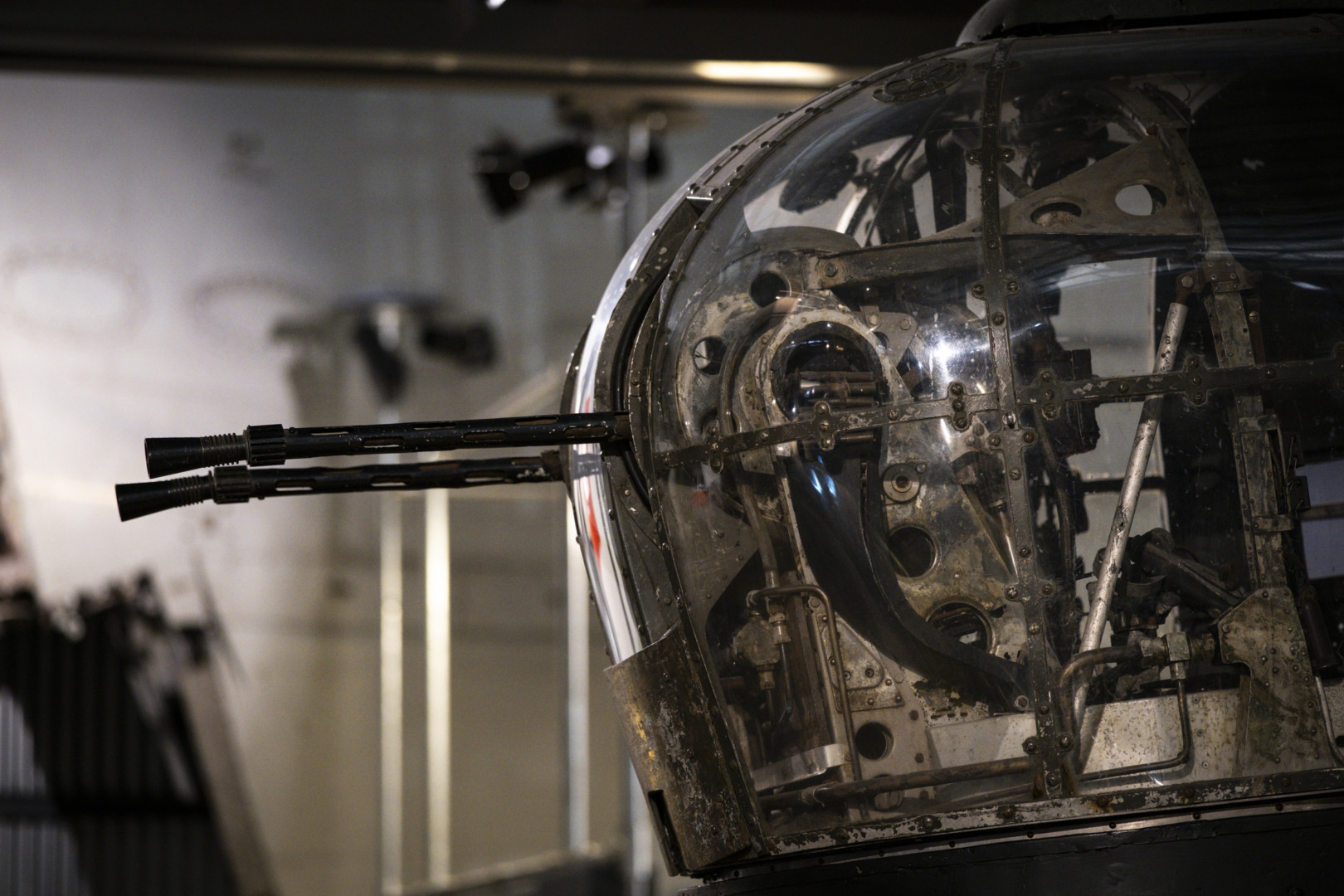
Andrew concurs: “In use, I found the focus to be snappy and accurate, except in two instances where I had powered the camera on and tried to shoot very quickly. The lens cycled briefly in and out for about half a second rather than hitting focus immediately, as with all the other shots I took (even in low light). I am putting this down to the camera not driving the lens, I think, but it is not something that would put me off buying this lens at all.
“In the dark corners of the Brooklands Museum exhibition buildings it focused just fine, and it was perfect outside where it was fairly bright. Out of all the shots I took during my outing with Mike, there was just one which was not totally sharp. The others were sharp and crispy.”
While we don’t review video capabilities, some reviewers, including Phillip Reeve, note a small amount of well-controlled focus breathing. But this isn’t an issue for still photographers.
Image Quality
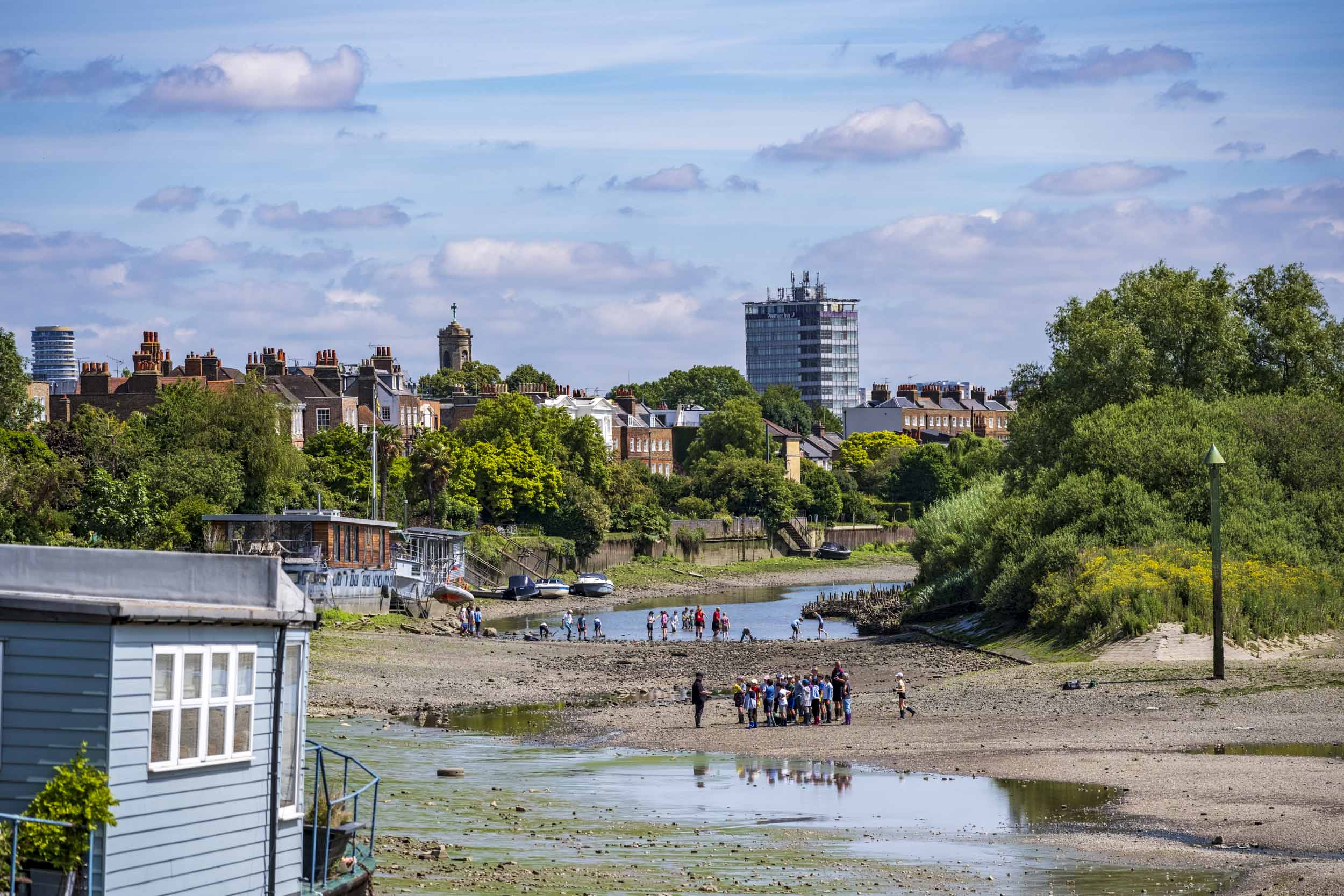
In my opinion, the Viltrox AF 90 EVO delivers superb image quality, and that really is the major strength of the EVO. Sharpness is exceptional, even wide open, at the centre and into the corners. I’d say peak sharpness comes between f/2.8 and f/4 and is still impressive at f/5.6. Even wide open at f/2.2 this is a sharp lens, with the corners only very mildly behind the centre. Considering the size and build of his lens, I have nothing to complain about when it comes to image quality — the examples in this review confirm that verdict.
I haven’t had the chance to try the more than twice-as-expensive Fujinon XF90mm f/2 itself, beyond handling it in-store, but I doubt it performs significantly better than this budget lens. Of course, it brings advantages, such as weather protection, which will appeal to professional users.
One important point to bear in mind: this lens has no built-in image stabilisation. That’s a consideration if you intend to use it on an older, unstabilised Fujifilm body, but it’s largely irrelevant if you use it on later bodies, such as the X-E5, which performed admirably throughout this test. Incidentally, the Viltrox AF 90 EVO was extremely well-balanced and light on the small body. In contrast, you probably wouldn’t be as happy toting the Fujinon XF90 f/2 on the X-E5.
Vignetting
I don’t generally worry too much about vignetting. You can easily eradicate it in post-processing and, in real use, I often find it attractive. However, it isn’t a major problem with the Viltrox 90 EVO: when it’s visible at all, it appears mainly wide open at f/2.2, and it’s largely gone by f/5.6. Either way, it’s easily managed and no reason not to love this lens.

Bokeh
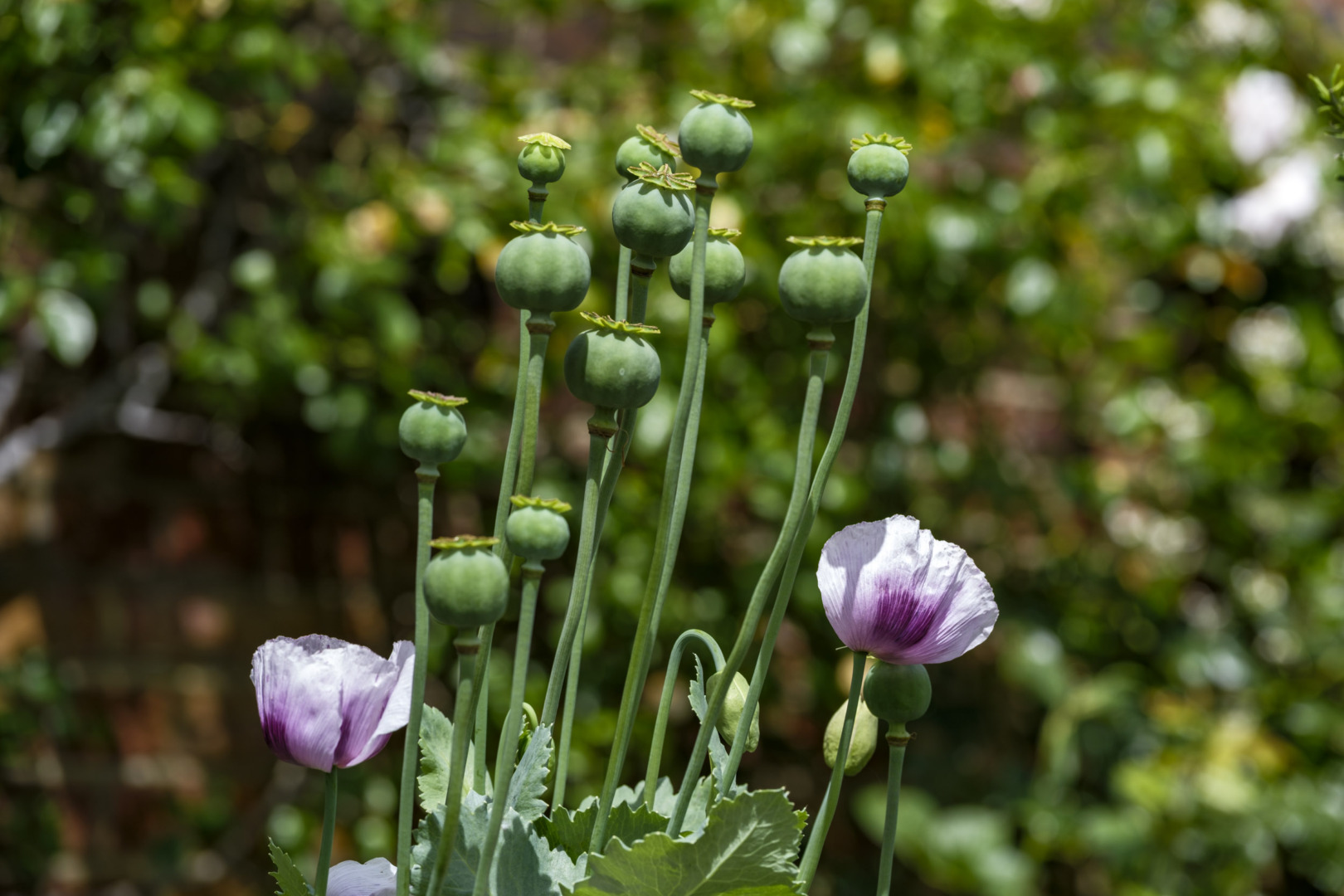
Bokeh is smooth and creamy, but not exceptional. The nine-blade rounded aperture helps out-of-focus highlights stay circular up to around f/4-5.6. Again, I haven’t tried the direct Fujinon competition, but reviewers say the Fujinon renders softer bokeh than the Viltrox, while the Viltrox offers warmer colours with greater contrast overall.
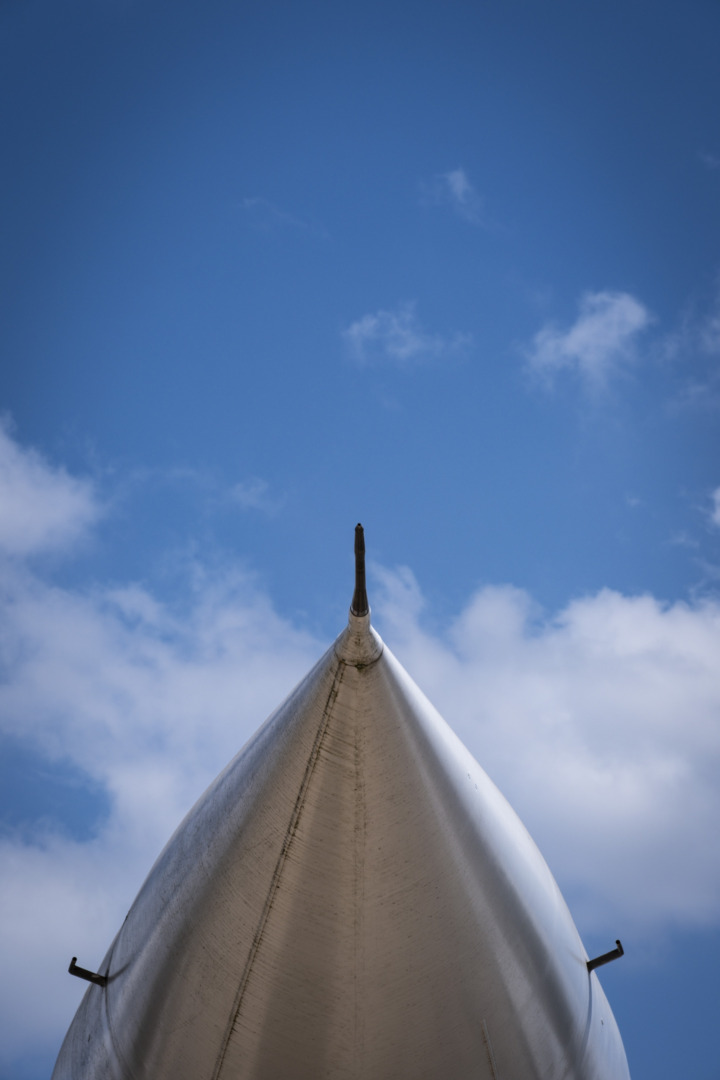
Colour rendering
I am really impressed by the rich, natural colours this lens produces, even in the harsh sun we’ve had in London throughout the test period. I made extensive use of Fuji film simulations while post-processing the images in this article, so I can say with confidence that the results are excellent.

Real-world performance
I’m not very familiar with the 135mm-equivalent focal length in a prime lens. I have used zoom lenses covering this range, of course, but the only prime I currently own is a vintage 1956 13.5cm Hektor, which looks quite the business when bolted to my Leica M3. But it is hardly comparable. I expected to find the 90 EVO lens too long for general use and, initially, considered it to be a specialist optic.
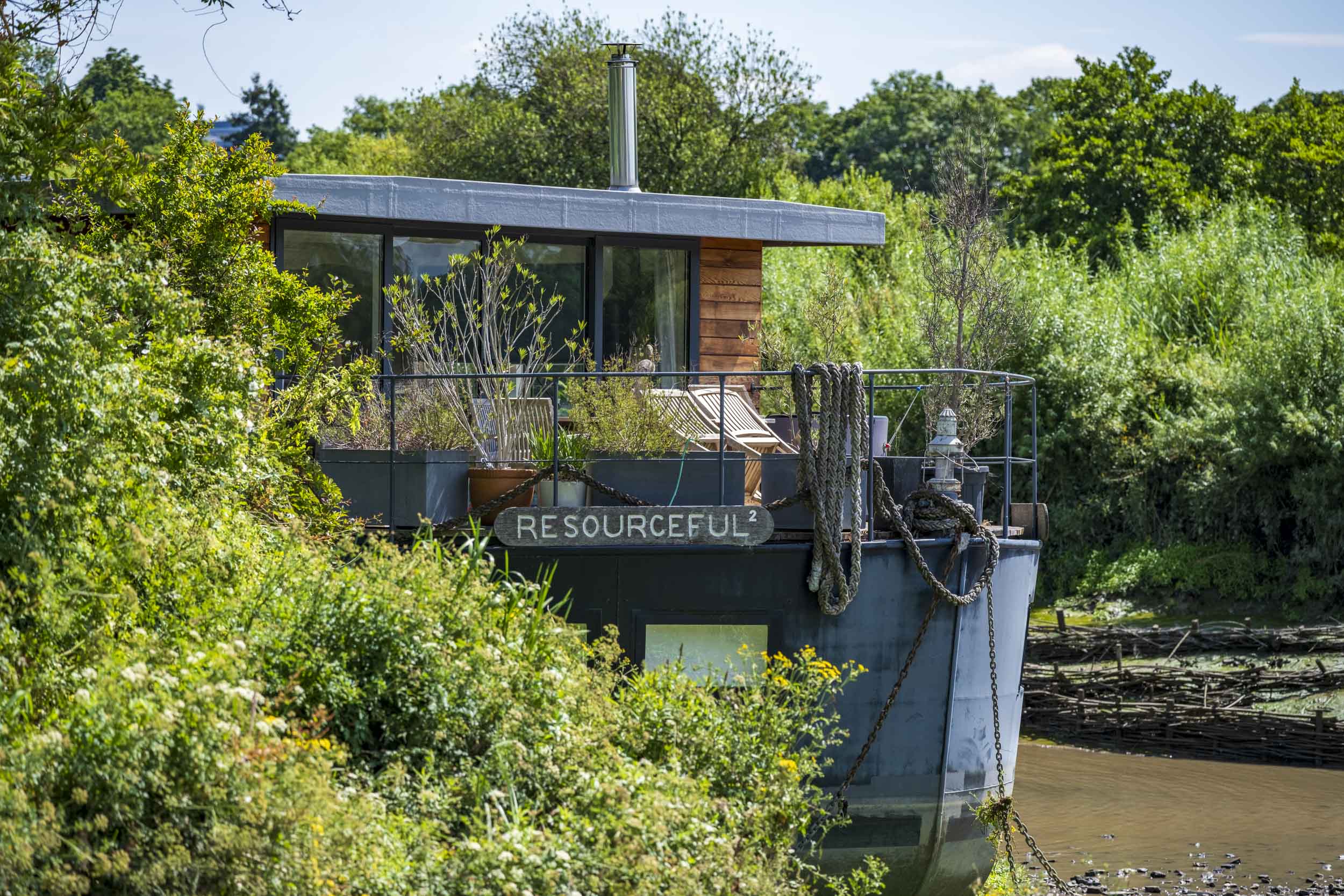
Indeed, at first, I rather wished I had opted to test the 75mm sibling, assuming that the full-frame-equivalent 112mm focal length would be more useful for general photography. However, after two weeks of shooting and some event work, the 135mm focal length has grown on me. I really like it, and I’ve decided I would choose it over the shorter EVO.

Discussing this with colleagues, several made the point that no photographer should be without a 135mm prime, whether full-frame or, as in this case, the 90mm APS-C equivalent. It’s great for events and, I suspect, useful for wedding photography too. So my new love for this focal length is nothing remarkable: The 135mm focal length used to have a firm place in a decent SLR kit for decades because of the versatility for this specific viewing angle.
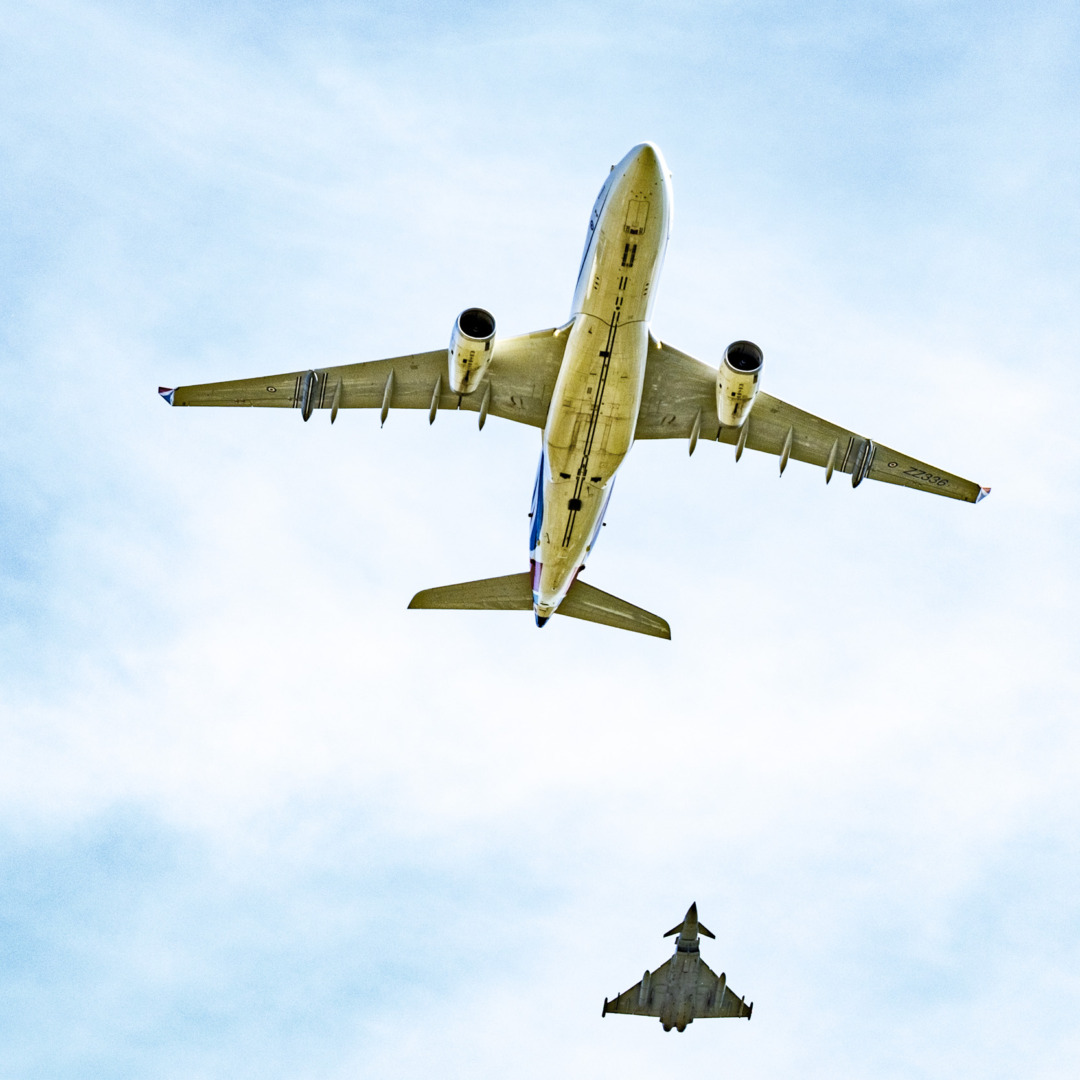

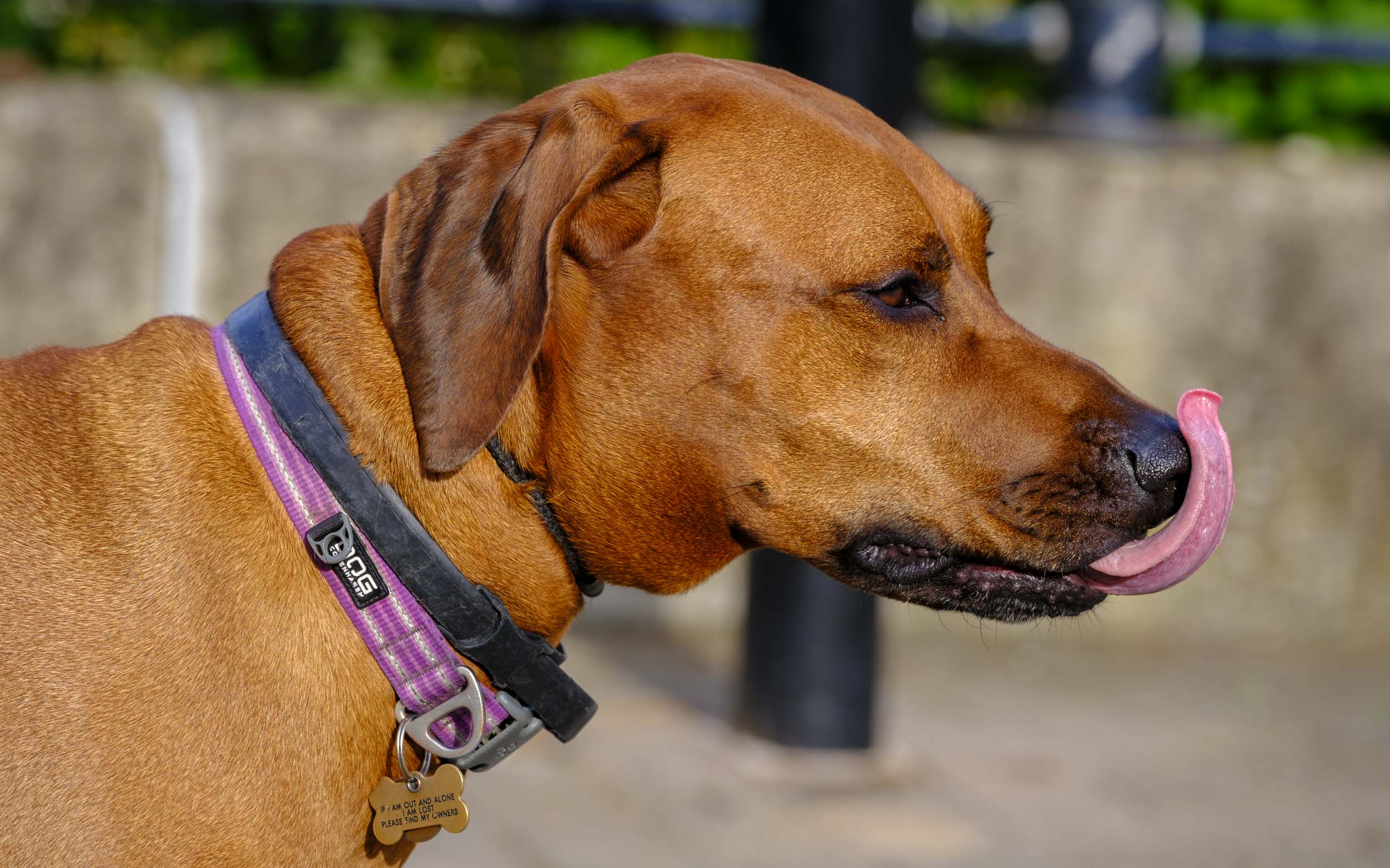
Photographers often cite this longer focal length as ideal for head-and-shoulders and half-/full-body portrait framing, since it allows a reasonable, non-threatening working distance and produces flattering, non-intrusive results. I can’t disagree with this, and I had great fun encouraging subjects to pose.

In the case of the Viltrox AF 90 EVO, the f/2.2 maximum aperture allows exceptional subject separation while maintaining more depth of field on facial features than a wide-open faster lens would permit. That’s an important point if you’re considering an even faster lens, which isn’t always the ideal solution — especially once you factor in weight and cost.
I discovered, by trial and error, that the Viltrox AF 90 EVO makes a great travel/street/event-friendly portrait lens, thanks to its size and weight advantage over an equivalent full-frame 135mm optic. During the short test period, I took it to the London Pride event, to a local summer garden party, and on one of my regular excursions to the Brooklands Museum, the home of vintage cars, motorcycles, buses, and aircraft. It performed exceptionally well. In fact, far from wishing for a 75mm/112mm prime, I am now a firm 90/135mm fan.

Enthusiastic
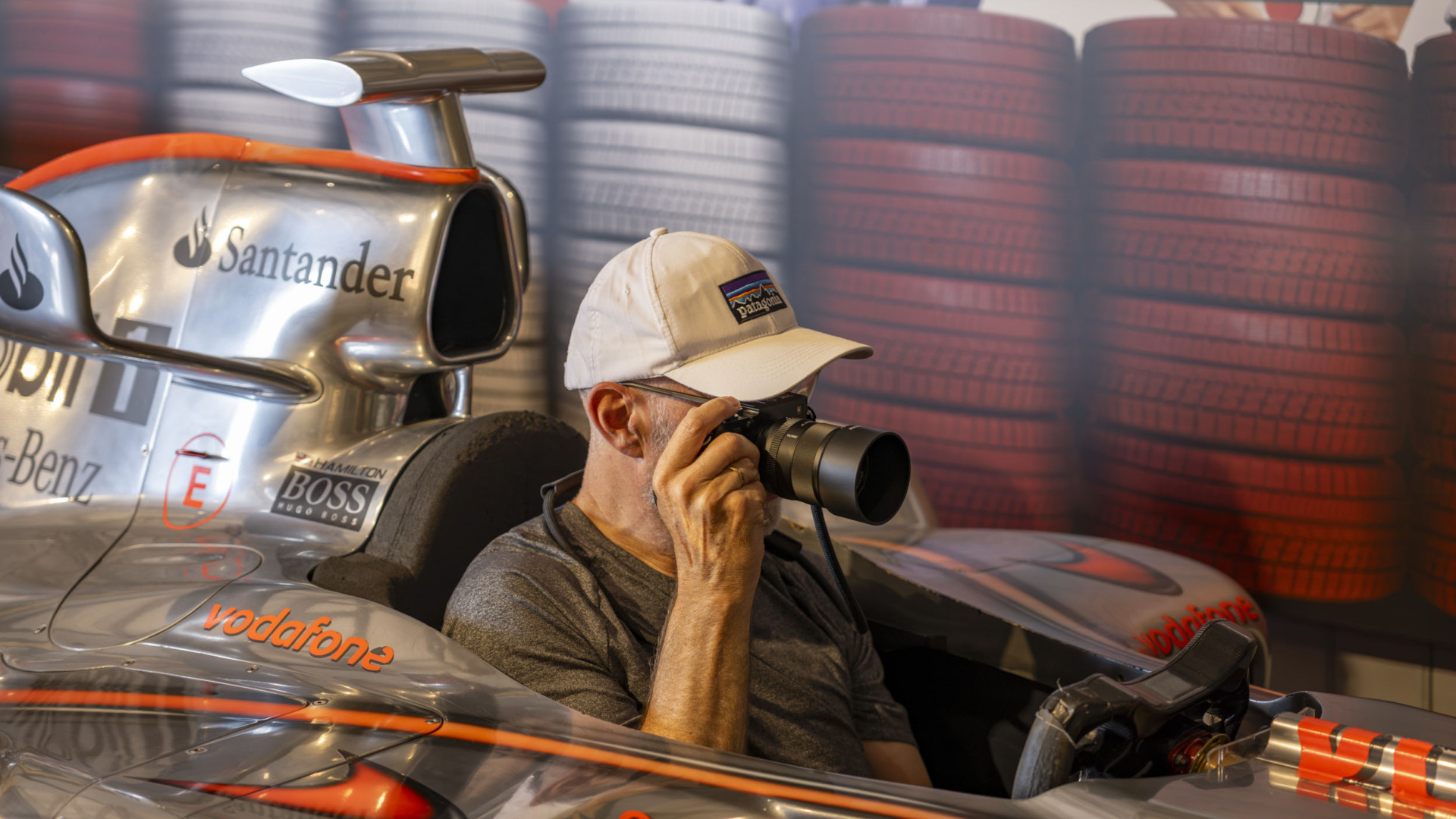
After the brief Brooklands expedition, Andrew Tobin was enthusiastic. “The joy of a telephoto lens like this is in finding interesting ‘intimate’ compositions which you might otherwise completely miss with a 28 or 35. The museum offered rich pickings during our visit. I had to remember I was meant to be helping Mike with this lens review rather than enjoying sitting in a Harrier jump jet cockpit or exploring the Sultan of Oman’s DC10.
“On downloading the images from the camera into Lightroom, I found them as sharp as I had been expecting from looking at them on the smaller camera screen (aside from that single shot that was very slightly soft).
“The lens doesn’t give the incredible contrast and colour that, for example, a Leica 90mm Summicron-M APO would provide, which is not unexpected given the price point. However, I am much more relaxed about such differences these days, as it is so easy to adjust things in Lightroom.
Shooting a flat subject at f/8 demonstrates across-the-frame sharpness right into the corners. At f/2.2, focus falloff is smooth, and bokeh is gentle and slightly cat’s-eye toward the edges. Impromptu portraits of Mike himself on the banking at the old Brooklands circuit at f/2.8 and f/4 are also superb, and I would not hesitate to use this lens for portraits.”
Comparisons to alternatives
Fuji X shooters don’t have much choice at this focal length. The Fujinon lens is clearly the major opposition, but it’s bigger and, at 540g, more than 200g heavier than the Viltrox AF 90 EVO.
More to the point, since this is a speciality lens that you might use only occasionally, the Fuji offering costs over twice as much at £800. All things considered, I’m convinced the Viltrox is the better buy, unless full weatherproofing is essential. The clincher is that, because of its weight and size, you’ll definitely make more use of it than the Fujinon, since it’s more likely to be in your bag in the first place.

Pros and cons
| Pros | Cons |
|---|---|
| Excellent sharpness wide open, centre and corners | No de-click aperture switch, no AF/MF, no Fn button |
| Very low chromatic aberration and distortion | Only partial weather sealing (mount gasket only) |
| Compact, lightweight (320g), travel-friendly | Some very minor vignetting at maximum aperture |
| Strong value at $369 / £359 / €429 | Occasional AF hunting at minimum focus distance, in low-contrast or backlit scenes |
| Fast, mostly quiet, reliable STM autofocus | No optical image stabilisation (but this is irrelevant when used on XF-Mount bodies with IBIS) |
| Smooth, pleasant bokeh | |
| Metal mount, USB-C firmware updates, solid overall fit and finish |


Andrew’s view
Both Andrew and I are in no doubt that the Viltrox AF 90 EVO is incredible value for money. Says Andrew, “for the majority of use cases, it performs very well indeed. Given that a 135mm full-frame equivalent is unlikely to be on the camera all the time, the Viltrox fills the niche for a lens that you can keep in your bag with minimal weight, size, and cost penalty. For when you need it. Unlike a heavier and larger alternative that you are more likely to leave at home and regret it when the opportunity arises.”
Our verdict
This is the lens for Fuji shooters who want output quality approaching that of the Fujinon XF90 f/2, plus proper 135mm full-frame-equivalent reach, in a much smaller and cheaper package, and who can live without full weather sealing and a de-clickable aperture ring.
A cracking little lens that ticks a lot of boxes in relation to price, size, weight and build quality. I’m impressed.
Andrew Tobin

The lens is less suited to photographers who require robust weather sealing for professional outdoor and event work, or to hybrid shooters who specifically need the de-clickable aperture ring for video use.


Overall, however, the Viltrox AF 90 EVO is easy to recommend. It’s the second Viltrox lens we have tested (the first being the 16mm f/1.8 for L-Mount), and both have been outstanding. I recently purchased a third Viltrox lens, something of an amuse-bouche — the 28mm single-aperture f/4.5 “Chip” for L-Mount — and the experience was faultless.

Dealing direct with the manufacturer in China turned out to be trouble-free, and delivery was prompt. Viltrox despatched it from Hong Kong, and I paid no customs duty on my £90 purchase. However, your experience could vary, and Viltrox can’t guarantee that more expensive lenses will arrive duty-free.
Viltrox packages its lenses well, entirely up to the standards of the major manufacturers, and the company responds quickly to queries. I get the impression there is a lot of enthusiasm and dedication there.
There is no doubt that this is an excellent 135mm-equivalent prime at a very reasonable price.
Discount codes
With Viltrox, we are offering a 5% discount code to Macfilos readers who purchase either of the available Fuji FX-mount EVO lenses — 90mm or 75mm. Macfilos will also receive a small contribution to our running costs if you use the following codes. Be sure to choose the right focal length.
Note on two images
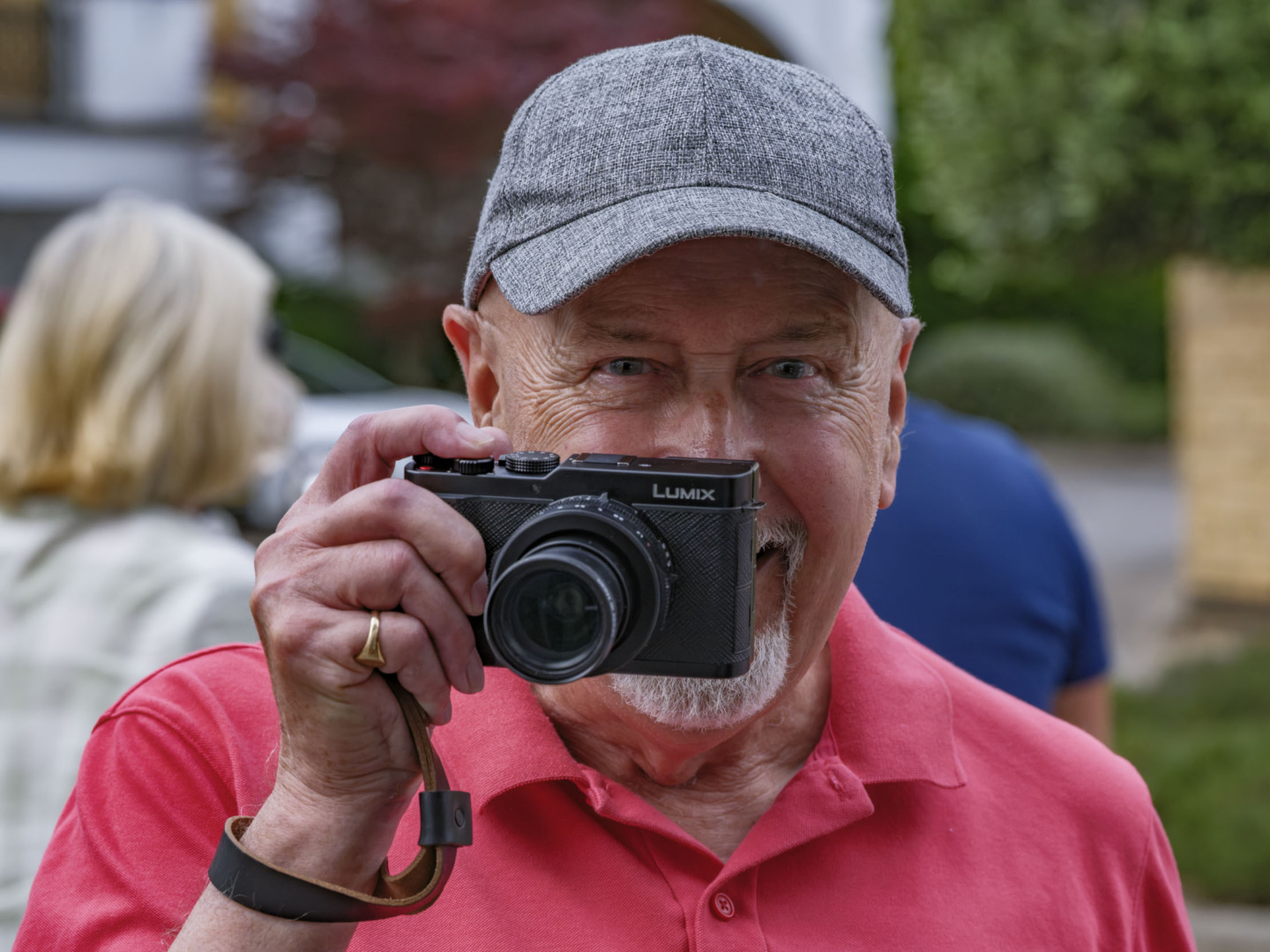
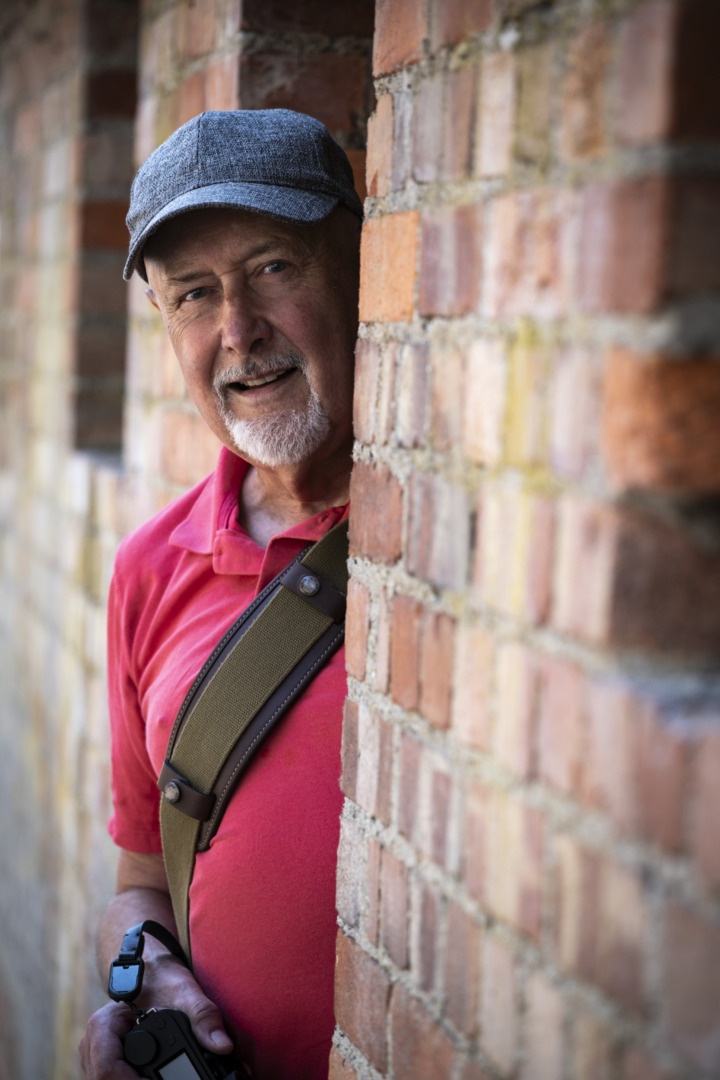
To avoid misunderstanding, the feature image at the top of this article (showing Andrew Tobin sitting in a racing car, holding an X-E5 with the Viltrox AF 90 EVO) and the picture of Andrew holding the camera and lens were both taken by Mike using a Leica SL3-P and 28-70 Vario-Elmarit lens.
Make a donation to help with our running costs
Did you know that Macfilos is run by five photography enthusiasts based in the UK, USA and Europe? We cover all the substantial costs of running the site, and we do not carry advertising because it spoils readers’ enjoyment. Any amount, however small, will be appreciated, and we will write to acknowledge your generosity.
Comments: Please add a comment to this article. Our comments section is a thriving community and everyone is treated with respect. In addition, please identify yourself (and add an email address, which will not be published, if you would like to see answers to your posting). Our system will automatically delete any “anonymous” posts on the basis that they are likely to be spam.
[…] Leggi l’articolo completo → macfilos.com […]
https://www.francescoverolino.com/rassegna-fotografica-del-25-07-2026/
Looking forward to the AF 90mm f/2.2 EVO APS-C lens “L-mount” version.
They are developing L-Mount lenses and you can take a look at the website. Anything made for other mounts could be on the charts. No zooms though, so far.
Even Sigma does not release its APS-C lenses in L-mount anymore… And the release strategy of Viltrox for full frame L-mount lenses is not clear to me. They recently announced a 26mmm but only in E-mount and in Z-mount. As they joined the L-mount alliance I would have expected an L-mount version as well.
I haven’t discussed this in detail with them, but they appear have a policy of expanding all models in their range to L-Mount. Similarly, with Fuji FX mount, they are gradually working through the Evo range.
Furthermore, they have just committed to a range of new MFT lenses, which surprised me. I get the impression that they intend to be around for s king time.
It will be interesting if they move into zooms, but I have heard nothing about this.
Well, this is quite the connudrum! I had planned on purchasing the Voigtlander M 90mm APO (reviewed here under ‘M-Files’), and using it on the Fuji as a 135 lens. Now I’m going to have to spend an afternoon with a cup of tea, close reading reviews and viewing sample photos.
Needs must, I suppose.
Alright: seriously, I really appreciate having my attention drawn to this lens, and finding a review by two serious photographers. Without MACFILOS, I doubt I would have come upon it, or taken it seriously.
That is quite the conundrum but I hope you make the right decision.