
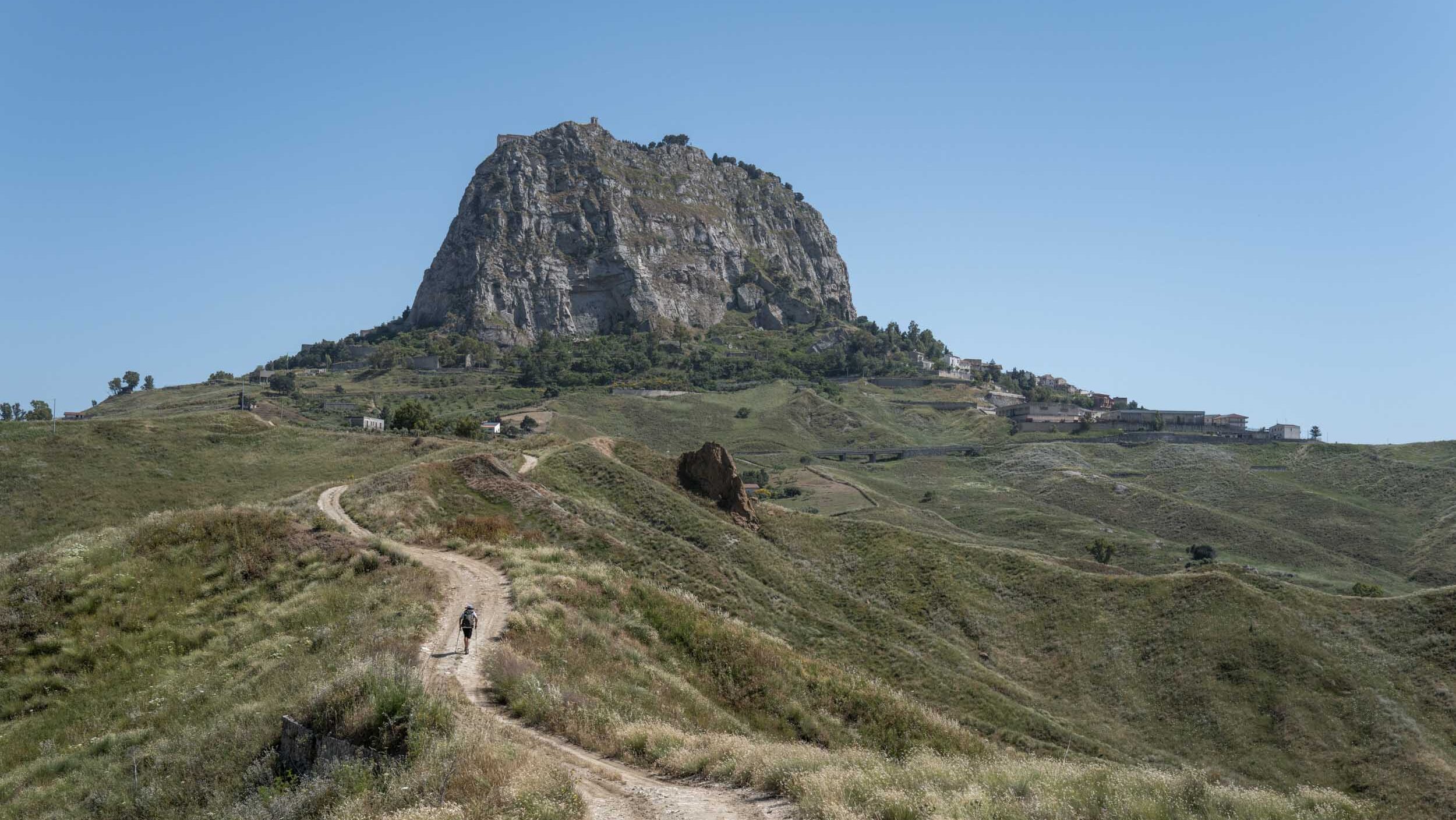
I am slogging across a farmer’s overgrown field, mud splashed up to my knees, when the trail disappears into the long grass. Overhead, angry clouds gather and the rain begins to pour, making every step a struggle. My hiking partner shoots me a look that seems to say, “What did you get me into?” I’m not sure which way to go, how to find the trail again, or whether we will reach the next village by nightfall. Yet amid the downpour and the uncertainty, there is one thing I feel sure of. I chose the right camera . . .
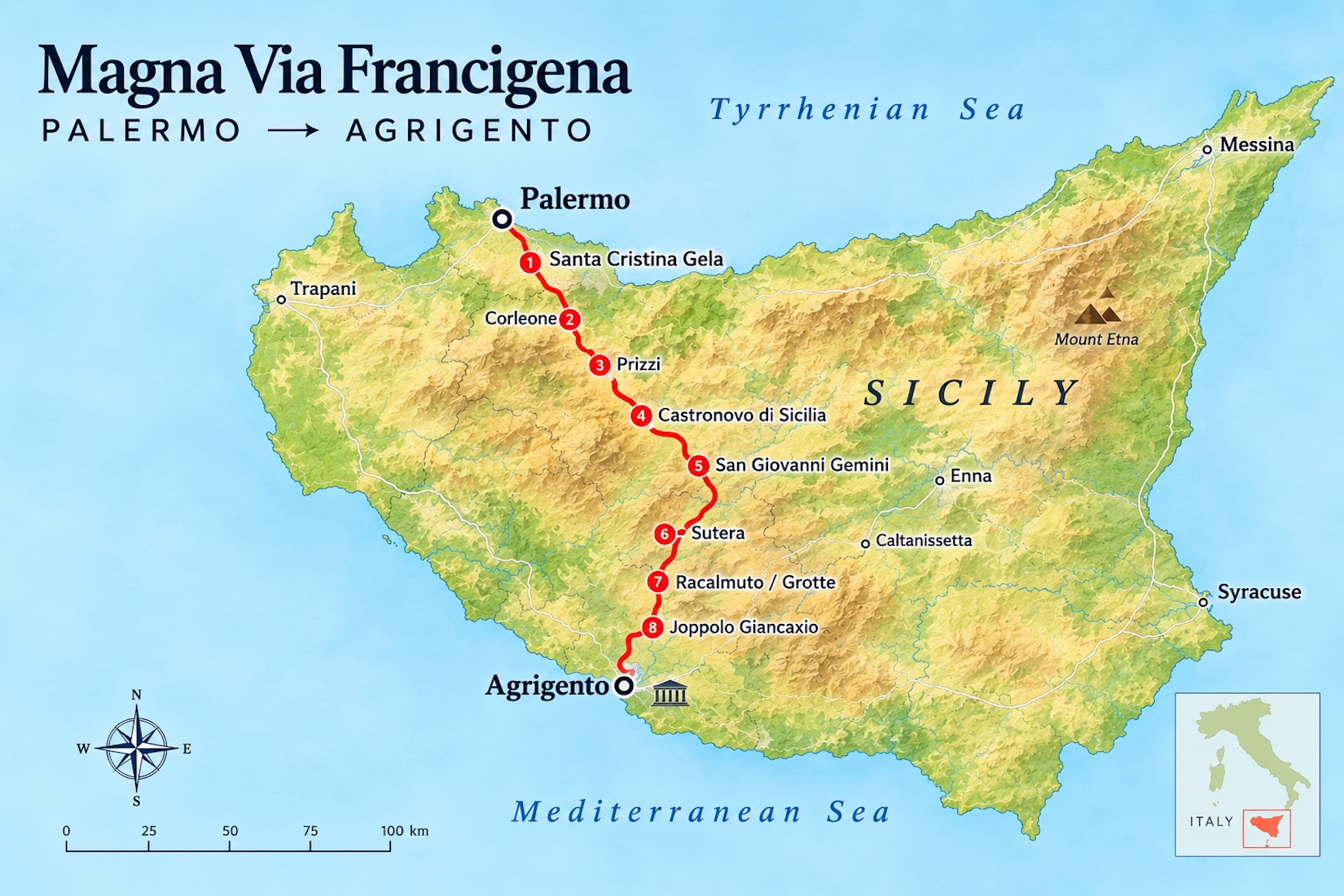
We are on the Magna Via Francigena, an ancient 187-kilometre (116-mile) pilgrimage route that crosses Sicily from coast to coast, north to south. Starting in Palermo, the trek runs in nine daily stages of roughly 15 to 26 kilometres and ends at the magnificent Greek temples of Agrigento. Along the way, walkers see the real Sicily: farmland, forests, small mountain ranges and historic villages, far removed from the crowded beach resorts.
The ideal companion
To document this journey, I needed a particular kind of camera. First, it had to be light because I would be carrying it a long way on foot and wanted it ready at all times. I love images with a street-photography feel, so the camera had to hang around my neck and shoot quickly without fouling my rucksack straps or breaking my stride.
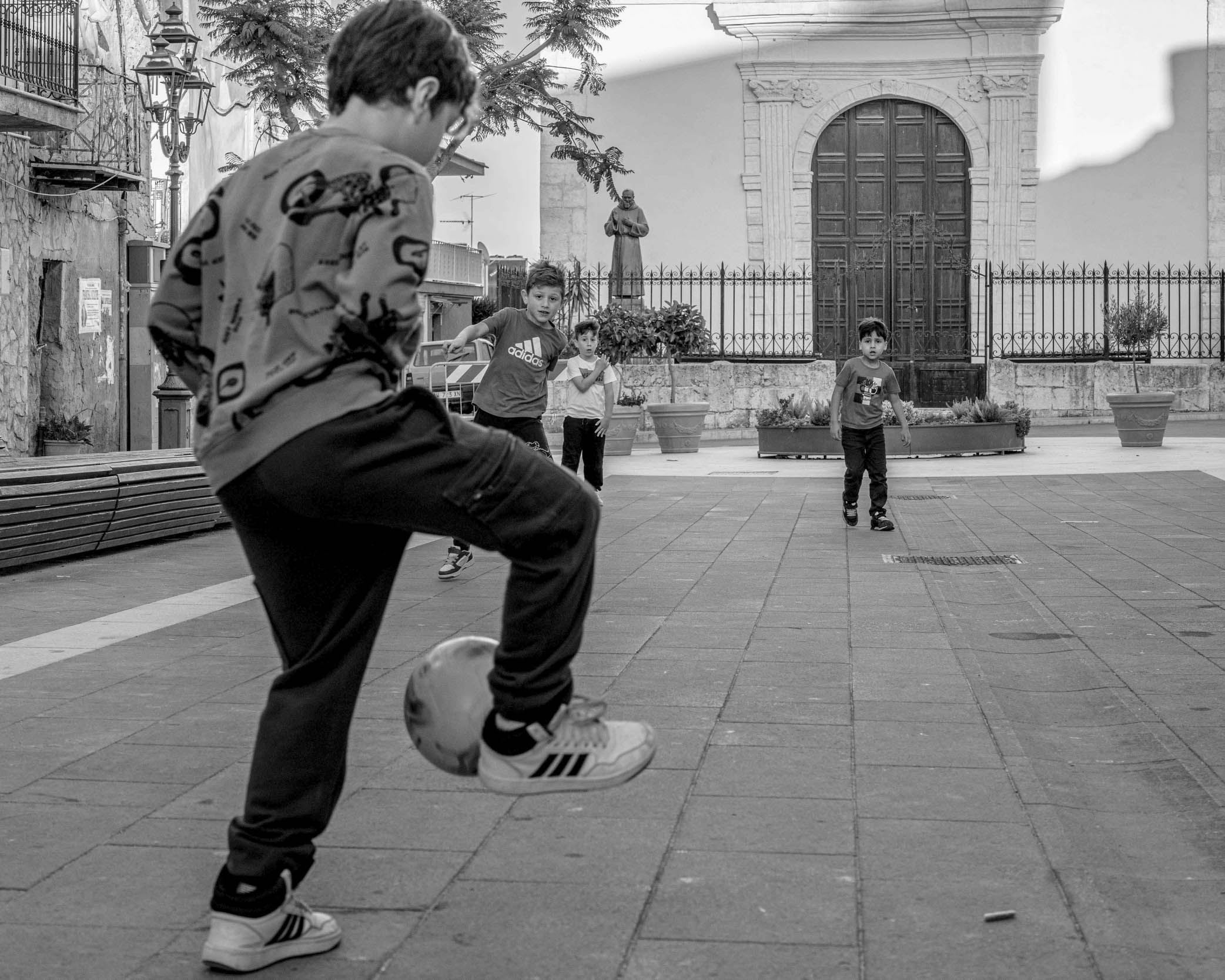
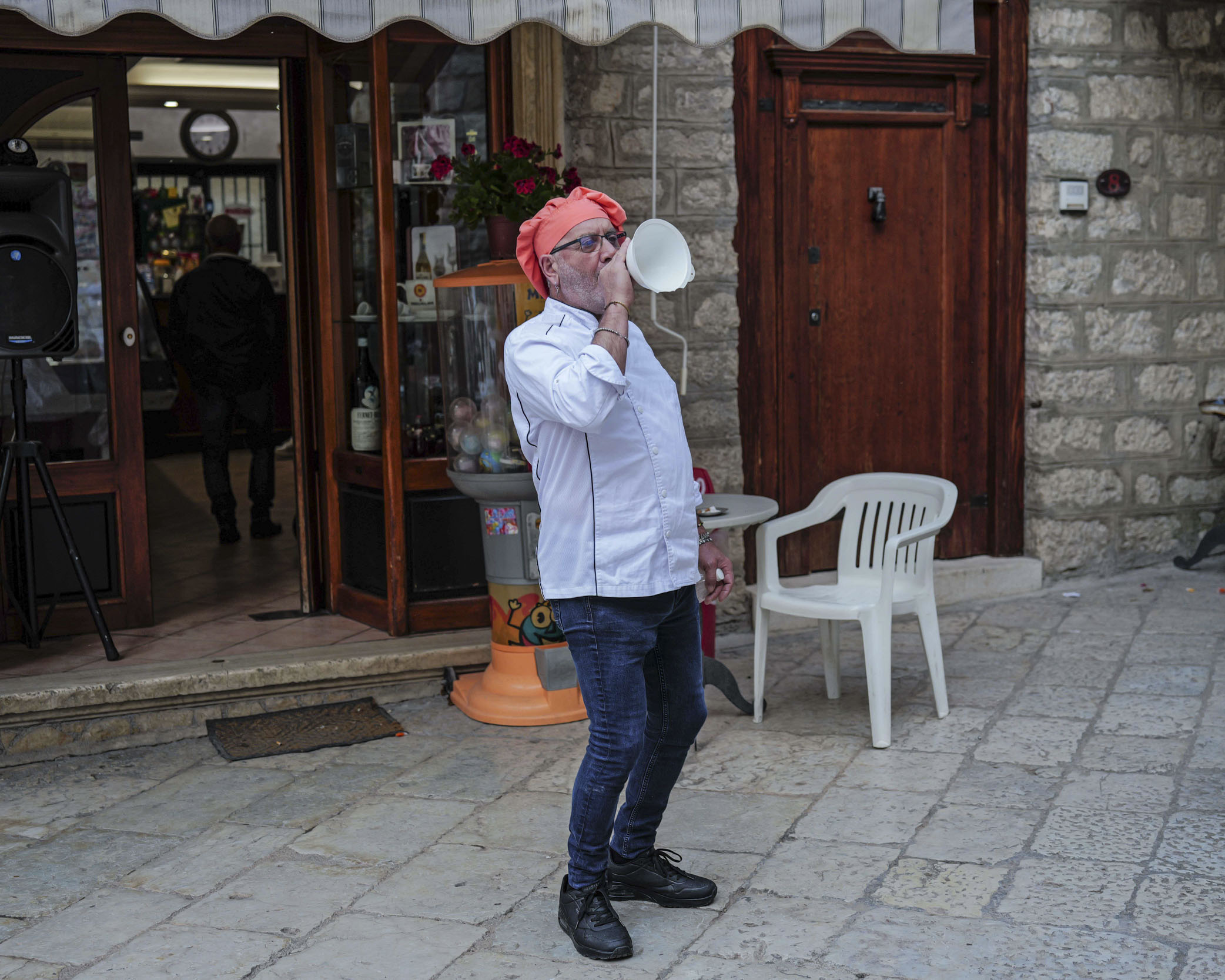
I also wanted the best image quality I could carry. If I was going to walk across a landscape shaped by thousands of years of history, I wanted photographs that could inspire rather than merely record. For me, that meant Leica.
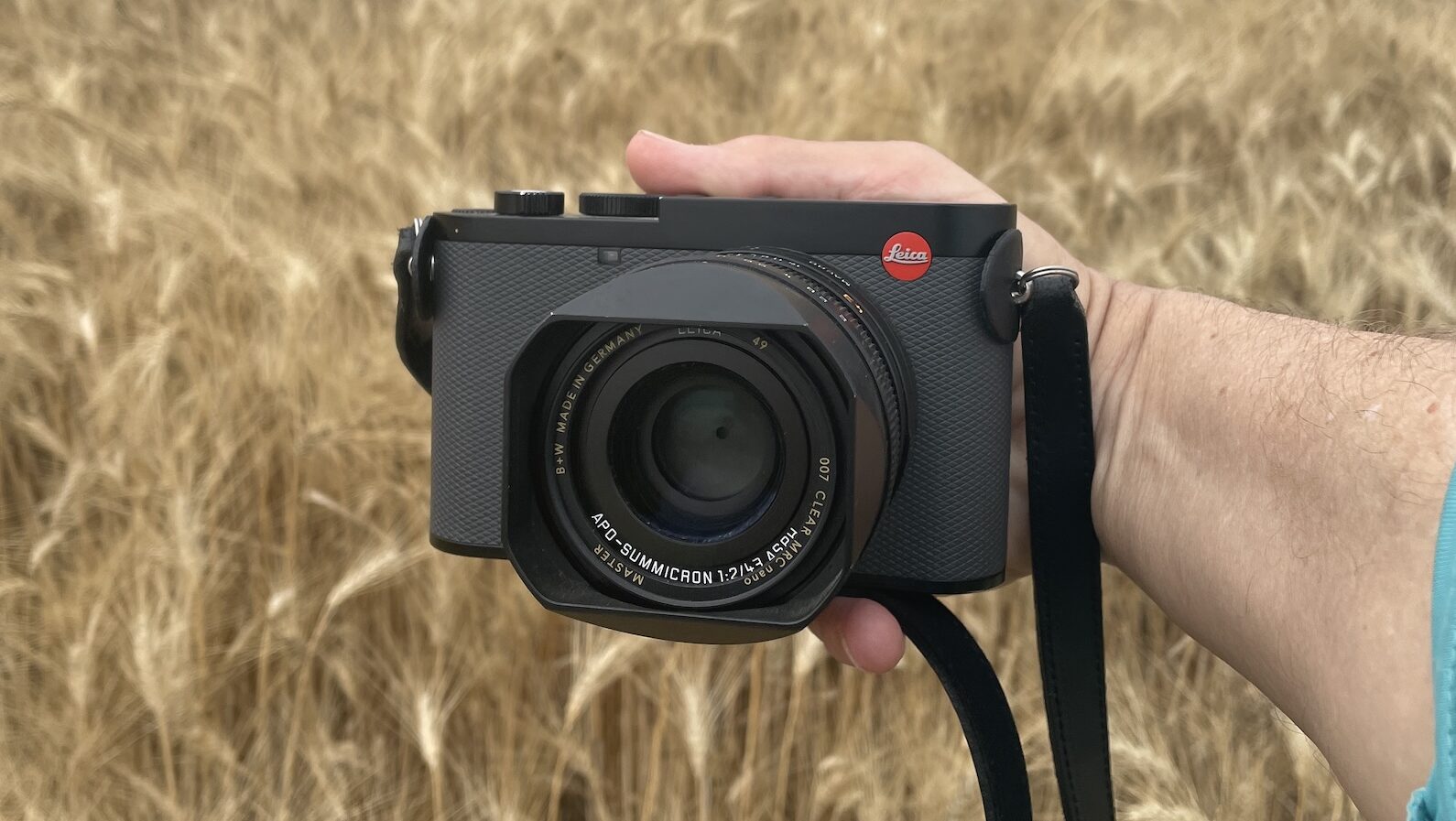
My trusty M10 and 35mm Summilux, however, felt a little vulnerable to what lay ahead, from heavy Mediterranean rain to blowing dust. I needed something weather-sealed, and the Leica Q3 43 was the obvious choice.
On the trail
The Magna Via Francigena is less well known than long-distance walks such as the Camino de Santiago in Spain, but it is growing in popularity. It calls for a moderate level of fitness and some planning, but it is not so hard as to deter a couple of middle-aged hikers from the United States like us. Red and white stripes painted on lampposts, roadside barriers, and buildings mark the route, and a guidebook with map references is available online. More on that later.
Logistics are relatively simple. Flights from Rome to Palermo are frequent, and there are direct connections from many European cities. Accommodation in the small villages is limited but manageable thanks to Airbnb and Google Maps, and a few churches along the way offer rooms. Some walkers hire a baggage service to move their luggage between stops, but we chose to carry everything ourselves.
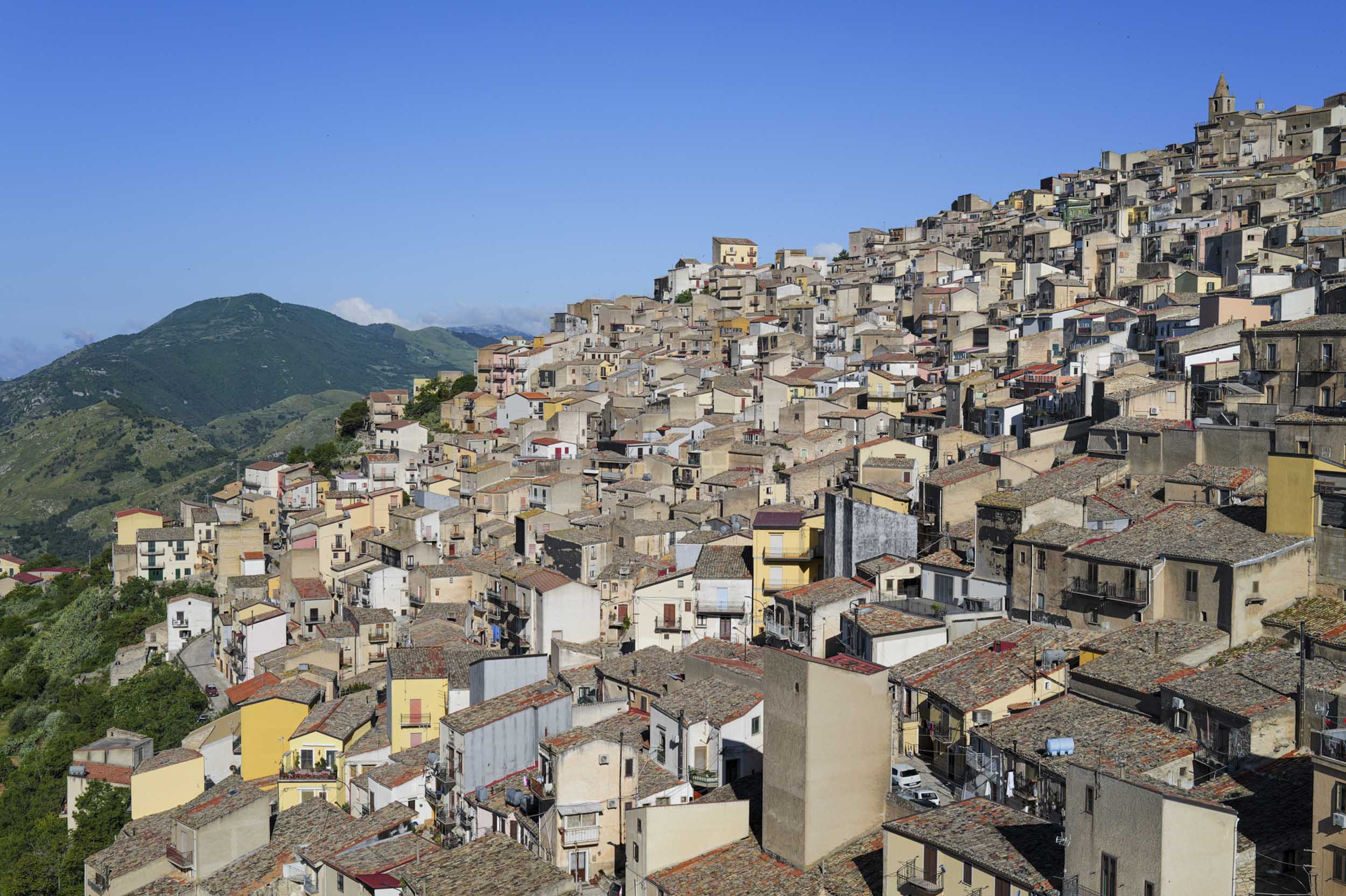
Sicilians take great pride in their island’s history as a cultural crossroads, shaped by Phoenicians, Greeks, Romans, Arabs, Normans and Spaniards, among others. Each left its mark on the architecture, the language and the food. That layered heritage is best appreciated slowly, rather than glimpsed through the window of a hire car or tour bus. For us, crossing the island on foot seemed the ideal way to make memorable pictures.
Lens and sensor
Even before leaving home, I knew the 60MP full-frame sensor would excel at detailed landscapes, and cope with the fast-moving street scenes I expected in Palermo.
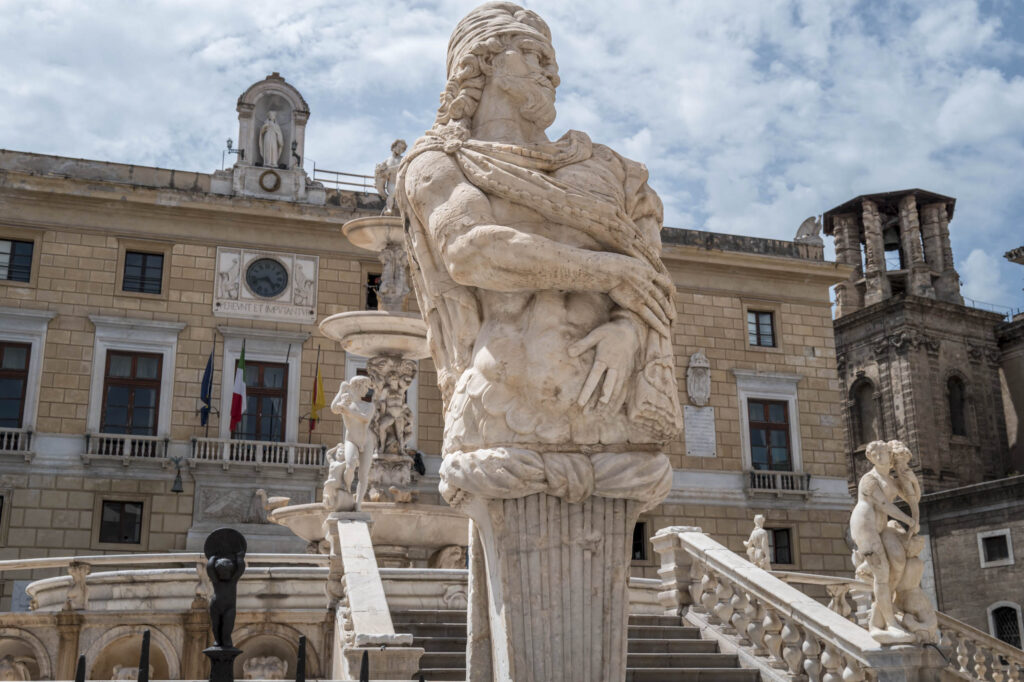
The 43mm f/2 APO-Summicron promised the natural-looking portraits I hoped to make, without thrusting a big zoom lens into someone’s face. In my experience, people are far more willing to be photographed when you carry a small, unobtrusive camera rather than a bulky DSLR.
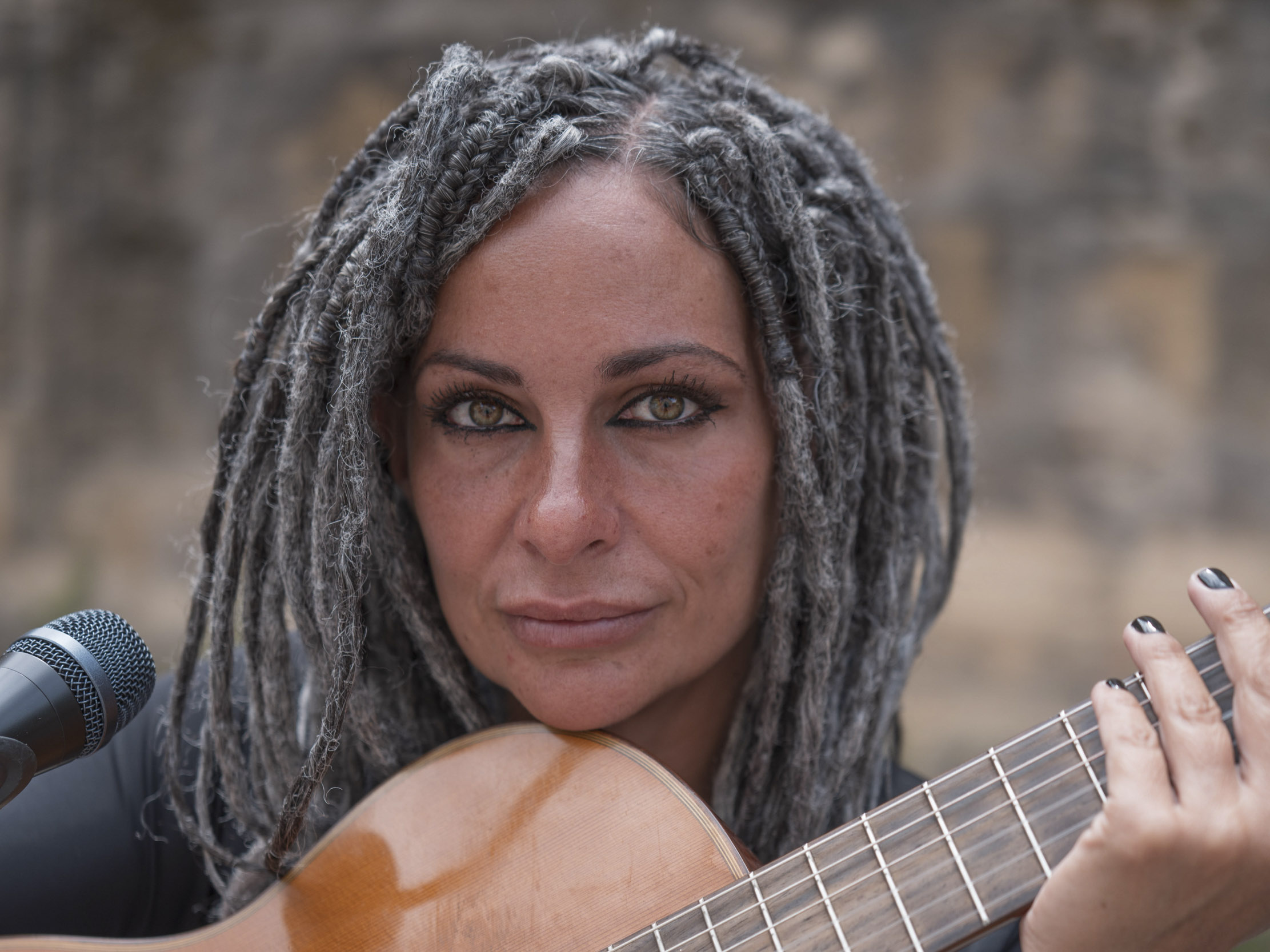
I wanted not just a do-it-all camera but a do-it-better one. It had to be light, weather-sealed and reliable, with physical controls I could reach without scrolling endlessly through menus. The Q3 43 ticked every box. The 43mm focal length also gives a natural field of view, close to that of the human eye. I find it more versatile than a traditional 28mm wide-angle or a tighter 50mm.
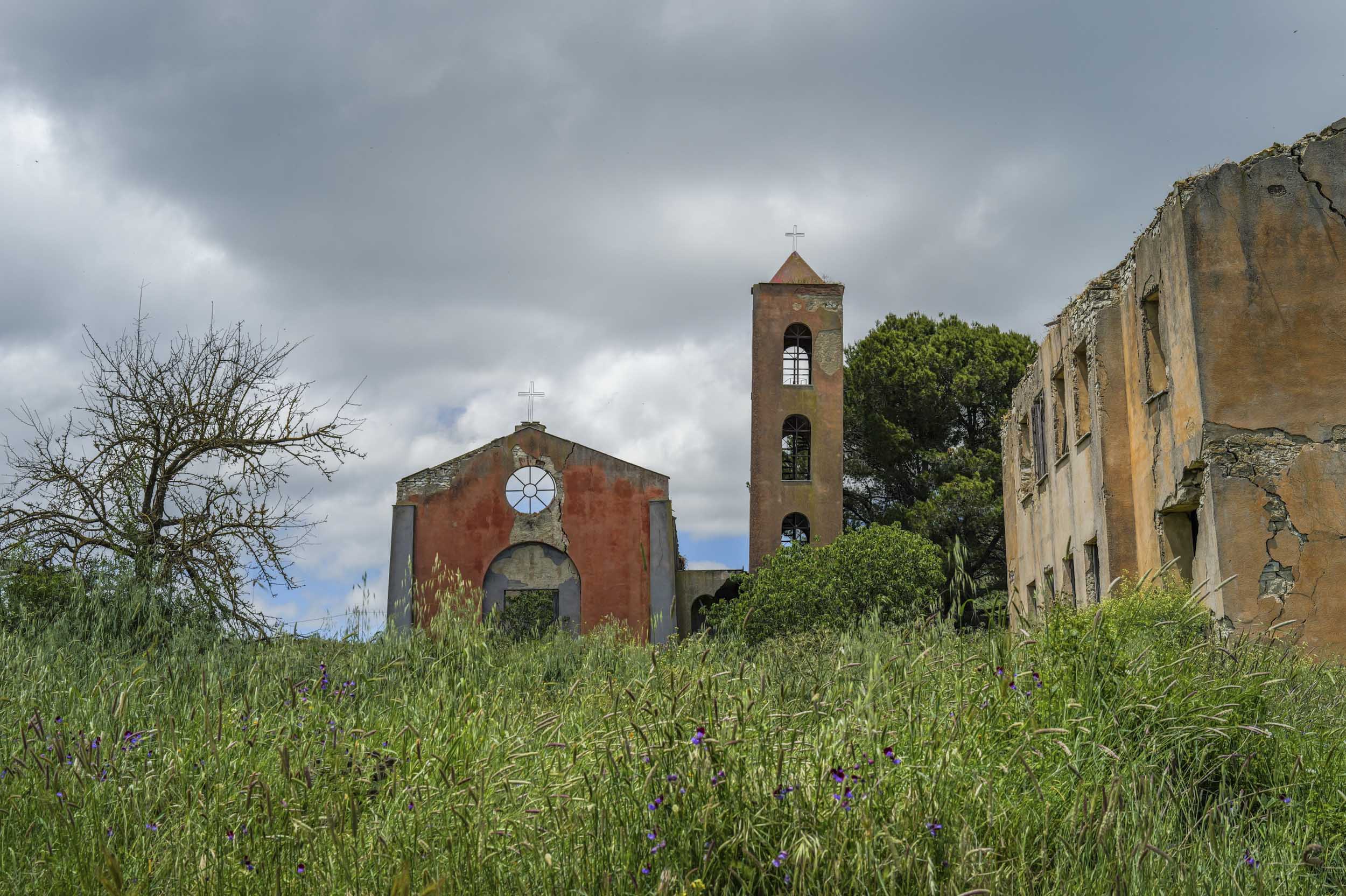
Palermo to Monreale
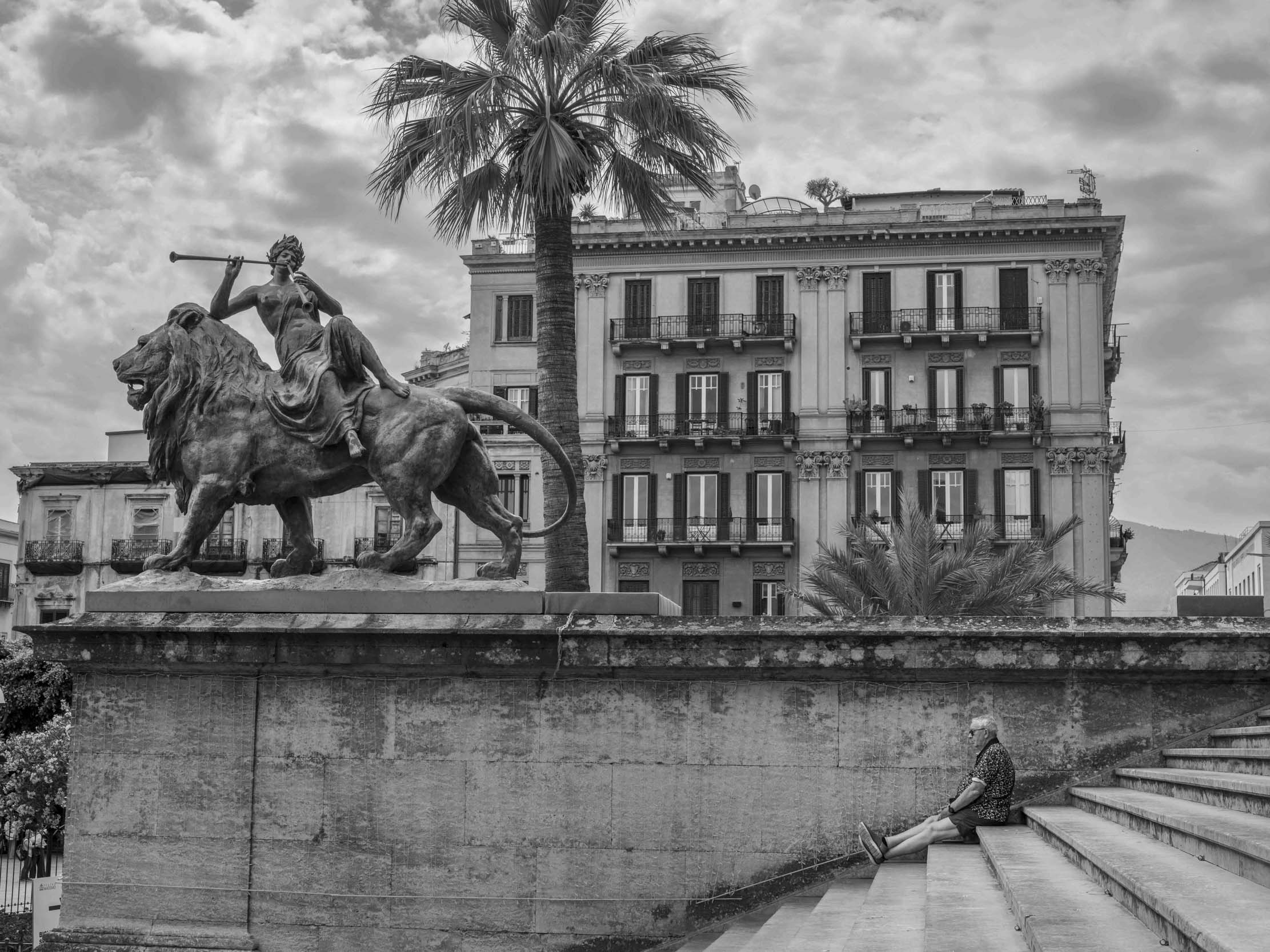
The Q3 43 was instantly at home in Palermo, a vibrant and visually rich city. It never missed a beat through days of early-morning street photography in markets, palaces and churches, and late-evening wanders down shadowy alleys searching for little-known trattorias.
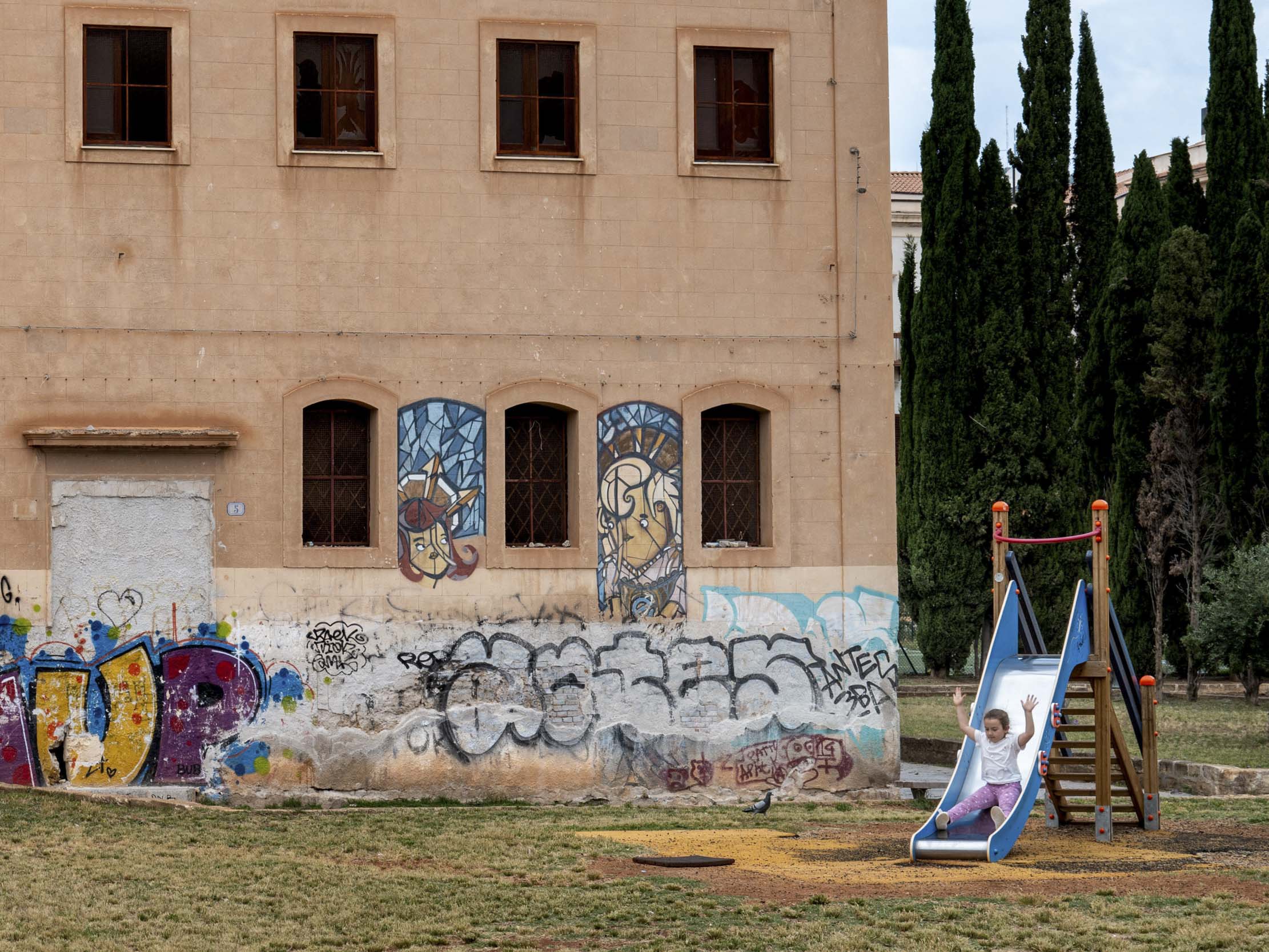
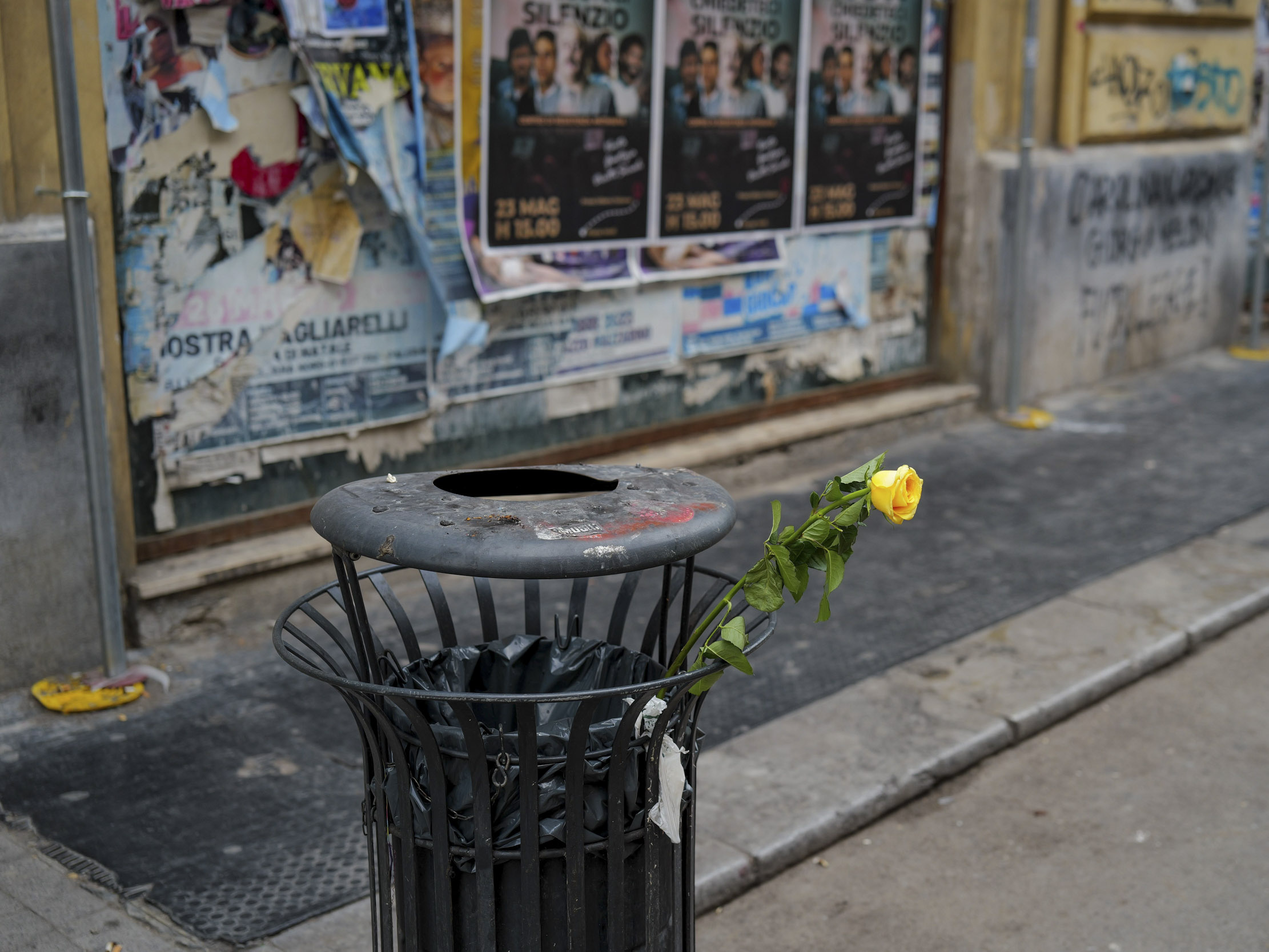
Palermo is lively and sometimes gritty, but it is also blessed with UNESCO World Heritage sites, among them palaces, churches and cathedrals. Tearing ourselves away to start the walk was hard, but we managed. Our first major stop was the hill town of Monreale, about 300 metres above Palermo, with sweeping views over the city and the coast. Its famous cathedral looks plain from outside, but the interior holds some of the finest Byzantine mosaics in Europe, made with more than 2,000 kilograms of gold. To my eye, the Q3 43 handled the glittering, dimly lit interior with remarkable clarity and little noise.
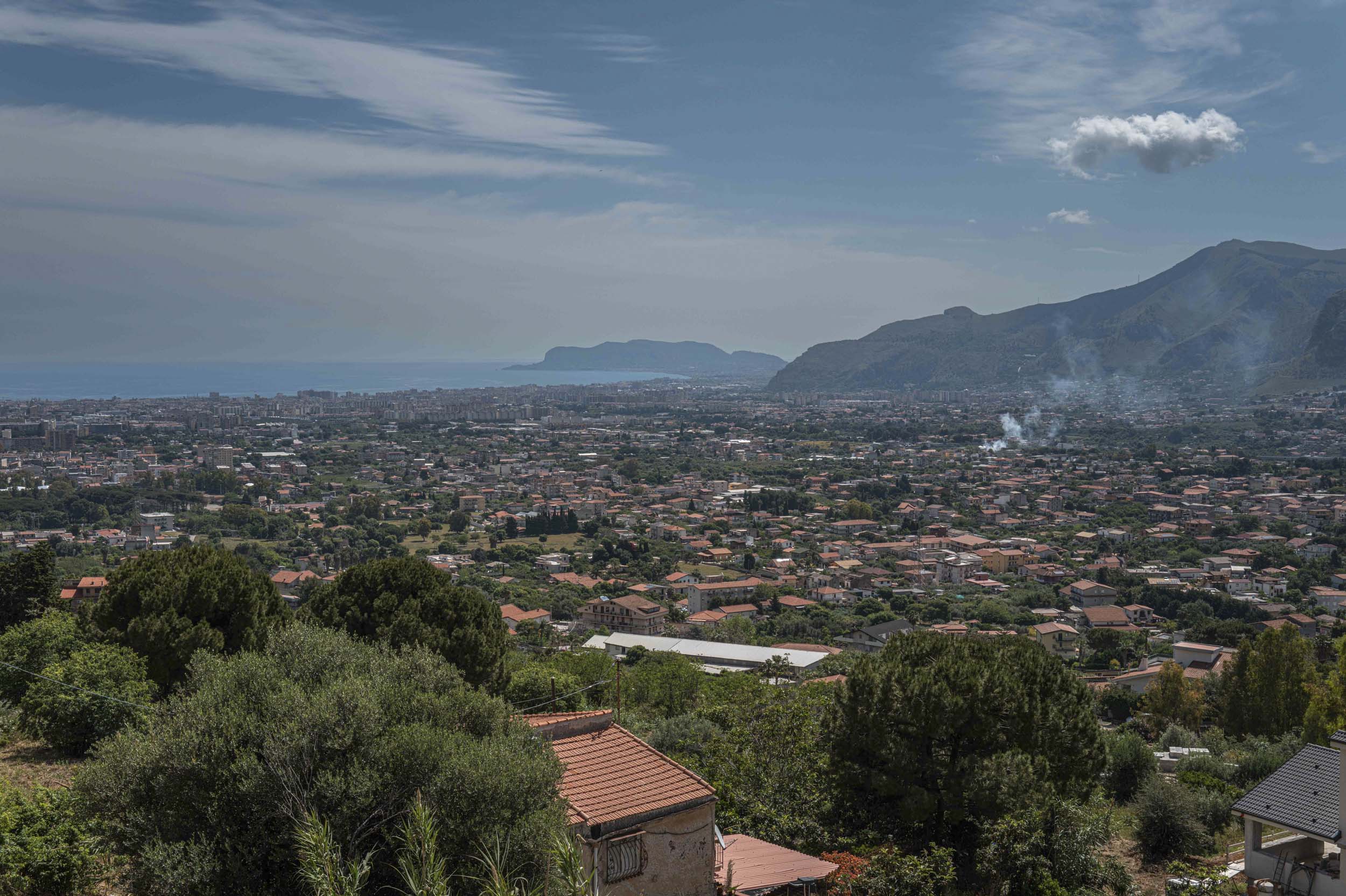
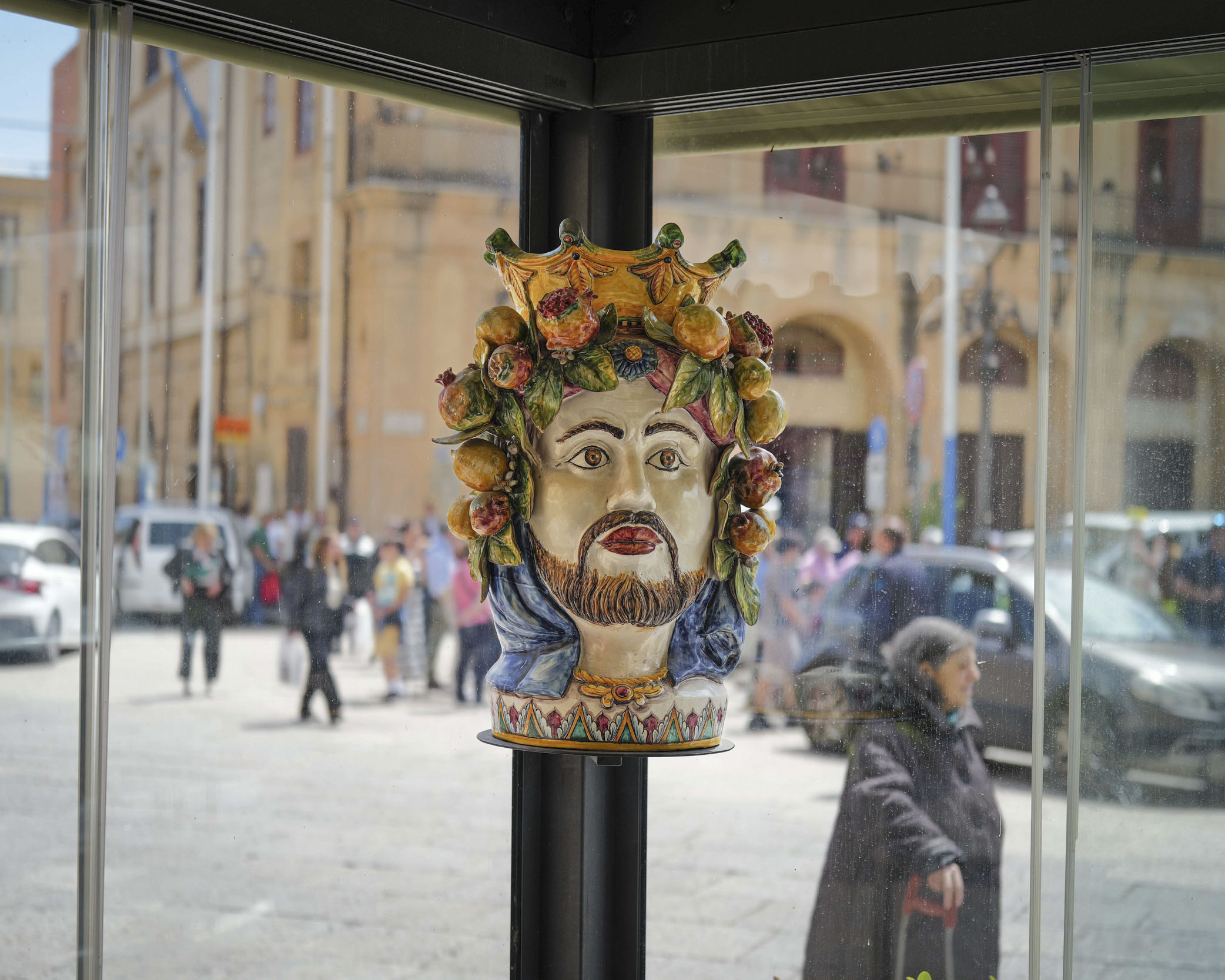
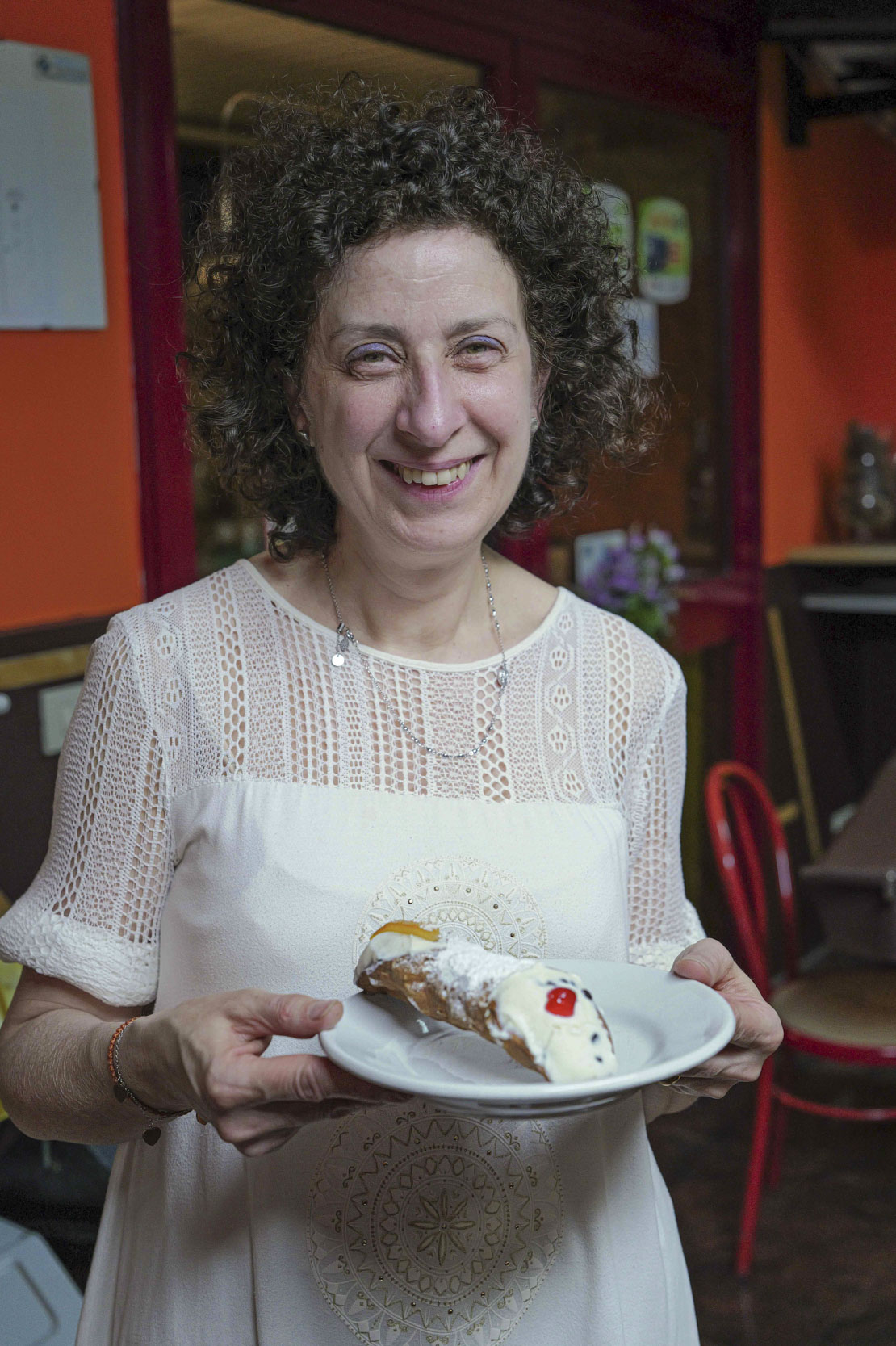
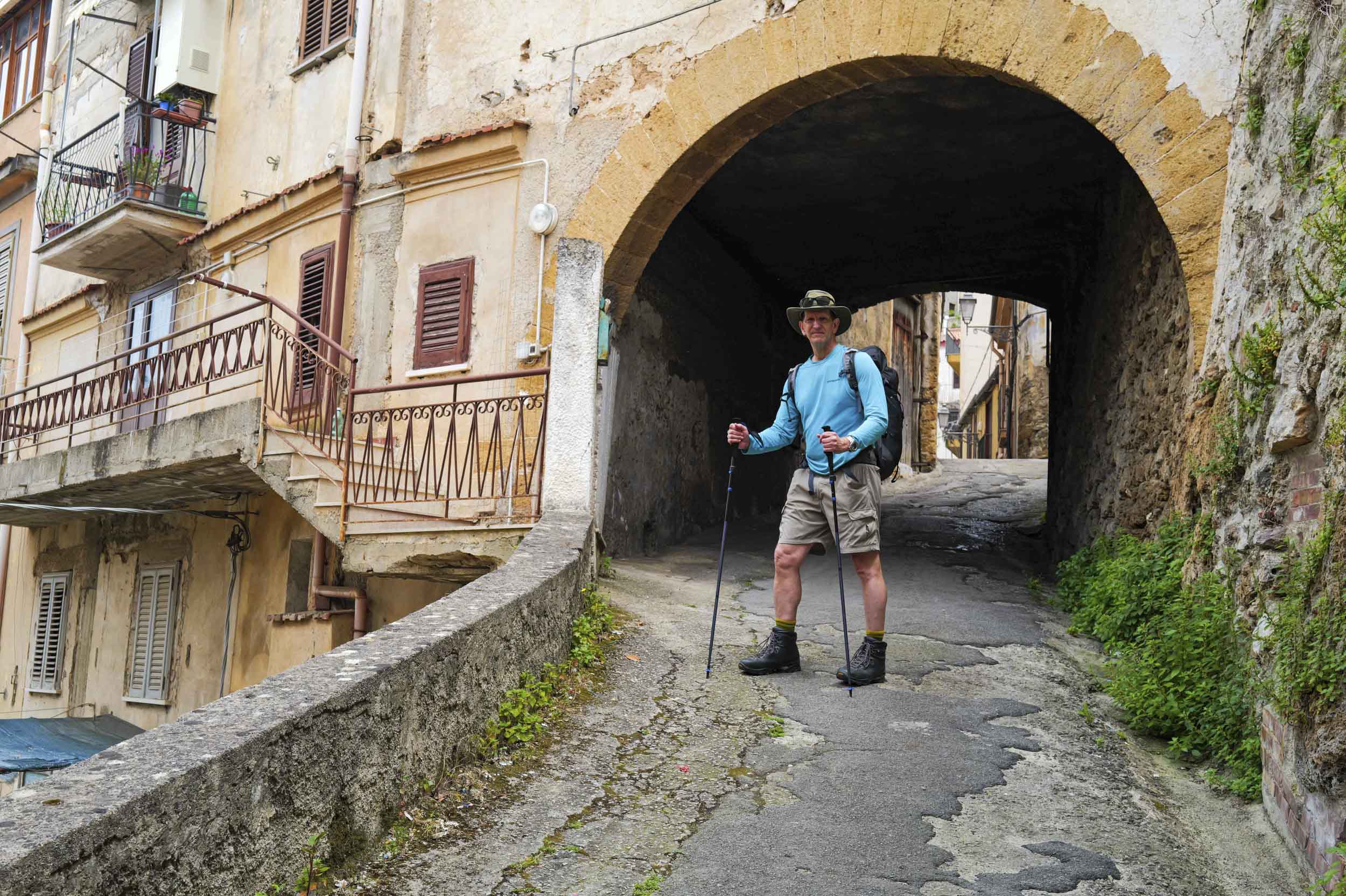
Leaving Monreale, we passed under an archway and saw miles of rural Sicily stretched out ahead. By the time we reached Santa Cristina Gela, our goal for the day, we had walked 25 kilometres (about 16 miles), and the little Q3 43 had proved its worth. It handled the subtle colours and changing light beautifully as both the village and the sunset drew near. Over dinner at our guesthouse, I tried some low-light portraits of our hosts. They were delighted with the results on the tilting rear screen, and I promised to email them copies.
Chasing the horizon
The next day dawned calm but cloudy. After an early breakfast and warm farewells from our hosts, we set off out of the village. Before we could make real progress, the weather turned. Rain lashed us on and off for hours, turning the heavy clay of the rolling wheat fields into a sticky paste that clung to our boots. It felt like walking in Frankenstein’s shoes, but the dramatic scenery kept our spirits up.
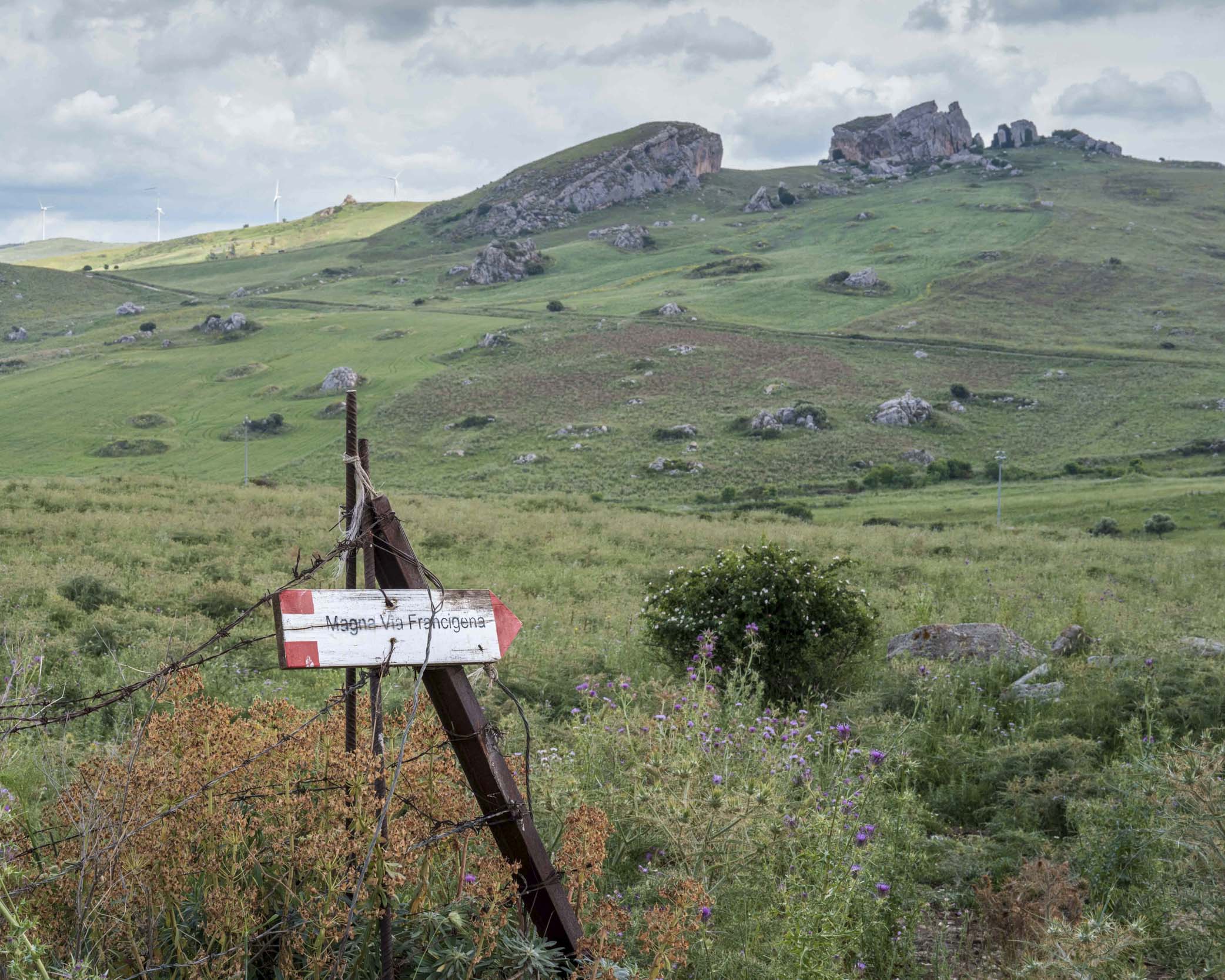
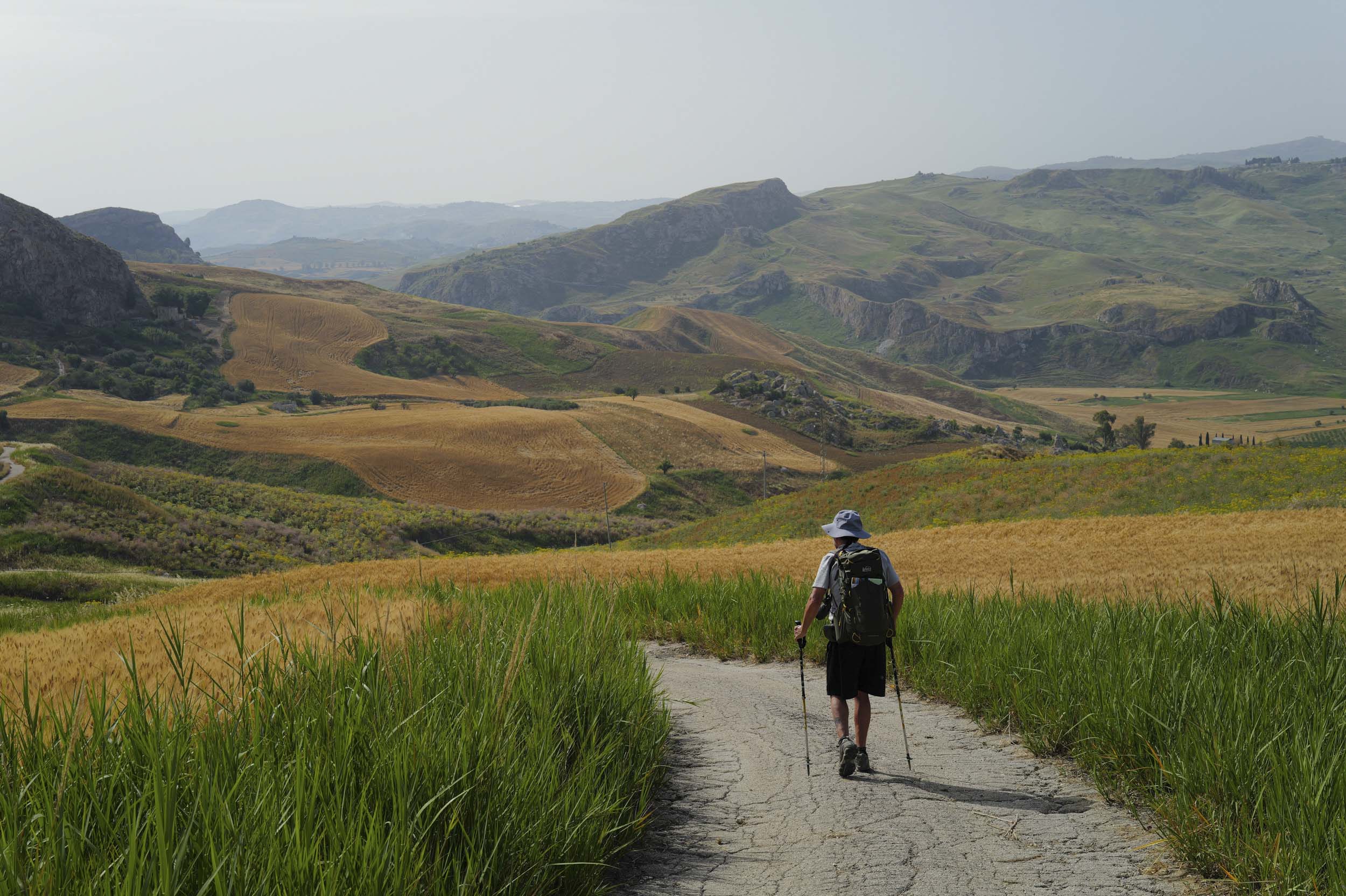
It was on this stretch that we began to doubt the waymarks and the guidebook. At several critical junctions, the painted markers were missing, and the little booklet of directions I had bought was sometimes simply wrong.
Still, we were in good heart as we headed for Corleone, once notorious for its Mafia violence in the mid-20th century. The town gained further notoriety from The Godfather films and the novel behind them.
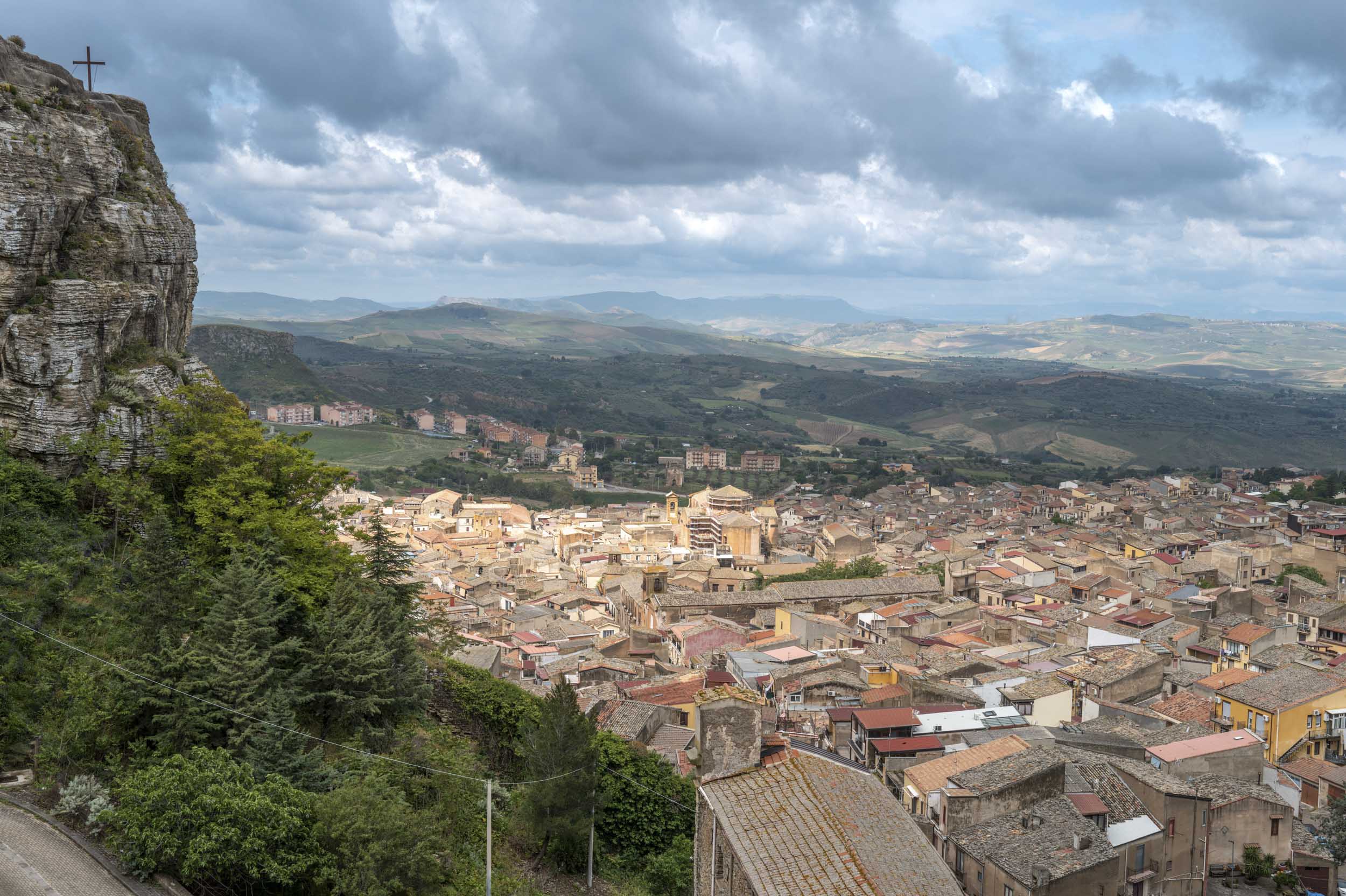
Our chief worry was not the Mafia but which way to go when the trail vanished in the middle of a large field. In the distance we could see a river running beside a small road marked on our map. We waded across, followed the road towards a church and eventually found the markers again. We hoped our navigation troubles were over. They were not, and there were many more such episodes in the days that followed.
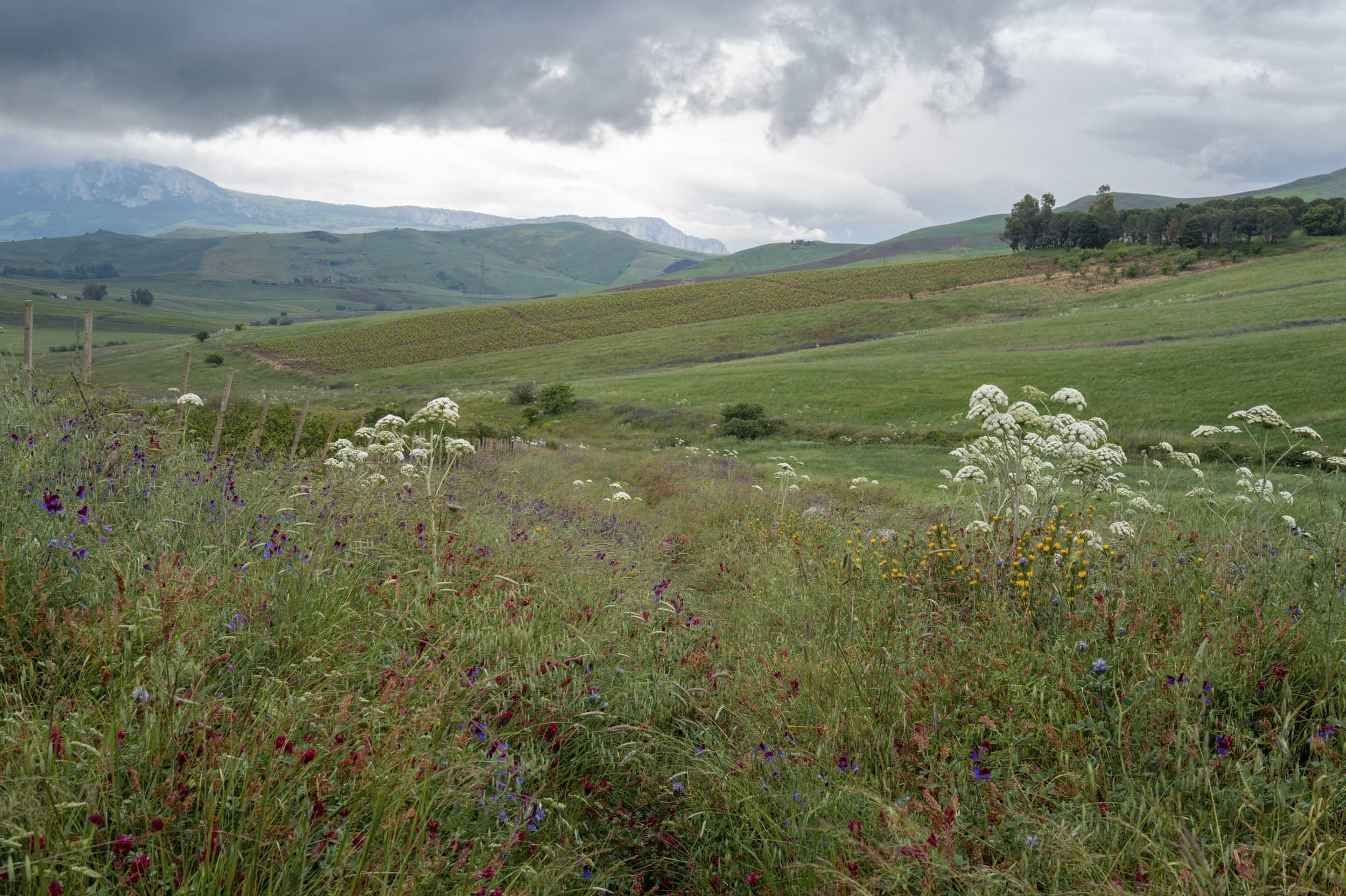
Tested by rain
The map showed a restaurant next to the church, and the thought of something hot to eat and drink spurred us on.
Sadly, both the church and the restaurant were locked tight. Worse, our arrival coincided with a torrential downpour, the heaviest rain I have met in many years of hiking. Despite our waterproofs, we were soaked to the skin and growing cold.
Sheltering under a shed, we took stock. Once again, my companion gave me that look, questioning the wisdom of the whole enterprise. After finishing the last of our biscuits, we decided the only option was to keep moving. There are no villages between Santa Cristina Gela and Corleone, so we had to complete the full 26-kilometre stage to find shelter.
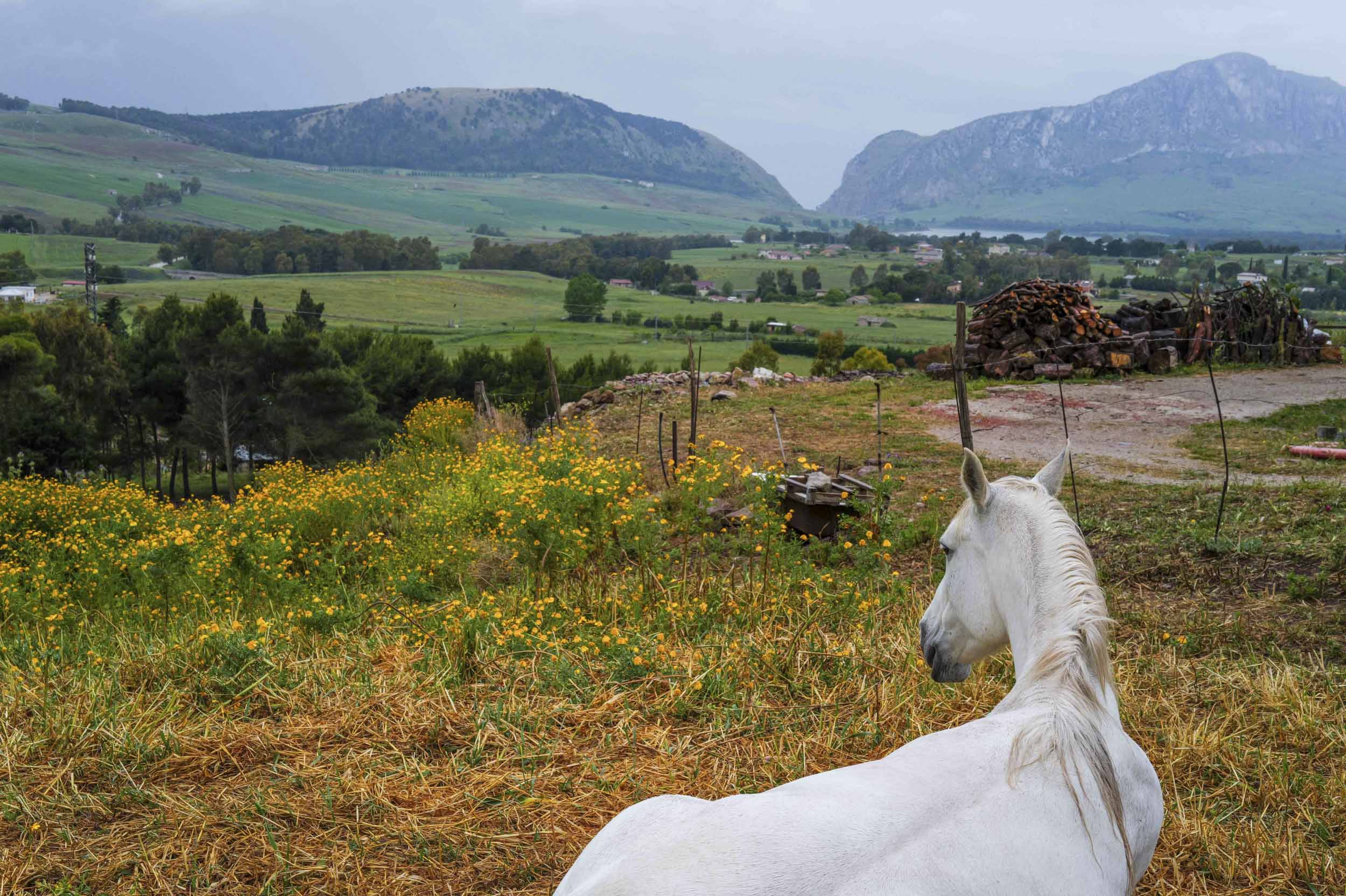
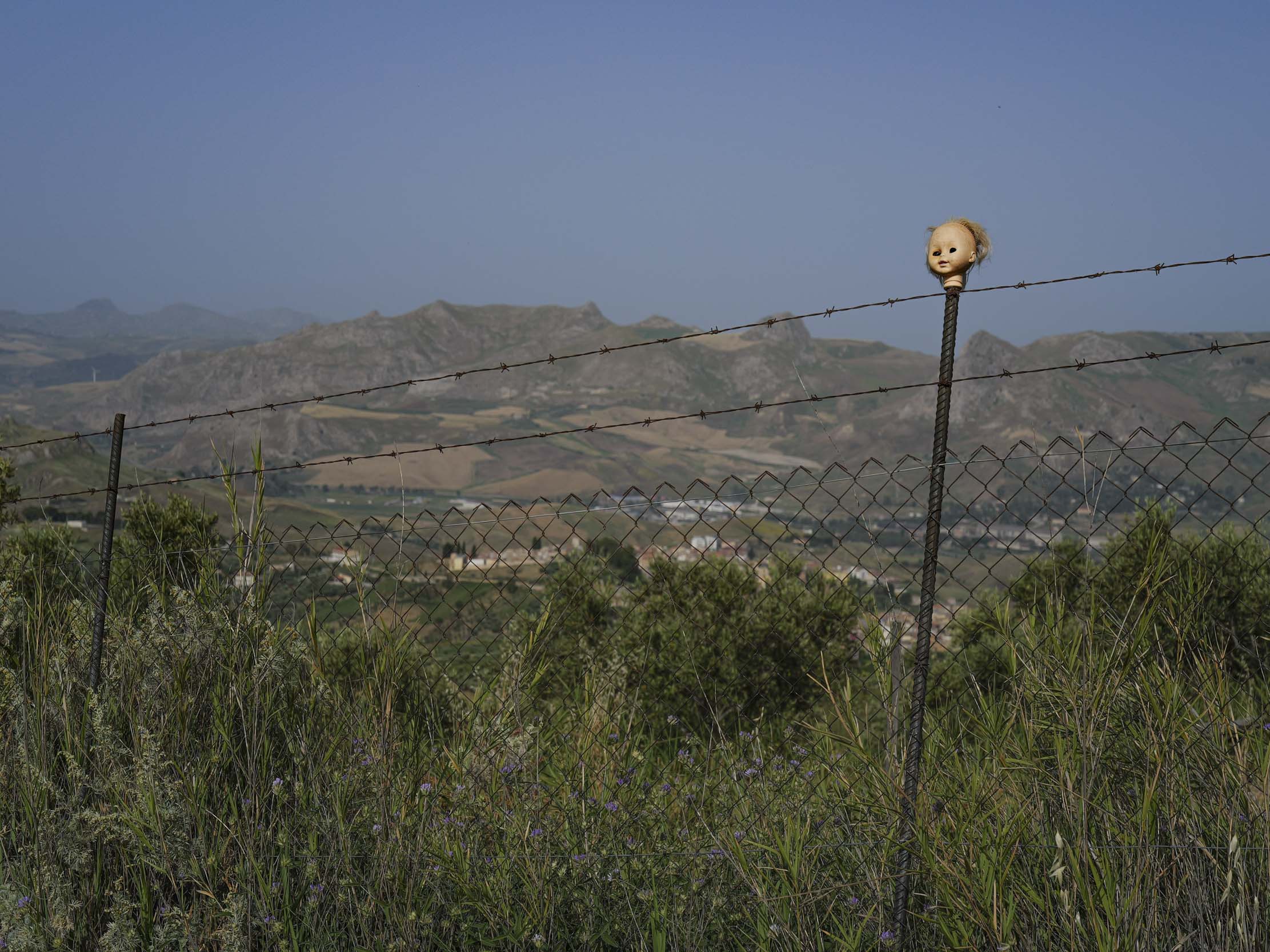
Eventually, the deluge eased to a steady drizzle, and the trail joined the main road. A kind Italian couple pulled over in a tiny Fiat to warn us that the next section of trail had been washed out and advised us to stay on the road all the way into town. Walking beside traffic on wet tarmac was hardly ideal, but we were grateful for the warning. I was grateful, too, for the Q3 43’s weather sealing.
We finally entered Corleone under a grey sky, thinking only of dry clothes and hot pizza. Over dinner that night, and at a café the next morning, the town showed its true character. There were no cinematic mobsters, only friendly, hospitable people going about their daily lives. The only real danger we met was the busy traffic.
The slow path
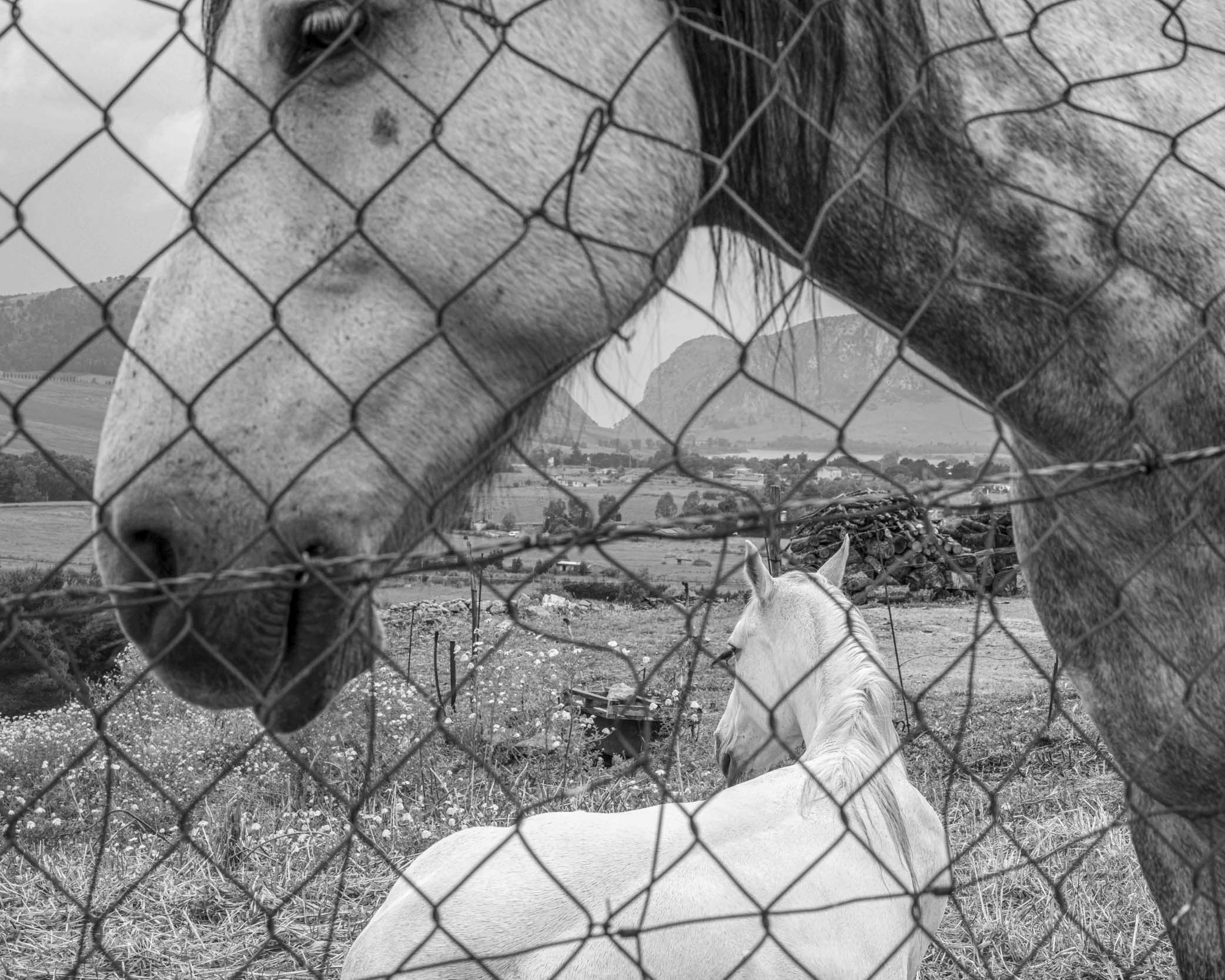
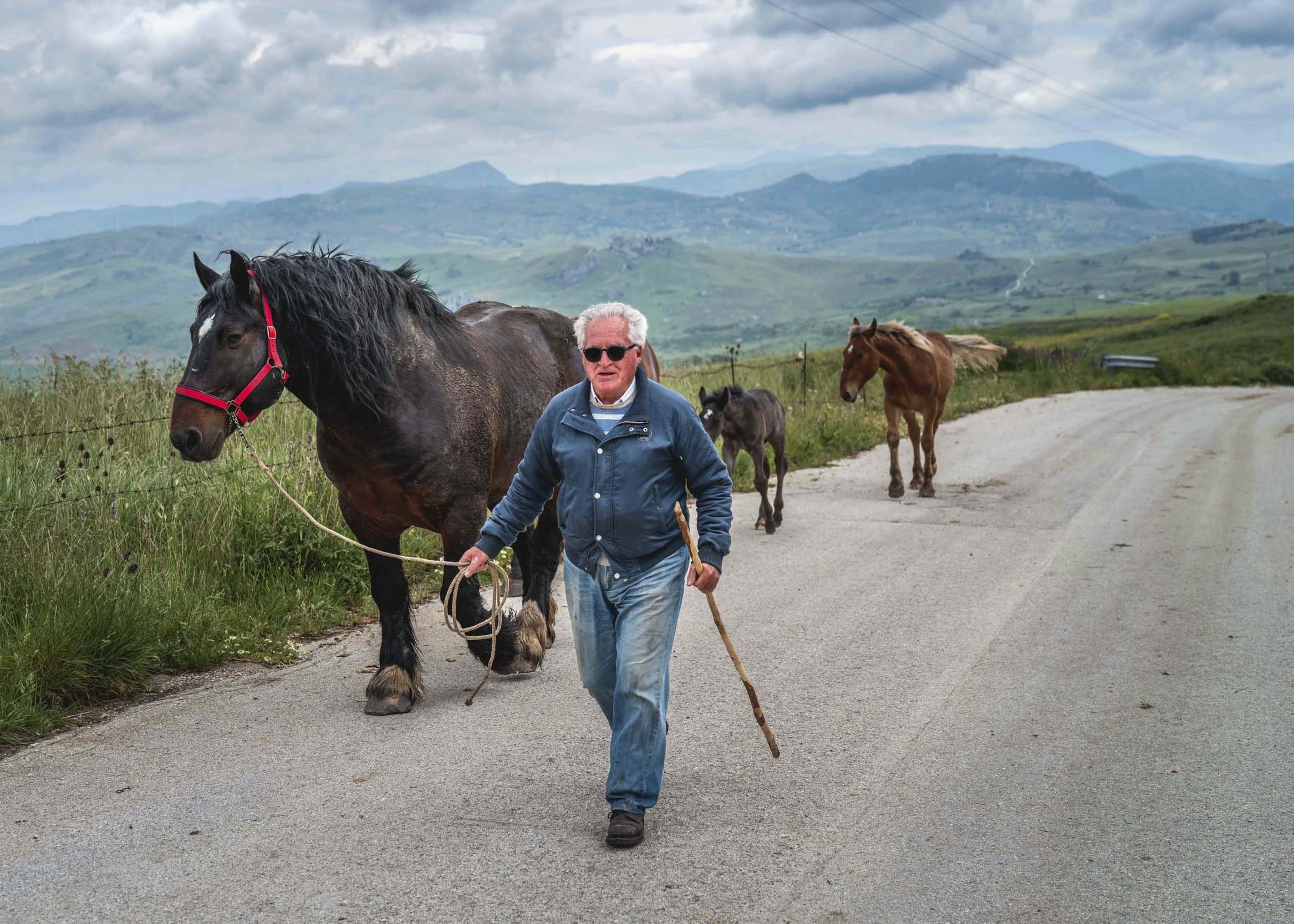
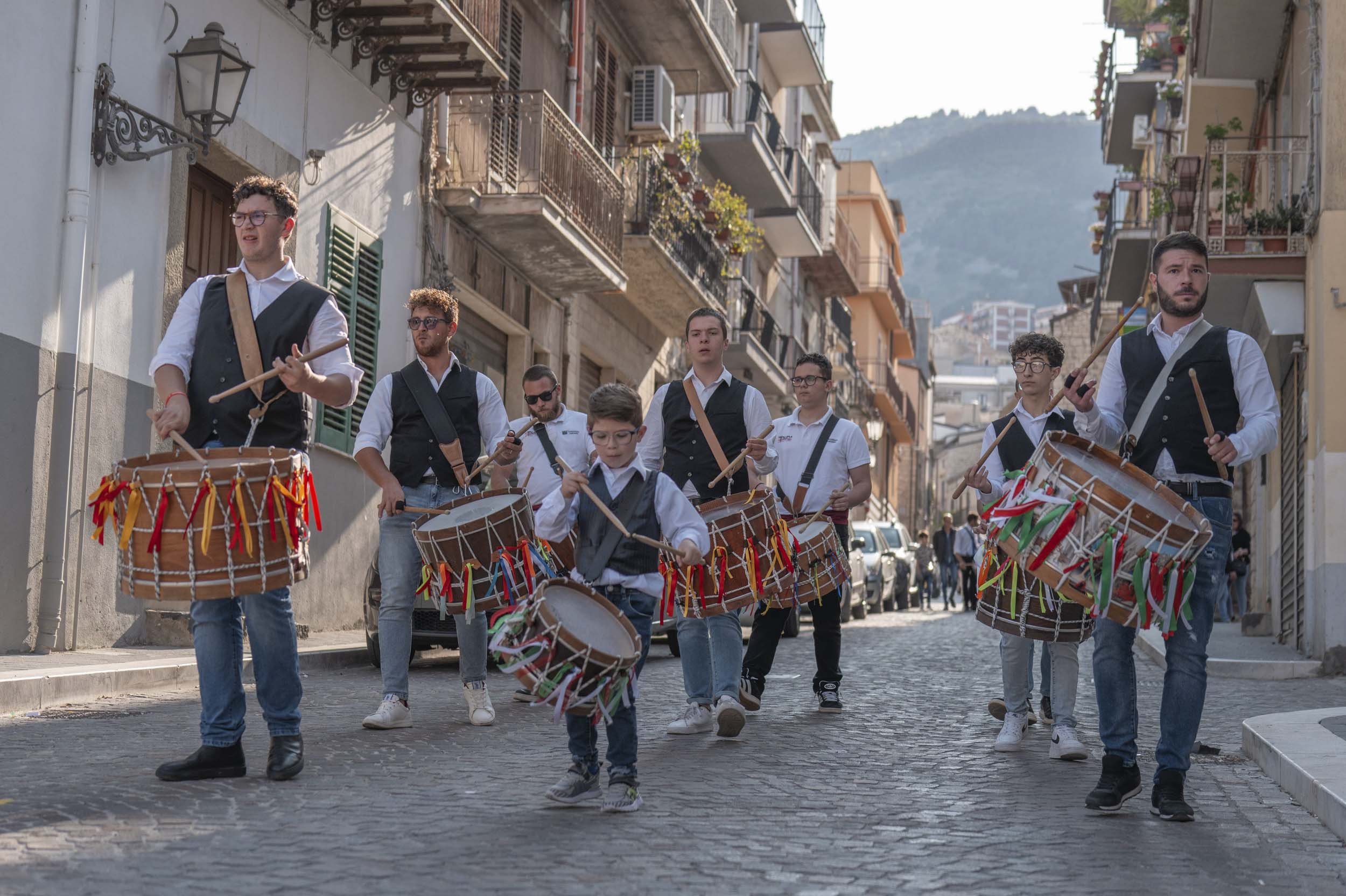
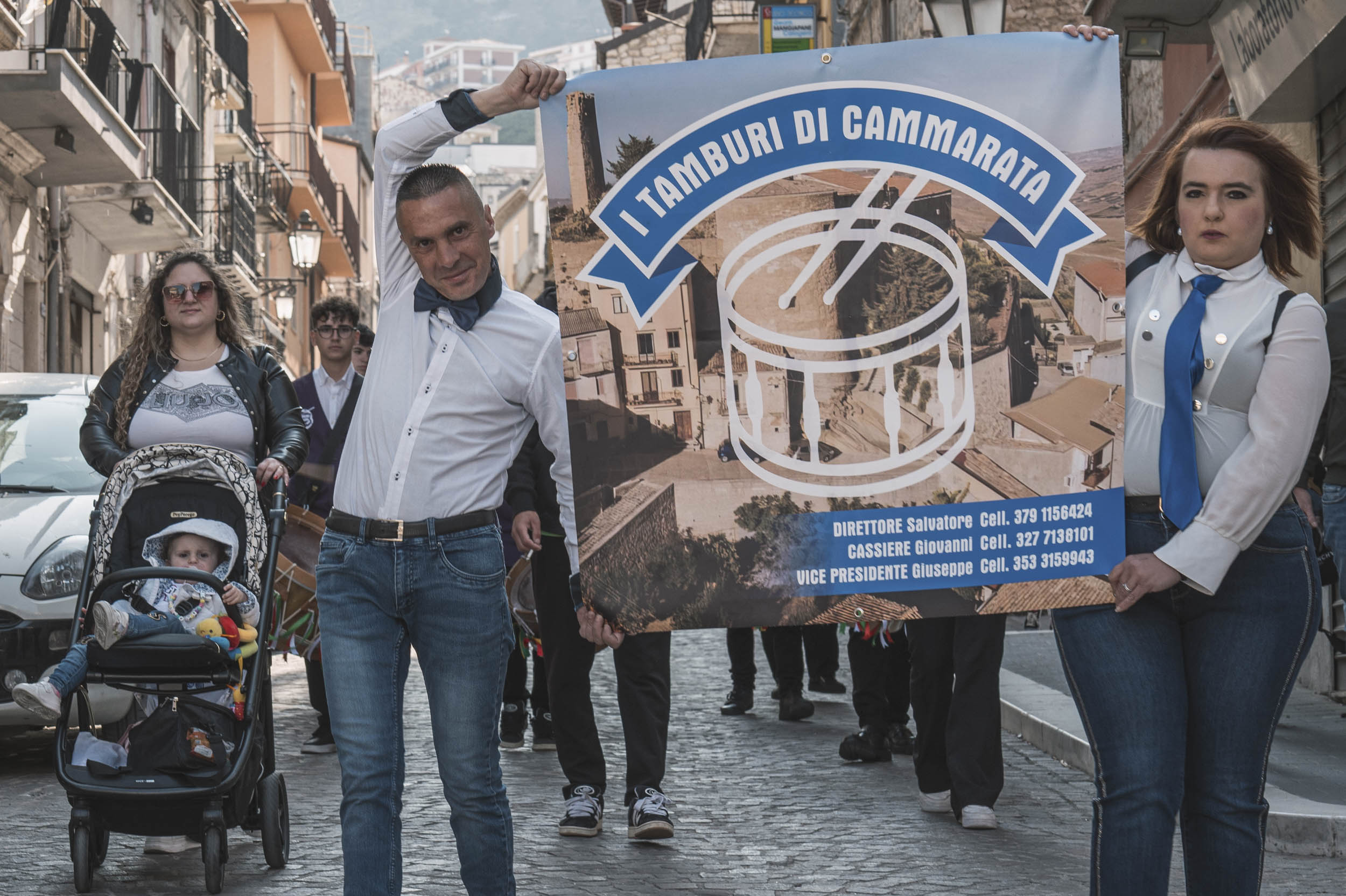
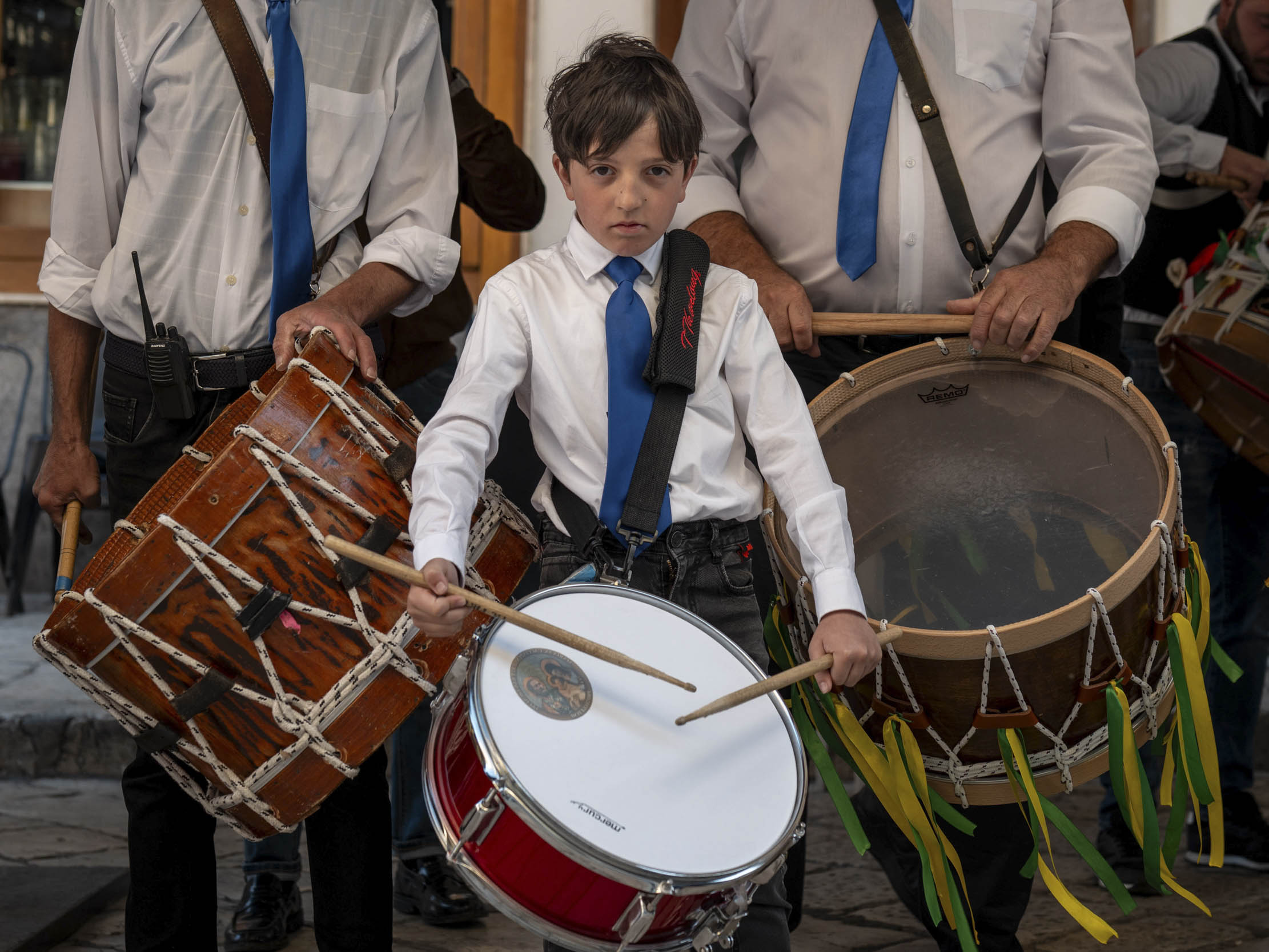
The following week rewarded us with long, sunny days and delightful encounters with local people, all of them proud of their region’s heritage. Each day brought unexpected pictures: horses led over mountain passes to fresh pasture, a lively drumming contest between rival villages, and fascinating conversations with independent winemakers.
Power on the trail
The biggest surprise with the Q3 43 was its battery life. When I bought the camera, I fully expected to need a couple of spare batteries, as I had for my M10. After a few days of test shots, though, I realised I didn’t. A fully charged battery usually lasted all day, provided I didn’t spend too long reviewing what I had shot. If the charge did run low, I could top it up quickly by connecting the camera to a small power bank about the size of a pack of cards.
After particularly busy days, I would walk the last hour of the stage with the camera around my neck and the power bank, connected by a USB-C cable, in my pocket. I didn’t even need to unplug it to take a picture. In the evenings I usually went out to dinner with the camera charging the same way, in case I saw something worth photographing. By bedtime the battery was full, and the only things I needed to charge overnight were my phone and the power bank.
I could have done more to save power. I don’t usually turn off Auto Review or use Power Save mode or EVF Extended, all of which would stretch battery life further. I do, though, set the optical image stabilisation to Auto, and I keep the AF assist lamp switched off so that nobody is distracted or alerted when I take a picture. I also found it best to switch off Touch AF in the EVF so that I didn’t trigger it accidentally with my face.
Settings and focus
Because I wanted the finest images I could get of this special journey, I always shot the largest raw and JPEG files (L-DNG and L-JPG). That let me crop in closely while keeping an extraordinary level of detail. Getting that fine detail in focus matters, and much as I love my manual-focus M10, I value the autofocus on the Q3 cameras too.
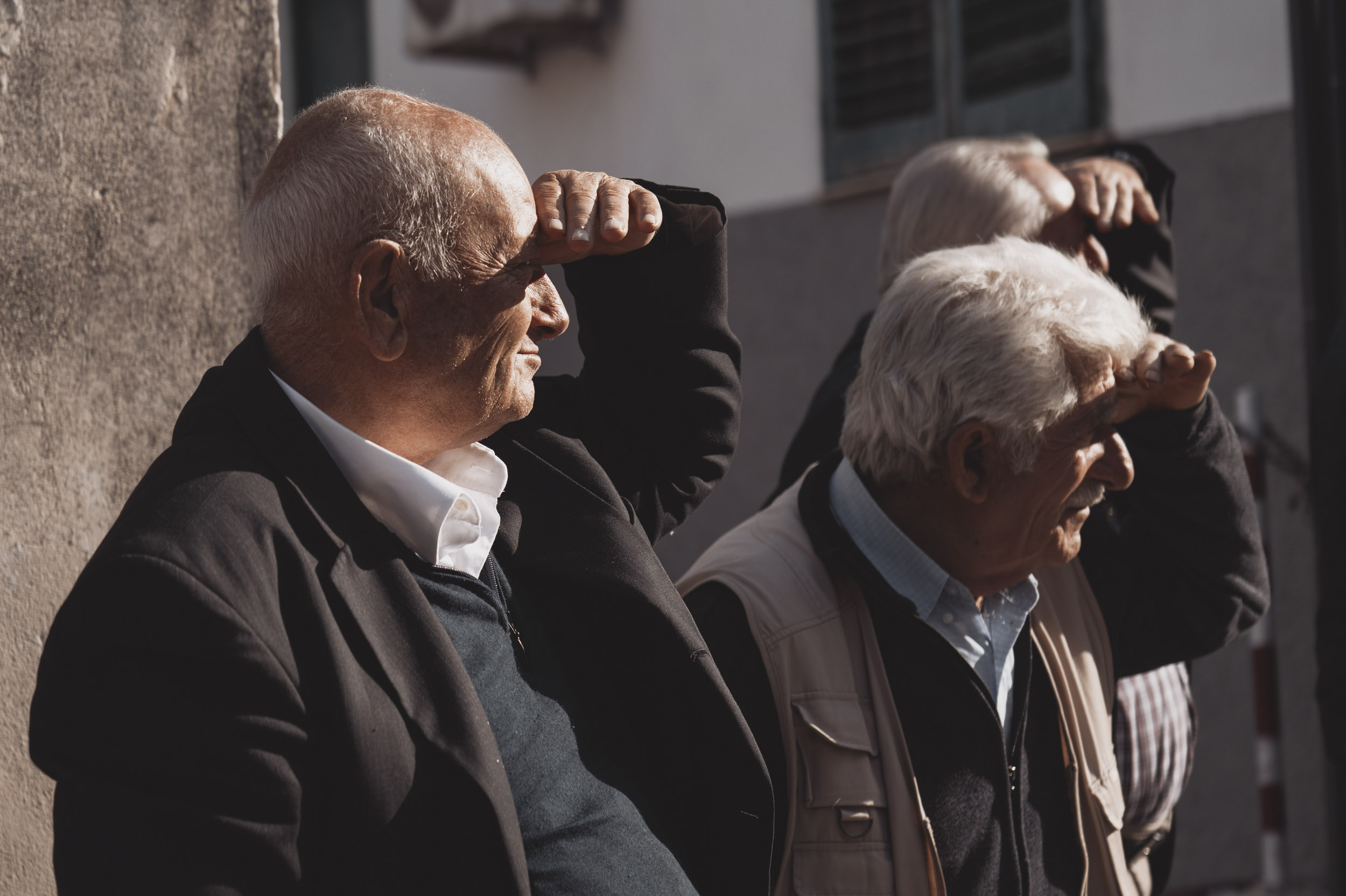
When I’m taking my time over a close portrait at f/2, I sometimes switch to manual focus so that the viewfinder magnifies the scene enough to show whether I have the pupil sharp rather than the eyebrow. For most scenes, though, I get more keepers with the autofocus. I’m so taken with the 43mm field of view that I don’t think I used the crop modes once.
With fresh landscapes every day, I probably underused the macro setting, too. I switched to it only a few times, but I noticed that manual focus with automatic magnification helped me put the focus exactly where I wanted it. If the 60MP images didn’t crop so cleanly, I might have experimented with macro more.
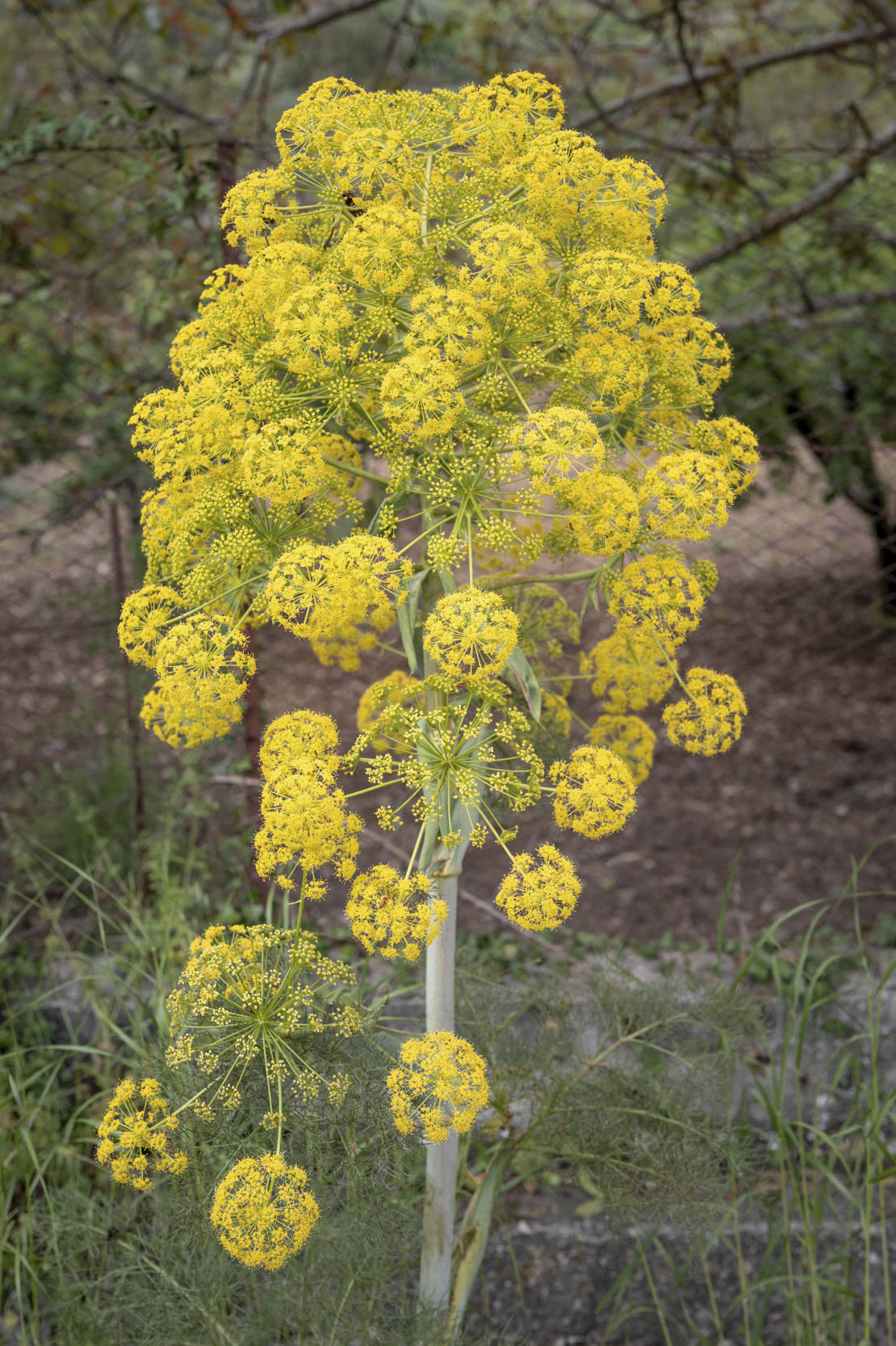
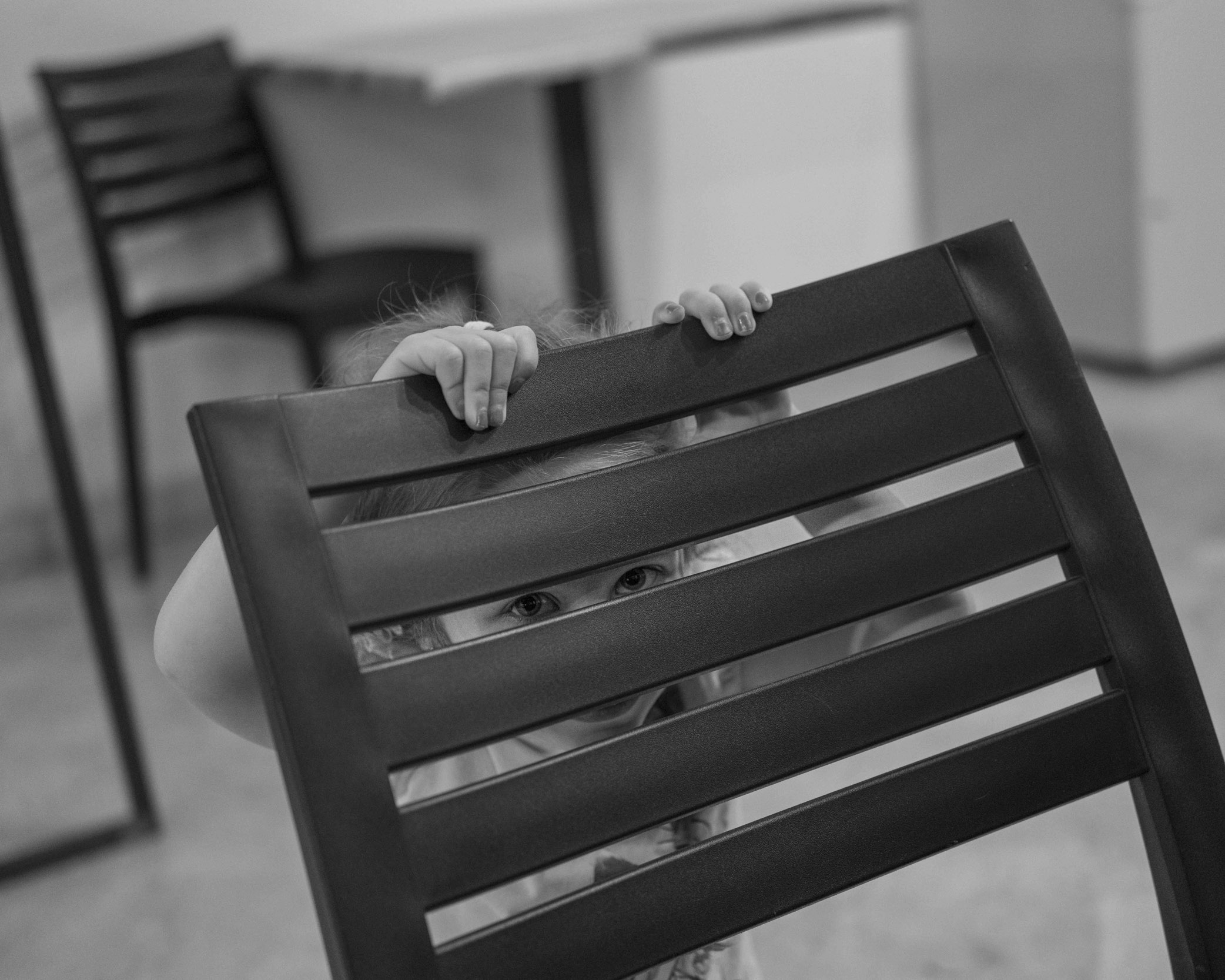
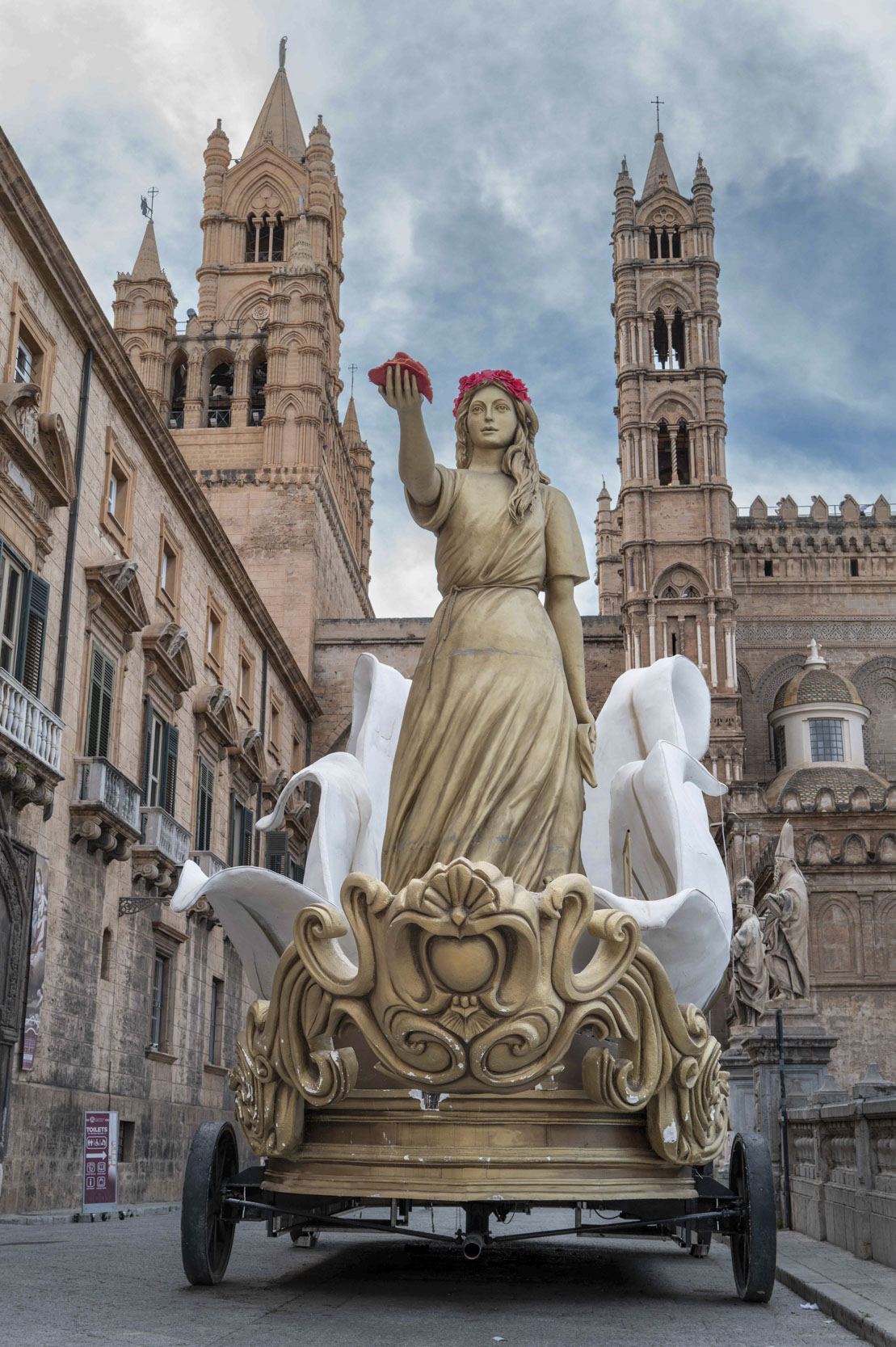
Expecting everything from fast-moving street scenes to golden-hour landscapes, I set up three user profiles, each with its own ISO limit, focus mode and minimum shutter speed. One shoots black-and-white JPEGs, for when I want to concentrate on shapes and shadows or already see the scene in monochrome. I also tend to set exposure compensation to -1/3 EV to protect the highlights.
Journey’s end
The walk culminated in a spectacular final day among the great Greek temples of Agrigento, and this is where the fixed 43mm lens truly shone. As a landscape lens, it proved wide enough to capture the scale of the largest temples without my having to back over a cliff to fit everything in. Its edge-to-edge sharpness brought the ancient stone to life.
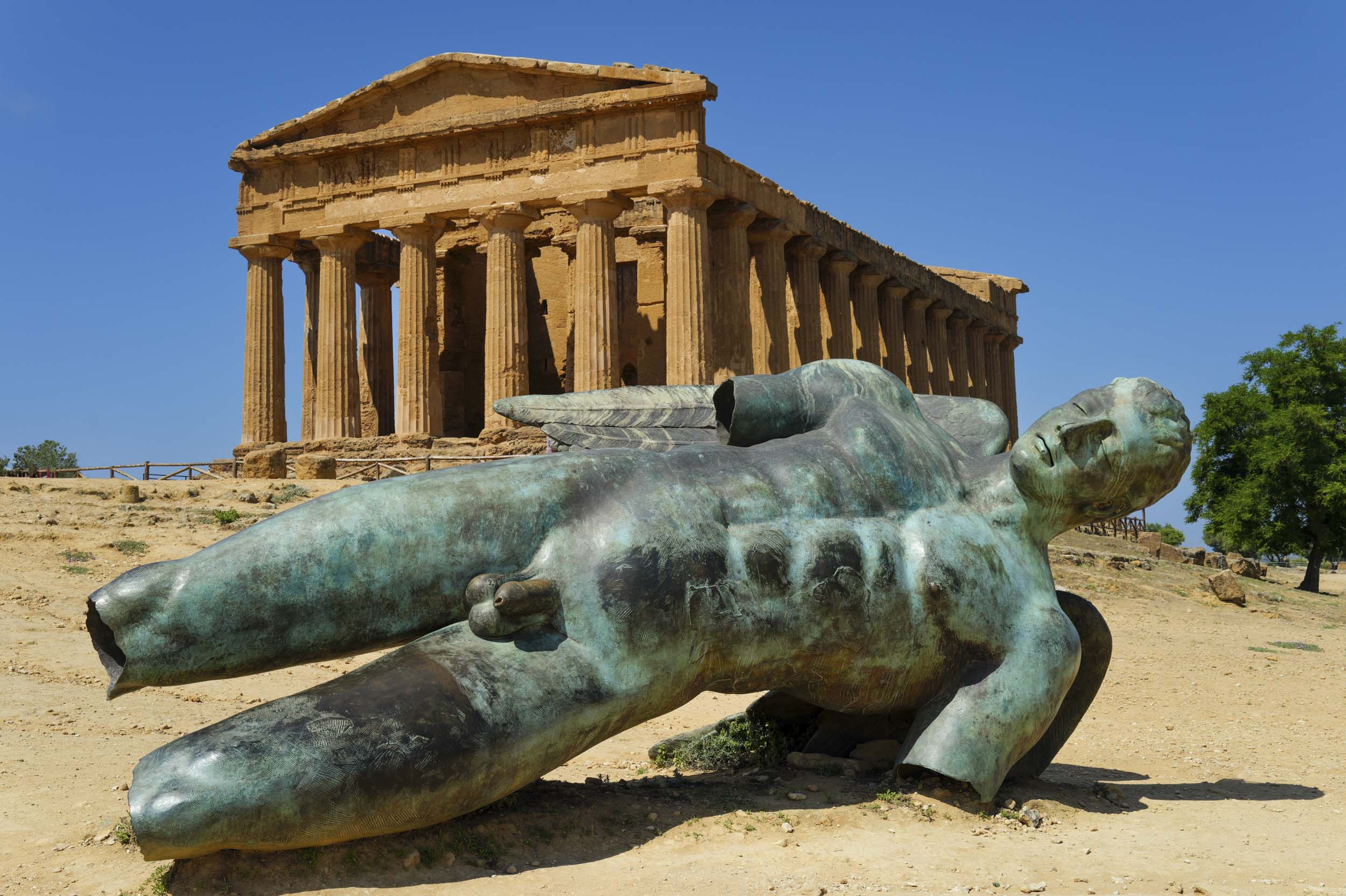

We caught an evening train back to Palermo, tired but deeply satisfied. The landscapes and people of Sicily had given us their very best, and the Q3 43 had matched them step for step. For me, a high-resolution, weather-sealed, fixed-lens Leica was the perfect camera for the Magna Via Francigena.
Further reading
| Macfilos Articles | Other Links |
|---|---|
| Leica Q3 43: Long-term review of the new fixed-lens compact. But why 43? – The Macfilos verdict on the camera Matt carried | Leica Q3 43 – Leica’s own product page and specifications |
| Leica Q3 43 Readers’ Report – Owners share their experience of the 43mm compact | The Magna Via Francigena Trail – An English-language guidebook to the route |
| Leica Q3 43: How do I love thee? Let me count the ways – Another owner’s affectionate take on the Q3 43 | Arab-Norman Palermo and the cathedrals of Cefalù and Monreale – UNESCO’s account of Monreale and Palermo’s monuments |
| On the road to Santiago de Compostela with a Leica M9 – John Brockliss’s photographic pilgrimage on the Camino | Archaeological Area of Agrigento – UNESCO on the Valley of the Temples, where the walk ends |
Make a donation to help with our running costs
Did you know that Macfilos is run by six photography enthusiasts based in the UK, USA and Europe? We cover all the substantial costs of running the site, and we do not carry advertising because it spoils readers’ enjoyment. Any amount, however small, will be appreciated, and we will write to acknowledge your generosity.
Wonderful story and photographs. I also appreciate your detailed explanations of your choice of equipment. While I am not a Leica user, one of the things I really like about Leica users is the way they appreciate fine equipment. For me as well, part of the joy of photography is the appreciation of the equipment I use. To quote a Nikon brochure from the 1960s: “The Nikon F is … especially for the man to whom fine equipment is itself a source of gratification with the knowledge that its quality goes hand-in-hand with the inevitable quality he will enjoy in the results.”
Thank you for your story and pictures. Last year we went to the same area and I took some fine pictures there too. We also found the people of Sicily very friendly and helpful. And don’t forget the fabulous food😉. A nice region to go to for holidays.