
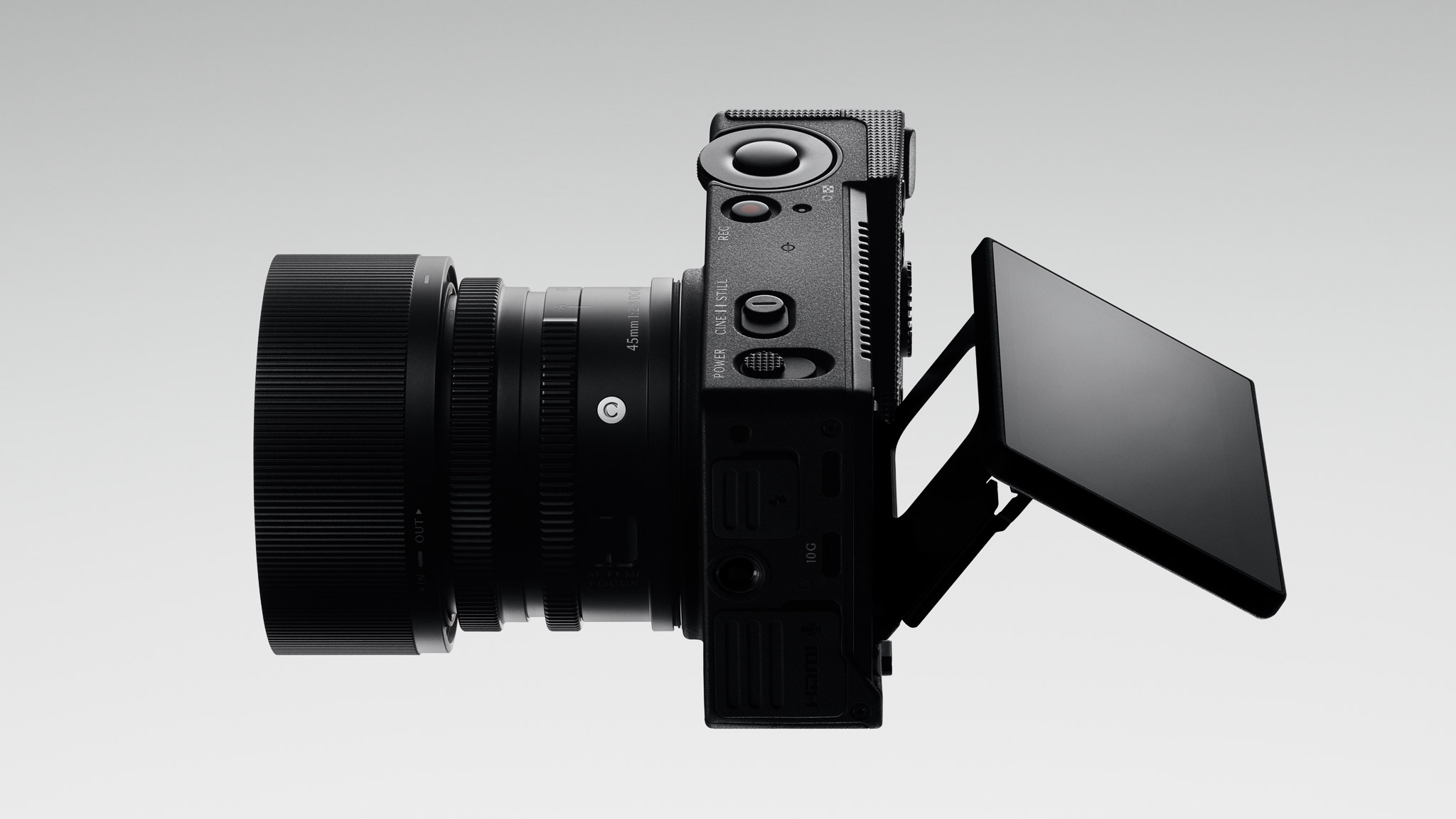
Seven years ago, Sigma surprised the photographic world with the fp, a full-frame camera small enough to slip into a coat pocket. It was ingenious, highly capable for video and, for many stills photographers, something of an acquired taste. Now Sigma has unveiled its successor, the FP2, and by the company’s own reckoning it is still the world’s smallest camera body of its kind. This time, though, the list of changes reads like a reply to almost every reservation about the original. And alongside it comes a compact, all-metal 50mm lens that sets out to be deliberately imperfect . . .
Small but serious
Sigma sums up the FP2 in three words: “Small, Powerful, Adaptable”. The camera goes on sale on Wednesday, 11 November 2026 with a retail price of £1,899.
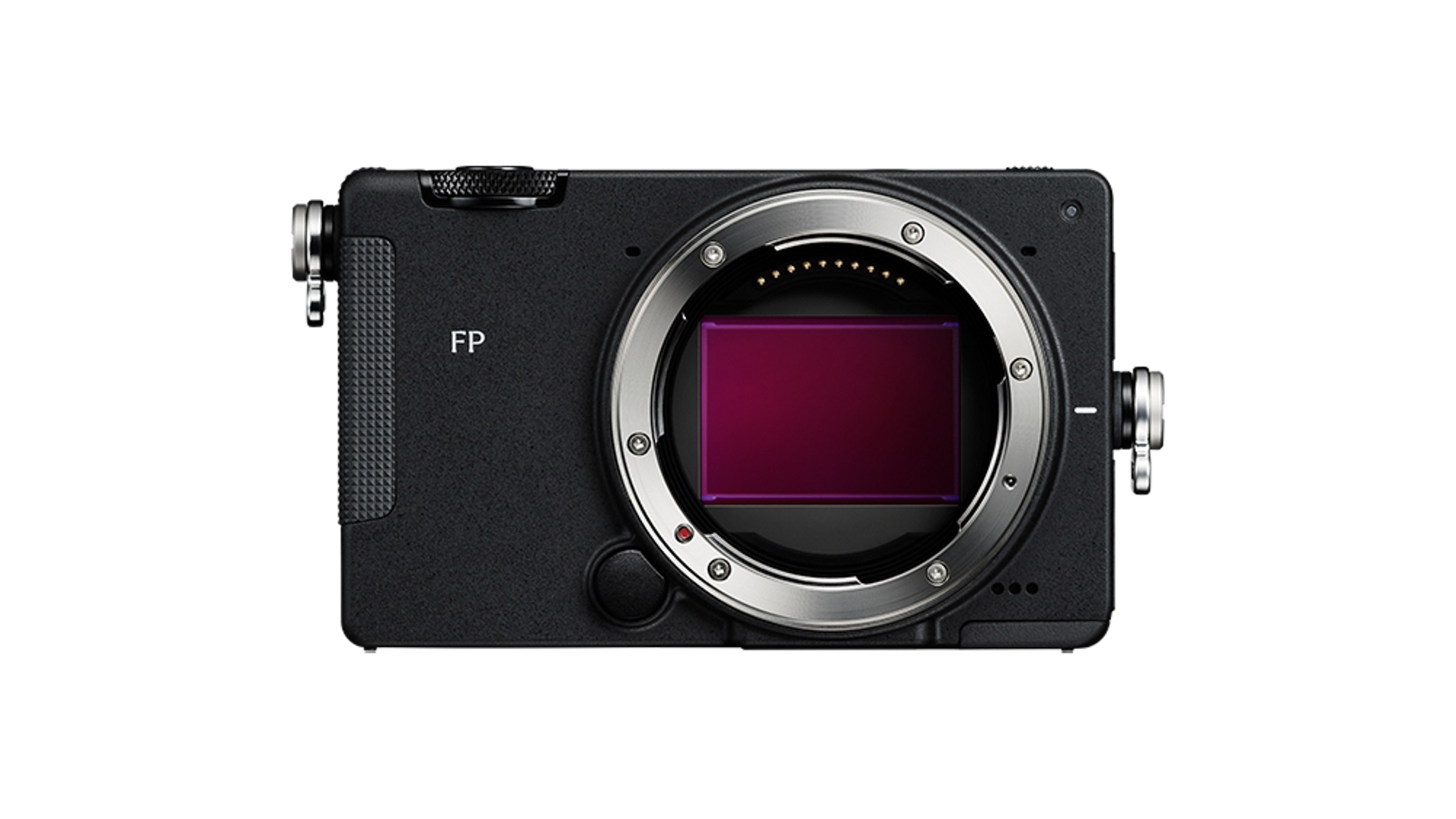
At its heart sits a new 24.5-megapixel, partially stacked, full-frame CMOS sensor. The faster readout of a stacked design brings two practical benefits. Rolling-shutter distortion drops markedly, and the camera can shoot faster bursts and higher video frame rates than its predecessor. There is still no mechanical shutter, though.
Autofocus, never the original fp’s strongest suit, has been reworked for better accuracy, speed and low-light performance. Subject detection now recognises birds as well as people and animals. Continuous shooting reaches approximately 20fps, for up to 200 frames in a single burst.
Sigma has also addressed stamina. The new battery lasts roughly 30% longer than the fp’s, good for about 370 stills or 130 minutes of video. There’s an SD card slot as before, but the FP2 also has 70GB of fast internal storage, so recording carries on even when the card fills up.
Built for stills
Many photographers felt the fp was a video camera first and a stills camera second. The FP2 tries hard to change that perception.
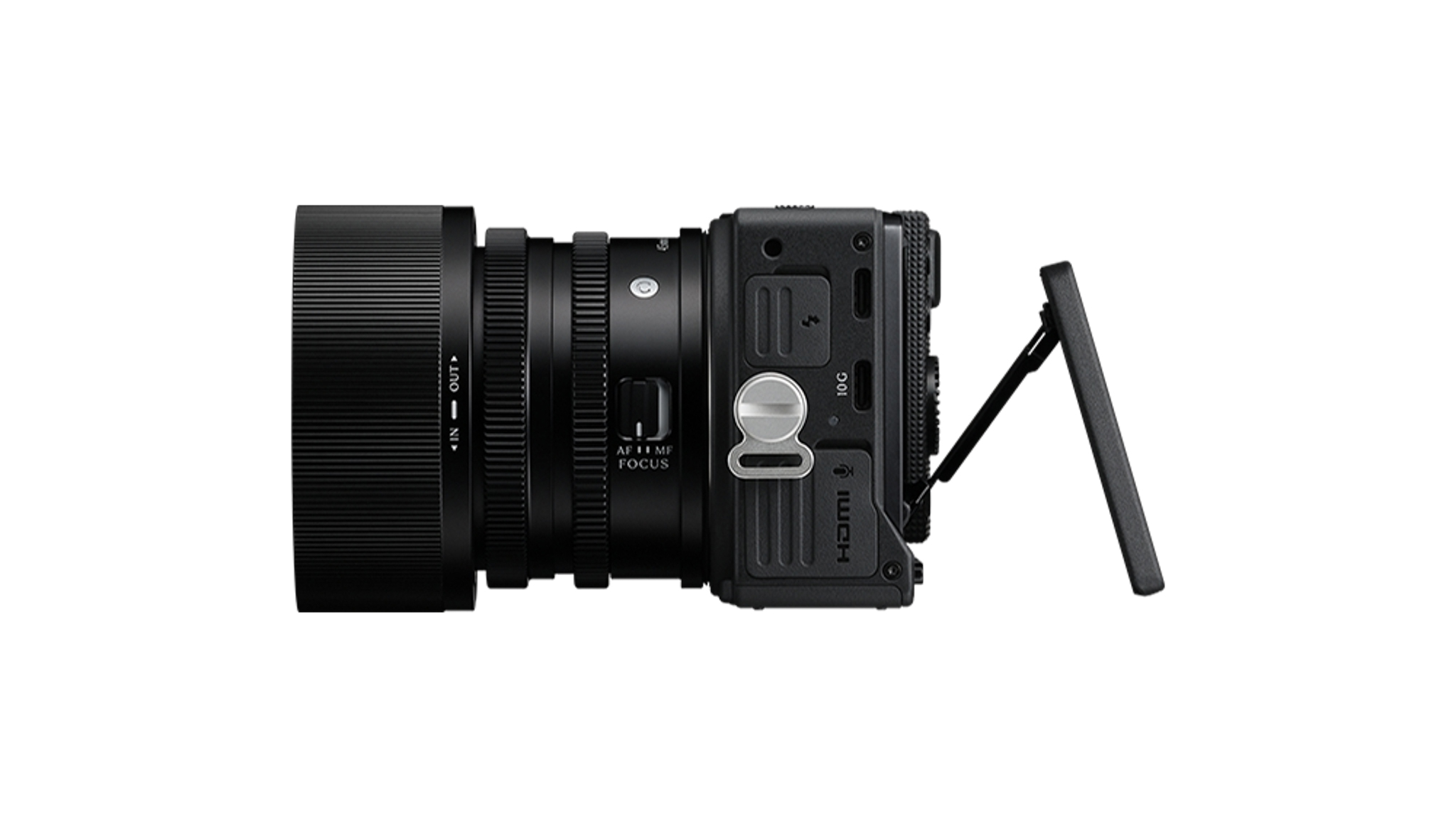
The most obvious addition is a tilting rear screen, which swings up by 90° and down by 45° without adding much bulk. A dedicated “Color” button gives quick access to 13 colour modes, all built on Sigma’s own colour science. These presets descent directly from the fp’s much-admired looks, and they let you set the mood of a picture in-camera rather than in post-processing.
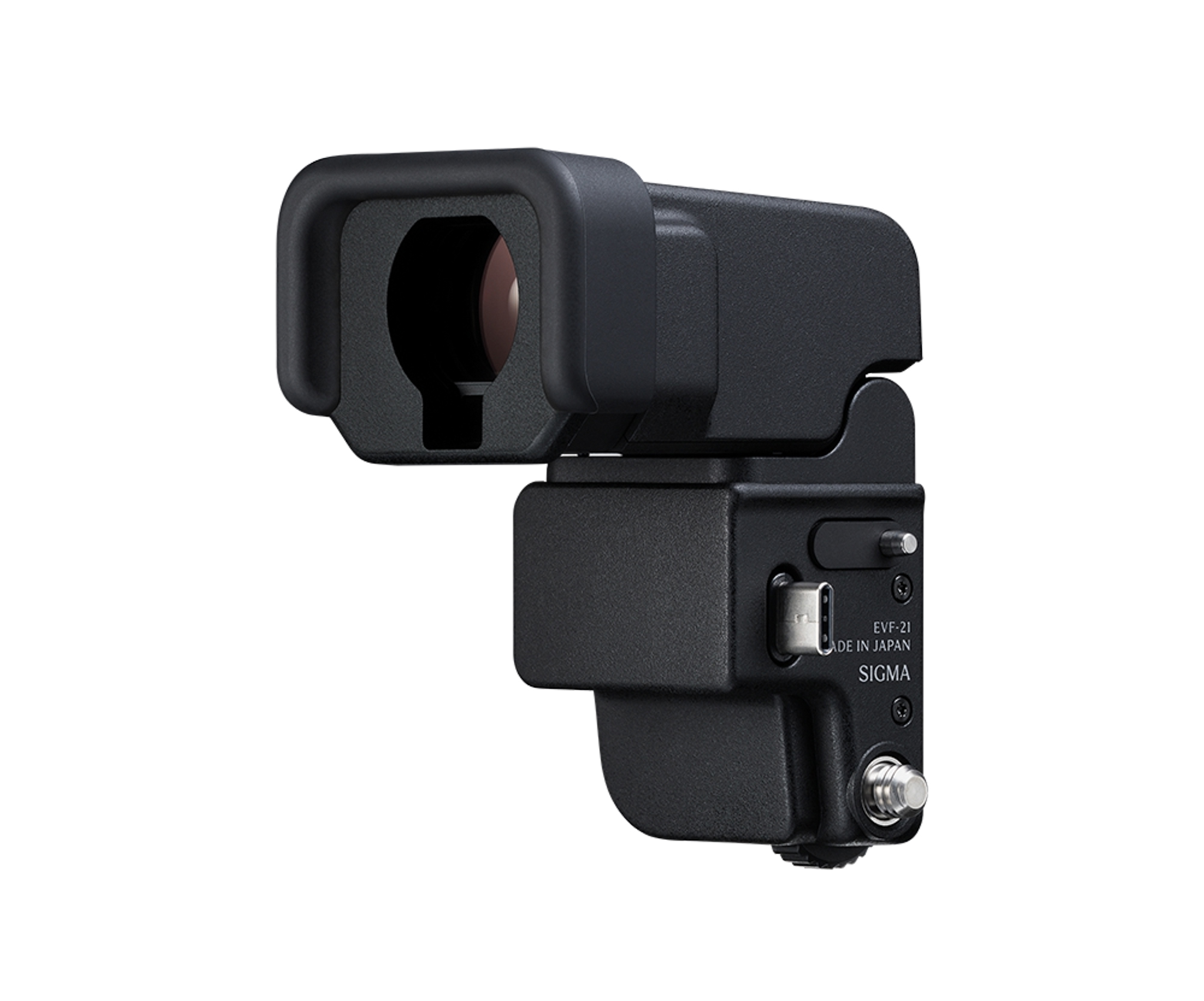
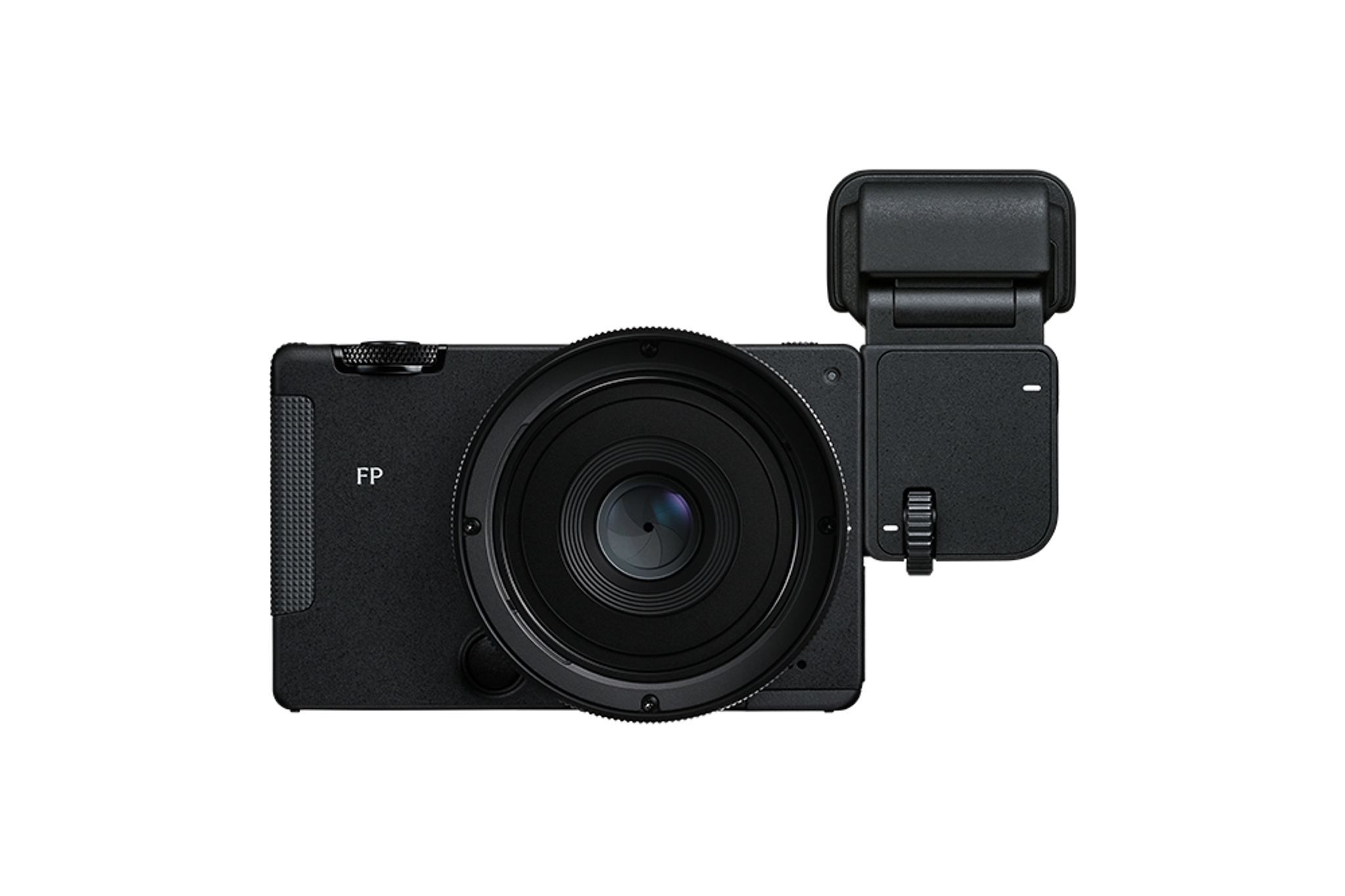
Then there’s the viewfinder question. The original fp had no built-in finder at all, which put off plenty of potential buyers. The FP2 still doesn’t have one, but the new EVF-21 electronic viewfinder attaches and detaches through a single USB-C port. It uses a 0.5-inch OLED panel with approximately 5.76 million dots, includes an eye sensor and a large eyecup, and tilts upwards by up to 90° for waist-level shooting. The Sigma FP2 plus EVF-21 will retail for £2,399.
Pocket cinema
The fp built a loyal following among film-makers, and the FP2 builds on that heritage. A switch on the top plate flips the camera between STILL and CINE modes. Each mode has its own functions, interface and workflow, so you’re not wading through video menus to change a stills setting, or vice versa.
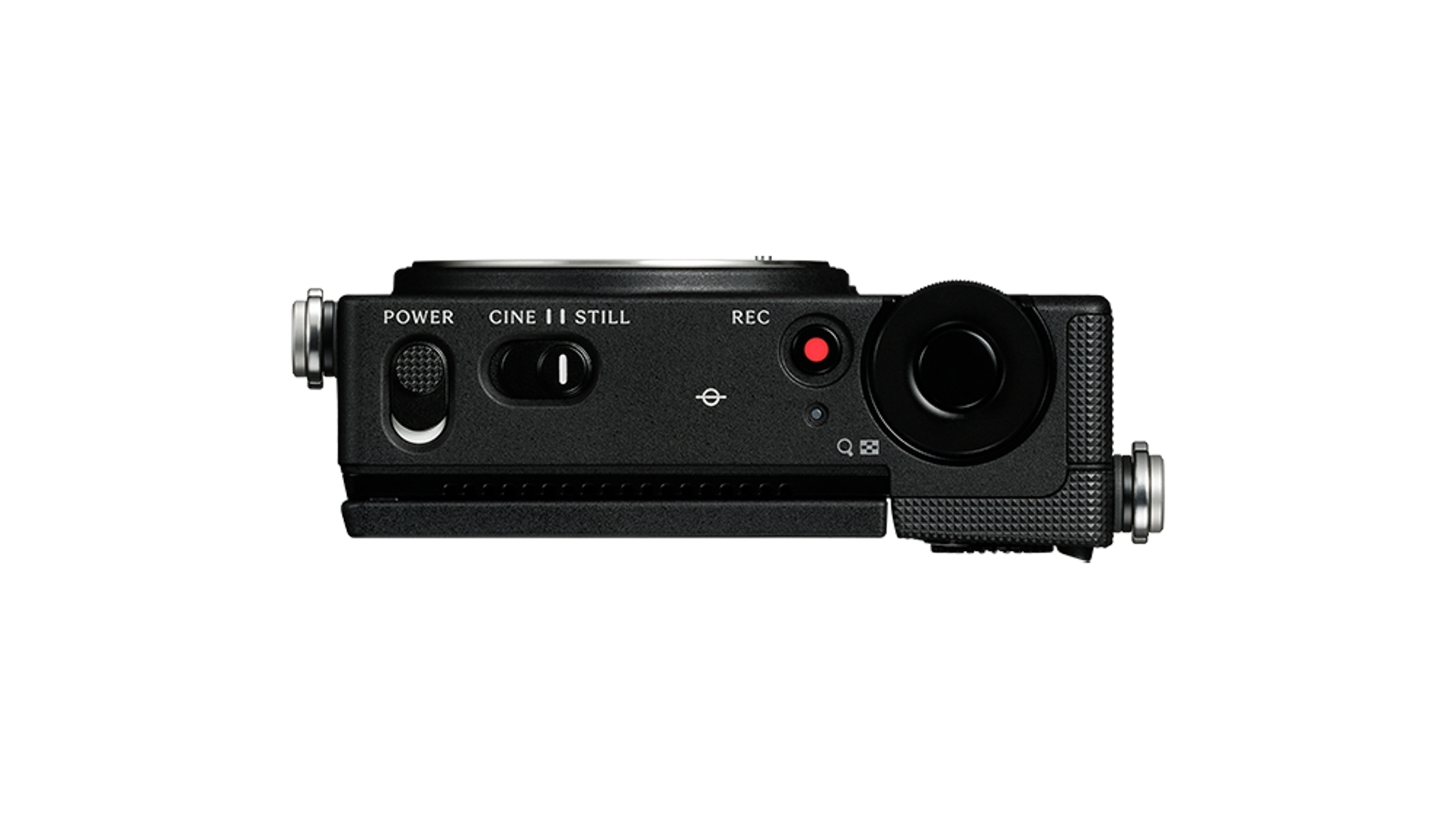
In CINE mode, the FP2 records 6K open gate, capturing the full height and width of the sensor. That makes it easy to crop the same footage for different aspect ratios later, whether for cinema, television or a phone screen. Sigma quotes up to 14.1 stops of dynamic range when shooting 4K full-frame in L-Log, with 7 stops of highlight headroom at ISO 1250 and above.
Leica owners will recognise L-Log as Leica’s own log profile, which most grading software handles directly. The FP2 also supports ProRes RAW for those who want maximum flexibility in post-production. Sound gets attention too: 32-bit float audio recording is available when the optional HU-21 hot shoe unit is paired with Panasonic’s DMW-XLR2 adapter and DMW-DMS1 microphone.

A Director’s Viewfinder function simulates the framing of various cinema cameras, now including the ARRI Alexa 35, Sony’s Venice 2 and Burano. There’s a desqueeze display for anamorphic lenses, too.
Room to grow
Sigma has standardised all the body’s threaded holes — the strap mounts on each side and the tripod socket — at 1/4 inch, so a wide range of Sigma and third-party rigging fits directly. Several new accessories join the EVF-21:
- HOT SHOE UNIT HU-21, a clip-on hot shoe with a flash terminal shared with OM System and Lumix.
- BASE PLATE BPL-21, which carries a 3/8-inch thread for standard video accessories and mounts the LCD loupe.
- LCD VIEWFINDER LVF-21, a 2.5x loupe that fits over the rear screen, with dioptre adjustment from −2 to +1.
- BATTERY CHARGER BC-91, which charges the supplied BP-91 battery in about 175 minutes from a USB PD adapter.
- DC CONNECTOR CN-91, for mains or external power.
A different fifty
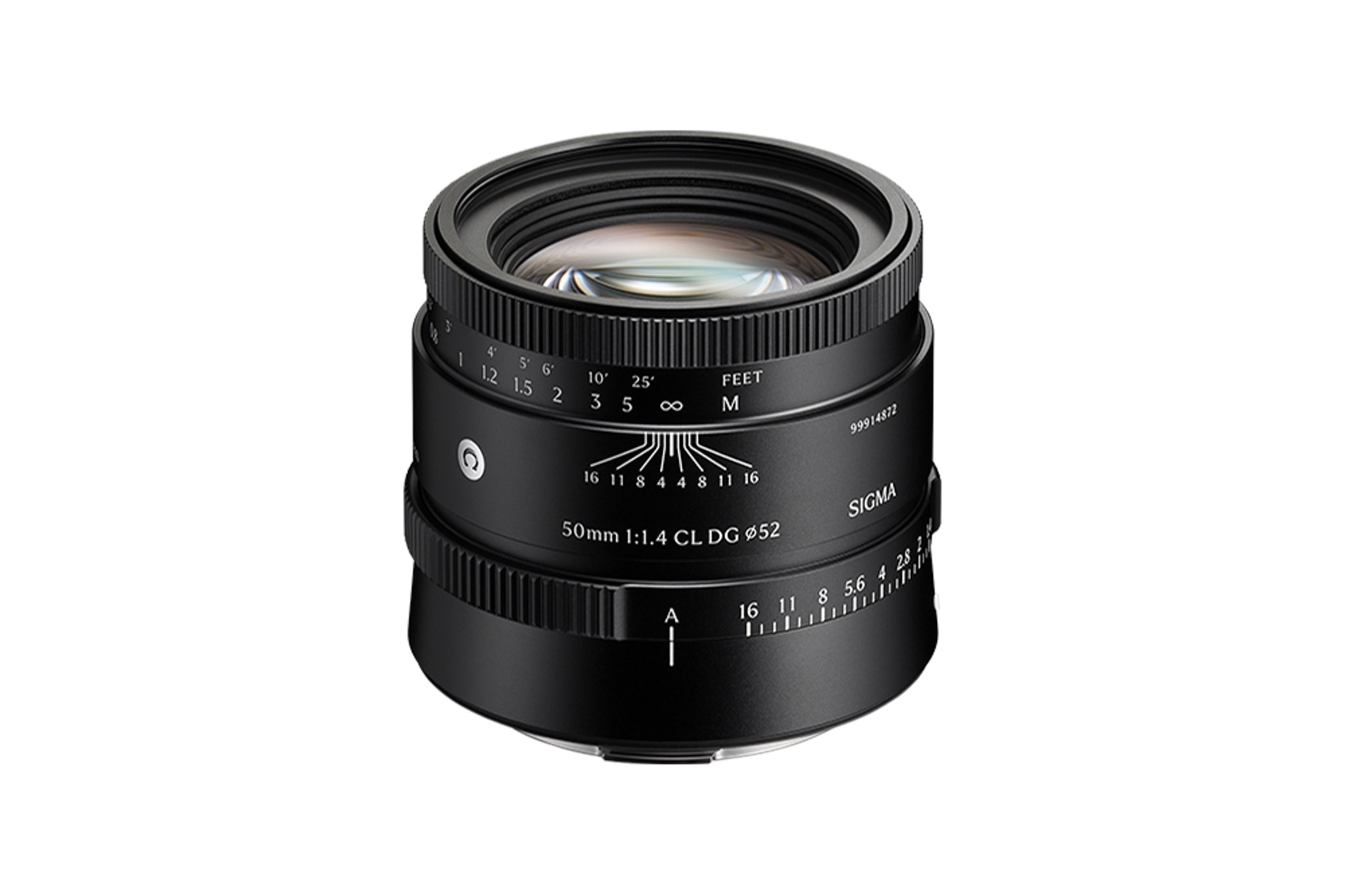
The new lens is the Sigma 50mm f/1.4 CL DG Contemporary. It launches a new lineage within Sigma’s I series of “Premium Compact Primes”, and it’s due in early spring 2027 in L-Mount and Sony E-mount versions. It is available in a kit with the FP2 for £2,419.
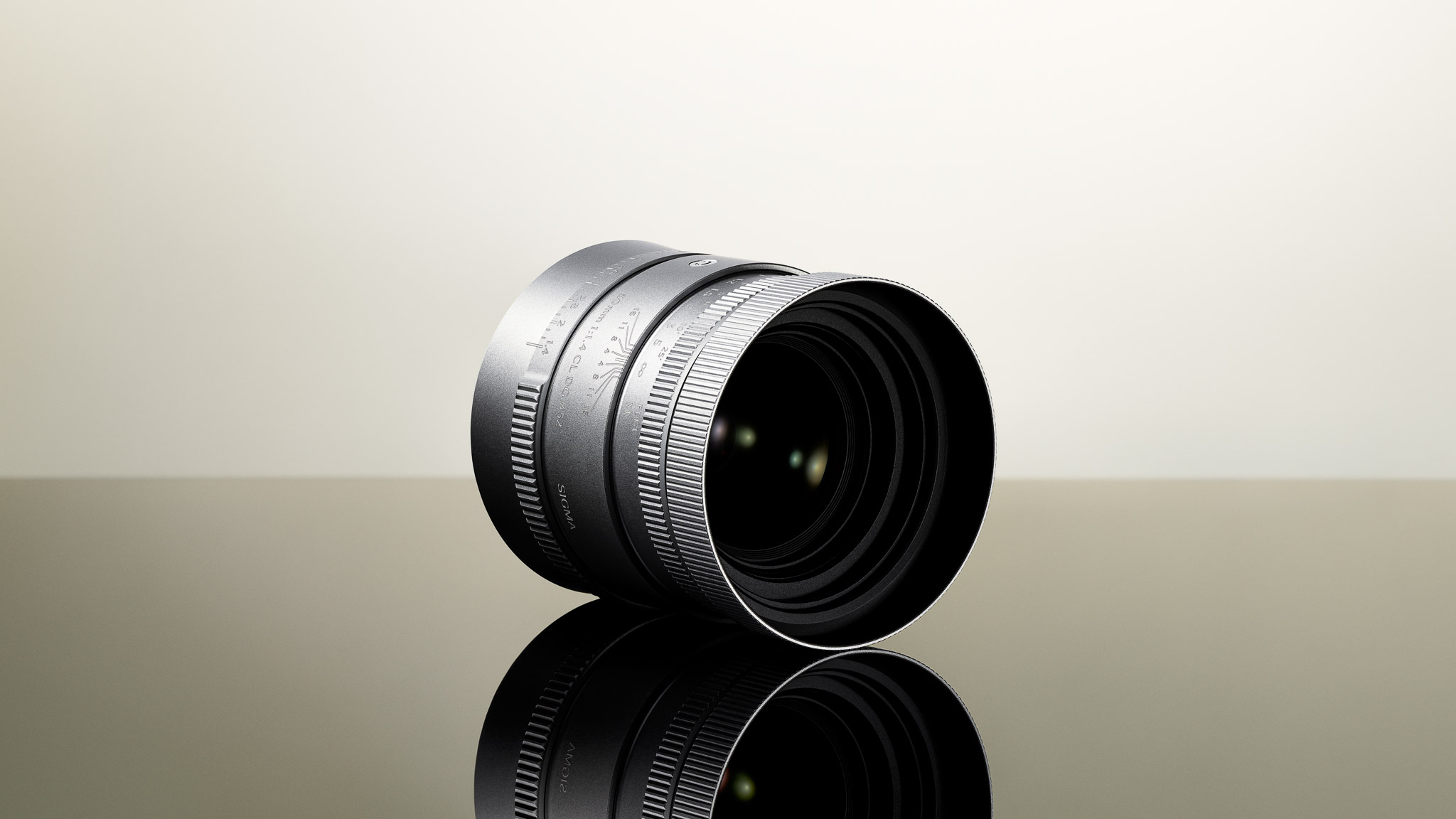
What makes the CL unusual is its stated purpose. Rather than chasing clinical perfection, Sigma says it used extensive simulation to control aberrations deliberately, producing a gentle softness within the plane of focus, smooth bokeh and a natural three-dimensional quality. The company has portraits and everyday snapshots in mind, and it says the lens looks its best wide open at f/1.4. To my mind, that’s a welcome change of direction in an era of relentlessly sharp optics.
The optical design is classic: nine elements in six groups, including three aspherical elements and one FLD element. To keep the barrel short, Sigma chose whole-lens extension focusing rather than internal focusing. Moving the whole optical group called for a new motor, the RDD (Rotary Direct Drive) actuator, which arranges coils and magnets in a ring around the barrel to deliver plenty of torque without fattening the lens. Turning the focus ring during autofocus hands over to manual focus instantly, with no switch required.
Classic touches
In true I series fashion, the CL has an all-metal body, a knurled hood and focus ring, an aperture ring and a magnetic metal lens cap. More surprisingly, it has a proper distance scale and depth-of-field scale. Sigma links the focus ring directly to focusing, so the scales actually mean something — a rare sight on a modern autofocus lens, and one that rangefinder users will appreciate.
The lens is dust- and splash-resistant, and the front element has a water- and oil-repellent coating.
Early verdict
Until we get our hands on them, the judgement has to wait. On paper, though, the FP2 looks like the camera many people hoped the fp would be: still tiny, but now with a tilting screen, a proper viewfinder option, credible autofocus and a longer-lasting battery. Paired with a characterful little fifty such as the CL, it could make a remarkably discreet full-frame kit.


Is the FP2 the pocket full-frame camera you’ve been waiting for? Let us know in the comments below.
Further reading
| Macfilos Articles | Other Links |
|---|---|
| Sigma’s new full-frame pocket camera – How Macfilos greeted the original fp in 2019 | Sigma Global website — product information |
| Sigma fp L: First impressions and a few unusual tweaks – Allan’s hands-on with the 61MP fp L | Sigma 50mm f/1.4 DG DN Art – Sigma’s official lens page for the previous 50mm f/1.4 in L-mount |
| Sigma L-Mount lenses bring a new dimension for owners of Leica’s SL cameras – Why Sigma glass matters to Leica shooters | Sigma fp – Background and specifications of the original camera |
Make a donation to help with our running costs
Did you know that Macfilos is run by six photography enthusiasts based in the UK, USA and Europe? We cover all the substantial costs of running the site, and we do not carry advertising because it spoils readers’ enjoyment. Any amount, however small, will be appreciated, and we will write to acknowledge your generosity.