
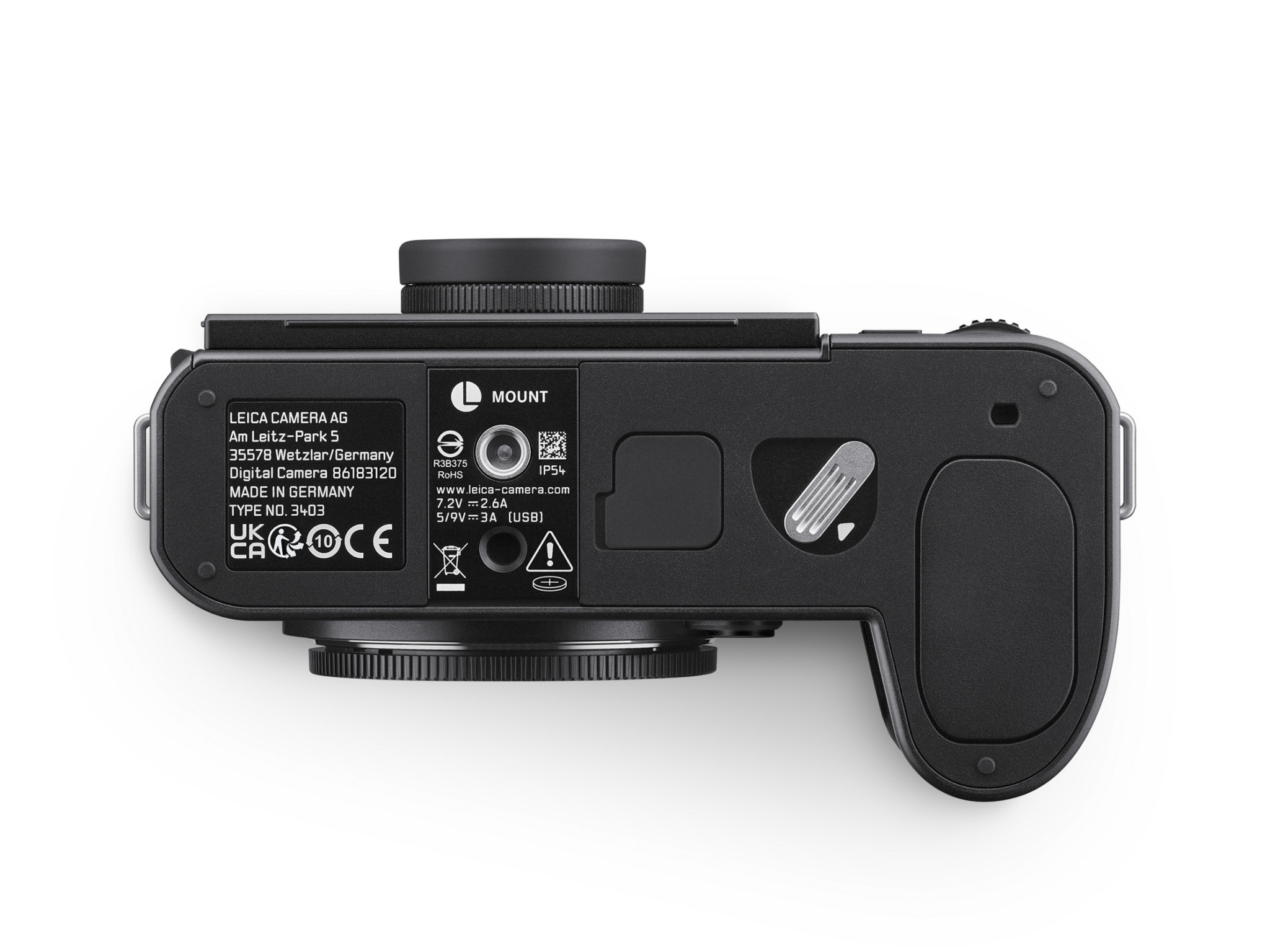
DPReview’s Richard Butler published an interview with Gerrit Gissel, Leica’s product manager for the SL series, talking through the thinking behind the SL3-P. I found it fascinating, and it happens to confirm a good deal of what I’ve discovered for myself over the past few weeks with my own newly minted SL3-P.
You can find the full interview here on DPReview.
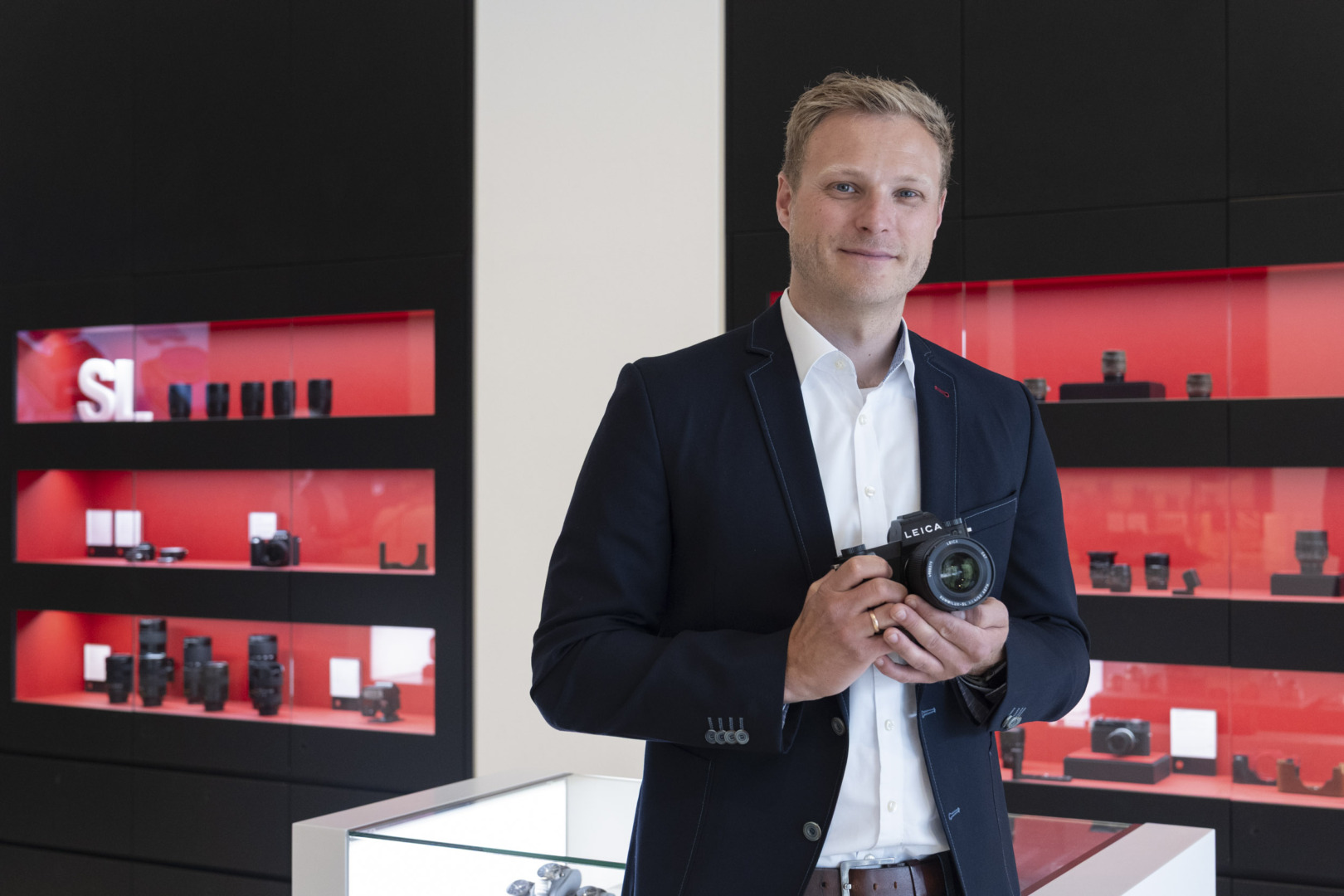
The SL as Leica’s technology lighthouse
Gerrit describes the SL series as Leica’s “technology lighthouse” camera line, which the company uses to develop ideas before they filter down elsewhere in the range. The new user interface, for example, debuted in the SL3 generation before making its way into the Q series last December.
It’s a useful way of understanding why the SL feels different from the M and Q ranges. Leica treats it as a proving ground, deliberately more exposed to direct comparison with mainstream rivals than the rest of the company’s line-up.
Finding its own language
Richard Butler pushes Gerrit on how Leica competes given that exposure. The answer isn’t about chasing every feature on a rival’s spec sheet. Gerrit talks instead about finding “our own language”, built around being “user intuitive, user-friendly, not overloaded with features, and just allowing the photographer or videographer to focus on his or her work”.
That restraint is deliberate, I believe. Gerrit argues that Leica knows its customers well enough to leave things out rather than pile them in, and that build quality and image quality matter more than anything a data on a data sheet. As he puts it, “neither thing is particularly visible when looking at a technical data sheet.”
There’s an ambition behind it, too. Gerrit says the SL3-P is “very attractive for people who haven’t considered a Leica to switch to us”, which tells you plenty about who Leica thinks it’s now selling to.
Three cameras, one sensor question
The most interesting part of the interview, for me, concerns how the SL3, SL3-S and SL3-P actually differ. Gerrit explains that all three share the same processor platform. But the real distinction between them is the sensor.
It was the arrival of a new, faster, high-resolution sensor that made the SL3-P possible at all, allowing Leica to close the autofocus gap that had long separated its high-resolution cameras from the speed-focused SL3-S. Gerrit is candid about how significant that leap felt internally: the sensor was “such a big improvement we considered whether it should sit apart from the existing SL3 models” altogether, rather than simply badging it as a variant.
My relationship with the SL
I have had a love-hate relationship with the Leica SL since it was first announced, on 20 October 2015. I saw a prototype many months earlier, at an informal, embargoed gathering of journalists at Leica’s London office, and I remember being genuinely excited by what I saw.
As a result of this encounter, I bought an SL soon after launch. It didn’t take long, though, before the weight began to bother me. This wasn’t entirely the camera’s fault. The lens I bought alongside it, the Vario-Elmarit-SL 24-90mm f/2.8-4 ASPH, is a superb piece of glass, but it is a hefty combination to carry for a day’s shooting. Between the two, the outfit was simply too much for me.
I persevered anyway, and in time I moved on to the SL2, which addressed some of my concerns without really solving the underlying problem. The camera and lenses remained substantial, and I found myself reaching for lighter alternatives more often than I expected to.
It was the SL3 that finally settled the dilemma. Lighter, less boxy, and more comfortable in the hand than its predecessors, it changed my mind about the whole system. I wrote about this conversion in detail in my SL3 reprise piece, explaining how a two-week loan-camera turned me from sceptic to convert. Enthused during the test period, I decided to buy one, though I waited several months until I could find a used example at a sensible price.
Full circle with the SL3-P
However, when the SL3-P was announced, I was interested. I’d heard good reports of the Panasonic Lumix S1RII which has a very “similar” sensor to the newcomer in the Leica. I’d been wavering, wondering if I should pick up a used Lumix for under £2,000 to get the advantages of the much better autofocus and speed. Instead, though, I traded in the SL3 for the new SL3-P.
Having now owned the SL3-P for a few weeks, I am delighted with it. The autofocus is better than the SL3’s in every respect. Where the SL3 could feel a little deliberate when tracking a moving subject, the SL3-P locks on and holds with real confidence.
It’s a more lively and responsive camera altogether, and it suits my requirements very well. That word, lively, is the one that keeps coming to mind. The SL3 is a good camera. The SL3-P feels like a camera that wants to keep up with you.
Handling hasn’t suffered along the way, either. The body retains the rounded, cuddly grip I praised in the SL3, so none of the extra speed and processing power has come at the expense of comfort. It still feels like the same family of camera, just noticeably sharper-witted.
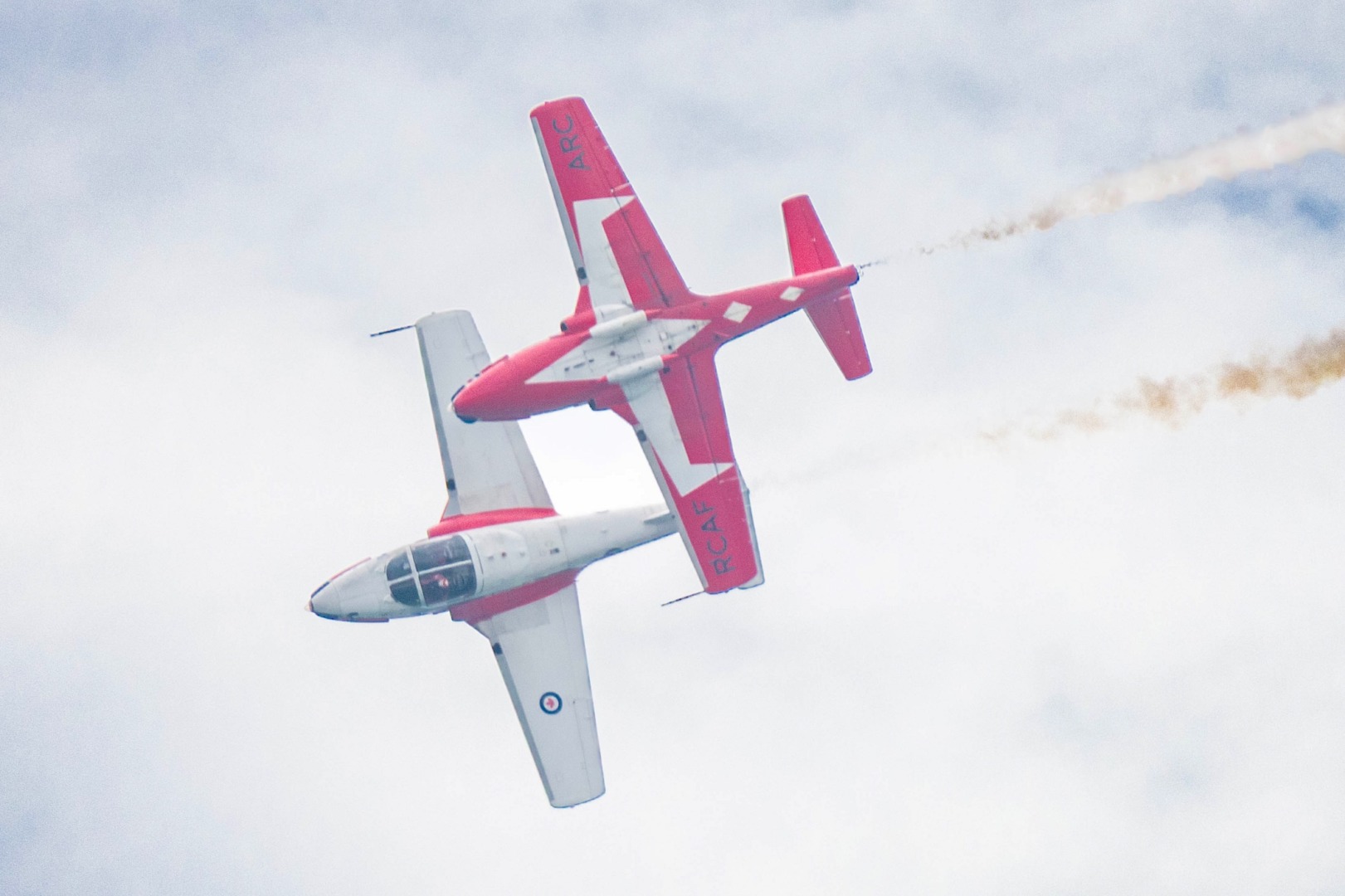
Unlike my colleague Ed Lara, I didn’t buy the SL3-P specifically for one of its strongest traits, tracking fast-moving subjects such as birds or aeroplanes. Ed bought into this generation of SL cameras, the closely related SL3-S, precisely because of that capability, and he wrote about the results when photographing aircraft at air shows; he has recently tested the SL3-P and will be publishing his findings on Macfilos shortly. His experience of tracking birds in flight and aircraft coming head-on shows just how far Leica’s autofocus has come across the whole SL3 family.
That wasn’t my motivation. I’m not a wildlife or aviation photographer, and I doubt I ever will be. All the same, having that capability sitting in reserve is no bad thing. It’s nice to know that the camera will keep up without any fuss on my part. And even with static shots, such as portraits, the improved AI autofocus is superb, instantly locking on to eyes and other recognised objects.
A long road to contentment
Reading the DPReview interview, then, felt less like discovering something new and more like having my own experience confirmed from the inside. Gerrit Gissel’s account of a deliberately restrained, intuitive camera, built on a genuine autofocus leap rather than a longer feature list, matches precisely what I’ve found using the thing day to day.

It has taken more than a decade, several cameras and one very heavy lens to get here. But I’ve now come full circle, and I am genuinely enjoying the SL experience for the first time, without reservation. After that prototype viewing in London nearly 12 years ago, and everything that followed, it feels rather satisfying to arrive at a camera I can recommend without any of the usual cautions.
If you’ve followed my on-off relationship with this system over the years, you’ll understand why that feels like such a small triumph. The SL3-P isn’t cheap, and Leica doesn’t pretend otherwise. But for the first time, I don’t feel I’m paying a premium simply for the badge. I’m paying for a camera that does exactly what I need, and does it without complaint.
The feature image of the Leica SL3-P baseplate is © Leica Camera AG.
FURTHER READING
Make a donation to help with our running costs
Did you know that Macfilos is run by five photography enthusiasts based in the UK, USA and Europe? We cover all the substantial costs of running the site, and we do not carry advertising because it spoils readers’ enjoyment. Any amount, however small, will be appreciated, and we will write to acknowledge your generosity.
Comments: Please add a comment to this article. Our comments section is a thriving community and everyone is treated with respect. In addition, please identify yourself (and add an email address, which will not be published, if you would like to see answers to your posting). Our system will automatically delete any “anonymous” posts on the basis that they are likely to be spam.
My first experience with Autofocus was at the local camera store in Leicester around 1985 if memory serves me well. I was delighted to see the big, bright viewfinder of the Minolta 7000AF ‘snap’ into focus as I pointed the lens at staff and various objects on the counter. However there was a lot of hunting as the lens struggled to acquire focus. My friend remarked it looked and sounded like R2D2 from Star Wars. But as slow as it was, The then new AF technology in an SLR body seemed magical at the time.
Well, here we are in 2026 and we have come a long way.Having said that, it is the quality and clarity of the viewfinder and the well designed simplicity of the menu system that makes Leica’s SL series stand out for me. i’m still more than satisfied with what my SL2s can do. The only improvement I could wish for is better battery life which Leica has partially addressed but not as much as I would like. Happy to see Leica has a habit of continual improvement.
Mike – thanks for sharing DPReview’s interview with Gerrit Gissel. I think it is smart of Leica to use the SL(x) platform as its technology testbed, precisely because it is the camera type which competes head-to-head with the far more ubiquitous Japanese cameras. Like you, I found the SL2 too heavy, but the SL3 series is far more comfortable to hold and carry for long periods while still retaining the great ergonomics and beautiful design sensibility of the SL2. As Gerrit points out, the body and handling of an SL(x) can be very hard to describe in words—-it must be held in hand and shot with to be understood.
The SL3-P is a fantastic upgrade to the line, and I am confident it will draw non-Leica users into the fold – – after all, many of the higher-end mirrorless cameras from Nikon, Sony and Canon are close to or at Leica’s price point, so price is no longer a barrier. And, with the SL3-P’s new sensor and much-improved AF and tracking capabilities, the specifications gap has been closed. That said, like other Leicas, the SL3-P will not attract hordes of converts from the over-speced, button-festooned, “muscle cameras” favored by many. Leica rightly focuses on photographers who see beyond specs, who value good design and an elegant user interface – and are arguably more confident in their abilities than in a cameras plethora of specifications; these are the types who will be drawn to what you so rightly called a “deliberately restrained, intuitive camera”, now equipped with a fantastic sensor and outstanding AF. I sense there are many photojournalists, sports photographers, and wildlife photographers who have this sensibility, and who will end up switching over to the SL3-P.
I believe the combination of deliberate restraint and intuitiveness in design and function is the way Leica manifests their core principle of “Das Wesentliche” in the SL-3 line. It’s a testament to the strategic discipline they apply to managing their product platforms and ensuring they stay true to the brand. And, while I did return my SL3-P after testing it, I found I couldn’t be without the elegant robustness of an SL3-type camera for long, so I ended up buying another SL3-S. Nothing comes close to the feel of an SL3-type camera, and that IP54 rating is going to serve me well in the torrential downpours I am living through while vacationing in the Philippines over the next few weeks.
Cheers, Mike, appreciate your piece and sharing your personal story with the SL (x) line; you have clearly been converted!