
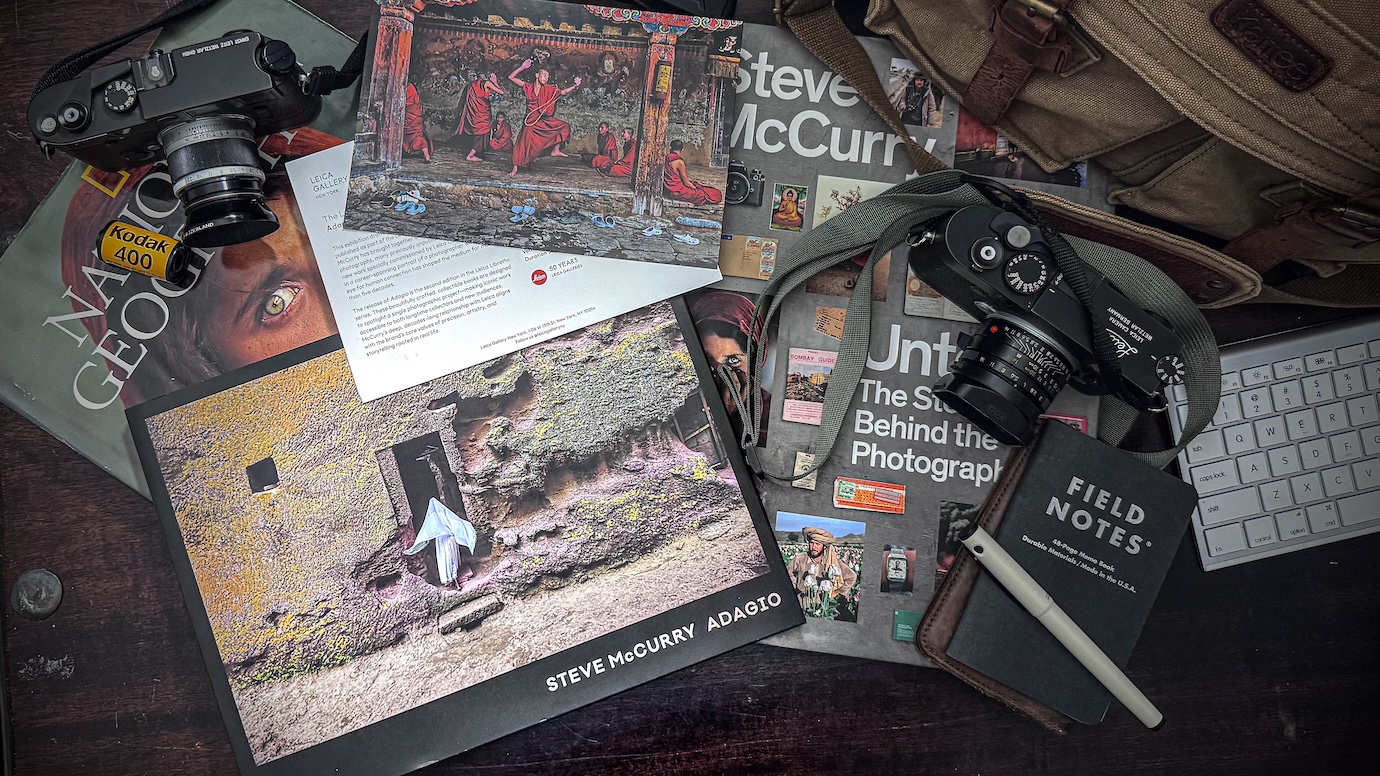
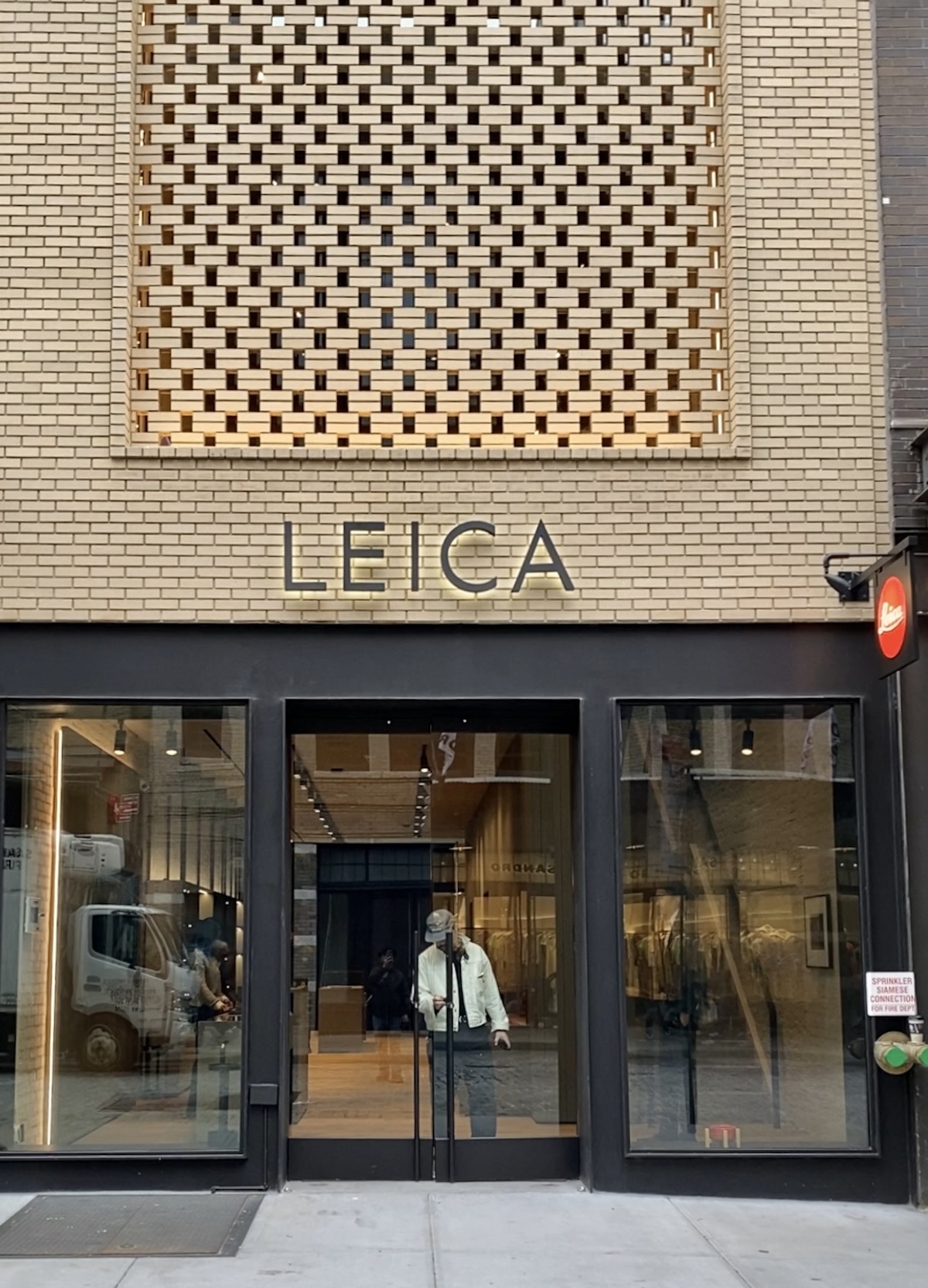
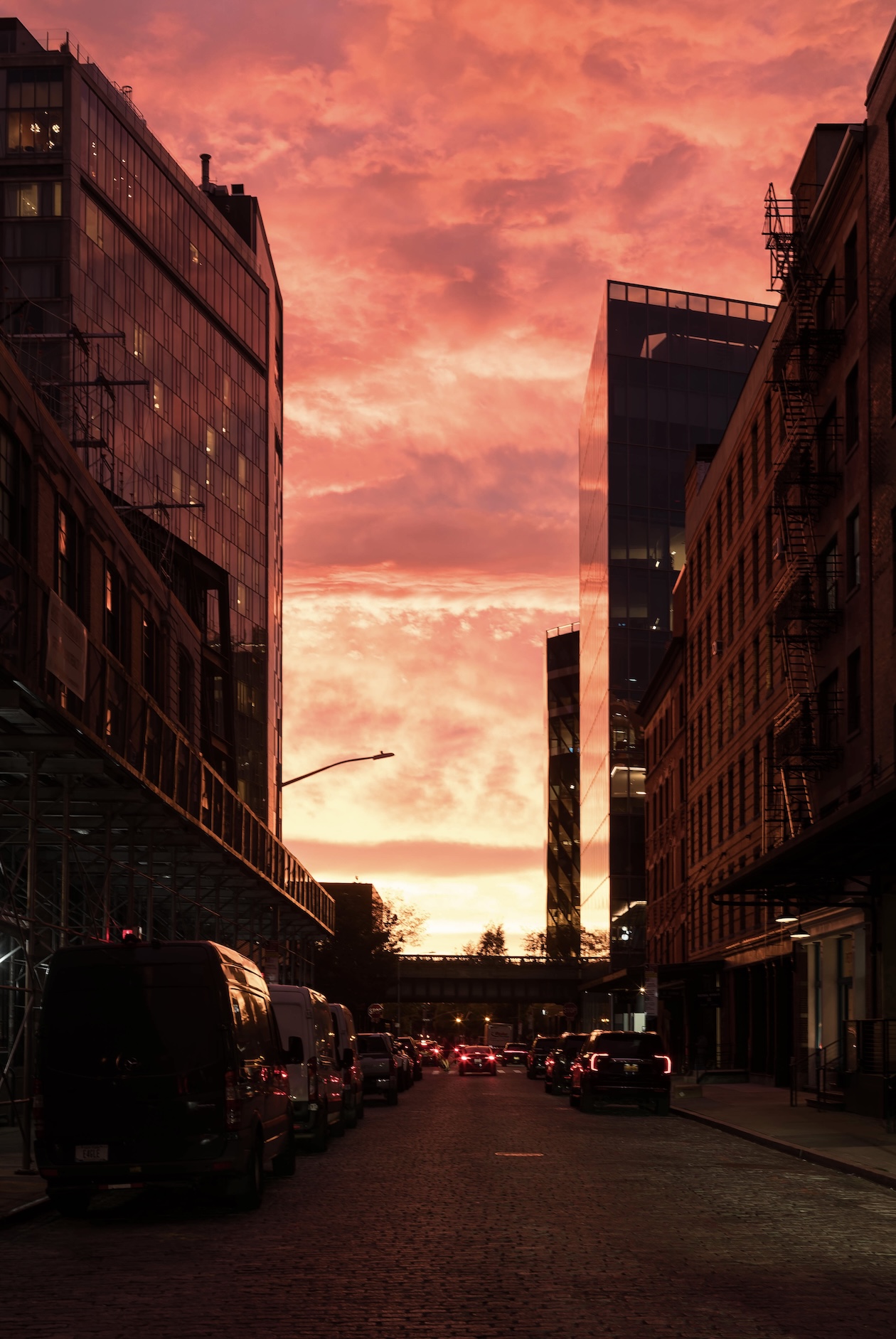
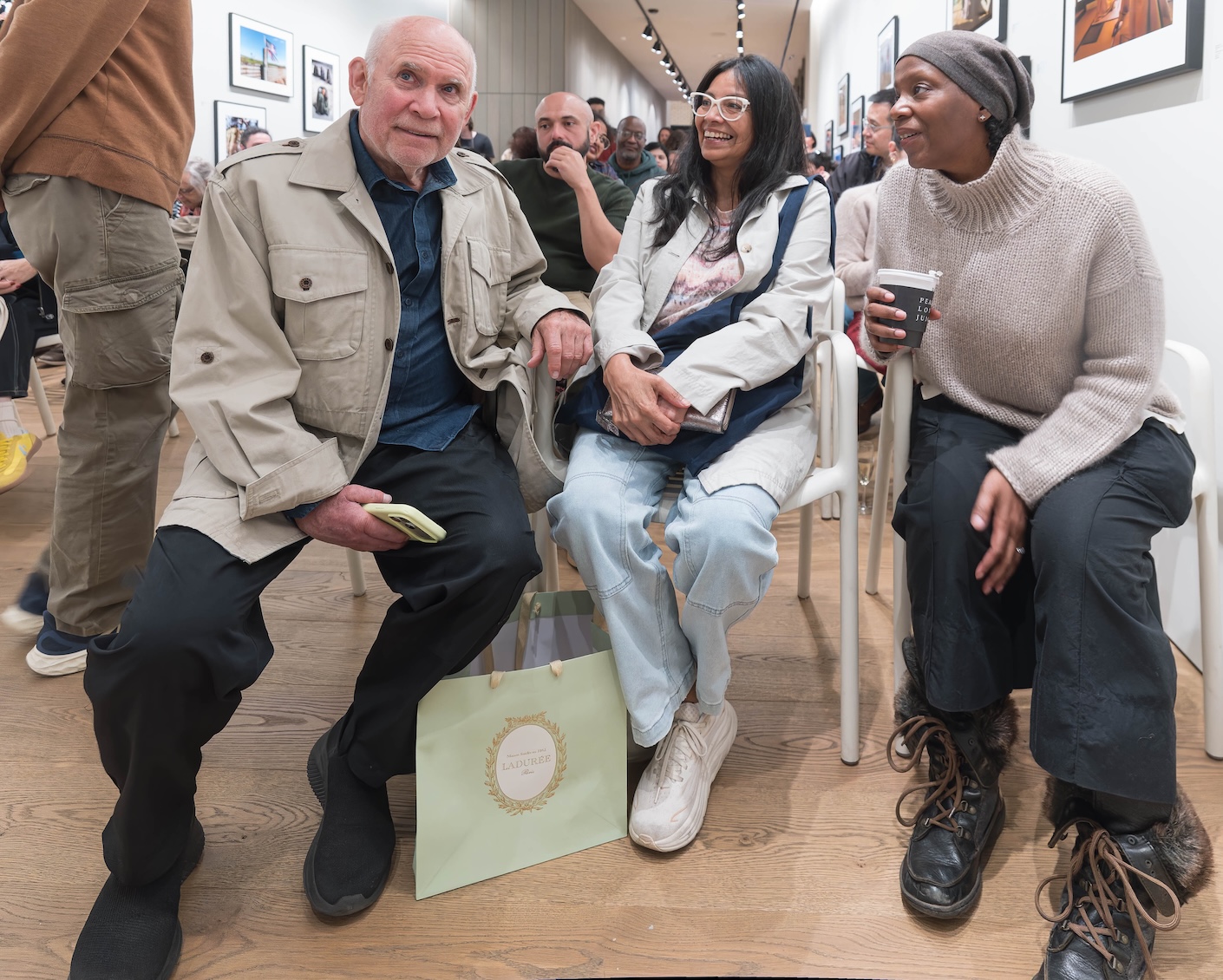
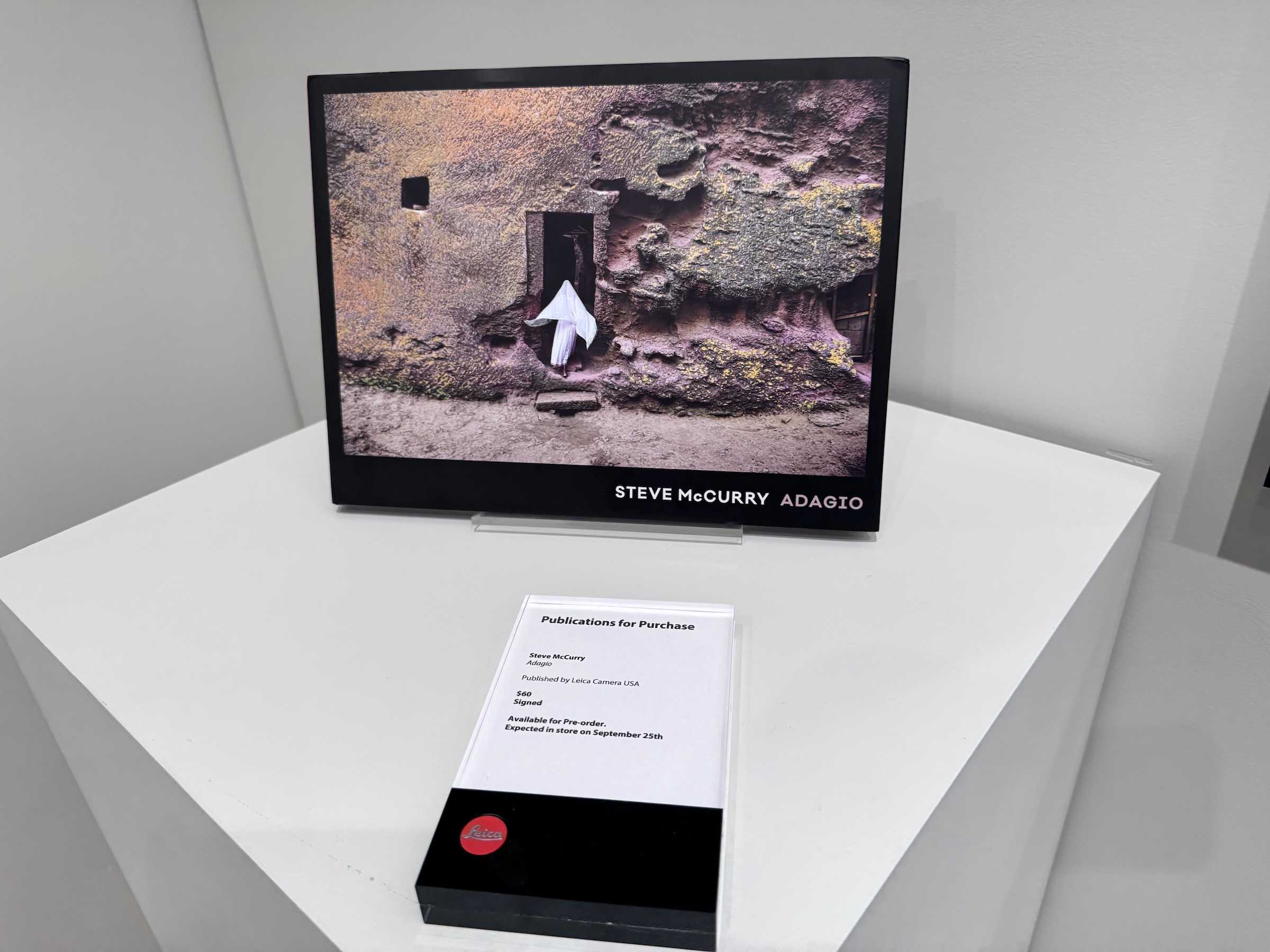
The Leica Gallery in New York was packed, despite a major storm bearing down on the city. I was among the crowd who had braved the forecast, there not only to see Steve McCurry’s work on the walls but to hear him talk about how he makes it. The occasion was Adagio, a new book from Leica that pairs some of his best-known images with work newly commissioned by Leica Camera USA, launched alongside an exhibition of the same name. What he said about colour, of all things, was not what I expected…
Five decades
Steve’s career now spans more than 50 years. After studying film at Penn State, he spent a few years as a staff photographer on Today’s Post, a suburban Philadelphia newspaper. He then went freelance, travelling first to India to document daily life there. From India he moved on to Pakistan and, just before the Soviet invasion, crossed the border into rebel-held Afghanistan.
He photographed in and around Afghanistan for the next five years, and it was during this period that he made many of the pictures that brought him to prominence. Among them was his portrait of Sharbat Gula in a Pakistani refugee camp. Known as “Afghan Girl”, it made the cover of National Geographic in June 1985 and became his breakthrough image.
Within a year, Steve had joined Magnum Photos. He went on to cover the Iran–Iraq war, the civil wars in Lebanon and Cambodia, and the first Gulf War, while continuing to document life across numerous countries in Asia and Africa.
Inside Adagio
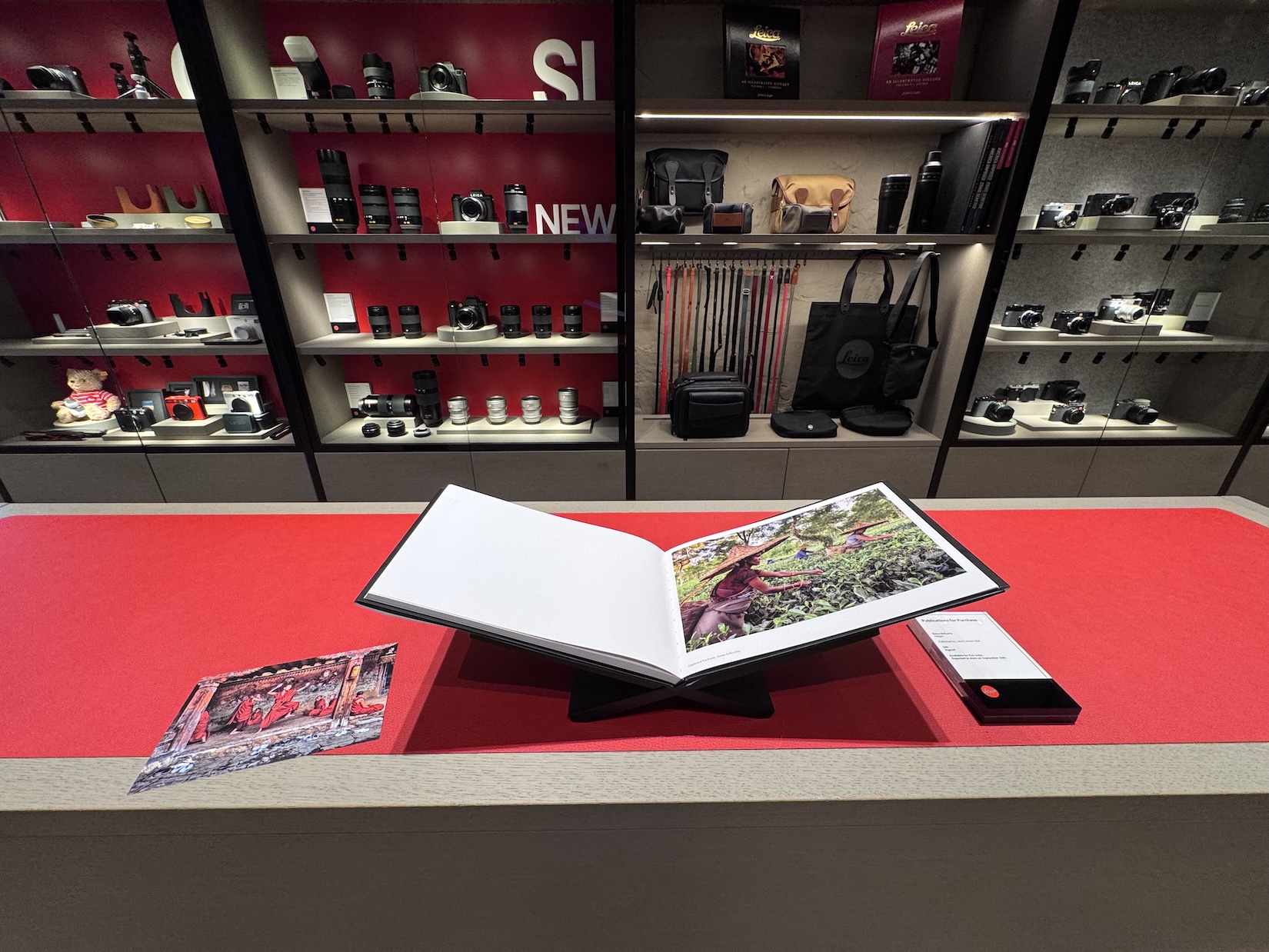
Leica launched Steve McCurry’s Adagio on 10 September 2026, alongside the opening of the exhibition. “Afghan Girl” does not appear in the book. It does, however, include some of Steve’s work from Afghanistan and Asia in the early 1990s, as well as pictures made as recently as 2025, among them images from contemporary conflict zones such as Ukraine.
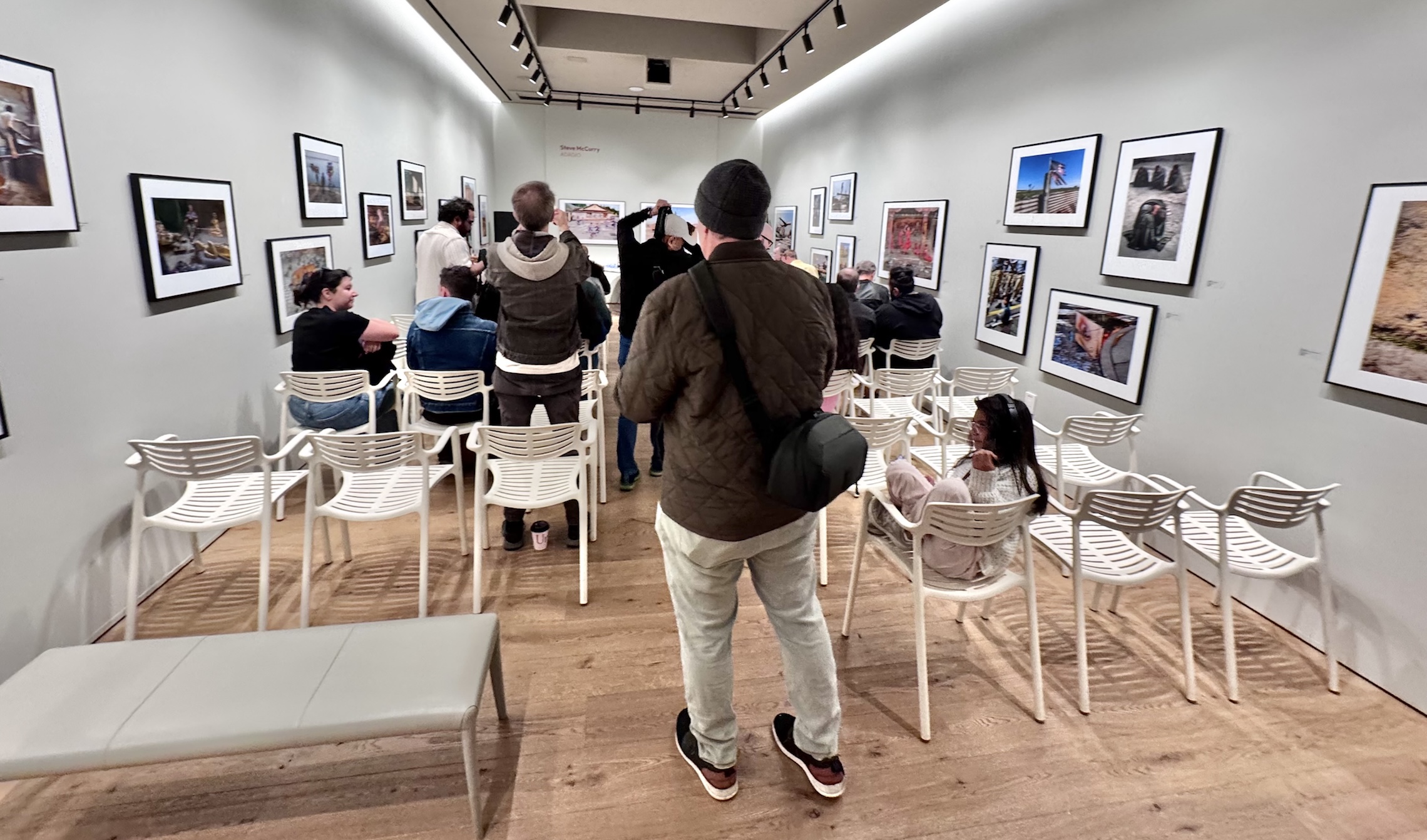
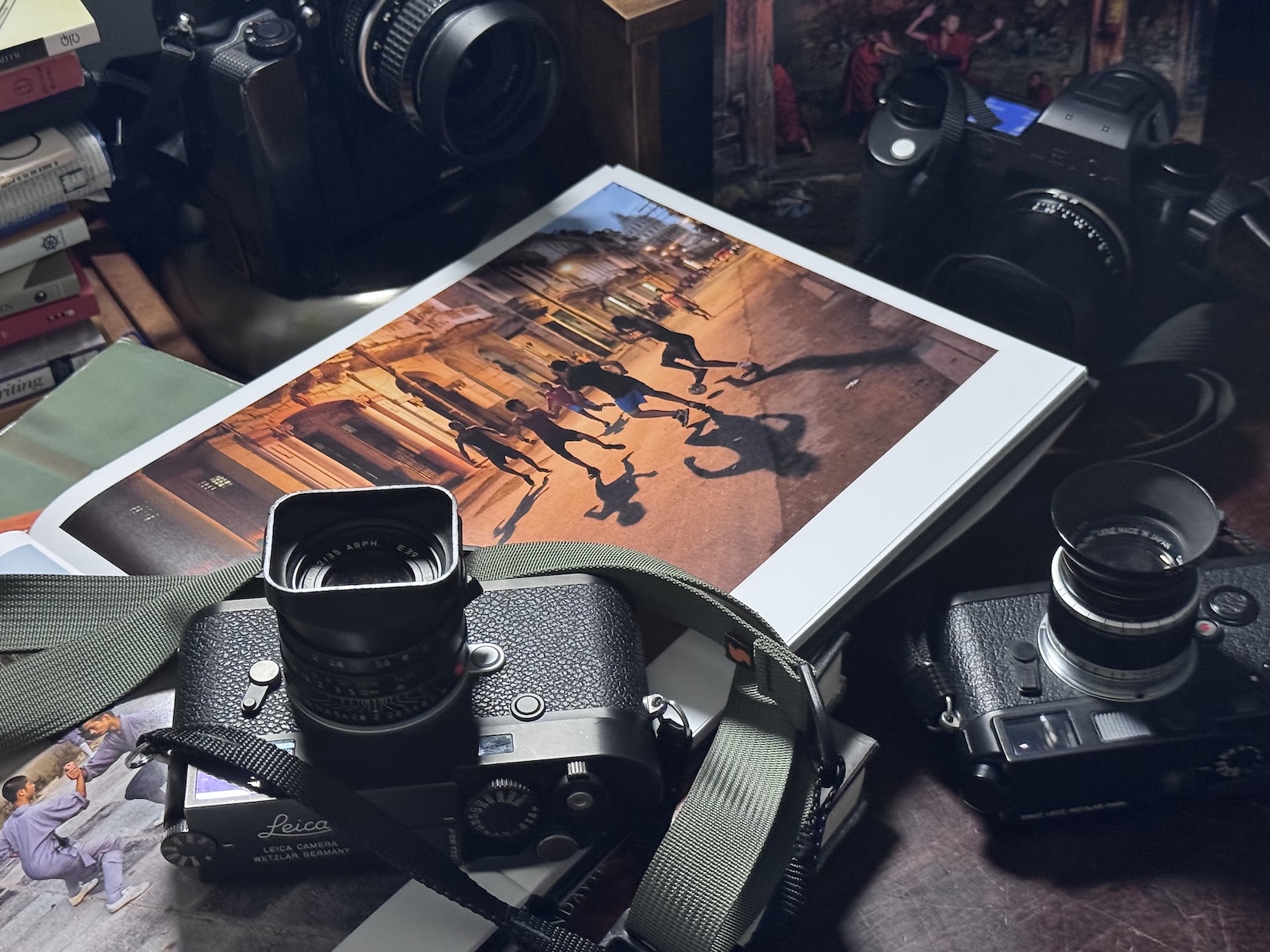
Paging through the book, and walking around the selection on the gallery walls, I found it hard not to admire his command of composition and his instinct for the well-timed moment. The results range from the lyrical to the absurd. In one photograph, teenagers play football on a Cuban street at night, caught in mid-air as though in a dance circle, while their shadows play a parallel game on the pavement. In another, two boys in the Madagascan countryside run across a dirt path, pushing little tyres along, watched over by towering baobab trees glowing in the golden light.
Then there is the jarring image of a man in a heavy black woollen coat, walking purposefully to work on a cold Russian morning. Behind him, dwarfing him completely, an enormous airliner sits precariously balanced on a slab of rock.
Plain speaking
When Steve speaks, there is no hiding his direct, no-nonsense manner. I wondered whether this is a product of his Philadelphia upbringing or of his long experience in dangerous conflict zones; perhaps it is a bit of both. That said, beneath the pragmatic exterior is clearly a man with a deep curiosity about the world, and a sensitivity to the nuances of its cultures and the people who live in them.
Slow looking
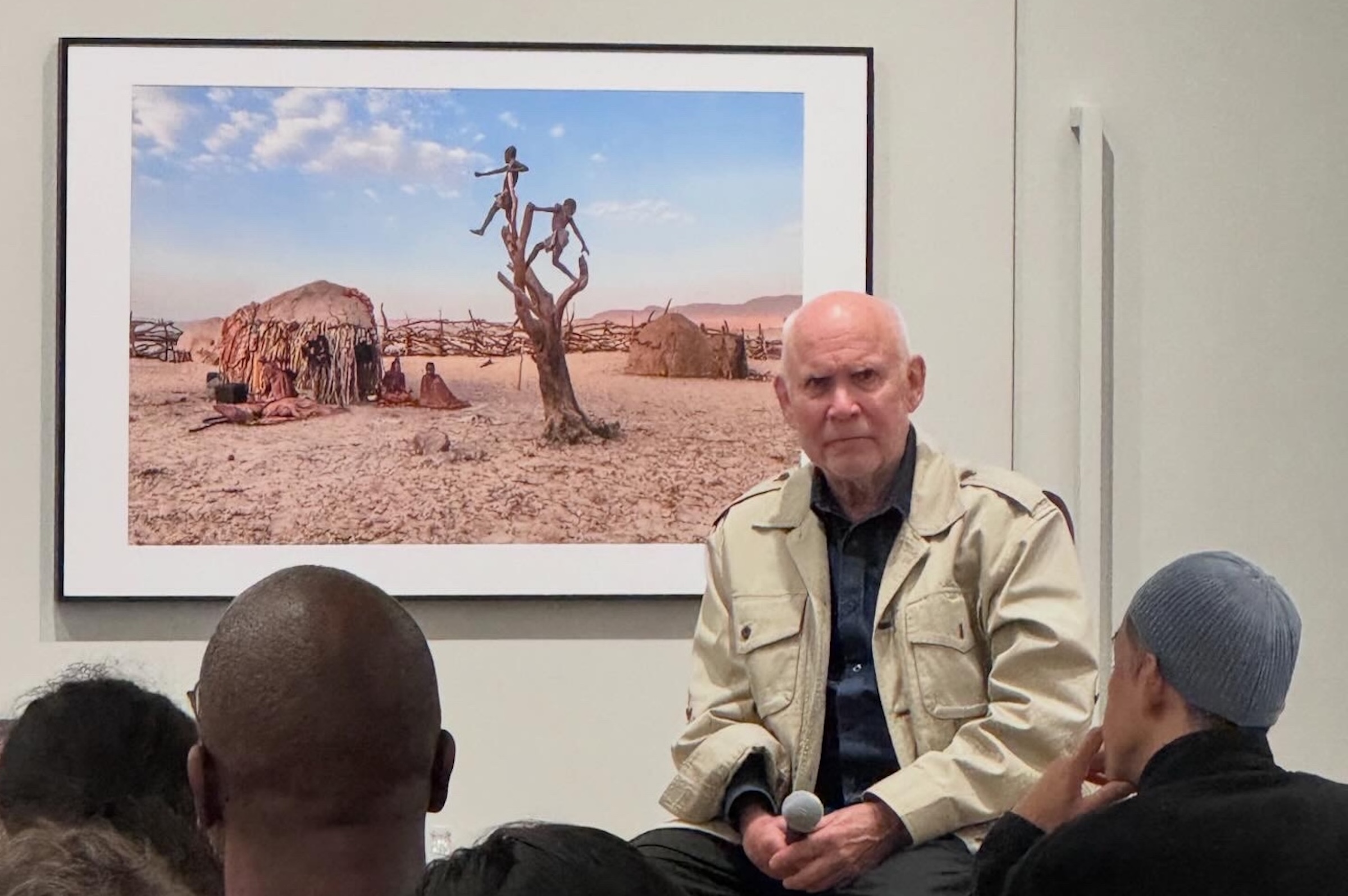
Steve talked about the approach he takes to his photography. Over the years, he has learned to wander slowly around a location, observing his surroundings, experiencing life there, and watching the ebb and flow of people around him.
“There’s a contemplative or meditative quality to photography which I find to be a sort of peaceful state,” he said. “I go to places that inspire me, and photograph things that say something about the world we live in.”
This unhurried way of working is why he chose Adagio as the title of his new collection.
Beyond colour
Michael Foley, who runs the Leica Gallery New York and moderated the evening, asked Steve which qualities mattered most in his photographic approach. His answer surprised many of us in the audience. Despite the richness and prominence of colour in so many of his images, he said colour is not the most important element in his work.
“Colour does not motivate me at all,” he said. “My brain sees all this stuff simultaneously: how things move, people and how they relate to their environment.”
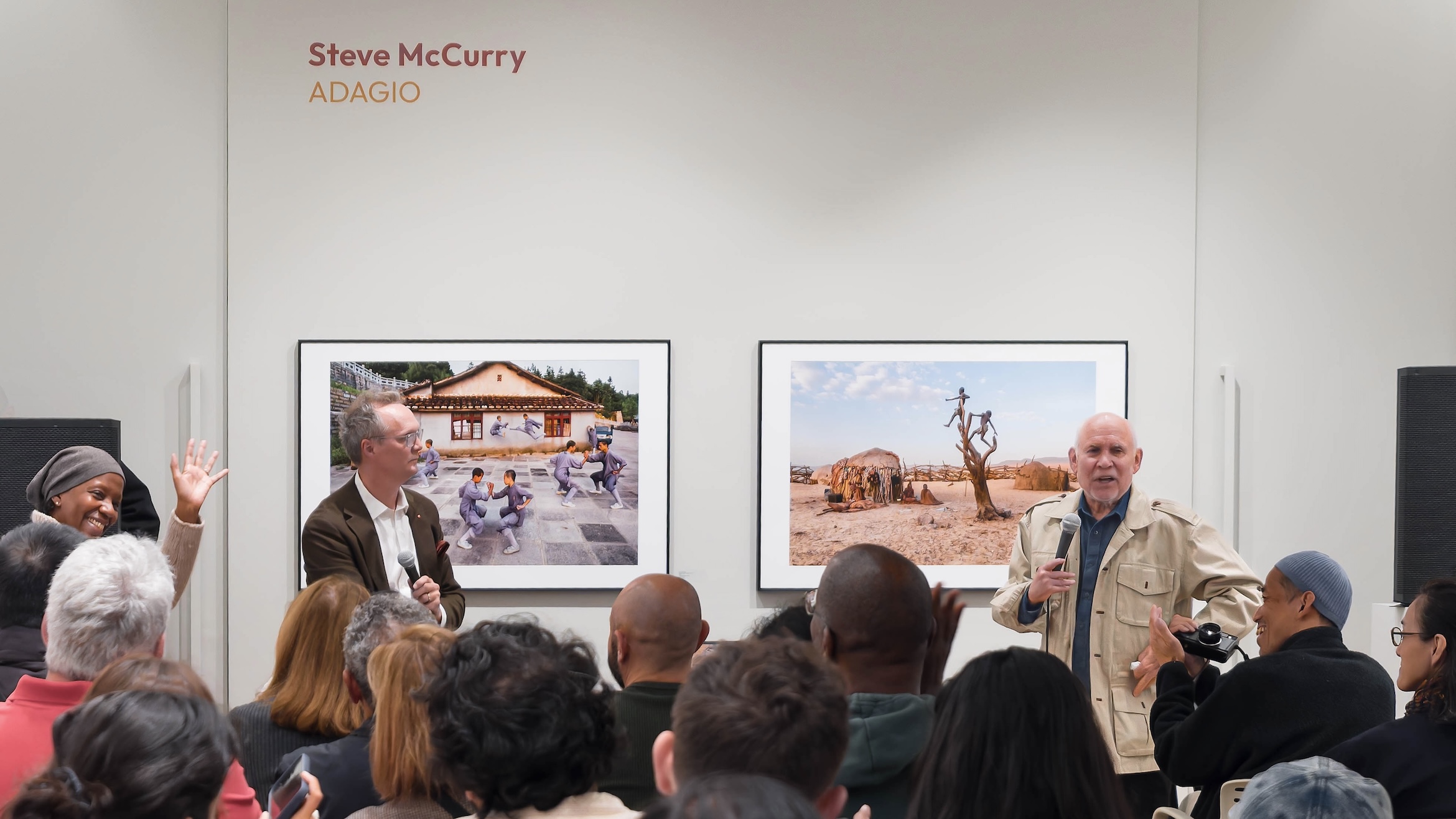
There is an unmistakable fluidity and sense of balance in his photographs that reflects this approach. Imagine them in black and white, and I suspect they would still work as fine photographs, thanks to the strength of the composition and the timing of each captured moment.
A member of the audience followed up by asking why, if colour is not his priority, he has continued to shoot exclusively in colour. Steve’s reply was simple. “The world is in colour. There are cultures where a particular colour has a special significance. There are symbols and colours which tell a particular story in a specific culture.”
Why Leica
Asked about his connection to Leica, Steve said it started very early. Like many aspiring photojournalists, he idolised Henri Cartier-Bresson, whom he knew used a Leica. Later, when he began to meet Magnum photographers, he noticed that they all shot with Leica Ms of one kind or another.
He ended up buying an M himself and, over the years, has used several models, most recently the SL3-P. In addition, Leica also launched a new “Steve McCurry look” for the latest version of its Leica LUX iPhone camera app, further cementing their connection.
Shoot often
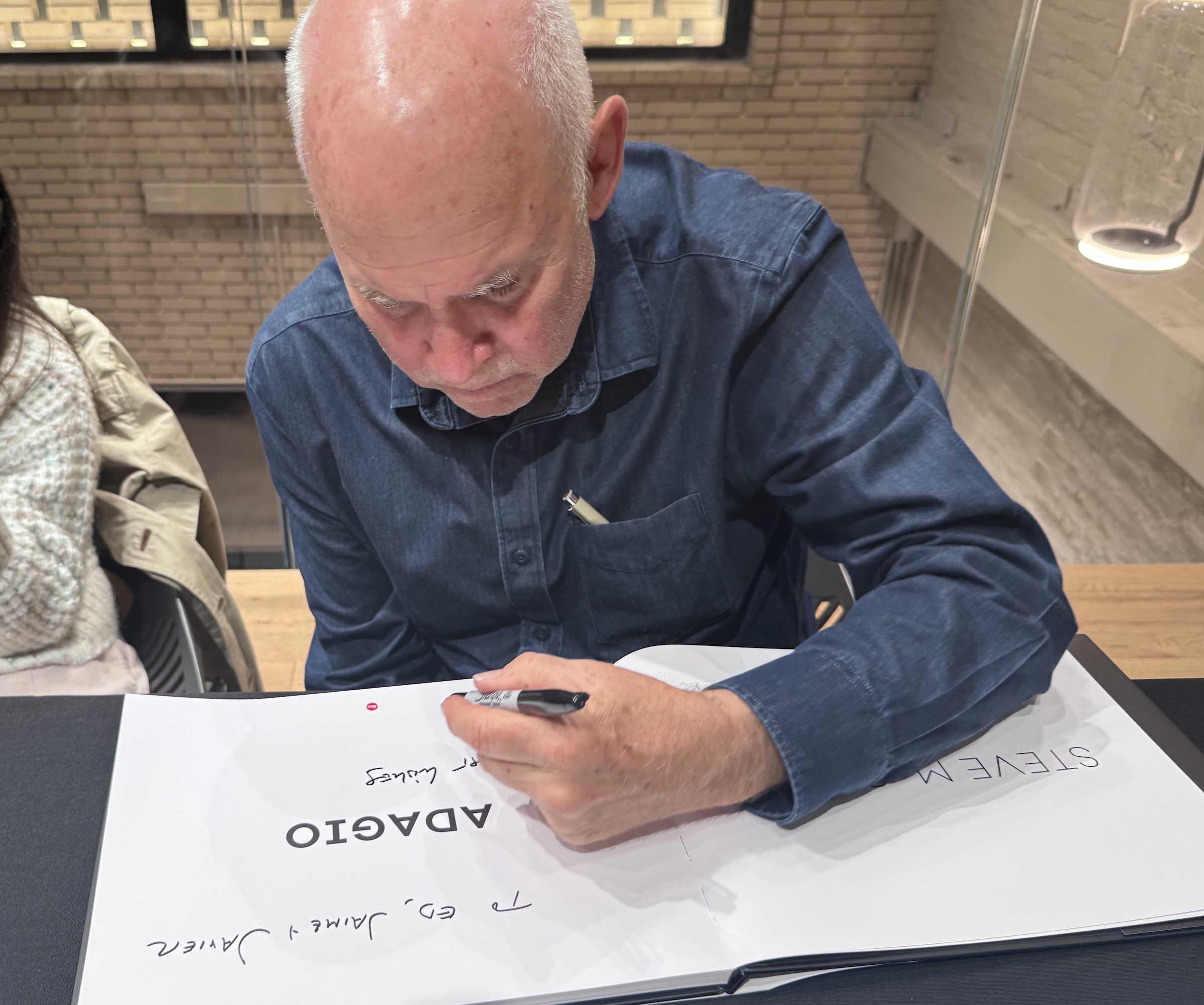
For me, the most valuable part of the evening came when Steve answered questions from newer photographers in the audience. “Don’t wait to shoot only big events or well-known locations,” he told an aspiring teenage photographer. “Take photos of your family, your friends, the parties you go to, your neighbourhood. Photograph things that interest you. Many years from now, you will realise the value of those images.”
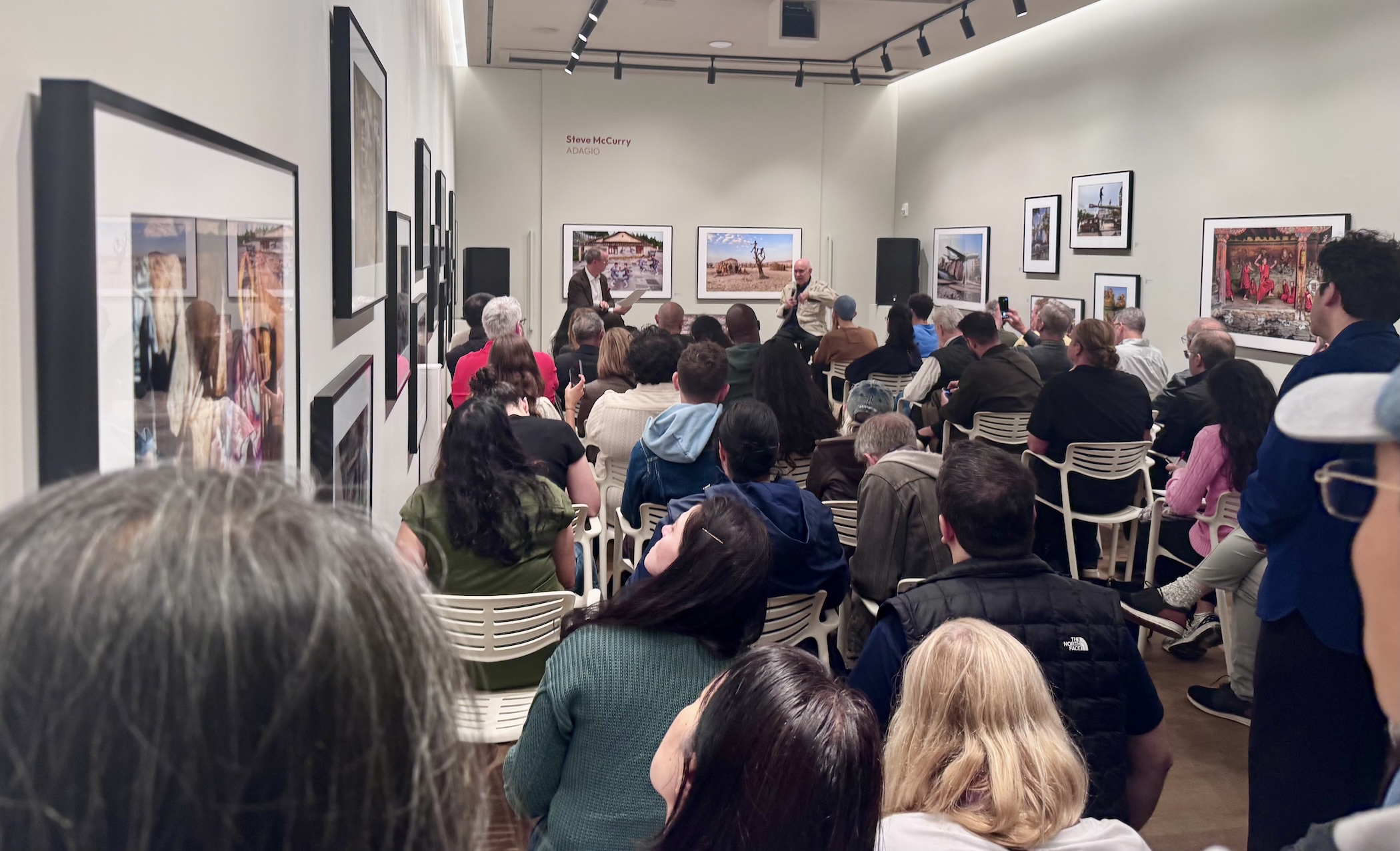
He was incredulous when a man who had just started a photography course said his instructor had told him to shoot as few images as possible. “What kind of a teacher says that? Shoot often, shoot a lot. There is nothing like dogged persistence, being out 12 hours a day, for weeks on end, over several months.”
That, it seems, is how he learned to watch the ways his subjects move and interact, and how he developed his sense of timing. It is also how he captured many of the images on display: by returning to the same scene again and again, over several days, until he had photographs he was satisfied with.
Fitting title
It was an invigorating and inspiring evening, not only for the chance to be in the room with one of the great photojournalists of our time, in my view, but also to share it with others who are passionate about photography.
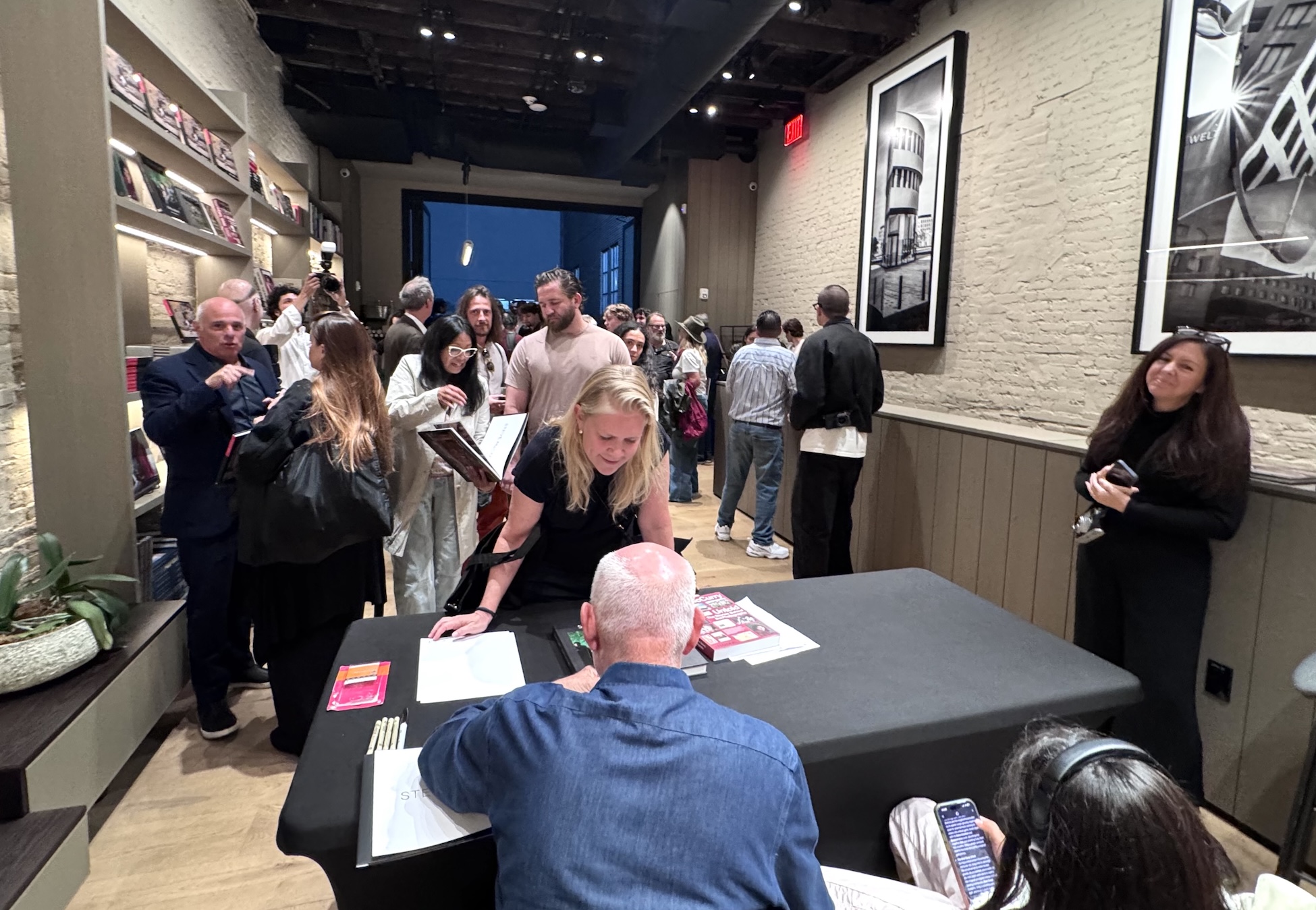
Having heard Steve speak, seen his work on the gallery walls, and taken a closer look at the book, I think Adagio is a fitting title for this collection. It is a nod to his slow, meditative approach, of course. As it happens, it also captures the simplicity, serene beauty and lyrical composition of a true visual virtuoso.
The Adagio exhibition runs until 18 October 2026 at the Leica Gallery New York. The book is available through official Leica Camera USA channels and from the Leica Store and Gallery in New York.

Further reading
| Macfilos Articles | Other Links |
|---|---|
| Steve McCurry: World-famous photographer and photojournalist – An earlier Macfilos profile of Steve’s life and work | Leica Gallery New York presents Steve McCurry: Adagio – Leica’s announcement of the book and exhibition |
| Leica LUX 2.0 brings a Steve McCurry look and silver grip – Steve’s colour signature, now available as a Leica look | Steve McCurry at Magnum Photos – His Magnum profile and portfolio |
| Unseen Lillian Bassman works and vintage Duffy portraits on show in London with Leica – Another recent Leica gallery exhibition | 30 years, 20 passports – TIME on the untold stories behind his career |
| The world deserves a witness: Leica – Leica’s long link with photojournalism | Steve McCurry – The photographer’s own website and biography |
Make a donation to help with our running costs
Did you know that Macfilos is run by five photography enthusiasts based in the UK, USA and Europe? We cover all the substantial costs of running the site, and we do not carry advertising because it spoils readers’ enjoyment. Any amount, however small, will be appreciated, and we will write to acknowledge your generosity.
This was just perfect for me; I had the sense that I was there, watching and listening. Thank you!
Thank you, Kathy! I’m glad you felt like you were there.
Ed