

Sigma has announced two new L-mount lenses for full-frame mirrorless cameras, alongside matching Sony E-mount versions. The 20-60mm F2.8-4 DG | Contemporary is a standard zoom weighing 385g in L-mount form. The 85mm F1.2 DG | Art is, Sigma says, its brightest lens yet at this focal length, and, the company claims, “the smallest and lightest weight in its class for an 85mm F1.2” autofocus lens. Both go on sale on 30 September 2026.
Sigma 20-60mm F2.8-4 DG | Contemporary
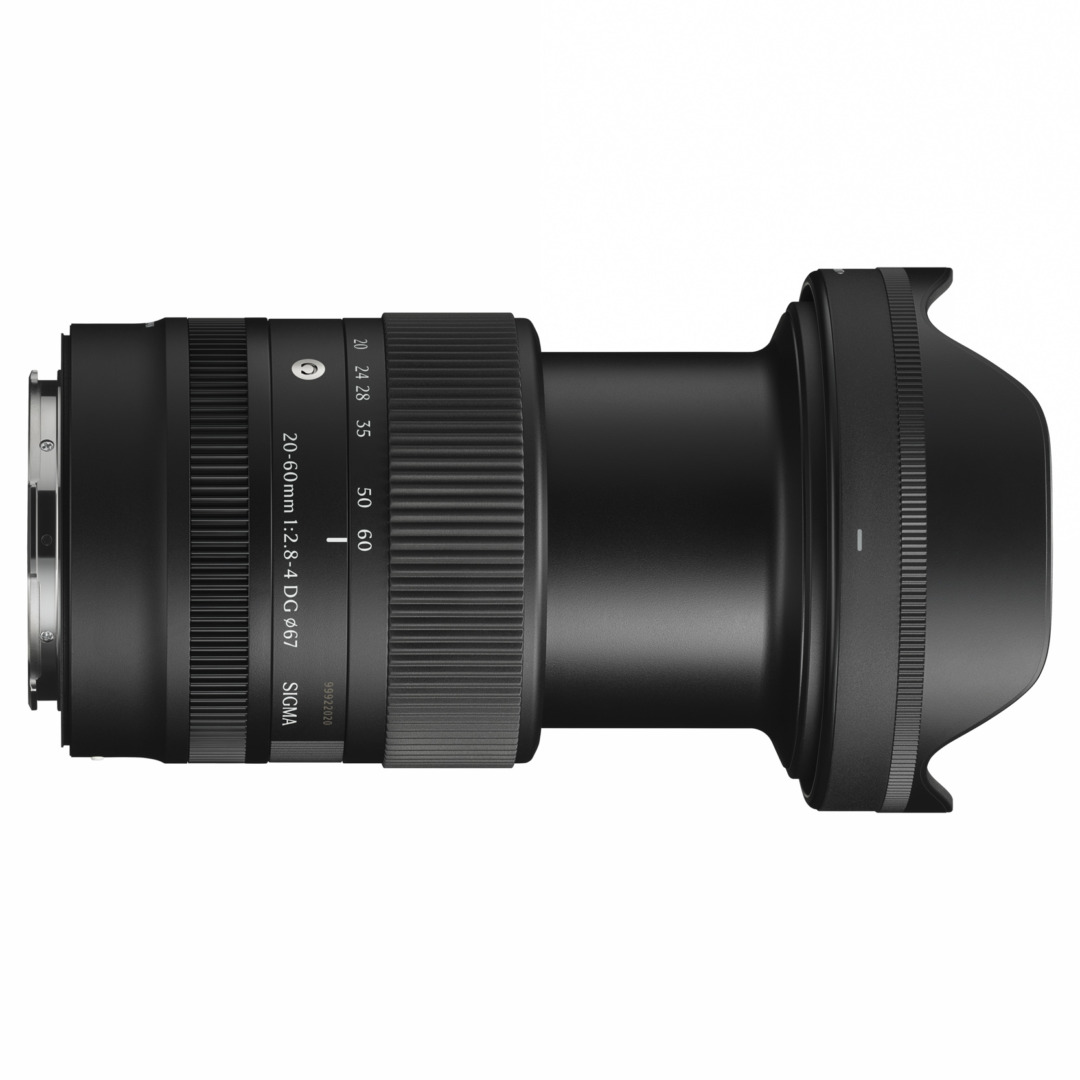
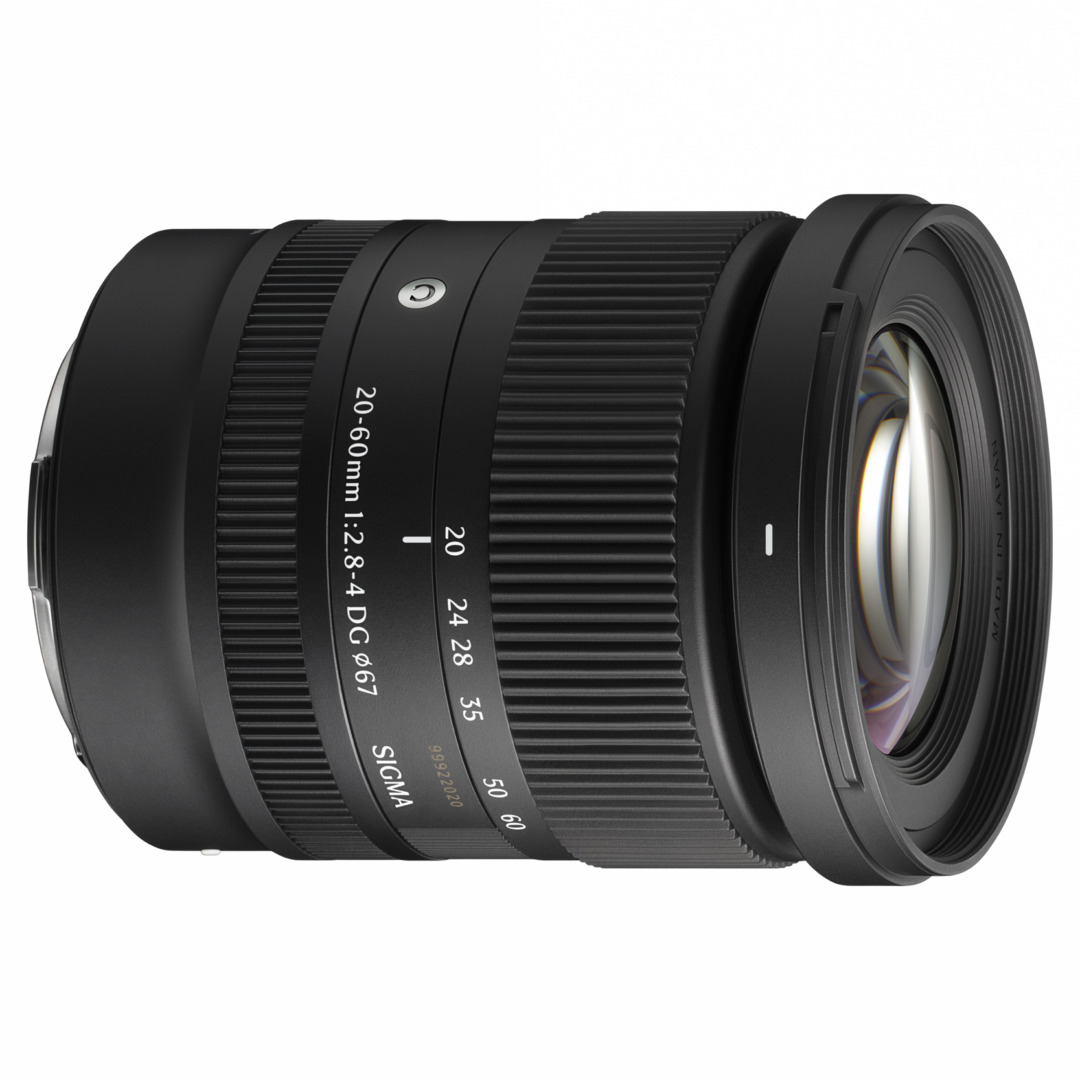
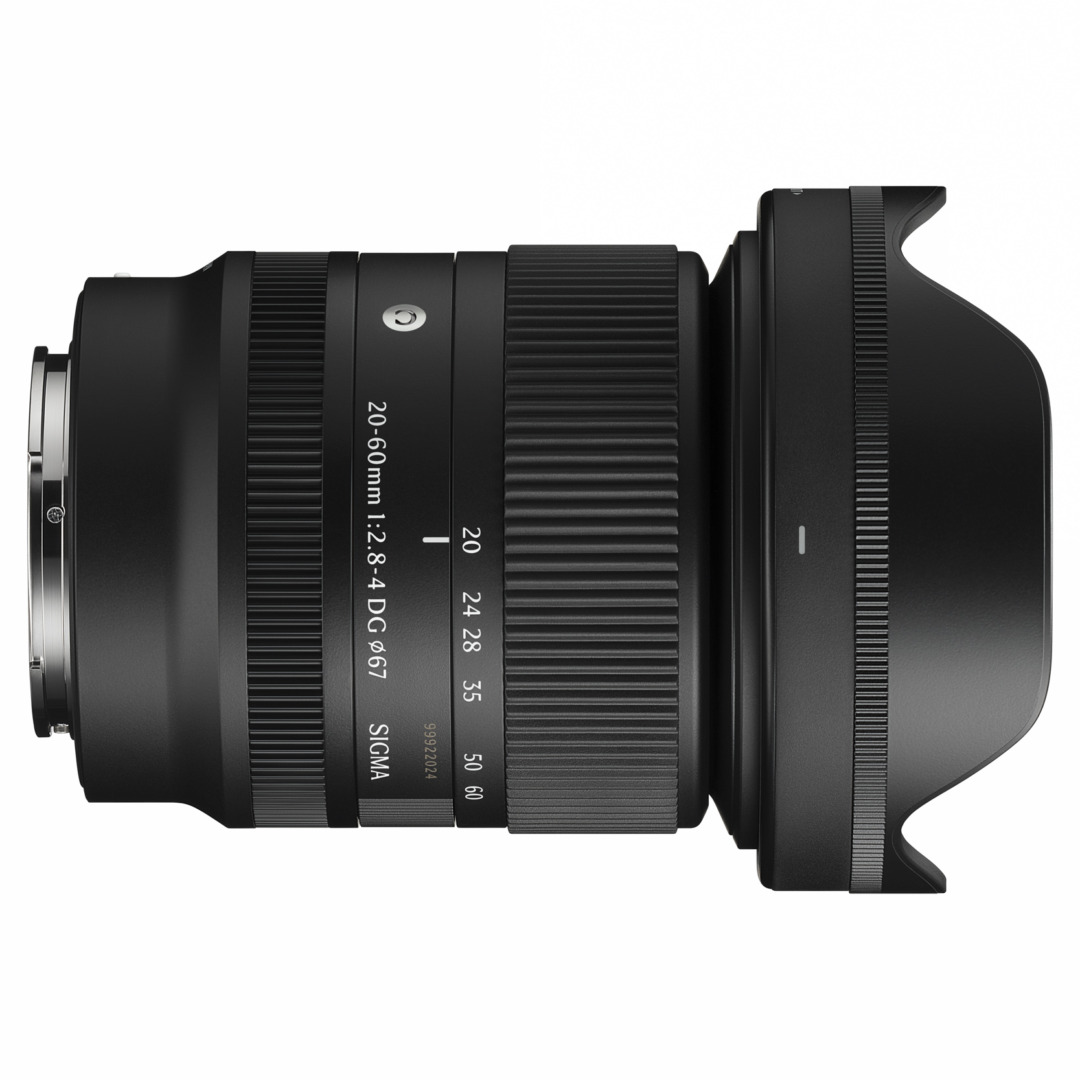
Compact and wide
The 20-60mm runs from a wide 20mm to a standard 60mm, with a maximum aperture of f/2.8 at the wide end narrowing to f/4 at the long end. Sigma says this helps in low light without pushing ISO too high. At 385g, it is light for a lens starting this wide and this bright.
For Leica SL and Panasonic Lumix S owners wanting one lens for travel or everyday use, the range and weight are the appeal. Sigma markets it for landscapes, snapshots, portraits and video without a lens change.

Optics and close-ups
The optical design uses 15 elements in 13 groups, including three aspherical and three SLD glass elements. Sigma says this keeps sharpness consistent across the zoom range, including at the edges of the frame.
Close focusing is strong for a standard zoom. At 28mm, minimum focus distance is 15.8cm, for 1:2.3 magnification. At 60mm, it still reaches 1:2.9.

Autofocus and build
Autofocus uses Sigma’s HLA (High-response Linear Actuator), a linear motor the company says drives quickly enough for tracking fast subjects at high frame rates. Focus breathing is minimised for video.
The lens has a dust- and splash-resistant structure, with a water- and oil-repellent coating on the front element.
Sigma 85mm F1.2 DG | Art
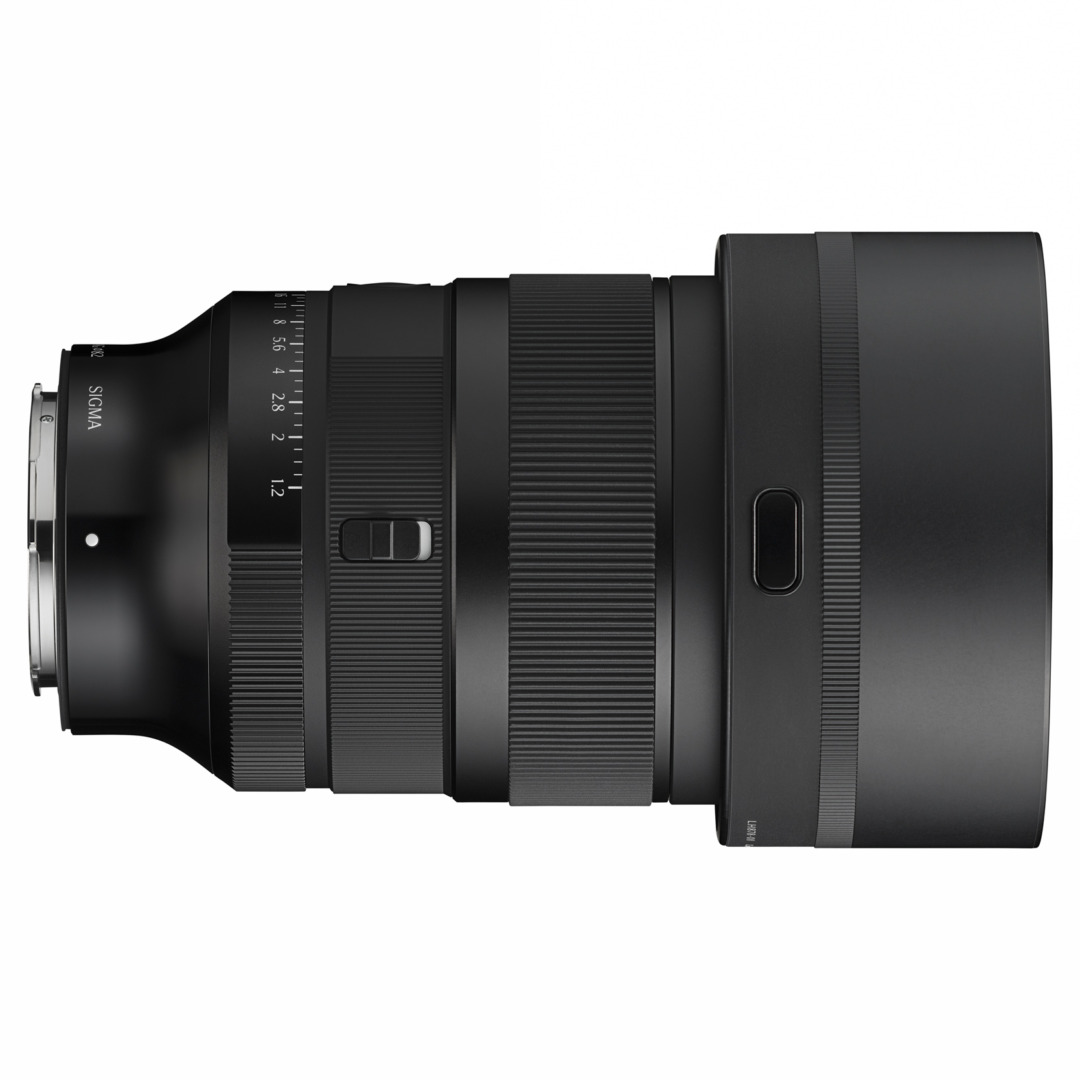
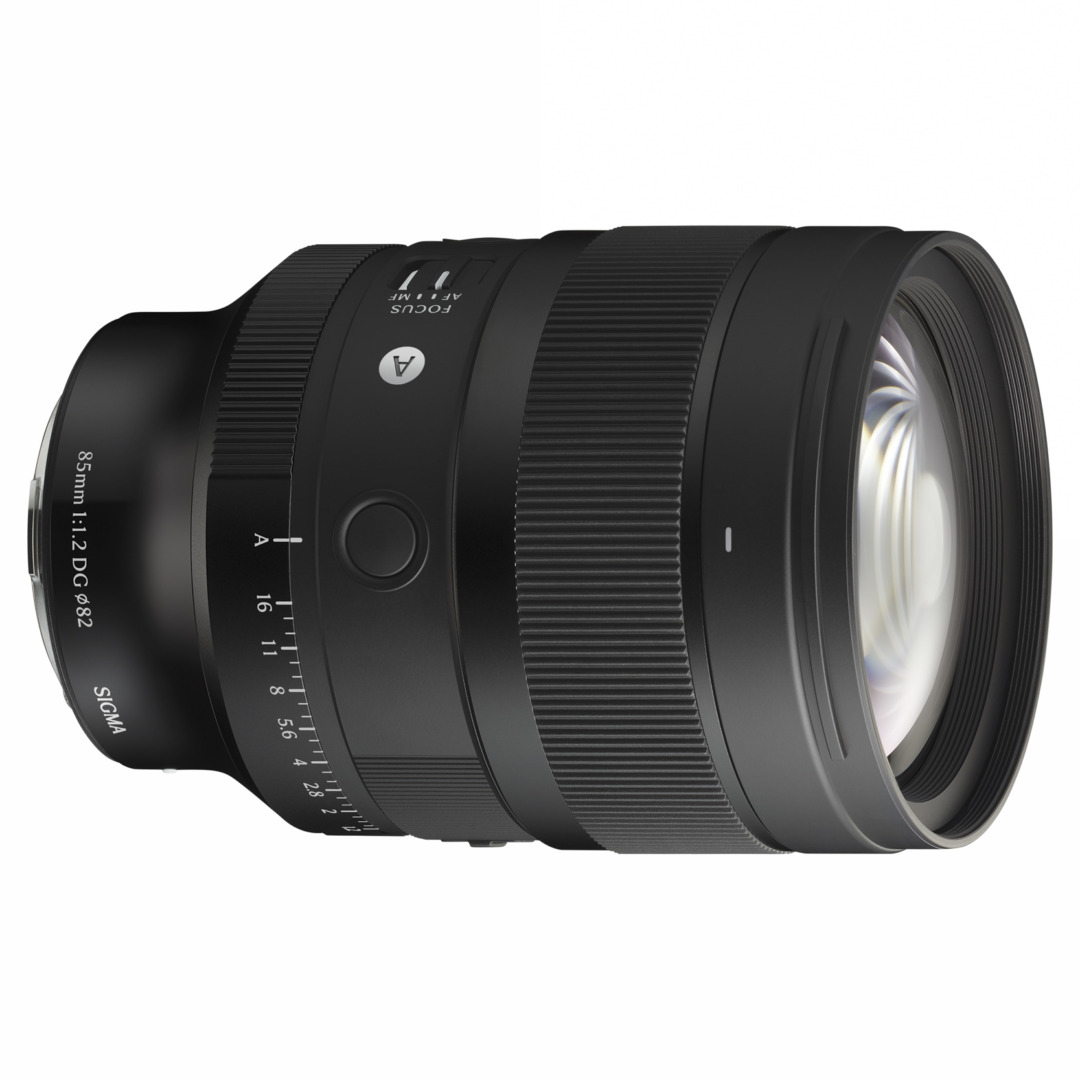
Sigma’s fastest yet
The 85mm F1.2 DG | Art is Sigma’s fastest lens yet at 85mm. The company describes it as “the smallest and lightest weight in its class for an 85mm F1.2” autofocus lens for full-frame mirrorless cameras, at 905g in L-mount form.
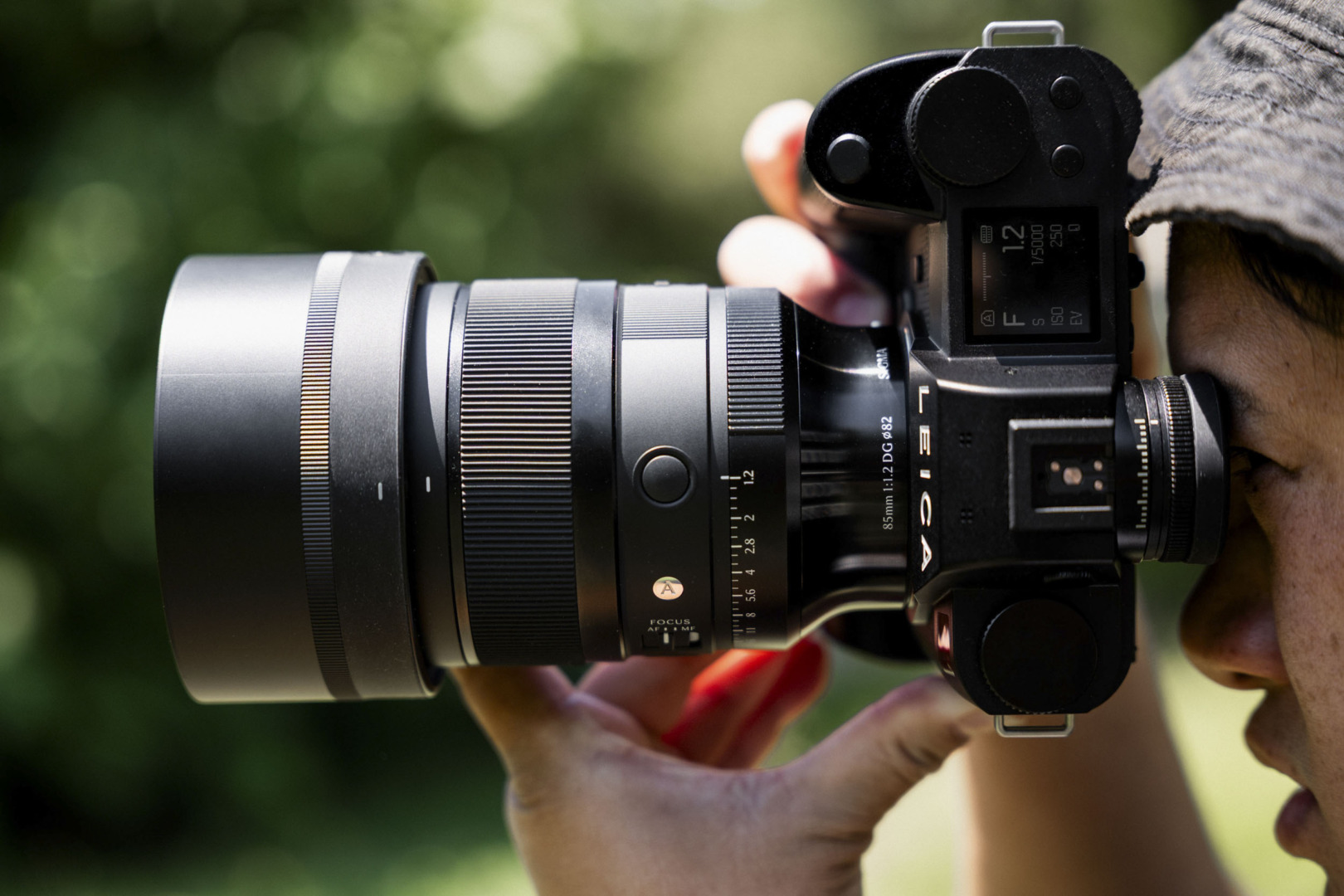
Sigma says it has reduced the number of elements in the focus group and simplified the mechanical design, despite a floating focus mechanism that would usually add bulk.
Rendering wide open
Two SLD glass elements and glass with high anomalous dispersion address axial chromatic aberration, a common issue in large-aperture lenses, while aspherical elements correct spherical aberration and coma, according to Sigma.

A 13-blade diaphragm keeps bokeh close to circular when the lens is stopped down. Sigma says the design also reduces colour bleeding and double-line bokeh.
Handling and build
Autofocus uses a dual HLA system, which Sigma says tracks reliably even at f/1.2’s shallow depth of field. Focus breathing is again minimised for video.
The lens has two assignable AFL buttons and an aperture ring with a lock switch and a click switch, for clicked or de-clicked operation. Build materials include Sigma’s TSC composite, and the lens shares the same weather-resistant construction as the 20-60mm.


Completing the trio
The 85mm joins the 35mm F1.2 DG II | Art and the 50mm F1.2 DG DN | Art to complete Sigma’s F1.2 Art series for L-mount and Sony E-mount, covering wide-angle, standard and medium-telephoto focal lengths at the same maximum aperture.
Pricing and availability
Both lenses go on sale on 30 September 2026, in L-mount and Sony E-mount. Prices in the UK are £749 and £1,299 respectively for the L-Mount 20-60mm f/2.8-4 and 85mm f/1.2.
At a glance
| Specification | 20-60mm F2.8-4 DG | Contemporary | 85mm F1.2 DG | Art |
|---|---|---|
| Mounts | L-Mount, Sony E-mount | L-Mount, Sony E-mount |
| Format | Full-frame | Full-frame |
| Maximum aperture | f/2.8 (wide) – f/4 (tele) | f/1.2 |
| Minimum aperture | f/22–32 | f/16 |
| Optical construction | 15 elements in 13 groups (3 aspherical, 3 SLD) | 17 elements in 12 groups (3 aspherical, 2 SLD) |
| Angle of view | 94.5°–39.6° | 28.6° |
| Diaphragm blades | 9 (rounded) | 13 (rounded) |
| Minimum focus distance | 15.8cm at 28mm; 20cm (W) – 25cm (T) | 84cm |
| Maximum magnification | 1:2.3 at 35mm | 1:8.9 |
| Filter size | 67mm | 82mm |
| Dimensions (diameter x length) | L-Mount: 72.2mm x 86.0mm; Sony E-mount: 72.2mm x 88.0mm | L-Mount: 87.2mm x 119.7mm; Sony E-mount: 87.2mm x 121.7mm |
| Weight | L-Mount: 385g; Sony E-mount: 375g | L-Mount: 905g; Sony E-mount: 905g |
| Supplied accessories | Pouch, lens hood LH706-04, front cap LCF-67 IV, rear cap LCR III | Pouch, lens hood LH878-08, front cap LCF-82 IV, rear cap LCR III |
| Edition number | C026 | A026 |
| Mount / product code | L-Mount: 00-85126-66669-9; Sony E-mount: 00-85126-66665-1 | L-Mount: 00-85126-32369-1; Sony E-mount: 00-85126-32365-3 |
| On sale | 30 September 2026 | 30 September 2026 |
| Price (UK) | £749 | $849 | €849 | £1,299 | $1,599 | €1,499 |
Further reading
| Macfilos Articles | Other Links |
|---|---|
| Sigma 20-200mm Review: The ultimate travel zoom for L-Mount – Macfilos’s take on Sigma’s other pack-light L-mount travel zoom | Sigma 20-60mm F2.8-4 DG \| Contemporary official page – Manufacturer product page and specifications |
| Sigma 50mm f/1.2 DG DN Art lens for L-Mount launched – The previous instalment in Sigma’s F1.2 Art trio | Sigma 85mm F1.2 DG \| Art official page – Manufacturer product page and specifications |
| Panasonic Lumix S5II: The only L-Mount camera you might ever need – A natural L-mount body for both new lenses | Sigma development announcement, February 2026 – Sigma’s original confirmation that the 85mm F1.2 Art was in the works |
Make a donation to help with our running costs
Did you know that Macfilos is run by six photography enthusiasts based in the UK, USA and Europe? We cover all the substantial costs of running the site, and we do not carry advertising because it spoils readers’ enjoyment. Any amount, however small, will be appreciated, and we will write to acknowledge your generosity.