
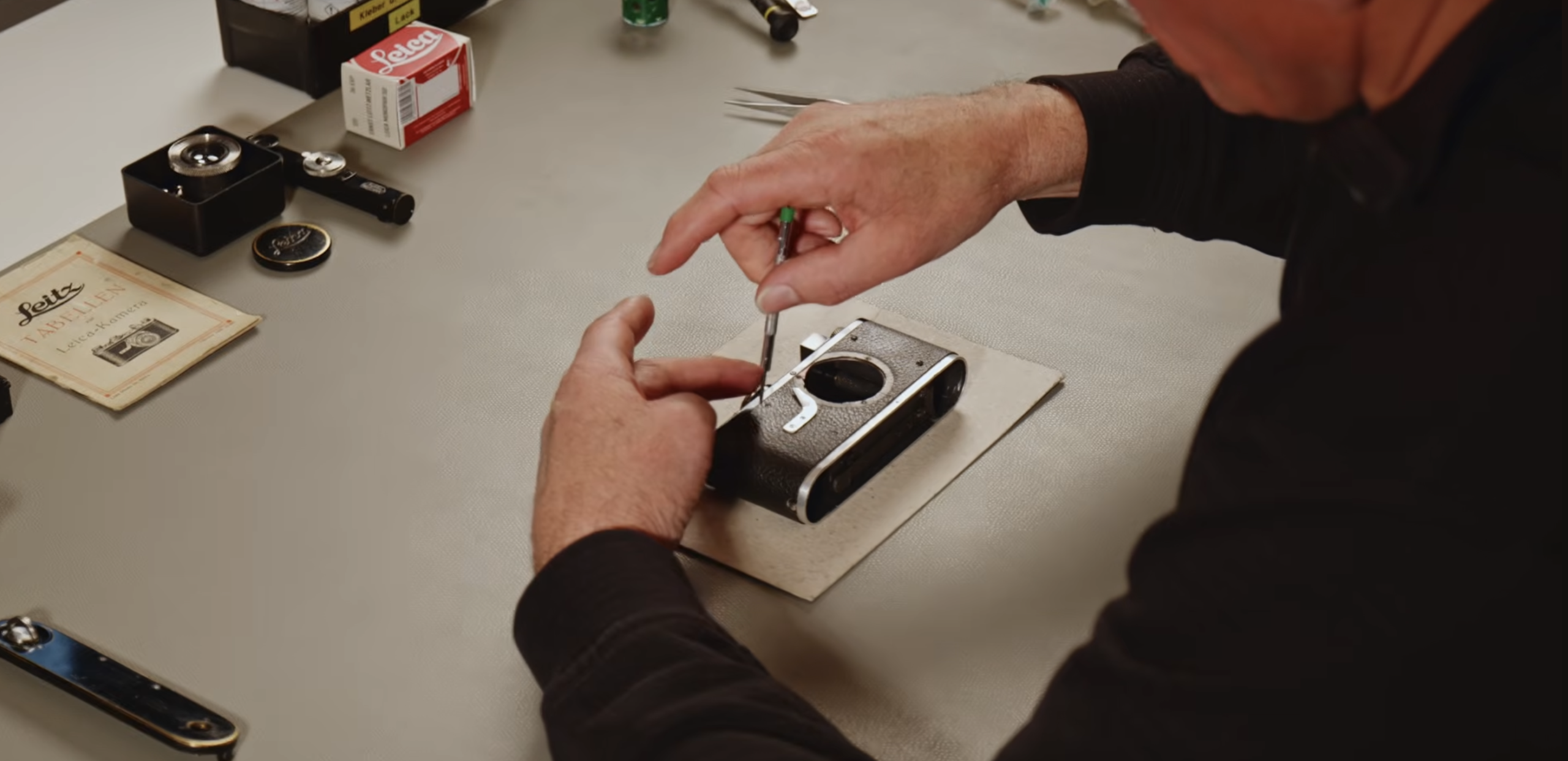
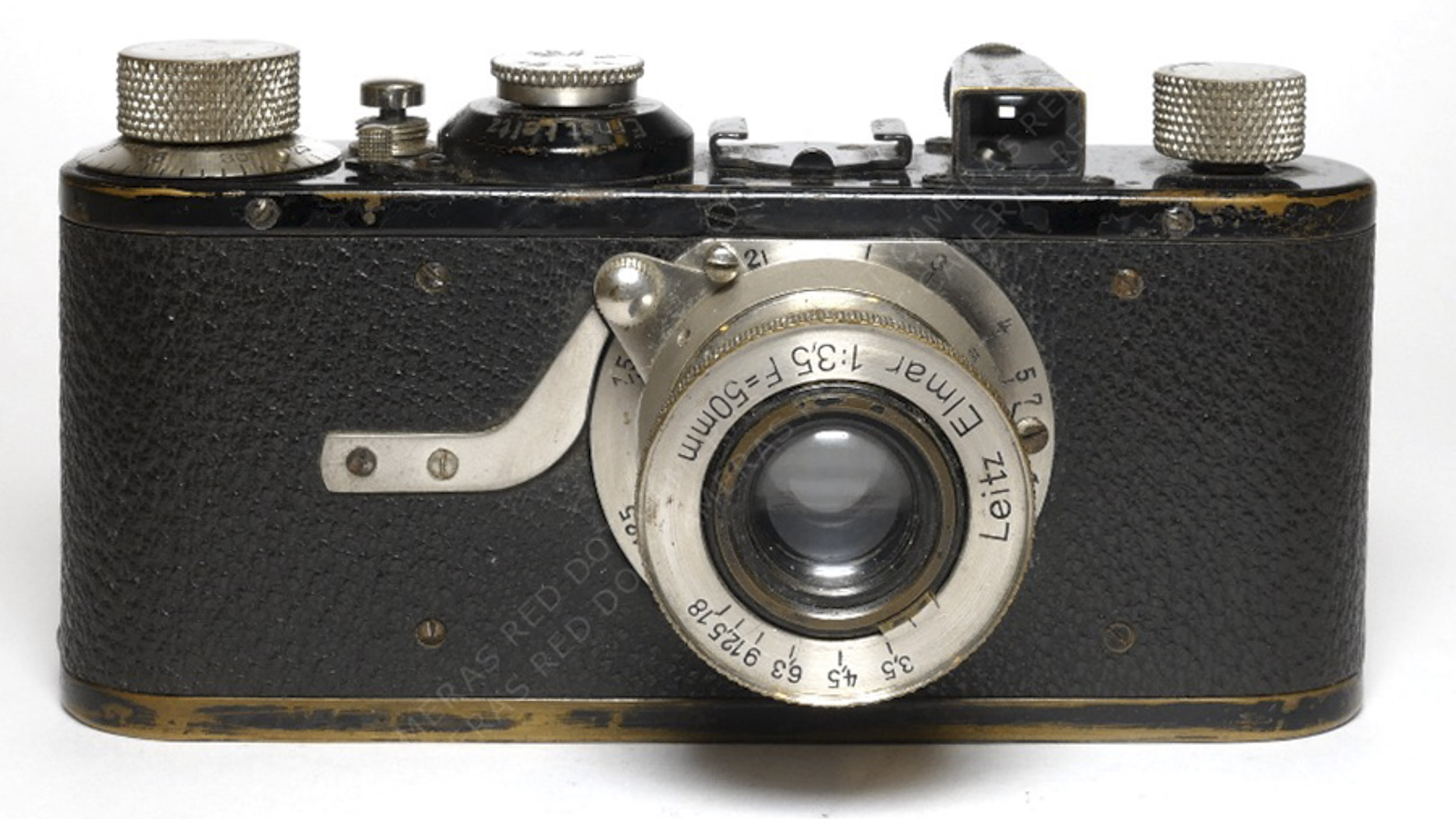
Leica’s own YouTube channel rarely surprises anyone. Then, a few days ago, it quietly uploaded something nobody anticipated: a full 2½ hours of a technician stripping down, healing, and rebuilding a Leica I that once belonged to the Leitz family itself. And what is really strange, there is no narration, just the noise of tools clicking. It’s the sort of soundtrack that could have you zizzing within minutes. No music fills the silence either, just the click of tools and the occasional creak of a century-old shutter mechanism . . .
The video is called Repairing a 100 Year Old Camera, and it runs to two hours and 32 minutes, uploaded straight to the manufacturer’s channel in essentially real time.
The accompanying description is almost as spare as the film itself: the camera is disassembled, inspected, repaired, and carefully reassembled with new shutter curtains. And that is the whole of it, with no commentary to fill in the gaps or explain a decision along the way.
A familiar fault
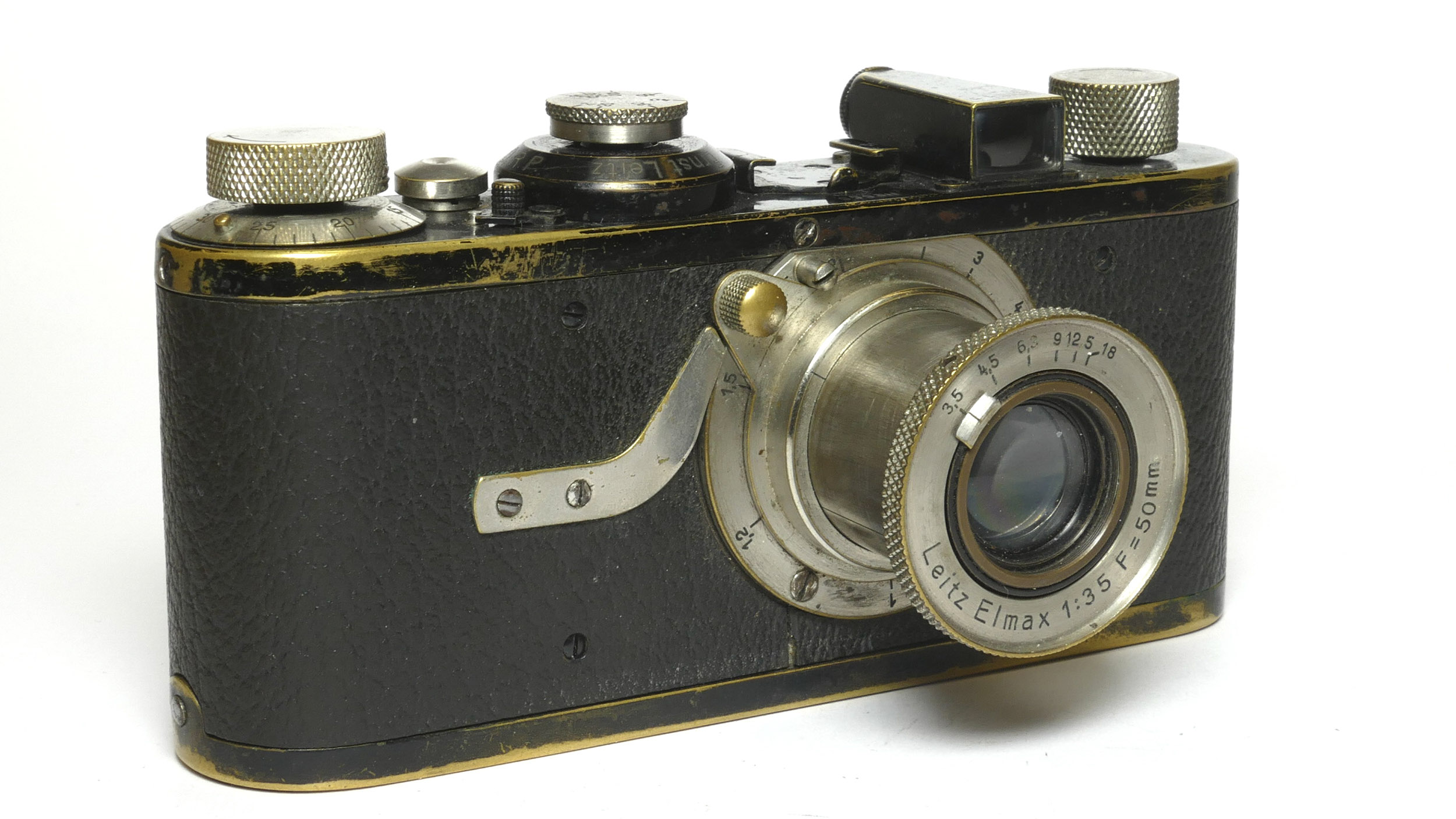
This particular Leica I is the model that launched the entire system back in 1925, which makes it roughly the age the title promises. Its problem is one that every owner of an early screw-mount Leica will recognise eventually: porous shutter curtains.
The rubberised cloth that Leitz used for its focal-plane shutters perishes with age, and once it does, light leaks through pinholes that were never meant to be there, while the shutter’s timing drifts along with it. It is a fault of chemistry as much as mechanics, and it eventually comes for almost every camera of this vintage.
What gives this particular repair its extra pull, though, is provenance: Leica describes the camera simply as belonging “to the Leitz family”. Exactly which member of the family owned it, and when, is left unsaid. Even that small unexplained detail is enough to make a routine curtain replacement feel like something closer to family history than a service job.
Silent craftsmanship
What makes the film worth its length is the process itself. The camera is taken apart piece by piece, inspected under a bench lamp, and put back together with new shutter curtains cut and fitted by hand. Nary a stutter of explanation.
One commenter noted, with evident delight, that a toothpick turns out to be among the more versatile tools in a watchmaker’s kit; another said the whole thing felt hypnotic, precisely because every tool the technician reaches for is precisely the right one for that step.

Reaction underneath the video has been unusually warm for a manufacturer’s own channel, and much of it returns to the same idea: this is what proper service actually looks like, and it is rarely shown so plainly.
Several viewers mention their Leica I and III, cameras well past their hundredth birthdays, still shooting perfectly sharp film after a curtain replacement of their own. One even says he has the camera tattooed on his arm.
Another, only half joking, imagines that the video is like watching Oskar Barnack himself assembling the very first Leica in Wetzlar.
More than one viewer, tongue firmly in cheek, congratulates Leica on what they call its first ASMR video1, and it is not entirely a joke: strip away the branding and this is close kin to the restoration channels that already have loyal followings on YouTube, just made by the manufacturer itself rather than an enthusiast with a workbench.

Worth the two hours
This is no tutorial, it’s plain vintage camera porn. It’s a quiet piece of brand storytelling, and a rather good one: proof, in real time, that a company founded on precision engineering still employs experts who can take one of its oldest products apart and hand it back in working order, a century on.
For anyone who has ever wondered what actually happens inside a repair workshop when a shutter curtain fails, this is about as close as YouTube gets to standing alongside the bench as the technician works.
Whether Leica keeps the format going is an open question.
More than one commenter is already asking for a follow-up with an M3, and on this evidence, it would be worth the wait.
Further reading
| Macfilos Articles | Other Links |
|---|---|
| Looking back with a 1926 Leica and a 1930s Super Baldina – A Macfilos contributor’s own hands-on encounter with a Leica I of almost identical vintage | Oskar Barnack – The engineer whose original design this repair honours |
| Leica IIIa brought back to life after 85 years: Flip or flop? – Macfilos’s own account of restoring a screw-mount Leica | Restoring an 85-Year-Old Leica Camera – Another detailed look at what an early Leica restoration involves |
| 100 years of Leica: Witness to a century (1925-2025) – Macfilos’s own retrospective marking the Leica I’s centenary | Leica Camera on YouTube – The channel behind this and other behind-the-scenes films |
| My Leica III and its 91-year journey through life. Chris Hooke’s story of his 91-year-old Leica III brought back to life |
Make a donation to help with our running costs
Did you know that Macfilos is run by six photography enthusiasts based in the UK, USA and Europe? We cover all the substantial costs of running the site, and we do not carry advertising because it spoils readers’ enjoyment. Any amount, however small, will be appreciated, and we will write to acknowledge your generosity.
Early Leicas are mechanical masterpieces. For servicing, all parts must be taken out in the correct order and then replaced in the reverse order. Any replacement parts should use appropriate materials and sizes which will work within the camera. One of the main tricks with a Leica I Model A is to use a ground glass screen to adjust for fine focus using the round hole at the back and a ground glass screen. The camera has no built in focus method and the lens is a fixed 50mm one with a 33mm diameter mount. The adjustment is done by putting metal shims (thin rings of metal) in behind the mount. I once had the shims fall out of the mount of a 1926 I Model A while I was using it. I gathered them up and put them back in while I was on a shoot and the thing worked perfectly. I must have had a screwdriver with me. Anyway, I subsequently wrote about this in a Macfilos article.
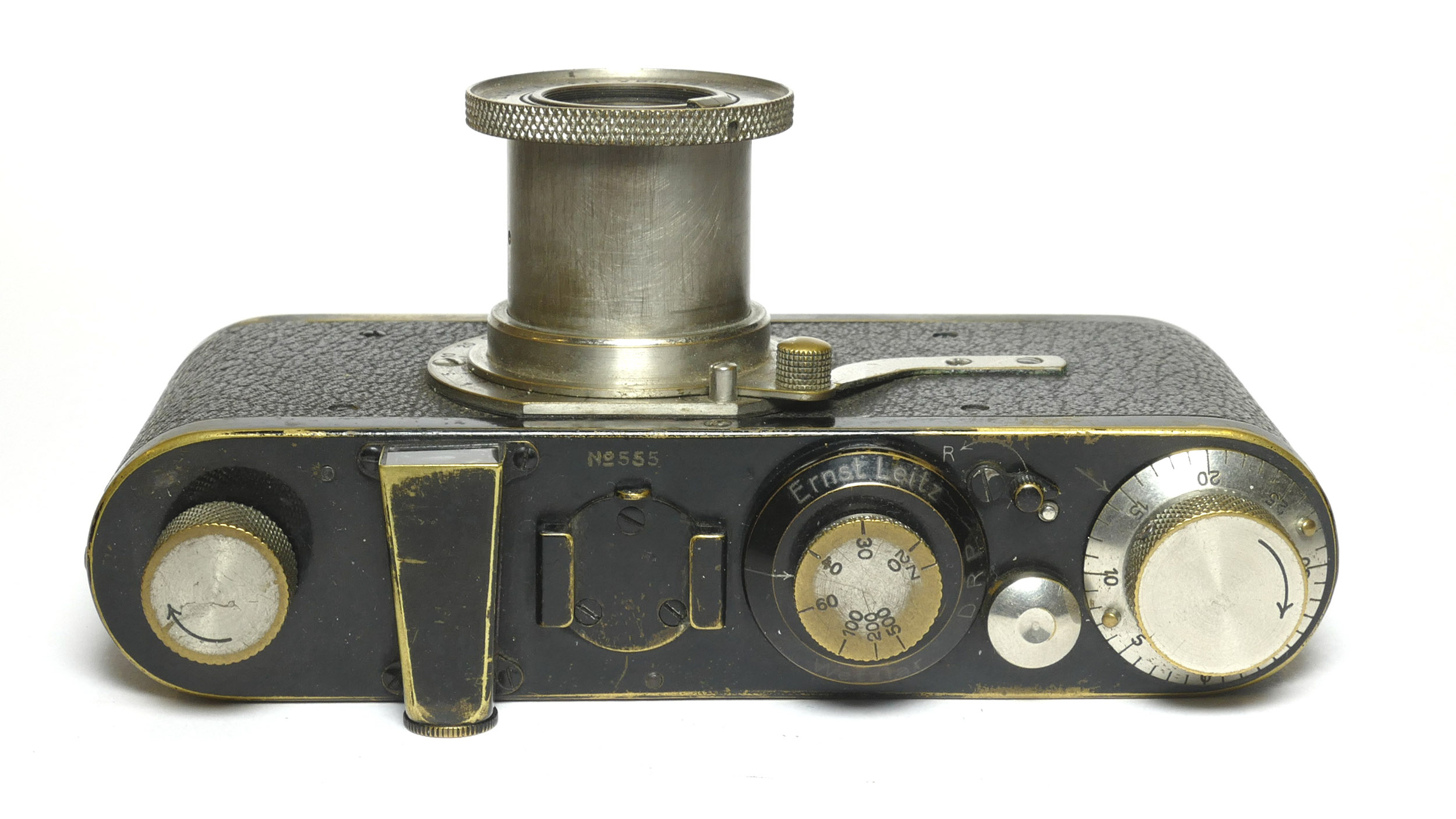
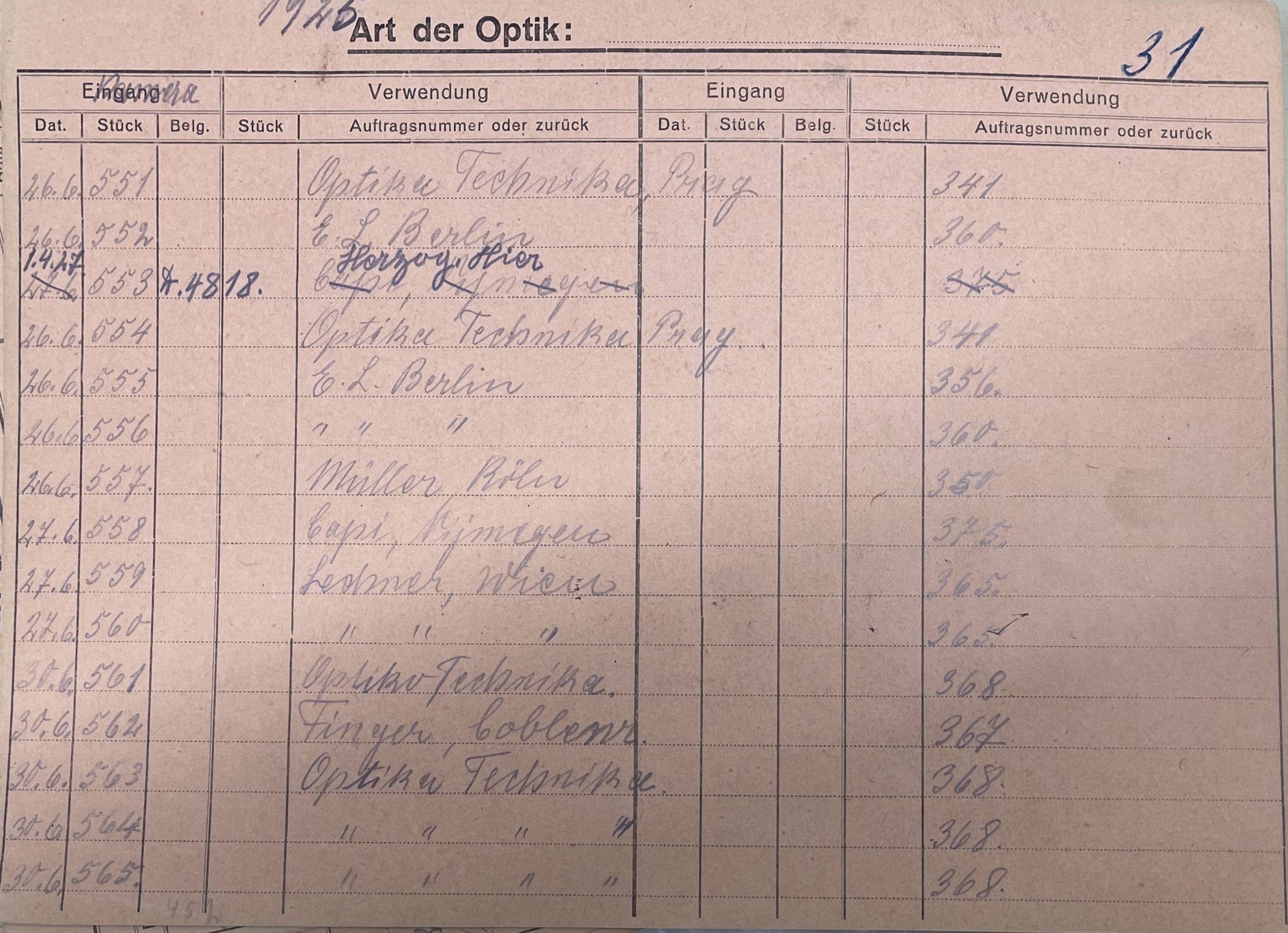
As for No 555, Ivor Cooper asked me some years ago when I was heading on a visit to Wetzlar to find out the issue date of the camera in the archive. After my visit I gave the date to him and sometime later we found out that it had been issued on the same calendar date (100 years before) as the 100th anniversary celebration. What I did not know at the time was that Leica also had No 554 which was issued on the same date. It is great to see two centenarian Leicas celebrating their 100th birthday together. Ivor was thrilled that one of his cameras had received a birthday cake from Leica.
With servicing, such as is shown in the video, those centenarians could potentially last for ever.
William
For a craftsman, there’s something mesmerizing about it—especially as a dentist, it makes my fingers itch to get to work.
When I met Stefan Daniel two weeks ago, he mentioned this video (he’d just seen it) and couldn’t help but shake his head at how captivating it is.
I can see why I have been quoted such a king’s ransom to have my Leica iiig retimed and cleaned etc., the thing is though, at the end one will have another 30 years of good use… More than I will ever need!
Question, I wonder if all of the camera engineers are as diligent as the star of this epic?
Also, I wonder if there is another epic devoted to the restoration of a collapsible Summicron?