
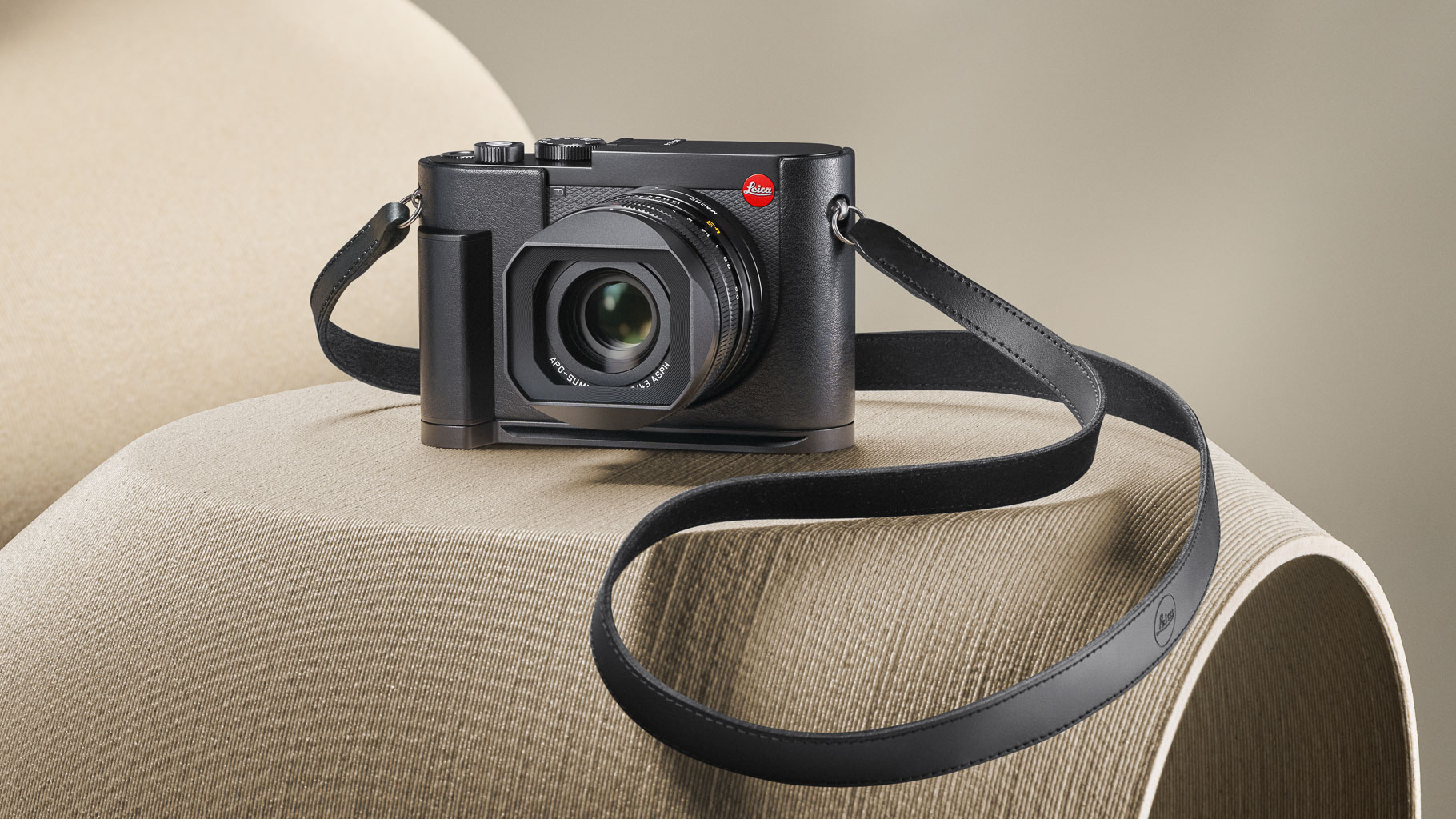
Is 2027 really likely? We have yet to see signs of an M12, so can we realistically bank on a Q4 in 2027? I would suggest two major camera launches in one year is possible, but to do so would eat resources for preparedness, firmware, production, and marketing. So, what might we expect to see in a Leica Q4? There’s much to discuss.
It’s easy to do the Tweenager “I want a Golf GTI with a 500 hp, quad cam engine, with the performance of a Porsche for less than $25,000” fantasy, but we can be pretty sure that Wetzlar doesn’t do those. According to Andrea Pacella, Leica’s VP of global marketing and communications “On average, the Q series cameras sell twice as much, or even more, than the entire M system. It is a lot”.
The Q3, and quite possibly its predecessors as well, have handsomely outsold the other product lines. When you have a successful product line, you don’t throw out the successful features and start over. You build incrementally, polishing what needs to be refined, and making small improvements — the principle the Japanese call Kaizen: continuous, incremental improvement, refining a product steadily rather than reinventing it in one sweeping change.
What do we know? Plus ça change, plus c’est la même chose
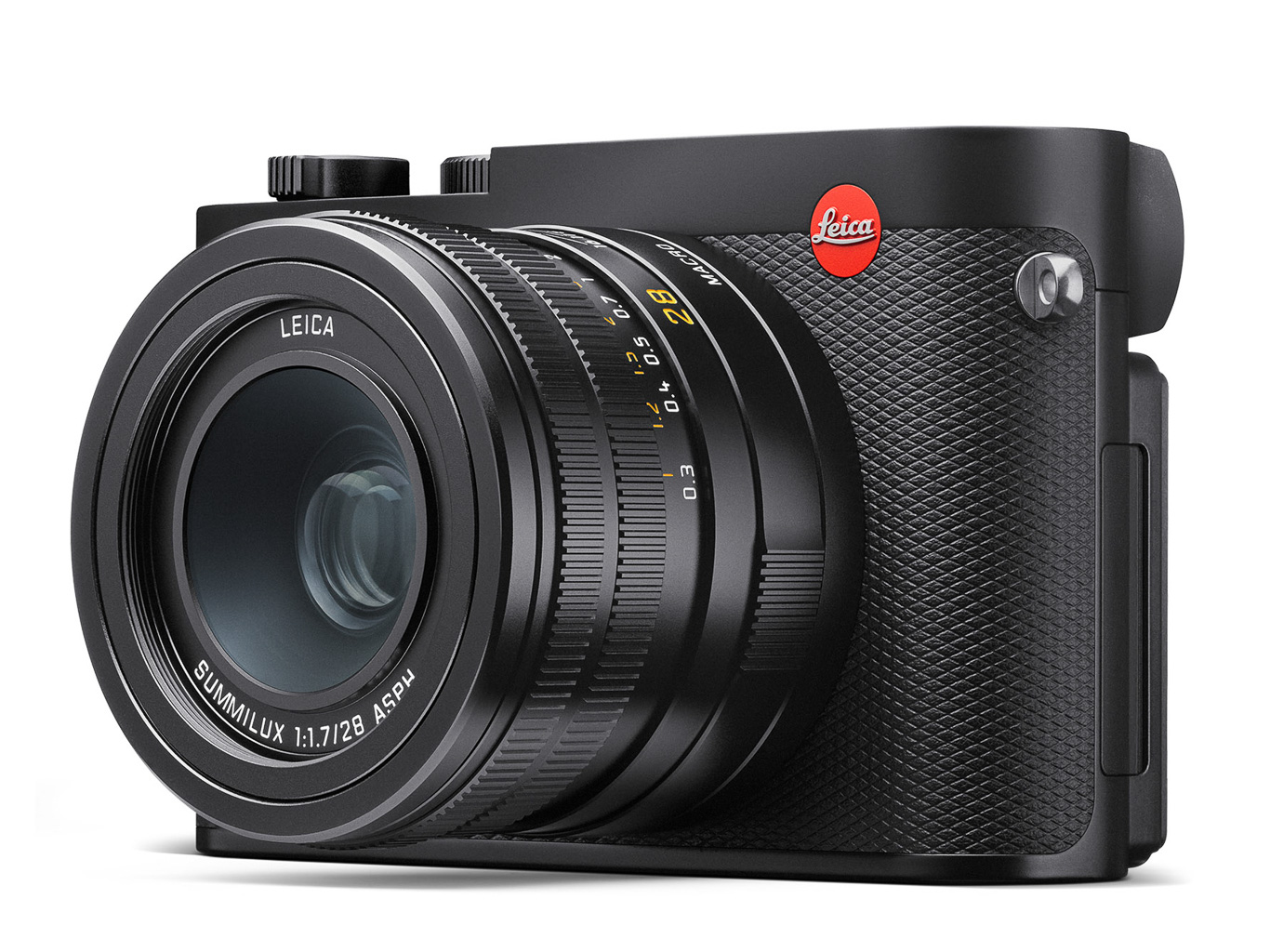
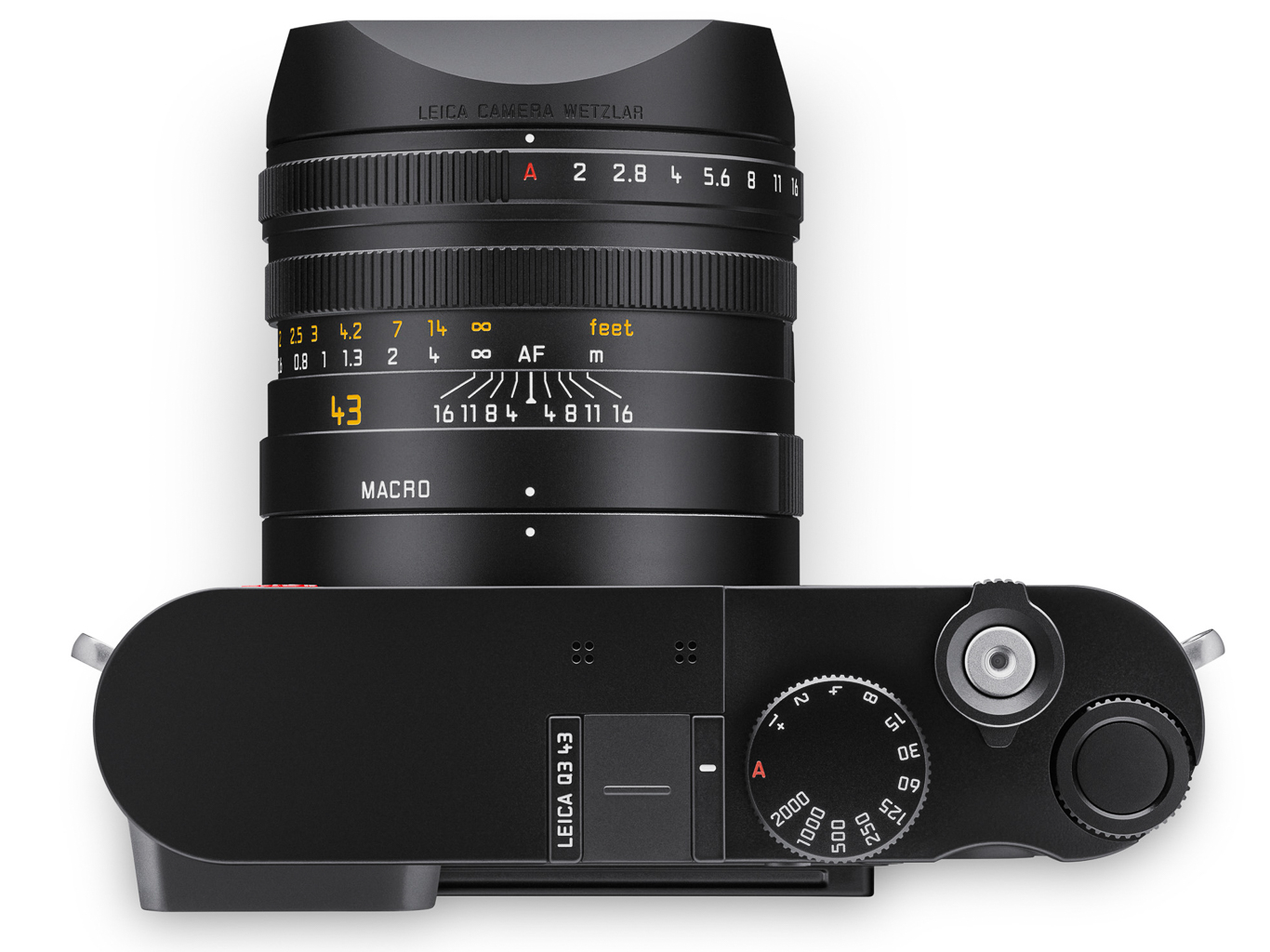
The Leica Q4 will almost certainly have a 28mm and a 43mm lens option, both with built-in leaf shutters and OIS. Those lenses have been optimised using software corrections, rather than going for the perfect optical design and performance. They are nevertheless sharp, particularly the 43mm, and have a pleasing bokeh wide open. Both already offer a macro mode that closes the minimum focus distance to 0.17m for the Q3, and 0.27m for the Q3 43, and it wouldn’t take much for Leica to push that towards a true 1:1 reproduction ratio on the Q4.
The real questions come not about the lenses, but about sensors and processors. Leica appeared earlier to have settled on standardising the 60MP full frame sensor across all lines, but with the recent arrival of the SL3-P and an announcement about new sensors in partnership with Gpixel, that may have changed.
The sensor conundrum
Earlier in 2026 Leica announced a strategic partnership with Gpixel to design and build a new sensor “family” for the company. Since the Q line is the most successful seller in the Leica family, it’s unlikely the company would take the risk of shifting to a brand new Gpixel sensor for its volume seller. It’s more likely that a Gpixel sensor will have to prove itself in a low-volume variant like an M11-R, or an SL3-R before being built into the volume-leading Q series. Let’s assume that decision would disappoint many readers.

Leica has quite a task to figure out which of the current sensor/processor combinations will work best in a Q4, if it stays with the currently available options. If you want to shoot landscapes, then maybe the 60MP sensor found in the SL3, M11, and current Q3 would be the ideal choice.
When the lights are low
That can be tempered by whether you shoot in low light or not. If you shoot frequently in low light, then the new SL3-P might be a better bet. The SL3-P uses a 44MP (44.9MP effective) full frame sensor with BSI and with 819 phase-detection points. It has been used before by DJI (a partner in the L² Alliance) and in Panasonic’s Lumix S1R II. Leica uses its own colour science and RAW file tuning to differentiate the SL3-P.
In turn, the SL3-S uses a 24MP sensor. Street photographers using a Q4 may prefer the 24MP sensor for its low light, high 200,000 ISO, and fast readout characteristics. The new 44MP sensor might be the better alternative if you intend to crop frequently but don’t need 60MP. It would also partially define the speed at which the camera can operate. Readout speed should be faster, the lower the number of pixels there are to process.


It could be that Leica splits the specifications of the Q4 28 and the Q4 43. The Q4 28 might get an updated 60MP sensor, while the Q4 43 (more likely to be used for street and faster-moving subjects) would lead to either the 24MP sensor, or the 44MP sensor. If Leica doesn’t want to split the models, then the 44MP sensor would seem to offer the best balance between readout speed, low light performance and file size.
| Sensor | 24MP (SL3-S) | 44MP (SL3-P) | 60MP (Q3) |
|---|---|---|---|
| Fast sensor readout | No official figure; Leica says the SL3-P is “more than 150% faster” than this sensor¹ | 39.6ms (14-bit) / 20ms (12-bit)¹ | No official figure; independent estimate ~100ms (shares a sensor generation with the Sony A7R IV)² |
| Low light | ISO 100–200,000³ | ISO 50–200,000¹ | ISO 50–100,000⁴ |
| High density files | 24.6MP (6000×4000)³ | 44MP¹ | 60MP⁴ |
| File size options | 24MP | 44MP | 18/36/60 MP |
Processor and subject tracking
The Maestro IV processor might survive another generation of models with M12, SL4, and Q4. But it could also be a potential performance bottleneck if Leica were to move to an even higher resolution or faster readout sensor. The new Gpixel sensor might be able to offer both if it was stacked.
What may restrict camera performance are the limits of the Maestro IV processing speed, particularly with large files, and a buffer that would lack the capacity to handle higher speed continuous shooting.
Ideally for all models, a new processor (Maestro V?) that was more powerful, in terms of AI assisted subject tracking, offered faster processing speeds, was more energy efficient, and ran cooler, would give the Q4 a new lease of life.
| Processor | 24MP (SL3-S) | 44.9MP (SL3-P) | 60MP (Q3) |
|---|---|---|---|
| Fast processing speed | 30fps (electronic, full AF)³ | 40fps (electronic, full AF)¹ | 15fps (electronic, max resolution)⁵ |
| Responsive focus-tracking | 779 phase-detect + 315 contrast-detect points³ | 819 phase-detect points¹ | Not officially disclosed (hybrid PDAF/contrast/DFD system)⁶ |
| Multi-shot files | 96MP handheld multi-shot³ | 176MP handheld multi-shot¹ | No multi-shot mode — Triple Resolution gives a selectable 18/36/60MP instead⁴ |
All three columns are drawn from the actual cameras carrying each sensor today (SL3-S, SL3-P, Q3), as the closest real-world stand-ins for what a Q4 variant might inherit — not confirmed Q4 specifications.
It’s unclear how much better subject tracking could be delivered by Maestro IV, but buyers and reviewers certainly see a need for it. Leica has extracted more through software changes, but more is still being asked for.
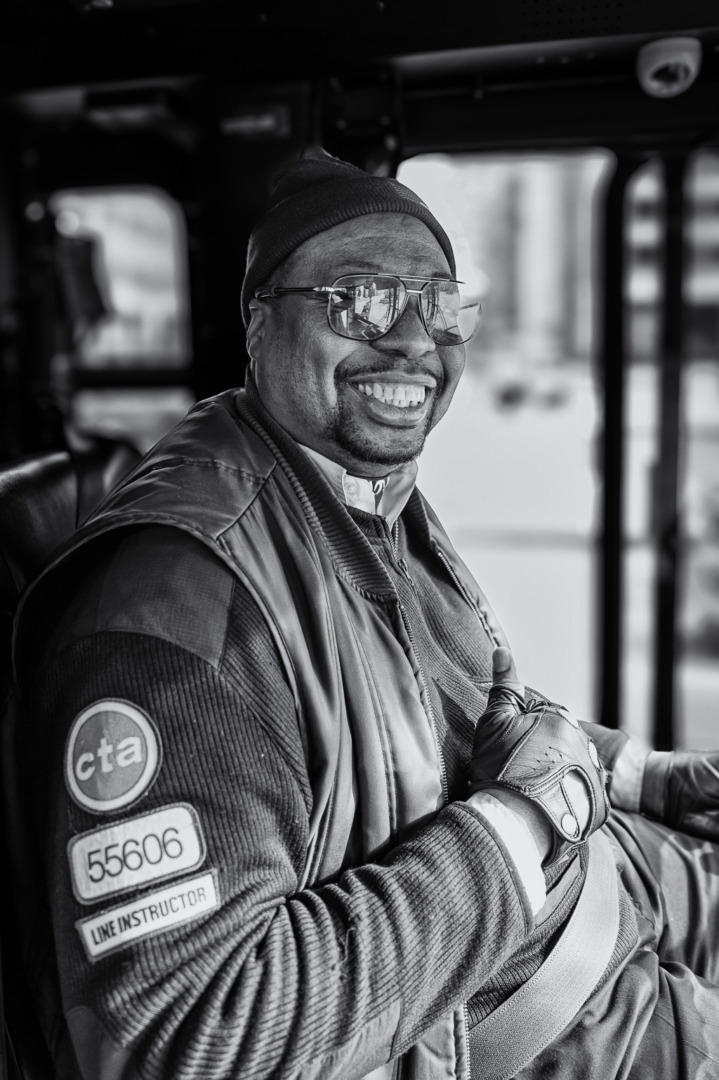
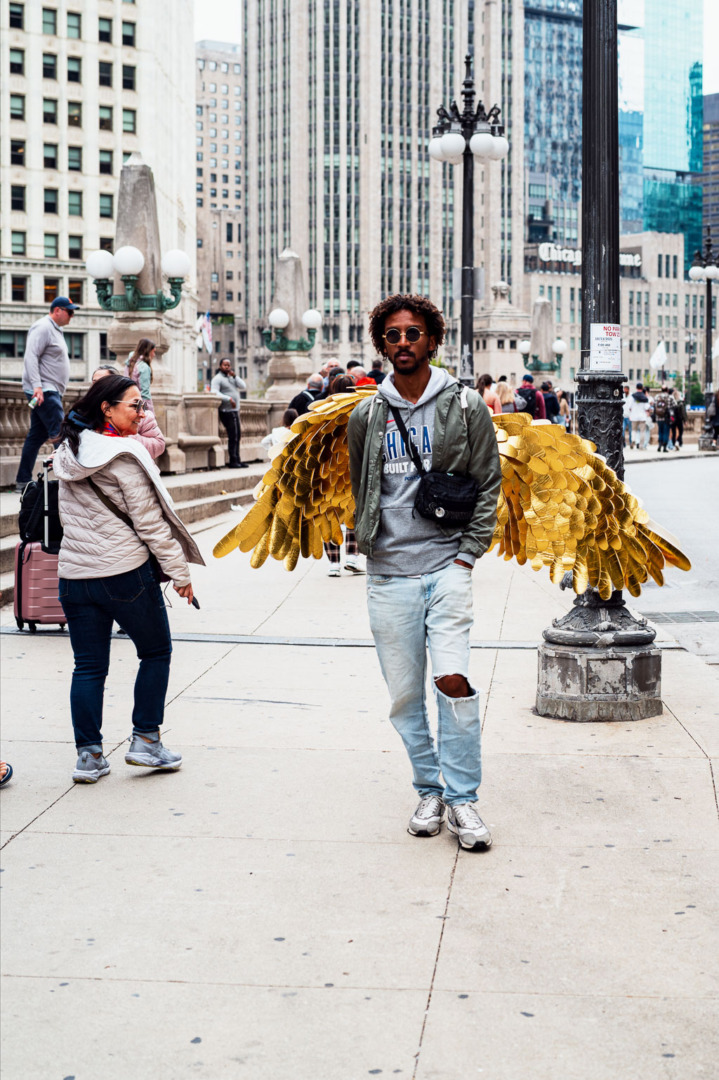
If Leica includes a Maestro V in the Q series, that will likely offer better predictive tracking algorithms to keep focus on moving subjects, particularly in unpredictable environments. Examples cited by buyers and reviewers are subjects like flocks of birds, planes, or insects, or herds of animals, or even tracking an individual in a crowd. This is also where a stacked sensor might eventually help with its increased readout speeds.
Manual focus and stabilisation
Despite having good autofocus capabilities, some owners are still in favour of manual focusing. The current system works passably well, but is nowhere near the gold standard of the SL with an M lens or an M itself.
Owners in online forums claim they want/need better stabilisation when shooting in low light or during high-speed motion. The challenge, though, is inherent in the design of the Q family. To achieve compactness of form, the camera has OIS built into the “Russian-doll-like” design of the lenses. To add IBIS would fundamentally alter the design of the camera and quite possibly add mass and bulk to it.
Monochrom
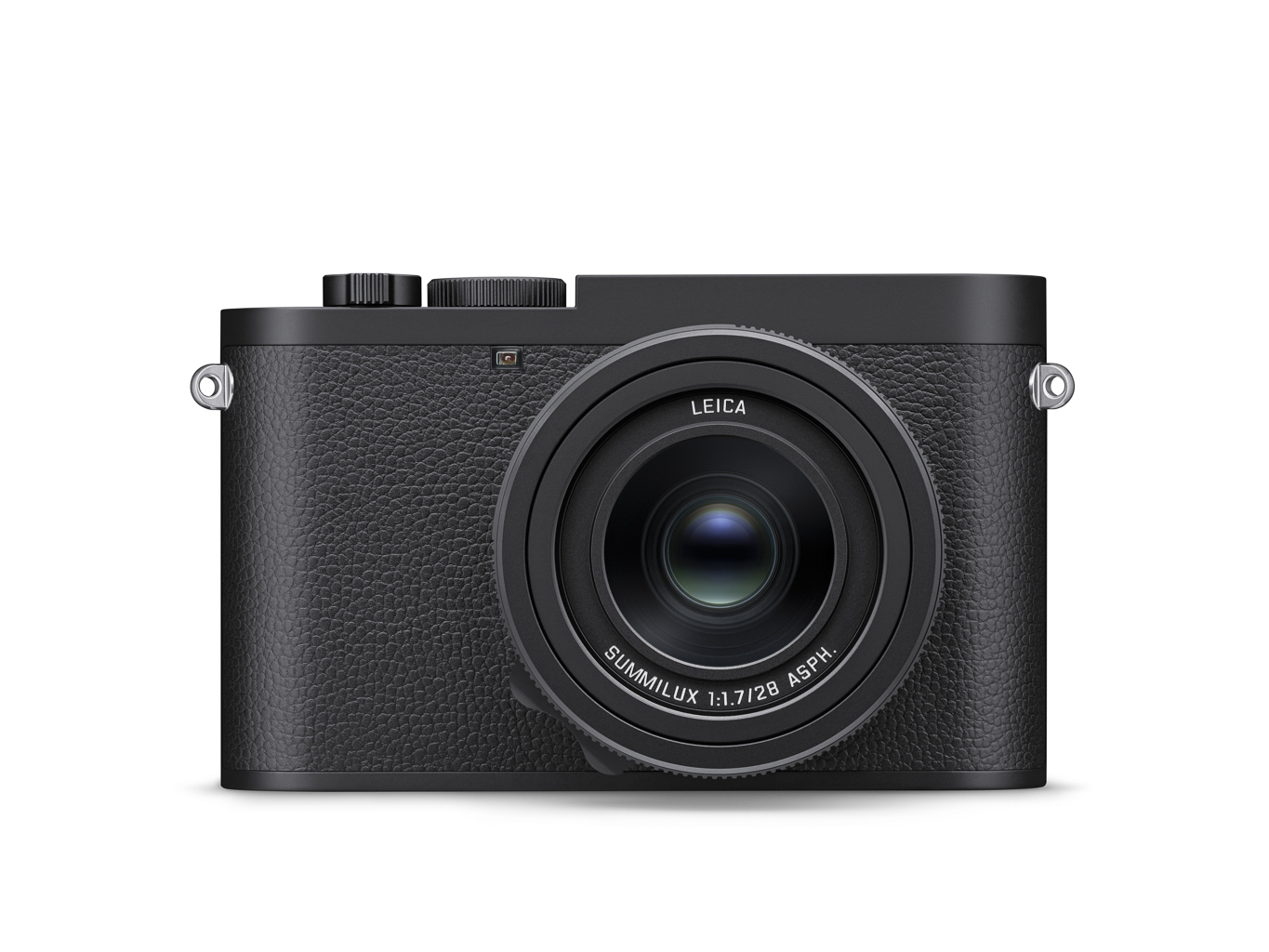
It’s highly likely that the Q4 will get at least one monochrome version to satisfy those who wish to have the purest image capture. The challenge will be with the sensor “sandwich” and how it handles the desire for PDAF. Will there be a Q4M 43? Why not? If the rumours are true, there will be a Q3M 43 along very shortly.
Viewfinder and screen
Owners have asked for the Q family to offer cropped/zoomed-in images in the EVF. This would go far beyond the simple crop lines that mimic the Leica M. It would mean changes in magnification of the image in the EVF and the ability to capture movement without smearing.
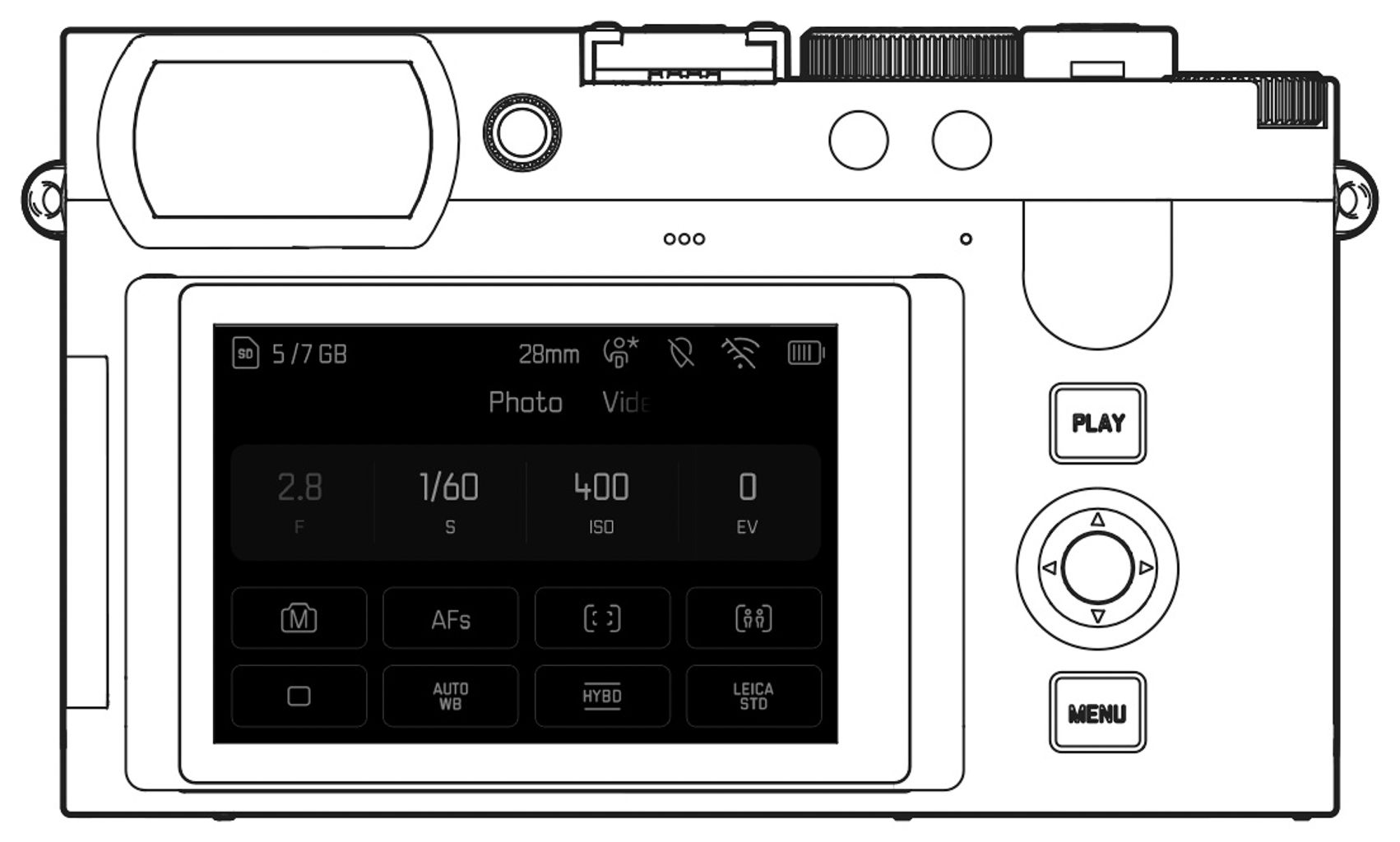
As a consequence, the EVF would possibly need a next-generation bump in resolution above the current 5.76MP. The current EVF struggles with smearing and dropouts at 120fps, so this will likely see an improvement. It would also require faster responses from the processor.
The rear screen is also expected to get full swivelling/rotating motion to allow for greater flexibility of shooting. Might it get a Fujifilm X-Pro3-style small window panel or an M11-D blank reverse panel to stop chimping? And make it flush fitting …
Storage and filters
The M11-P and M11-D already have 256GB internal of storage. Would Leica offer this on the Q4? It could complement SD cards and allow for backups or split saving between RAW and JPEGs in the Q4. The challenge is the current cost of memory, and this is perhaps reflected in the lower 64GB installed in the M EV1. For Leica, does it plan to include it or offer twin SD card slots instead? 256GB of internal storage, and split storage options with an SD card, would allow shooters to tailor various combinations to suit their preferences.
The Q leaf shutter is currently restricted to a mechanical 1/2000s limit. It perhaps could go higher — to 1/4000s, say — but a more pragmatic solution would be to add a built-in ND filter, much as the Fujifilm X100VI and Ricoh GR IV have.
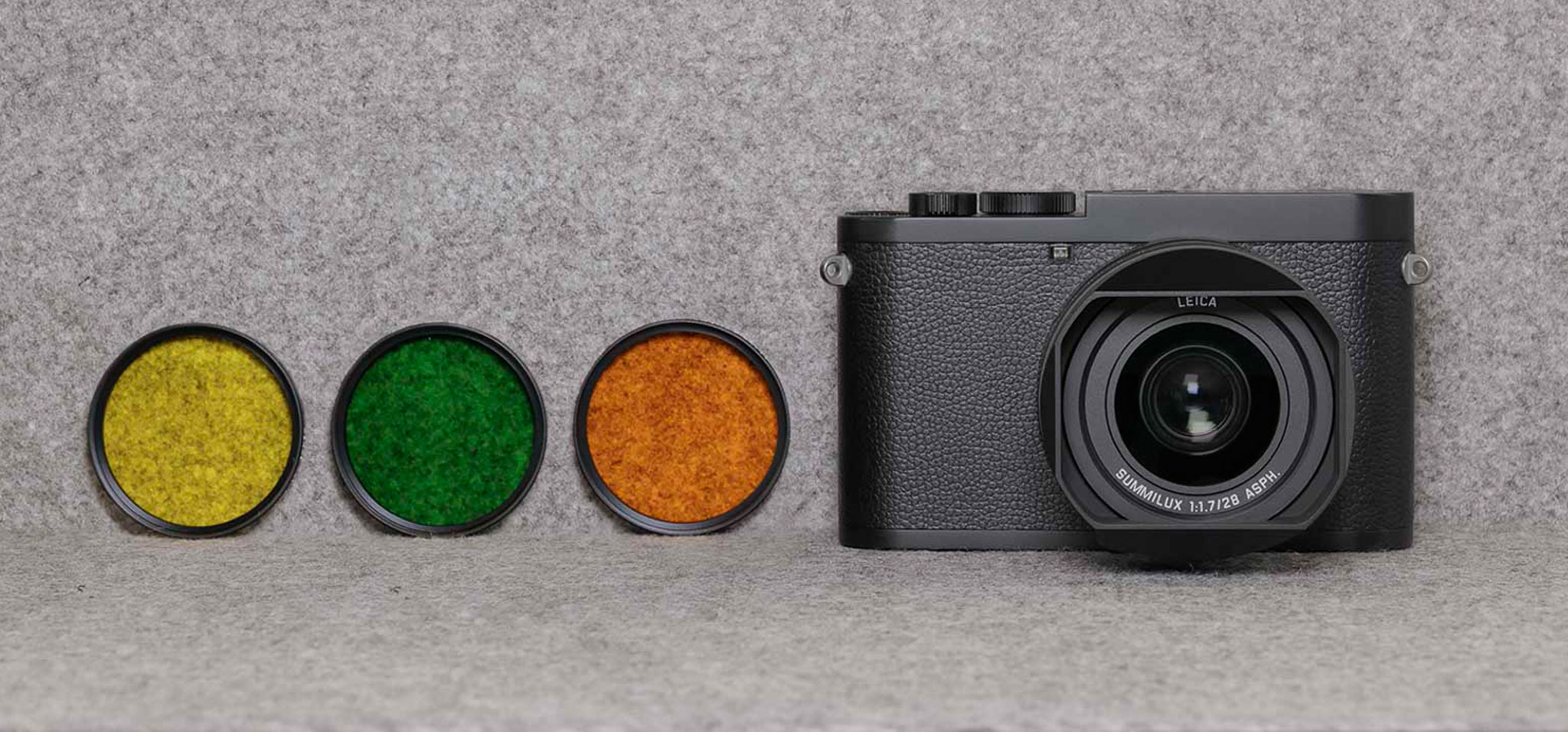
A built-in ND filter would do more than dodge the shutter-speed ceiling. It would let you shoot the 28mm or 43mm wide open in bright daylight without reaching for a screw-in filter.
It would keep exposures consistent as the light changes, and open up slower shutter speeds for water or motion blur without fumbling for glass in your pocket. For a camera built around grab-and-go simplicity, that’s a genuine convenience rather than just a spec-sheet tick.
There’s also a case for making the outside of the hood itself filter-friendly, rather than requiring the hood to come off first. Andy Tobin’s look at magnetic filter systems shows how quick and compact that can be in practice. A similar magnetic ring built into the Q4’s hood would let you add or swap a filter in seconds, without hunting for the right thread size.
Weather sealing and power
The current Q3 has an IP52 rating, which means it is weather sealed in practice. An increase to IP54 would match the SL3 line. Would IP 55 give you monsoon protection, by the way?
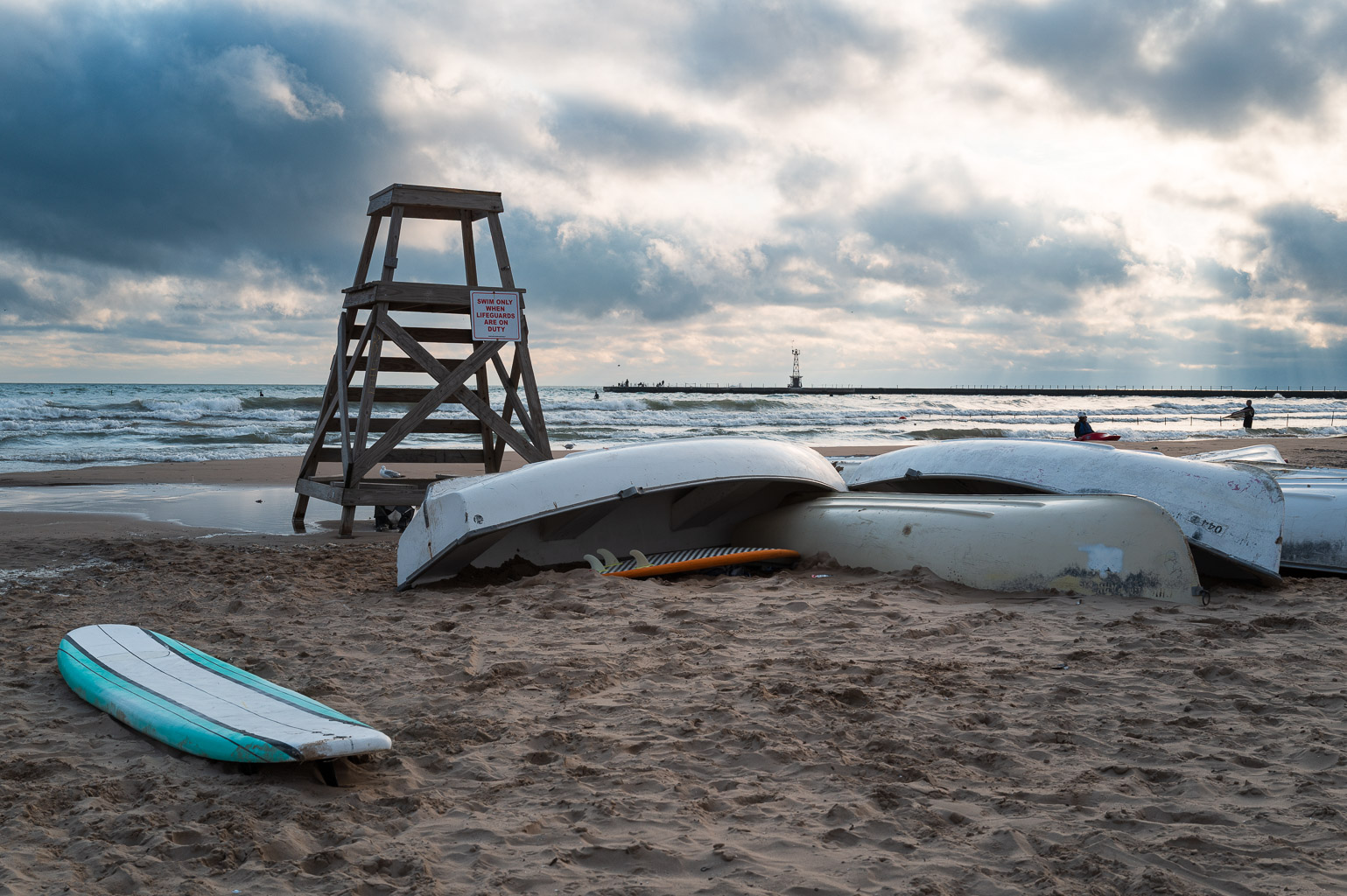
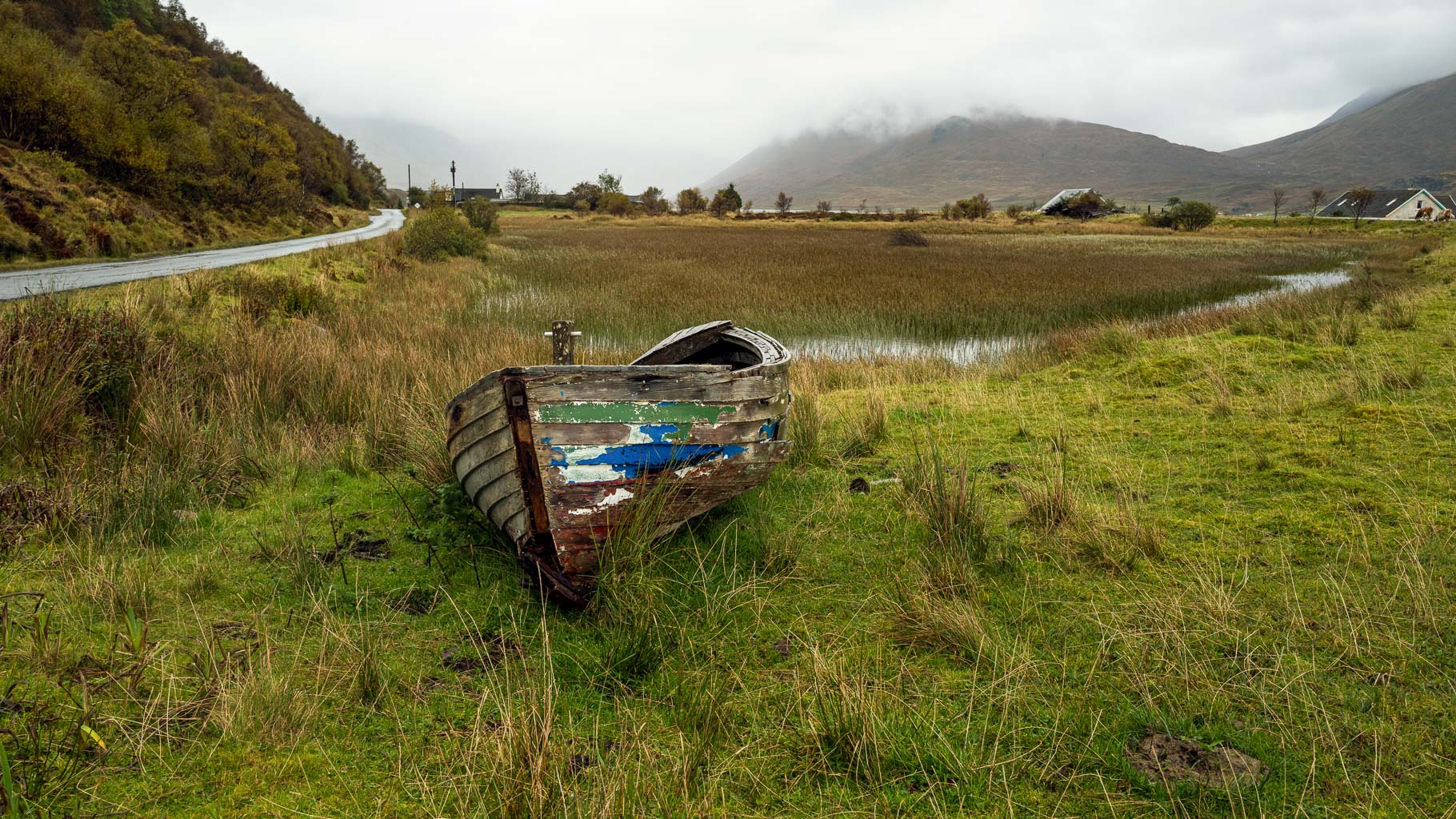
Energy consumption and heat dissipation are challenges for tightly packed camera bodies, whenever performance increases. That performance increase also means more powerful batteries are needed. Can Leica either avoid a physically bigger battery that would mean a bigger body, or manage to find higher capacity from a battery of the sames physical size?
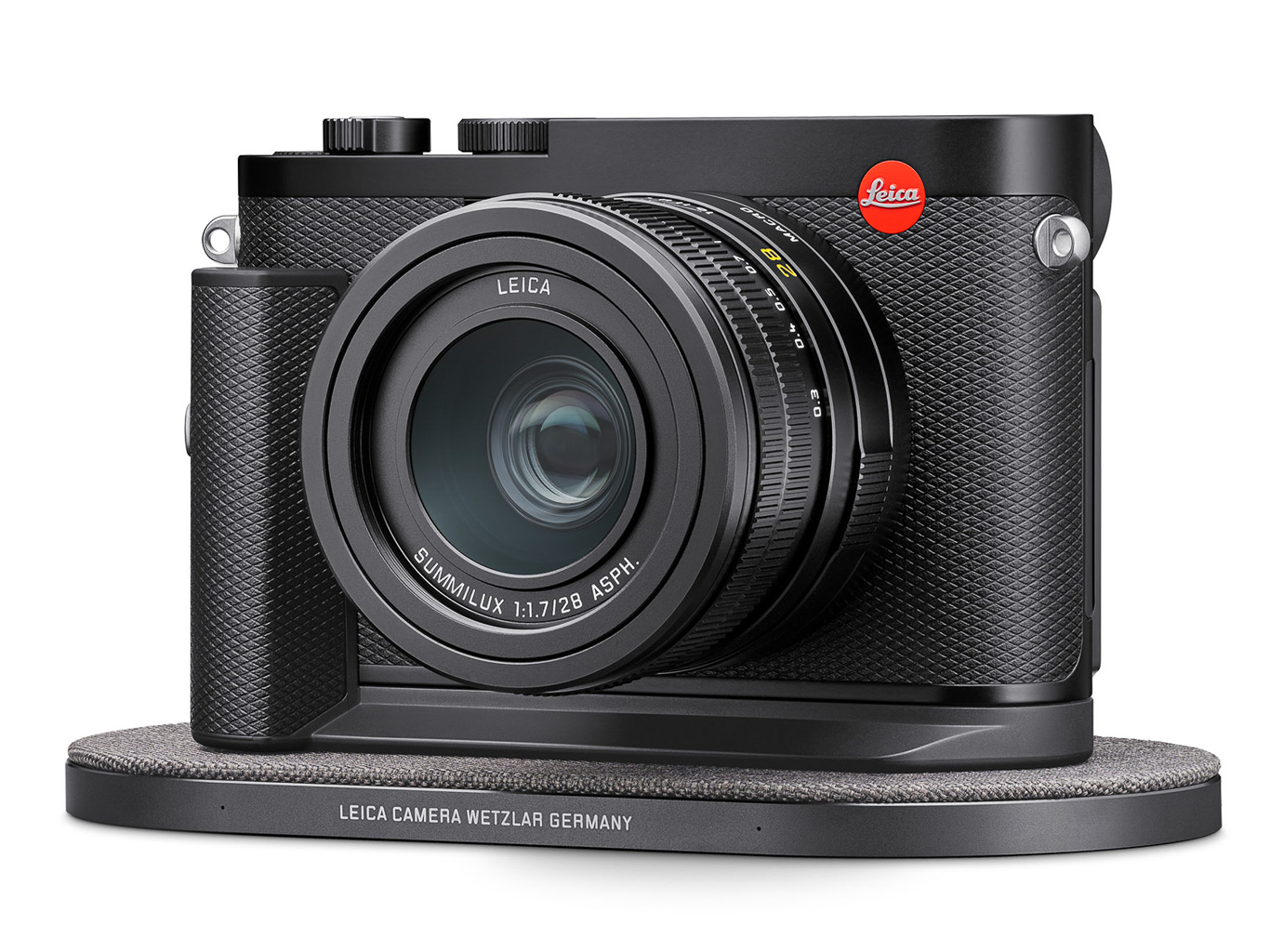

At least the Q3 now offers in-camera charging, and the Q4 would almost certainly do the same. Which begs the question: why do you require a grip with induction charging when you have charging via a USB-C plug as standard?
Content Credentials
The M11-P and SL3-P offer Content Credentials, and it’s highly likely that the Q4 would do the same. In the era of AI, who would not want it?
Last call for end runs of Q3 variants
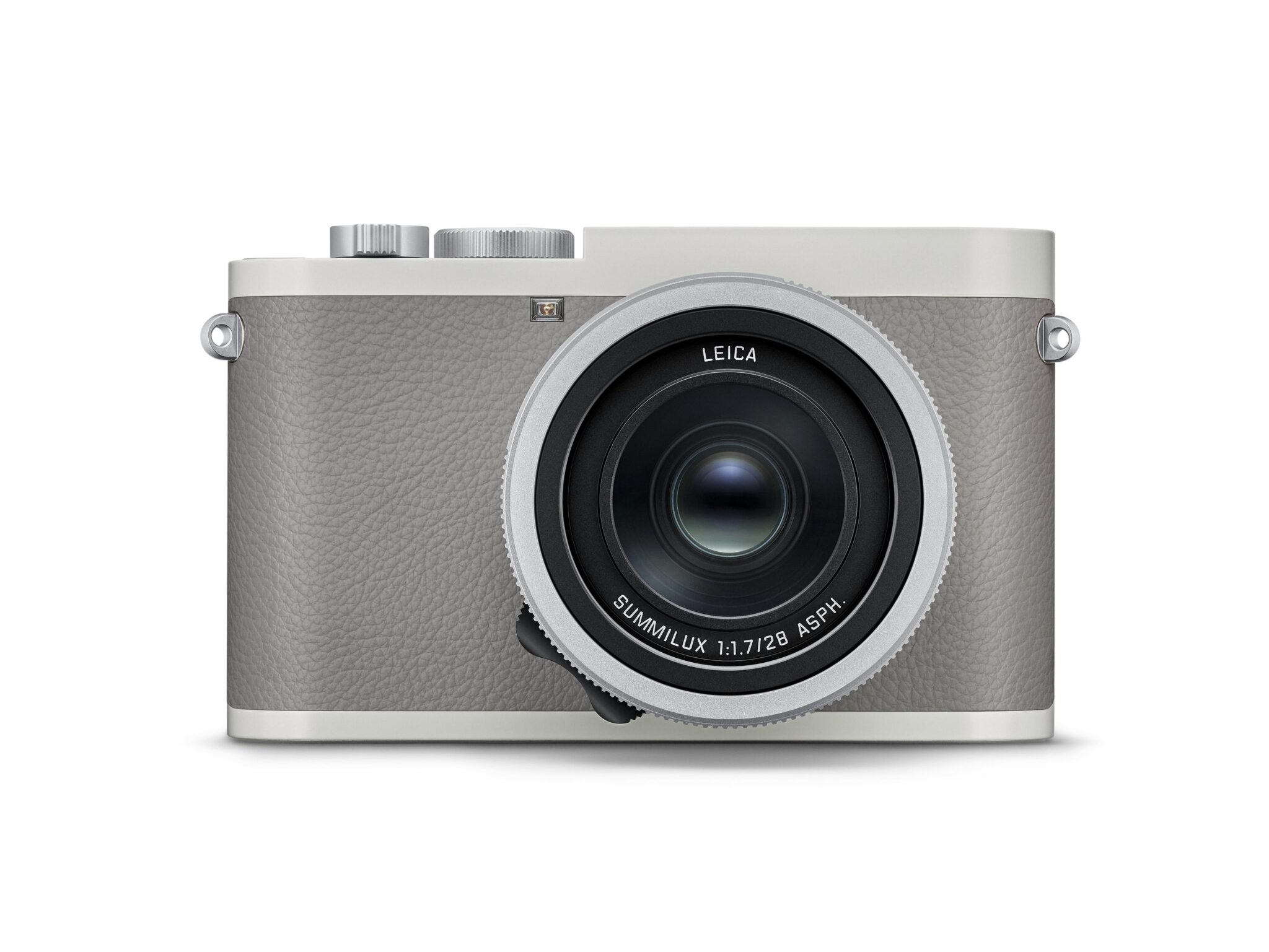
Will we see any one of the following beyond the Metal Grey before the Q3 production is ended? It’s usually a sign that the current model is ready for departure and the new model is probably already in production.
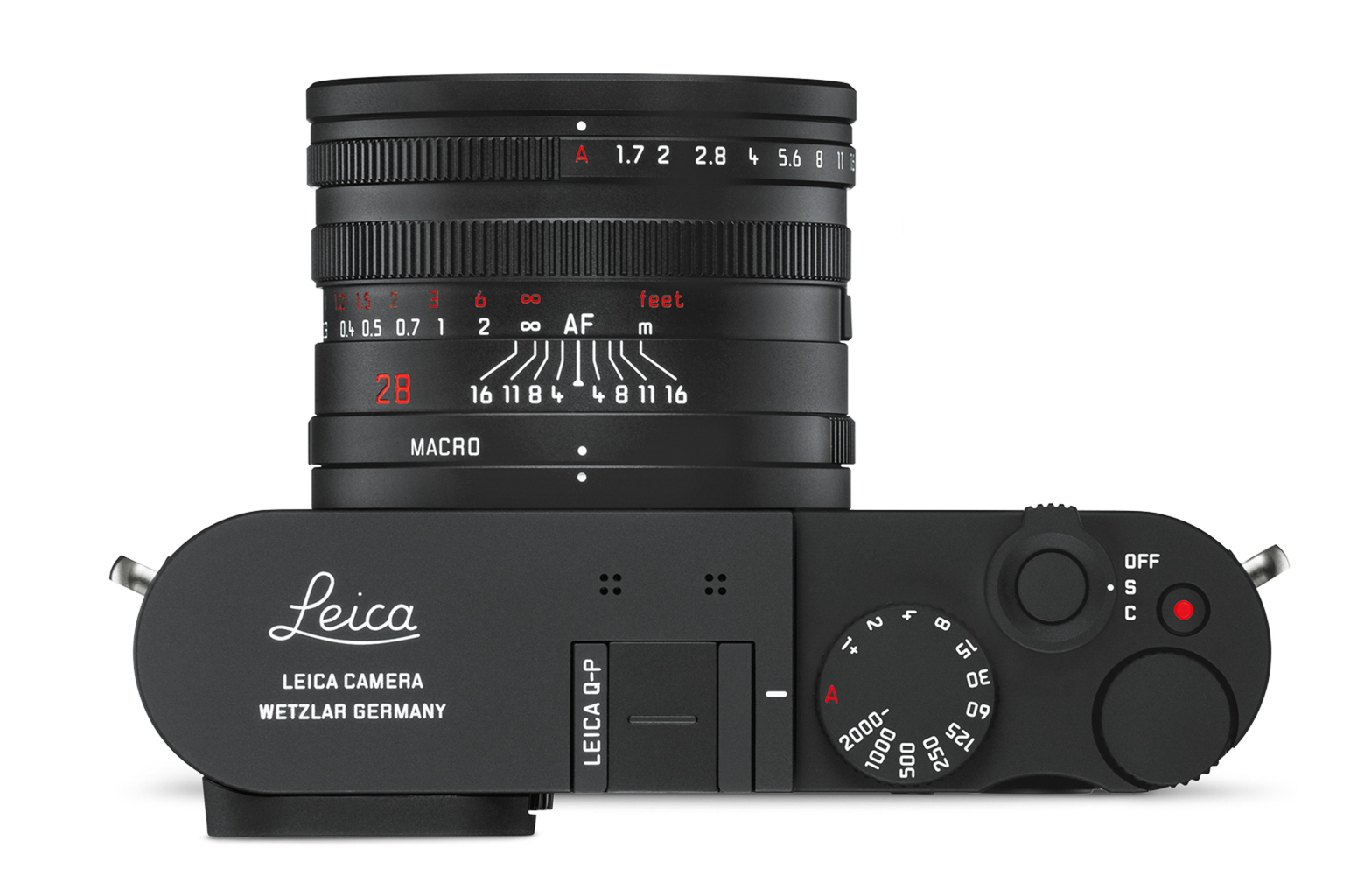
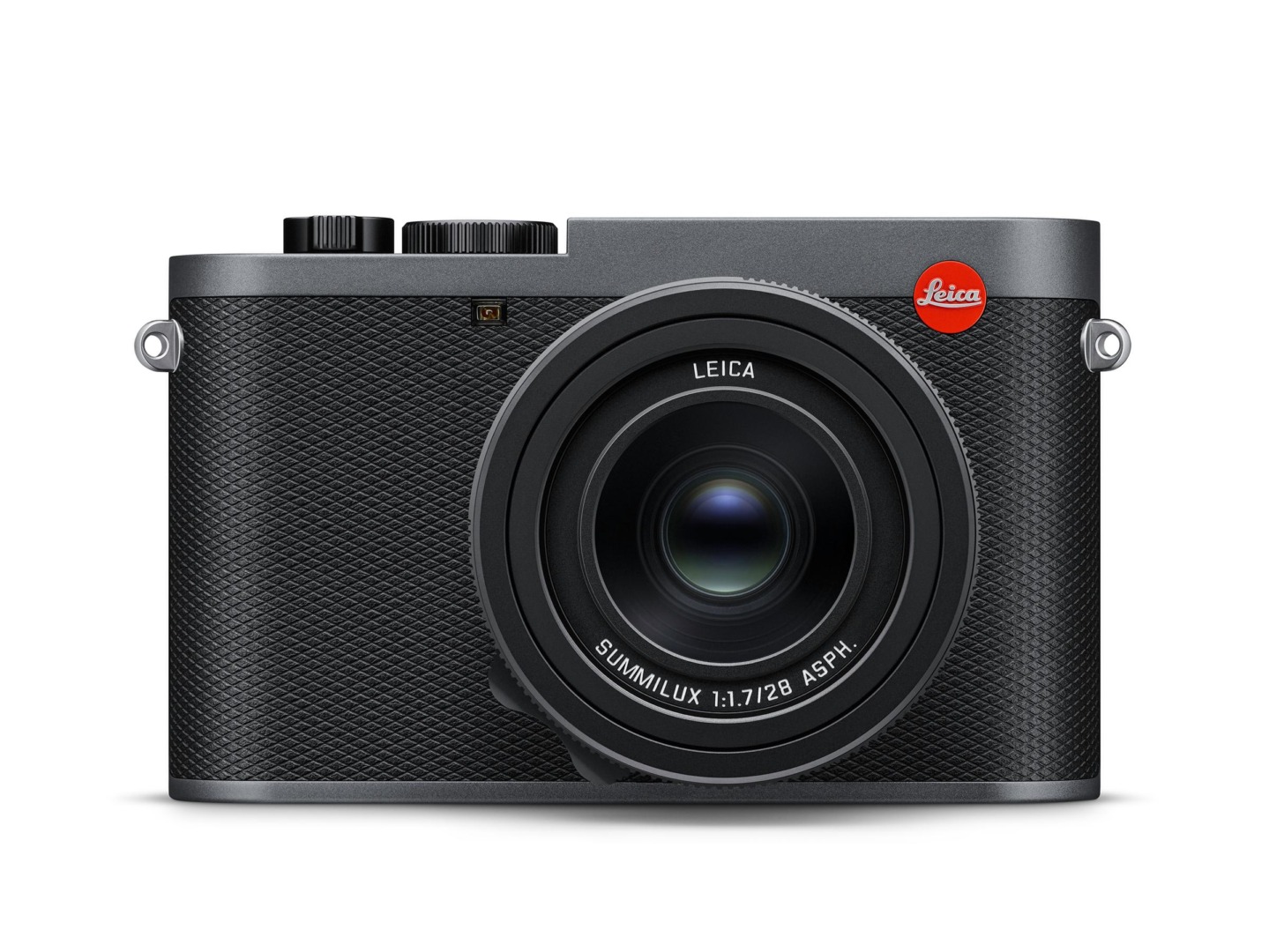
The Q family currently offers black, or the new Metal Grey. Occasionally, would-be buyers ask for a silver variant. This has been offered before with the original Q and would align with Fujifilm’s desirable retro silver look. But other options have been offered in the past.

Conclusions
Some reviewers and buyers will be disappointed by what I have written here. The hope that the Q4 would make a technological leap forward is unlikely to be met. Kaizen will most likely continue to rule the development of the Q line, which means that the Q4 is likely to offer a refinement of what has gone before. As with other successful brands and products, like the Leica M, Porsche 911, or Rolex Submariner, and even the VW Golf, there is no need for radical change.
In fact, stability and slow change have been what buyers wanted: a certainty that would live on when it came time to selling an old one and buying a new one. Leica burned its bridges with APS-C so hopefully it has learned that you don’t need to make radical changes in direction when it comes to update the highly successful Q series.
Now when is it due, again?
Further reading:
| Macfilos Articles | Other Links |
|---|---|
| Leica joins with Chinese sensor manufacturer, aiming for new levels of imaging quality – Macfilos’s own coverage of the Gpixel partnership this piece keeps circling back to | New Era of Imaging – Leica’s own press release announcing the Gpixel sensor partnership |
| Leica Q3 Review: Solid upgrade for the perfect travel camera – The baseline the Q4 will be measured against | Content Credentials – The C2PA standard behind the authentication feature Leica has adopted |
| Leica Q3 43: Long-term review of the new fixed-lens compact. But why 43? — How the 43mm variant has fared in real use | FUJIFILM X100VI – The rival with the built-in ND filter this piece suggests Leica should copy |
| Leica Q3 Monochrom Long-term Review: Key features and upgrades – What a monochrome Q sensor is already like to live with | Panasonic Lumix S1R II review – DPReview’s take on the 44.3MP sensor that also sits inside the SL3-P |
| Leica SL3-P long-term review: It’s a winner for Leica – The 44.9MP sensor and processor combination this piece weighs up for the Q4 | Leica Q3 – The current model’s official specification page |
| Leica M11-P: The world’s first camera to offer image authentication with Content Credentials – Where Content Credentials made its debut in the Leica range | DJI joins the L-Mount Alliance – Leica’s own announcement of DJI’s partnership |
| # | Sources | Note |
|---|---|---|
| ¹ | Leica SL3-P: 44MP, Advanced Autofocus, 40 FPS and 8K Open Gate Video | Official specs, including the SL3-S readout comparison |
| ² | Leica M11 Electronic Shutter: what is the Sensor Readout Transit Time? | Independent estimate for the shared 60MP-generation sensor, not a Leica-published figure |
| ³ | Leica SL3-S technical specifications | Thom Hogan’s spec database, cross-checked against Leica’s own SL3-S press materials |
| ⁴ | Leica Q3: 60MP Full-Frame BSI CMOS Sensor & 8K up to 30p | Official Q3 specifications |
| ⁵ | Leica Q3 Digital Camera | B&H’s published Q3 spec sheet (15fps burst, 63 raw/67 JPEG frame buffer) |
| ⁶ | NEW: Leica Q3 | Leica’s own Q3 press release; no discrete AF point count is published for this sensor generation, unlike the newer SL3-S/SL3-P |
Make a donation to help with our running costs
Did you know that Macfilos is run by six photography enthusiasts based in the UK, USA and Europe? We cover all the substantial costs of running the site, and we do not carry advertising because it spoils readers’ enjoyment. Any amount, however small, will be appreciated, and we will write to acknowledge your generosity.
My experience with the Q3 43 and M11M reinforces the notion that we don’t need more MP. I would like to see more night capability (it is good now, without a tripod) with improvements in IS, and computational imaging (like a smart phone). Dynamic range can always be better.
Another thought: A Q3 version with a tiny 35mm or 43mm f/2 manual focus lens with IBIS? It would come close to fitting into a jacket pocket.