
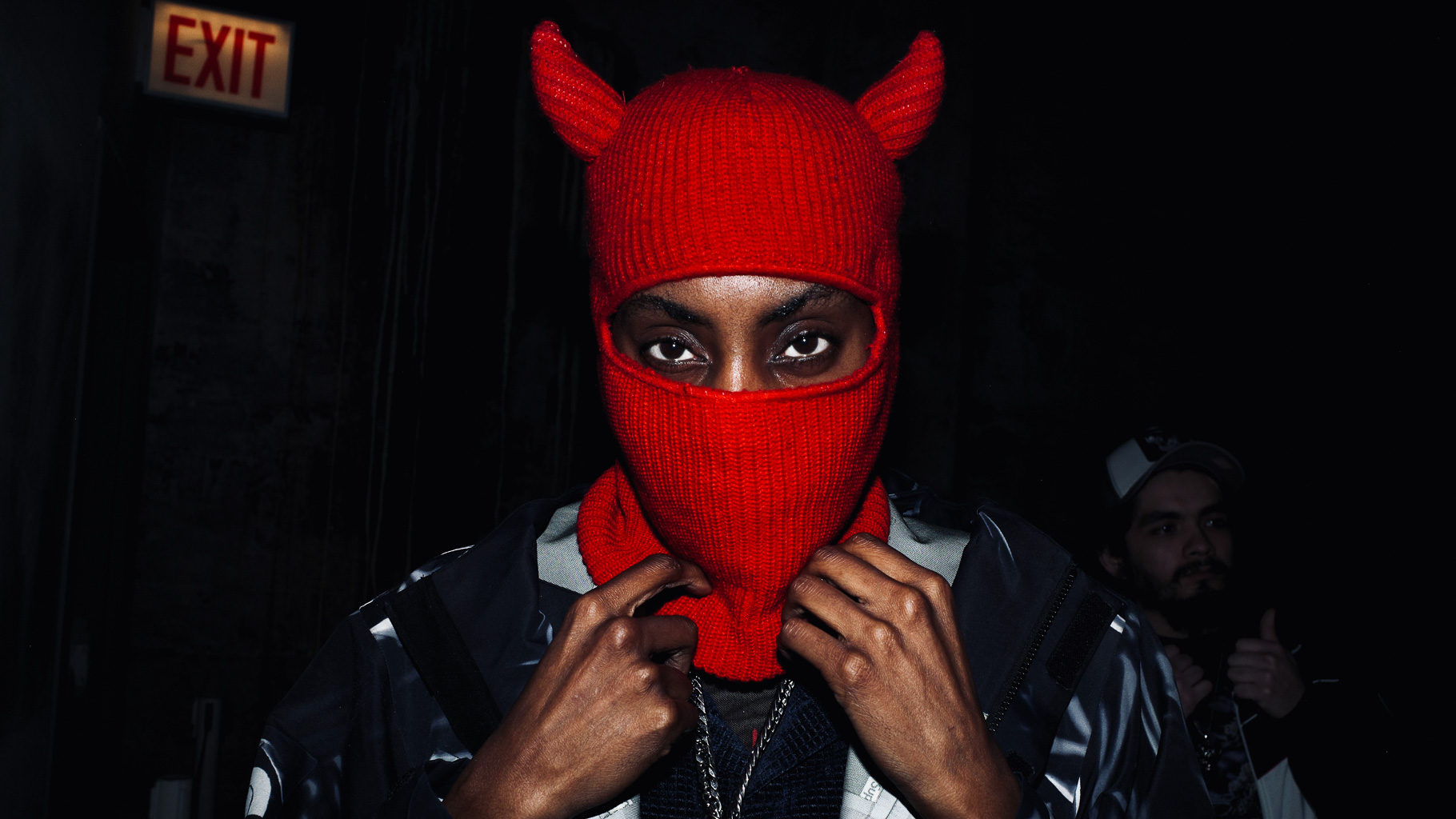
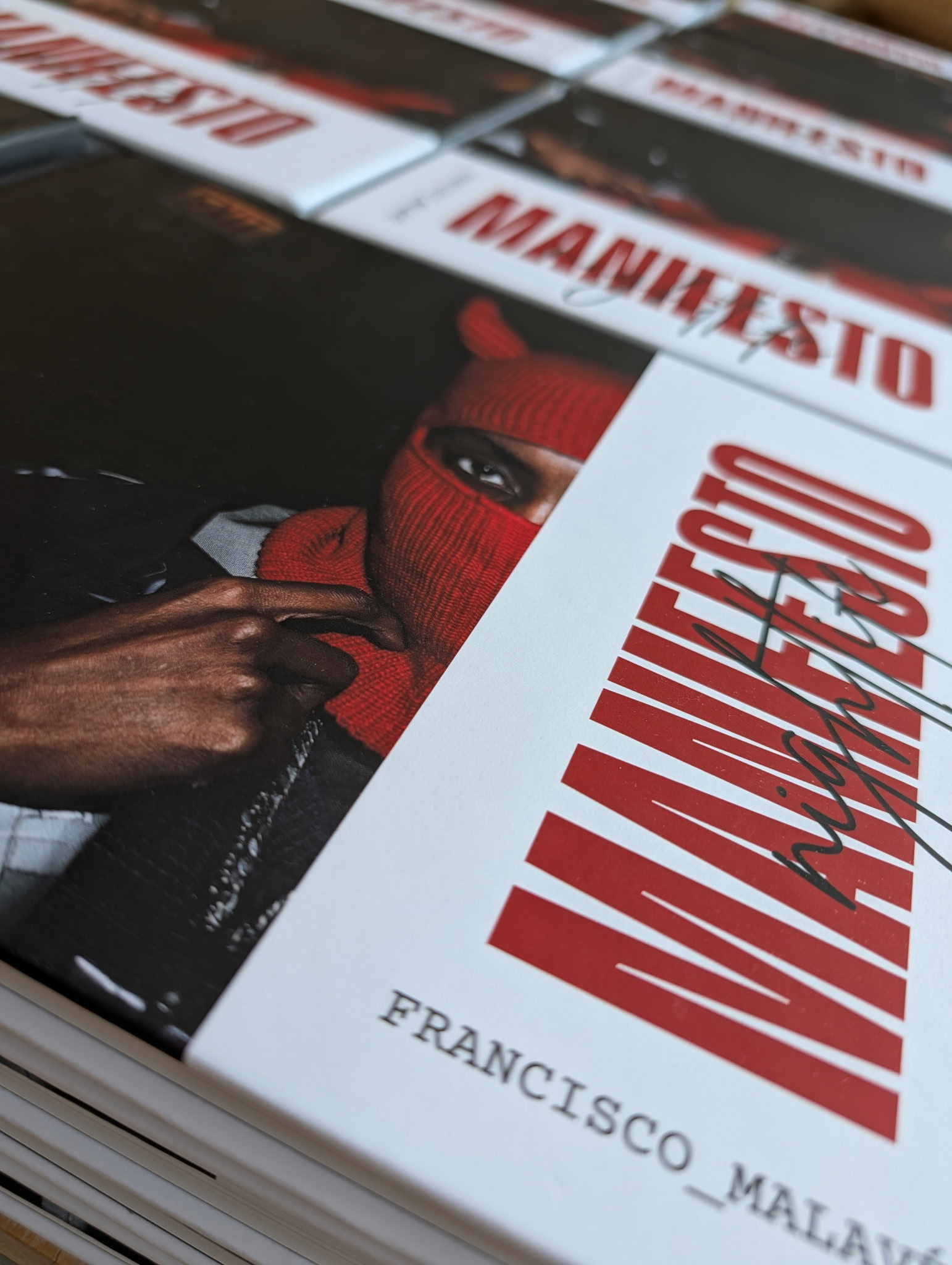
I met Francisco Malavé a few weeks ago at a “Beers and Cameras” meetup in Chicago. For most of us, the world Francisco explores and lives in is very different from our own, but it reveals some fascinating insights. This article is a chance to tag along with Francisco and explore it for ourselves. His book, Nightlife Manifesto, is in press as we publish this.
Jon Cheffings
Goodbye and hello
My first book, Nightlife Manifesto, is in many ways a goodbye to my twenties and to a version of myself that existed long before I understood what my photography could become.
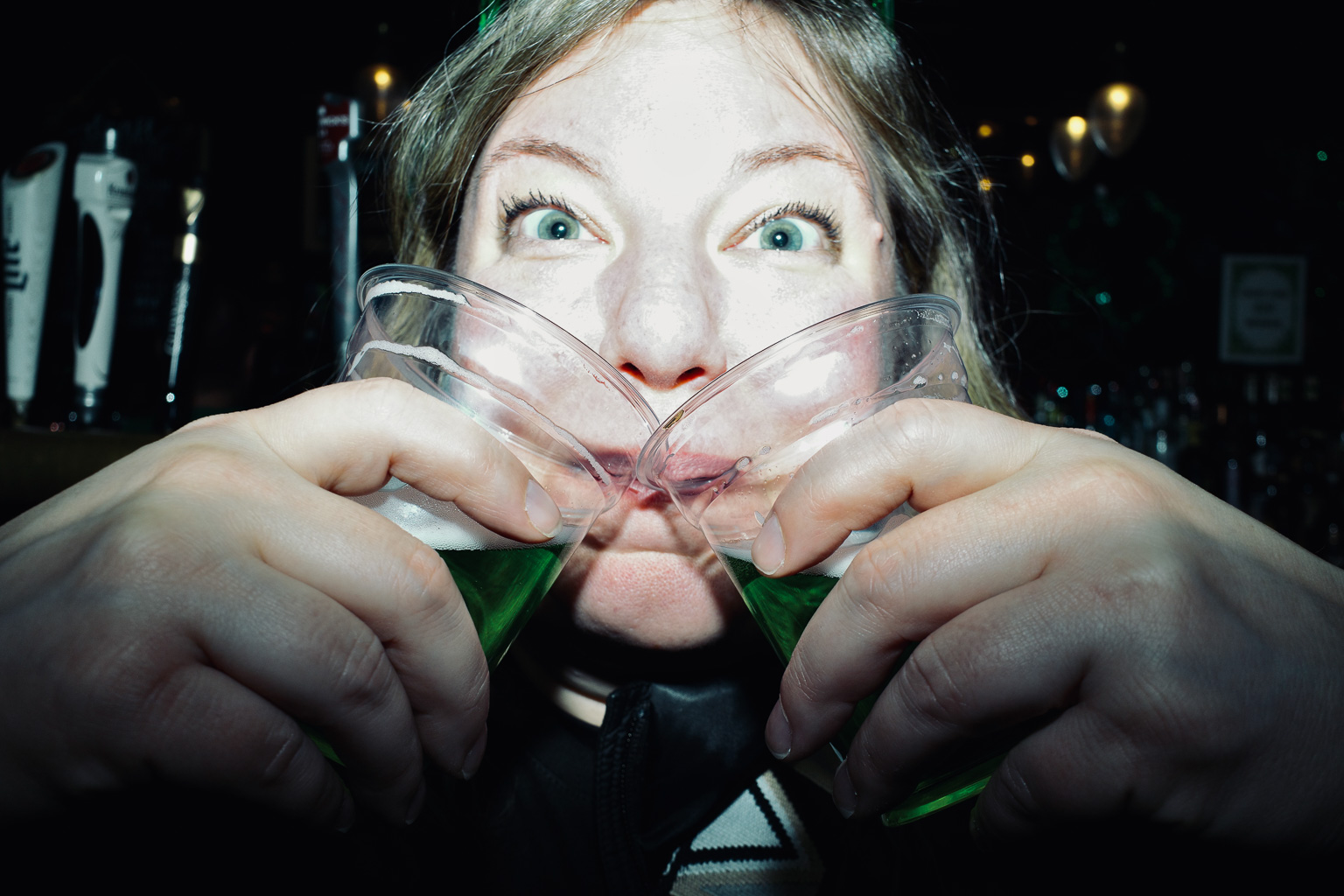
The story began years before I moved to Chicago, during my time at the University of Wisconsin. My weekdays were consumed by my economics major: lectures, problem sets, group projects, and the mathematics the degree required. By the time the weekend arrived, going out felt less like an option than a necessary release. My friends and I looked forward to those nights with almost ritualistic anticipation.
Looking back, I cherish those years deeply. Beyond the nostalgia, however, I recognise those weekends marked an important transformation in my life. They taught me how to be around people.
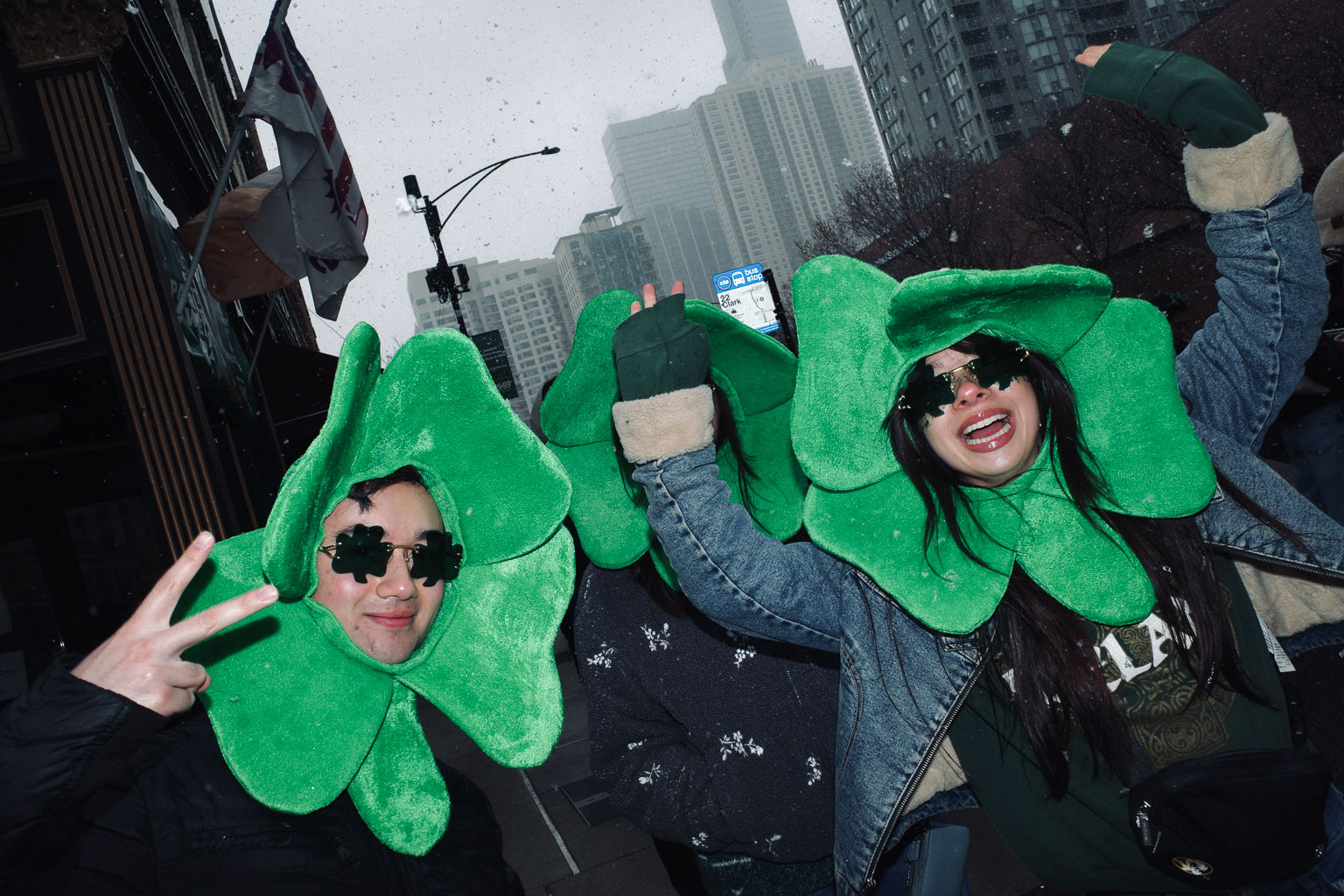
My friend Danny, a student from Manchester, England, played a major role in that transformation. He was easily the most social person in our group, and he constantly pulled me into conversations with strangers. Before university, I had been something of a hermit. Danny pushed me beyond that comfort zone, and I am forever grateful to him for it.
From hermit to nightlifer
He would often ask me to photograph him with people we encountered during the night. I didn’t realise it at the time, but those seemingly insignificant requests were my first introduction to portraiture.
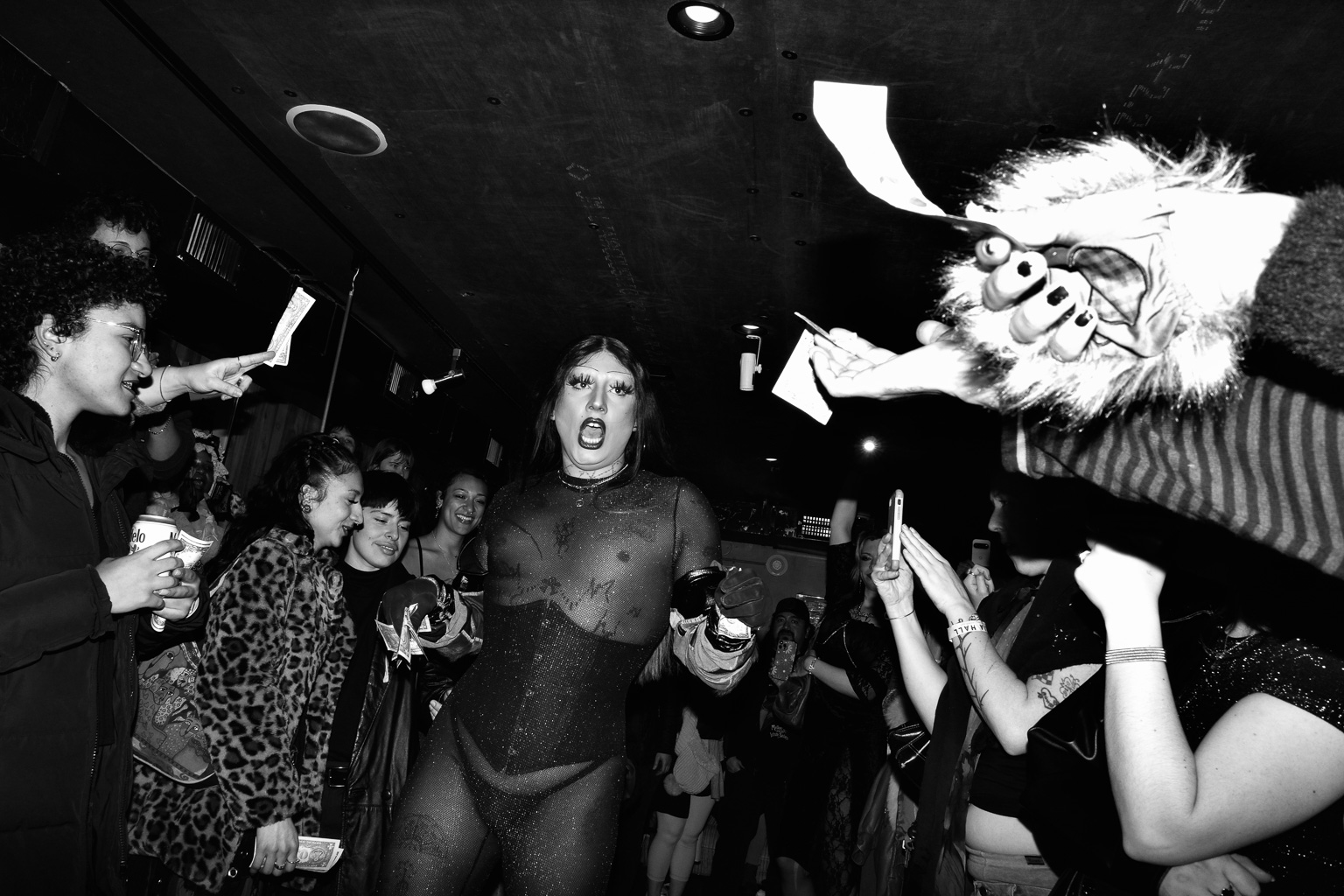
When you can photograph people more instinctively, you notice gestures, expressions, and fleeting interactions happening in the moments when everyone else was paying attention. During my freshman year, I had carried that instinct beyond parties and into the streets, where I first began thinking of myself as a street photographer.
Years later, Nightlife Manifesto would bring me back to many of those same ideas: the fleeting nature of youth, the intimacy of strangers, and the strange beauty of what happens after dark. The book is a record of Chicago nightlife, but beneath the flash and movement, it is also something else. It is a testament to my becoming more social, more comfortable interacting with strangers, and more capable of finding beauty among us all.
Comfort in getting closer
My approach to street photography evolved alongside my confidence. I initially worked with a 50mm lens, since I was too shy to get physically close to strangers. The longer focal length gave me distance, and I was inspired by using a lens associated with so many influential street photographers.
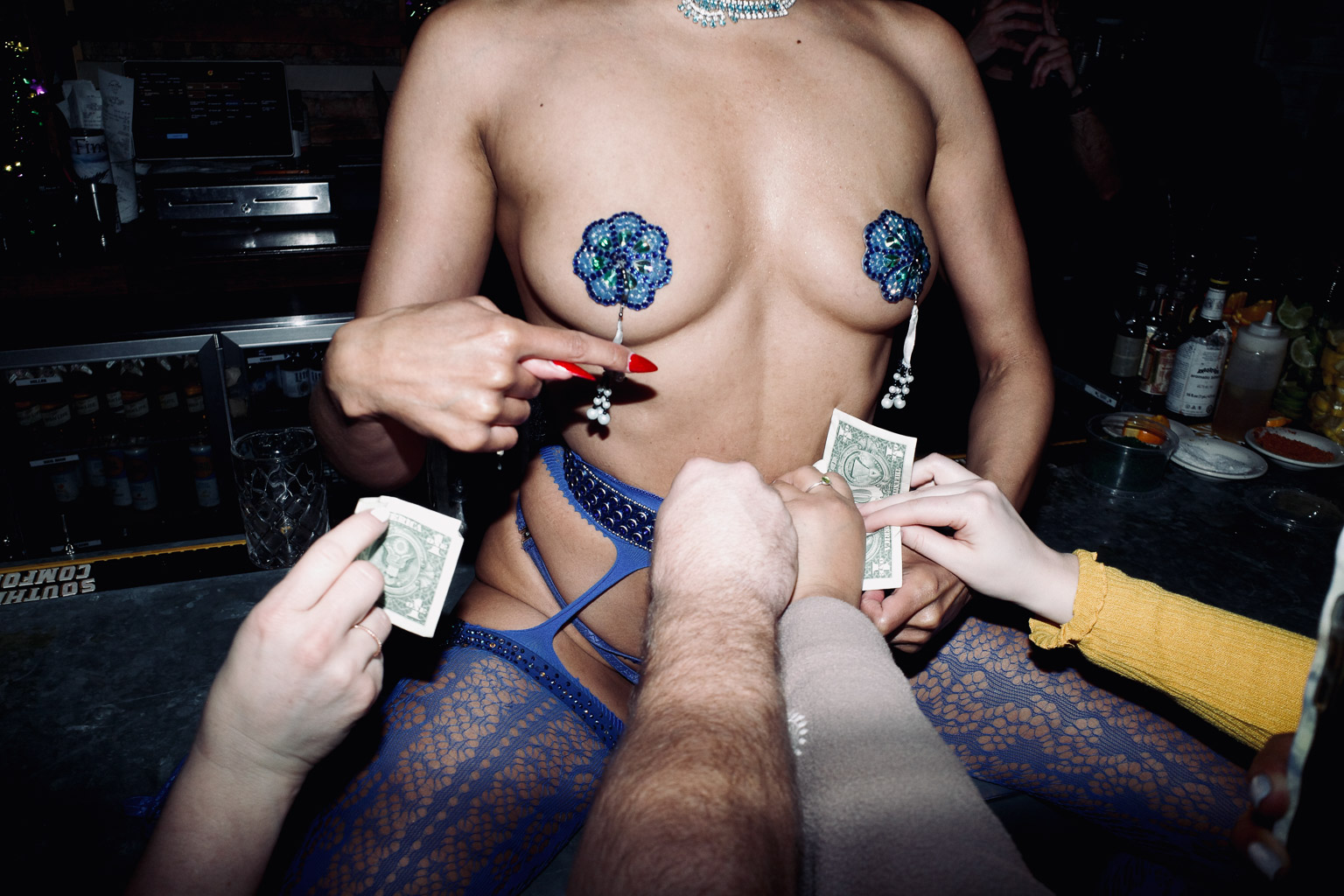
Eventually, 50mm felt restrictive. I wanted to be closer to the action. After spending a short time with a 35mm, I discovered that 28mm suited my instincts best. Its wider field of view allowed me to get physically closer while still capturing the environment around my subjects. It felt less like observing a scene and more like being inside it.
In 2023, a family friend asked me to photograph their daughter’s quinceañera. They specifically wanted flash photography and lent me their camera with a built-in flash.
I had never photographed with flash and a wide-angle lens in that kind of setting. Photographing family and friends as they danced, drank, laughed, and celebrated wasn’t simply documenting the event; it was participating in it.
Something clicked
I began imagining what this approach could look like outside the quinceañera: photographing people going out, celebrating, drinking, dancing, and simply enjoying themselves, using direct flash and a wide lens. It wasn’t intended to be a serious long-term project at first. It was an experiment.
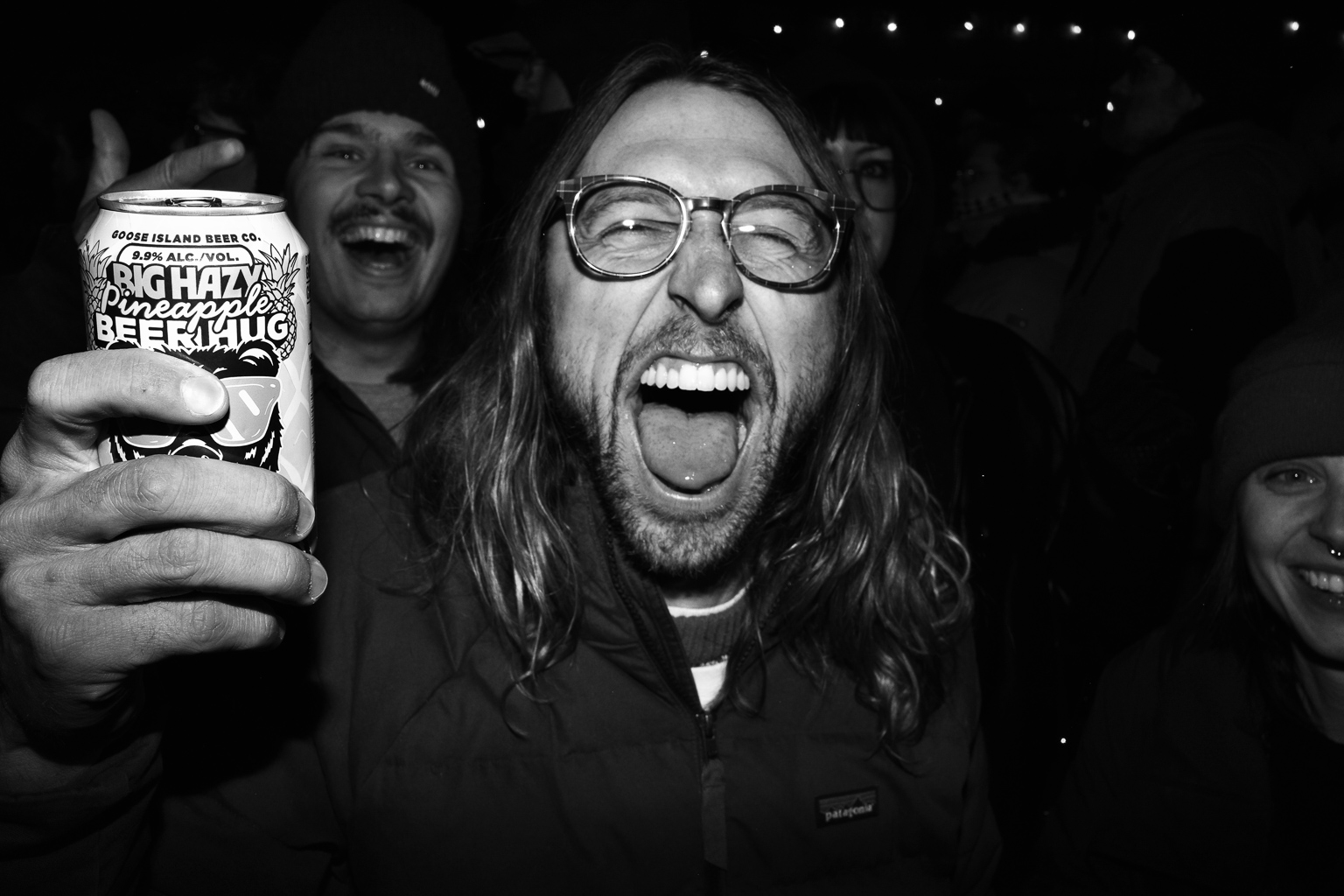
I started with a Nikon L35AF, a compact point-and-shoot film camera with a built-in flash. Its simplicity was essential. I could point, shoot, and immediately return to whatever was happening around me. The camera didn’t separate me from the experience. It let me remain part of it.
Experimenting
Living in Chicago, with several friends from school also living in the city, gave me plenty of opportunities to experiment. I took the camera out almost every Friday and Saturday night. When I received the film scans, I became hooked. There was something deeply satisfying about seeing those nights transformed into photographs. With the flash freezing a moment, I saw expressions amid the imperfections of the film that I hadn’t noticed when pressing the shutter.
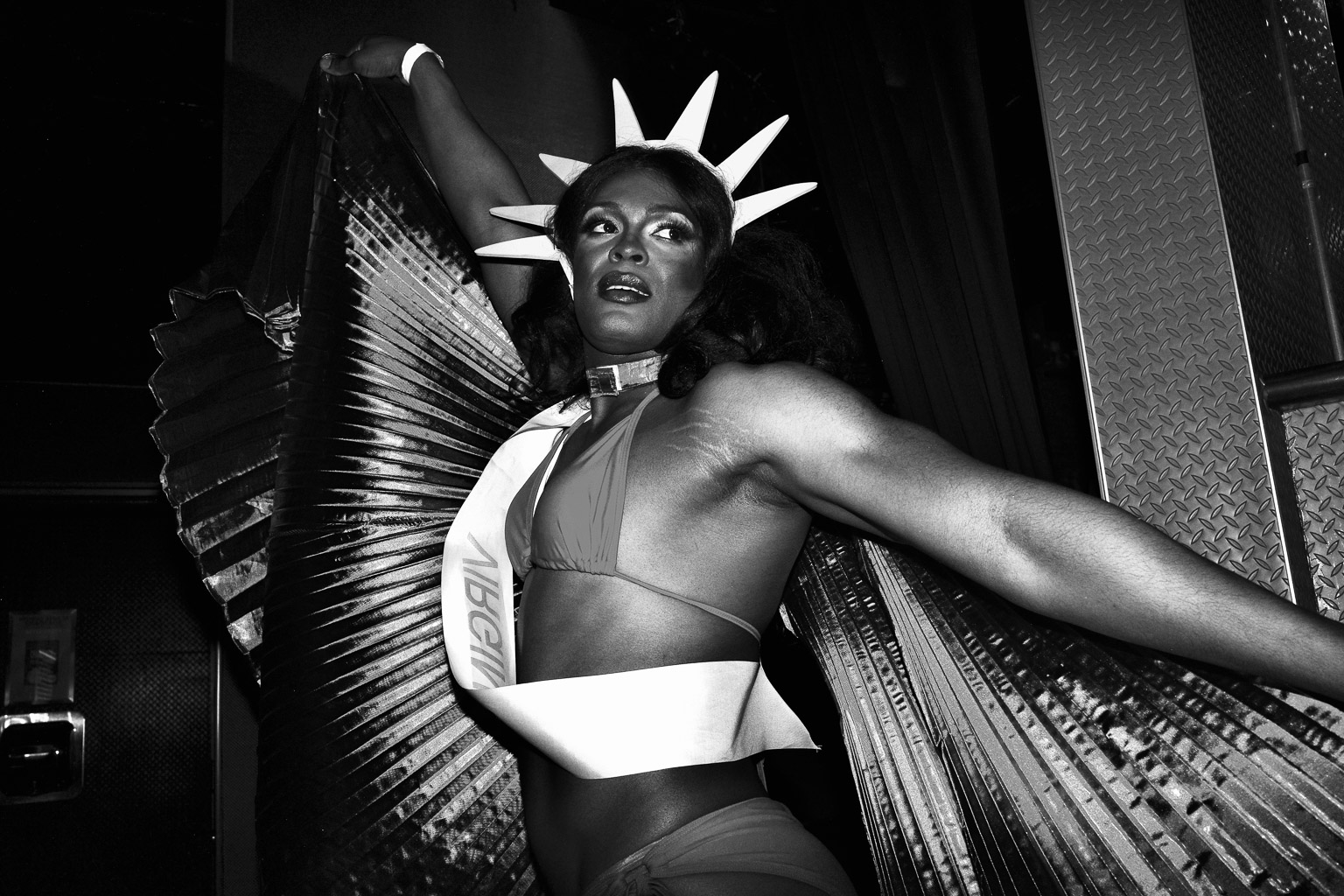
My friend Evan, who lived in Northalsted and was deeply connected to Chicago’s queer community, introduced me to people, bars, and clubs throughout the neighbourhood. My social circle expanded, as did the world I was photographing.
Slowly, the archive grew. One night became another, one portrait became dozens, and dozens became hundreds. I used Kodak Portra 400 and Tri-X 400 film for visual consistency.
A break creates a new opportunity
Eventually, the Nikon broke: after years of heavy use it finally wore out its ageing 80s electronics.
By then, I had accumulated a substantial body of photographs that I initially imagined pulling from to make a small photo zine. But the broken camera brought the project to an abrupt stop. My digital camera didn’t have a built-in flash, and its size and weight made it awkward for the intimate, spontaneous photography I had become accustomed to making.
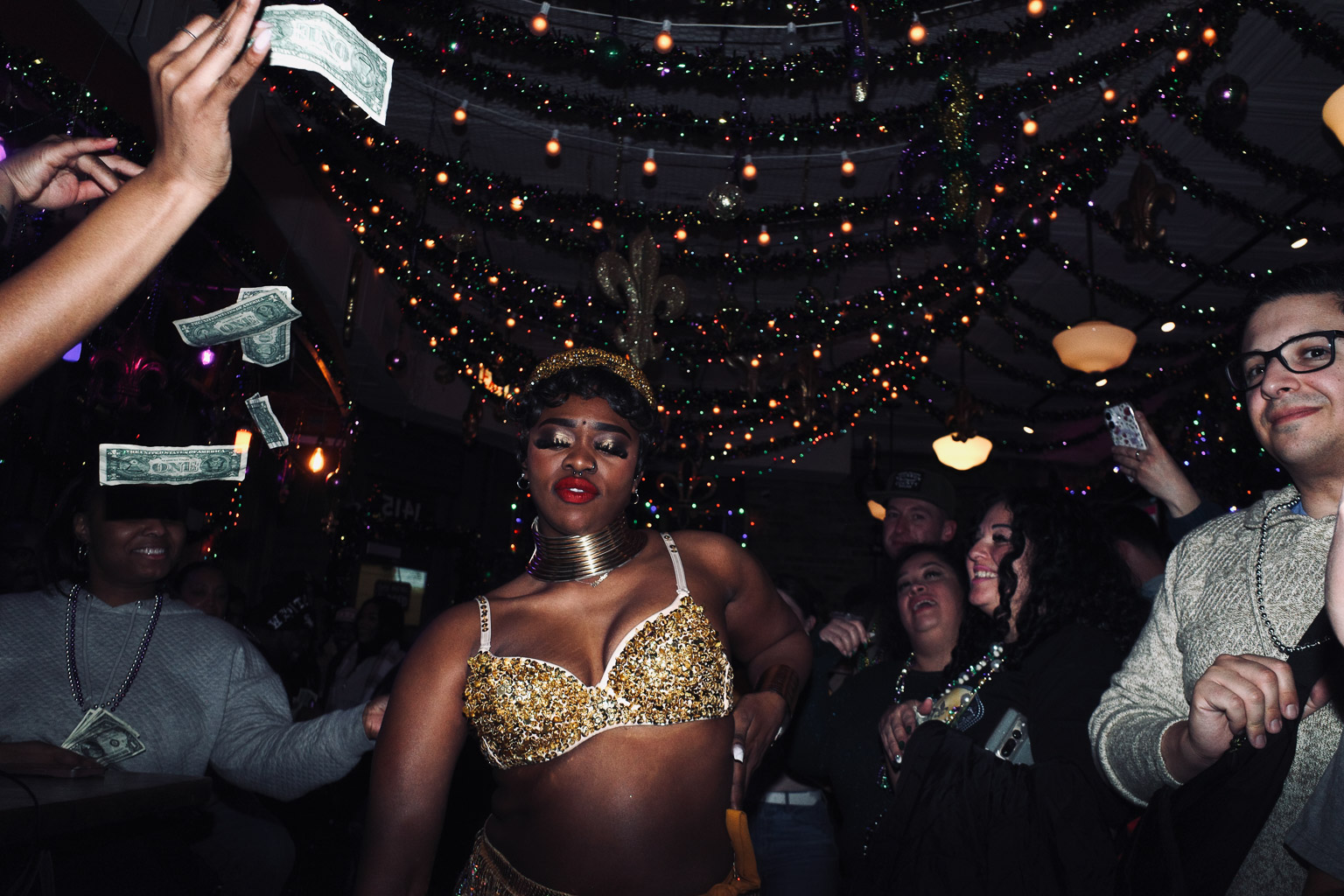
The project had started almost accidentally. Now, I wanted to figure out how to continue it.
A small step
By the beginning of 2025, I had settled on the camera that would ultimately define the project: a Ricoh GR III with its 28mm lens and a Lightpix Labs FlashQ Q20. It was compact, but it gave me everything I needed.
The transition wasn’t immediate. Working with a manual flash meant learning to balance settings on the fly, often in constantly changing light. But eventually, the camera stopped feeling like a piece of equipment and became an extension of how I saw.
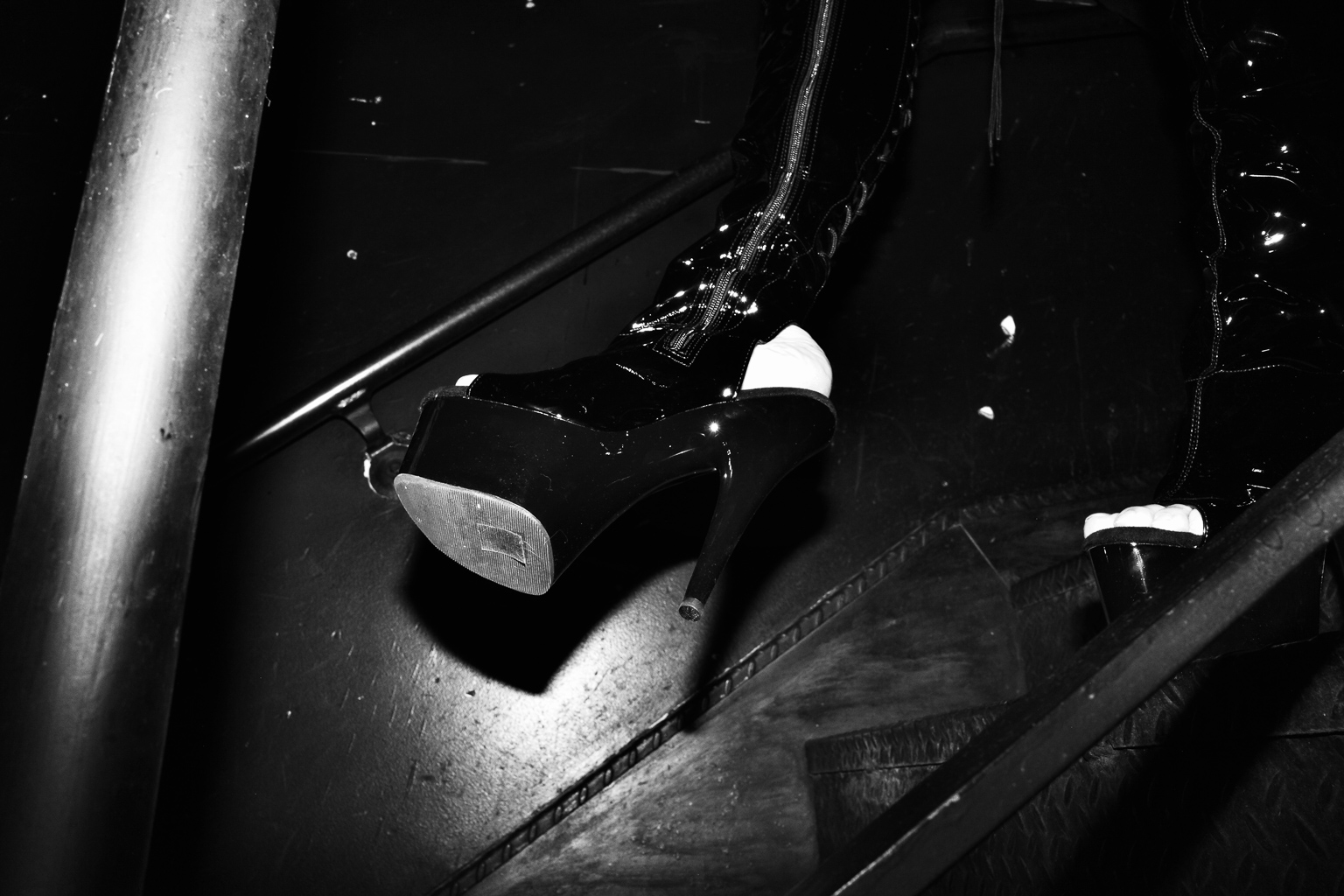
The camera was also discreet. People rarely found it intimidating. Strangers would see it in my hand, ask what I was shooting with, and sometimes tell me they wanted one themselves. The camera created an opening rather than a barrier between me and the people I photographed.
Assembling a portfolio
With the new setup in hand, I returned to my Nikon photographs and began assembling a portfolio. I sent it to club promoters and started searching for opportunities to photograph Chicago nightlife professionally.
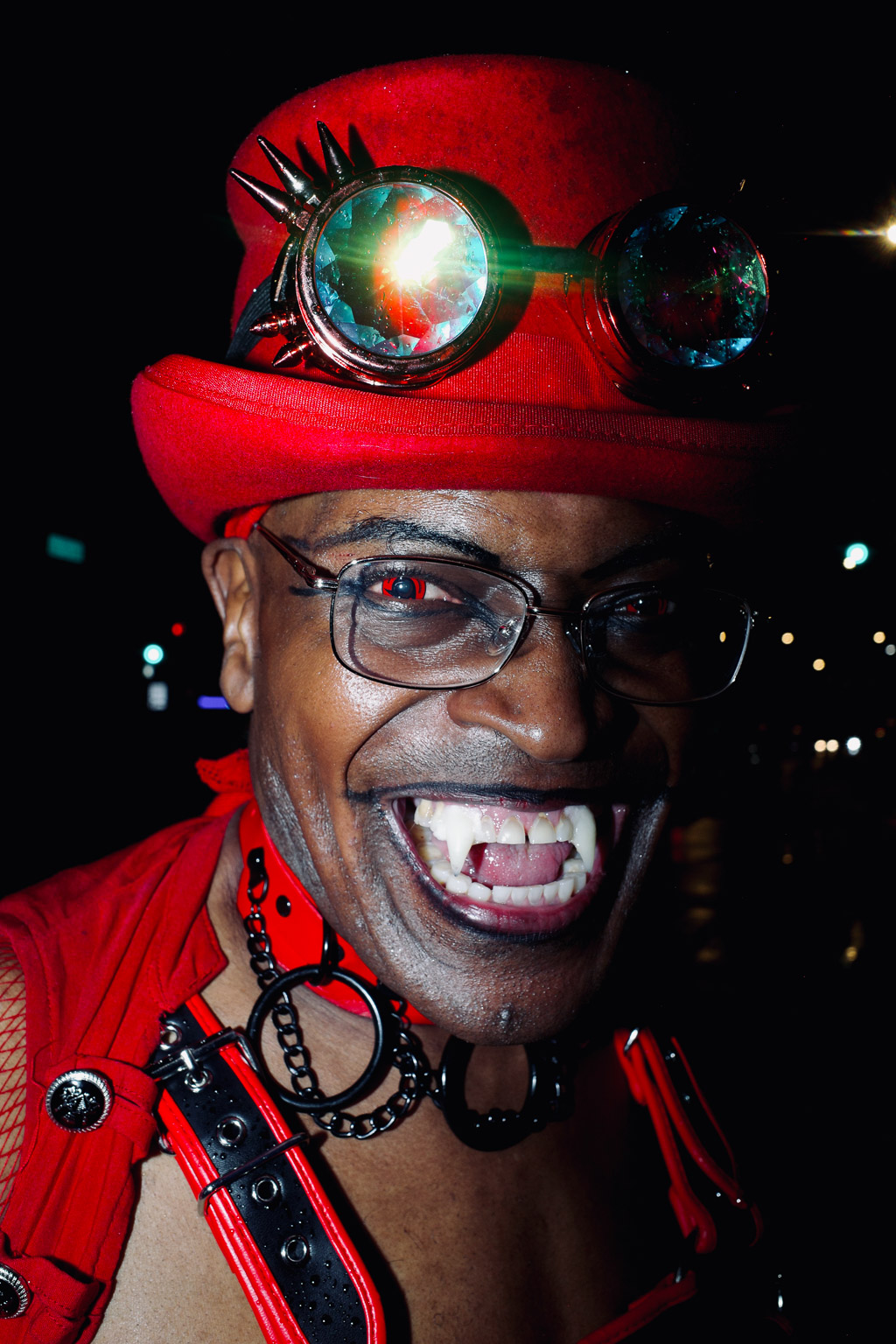
The work took me into underground raves, abandoned factories, alternative music venues, clubs, and parties throughout the city. Each assignment introduced me to another corner of Chicago nightlife. One weekend I might photograph a warehouse rave filled with techno and electronic dance music (EDM); the next, an arcade bar hosting a hip-hop night or drag performances in a basement lounge.
The music, people, venues, and subcultures constantly changed, but the underlying energy remained remarkably consistent.
Chicago reveals itself, one night at a time
In many ways, I felt like I was back in college: surrounded by strangers, having drinks, starting conversations, and photographing people simply because they were having a good time. The difference was that I had learned how to enter these environments.
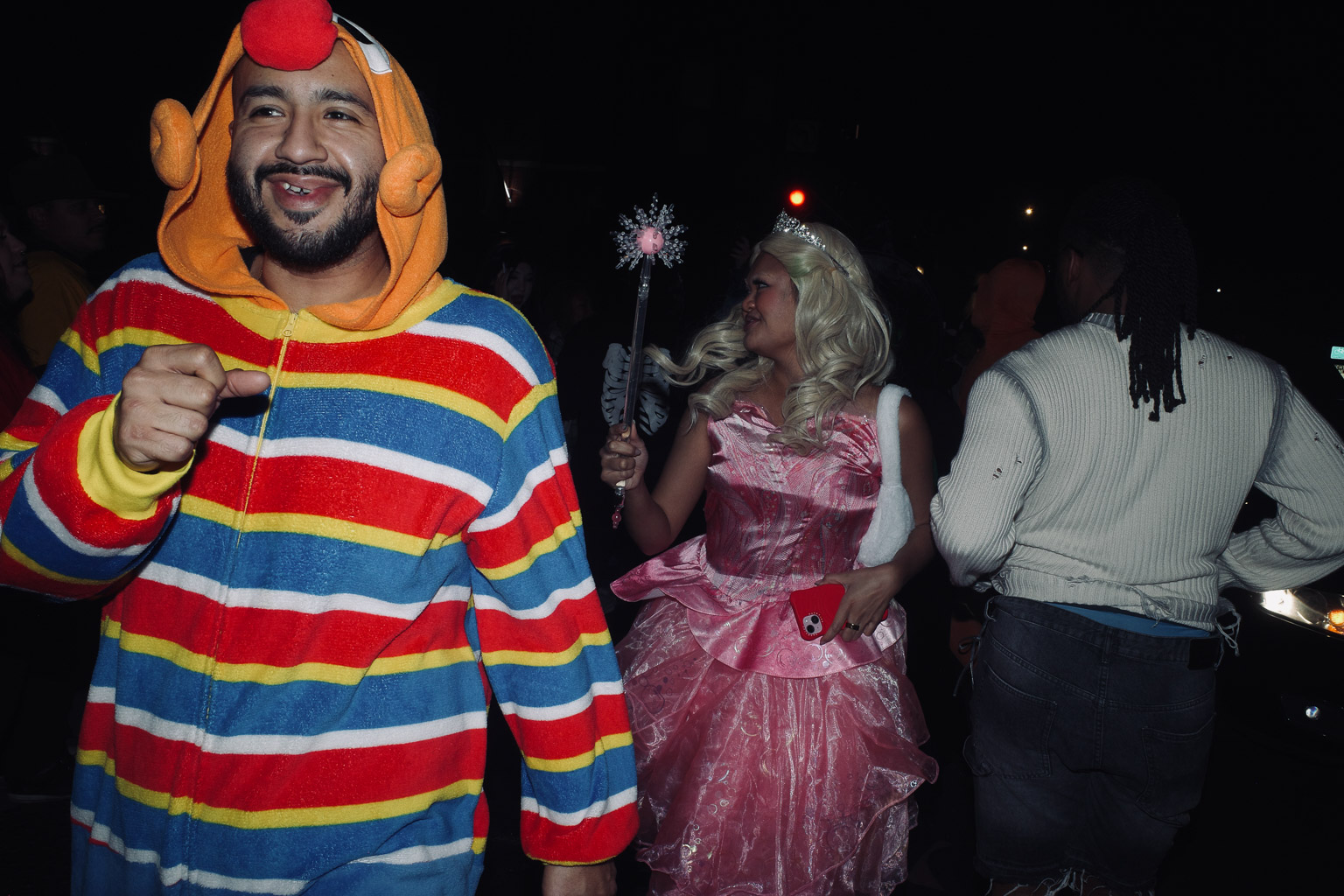
When I arrived at a new venue, I rarely began by photographing candid scenes. Instead, I would spend the first hour or so making portraits. This gave me an opportunity to introduce myself, explain the project, and show people the work I was creating. More importantly, it allowed me to establish trust.
No longer a stranger
Often, after I had taken a strong portrait of someone, they would introduce me to their friends. I would photograph their group and gradually become more familiar with them. Later in the night, I could return and begin photographing candid moments of dancing, talking, laughing, or simply existing within the environment.
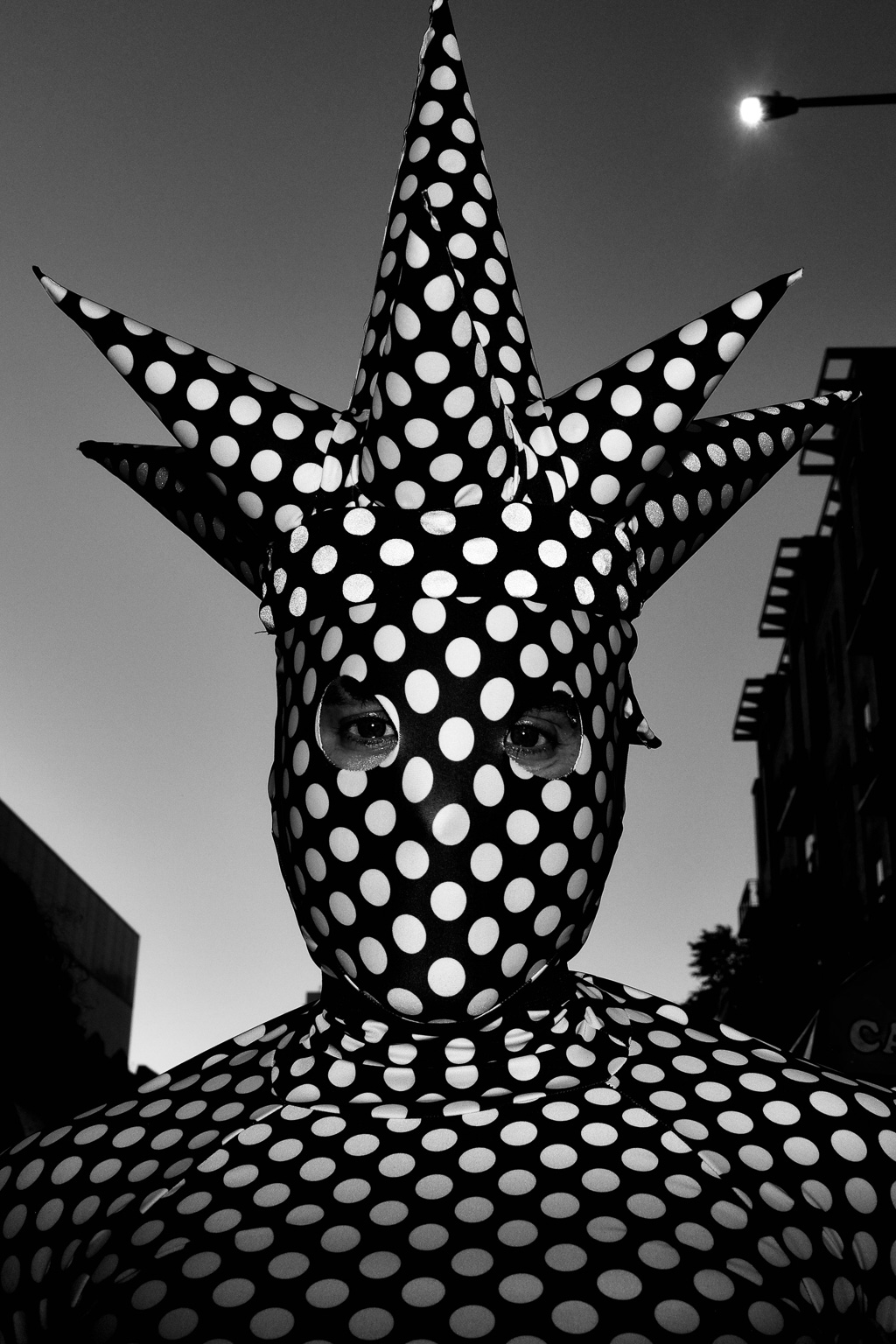
By then, I was no longer a stranger. They knew who I was and trusted what I was doing. That familiarity was essential to capturing natural candid moments. When I asked someone for a second portrait, their expression was often completely different. The tension of the first photograph had disappeared, replaced by something more relaxed and genuine.
Pride and relationships
After two and a half years, I’m proud not only of the photographs I created, but also of the relationships and trust that made them possible. The body of work also gave me personal stories that deepened the meaning of the project.
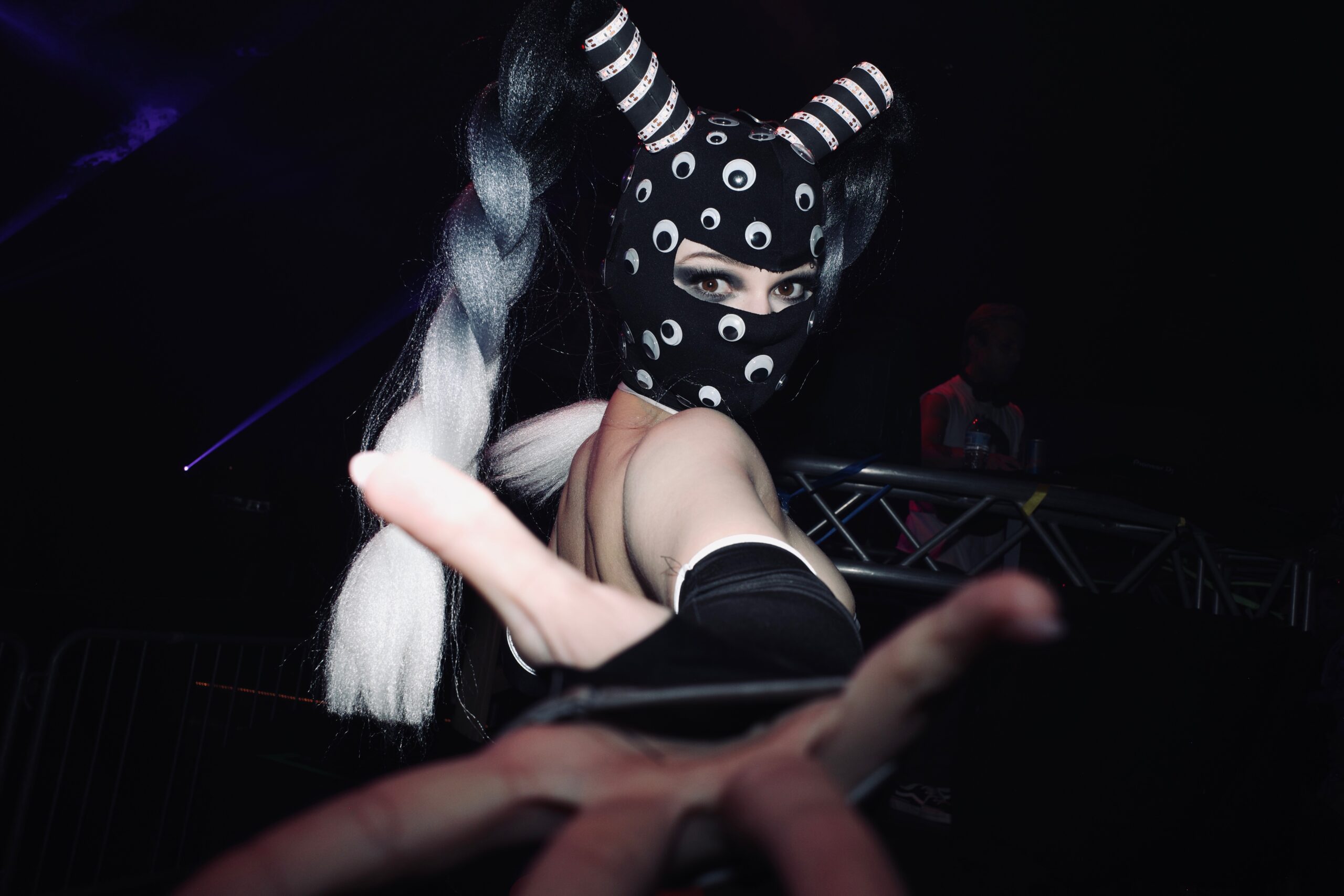
Nearly a year after I photographed someone, they told me that the portrait that I had taken brought them to tears because it captured who they were during their struggle with drug addiction. Since then, they have been clean for over two years. I also witnessed someone overdose in front of me and found myself administering Narcan as they lay unconscious.
These experiences reminded me that the people I photographed were not simply subjects in a nightlife scene, but individuals carrying stories, struggles, and moments of their own. Moments like these reminded me that the project had become about much more than photography.
A way to escape
I was witnessing how people use nightlife as a form of escapism from an increasingly uncertain world. For many young people in particular, a difficult economy, financial insecurity, an unpredictable political climate, personal problems at home, or even a hard week at work can make the future feel increasingly uncertain. Nightlife can be a temporary refuge, a place to forget those pressures, connect with others, and simply exist in the present.
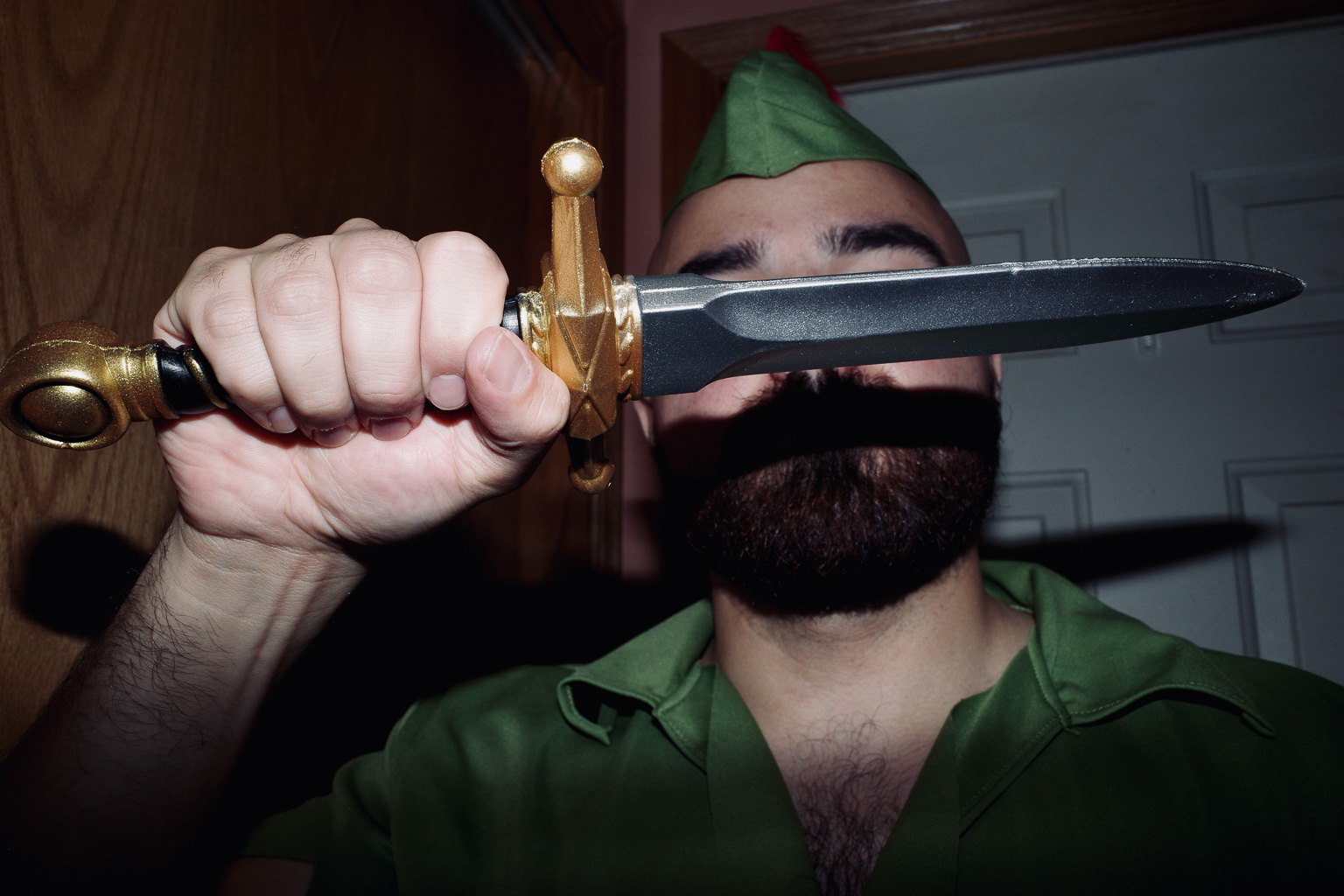
Escapism is a very real part of modern life, and this project allowed me to document people who used nightlife as a form of escapism.
A page turned, a chapter closing
In the end, Nightlife Manifesto became about more than Chicago after dark. It became a document of a period in my own life and of the people I encountered along the way. It began with the same instinct that first led me to photograph my friends in college: a desire to be around people, to understand them, and to preserve fleeting moments that would otherwise disappear.
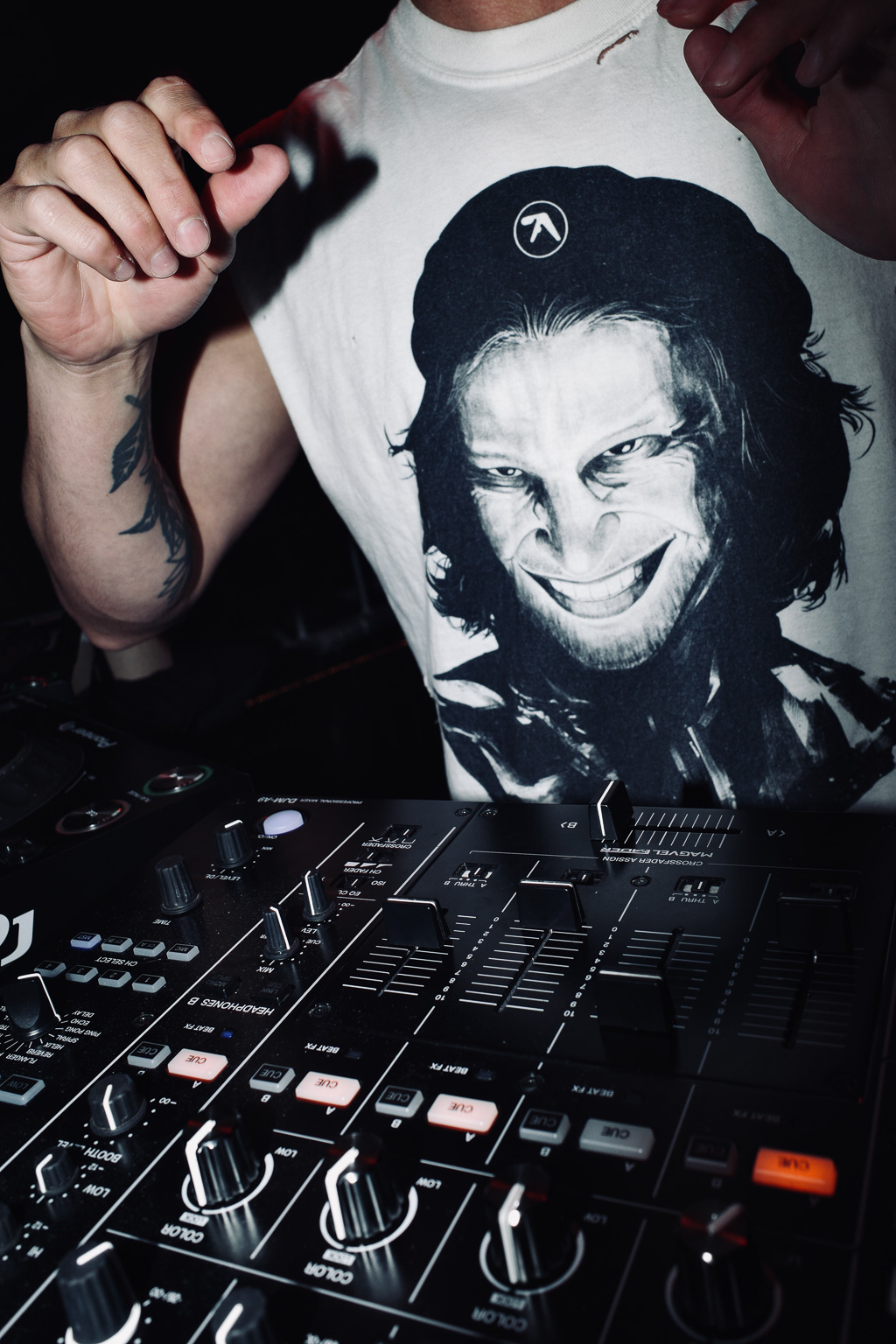

The photographs are loud, intimate, imperfect, and sometimes chaotic. Beneath all of that is something quieter: a record of people trying to find one another and of myself learning how to do the same.
Nightlife Manifesto: The book
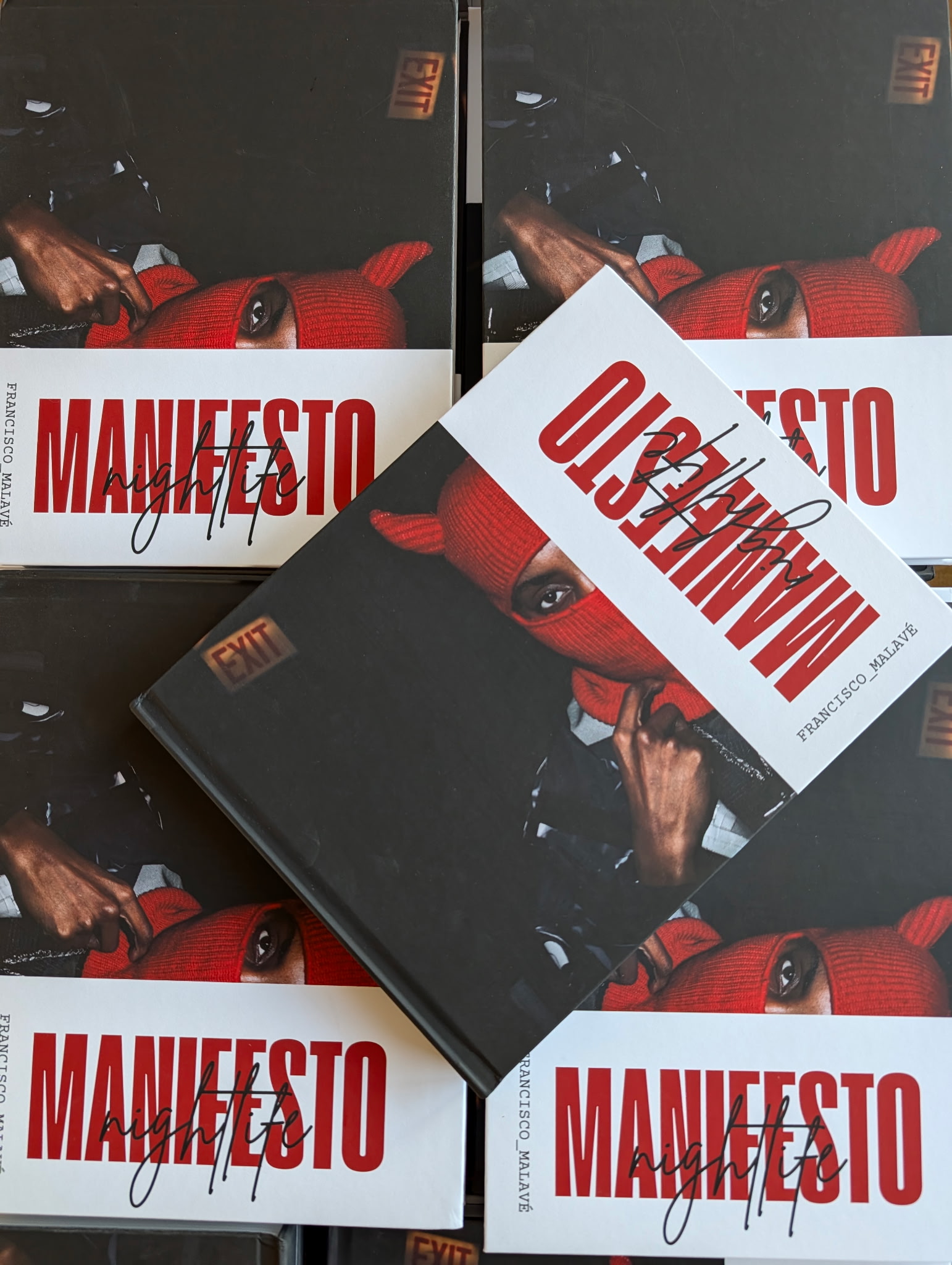
Nightlife Manifesto is a signed, limited edition of 100 hardback copies (11 ×8.5in, 200 pages, 150 photographs), each with a 7.5 × 10.5in fine-art print on Hahnemühle Photo Rag Baryta. Order a copy here.
Further reading
| Macfilos Articles | Other Links |
|---|---|
| Brand Loyalty: A love affair with the Ricoh GR and its 28mm field of view – Another photographer’s long affair with the same 28mm field of view | Ricoh GR III specifications – The maker’s own technical data for the camera behind this project |
| Ricoh GRIII reviewed and 10 reasons to keep the GRII – Macfilos’s original verdict on the camera Francisco eventually settled on | Kodak Professional Portra 400 film – Official datasheet for one of the two film stocks used on the project |
| Street Photography: Are you a poser or a snatcher? – On the instinct and ethics of working close to strangers | Kodak Professional Tri-X 400 film – Kodak’s current page for the project’s other black-and-white stock |
| Turn to film: Stepping back into the world of film photography – Another contributor’s own return to shooting on film | Nikon L35AF – Specs and history of the compact point-and-shoot that started it all |
| Street photography and the Leica rangefinder – A rangefinder-shooter’s take on working the street | Northalsted visitors guide – Background on the Chicago neighbourhood that shaped much of this project |
Make a donation to help with our running costs
Did you know that Macfilos is run by six photography enthusiasts based in the UK, USA and Europe? We cover all the substantial costs of running the site, and we do not carry advertising because it spoils readers’ enjoyment. Any amount, however small, will be appreciated, and we will write to acknowledge your generosity.
Excellent read! I ordered a copy of the book.
Francisco – thank you for sharing such a compelling story. Your photographic approach and striking images have the hallmarks of good documentary photography: a deep empathy and respect for your subjects, a willingness to immerse yourself in the communities and environments that you document, an openness to experimentation and new opportunities, and a keen amount of self-awareness and desire to grow in your abilities as a photographer and artist. A really well done piece, and congratulations on the publication of your new book.
Kind regards,
Ed