
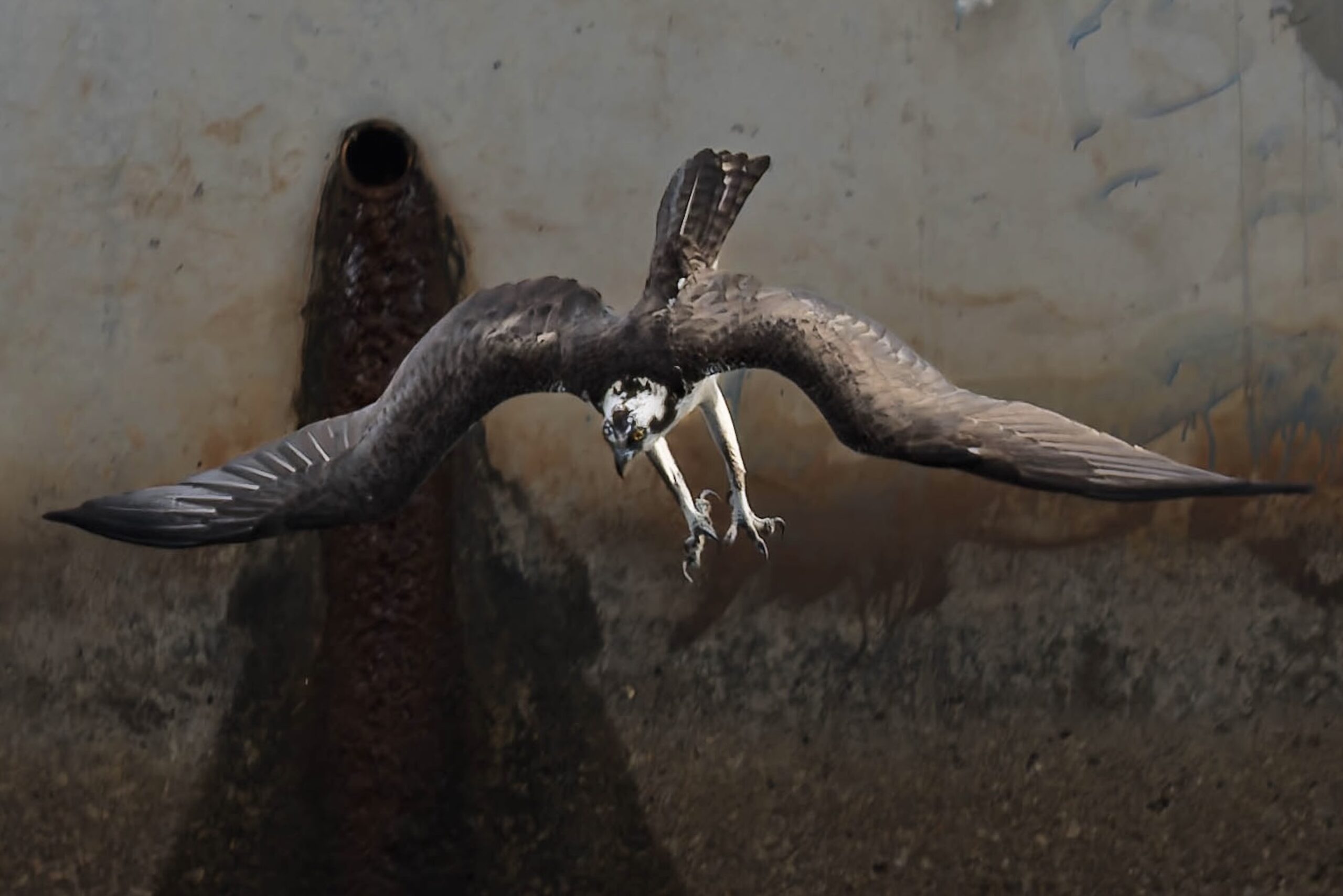
With the Leica SL3-P now sitting alongside the Lumix S1RII, the L-mount system finally has two high-speed, high-resolution bodies genuinely capable of drawing serious action and wildlife photographers into the fold. The question, though, is whether the lens line-up has caught up with them, and whether there is yet a sufficient variety of long telephoto and tele-zoom options to actually put that speed and resolution to work. This review looks closely at Panasonic’s newest entry into that segment, the Lumix S 100-500mm f/5-7.1, and weighs it — quite literally, as it turns out — against a stable of well-regarded Sigma tele-zooms I have carried, and occasionally struggled with, over the past two years.
Finding my reach
As I have written before, I got seriously into aviation and air show photography and moved from my Fujifilm kit to a Leica SL3-S. It was billed at the time as the fastest-ever Leica. I initially paired it with the Sigma 100-400mm f/5-6.3 DG DN OS Contemporary (which my colleague Keith James reviewed in a previous article). The Sigma produced decently sharp images, even with the Sigma TC-1411 1.4x teleconverter attached. On the SL3-S’s 24-megapixel sensor, however, distant subjects could not be cropped tighter without affecting sharpness. So, despite the extra heft, I bought a Sigma 150-600mm f/5-6.3 DG DN OS Sports.
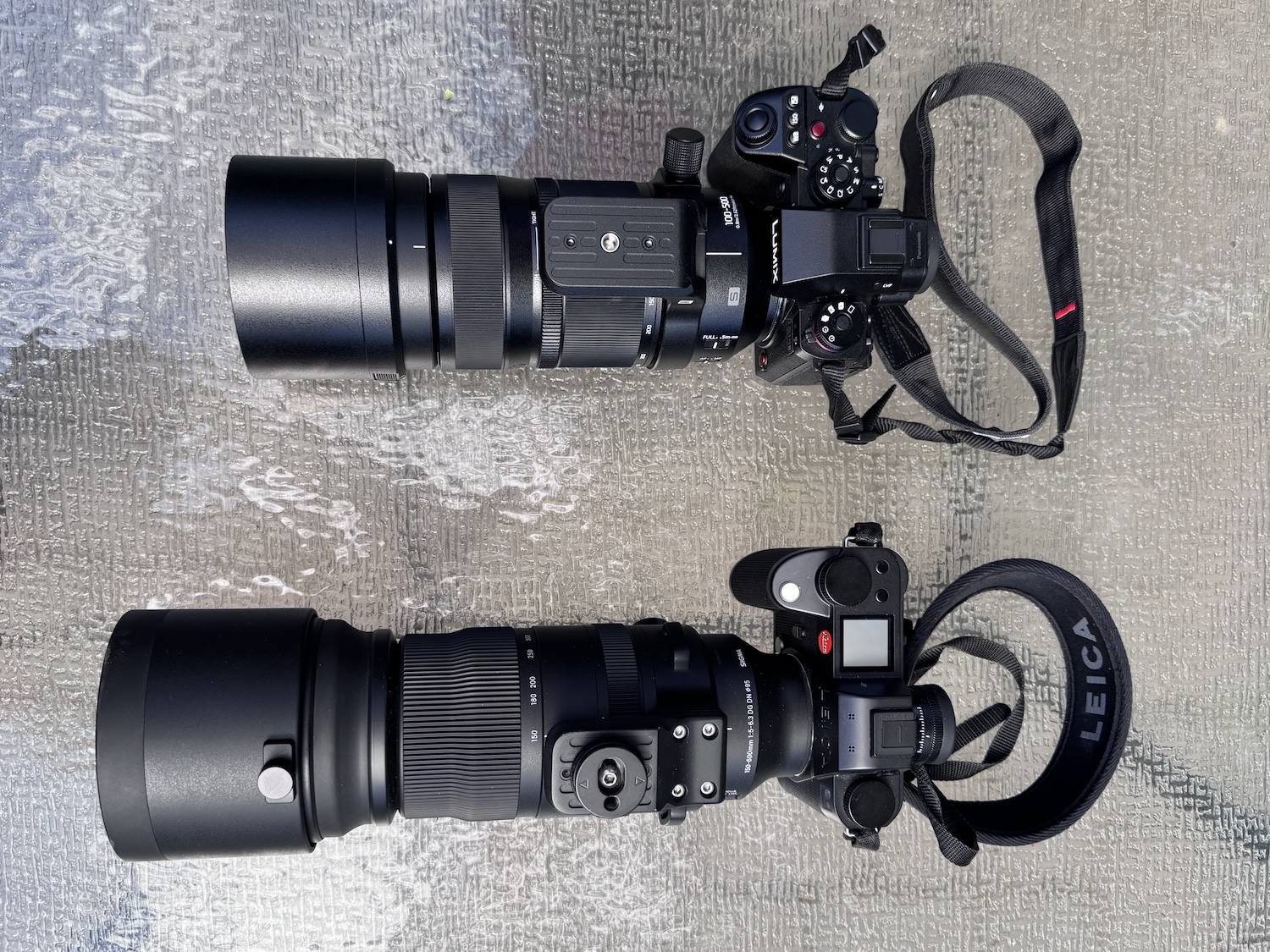
The 150-600mm weighs almost twice as much as its 100-400mm stablemate, and is longer, and wider in circumference as well. However, the images are sharper, particularly towards the long end of the zoom range. It remains good value at $1,649/£1,199 against the 100-400mm’s $1,049/£879.

Finally, I had a lens that could capture distant subjects with the SL3-S. After a year of use, though, my left wrist began to complain. I do not shoot with a tripod or monopod, the extra weight was straining my supporting hand. I also found it harder to track fast or erratically moving subjects than with the lighter 100-400mm. So I went looking for a replacement.
The L-mount telezooms
Other L-mount telephoto zooms reach 400mm, but none of them entered serious consideration. Each one of them is heavier and pricier than the Lumix. Leica’s own Vario-Elmar-SL 100-400mm f/5-6.3 is about the same size as the Lumix, but weighs and costs more. Sigma also makes a highly regarded telephoto prime, the 500mm f/5.6 DG DN OS Sports, which is much lighter than the Sigma 150-600mm. However, the 500mm is nearly as long as the Sigma 150-600mm, and much more expensive. I rented this lens for a few weeks but found it was still too unwieldy, and it was harder to quickly find fast-moving subjects in the EVF, given the very narrow field of view.
| Lens | Focal length | Max aperture | Weight | Length | Filter thread | Price (£) | Price ($) | Price (€) |
|---|---|---|---|---|---|---|---|---|
| Panasonic Lumix S 100-500mm | 100-500mm | f/5-7.1 | 1.30kg | 196mm | 82mm | £1,799 | $2,030 | €2,099 |
| Sigma 100-400mm DG DN OS Contemporary | 100-400mm | f/5-6.3 | 1.14kg | 197mm | 67mm | £879 | $1,049 | €949 |
| Sigma 150-600mm DG DN OS Sports | 150-600mm | f/5-6.3 | 2.10kg | 264mm | 95mm | £1,199 | $1,649 | €1,399 |
| Sigma 500mm DG DN OS Sports | 500mm | f/5.6 | 1.37kg | 235mm | 95mm | £2,725 | $2,999 | €2,999 |
| Leica Vario-Elmar-SL 100-400mm | 100-400mm | f/5-6.3 | 1.53kg | 198mm | 82mm | £2,150 | $2,590 | €2,390 |
Sigma also fields two much larger zooms. The 60-600mm f/4.5-6.3 DG DN OS Sports, introduced in 2023, is a hefty 2.5kg, while the 300-600mm f/4 DG OS Sports is a true beast of a lens, weighing in at 3.99kg. These are plainly lenses for wildlife and action specialists with particular needs, not for someone like me who wants a flexible, reasonably portable zoom for a variety of subjects and situations.
The go-anywhere zoom
Panasonic launched the Lumix S 100-500mm in September 2025, which now sells for $2,030 — more than the Sigma 150-600mm. It is, however, shorter than the Sigma and is nearly 40% lighter, which makes a real difference to how long you can comfortably carry it in the field. I decided to rent one and compare it to both the Sigmas before making any purchase decisions.
Build and controls
The lens has an all-metal barrel, with an optical formula of 19 elements in 12 groups — two Ultra Extra-low Dispersion and two Extra-low Dispersion elements to control chromatic aberration and colour fringing, plus two Ultra-High Refractive Index elements to suppress field curvature. An 11-blade iris and an 82mm filter thread round out the specification, and the whole assembly is dust- and splash-resistant, rated for use down to -10°C/14°F. Panasonic rates stabilisation up to 7 stops with Dual I.S. 2 activated on a Lumix S body.
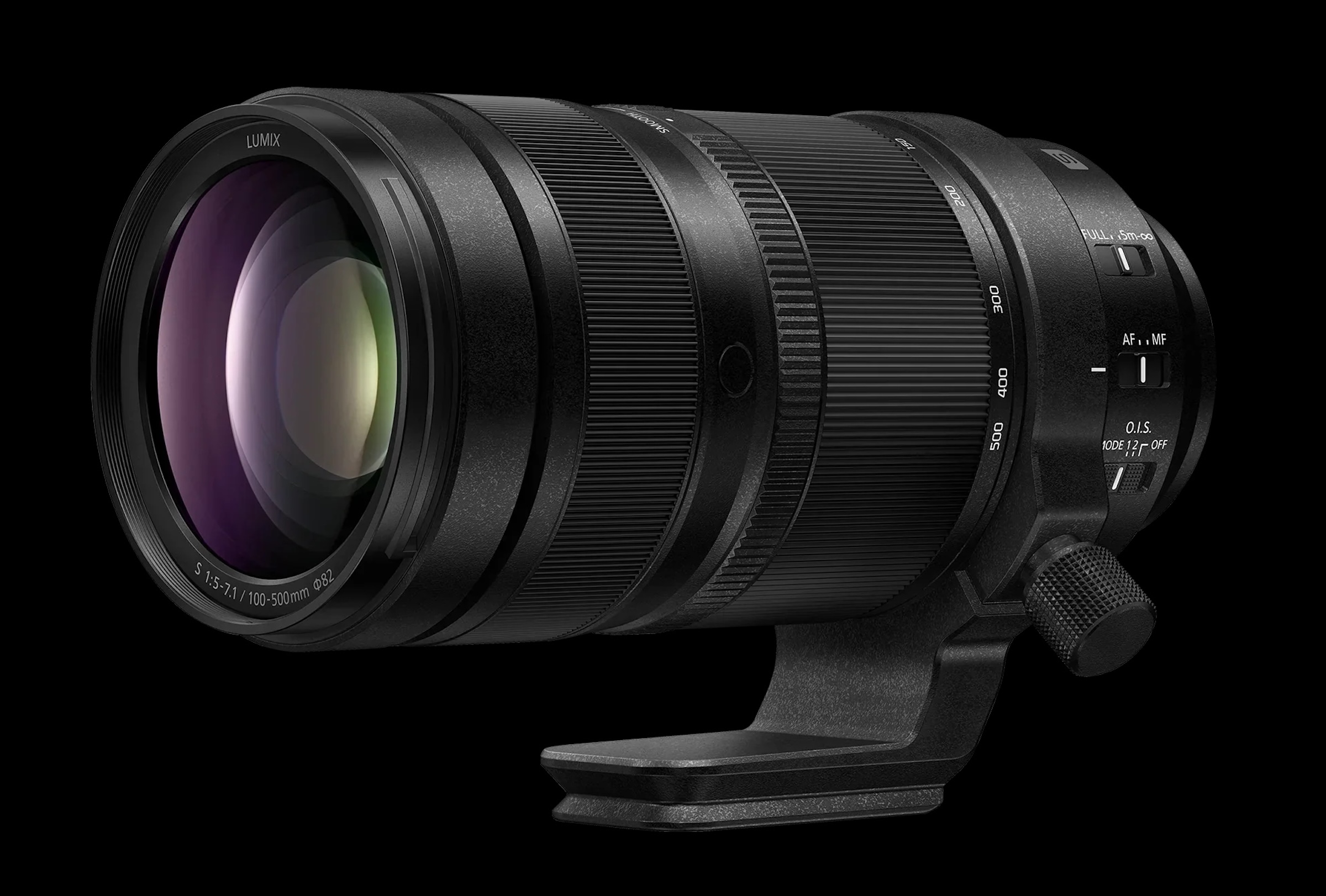

The lens has a number of controls. Closest to the front is a customisable focusing ring, which can be set for manual focus or for functions such as aperture. Next is a friction ring with continuously variable tension to stop the lens creeping downward under its own weight. I find this more convenient to use than the Sigma 150-600mm’s three-way switch for Tight, Medium, and Smooth, but it seems less secure than the Sigma’s Tight setting.
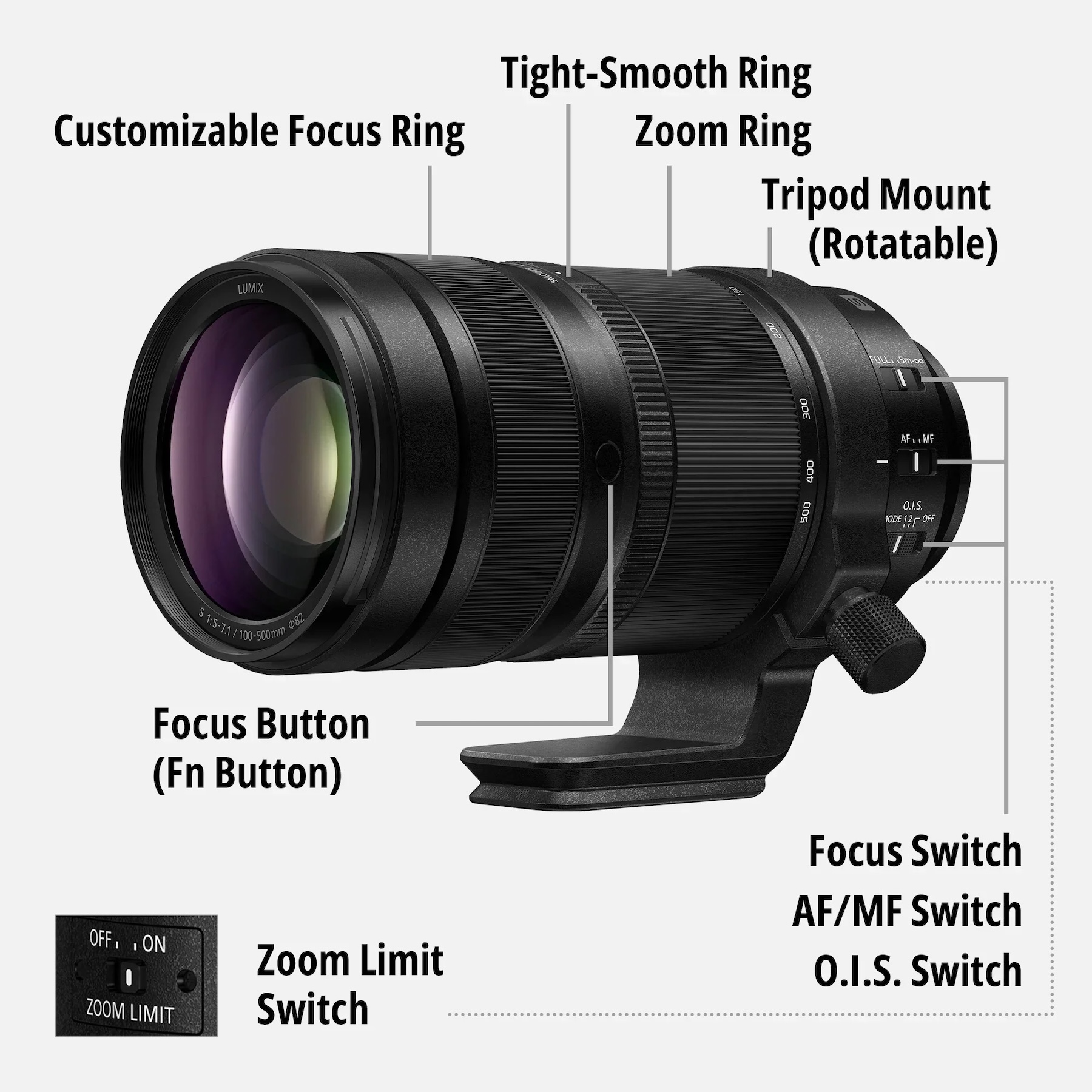

Then comes a wide, well-textured zoom ring that turns clockwise to zoom in — the opposite direction to Sigma’s lenses, which has taken some time to retrain my muscle memory. A rotatable tripod collar comes next (with an Arca-Swiss-compatible foot), and closest to the lens mount, four switches covering AF/MF, O.I.S. mode (general, panning, or off), a focus limiter, and a zoom limiter that restricts travel to a minimum of 150mm, which must be engaged when using Panasonic’s 1.4x and 2x teleconverters.


Optical performance
Allowing for the different ways each maker draws its MTF charts, the Lumix 100-500mm appears to pull ahead of both Sigmas for optical consistency, with noticeably better control of edge astigmatism at either end of its range than either Sigma zoom shows at any focal length charted. Between the two Sigmas, the wide ends are near-identical, though the 150-600mm pulls modestly ahead of the 100-400mm at the telephoto end, holding the edges a little better with less fall-off.
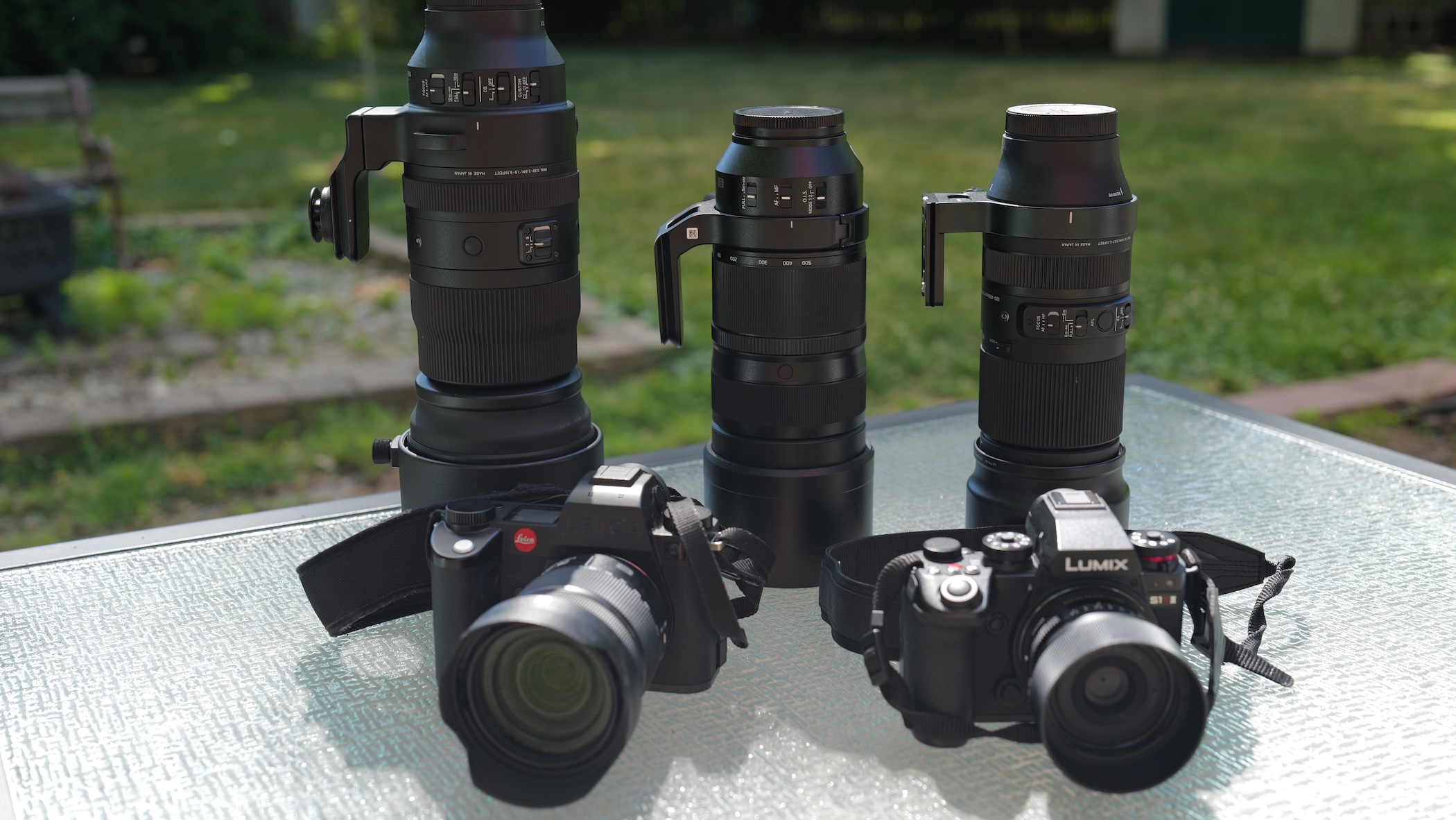
In the bird photographs in this article, note that feather, eye, and beak details are very sharp, with creamy bokeh and good separation from backgrounds. My results back up what the MTF charts suggest about its advantage over the 100-400mm, though the 150-600mm holds up well between 200mm and 400mm; only at the long end does it fall clearly behind the Lumix, in sharpness and in fringing.


Autofocus and tracking
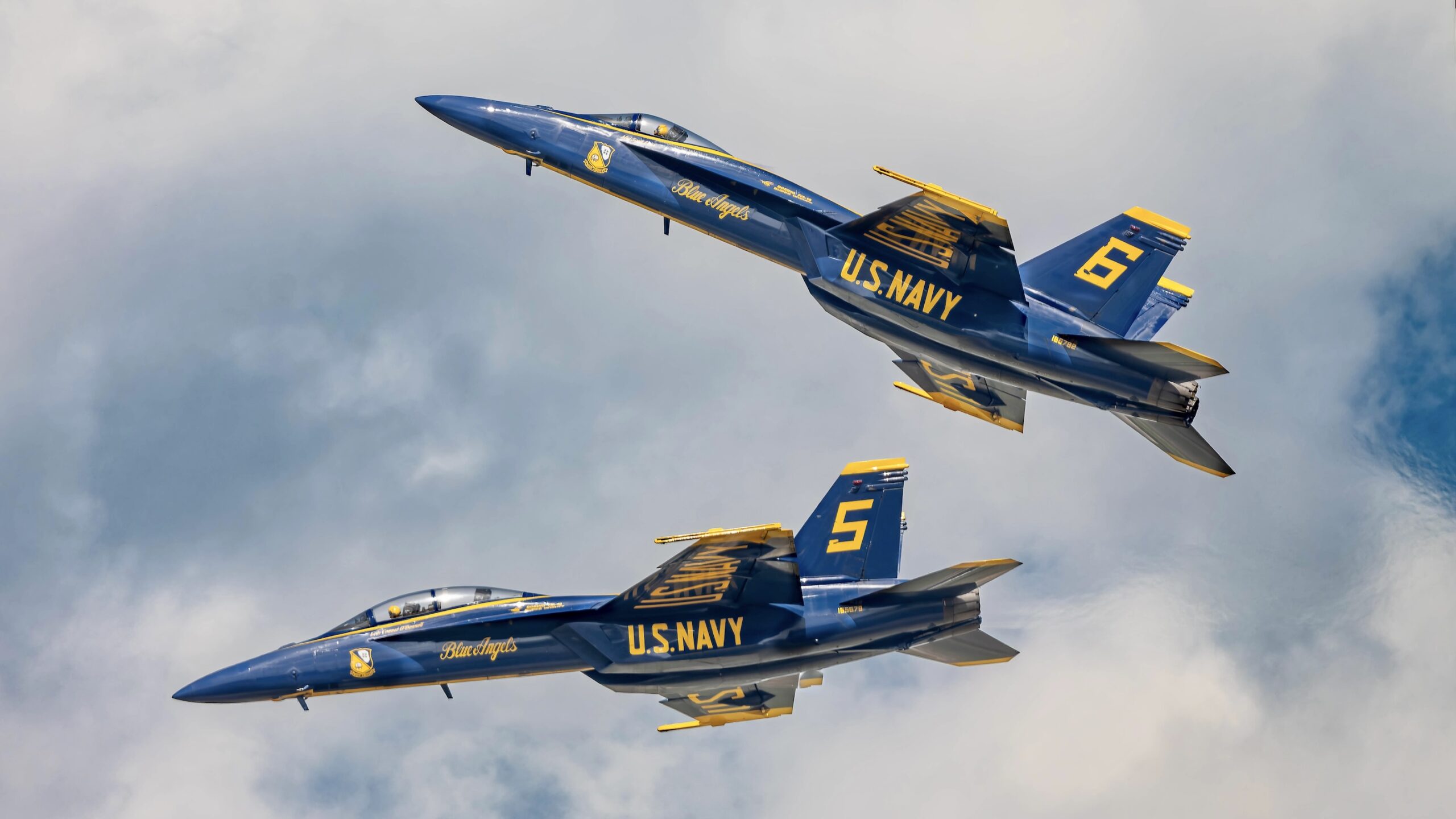
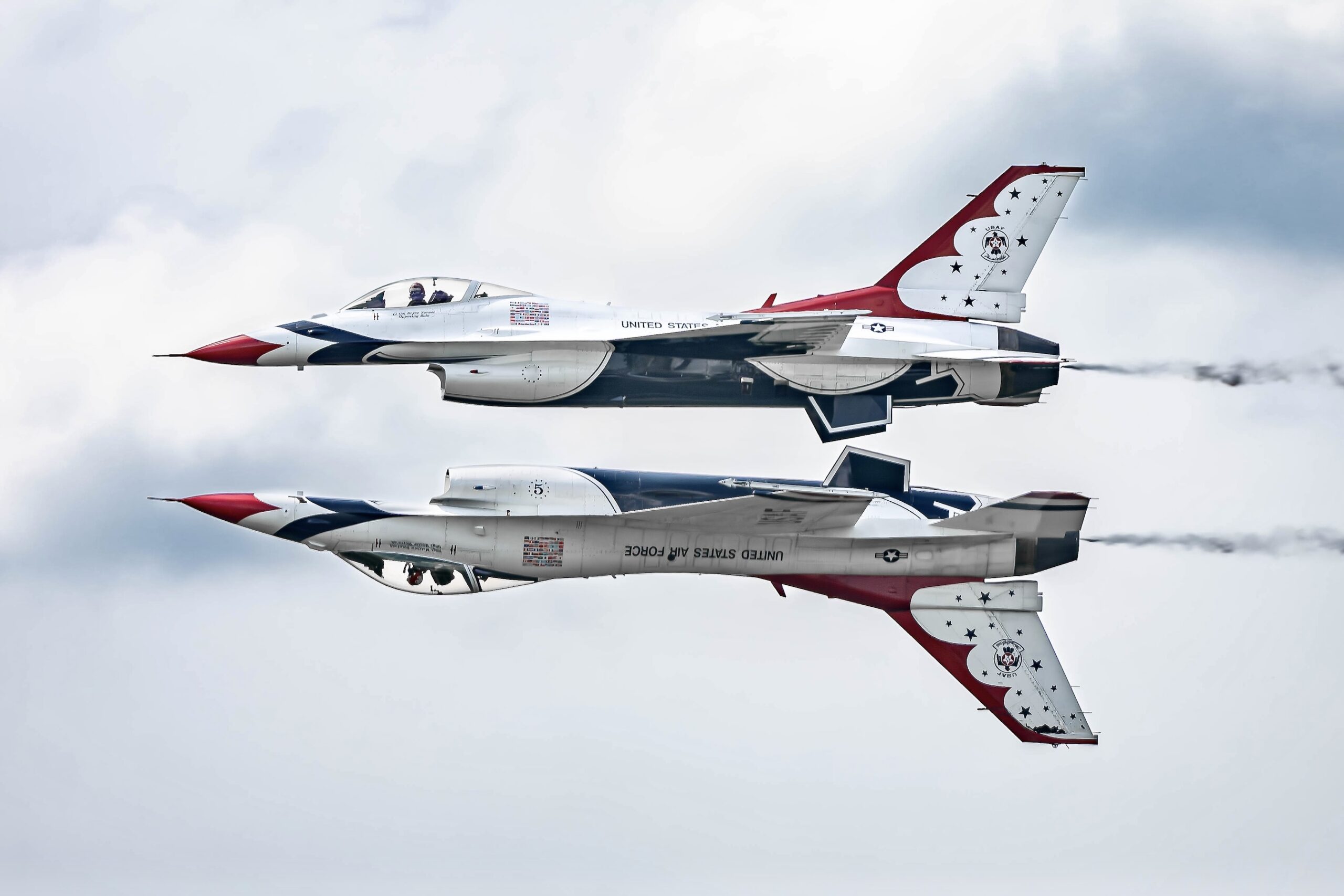
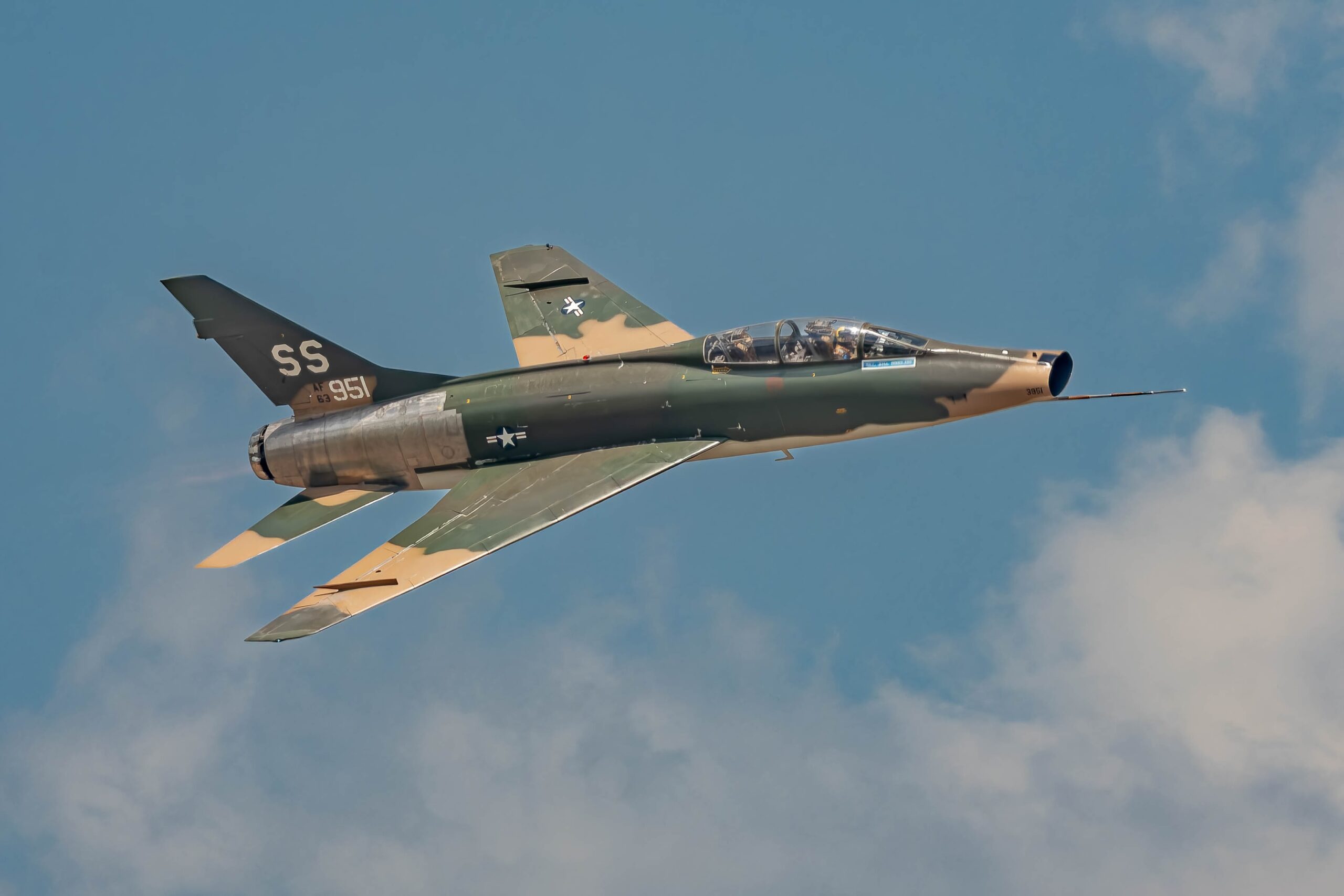
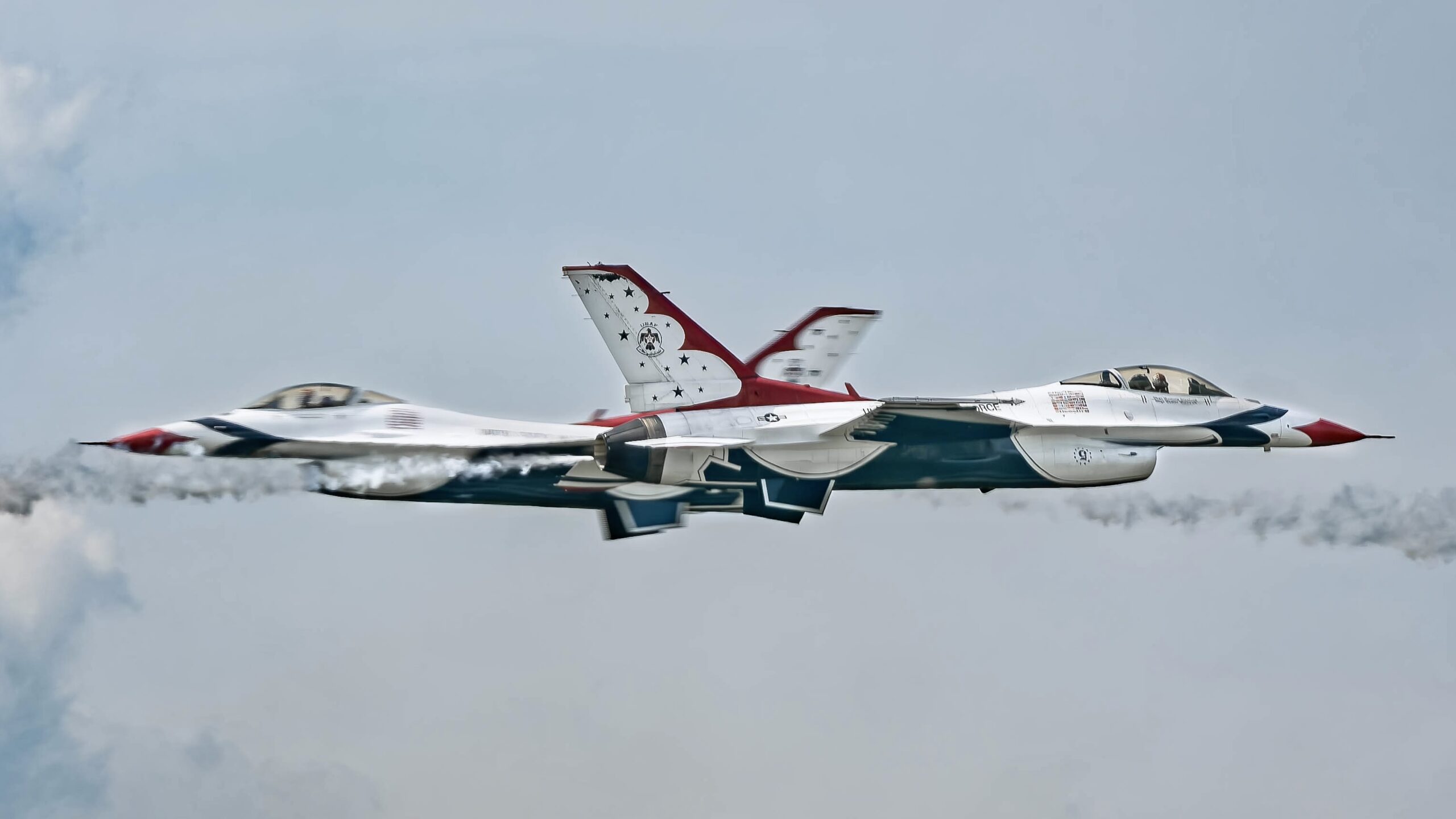
Autofocus is very good, and in my experience it locks and holds faster than either Sigma. Paired with the S1RII’s intelligent autofocus in particular, the combination has captured some very striking images of birds flying towards the camera, and of jets in flight. The stabilisation also earns its keep when panning slower-shutter shots of propeller aircraft, keeping the airframe and wings sharp while the propeller blades blur.

Beyond the flight line
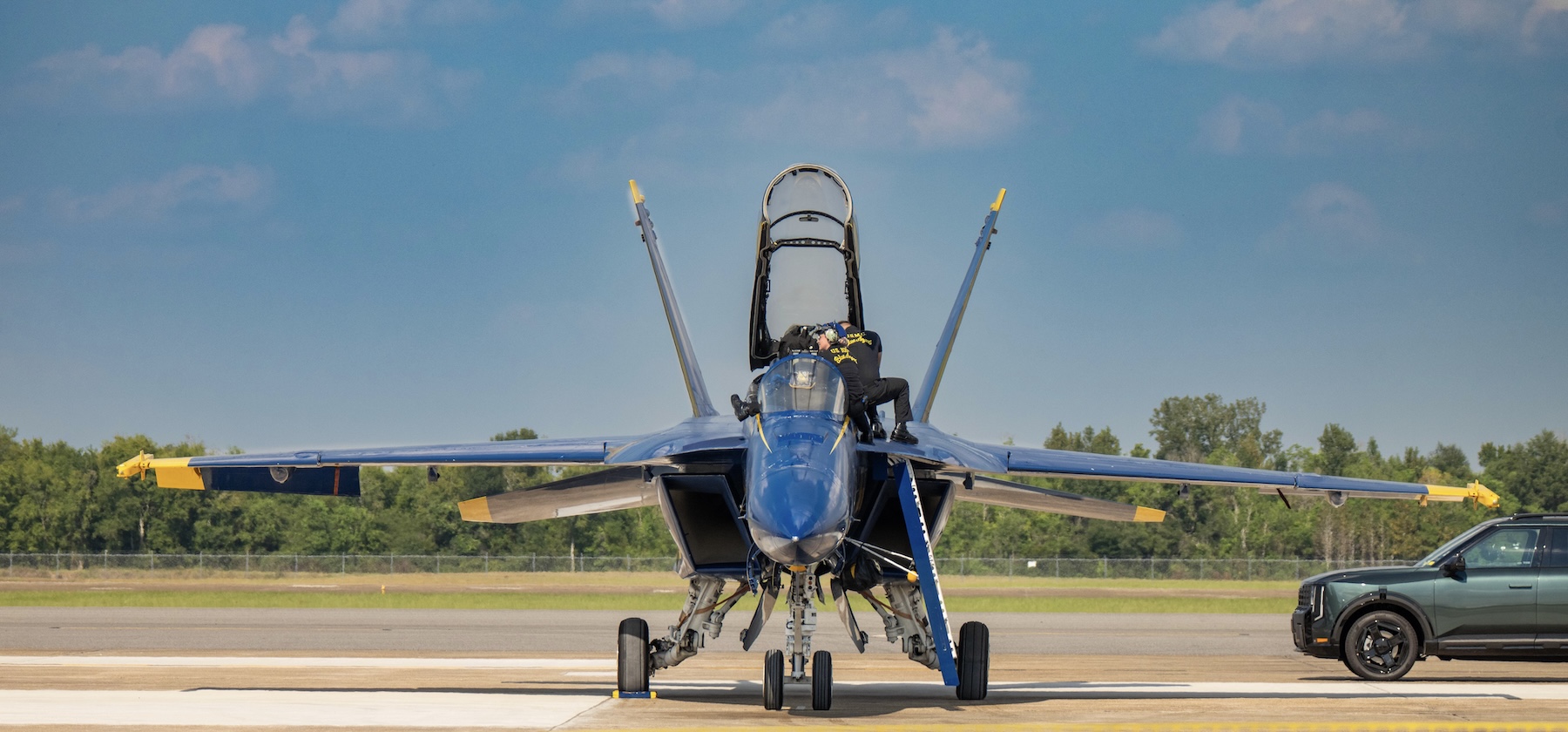
Unsurprisingly, the Lumix also does very well at sports and action photography generally, and its stabilisation helps considerably when covering outdoor events in poor light. Close focus is 0.8m at the wide end and 1.5m at the long end, which is close enough for reasonably good work with flowers, insects, and other details encountered while waiting for a bird to fly past. The lens’s sharpness and colour rendition also suit portrait photography. Finally, it delivers the distance compression long telephoto lenses are known for, which makes it well suited to compressing cityscapes and dramatising landscapes or seascapes.




Pros and cons
| Pros | Cons |
|---|---|
| Noticeably lighter and shorter than the Sigma 150-600mm, for similar reach | Costs a good deal more than the 150-600mm Sports (around 50 per cent more in the UK) |
| Faster, more assured autofocus than either Sigma zoom, in my experience | Maximum aperture narrows to f/7.1, slower than the f/6.3 of the Sigma 100-400mm and 150-600mm |
| Up to 7 stops of stabilisation on a Lumix S body | Zoom ring turns the opposite way to Sigma’s, so muscle memory needs retraining |
| Dust- and splash-resistant, all-metal build rated to -10°C/14°F | Friction ring is convenient, but less secure than Sigma’s tightest setting |
| Close focus to 0.8m suits flowers, insects, and detail work |



Verdict
The Lumix has performed as I hoped, and I decided to sell off the two Sigma zooms and purchase a 100-500mm of my own. It is far easier to carry for long periods, whether mounted on the Leica SL3-S or the Panasonic S1RII, and it tracks fast-moving subjects as readily as the Sigma 100-400mm. I am very pleased with the Lumix S 100-500mm f/5-7.1. It costs more than either Sigma I have owned, but it combines the compact size and weight of the 100-400mm with reach close to the 150-600mm’s, and, on the evidence so far, has better performance than either. I have used it happily on the Leica SL3-S, the SL3-P, and the Panasonic S1RII alike.


A few readers have told me, in response to earlier articles, that they have bought this lens, too, and I understand why. For anyone with an L-mount body looking for a versatile, capable, and portable telephoto zoom, I would not hesitate to recommend it.
Further reading
| Macfilos Articles | Other Links |
|---|---|
| Avians and Aviators: Experiencing the fastest-ever Leica in action – My own account of switching to the Leica SL3-S for air show and bird photography | Panasonic introduces the Lumix S 100-500mm f/5-7.1 O.I.S. – Panasonic’s own announcement and specifications |
| Leica SL3-P v Lumix S1RII: All that matters when choosing between two cameras – How the two bodies this lens is designed to pair with actually compare | Sigma 150-600mm F5-6.3 DG DN OS Sports – Full technical data for the heavier Sigma zoom compared here |
| Sigma 100-400mm Telephoto Lens: A year’s experience with a Leica alternative – An earlier look at the lighter Sigma zoom discussed here | Sigma 500mm F5.6 DG DN OS Sports – Official specifications for the prime mentioned in this review |
| Two new lenses from Sigma: 15mm Fisheye and 500mm Sports primes for L-Mount – The launch of the Sigma 500mm prime mentioned in this review | Leica Vario-Elmar-SL 100-400mm f/5-6.3 – Leica’s own page for its closest in-house alternative |
| Sigma launches two new lenses: 16-300mm F/3.5-6.7 DC OS and Sigma 300-600mm F/4.0 DG OS Sports lens – Background on Sigma’s flagship 300-600mm F4 | Sigma 300-600mm F4 DG OS Sports – Official specifications for Sigma’s flagship constant-aperture zoom |
Make a donation to help with our running costs
Did you know that Macfilos is run by six photography enthusiasts based in the UK, USA and Europe? We cover all the substantial costs of running the site, and we do not carry advertising because it spoils readers’ enjoyment. Any amount, however small, will be appreciated, and we will write to acknowledge your generosity.