

Leica launched the new SL3-P at the end of June, and the camera was met with much fanfare as the “one SL to have—if you can only have one.” Positioned as the Leica SL which provides “all that matters”, it falls nicely in the sweet spot between the higher resolution but slower-performing SL3, and the respectably fast but lower resolution SL3-S. However, a few reviews have already been speculating whether the SL3-P is really just a Lumix S1RII in SL clothing. Having used both the SL3-S and S1RII extensively, I decided to spend a few weeks with an SL3-P to see how it compares to the S1RII.
More than skin deep
Leica and Panasonic have had a long-standing and successful partnership. Leica has leveraged Panasonic-developed technology, and in some cases, launched re-badged versions of Panasonic cameras, specifically in the consumer camera space. This would include the various C-Lux models, based on the LX-series, and the Leica small-sensor super zoom V-Lux models, based on the Panasonic FZ 800 and 1000 series.
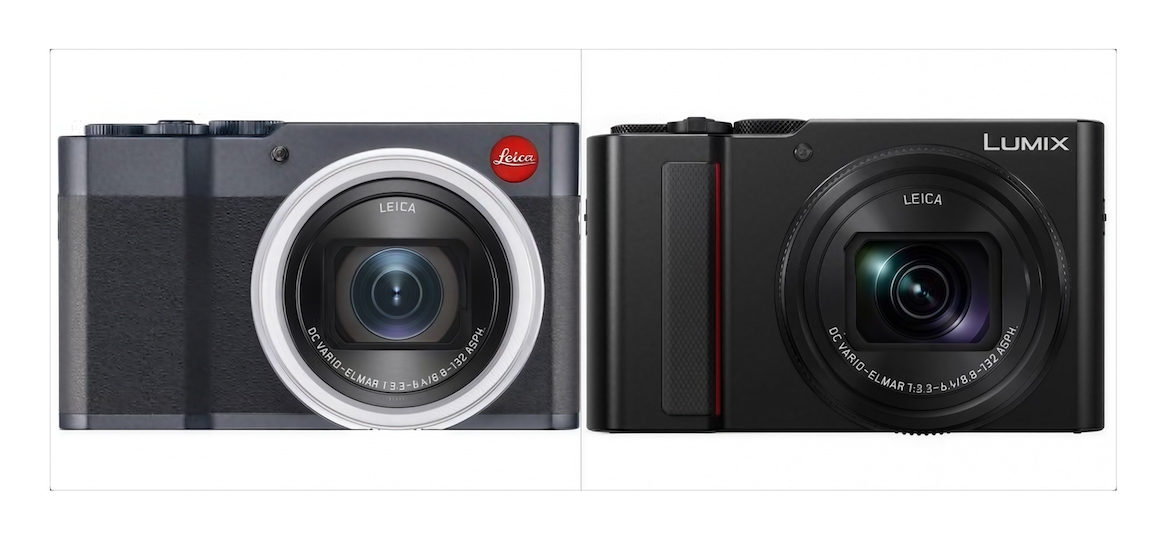
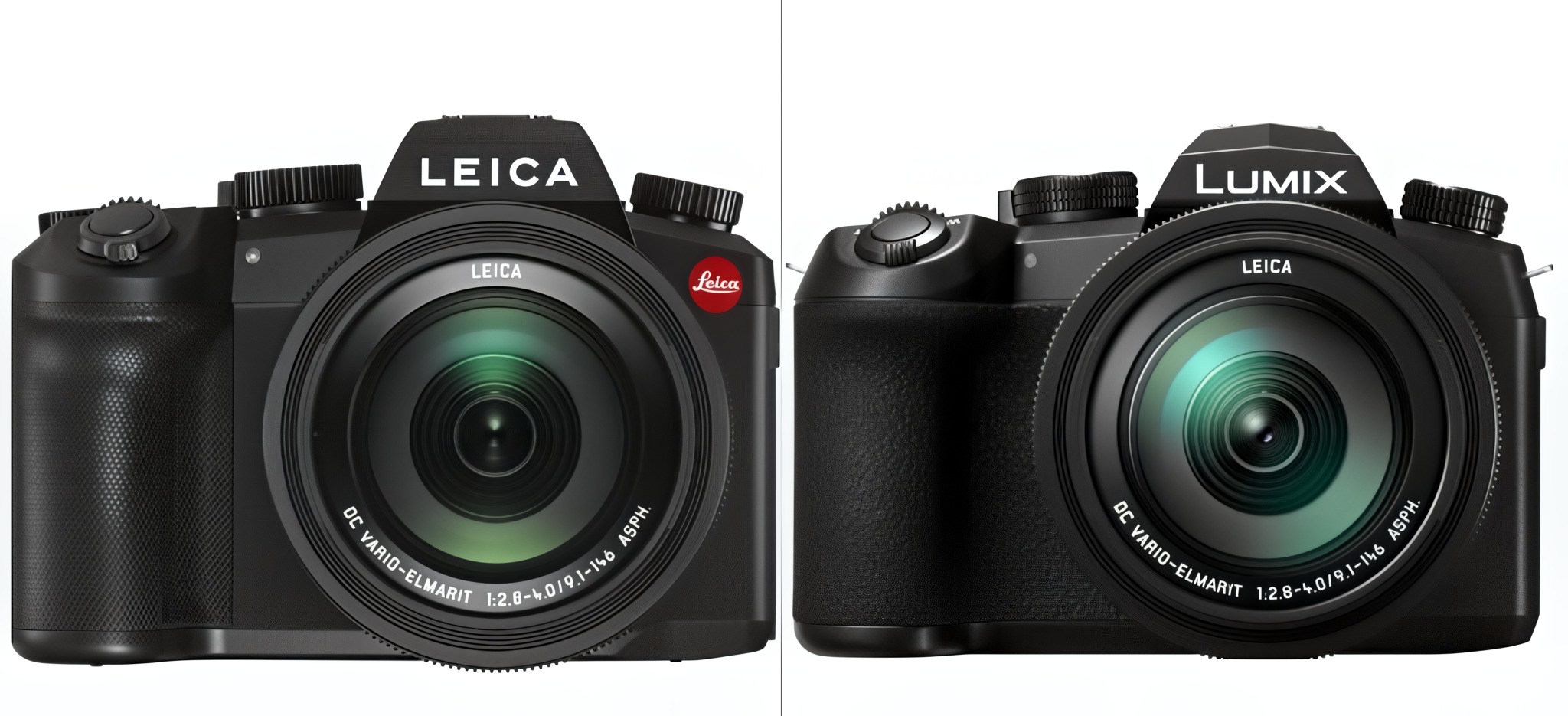
In both these cases, the Leica-branded cameras were given minor cosmetic changes, including Leica branding, but for the most part, retained most of the features of the Panasonic variant. However, with the introduction of the Leica D-Lux 8, which featured the internals of the Lumix LX100, Leica put more effort into integrating the design ethos of the cleaner, minimalist lines of the CL, T and Q, which included a revamped, decidedly Leica menu system.
A whole new level beyond adaptation
The SL3-P goes way beyond the approach Leica took in transforming the Lumix L100 into the D-Lux 8. The SL3-P is in a different league altogether from the S1RII. From a design and operation standpoint, it is first and foremost an SL3, having the identical body, controls, and menu as the previous SL3 iterations. While the S1RII is weather sealed and robustly built, the SL3-P has the same solid, IP54-rated body as the other SL3s. Like other Leicas, the SL3-P is a gorgeous piece of industrial design, while the S1RII is more prosaic and functional.
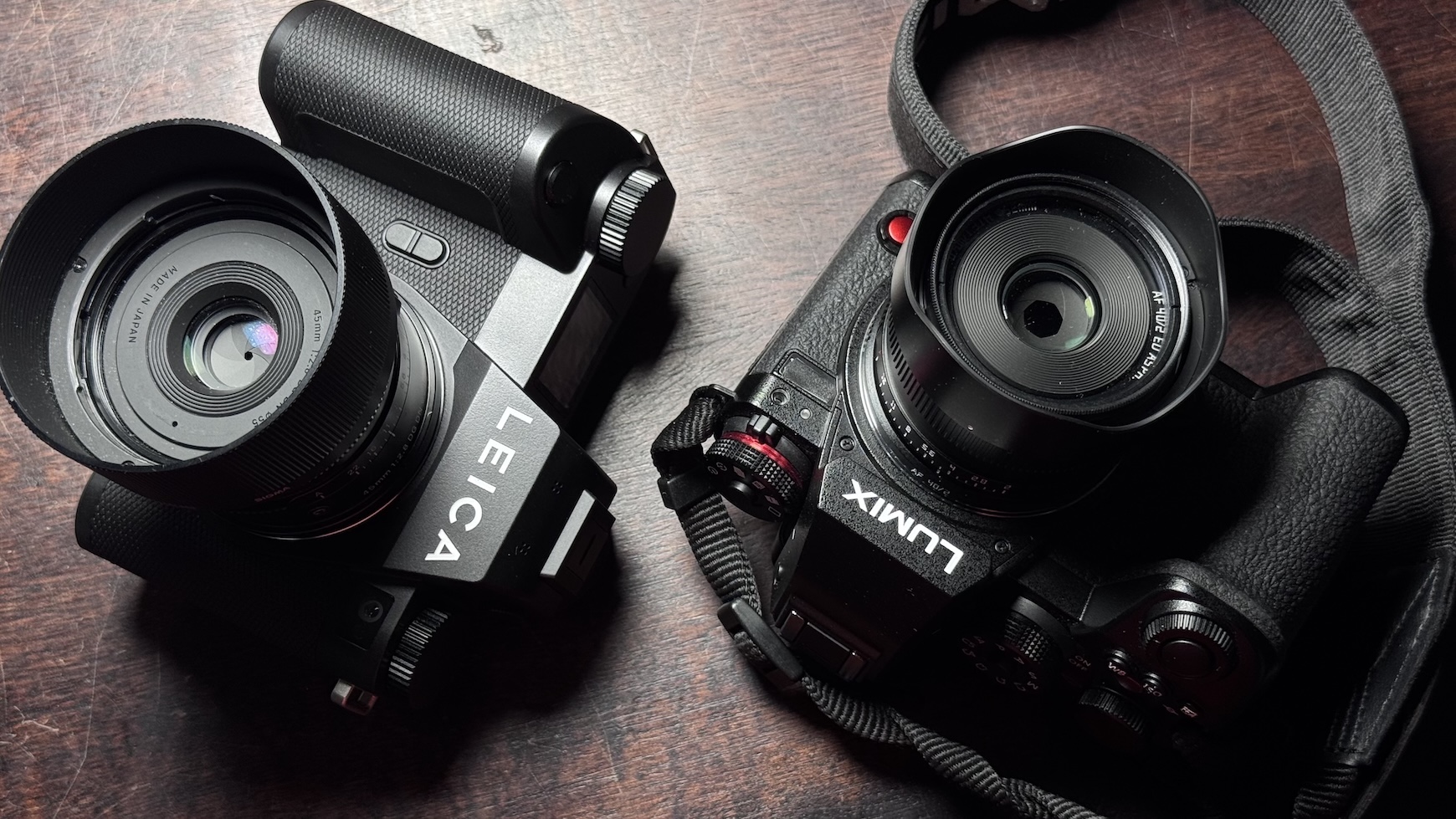
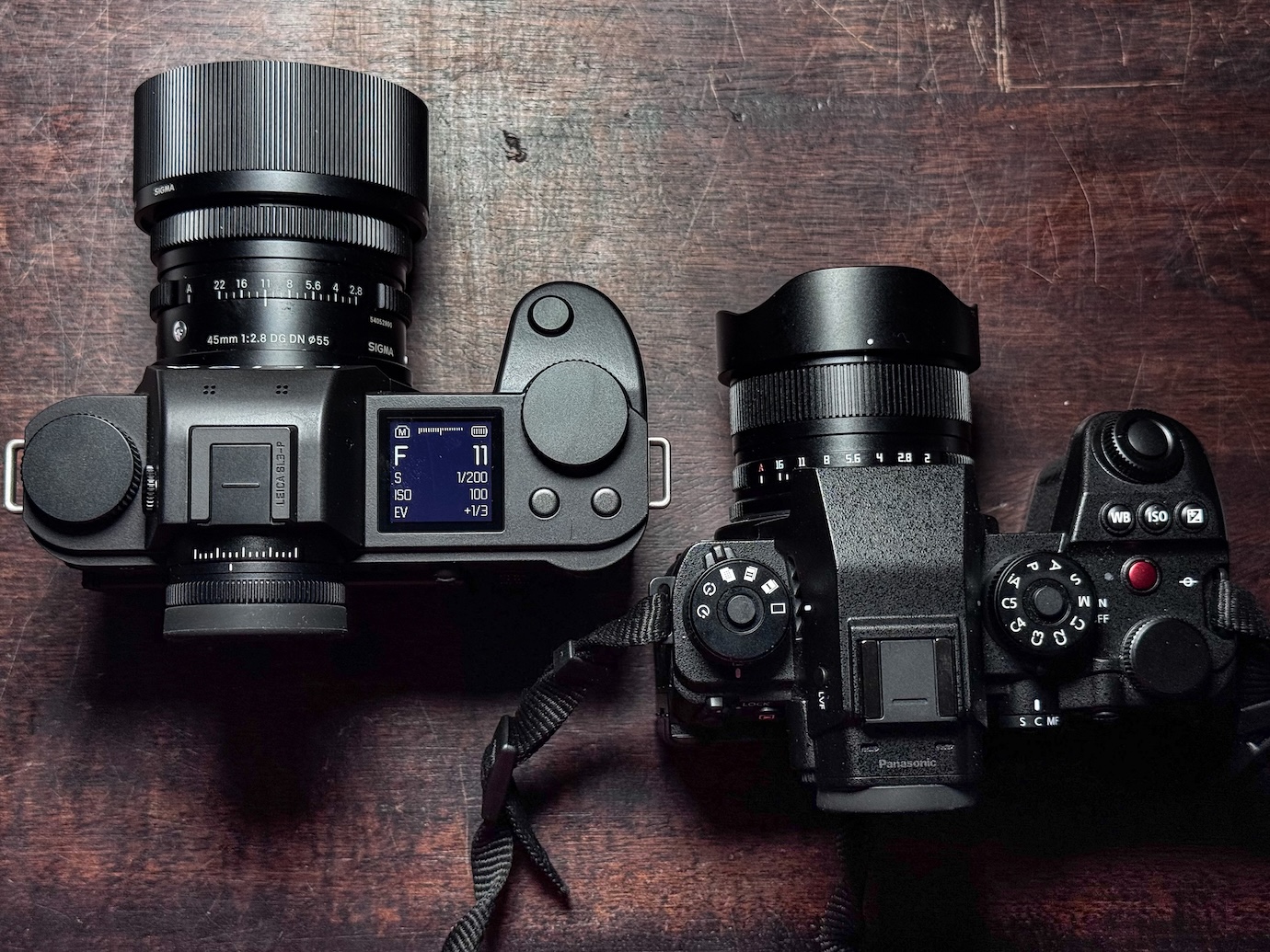
In contrast, the S1RII’s controls and operations are very similar to other mainstream digital camera flagships. It has a plethora of dedicated controls, Fn buttons, and dials to change various functions on the fly. It is far more customisable than an SL3-P, but, in my view, it can therefore be far more confusing to use at first.
The SL3-P uses the well-regarded, simple Leica menu system, while the S1RII has the multi-layered, quite complex menu system common to other camera makers. So, while Leica may have adapted the sensor and processor of the S1RII, the underlying technology is subsumed into an entirely different Leica body, control system, and user interface. The experience of using an SL3-P is vastly different from using the S1RII.
All that matters?
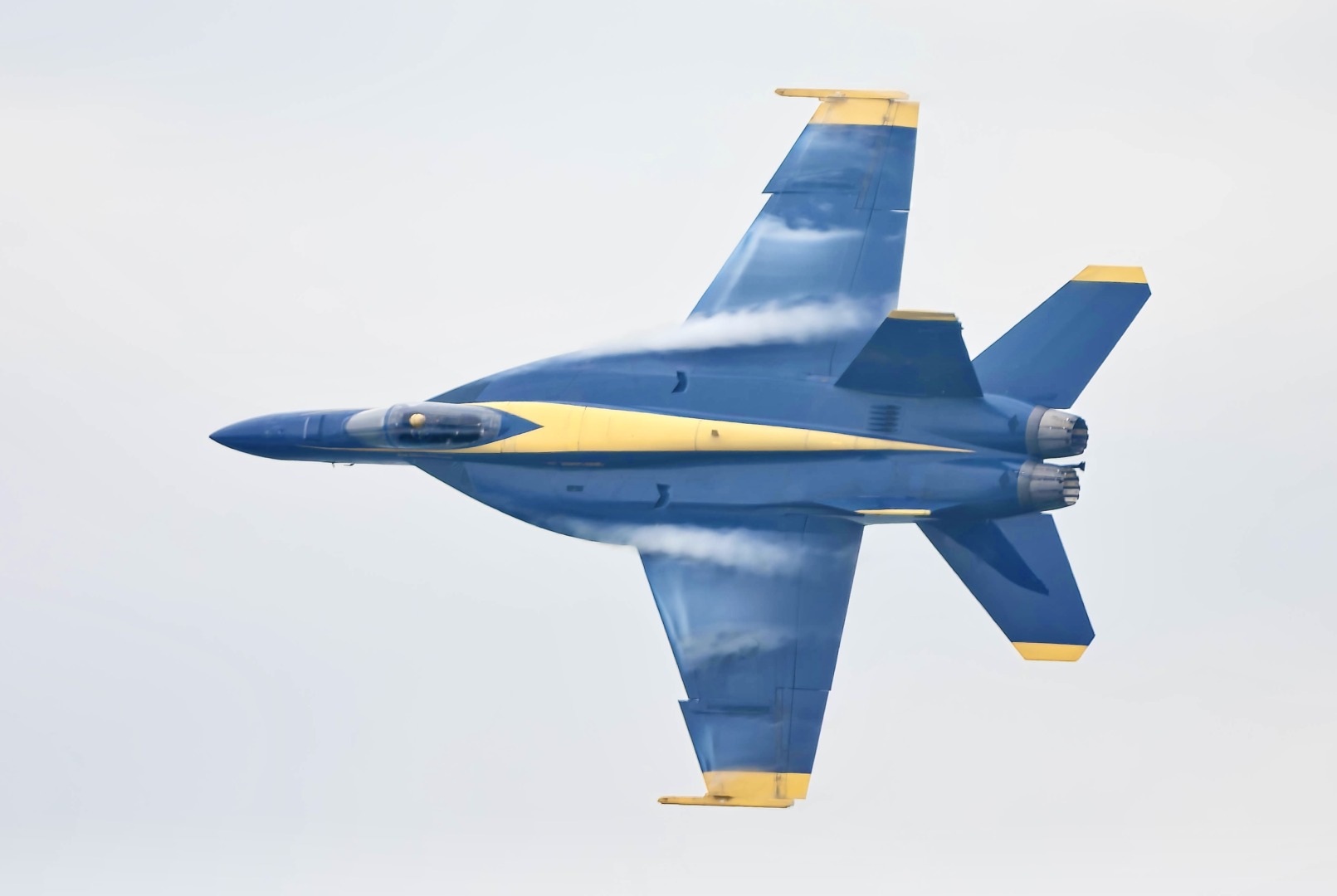
I purchased the SL3-S over a year ago, primarily for bird and air show photography. Over many months of using it, I found that its autofocus speed and tracking were excellent for birds in flight and fast-flying aircraft. The firmware 4.0 update improved the camera’s autofocus even more. However, the 24MP sensor sometimes did not have enough resolution for more tightly cropped images of distant subjects.
As a result, I bought the S1RII (and wrote a detailed review article) to take advantage of its higher-resolution 44MP sensor. It turns out AF accuracy and speed, plus a higher resolution sensor, was what mattered most to me for photographing birds and jets.
It took many months of use for me to get over my initial confusion with the S1RII’s various dedicated controls and complex menus — so accustomed had I become to the SL3-S. Over time, however, I began to appreciate the availability of dedicated controls, specifically for selecting faster frame rates or changing focusing modes rapidly. And, the S1RII has a wider array of intelligent focusing modes.

With the build-up of rumours about the launch of a new, higher-resolution SL3 model, I assumed I would sell the S1RII and SL3-S and then upgrade to the new model. That was the plan when the SL3-P finally launched. However, based on my several weeks of using the SL3-P and S1RII, I realised the decision was not that straightforward.
Specifications matter
Leica appears to have recognized that they needed a camera with a more competitive set of specifications than was provided with the SL3-S, which was introduced in 2025 as “the fastest-ever Leica”. Fast, it is, but its competitors offered speed and more resolution. Thanks to the sensor and processor technology from the S1RII, the right combination of specifications for various photographic situations is now included in the SL3-P.
The right combination of specifications is now included in the SL3-P
These include a higher-resolution 44MP BSI sensor, burst speeds of up to 40 fps using the electronic shutter, and the largest number of AF focus points in the L-mount world. Like the other SL3 variants, the SL3-P also boasts longer battery life compared to the S1RII. For comparison purposes, we have included the two older Leicas in this table.
| Specification | S1R II | SL3-P | SL3-S | SL3 |
| Launch Date | February 2025 | June 2026 | January 2025 | March 2024 |
| Dimensions (W × H × D) | 134×102×92 mm | 141.2×108×84.6 mm | 141.2×108×82.7 mm | 141.2×108×84.6 mm |
| Weight (Body Only) | ~795g (with battery/SD) | ~852g (with battery/SD) | ~852g (with battery/SD) | ~880g (with battery/SD) |
| Sensor Resolution | 44.3 MP BSI CMOS | 44.9 MP BSI CMOS | 24 MP BSI CMOS | 60.3 MP BSI CMOS |
| High-Res / Multi-Shot Mode | 177 MP (Handheld) | 176 MP | 48 MP / 96 MP | No |
| In-Body Image Stabilization (IBIS) | 5-Axis (Up to 8.0 stops) | 5-Axis (Up to 5.0 stops) | 5-Axis (Up to 5.0 stops) | 5-Axis (Up to 5.0 stops) |
| Viewfinder (EVF) | 5.76M-dot OLED EVF • ~0.78x magnification • 120 fps refresh rate | EyeRes® 5.76M-dot OLED EVF • 0.76x magnification • 120 fps refresh rate | EyeRes® 5.76M-dot OLED EVF • 0.78x magnification • 120 fps refresh rate | EyeRes® 5.76M-dot OLED EVF • 0.78x magnification • 120 fps refresh rate |
| Rear Display | 3.2-inch Triaxial Tilt & Free-Angle Touchscreen LCD (~1.84M dots) | 3.2-inch Tilting Touchscreen LCD (2.33M dots) | 3.2-inch Tilting Touchscreen LCD (2.33M dots) | 3.2-inch Tilting Touchscreen LCD (2.33M dots) |
| Storage & Write Speeds | • 1x CFexpress Type B (Up to 1500+ MB/s) • 1x SD UHS-II (Up to ~300 MB/s) • USB-C SSD Recording | • 1x CFexpress Type B (Up to 1500+ MB/s) • 1x SD UHS-II (Up to ~300 MB/s) • USB-C SSD Recording | • 1x CFexpress Type B (Up to 1500+ MB/s) • 1x SD UHS-II (Up to ~300 MB/s) • USB-C SSD Recording | • 1x CFexpress Type B (Up to 1500+ MB/s) • 1x SD UHS-II (Up to ~300 MB/s) • USB-C SSD Recording |
| CIPA Battery Life (Stills) | Approx. 280 shots (DMW-BLK22 battery) | Approx. 383 shots (Leica BP-SCL6) | Approx. 380 shots (Leica BP-SCL6) | Approx. 260–300 shots (Leica BP-SCL6) |
| Max Burst Speed | Up to 40 fps (Electronic) / 10 fps (Mechanical) | Up to 40 fps (with AF support) | Up to 30 fps (Electronic) | Up to 15 fps (Electronic) / 4 fps (14-bit RAW) |
| Autofocus System | Phase Hybrid AF (PDAF + Contrast + AI Tracking) | Hybrid AF (819 points) | Hybrid AF (PDAF + Contrast + Depth Map) | Hybrid AF (PDAF + Contrast + Depth Map) |
| AF Subject recognition | 6 modes: Human, Animal, Car, Motorcycle/Bike, Train, Airplane | 3 modes: Human, Animal, Car | 3 modes: Human, Animal, Car | 3 modes: Human, Animal, Car |
| AF Focus points | 779 points (Phase Detection) | 819 (phase Detection) | 779 points (Phase Detection)/ 315 (Contrast Detection) | 315 Points (Phase/Contrast Detection) |
| Max Video Resolution | 8.1K Open Gate / 8K @ 30p | 8.1K Open Gate / 8K @ 30p | C4K / 4K @ 60p | C8K / 8K @ 30p |
| Internal Video Bitrate (Max) | ~1924 Mbps (ProRes RAW HQ / ProRes 422 HQ) | Up to 1924 Mbps (ProRes 422 HQ) / 800 Mbps (ALL-I) | Up to 1939 Mbps (ProRes 422 HQ) / 800 Mbps (ALL-I) | Up to 600 Mbps (ALL-Intra) |
| ISO Range | 50 to 100,000 | 50 to 200,000 | 50 to 200,000 | 50 to 100,000 |
| Weather Sealing | Weather-sealed magnesium alloy | IP54 certified | IP54 certified | IP54 certified |
| Price | £2,599 | €3,599 |$2,998 | £5,150 | €5,990 |$6,690 | £4,000 | €5,190 | $5,665 | £5,749 | €6,800 | $7,485 |
However, the Leica SL3-P as of this writing continues to have only three main focus subject recognition modes, as compared to the six available from the S1RII and most of the other S-series Lumix cameras. This could limit the camera’s appeal for those who have very specialized action subjects such as aircraft, motorcycles, and trains. Hopefully, this is a limitation Leica can address over time with firmware upgrades.
Controls matter
For a fairly narrow range of subjects and shooting situations, I find that a few of the dedicated controls of the S1RII are far better than the minimalist controls of the SL3-S and SL3-P.
Dedicated drive mode dial: Specifically, for aviation and wildlife photography, I find it easier to switch frame rates using the dedicated control dial of the S1RII, which you can use to quickly toggle between single, low burst (up to 5 fps) and high burst (15 fps or more plus pre-capture) modes. This is crucial when photographing differing behaviours of birds in flight (low burst is more than enough for capturing an osprey coming in for a landing on a nest, but 15fps or higher is far better for capturing it as it dives towards an unsuspecting fish).
Likewise, as air show performers switch between slower piston-powered prop planes to fast manoeuvring jets, quickly changing from one frame rate to another is essential, especially when trying to conserve storage space.
Focus matters
Both the S1RII and the SL3-P let you set the right combination of focus area and subject detection and save as a customised profile. However, there are times when I want to change from zone focus to tracking in mid-shoot, change the size of the focus area, or shift quickly from one focus mode to another. With the Leica I use one of the front function buttons to change focus area, no problem. And while I can set another function button to change detection mode, I need to dive one level down to select the desired subject detection mode.

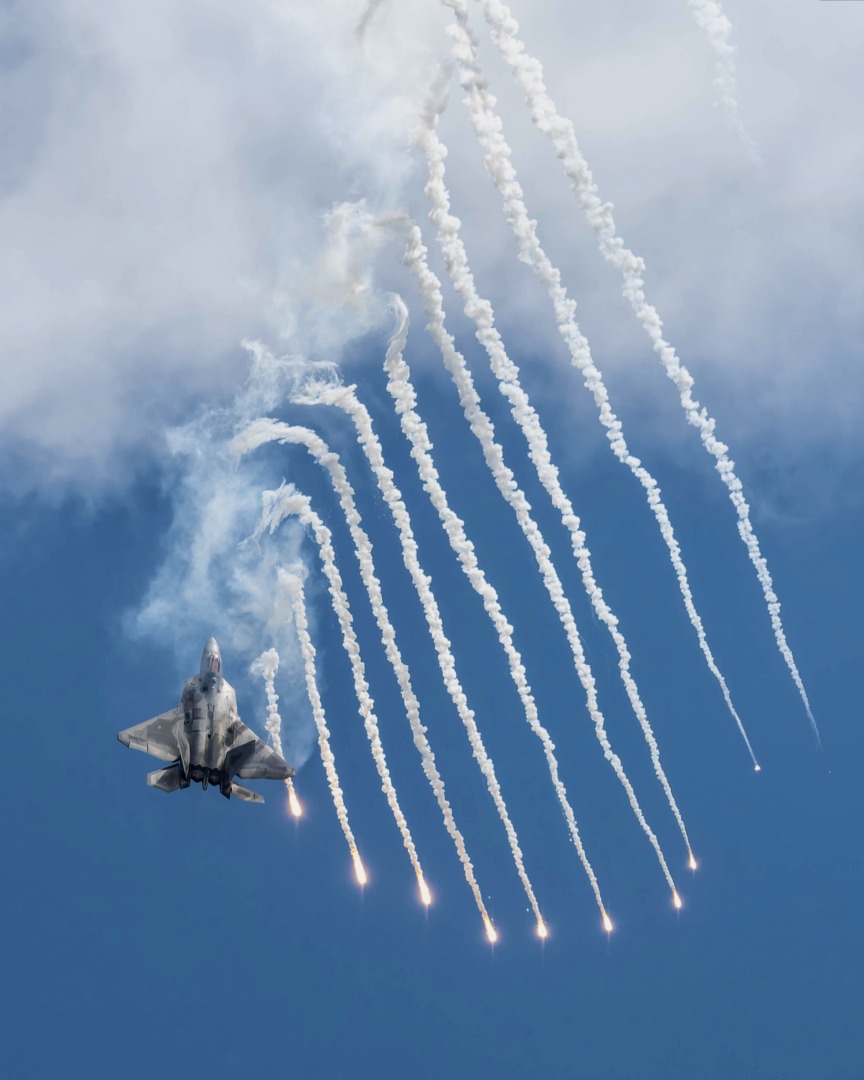
The SL3-P launched with a new dedicated vehicle tracking mode (which was also added to the SL3-S and SL3 as a firmware update concurrent with the SL3-P launch). However, the SL3-P still lacks a dedicated airplane detection mode, so I have to work through one tab of menus to change from animal to vehicle, toggling between wildlife and vehicle to see which mode gets a more accurate lock on a fast-moving jet.
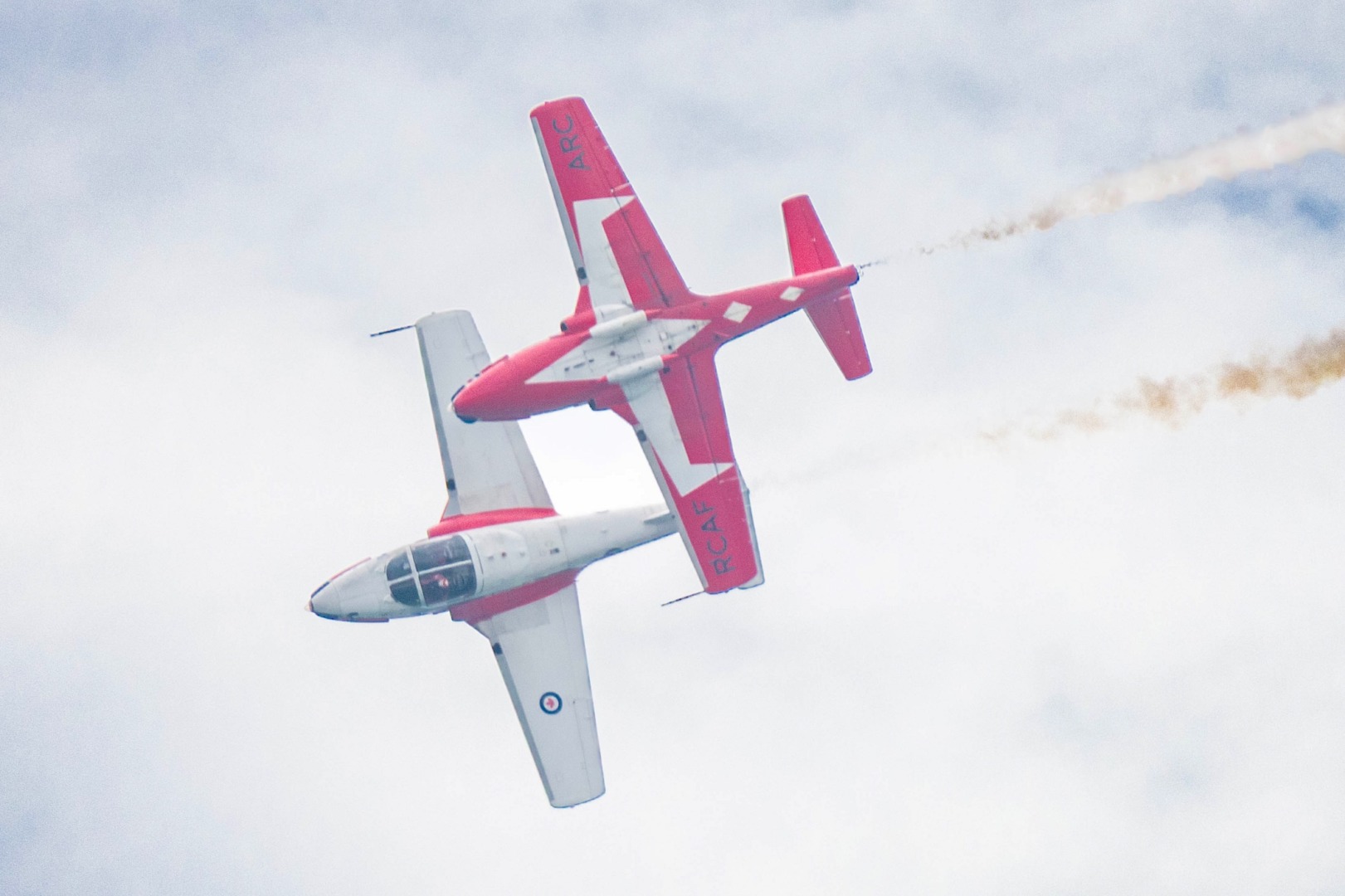
This proved to be very frustrating at a recent air show I attended, and resulted in very few good keepers from the SL3-P. Granted, this could be chalked up to my lack of familiarity of the SL3-P’s new focusing algorithms, and the fact that the jets were flying in very hazy skies, which made it difficult for the autofocus to lock on.

With the SL3-S, I had no problems capturing fast jets using wildlife tracking; perhaps the detection algorithm has changed with the recent firmware update? I presumed that the SL3-P would have the same, if not slightly better autofocus ability, than the SL3-S.
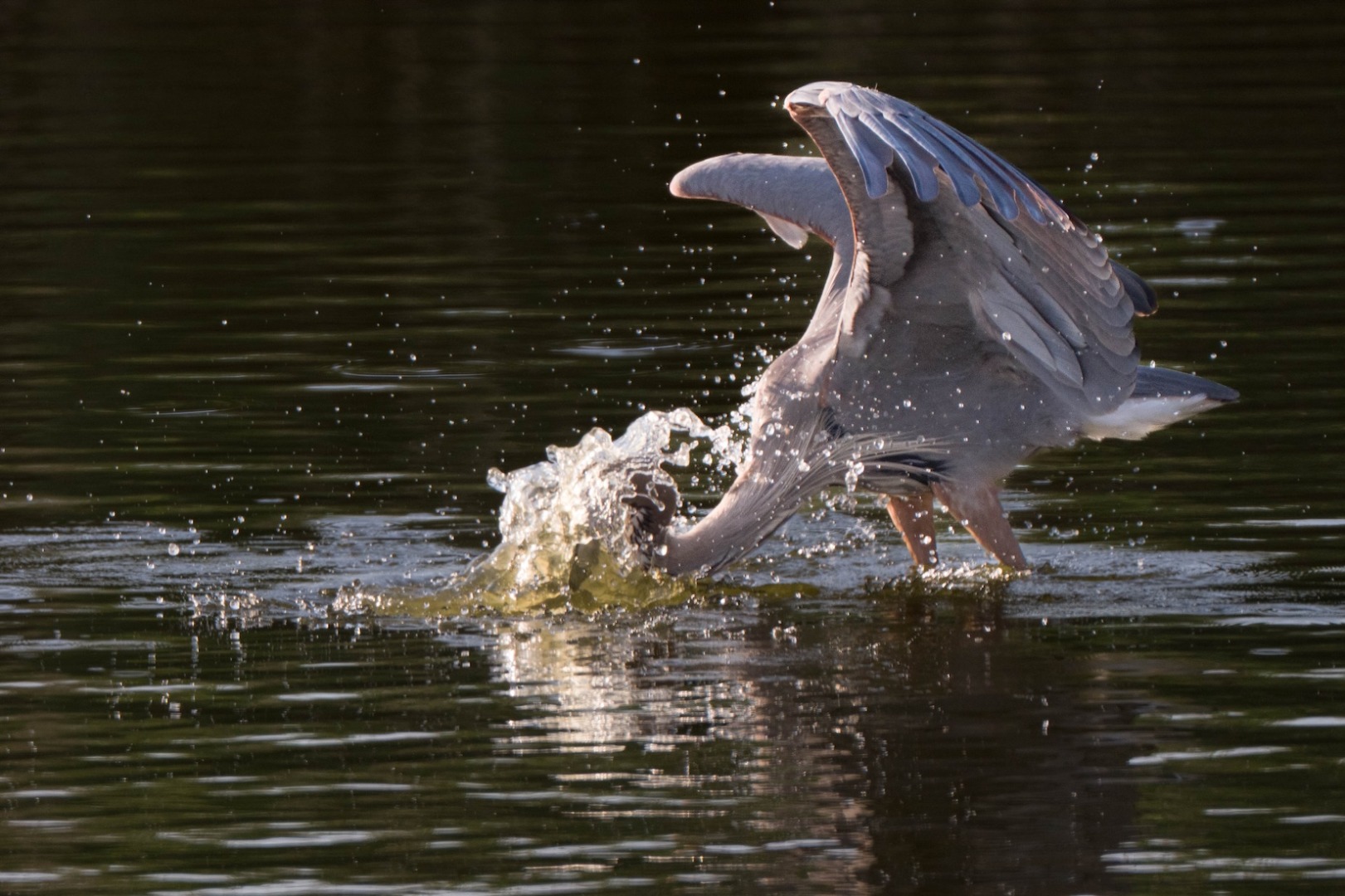
Regardless, with the S1RII dedicated aeroplane detection mode, and the ability to select “body” or “nose” priority, I just have far more confidence that I will capture and retain focus on a fast-moving jet quickly. Moreover, the S1RII’s animal tracking mode has proven to be highly capable in capturing fast-moving birds, especially flying towards the camera; I have yet to attain similar results with either the SL3-S and SL3-P.


Weight and size matter
The SL3-P has identical dimensions to the SL3-S, and weighs in at 852 grams, about the same as the SL3-S. Meanwhile, the smaller S1RII is closer in size to its S5 brethren, and weighs 795 grams. The weight difference seems marginal compared to the SL3 cameras, but in my experience of carrying a camera and heavy long lens for hours at a stretch, the weight and size differences do count. I have also found it easier to track birds and jets in flight with the lighter body of the S1RII, using the same long and heavy telephoto zooms I use with the SL3-P.
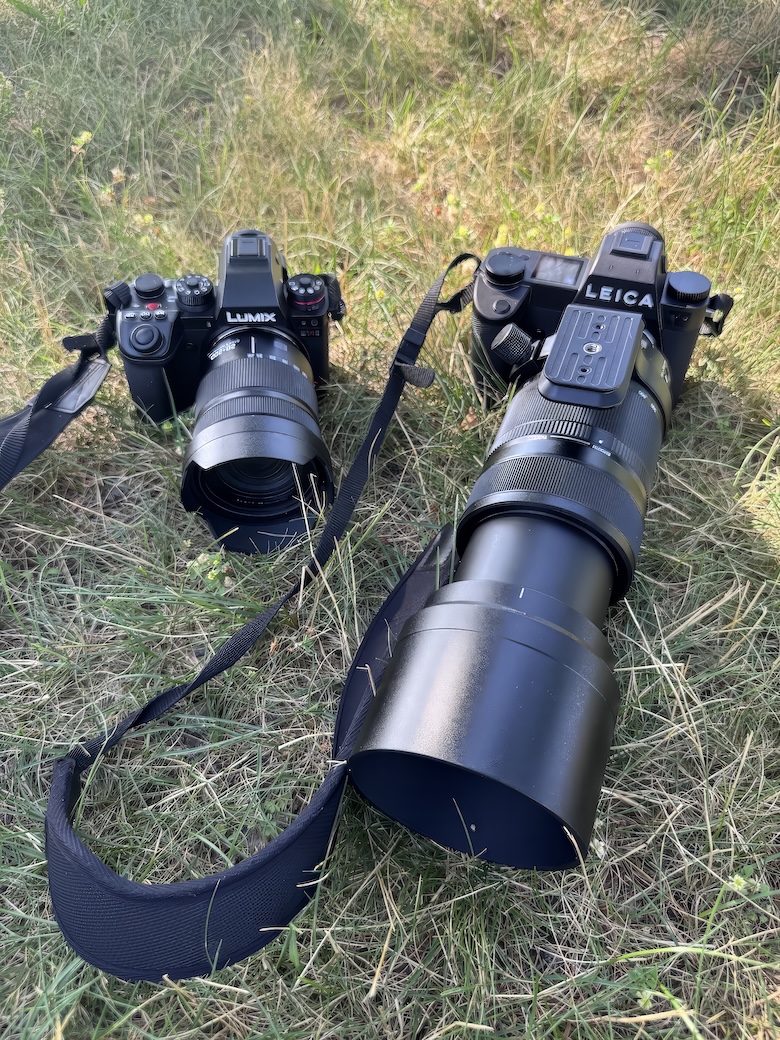
Image output matters
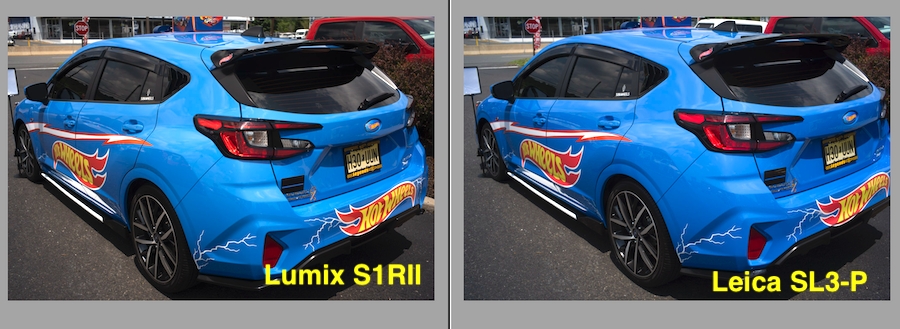
Since the SL3-P and S1RII share the same sensor and processor, is the image output different? The short answer, based on my few weeks of testing the SL3-P alongside the S1RII, is no. This is unlike the SL3-S; I found the tonality and colour quality of the images from its 24MP sensor to be more subtle and gradated than the images from the S1RII’s 44MP sensor.


As a longtime Leica user myself, I have always believed that Leica cameras had a distinct “look” to their images, and I saw this in the SL3-S images. Based on viewing RAW images on Lightroom, the colour renditions from both the SL3-P and S1RMII are very close, if not identical.
DP Review has conducted a more thorough lab test of both cameras in a controlled studio environment, and their findings support what I have seen. DP Review point out that “there’s no meaningful difference between the Leica and the Panasonic in terms of detail capture…(though) the default (JPEG) colour rendering of the SL3-P is distinct from that of the Panasonic”.

When using M lenses matter
Many photographers already invested in the L-mount system are also interested in adapting M-mount lenses to their L-mount camera bodies. In a separate article, Macfilos contributor Joel Wolfson tested various M-mount lenses on an S5IIx body and compared the results to using the lenses on an SL2.
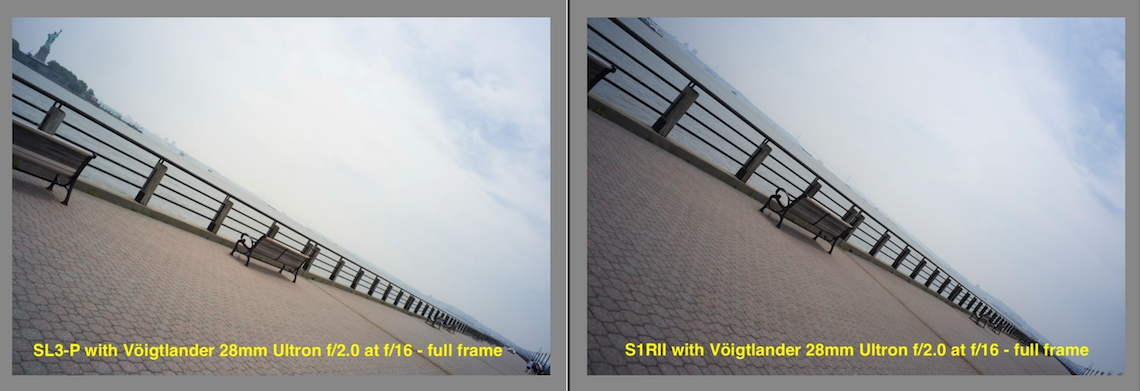
Apparently Lumix S-body sensors are thinner than those of other manufacturers such as Sony, so M lenses would arguably perform better on the Lumix bodies. I decided to do an abbreviated version of the same test using the Leica Summicron-M 35mm f/2 ASPH Mk. IV and Voigtländer 28mm f/2.0 Ultron on both the SL3-P and S1RII.
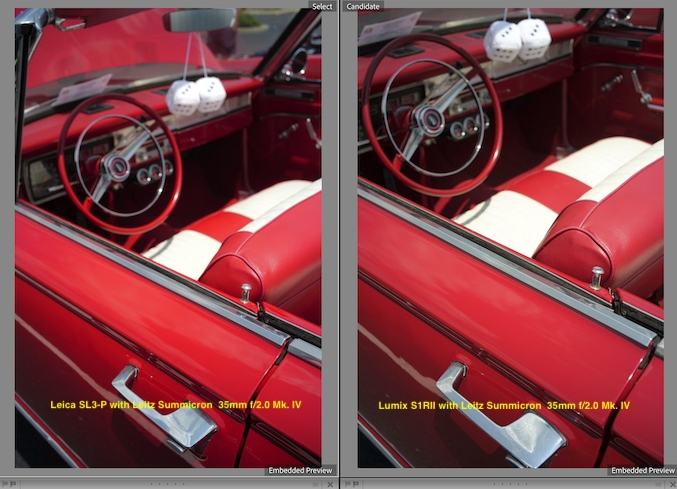

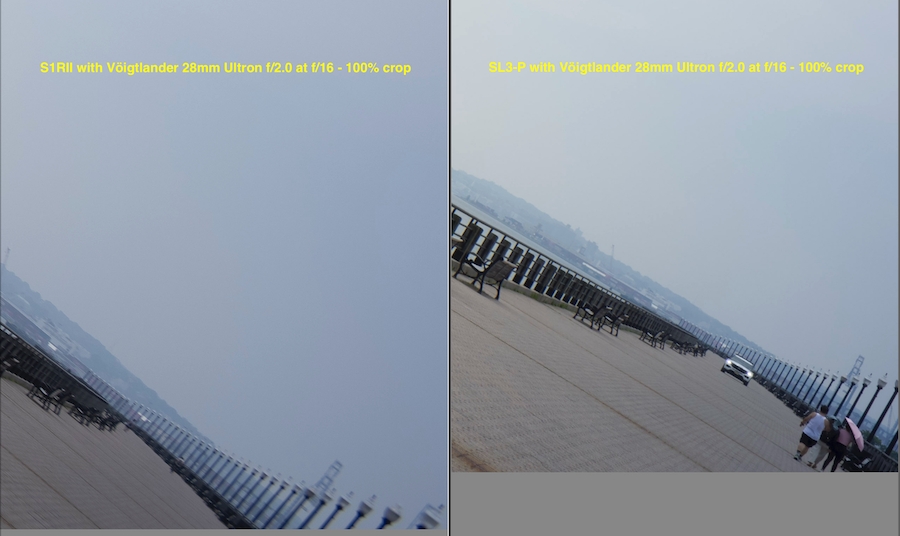
When viewing photographs full-frame in Lightroom, I can’t see any differences in the images taken with the SL3-P and the S1RII using either of the M-lenses I tested. However, when comparing the corner of images enlarged to 100%, it appears that the Leica retains more sharpness than the images shot on the Lumix. Which begs the question: are the sensors really identical?
Could Leica have modified the original 44MP sensor from the S1RII to optimise its use with M-lenses? As Joel Meyerson pointed out in his use of Leica-M glass on the Lumix S5IIx, Lumix S-series cameras have thinner sensor stacks than cameras like the Sony A7 series. I suspect the same is true for the S1RII, but it seems Leica have even thinner stacks to account for the sharper rendition of images.
More research will have to be done in this area to confirm this hypothesis.
When provenance matters
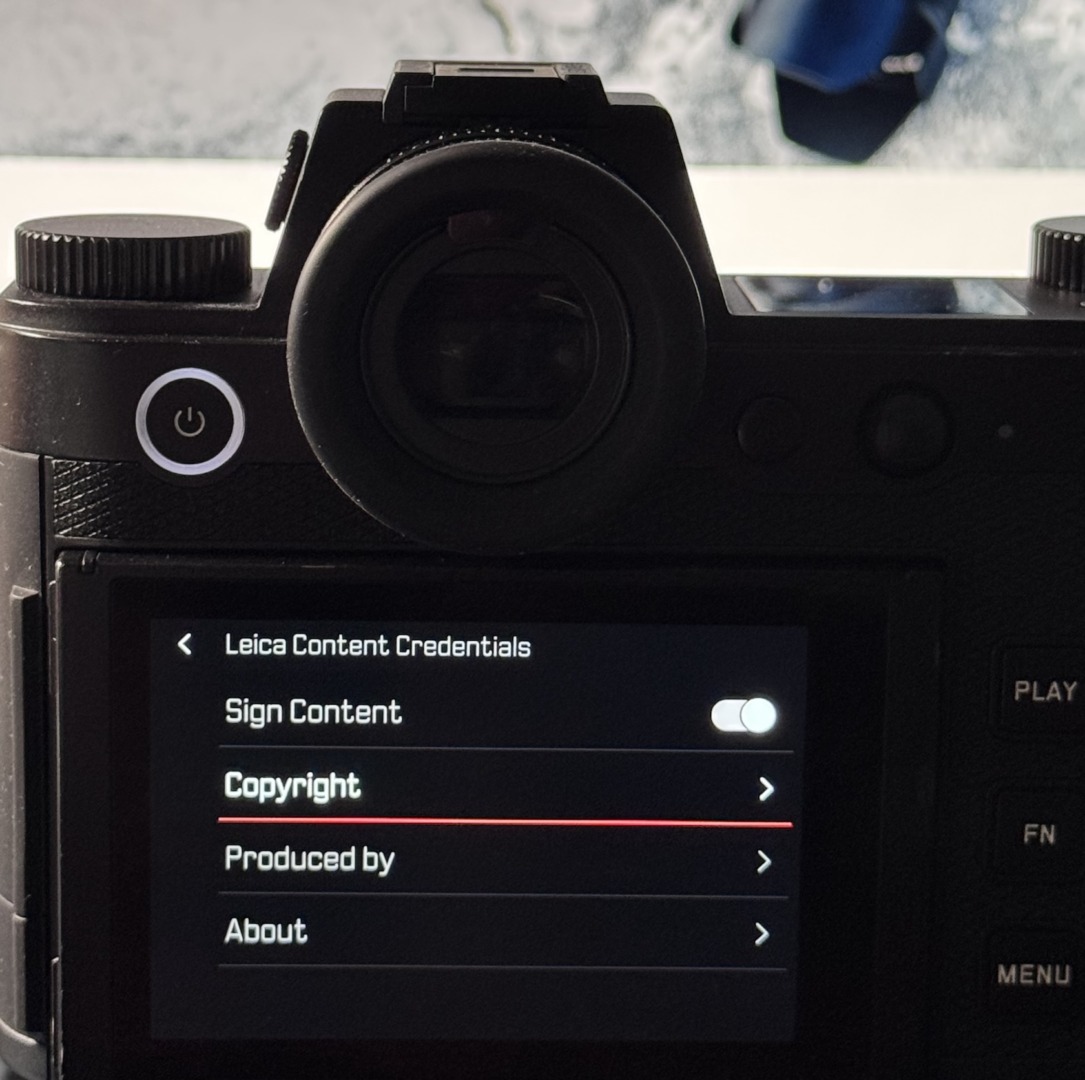
Leica pioneered the use of Content Credentials with the launch of the Leica M11. In a world with ever-advancing AI image generation capabilities, this feature is becoming increasingly important, especially for photojournalists and event photographers who need to prove the authenticity, provenance, and subsequent modifications to images they capture.
Currently, only five Leica cameras have this feature: the M-11, the M-11D, the Q3 Monochrom, the Leica SL3-S, and the Leica SL3-P (interestingly, the cameras likely to be used by photojournalists). Unlike the other cameras, which can only use content credentials in single-shot mode, the SL3-P’s updated processor enables content credentials across all single and burst speeds, including 40fps.
This provides photographers covering fast-moving action in sports or news reportage with an excellent way to embed the provenance data into all their images.
Who is it for?
Overall, there is no question that the SL3-P is an exceptional camera, all my minor niggles on dedicated controls and AF modes notwithstanding. For users of the SL3, it provides a substantial upgrade in AF performance, with only a minimal trade-off in resolution. For users of the SL3-S, such as myself, while it may not provide the same level of AF improvement versus the SL3, the SL3-P does provide significantly more resolution, with no visible loss in picture quality (except perhaps in more extreme low-light conditions).
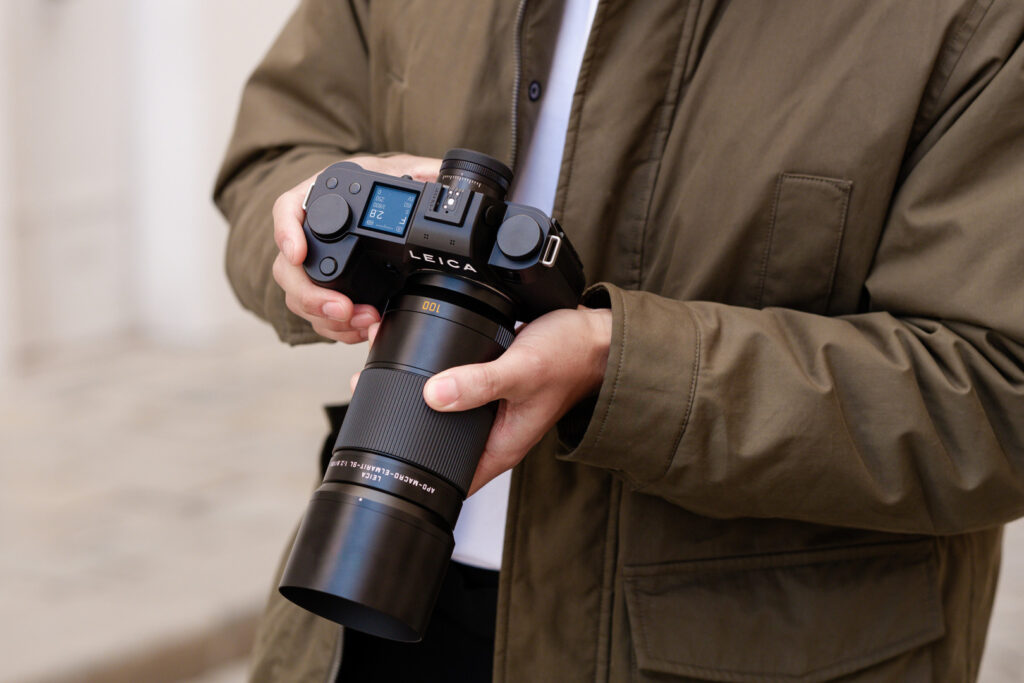
As other reviewers have conjectured, and, based on Leica’s marketing materials thus far, the SL3-P really is the sweet spot camera for photographers who shoot fashion, landscapes, events, and portraiture, but now want to venture into more action-oriented photography, including sports and wildlife.
For those who have aspired to move to the elegance, simplicity, and robustness of the SL3 system, but have had concerns about focus speed and resolution, the SL3-P does provide “all that matters”.
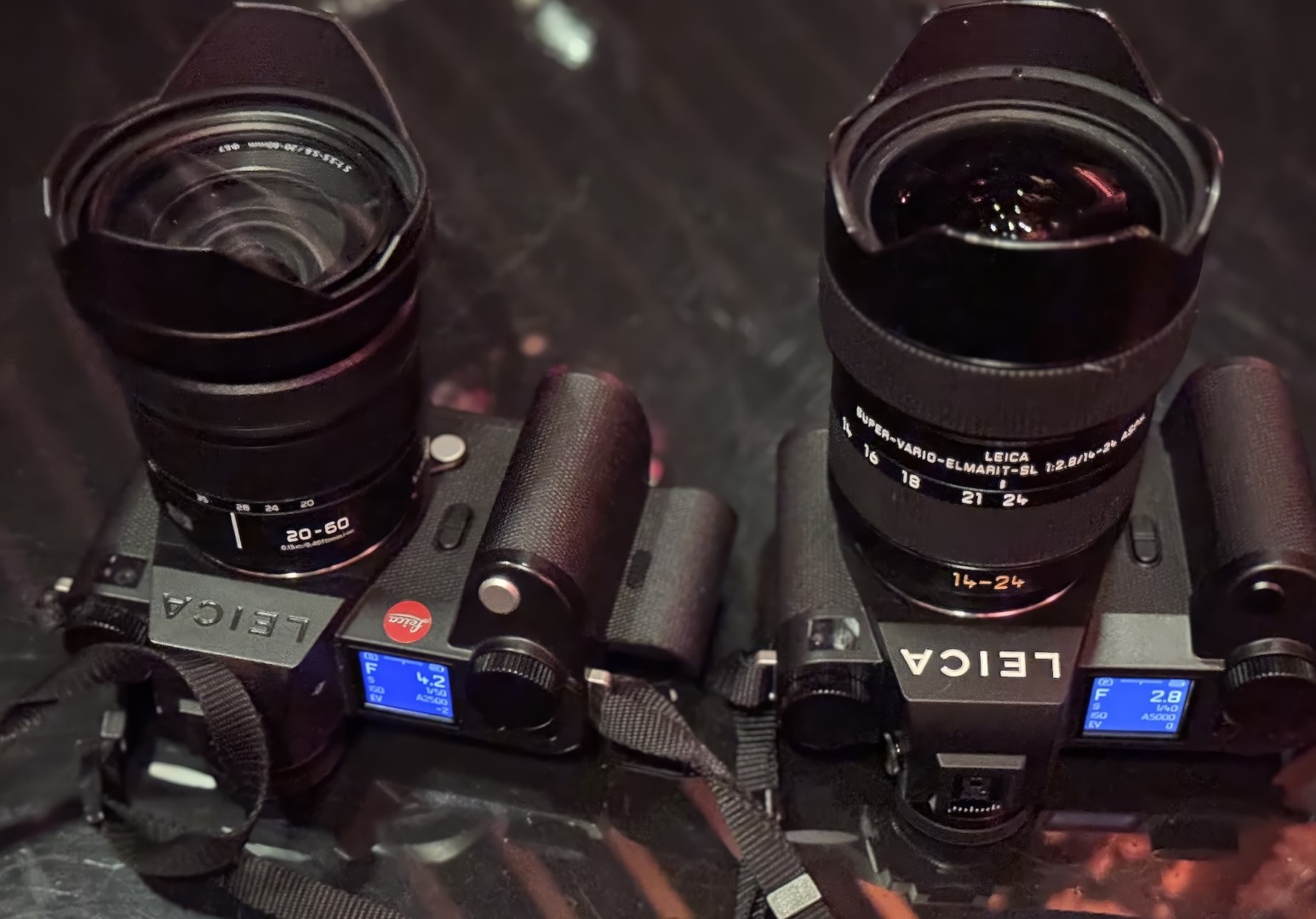
However, given the robustness, speed, and excellent implementation of content credentials, the SL3-P is also an excellent camera for photojournalists, sports photographers, nature, and event/reportage photographers. Coupled with the HG-SCL7 multifunction handgrip for extended battery power, the SL3-P would be well suited for these photographers.
In my opinion, Leica should focus their marketing efforts towards these segments.
The surprise ending
As for me, the last few months of doing a detailed review of the S1RII and the brief comparison with the SL3-P have led me down a completely unexpected path. I was confident enough in the capabilities of the SL3-P to trade in my SL3-S and Q3 43 to purchase one. I planned to retain the S1RII as a back-up to the SL3-P. After all, the S1RII had become the better-focusing, higher-resolution back up for my SL3-S.
However, as the testing for this article progressed, it became clear that there was no reason to have two high-resolution bodies, with identical sensors and processors.
I do not photograph wildlife or air shows very frequently, nor do I do so as a paid professional. Like many Macfilos readers, I am a passionate photography enthusiast. For the occasions when I do photograph erratically flying birds or high-speed aircraft, I need the confidence of a camera with a more specialised autofocus detection mode, and the flexibility of dedicated controls to ensure I come back with more keepers from a day’s worth of walking and waiting around. The Lumix S1RII is that camera.

So, the highly capable, absolutely gorgeous-looking SL3-P has made its way back to the retailer. Ironically, had I not come to appreciate the S1RII’s capabilities as a result of writing my in-depth review for Macfilos, there is no doubt I would have kept the SL3-P. But, there’s nothing like real world-testing for an extended period to determine what gear best suits my needs. And ultimately, that’s all that matters.
Make a donation to help with our running costs
Did you know that Macfilos is run by six photography enthusiasts based in the UK, USA and Europe? We cover all the substantial costs of running the site, and we do not carry advertising because it spoils readers’ enjoyment. Any amount, however small, will be appreciated, and we will write to acknowledge your generosity.
Great review. I just picked up the 100-500 for my S1R II. It will mostly be used for soccer. But, I may be convinced to dabble in a little wildlife. Decided I needed a little more reach than the 70-300 provided. Now you have me thinking of the Q3 43 as a companion to my S1R II.
Hassan- the 100-500 is definitely a great lens to use with the 44MP sensor on the S1RII. It certainly is very good for wildlife photography! Happy shooting!
Great review. I just picked up the 100-500 for my S1R II. It will mostly be used for soccer. But, I may be convinced to dabble in a little wildlife. Decided I needed a little more reach than the 70-300 provided. Now you have me thinking of the Q3 43 as a companion to my S1R II.
A truly valuable, unbiased and valuable review. I might never buy either of them but a massive thanks to you from me. As such honest and hence trustworthy reviews sadly nowadays are so very rare
Don – many thanks, that means a lot considering I have a built-in bias for Leicas! Both cameras are truly exceptional, and this was a tough comparison. Glad you found it helpful.
Ed
You have forgotten that the M EV1 also has content credentials.
Ah, thanks for that.