
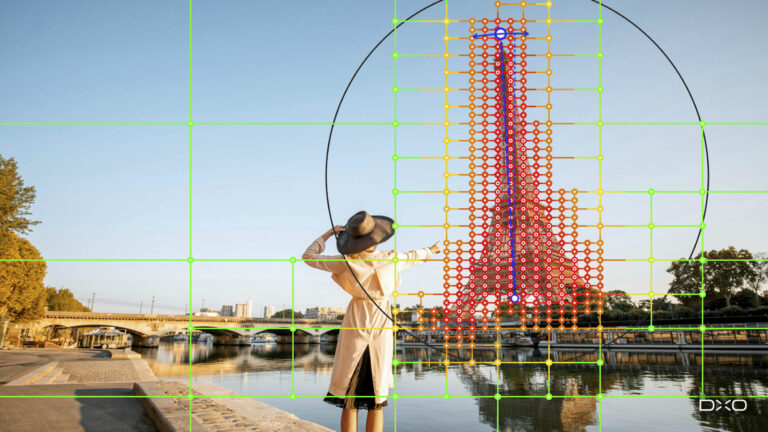
DxO has announced ViewPoint 6, the latest version of its software for correcting geometry, perspective, and distortion. The main addition is AI masking inside ReShape Fusion, the tool that arrived with version 5 for reshaping parts of a picture from within the frame. The company is keen to stress that nothing is generated. Every pixel in the corrected image, it says, was there when the shutter fired. So what, exactly, do the masks bring to the party . . .
Home Blog
Wanted: Macfilos camera and lens reviewers
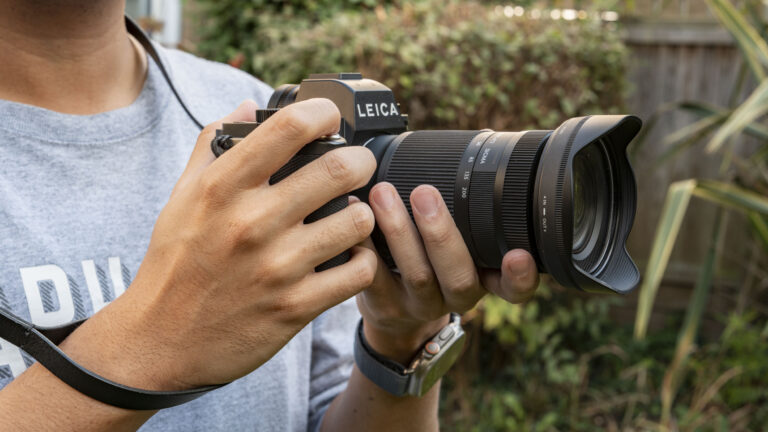
Macfilos continues to grow, and the flow of gear through our hands grows with it. Lenses, cameras, and accessories arrive faster than our staff can properly test them. We need at least one extra pair of hands — and eyes — to help carry the load. If you are a good photographer who enjoys putting new equipment through it paces and writing about what you find, we would love to hear from you.
Nightlife Manifesto: Photographing Chicago after dark

I met Francisco Malavé a few weeks ago at a “Beers and Cameras” meetup in Chicago. For most of us, the world Francisco explores and lives in is very different from our own, but it reveals some fascinating insights. This article is a chance to tag along with Francisco and explore it for ourselves. His book, Nightlife Manifesto, is in press as we publish this.
Jon Cheffings
Young Railway Photographer of the Year: Entries now open

The National Railway Museum in York has opened entries for the third Young Railway Photographer of the Year. The competition is for photographers aged 25 and under, and it began accepting submissions on Monday 12 October. Entry is free. The deadline is 4 April 2027, which gives a full winter, spring, and Easter holiday of travelling to fill a portfolio. This year, though, the museum has made a change that should bring in a much younger crowd than before…
Leica 0-Series No. 103 sells for €4.25 million at Wetzlar Camera Auctions

A Leica built in 1923, two years before the first production cameras reached the shops, changed hands in Wetzlar on Saturday October 10 for €4,250,000. The buyer secured 0-Series No. 103 after a 20-minute contest between several telephone bidders. The final figure was more than double the upper estimate of €2 million. It was the headline lot at the eighth sale held by Wetzlar Camera Auctions (WCA), but by no means the only Leica to sell for a six-figure sum that afternoon…
Bristol Photo Festival 2026: “Time Machine”

The third edition of Bristol Photo Festival, the international biennial of contemporary photography, will open this week with the theme “Time Machine.” The second edition successfully drew over 115,000 visitors, and this latest festival is expected to attract still more visitors.
Behind the Scenes: Rhythm and Form art exhibition

I recently posted an article describing the thinking behind a set of photographic images I created for submission to a local art exhibition. Its theme was Rhythm and Form. My interpretations featured composite images of dancers, acrobats, and fireworks. The exhibition’s jury selected three of them for inclusion. This is what happened next.
The Leica Q4: what does the opinionated crystal ball say?
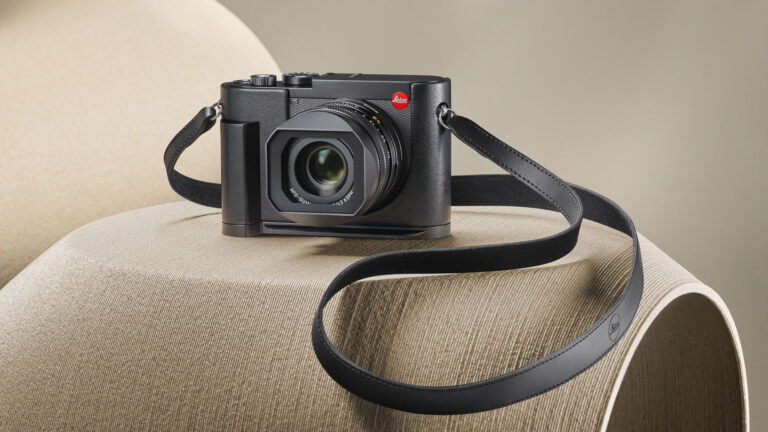
Is 2027 really likely? We have yet to see signs of an M12, so can we realistically bank on a Q4 in 2027? I would suggest two major camera launches in one year is possible, but to do so would eat resources for preparedness, firmware, production, and marketing. So, what might we expect to see in a Leica Q4? There’s much to discuss.
Leica Oskar Barnack Award 2026: Damir Faizulin wins
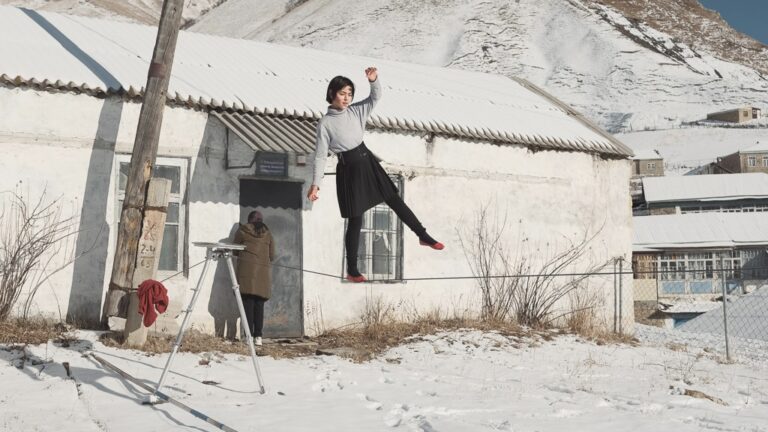
The results are in from Wetzlar. Damir Faizulin, a former professional wrestler who turned to photography only six years ago, has won the 46th Leica Oskar Barnack Award. Laila AnnMarie Stevens takes the Newcomer prize. And the first LOBA Women Grant goes to a name nobody outside the jury room knew until this evening…
Photographing in ordinary time: An ode to my Leica Q3 43
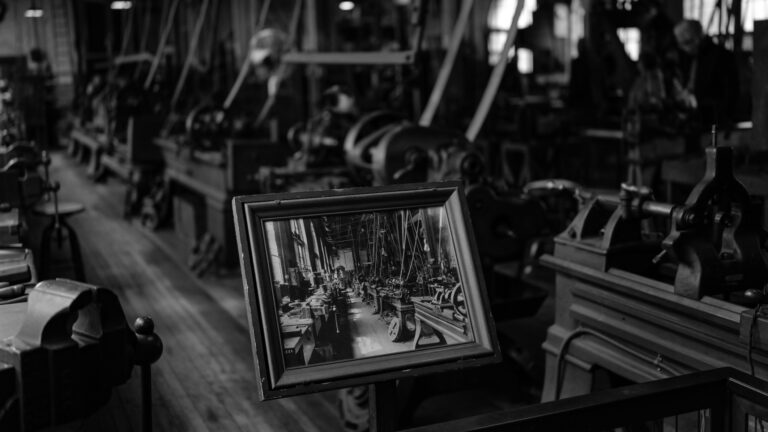
Mike Evans’s recent article on the ongoing success of Leica’s Q3 line left me nostalgic for the Qs of purchases past. I have owned almost every variant of the Q at one time or another, including the gorgeous matte-black Q-P. Still, I always found the 28mm lens a touch too wide for general shooting. I never quite got used to framing with the M-like frame lines set to 35mm, my preferred focal length. So, after a long queue of 28mm Qs, I welcomed the news of the Q3 43.
How your phone does the job of geotagging for your camera
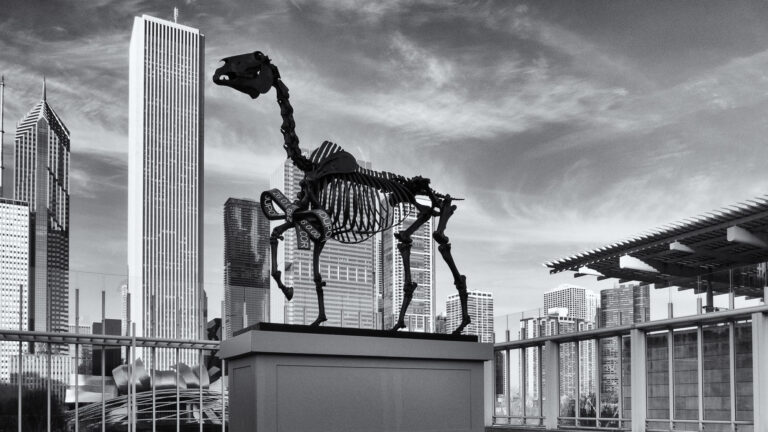
“Where was this taken, darling?” That question used to end in a search through shoeboxes and half-remembered itineraries. Crosby, Stills, Nash and Young sang “If I had ever been here before, I would probably know just what to do. Don’t you?” GPS location data really comes in handy when trying to remember somewhere off the beaten path — but preferably not out of cellphone range! It has quietly become part of how a photograph tells its own story. Can your camera and GPS help you tell a story about a previously undiscovered location? Do you want to share where it is?
Leica: A rare European manufacturing success
Leica has caught the eye of the Wall Street Journal. In a feature published on 27 September, Bertrand Benoit, the paper’s Germany bureau chief, holds the company up as a rare European manufacturing success at a time when much of the continent’s industry is in retreat. For Macfilos readers, though, the more interesting thread is how Wetzlar got here…
The M Files (31): Thypoch Simera 50/1.4 review
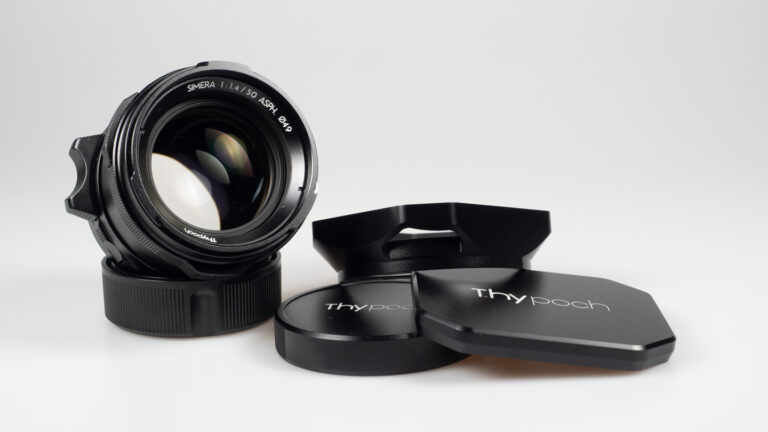
Thy . . . what? And Simera, wasn’t that this Japanese compact car back then? No, it wasn’t. But, right, the name Thypoch might not immediately ring a bell for you. It’s one of the newer lens brands from China, but it has created a pretty impressive line-up of M-Mount lenses. So, it’s about time to include them in the M Files. The Thypoch Simera 50/1.4 makes a start, and an article about the 28/1.4 will follow.
Steve McCurry Adagio review: A study in visual virtuosity
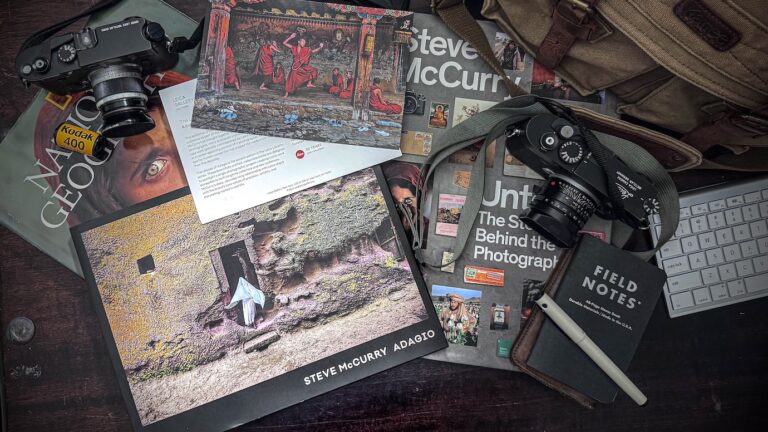
The Leica Gallery in New York was packed, despite a major storm bearing down on the city. I was among the crowd who had braved the forecast, there not only to see Steve McCurry’s work on the walls but to hear him talk about how he makes it. The occasion was Adagio, a new book from Leica that pairs some of his best-known images with work newly commissioned by Leica Camera USA, launched alongside an exhibition of the same name. What he said about colour, of all things, was not what I expected…
Barnack’s Desk: Reconstructing a mind at work
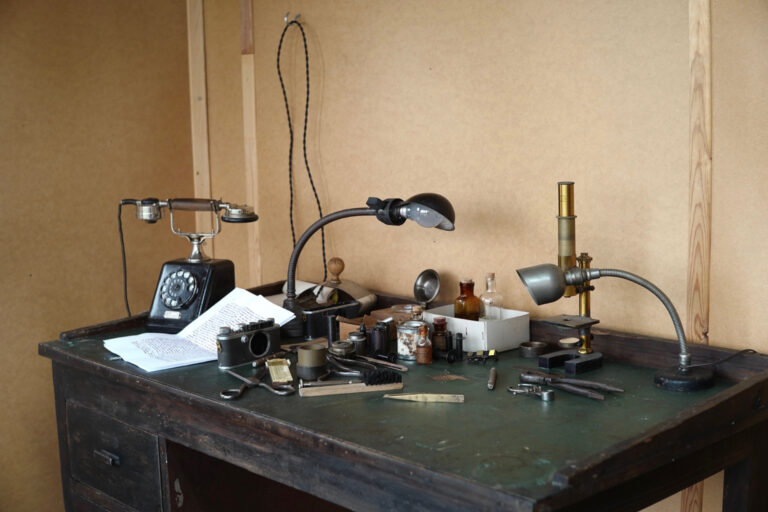
Alan Clark spent some 40 years with Leica UK, first as a camera technician and later as workshop manager. He also never threw anything away. When the time came to clear his home workshop in Luton, Alan offered David Stephens of Leica Store Manchester the chance to take on its contents, much of it rescued from the skip (dumpster if you live in North America) over the decades. David could hardly turn it down. What emerged from those boxes would set him on a two-year quest to recreate one of the most famous workspaces in photography: Oskar Barnack’s desk.