

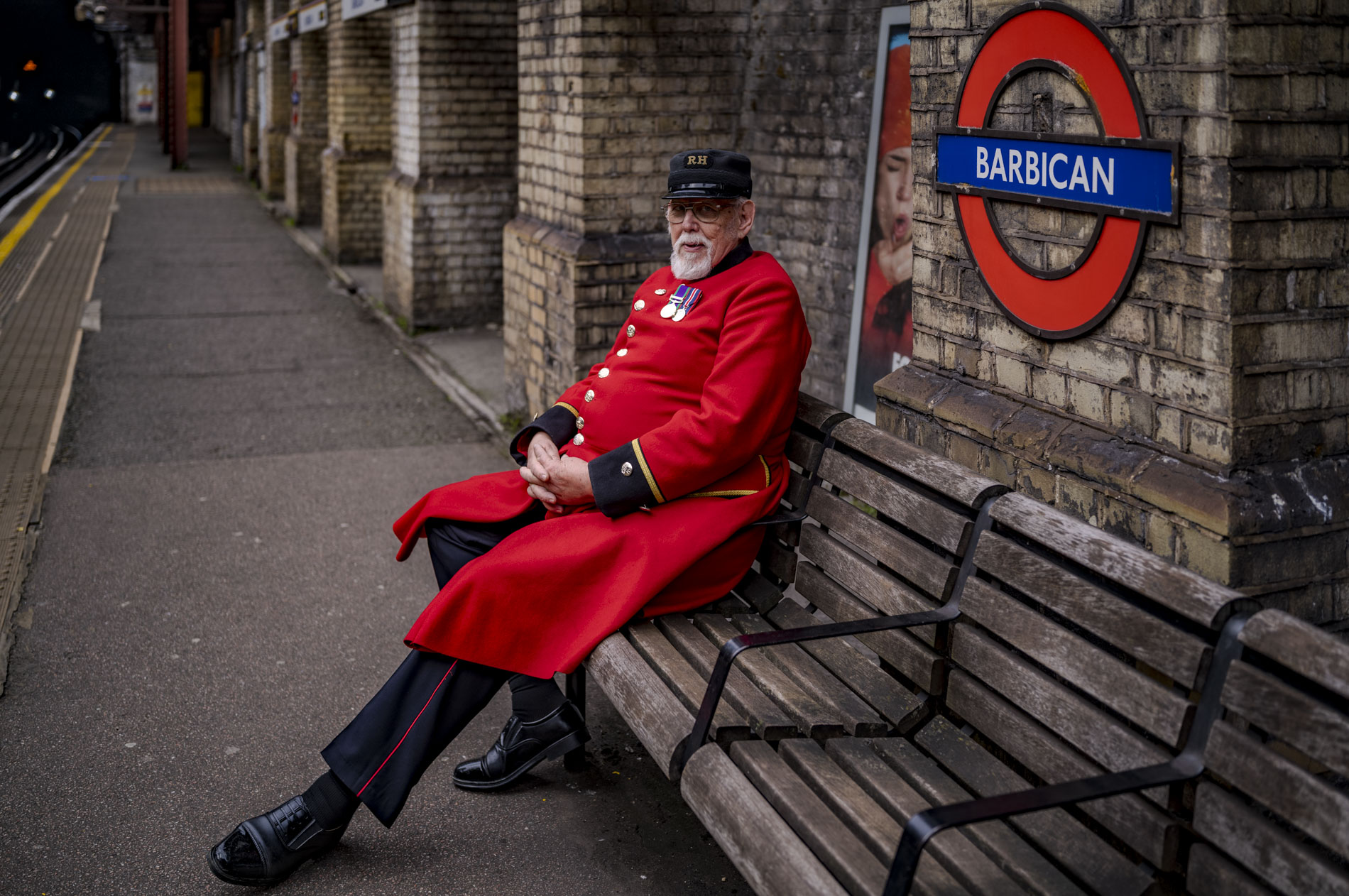
British documentary photographer Sophie Green is presenting Tangerine Dreams, a vivid portrait of the communities, subcultures, and social gatherings that shape contemporary Britain. For over a decade, she has documented how rituals and traditions build connection, belonging, and shared identity. This celebratory and emotive work will be on show as a free exhibition at the Martin Parr Foundation, Bristol from June 4 to September 6.
The black-and-white world of mid-century technical journalism
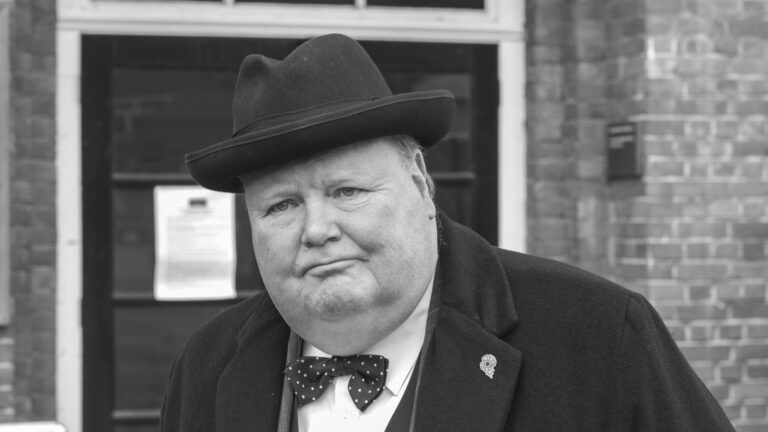
My article on volcanic viniculture on the Canary island of Lanzarote resulted in an internal discussion on black-and-white versus colour. But it was a comment by our regular reader and supporter, Kathy Davis, which made me think more about my almost instinctive predilection for monochrome images.
Choosing Fujifilm: The best APS-C system alternative to the Leica CL
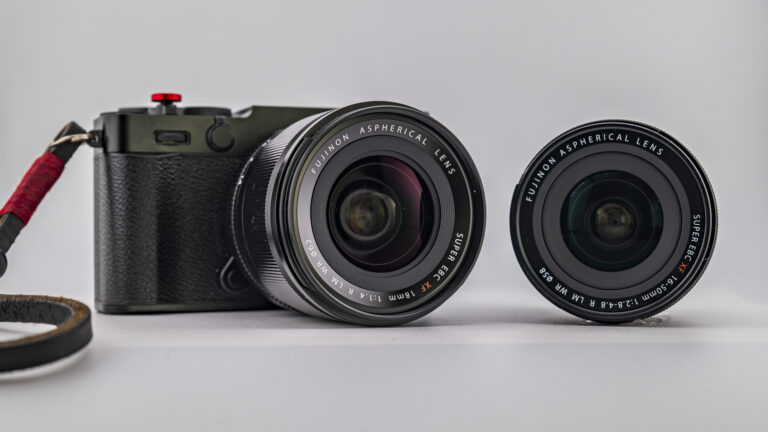
For the past week, we have been examining the fallout from the discontinuation of Leica’s popular CL and the associated TL lens collection. We’ve acknowledged Leica’s innovation and its contribution to camera design, and we have shown how the TL and CL are still extremely competent tools for excellent photography. Yet, there is no denying that this is now a legacy system. For committed APS-C users, the future must lie elsewhere. We have chosen our new APS-C system-to-go.
Leica’s New Metallic Grey Cameras and Lenses: A stylish upgrade
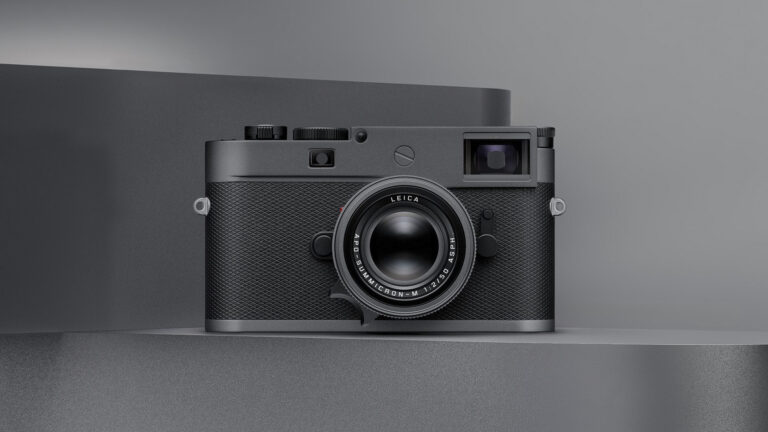
Leica is introducing a new metallic grey body colour to complement the traditional black and silver finishes. The surface coating has been specially developed at the factory and, according to Leica, it “emphasises the elegant and exclusive appearance of Leica products”. Initially, the new hue will be restricted to three cameras and one lens.
Leica APS-C photography still has a pulse, thanks to the L-Mount
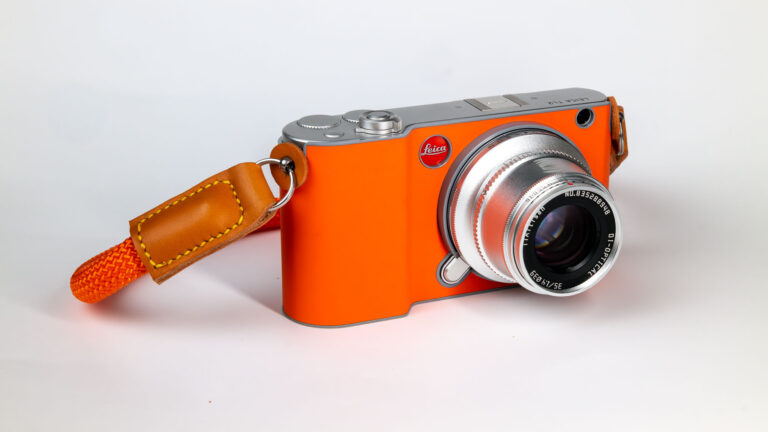
Much has been written in the pages of Macfilos about the demise of the Leica APS-C system. Anguished wailing and gnashing of teeth, as well as countless references to ‘betrayal’, litter the accompanying comments. But Leica’s stroke of genius in equipping the system with an L-Mount means owners of TL- and Cl-series cameras can still pair them with a growing collection of cool lenses. Thanks to that L-Mount, Leica APS-C photography still has some life in it.
How Leica Evolved: Key technologies from APS-C to full-frame
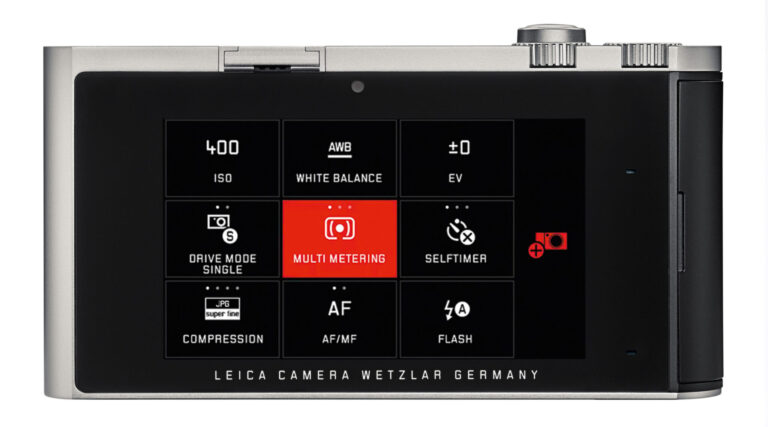
Leica’s APS-C series of cameras and lenses had a chequered and erratic development history, that ultimately led to their shambolic cancellation. It left many (including me) high and dry with now redundant equipment that had no future. But from the ashes came a package of technologies that lived on and was passed forward to the M, Q, and SL series.
Leica’s CL Legacy: The future of APS-C systems
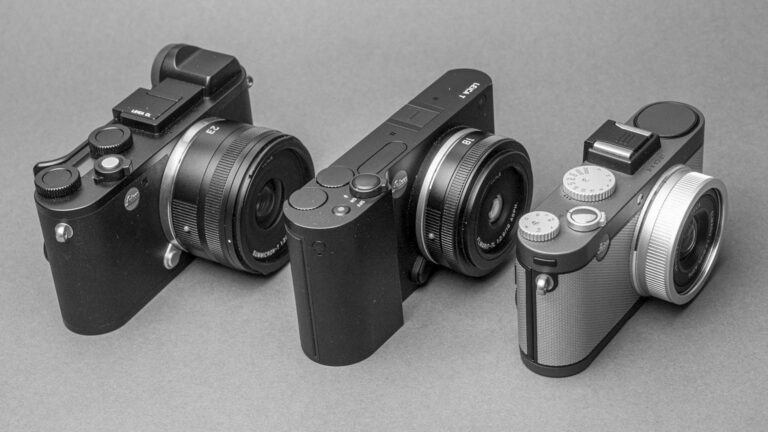
It is four years since the much-loved Leica CL APS-C system fell by the wayside, as all APS-C cameras had done, one by one, since the company entered the crop-sensor market with the X1 in 2009. However, the CL is far from forgotten. Indeed, every time we mention its demise, we get a torrent of comments from disappointed owners. APS-C clearly had a place in the product mix, and it is sad that the CL, and the entire system of lenses, met such an abrupt end.
Leica’s Historic Connection with Chicago: The launch of a new store and gallery
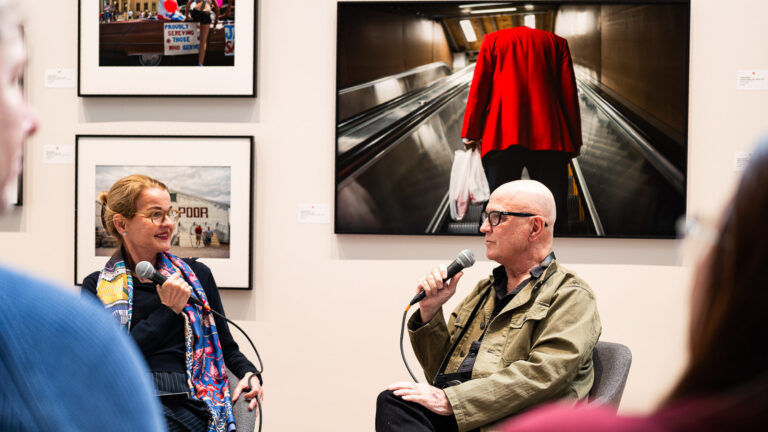
Leica has chosen Chicago to be the home of its latest Store and Gallery. It will fit right into a Chicago with a Leica connection that goes back 112 years. Ernst Leitz took a trip to America in 1914, carrying the Ur-Leica. No doubt Oskar Barnack would have given him lessons on how to use the camera, which at the time had no rangefinder, viewfinder or light meter. No easy task. In today’s brand-new Leica Store and Gallery, you can find the modern relatives of that UR Leica.
Why Slow Photography Matters: The quiet revolution

There is a quiet revolution taking place in photography. It does not announce itself with megapixels, AI enhancements, or faster autofocus systems. It moves slowly, deliberately, through streets, across landscapes, and rooms wherever light can be gathered. This is slow photography, and at its heart lies something we risk forgetting: the value of time spent and time savoured.
Discover Our Favourite Leicas: Personal choices by the Macfilos team

Deciding on a favourite Leica is no joke. It is often incredibly difficult to select just one, especially when the shelf is well stocked. However, we decided that push had come to shove and asked our team members to select just one camera. To make things easier, and in honour of the Leica Society’s London meeting which is taking place today, we restricted our team members to one Leica, selected from the cameras they actually own. What are the chosen few of the chosen few?
Jörg-Peter Rau’s love for the M3
My favourite Leica? Not that easy to decide. The contest between the M3 and the M10 was a close call, as naturally the M10 sees much more use. It was the first digital M I bought new, and it will always have a special place in my heart.
But eventually, the M3 is the camera I like the most. It’s steeped in 70 years of history, and my particular model is an early version. It features the old shutter speeds of 1/10s, 1/25s and 1/50s. At the same time, it’s no museum piece: the previous owner had the viewfinder, which had become almost blind, replaced with a 0.85 viewfinder from the M6TLL. Some might find that sacrilegious, but I’m perfectly happy with this M3, as I can simply attach a standard 35mm lens.
Older than me
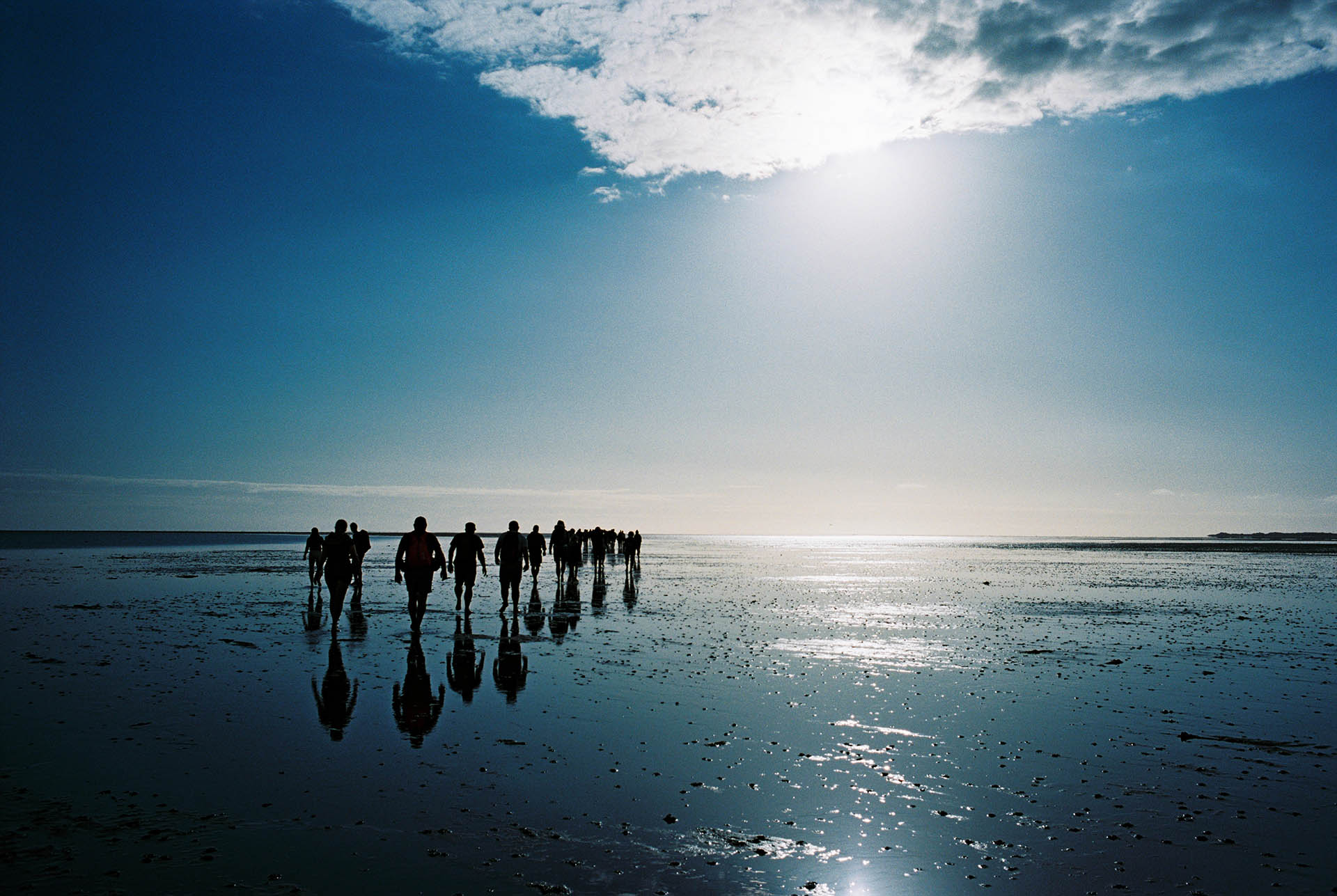
According to the available records, my M3 — incidentally, a ‘double stroke’ model1 — was manufactured in 1955, only one year after the launch of the M system. The camera is 16 years older than I am, and still in excellent condition. It came with an Elmar 2.8/50 lens, collapsible, of course, probably dating from 1958. This is a harmonious combination and, at the same time, an invitation not to treat it as a prestige item to be displayed in a glass cabinet, but to actually use it.
I still enjoy doing that to this day, and with some success. A major factor in the M3’s continued good condition is that the camera has been serviced carefully several times. It works flawlessly. I measure the exposure using one of the handheld light meters from my collection, a mobile app, or I simply estimate it. And, the lens, which is almost 70 years old, is so good that I use colour film without hesitation.
M-system legacy
So, this unique M3 has grown on me in such a special way that I call it a favourite. For me (and not only for me), Leica’s most important legacy is the M system, and I take some pride in owning a camera that made history. In my drawer, by the way, it sits next to my Olympus OM-1, which was my first camera ever.
I bought it almost 40 years ago with my first, hard-earned money. I chose it because my dad used Olympus, and I knew I could borrow the occasional lens. It was only decades later that I recognized that the OM-1 was a similar feat of industrial design to the M3. But that’s a different story…
Jon Cheffings and the Q3 – das Wesentliche
In life, we often get asked “Which is your favourite?” or “Which is the best wotsit?” At Macfilos we are in the business of writing about photography, photographers, great images, and cameras, of course. For personal use, we pick and choose cameras that inspire us to produce our best work, and that we enjoy using.
Eventually, I stumbled across a used Q2. It felt like I had arrived at the point where I didn’t need more, and actually craved less. That quickly led to a Q3 28. This is my favourite Leica. It’s compact, like my much-missed Olympus OM2, which was inspired by the Leica III. It is for me das Wesentliche. I could recite the specifications to you, but they are easy to find using a simple search.
Musical instrument
The Q3 feels more like a musical instrument than a camera, in that you don’t really have to think about operating it. User profiles make that easy if you have the initial discipline to set them up. The analogue controls can be adjusted simply by feel — you don’t need to look — just count the clicks. Just let it play the tunes it has in its broad repertoire.
Carrying a Q3 avoids the complication of worrying about whether you have brought the right lenses or not. The sensor is a generous 60MP, which means you have enormous flexibility over how you use the Q3. It has a broad operating “footprint” that can be adapted to multiple configurations and uses.

Maybe I should mention the images you can produce with the Q3? When I shoot with the Q3, I try to shoot with a perspective that finds an “anchor” in the composition. I’m also happy shooting portraits. Or landscapes. Or strange scenes that beg questions — whatever is in front of me that day.
Perhaps I shouldn’t be surprised, but the Q3 is a joy in low light. There are ALWAYS shadows that are recoverable in post. And it handles subtle differences in light across the frame. “Ethereal” might be the word, but I will leave that for you to decide.

I am in London for a Leica International Society meeting as this article publishes, and then heading to the Spanish Mediterranean coast for two weeks. Should I take an army kitbag full of cameras and lenses? No, I am taking one camera only. My Q3. It’s simply das Wesentliche.
Keith James’s flexible friend, the Leica SL2
I really enjoy photography. I enjoy taking photos, processing them, writing about them, and sharing them. And the enjoyment has been greatly enhanced by using superb Leica cameras to take them.
My collection of Leica gear now includes examples of M, Q, TL and SL-series cameras, but my favourite among these remains the SL2.
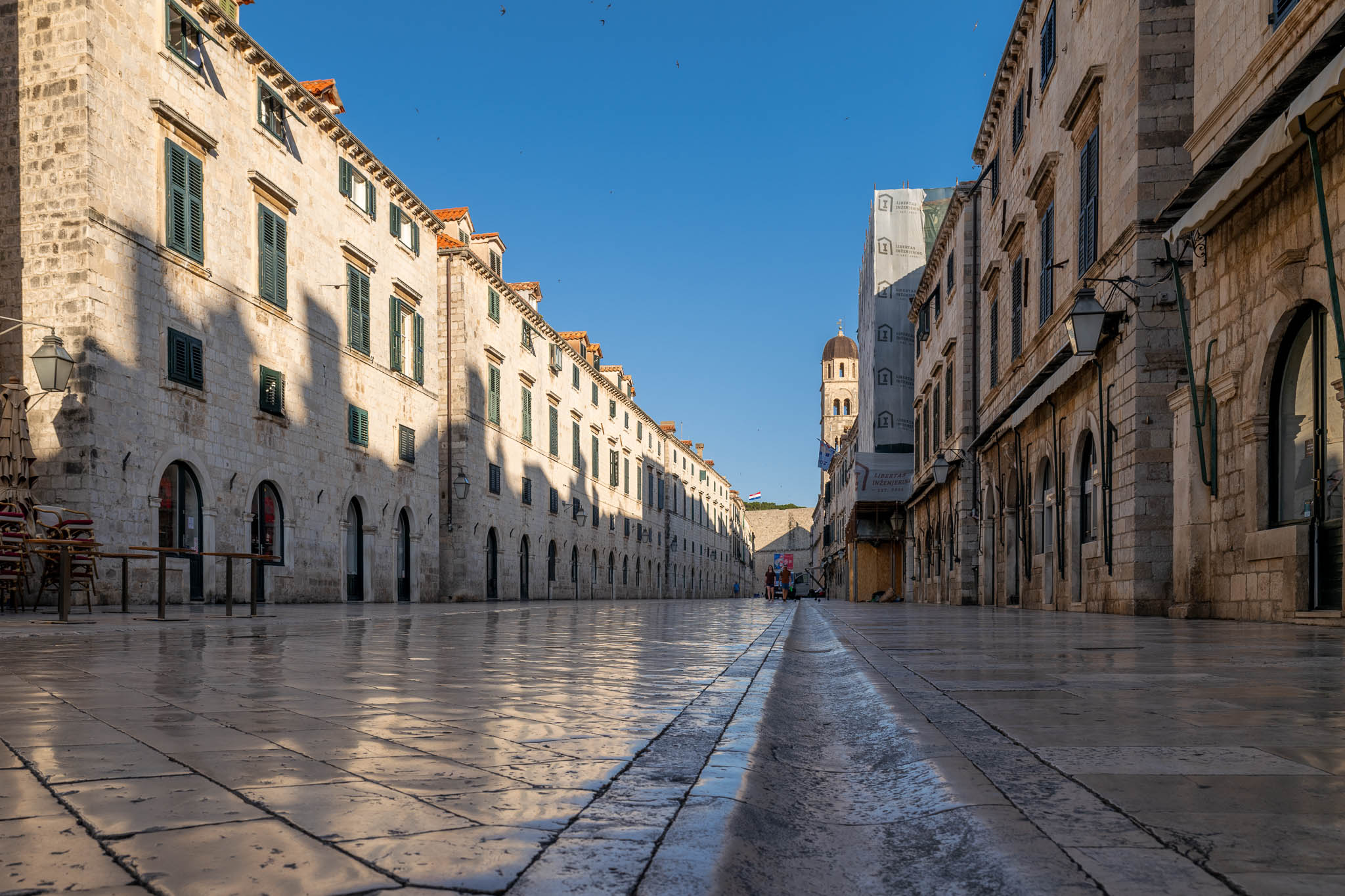
While many photographers channel their interests in a particular direction, be it landscape, architecture, street, or nature, I still wander among the photographic genres as the fancy takes me. As a result, an interchangeable lens system, providing access to lenses covering a wide range of focal lengths, suits me best. Enter the Leica SL2.
Travel companion
I used to travel with a Q2, enjoying many wonderful trips in its company. But these days, coupling an SL2 with a few lightweight Lumix S-series lenses means I have many more options for capturing images of the beautiful places I visit. With a pair of Lumix zoom lenses, I have a 20-200mm, 10x focal-length range at my disposal.
For a forthcoming visit to Alaska, I shall be expanding my focal length range even further, chasing shots of wildlife and distant glaciers. With my L-Mount SL2, Sigma 100-400mm zoom, and 2x teleconverter, I can even shoot at 800mm focal length.
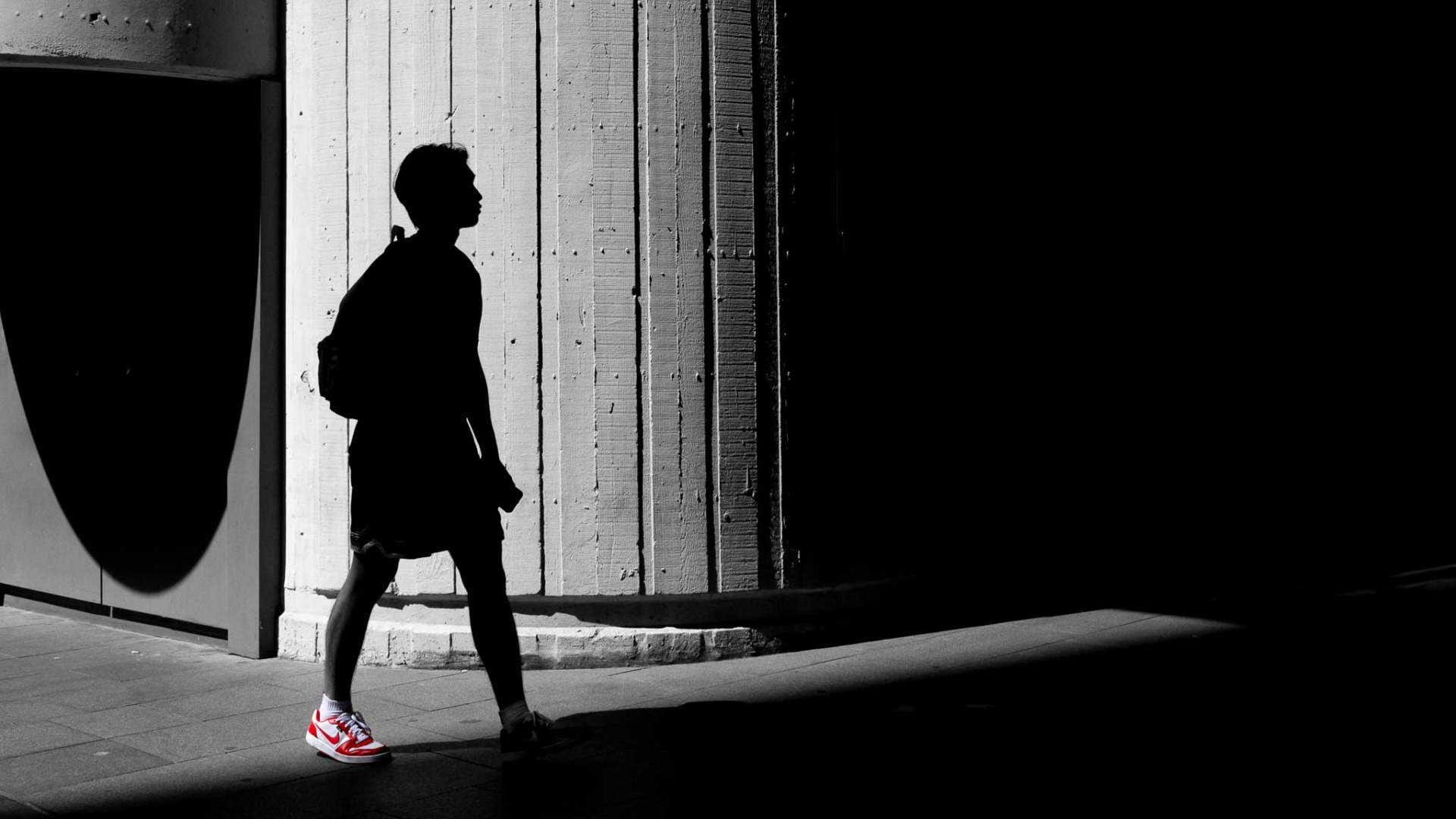
The 47 megapixel sensor of the SL2 hits a sweet spot for me: enough resolution for cropping to over 2000mm effective focal length on the kit above, but with file sizes that do not stress my computer’s processor or storage.
What’s on the menu?
I love the menu system of the SL2. Although I have the camera’s function buttons set for the parameters I adjust most often, it is almost as quick to pull up the icon-based menu. I can quickly scan the camera’s configuration, and move from full manual mode to autofocus mode in a jiffy.
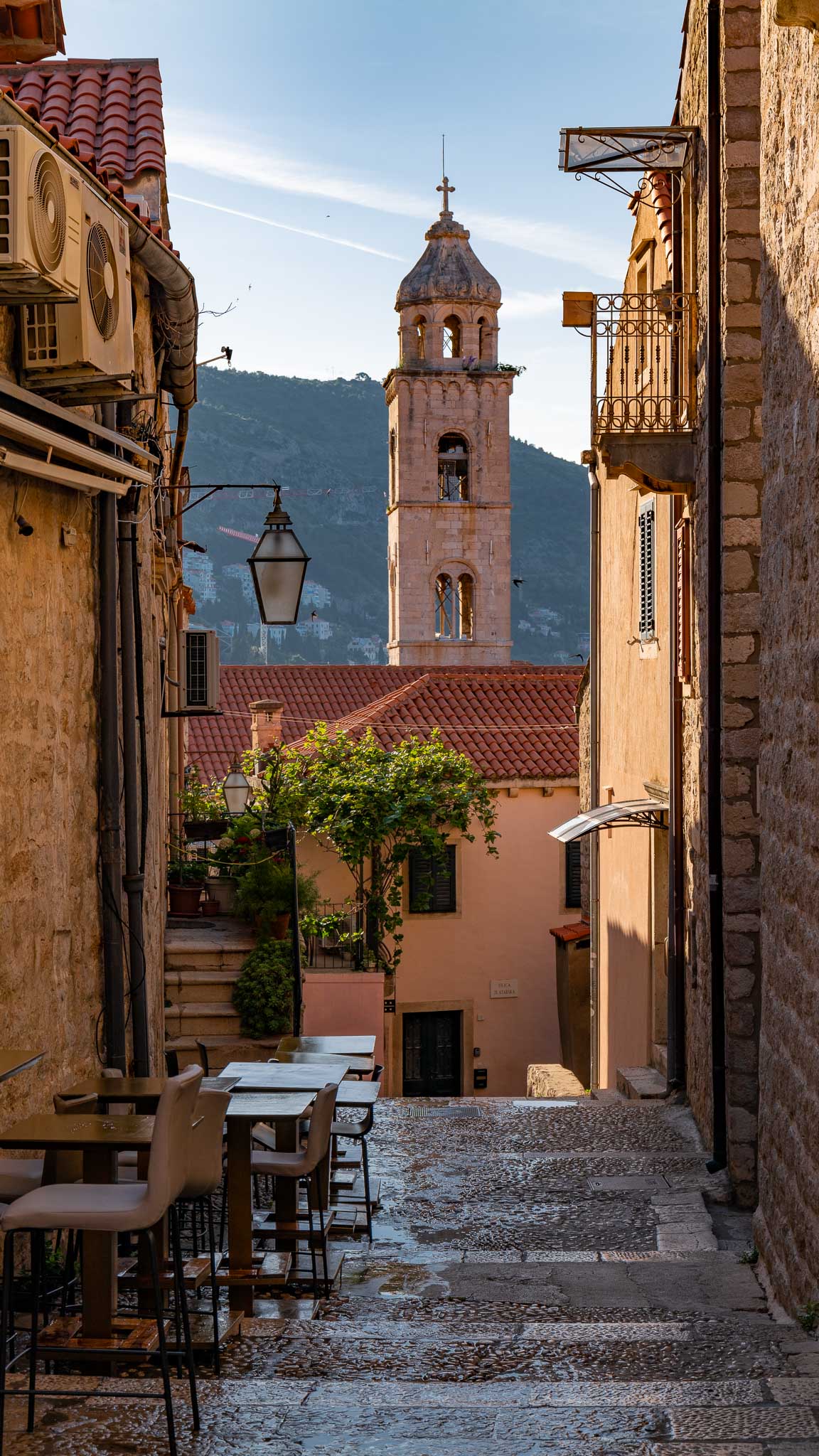
People regularly criticise the camera for its size and weight. I have never found that to be an issue. With lightweight lenses at my disposal, I can trek around with the camera for hours without it feeling a burden.
Why have I not upgraded to an SL3? I have certainly been tempted, especially by that articulating rear screen. But my SL2 now feels like an old friend, with whom I am extremely comfortable. So, I think we will be hanging out with each other for a while yet.
Mike Evans’s choice is a concept
My favourite Leica is a concept, not a specific model. It’s a no-screen concept for a modern digital camera. There are three afflicted models, the M-D Typ 240, the M10-D and M11-D, all sharing an identical handicap, the absence of a rear screen.
The concept has always been controversial, with probably most Leica enthusiasts regarding it as a form of self-flagellation. Why pay more for less? Why live without a screen, you don’t have to use it? It is nothing short of perverse, they say.

For me, nevertheless, the contentious screenless nature of the M-D (“D” stands for digital, or the digital version of a film camera) represents the quintessence of the traditional Leica rangefinder experience. When using any of the three M-D variants, I enjoy the same choices and shooting experience as when using a film camera. Any M-D, just like any film camera, inspires faith: you just have to hope that things turn out well in the darkroom (or Lightroom as it now is).
Central to this experience is complete reliance on the rangefinder to ensure focus. There is no opportunity to chimp, no indication that highlights might be blown, no confirmation of composure. In short, it is the best way to enjoy using a rangefinder camera.

The worst digital camera?
Many readers will quarrel with the above statements, I know. The M-D isn’t for everyone, and it has even been described by one journalist as “the worst digital camera on the market”. But you make your choice, and I enjoy the leisurely, back-to-basics photography offered by this trio of cameras. The current M11-D is now the only modern digital Leica rangefinder I own. I swapped it for the M11 when the new -D came out in September 2024.
If I want to use an M digital, and focus manually, the M11-D is my favourite toy. If I want autofocus, a screen and electronic viewfinder, then I have other cameras to use. I just like to keep my rangefinder life pure.
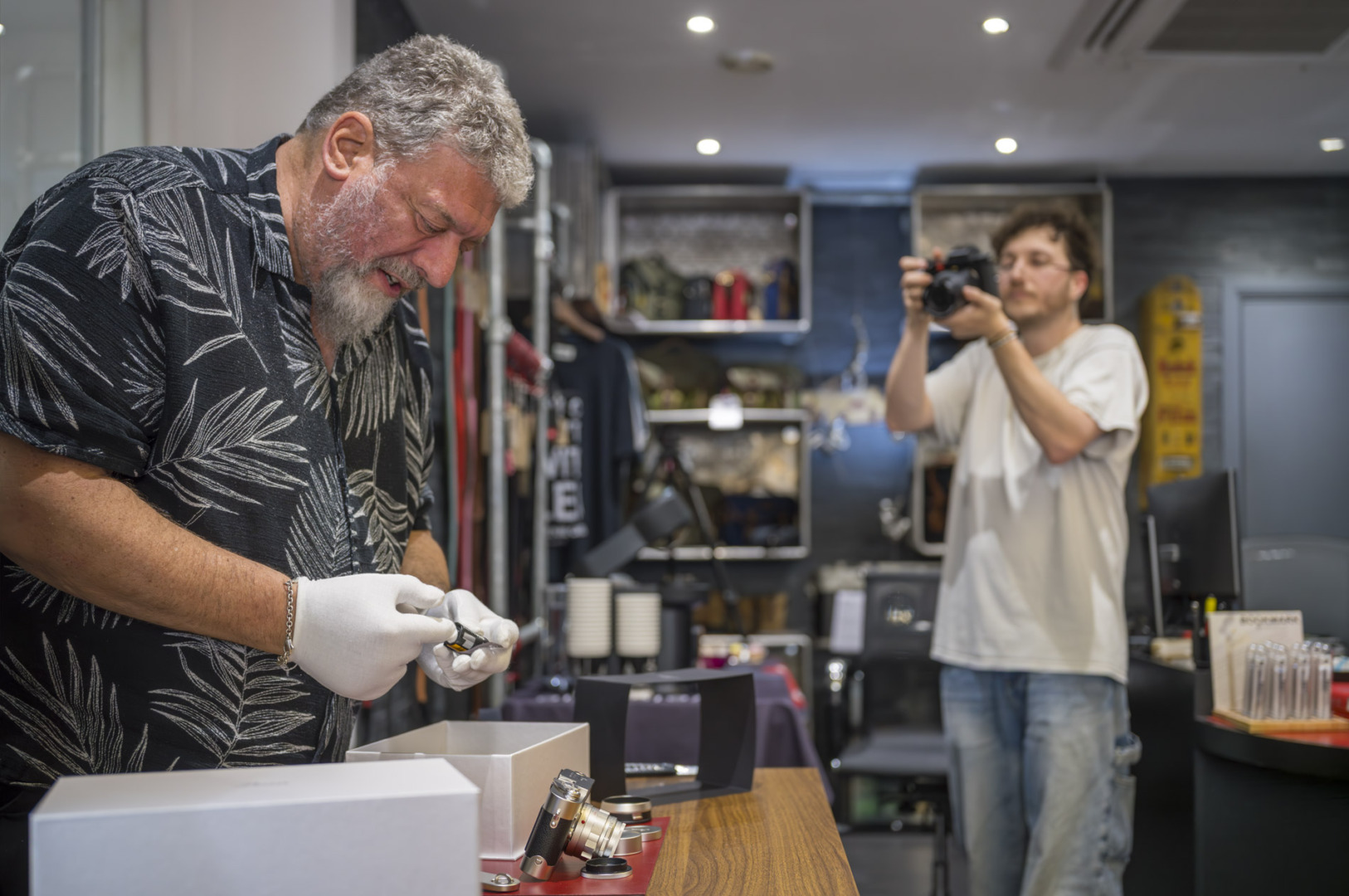
Rangefinder heritage
Operational considerations apart, the M-D is a beautiful example of true film rangefinder heritage. No menus to fiddle with, just complete reliance on aperture, shutter speed and ISO. This is adjusted on the rear ISO dial, reminiscent of the film-setting dial on, say, the M6.
It’s stark, unvarnished exposure triangle, just as in the old days. I’ve even met one person who deliberately uses the smallest-available SD card to (not quite) simulate the restricted choice of a 36-exposure roll. But I wouldn’t go that far.
The M11-D is now fully integrated with Leica FOTOS, and allows adjustment of file format (DNG/JPEG), white balance, metering modes, drive mode, noise reduction and lens detection. It also enables remote shooting, image review and configuration of Leica Content Credentials. However, the joy of the M11-D is to set up and forget. Just enjoy the simplicity. It will grow on you, trust me.
Make a donation to help with our running costs
Did you know that Macfilos is run by five photography enthusiasts based in the UK, USA and Europe? We cover all the substantial costs of running the site, and we do not carry advertising because it spoils readers’ enjoyment. Any amount, however small, will be appreciated, and we will write to acknowledge your generosity.
Comments: Please add a comment to this article. Our comments section is a thriving community and everyone is treated with respect. In addition, please identify yourself (and add an email address, which will not be published, if you would like to see answers to your posting). Our system will automatically delete any “anonymous” posts on the basis that they are likely to be spam.
- The original M3 required a double movement of the wind-on lever to load the next frame. This was said to be because the designers feared that a sudden full movement might damage the film. The single-stroke model was introduced in 1958. ↩︎
Panasonic announces the new Lumix L10 fixed-lens camera
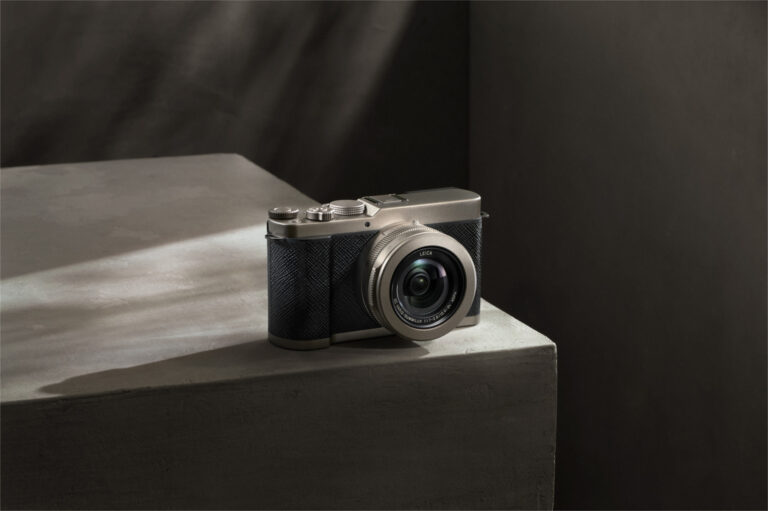
Panasonic is introducing the Lumix L10 (DC-L10), a new fixed lens camera. Developed in Osaka, Japan, the Lumix L10 features a Leica DC Vario-Summilux 24-75mm f/1.7-2.8 zoom lens and 20.4 megapixel, four-thirds sensor.
The M Files (30) Zeiss Sonnar 85/2 ZM – one of the rarest M-Mount lenses ever made
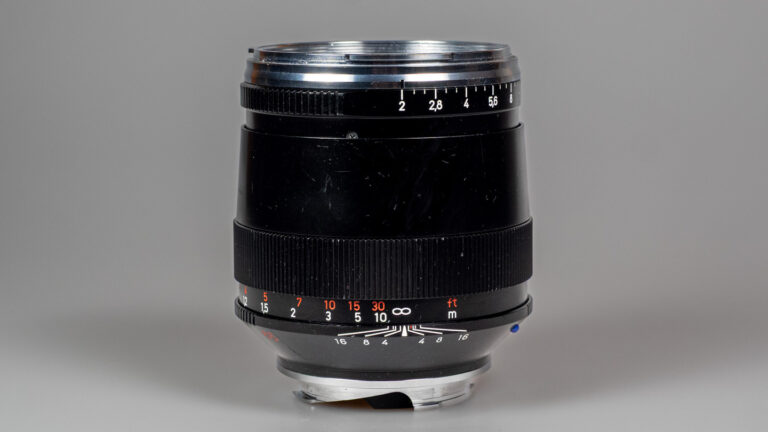
Someone even asked in a forum whether this lens exists at all. Indeed, even long-time rangefinder photographers may never have seen the Zeiss Sonnar 85/2 ZM. According to various sources, only a few hundred were ever produced. But what is this lens other than rare? The hands-on review in the M Files will tell us.
Unseen Lillian Bassman works and vintage Duffy portraits on show in London with Leica

To celebrate 50 years of Leica Galleries, Leica Gallery London is presenting unseen Lillian Bassman large-scale works at Photo London’s new venue from May 13-17, as well as vintage Brian Duffy portraits at Leica Gallery, Mayfair, London between May 9 and July 9.
This is Outrageous: The TTArtisan 35mm f/1.4 lens for L-Mount

Can you believe this? A brand-new, fast, L-Mount lens for the price of a quality UV filter you’d screw onto the front of it? Well, it’s true. The TTArtisan 35mm f/1.4 APS-C lens for L-Mount costs $68 plus tax in the US. What’s more, it’s available in black or silver finish. This is outrageous.
The Iconic Ace Café: A journey through time
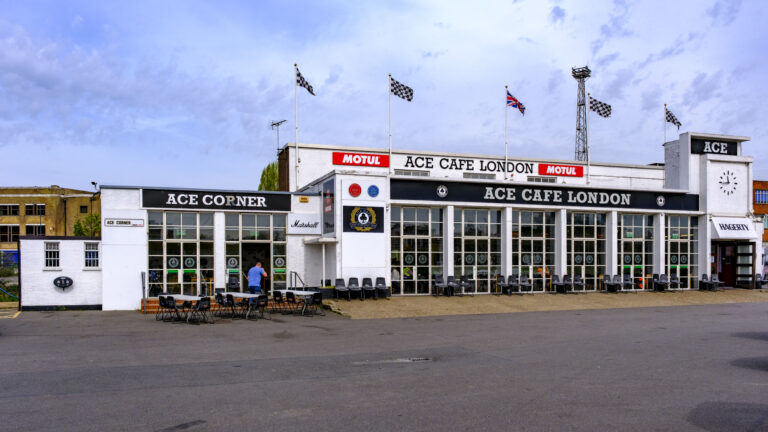
The Ace Café has become a landmark of motoring and youth culture in Britain and beyond. Opened in 1938 as a practical 24‑hour rest stop for drivers, the Ace evolved into an iconic meeting place for motorcyclists in the Fifties and early Sixties. It closed its doors for the last time in 1969; however, decades later, it was revived in the 1990s, both as a working transport café and as the inheritor of its legendary past.